


10 ‘Inception’ Mistakes You’ll Never Be Able to Unsee

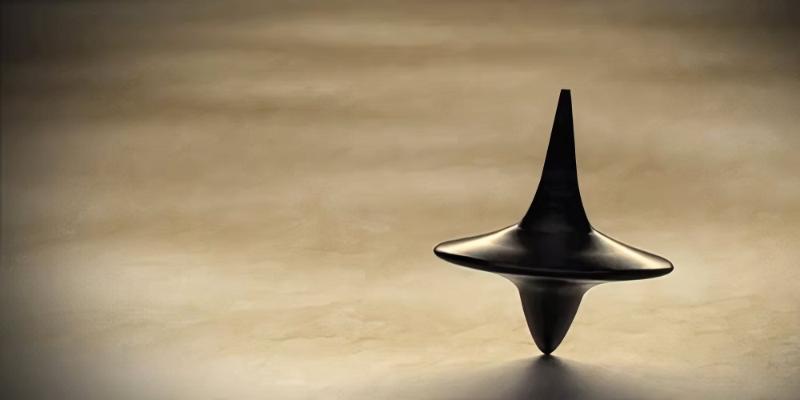


Christopher Nolan’s ‘Inception’ is meticulously crafted, but even precision jobs can show a few seams when you look closely. From blink-and-you-miss-it continuity slips to rules that don’t quite line up with what characters say, the film leaves a paper trail of small inconsistencies across its layered heist. None of these undercut the story’s impact, but once you spot them, they’re hard to ignore. Here are ten widely noted hiccups—tiny details, prop resets, and timing quirks—that keen-eyed viewers have called out over the years.
Van Seat Shuffle in the Rain Level
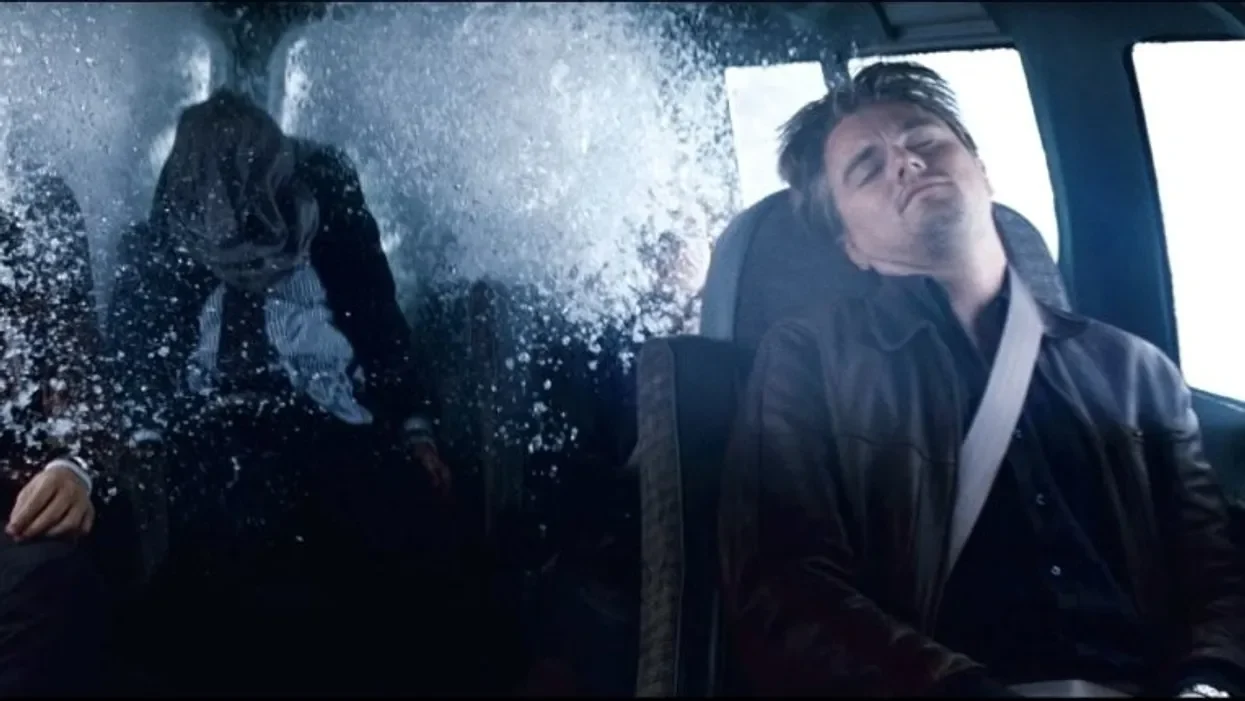
During the rain-soaked street pursuit, the seating layout inside the van doesn’t always match from shot to shot. In some cuts, the angle shows one character leaning across an aisle that isn’t there in the next setup. Safety belts, shoulder positions, and even the spacing between seats appear to change as the camera cuts around the action. These are classic continuity mismatches created when multiple takes from different setups are intercut to maintain pace.
Coffee Cups and Debris Reset in the Paris Café
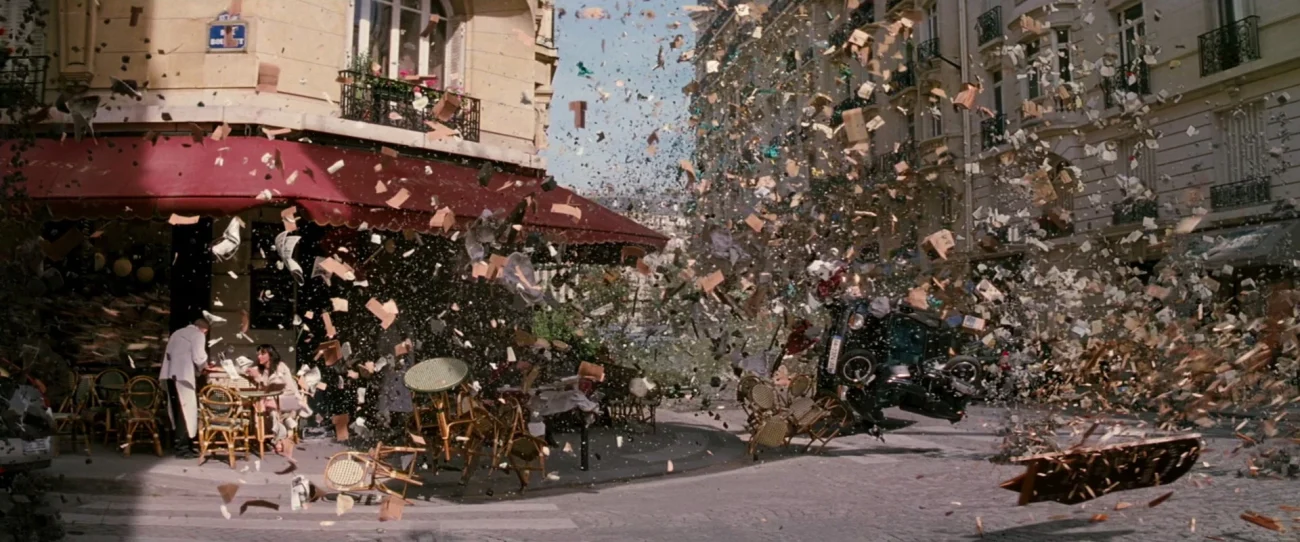
When Ariadne tests dream manipulation in the Paris café, tableware and debris don’t remain consistent across cuts. Cups shift orientation, saucers appear or vanish, and shattered fragments repopulate the tabletop between angles. Resetting a practical explosion scene for multiple camera passes often introduces small placement errors. The result is a series of quick continuity resets that become apparent on rewatch.
Hotel Bar Glass Levels
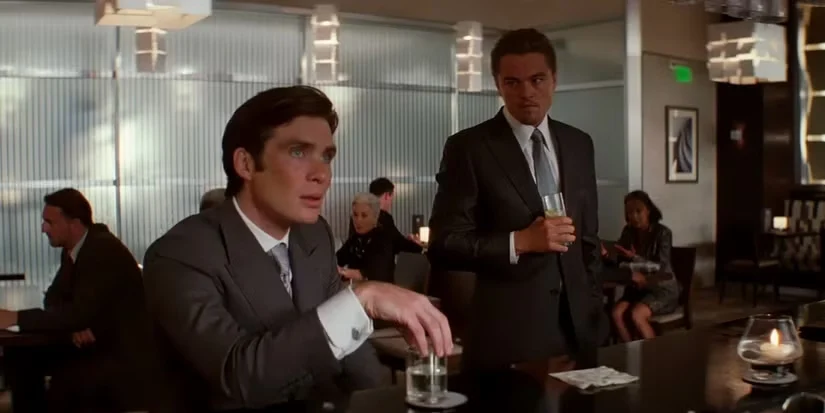
In the hotel level, drink glasses on the bar and tables subtly change fullness as conversations jump between coverage angles. Liquid levels rise, fall, and occasionally return to a previous mark within the same exchange. Glass orientation and coaster placement also rotate or drift between shots. These are routine set-monitoring challenges, especially during dialogue scenes filmed over several hours.
Totem Rule vs. Cobb’s Spinning Top
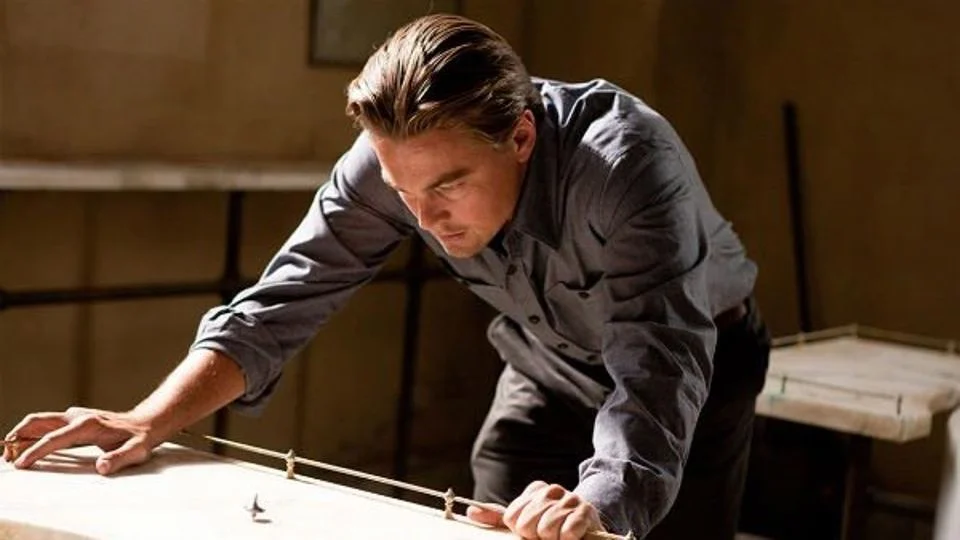
The team emphasizes that a totem should be personal and never handled by anyone else, yet Cobb relies on Mal’s spinning top. This creates an internal-rule tension: using someone else’s totem undermines the stated safeguard against external influence. The film leverages this conflict thematically, but as a rule set, it reads as an inconsistency. It’s a world-building mismatch that viewers frequently flag when cataloging the story’s “rules of the game.”
Time Dilation Math That Doesn’t Always Add Up
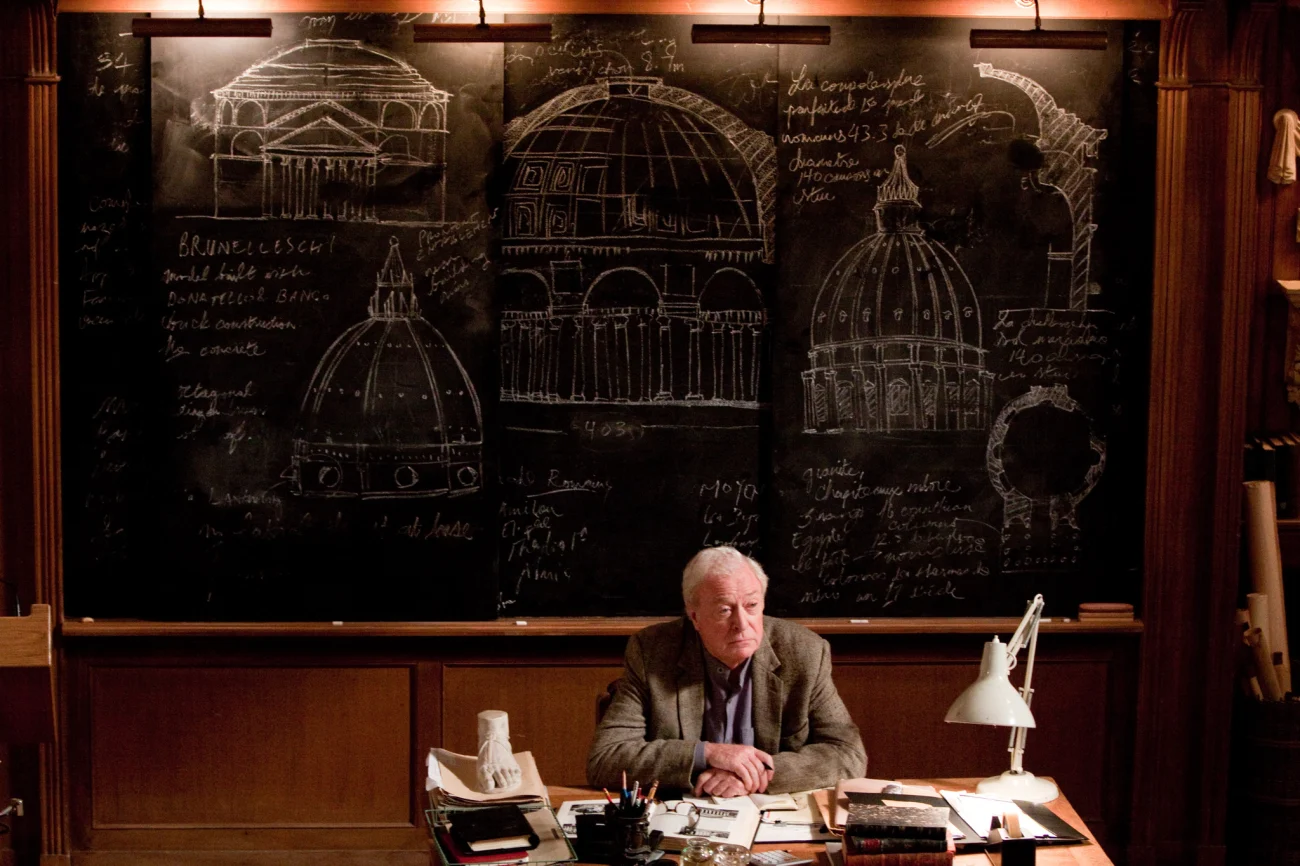
The narrative explains that each deeper dream level runs faster relative to the one above it, but on-screen cross-cuts don’t always reflect a clean, consistent ratio. The minutes ticking down in one layer don’t perfectly translate into the depicted action span in another. Editing rhythms, dramatic pauses, and slow-motion inserts stretch or compress the implied math. The framework stays clear, but the precise arithmetic drifts in service of pacing.
Airplane Cabin Continuity
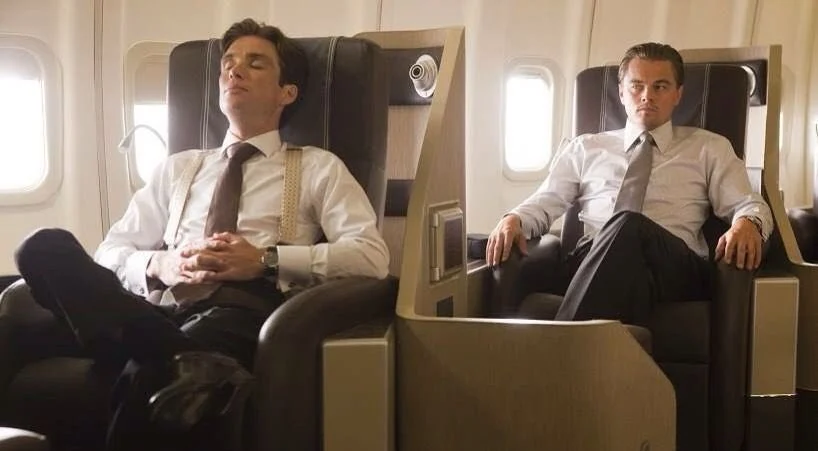
Inside the first-class cabin, small details around the seats and service items don’t remain perfectly stable. Headrest covers straighten, wrinkle, and subtly change alignment across reverse angles. Meal trays, napkins, and document folders trade places or reappear after a cut. These minor resets are typical of scenes shot with multiple cameras and pickups over time.
Snow Fortress Gear Swaps
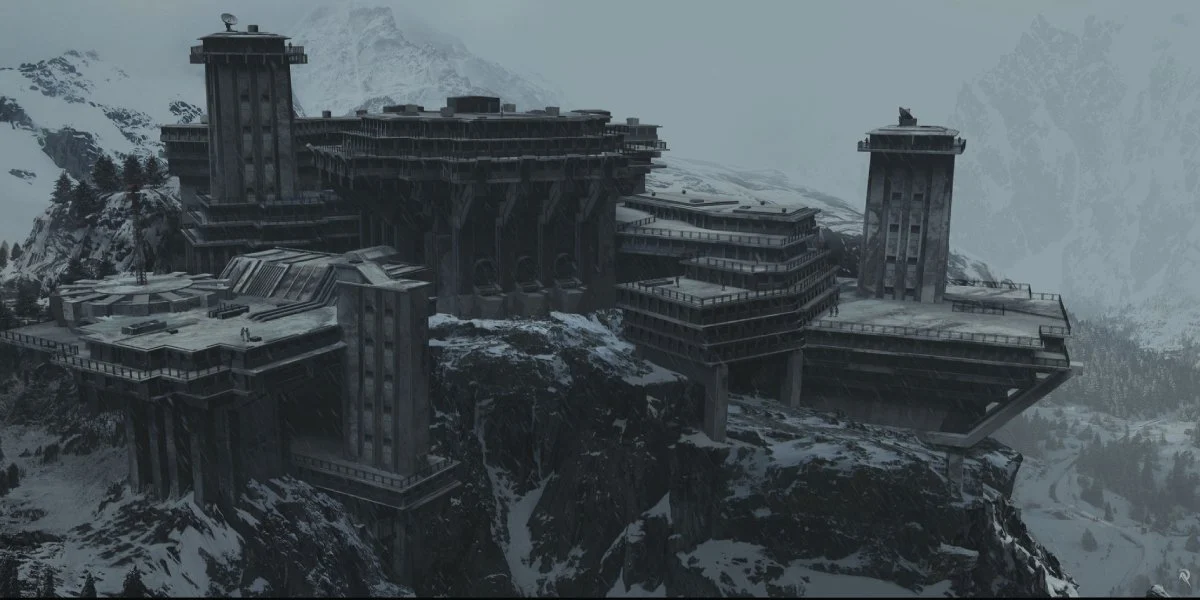
In the snow-bound infiltration, weapons and tactical gear show occasional attachment and orientation shifts. A scope or strap present in one wide shot may be absent or repositioned in a following close-up. Goggles and face coverings also fluctuate, moving from brow to eyes or vanishing between edits. High-mobility action, cold-weather costuming, and second-unit inserts make these continuity slips more likely.
The Mombasa Market Maze
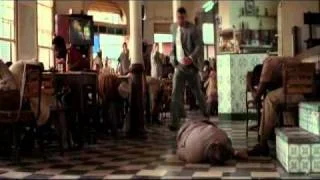
During the foot chase through the narrow alleys, vendor carts, fabric canopies, and background extras don’t always align between fast cuts. A stall that crowds the path in one angle opens up unexpectedly in the next. Fabric colors and hanging lines swap positions, reflecting re-set dressings and alternate route coverage. Rapid geography cutting keeps the pursuit exciting while quietly bending spatial consistency.
Elevator Panel and Door Positions
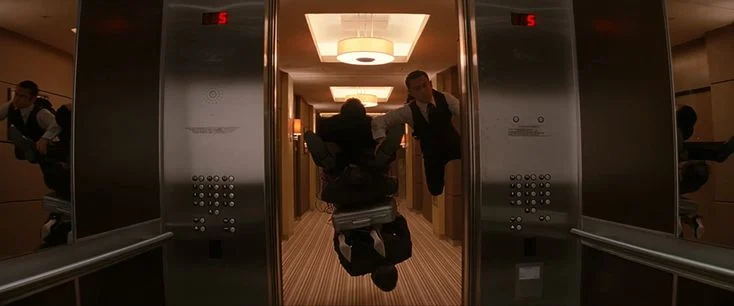
In the hotel dream, the elevator interiors and door alignments don’t always match shot-to-shot. Control panels jump sides in certain angles, and door seams shift relative to the characters’ positions. Production often uses multiple elevator set pieces and mirrored shots to achieve complex stunts, which can produce these reversals. Viewers comparing frames can spot the inconsistencies in panel placement and frame detailing.
Music Cue vs. Kick Timing Wiggles
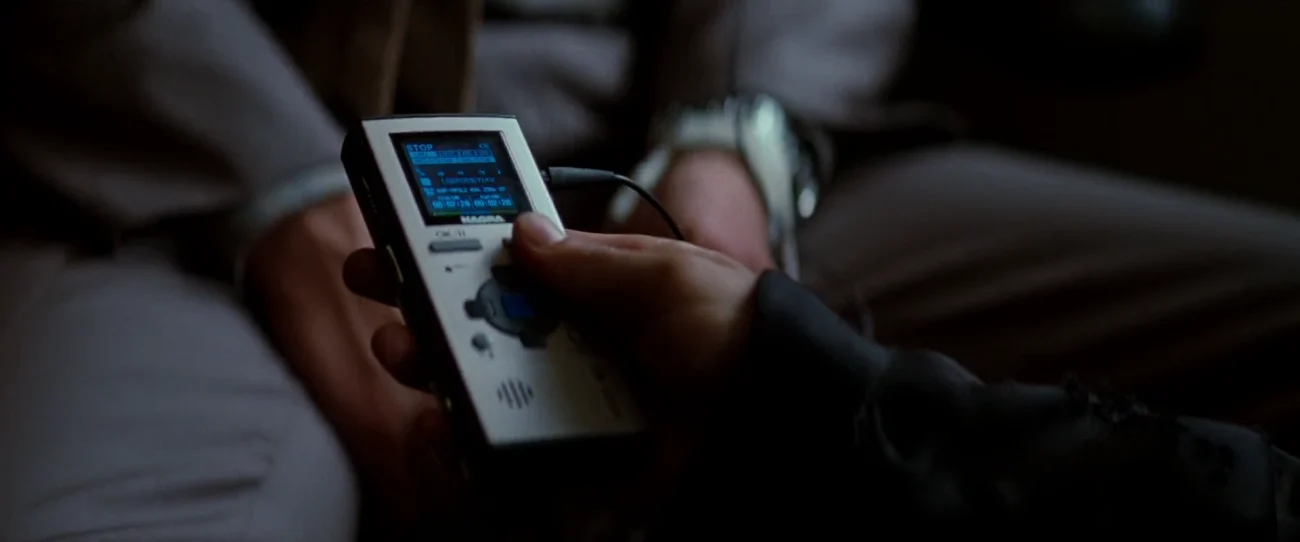
The team’s synchronized “kick” relies on the slowed-down ‘Non, je ne regrette rien’ cue propagating across dream layers, yet timing beats on screen occasionally drift from a strict, consistent slowdown factor. Measured against the visible action, the audible cue sometimes lands earlier or later than the implied ratio would suggest. Editorial choices and variable slow-motion speeds shape the sequence more than rigid musical math. It’s a minor timing wobble that emerges when the set-piece is scrutinized frame by frame.
Share the tiny slip that jumped out at you most—and any others you’ve spotted—in the comments!