


‘James Bond’ Details You Only Catch as an Adult




The ‘James Bond’ franchise has thrilled audiences for decades with its action, gadgets, and charm. As kids, we’re drawn to the fast cars and cool spies, but as adults, we notice deeper layers that make these films timeless.
From hidden character motivations to subtle nods to history, the series is packed with details that hit differently when you’re older. Here are 10 things in ‘James Bond’ movies you might only catch as an adult.
Bond’s Emotional Walls
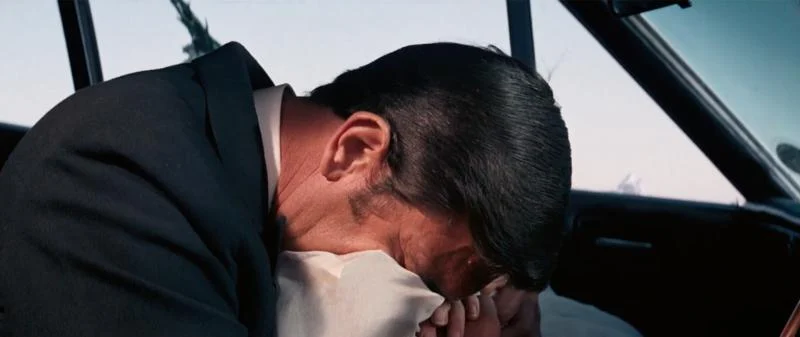
James Bond seems like a confident, smooth-talking spy who never cracks. As an adult, you notice he’s emotionally guarded, shaped by loss and betrayal, like Vesper Lynd’s death in ‘Casino Royale’ (2006). His charm hides pain, and his relationships rarely last. This makes his character more human and complex than the invincible hero kids see.
The films rarely spell out Bond’s feelings, but small moments—like his quiet grief or hesitation—show his struggle. Adults pick up on these subtle hints of vulnerability, which add depth to his endless missions and explain why he keeps people at a distance.
Cold War Context
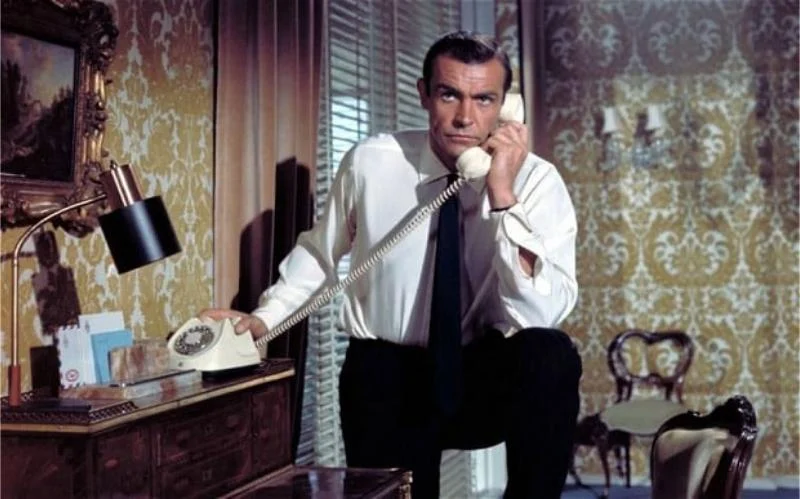
The early ‘James Bond’ films, like ‘From Russia with Love’ (1963), are steeped in Cold War tension. As a kid, you might miss how the plots reflect real-world fears of Soviet spies and nuclear threats. Adults catch the historical references, like coded messages or defectors, that mirror the era’s paranoia.
These movies aren’t just spy thrillers; they’re snapshots of a time when global conflict felt imminent. Watching now, you see how Bond’s missions were less about random villains and more about the geopolitical chess game between East and West.
Bond’s Moral Grayness

As a kid, Bond is a clear-cut hero fighting evil. Adults notice he operates in a morally gray world, often making tough calls that blur right and wrong. In ‘Licence to Kill’ (1989), his personal vendetta leads to brutal choices that don’t feel heroic.
The films show Bond breaking rules, manipulating allies, or sacrificing lives for the mission. This complexity—where the good guy isn’t always good—stands out more when you’re older and question the cost of his victories.
Gadgets Reflecting Technology
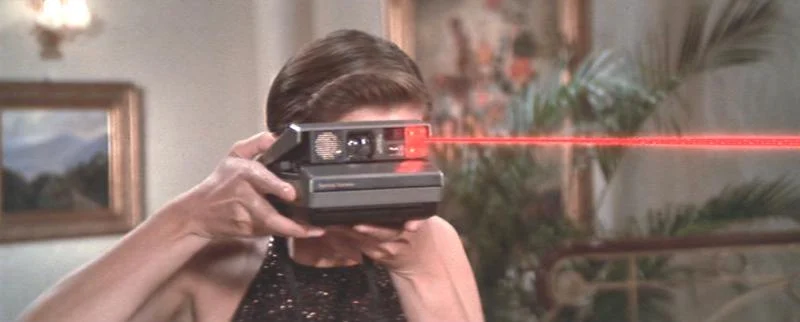
Bond’s gadgets, like exploding pens or car invisibility in ‘Die Another Day’ (2002), seem like fun toys to kids. Adults see them as reflections of real technological trends, like surveillance or early GPS systems. The gadgets often predict or exaggerate what’s coming in the real world.
For example, ‘Goldfinger’ (1964) introduced a car with a tracking device, which felt futuristic then but is standard now. Watching as an adult, you appreciate how the series taps into cutting-edge tech ideas of its time.
Sexual Undertones
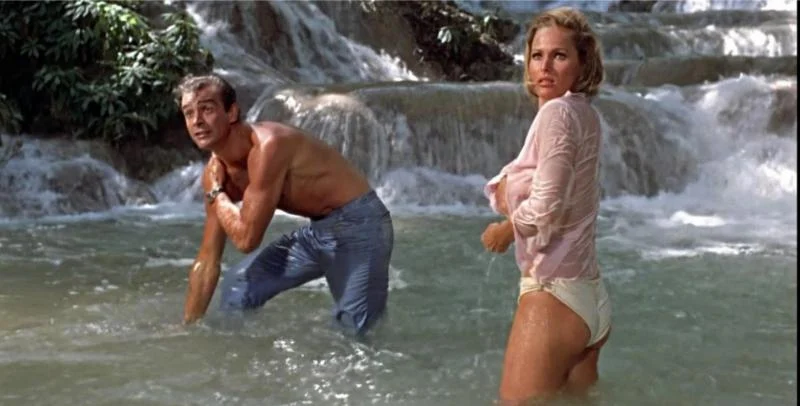
The ‘James Bond’ films are known for suggestive names like Pussy Galore or Octopussy. Kids might giggle at the names, but adults catch the deeper innuendos and seduction woven into the dialogue and scenes. These moments are less about romance and more about power plays.
Bond’s charm often feels calculated, using attraction as a tool to get information or loyalty. As an adult, you see how these interactions reflect his manipulative side, adding a layer of strategy to his playboy image.
Villains’ Realistic Motives
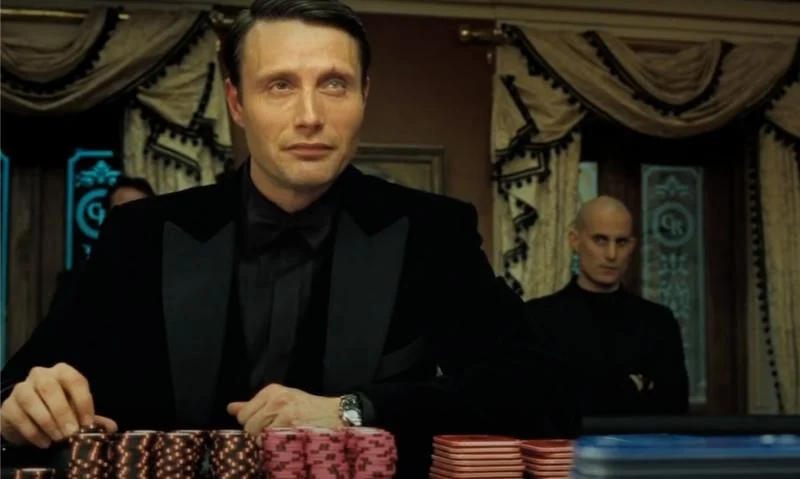
To a kid, Bond villains like Blofeld or Goldfinger are just evil for the sake of it. Adults notice their motives often tie to real-world issues like greed, power, or revenge. In ‘The World Is Not Enough’ (1999), the villain’s oil pipeline scheme echoes actual global energy conflicts.
These grounded motivations make the villains less cartoonish and more compelling. You start to see them as distorted reflections of real-world figures, driven by desires that aren’t so far-fetched.
Bond’s Alcohol Dependency
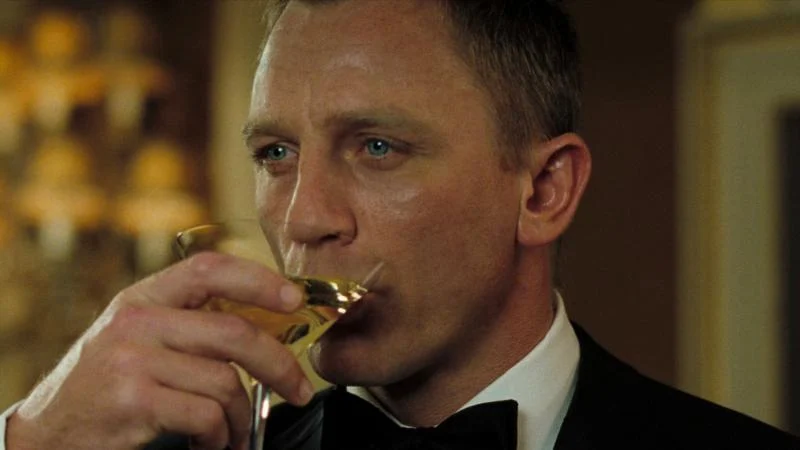
As a kid, Bond’s martinis and fancy drinks seem cool. Adults pick up on how much he actually drinks—often heavily, even on missions. In ‘Skyfall’ (2012), his reliance on alcohol hints at coping with stress and trauma.
The films rarely call it a problem, but the pattern is clear when you’re older. Bond’s constant drinking adds a layer of flaws to his polished image, showing he’s not as in control as he seems.
Commentary on Imperialism

Older ‘James Bond’ films, like ‘Dr. No’ (1962), often show Bond operating in exotic locations with a colonial mindset. As an adult, you notice the subtle critique of Western interference in other countries. The locals are often sidelined or stereotyped, reflecting the era’s attitudes.
Later films, like ‘Quantum of Solace’ (2008), tackle this head-on, with plots about exploiting poorer nations’ resources. These themes stand out more when you’re aware of global politics and history.
Bond’s Aging Struggles
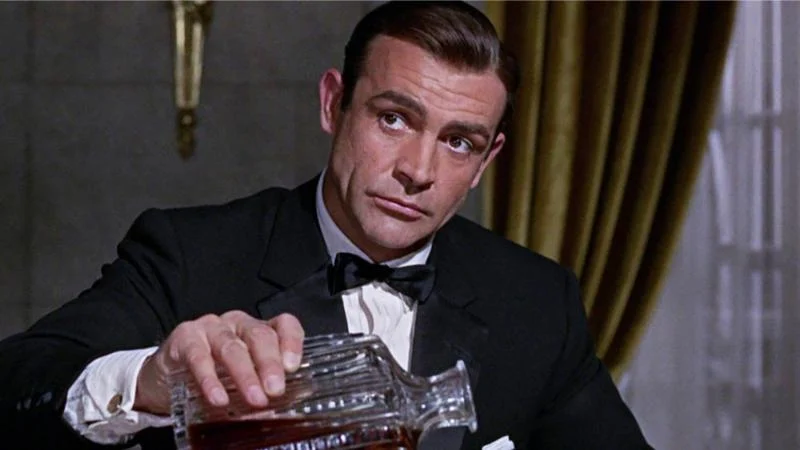
Kids see Bond as ageless, always ready for action. Adults catch how later films, like ‘Spectre’ (2015), address his physical and mental wear. He’s slower, more battered, and questions his purpose, which hits home when you’ve faced your own life’s grind.
These moments make Bond relatable as he grapples with relevance in a changing world. It’s a stark contrast to the invincible spy kids idolize, showing even heroes feel time’s weight.
Subtle Humor and Satire
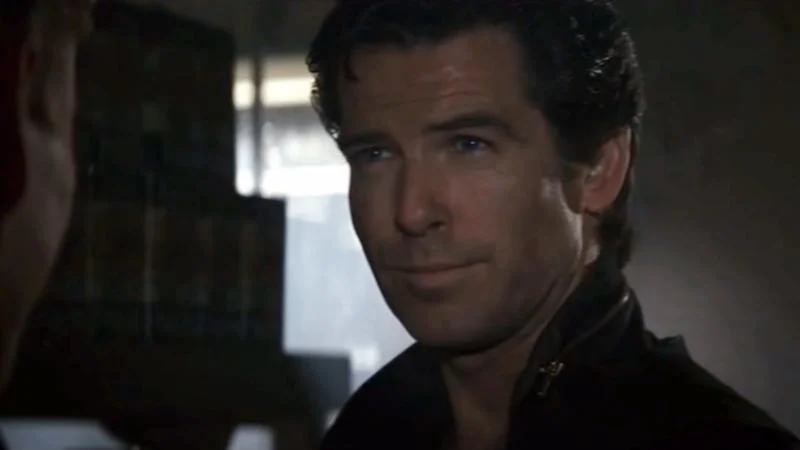
The ‘James Bond’ series is packed with one-liners and cheeky moments kids might miss. As an adult, you catch the dry humor and satire, like in ‘GoldenEye’ (1995), where Bond’s old-school style clashes with a modern world. The films poke fun at his own absurdity.
This humor often targets spy clichés or Bond’s over-the-top lifestyle. It’s a wink to the audience, making the movies self-aware in a way that’s easier to appreciate with age.
What’s your favorite hidden detail in the ‘James Bond’ series—share it in the comments!