


‘Jurassic Park & World’ Details You Only Catch as an Adult

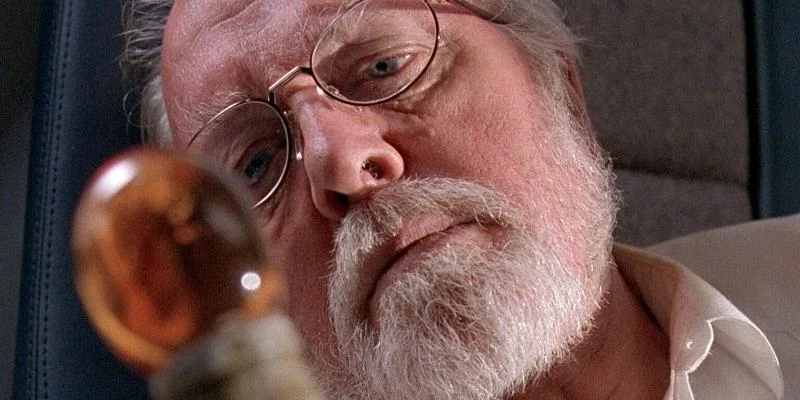


The ‘Jurassic Park’ and ‘Jurassic World’ films are thrilling adventures that kids love for the dinosaurs and action. As an adult, you notice deeper layers—hidden meanings, clever details, and themes that fly over a child’s head.
These movies mix science, ethics, and human nature in ways that hit harder when you’re older. Here are 10 details in the ‘Jurassic Park’ and ‘Jurassic World’ series that adults catch, but kids might miss.
Ethical dilemmas in genetic engineering

The films dive into the dangers of playing with nature. Scientists create dinosaurs without fully understanding the consequences, raising questions about science going too far.
As an adult, you see the real-world parallels—like debates over genetic modification or cloning. The movies warn against arrogance, showing how greed and ambition can lead to disaster.
Corporate greed drives the chaos
Every film in the series ties back to companies chasing profit over safety. InGen and Masrani Global push for bigger parks and flashier dinosaurs, ignoring the risks.
Adults notice this mirrors real-life corporations cutting corners for money. The parks’ failures highlight how prioritizing profit over responsibility can end badly.
Dr. Ian Malcolm’s chaos theory
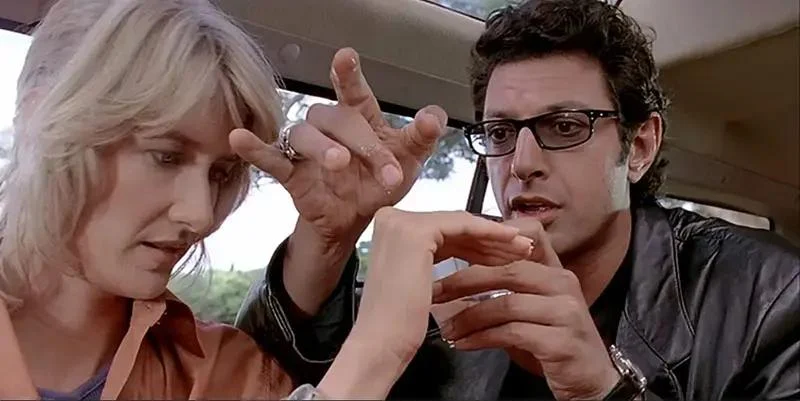
Dr. Malcolm, in ‘Jurassic Park’ (1993), explains chaos theory—how small changes lead to unpredictable outcomes. Kids might find his talks boring, but adults get the weight of his words.
His warnings about the park’s instability reflect real-world systems, like economics or climate, where tiny missteps can spiral into crises. It’s a subtle nod to life’s unpredictability.
Subtle nods to evolution
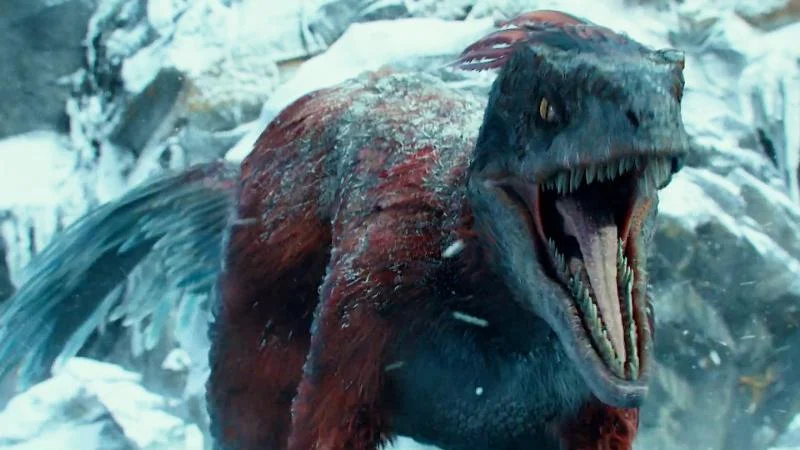
The dinosaurs evolve in ways the scientists didn’t expect, like breeding despite being engineered as sterile. This shows nature finding a way, no matter the controls.
Adults catch how this ties to real evolutionary biology. It’s a reminder that life adapts, often outsmarting human attempts to dominate it.
The power struggle in leadership
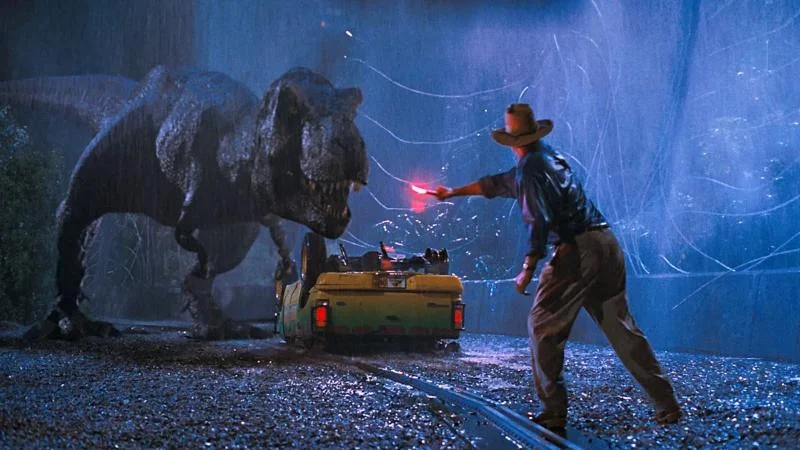
The films show leaders clashing over control—Hammond’s optimism versus Malcolm’s skepticism, or Masrani’s idealism against Hoskins’ militarism. These conflicts shape the story.
As an adult, you see how these mirror workplace or political power struggles. The wrong leader’s decisions can doom everyone, a lesson kids might not grasp.
Symbolism of the broken systems
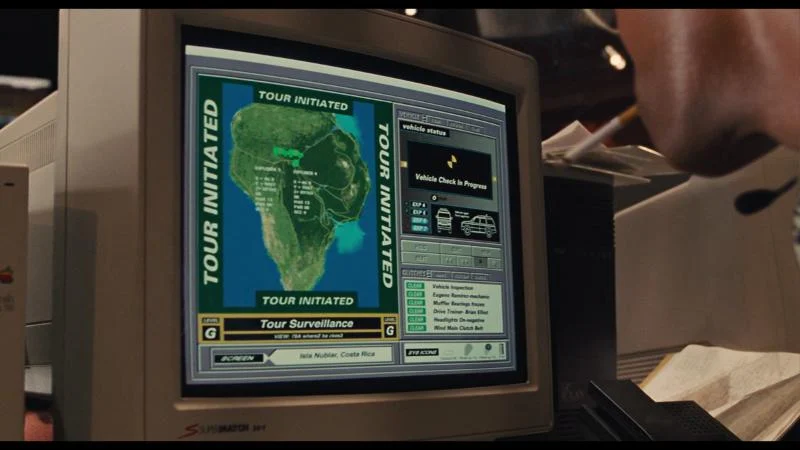
The parks’ collapsing systems—like fences failing or computers crashing—aren’t just plot points. They symbolize human overconfidence in technology.
Adults recognize this as a critique of our reliance on fragile systems, like infrastructure or cybersecurity. The films warn that no system is foolproof.
Character flaws reflect human nature
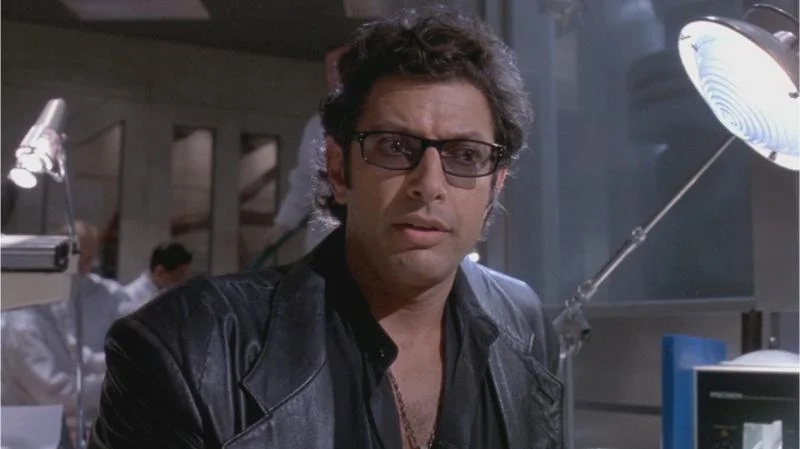
Characters like Nedry or Hoskins make selfish choices that cause chaos. Their greed or arrogance feels cartoonish to kids but painfully real to adults.
You see how these flaws—ambition, betrayal, or hubris—drive real-world conflicts. The movies use them to show humanity’s role in its own disasters.
The role of parenting instincts
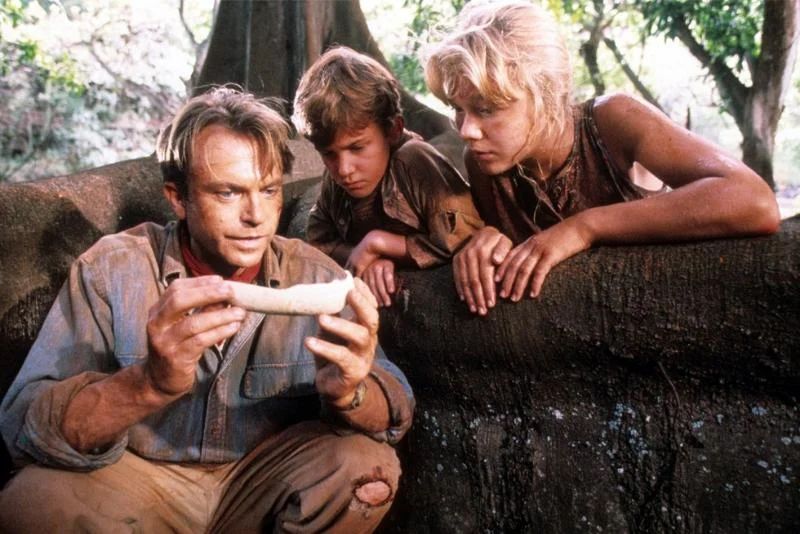
Parenting themes run through the series, from the T. rex protecting its young to human characters stepping up for kids. Kids might miss the deeper meaning.
Adults notice how these instincts drive survival, reflecting our own protective urges. It’s a subtle thread about family bonds in crisis.
Commentary on consumerism
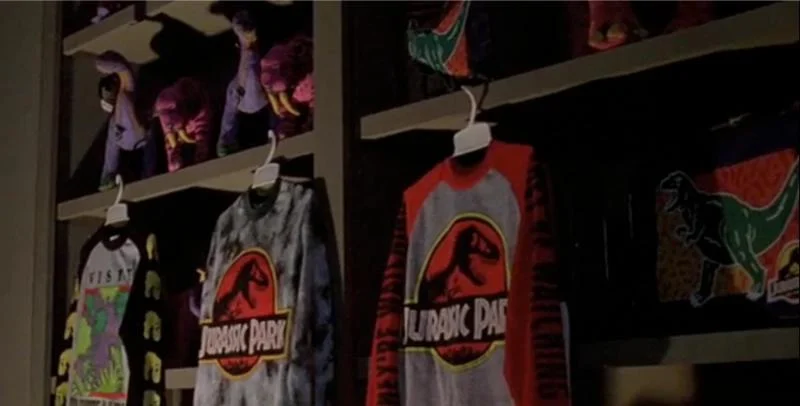
The parks are built to sell an experience—merchandise, rides, and spectacle dominate. Kids see the fun, but adults spot the critique of consumer culture.
The films show how chasing trends and profits blinds people to risks. It’s a jab at how society prioritizes flash over substance.
The weight of moral responsibility
Characters like Hammond or Wu face choices about their creations’ impact. Kids focus on the dinosaurs, but adults see the moral burden.
These dilemmas echo real-world debates, like AI ethics or environmental impact. The films ask who’s responsible when things go wrong.
What’s your favorite hidden detail in the ‘Jurassic Park’ or ‘Jurassic World’ films? Share it in the comments!