


10 Things You (Probably) Didn’t Know About Tilda Swinton

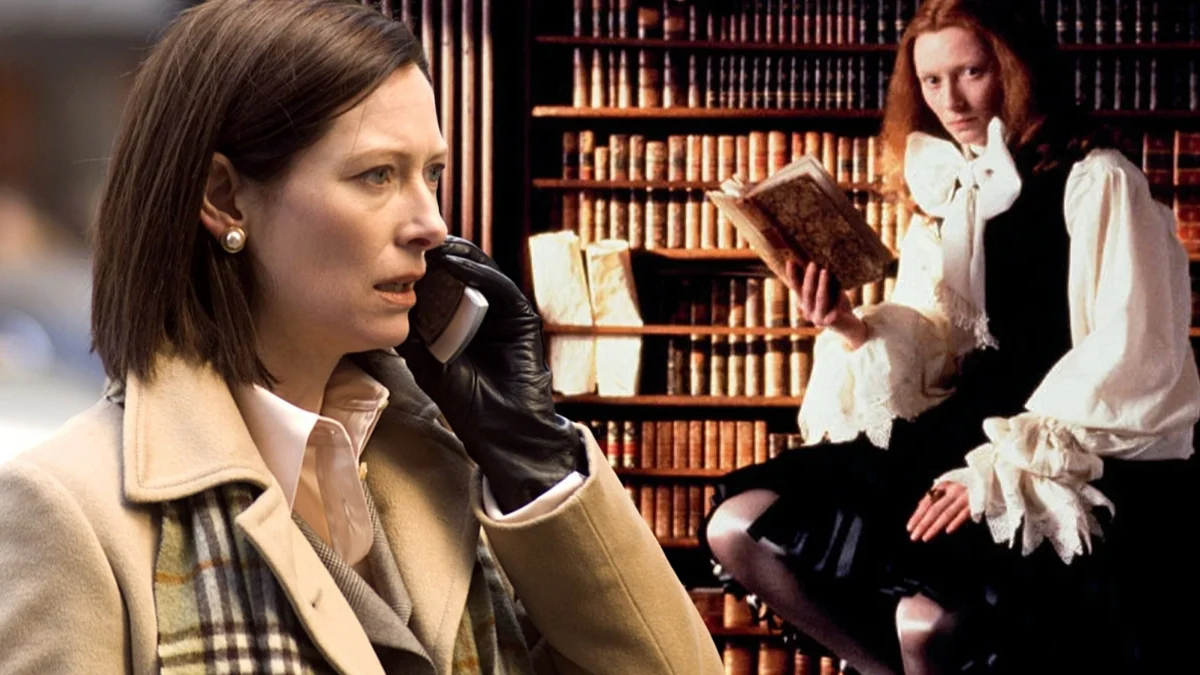


Tilda Swinton has built one of the most distinctive careers in contemporary cinema, moving effortlessly between arthouse experiments and global blockbusters. Her path has never been linear, and that is part of the intrigue: theatre beginnings, radical collaborations, performance art, and then that unmistakable screen presence that directors from around the world seek out when they want something precise and surprising.
Behind the memorable roles is a life rooted in Scotland, steeped in literature and visual art, and guided by a curiosity about how stories are told—on stage, on screen, and even in a museum gallery. These ten facts trace the through-lines: early influences, long-term partnerships with filmmakers, boundary-pushing projects, and hands-on contributions to film culture far from the usual industry hubs.
Aristocratic roots that tie back to Clan Swinton

Swinton’s family line is linked to Clan Swinton, a Scottish lineage with documented history stretching back many centuries. She was born in London, raised partly in Scotland, and her father served as a Major-General, shaping a childhood with both international travel and deep connections to the Scottish Highlands.
Those roots remain visible in the way she has made a home in the Highlands and supported local cultural projects. Rather than anchoring her base in London or Los Angeles, she chose to live near Nairn for many years, keeping close to extended family and the landscape that has often framed her off-screen work.
She studied alongside Diana Spencer before heading to Cambridge

Swinton attended West Heath Girls’ School, where one of her fellow students was Diana Spencer. The school emphasized community service and arts engagement, and Swinton took part in theatre from an early age, which set the stage for her first professional steps after graduation
She later studied Social and Political Sciences at the University of Cambridge (New Hall). While there, she acted in student productions and deepened her interest in experimental performance, building skills and partnerships that would prove essential when she moved into avant-garde theatre and, soon after, film.
Derek Jarman’s collaborator across multiple landmark films
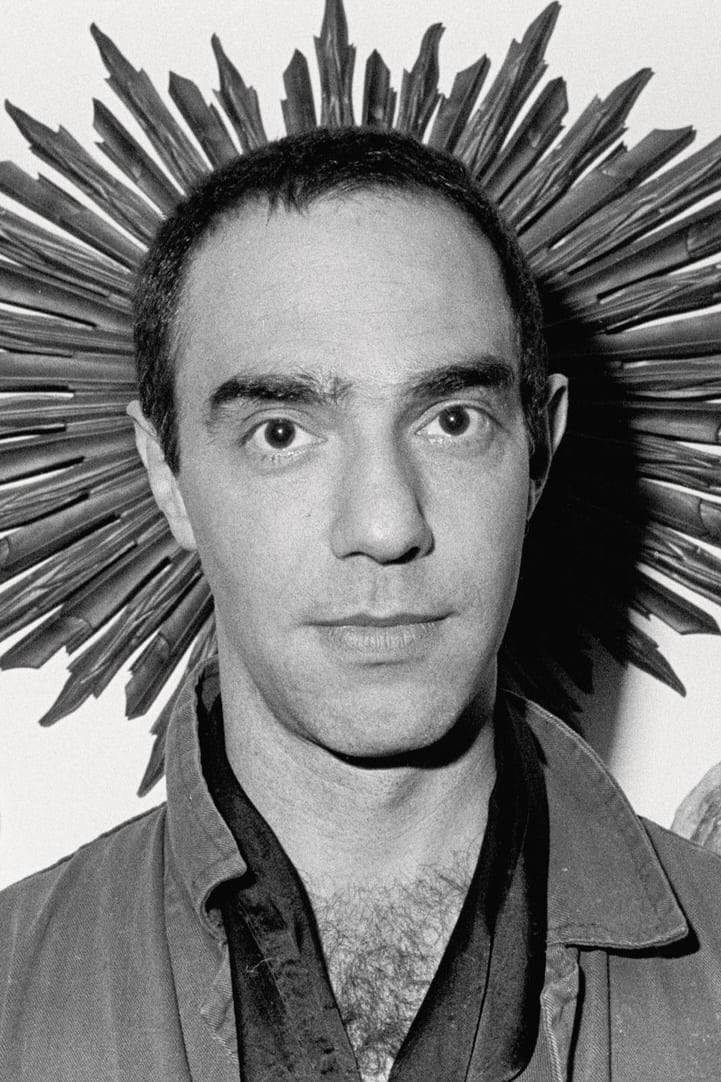
Early in her screen career, Swinton began a defining collaboration with filmmaker Derek Jarman. She appeared in a run of his films—among them ‘Caravaggio’, ‘The Last of England’, ‘The Garden’, and ‘Edward II’—that established her as a fearless performer in visually daring, politically charged cinema.
This partnership yielded major recognition: for ‘Edward II’, she earned the Volpi Cup for Best Actress at the Venice Film Festival. The Jarman period also cemented her ties to Britain’s independent film scene and set a template for later work with auteur directors across Europe, Asia, and the United States.
‘Orlando’ (1992) – A century-spanning, gender-crossing breakthrough
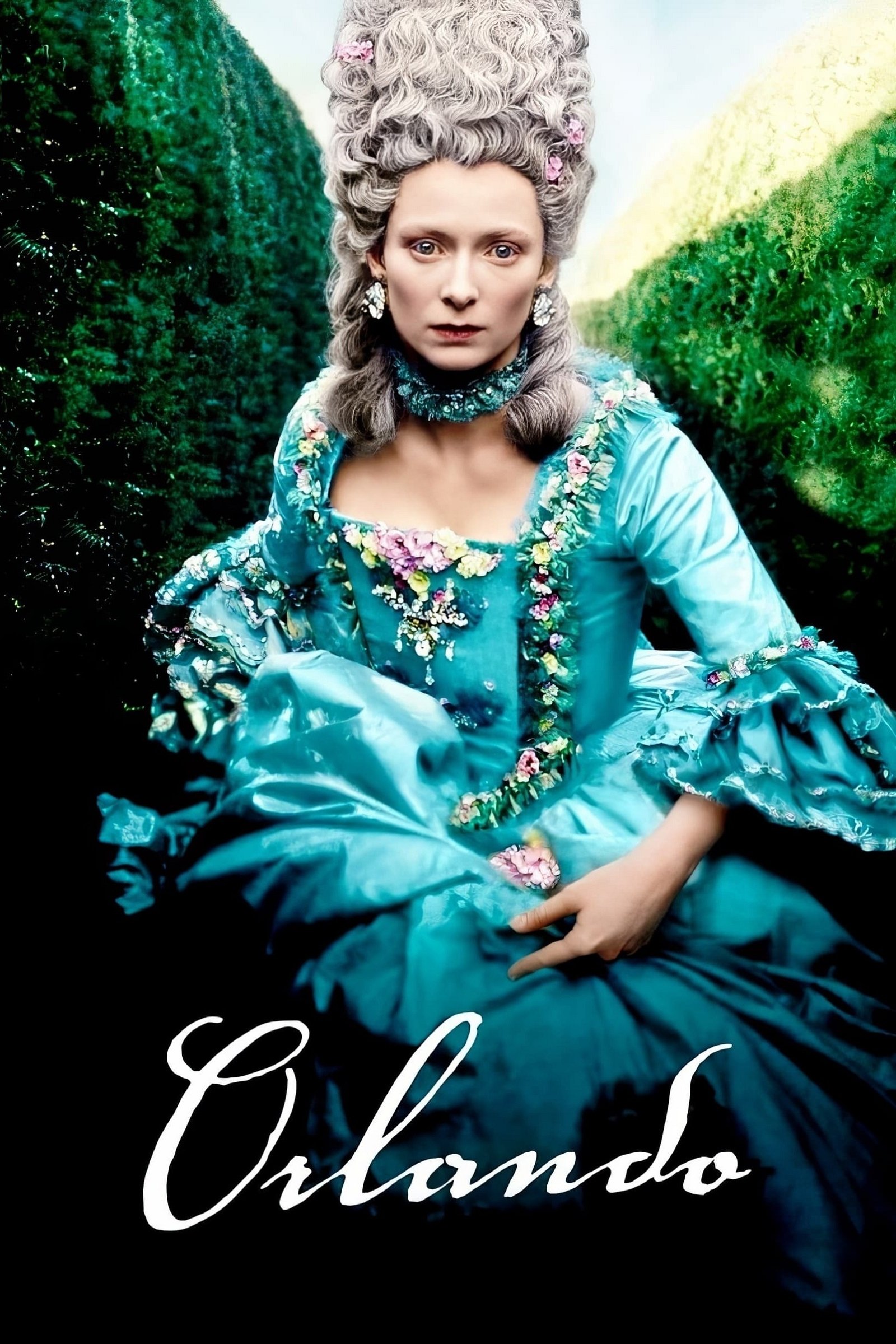
In Sally Potter’s adaptation of Virginia Woolf’s ‘Orlando’, Swinton played a nobleperson who lives for centuries and changes gender, a role that showcased narrative and visual ideas she would return to many times. The film’s design, address to camera, and fluid identity themes turned it into a touchstone for discussions of gender on screen.
Swinton’s performance helped bring Woolf’s structure to life in a way that was both faithful and cinematic, moving from courtly pageantry to modern streets without losing continuity of character. The production also expanded her international profile, opening doors to directors who were looking for someone comfortable with formal experimentation.
‘Michael Clayton’ (2007) – Her Academy Award came from a corporate thriller
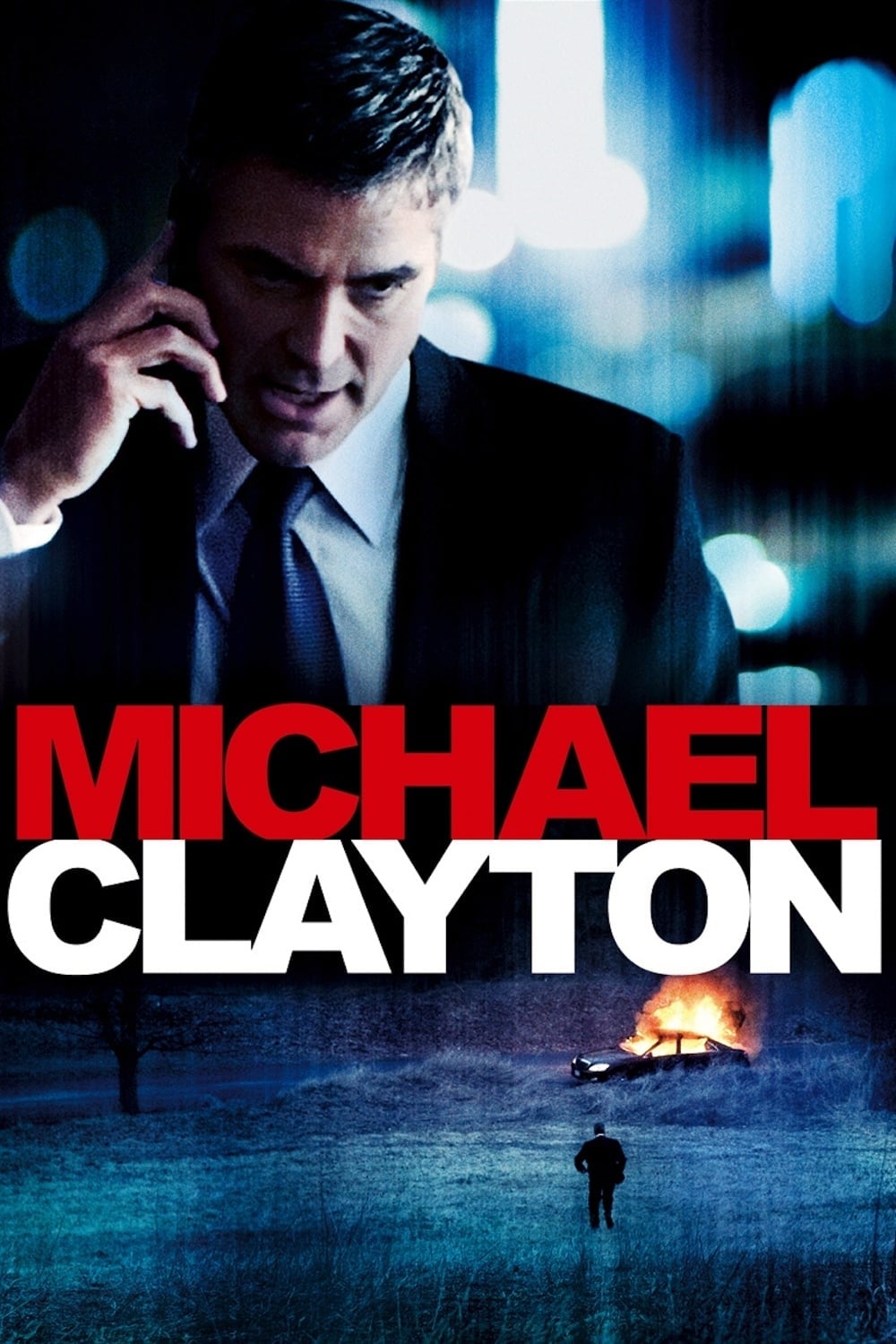
Swinton won the Academy Award for Best Supporting Actress for playing corporate counsel Karen Crowder in ‘Michael Clayton’. The role demanded precise control—boardroom dialogue, legal strategy, and the psychological cost of crisis management—delivered within the taut framework of a legal thriller.
The performance anchored the film’s exploration of responsibility and ethics inside a multinational corporation. Working with writer-director Tony Gilroy, she built a character whose choices power the story’s momentum, contributing to a film that became a modern reference point for serious studio dramas.
‘The Maybe’ turned museum space into a living artwork

Beyond film, Swinton is known for ‘The Maybe’, a performance artwork first presented at London’s Serpentine Gallery and later re-staged in New York. In the piece, she lay sleeping in a glass case for hours at a time, transforming the museum into a space for contemplation about presence, spectatorship, and the boundaries between performer and audience.
The staging emphasized minimalism—no explanatory labels, no spoken text—so that the encounter itself became the subject. By repeating the work in different contexts, she explored how a live, durational performance changes meaning as it moves between institutions and across time.
A DIY film festival in the Scottish Highlands

In Nairn, Swinton helped create the Ballerina Ballroom Cinema of Dreams, a community-oriented film festival hosted in a restored dance hall. The event favored affordable tickets, homemade treats, and beanbag seating, encouraging families and first-time festivalgoers to watch films together in a relaxed setting.
Programming combined classics and discoveries with introductions that explained why each film mattered. The festival showed how cinema culture can thrive outside major cities when curation, hospitality, and local participation come together around the simple act of sharing movies.
‘Suspiria’ (2018) – She secretly played multiple roles under prosthetics
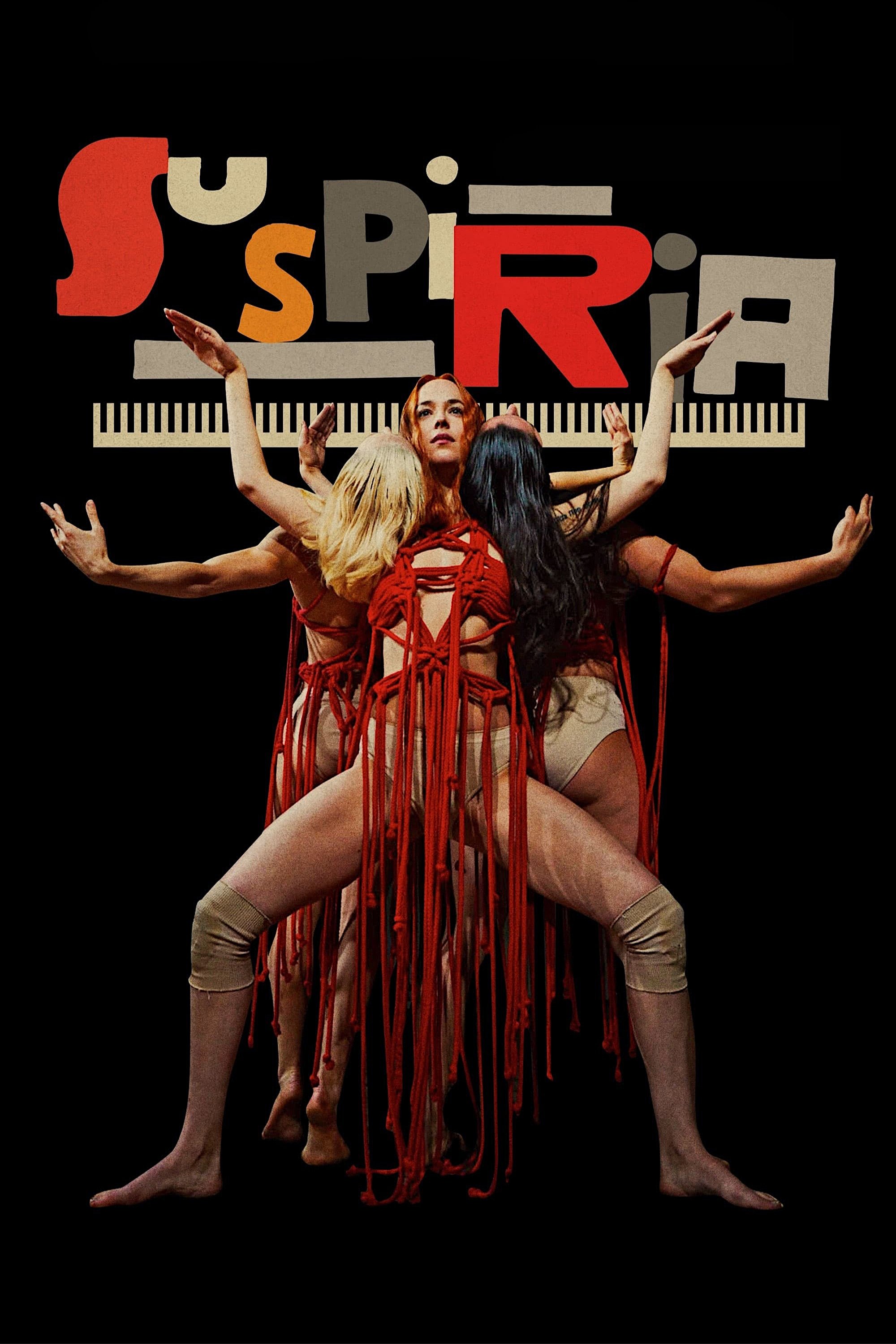
In Luca Guadagnino’s ‘Suspiria’, Swinton took on more than one character, including an elderly psychoanalyst created with extensive prosthetic makeup. For part of the release, the production maintained a fictional backstory for the role, foregrounding the film’s themes of identity and disguise.
The transformation required detailed collaboration with makeup and effects teams, careful voice work, and a movement strategy tailored to each character. The result became a widely discussed example of how performance and craft departments intersect to reconfigure an actor’s screen presence.
Fashion-world mainstay and creative partner to designers

Swinton has long collaborated with photographers, stylists, and fashion houses on projects that blur the lines between portraiture and performance. She has appeared in campaigns and short films, worked closely with designers, and participated in exhibitions that treat clothing as a medium for storytelling.
These partnerships often run in parallel with her film work, allowing for shared teams and visual ideas to travel between sets and photo studios. The continuity has made her a frequent presence in fashion editorials and museum catalogues, documenting a sustained dialogue between cinema and design.
She co-founded the ‘8½ Foundation’ to give children a first big-screen memory

With film curator Mark Cousins, Swinton co-founded the ‘8½ Foundation’, which set out to introduce children to great cinema around their eighth-and-a-half birthday. The idea was simple: create a memorable first encounter with diverse films on a large screen, supported by local partners and educators.
The initiative provided lists, kits, and encouragement for communities to host screenings, especially in places without easy access to art-house cinemas. By focusing on the first formative experience, the foundation aimed to build lasting habits of curiosity and openness toward world cinema.
Share your favorite Tilda Swinton facts—or add the ones we missed—in the comments!