


10 Underrated Films by Carl Weathers You Must See

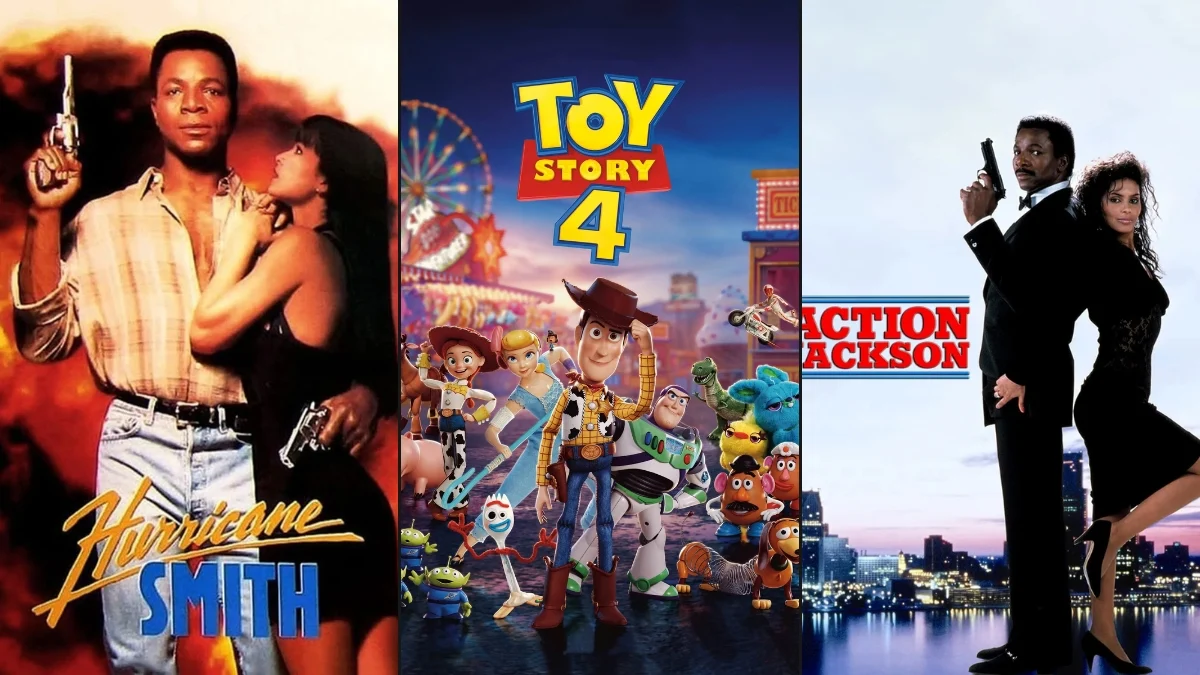


Carl Weathers built a career that spans powerhouse sports dramas, sharp action thrillers, and scene stealing comedic turns. His roles stretch from big screen franchises to voice work in animation, with memorable characters that show range across genres. He appears in hits that everyone knows, yet a stack of strong films often gets less attention than they deserve.
This list highlights ten features that put his skills to work in different ways. You will find early appearances, international productions, star vehicles, and voice roles that reach new audiences. Each entry notes what the film is about and how Weathers fits into it, along with helpful production details like directors, settings, and key collaborators.
‘Action Jackson’ (1988)
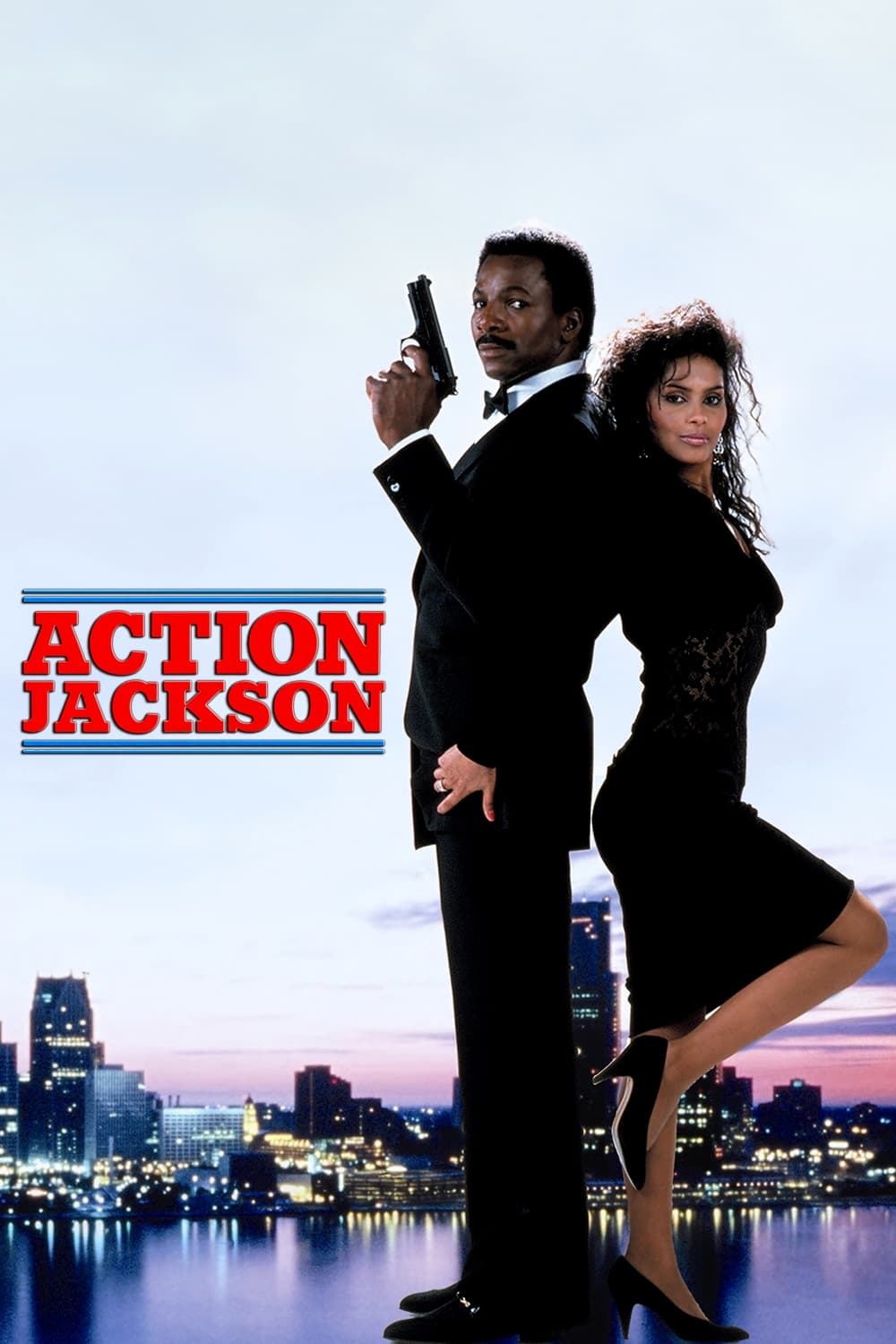
This Detroit set action thriller follows a tough police detective who goes after a powerful auto magnate tied to a string of crimes. Directed by Craig R. Baxley, the film pairs Carl Weathers with co stars Vanity, Sharon Stone, and Craig T. Nelson, and features large scale practical stunts and chases staged across city streets and hotel interiors. The script blends police procedural beats with high energy set pieces and sharp one liners that move quickly from scene to scene.
The production comes from the same action stable that shaped many late era hits, with Baxley bringing a stunt coordinator’s eye to the fights and explosions. Weathers headlines as Jericho Jackson, a role written to showcase athletic movement and timing, and the film’s marketing positioned him as a new kind of action lead. The soundtrack leans into late period funk and rock, and the costume design uses sharp suits and leather to underscore the stylized tone.
‘Force 10 from Navarone’ (1978)
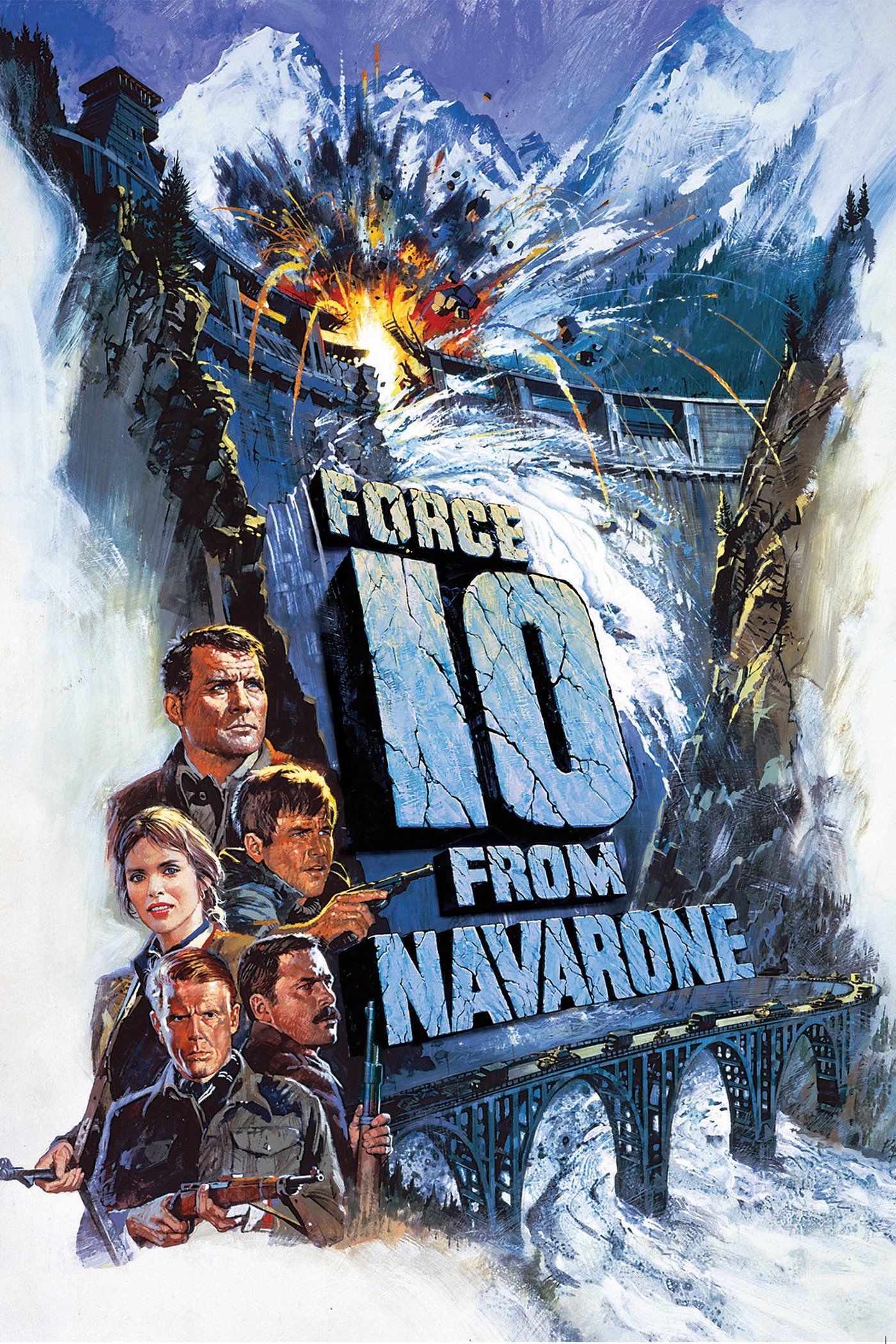
This World War II adventure sends a small Allied team behind enemy lines to destroy a key target while navigating shifting loyalties. Guy Hamilton directs a cast that includes Robert Shaw, Harrison Ford, Edward Fox, and Barbara Bach, with Carl Weathers as a U.S. Army sergeant who joins the mission and challenges the group’s plans with his field experience. The story moves through occupied territory with river crossings, mountain passes, and a climactic demolition sequence.
The film adapts Alistair MacLean’s novel and continues the universe established by an earlier mission while telling a self contained story. Miniatures and full scale sets create bridges and dam structures for effects shots, and location work supplies rugged landscapes that sell the peril. Weathers brings a contemporary energy to an ensemble driven script, which gives him dialogue heavy scenes and moments of physical action that broaden the team dynamic.
‘Death Hunt’ (1981)
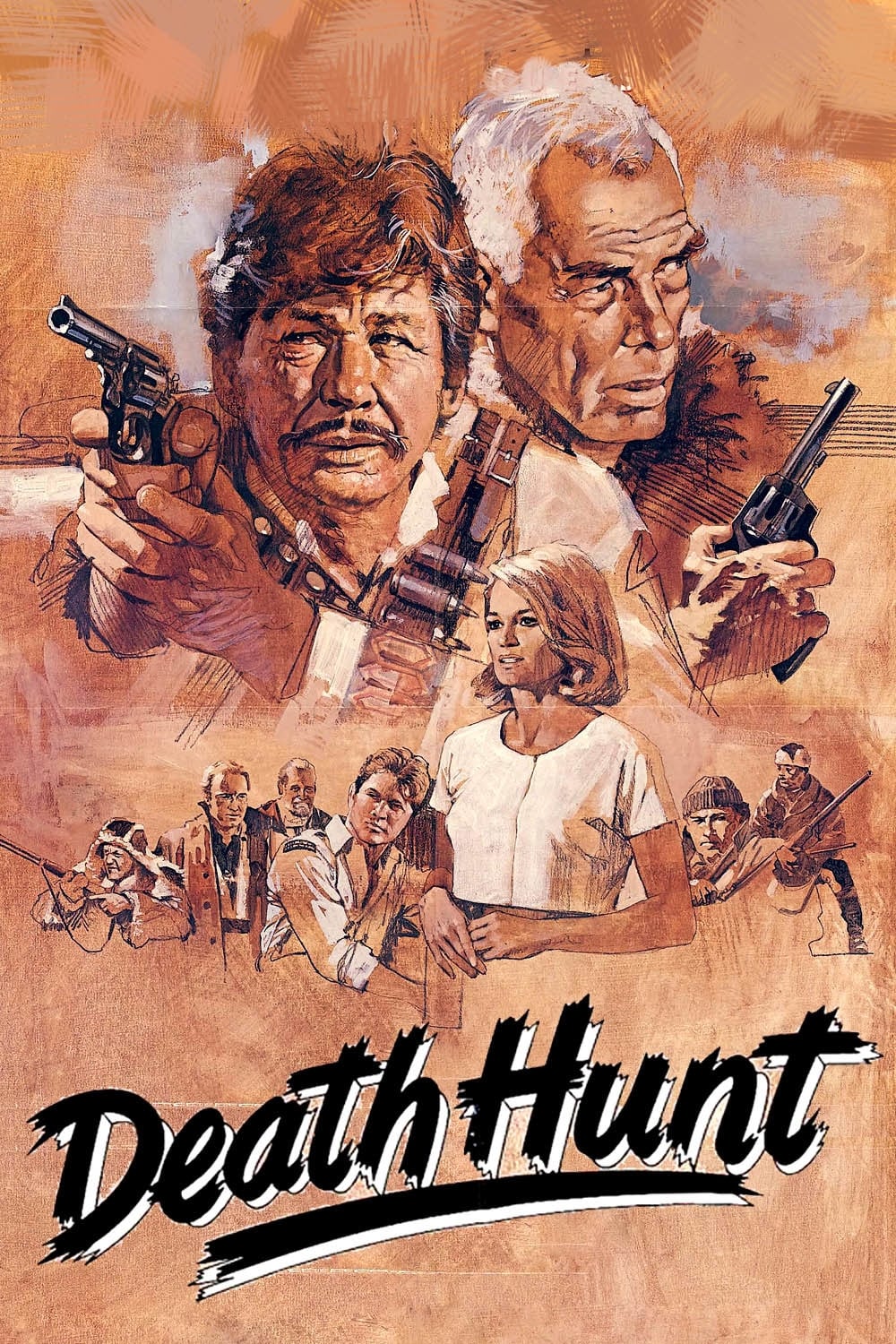
Set in the Canadian North, this survival thriller tracks a pursuit that begins with a disputed incident and escalates into a full bore manhunt across snow covered terrain. Charles Bronson and Lee Marvin lead the cast, while Carl Weathers appears as a resourceful bush pilot who aids the authorities and navigates harsh conditions with aviation know how. The film balances quiet stretches of tracking and scouting with sudden clashes in forests and small settlements.
Peter Hunt directs with attention to cold weather logistics, using aircraft, sleds, and mountain locations to add realism. Practical effects handle avalanches, fires, and wrecks, and costume work emphasizes heavy furs and gear needed for subzero filming days. Weathers brings aviation jargon and hands on cockpit work to several sequences, adding a transport link that shapes how the chase unfolds across long distances.
‘Friday Foster’ (1975)
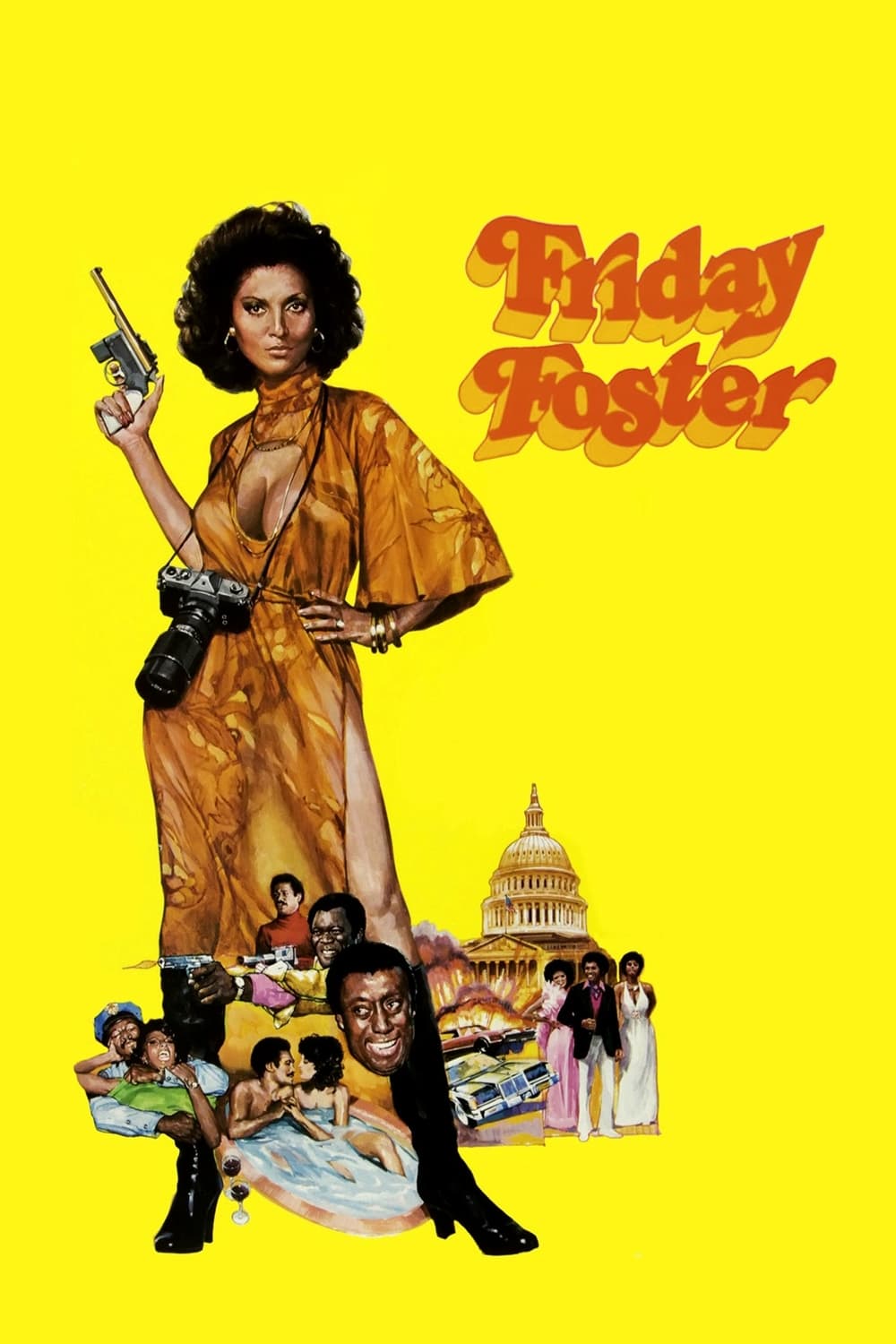
Based on the syndicated comic strip, this crime caper follows a photographer who witnesses an assassination attempt and uncovers a plot that reaches into elite circles. Pam Grier headlines, Yaphet Kotto co stars, and Carl Weathers plays a lethal enforcer whose appearances mark turning points in the investigation. The film moves through fashion shows, charity events, and back alley meetups as clues pull the lead deeper into danger.
Arthur Marks directs with a focus on pace and character introductions that come fast and keep the story moving. The production uses Los Angeles locations, studio interiors, and stylized lighting that fits the era’s look. Fight choreography relies on close quarters brawls and quick weapon draws rather than extended set pieces, and the costume design showcases bold prints and tailored suits that mirror the comic strip origins.
‘Bucktown’ (1975)
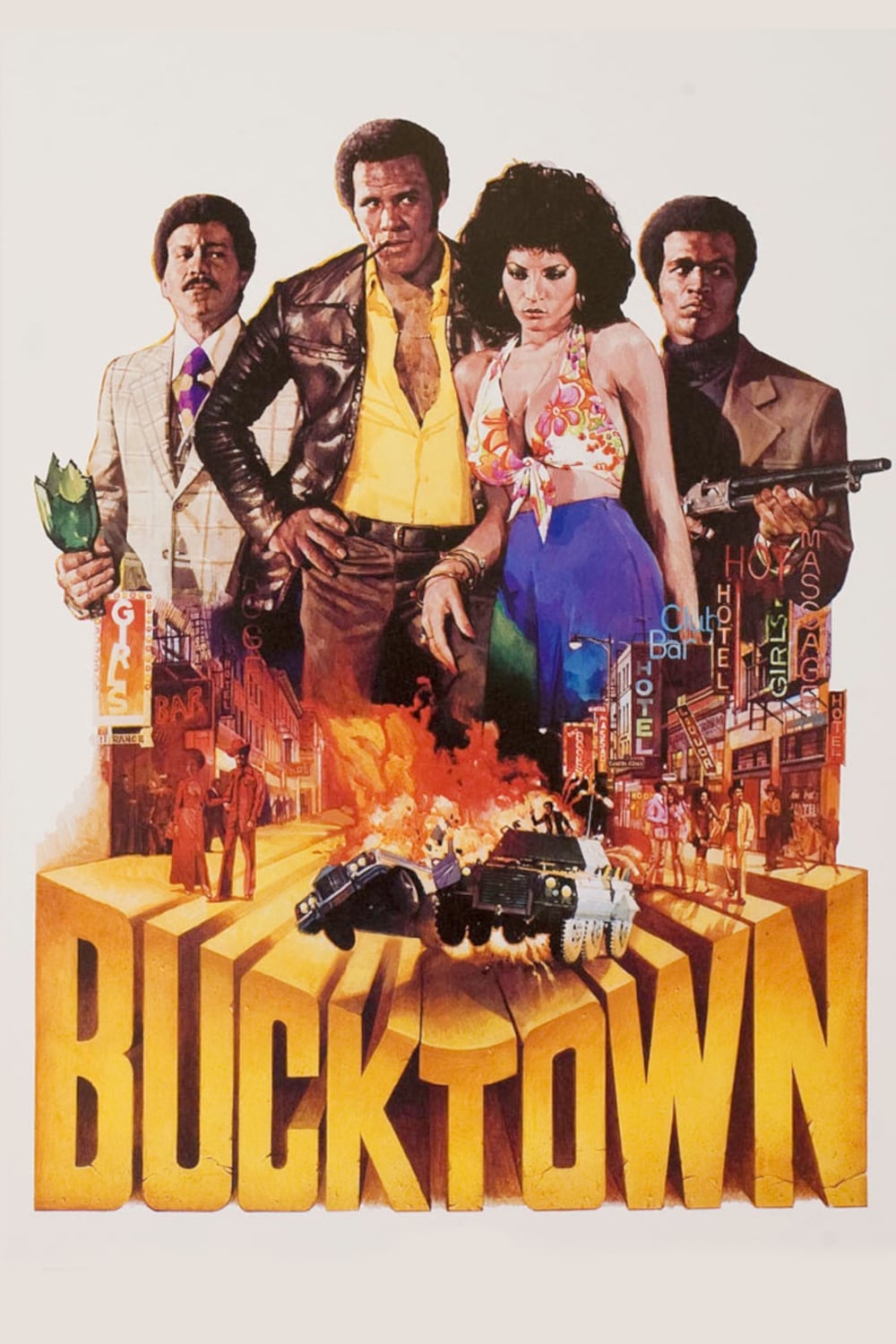
This action drama centers on a man who returns to his hometown to settle family affairs and runs into a corrupt law enforcement ring that controls local business. Pam Grier and Fred Williamson star, and Carl Weathers appears in the muscle that enforces the new regime, which creates conflict among former allies as the situation turns violent. The story explores loyalty and control as neighborhoods push back against shakedowns and street level pressure.
Arthur Marks directs with a lean style that favors roadside diners, garages, and small town main streets for quick hitting scenes. The production draws on car chases, bar fights, and warehouse showdowns that make use of practical effects and tight spaces. Music cues align with the period’s soul and funk sound, and the editing keeps confrontations short and direct so the plot can keep rolling.
‘Hurricane Smith’ (1992)
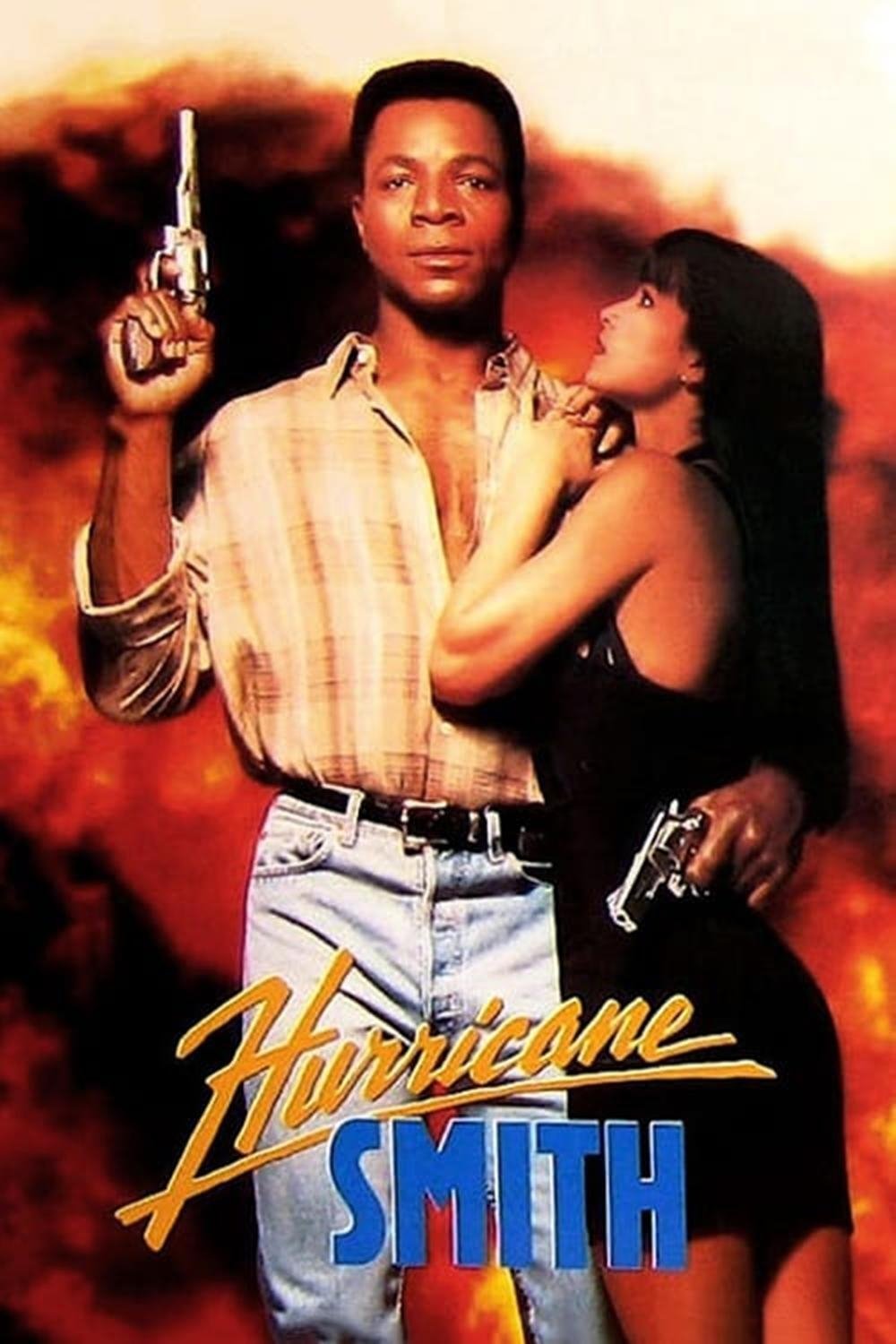
This fish out of water action film sends an American oil worker to Australia to search for a missing family member, only to collide with a drug ring that controls parts of the waterfront. Carl Weathers takes the title role and anchors hand to hand fights, pier side shootouts, and chase scenes that run through clubs and shipyards. The setup gives him clear goals while the script uses local fixers and rival crews to complicate the search.
Colin Budds directs with heavy use of coastal locations, freight yards, and night shoots that highlight neon signage and rain slicked streets. Stunt work uses practical explosions and falls, and the production leans on river boats and speed craft to vary the action rhythm. The sound mix emphasizes engines, surf, and crowd noise to place the action in busy harbors and markets, while wardrobe choices mix work gear with tropical casual wear to ground the setting.
‘Happy Gilmore’ (1996)
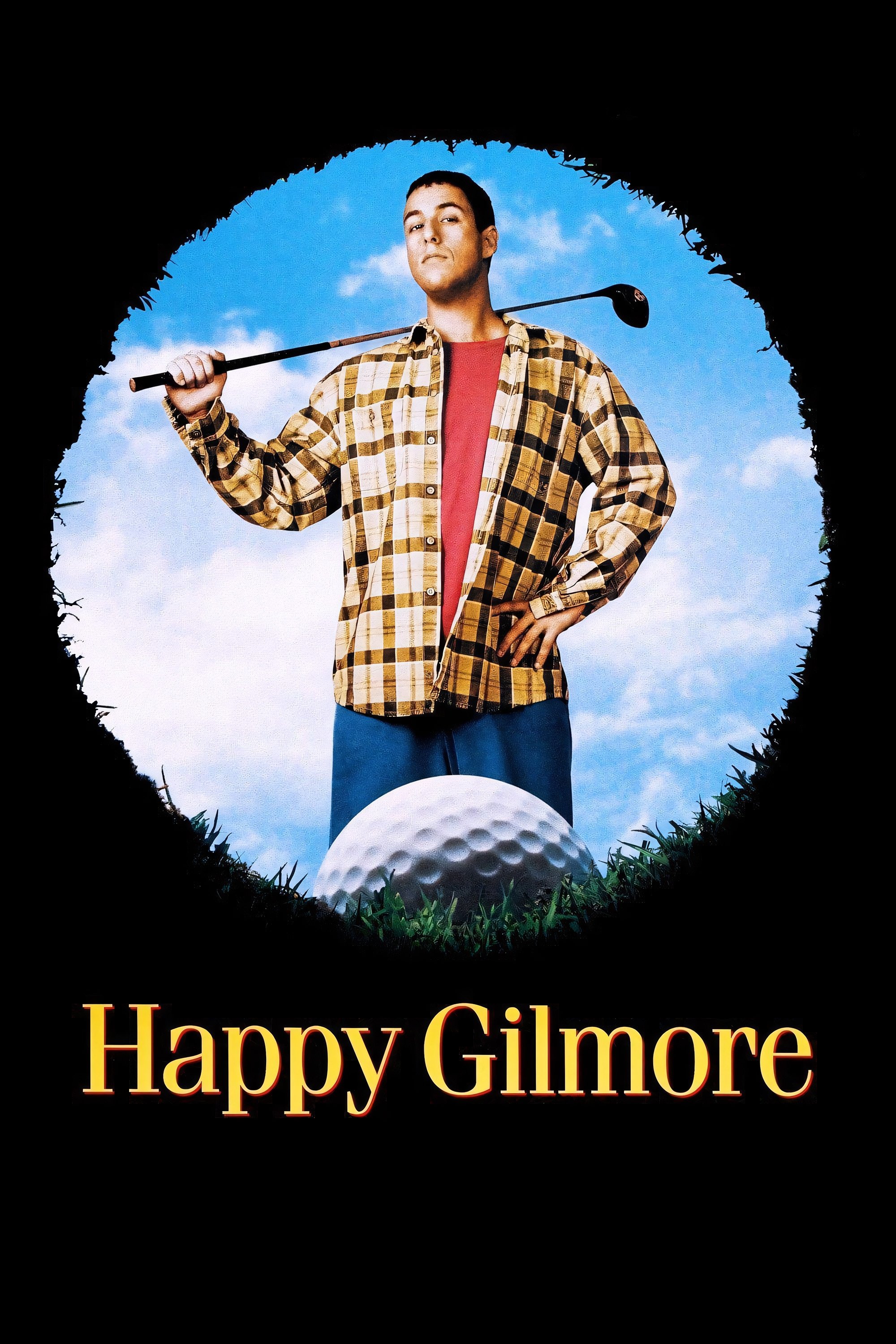
This sports comedy follows a hot tempered outsider who switches from hockey dreams to golf tournaments to save his family’s home. Carl Weathers plays Chubbs Peterson, a former pro who trains the lead in grip, stance, and course management while managing his own past injury. The film blends driving range gags with tournament rounds and pairs dialogue jokes with slapstick bits on the fairway and green.
Dennis Dugan directs and uses real courses and crowds for wide shots, with cutaway gags built around celebrity cameos and reactions from broadcast crews. Weathers handles instructor scenes that explain swing mechanics in simple steps and uses repeated drills to show progress from chaos to control. The character became part of the film’s iconography through a distinctive outfit and a wooden hand prop that shows up in multiple key scenes.
‘Little Nicky’ (2000)
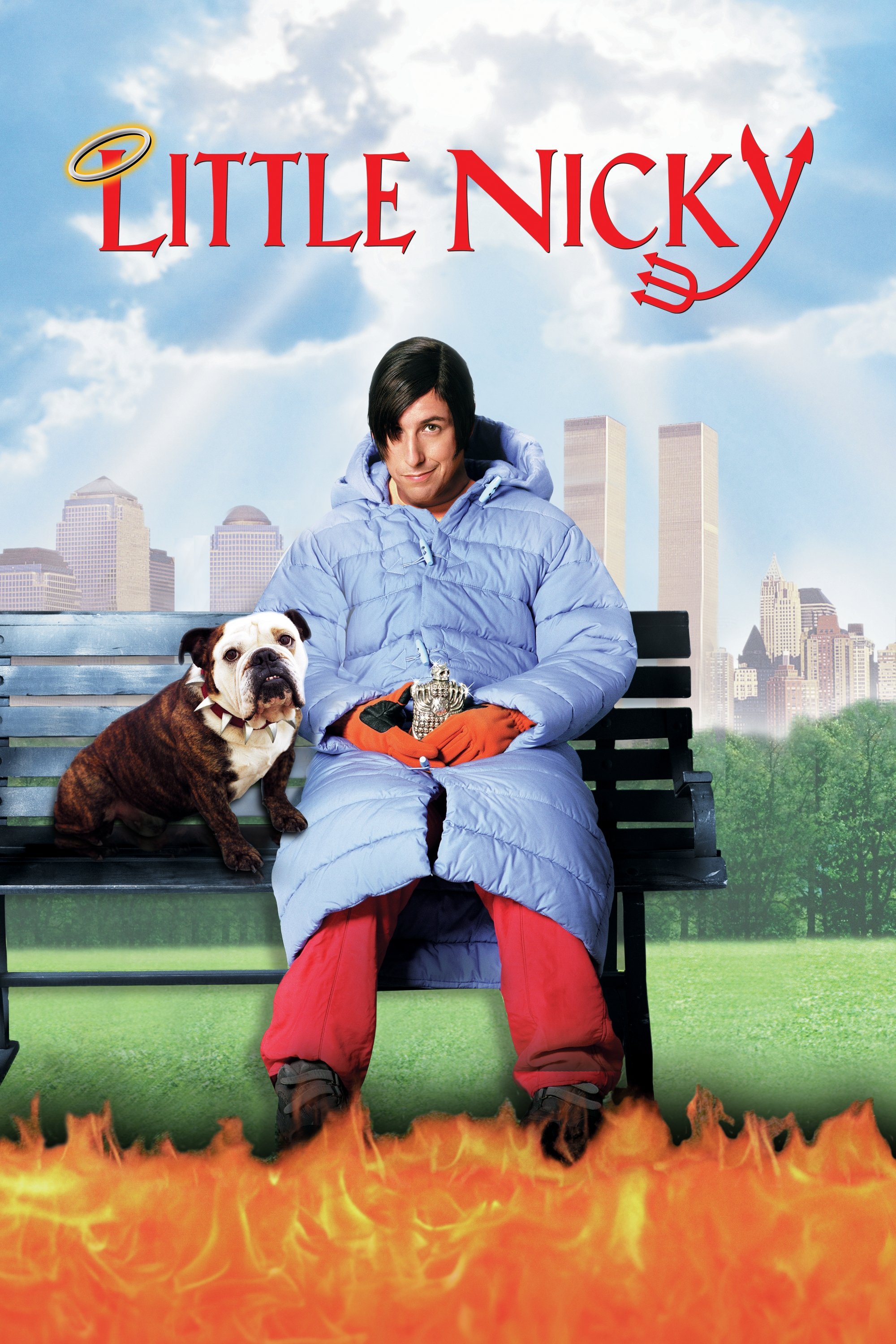
This fantasy comedy follows the son of a dark ruler who must travel to Earth and restore balance when siblings disrupt the throne. Carl Weathers appears as Chubbs Peterson, returning the golf coach to guide the lead character through a skill that solves a specific problem inside the story. The cameo connects the film to an earlier comedy universe and lands during a sequence that mixes physical comedy with a short training beat.
Steven Brill directs a production that layers prosthetic makeup, creature effects, and visual gags across city locations and soundstages. The film uses rock heavy needle drops and quick cut editing to punctuate jokes, with practical set pieces for underworld scenes that rely on smoke, fire, and trapdoors. Weathers’ appearance uses familiar props and dialogue rhythms so the reference reads instantly for viewers.
‘Toy Story 4’ (2019)
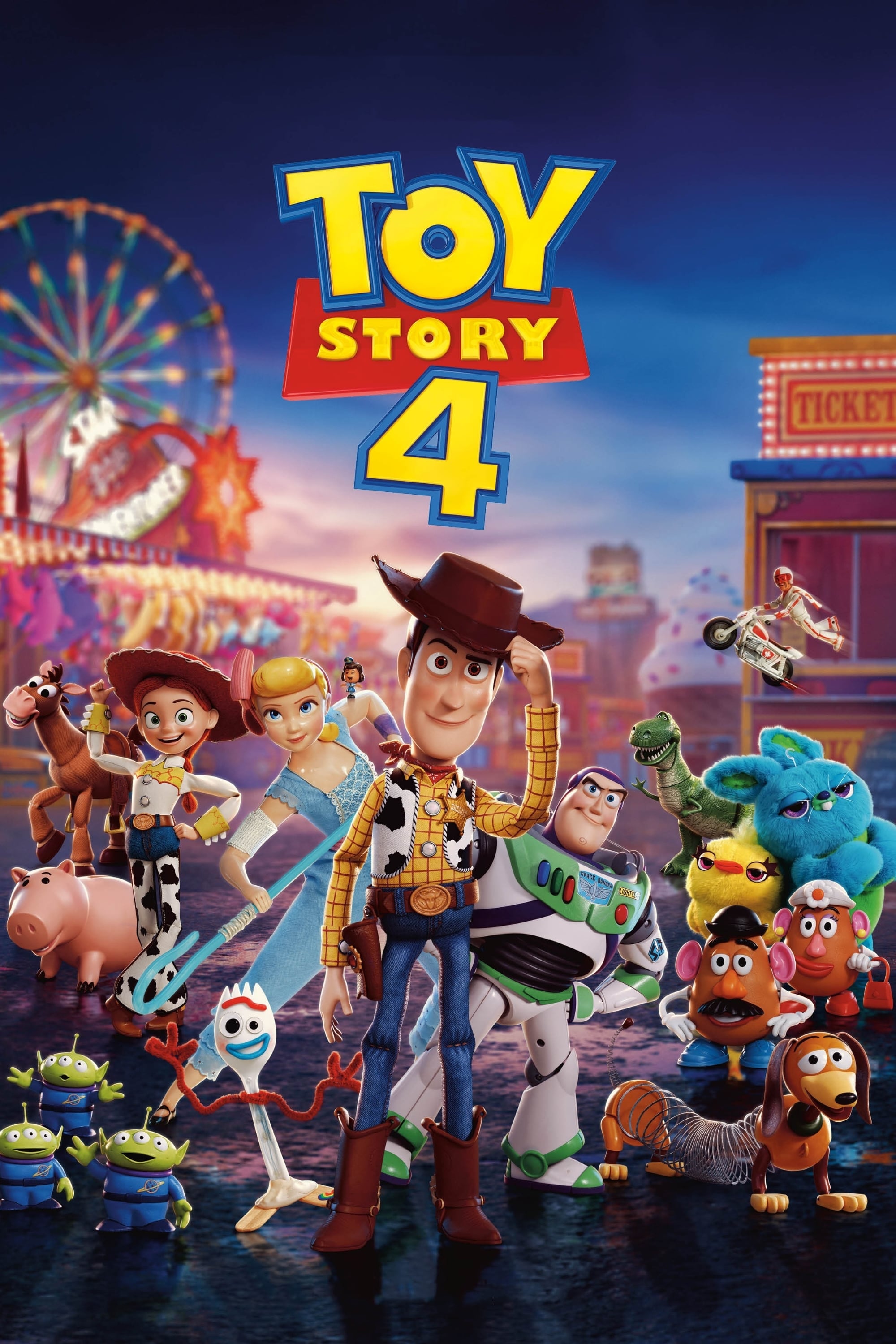
This animated adventure continues the journey of a group of toys as they help a new friend fit into a changing world. Carl Weathers voices Combat Carl, a character who appears in different sizes and delivers pep talks and mission briefings that reflect a classic action figure persona. The film places him in scenes that use quick call and response lines and precise timing that fits the company’s approach to comedy.
Pixar produces the feature with detailed lighting, cloth simulation, and texture work that pushes close ups and outdoor environments to a high standard. The voice cast records in sessions that favor performance clarity and overlapping reactions, which helps ensemble scenes land. Combat Carl adds a small but memorable layer of military themed humor, and Weathers’ delivery aligns with the heroic cadence associated with the character.
‘Magnum Force’ (1973)
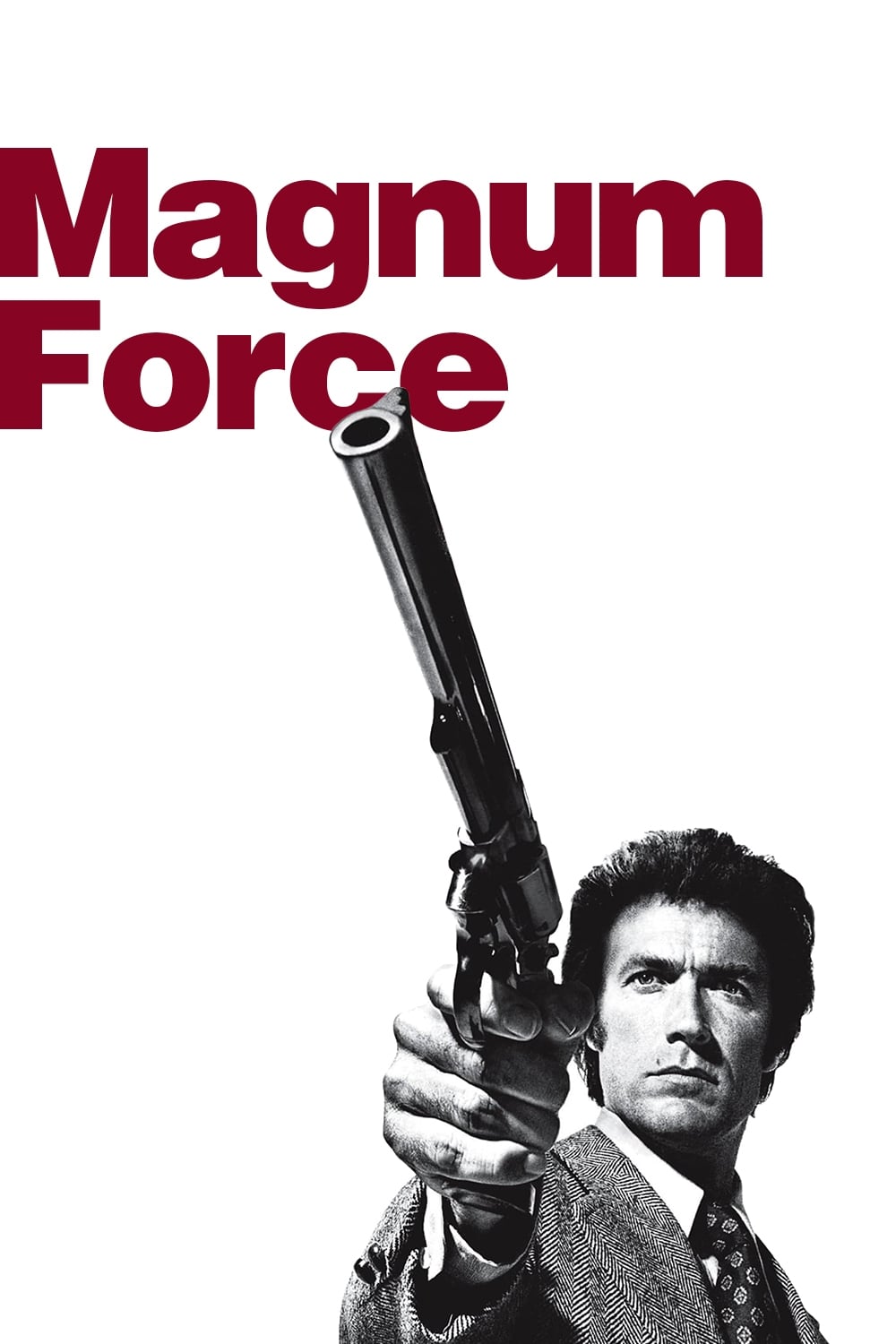
This crime thriller continues the story of a San Francisco police inspector who confronts a series of vigilante style killings while investigating corruption. Ted Post directs and Clint Eastwood leads the cast, with early appearances from several actors who would later headline major projects. Carl Weathers makes a brief uncredited appearance that marks one of his earliest on screen film roles, placing him on set with a large studio production during a busy era for the genre.
The film uses location shooting across the city, including harbors, highways, and civic buildings that ground the procedural elements. Stunt driving and squib work support car chases and shootouts, while the score underscores tension with steady motifs. For Weathers, the small role sits at the start of a path that quickly moved to more substantial parts as subsequent projects built momentum.
Share your own overlooked favorites featuring Carl Weathers in the comments so everyone can compare watchlists.