


10 Underrated Films by Forest Whitaker You Must See

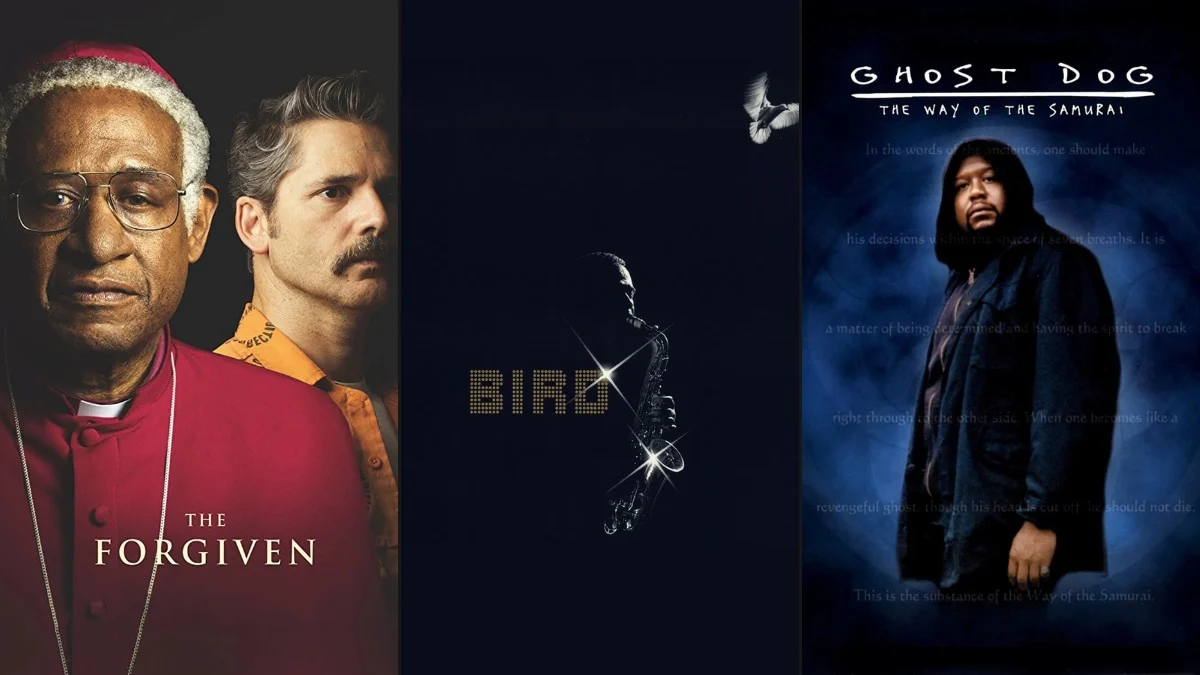


Forest Whitaker has built a wide ranging career that covers intimate character studies, intense thrillers, and thoughtful dramas. Beyond the roles that brought major awards and headlines, his filmography includes many titles that showcase deep craft, precise choices, and memorable collaborations with accomplished directors.
This list gathers ten films that highlight the breadth of his work across crime stories, biographical drama, science fiction, and investigative procedurals. Each entry notes the role he plays, the creative team behind the project, and the key story elements that make his contribution essential to the film.
‘Bird’ (1988)
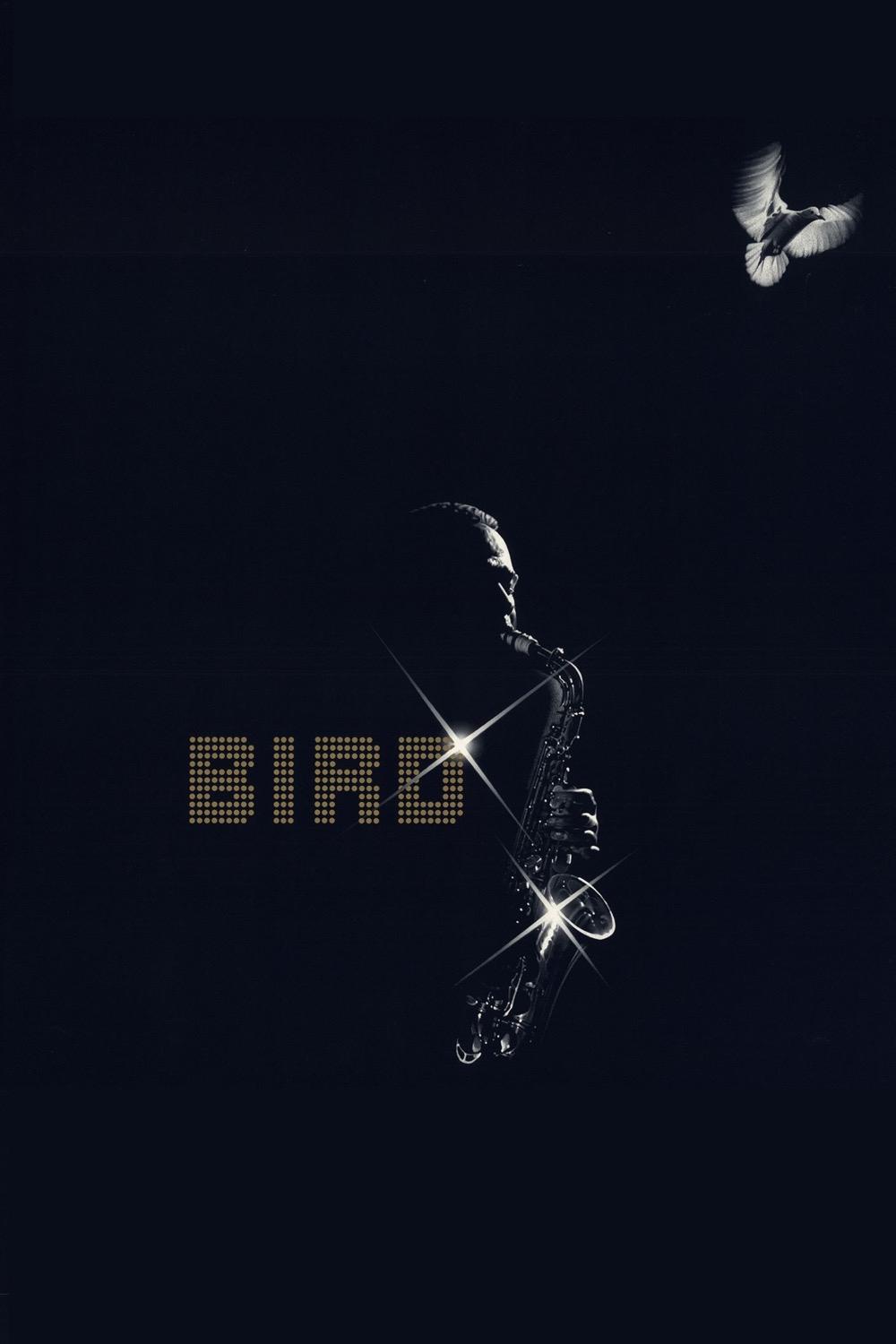
Clint Eastwood directed this biographical drama about jazz saxophonist Charlie Parker, with Forest Whitaker portraying Parker across performances, studio sessions, and the challenges of touring life. The film follows Parker’s relationship with Chan Parker and tracks the demands of creativity alongside the pressures of health and work on the road.
Production drew on recordings of Parker’s music and blended performance with carefully staged club sequences to place the viewer inside the bandstand environment. The film received major festival recognition for Whitaker and earned an Academy Award for Best Sound, reflecting the emphasis on musical authenticity and audio detail.
‘Ghost Dog: The Way of the Samurai’ (1999)
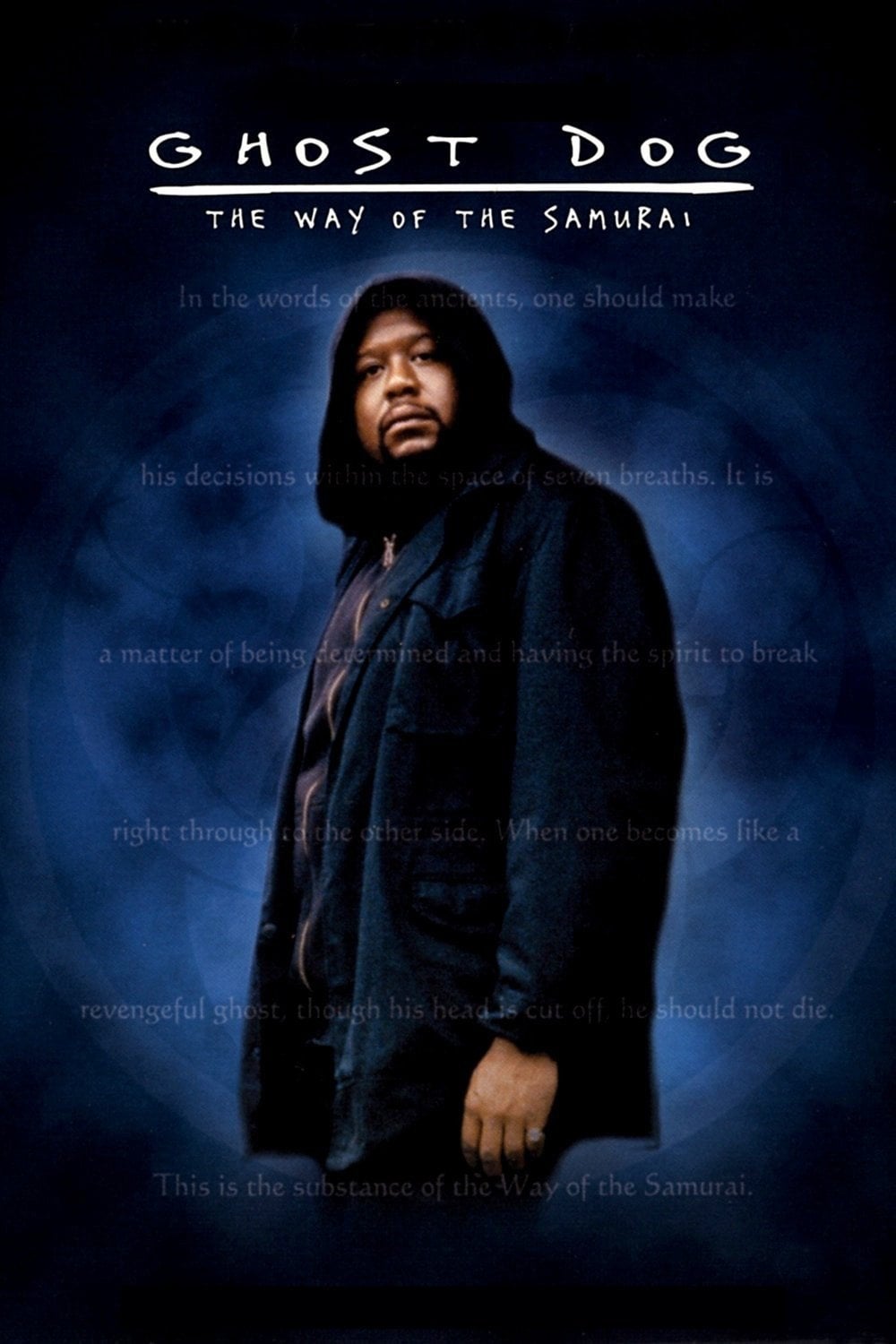
Written and directed by Jim Jarmusch, this crime story centers on a contract hitman who lives by the samurai code described in the Hagakure. Forest Whitaker plays the title character, a solitary figure who communicates with his mob contact through carrier pigeons and maintains a strict personal rule set as jobs become complicated.
The score by RZA shapes the film’s rhythm and supports scenes that move between mafia routines and the title character’s meditative rituals. The production places old world codes and modern urban life side by side, with location work and recurring visual motifs that echo the character’s discipline and isolation.
‘A Rage in Harlem’ (1991)
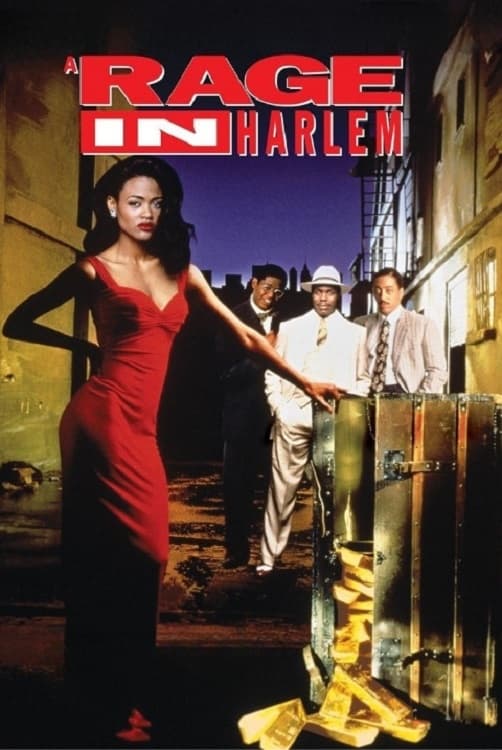
Bill Duke directed this adaptation of Chester Himes’s novel set in Harlem during a time of sharp suits, crowded clubs, and turf conflicts. Forest Whitaker plays Jackson, an undertaker’s assistant whose orderly life is disrupted when he meets Imabelle, bringing him into contact with crooks, stolen gold, and the fast talk of his brother Goldy.
The film blends period detail with a caper structure that moves from back rooms to church fronts and hotel hallways. The ensemble includes Robin Givens, Gregory Hines, and Danny Glover, and it uses music, wardrobe, and set design to bring Himes’s world to the screen with attention to neighborhood textures and street corners.
‘Species’ (1995)

Roger Donaldson directed this science fiction thriller about a government team tracking a rapidly evolving alien human hybrid named Sil. Forest Whitaker plays Dan Smithson, an empath whose instincts guide the pursuit as the team assesses risk and follows a trail through laboratories, nightclubs, and city streets.
Creature concepts came from H. R. Giger, whose designs informed prosthetics, model work, and visual effects that show different stages of transformation. The team around Whitaker’s character includes Ben Kingsley, Michael Madsen, and Marg Helgenberger, and their tactical choices drive a series of containment efforts and investigative set pieces.
‘Panic Room’ (2002)
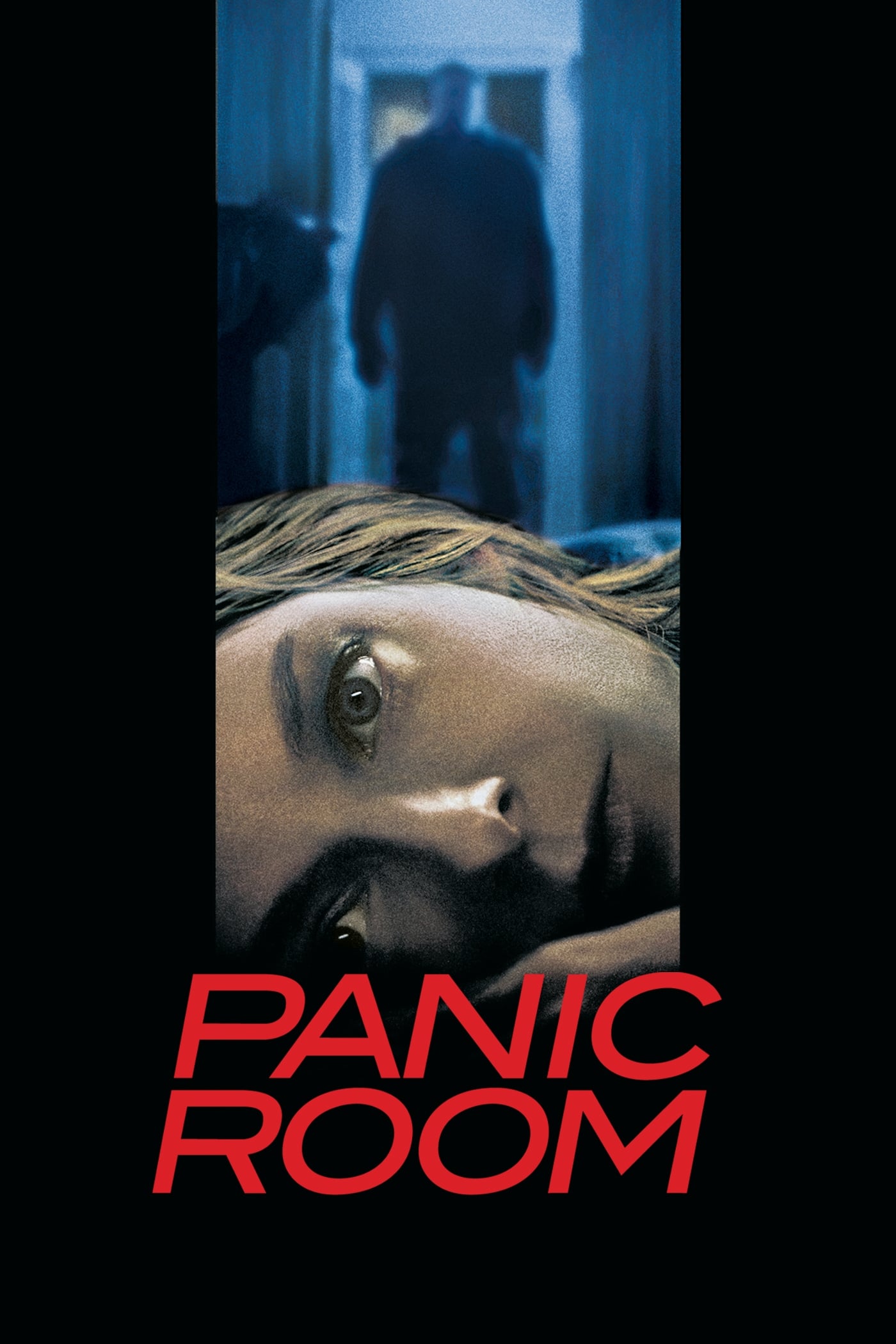
David Fincher directed this home invasion thriller about a mother and daughter who retreat to a fortified safe room when thieves break into their Manhattan townhouse. Forest Whitaker plays Burnham, a security systems expert who understands the house’s design and tries to access a hidden safe while the situation inside the panic room grows more urgent.
The production built detailed multi level sets so the camera could move through walls and ceilings in extended shots that map the geography of the house. The cast includes Jodie Foster, Kristen Stewart, Jared Leto, and Dwight Yoakam, and the film uses surveillance monitors, ventilation routes, and lock mechanisms to drive the unfolding strategy on both sides of the door.
‘Vantage Point’ (2008)
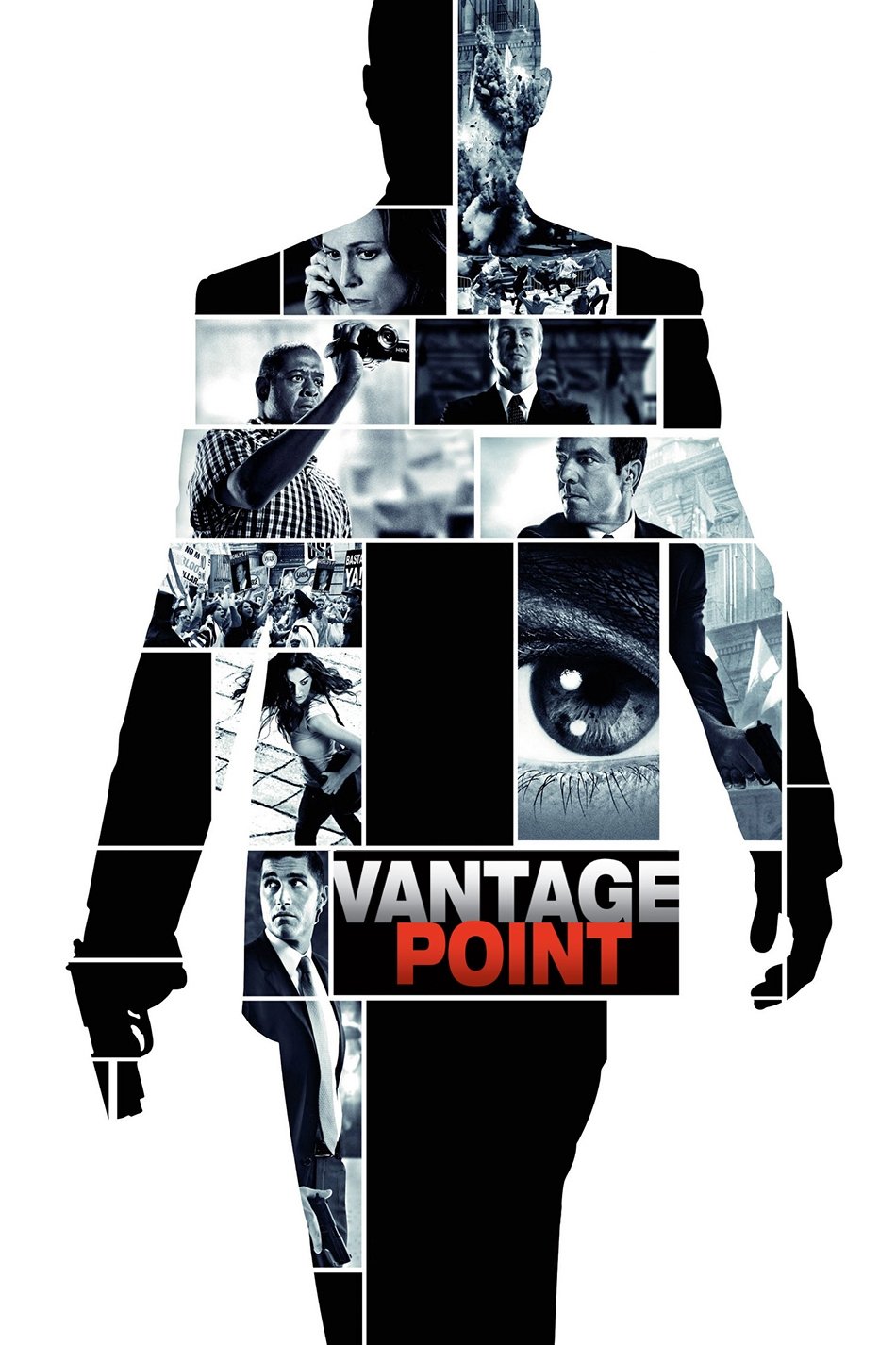
Pete Travis directed this action thriller that reconstructs an attack on the United States president during a public event in Salamanca. Forest Whitaker plays Howard Lewis, a tourist whose camcorder footage becomes a crucial thread as authorities attempt to piece together the sequence of events.
The story repeats the central incident from multiple perspectives, revealing new information with each pass and shifting the viewer’s understanding of motives and timing. The cast includes Dennis Quaid, Matthew Fox, and Sigourney Weaver, and the production coordinates crowd scenes, stunts, and timed cues to align with the film’s split viewpoints approach.
‘Repo Men’ (2010)
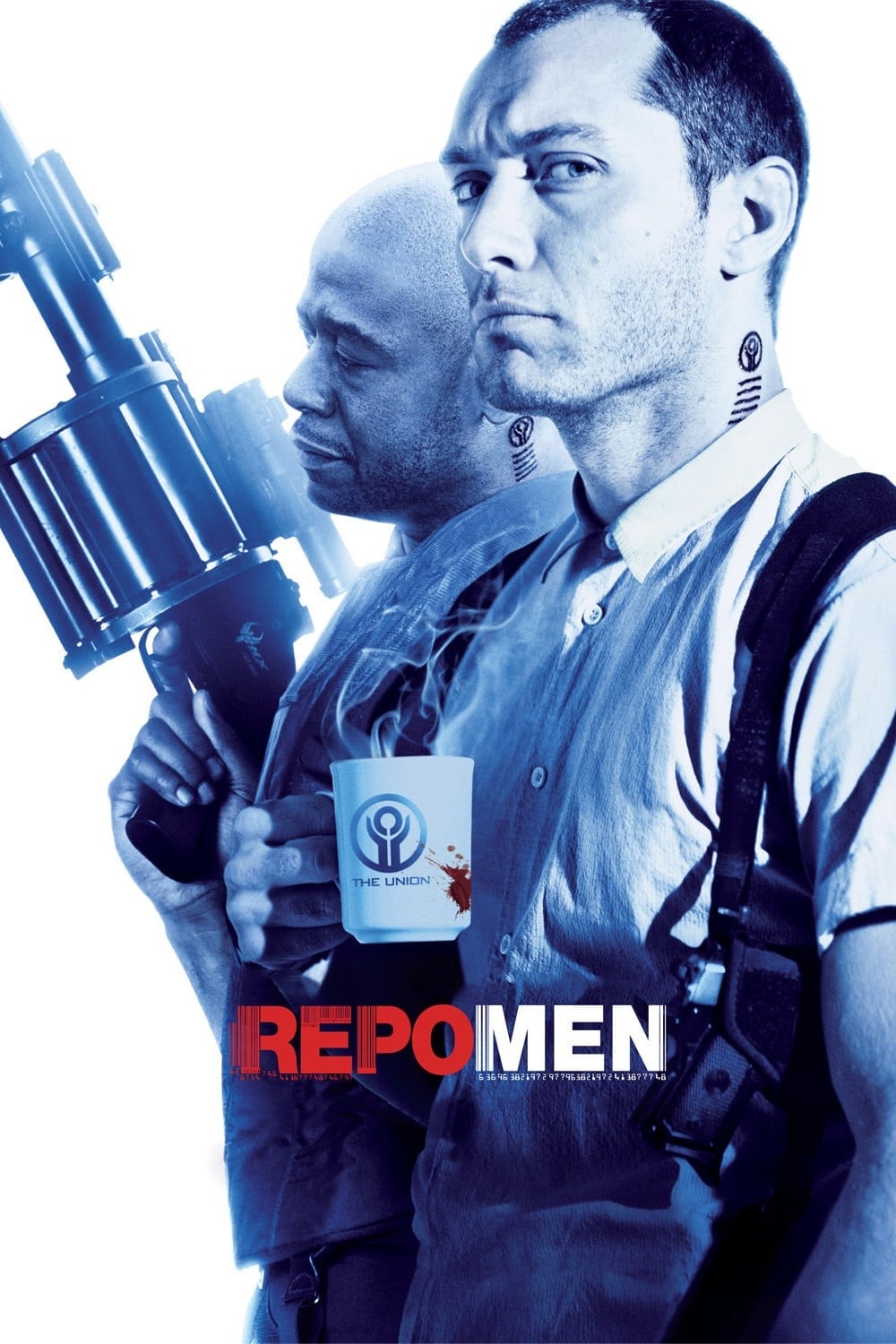
Miguel Sapochnik directed this near future story about a corporation that sells artificial organs on credit and sends agents to repossess them when accounts fall behind. Forest Whitaker plays Jake, a seasoned enforcer whose work partner Remy is played by Jude Law, and their friendship faces strain as the cost of the job becomes personal.
The film is based on Eric Garcia’s novel The Repossession Mambo and features a catalog of bioengineered devices that define black market trade and surgical recovery. Fight choreography emphasizes close quarters encounters using knives and improvised tools, while warehouse labs and contract stations sketch out the company’s logistics network.
‘Southpaw’ (2015)
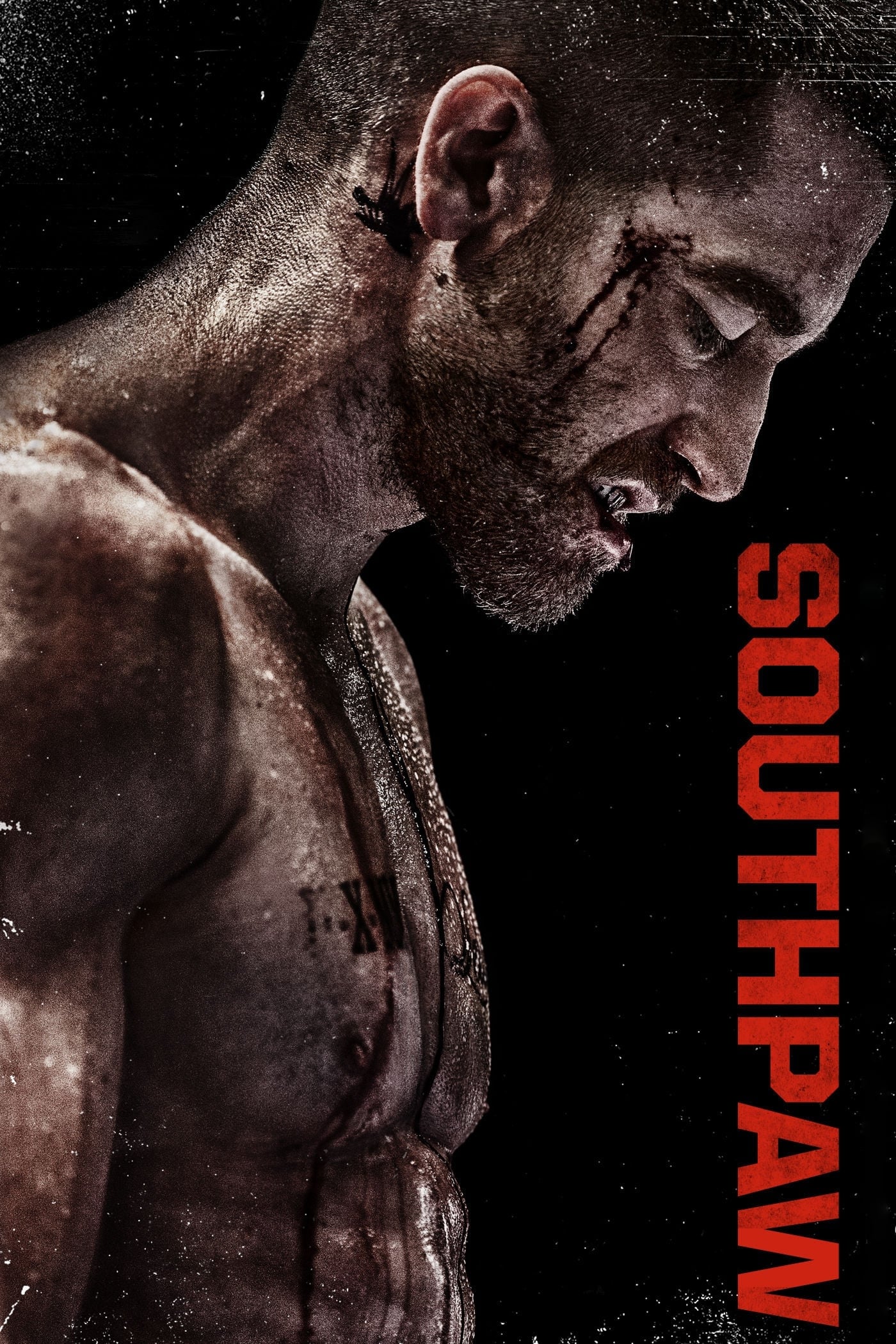
Antoine Fuqua directed this boxing drama about a champion who loses his footing and seeks a route back to the ring. Forest Whitaker plays Tick Wills, a trainer who runs a small gym and agrees to rebuild the fighter’s fundamentals with a focus on defense, conditioning, and discipline.
The production details training routines that include sparring rounds, mitt work, and roadwork along with weight management and medical checks. The cast features Jake Gyllenhaal, Rachel McAdams, and Oona Laurence, and the fight scenes use ringside camera positions and cut patterns that follow punch selection, footwork, and corner adjustments between rounds.
‘Zulu’ (2013)
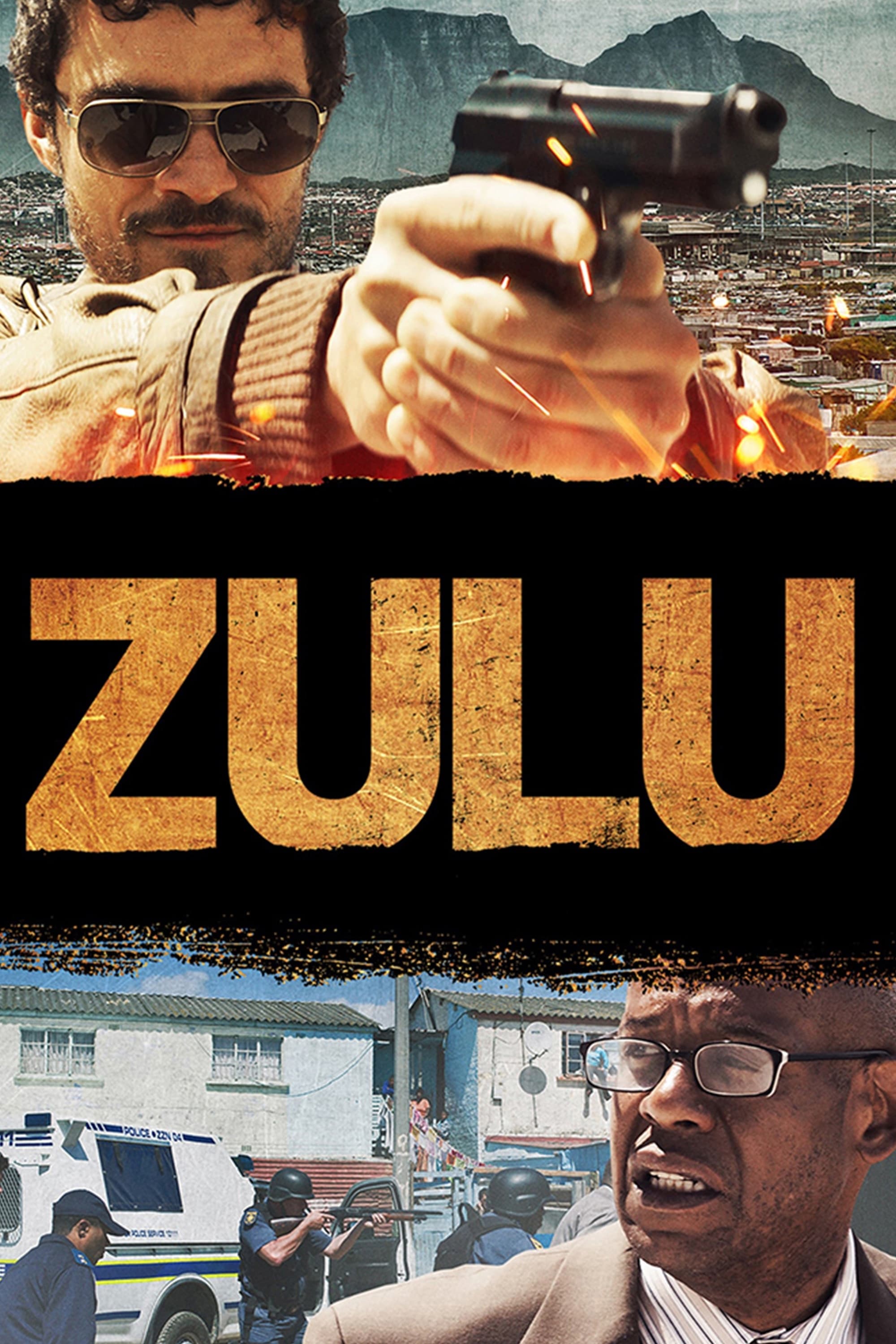
Jérôme Salle directed this crime drama set in Cape Town that pairs two detectives from different backgrounds on a murder case linked to a synthetic drug. Forest Whitaker plays Ali Sokhela, a senior officer whose personal history intersects with the investigation, working alongside Orlando Bloom’s character Brian Epkeen.
The film tracks supply chains, nightclub distribution, and links to research programs as the detectives move between affluent neighborhoods and townships. Location photography uses coastal light and industrial zones to define the city’s contrasts, while interrogations and stakeouts reveal the power dynamics that shape the case.
‘The Forgiven’ (2017)
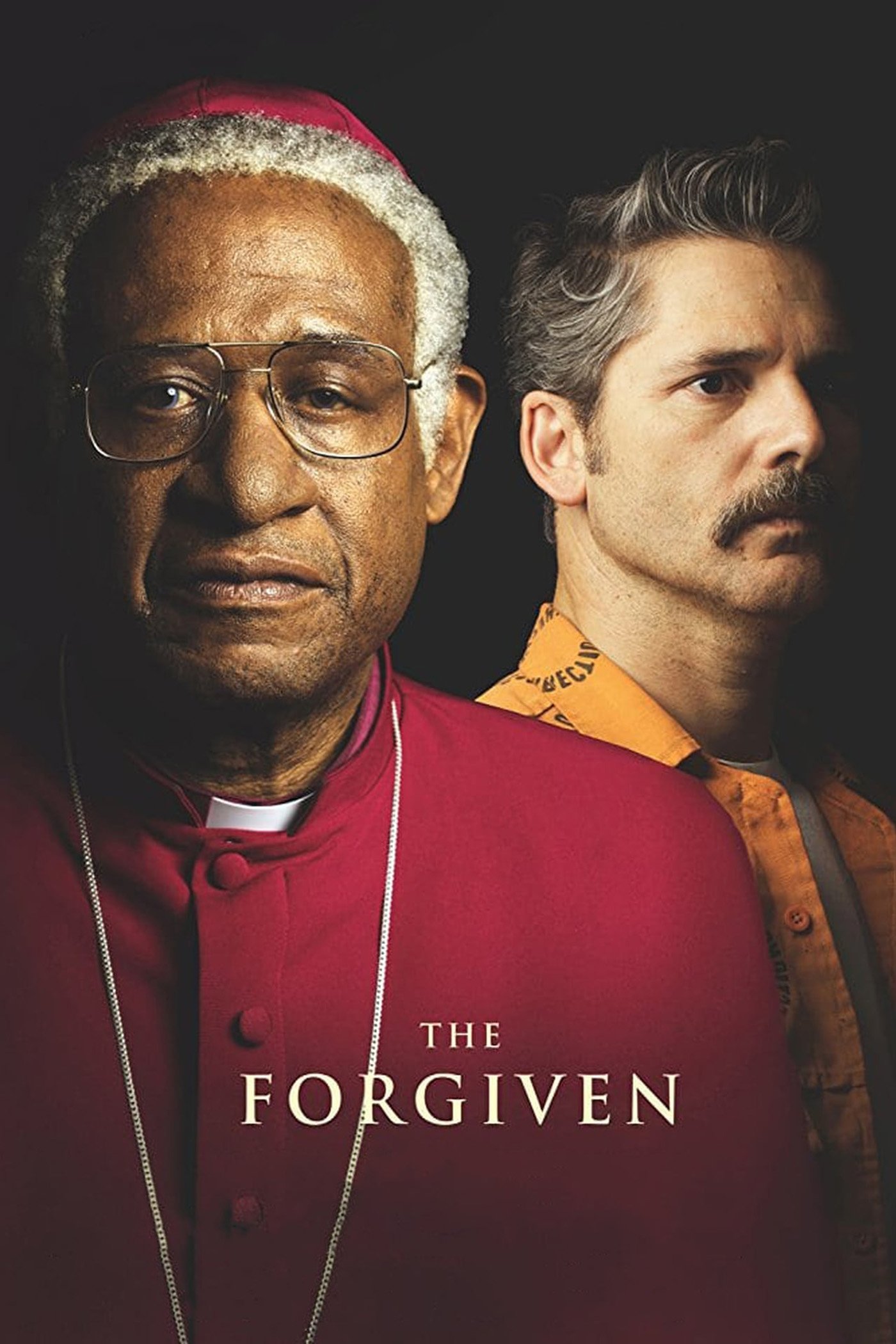
Roland Joffé directed this drama set during the work of South Africa’s Truth and Reconciliation Commission. Forest Whitaker portrays Archbishop Desmond Tutu as he meets prisoner Piet Blomfeld, played by Eric Bana, to explore testimony about past violence and unresolved cases.
The prison setting frames extended dialogues that weigh accountability, confession, and the possibility of restorative outcomes, supported by records and statements drawn from hearings. Production design uses stark cells, chaplain offices, and witness rooms to focus attention on language, memory, and the procedural steps that guide the commission’s process.
Share your picks in the comments and tell everyone which Forest Whitaker films you think more people should catch.