


10 Underrated Films by Sylvester Stallone You Must See



Sylvester Stallone has worked across drama, action, sports stories, and crime sagas, often contributing as actor, writer, and sometimes director. Beyond the global hits like ‘Rocky’ and ‘Rambo’, his filmography includes projects that slipped under the radar or were overshadowed by larger franchises. These titles show the range of roles he took on and the variety of filmmakers he collaborated with.
This list pulls together ten films that many viewers miss on a first pass through his career. You will find key details about stories, roles, directors, locations, and production context. Use it as a roadmap to fill in the lesser seen chapters of his screen work.
‘Paradise Alley’ (1978)
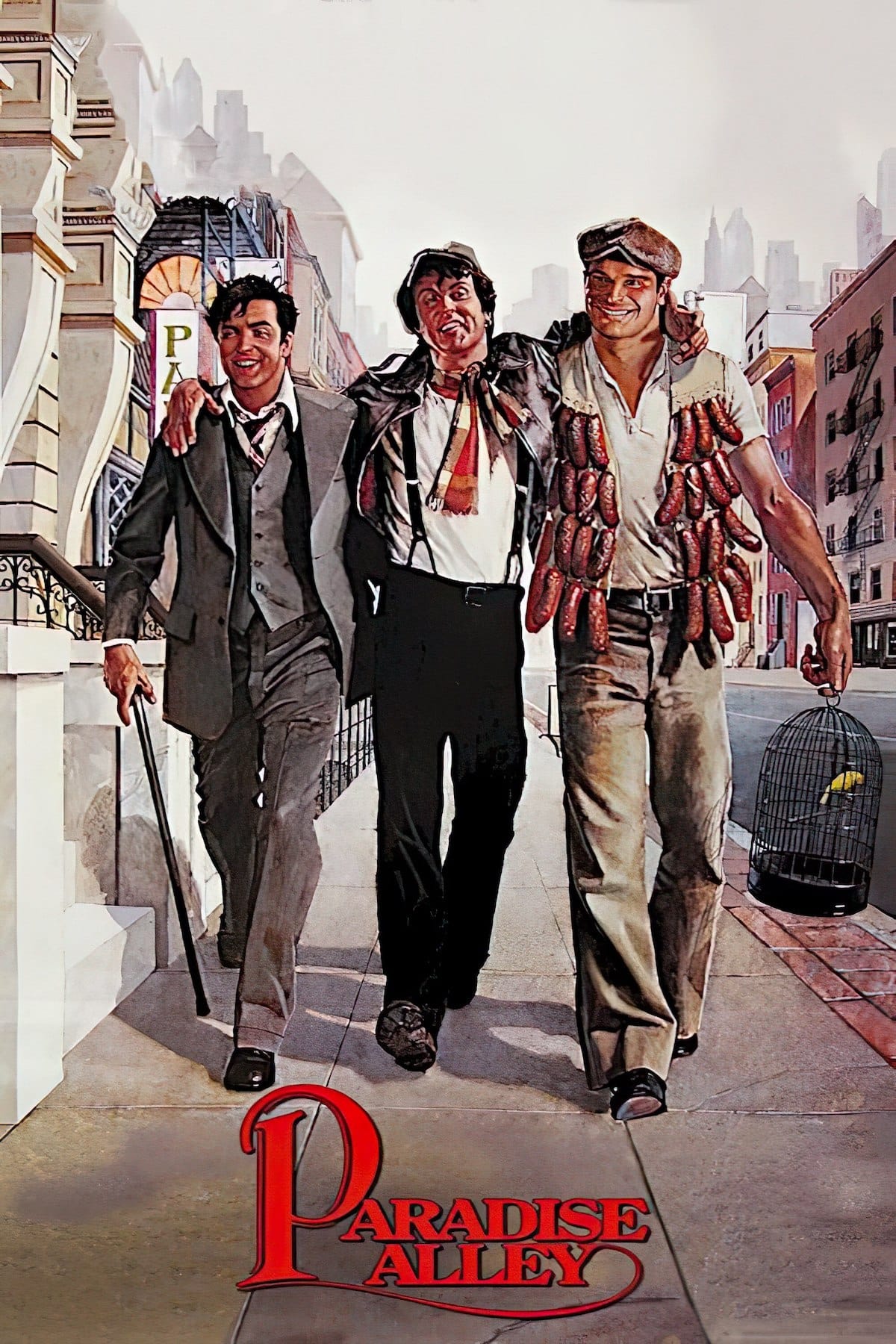
‘Paradise Alley’ follows three brothers from Hell’s Kitchen who step into the world of professional wrestling, with Stallone playing hustler Cosmo Carboni alongside Armand Assante and Lee Canalito. The story focuses on small time schemes turning into ring matches at a club that gives the film its name, with family ties tested inside and outside the ropes.
Stallone wrote and directed the film and worked again with composer Bill Conti. Universal Pictures released it after the breakout success of ‘Rocky’. The production used a mix of backlot builds and New York City exteriors to recreate the neighborhood setting and the wrestling bouts were staged with period appropriate presentation and rules.
‘F.I.S.T.’ (1978)
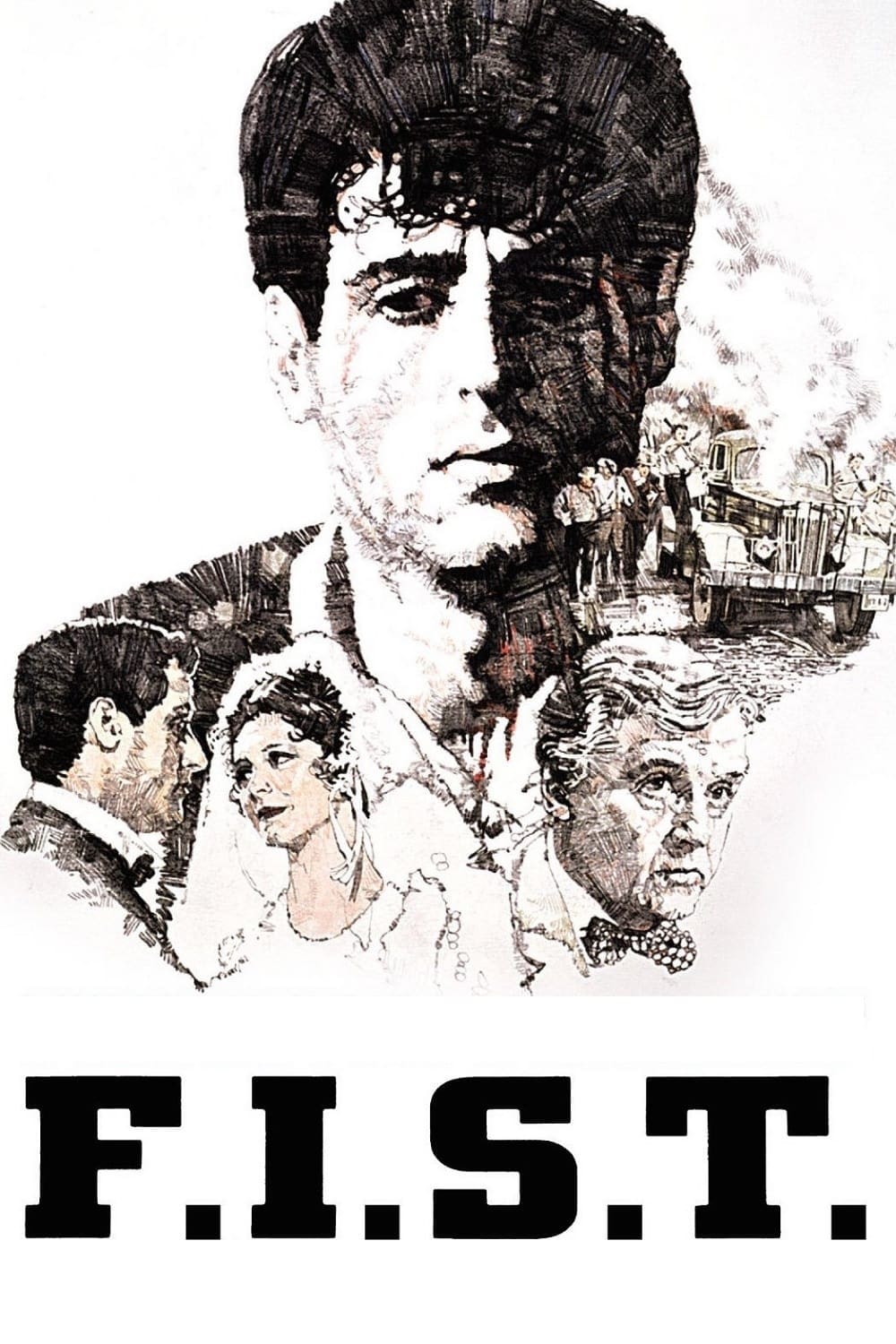
‘F.I.S.T.’ presents Stallone as warehouse worker Johnny Kovak who rises within a powerful labor organization as strikes, negotiations, and political pressure reshape his life. The narrative charts internal power struggles and public battles as the union expands its influence across industries.
The film was directed by Norman Jewison from a script by Joe Eszterhas with additional writing from Stallone. United Artists handled distribution and the story drew inspiration from real world union history. Production shot across multiple American cities to stand in for industrial hubs and the costume and set design track the changing scale of the union movement.
‘Nighthawks’ (1981)
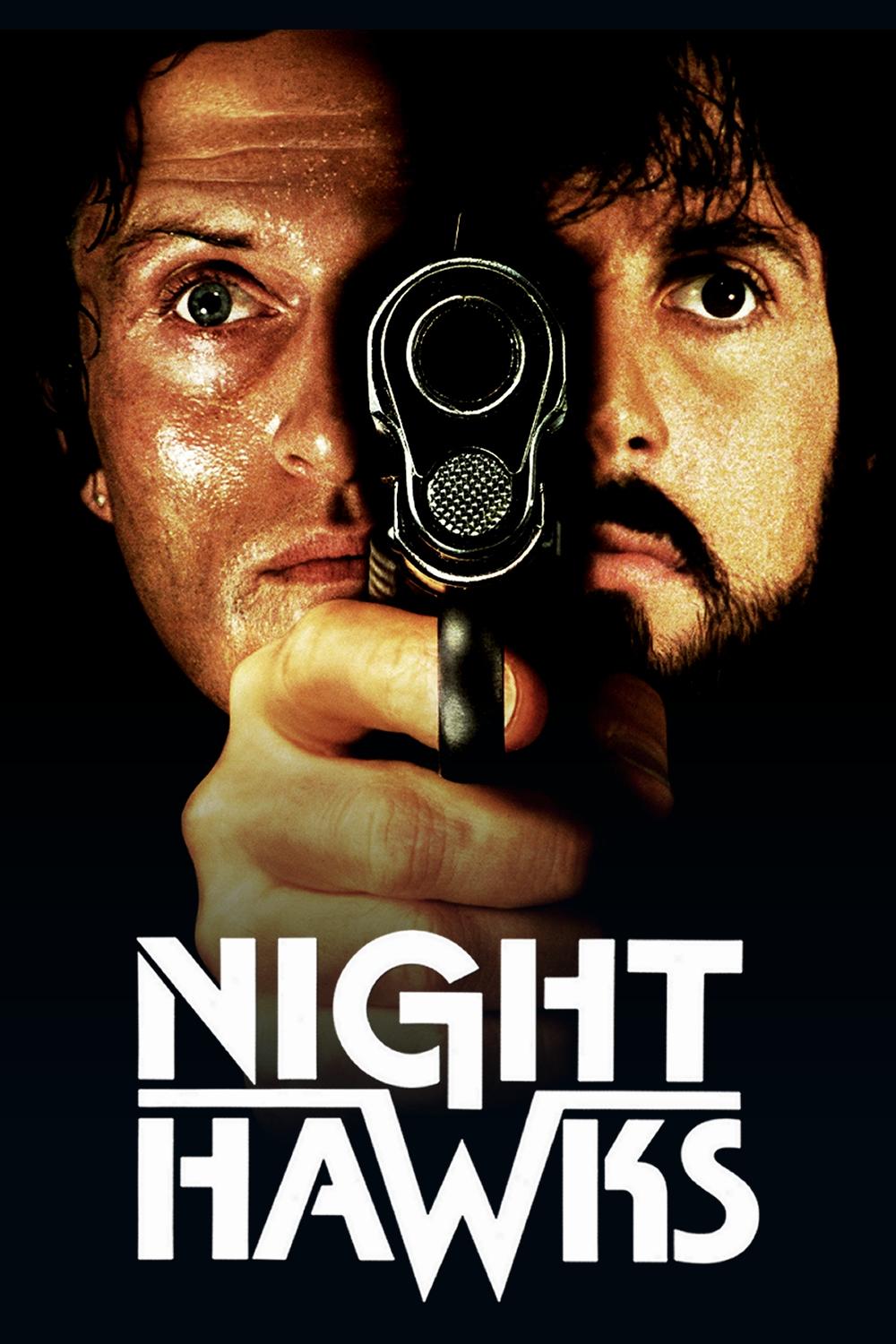
‘Nighthawks’ casts Stallone as a New York detective paired with Billy Dee Williams on the trail of an international terrorist played by Rutger Hauer. The plot follows undercover work, surveillance, and city wide pursuit that moves through subways, nightclubs, and crowded streets.
Bruce Malmuth directed with a score by Keith Emerson and location shooting across New York City. The project began from a concept linked to ‘The French Connection’ series before being reworked into an original story. Practical effects, on location stunts, and a focus on urban police tactics give the set pieces a grounded look.
‘Escape to Victory’ (1981)
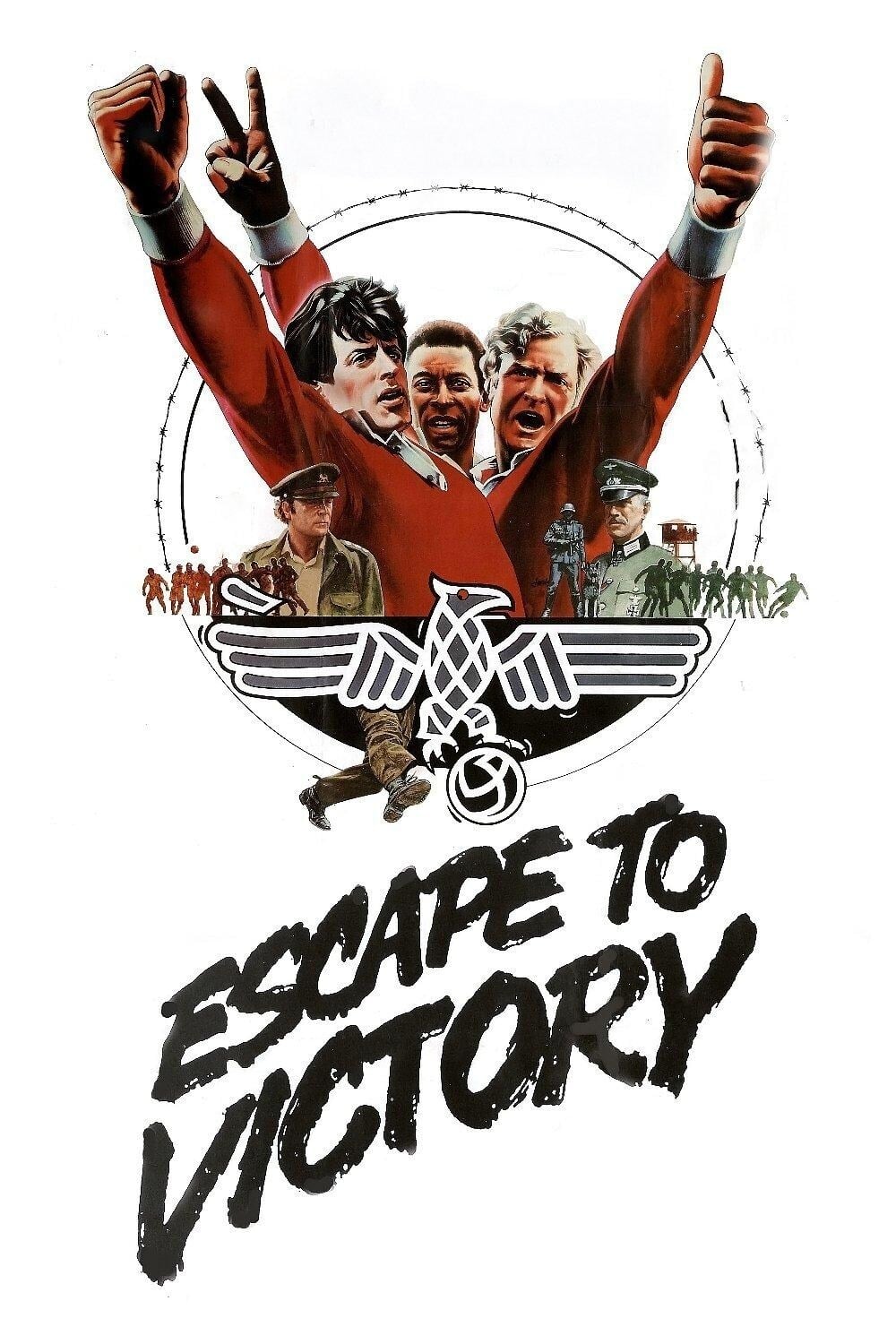
‘Escape to Victory’ brings Stallone into a prisoner of war story built around a football match between Allied soldiers and a German team. Michael Caine leads the squad on the field and Pelé choreographs key plays while the plot ties the match to an escape plan.
John Huston directed and the cast includes real players such as Pelé, Bobby Moore, and Ossie Ardiles alongside Max von Sydow. The production filmed in Hungary with large crowds arranged for stadium scenes and Bill Conti composed the music. Game action uses coordinated set pieces planned with professional athletes to match the style of the era.
‘Lock Up’ (1989)
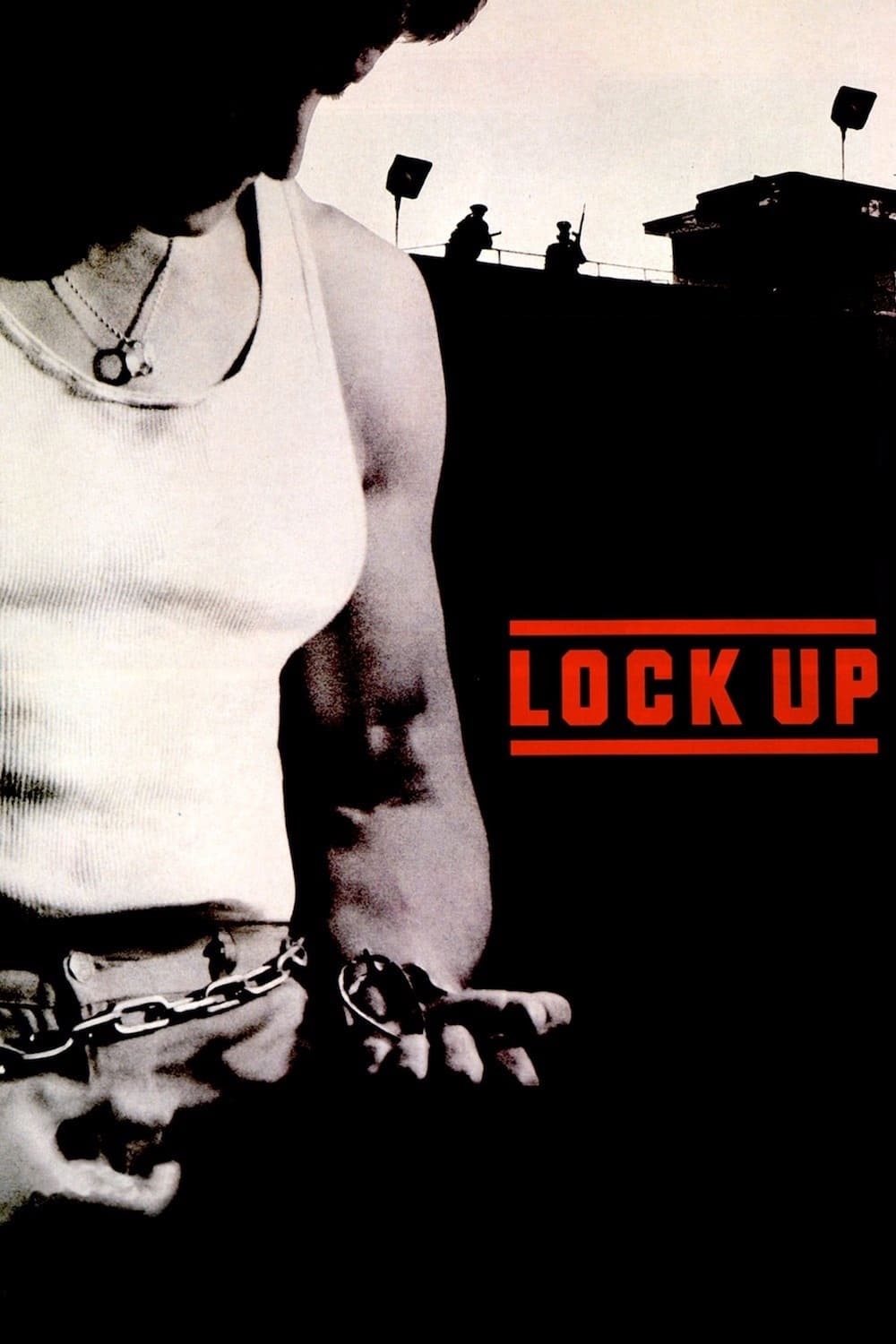
‘Lock Up’ features Stallone as a low security inmate transferred without warning to a maximum security facility where a warden played by Donald Sutherland targets him with escalating punishments. The story shows prison routines, workshop assignments, and the pressure of rival groups as the lead character plans a way to survive his final months.
John Flynn directed and Tri Star Pictures released the film. Production staged sequences at New Jersey’s East Jersey State Prison along with purpose built sets for cell blocks and yards. The supporting cast includes John Amos and Tom Sizemore in an early screen role and the action centers on practical effects within confined spaces.
‘Cop Land’ (1997)
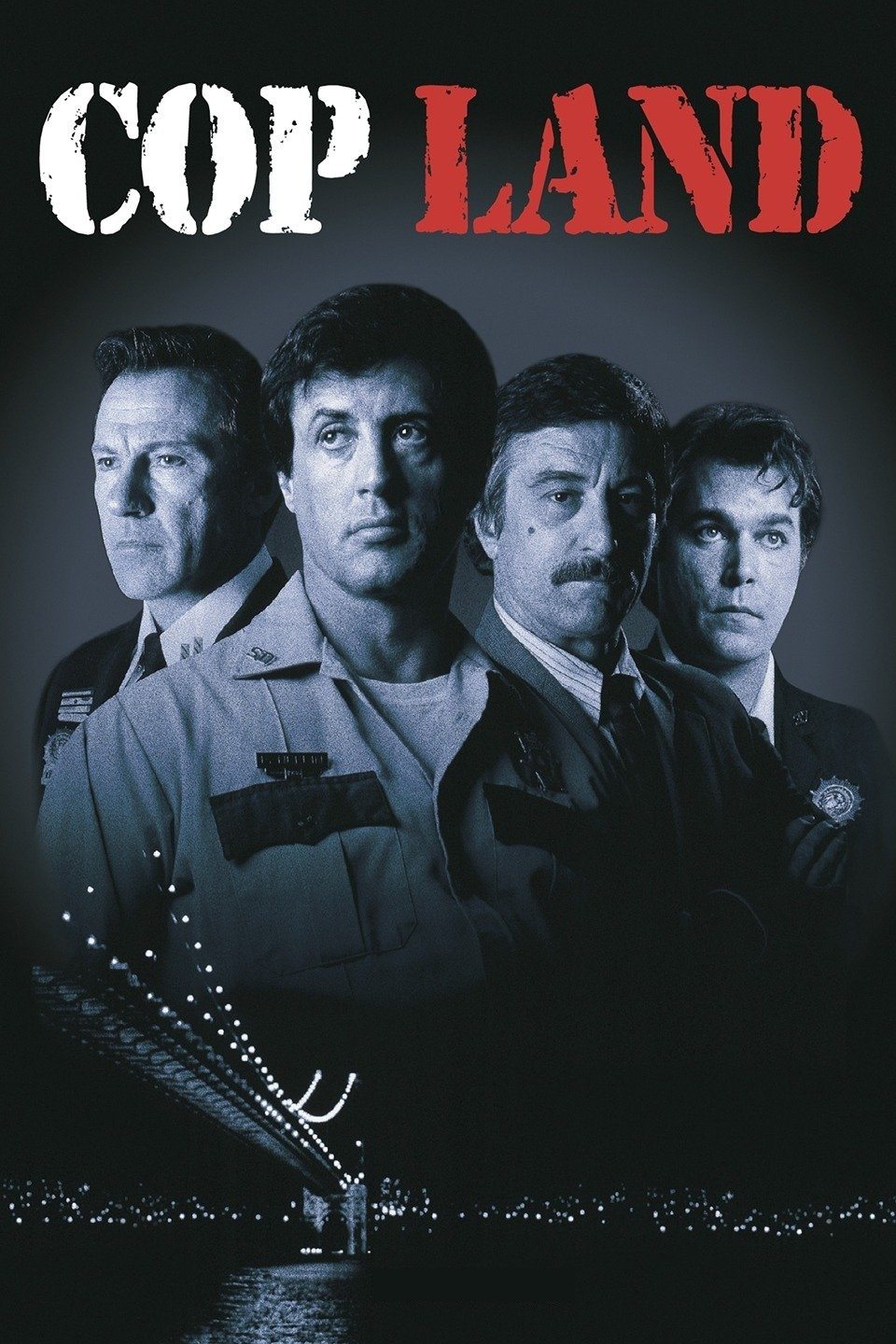
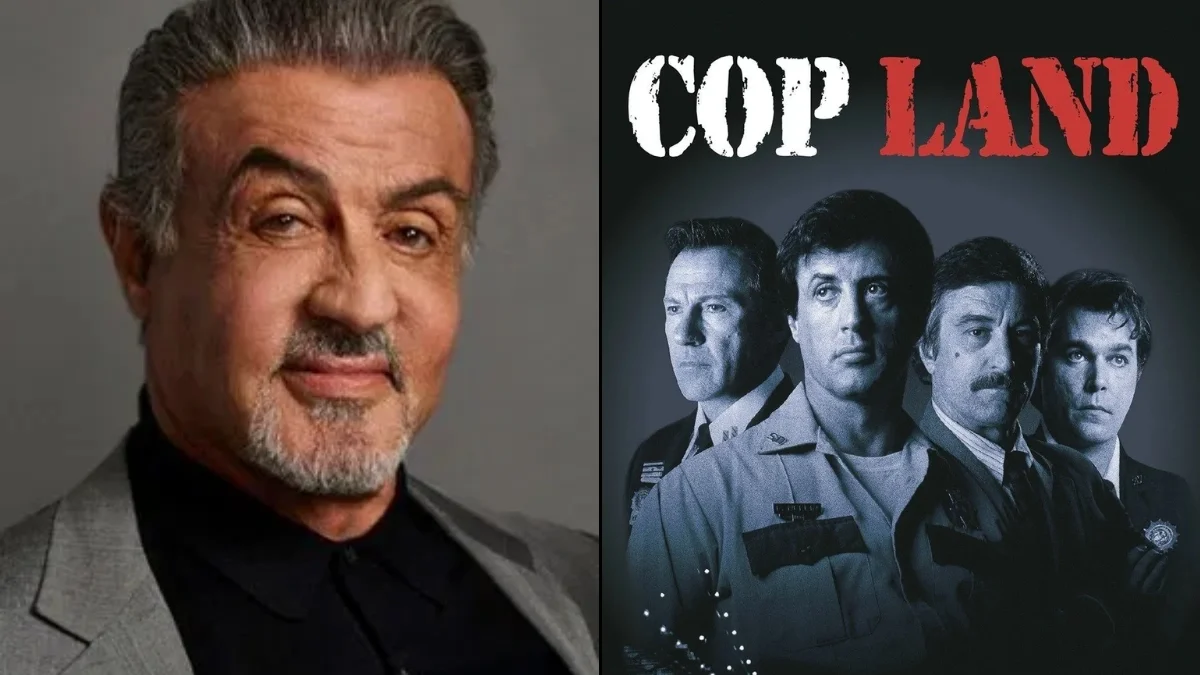
‘Cop Land’ places Stallone in the role of a small town New Jersey sheriff named Freddy Heflin whose jurisdiction covers a bedroom community populated by New York City officers. The plot tracks internal affairs questions, missing evidence, and the sheriff’s choice to step into a case that reaches into the city across the river.
James Mangold wrote and directed and the ensemble includes Robert De Niro, Harvey Keitel, and Ray Liotta. Stallone altered his physical appearance for the role to reflect the character’s quieter life and Miramax Films released the movie. Filming took place on both sides of the Hudson with New Jersey locations standing in for the town of Garrison and Howard Shore composed the score.
‘Get Carter’ (2000)
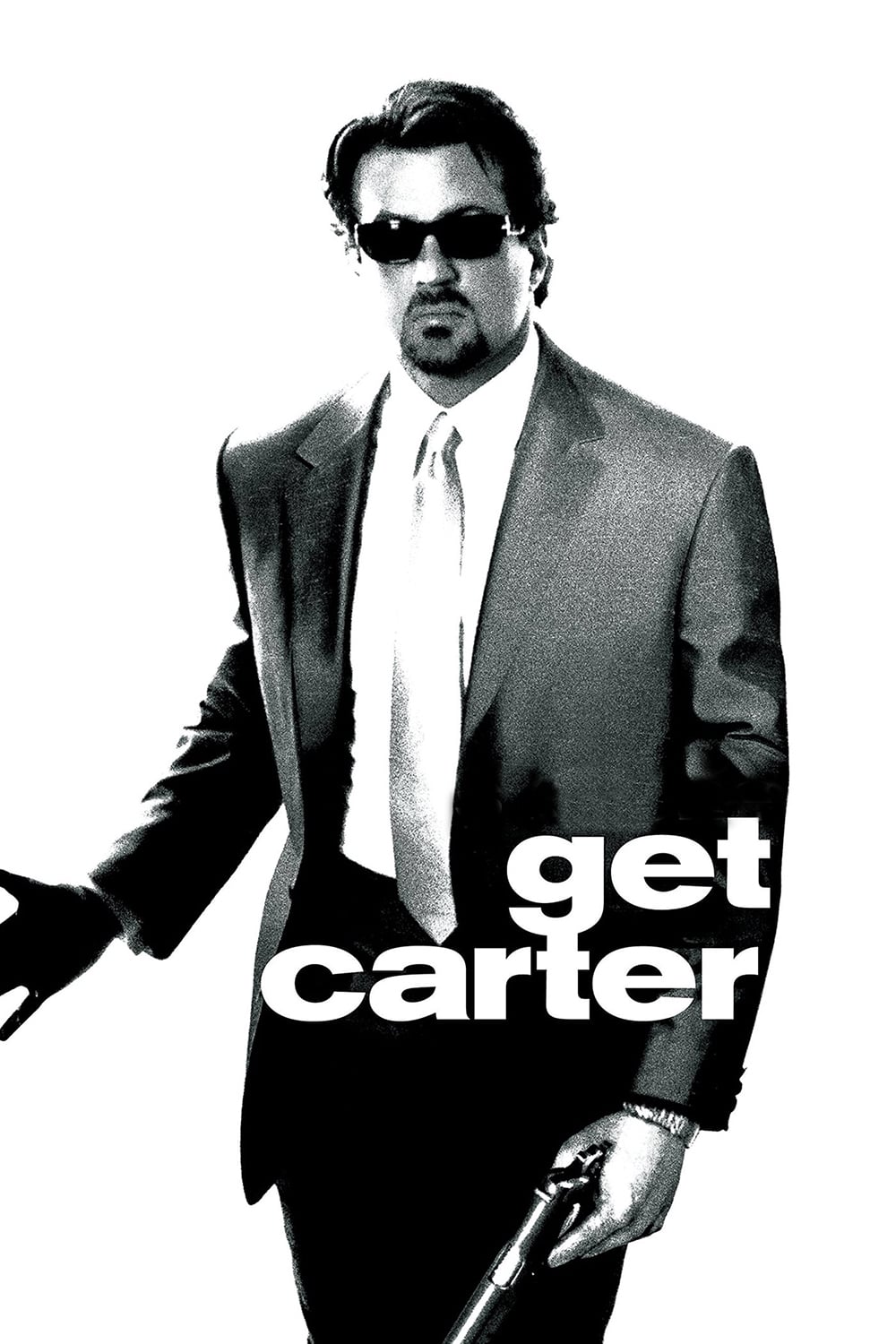
‘Get Carter’ is a reinterpretation of the British crime story that follows enforcer Jack Carter as he returns home to investigate a family death. Stallone plays Carter opposite Mickey Rourke with Michael Caine appearing in a new role that nods to the earlier version while the plot moves through clubs, casinos, and waterfront districts.
Stephen Kay directed and Warner Bros released the film. Production used Seattle and Vancouver locations for city backdrops and night exteriors and the soundtrack mixes electronic and rock elements. The crew staged car chases on urban streets and the story threads connect organized crime, personal history, and a trail of financial records.
‘Avenging Angelo’ (2002)
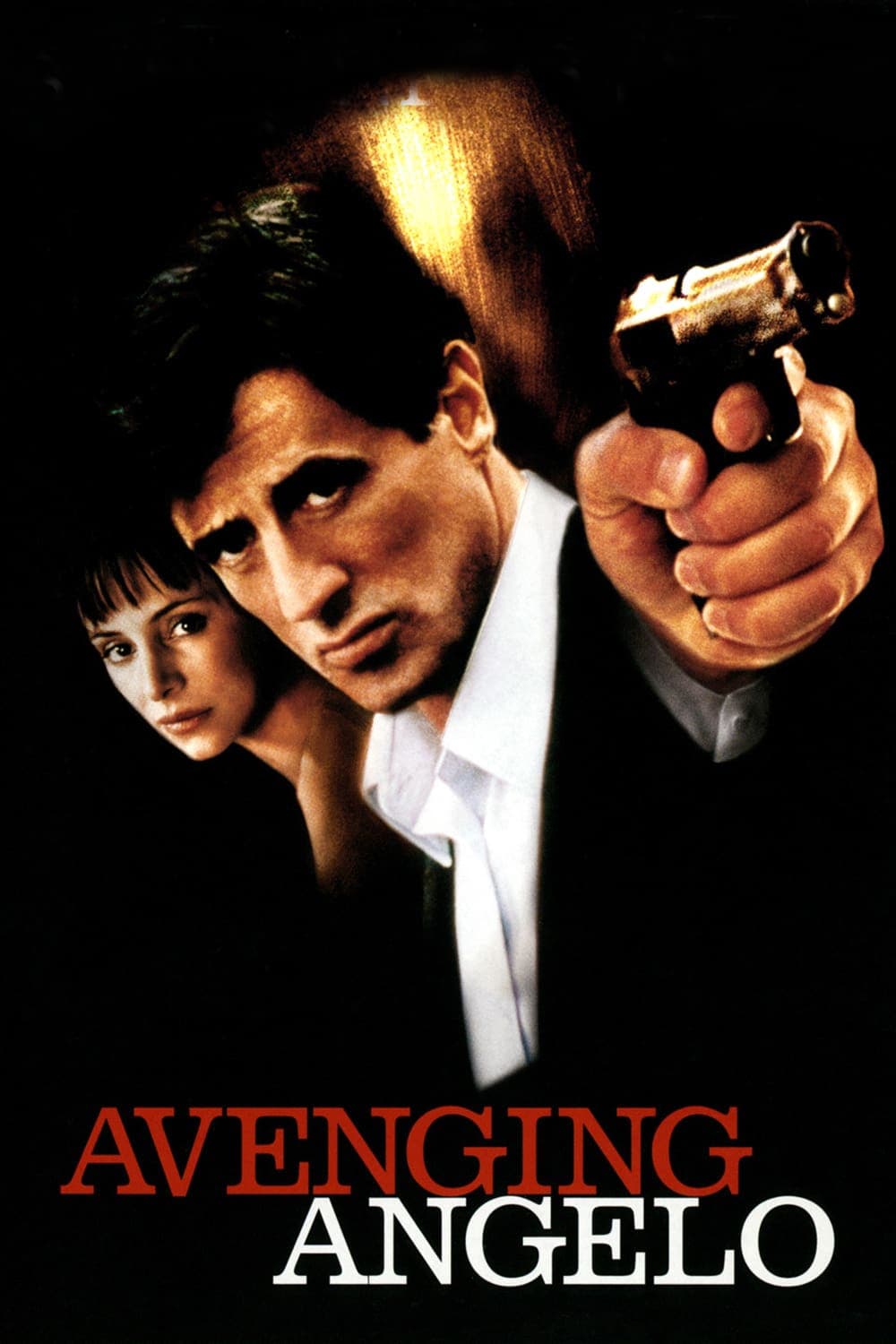
‘Avenging Angelo’ casts Stallone as bodyguard Frankie Delano who protects the daughter of a mafia leader played by Anthony Quinn. The plot follows letters, hidden identities, and rival families as the lead character moves between North America and Sicily.
Martyn Burke directed and the film reached audiences in some regions through direct to video releases. It is notable as one of the final screen appearances of Anthony Quinn. Shooting took place in Montreal and in Italian locations for exteriors and the production design contrasts city apartments with countryside villas to mark shifts in the story.
‘Shade’ (2003)
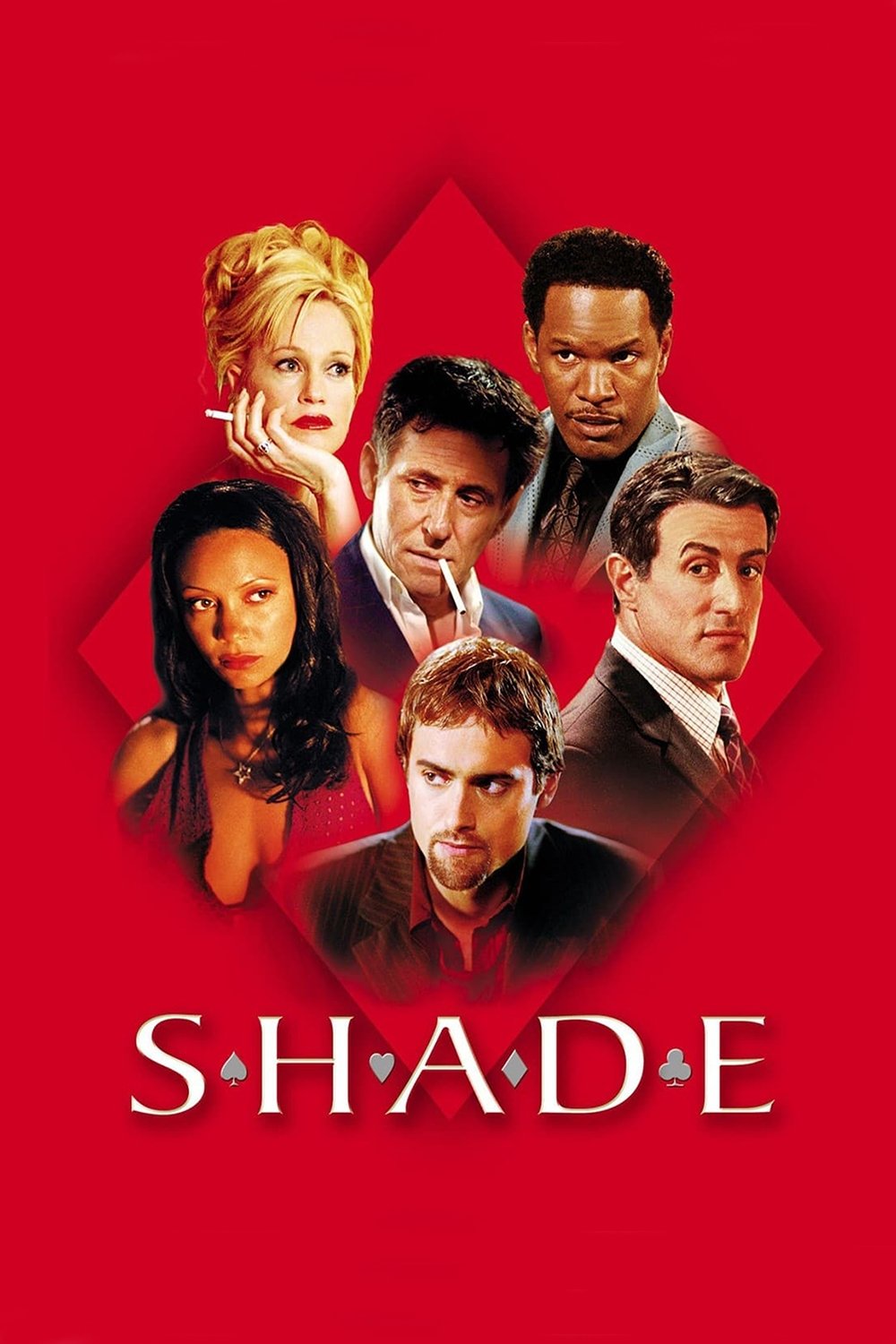
‘Shade’ drops Stallone into a world of high stakes card hustling as a legendary player called The Dean opposite Stuart Townsend, Gabriel Byrne, and Thandiwe Newton. The story revolves around teams of con artists who plan short cons and long cons using marked decks, false shuffles, and misdirection.
Damian Nieman wrote and directed and the film shot in Los Angeles with practical sleight of hand staged for the camera. Release began with a limited theatrical run followed by home video. The production leans on expert card handling and tight camera framing to show the mechanics of cheating during poker games and back room matches.
‘Bullet to the Head’ (2012)
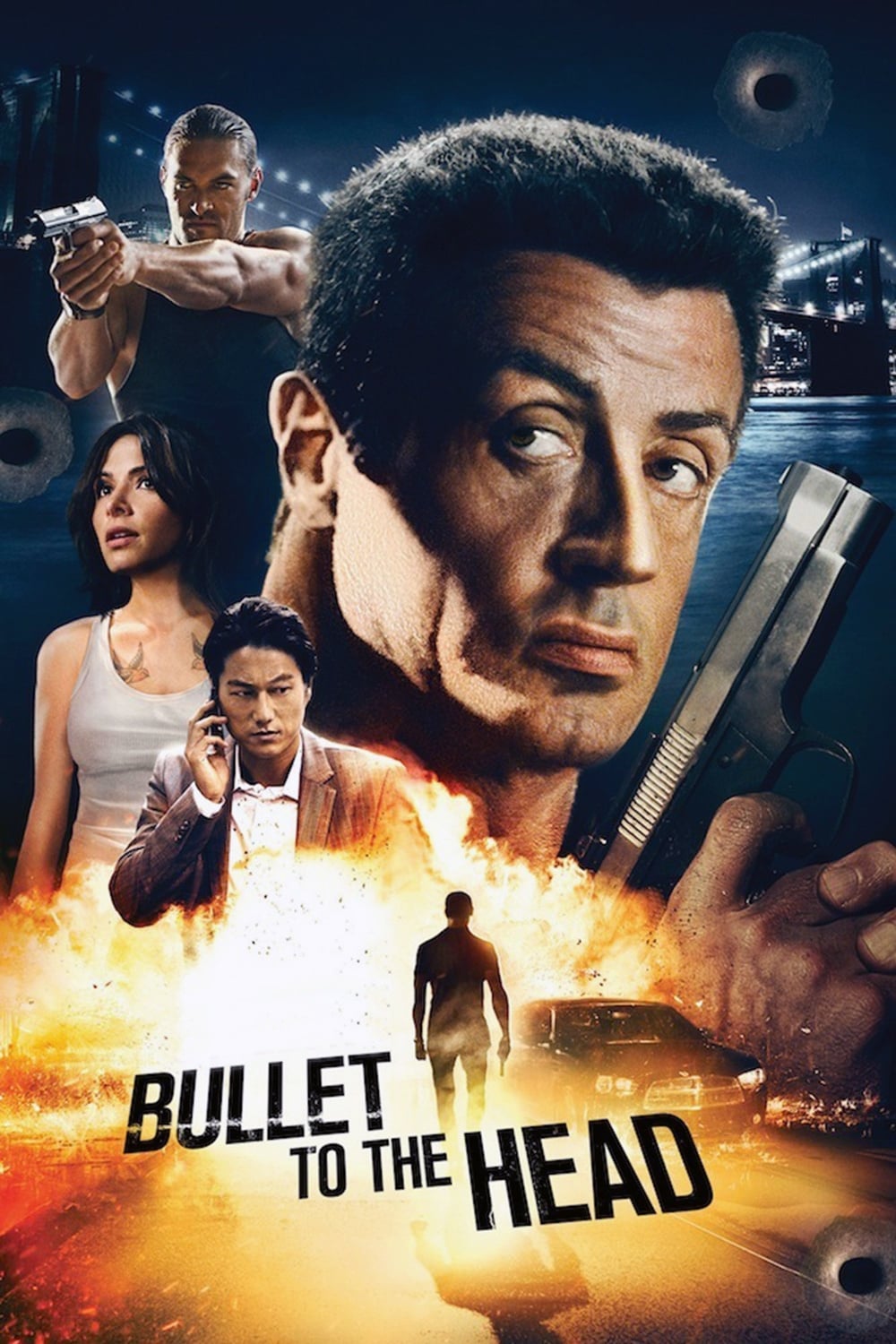
‘Bullet to the Head’ teams Stallone with Sung Kang as a hitman and a detective who share a target and work through a loose partnership. The plot moves through safe houses, bars, and industrial sites while Jason Momoa appears as a rival enforcer and Sarah Shahi and Christian Slater round out the cast.
Walter Hill directed and the screenplay adapts the French graphic novel ‘Du plomb dans la tête’ by writer Matz with art by Colin Wilson. Filming took place in New Orleans and the production uses practical stunt work in close quarters fights and street chases. The release brought Hill back to theatrical features and positioned Stallone in a contemporary crime setting.
Share your favorite overlooked Stallone titles in the comments and add the ones we missed.