


10 Underrated Films by Terence Stamp You Must See

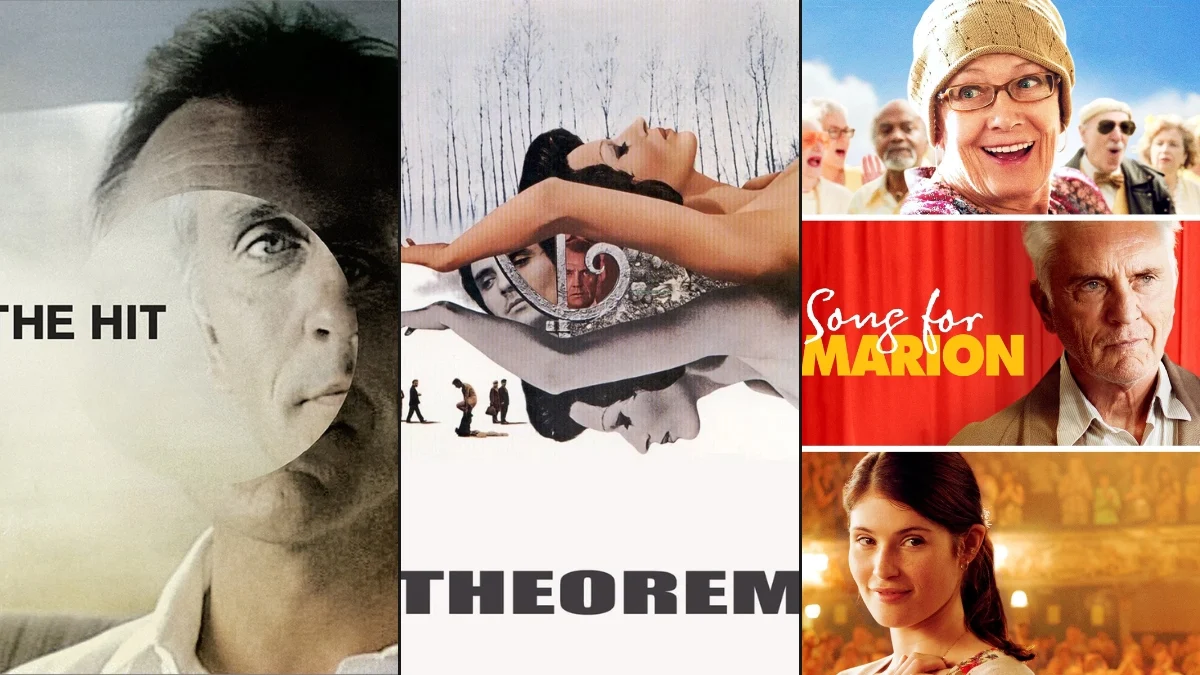


Terence Stamp has built a career that stretches across British classics, European art cinema, and modern studio releases. He has worked with directors such as Peter Ustinov, Joseph Losey, Pier Paolo Pasolini, Stephen Frears, and Federico Fellini, often choosing projects that mix daring ideas with memorable characters. His range covers seafaring drama, psychological suspense, eccentric espionage, metaphysical mystery, and contemporary science fiction, with roles in both English and non English language productions.
This list gathers ten projects that deserve a closer look for the variety of stories they tell and the craft behind them. You will find adaptations of literary works, collaborations with major auteurs, and genre pieces that use unexpected settings or production methods. Each entry notes Stamp’s role, the creative team guiding the film, and the elements that make the work stand out in his filmography.
‘Billy Budd’ (1962)
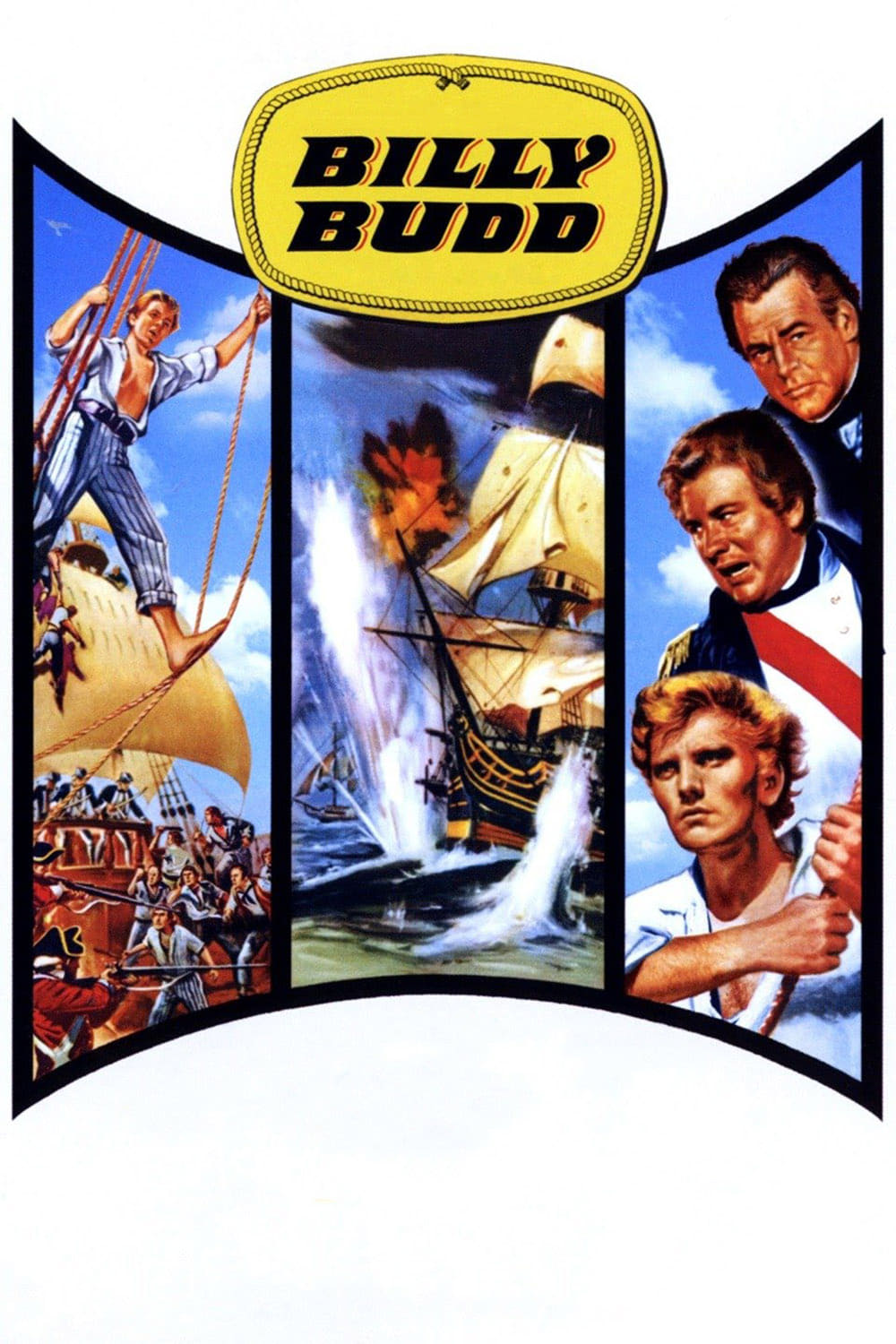
Peter Ustinov directs this adaptation of Herman Melville’s novella, with Terence Stamp in the title role aboard a British warship. The story follows the conflict between the idealistic young sailor and the ship’s master at arms while Captain Vere observes the crew and weighs difficult choices. The production uses shipboard sets and period naval detail to stage court martial scenes and the routines of life at sea.
The cast includes Peter Ustinov as Captain Vere and Robert Ryan as John Claggart alongside Stamp’s debut performance. The film introduced Stamp to international audiences and placed him immediately in demanding material drawn from a cornerstone of American literature.
‘The Collector’ (1965)
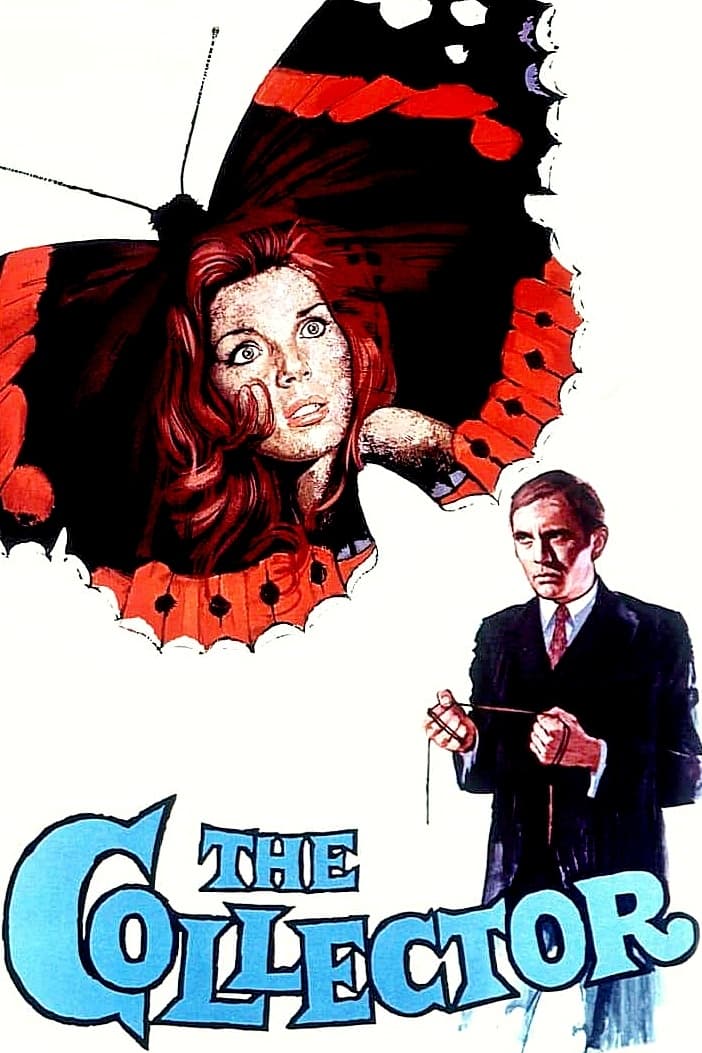
William Wyler adapts John Fowles’s novel with Terence Stamp as butterfly collector Frederick Clegg and Samantha Eggar as art student Miranda Grey. The plot centers on a kidnapping that unfolds in a secluded house where the captor attempts to force companionship while the captive plans responses to each new constraint. The production focuses on a small ensemble and contained locations to emphasize psychological tension.
Wyler’s direction aligns with the novel’s structure by tracking shifts in control and communication between the two characters. Stamp and Eggar carry most of the runtime, with cinematography and set design creating a confined world that highlights the changing balance in their scenes.
‘Modesty Blaise’ (1966)
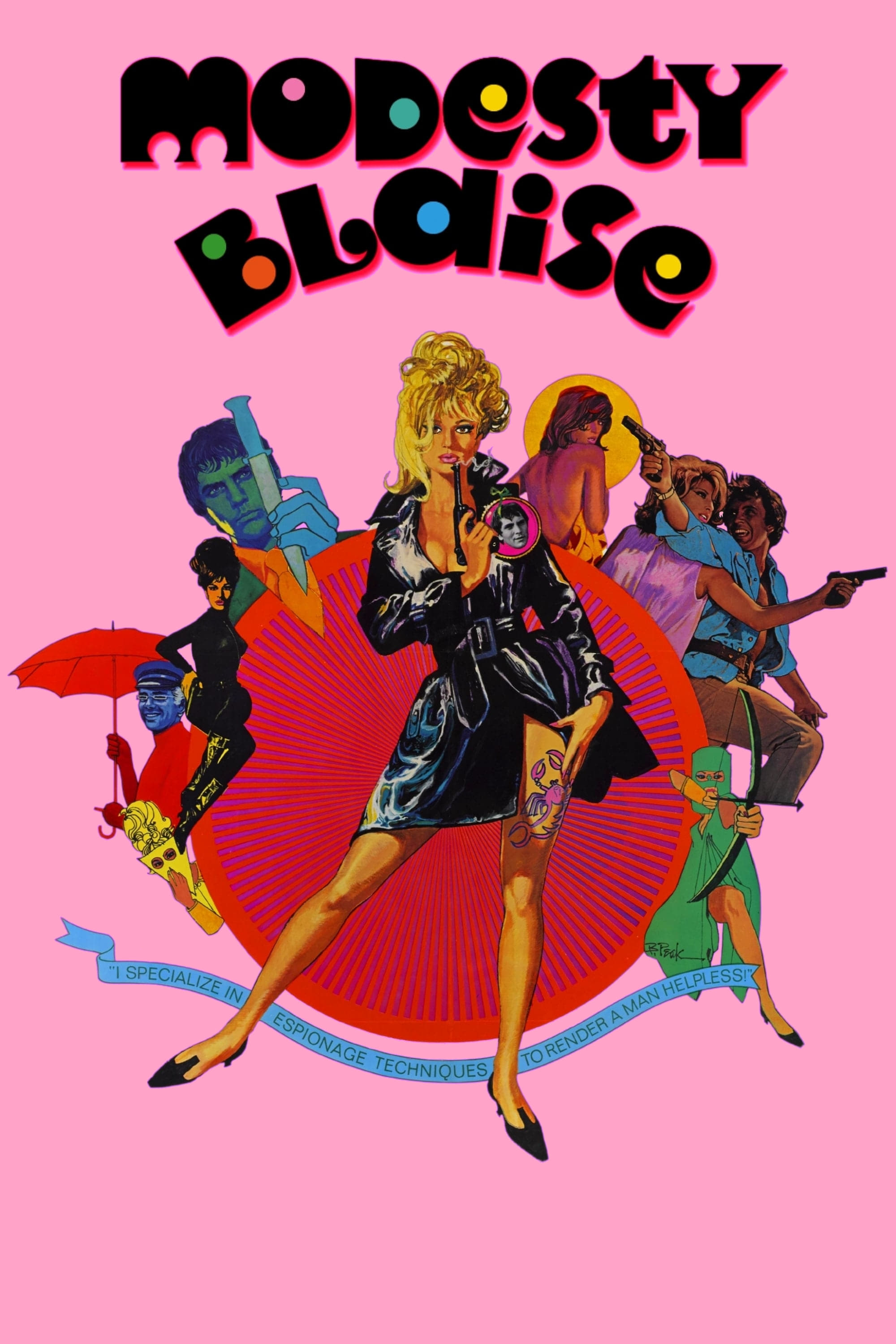
Joseph Losey brings the comic strip created by Peter O’Donnell and Jim Holdaway to the screen with Monica Vitti as Modesty and Terence Stamp as Willie Garvin. The plot involves a government request for help against diamond thieves and a criminal mastermind, with assignments that move the duo through heists, disguises, and double crosses. The film uses playful set pieces, pop art design, and musical numbers to match the source’s stylized tone.
Stamp’s Willie Garvin serves as Modesty’s partner in planning and fieldwork, with their teamwork shaping the story’s missions. The project stands out in Stamp’s credits for its comic strip origins, international locations, and collaboration with Losey on a large scale studio production.
‘Spirits of the Dead’ (1968)
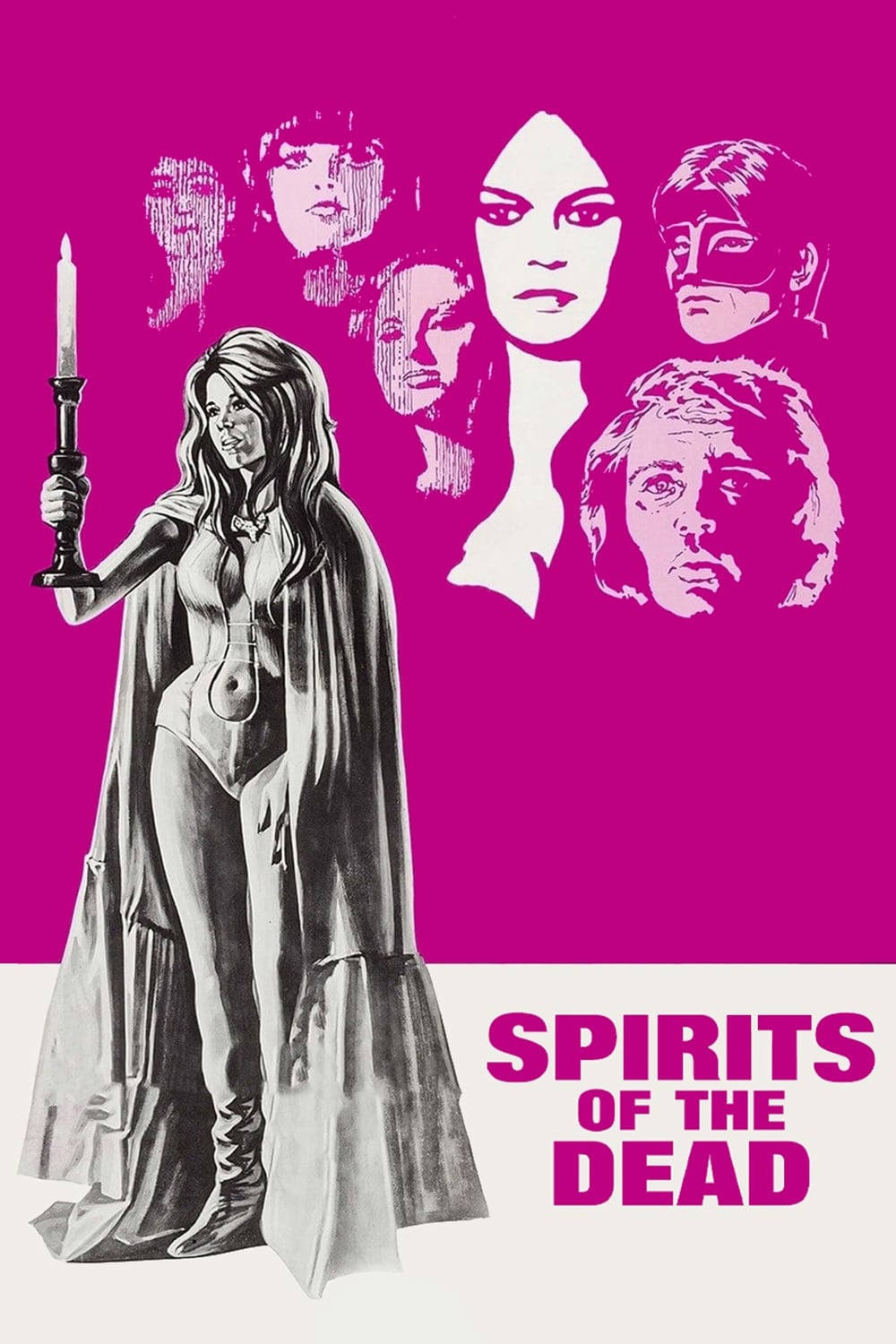
This anthology adapts three Edgar Allan Poe tales under the direction of Roger Vadim, Louis Malle, and Federico Fellini. Terence Stamp stars in Fellini’s segment ‘Toby Dammit’ as a British actor who arrives in Rome for a publicity event and encounters a series of visions and temptations tied to a mysterious child. The episode stages film within a film images, studio interviews, and a nocturnal drive to create a self contained narrative that explores stardom and dread.
The overall production is an international co venture with distinct styles in each segment while maintaining the Poe connection. Stamp’s work appears in the closing chapter, giving the anthology a capstone built around a single performance shaped by Fellini’s elaborate sound stages and location work in Rome.
‘Theorem’ (1968)
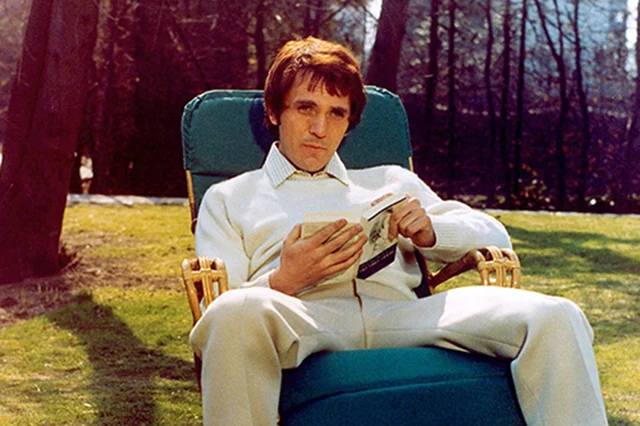
Pier Paolo Pasolini casts Terence Stamp as a visitor whose arrival disrupts a wealthy Milanese household that includes parents, two grown children, and a housemaid. The narrative follows private encounters between the guest and each family member and then examines how those encounters change their lives after his departure. The film blends spoken scenes with stretches of silence, printed text, and staged tableaux to build its structure.
This production exists both as a film and as a novel by Pasolini, with shared themes across the two versions. Stamp’s multilingual work fits the project’s mix of Italian and international elements, and the setting draws on modernist architecture and fashion to place the family within a specific social world.
‘The Mind of Mr. Soames’ (1970)
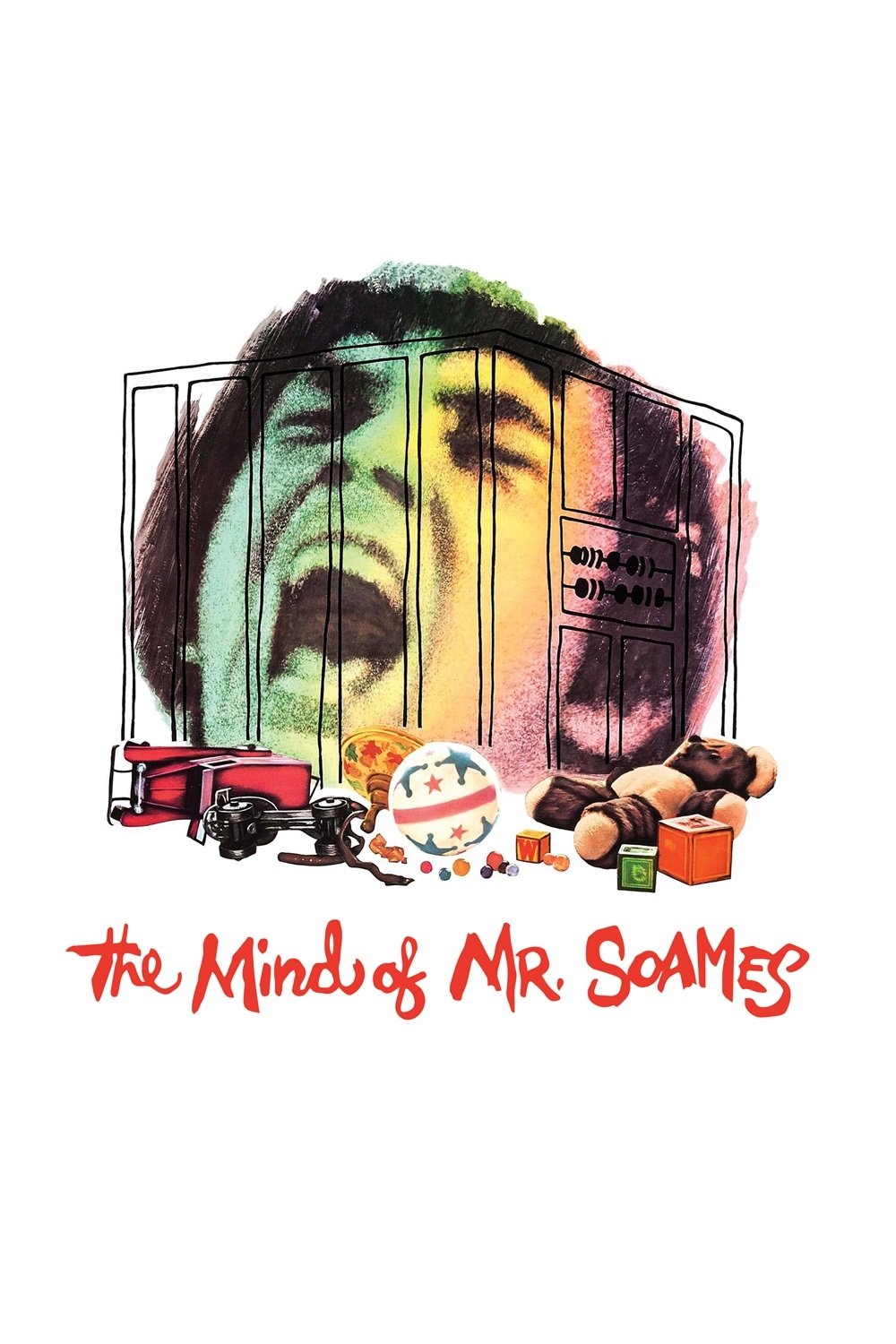
Based on the novel by Charles Eric Maine, this British science fiction drama features Terence Stamp as John Soames, a man revived from a lifelong coma with the mind of a child. Doctors at a research facility embark on an accelerated program to teach him language, social rules, and emotional control while debating clinical methods and ethical boundaries. The story tracks Soames’s progress through classrooms, therapy rooms, and supervised field trips.
The cast includes Robert Vaughn and Nigel Davenport as physicians with conflicting approaches that drive the central dilemma. The production uses laboratories, urban streets, and television demonstrations to show how scientific ambition intersects with public scrutiny and the pressures placed on a single patient.
‘The Hit’ (1984)
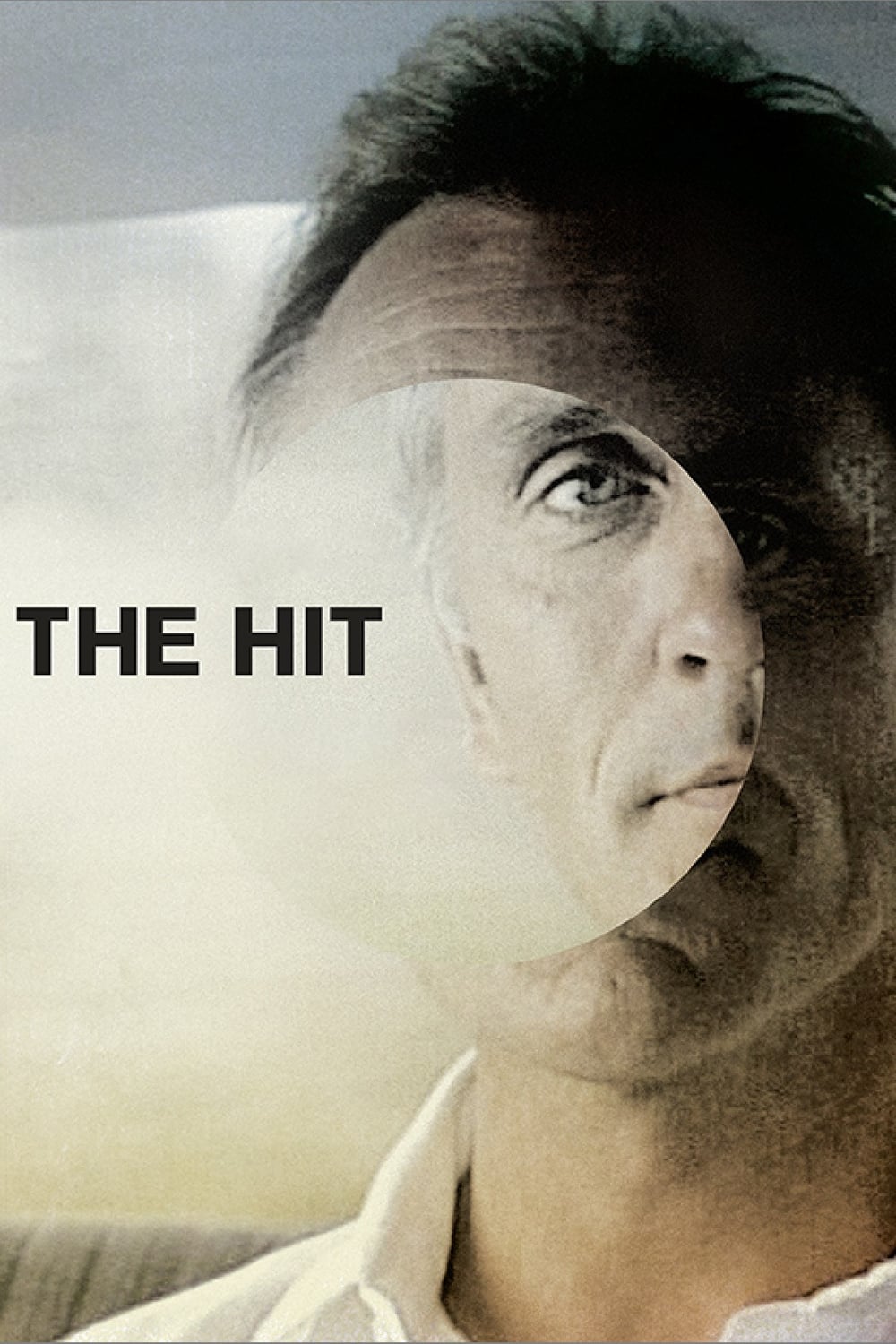
Stephen Frears directs this crime drama with Terence Stamp as Willie Parker, a former gangster living in Spain after turning witness. When kidnappers arrive to return him to an underworld boss, the journey by car across rural roads and cities becomes a study in shifting alliances and bargains. The film relies on on location shooting in Spain to ground the travel and the tense stops along the route.
John Hurt and Tim Roth co star as the escorting criminals whose methods and disagreements shape the route and the timetable. The screenplay by Peter Prince emphasizes conversations in confined spaces and open vistas that reveal motives and test the arrangements made by all parties.
‘Link’ (1986)
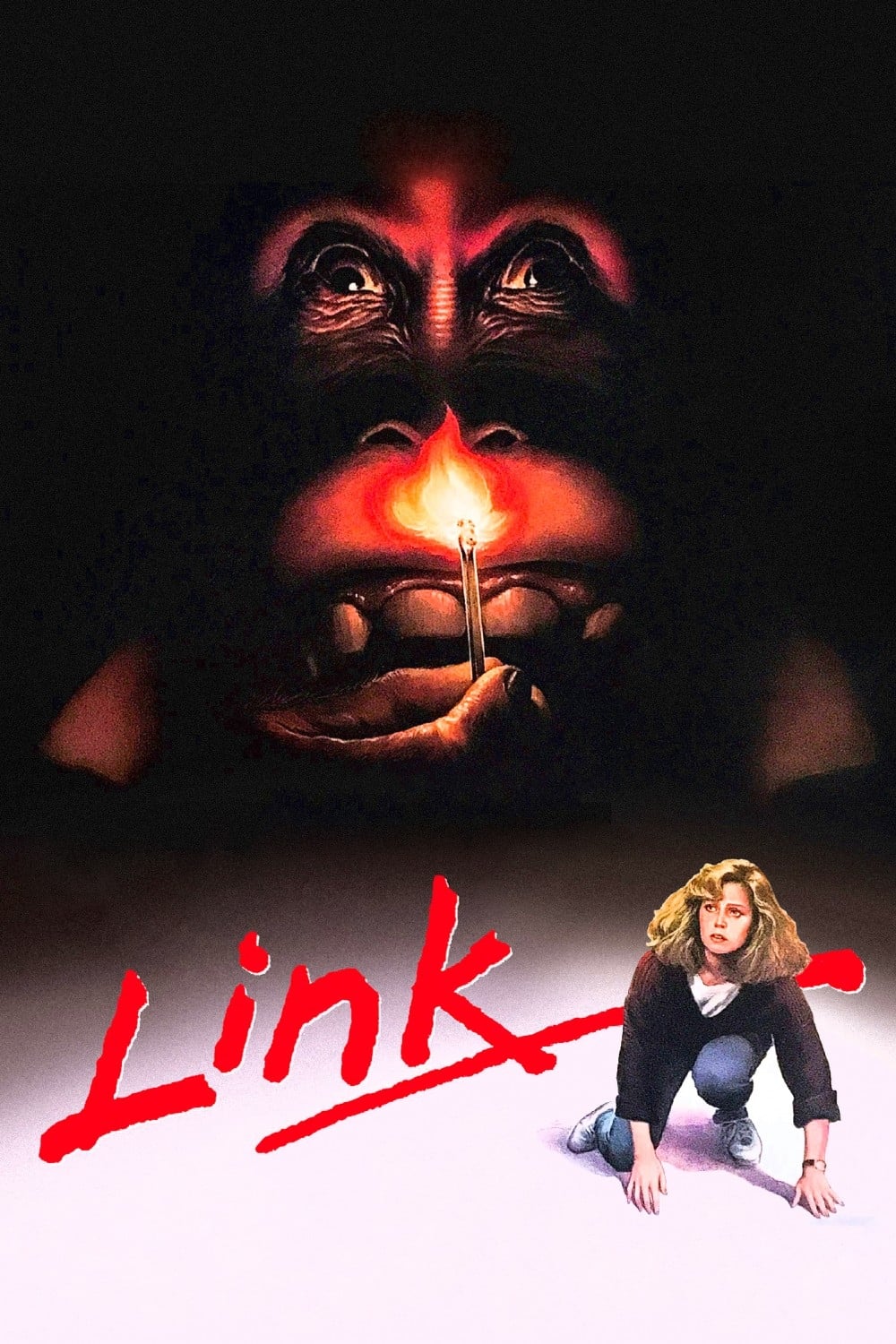
Richard Franklin directs this thriller set at a coastal research house where a primatologist employs trained apes for intelligence studies. Terence Stamp plays the scientist who leaves a student assistant in charge just as a dominant animal named Link begins to act outside expected patterns. The production uses real animal performers with specialized training and builds its suspense through the layout of the house and the staged behavior experiments.
Elisabeth Shue co stars as the assistant whose daily duties with feeding, cleaning, and observation draw her into the central conflict. The film’s animal handling is notable for featuring an orangutan prepared to portray a chimpanzee, with makeup and wardrobe used to achieve the role on screen.
‘Prince of Shadows’ (1991)
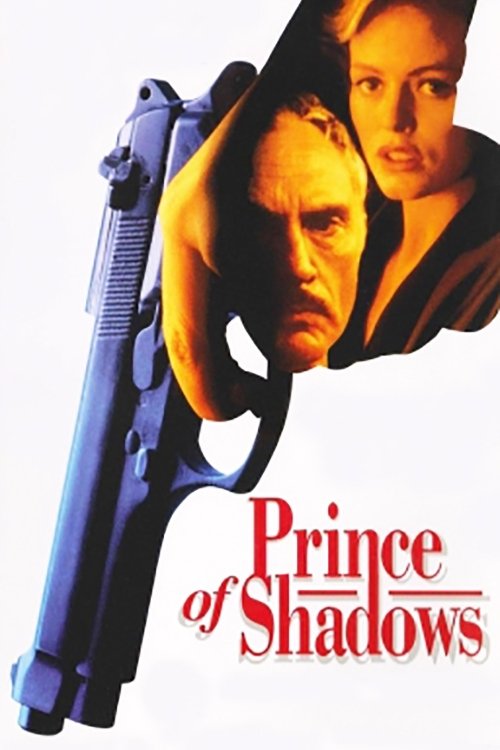
Pilar Miró adapts the novel by Antonio Muñoz Molina, releasing the film internationally under the English title ‘Prince of Shadows’. Terence Stamp plays Darman, an exiled operative who returns to Madrid to eliminate a suspected traitor within an underground network. The plot unfolds in nightclubs, hotel rooms, and alleys with flashbacks to earlier assignments and meetings that reveal previous orders.
The production recreates the atmosphere of Franco era Spain through costume, music, and interior design while keeping the focus on clandestine work and coded messages. Stamp performs in English and Spanish as required by the setting and the undercover roles taken on by the characters.
‘Song for Marion’ (2012)
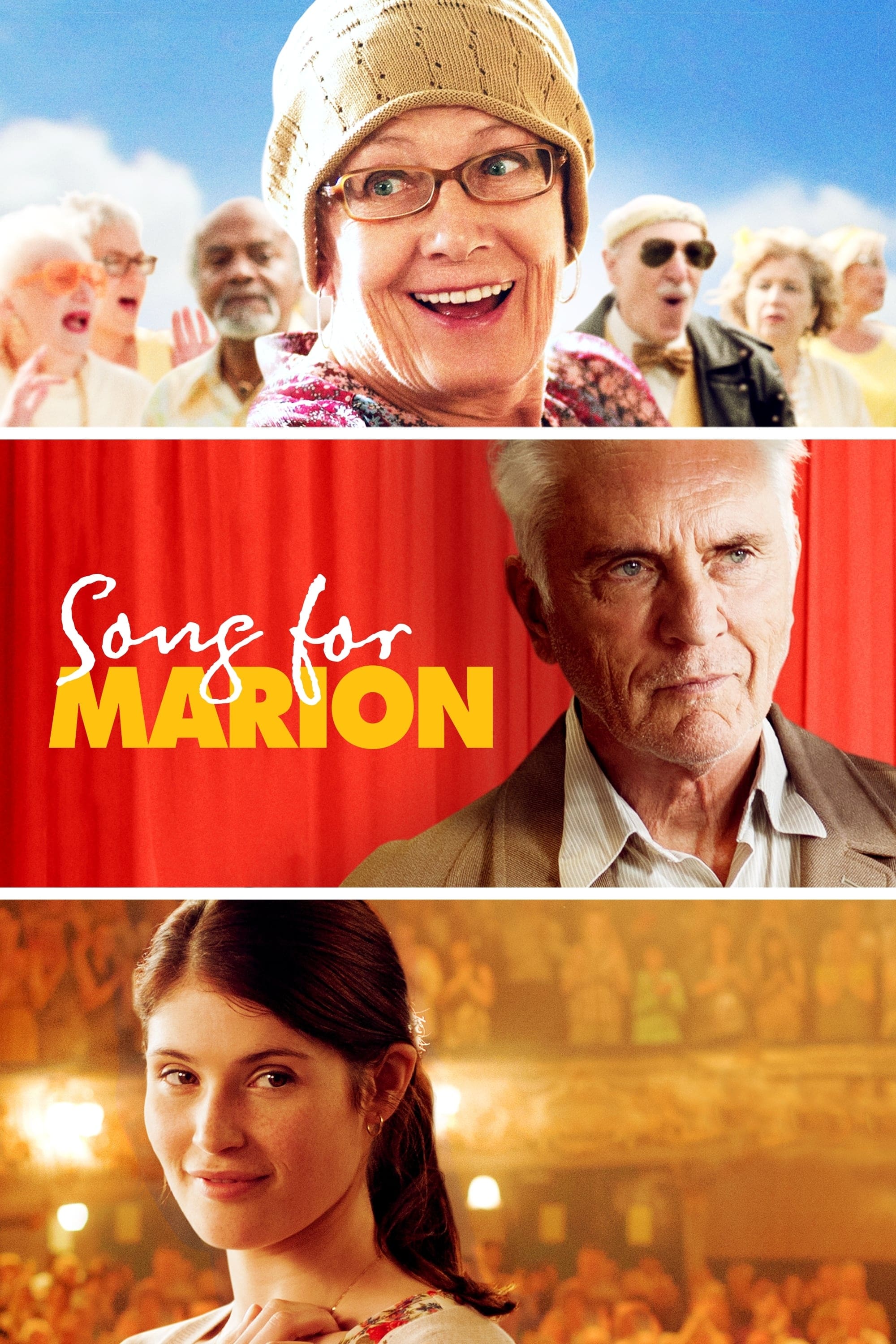
Writer director Paul Andrew Williams presents a contemporary British drama about a retired factory worker named Arthur who joins a community choir at the urging of family. Terence Stamp plays Arthur opposite Vanessa Redgrave as Marion and Gemma Arterton as the choir leader who introduces him to rehearsals and public performance. The film uses rehearsal halls, neighborhood streets, and local contest stages to map Arthur’s new routine.
The production draws on choral arrangements that include pop standards and traditional numbers performed by a mix of actors and community singers. The story tracks hospital visits, family conversations, and choir milestones to show how a local arts group operates and how participation changes schedules and responsibilities at home.
Share your favorite underseen Terence Stamp performances in the comments so other readers can discover more titles to watch.