


10 Ways the ‘Harry Potter’ Movies Aged Poorly

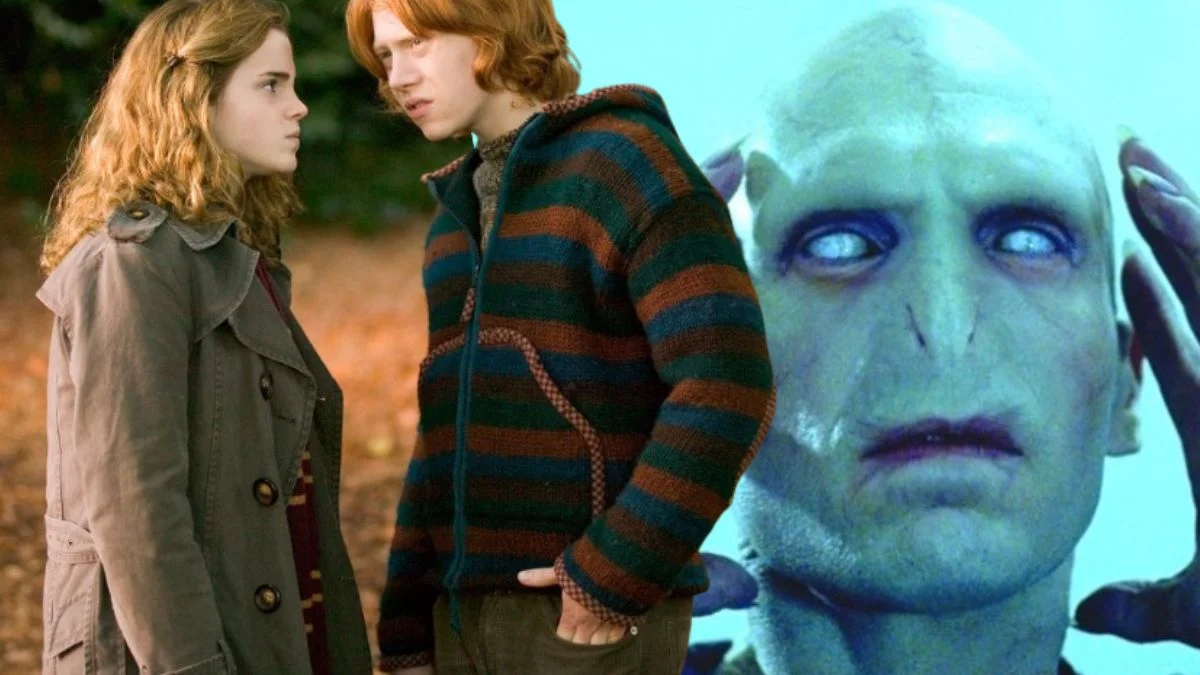


The Harry Potter films, a cultural juggernaut that captivated audiences worldwide, brought J.K. Rowling’s wizarding world to life with stunning visuals and beloved characters. Spanning eight movies from 2001 to 2011, the series remains a cornerstone of modern cinema, inspiring countless fans with its tale of friendship, bravery, and magic.
Yet, as time marches on, some aspects of these films haven’t held up as well under today’s lens. From outdated technology to questionable storytelling choices, certain elements feel out of place in 2025. Here are ten ways the Harry Potter movies have aged poorly, exploring what once dazzled but now feels a bit off.
Limited Diversity in Casting
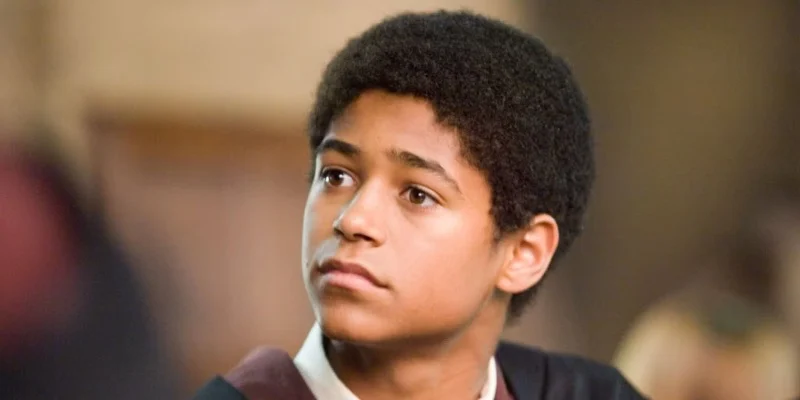
‘Harry Potter and the Sorcerer’s Stone’ (2001) – ‘Harry Potter and the Deathly Hallows: Part 2’ (2011)
The films feature a predominantly white cast, with few characters of color in meaningful roles. While Cho Chang and Dean Thomas appear, their parts are minimal, and the series misses opportunities to reflect a broader world, especially in a magical setting where diversity could shine.
This lack of representation feels jarring today, as audiences expect more inclusive storytelling. The wizarding world, meant to be universal, seems narrow in scope, making it harder to connect with for some modern viewers.
Overreliance on CGI in Early Films
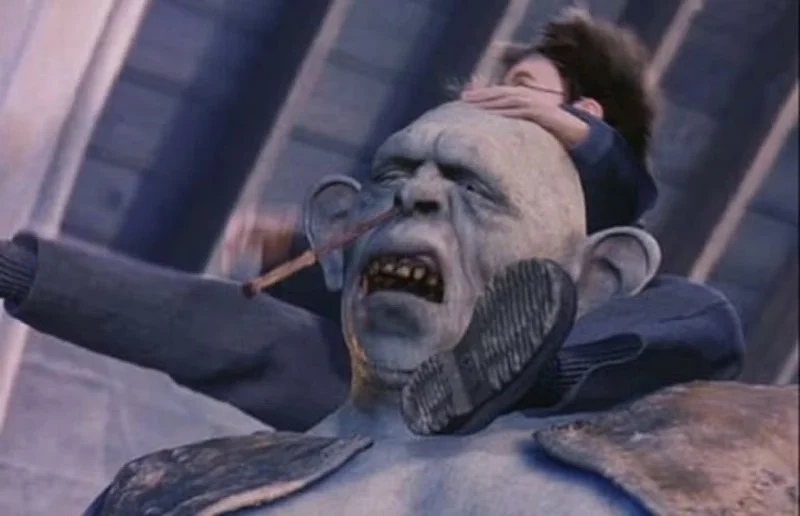
‘Harry Potter and the Sorcerer’s Stone’ (2001) – ‘Harry Potter and the Chamber of Secrets’ (2002)
The first two films leaned heavily on CGI that, while groundbreaking at the time, now looks clunky. Scenes like the troll in the bathroom or the Quidditch matches have effects that feel dated compared to today’s seamless visuals.
These moments pull you out of the story, reminding you of the technical limitations of early 2000s filmmaking. Later films improved, but those early visuals haven’t aged gracefully.
Inconsistent Character Development
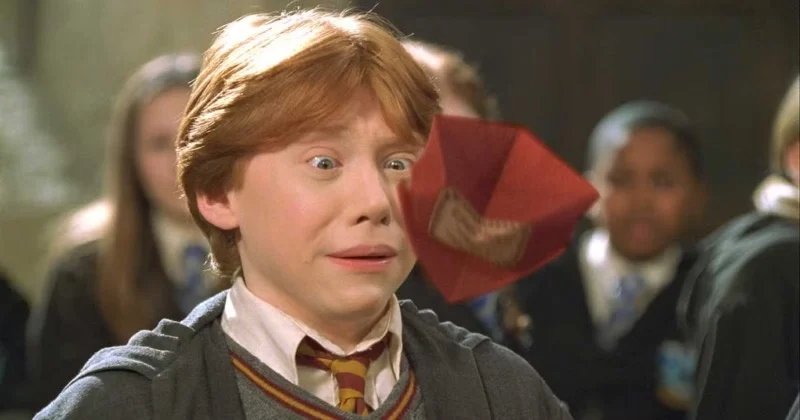
‘Harry Potter and the Goblet of Fire’ (2005) – ‘Harry Potter and the Deathly Hallows: Part 2’ (2011)
Some characters, like Ron Weasley, get inconsistent treatment. His humor and loyalty shine in parts, but he’s often reduced to comic relief or sidelined, especially in later films. Others, like Ginny, lack depth due to cut subplots.
This uneven focus makes certain arcs feel hollow. Fans who loved the books’ richer character moments notice the gaps, and it weakens the emotional weight for new viewers.
Outdated Gender Dynamics
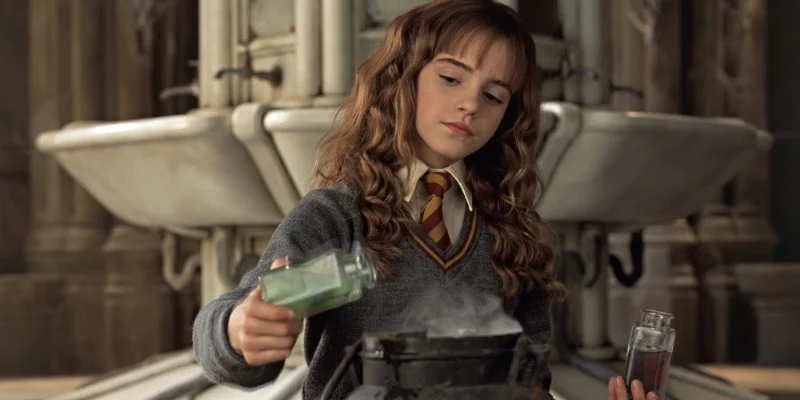
‘Harry Potter and the Prisoner of Azkaban’ (2004) – ‘Harry Potter and the Order of the Phoenix’ (2007)
The films often portray female characters through dated stereotypes. Hermione is brilliant but sometimes relegated to a nag, while others, like Lavender Brown, are overly emotional caricatures. These choices feel out of step with today’s push for complex, empowered women.
Modern audiences crave more nuanced portrayals, and the films’ handling of gender can feel like a relic of a less progressive era. It’s a missed chance to elevate the story.
Simplified Moral Themes
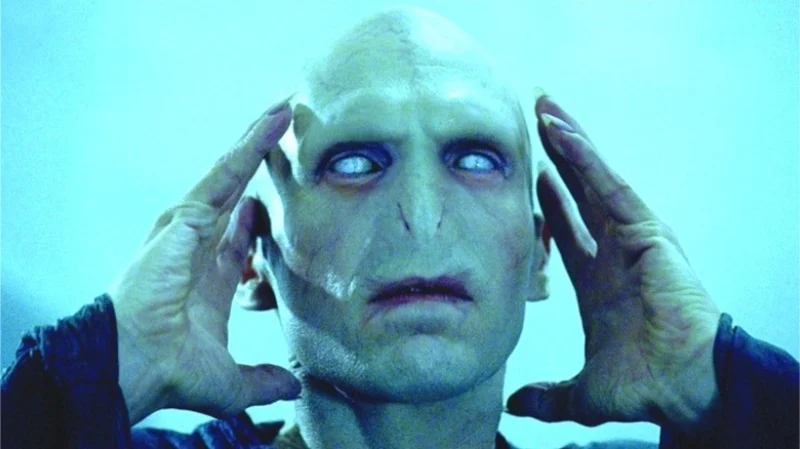
‘Harry Potter and the Deathly Hallows: Part 1’ (2010) – ‘Harry Potter and the Deathly Hallows: Part 2’ (2011)
The battle of good versus evil is compelling but often lacks depth. Voldemort’s villainy is clear-cut, and moral gray areas, like Dumbledore’s flaws, are glossed over compared to the books. This makes the story feel simplistic.
Today’s viewers often prefer layered conflicts that challenge easy answers. The films’ black-and-white approach can seem outdated in a world that values moral complexity.
Neglect of Magical World-Building
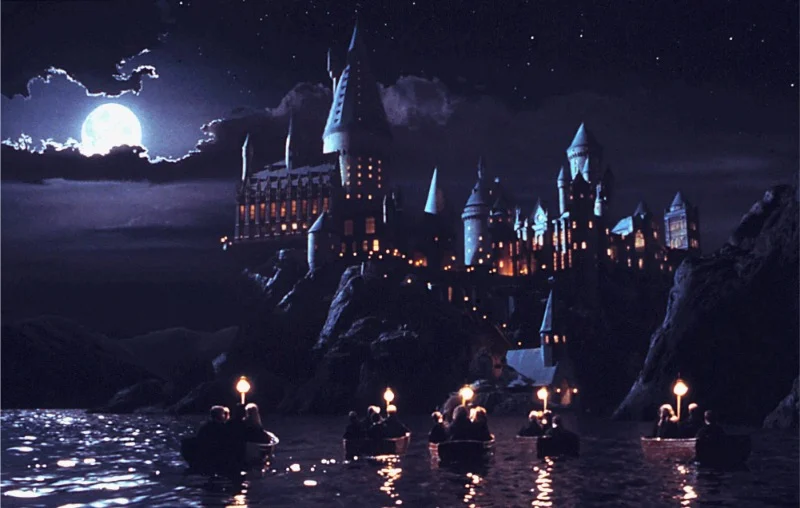
‘Harry Potter and the Chamber of Secrets’ (2002) – ‘Harry Potter and the Half-Blood Prince’ (2009)
The films skim over the wizarding world’s deeper lore, like the intricacies of magical laws or Hogwarts’ history. Details about Diagon Alley or the Ministry of Magic are rushed, leaving the world feeling thinner than in the books.
This lack of depth makes the universe less immersive now, as audiences expect rich, expansive settings in fantasy. It’s a missed opportunity to fully flesh out the magic.
Clunky Romantic Subplots
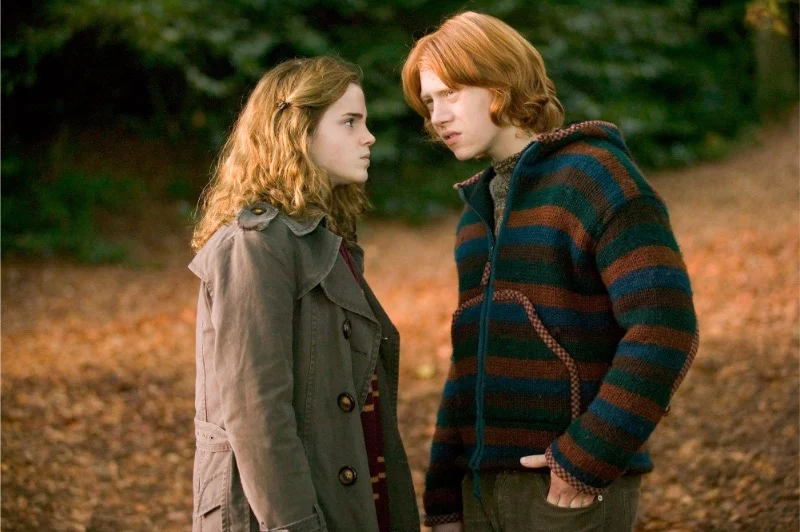
‘Harry Potter and the Half-Blood Prince’ (2009)
Romances, like Harry and Ginny or Ron and Hermione, often feel forced or underdeveloped. Ginny’s arc, in particular, lacks buildup, making their eventual pairing unconvincing. The films rush these moments, prioritizing action over emotion.
In 2025, audiences want authentic, well-earned relationships. These awkward subplots stand out as weak links, diminishing the emotional stakes.
Overuse of Convenient Plot Devices
‘Harry Potter and the Sorcerer’s Stone’ (2001) – ‘Harry Potter and the Deathly Hallows: Part 2’ (2011)
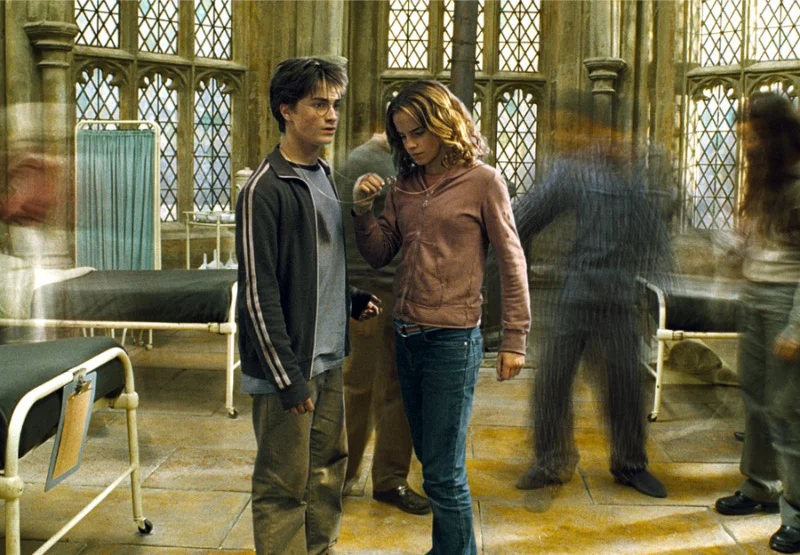
The series leans on contrivances like the Time-Turner or the Elder Wand to resolve plots. These devices often feel like easy fixes, undermining the story’s tension. Their inconsistent rules also confuse viewers.
Modern storytelling favors tighter narratives, and these shortcuts feel lazy compared to more cohesive plots in newer fantasy films. They weaken the series’ rewatch value.
Aging Cultural References
‘Harry Potter and the Sorcerer’s Stone’ (2001) – ‘Harry Potter and the Prisoner of Azkaban’ (2004)
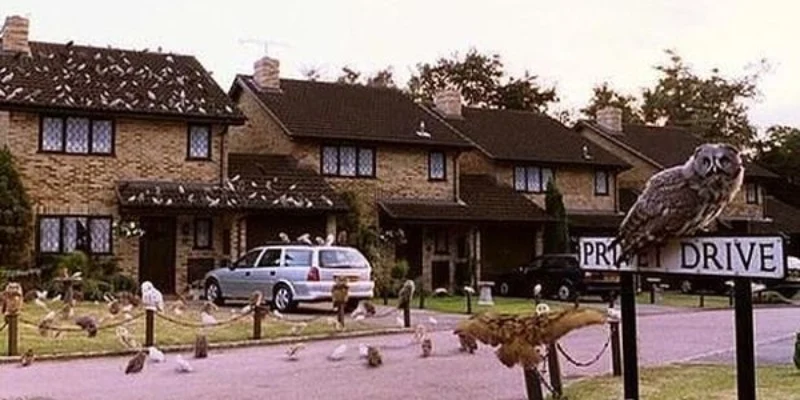
Early films include dated references, like 90s slang or technology, that feel out of place today. Muggle scenes, like the Dursleys’ home, scream early 2000s, grounding the timeless magic in a specific era.
These moments clash with the story’s mythical tone. Younger viewers might find them distracting, as they tie the films to a bygone cultural moment.
Pacing Issues in Later Films
‘Harry Potter and the Deathly Hallows: Part 1’ (2010)
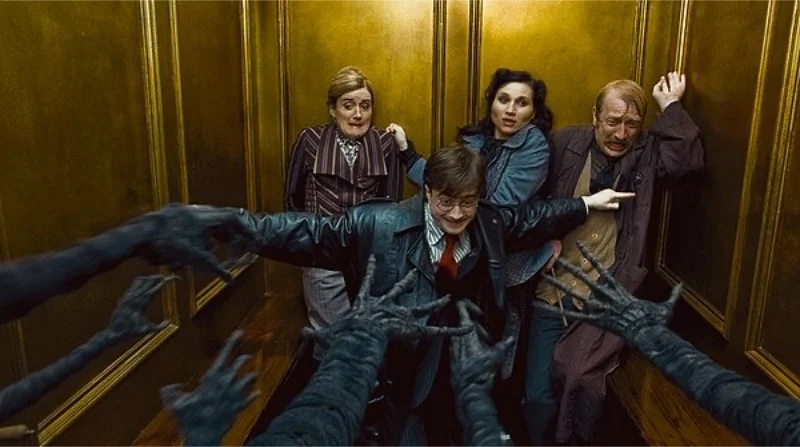
The final films, especially Part 1, drag in parts due to slow pacing. Long camping scenes or drawn-out exposition test patience, especially when action is expected. The split into two films feels stretched.
Today’s audiences, used to tighter narratives, may find these moments tedious. The uneven rhythm makes rewatching feel like a slog at times.
What’s your take on the Harry Potter films’ flaws, or did I miss a big one? Drop your thoughts in the comments!