


14 Animated Movies That Started as Failed Live-Action Projects



The journey from a screenplay to the silver screen often involves drastic changes in medium and tone. Many famous animated films began development as live-action blockbusters that proved too expensive or technically complex for the time. Studios frequently pivot to animation to salvage these stories when physical production becomes impossible or risky. These projects often find greater success in the animated realm where the laws of physics do not apply. Here are 14 animated movies that were originally conceived as live-action productions.
‘Shrek’ (2001)
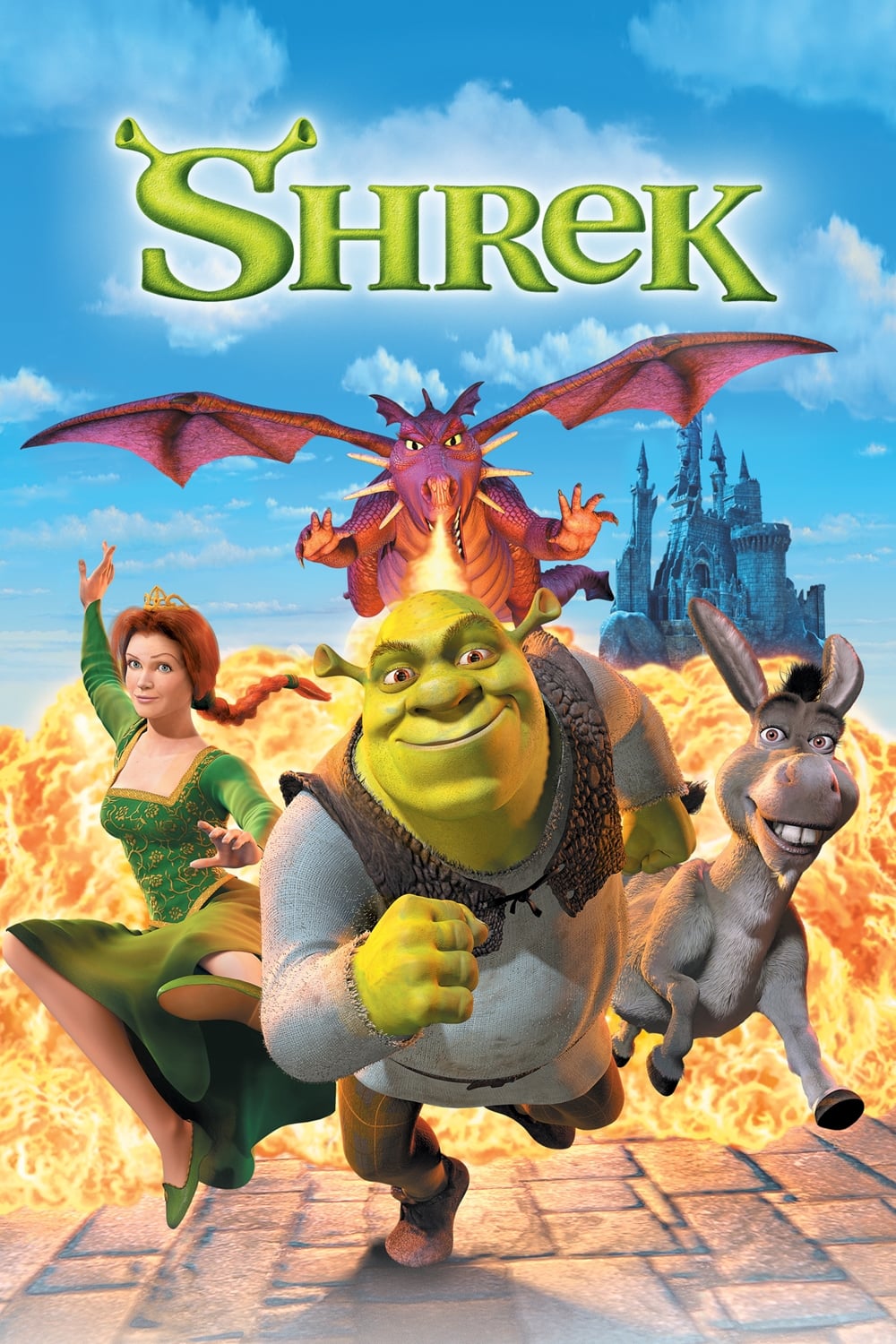
Steven Spielberg purchased the rights to the original book in 1991 with the intention of making a traditional 2D animated film. Production shifted to DreamWorks where the studio initially attempted to create a live-action hybrid using motion capture technology. Early test footage of this version was screened for executives who famously reacted poorly to the uncanny visuals. The production team completely overhauled the project into the stylized computer animation that audiences know today. This shift allowed for a more caricatured approach that suited the irreverent humor of the script.
‘Dinosaur’ (2000)
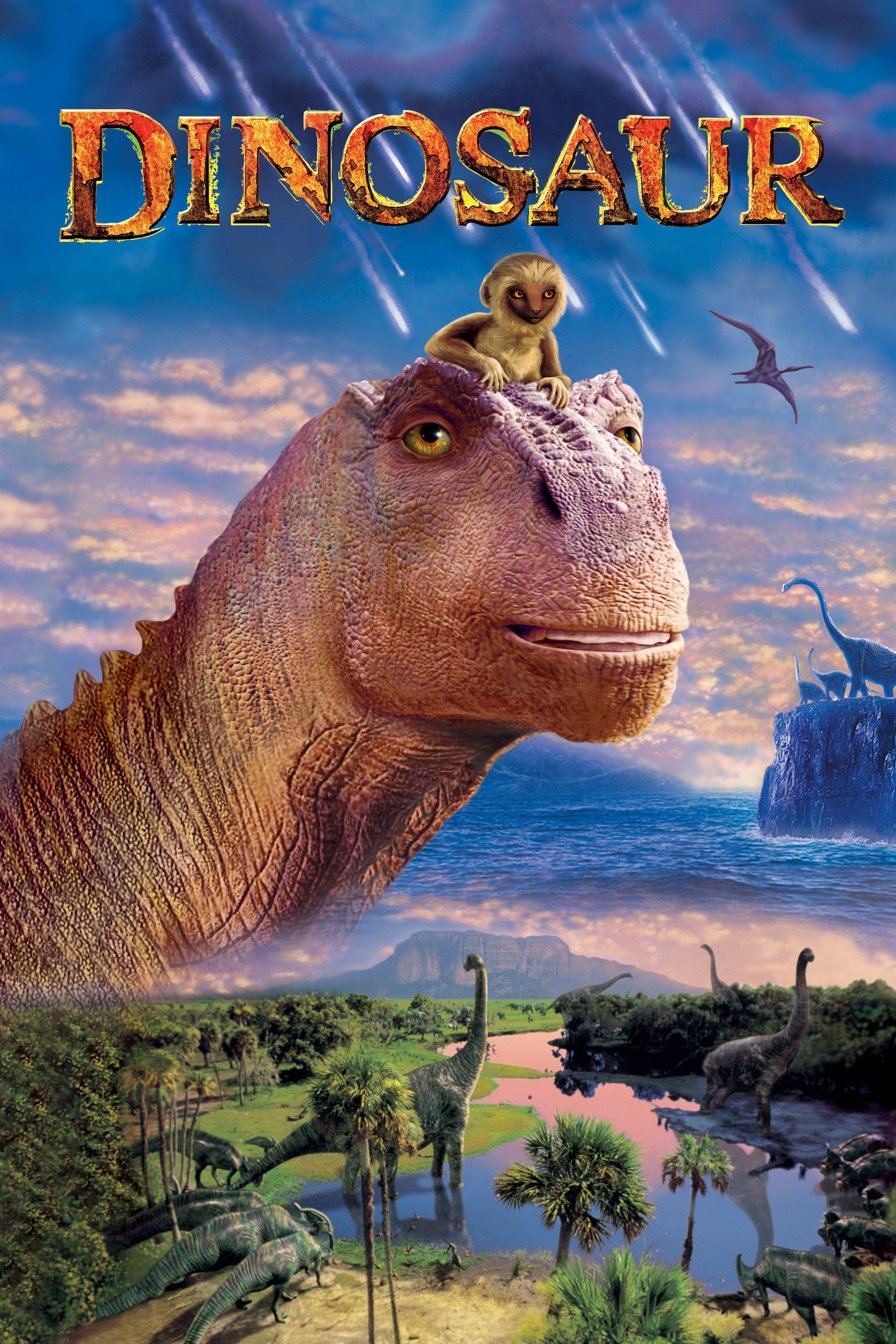
This visual spectacle started development in the mid-1980s as a gritty project titled ‘Prehistoric Beast’ intended for director Paul Verhoeven. Visual effects expert Phil Tippett envisioned a dark story told through stop-motion animation and live-action elements. The immense budget required for practical effects caused the project to stall for several years. Disney eventually revived the concept in the late 1990s by utilizing their budding digital studio to create CGI characters. The final film merged these digital dinosaurs with real background footage filmed on location.
‘Alice in Wonderland’ (1951)
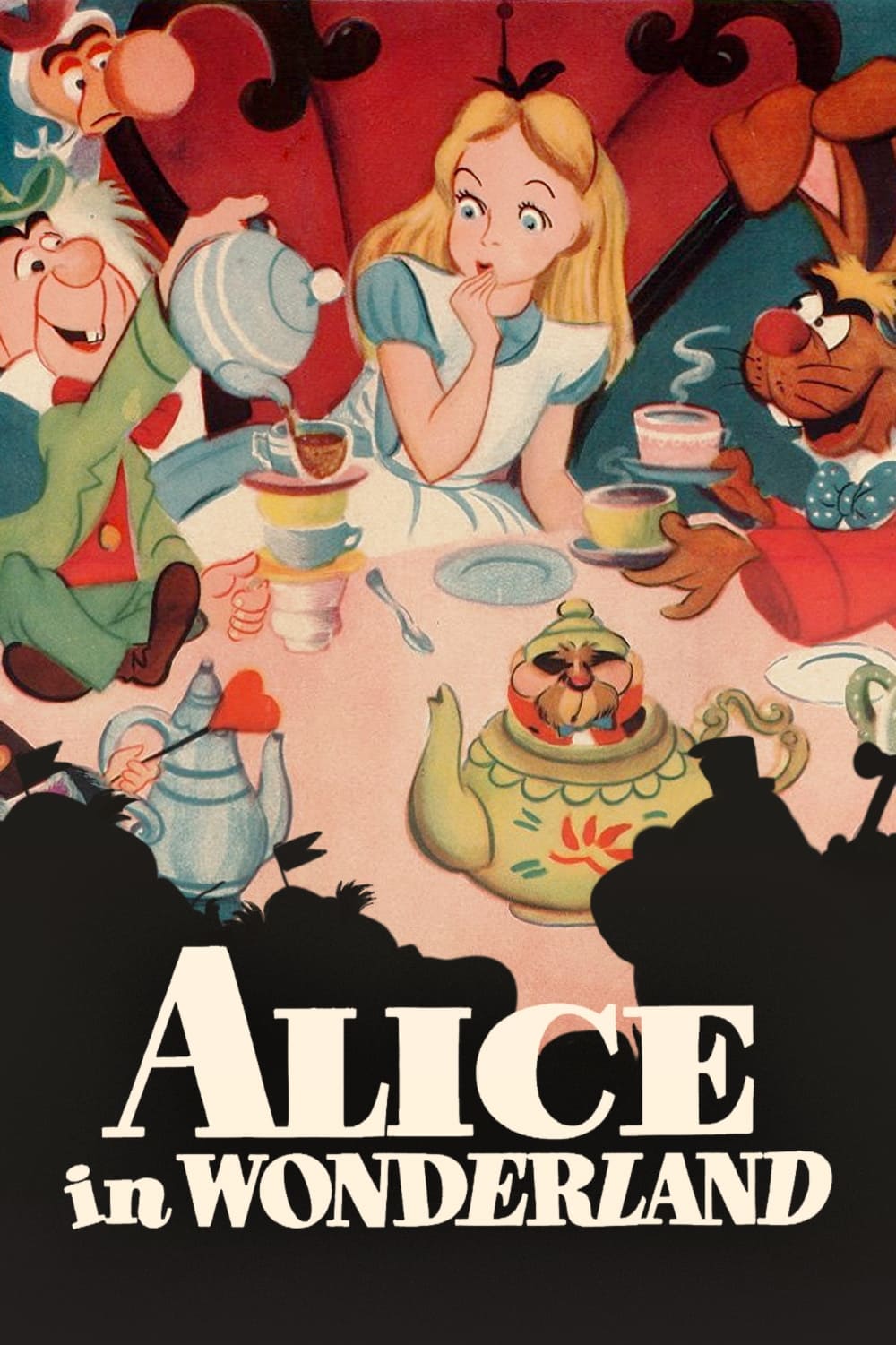
Walt Disney originally planned to adapt Lewis Carroll’s books as a live-action film during the early 1930s. He intended to cast Mary Pickford as Alice and filmed screen tests for a production mixing a real girl with animated characters. Paramount released their own live-action version in 1933 which discouraged Disney from proceeding with his competing project. He shelved the idea until the late 1940s when he decided the surreal nature of the story required full animation. The resulting film became a classic example of Disney styling applied to abstract source material.
‘The Lord of the Rings’ (1978)
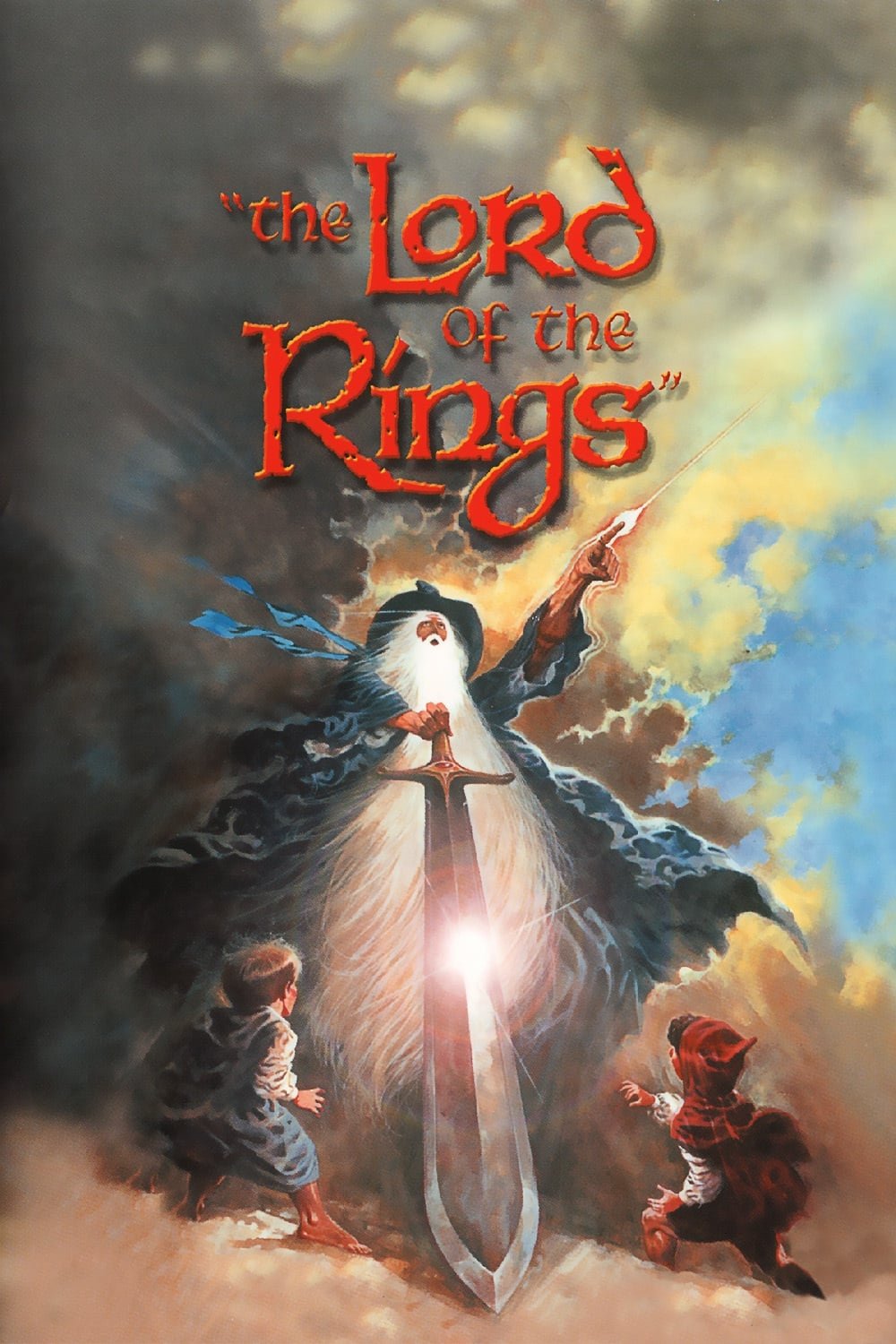
Director John Boorman spent years in the 1970s developing a live-action adaptation of the Tolkien epic for United Artists. Boorman wrote a condensed script that attempted to fit the entire trilogy into a single movie. The studio cancelled the project after realizing the special effects costs would be astronomical. Director Ralph Bakshi subsequently acquired the rights and used rotoscoping to trace over live-action footage. This technique allowed him to create a fantasy world that was achievable on a fraction of a live-action budget.
‘Frozen’ (2013)
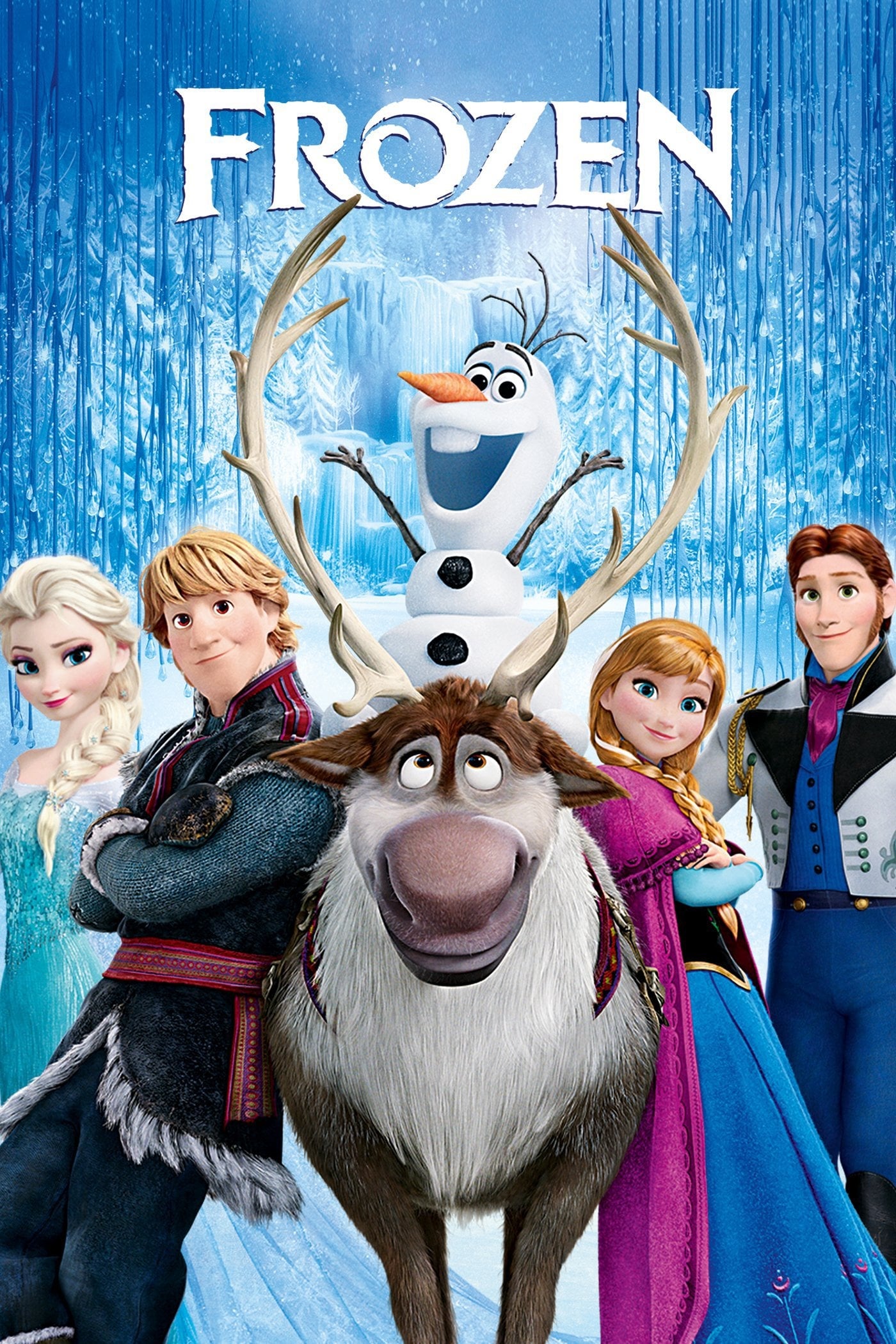
Walt Disney and Samuel Goldwyn explored a collaboration in the 1940s for a live-action biography of author Hans Christian Andersen. The proposed film included animated sequences that adapted tales like ‘The Snow Queen’ into the narrative. Creative differences regarding the story structure caused the project to collapse completely. Disney Animation returned to the specific fairy tale decades later and reworked the villainous Snow Queen into the sympathetic Elsa. The studio ultimately released it as a fully animated musical that bore little resemblance to the original live-action bio concept.
‘Beowulf’ (2007)
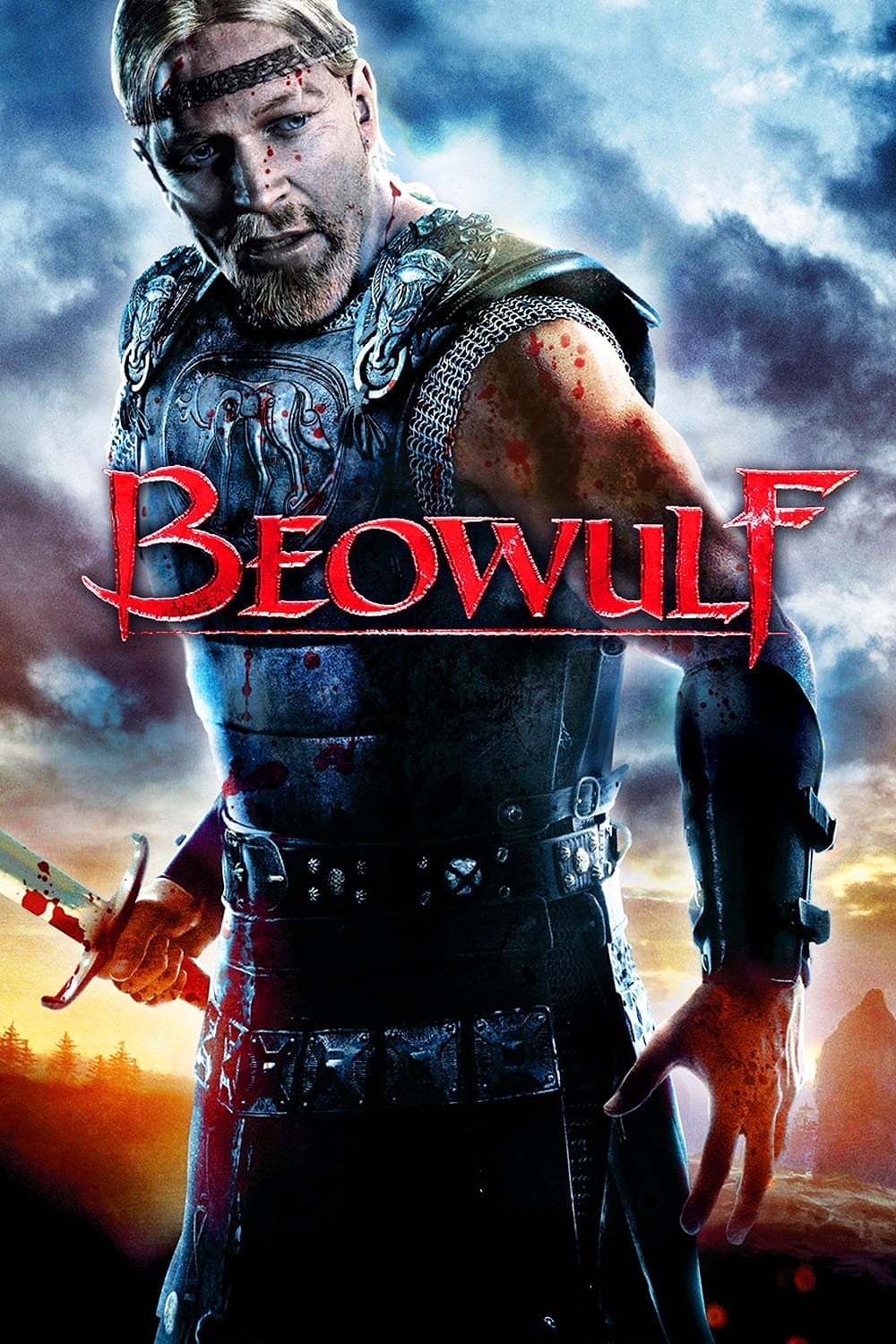
Writers Neil Gaiman and Roger Avary first wrote their adaptation of the poem as a gritty and violent live-action thriller. They pitched the script to producer Robert Zemeckis who found the storytelling compelling but worried about budget limitations. Zemeckis convinced the writers that live-action constraints would hinder the mythical scope they hoped to achieve. He directed the film using performance capture technology to allow for stylized visuals and impossible camera movements. The digital format enabled the actors to portray characters with superhuman strength and proportions.
‘The Adventures of Tintin’ (2011)
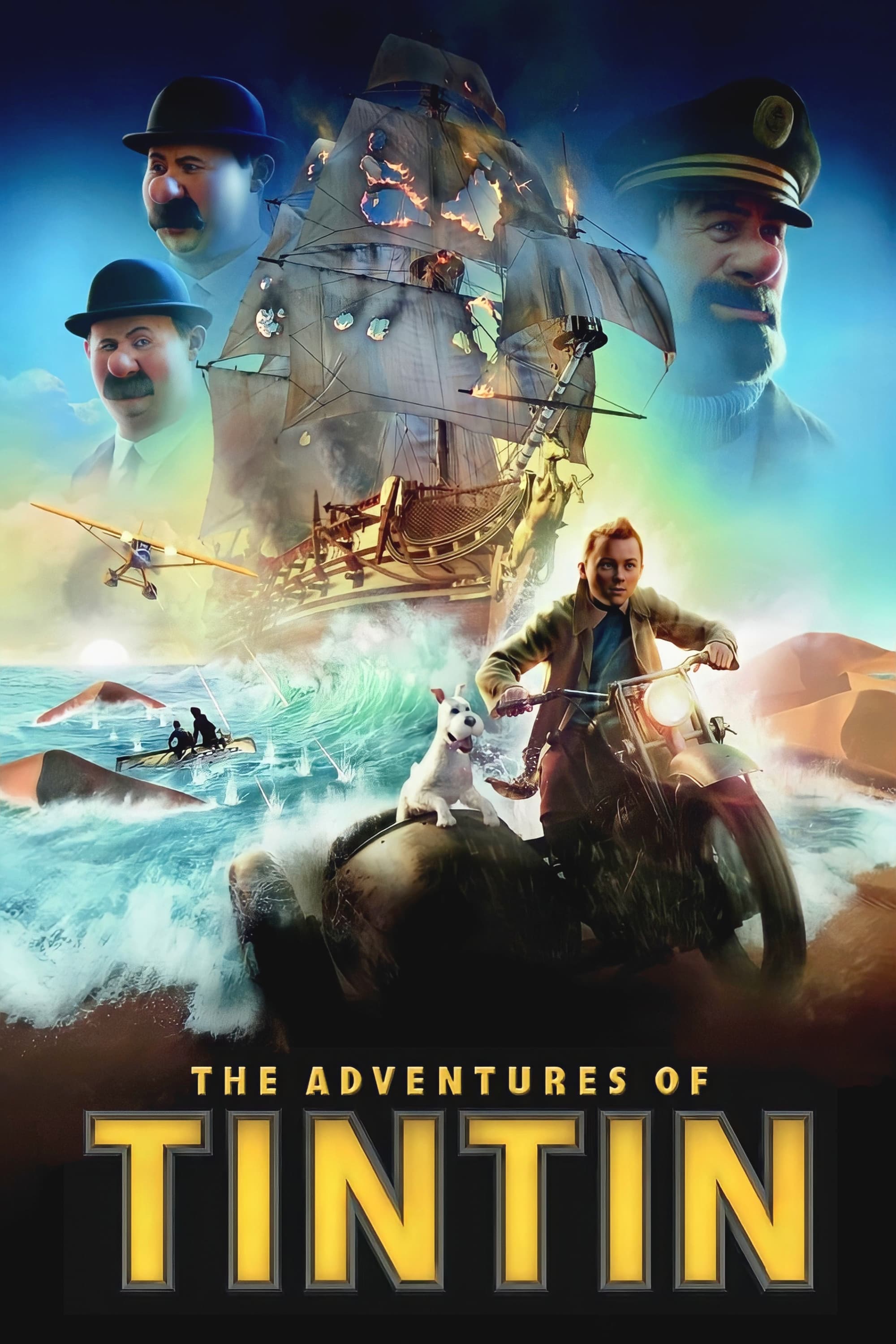
Steven Spielberg acquired the rights to the comic series in 1983 and spent decades planning a live-action version. He commissioned multiple scripts and considered various directors while struggling with the technical challenges of the adaptation. Spielberg eventually concluded that live-action makeup and prosthetics would look unnatural on human actors. He partnered with Peter Jackson to use motion capture animation that preserved the unique caricature style of the original drawings. This medium allowed the film to maintain the comic strip aesthetic while delivering realistic lighting and textures.
‘Curious George’ (2006)
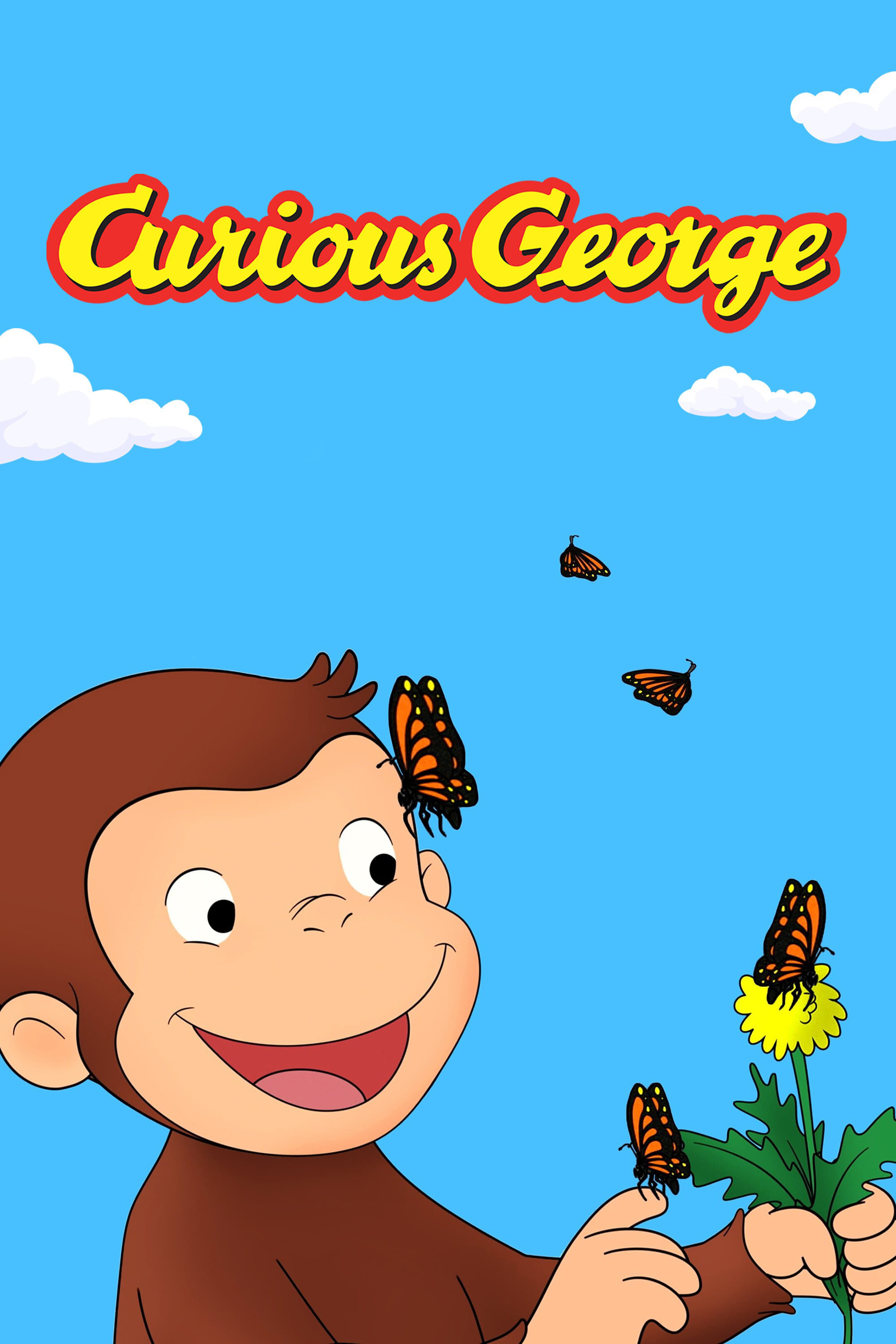
Universal Pictures spent years developing a live-action film based on the beloved children’s books. The initial concept featured a live-action actor playing the Man with the Yellow Hat alongside a CGI monkey. Several directors and writers worked on the project before the studio realized the blend might look awkward. Executives ultimately decided that a live-action hybrid would lose the simple charm and innocence of the source material. They pivoted to traditional 2D animation to capture the specific look of the original illustrations.
‘Wonder Woman’ (2009)
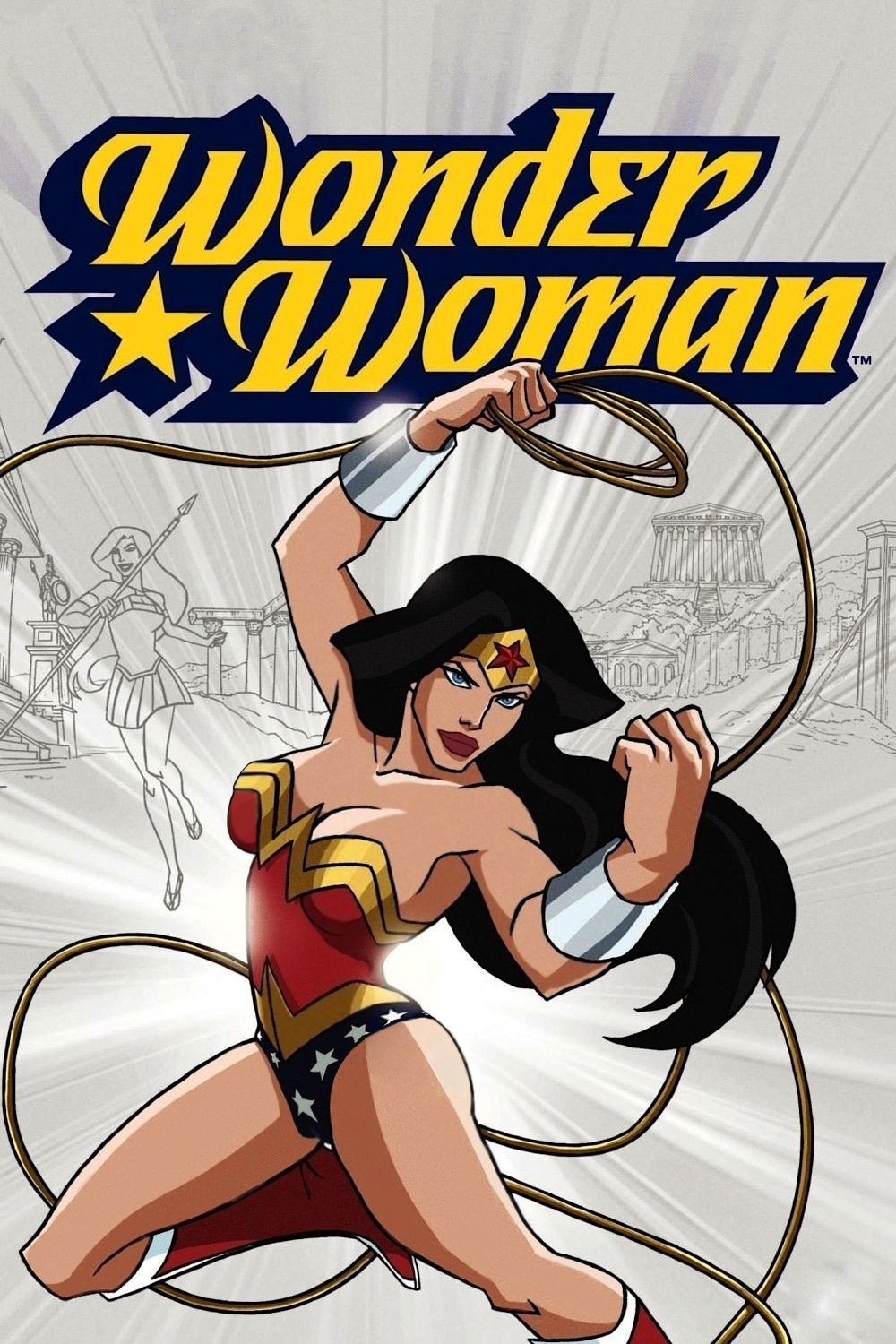
Warner Bros spent much of the 2000s attempting to launch a live-action Wonder Woman movie with various directors attached. High-profile scripts were written and discarded without ever entering physical production. The studio eventually shifted focus to their animated universe and greenlit a direct-to-video feature instead. This animated film utilized many plot elements and character beats that had been developed for the stalled theatrical projects. It allowed the studio to present a faithful origin story without risking the massive budget of a live-action blockbuster.
‘Superman: Doomsday’ (2007)
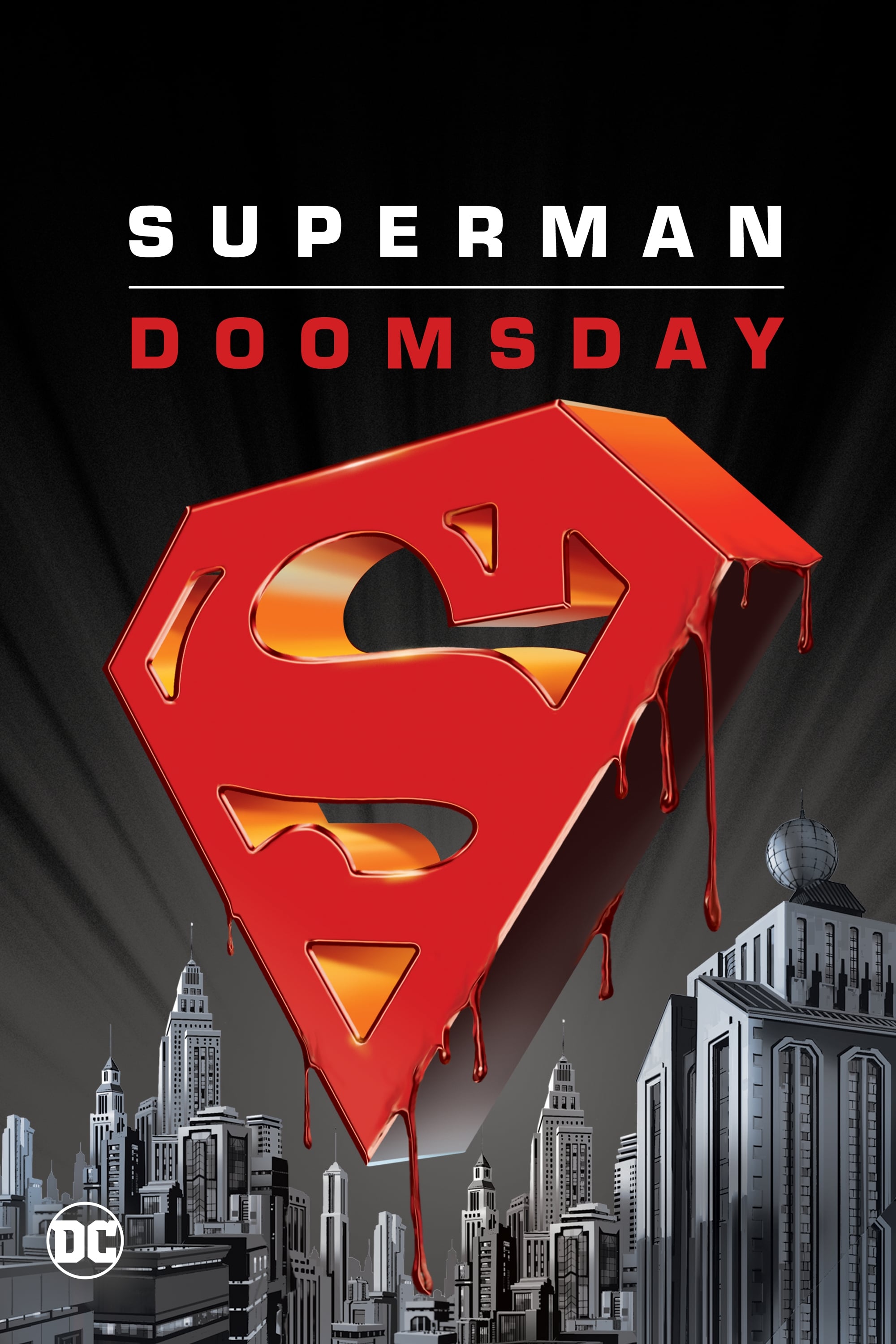
Tim Burton was famously set to direct a live-action film titled ‘Superman Lives’ in the 1990s starring Nicolas Cage. The script included unique mandates from producer Jon Peters such as a battle with a giant spider and a fight against Doomsday. When Warner Bros Animation launched their original movie line they chose to adapt “The Death of Superman” as their first project. The animated film finally depicted the brutal fight with Doomsday and included the giant spider concept. This production repurposed specific ideas that had been locked away in the failed Burton project.
‘Batman: Year One’ (2011)
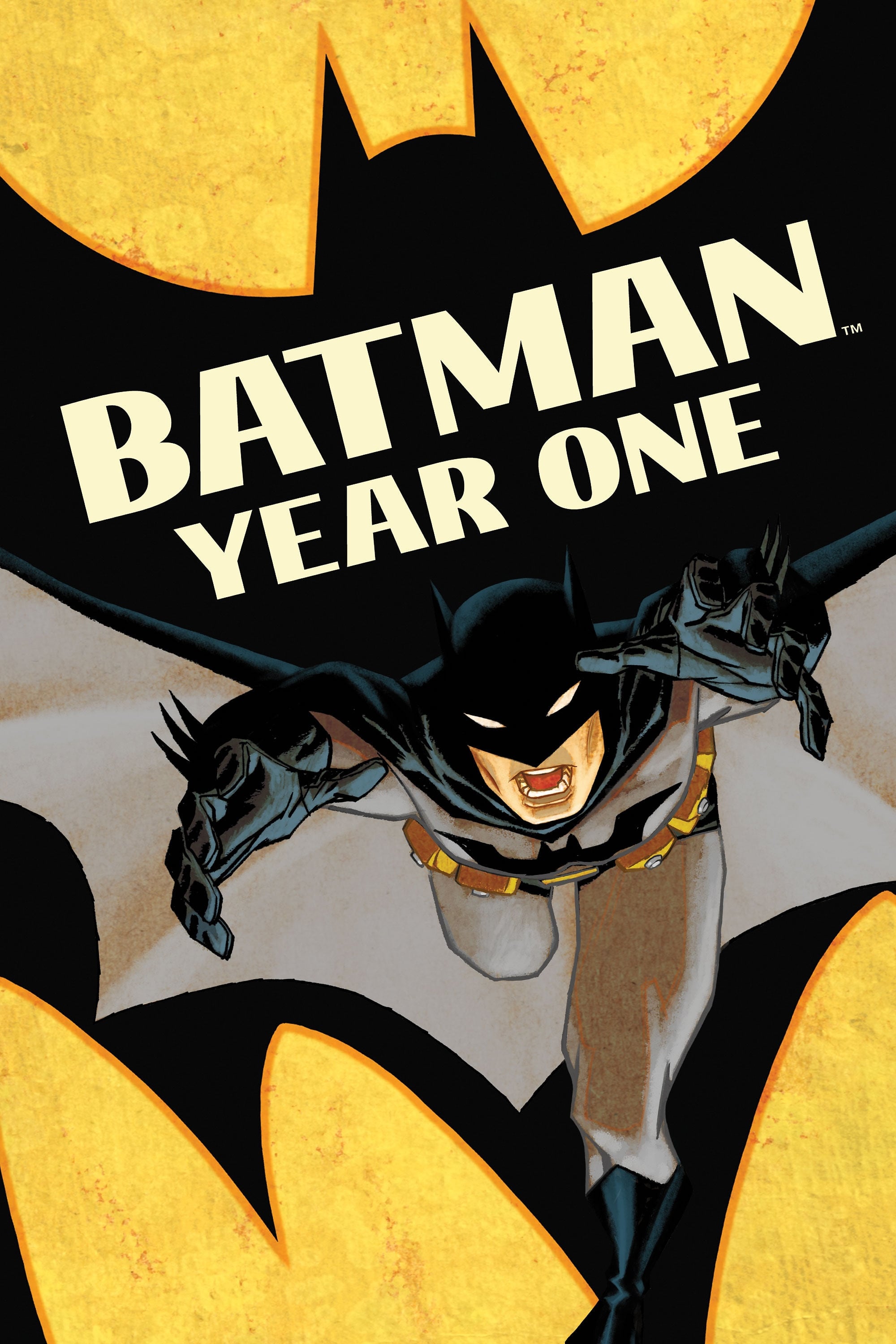
Director Darren Aronofsky was hired in the early 2000s to reboot the Batman franchise with a live-action adaptation of the “Year One” comic. His vision differed radically from the source material and featured a homeless Bruce Wayne living on the streets. Warner Bros cancelled the project in favor of the pitch that became ‘Batman Begins’ under Christopher Nolan. DC Animation later revisited the concept to produce a faithful animated adaptation of the graphic novel. This allowed the studio to bring the story to the screen exactly as Frank Miller wrote it.
‘Rango’ (2011)
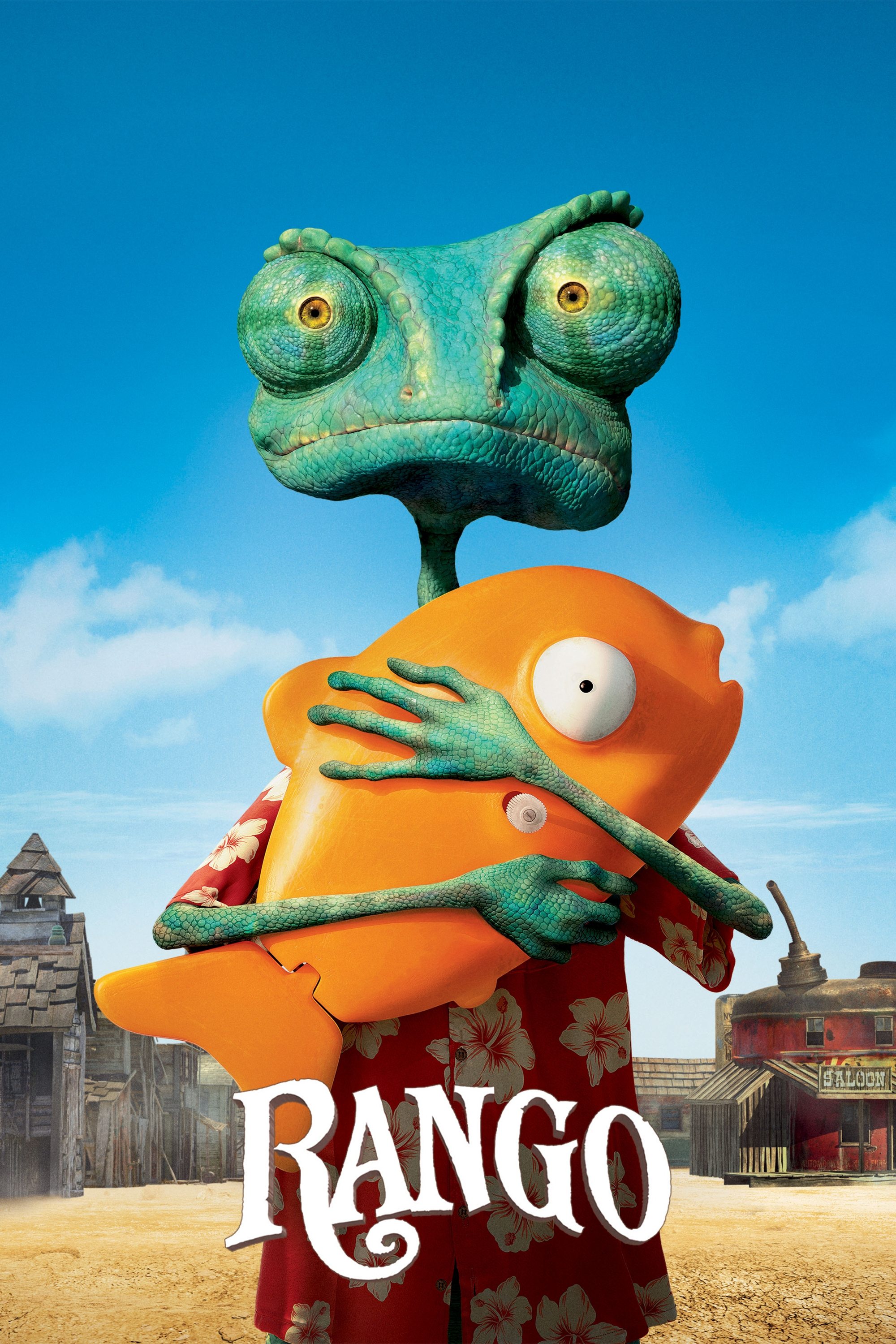
Director Gore Verbinski approached this CGI film with the mindset and techniques of a live-action production. He hired a full cast to physically act out the scenes on sets complete with costumes and props. This footage was edited together into a reference cut that the animators used to drive the digital performances. The project effectively began as a low-budget live-action shoot designed to dictate the lighting and camera angles of the final product. This unique process gave the animation a distinct cinematic quality rarely seen in the medium.
‘Monster House’ (2006)
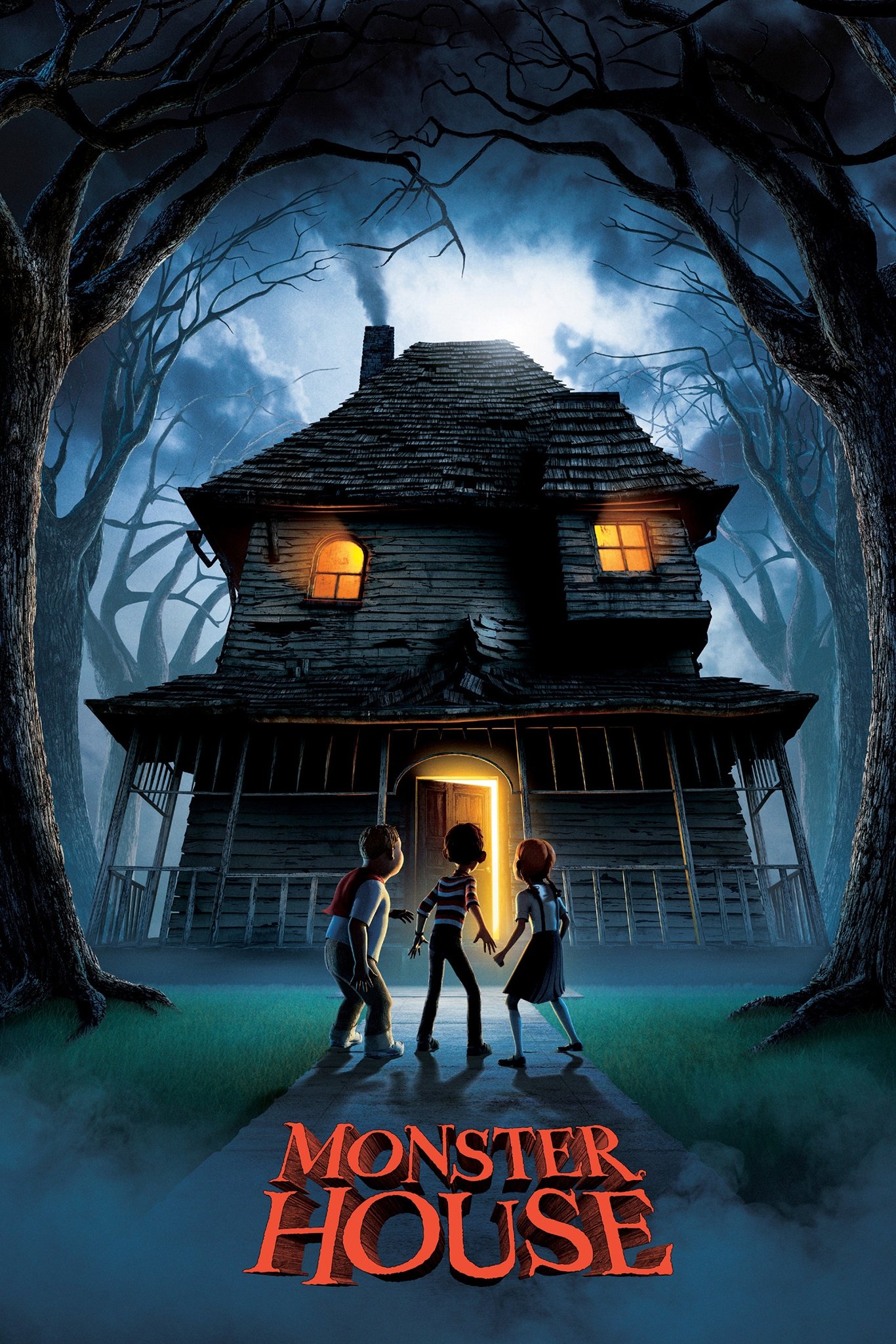
This project began as a pitch for a live-action horror film about a living house that eats people. Robert Zemeckis saw the script and realized that practical effects would make the house look ridiculous rather than scary. He felt that animation was the only way to maintain a consistent atmosphere where the house could move naturally. The transition to performance capture allowed the camera to explore the environment in ways impossible on a physical set. This decision preserved the spooky tone without breaking the suspension of disbelief.
‘Smurfs: The Lost Village’ (2017)
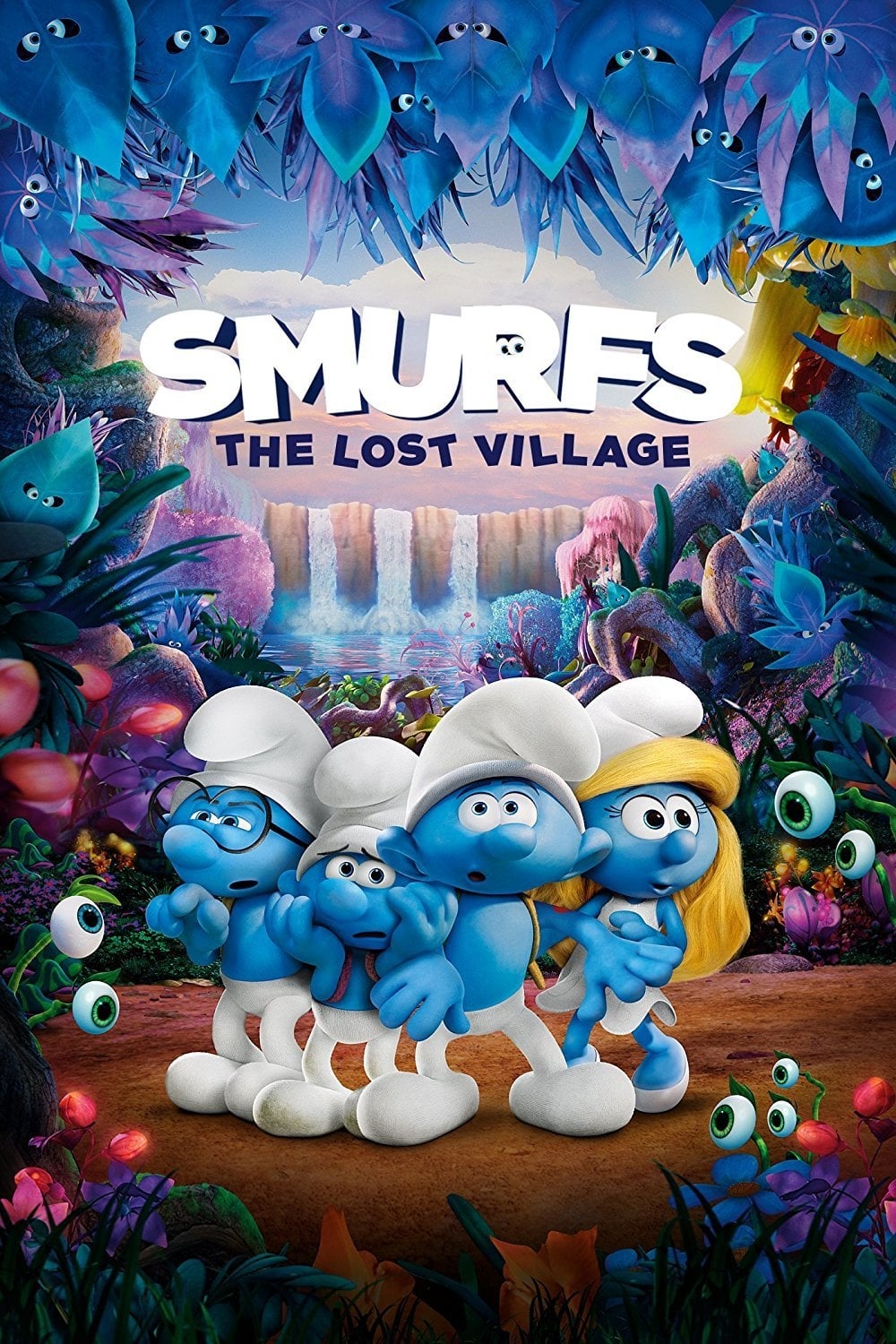
Sony Pictures initially launched The Smurfs as a live-action hybrid franchise with two commercially successful films. The studio began development on a third live-action sequel that would have continued the story of the Smurfs in the real world. Plans for this third installment were cancelled to make way for a complete franchise reboot. The studio pivoted to a fully animated format that severed all ties to the previous live-action continuity. This switch allowed the filmmakers to return to the visual style and magical setting of the original comics.
Which of these movies do you wish had stayed live-action? Share your thoughts in the comments.