


14 Disaster Movies That Focus on the Aftermath More Than the Event

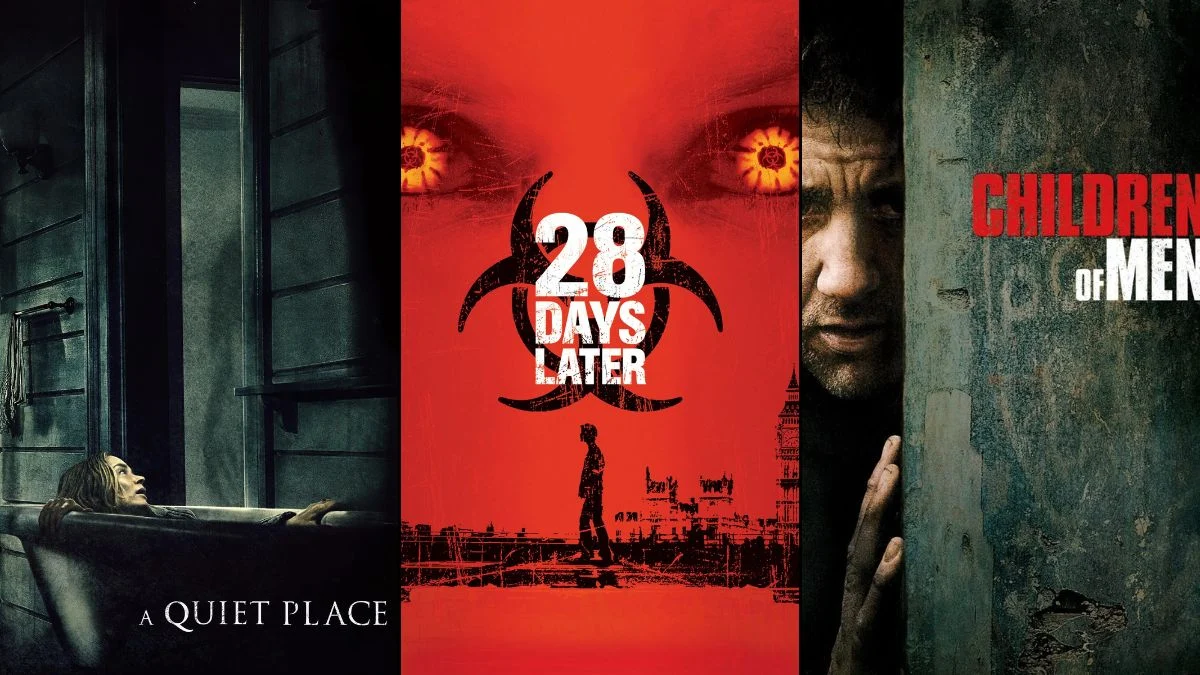


Disaster movies often rely on spectacular destruction sequences to entertain audiences with visual chaos. A more compelling subgenre explores what happens after the dust settles and the explosions stop. These films focus on the resilience of the human spirit and the sociological changes that occur in a broken world. The following list highlights movies that prioritize the aftermath over the cataclysm itself.
‘The Road’ (2009)
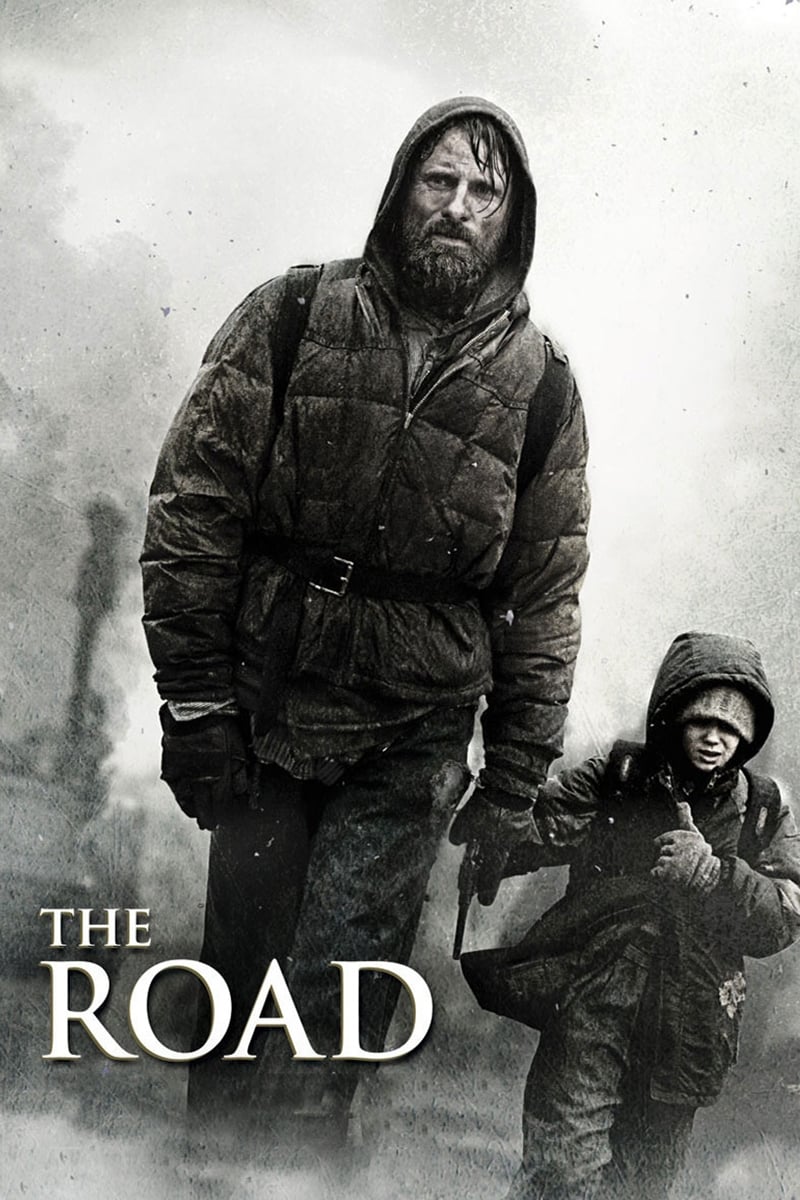
A father and son navigate a desolate wasteland years after an undefined cataclysm destroyed civilization. They struggle to survive against starvation and cannibalistic gangs while traveling south toward the coast. The film emphasizes the bleak isolation and the desperate measures required to stay alive in a dying world. It strips away the spectacle of destruction to focus entirely on the human cost of the apocalypse.
‘Children of Men’ (2006)
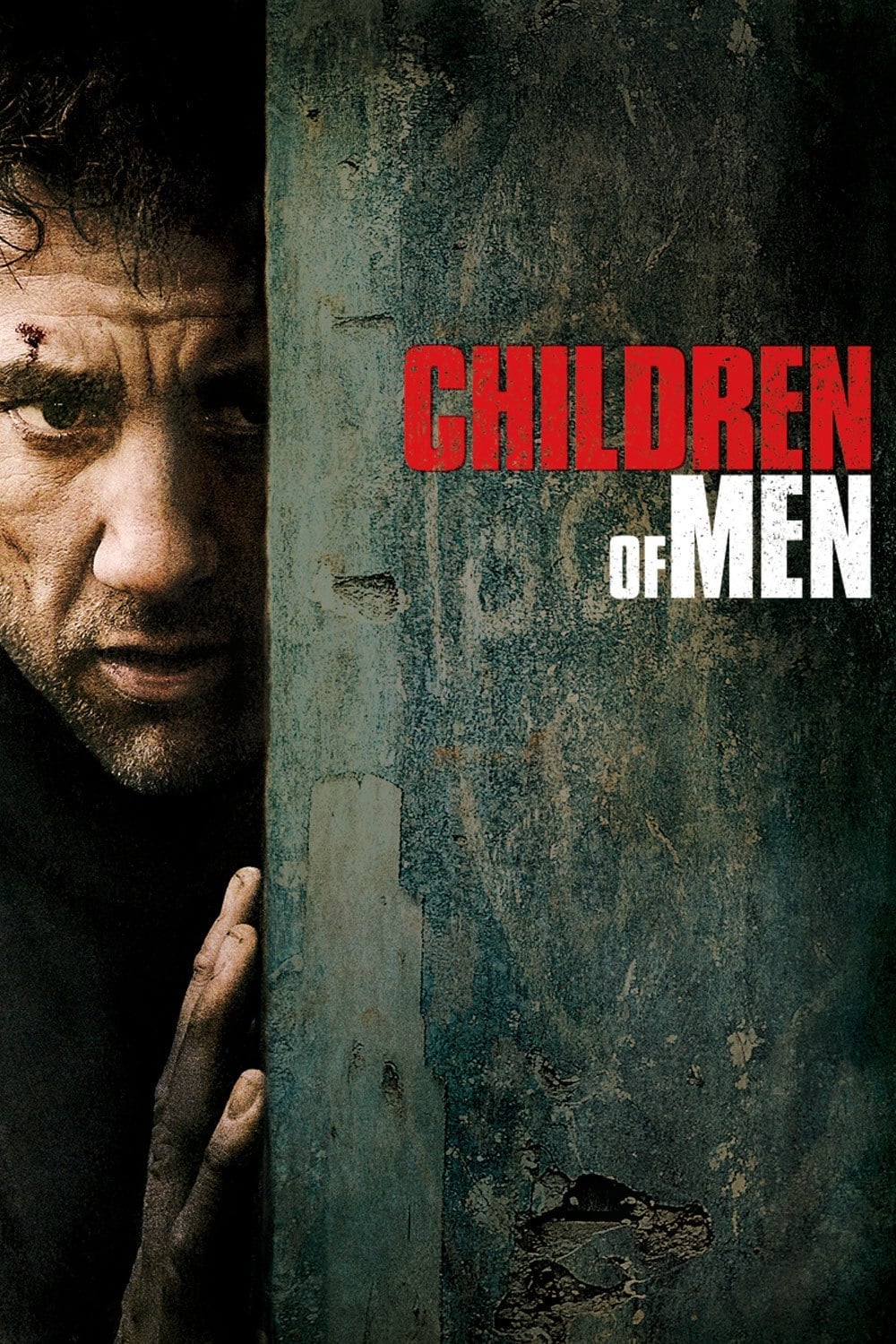
Humanity faces extinction after two decades of global infertility causes societal collapse. A cynical bureaucrat must escort the only pregnant woman on Earth to a sanctuary at sea. The background details reveal a world sinking into chaos and totalitarianism without a future to look forward to. The film treats the catastrophe as a settled historical fact rather than an active event.
’28 Days Later’ (2002)

Jim wakes up from a coma to find London completely deserted following the outbreak of a rage virus. He navigates a collapsed society where the infected are only part of the danger compared to rogue military units. The narrative explores how quickly social contracts disintegrate when institutions fall apart. Director Danny Boyle captures the haunting silence of a major metropolis emptied of its population.
‘A Quiet Place’ (2018)

A family lives in near-total silence to hide from blind extraterrestrial creatures with hypersensitive hearing. They have adapted their entire way of life to survive in a world where making a sound means instant death. The story picks up well after the initial invasion and focuses on their daily struggle to maintain normalcy. It uses sound design to build tension rather than relying on large-scale destruction sequences.
‘Snowpiercer’ (2013)

The remnants of humanity inhabit a globe-spanning train after a failed climate engineering experiment freezes the Earth. A rigid class system emerges within the carriages with the wealthy at the front and the poor at the back. The protagonist leads a violent revolution to seize control of the engine and disrupt the established order. This allegory explores sociopolitical structures that arise when resources become critically scarce.
‘Mad Max: Fury Road’ (2015)

Survivors traverse a desert wasteland where water and gasoline are the only currencies that matter. Imperator Furiosa betrays a tyrannical warlord to smuggle his five wives to a fabled green land. The high-octane action serves as a backdrop for a story about redemption and the search for hope in a ruined world. Visual storytelling takes precedence over dialogue to depict a society built on desperation.
‘I Am Legend’ (2007)
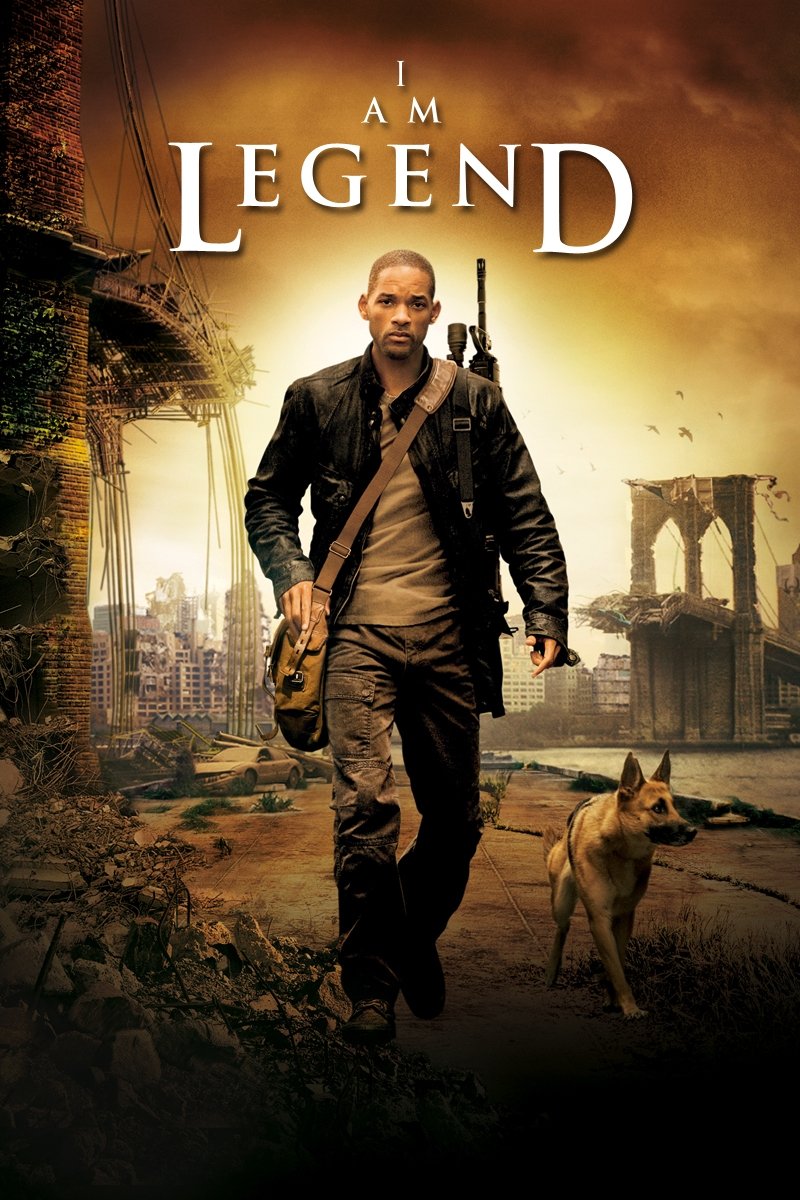
Robert Neville survives as the last human in New York City after a genetically modified virus wipes out the population. He spends his days hunting for food and working on a cure while defending his home from mutants at night. The film highlights the psychological toll of extreme isolation on the human mind. Flashbacks provide brief glimpses of the panic but the core focus remains on his lonely existence.
‘WALL·E’ (2008)

A solitary waste-collecting robot continues his duties on a garbage-filled Earth centuries after humans abandoned the planet. He discovers a healthy plant that sparks a journey to the starliner housing the rest of humanity. The movie critiques consumerism and environmental neglect through its depiction of a planet left to rot. It manages to tell a compelling story about the aftermath of pollution with very little dialogue.
‘It Comes at Night’ (2017)

Two families are forced to share a home in the woods while a highly contagious disease ravages the outside world. Paranoia and mistrust threaten to tear the group apart from within as they enforce strict survival rules. The actual nature of the threat remains ambiguous to heighten the sense of claustrophobia. The film examines how fear transforms people more than the disaster itself does.
‘The Rover’ (2014)
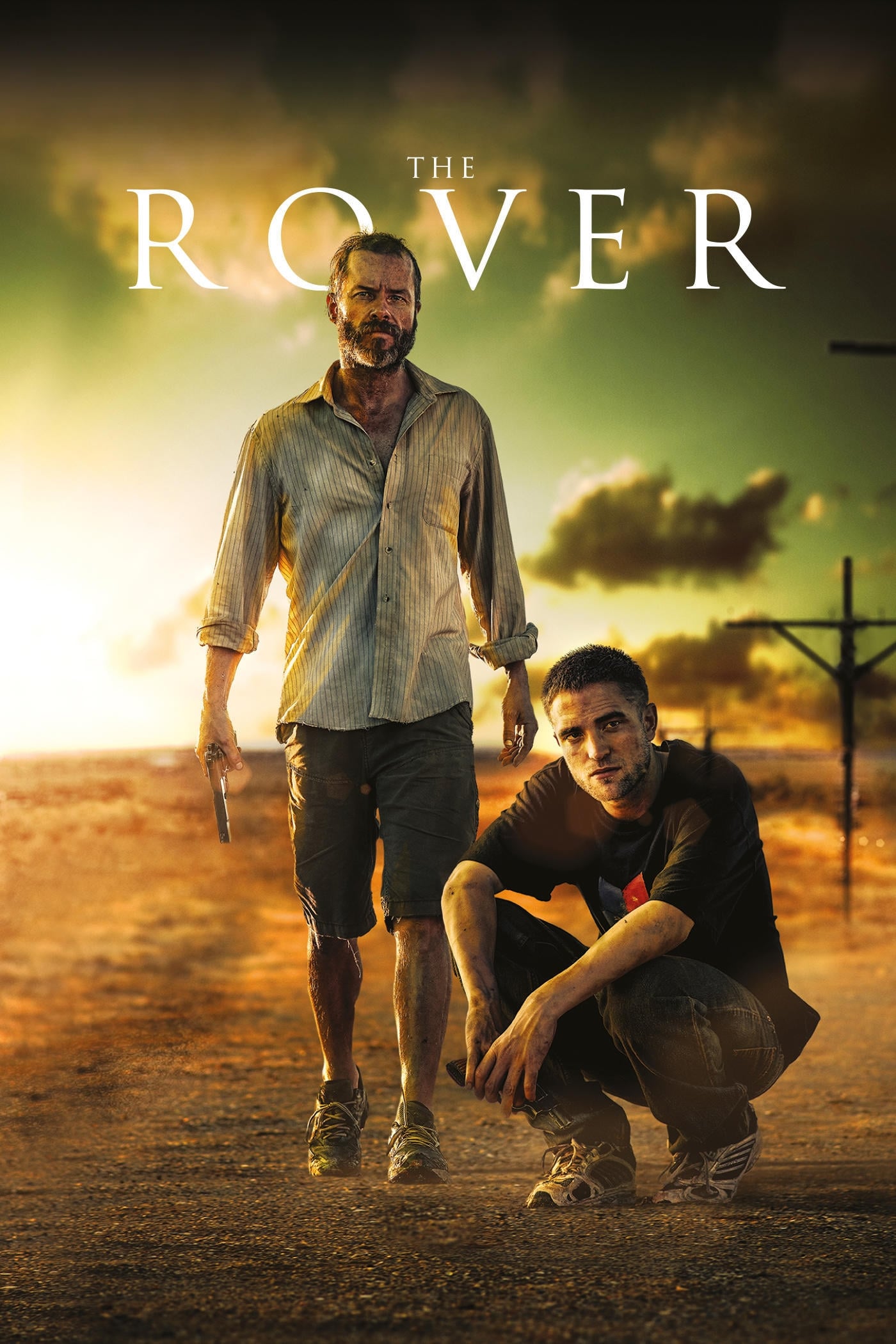
A loner pursues the gang who stole his car through the lawless Australian outback following a global economic collapse. Basic services and rule of law have vanished leaving behind a brutal existence for those who remain. The plot focuses on the moral decay of individuals stripped of societal consequences. It presents a grounded and gritty vision of a future defined by scarcity.
‘Monsters’ (2010)
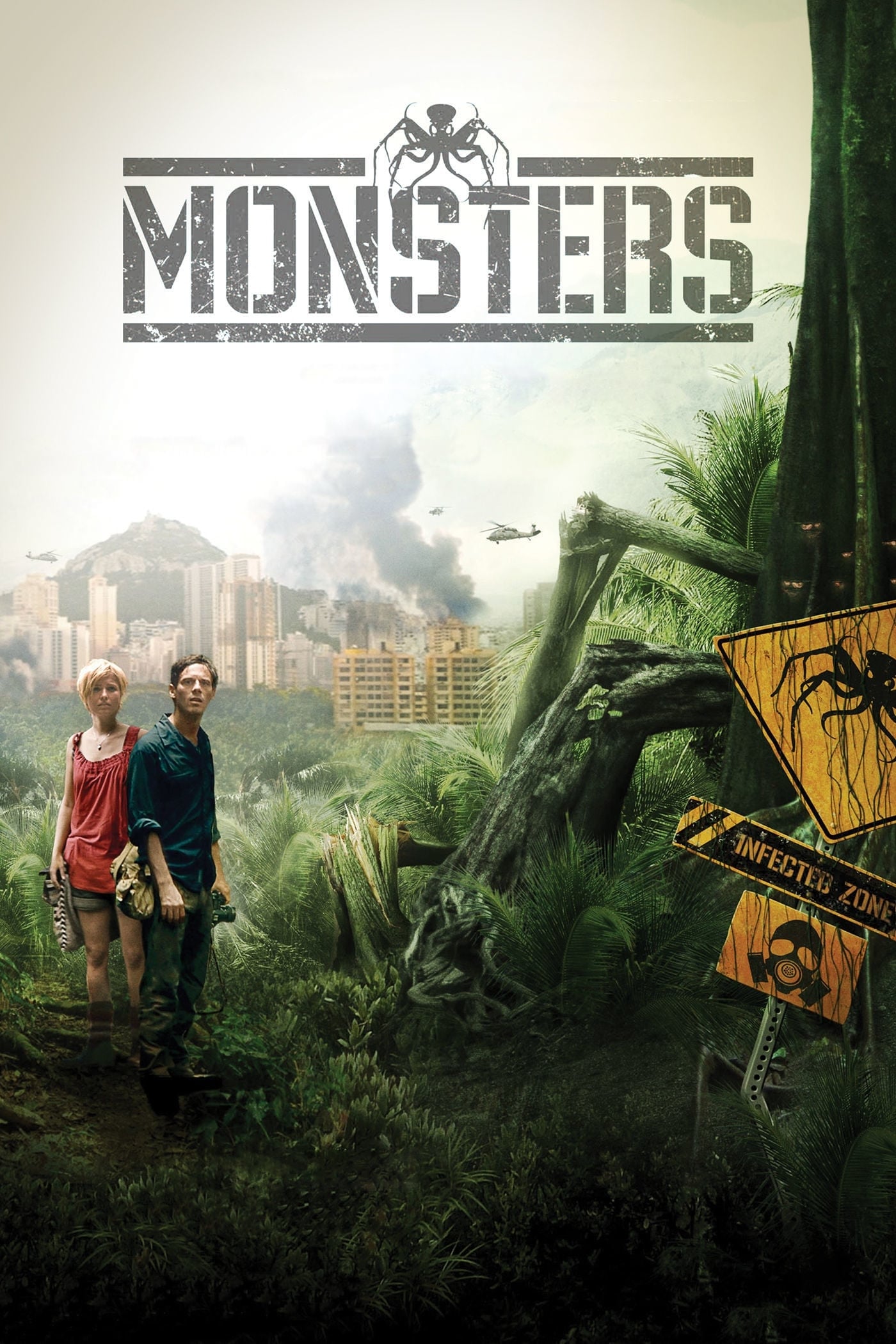
A photojournalist escorts his employer’s daughter through an infected zone in Mexico six years after alien life forms arrived. The creatures have become a natural part of the ecosystem rather than an active invading force. The journey focuses on the relationship between the two travelers against the backdrop of a contained disaster area. It uses the sci-fi elements to frame a human drama about connection.
‘Testament’ (1983)
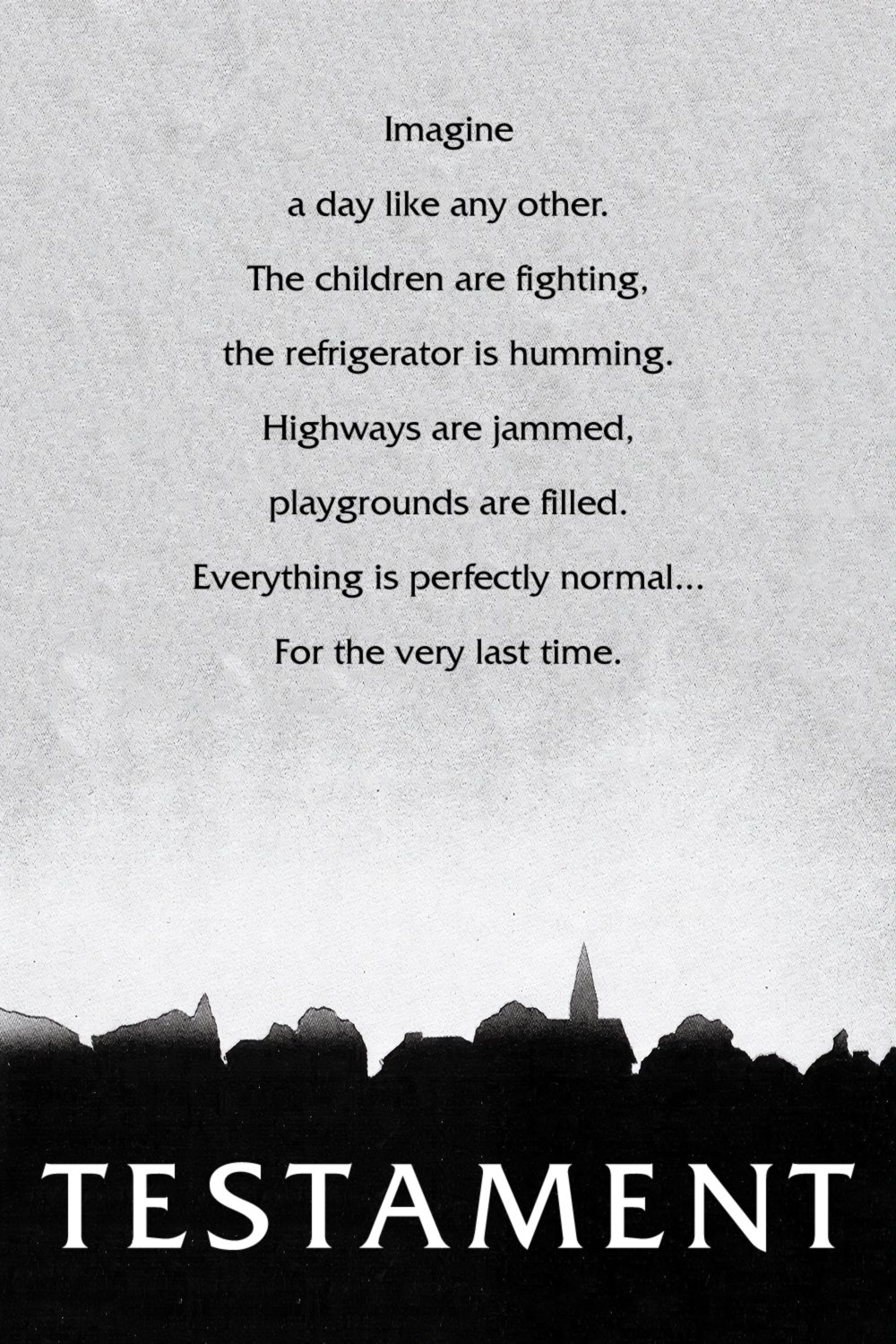
A suburban family in California attempts to maintain their routine after nuclear bombs detonate on the East Coast. The film avoids showing the explosions and instead documents the slow deterioration of the community due to radiation poisoning. Panic gives way to a quiet and devastating resignation as supplies run out and loved ones pass away. It serves as a harrowing portrait of the slow death of a town.
‘Bird Box’ (2018)

A woman navigates a river with two children while blindfolded to avoid seeing entities that drive observers to suicide. The narrative alternates between the initial outbreak and the perilous journey taken years later. Survival depends on the ability to deny one of the most basic human senses. The film focuses on the lengths a parent will go to to ensure safety in a hostile environment.
‘The Book of Eli’ (2010)
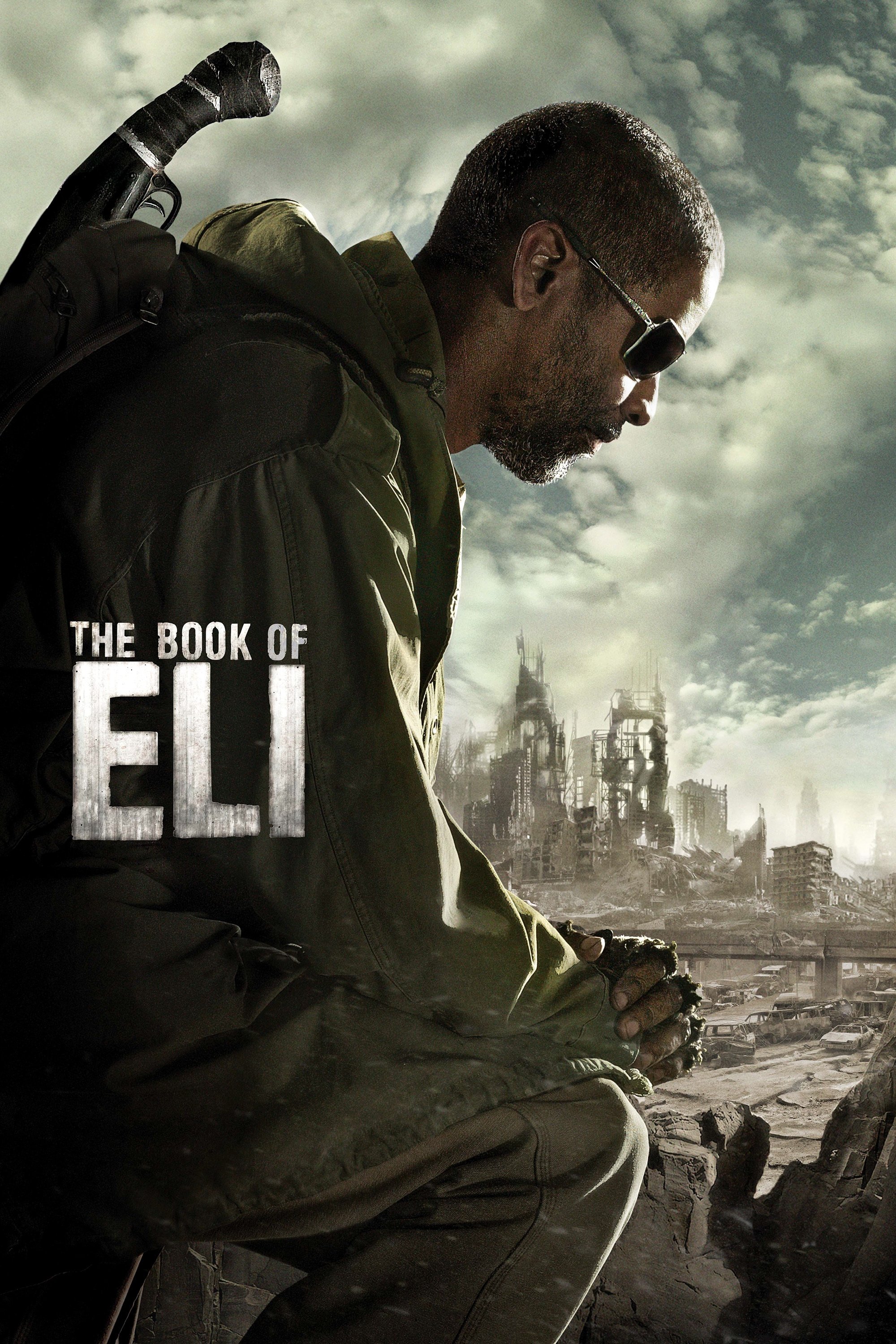
A lone wanderer travels across a dangerous post-apocalyptic America to protect a sacred book that holds the secrets to saving humanity. He battles ruthless warlords who seek to control the populace by weaponizing the text. The setting depicts a world struggling to remember its history after a catastrophic war tore a hole in the sky. Themes of faith and preservation drive the narrative forward through the desolate landscape.
Please share your thoughts on which post-apocalyptic films you found the most impactful in the comments.