


14 Films That Made Straight Actors Play Gay and Never Let Them Live It Down

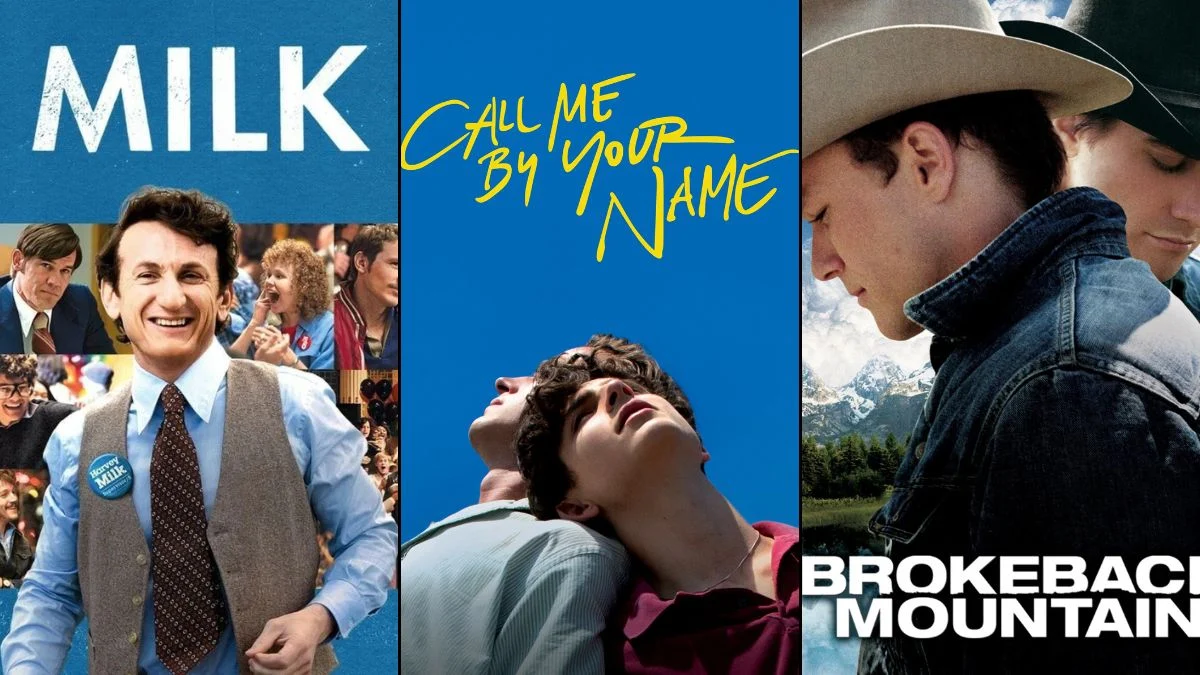


Hollywood has a long history of casting heterosexual actors in LGBTQ+ roles that ultimately define their public image or garner significant critical acclaim. These performances often spark intense conversations regarding representation and the boundaries of acting while earning the stars prestige awards. The films listed below feature straight actors who immersed themselves in queer characters so effectively that the roles became inseparable from their careers. Audiences continue to associate these performers with these specific cinematic moments years after their release.
‘Brokeback Mountain’ (2005)
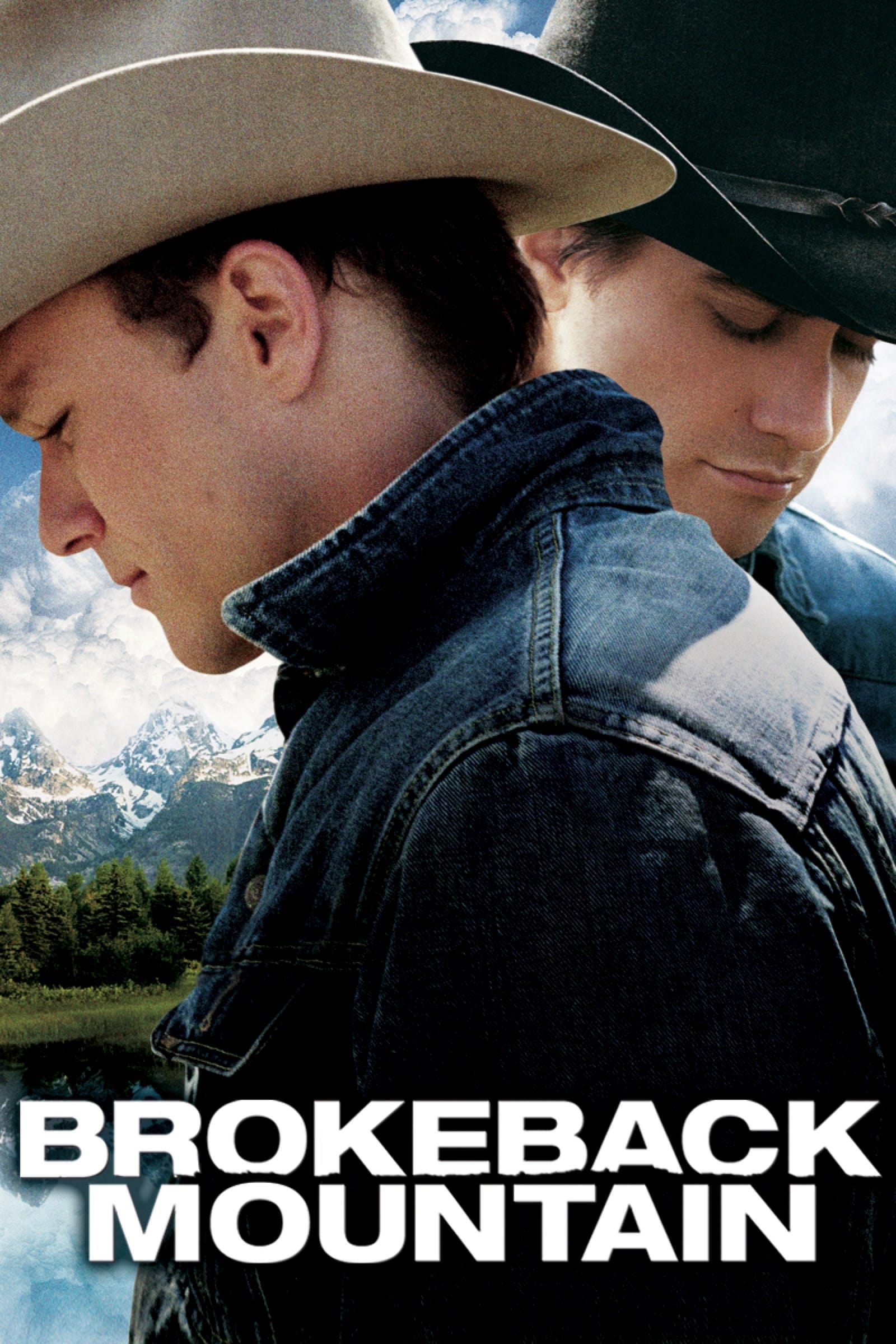
Heath Ledger and Jake Gyllenhaal star as two sheepherders who develop a complex romantic relationship in the American West. The film explores the societal pressures and personal repression that keep the two men apart over several decades. Ang Lee directed this adaptation of the short story by Annie Proulx with a focus on longing and tragedy. Both actors received immense praise for their raw portrayals of forbidden love in a masculine environment. It remains a landmark entry in queer cinema that shifted mainstream cultural dialogue.
‘Call Me by Your Name’ (2017)
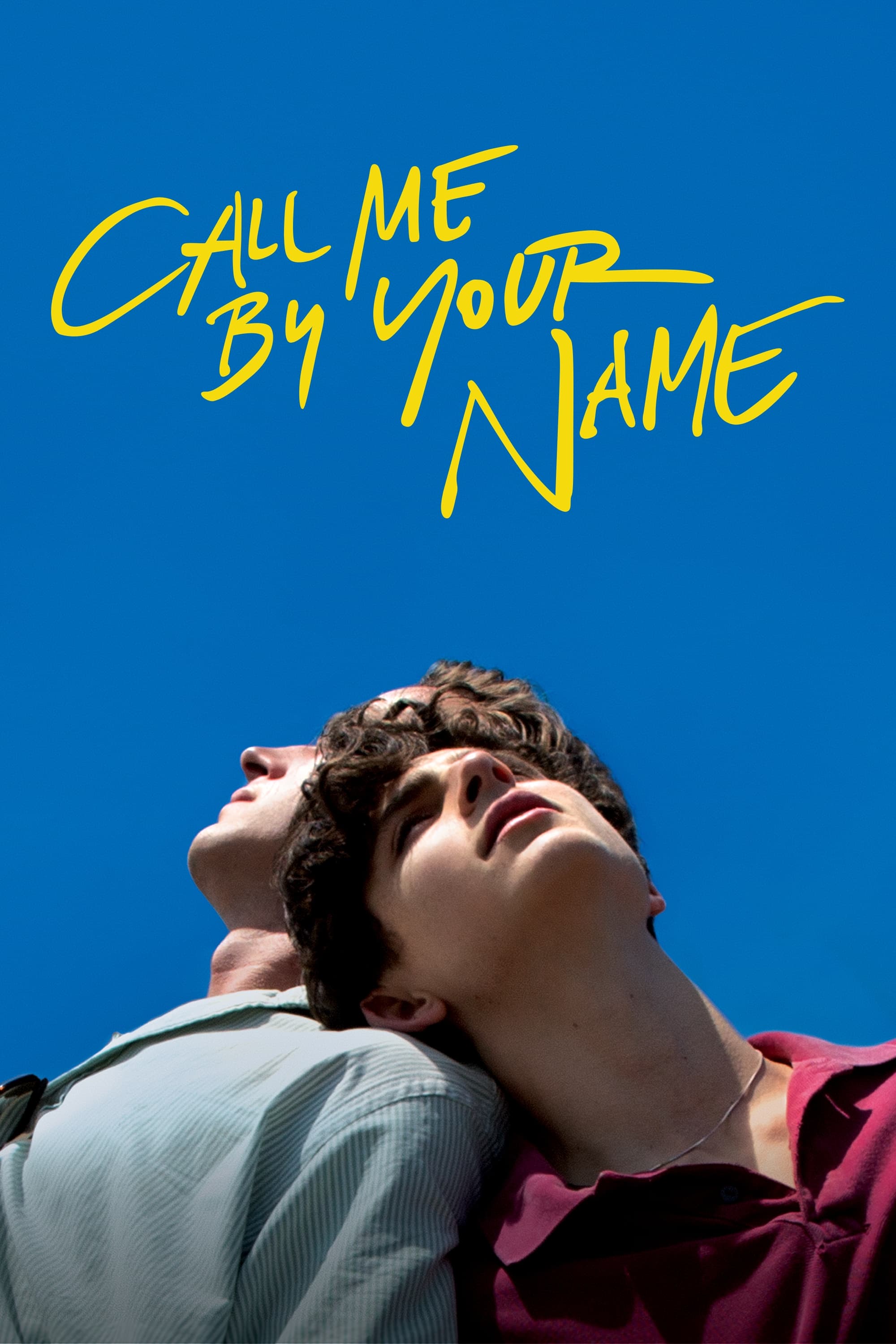
Timothée Chalamet and Armie Hammer portray a precocious teenager and an older graduate student who fall in love during an Italian summer. The narrative follows their intellectual bonding and physical awakening against a lush European backdrop. Luca Guadagnino directed this adaptation with a sensory approach that emphasizes the languid passage of time. Chalamet became a global sensation following his sensitive performance as the young Elio. The film is frequently cited for its emotional intimacy and the chemistry between the two leads.
‘Philadelphia’ (1993)
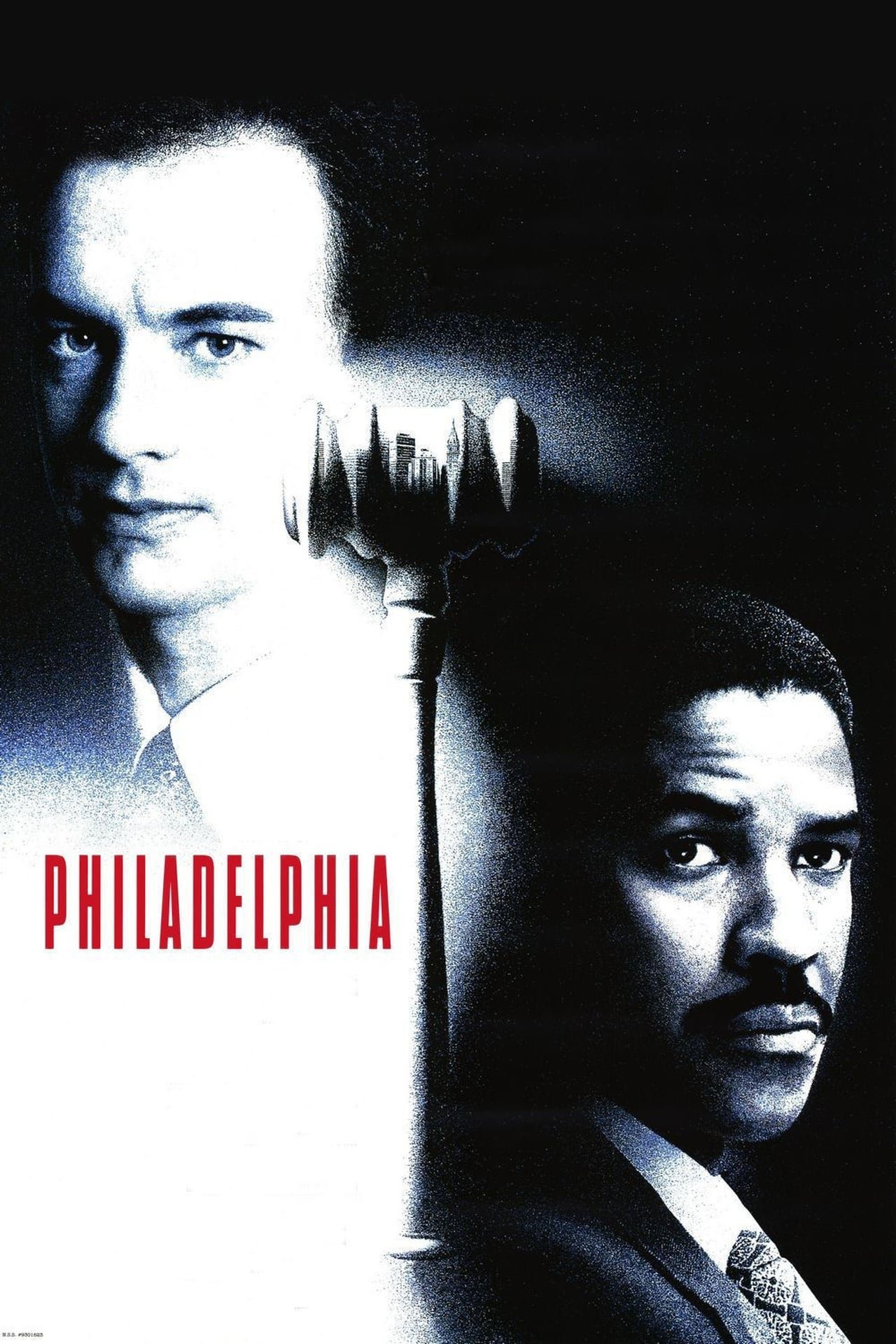
Tom Hanks plays Andrew Beckett as a high-powered lawyer who is fired after his firm discovers he has AIDS. He hires a homophobic personal injury attorney to sue his former employers for wrongful termination. This movie was one of the first mainstream Hollywood productions to address the HIV/AIDS crisis directly. Hanks transformed his body for the role and delivered a performance that earned him an Academy Award. The film helped humanize the epidemic for general audiences during a time of widespread misinformation.
‘Milk’ (2008)
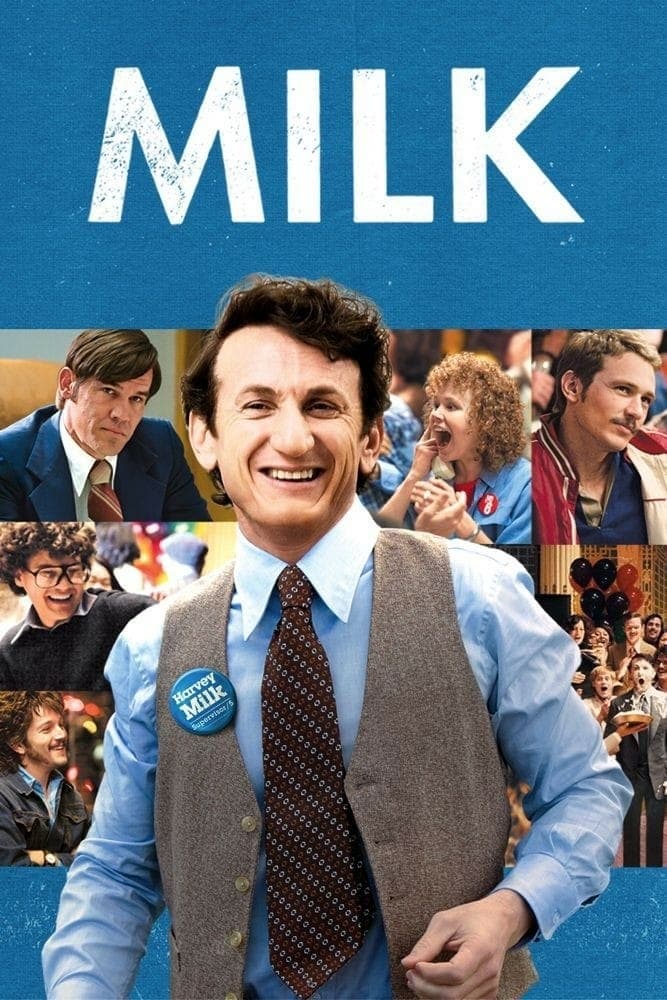
Sean Penn embodies the role of Harvey Milk who was the first openly gay person to be elected to public office in California. The biographical film traces his political rise in San Francisco and his efforts to defeat Proposition 6. Gus Van Sant directed the feature using a mix of archival footage and dramatic reenactments to capture the era. Penn adopted the mannerisms and vocal cadence of the real activist with striking accuracy. His performance anchored the film and highlighted a pivotal chapter in civil rights history.
‘Bohemian Rhapsody’ (2018)
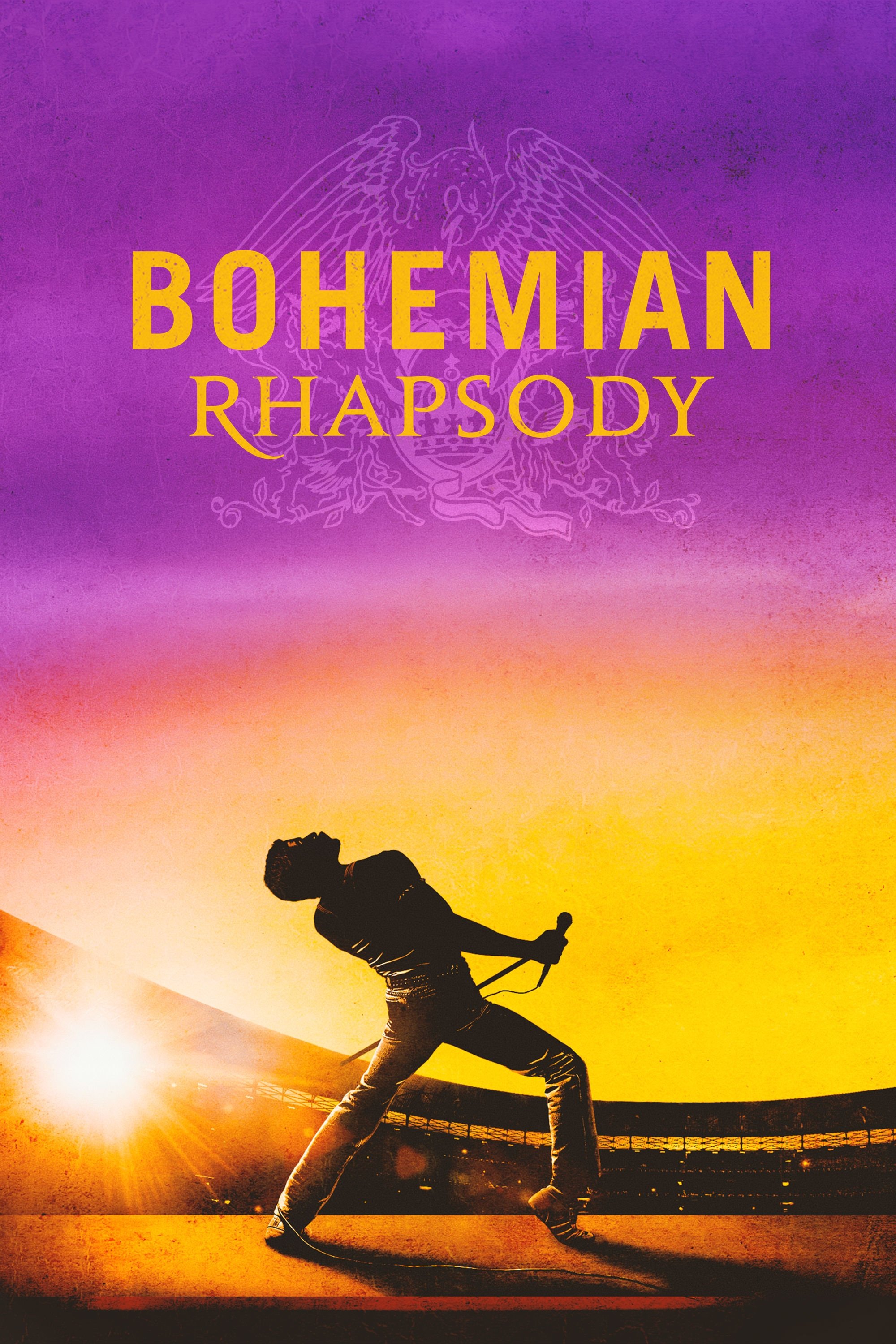
Rami Malek portrays the legendary Queen frontman Freddie Mercury in this musical biopic. The story charts the meteoric rise of the band and the personal struggles of its lead singer with his sexuality and fame. Malek studied movement coaches to replicate the flamboyant stage presence that defined Mercury. The film culminates in a recreation of the 1985 Live Aid performance at Wembley Stadium. Malek won the Academy Award for Best Actor for his energetic interpretation of the rock icon.
‘Carol’ (2015)
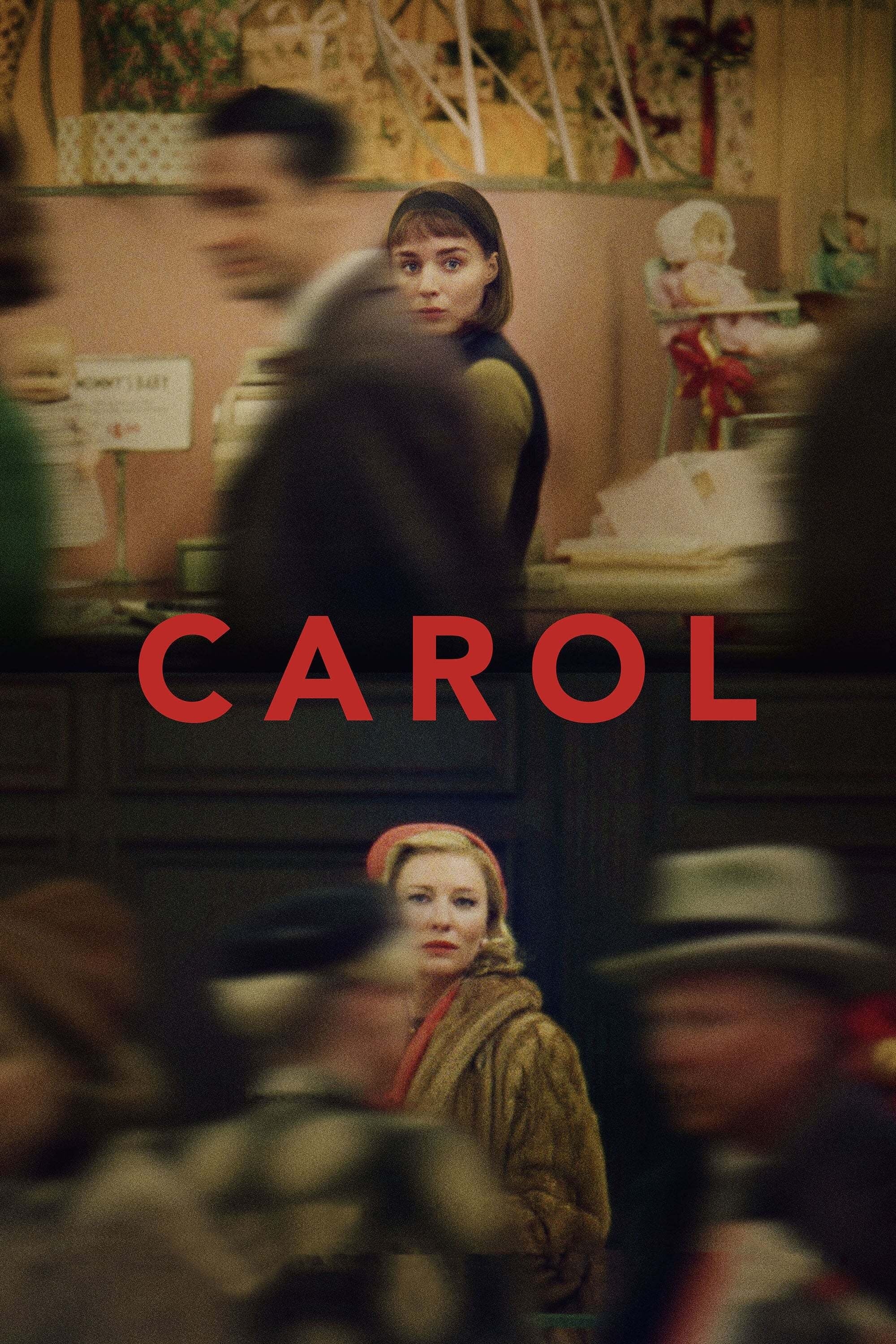
Cate Blanchett and Rooney Mara star as two women from different social backgrounds who navigate a forbidden affair in 1950s New York. Blanchett plays an elegant socialite trapped in a loveless marriage while Mara plays a young photographer. Todd Haynes directed this adaptation of a Patricia Highsmith novel with distinct visual flair. The film examines the subtle codes and glances necessary for queer survival during the mid-century. Both actresses delivered understated performances that received universal critical acclaim.
‘Blue Is the Warmest Color’ (2013)

Léa Seydoux and Adèle Exarchopoulos play two young women who experience the intense highs and lows of a passionate relationship. The French film spans several years in the lives of the characters as they mature and drift apart. Director Abdellatif Kechiche employed a naturalistic style that often relied on improvisation and long takes. The production became famous for its graphic depiction of intimacy and the reported difficulty of the shoot. It holds the distinction of being the first film where the actresses shared the Palme d’Or with the director.
‘The Birdcage’ (1996)
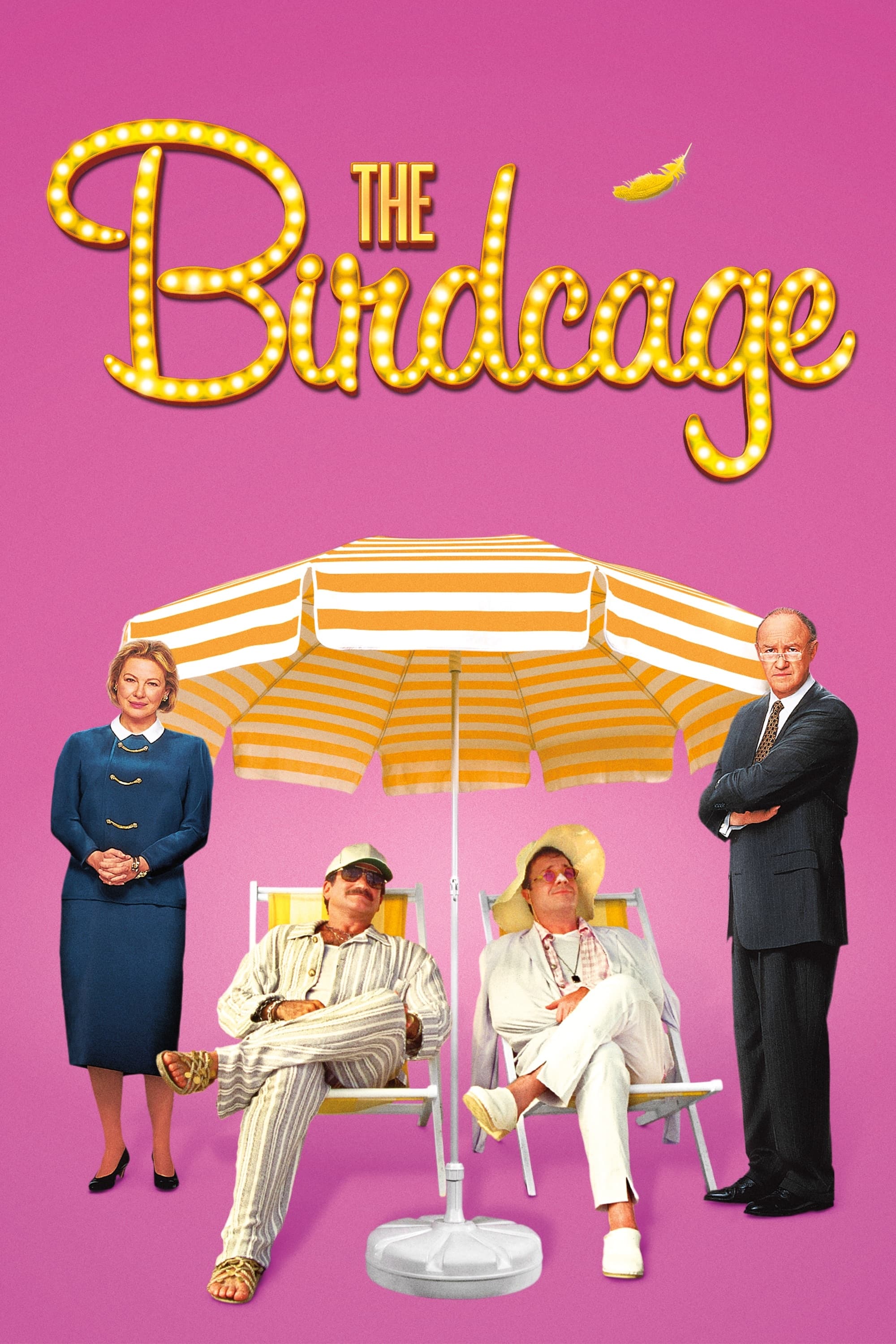
Robin Williams and Nathan Lane star as a gay cabaret owner and a drag queen who try to play it straight for their son. The comedy ensues when the son brings his fiancée and her ultra-conservative parents to dinner. Mike Nichols directed this American remake of the French farce with a focus on family dynamics. Williams delivered a restrained performance that allowed Lane to shine in the more flamboyant role. The film remains a beloved comedy that celebrates non-traditional families.
‘Capote’ (2005)
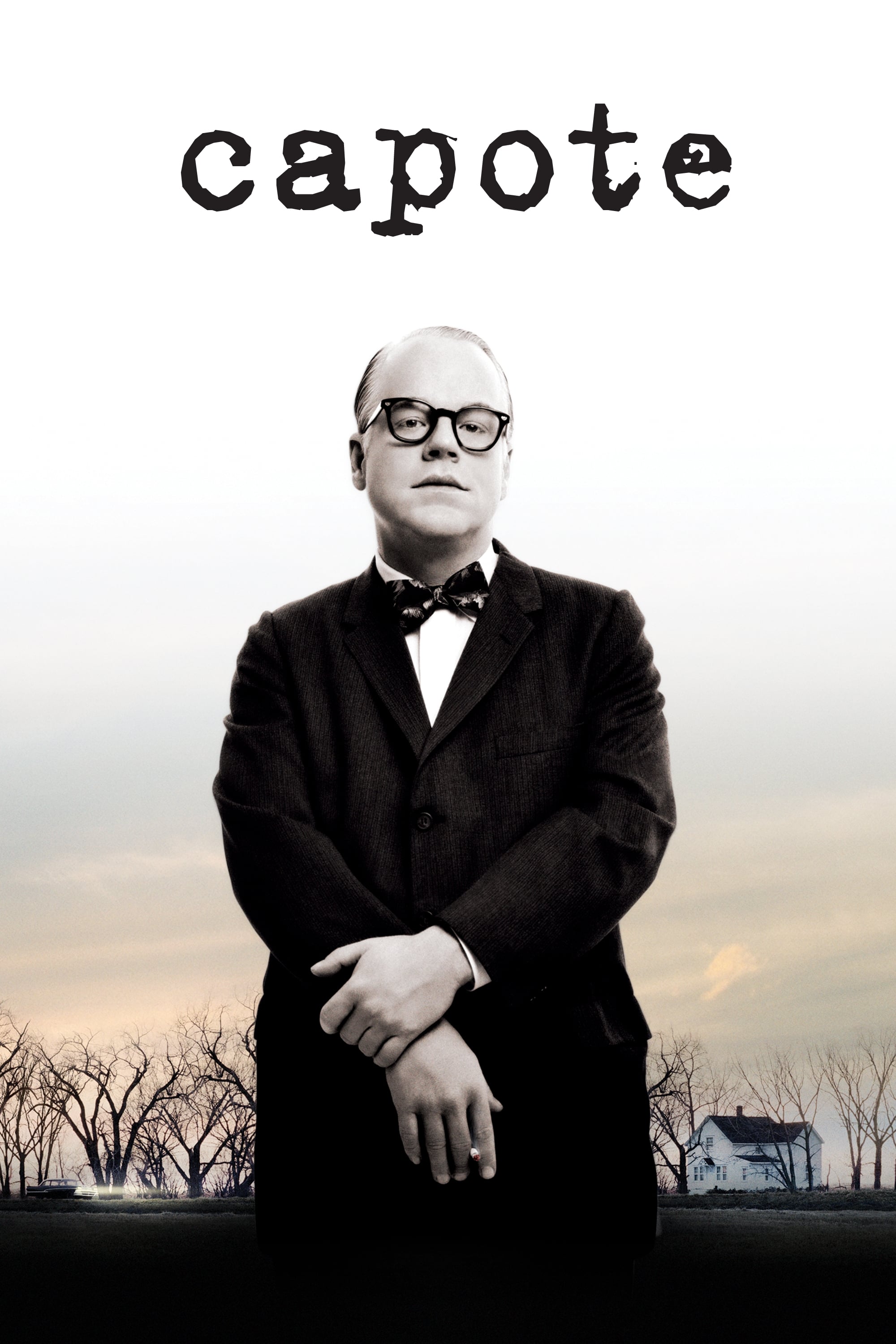
Philip Seymour Hoffman transforms into the author Truman Capote as he investigates a brutal Kansas murder. The narrative focuses on the years Capote spent researching and writing his non-fiction novel while forming a complex bond with one of the killers. Hoffman captured the distinctive voice and mannerisms of the writer without turning the performance into a caricature. The film explores the ethical lines a writer crosses in pursuit of a masterpiece. Hoffman won the Academy Award for Best Actor for this immersive portrayal.
‘Kiss of the Spider Woman’ (1985)

William Hurt plays Luis Molina who is a window dresser imprisoned for corrupting a minor. He shares a cell with a political revolutionary and passes the time by recounting the plots of his favorite romantic movies. The relationship between the two cellmates evolves from hostility to deep understanding within the confines of the prison. Hurt won the Academy Award for Best Actor for a role that challenged gender norms of the era. The film is noted for its exploration of escapism and the intersection of political and sexual repression.
‘A Single Man’ (2009)
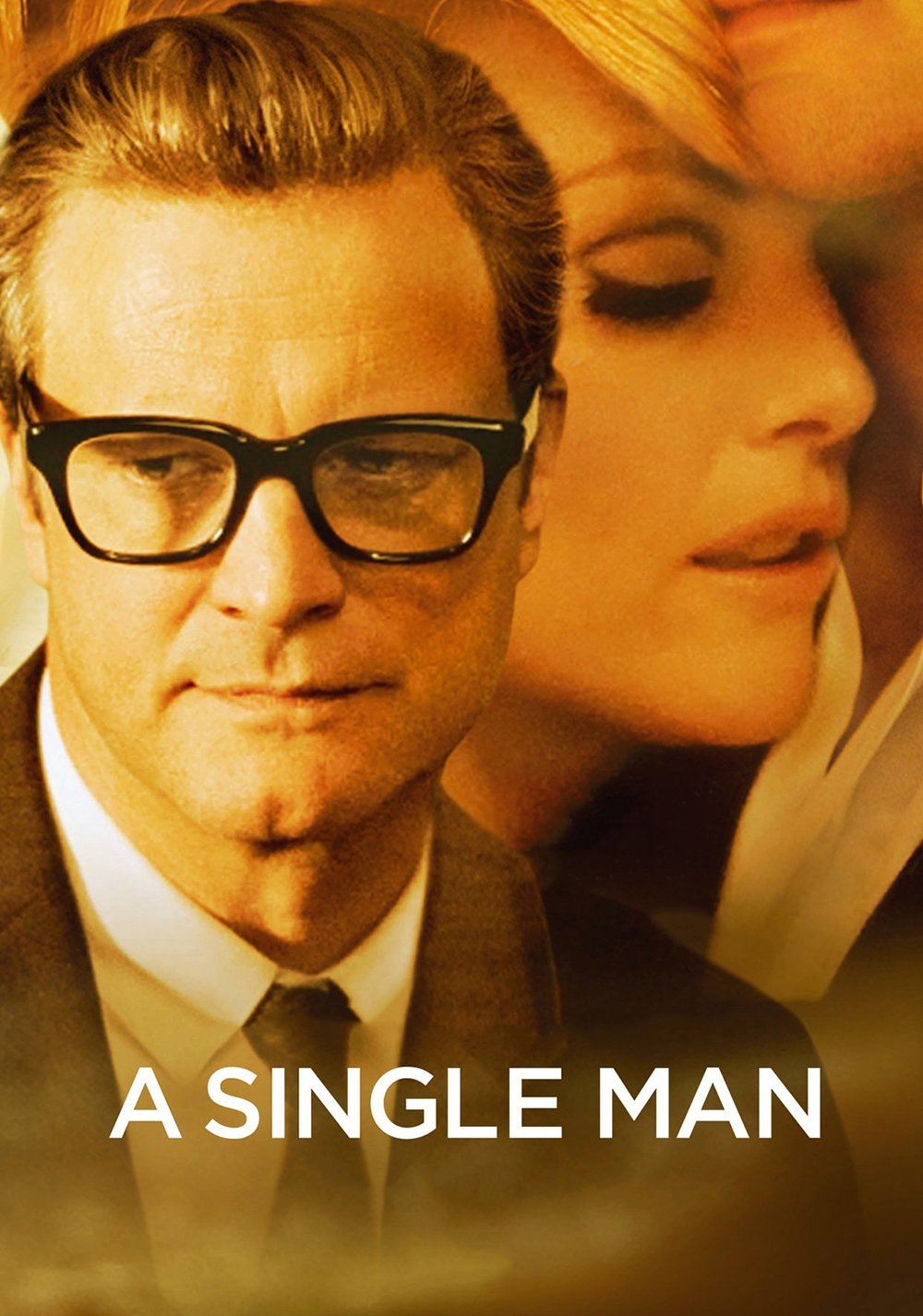
Colin Firth stars as George Falconer who is an English professor living in Los Angeles during the height of the Cuban Missile Crisis. The story follows him through a single day as he plans to end his life following the death of his partner. Tom Ford directed this visually precise film that emphasizes the protagonist’s isolation and grief. Firth received significant praise for a performance that communicated deep sorrow through subtle expressions. The film is visually stylized to reflect the changing emotional state of the main character.
‘Total Eclipse’ (1995)
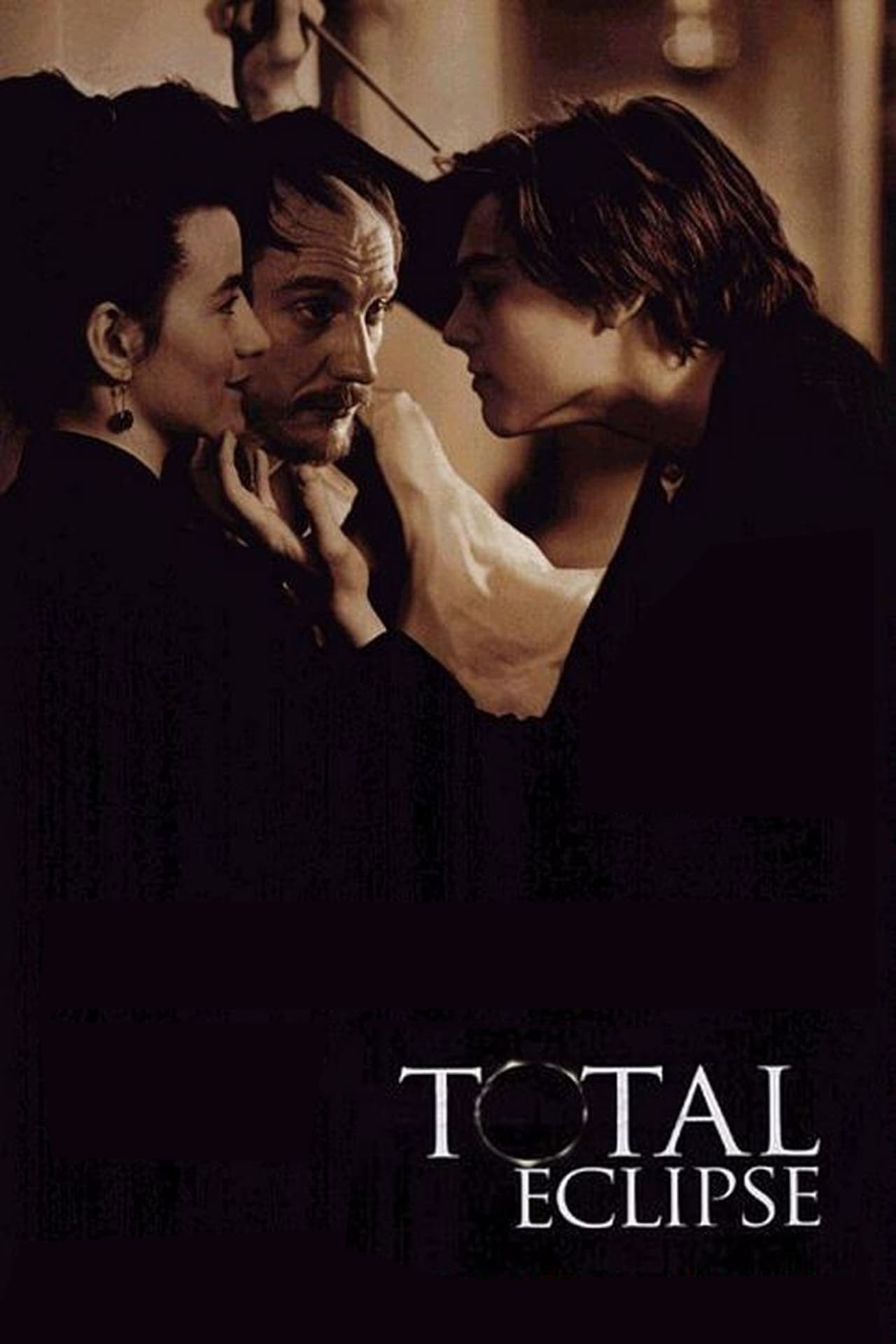
Leonardo DiCaprio portrays the young French poet Arthur Rimbaud in a tumultuous affair with Paul Verlaine. The film depicts the destructive and passionate relationship that fueled their literary output. DiCaprio brought a wild and petulant energy to the role of the teenage prodigy. The narrative highlights the scandalous nature of their travels across Europe during the 19th century. This early role showcased DiCaprio’s willingness to take on challenging material before his rise to superstardom.
‘I Love You Phillip Morris’ (2009)
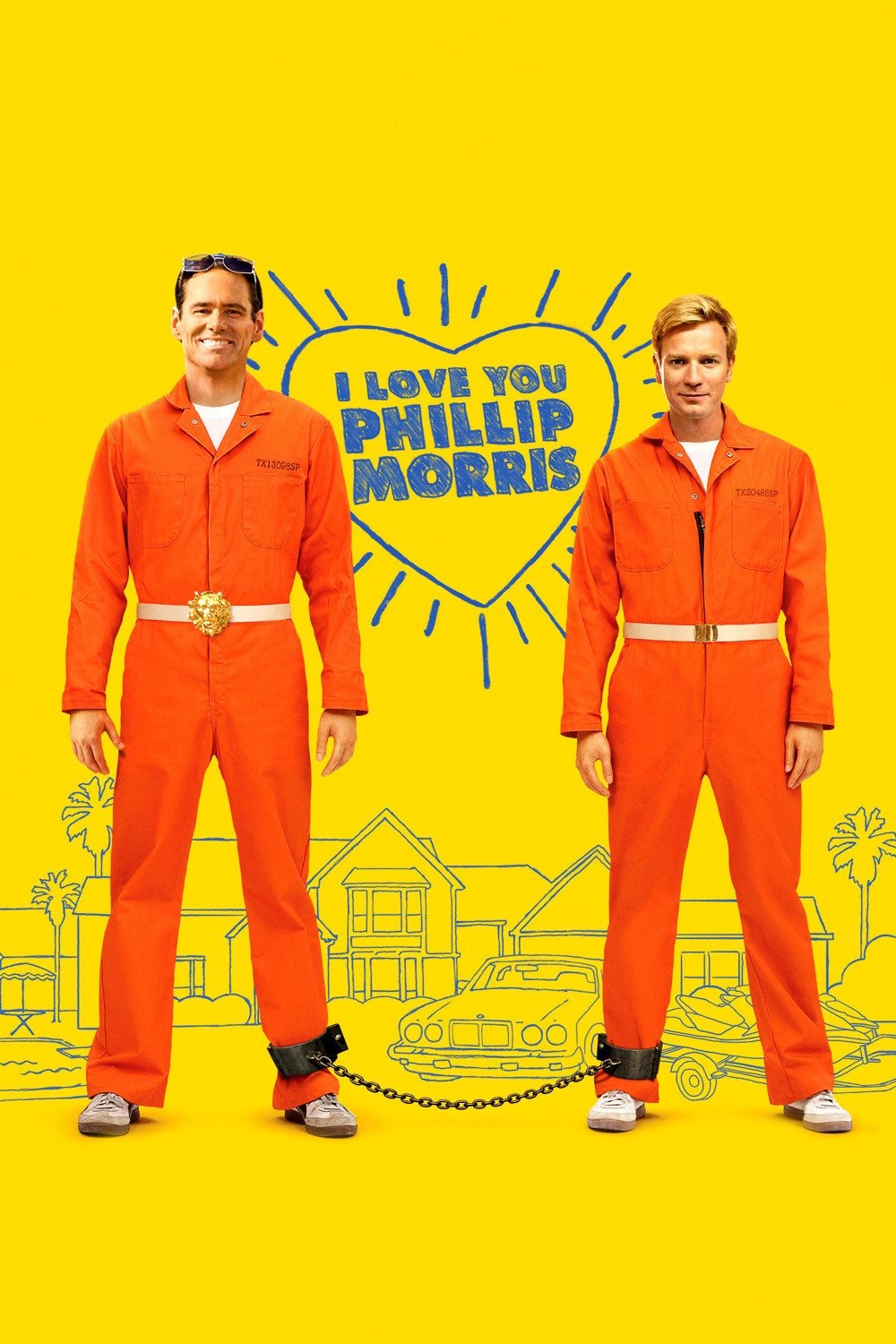
Jim Carrey and Ewan McGregor star in this dark comedy based on the true story of con artist Steven Russell. Carrey plays Russell who comes out as gay and turns to a life of fraud to fund his lavish lifestyle. He falls in love with his cellmate Phillip Morris and executes multiple prison escapes to be with him. The tone of the film balances absurd humor with moments of genuine romance. It stands out in Carrey’s filmography for its bold subject matter and tone.
‘My Own Private Idaho’ (1991)
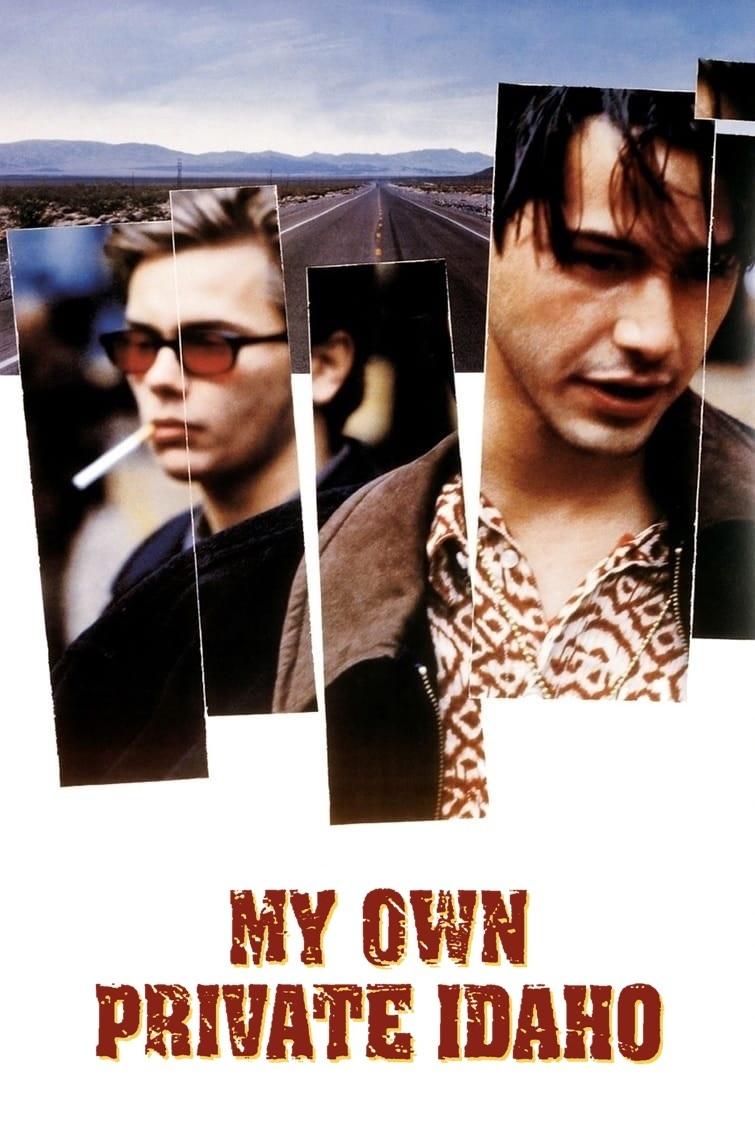
River Phoenix and Keanu Reeves play two street hustlers traveling through the Pacific Northwest and Italy. Phoenix plays a narcoleptic seeking his mother while Reeves plays the rebellious son of a mayor. Director Gus Van Sant loosely based the narrative on Shakespeare plays regarding Prince Hal. Phoenix delivered a vulnerable performance that is widely considered one of the best of his shortened career. The film is a seminal work in the New Queer Cinema movement of the early nineties.
Share your favorite performance from this list in the comments.