


14 Films Where the Score Was Composed Before the Script

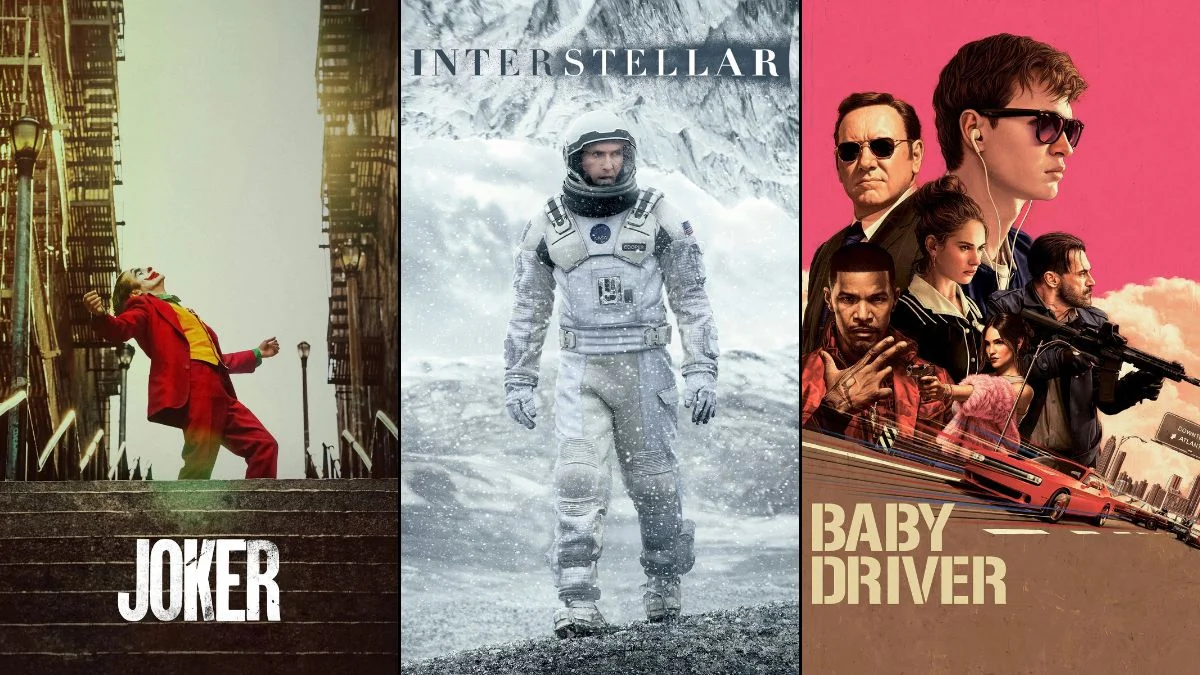


Standard film production usually treats the musical score as one of the final elements added during post-production. Some visionary directors choose to invert this process by asking composers to write the music before the cameras even start rolling. This reverse approach allows the rhythm and emotion of the score to influence the acting and cinematography directly. The following films showcase the unique magic that occurs when the music dictates the movie.
‘Interstellar’ (2014)
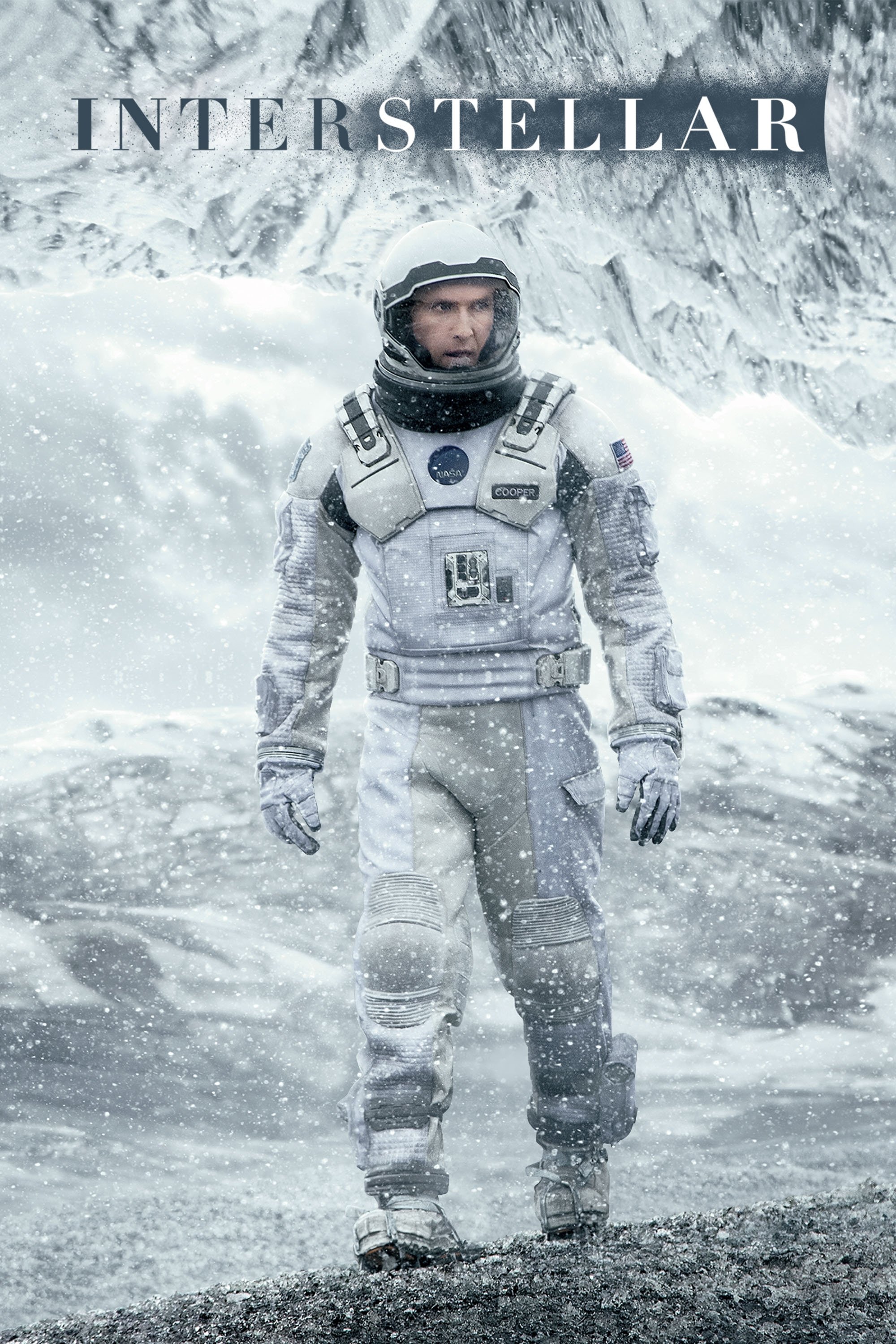
Hans Zimmer wrote the central theme for this sci-fi epic before a script even existed. Christopher Nolan gave the composer a single page containing a fable about a father and his child. Zimmer composed a piece for piano and organ that captured the emotional core of the story without knowing the genre. Nolan then used this music as the foundation for writing the actual screenplay regarding space travel.
‘Once Upon a Time in the West’ (1968)
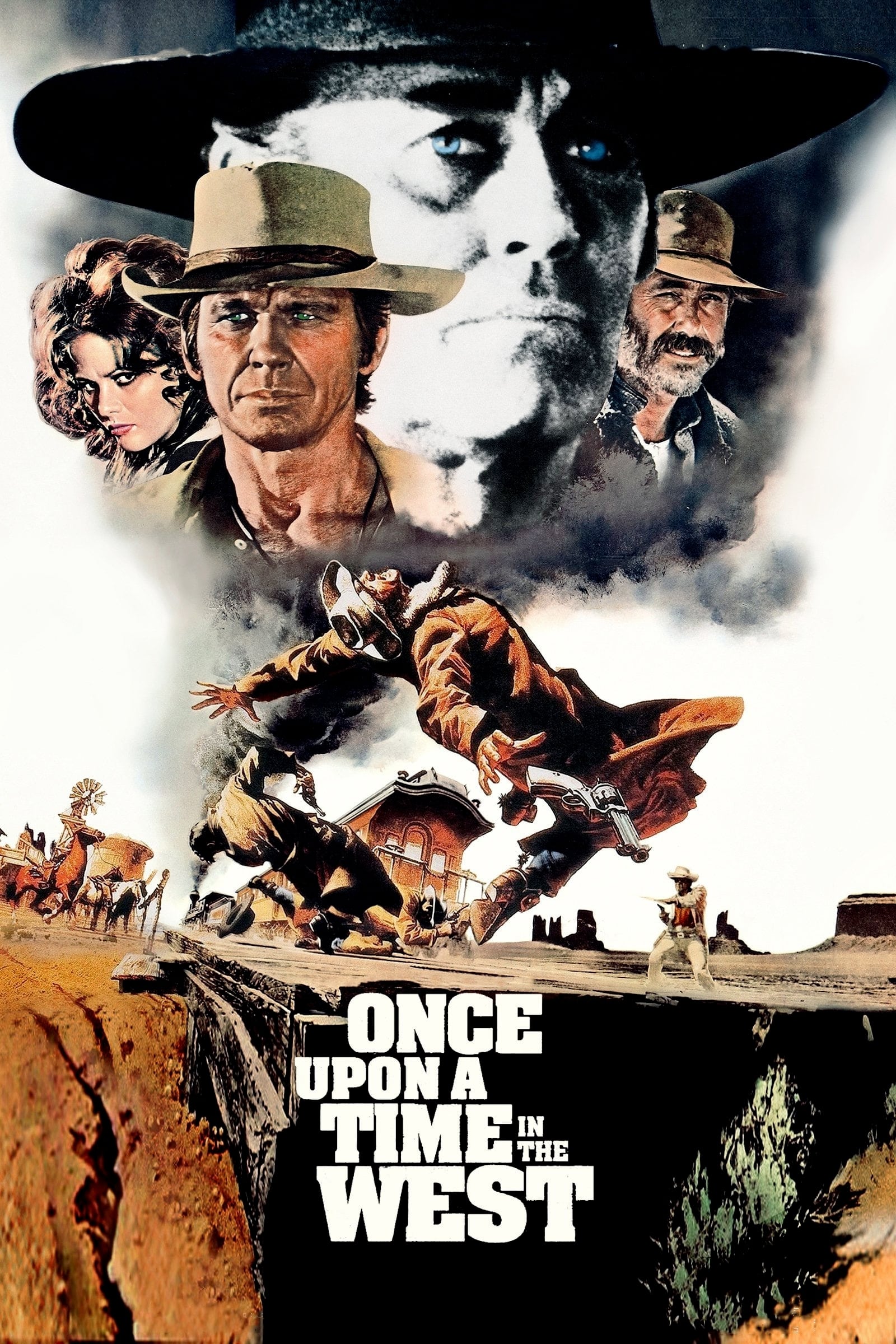
Director Sergio Leone had Ennio Morricone compose the musical score before filming began. Leone played these recordings on the set to help the actors find the correct tempo and emotion for their scenes. This method allowed the camera movements and character blocking to synchronize perfectly with the melodies. The music became an active character in the film rather than just a post-production addition.
‘Magnolia’ (1999)
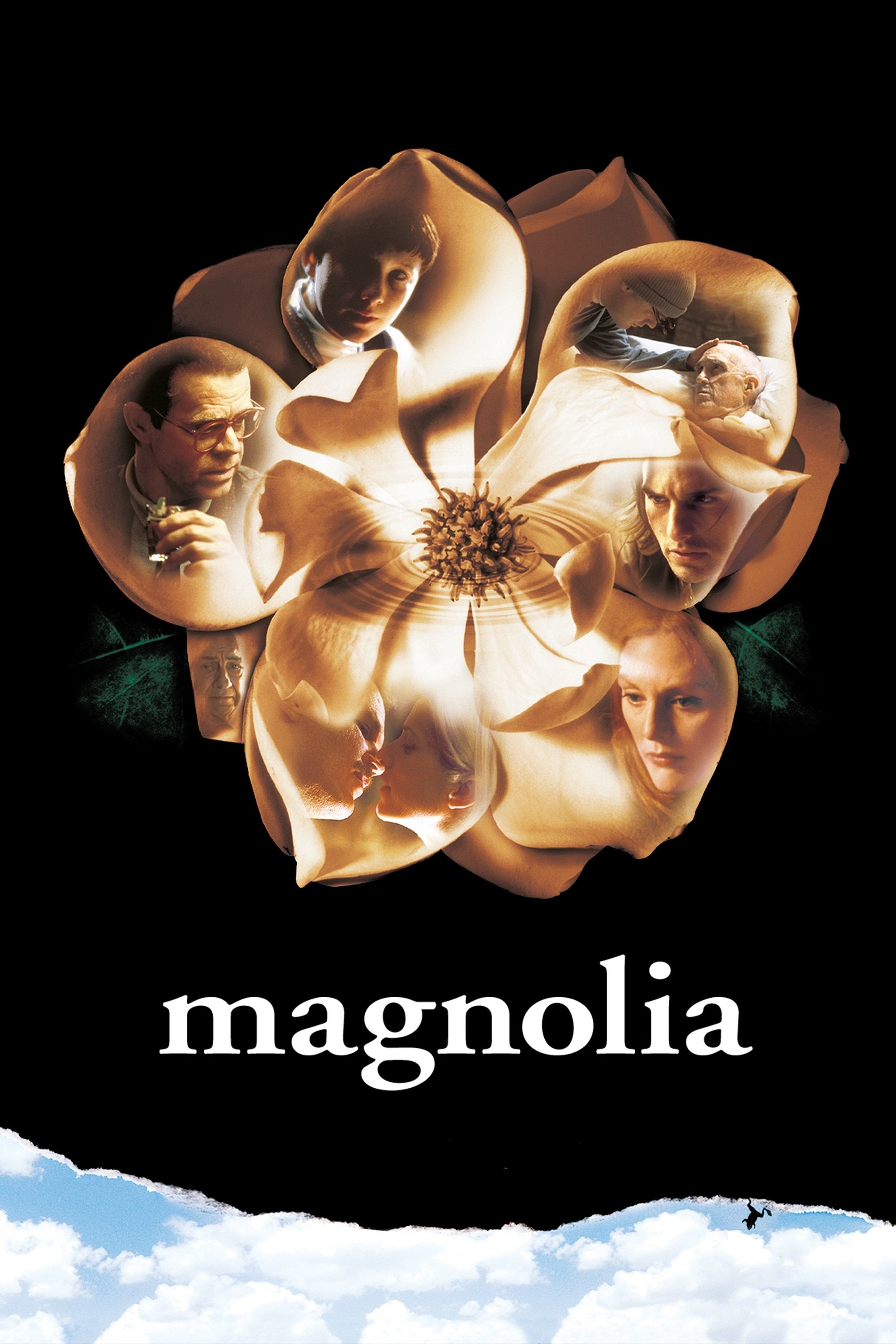
Director Paul Thomas Anderson sat down to write an adaptation of Aimee Mann songs rather than a traditional script. The music inspired the interlocking stories and the emotional tone of the characters. Mann provided Anderson with demos and finished tracks that shaped the narrative structure. One famous sequence features the entire cast singing along to the song Wise Up which was written into the screenplay.
‘Joker’ (2019)
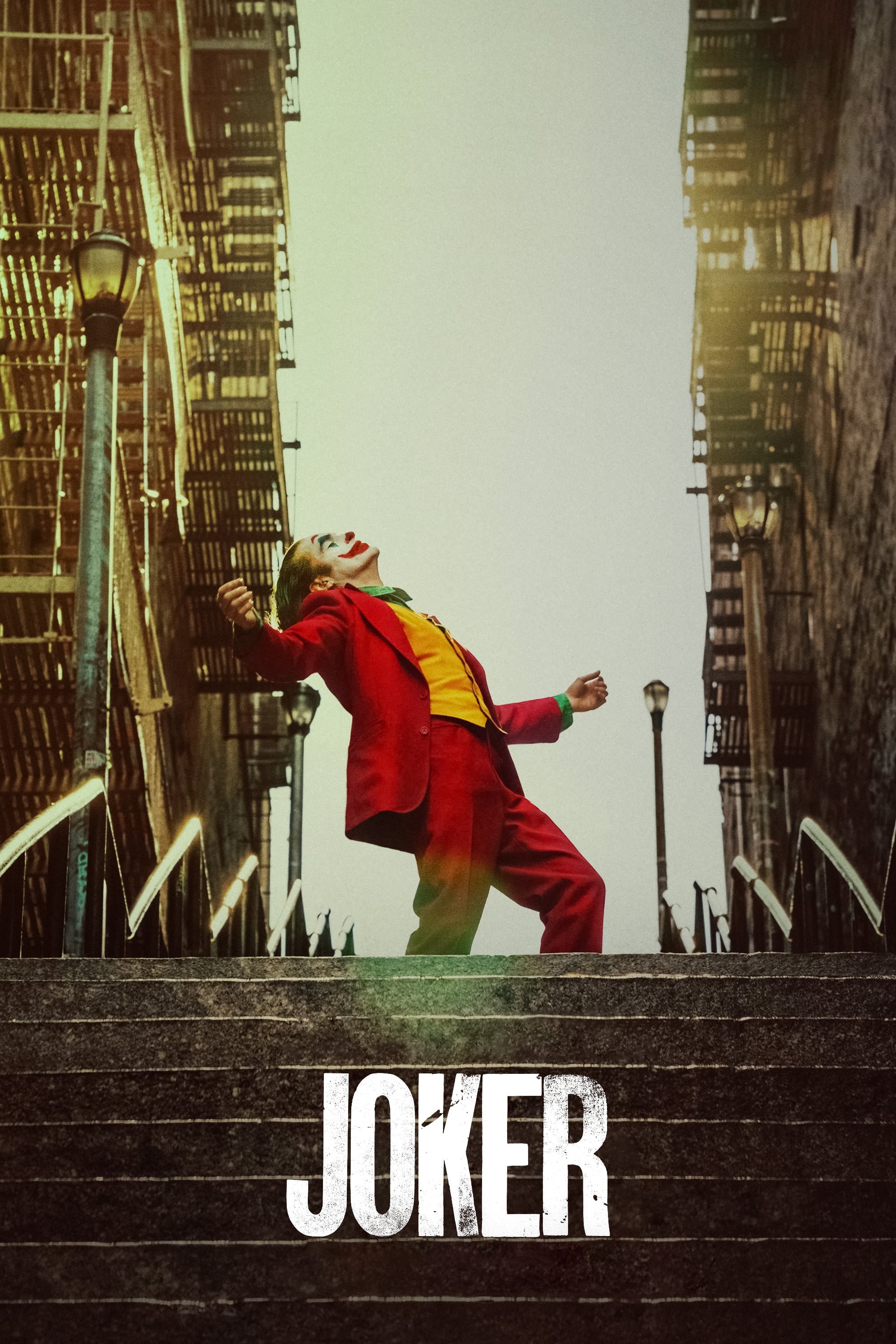
Composer Hildur Guðnadóttir began writing the music immediately after reading the script and before production started. Her haunting cello themes were played on set during the filming of key sequences. Joaquin Phoenix famously improvised his bathroom dance scene in response to the music playing live in the room. This immediate feedback loop between the score and the actor altered the direction of the character significantly.
‘Baby Driver’ (2017)

Edgar Wright curated the soundtrack playlist years before he completed the screenplay for this action film. He wrote every scene to match the specific tempo and duration of the selected songs. The actors rehearsed with the music to ensure their movements and gunshots aligned with the beats. This unique process turned the entire movie into a tightly choreographed musical with car chases.
‘The Good, the Bad and the Ugly’ (1966)
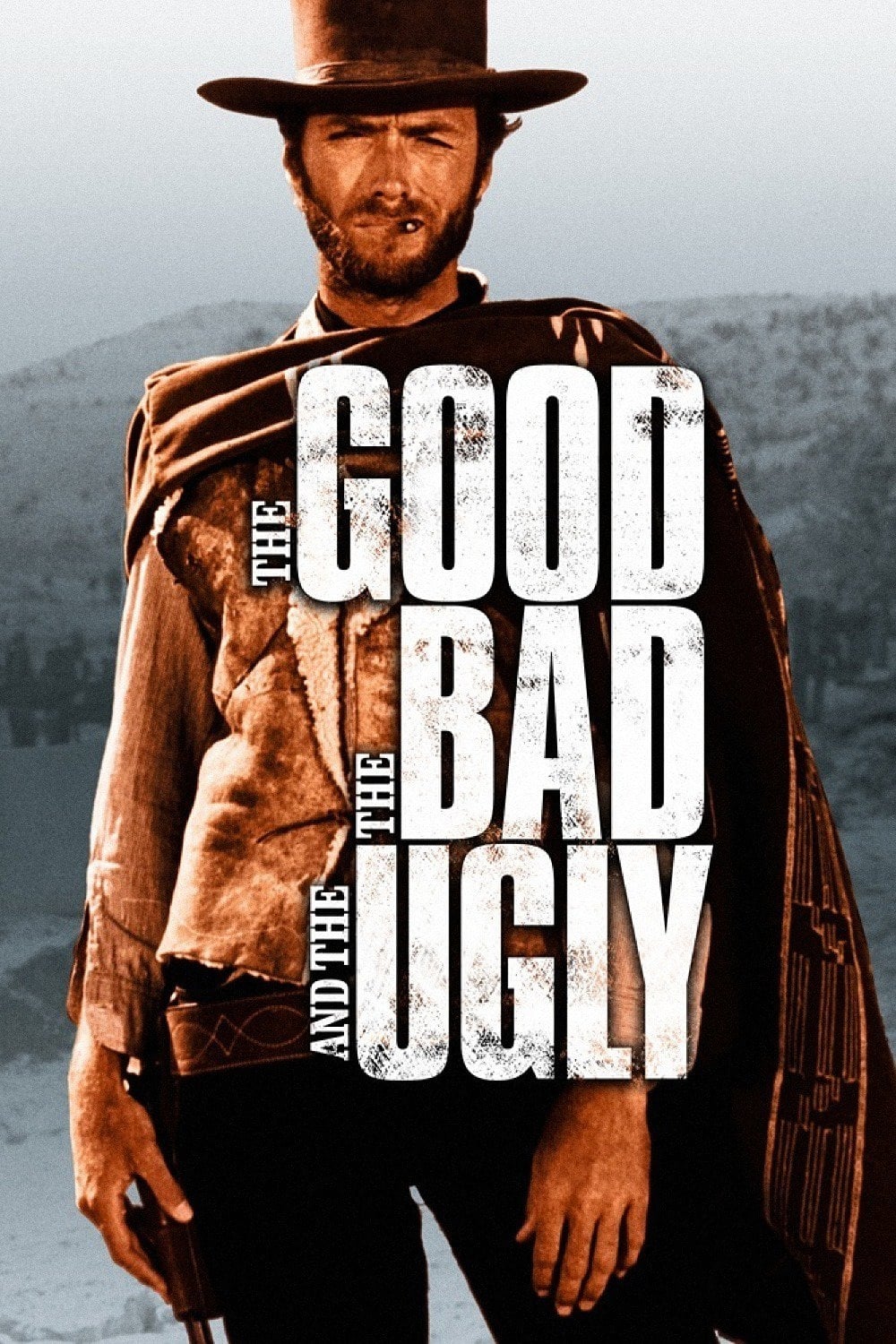
Ennio Morricone composed the iconic score well in advance of the final editing process. Sergio Leone directed the final duel scene specifically to match the rising crescendo of the music. The editor cut the footage to the pre-recorded track to maximize the tension. This reversal of the standard scoring process created one of the most memorable climaxes in cinema history.
‘Sorcerer’ (1977)
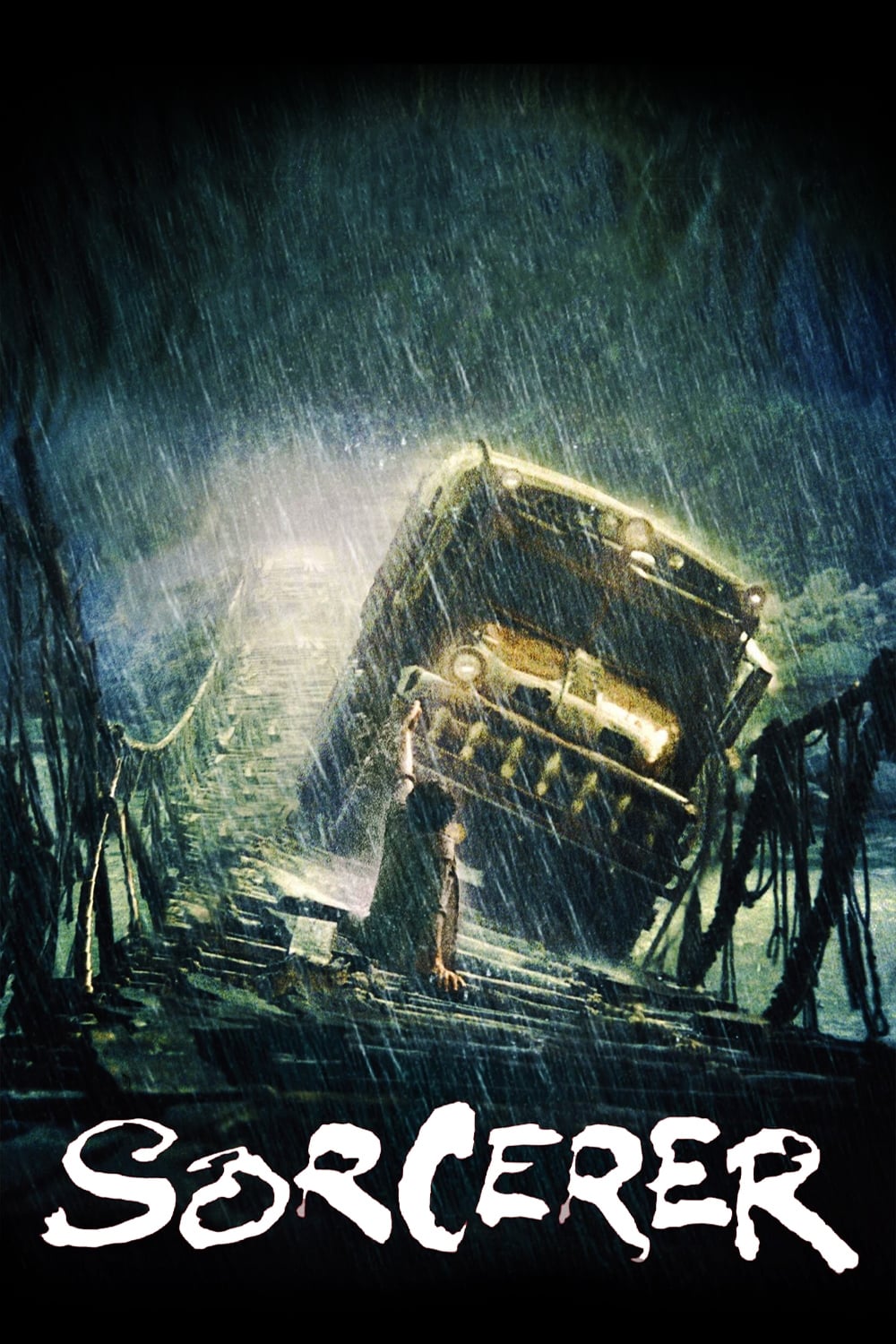
William Friedkin sent the script to the electronic band Tangerine Dream and asked them to write music based on their impressions. The band composed and recorded the score while they were on tour without seeing a single frame of footage. Friedkin then received the tapes and shot the film to match the pulsing electronic rhythms. The resulting atmosphere is surreal and distinct from typical Hollywood thrillers of that era.
‘Guardians of the Galaxy’ (2014)
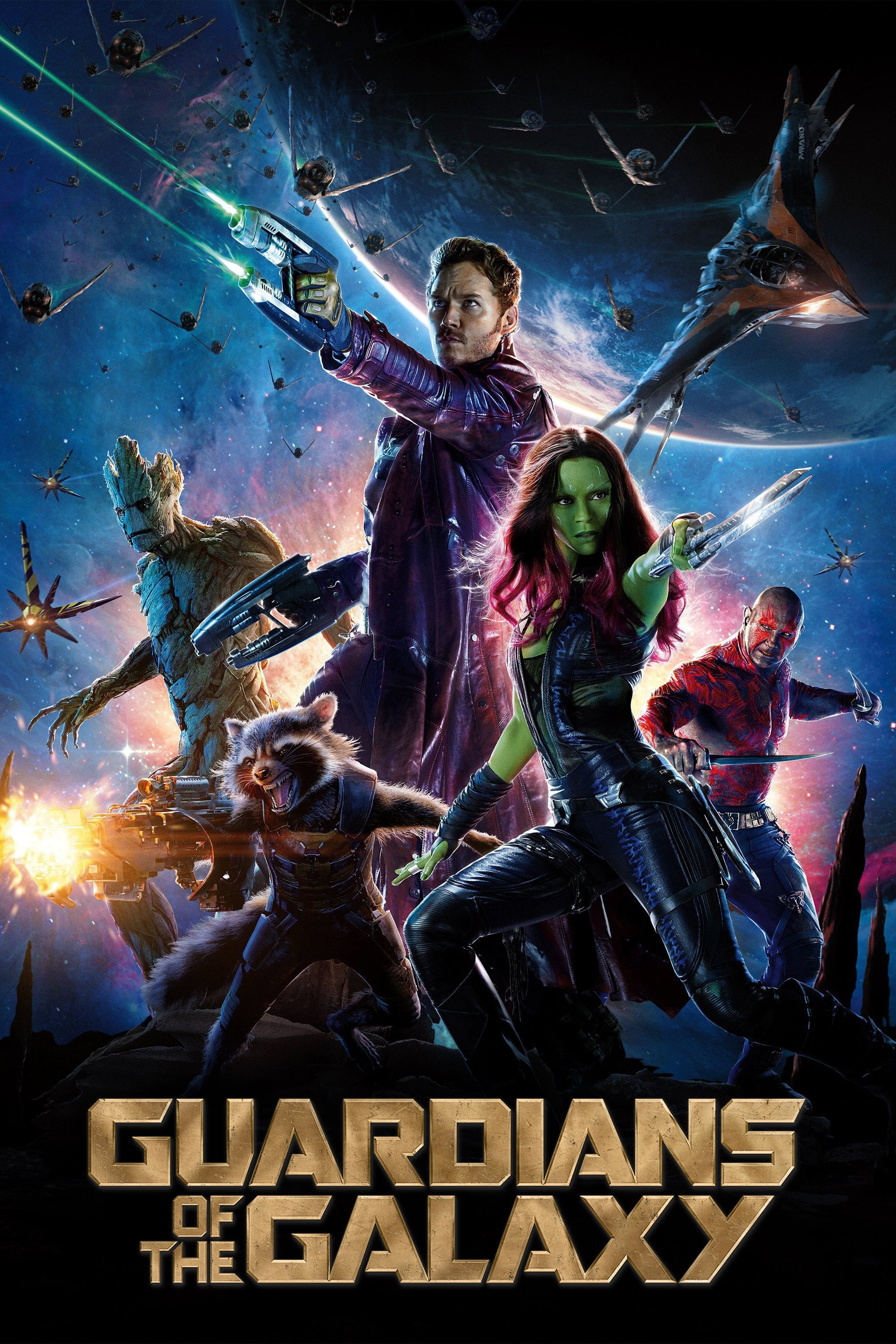
Composer Tyler Bates wrote the score for several major action sequences before they were filmed. Director James Gunn played these tracks on set so the actors could understand the intended tone and intensity. This approach helped the cast synchronize their performances with the sweeping space opera vibes. It also allowed the editors to cut the action scenes more efficiently during post-production.
‘The Conversation’ (1974)
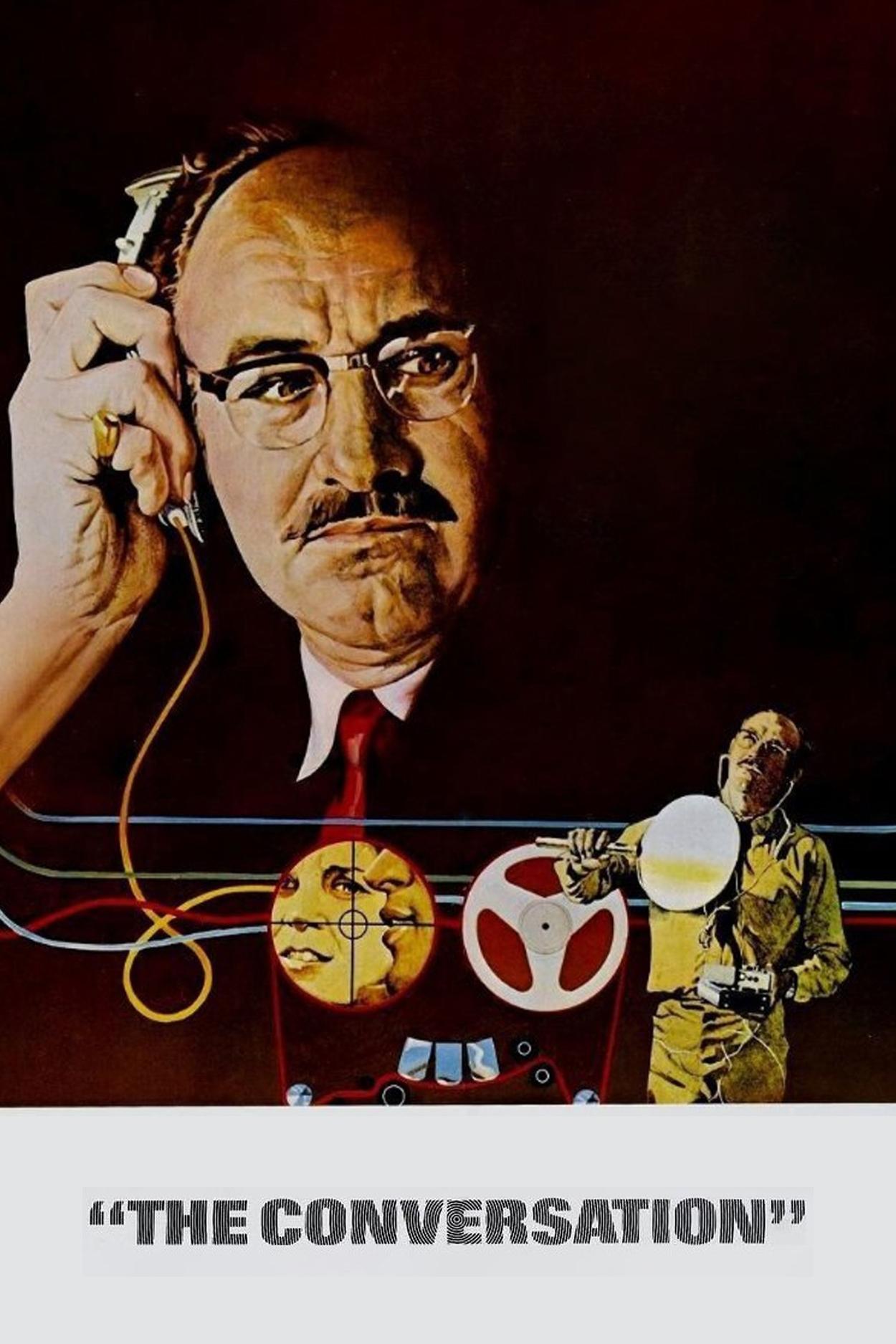
David Shire composed a lonely piano score before production began to capture the isolation of the main character. Director Francis Ford Coppola played these recordings for Gene Hackman during rehearsals and filming. The music helped the actor inhabit the paranoid mindset of surveillance expert Harry Caul. The solitary piano melodies effectively mirror the internal state of the protagonist throughout the movie.
‘Mishima: A Life in Four Chapters’ (1985)
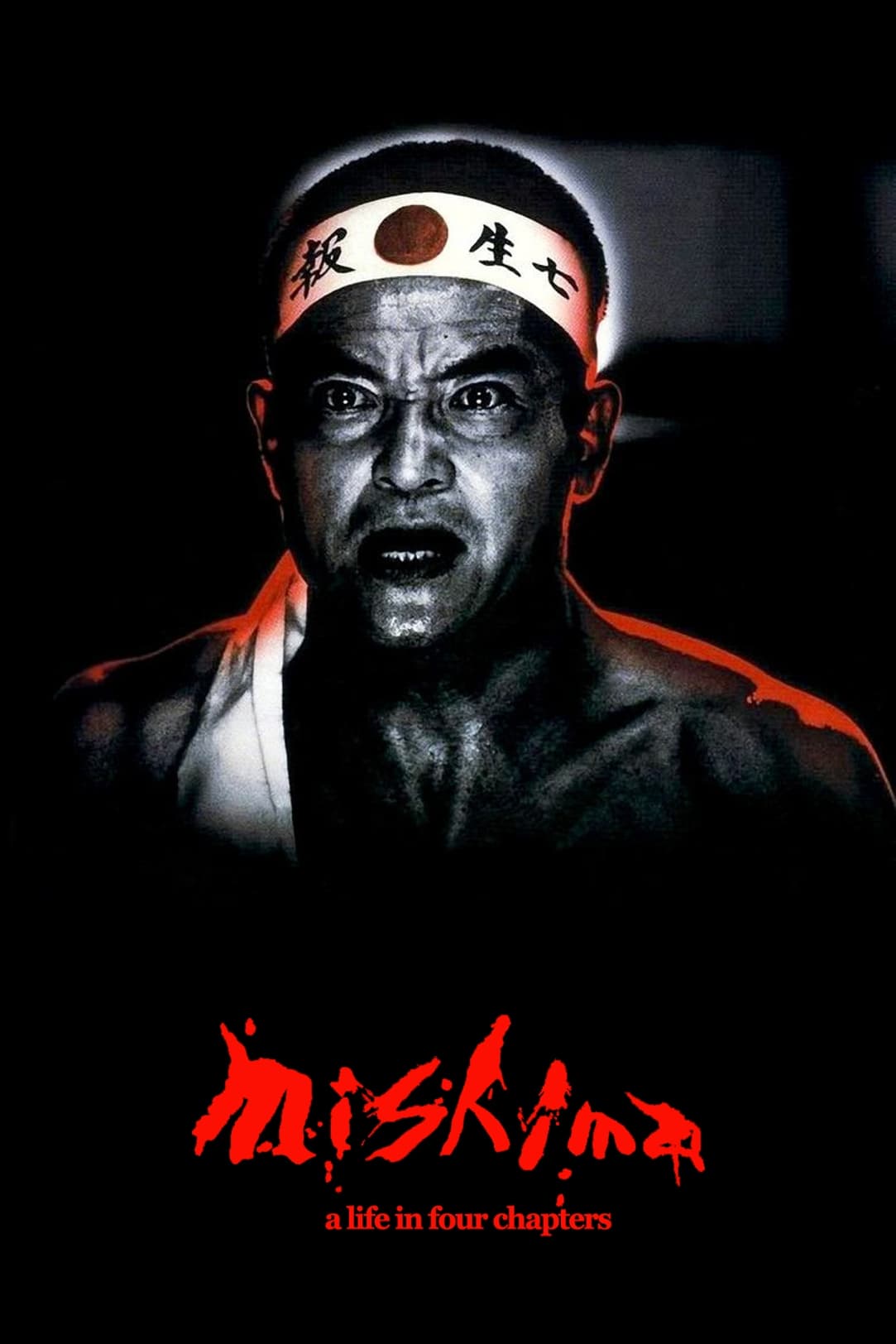
Philip Glass wrote the score for this biographical film while the movie was still in the pre-production phase. Director Paul Schrader edited the visuals to fit the structure of the music rather than the other way around. The score serves as a unifying element that bridges the stylized segments of the film. This collaboration resulted in a unique fusion of image and sound that defines the film.
‘Arrival’ (2016)
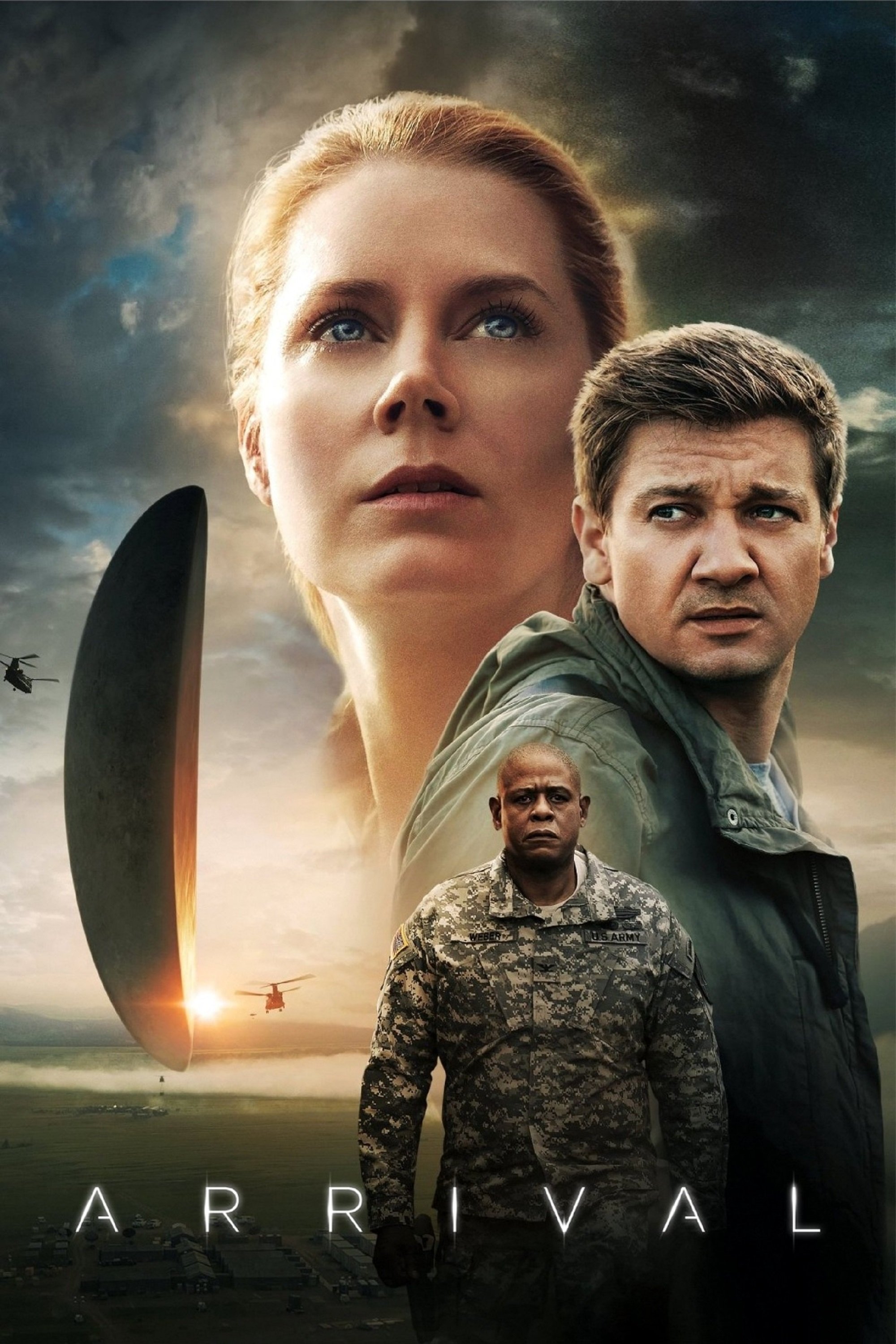
Jóhann Jóhannsson started writing the music immediately after receiving the screenplay from Denis Villeneuve. He recorded vocal loops and experimental sounds that established the alien atmosphere before filming commenced. The director used these early compositions to set the mood for the cast and crew on set. The final soundscape feels entirely organic to the mysterious visuals because they grew together.
‘Phantom Thread’ (2017)
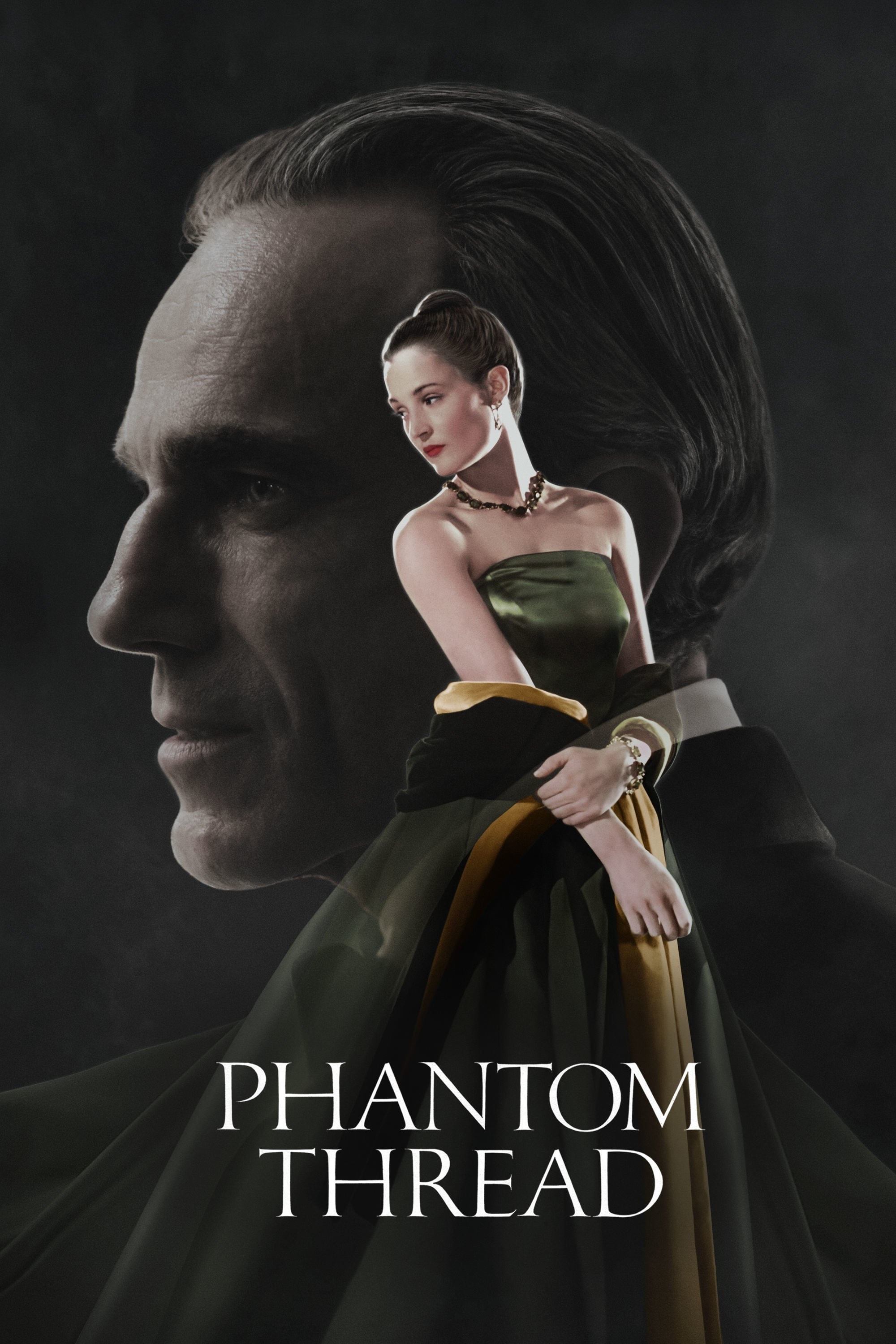
Jonny Greenwood began sending piano demos to director Paul Thomas Anderson months before the cameras started rolling. Anderson used these romantic and melancholic pieces to shape the atmosphere of the 1950s fashion world. The music was often played on set to guide the actors through the quiet intensity of their scenes. The score functions as an elegant and omnipresent ghost that haunts the relationship at the center of the story.
‘Alexander Nevsky’ (1938)
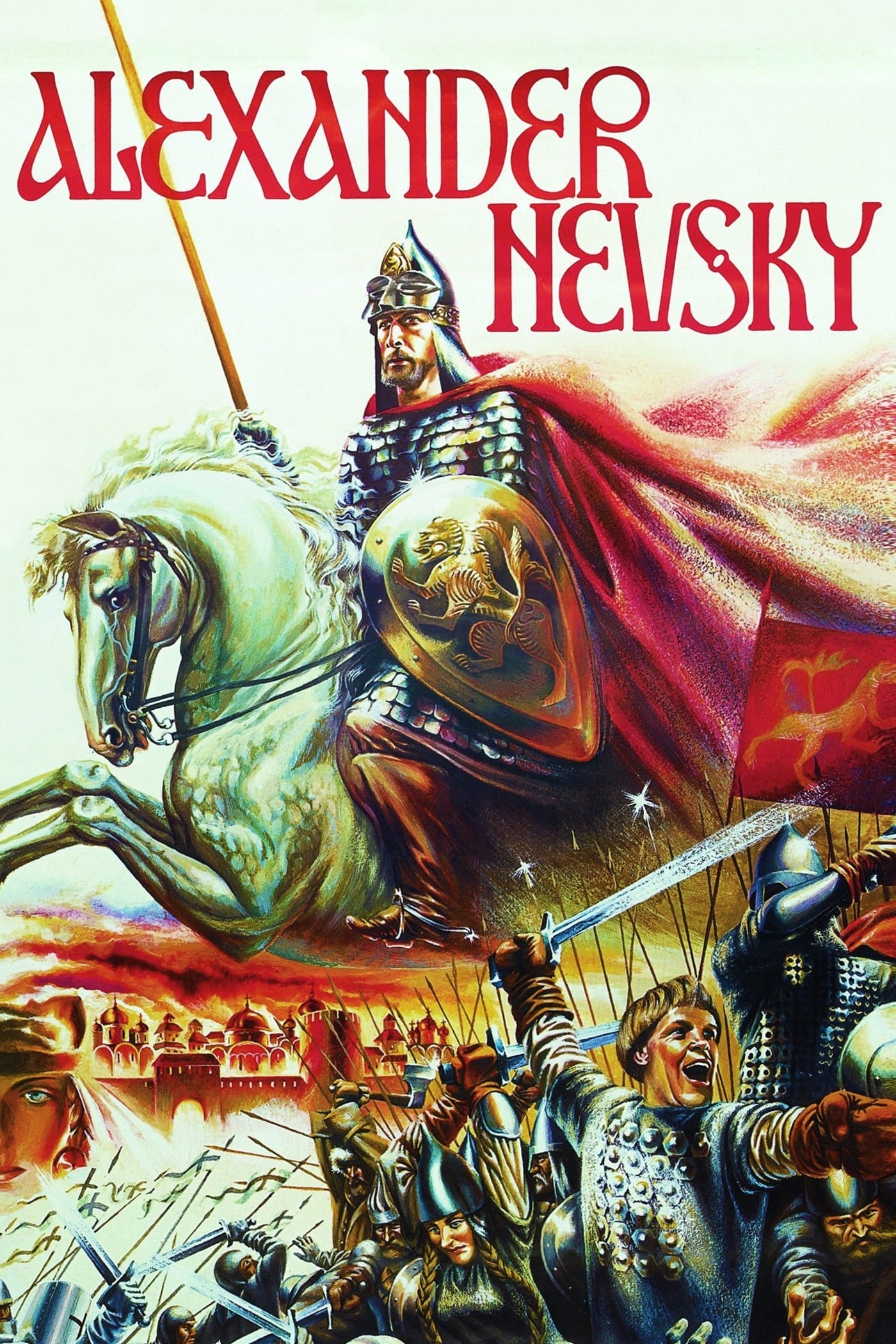
Sergei Eisenstein and composer Sergei Prokofiev worked in a close partnership that was revolutionary for its time. Prokofiev composed music based on the storyboards and rough sketches provided by the director. Eisenstein then cut his film images to the mathematical precision of the musical measures. This experiment in audiovisual counterpoint created a battle sequence that remains a masterclass in film editing.
‘Dune’ (2021)
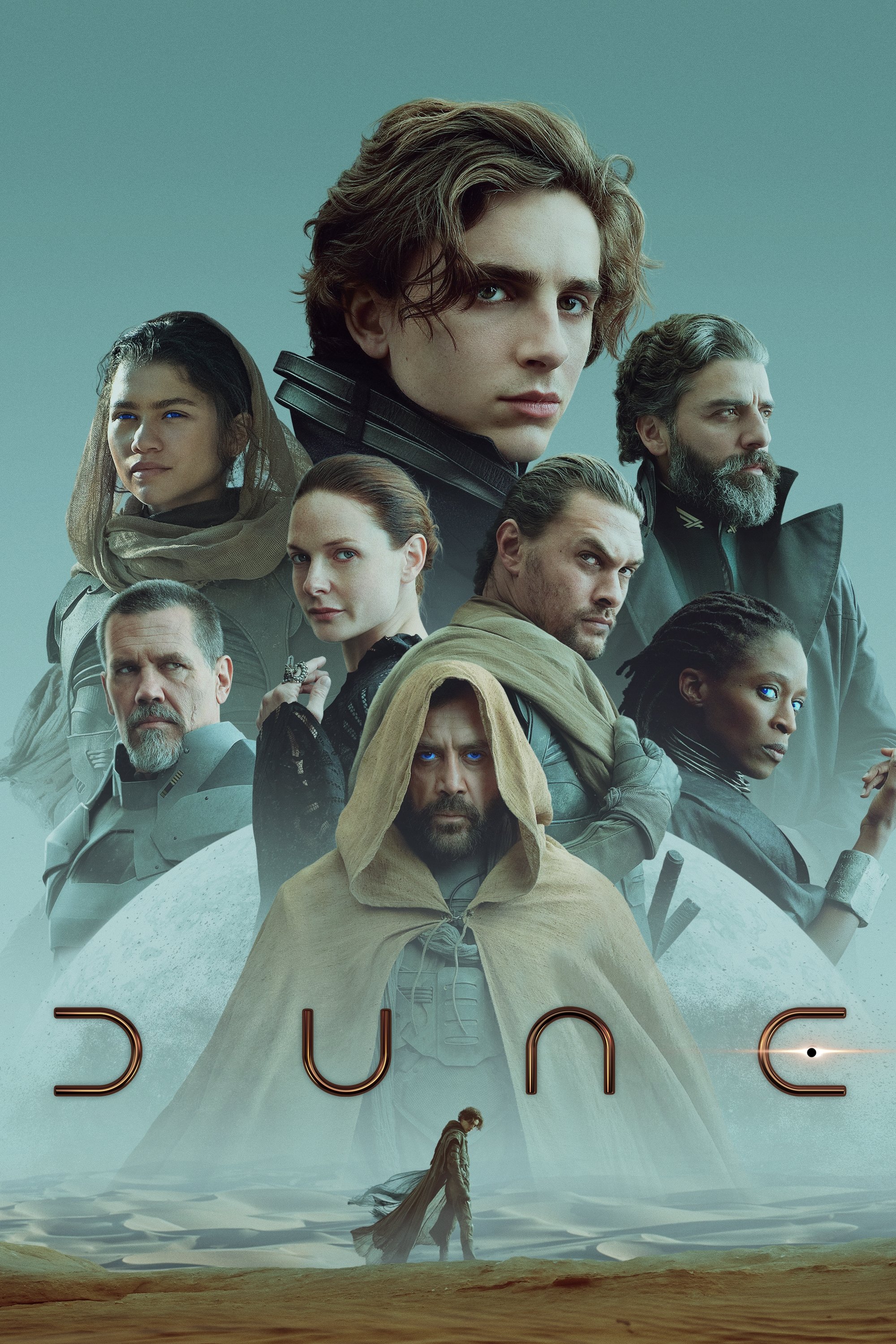
Hans Zimmer spent months creating new sounds and instruments before director Denis Villeneuve started filming. The composer wanted to define the sonic world of Arrakis without relying on traditional orchestral tropes. Villeneuve utilized these early sonic experiments to inspire the visual design and atmosphere of the movie. The score feels ancient and alien because it was conceived as the foundational layer of the world.
Tell us which of these musical masterpieces is your favorite in the comments.