

15 Anime Series That Made the Fanservice Gay Instead of Straight

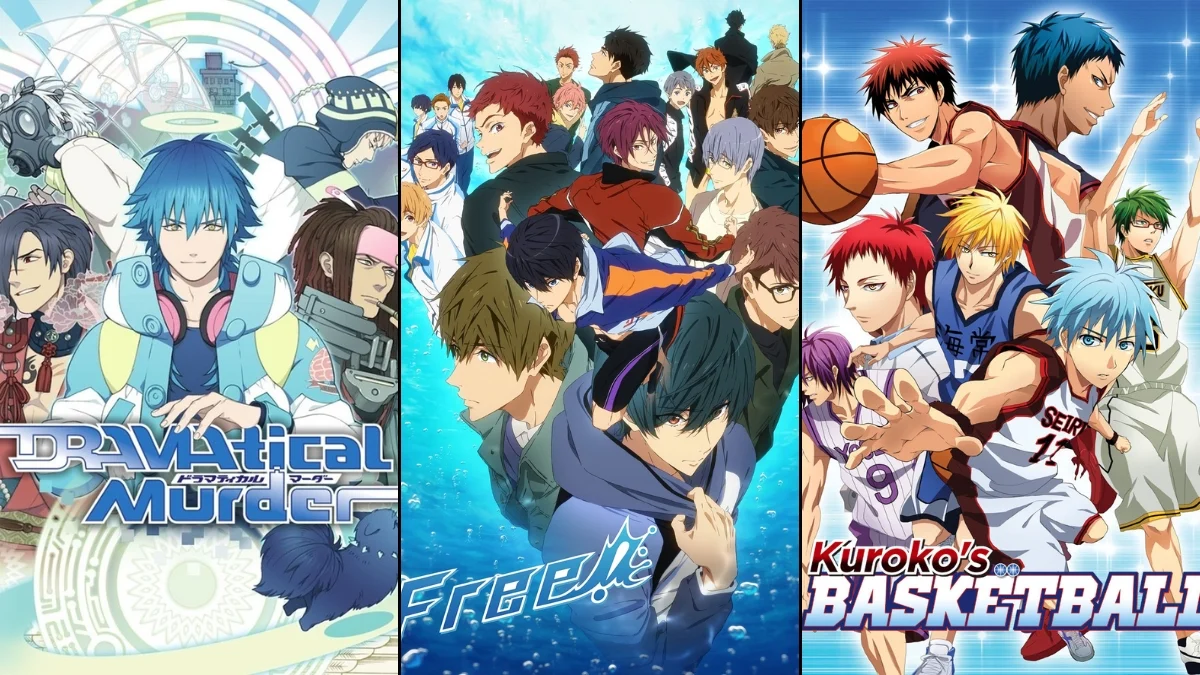


When anime leans into fanservice, it isn’t always the usual straight male gaze—plenty of shows center the appeal of beautiful men, intense bonds, and deliberately teasing framing built for queer viewers and fujoshi alike. The picks below span sports, music, action and romance, with camera work, character design and costuming that highlight male bodies and relationships on purpose. You’ll find canon couples, heavy flirtation, and wink-nudge scenes that became gif fuel for entire fandoms. If you’re hunting for series where the “service” swings gay, these are reliable starting points.
‘Free!’ (2013–2018)
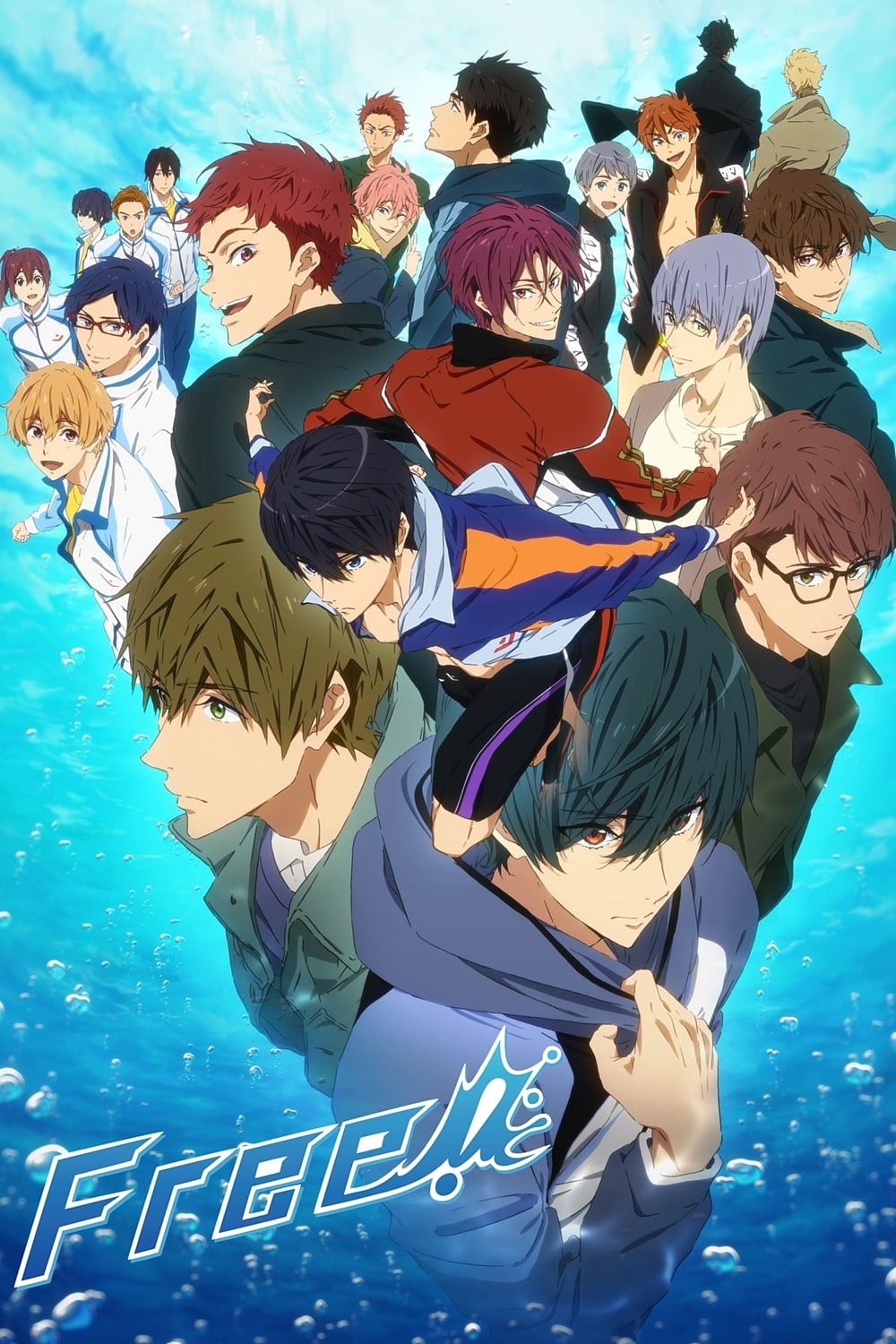
Kyoto Animation builds its aquatic appeal around a boys’ swim team whose training arcs double as excuses for lingering shots of shoulders, abs and close-quarters stretching. Character designs emphasize musculature and body lines, with rivalry and trust framed through touch, breath and underwater holds. The show layers in bathhouse scenes, relay embraces and swimsuit variety to keep the focus on the guys’ physiques. Marketing leaned into duo visuals and photobooks, and the anime’s official events routinely spotlighted pair chemistry.
‘Yuri!!! on Ice’ (2016)
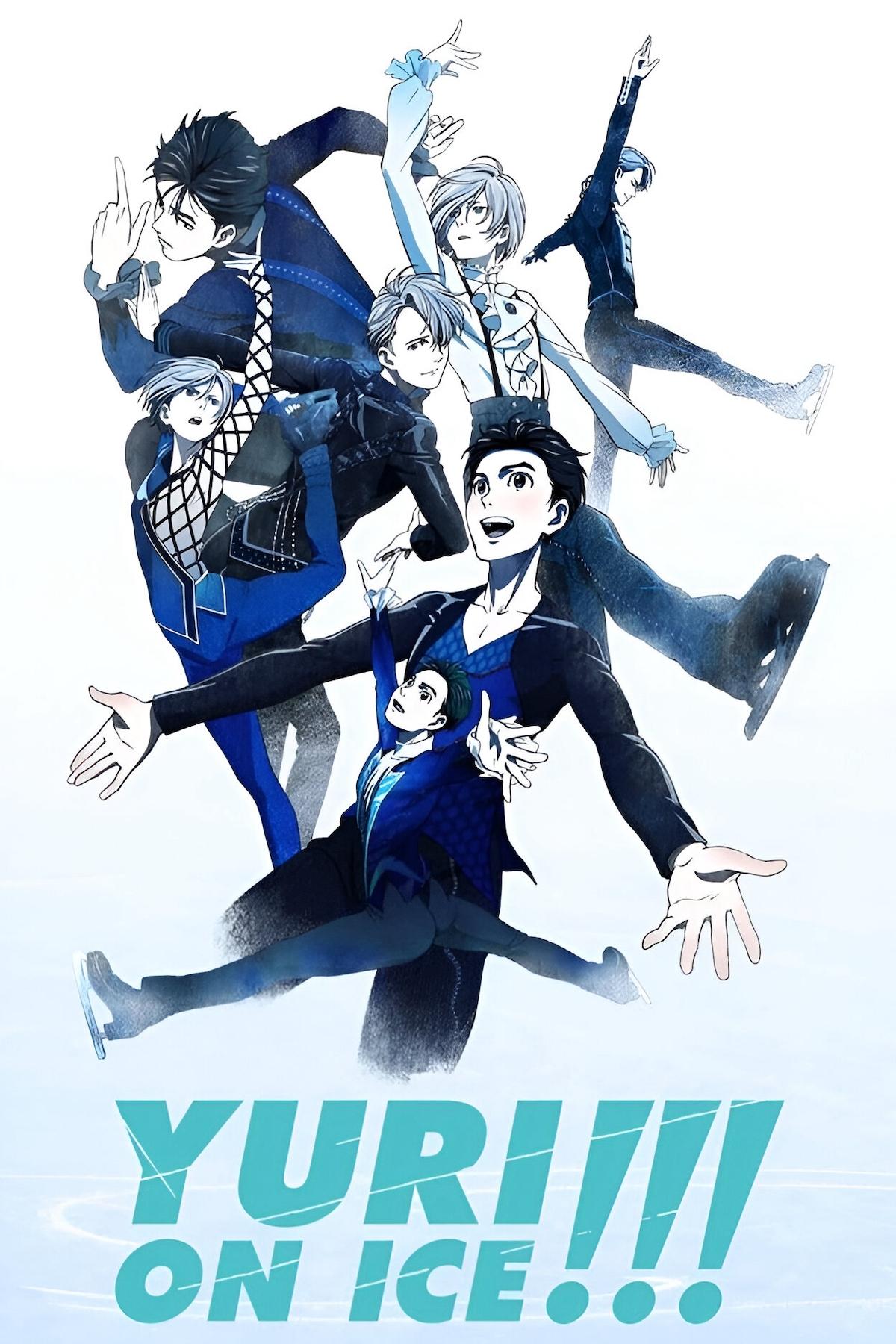
This figure-skating drama centers a coach–skater relationship that progresses from admiration to open affection, with choreography, ring exchanges and kiss-coded cuts shown on screen. Costumes, warm-ups and “kiss and cry” scenes foreground male elegance and sensuality rather than cheesecake shots of women. The camera work isolates hands, backs and hip lines during step sequences to heighten intimacy. Ending cards and merch art pair the leads in romantic layouts, reinforcing the series’ intentional queer appeal.
‘Banana Fish’ (2018)
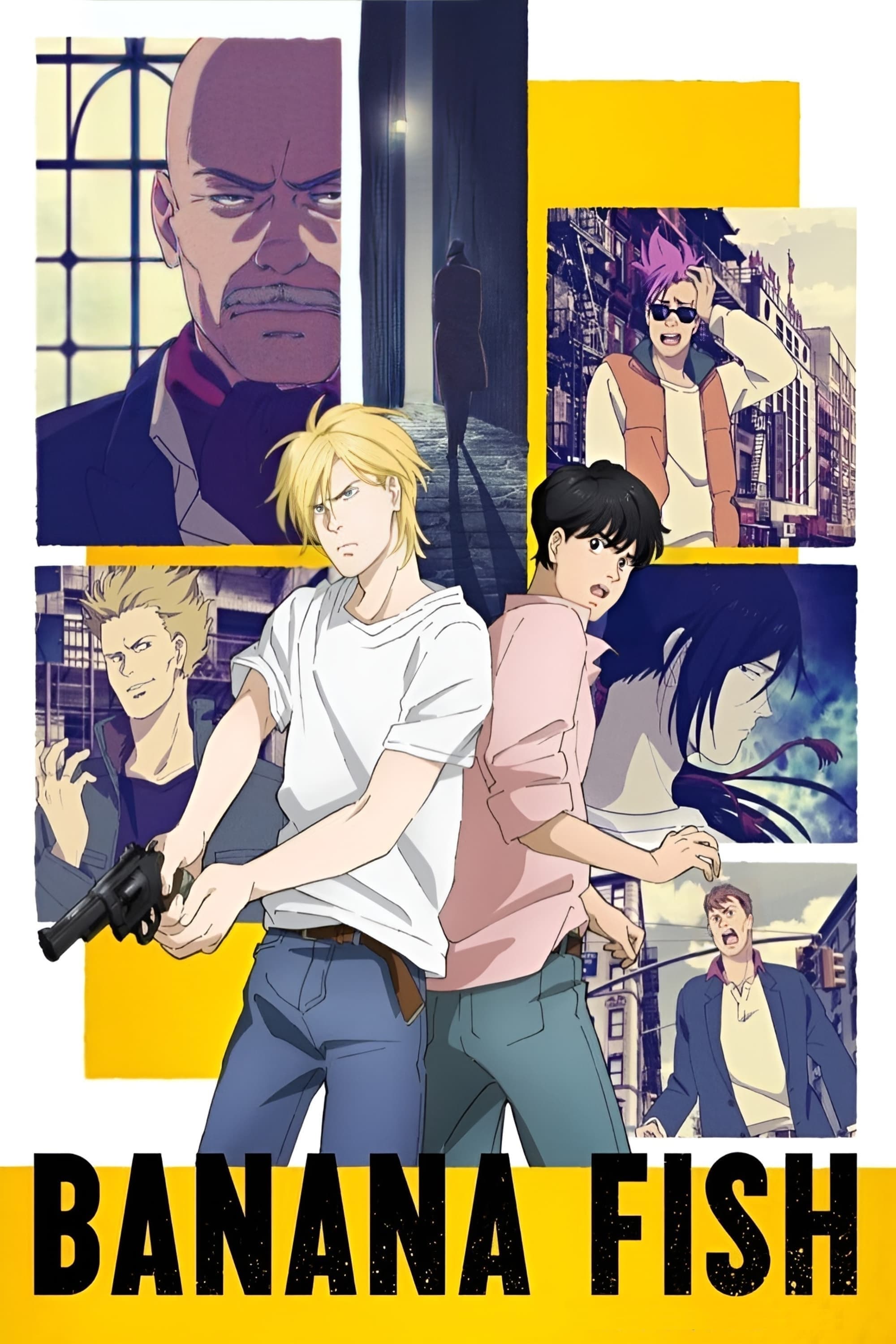
Adapted from a shōjo classic, this crime thriller presents its central duo with protective tenderness, repeated embraces and charged bedside care. The framing underscores injuries, bandaging and shirts-off vulnerability to draw attention to male bodies in both peril and repose. Key episodes stage reunions and hand-holding in soft light, inviting shippers while keeping the plot gritty. Official visuals often place the two leads in close, domestic compositions that amplify the emotional connection.
‘Given’ (2019– )
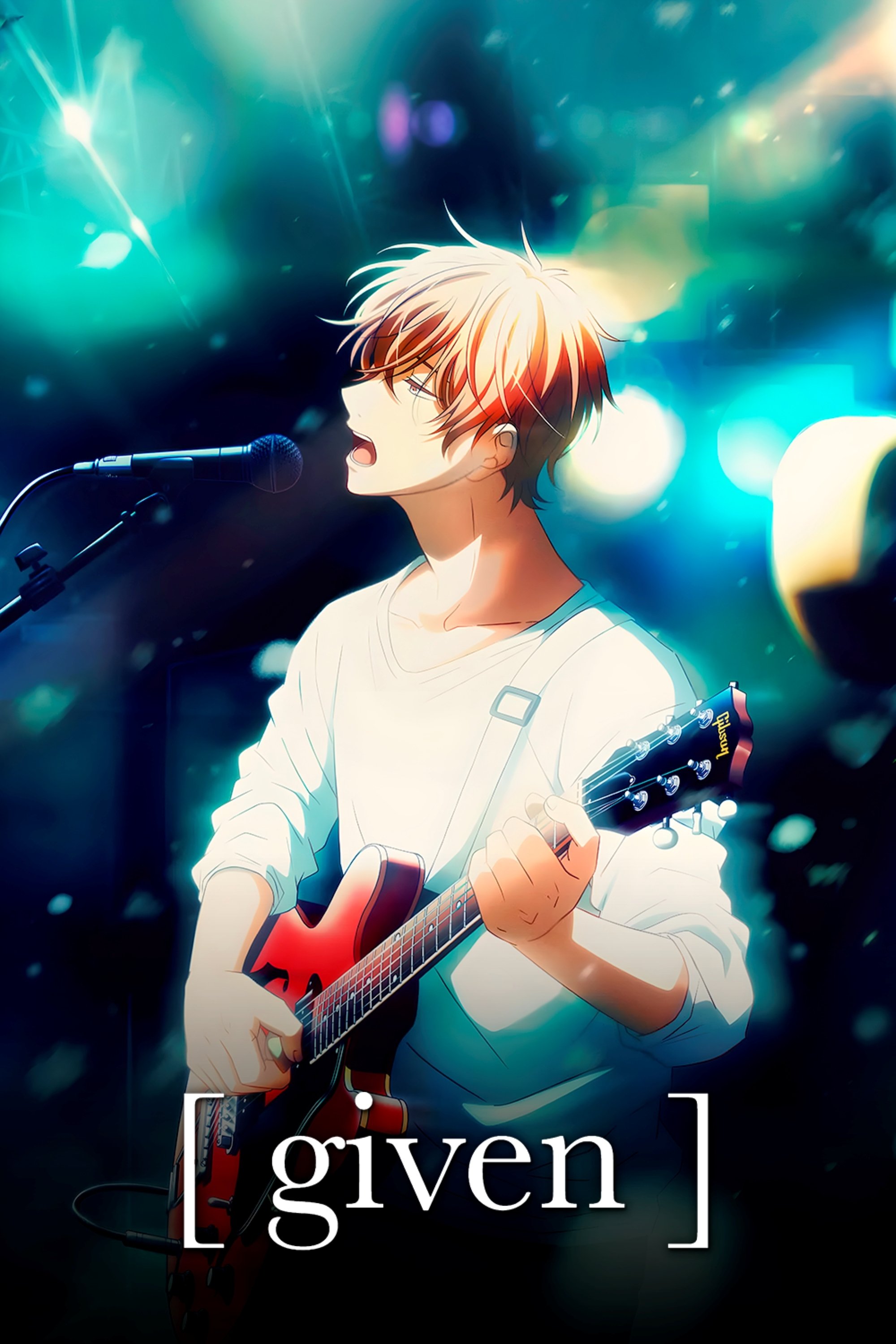
This band drama follows two guitarists whose collaboration turns into a tender romance, portrayed through shared earbuds, rehearsal cuddles and backstage comfort. Performances become outlets for yearning looks, with tight shots on fingers, necks and sweat beading under stage lights. The supporting couple adds older-boyfriend dynamics, expanding the spectrum of queer appeal. Singles, cover art and concert sequences place the boys together in intimate frames that serve fans of MLM stories.
‘Sasaki and Miyano’ (2022– )
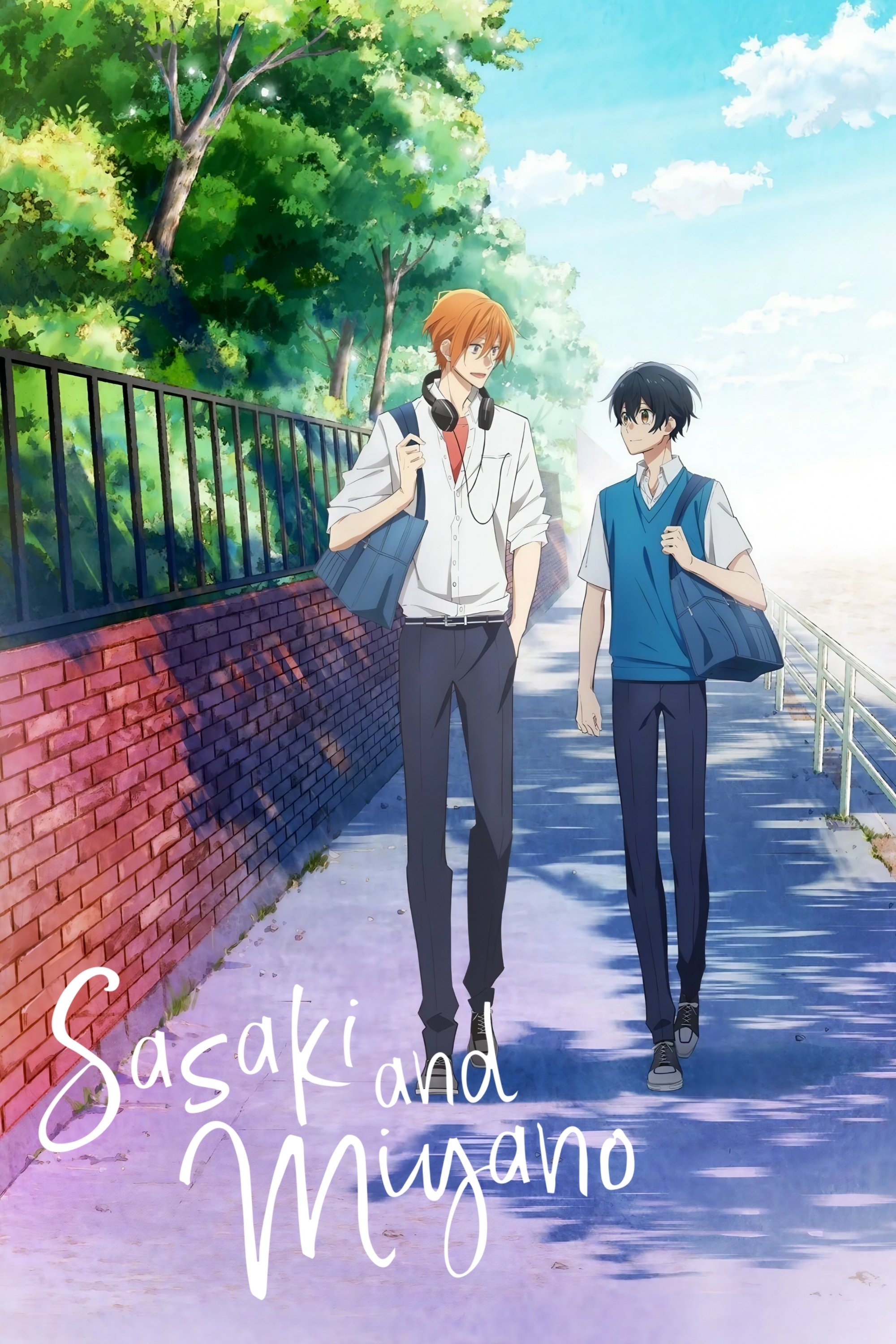
A gentle school romance, it plays with boys’ love meta while delivering blushing faces, locker-room nearness and hoodie-borrowing closeness. The show favors warm color palettes and soft focus during confessions, accenting mouths, eyelashes and hand brushes. Character goods and bonus shorts extend the sweetness with café dates and casual outfits designed to flatter. The pacing leaves room for long, quiet stares that function as pure fanservice for viewers invested in the pairing.
‘No. 6’ (2011)
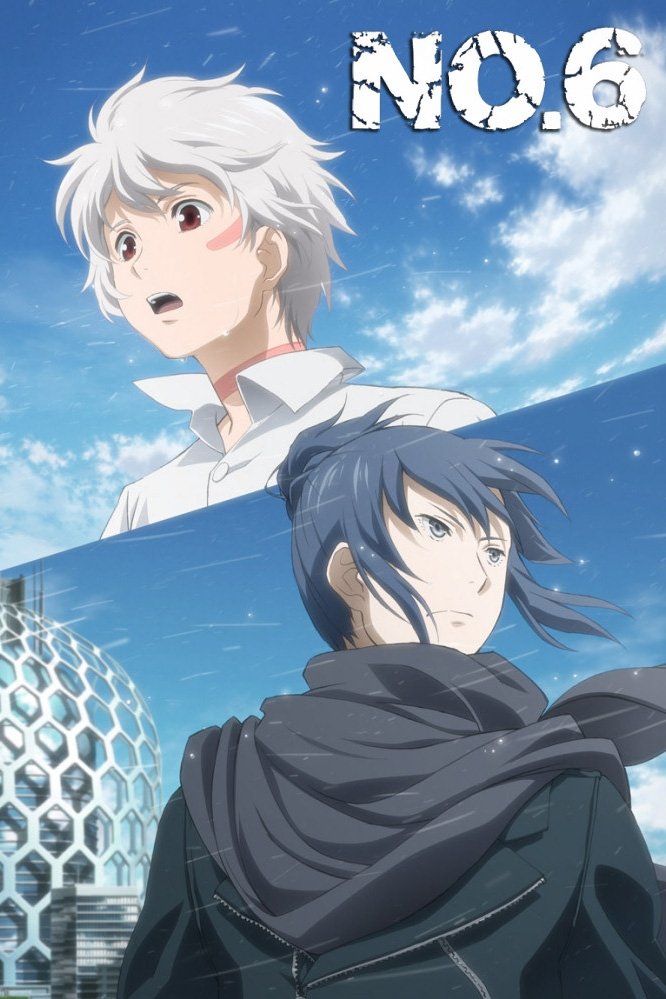
This dystopian tale frames its rebels as a tight duo whose alliance becomes openly affectionate, including shared beds, sheltering hugs and a first kiss. Body-close survival scenes—washing wounds, trading clothes, huddling for warmth—concentrate on male intimacy. Visuals contrast a pristine city with the boys’ messy, touch-heavy life on the margins. Ending imagery and soundtrack cues repeatedly position them as a destined pair for fans to latch onto.
‘Dramatical Murder’ (2014)
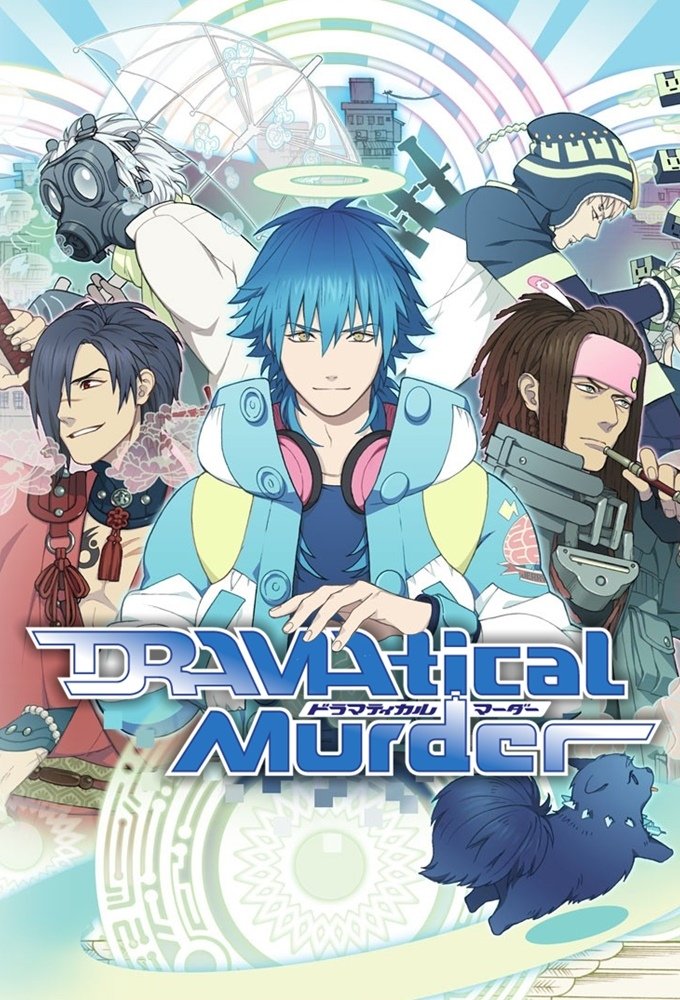
Based on a boys’ love game, the anime streamlines routes but keeps flirtation, body-close cyber battles and suggestive posing among its male cast. Costumes mix harness-style belts, cropped tops and unzipped jackets to spotlight torsos and hips. The narrative arranges frequent rescues and bridal carries that center the lead’s relationships with other men. Visual novels’ pairing logic carries over into promotional art, providing ship-friendly compositions for viewers.
‘SK8 the Infinity’ (2021)
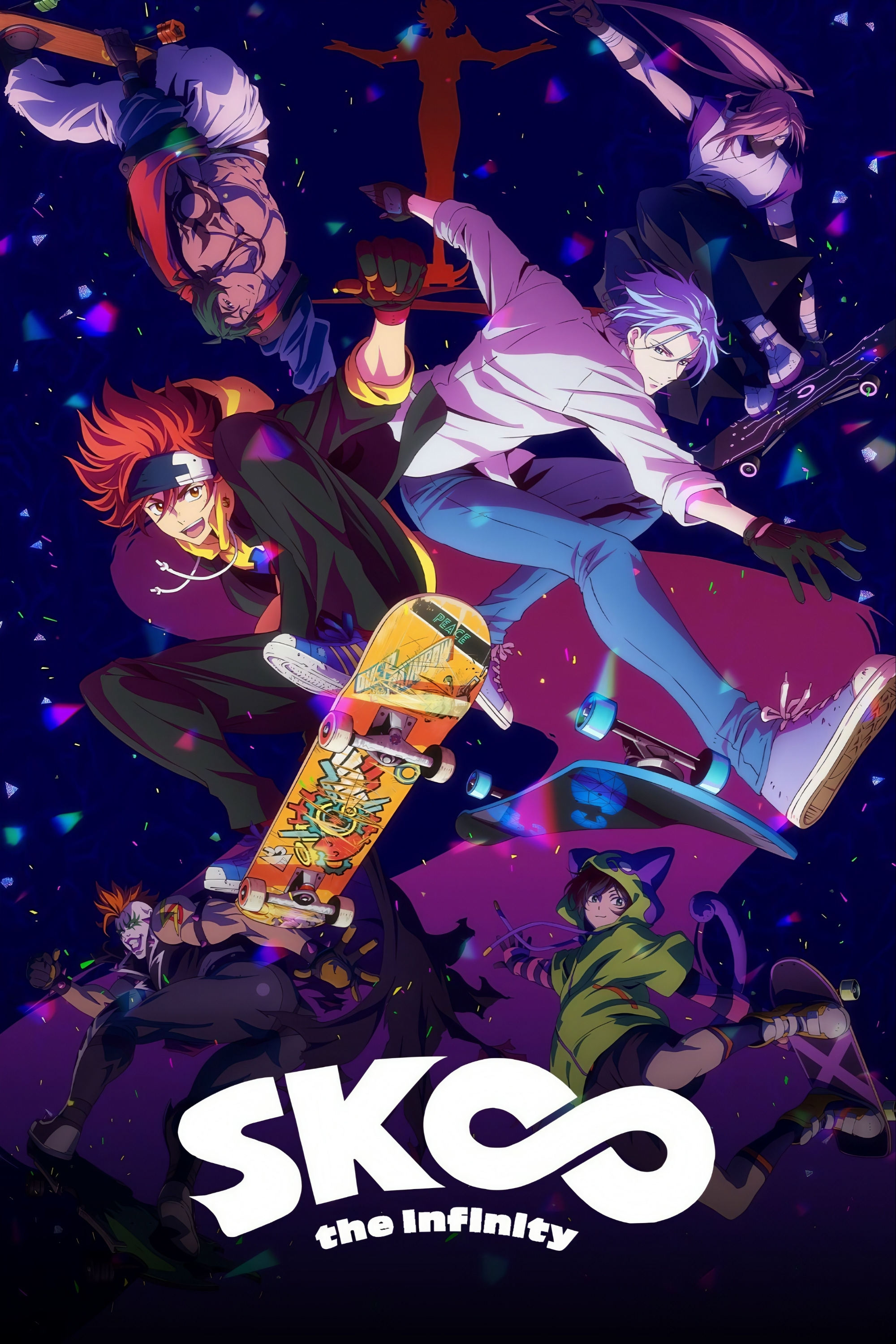
This skateboarding series thrives on mentor–protégé chemistry, board-grabs that turn into hand-grabs, and mask-off reveals staged like rom-com beats. Training montages linger on cores, backs and low-slung gear, while races end in breathless, face-to-face close-ups. An eccentric antagonist courts rivals with roses and dramatic monologues, playing up flamboyant theatrics. Official art frequently pairs the leads in hoodies and streetwear, giving fans casual, cozy visuals.
‘Haikyu!!’ (2014–2020)
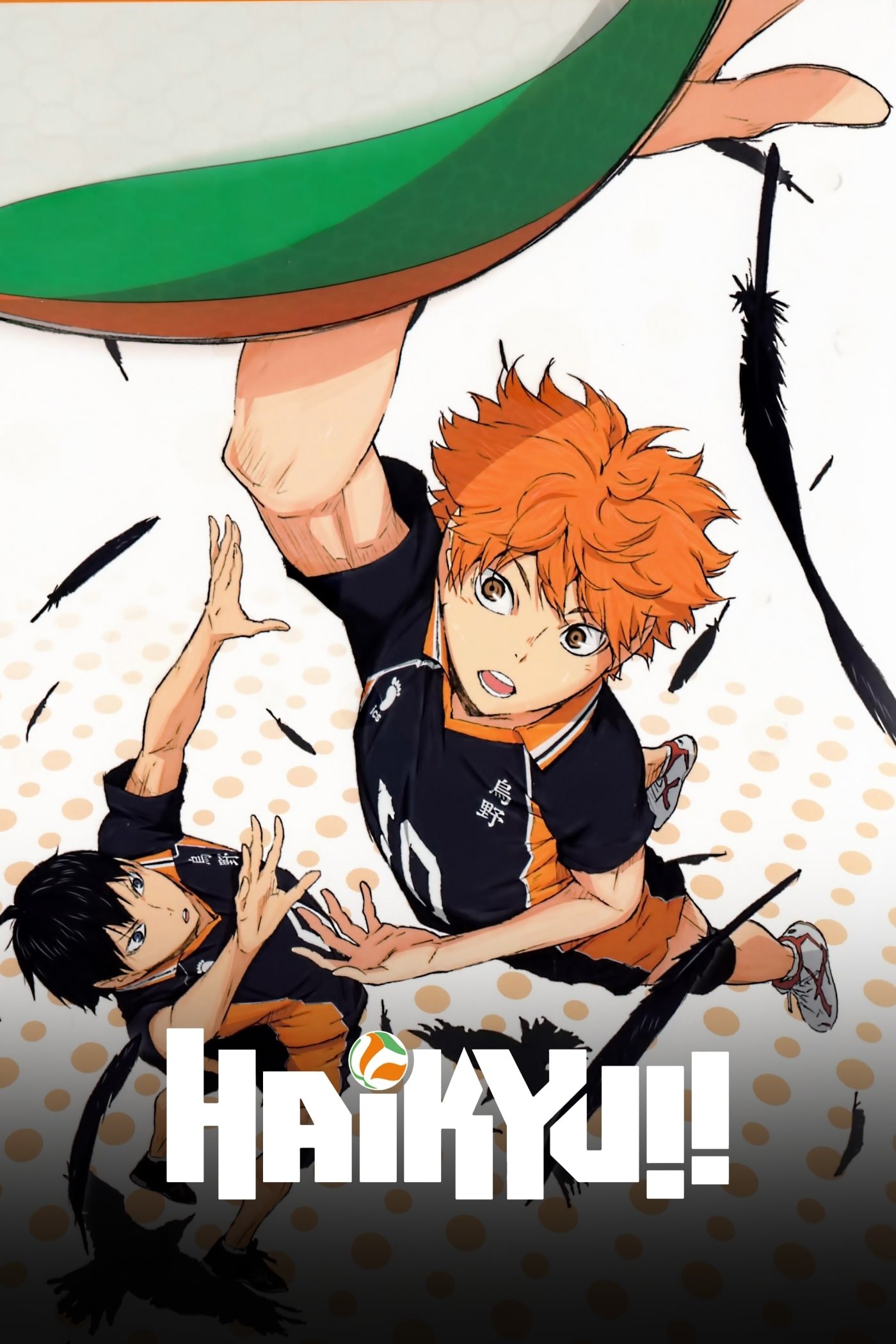
With a large boys’ volleyball roster, the show emphasizes tight uniforms, tape jobs, sweat and post-match cooldowns that center male athleticism. Character interactions include back pats, forehead flicks and practice hugs, often shot in soft slow-motion. Duo dynamics—setter and spiker, captain and ace—invite shipping through trust-falls and celebratory lifts. The franchise’s stage plays and concerts extend the fanservice with live choreography that spotlights the cast’s bodies.
‘Blue Lock’ (2022– )

This soccer battle-royale leans into shirtless training, steamy locker rooms and alpha-male posturing framed inches from faces. The series designs physiques with sharp obliques, thigh focus and sweat-slick lighting to heighten intensity. Rivalries are staged like seductions, with whisper-close taunts and chest-to-chest confrontations. Character visuals and calendars foreground duos and trios in athletic gear, feeding a constant stream of ship-ready art.
‘Kuroko’s Basketball’ (2012–2015)
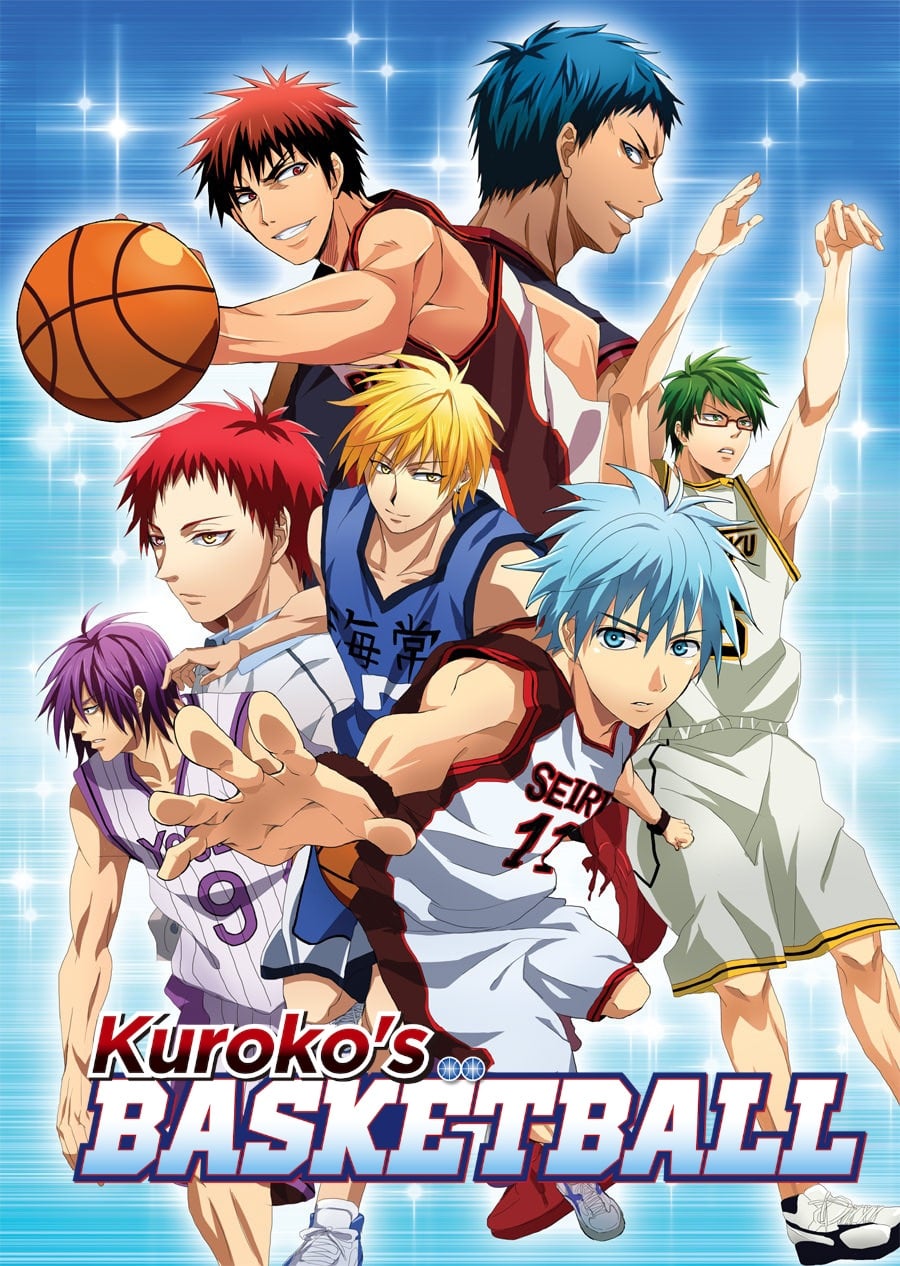
The anime’s “Generation of Miracles” provides a lineup of tall, distinctively built boys in fitted uniforms, with slow-mo dunks highlighting backs and arms. Intense eye contact, jersey-grabbing and post-game embraces deliver repeatable fanservice beats. Training arcs add pool workouts, weight rooms and towel scenes that focus on bodies. Merchandise and event visuals often group rivals back-to-back or forehead-to-forehead for maximum pairing energy.
‘Uta no Prince-sama’ (2011–2016)
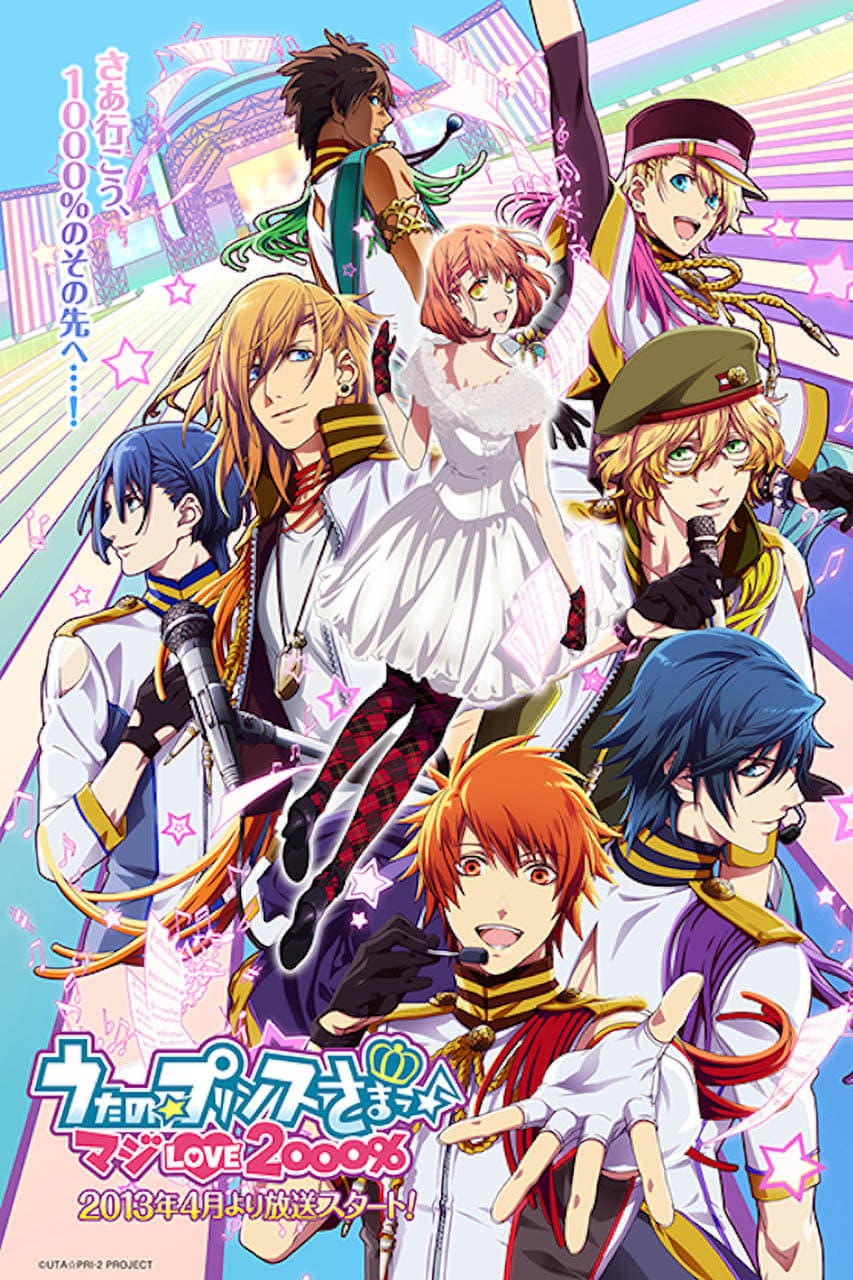
Idol units of beautifully styled boys perform in glittering outfits, unbuttoned vests and open jackets designed to accentuate chests and waists. Camera moves track hip rolls, mic-stand poses and winks aimed directly at the viewer. Off-stage segments feature dressing rooms, shared apartments and car rides that keep the boys physically close. Singles, character CDs and concert visuals package the cast in pair and trio arrangements for fans to collect.
‘Ensemble Stars!’ (2019)
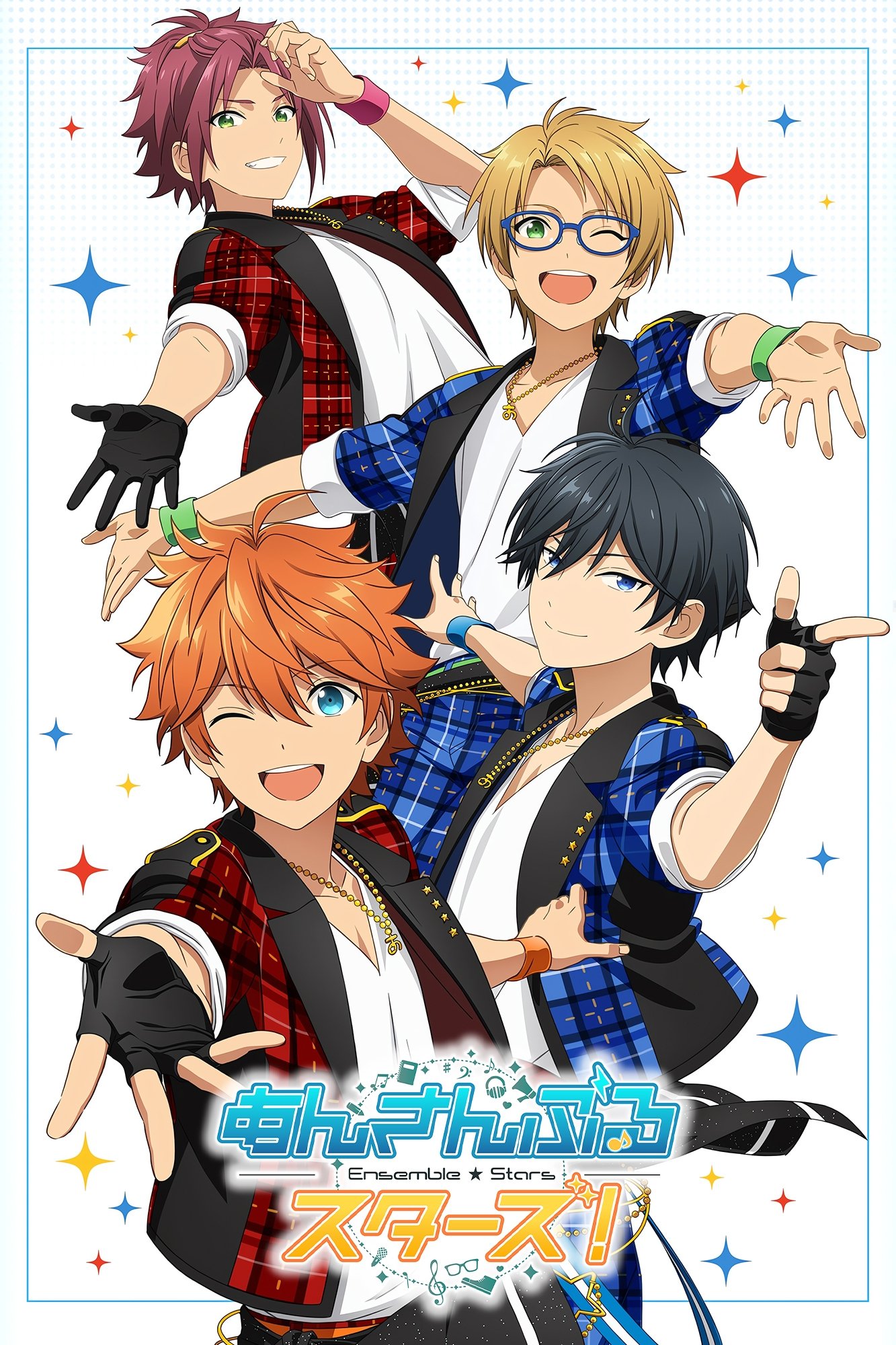
Set in an idol training academy, the show stages duets and unit rehearsals with choreography that spotlights waists, backs and hand-in-hand spins. Casual outfits—cardigans, rolled sleeves, loose ties—serve as deliberate soft-boy styling. The narrative weaves mentorship and roommate setups that keep pairings under one roof. Live events and game art provide coordinated costumes and shared props, making ship-bait imagery a core feature.
‘Hetalia’ (2009–2010)
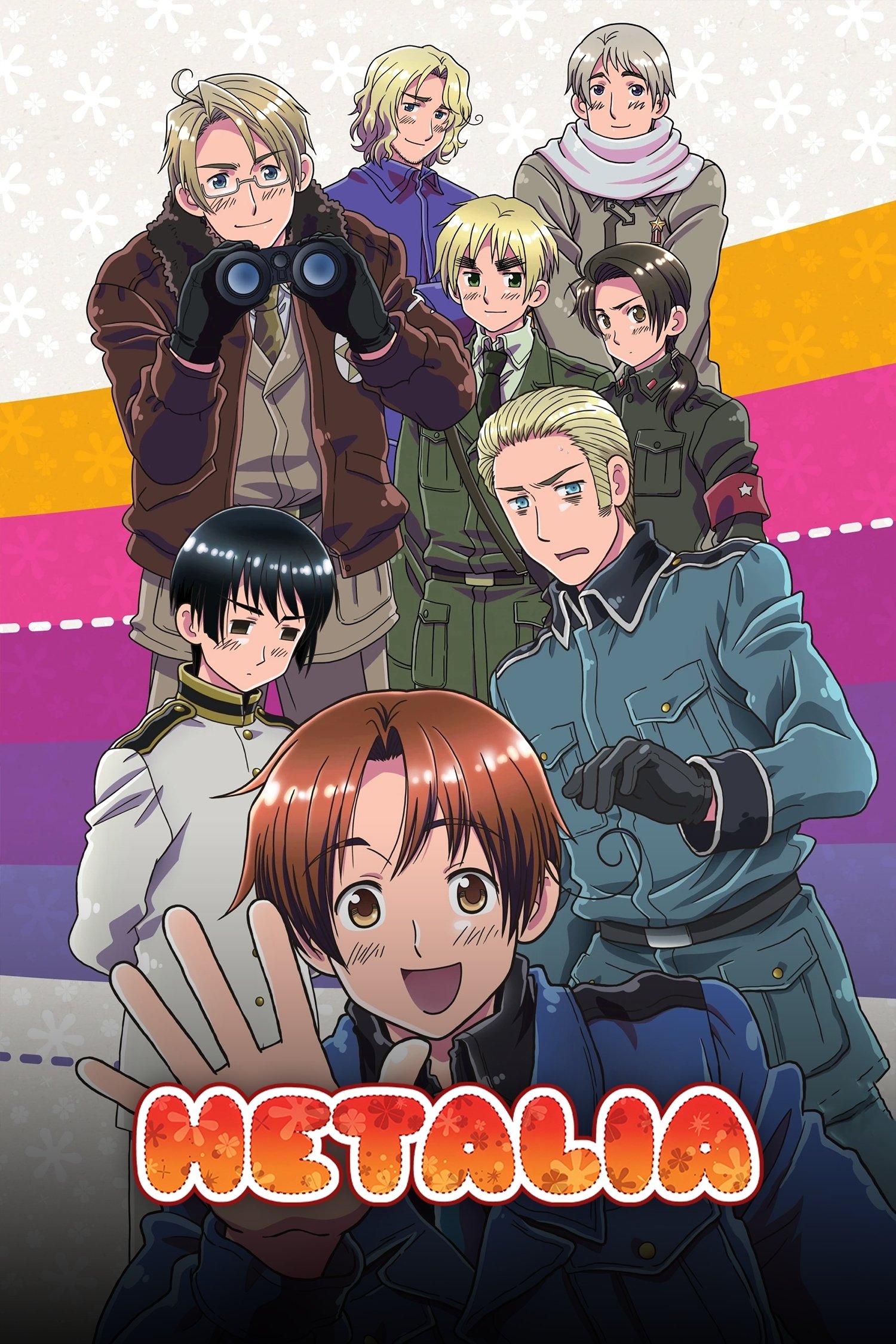
Anthropomorphized countries become pretty boys who flirt, bicker and cling, with chibi gags alternating with coy physical closeness. Uniforms and historical outfits are tailored to show off long legs and tidy waists, while hugs and piggybacks are frequent punchlines. Character songs and drama tracks pair national “rivals” in suggestive skits. Official art routinely stacks the boys into cuddle-heavy group poses that invite playful shipping.
‘Ouran High School Host Club’ (2006)
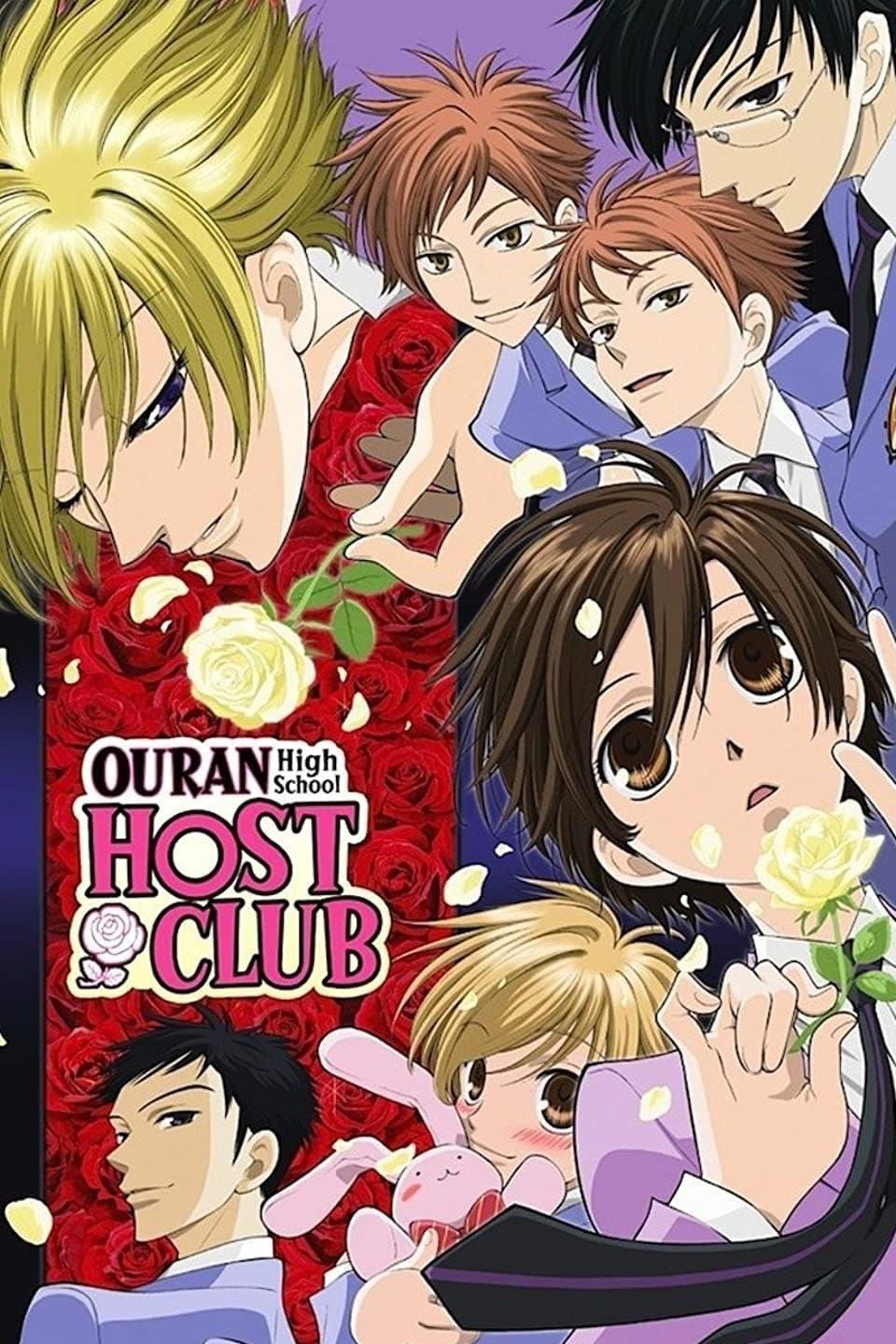
A glossy host club setup puts costumed boys in themed rooms where they dote on guests and each other, often leaning into faux-boyfriends acts. Twin antics, staged “forbidden” pairings and rose-filled tableaux provide intentional male-male teasing. Outfit changes—from princely jackets to casual sleepwear—keep the focus on presentation and closeness. The series’ photoshoots, character albums and bonus visuals double down on duo chemistry as a crowd-pleaser.
Share your favorite examples—or the one you think pushed the “service” the furthest—in the comments!