

15 Anime That Explore Work Life Instead of School Life

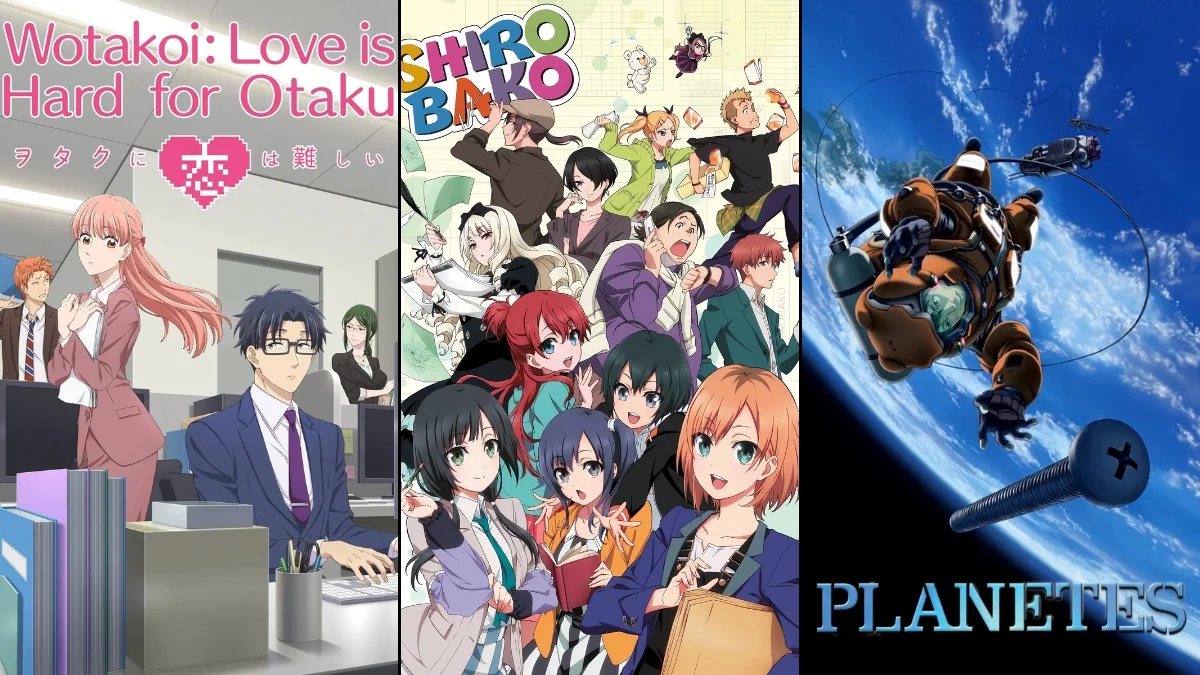


Workplace stories in anime cover everything from civil service counters and game studios to outer-orbit cleanup crews and regional tourism boards. These series focus on jobs, teams, and the day-to-day mechanics of earning a living, showing how characters navigate deadlines, customers, and organizational structures. Instead of homerooms and exams, you’ll see meetings, shift schedules, client briefs, and performance reviews.
Below are fifteen anime that center their stories on adult work—full-time roles, contract gigs, and unusual careers that still follow professional routines. Each one digs into processes and responsibilities, whether that’s producing an episode on time, closing a service ticket, or passing a certification that unlocks the next step in someone’s career.
‘Shirobako’ (2014–2015)

‘Shirobako’ follows five friends who enter different corners of the anime industry—production management, key animation, 3D, acting, and scriptwriting—while working with a mid-sized studio on real deliverables like storyboards, layout, dubbing, and final compositing. It lays out concrete steps in a TV episode’s pipeline, from scheduling and outsourcing to retake sessions and post-production checks.
The series also tracks the realities of coordination: production assistants chase cuts, producers negotiate with committees, and directors balance creative choices with broadcast slots. Job titles, meeting formats, and hand-offs between departments are depicted with attention to how teams actually move a project from concept to on-air.
‘Aggretsuko’ (2018–2023)

‘Aggretsuko’ centers on an accounting clerk at a large trading company who processes invoices, navigates audits, and deals with reorganizations and personnel changes. It highlights reporting cycles, workplace etiquette, and how different sections—accounting, sales, and HR—interact during busy periods like quarter close.
Across its seasons, ‘Aggretsuko’ documents promotions, transfers, and side projects that intersect with corporate policies. The show includes details like compliance training, performance evaluations, and the informal networks that form across departments to keep work moving.
‘The Great Passage’ (2016)

‘The Great Passage’ follows a dictionary editorial team inside a publishing house as they plan, compile, and refine a new lexicon. It covers workflows such as researching usage examples, building databases of entries, and coordinating with proofreaders, typesetters, and marketing.
The series breaks down long-horizon project management: editorial boards debate definitions, lexicographers set inclusion criteria, and staff handle budget approvals and printing logistics. You see how terminology choices, citations, and style guides shape a reference work before it reaches bookstores.
‘Servant x Service’ (2013)
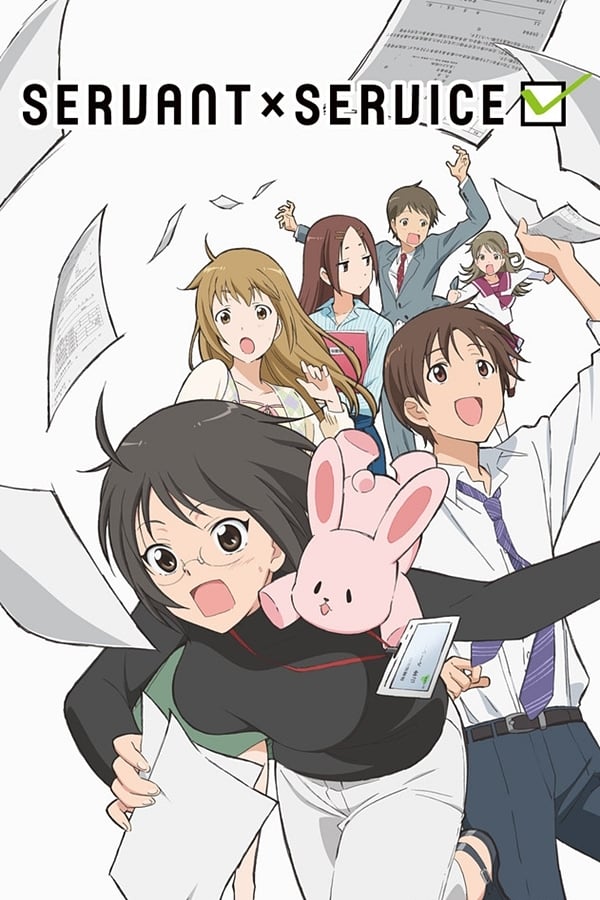
‘Servant x Service’ takes place in a municipal ward office where new hires process residents’ applications for services like health insurance enrollment, certifications, and benefits. It shows counter procedures, back-office verification, and the role of supervisors in handling edge cases and escalations.
The anime also maps out civil service structures—divisions, rotations, and standardized forms—while showing how seasonal demand affects workload. Training timelines, manuals, and auditing routines appear alongside day-to-day customer interactions.
‘Wotakoi: Love Is Hard for Otaku’ (2018)

‘Wotakoi: Love Is Hard for Otaku’ is set in an office where staff work on typical corporate tasks—documentation, deadlines, and after-work obligations—while collaborating on projects that require coordination between design and development. Workplace tools, meetings, and approval chains appear throughout.
The story includes common office frameworks such as probation periods, client deliverables, and the split between core hours and overtime. It shows how colleagues communicate around task hand-offs, version control, and last-minute fixes before a release.
‘Planetes’ (2003–2004)

‘Planetes’ focuses on an orbital debris section employed by a large aerospace contractor to collect hazardous junk from Earth’s orbit. It explains procedures for EVA work, mission planning, and safety protocols, including tethering practices, suit maintenance, and docking.
Inside the company, ‘Planetes’ covers procurement, budgets, and inter-department rivalry that affects equipment access and mission priorities. Regulatory oversight and insurance considerations also shape how crews schedule sorties and document results.
‘Skull-face Bookseller Honda-san’ (2018)
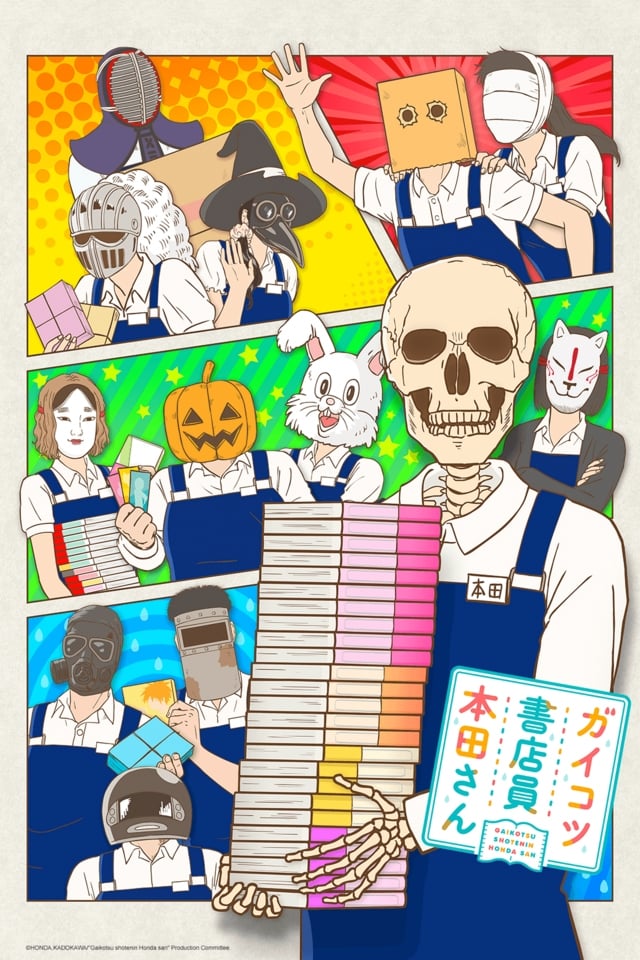
‘Skull-face Bookseller Honda-san’ takes place on the sales floor of a bookstore, where staff handle ordering, stocking, shelf organization, and vendor visits. It demonstrates how release calendars, publisher reps, and distribution affect inventory choices.
The anime walks through point-of-sale tasks, event preparation, and the logistics of matching customers to specific genres and imprints. It shows backroom operations like receiving shipments, processing returns, and adjusting displays based on sales data.
‘Sakura Quest’ (2017)
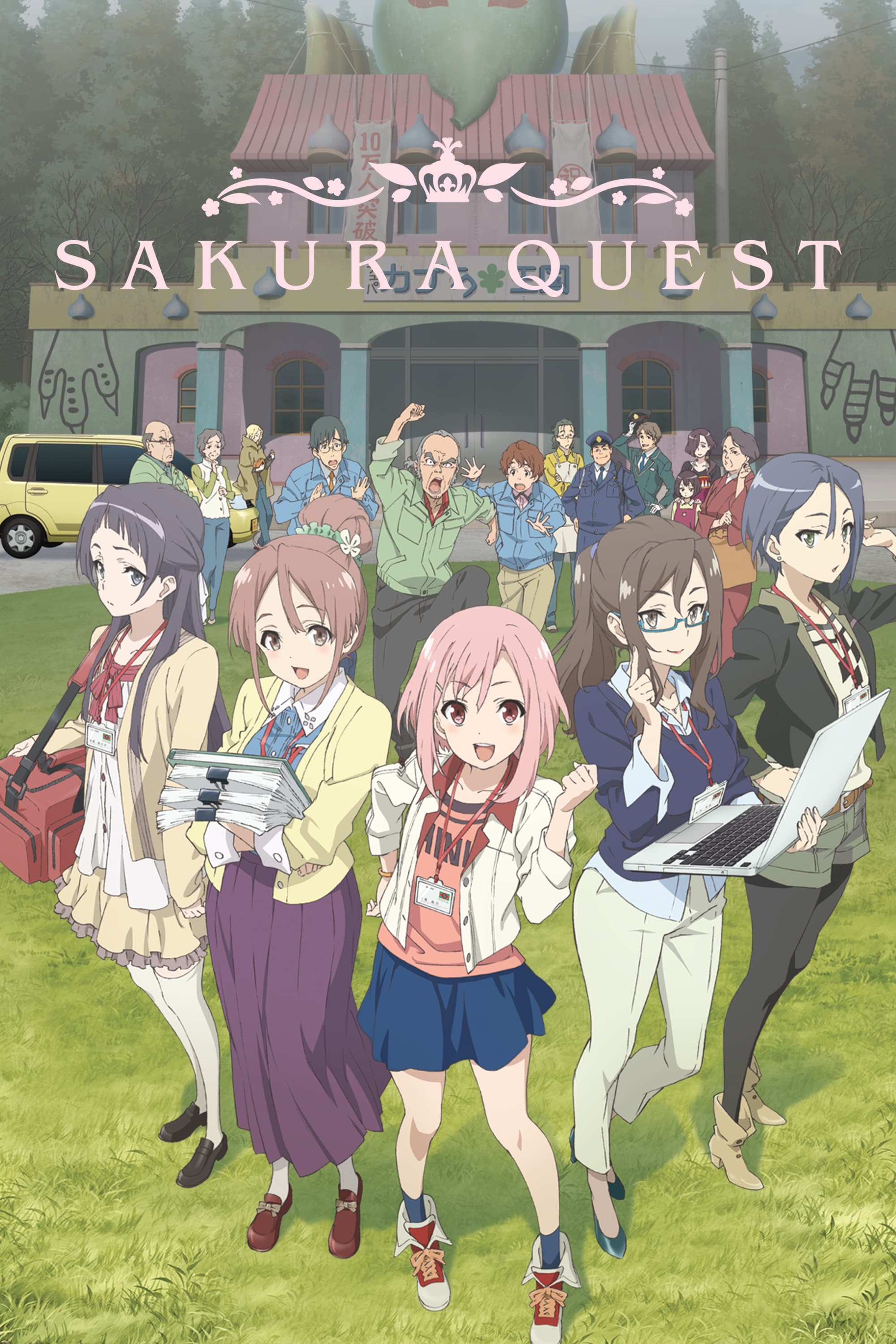
‘Sakura Quest’ follows a small town’s tourism association as it organizes festivals, negotiates with local businesses, and markets the region to visitors. It covers tasks such as budget proposals, stakeholder meetings, and coordinating with transportation and lodging providers.
‘Sakura Quest’ also shows data-driven planning—surveying travelers, tracking attendance, and revising strategies after pilots. The team works through permitting, vendor contracts, and publicity, balancing heritage preservation with revenue goals.
‘Violet Evergarden’ (2018)

‘Violet Evergarden’ documents the work of an Auto Memory Doll—a professional ghostwriter—who takes dictation, drafts letters, and edits prose for clients across diverse backgrounds. The job includes interviewing, verifying details, and selecting appropriate tone and form.
The anime presents the service workflow: intake consultations, travel to commissions, transcription, revisions, and delivery through postal routes. It illustrates how deadlines, confidentiality, and client satisfaction shape a writing professional’s schedule.
‘New Game!’ (2016–2017)

‘New Game!’ is set at a game studio where teams handle character modeling, animation, programming, and QA. It outlines build pipelines, sprint-like schedules, and vertical slices used to greenlight features.
You see practical details like asset naming conventions, bug tracking, certification checklists, and the steps toward gold master. Cross-team syncs, patch planning, and marketing tie-ins appear as the project moves toward release.
‘Wave, Listen to Me!’ (2020)

‘Wave, Listen to Me!’ centers on a radio station’s late-night show and the staff who write scripts, book guests, and engineer live broadcasts. It portrays studio setups, mixing consoles, and timekeeping during segments and ad breaks.
Outside airtime, the anime shows contract negotiations, sponsor approvals, and compliance over broadcast content. Producers manage pilot episodes, listener feedback, and scheduling changes while engineers handle sound checks and post-production edits for rebroadcast.
‘Bartender’ (2006)

‘Bartender’ takes place in a quiet bar where a skilled professional selects spirits, builds drinks, and manages service for a diverse clientele. It details techniques such as stirring, shaking, and glassware selection, alongside inventory control and sourcing.
The series also covers the business side of hospitality—licensing considerations, supplier relationships, and how menus are structured around seasonality and house style. Customer interactions emphasize listening, pairing suggestions, and pacing across a sitting.
‘Ristorante Paradiso’ (2009)
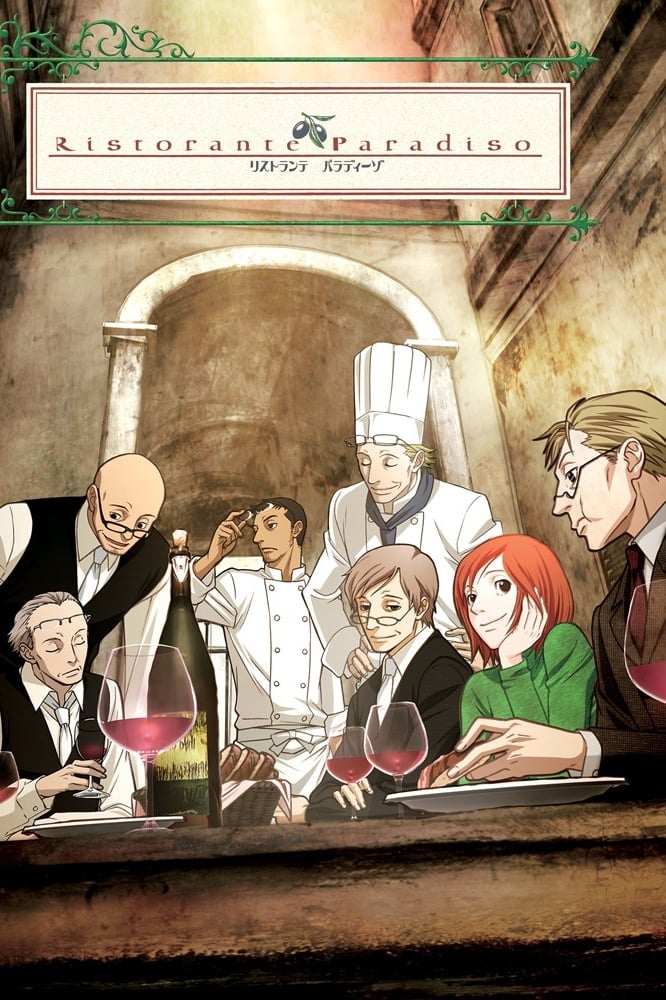
‘Ristorante Paradiso’ is set in a Roman restaurant and tracks front-of-house routines like reservations, seating charts, and service timing between courses. Kitchen operations—prep, line work, and coordination with the sommelier—run in parallel.
The anime includes vendor deliveries, staff briefings, and menu planning informed by local produce and regional dishes. It shows how a small team handles regulars, private events, and quality control on busy nights.
‘Space Brothers’ (2012–2014)
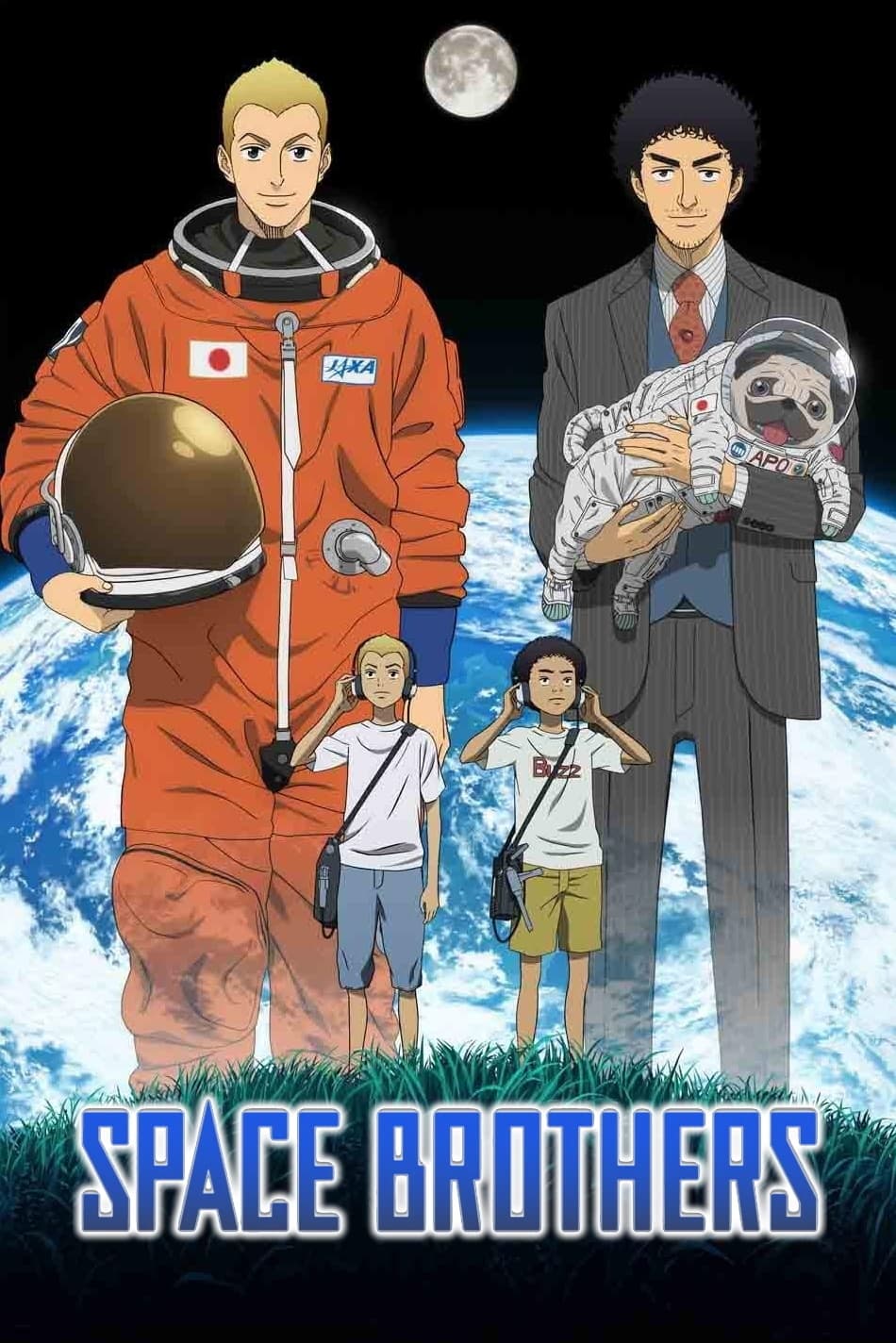
‘Space Brothers’ follows candidates and astronauts through selection exams, training programs, and mission assignments at national space agencies. It depicts interview panels, psychological testing, and multi-stage evaluations that lead to crew placements.
On the job, the anime covers simulator sessions, technical certifications, and international coordination among control centers. It includes timelines for training blocks, pre-launch checklists, and post-mission debriefs that shape career progression.
‘Seiyu’s Life!’ (2015)
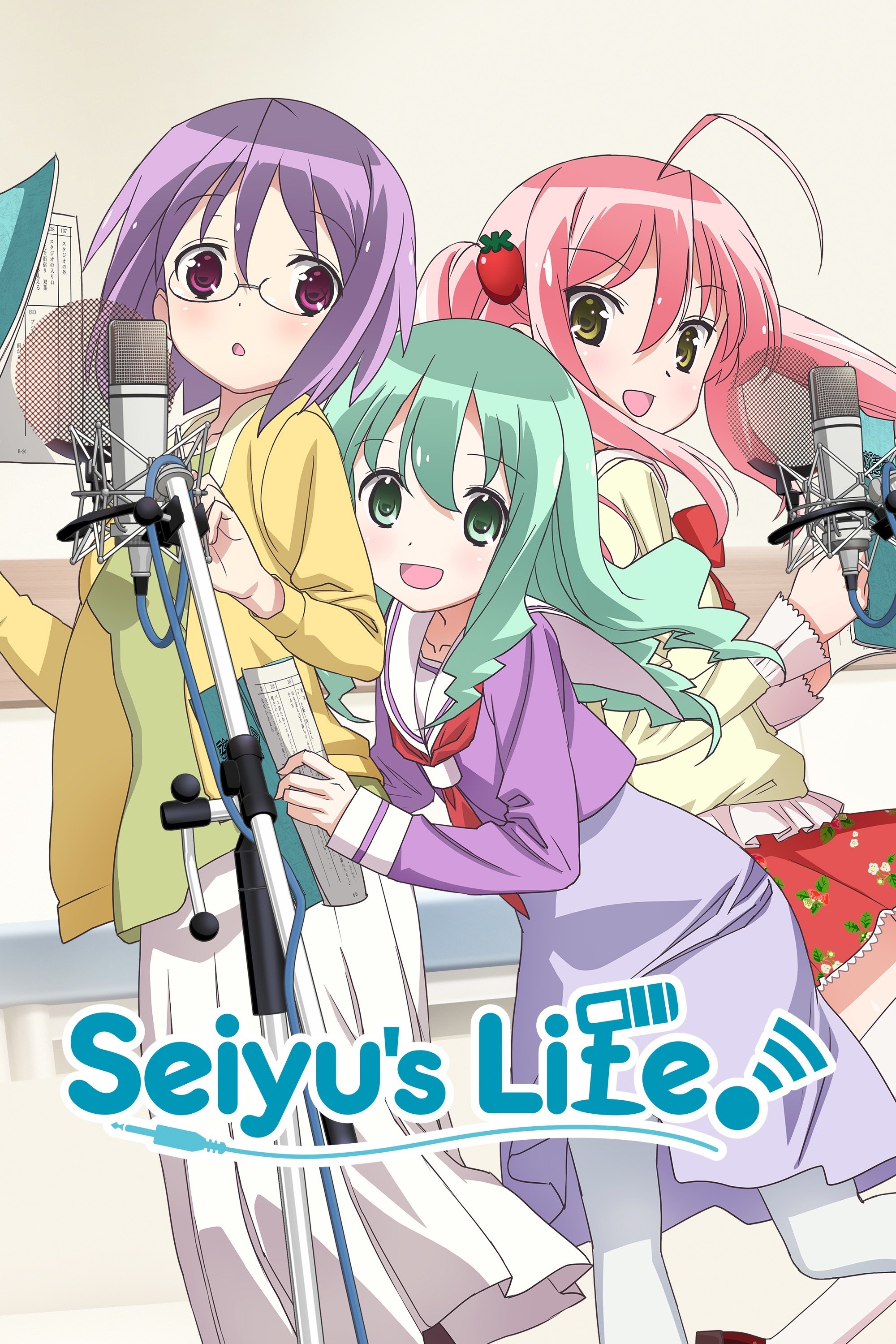
‘Seiyu’s Life!’ focuses on rookie voice actors who attend auditions, record in studios, and manage schedules across multiple projects. It shows booth etiquette, script marking, and coordination with directors and sound engineers.
The series also features contract work realities—agency relations, lesson time, and balancing rehearsals with on-call notices. It includes industry events, radio appearances, and collaboration with other production departments as episodes move through post.
Share your favorite workplace anime picks—and any hidden gems we missed—in the comments!