

15 Anime Where Being Queer Gives You Extra Powers

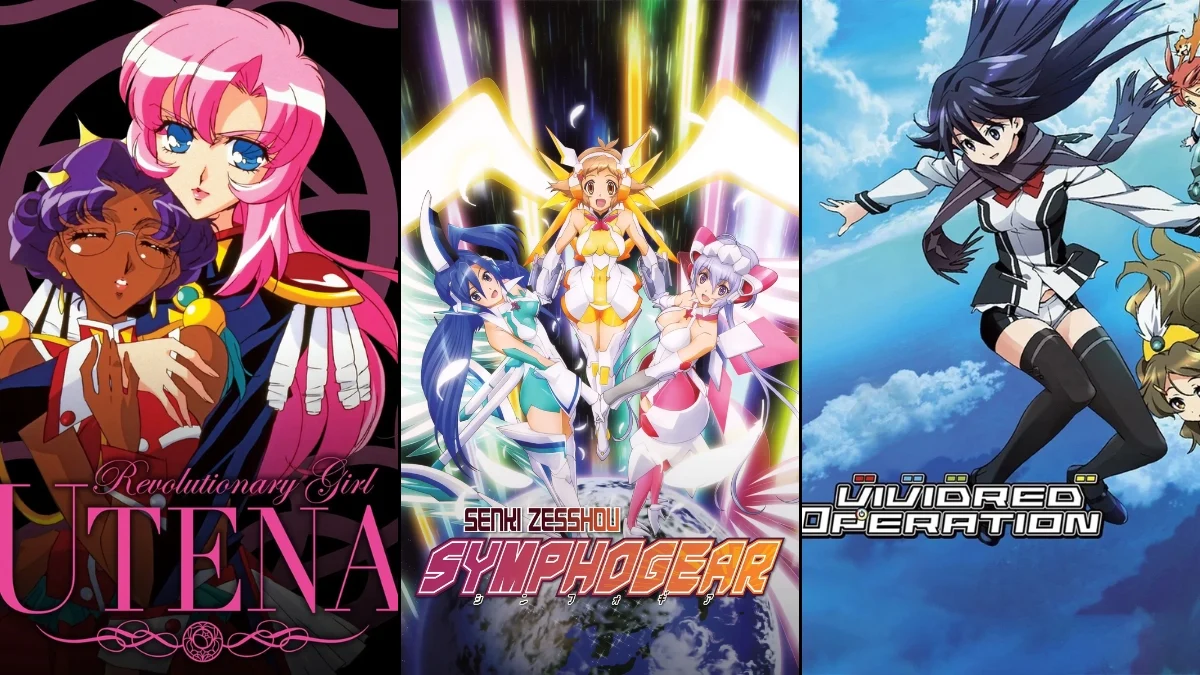


Across anime, queerness often shows up as more than identity—it becomes a source of transformation, resilience, or literal power-ups. These shows and films weave same-sex love, gender nonconformity, and queer bonds into their magic systems and battle mechanics, turning intimacy and self-recognition into tangible strength. From mecha cockpits powered by affection to magical girls whose abilities bloom through romantic devotion, these titles make queerness a catalyst for extraordinary feats. Here are fifteen anime where being queer—or embracing queer connections—unlocks extra power in the story itself.
‘Revolutionary Girl Utena’ (1997)
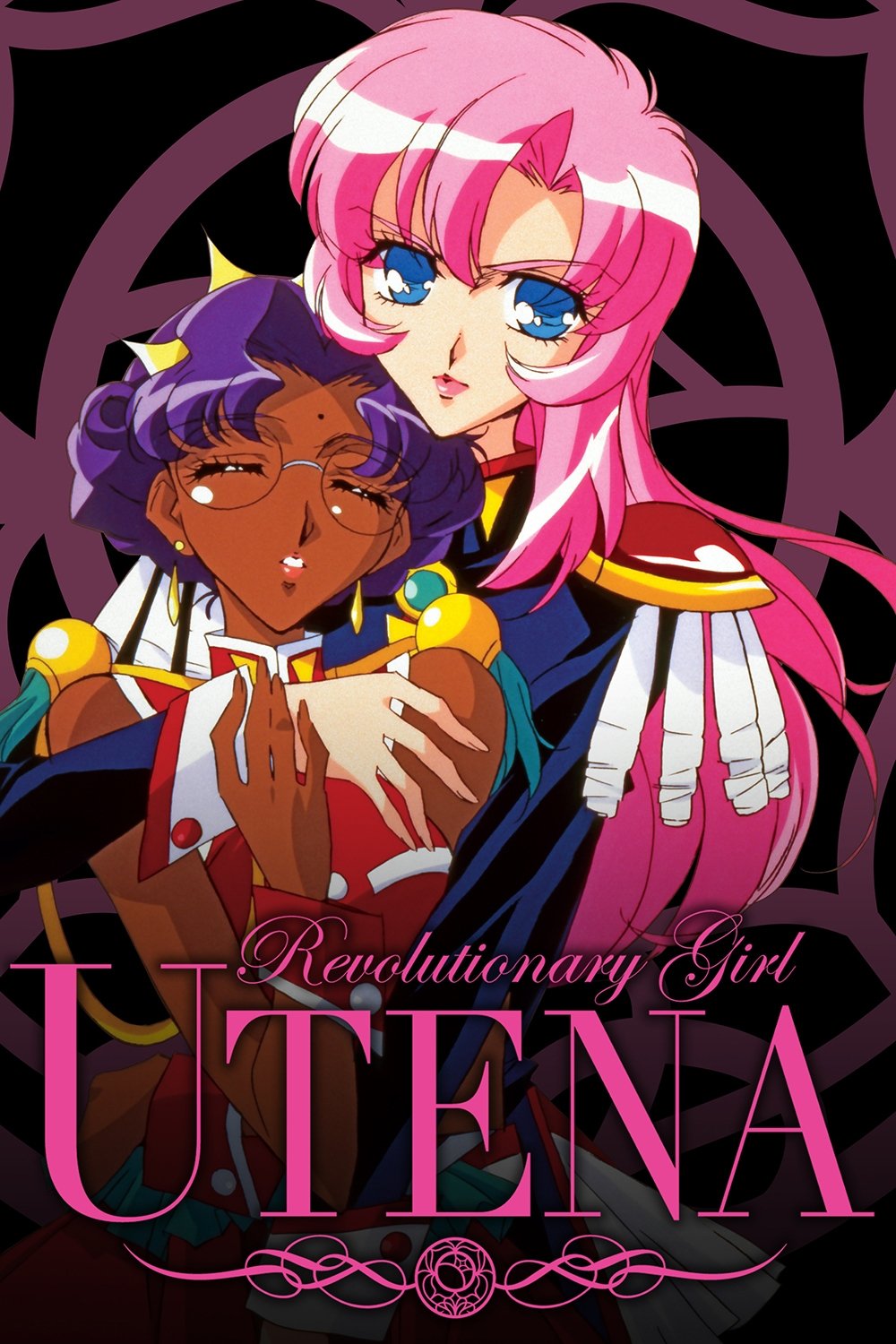
Dueling in the Ohtori Academy arena connects rulership, gender performance, and desire to the “power to revolutionize the world.” Utena’s prince persona and deep bond with Anthy shape her ability to challenge the system that grants and withholds power. The series ties victory to relational vows and the refusal of heteronormative roles, which alters who can access the power of Dios. Queer attachment functions as both a shield and a key that reconfigures the duelists’ strength.
‘Yurikuma Arashi’ (2015)

The show literalizes yuri as transgressive power: “invisible” social rules punish same-sex love, yet crossing that line grants the resolve to breach the Wall of Severance. Kureha and Ginko’s love repeatedly manifests as the decisive force that overcomes exclusionary systems. Trials hinge on confessing and maintaining queer love under scrutiny, which determines who survives and transforms. The closer the girls move toward open desire, the more reality itself bends in their favor.
‘Sarazanmai’ (2019)
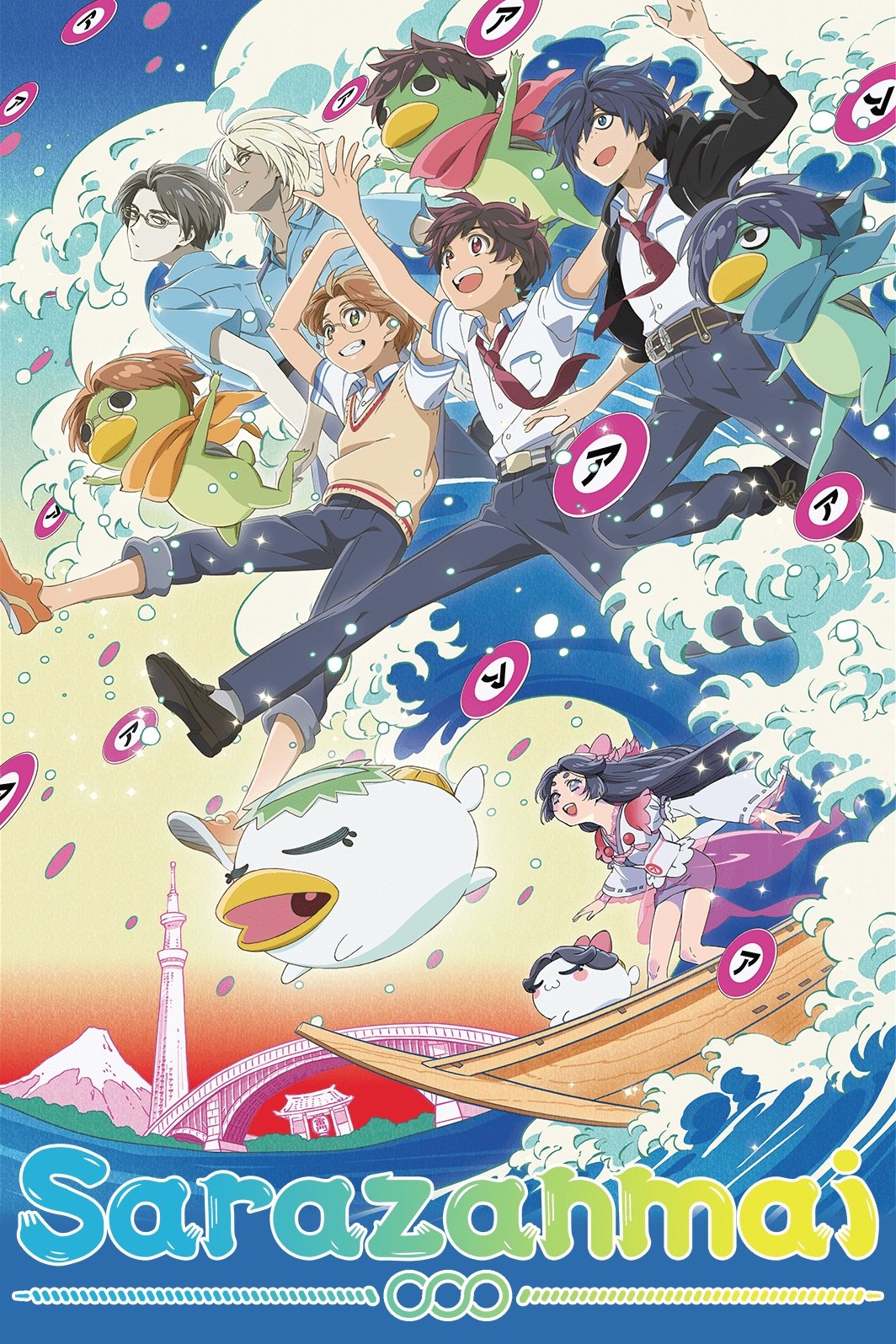
Desire—often queer and closeted—becomes energy that powers kappa transformations and the titular sarazanmai links. Kazuki, Toi, and Enta’s extracted secrets fuel cooperative attacks whose potency rises with truthful connection. The narrative frames admitting same-sex longing as a mechanism that creates life-saving force. Emotional disclosure converts stigma into shared power that defeats desire-stealing foes.
‘Simoun’ (2006)
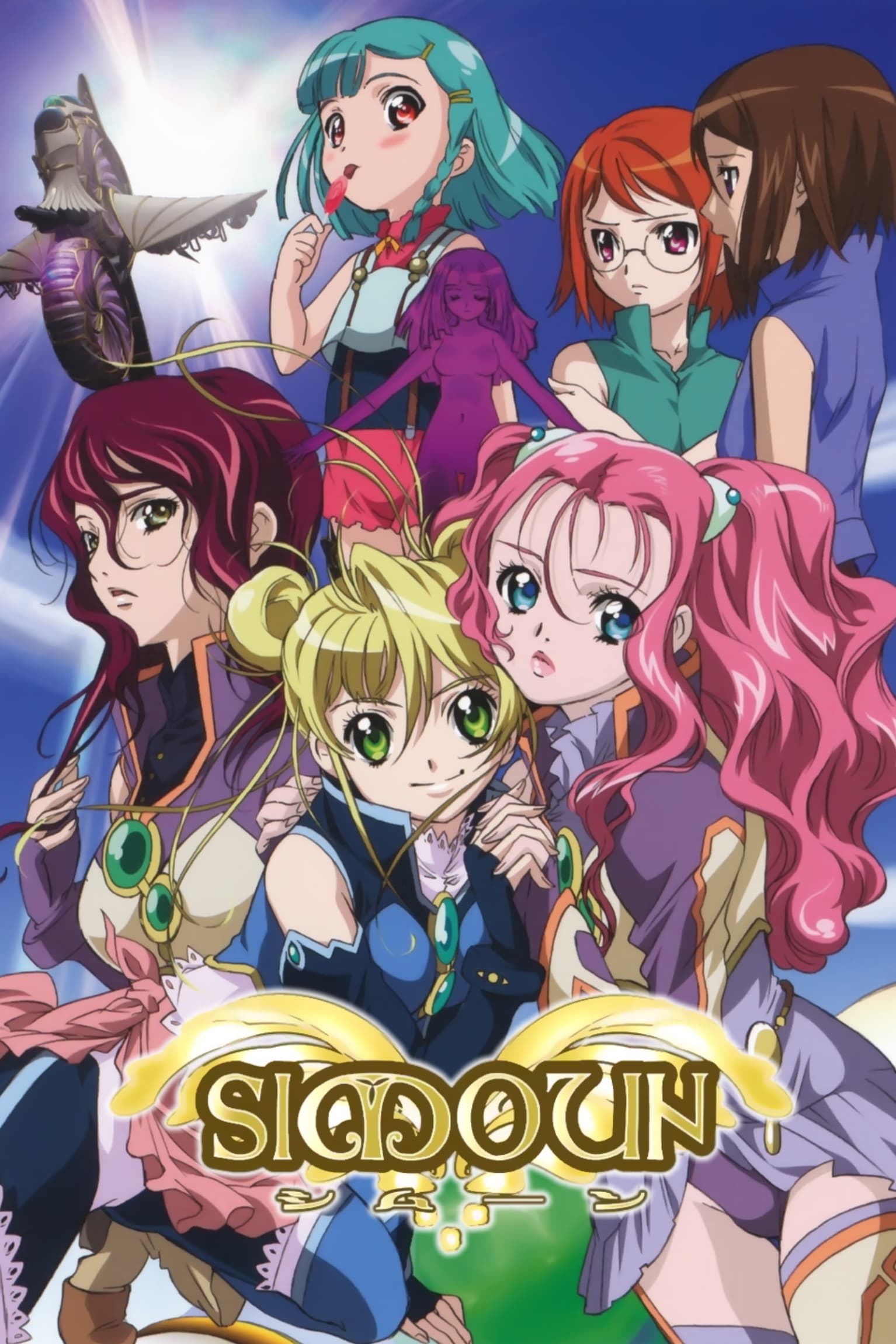
Priestesses pilot ancient aircraft by pairing up and performing ritual kisses, making same-sex coupling the operational core of combat. The stability and maneuverability of each Simoun depend on the intimacy and trust within its pair. Because citizens choose their permanent sex later, fluid gender and female-female bonds are structurally tied to military capability. Stronger romantic alignment yields greater aerial feats and strategic advantages.
‘Flip Flappers’ (2016)

Cocona and Papika’s connection triggers transformations across “Pure Illusion,” with form and weaponry shaped by their evolving affection. Their sync rate governs access to new terrains and artifacts, turning intimacy into traversal and combat ability. Encounters that clarify romantic feelings often unlock higher-level fusions. The series’ power system consistently maps queer closeness to amplified capability.
‘Blue Reflection Ray’ (2021)

Magical girls channel emotions linked to relationships, with several arcs centering on girls’ queer attachments. Purifying or weaponizing feelings affects reflector strength, making romantic bonds direct inputs to power scaling. Character pairs gain new forms and techniques as they reconcile desire and identity. Emotional honesty in queer relationships stabilizes crystals, enabling stronger defenses and finishes.
‘Vividred Operation’ (2013)

“Docking” fuses two girls into a single combat form; compatibility, which often reads as romantic closeness, dictates whether docking succeeds. Teams with stronger affection unlock higher-tier merged states and special attacks. Episodes tie breakthroughs to mutual devotion, concretizing queer-coded partnership as a stat booster. The battlefield rewards pairs whose feelings are clearest and most committed.
‘Puella Magi Madoka Magica’ (2011)

Homura’s singular devotion to Madoka fuels repeated timeline resets, turning love into time-manipulating potency. The cumulative burden of that attachment reshapes the cosmology, culminating in a reality-altering wish. Power contracts amplify the specific desires that anchor a girl’s heart, and queer longing repeatedly drives pivotal wishes. Emotional vectors determine both the magnitude and the cost of each magical outcome.
‘Superb Song of the Valkyries: Symphogear’ (2012–2019)
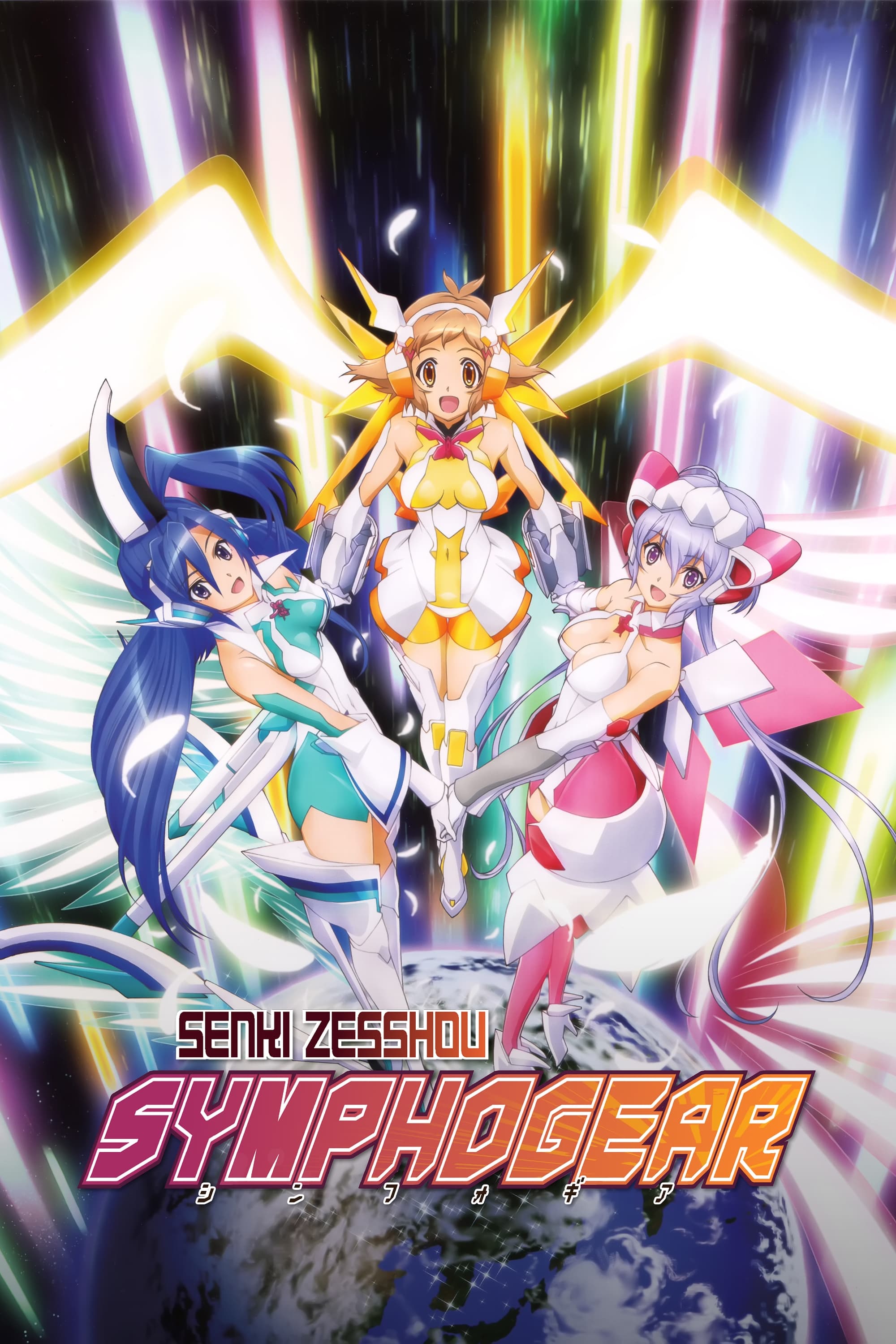
Users sing to activate relic-based armaments, with duet resonance and partner bonds raising output. Several core pairs’ yuri dynamics are treated as synchronization engines that unlock new gear states. Joint songs and declarations strengthen barriers and finisher tracks in climactic battles. The franchise links queer-coded intimacy to higher harmonic compatibility and damage ceilings.
‘My-HiME’ (2004–2005)

Each HiME’s power relies on protecting a person they love, and Shizuru’s arc centers a same-sex bond as her trigger. When that attachment intensifies, her Child and Element manifest with overwhelming force. The system’s rules make romantic focus the literal source of summoning strength. Shifts in queer relationships directly alter who can fight—and how effectively.
‘Destiny of the Shrine Maiden’ (2004)
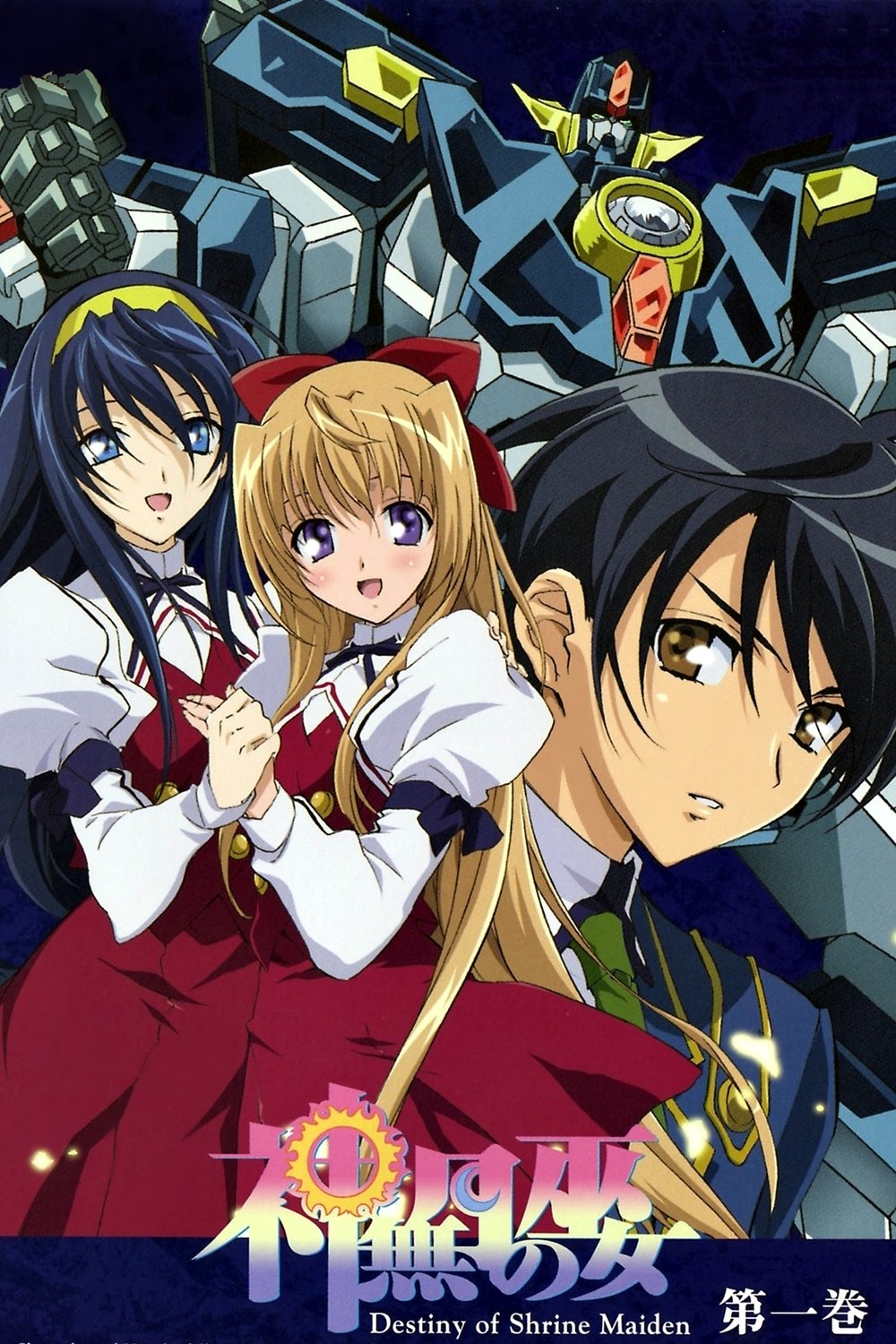
Two shrine maidens’ reincarnated love arms them to confront Orochi, tying yuri destiny to exorcistic and mecha power. Rituals and awakenings are contingent on their acceptance of mutual devotion. As their bond clarifies, protective barriers and combined attacks strengthen. The series treats same-sex love as the prerequisite that activates world-saving might.
‘Cardcaptor Sakura’ (1998–2000)
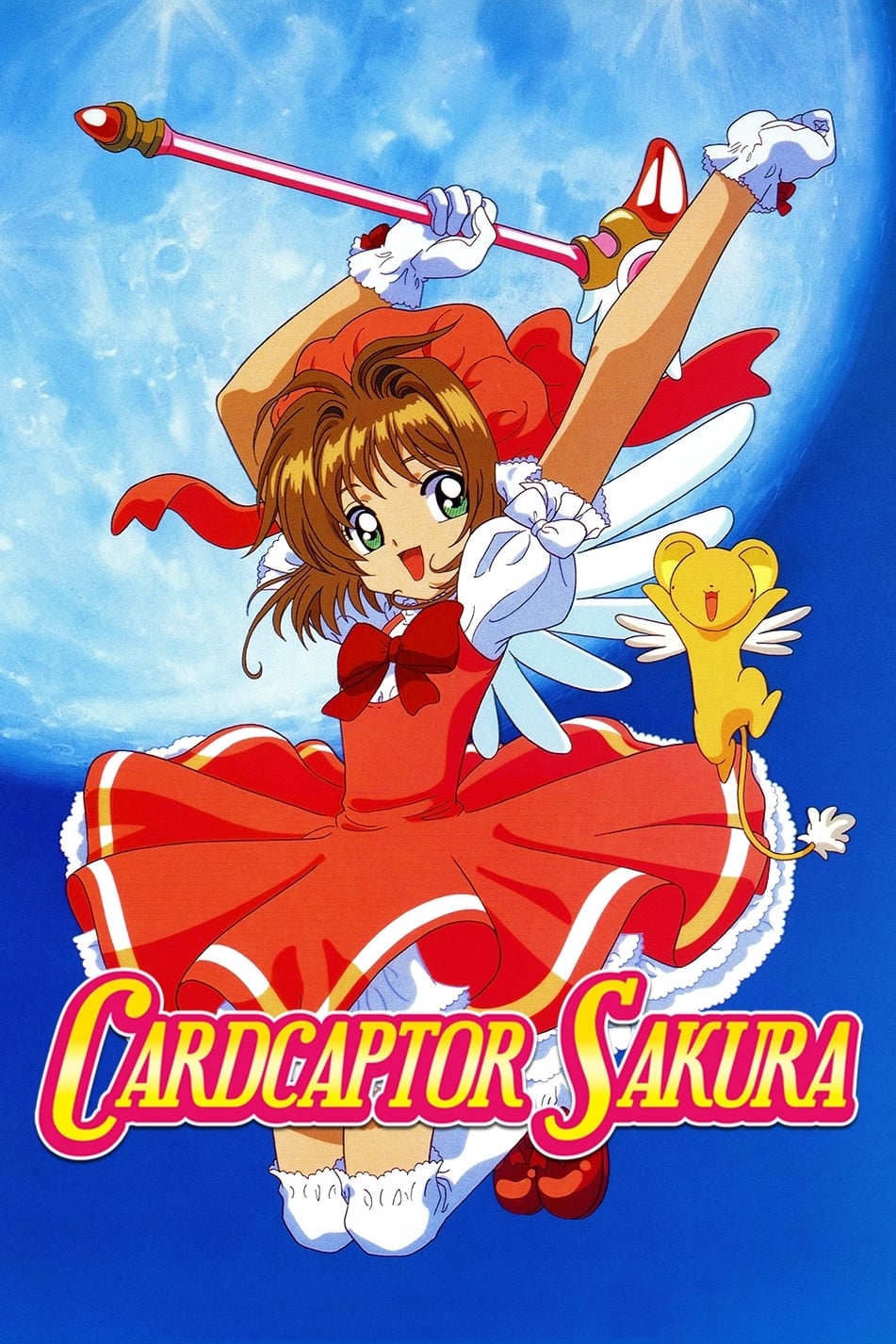
Magic scales with the sincerity of Sakura’s feelings, and the narrative normalizes multiple queer relationships around her. Affirming those bonds fortifies her judgment cards and customizes the staff’s evolutions. Key trials resolve through empathetic recognition that includes same-sex love as valid power. Emotional acceptance expands card versatility and stabilizes captured magic.
‘Mobile Suit Gundam: The Witch from Mercury’ (2022–2023)
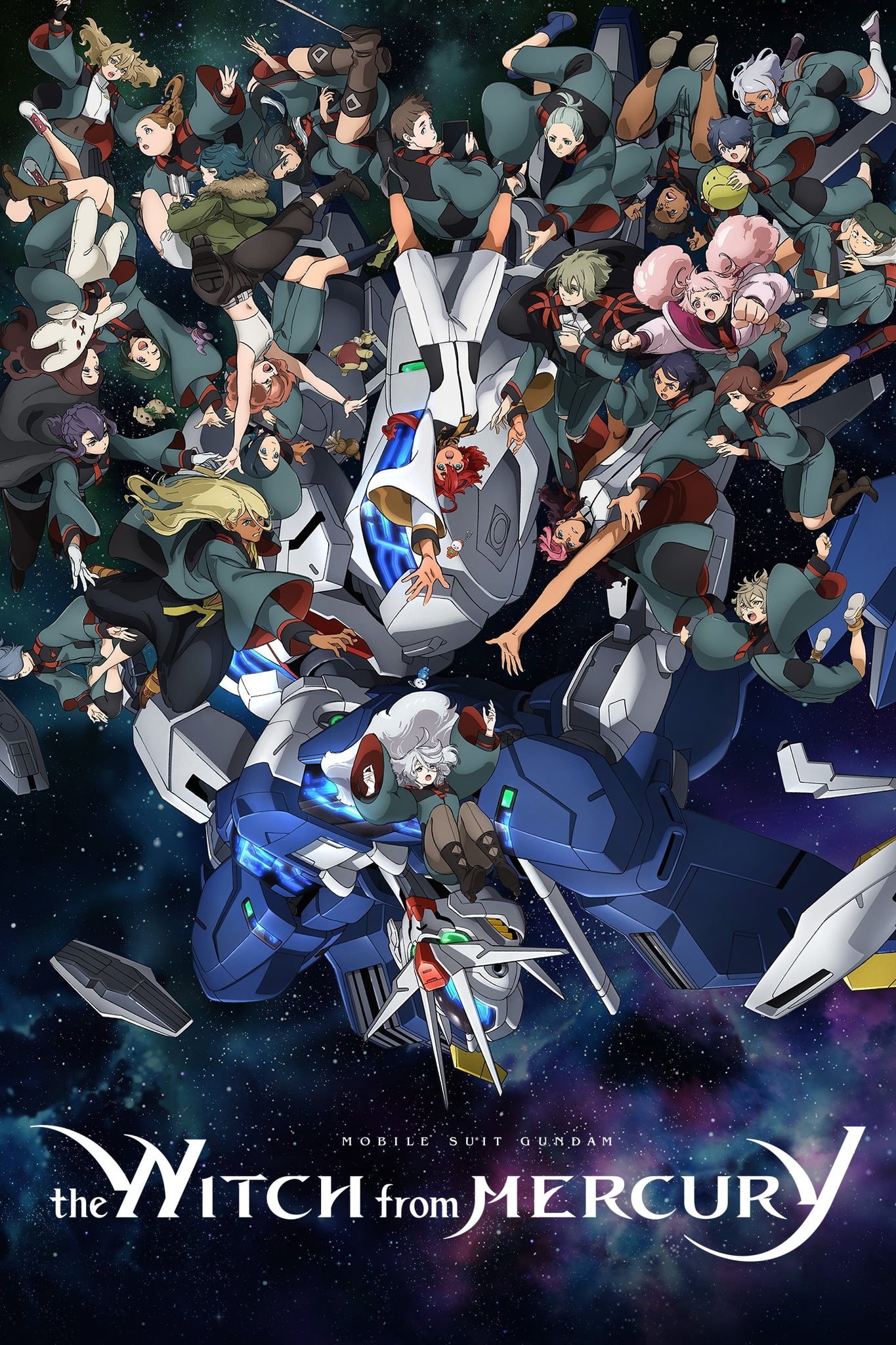
Suletta and Miorine’s engagement frames a yuri partnership that interlocks with GUND-FORMAT synchronization. Suletta’s performance spikes alongside her emotional alignment with Miorine, impacting Permet score thresholds and control stability. Strategic decisions hinge on their mutual trust, enabling risky maneuvers other pilots cannot sustain. The series repeatedly correlates queer commitment with mecha capability and organizational leverage.
‘Magical Girl Lyrical Nanoha’ (2004–2005)
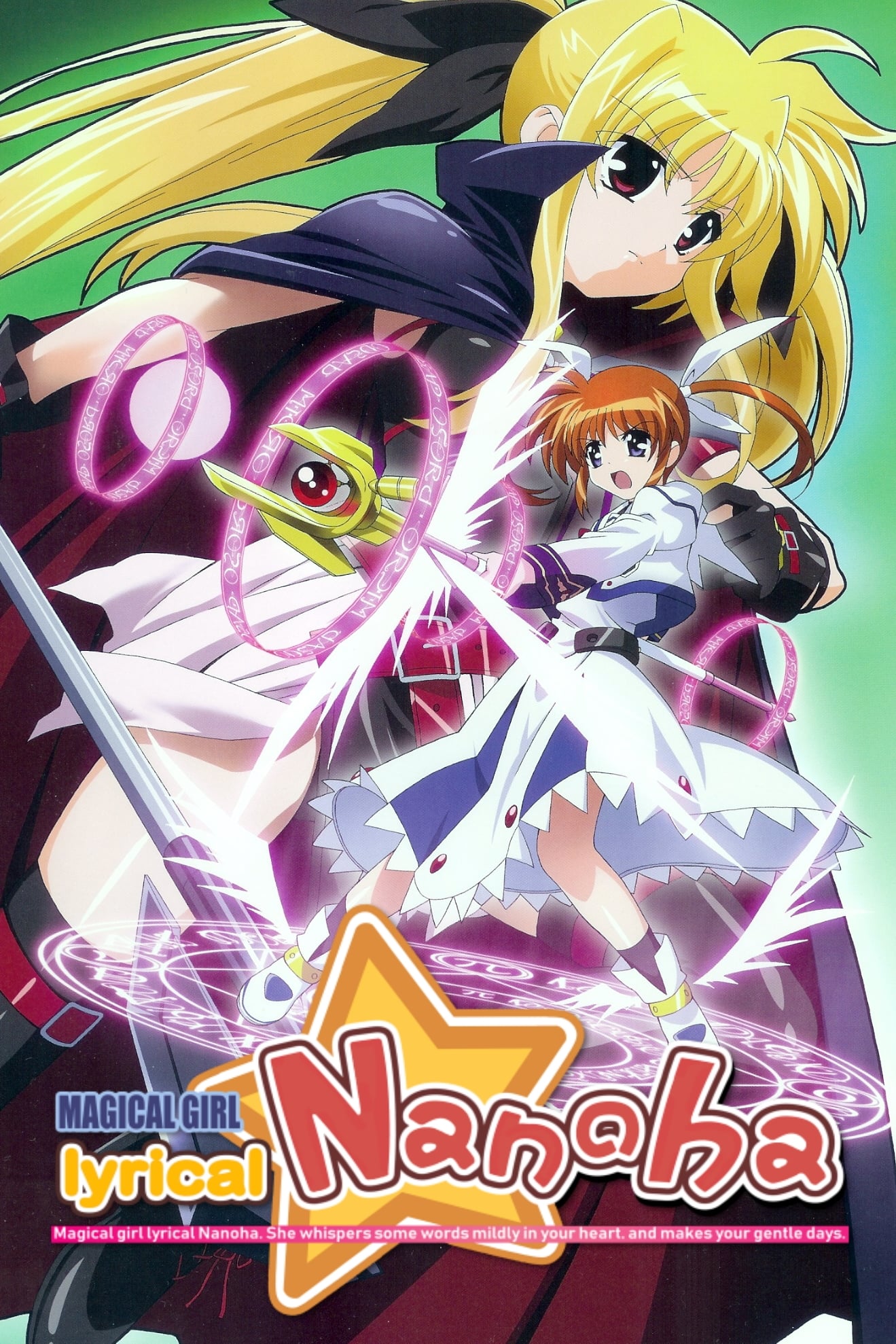
Nanoha’s and Fate’s bond drives device tuning, barrier jacket evolutions, and coordinated finishers. Their deepening attachment raises linker-core output and allows complex mid-air spell combos. Team techniques consistently materialize after reconciliations that foreground their relationship. Emotional resonance, often read as yuri intimacy, functions as a measurable power amplifier.
‘Valkyrie Drive: Mermaid’ (2015)

Pairs of girls activate weaponization through arousal and kissing: one becomes the “Extar” weapon, the other the “Liberator” wielder. Compatibility and desire determine weapon class, range, and special moves. Stronger romantic charge yields higher-form transformations and finisher unlocks. The combat system explicitly makes queer intimacy the conduit for upgrading into battle-ready forms.
Share your favorites or add more examples of queer-powered anime in the comments!