


15 Anthology Series Where Every Episode Feels Completely Different



Anthology television offers viewers a unique opportunity to experience a fresh narrative with every single installment. These shows forgo long-form storytelling in favor of self-contained episodes that feature distinct characters and settings. The format allows creators to experiment with various genres and visual styles without the constraints of a serialized plot. Writers and directors often utilize this freedom to explore diverse themes ranging from science fiction to romantic comedy within the same series. The following collection highlights shows that successfully reinvent themselves every time the credits roll.
‘Black Mirror’ (2011–Present)
Charlie Brooker created this British science fiction series to explore the unanticipated consequences of new technologies. Each episode takes place in a distinct reality that ranges from the near future to alternative historical timelines. The tone shifts dramatically between dark satire and psychological horror depending on the specific story being told. Viewers encounter different casts and directors who bring a unique visual identity to every standalone installment. The show examines how modern society interacts with the digital world through often unsettled lenses.
‘The Twilight Zone’ (1959–1964)
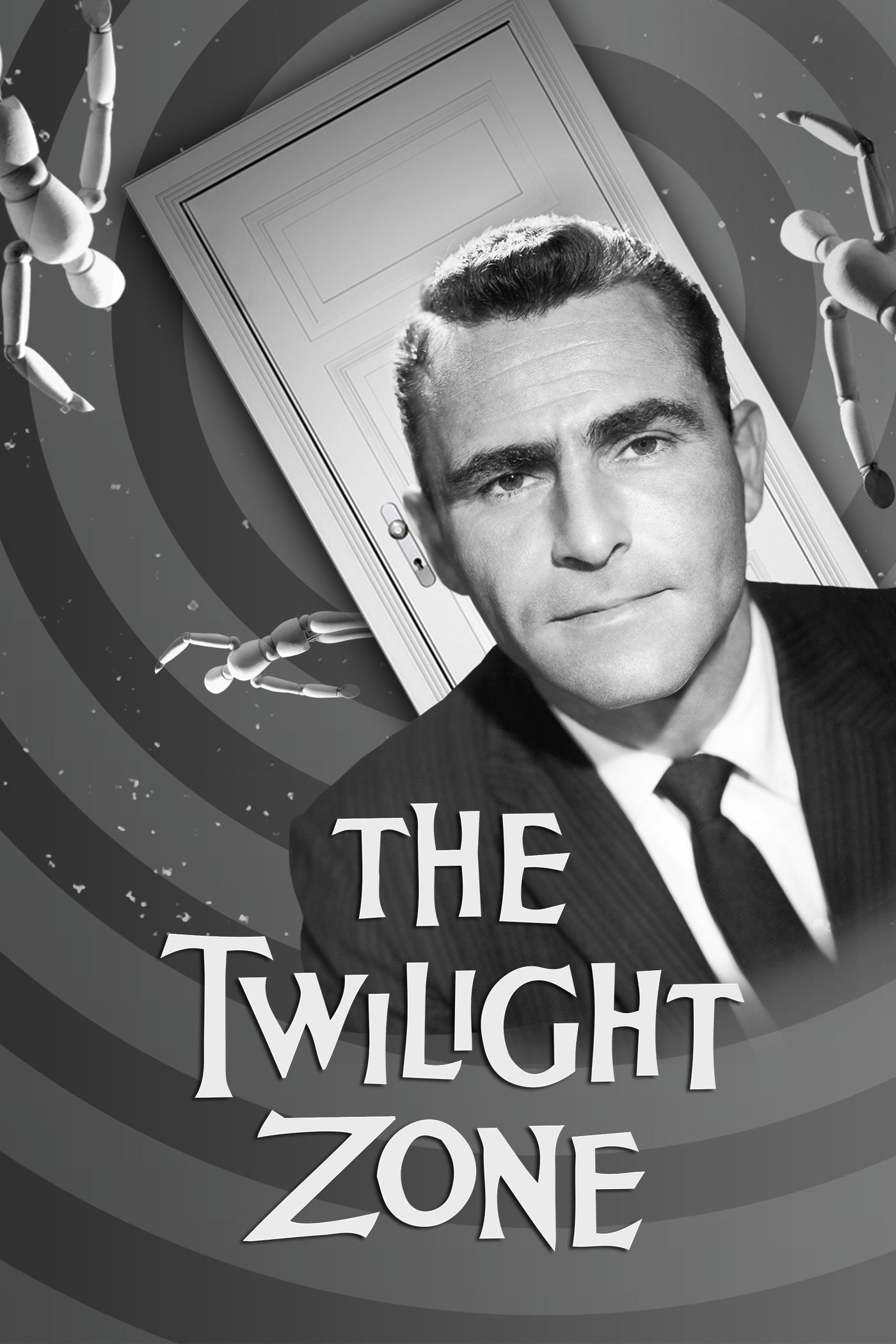
Rod Serling hosted and wrote many episodes of this seminal series that blends fantasy and science fiction with horror. The show is famous for its twist endings and the moral lessons embedded within its surreal narratives. Characters often find themselves in ordinary situations that suddenly turn into extraordinary or supernatural experiences. Writers used the format to comment on contemporary social issues like prejudice and war under the guise of genre fiction. It remains a foundational text for the anthology format due to its vast range of storytelling approaches.
‘Love, Death & Robots’ (2019–Present)
This animated collection produced by Tim Miller and David Fincher features short films created by various animation studios from around the globe. The visual styles vary wildly from hyper-realistic CGI to traditional 2D animation and stylized comic book aesthetics. Each short tells a concise story that falls under the broad umbrella of science fiction or fantasy. The runtime of the episodes fluctuates significantly to accommodate the specific needs of each narrative. It covers diverse subject matter including sentient yogurt and soldiers fighting supernatural wars.
‘Inside No. 9’ (2014–2024)
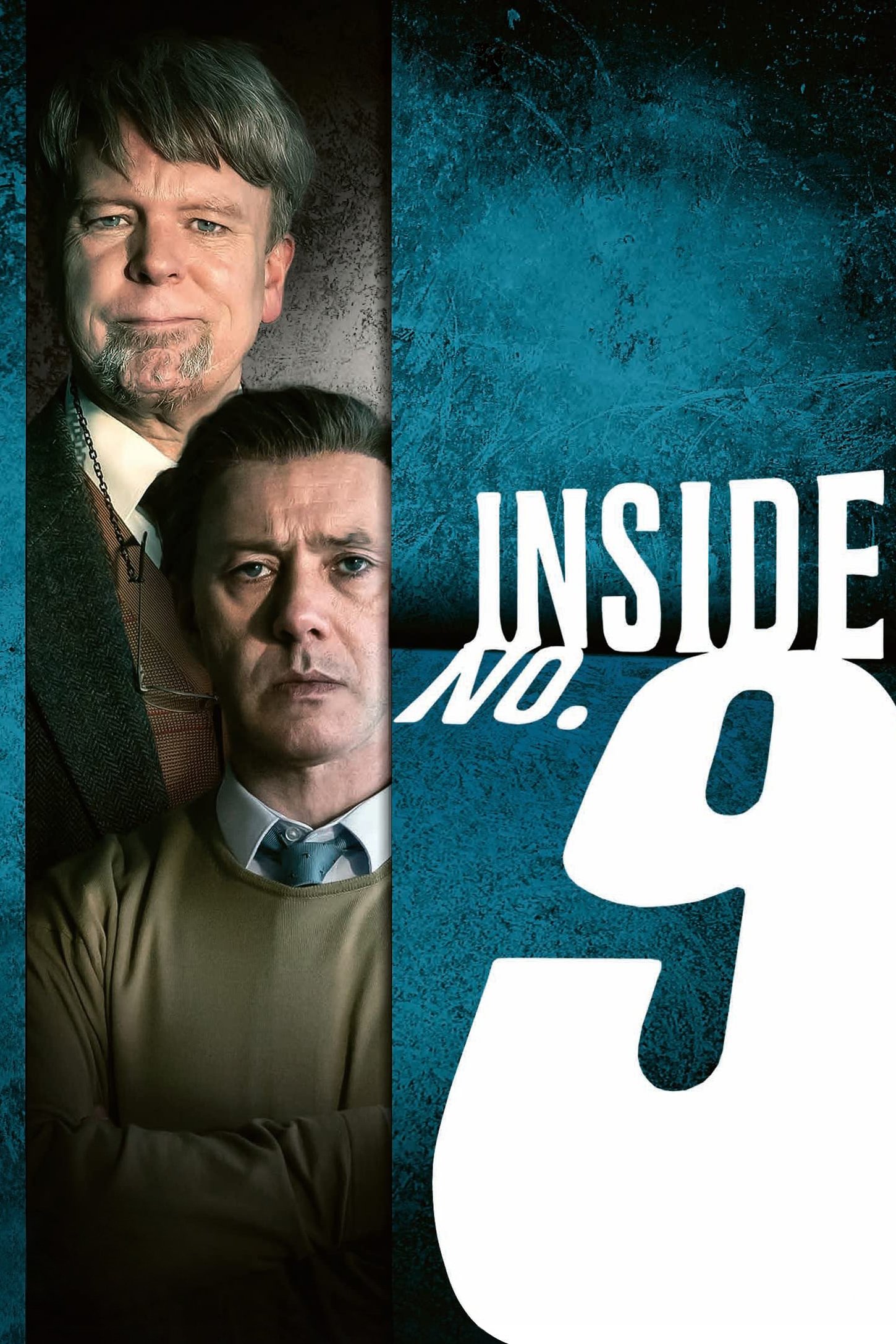
Reece Shearsmith and Steve Pemberton created and starred in this British series where every episode is linked only by the number nine. The stories take place in varied locations such as a sleeping car on a train or a suburban house. The tone oscillates between slapstick comedy and genuine claustrophobic horror. Scripts are known for their intricate plotting and the inevitable twist that recontextualizes the events of the preceding half hour. This versatility allows the creators to pay homage to everything from silent films to Shakespearean tragedy.
‘Guillermo del Toro’s Cabinet of Curiosities’ (2022)
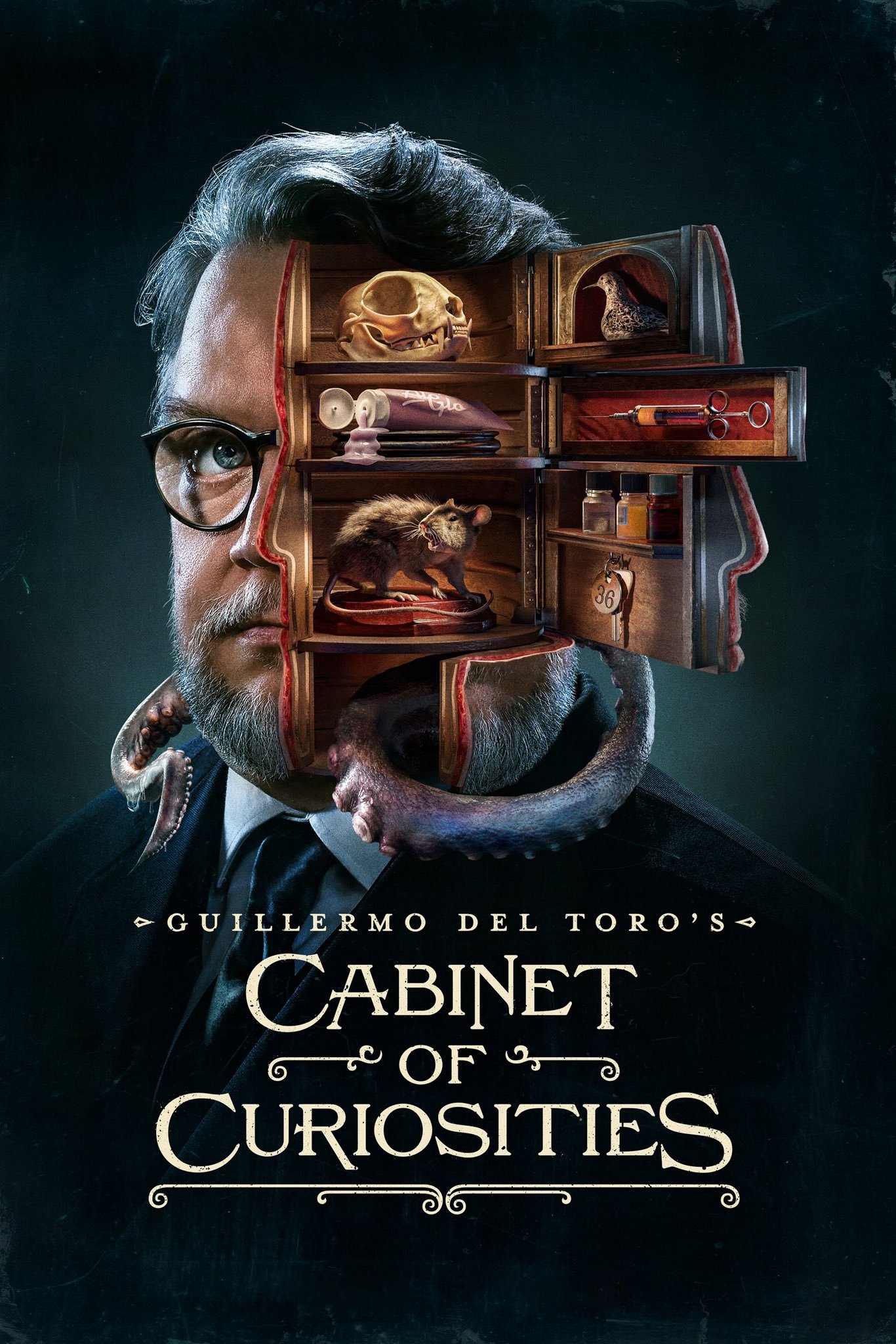
Guillermo del Toro curated this horror collection that functions as a showcase for different directors and writers. Each episode begins with an introduction by del Toro before segueing into a self-contained tale of the macabre. The stylistic approaches range from gothic period pieces to gritty modern creature features. Filmmakers were given creative control to explore practical effects and distinct color palettes suitable for their specific stories. The series adapts works by authors such as H.P. Lovecraft alongside original screenplays.
‘Room 104’ (2017–2020)
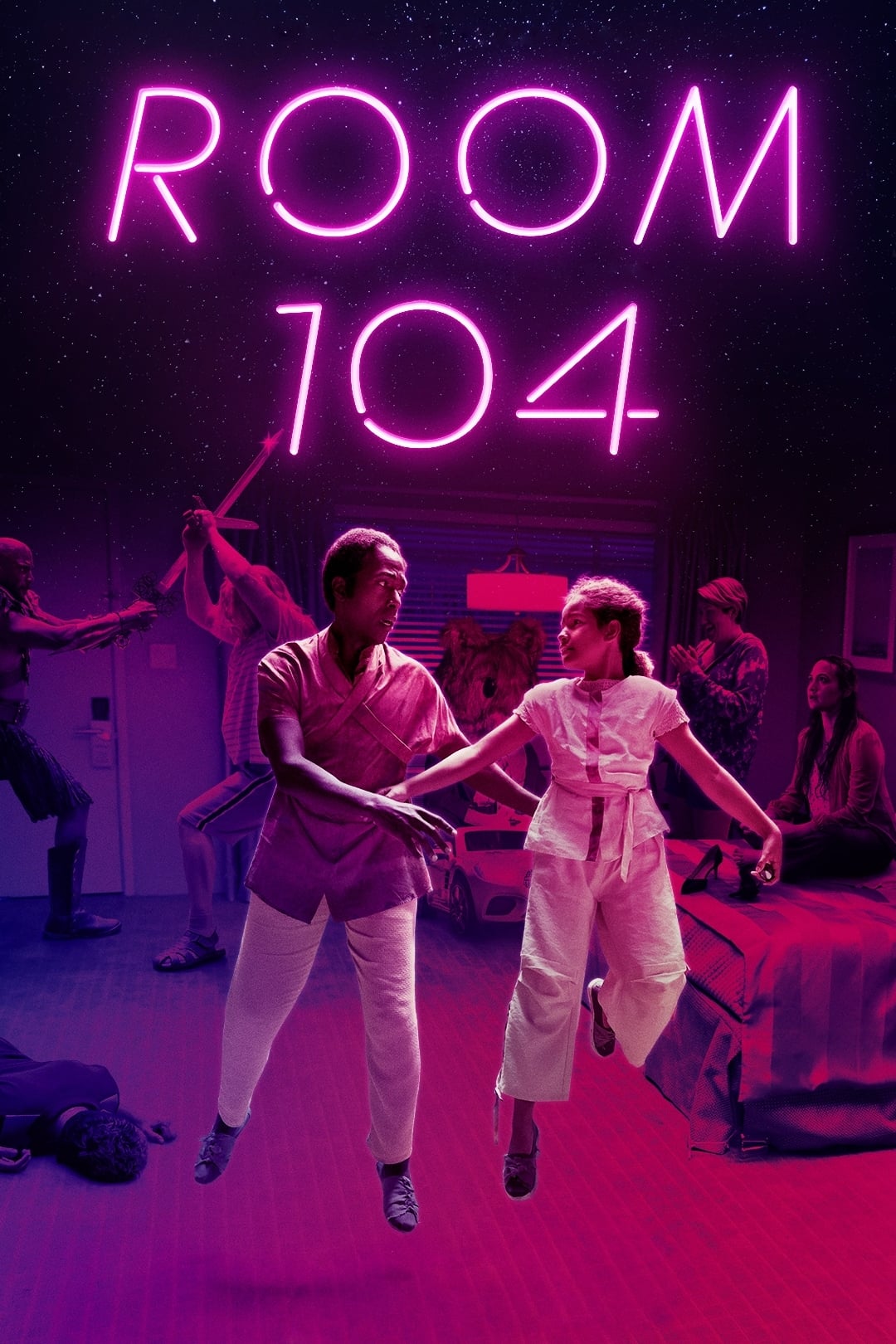
Mark and Jay Duplass created this series that is set entirely within a single room of an average American motel. The mundane setting serves as a blank canvas for stories that span genres including musical drama and sci-fi thriller. Different guests check into the room in each episode and bring their own unique baggage and interpersonal conflicts. The show experiments with form by occasionally using interpretive dance or animation to convey the narrative. It demonstrates how a limited location can still support a limitless variety of storytelling styles.
‘The Outer Limits’ (1963–1965)

This classic series focuses primarily on science fiction stories that involve extraterrestrial life and time travel. The show differs from its contemporaries by placing a heavier emphasis on the “monster of the week” concept. Episodes often feature distinct creature designs and special effects that were ambitious for the era. The tone is generally more serious and scientific than other fantasy anthologies from the same period. Writers used the platform to explore the human condition when faced with the unknown and the impossible.
‘Tales from the Crypt’ (1989–1996)
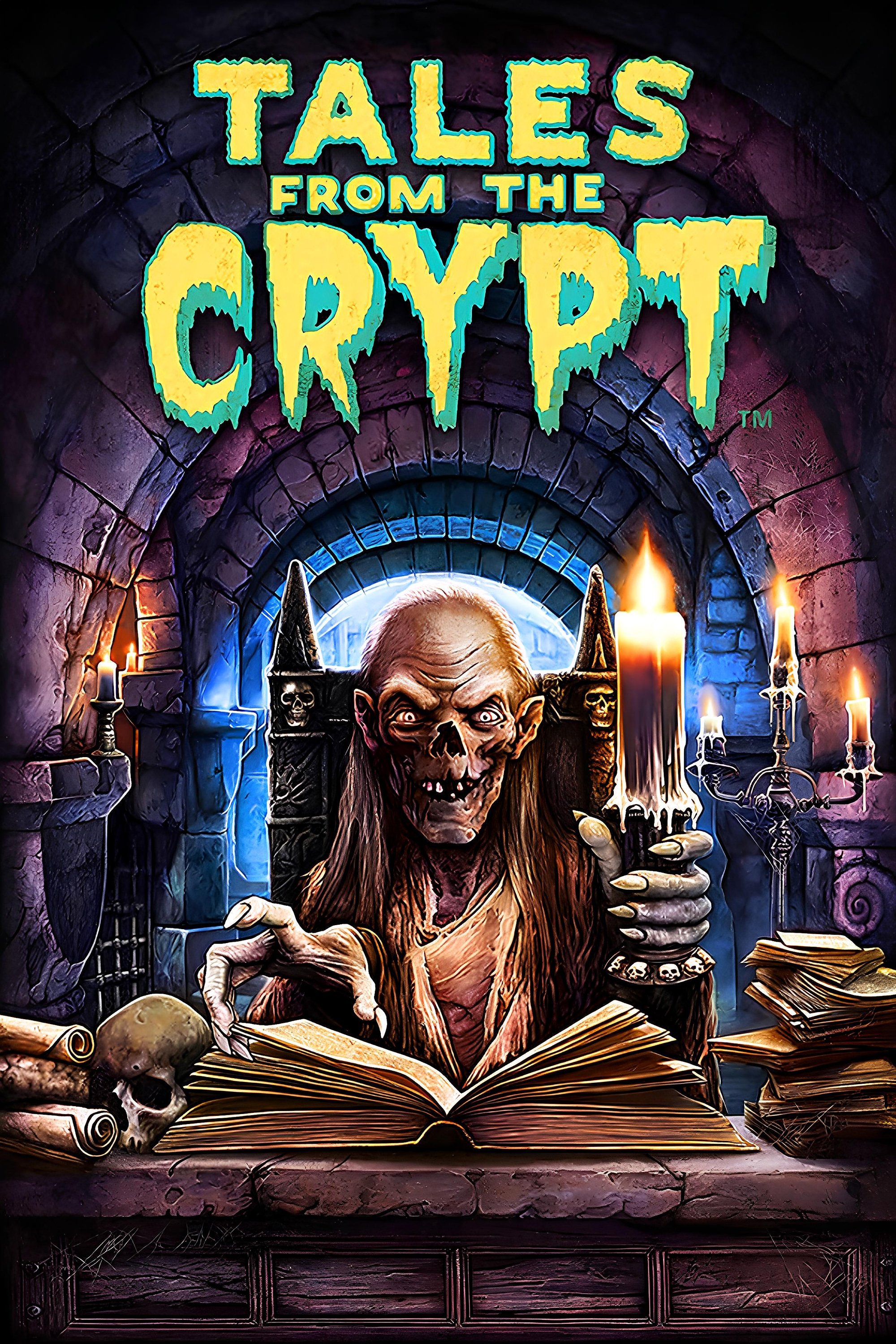
The Cryptkeeper introduces each segment of this horror series based on the controversial EC Comics of the 1950s. High-profile directors and actors frequently participated in the show to deliver campy and gruesome morality tales. The stories often revolve around unlikable characters who meet grisly fates as punishment for their misdeeds. The tone balances dark humor with graphic violence and supernatural elements. It captures the distinct pulp aesthetic of the original comic books through its vibrant cinematography and set design.
‘Alfred Hitchcock Presents’ (1955–1962)
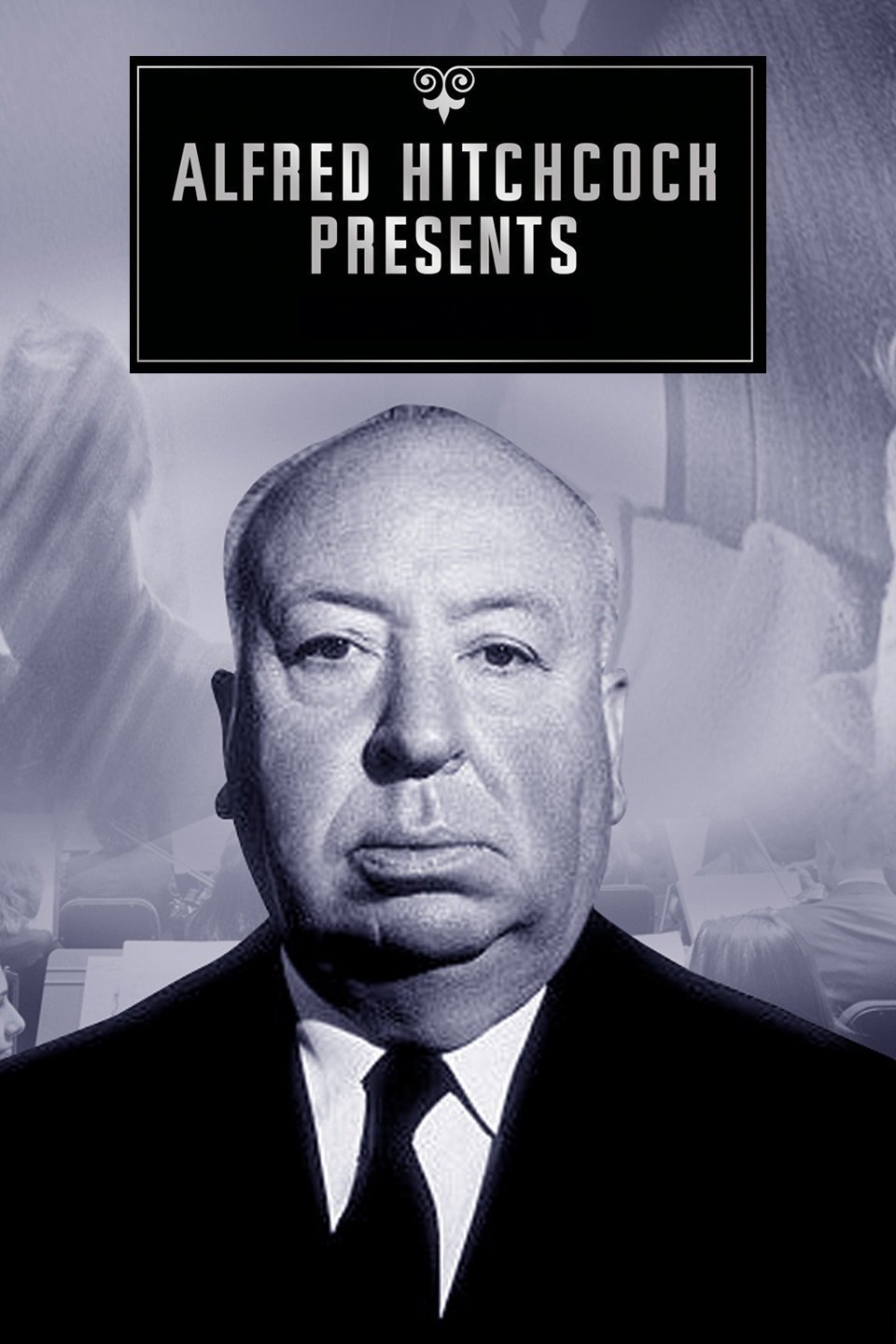
Alfred Hitchcock hosted this series that specializes in crime dramas and suspenseful thrillers. The episodes focus on mysteries and murders rather than supernatural occurrences or science fiction concepts. Hitchcock provides a droll introduction and conclusion to every story to bypass censorship rules regarding criminals getting away with crimes. The narratives often feature ordinary people caught in webs of deceit or blackmail. It served as a training ground for many directors who would go on to have successful careers in Hollywood.
‘Philip K. Dick’s Electric Dreams’ (2017)
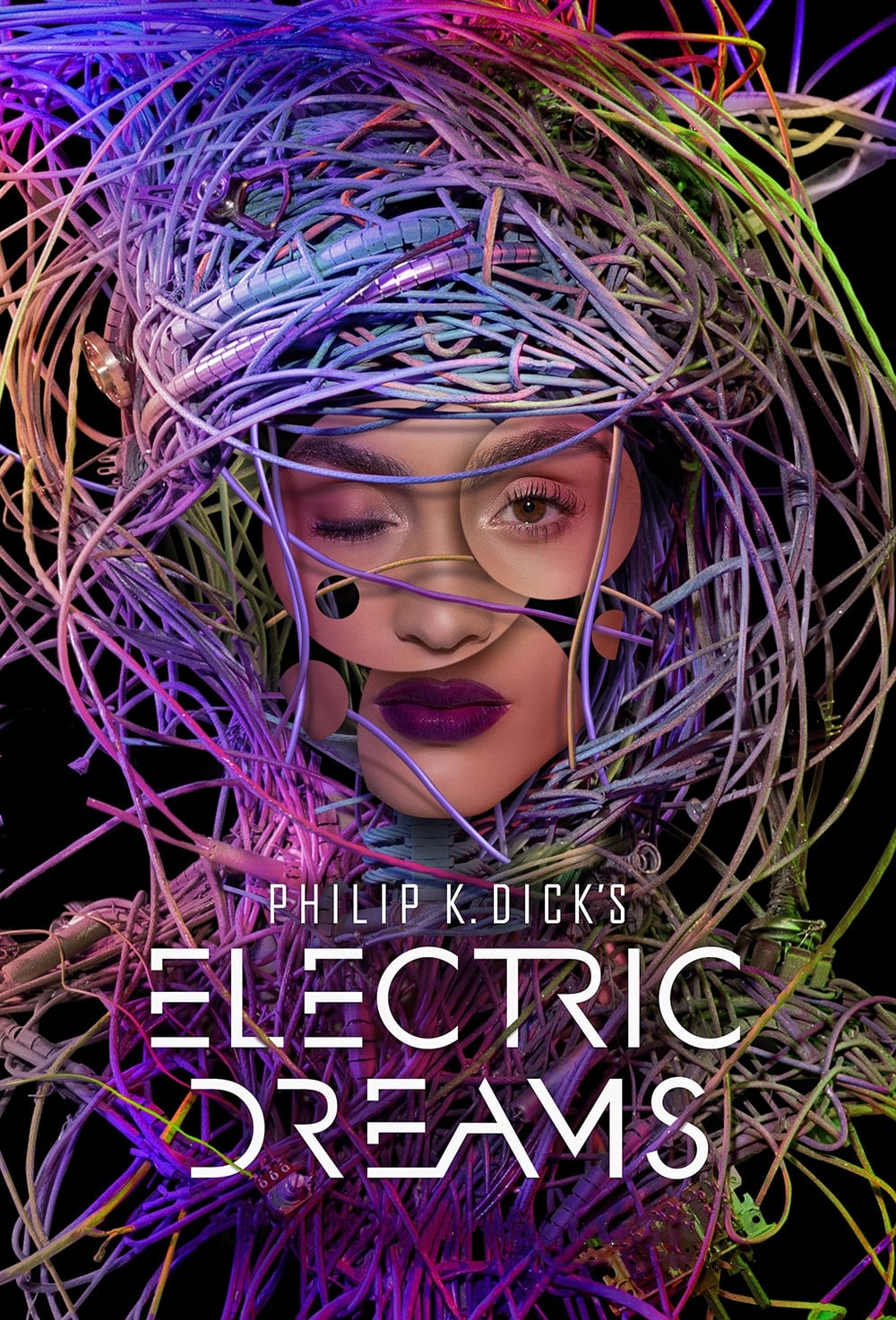
This series adapts various short stories by the prolific science fiction author Philip K. Dick. Each episode is a standalone film that explores themes of artificial intelligence and the nature of reality. The settings range from distant planets to recognizable versions of Earth in the near future. The visual style changes to match the tone of the specific adaptation whether it is a noir detective story or a family drama. It features an ensemble of international actors who bring the complex characters of Dick’s writing to life.
‘Masters of Horror’ (2005–2007)
Mick Garris created this show to give famous horror directors the freedom to make one-hour movies without studio interference. Legends of the genre like John Carpenter and Dario Argento contributed original films to the project. The episodes vary drastically in content from slasher scenarios to psychological hauntings and political satire. The lack of censorship allowed filmmakers to include intense gore and adult themes that television rarely aired at the time. Each installment stands alone as a distinct feature film condensed into a television timeslot.
‘Creepshow’ (2019–Present)
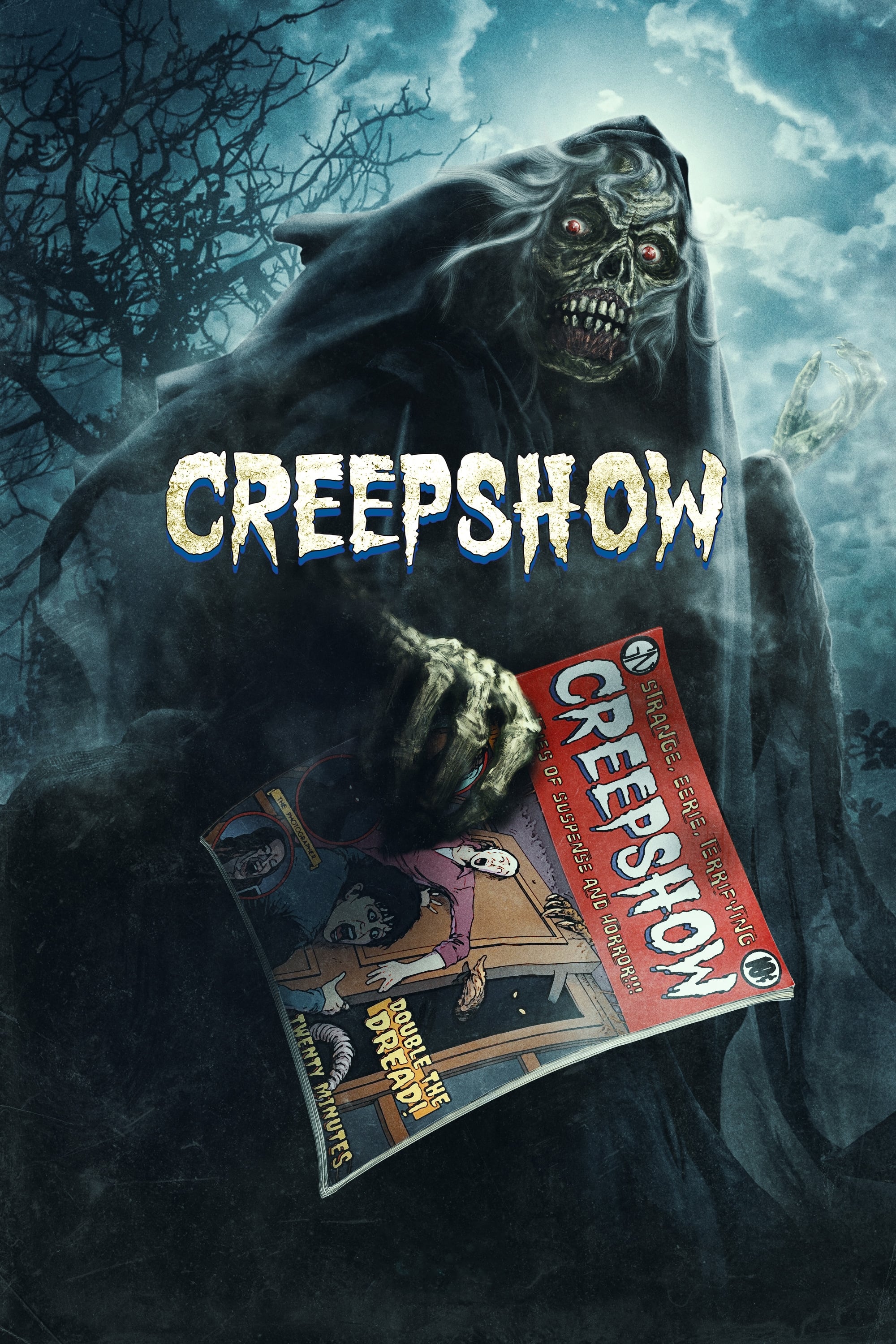
Greg Nicotero developed this continuation of the classic film franchise that honors the style of vintage horror comics. Episodes typically feature two separate stories that utilize practical effects and comic book panel transitions. The tone embraces a mixture of campy fun and genuine scares involving monsters and supernatural curses. It adapts stories by writers such as Stephen King and Joe Hill alongside original scripts. The series aims to capture the nostalgic feel of reading a spooky magazine under the covers with a flashlight.
‘Star Wars: Visions’ (2021–Present)

Animation studios from Japan and around the world contribute distinct shorts set within the vast Star Wars galaxy. The creators are not bound by the official canon which allows for radical reinterpretations of the Jedi and Sith mythology. Visual styles range from black and white samurai cinema tributes to colorful pop-art aesthetics. Each story introduces new characters and planets that exist independently of the main film saga. This freedom permits the exploration of different cultures and artistic traditions through the lens of a familiar space opera.
‘Modern Love’ (2019–2021)
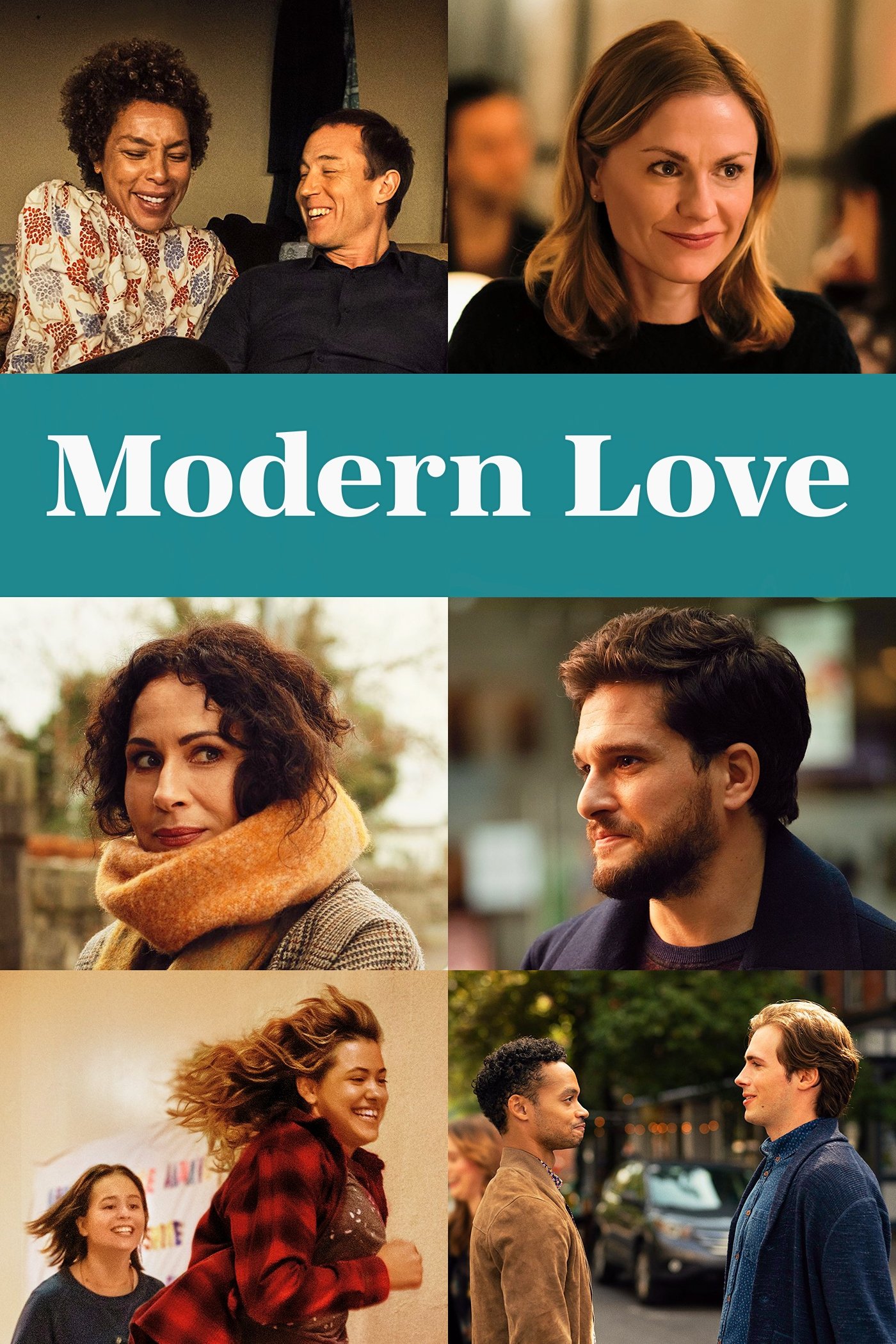
This series adapts personal essays from the popular New York Times column of the same name. Each episode explores a different facet of human connection including romantic love and familial bonds. The stories take place primarily in New York City but feature diverse casts and directorial styles. Viewers witness narratives about everything from bipolar disorder dating struggles to unconventional platonic friendships. The show provides an emotional look at the complexities of relationships in the contemporary world.
‘Amazing Stories’ (1985–1987)
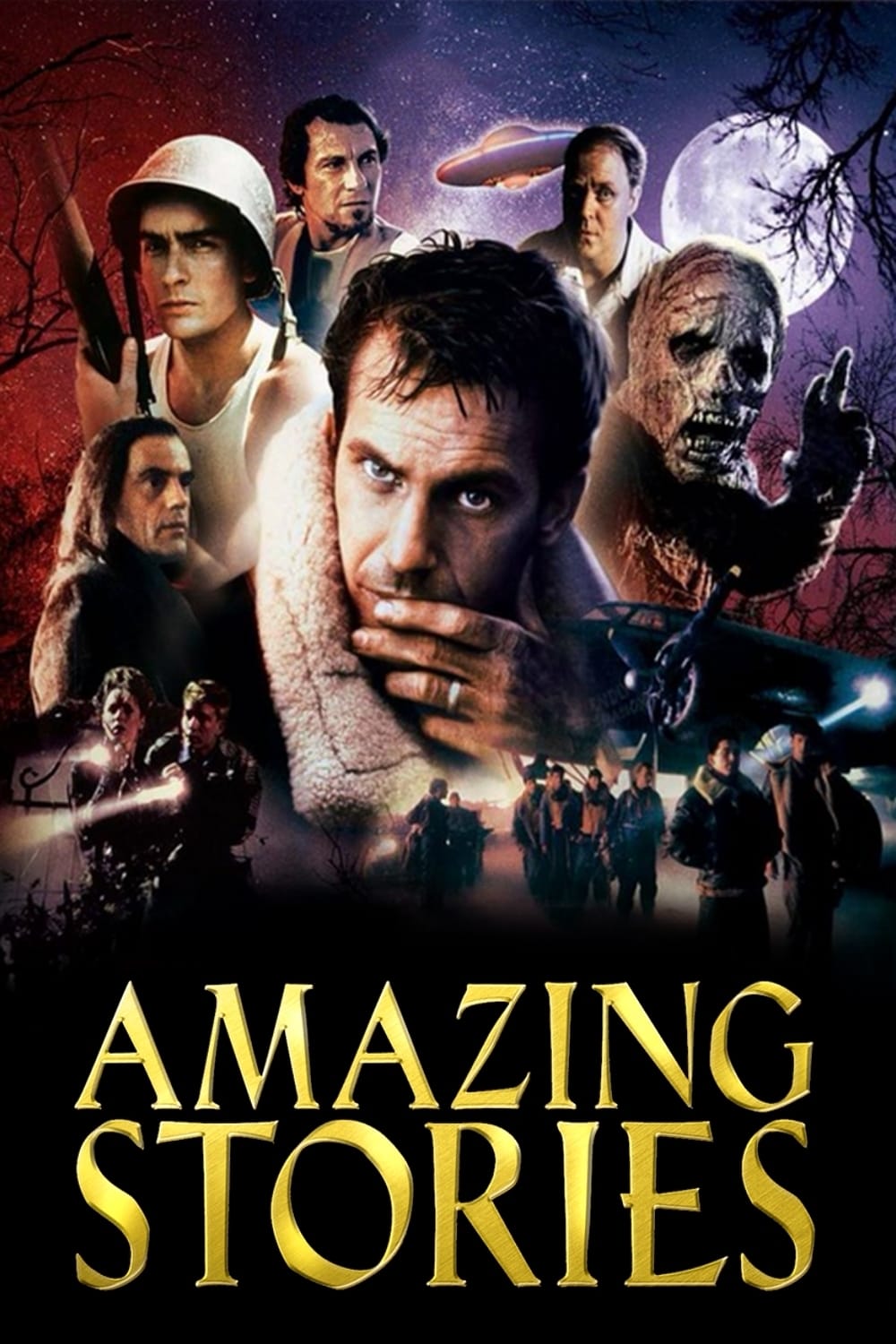
Steven Spielberg created this anthology to tell stories filled with wonder and imagination. The episodes cover a broad spectrum of genres including fantasy and war drama. High-profile directors such as Martin Scorsese and Clint Eastwood helmed individual installments. The show focuses on emotional storytelling and high production values that mimic the feel of summer blockbusters. It allows for sentimental tales of magic and ghosts to exist alongside more humorous or suspenseful adventures.
Please share your favorite episode from any of these anthology series in the comments.