


15 Best Female Villains of All Time, Ranked

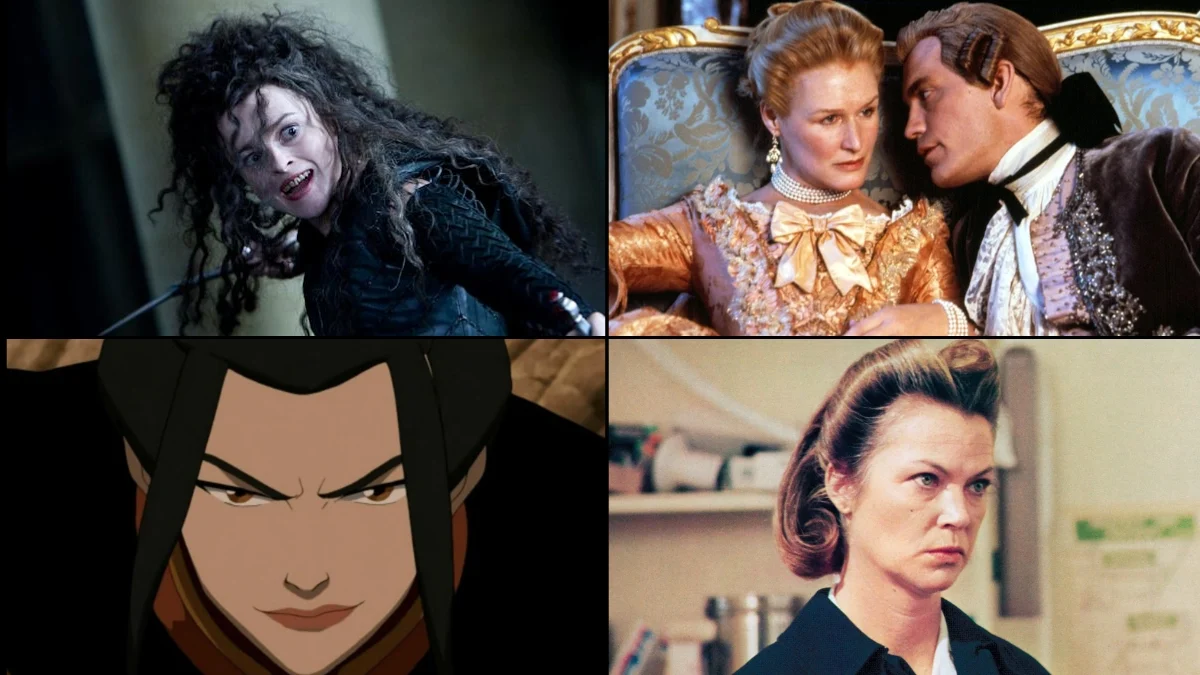


Female antagonists have driven some of the most memorable stories in film, television, literature, anime, comics and games. They command pivotal plot turns, challenge heroes with distinct methods, and leave long shadows across their fictional worlds. From palace intrigues to psychological warfare, their influence shows up in spin-offs, remakes, and cross-media adaptations that keep audiences returning to their stories.
This list brings together characters known for concrete actions, clearly defined motives, and lasting impact—roles built through writing, performance, design, and world-building. You’ll find details about where they come from, what they do on the page or screen, the skills or powers they use, and how they’ve shaped their franchises through major events, awards recognition, merchandising, or continuing appearances.
Catherine Tramell

Catherine Tramell is a crime novelist and primary suspect at the center of the neo-noir thriller ‘Basic Instinct’. The character’s profession and bibliography are used inside the plot as evidence and misdirection, with her fiction mirroring real crimes. Sharon Stone’s portrayal established the character’s interrogation tactics, courtroom maneuvering, and use of public attention as tools that drive the investigation forward.
Tramell’s media footprint extends beyond the original film, including ‘Basic Instinct 2’, where similar cat-and-mouse dynamics move to new locations and supporting casts. The character has been referenced in later thrillers, taught in film courses as a case study in unreliable testimony within crime narratives, and remains part of discussions about how detectives weigh literary clues versus forensics.
Marquise de Merteuil
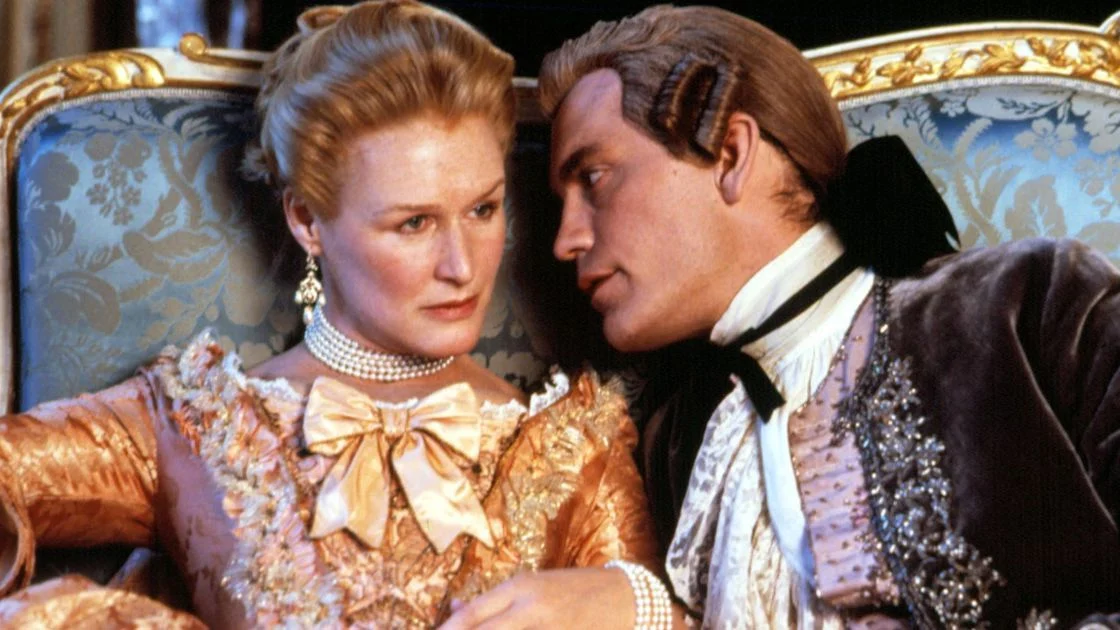
The Marquise de Merteuil originates in Laclos’s epistolary novel and is widely known through film and stage adaptations, including ‘Dangerous Liaisons’. Within the story’s letter-writing structure, she plans seductions and reputational attacks with documented steps, timelines, and collaborators, leaving a traceable record of her strategies. Her social rank, inheritance control, and mastery of salon networks function as practical levers she uses to select targets and partners.
Adaptations keep the letter-based mechanics by translating them into conversations, diaries, and private meetings, preserving how her schemes are coordinated and executed. Screen versions highlight how specific rules of inheritance, marriage contracts, and patronage enable her campaigns, showing a villain who operates through the legal and social systems of pre-Revolutionary France rather than overt violence.
Lady Dimitrescu
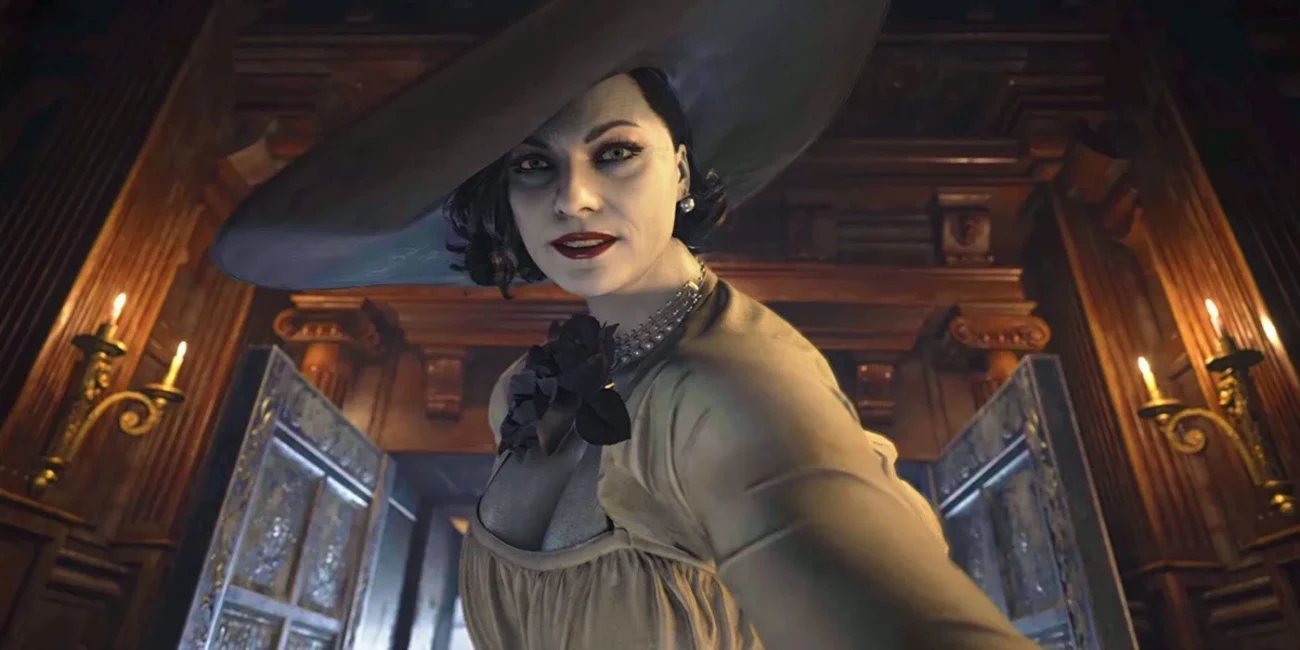
Lady Alcina Dimitrescu appears in the survival-horror game ‘Resident Evil Village’ as one of the Four Lords serving Mother Miranda. Her narrative role includes pursuing the protagonist through a multi-level castle, with encounters designed around vertical spaces, keys, and environmental hazards. The character’s height, regenerative abilities, and bladed mutations define combat phases and item usage, while her daughters introduce status effects and arena constraints.
Outside the main story path, Lady Dimitrescu’s design became a focal point of the game’s marketing, merchandise, and community modding. She appears in downloadable content and crossover events across the franchise’s ecosystem, and her residence provides a discrete, self-contained chapter structure that speedrunners and challenge players can analyze for route optimization.
Hela

Hela is Marvel’s Goddess of Death from the Thor mythos, ruling realms such as Hel and Niflheim in the comics. Her abilities include necromancy, life-force manipulation, enchanted weaponry, and command of legions, which inform both large-scale battles and one-on-one confrontations. The character’s familial ties to Asgard’s royal line create jurisdictional conflicts over territory, artifacts, and succession that drive story arcs across multiple titles.
On screen, ‘Thor: Ragnarok’ presents Hela with expanded visual language—runic armor, blade manifests, and set-piece demolitions tied to Asgardian history. Cate Blanchett’s performance anchors the film’s depiction, and Hela’s iconography features in collectible lines, concept art volumes, and games that use her as a boss with distinct move-sets and resistance profiles.
O-Ren Ishii
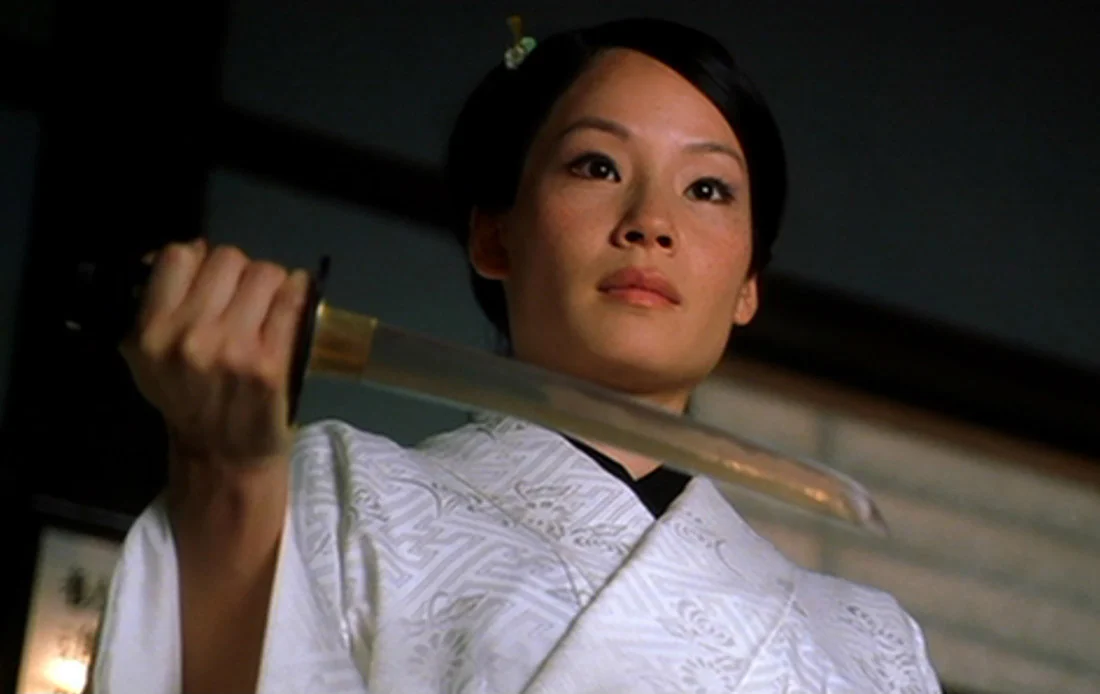
O-Ren Ishii leads the Tokyo underworld in ‘Kill Bill: Vol. 1’, where her rise is presented through an animated backstory that shows specific events shaping her skills and alliances. As the head of the Crazy 88 and a council of yakuza lieutenants, she manages territorial control, security hierarchies, and conflict resolution, culminating in set-piece duels that follow established rules of challenge and honor.
Her characterization blends multilingual diplomacy, sniper training, and kenjutsu, which the film translates into distinct fight beats and weapon exchanges. The House of Blue Leaves sequence maps her authority onto architecture—private rooms, elevated walkways, and gardens—so the audience can track shifts in power and proximity as the confrontation progresses.
Azula
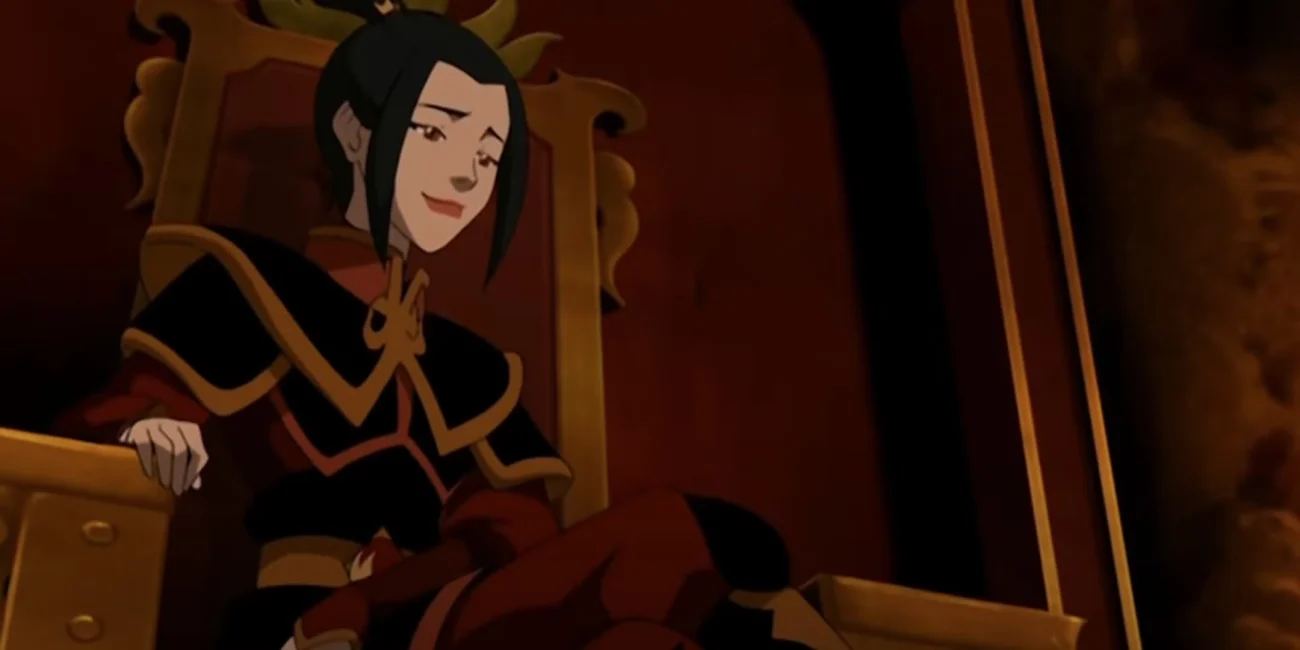
Azula is the Fire Nation princess in ‘Avatar: The Last Airbender’, introduced as a prodigy who can generate lightning and refine advanced firebending techniques. She commands elite units, leverages naval and airship assets, and conducts infiltration operations that displace allied leadership across multiple territories. Her tactical decisions—ambushes, feints, and siege escalations—produce quantifiable shifts in control within the series’ war map.
The character’s arc includes psychological strain under court expectations, documented through changes in posture, voice cadence, and decision-making that affect her reliability as a commander. Azula continues in canonical comics, where she shapes post-war politics and internal Fire Nation dynamics, giving creators room to show long-term consequences of her campaigns beyond the animated episodes.
Cruella de Vil
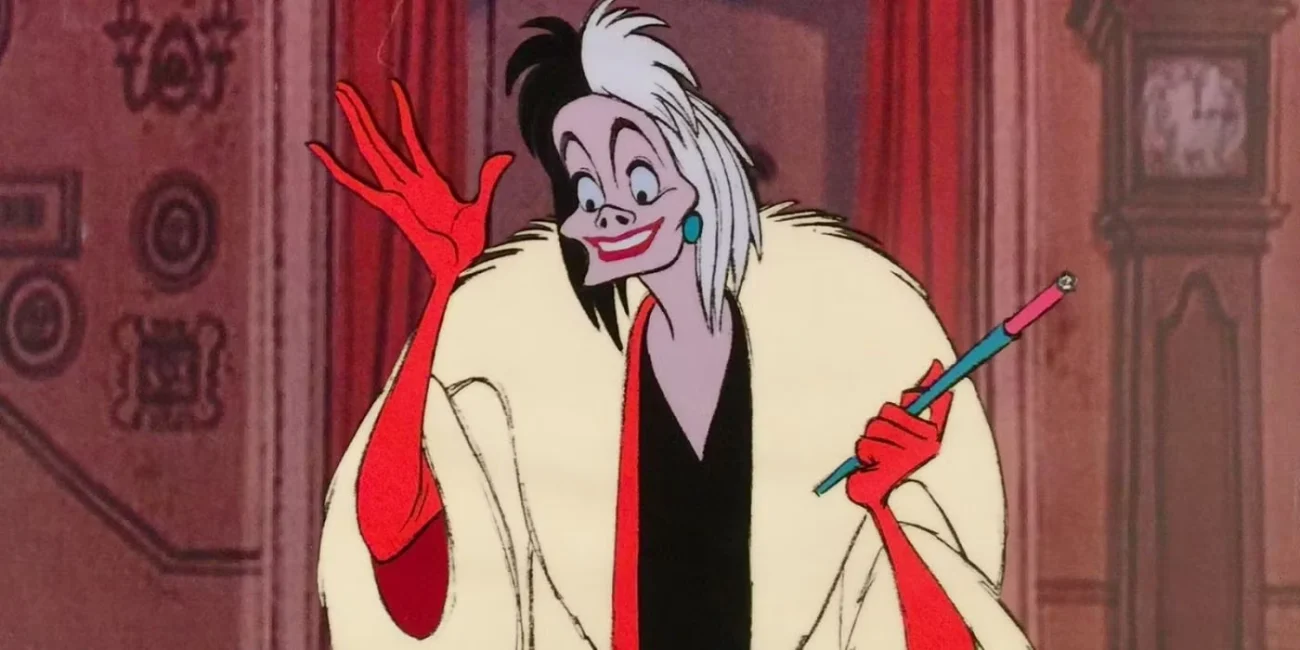
Cruella de Vil is the couture-obsessed antagonist of ‘One Hundred and One Dalmatians’, where her plan centers on acquiring specific puppy coats for a designer garment. She relies on hired accomplices, vehicle chases, and property breaches, and the story’s clues—smell of smoke, distinctive horn, and fur inventory—tie her movements to the investigation. Her name, residence, and social circle provide practical leads the protagonists use to anticipate her next steps.
Cruella appears across animation, live-action films, and television, with adaptations expanding her fashion business operations and family background. The character fuels merchandise ranges—coats, wigs, and accessories—and features in theme-park events and crossover media, ensuring her recognition extends far beyond a single film’s plot.
Ursula

Ursula is the sea witch of ‘The Little Mermaid’, operating a contract-based scheme that uses binding clauses and time limits to control outcomes. Her lair, potions, and knowledge of merfolk customs provide the tools she needs to extract payment and enforce terms, and the eels Flotsam and Jetsam act as reconnaissance units to monitor targets. Her transformation abilities enable impersonation to interfere with diplomatic events above and below the surface.
Design notes link Ursula’s look to cabaret and drag influences, and Pat Carroll’s voice performance defines the character’s timbre and phrasing in dialogue and song. Ursula appears in sequels, television adaptations, and video games, often as a boss whose arenas use whirlpools, tentacle sweeps, and projectile patterns that reference her original confrontation.
Wicked Witch of the West
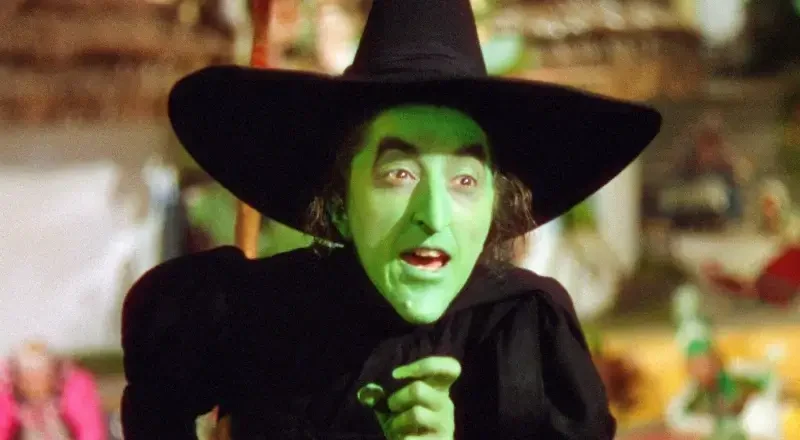
The Wicked Witch of the West emerges from L. Frank Baum’s Oz books and reaches global familiarity through the film ‘The Wizard of Oz’. The cinematic version codifies key elements—green skin, pointed hat, broom, and a troop of winged monkeys—while the character’s vulnerability to water and command over poppy fields supply concrete plot mechanics. Her pursuit of Dorothy is anchored in the transfer of the ruby slippers, which gives the Witch a clear objective linked to Oz’s magical law.
Margaret Hamilton’s performance established a template for laughter, diction, and gesture that later productions cite or subvert. The character’s legacy includes licensed memorabilia, museum exhibits, and academic writing on early Hollywood visual effects, as well as reinterpretations in later books and stage musicals that examine her political position in Oz.
Bellatrix Lestrange
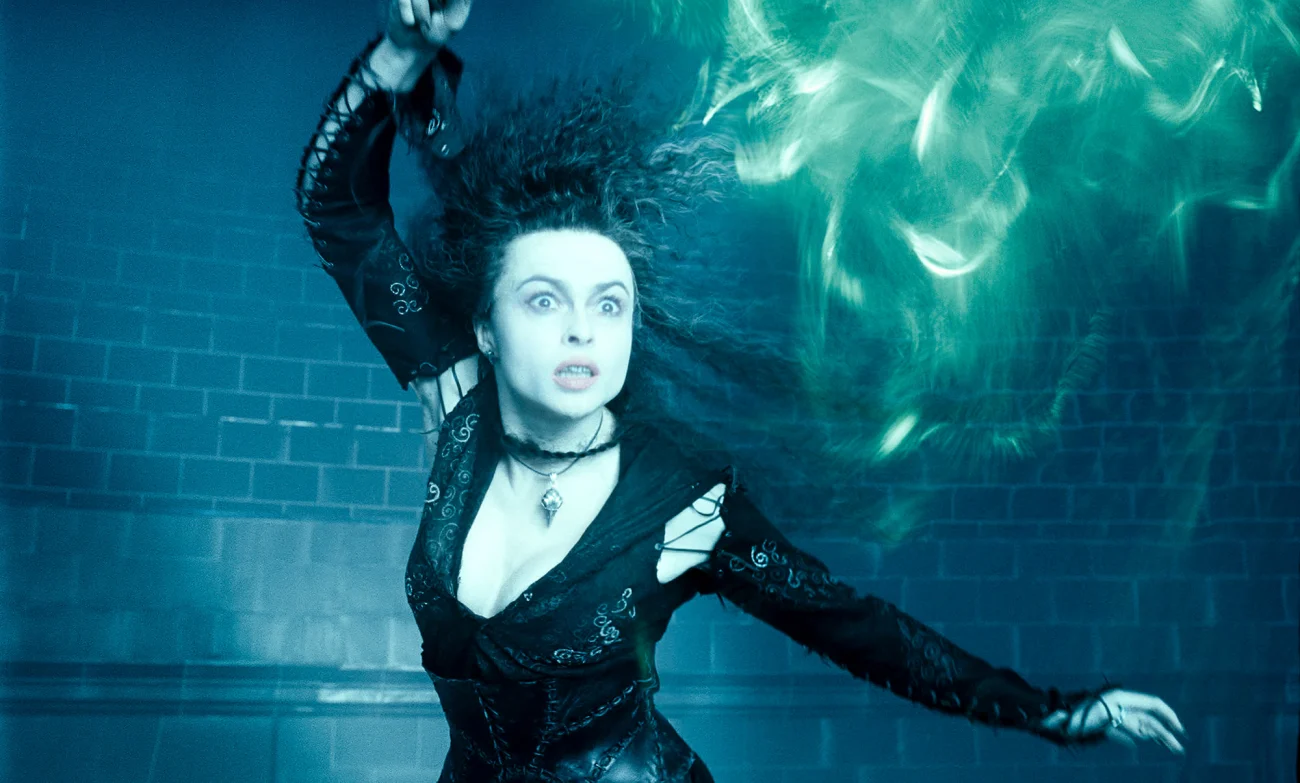
Bellatrix Lestrange is a Death Eater within the ‘Harry Potter’ series, aligned with pure-blood supremacist goals and close to Voldemort’s inner circle. Her record includes torture of Aurors, participation in prison breaks, and targeted killings that alter the status of several wizarding families. Her wandwork—curses, dueling footwork, and use of the Killing Curse—places her as a high-threat opponent during major conflicts.
On screen, Helena Bonham Carter’s portrayal emphasizes Bellatrix’s combat unpredictability and loyalty displays, while the books document her family lineage and alliances via the Black family tapestry. Bellatrix’s presence extends into studio tours, collectible wands, and video games, where her move-sets and difficulty modifiers reflect her portrayal in the source material.
Annie Wilkes
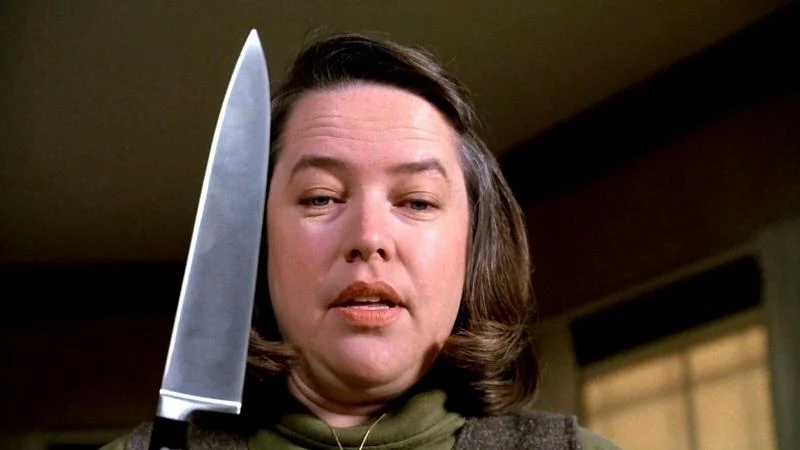
Annie Wilkes is the central antagonist of ‘Misery’, introduced as a former nurse who rescues novelist Paul Sheldon after a car accident and confines him to her home. The character’s medical training provides practical means for restraint, dosing, and wound care, and the house setting turns routine objects—bedframes, door locks, and typewriters—into tools or threats. Her obsession with Sheldon’s series dictates a schedule of writing, punishment, and reward that structures the story.
Kathy Bates’s film performance earned major awards, bringing widespread attention to the role and establishing visual markers such as clothing, hair, and gait. The character has been adapted for stage and television, where set design and sound cues replicate the increasing surveillance and isolation that define Sheldon’s captivity.
Villanelle

Villanelle is a multilingual contract assassin at the heart of ‘Killing Eve’, where her assignments span cities, languages, and cover identities. She maintains safe houses, caches, and a wardrobe tailored for rapid role changes, while her handlers coordinate payments and extraction routes. The show’s episodic structure tracks surveillance, counter-surveillance, and the timing of hits to illustrate how she moves between public and private spaces without detection.
Adapted from Luke Jennings’s novellas, the series builds Villanelle’s profile through case files, witness statements, and forensic details that connect crimes across jurisdictions. Jodie Comer’s performance received major awards, and the character’s outfits, music cues, and travel backdrops generated fashion and tourism tie-ins that continued alongside companion books and official behind-the-scenes releases.
Dolores Umbridge

Dolores Umbridge is introduced in ‘Harry Potter’ as a Ministry official who enforces policy within Hogwarts through the position of High Inquisitor. She issues Educational Decrees, replaces practical defense classes with theory, and uses a blood quill for punishment, creating documented injuries that prompt student resistance. Her rooms, cat plates, and office surveillance demonstrate how décor and bureaucracy reinforce each other to control behavior.
Imelda Staunton’s film portrayal highlights Umbridge’s measured speech and ritualized politeness, which contrast with the severity of her rules. The character appears in video games, studio exhibits, and companion texts that expand on Ministry structure and oversight, providing additional context for her authority and limits within the wizarding government.
Nurse Ratched

Nurse Ratched governs a psychiatric ward in ‘One Flew Over the Cuckoo’s Nest’, where she manages medication schedules, group therapy, and privileges through strict protocols. Her authority is embedded in institutional processes—charts, sign-offs, and staff coordination—so that compliance or dissent produces traceable outcomes for patients. The ward’s physical layout, with a central station and observation windows, supports her surveillance and control.
Louise Fletcher’s film performance received top industry awards and fixed the character’s visual and vocal profile for later interpretations. The role has been revisited in prequel television such as ‘Ratched’, which explores training, career steps, and administrative structures, expanding how audiences understand the character’s methods within healthcare systems of her era.
Cersei Lannister

Cersei Lannister is a central power broker in ‘Game of Thrones’, serving as queen consort, queen mother, and eventually queen regnant of the Seven Kingdoms. Her actions include arranging strategic marriages, influencing legal proceedings, and directing the city’s defense through the Kingsguard and the City Watch. Family lineage and the inheritance of strongholds provide the legal basis for her claims, while her alliance management tracks directly to territorial control on the show’s map.
Lena Headey’s portrayal defines Cersei’s use of court ceremonies, sigils, and wardrobe to signal shifting status. Key events—such as the destruction of the Great Sept with wildfire—demonstrate her willingness to deploy stockpiled resources and clandestine networks to neutralize opposition. The character’s reach extends into companion books, licensed collectibles, and academic studies on political strategy in fantasy storytelling.
Share your thoughts in the comments—who else belongs on this list, and which unforgettable antagonist would you add?