


15 Coolest Movie Characters, Ranked

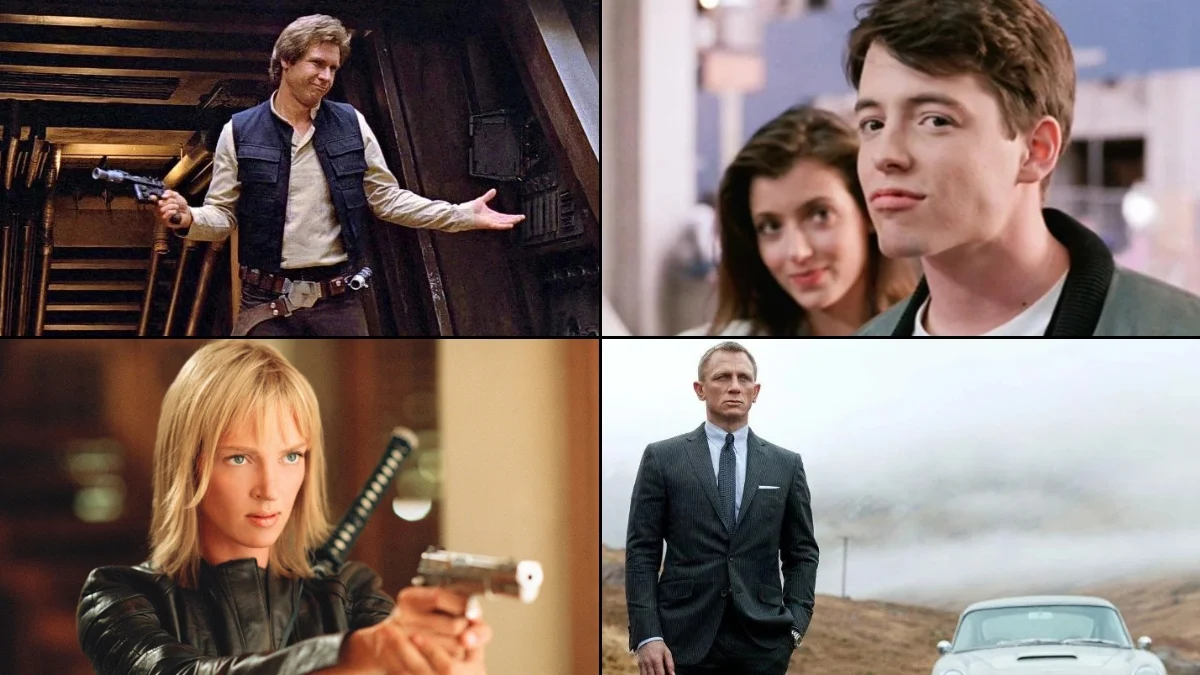


Some movie characters don’t just anchor a plot—they reshape how audiences dress, talk, and even imagine the world. This list gathers big-screen icons whose personas, gear, and screen presence sparked trends, inspired imitators, and anchored box-office juggernauts. You’ll see spies, spacefarers, action dynamos, rebels, and rule-breakers who turned a role into a cultural touchstone.
Each entry includes concrete details—who played the character, where they first appeared, who crafted the stories around them, and what measurable ripple effects followed. Ordered as a countdown, the selections focus on longevity across films, franchise impact, signature aesthetics, quotability, and how powerfully each character moved the needle in popular culture.
Ferris Bueller

Ferris Bueller first appears in ‘Ferris Bueller’s Day Off’, portrayed by Matthew Broderick and written-directed by John Hughes. The character’s fourth-wall asides, suburban-Chicago setting, and parade-float sequence became the film’s calling cards, while supporting roles by Mia Sara and Alan Ruck rounded out the central trio. The screen “Ferrari 250 GT California” is a Modena GT Spyder California—replicas built by Modena Design & Development—used for stunts and close-ups.
Merchandise, soundtrack sales featuring The Dream Academy and Yello, and decades of television references kept Ferris in circulation long after release. The film’s Chicago tourism tie-ins and frequent revival screenings underscore how the character turned a small-scale story into a lasting cultural postcard for carefree rebellion.
Max Rockatansky
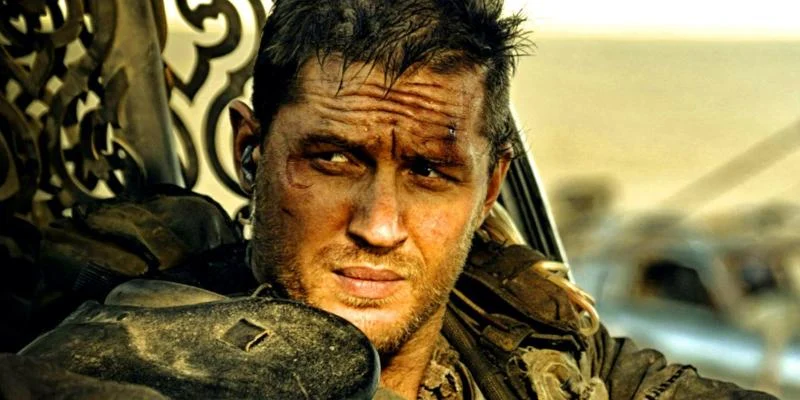
Max Rockatansky debuts in ‘Mad Max’, with Mel Gibson originating the role and Tom Hardy later taking the mantle under director George Miller. Set in a sun-blasted, fuel-starved wasteland, Max is defined by the Pursuit Special—built from a 1973 Ford Falcon XB coupe—leather jacket, and spare dialogue. The series’ practical stunts and prop-driven worldbuilding gave the character a distinct silhouette and a recognizable arsenal.
The franchise’s cult growth, awards for craft categories such as editing, sound, and production design, and the enduring cosplay scene keep Max in the cultural foreground. Video games, licensed comics, and frequent appearance on action-cinema retrospectives demonstrate how a laconic drifter scaled into a global post-apocalyptic brand.
Tony Stark (Iron Man)
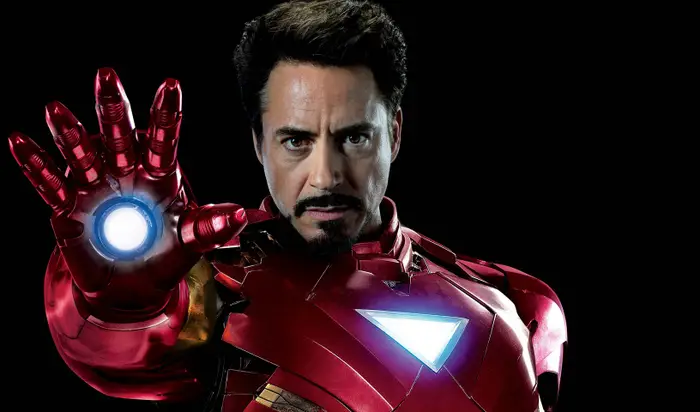
Tony Stark launches in ‘Iron Man’, played by Robert Downey Jr., directed by Jon Favreau, and based on the Marvel Comics character created by Stan Lee, Larry Lieber, Don Heck, and Jack Kirby. The arc-reactor chest piece, Mark-series suits, and JARVIS/F.R.I.D.A.Y. interfaces define a tech-mogul-turned-superhero who bridges defense-contractor cynicism and high-concept engineering.
Stark’s presence unified multiple films into a shared continuity, drove merchandise from helmets to high-detail collectibles, and boosted real-world interest in exoskeleton R&D and maker-culture projects. Large box-office returns, ensemble appearances, and theme-park integrations positioned the character as a center of gravity for modern blockbuster storytelling.
Captain Jack Sparrow

Captain Jack Sparrow sails in with ‘Pirates of the Caribbean: The Curse of the Black Pearl’, portrayed by Johnny Depp and produced by Jerry Bruckheimer under Disney. Sparrow’s kohl-rimmed look, a compass that points to desire, and the Black Pearl set pieces turn swashbuckling into a showcase of improvisation and misdirection within a supernatural seafaring framework.
The role earned major award nominations, generated costuming phenomena at conventions and theme parks, and spun up a long-running film series with tie-in novels and games. Soundtrack motifs by Klaus Badelt and Hans Zimmer, along with park-to-screen-to-park synergy, kept Sparrow visible across merchandise lines and live entertainment.
T’Challa (Black Panther)
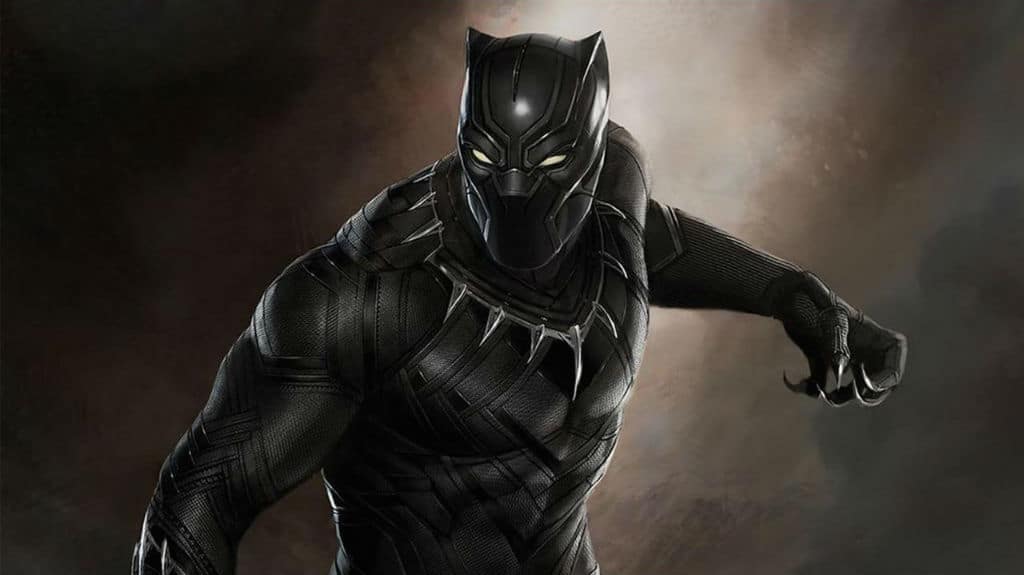
T’Challa’s first MCU appearance occurs in ‘Captain America: Civil War’, portrayed by Chadwick Boseman, before headlining ‘Black Panther’ under director Ryan Coogler. The films introduce Wakanda’s kimoyo beads, vibranium technology, and Dora Milaje, situating T’Challa as both monarch and protector balancing tradition with global responsibility.
The character’s box-office milestones, Academy Awards for crafts including costume design, and a surge in Afrofuturist fashion and design discourse highlight measurable impact. Museum exhibits, STEM outreach partnerships, and widespread adoption of the salute in sporting events and classrooms extended T’Challa’s reach beyond the theater.
Neo

Neo steps into ‘The Matrix’, portrayed by Keanu Reeves under the Wachowskis’ direction. Sunglasses, long coats, and bullet-time visuals—along with training sequences involving Morpheus and Trinity—define an identity built around code, choice, and reality-bending martial arts choreographed by Yuen Woo-ping.
The character’s influence on action cinematography, fight-training regimens across productions, and philosophy-tinged genre films is visible in industry adoption of wire-work and visual-effects pipelines. Soundtrack sales, video games, and persistent terminology around red-pill/blue-pill language show Neo’s long tail in tech and pop discourse.
The Bride
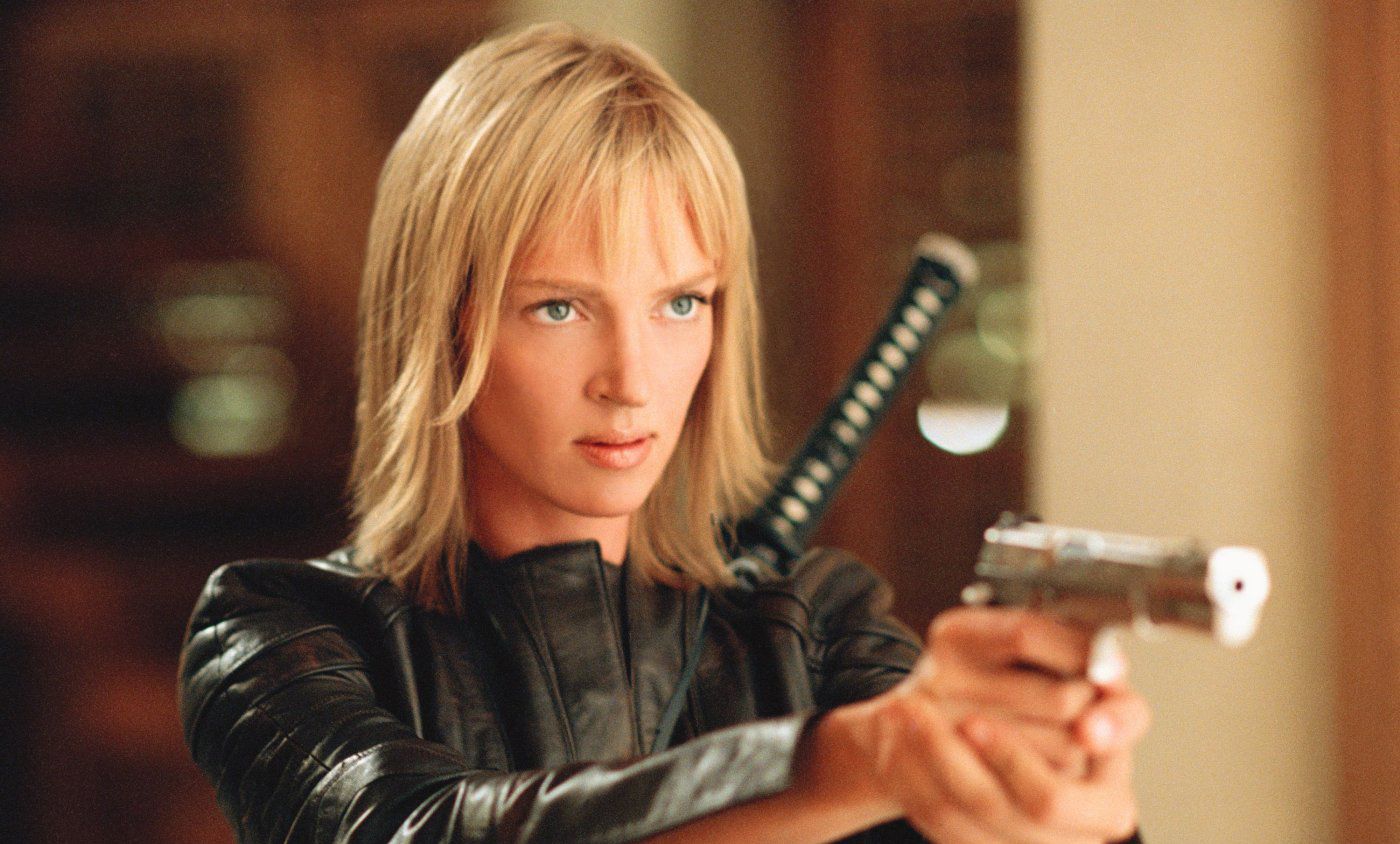
Beatrix Kiddo headlines ‘Kill Bill: Vol. 1’ and ‘Kill Bill: Vol. 2’, portrayed by Uma Thurman and written-directed by Quentin Tarantino. The character’s Hattori Hanzō sword, yellow tracksuit homage, and Deadly Viper Assassination Squad backstory create a revenge saga structured around chaptered confrontations and genre pastiche.
Martial-arts training features, choreography breakdowns, and global box-office receipts point to the role’s influence on Western fight-cinema aesthetics. The character spurred collectibles from prop swords to apparel and appears in academic writing on genre blending, making Beatrix a staple example in film-studies syllabi and fan conventions.
The Joker (Heath Ledger)

Heath Ledger’s Joker dominates ‘The Dark Knight’, directed by Christopher Nolan, with a performance built around improvised menace, Glasgow smile makeup, and a shifting backstory. Practical effects—such as the truck flip—and IMAX photography frame the character’s bank heist, interrogation-room scene, and social-experiment set pieces.
Awards recognition for supporting performance, record-setting home-media sales, and global cosplay uptake cemented this iteration as a widely cited screen antagonist. The character’s distinctive mannerisms, marketing campaigns involving alternate-reality games, and tie-in merchandise expanded a villain into a transmedia phenomenon.
Sarah Connor

Sarah Connor begins as a target in ‘The Terminator’ and evolves into a strategist in ‘Terminator 2: Judgment Day’, portrayed by Linda Hamilton under James Cameron’s direction. The character’s arc tracks from diner shifts to tactical planning, weapons training, and leadership, paired with effects work around the T-800 and T-1000.
Fitness features, tactical-training coverage, and documentary extras cite the regimen behind the role, influencing later portrayals of action heroines. Franchise continuity across films and television, plus gaming crossovers, maintained Sarah’s presence, while retrospectives regularly spotlight the character’s transformation.
Han Solo

Han Solo blasts into ‘Star Wars: Episode IV – A New Hope’, portrayed by Harrison Ford and created by George Lucas. The Millennium Falcon, DL-44 blaster, and Corellian smuggler backstory define a character who shifts from paycheck-driven pilot to key Rebel figure, often paired with Chewbacca and Princess Leia in mission structures.
Merchandise ranges from action figures to replica blasters, with conventions and theme-park attractions keeping the character front-and-center for multiple generations. Expanded-universe novels, animated appearances, and a standalone origin film broaden the biography, ensuring cross-media visibility and sustained licensing strength.
John Wick

John Wick ignites in ‘John Wick’, portrayed by Keanu Reeves and directed by Chad Stahelski, with a lean mythology built around the Continental, gold coins, and a strict code of conduct. The films highlight close-quarters gun-fu, suit-and-tie armor, and an international network of assassins that gives the character a rules-heavy underworld.
The franchise’s box-office growth across installments, training-range tourism, and firearm-handling courses trace a measurable impact on action pre-production. Spin-offs, streaming series tie-ins, and licensed games expand the brand, while prop auctions and stunt reels fuel ongoing fan engagement.
Ellen Ripley

Ellen Ripley anchors ‘Alien’ and returns in ‘Aliens’, portrayed by Sigourney Weaver under directors Ridley Scott and James Cameron. The character’s journey from warrant officer to power-loader combatant frames a survival narrative built around the Nostromo, xenomorph life cycle, and corporate-military risk decisions.
Awards recognition for lead performance, design accolades for creature and production work, and a steady line of collectibles—from figure reissues to high-end statues—mark Ripley’s broad footprint. Academic analyses of genre and gender, museum programs, and video-game adaptations keep Ripley central in discussions of science-fiction protagonists.
Indiana Jones

Indiana Jones debuts in ‘Raiders of the Lost Ark’, portrayed by Harrison Ford and created by George Lucas and Steven Spielberg. The fedora, bullwhip, and field jacket define a silhouette set against globetrotting archaeology, with practical stunts and map-line transitions forming a signature style.
Franchise box office, theme-park attractions, and museum tie-ins documenting real-world archaeology boosted the character’s reach. Soundtrack sales featuring John Williams’s march, licensed novels and games, and prop-collecting communities demonstrate long-term audience investment in the professor-adventurer persona.
Darth Vader

Darth Vader emerges in ‘Star Wars: Episode IV – A New Hope’, portrayed by David Prowse with the voice of James Earl Jones and created by George Lucas. The black armor, respirator breathing, and red lightsaber define a visual icon whose arc spans fallen Jedi to redeemed father, intersecting with the Emperor and the Skywalker lineage.
Vader’s helmet is a top-selling costume piece annually, and the character anchors museum exhibits, concert series, and extensive product lines. Appearances across films, animated series, and comics sustain relevance, while theme-park shows and interactive experiences keep Vader a centerpiece for live audiences.
James Bond
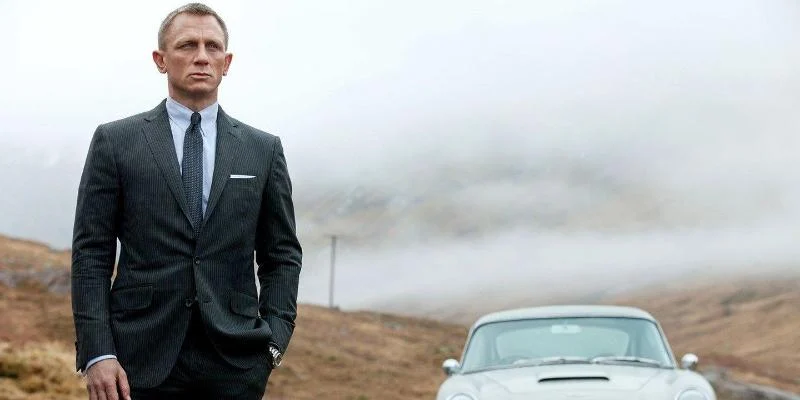
James Bond first appears on screen in ‘Dr. No’, with the role portrayed over time by Sean Connery, George Lazenby, Roger Moore, Timothy Dalton, Pierce Brosnan, and Daniel Craig, adapting Ian Fleming’s literary spy. Hallmarks include the Walther PPK (later P99/PPQ in several eras), tailored suits, gadgets from Q Branch, and globe-spanning missions involving MI6, SPECTRE, and high-stakes casinos.
The franchise’s consistent box-office performance, title-song chart placements, and automotive partnerships—from Aston Martin to long-running product-placement deals—show sustained commercial power. A rotating cast of actors, recurring allies like M and Moneypenny, and brand licensing across watches, fashion, and video games have kept Bond at the center of the spy-genre marketplace.
Got a pick we missed or a switch you’d make—drop your list in the comments!