


15 Darkest Witch Trials in US History

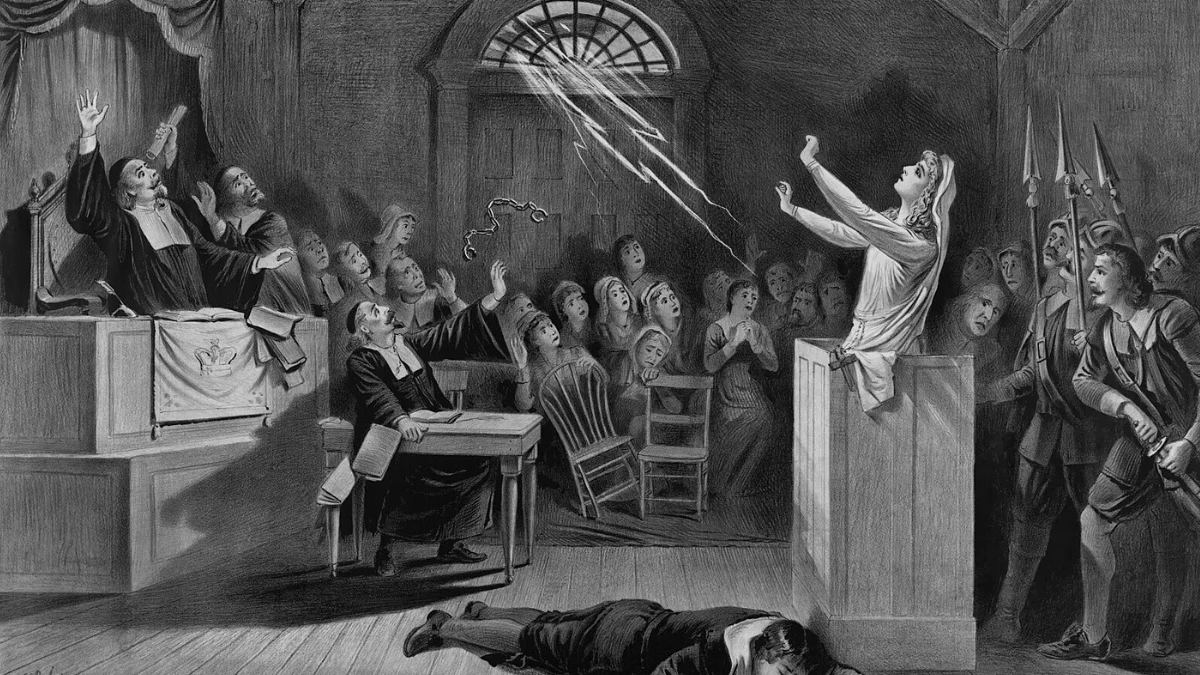


Long before witches became Halloween costumes, accusations of sorcery shaped laws, communities, and even place names across what is now the United States. From the best-known hangings in Massachusetts to lesser-remembered cases in Connecticut, Pennsylvania, New York, Virginia, and Maryland, these trials reveal how fear, factionalism, and evolving legal standards collided. Here are 15 of the most consequential witchcraft prosecutions that left a deep imprint on American history.
Salem Witch Trials
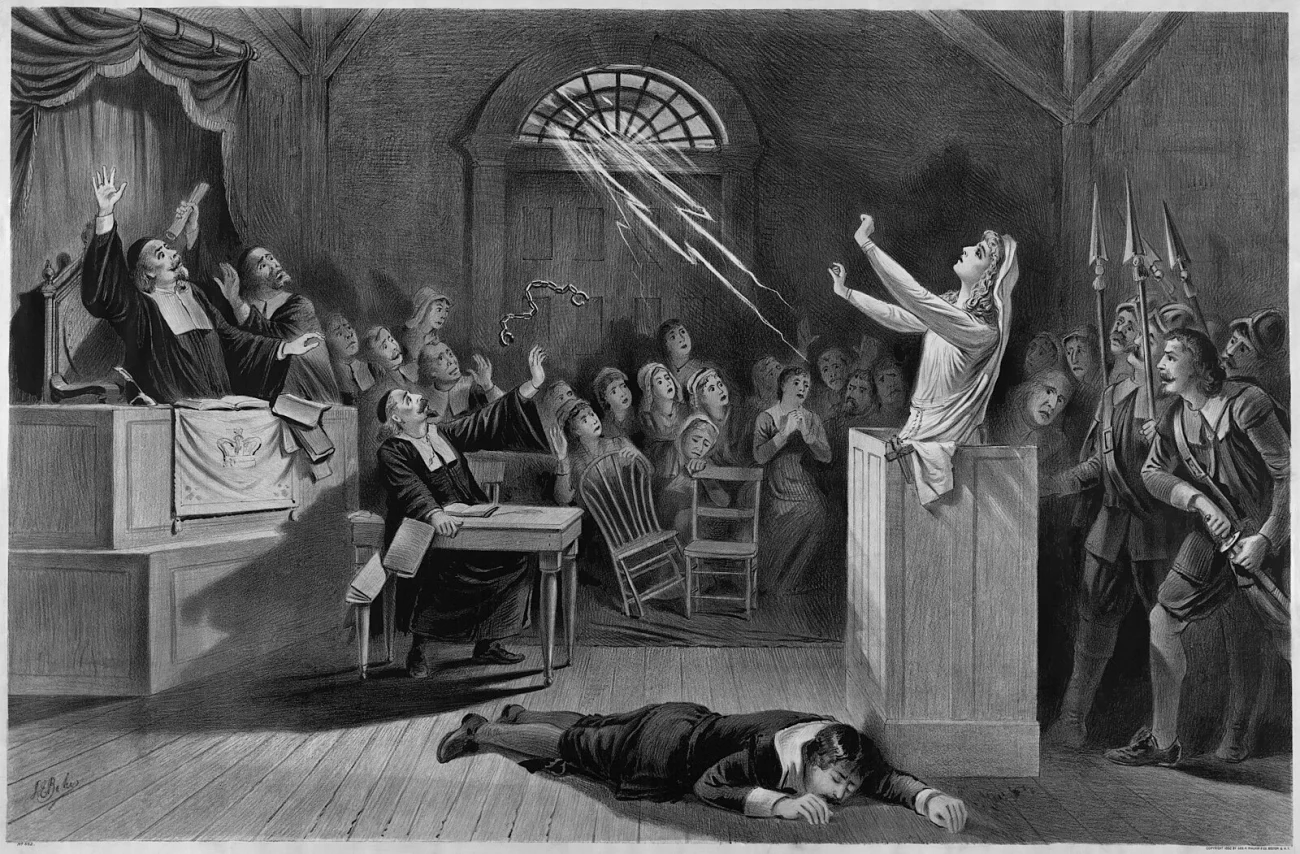
In 1692–1693, more than 200 people were accused in and around Salem, Massachusetts; 30 were convicted, 19 were hanged, one man (Giles Corey) was pressed to death, and at least five died in jail. Proceedings began in Salem Village (now Danvers) but quickly spread to towns like Andover and Topsfield, with a special Court of Oyer and Terminer initially allowing spectral evidence. The Superior Court of Judicature convened in 1693 and rejected spectral evidence, helping end the crisis; formal exonerations continued into the 21st century.
Hartford Witch Panic
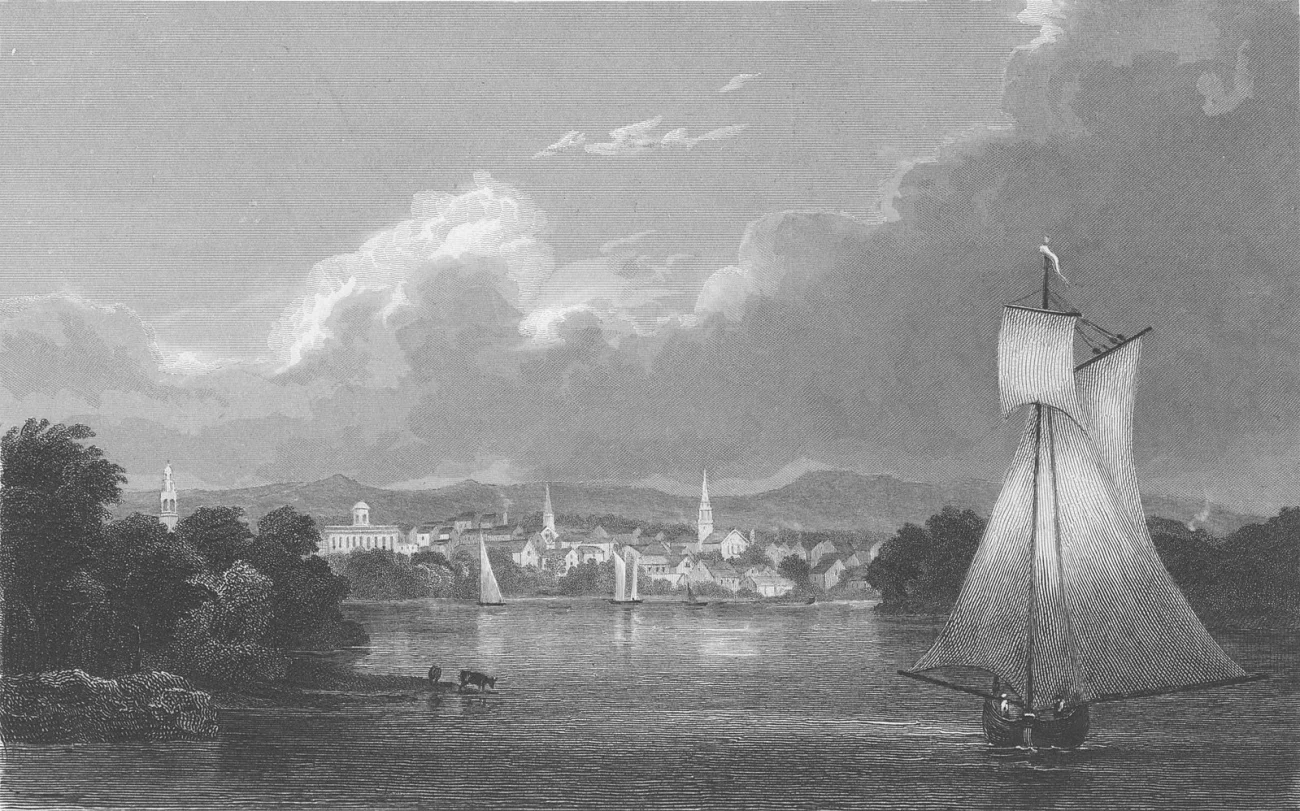
Connecticut’s capital saw a surge of accusations in 1662–1663 that resulted in multiple executions and set early New England patterns for testimony and proof. The panic followed an earlier 1647 hanging and involved cases tied to Hartford and nearby Wethersfield and Farmington. Later, Connecticut authorities tightened evidentiary standards, reducing convictions in subsequent years.
Alse Young of Hartford
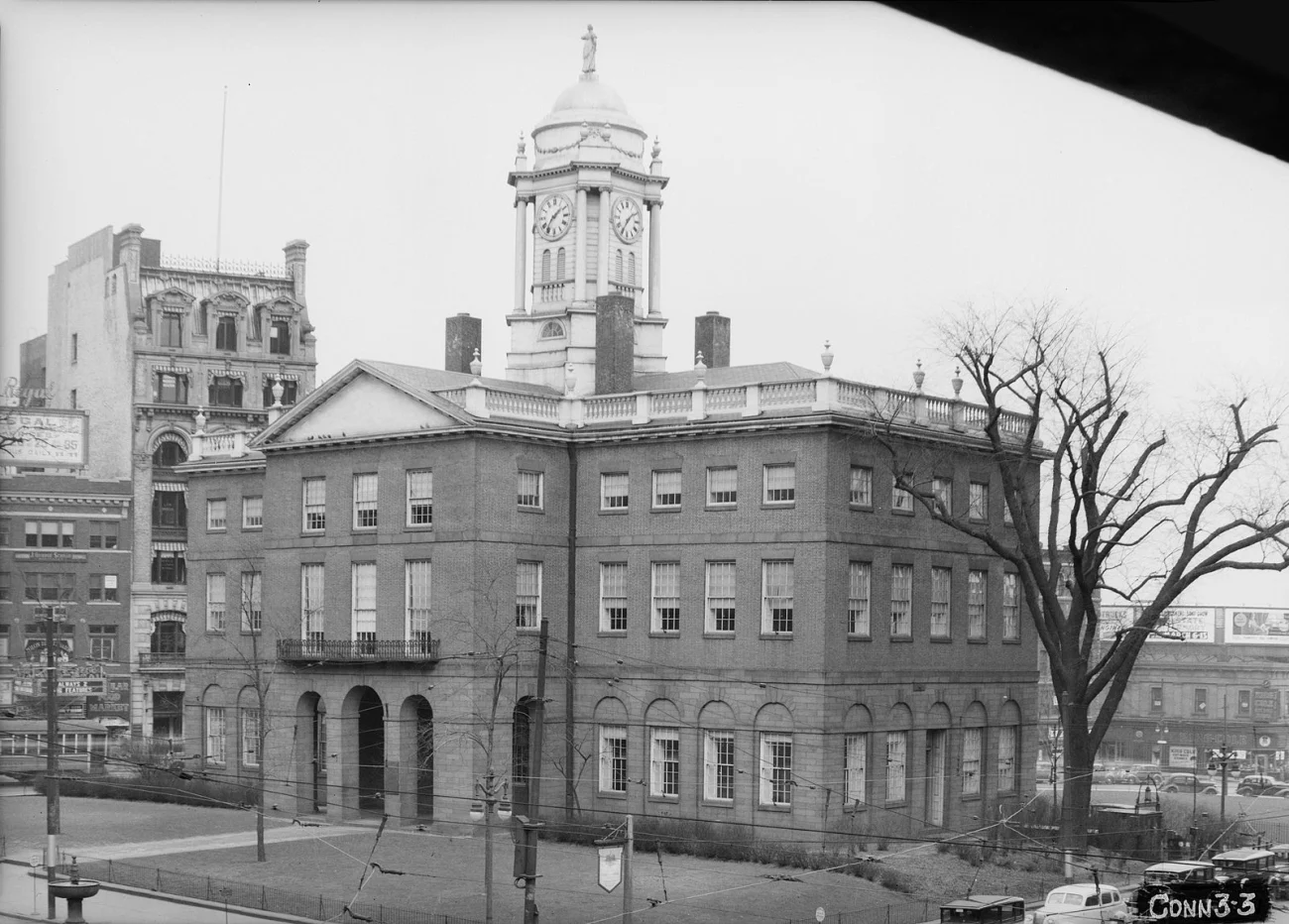
Alse (Alice) Young was the first person executed for witchcraft in colonial North America, hanged in Hartford in 1647. Surviving records are sparse, but her death marked the start of Connecticut’s half-century of prosecutions. Memorials in Windsor and scholarship today recognize her case as a grim milestone.
John and Joan Carrington of Wethersfield
Husband and wife John and Joan Carrington were tried and executed for witchcraft in Wethersfield in March 1651. Their case is among the earliest documented Connecticut executions, illustrating how marital pairs could be swept up together. Contemporary research ties their prosecution to community tensions and the colony’s capital statutes.
Goodwife Bassett of Stratford
In 1651, a woman remembered as Goodwife (Goody) Bassett was executed in Stratford after confessing under interrogation. Local accounts describe widespread fear following her confession and subsequent suspicion toward other area women. Modern efforts in Connecticut have sought official acknowledgment and exoneration of those condemned.
Goodwife Knapp of Fairfield
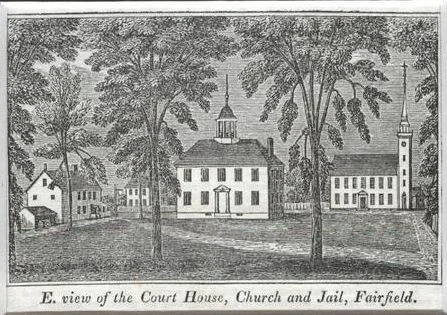
Goody Knapp was hanged for witchcraft at Fairfield in 1653, notable for refusing to implicate others even under pressure. Records indicate prominent colonial figures participated in her proceedings, underscoring the visibility of the case. Recent commemorations in Fairfield highlight her steadfastness and the era’s legal practices.
Lydia Gilbert of Windsor
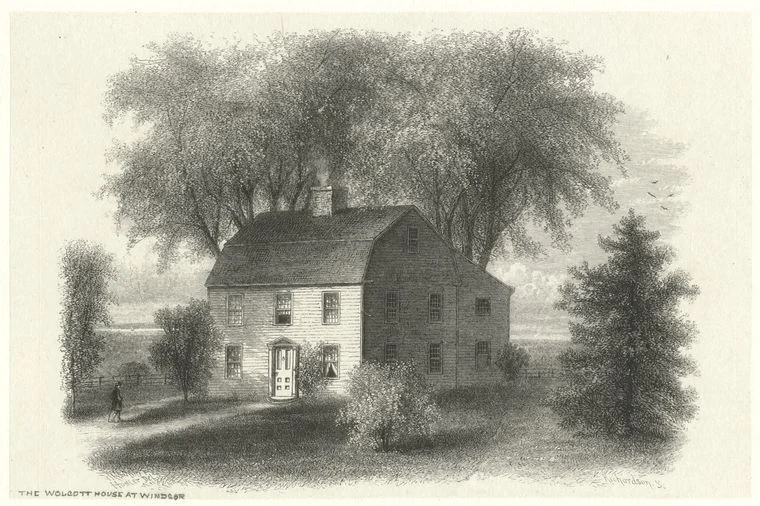
Lydia Gilbert was convicted in 1654 in Windsor, with court records linking her case to the earlier accidental shooting of Henry Stiles. Years after that accident, authorities charged Gilbert with causing the death “by witchcraft,” leading to her execution. Her story is frequently cited in studies of how misfortune was retroactively framed as maleficium.
Stamford–Fairfield Trials of Mercy Disborough and Elizabeth Clawson
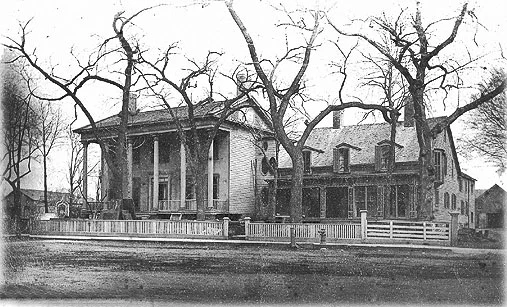
In 1692, accusations by a servant, Katherine Branch, led to the trials of Mercy Disborough of Norwalk and Elizabeth Clawson of Stamford. Examinations included controversial practices like searching for “witch marks” and even a requested water ordeal; neither woman was executed. Historians use this episode to show how many New England communities favored caution and acquittal by the 1690s.
Ann “Goody” Glover of Boston
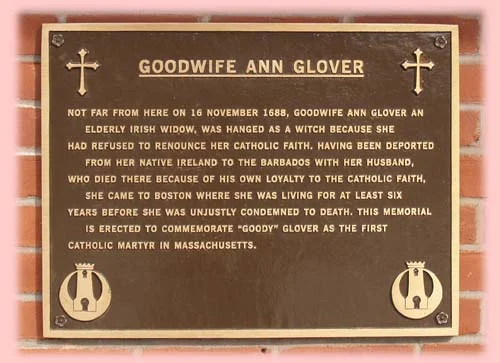
Ann Glover, an Irish Catholic laundress, was convicted and hanged in Boston on November 16, 1688, after the bewitchment of the Goodwin children. Cotton Mather publicized the episode, and many scholars view it as a precursor to Salem’s methods and fears. Boston later marked “Goody Glover Day” to remember her case.
Andover Witch Hunt
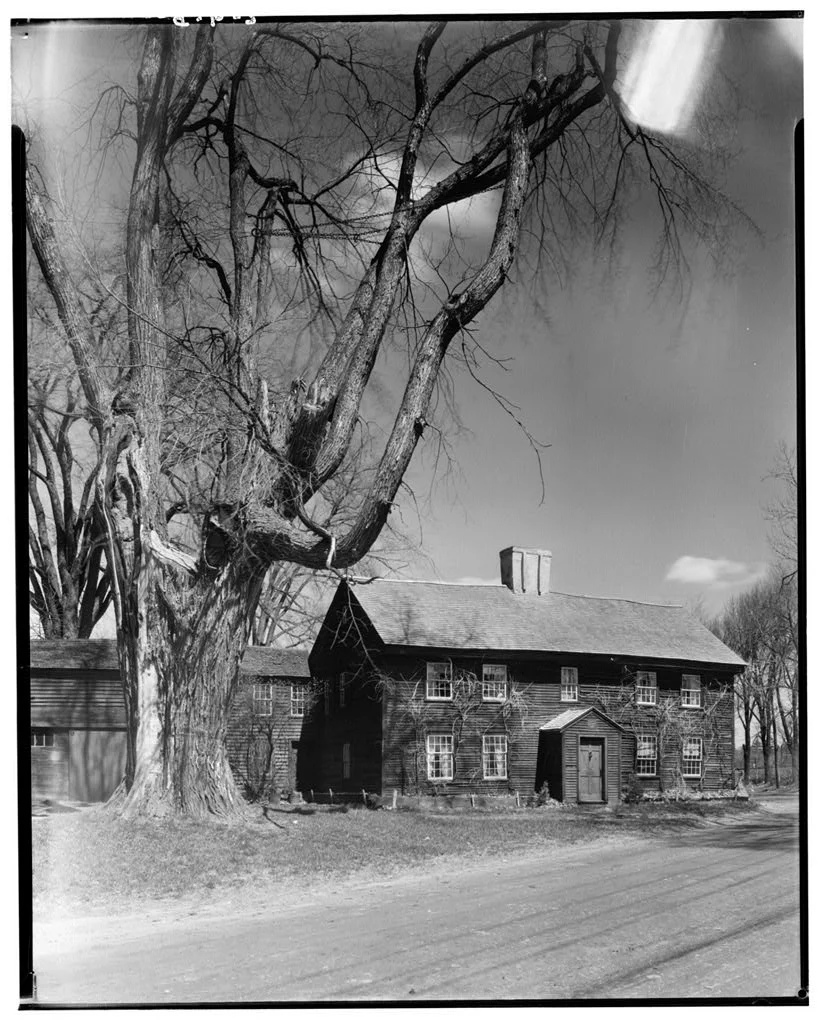
During the Salem crisis, Andover produced the largest number of accused persons of any town, with multiple families swept into confessions and examinations. Later depositions from Andover women described intense pressure that shaped their statements. Although some Andover residents were executed in the broader Salem process, many others were imprisoned and later released.
Margaret Mattson of Pennsylvania
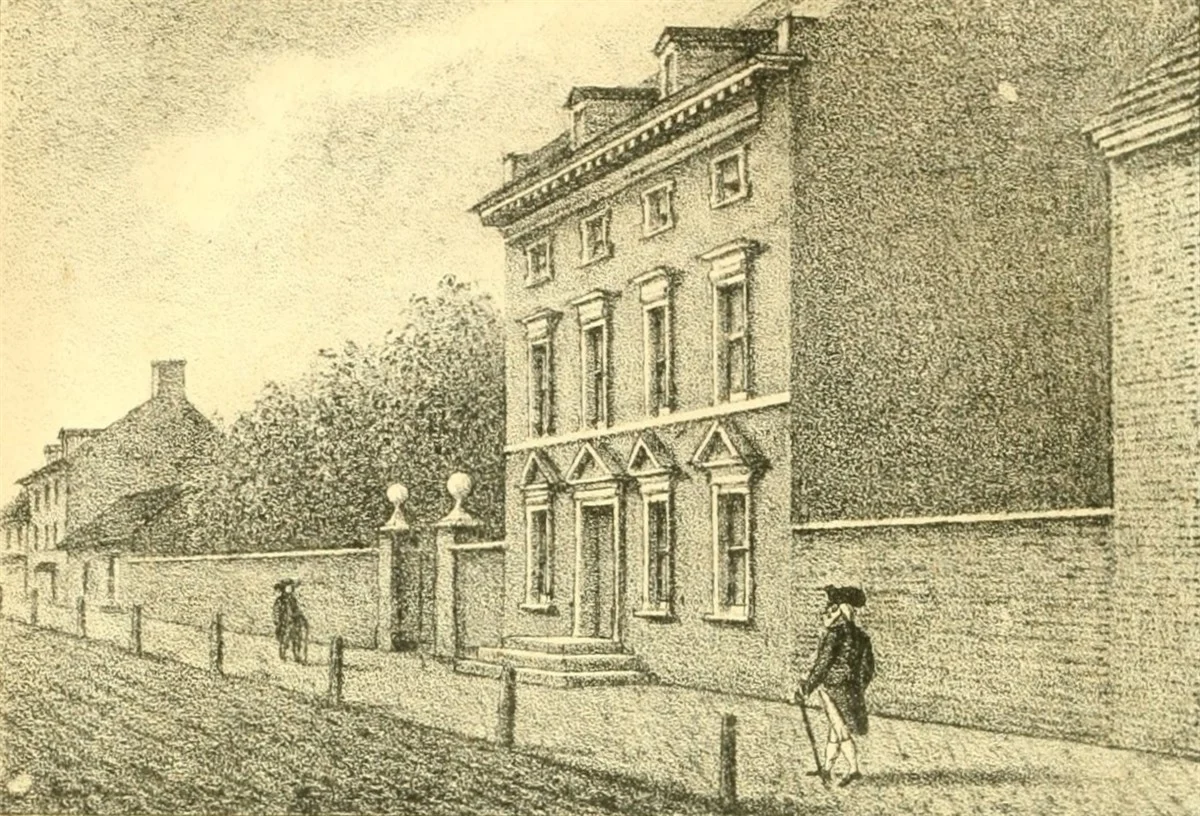
Tried in Philadelphia in 1683, Finnish settler Margaret Mattson faced charges of bewitching livestock and other maleficia. Governor William Penn oversaw the proceedings; a jury found her guilty only of having the “common fame of a witch,” not of the crime itself, and she was released on bond for good behavior. The case is often cited as Pennsylvania’s lone colonial witch trial.
Elizabeth “Goody” Garlick of East Hampton (Long Island)
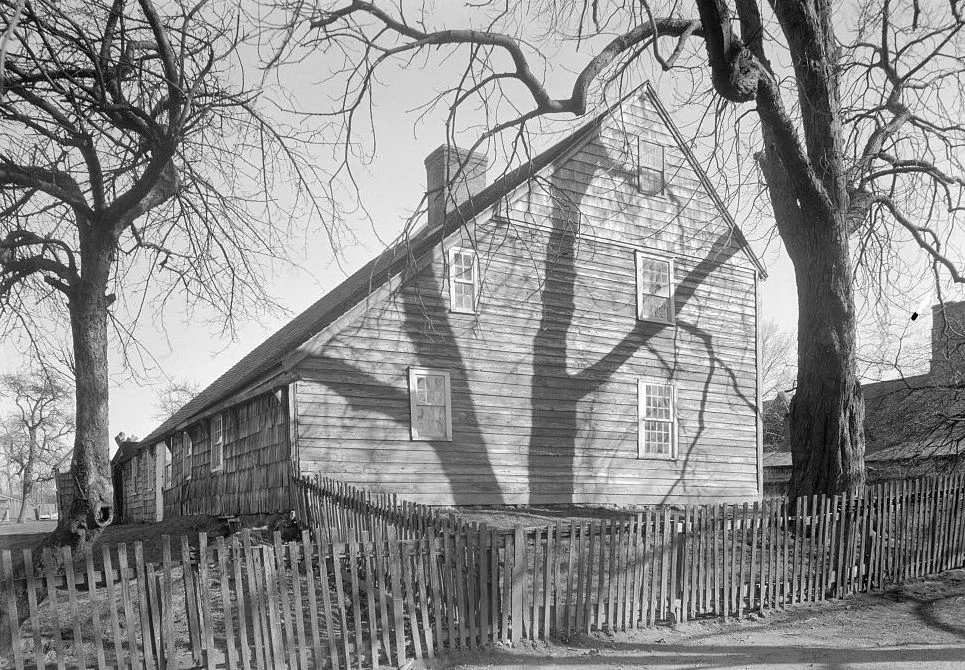
After the 1658 death of Elizabeth Gardiner Howell, neighbors accused Goody Garlick of causing harm through witchcraft; her case was tried in Hartford due to jurisdiction at the time. A jury acquitted her, though her husband posted a bond for their future good behavior. The episode is well documented in regional archives and later histories.
Ralph and Mary Hall on Long Island
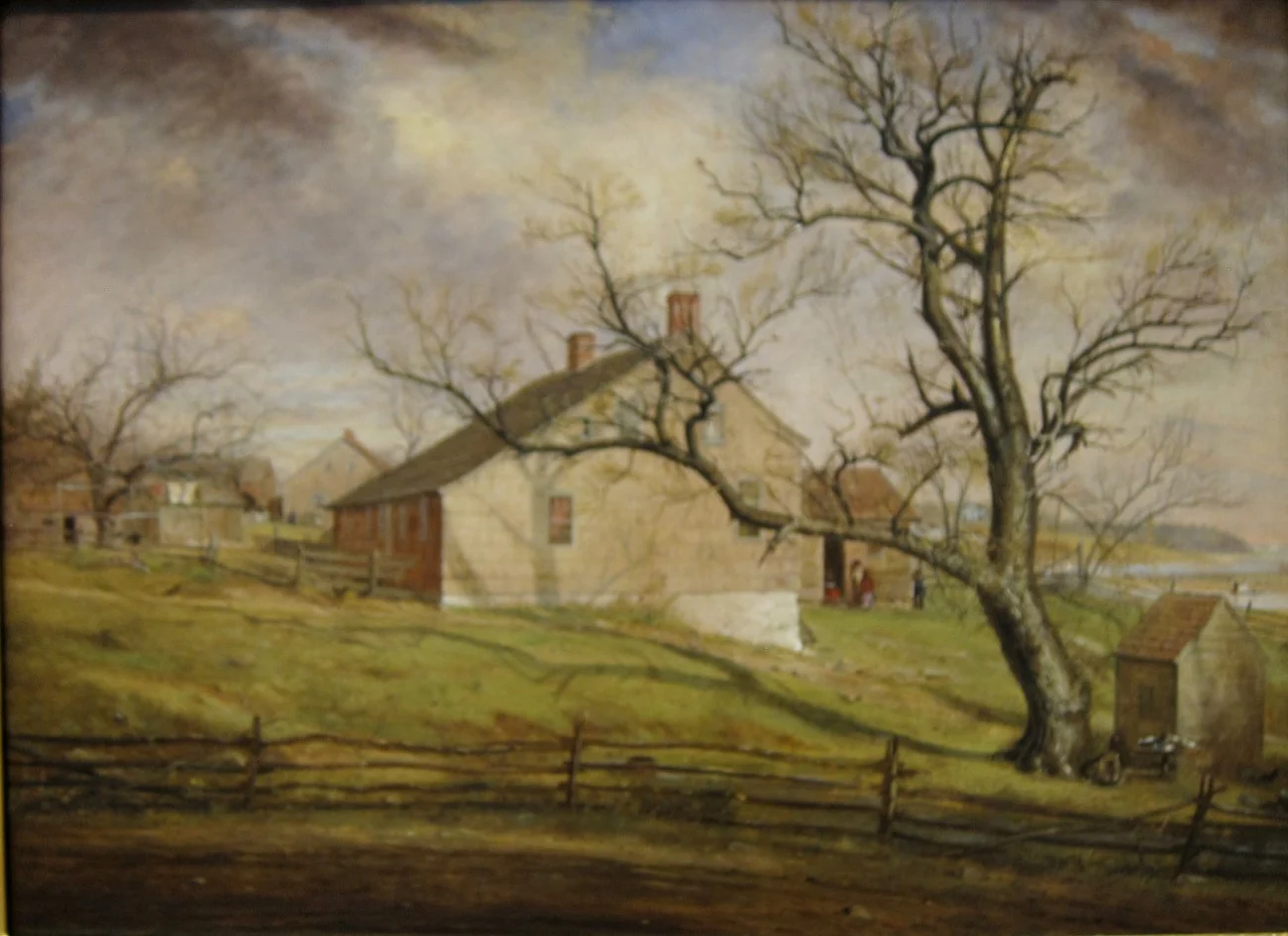
In 1665–1666, Ralph Hall and his wife Mary were tried at New York’s Court of Assizes, accused of witchcraft connected to deaths in Setauket. The jury did not convict them of witchcraft but issued a rare verdict of “suspicion,” placing them under bond and good-behavior conditions. Their case illustrates New York’s legal approach under the Duke’s Laws.
Grace Sherwood of Virginia
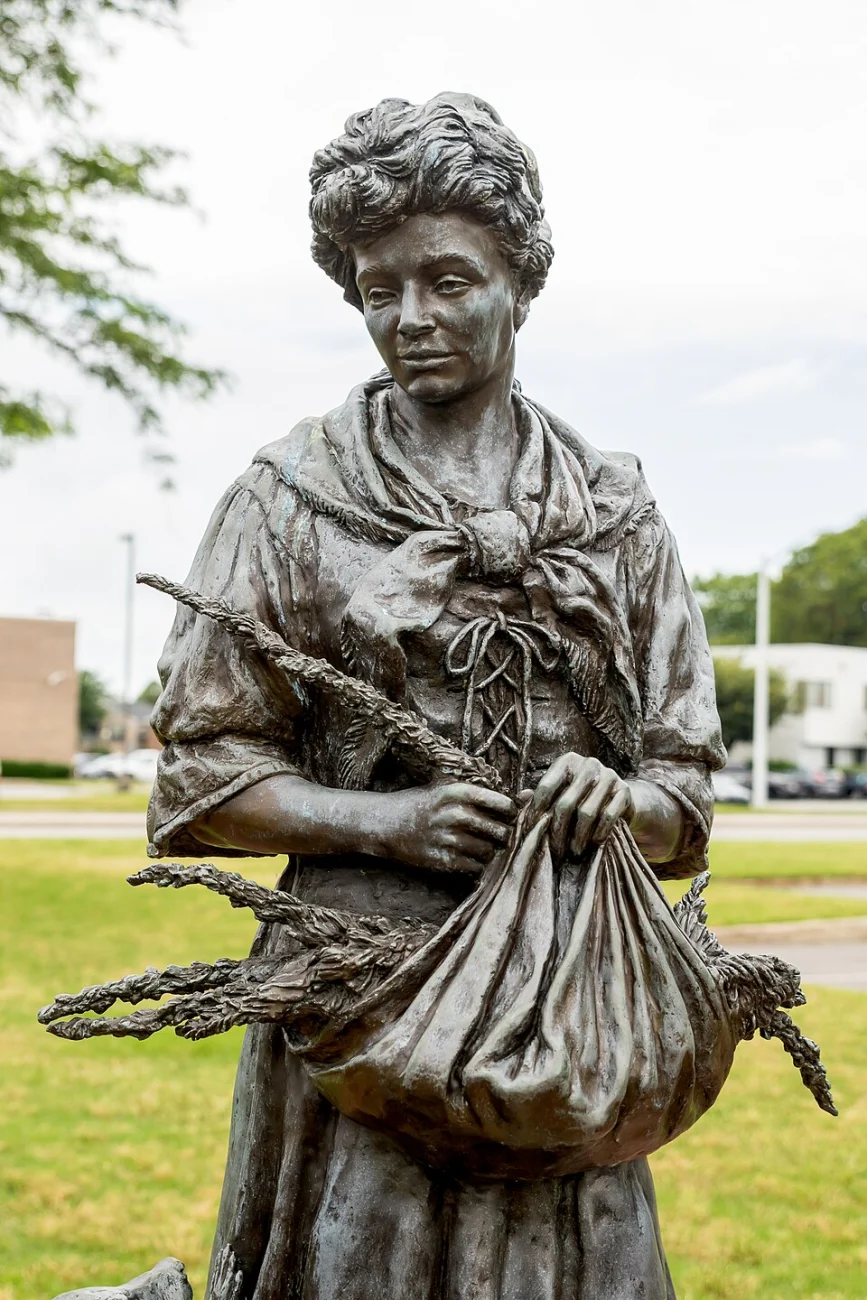
Known as the “Witch of Pungo,” Grace Sherwood underwent a trial by ducking in Princess Anne County on July 10, 1706; upon floating, she was deemed guilty under period beliefs. Records suggest she later regained property and lived quietly for decades, and Virginia has since commemorated her story near Witchduck Road. Her case is the most famous of roughly two dozen Virginia witchcraft proceedings.
Rebecca Fowler of Maryland
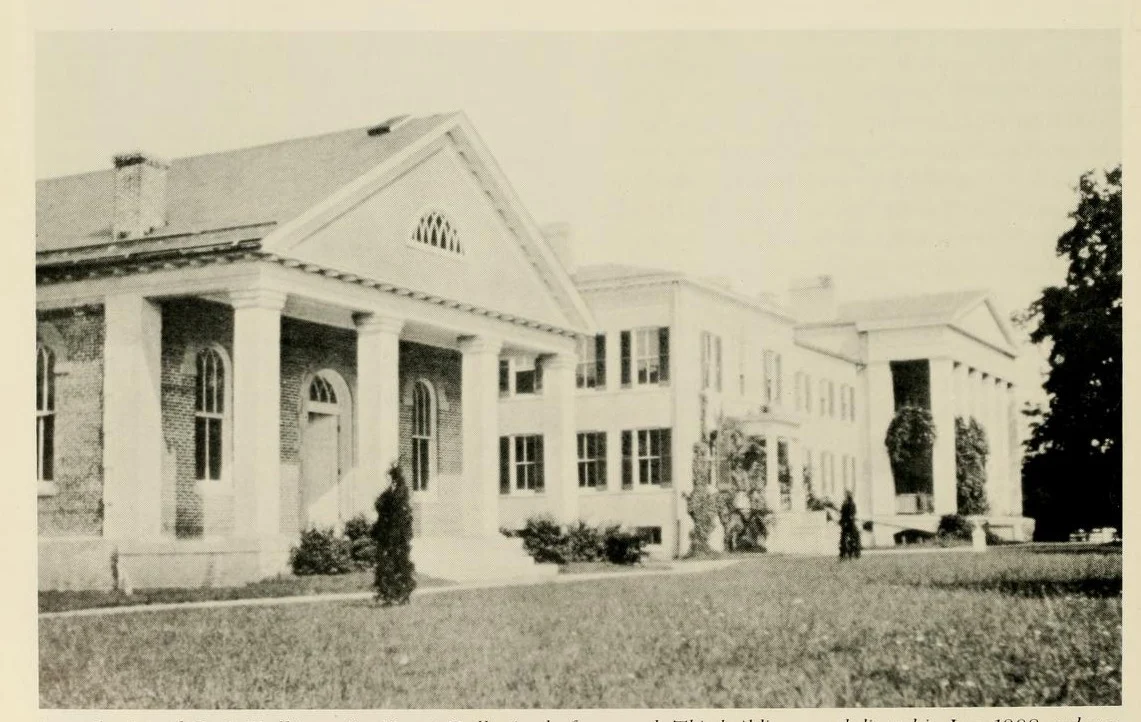
Rebecca Fowler was convicted and hanged on October 9, 1685, at St. Mary’s City, the only documented execution for witchcraft by a Maryland court. Surviving records describe charges of “enchantments, charms, and sorceries” that allegedly harmed several people in Calvert County. Maryland historians continue to contextualize her life as an indentured servant who became a landowner before her prosecution.
Have a favorite historical case we missed or a local story tied to these trials? Share your thoughts in the comments!