

15 Games That Caused Real-World Controversies




The video game industry has frequently found itself at the center of intense public debate and legal scrutiny. From concerns regarding graphic violence to complex political statements, certain titles have moved beyond digital entertainment into mainstream news cycles. These controversies often lead to significant changes in how games are developed, rated, and sold globally. Legislators and advocacy groups continue to monitor the medium as it pushes the boundaries of interactive storytelling.
‘Mortal Kombat’ (1992)
Midway released this fighting title which featured digitized actors and graphic finishing moves known as Fatalities. The intense level of violence depicted in the game became a primary focus during the 1993 United States Senate hearings on video games. These political discussions led directly to the creation of the Entertainment Software Rating Board to regulate content. Public outcry centered on the realism of blood and the impact such visuals could have on younger players. This controversy forever changed how the industry markets mature content to the general public.
‘Night Trap’ (1992)
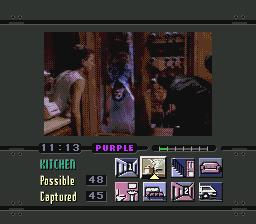
Digital Pictures developed this full motion video game that was published by Sega for the Sega CD peripheral. It featured live action footage of young women being targeted by vampires in a slumber party setting. US Senators Joe Lieberman and Herb Kohl criticized the game for promoting violence against women during televised hearings. Toys R Us and Kay Bee Toys removed the title from their shelves in response to the national media attention. The backlash surrounding the game contributed to the implementation of industry wide rating standards.
‘Doom’ (1993)
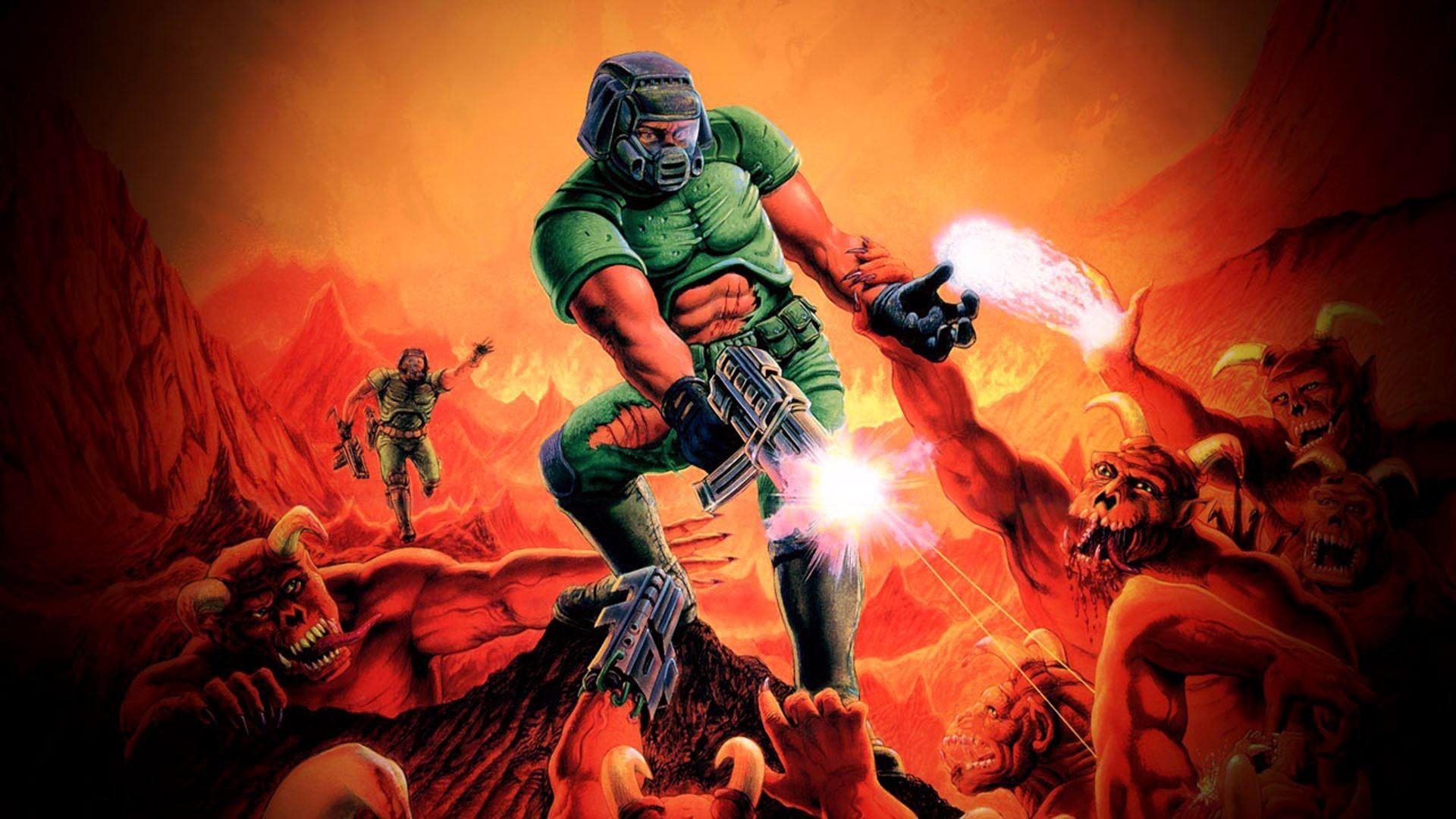
Developed and published by id Software, this title revolutionized the first person shooter genre through its fast paced gameplay and 3D graphics. It faced immense backlash following the Columbine High School massacre as media outlets focused on the shooters’ affinity for the game. Critics argued that the demonic imagery and intense gore served as a primary influence for real world violence. The developers defended their work by emphasizing the distinction between virtual entertainment and actual criminal behavior. This debate sparked years of psychological research into the effects of violent media on adolescent development.
‘Postal 2’ (2003)
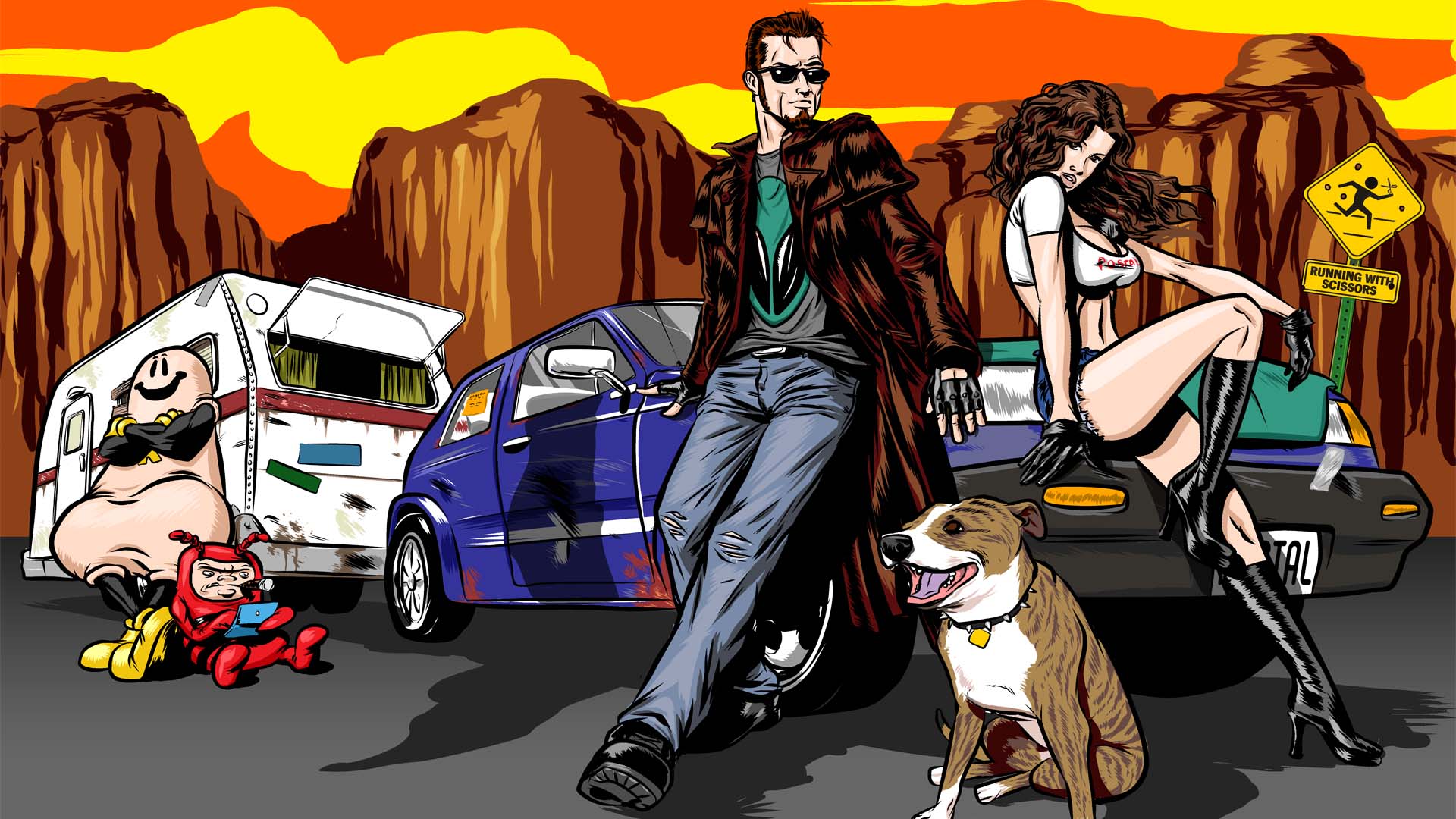
Running With Scissors developed and published this open world title which allowed players to perform mundane tasks or engage in extreme violence. It became infamous for features such as using cats as silencers and the ability to urinate on non player characters. Countries like New Zealand and Australia banned the game entirely due to its high level of vulgarity and cruelty. The developers marketed the game as a satire of American culture, but many critics saw it as a desperate attempt at shock value. This game remains one of the most frequently censored pieces of media in history.
‘Manhunt’ (2003)
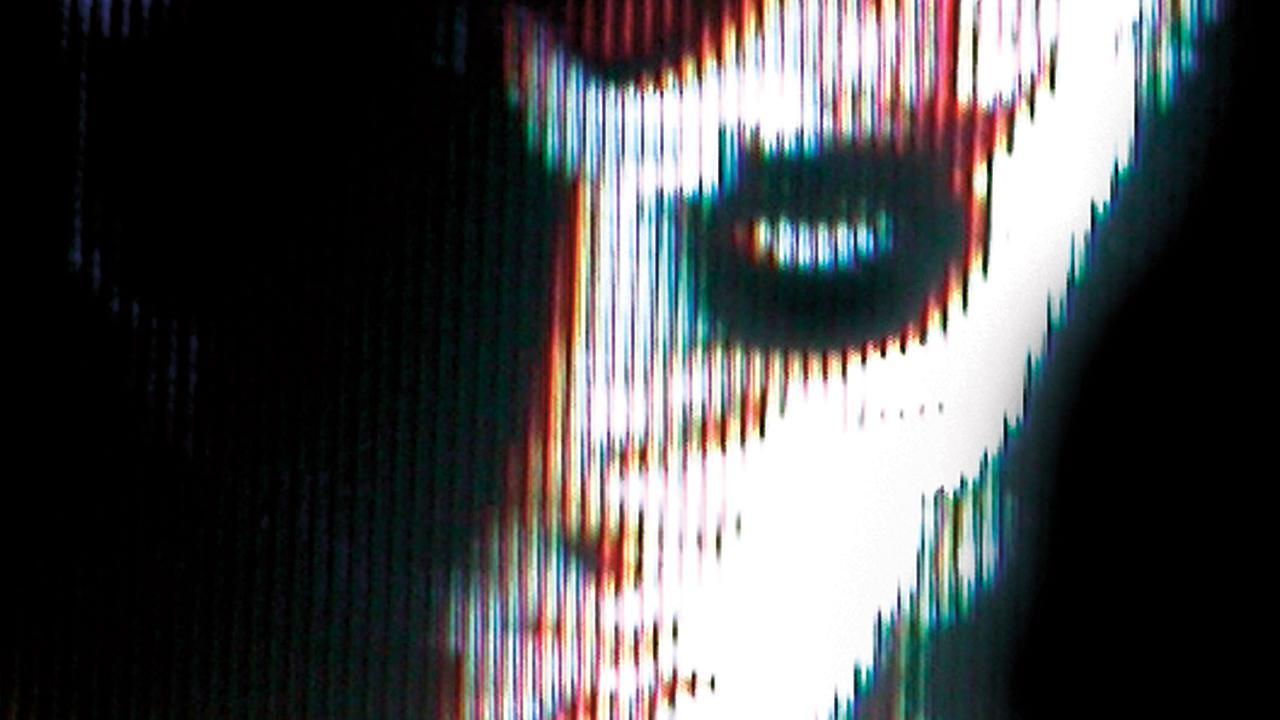
Developed by Rockstar North and published by Take-Two Interactive, this stealth title focused on brutal executions in a snuff film setting. The game faced a temporary ban in the United Kingdom following a murder case where the victim’s family claimed the killer was obsessed with the title. Police eventually clarified that there was no link between the game and the crime, but the media frenzy had already solidified its reputation. Critics frequently pointed to the visceral nature of the kills as a step too far for commercial entertainment. The controversy ensured the game became a cult classic despite being pulled from many retail shelves.
‘Grand Theft Auto: San Andreas’ (2004)
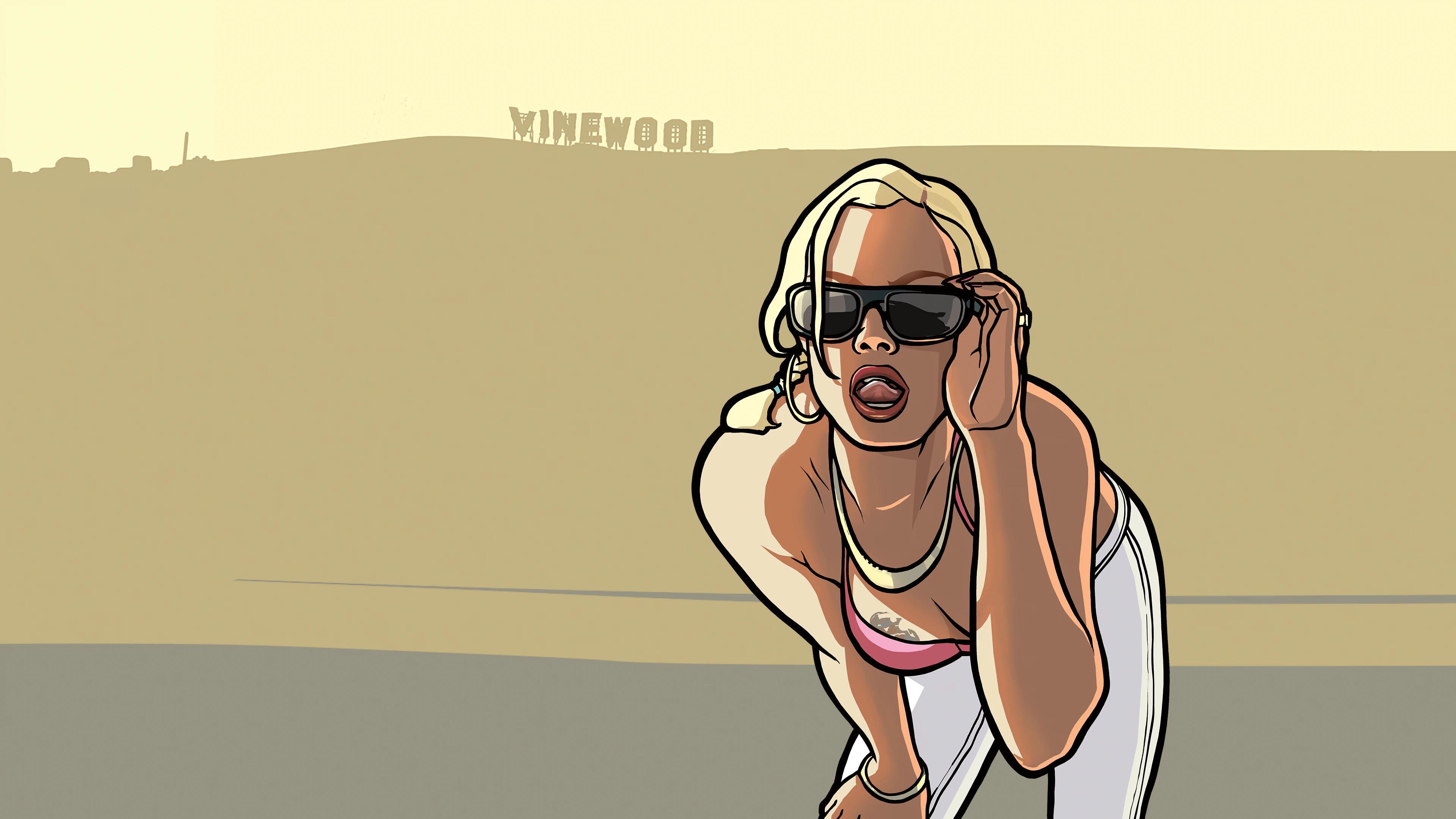
Rockstar North developed this massive open world adventure which was published by Take-Two Interactive. The game became the center of a national scandal when a hidden mini game known as Hot Coffee was discovered by modders. This inaccessible content depicted graphic sexual encounters and led to the ESRB changing the rating from Mature to Adults Only. Legal investigations and class action lawsuits followed as politicians like Hillary Clinton called for stricter federal regulations on game sales. Rockstar eventually released a patched version to remove the offending code and restore the original rating.
‘Bully’ (2006)
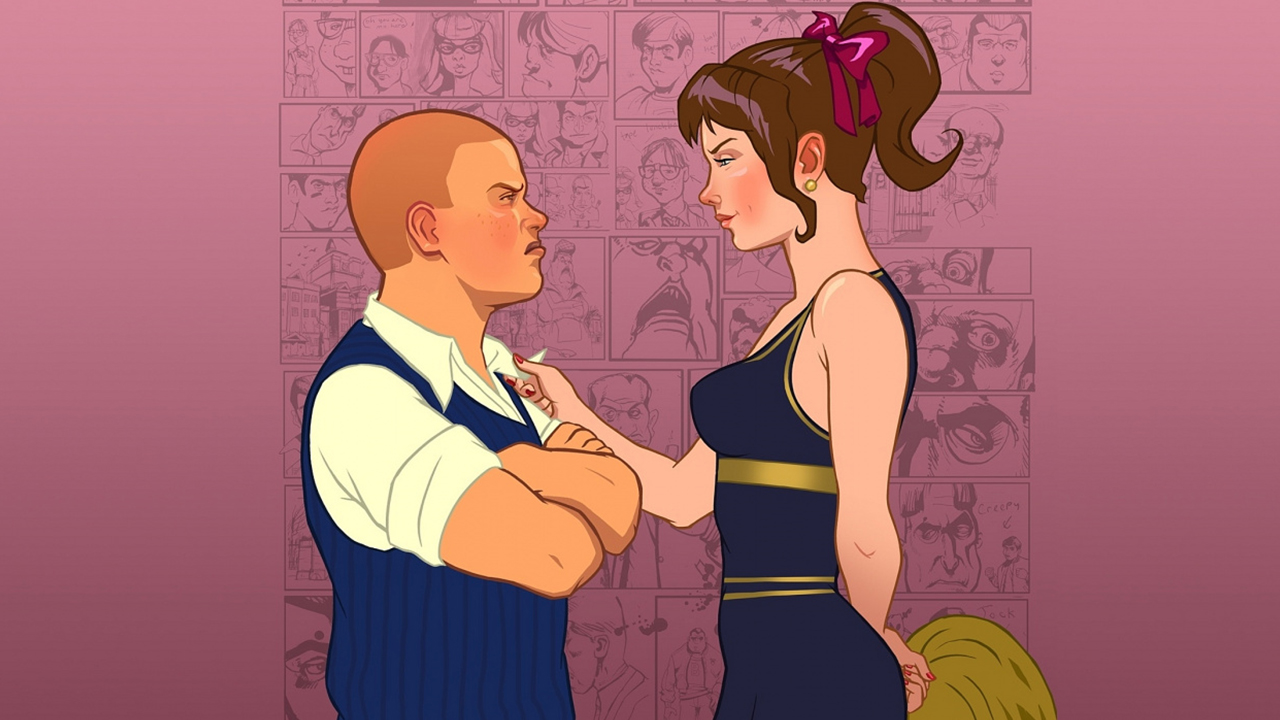
Rockstar Vancouver developed this title for the PlayStation 2 while Take-Two Interactive handled the publishing duties. Before its release, activist attorney Jack Thompson attempted to have the game banned by labeling it a school shooting simulator. Florida judges ultimately ruled that the content was not legally obscene and allowed the game to proceed to market. The actual gameplay focused on navigating social hierarchies and defending students from aggressive classmates rather than promoting school violence. Despite the peaceful resolution, the title remains a prominent example of preemptive media censorship.
‘Resident Evil 5’ (2009)
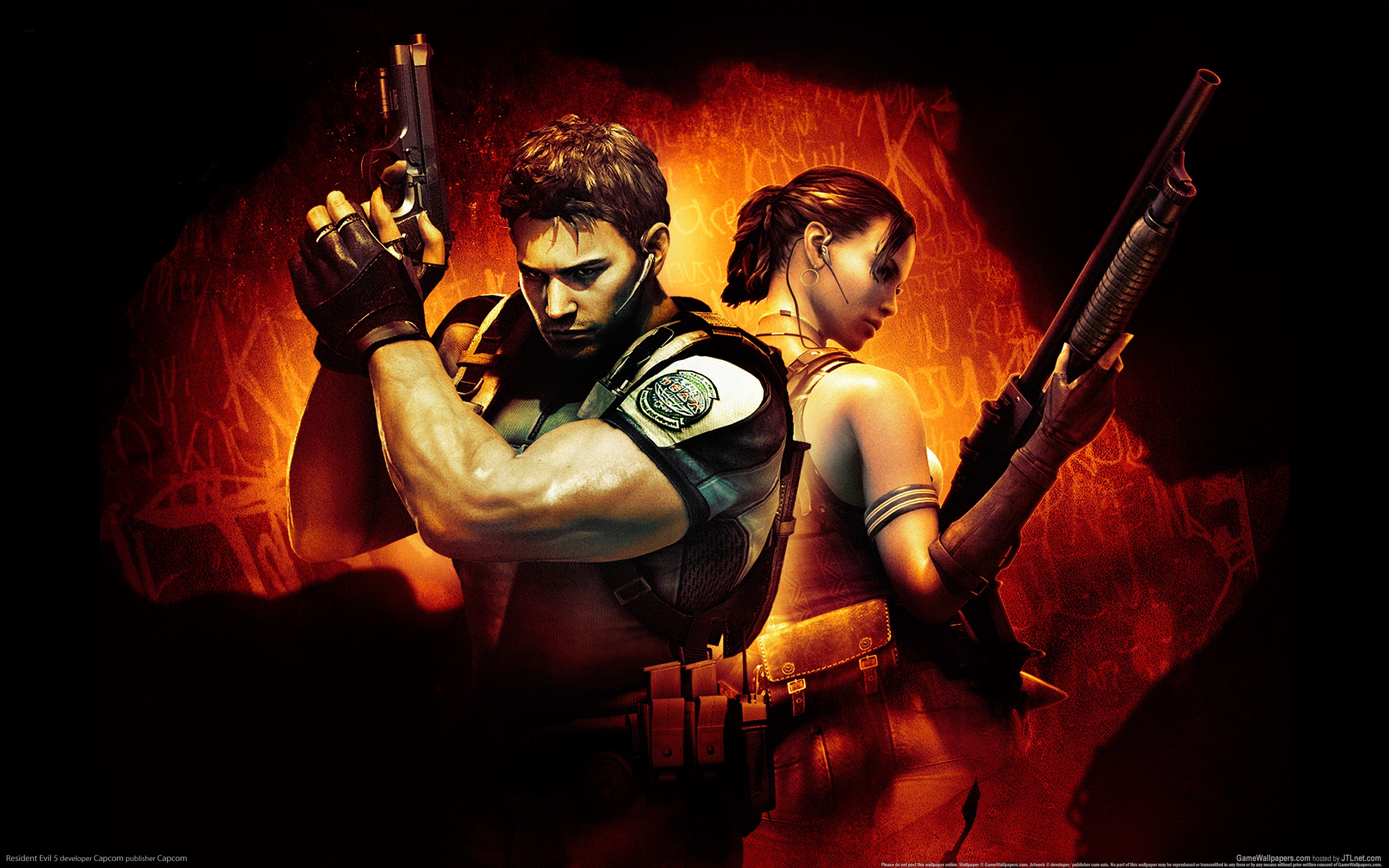
Capcom developed and published this survival horror title which moved the series setting to a fictional region in Africa. Early trailers sparked allegations of racism because they depicted a white protagonist fighting waves of infected Black villagers. Critics argued the imagery evoked colonialist tropes and insensitive portrayals of African people. Capcom responded by adding more diverse characters to the game world to mitigate the concerns before launch. While the game sold millions of copies, the debate over racial representation in gaming continued for years afterward.
‘Call of Duty: Modern Warfare 2’ (2009)
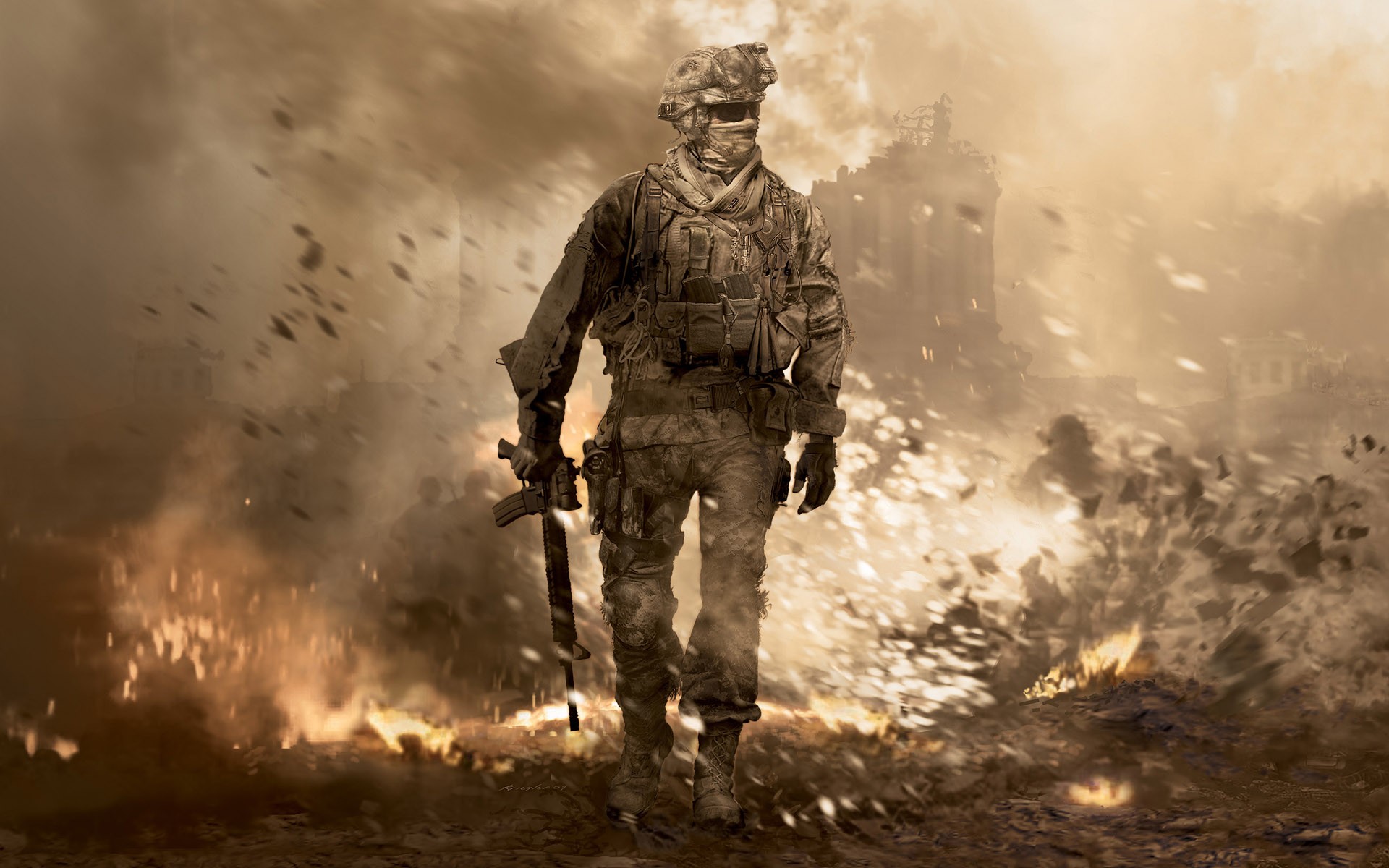
Infinity Ward developed this military shooter for Activision, featuring a highly controversial mission called No Russian. Players assumed the role of an undercover agent participating in a terrorist attack on a civilian airport. The mission prompted massive backlash in Russia, leading to the removal of the scene in that territory. International news outlets debated whether the interactive nature of the massacre was a necessary narrative device or gratuitous violence. Activision included an option for players to skip the mission entirely to avoid potential distress.
‘Star Wars Battlefront II’ (2017)
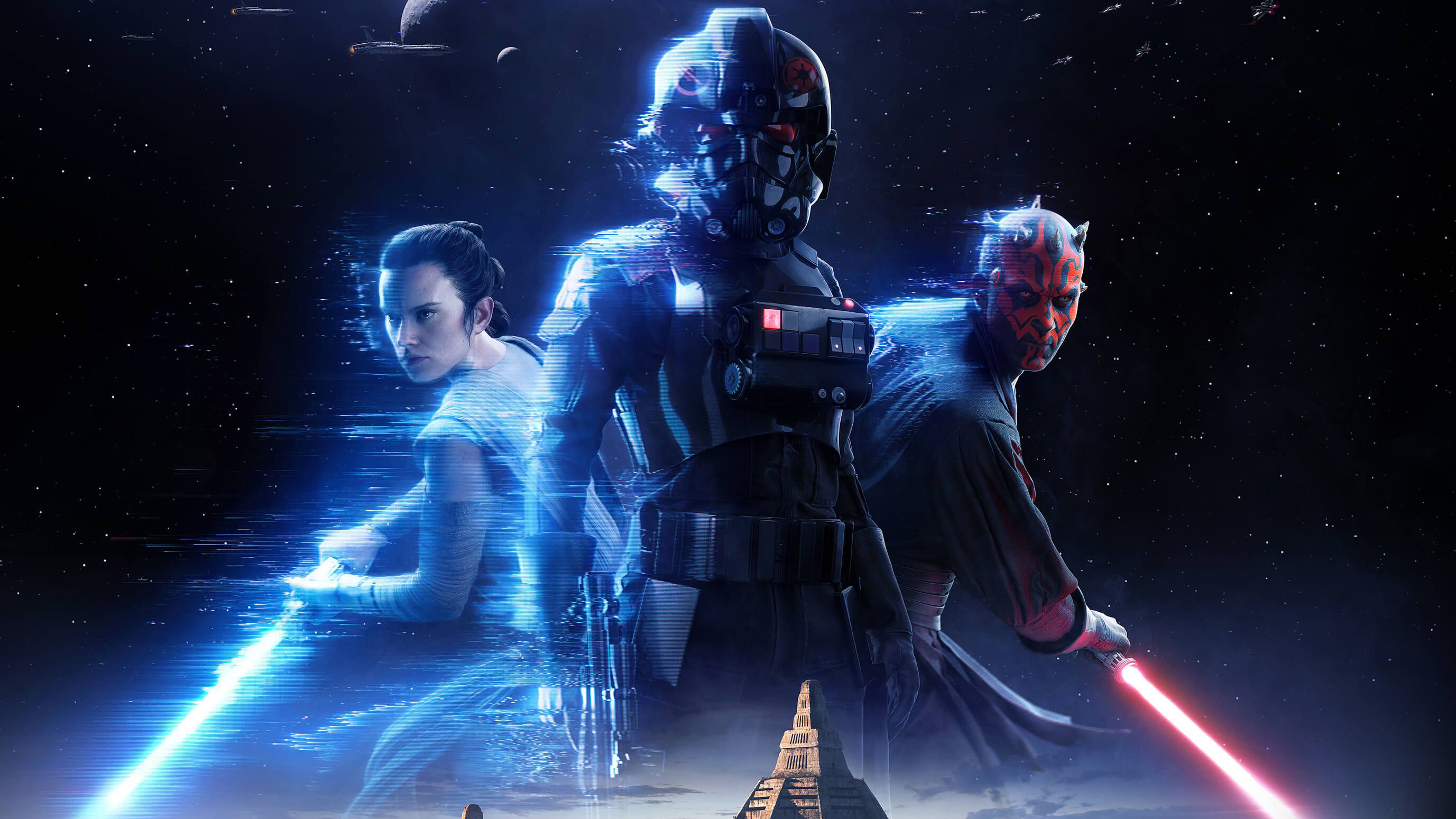
Developed by DICE and published by Electronic Arts, this multiplayer title became the poster child for the loot box controversy. Players expressed outrage over a progression system that required hundreds of hours of play or significant monetary spending to unlock iconic characters. The backlash reached such a height that several European governments launched investigations into whether loot boxes constituted illegal gambling. Disney reportedly intervened to have the microtransactions removed just hours before the official launch. This event led to permanent changes in how the industry handles monetization and consumer transparency.
‘Devotion’ (2019)
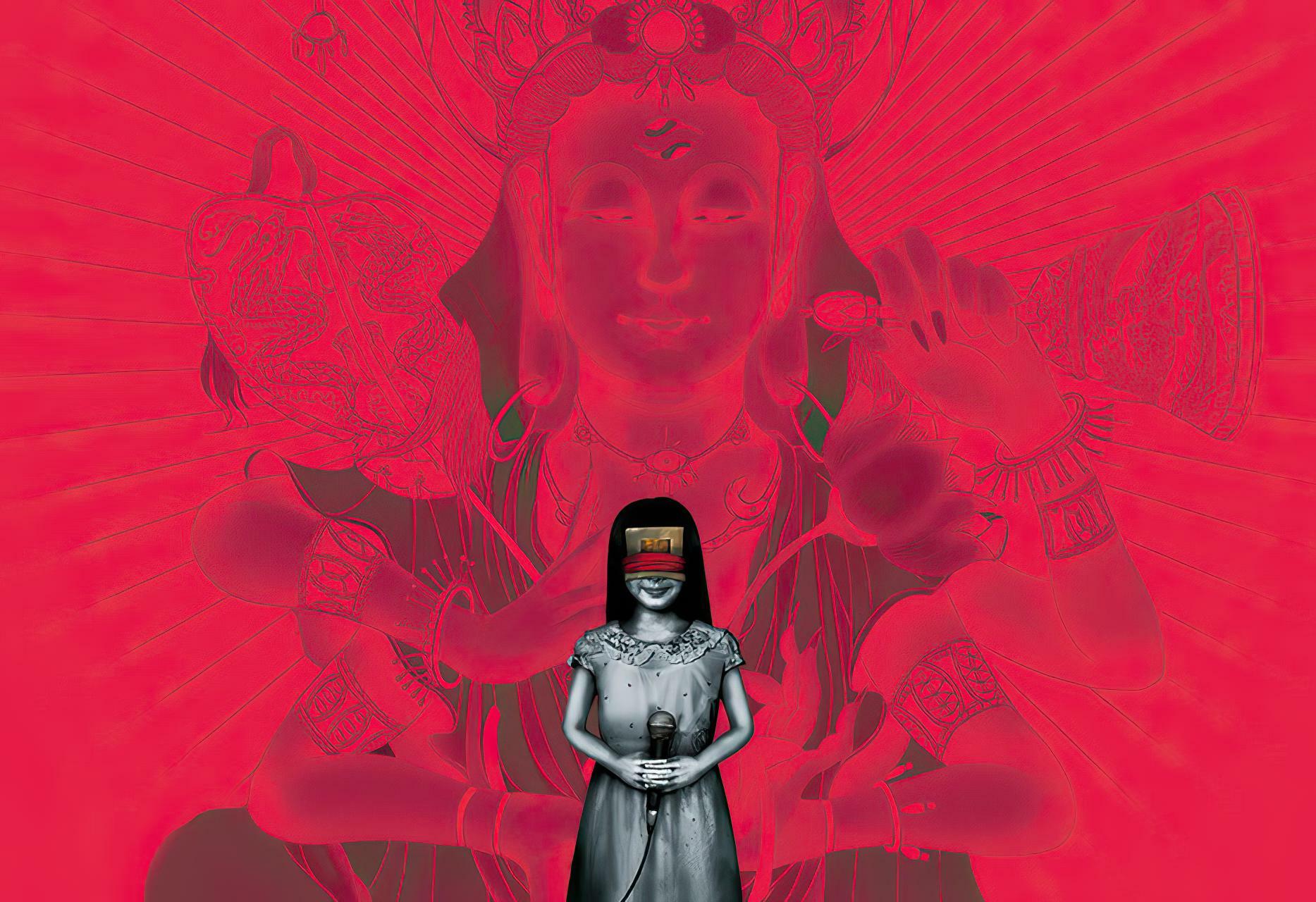
Red Candle Games developed and published this psychological horror title set in 1980s Taiwan. The game was pulled from Steam globally after players discovered a hidden art asset that mocked Chinese leader Xi Jinping. This discovery led to the revocation of the studio’s business license in China and intense pressure from mainland internet users. Several digital storefronts refused to host the game for years following the incident due to fears of political retaliation. It eventually found a new home on the official website of the developer after a long period of digital exile.
‘Cyberpunk 2077’ (2020)
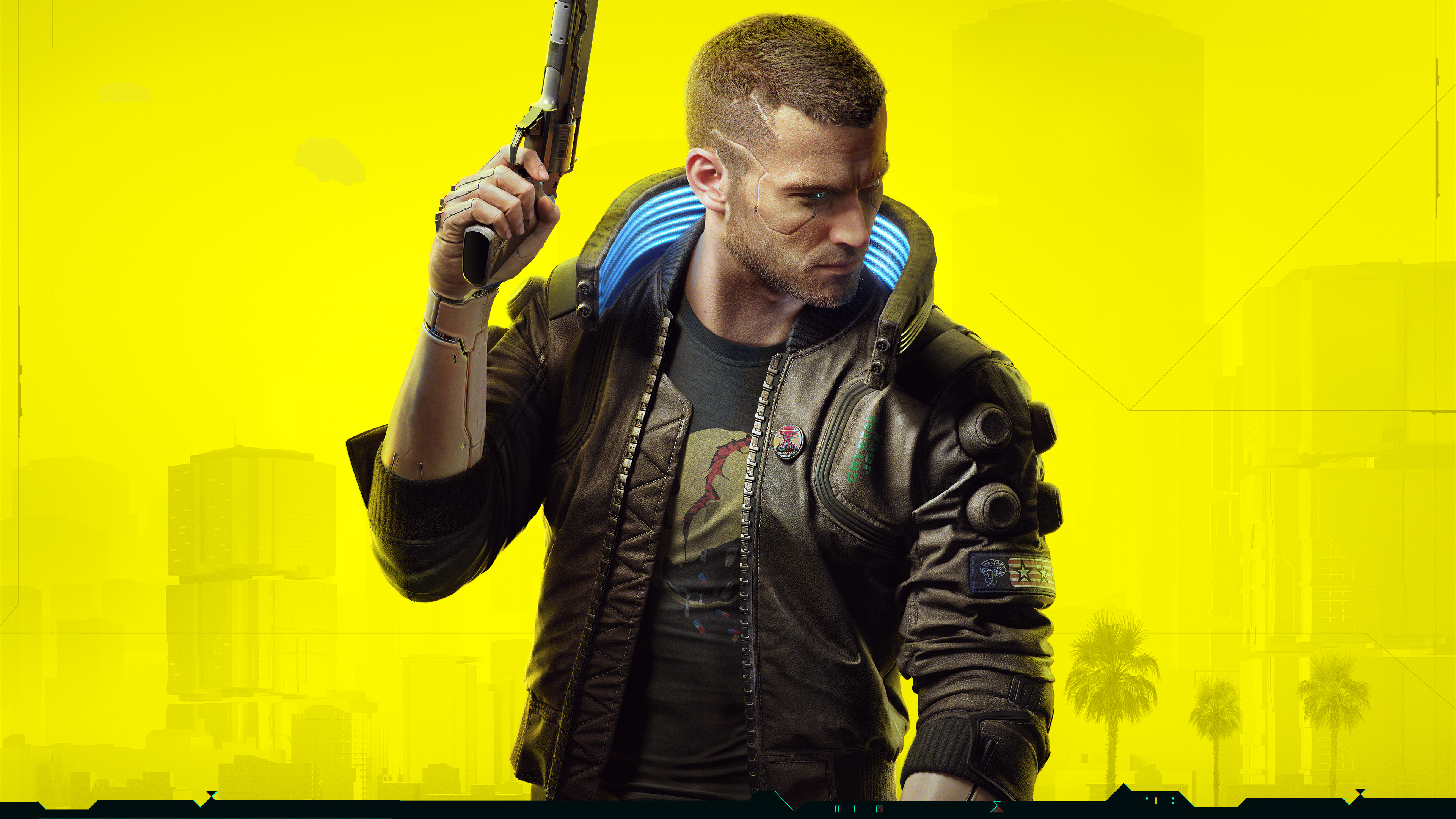
CD Projekt Red developed and published this highly anticipated RPG, which suffered from a disastrous technical launch. Beyond the performance issues, the game initially included visual sequences that could trigger major epileptic seizures. A journalist from Game Informer suffered a seizure during a pre release session, leading to an immediate public outcry regarding accessibility and safety. The developers eventually patched the lighting effects to reduce the risk to sensitive players. This situation highlighted the importance of thorough testing for medical triggers in high budget productions.
‘The Last of Us Part II’ (2020)
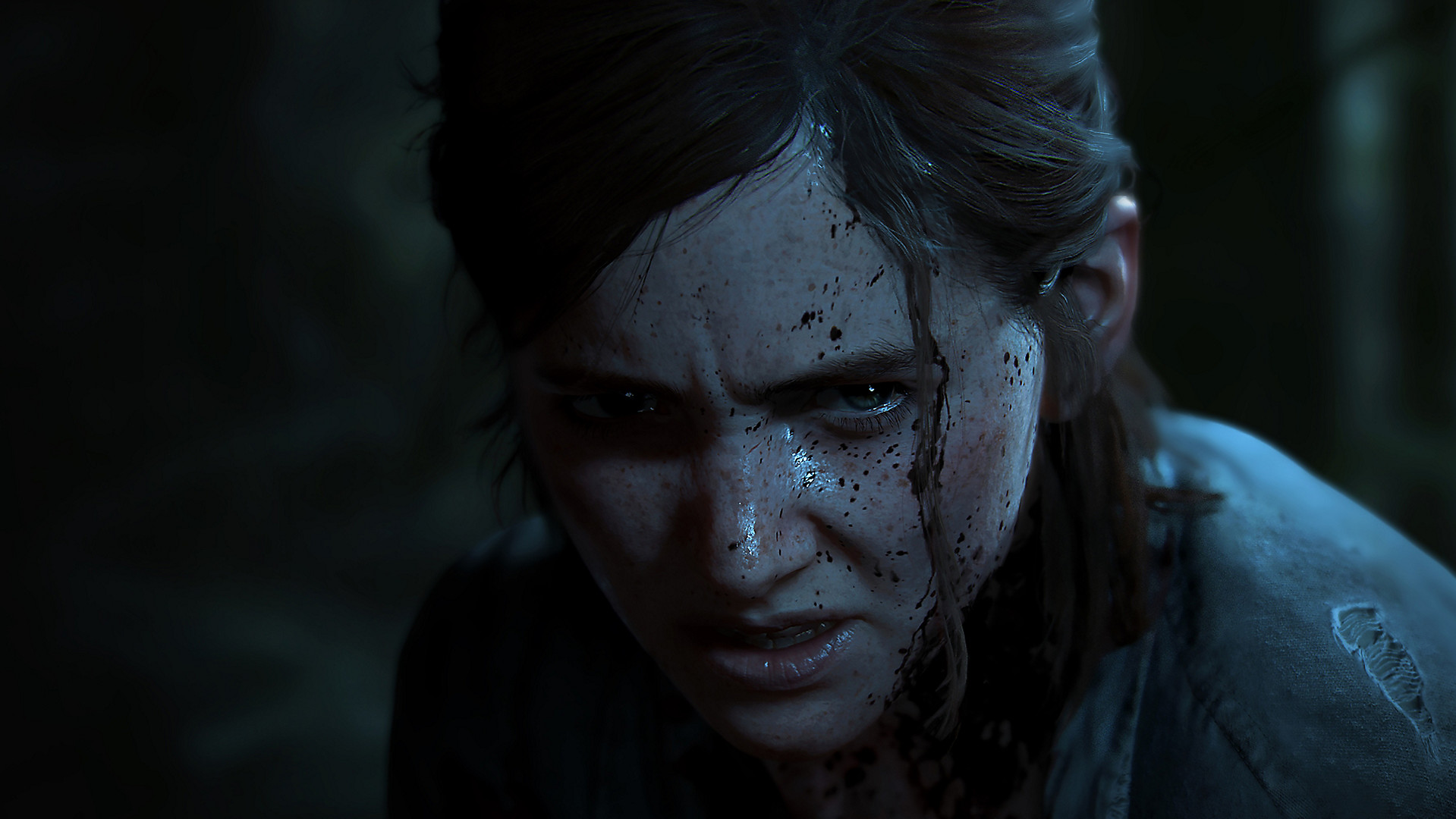
Naughty Dog developed this sequel for Sony Interactive Entertainment, which faced unprecedented backlash after major plot points leaked online. Fans were angry about the fates of established characters and the introduction of a new protagonist halfway through the story. The game became a target for review bombing on Metacritic, where thousands of negative scores were posted before the title was even released. Developers and actors received death threats over the narrative choices made by the creative team. This controversy demonstrated the power and toxicity of online fan communities regarding long awaited sequels.
‘Six Days in Fallujah’ (2023)
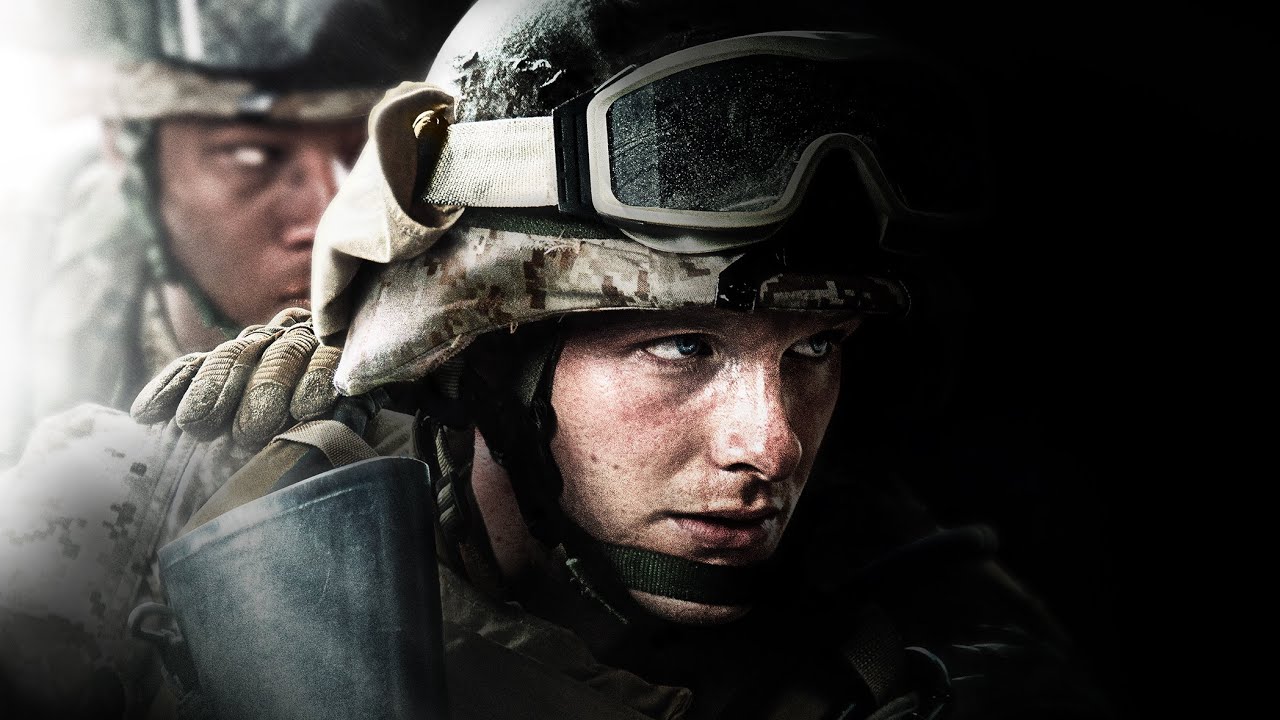
Victura and Highwire Games released this tactical shooter based on the Second Battle of Fallujah from the Iraq War. The project was originally canceled by Konami in 2009 after veterans and anti war groups criticized the idea of turning a recent conflict into entertainment. Critics argued that the game could not possibly provide a balanced perspective on the human cost of the war. The development team insisted they were documenting history through the eyes of those who fought there. The game’s eventual release in early access continued to spark debates about the ethics of military simulations.
‘Hogwarts Legacy’ (2023)
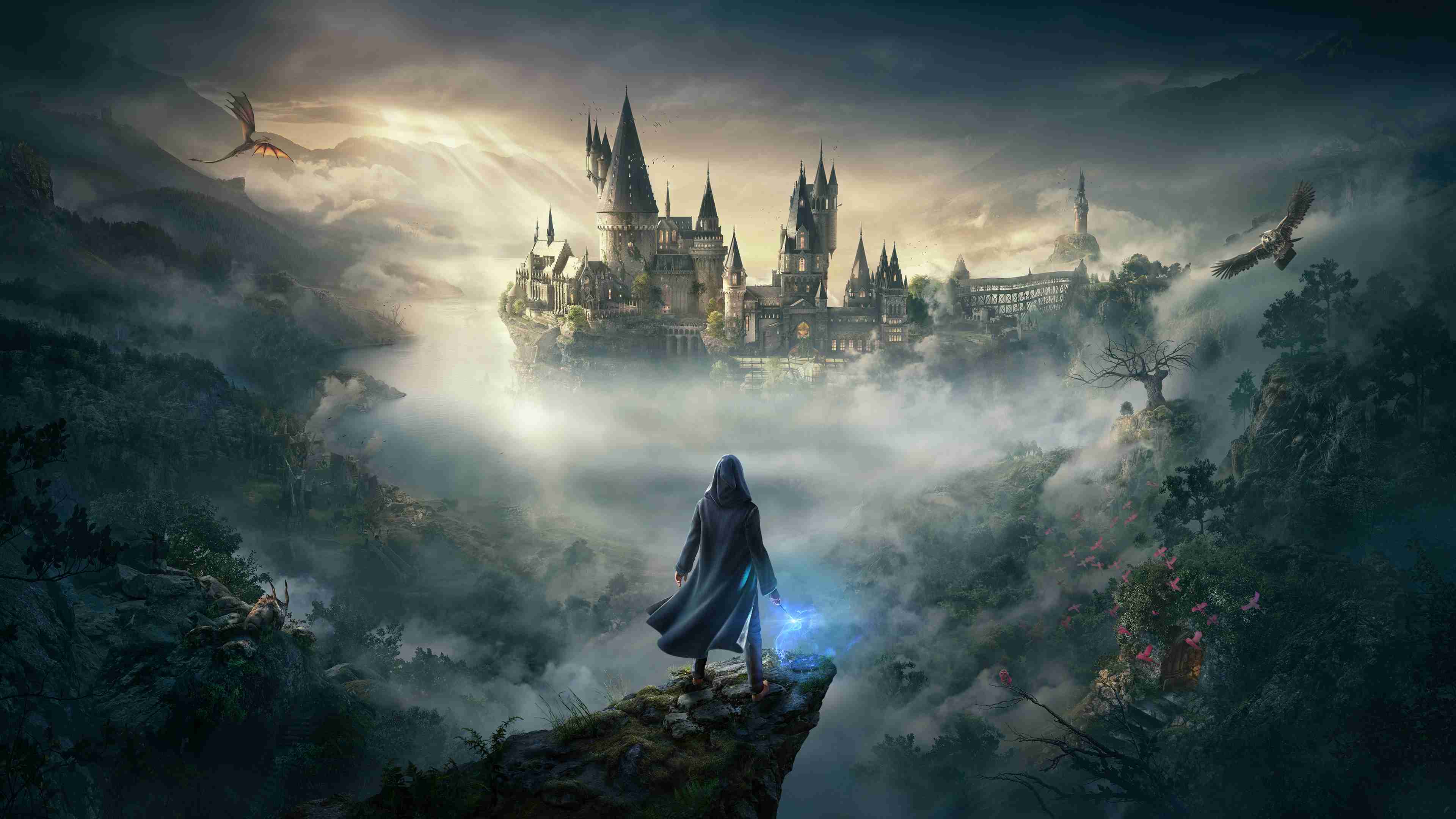
Avalanche Software developed this wizarding world RPG for Warner Bros. Games amid a massive social media boycott. The controversy centered on the views of the franchise creator regarding transgender rights and gender identity. Many gamers and influencers argued that purchasing the game provided financial and social support to someone with harmful opinions. Conversely, other fans maintained that the work of the development team should be judged independently of the author. Despite the widespread calls for a boycott, the title became one of the best selling games of the year.
Please share which of these gaming controversies you remember most vividly in the comments.