

15 Games That Patched in Gay Options After Fan Backlash

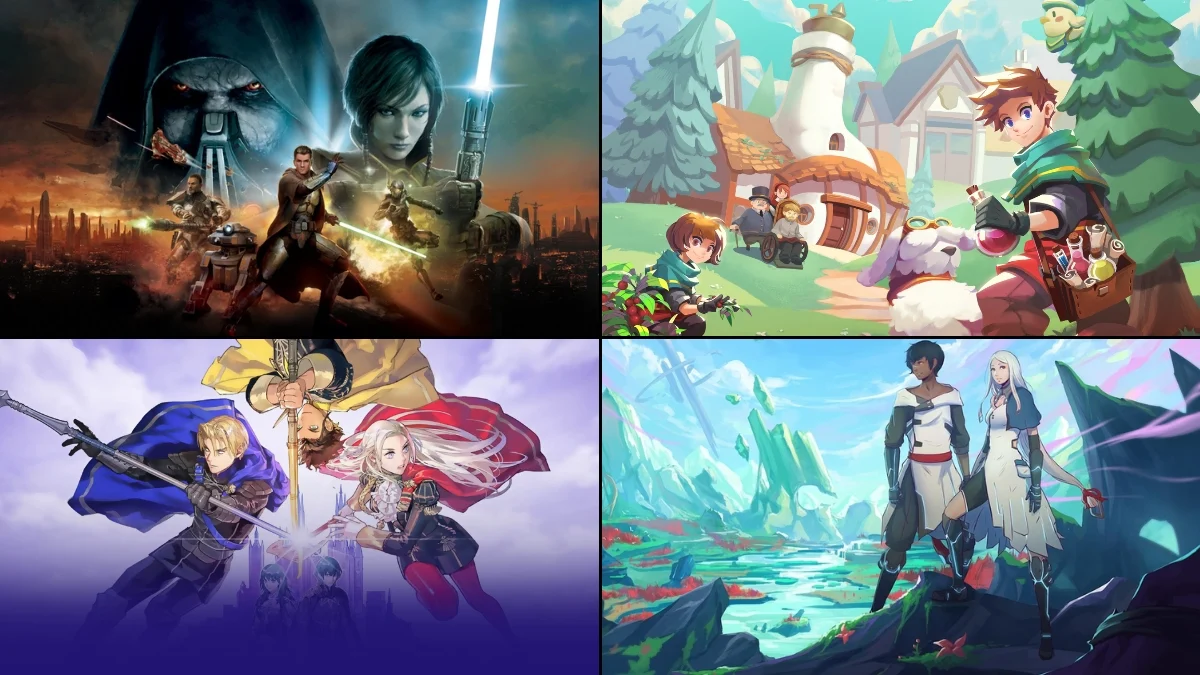


Video games have increasingly embraced diverse relationship options, yet some titles initially launched with limited or nonexistent same-sex romances. In several high-profile cases, developers released post-launch updates to address player feedback and expand inclusivity. The following titles notably introduced or fixed same-sex relationship options through patches, expansions, or content updates after their initial release.
‘Harry Potter: Hogwarts Mystery’ (2018)
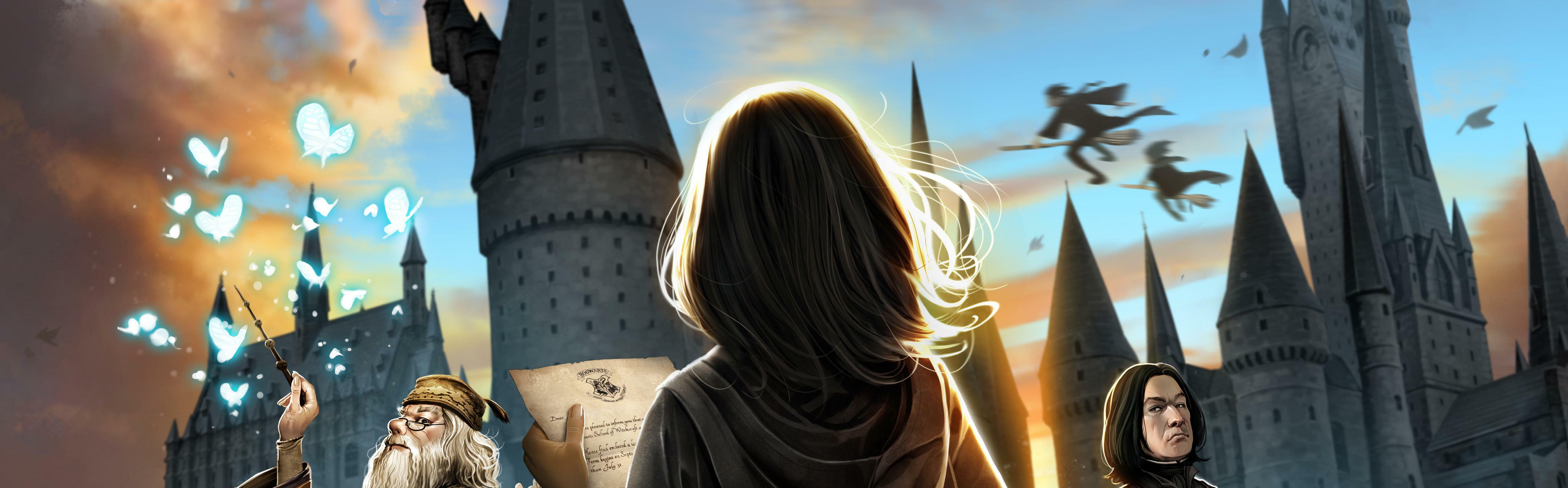
Developed by Jam City under the Portkey Games label, this mobile RPG allows players to attend Hogwarts and forge their own magical path. While the base game focused on mystery and friendship, fans eagerly requested the ability to date characters as the story progressed. Jam City eventually introduced a dating mechanic through updates, such as the Celestial Ball and First Date side quests, which allowed players to choose a partner regardless of gender. This addition enabled same-sex romance options with popular characters like Penny Haywood and Merula Snyde, satisfying a significant portion of the player base.
‘The Sims FreePlay’ (2011)
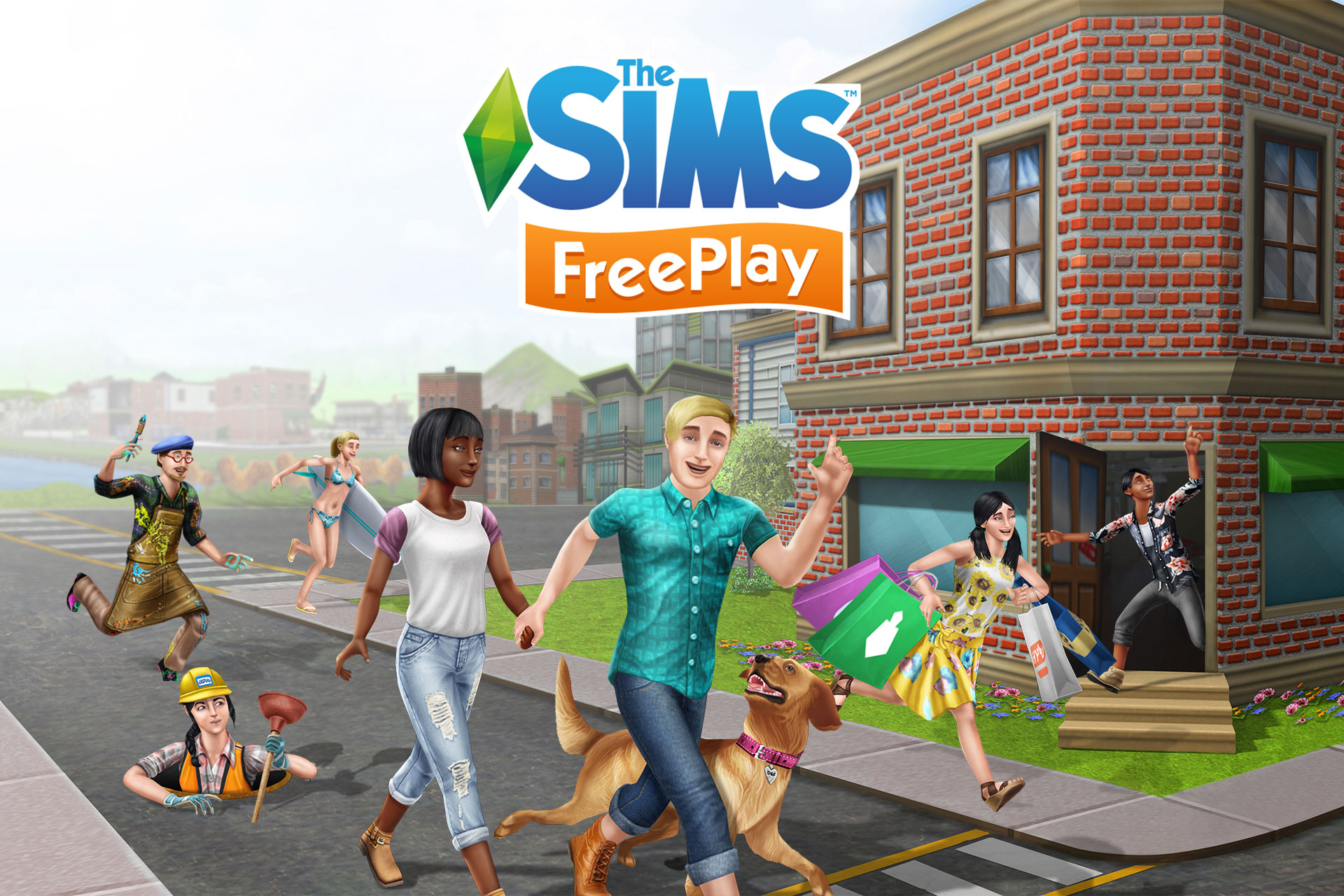
While the mainline titles in ‘The Sims’ franchise had long supported same-sex relationships, this mobile adaptation by Firemonkeys Studios and Electronic Arts launched without the ability for same-sex Sims to marry. Players could form romantic relationships, but the option to officially wed was absent, leading to requests for parity with the PC versions. The “Wedding Belles” update in 2013 finally rectified this by allowing all couples to get married and have weddings. This update brought the mobile experience in line with the core philosophy of the franchise, which emphasizes player freedom in storytelling.
‘Kim Kardashian: Hollywood’ (2014)
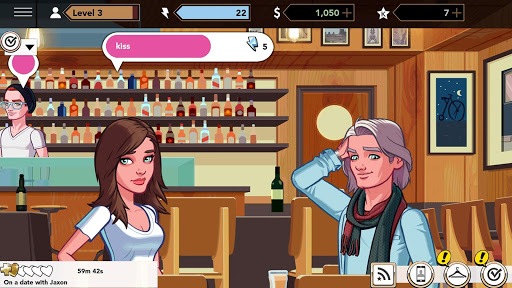
Glu Mobile found massive success with this celebrity lifestyle RPG, but the game initially faced criticism for lacking same-sex marriage options despite its progressive setting. Players could date anyone, yet the ability to marry was restricted to heterosexual couples at launch. Following fan feedback and public comments from Kim Kardashian herself supporting the feature, the developers released an update in October 2014 that enabled marriage for everyone. The update was praised for aligning the game’s mechanics with real-world values of equality.
‘Potion Permit’ (2022)
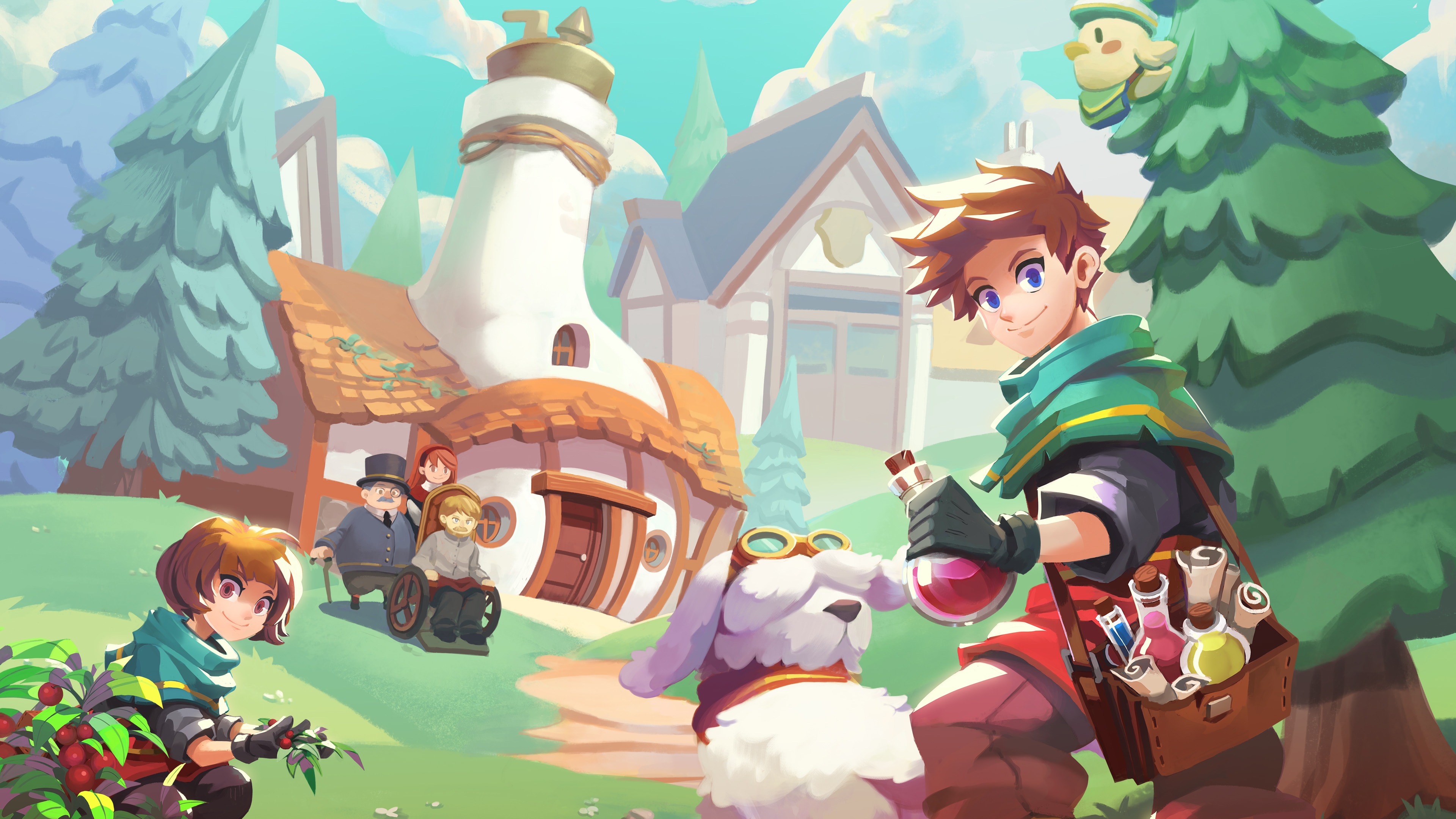
Developed by MassHive Media, this life simulation RPG tasked players with curing residents in the town of Moonbury while building relationships. Upon release, players noted that the romanceable cast was somewhat limited and excluded certain fan-favorite characters. In response to community requests, the developers released updates that not only fixed bugs but also expanded the list of romanceable characters to include Helene, Victor, Lucke, and Runeheart. These patches ensured that players had more diverse options for romance, irrespective of their character’s gender.
‘Haven’ (2020)
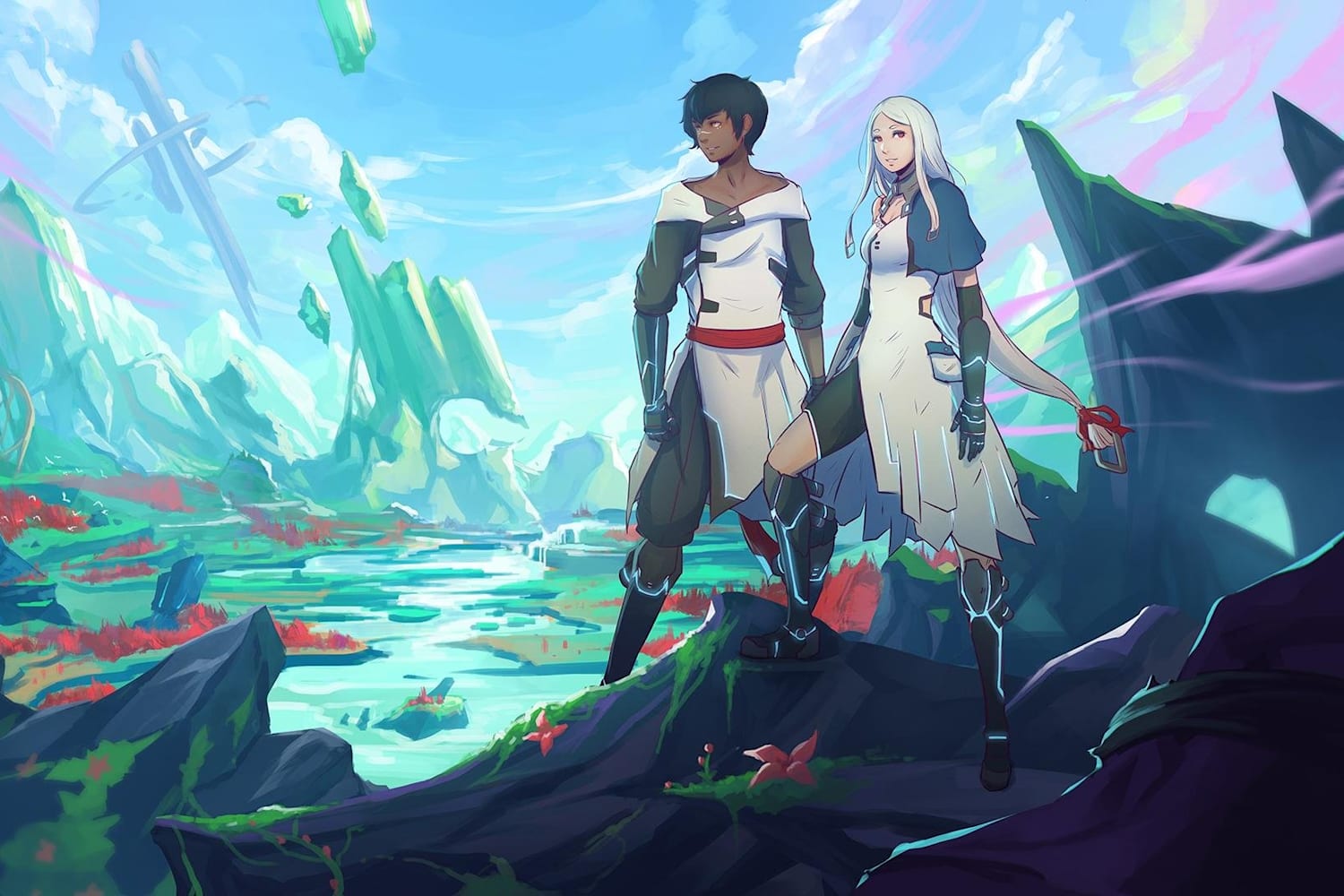
The Game Bakers originally released ‘Haven’ as a narrative RPG focusing on a specific straight couple, Yu and Kay, who flee to a lost planet to be together. While the story was praised, players expressed a desire to experience the narrative with different gender combinations. The developers responded with the free “Couples Update,” which added alternate versions of the protagonists, allowing players to play as a same-sex male or female couple. This update required re-recording thousands of lines of dialogue and creating new character models to ensure the experience felt authentic for every pairing.
‘Fallout 76’ (2018)

Bethesda Game Studios launched this online multiplayer survival game with no human NPCs, which meant romance options were entirely absent. The “Wastelanders” update significantly overhauled the game by introducing human factions and companions with distinct personalities and questlines. Among these new allies was Beckett, a former Raider who became a romance option for players of any gender. This major content patch effectively added gay romance to the game, addressing the community’s desire for the role-playing depth found in single-player ‘Fallout’ titles.
‘Dragon Quest XI S: Echoes of an Elusive Age – Definitive Edition’ (2019)
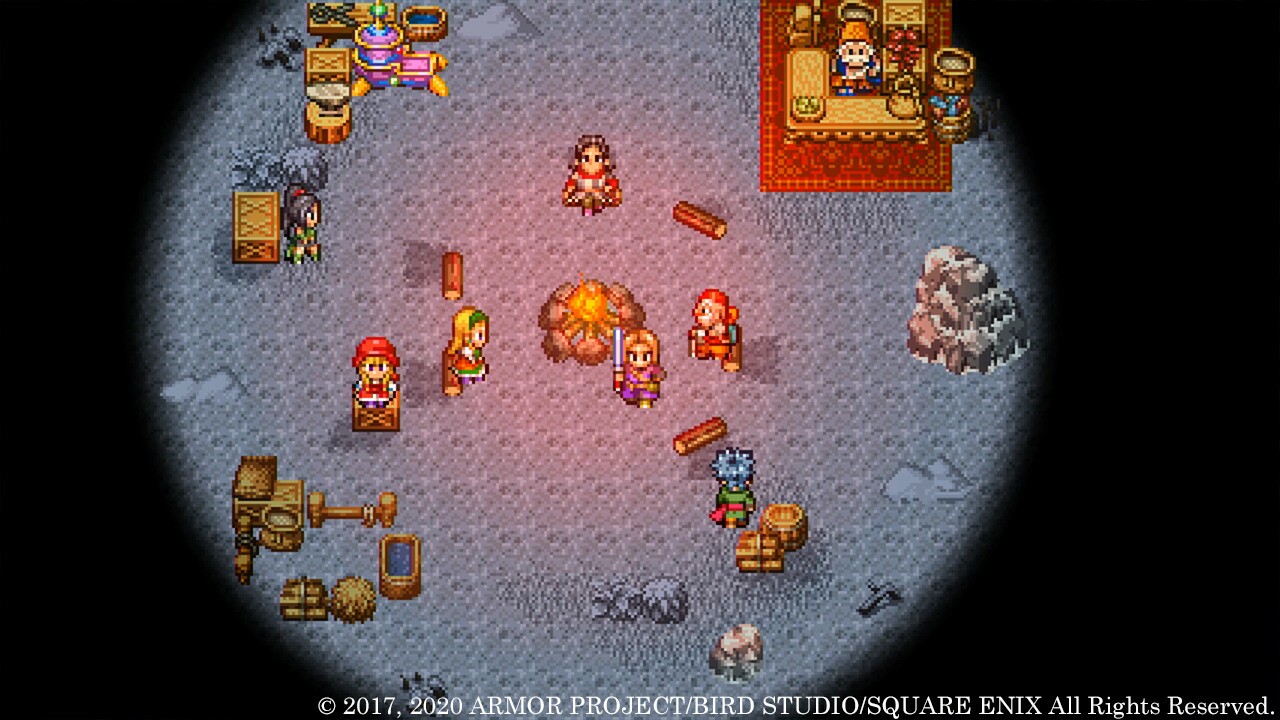
Square Enix’s traditional JRPG originally featured a marriage option only with a female childhood friend, leaving fans of other characters disappointed. In the “Definitive Edition” release, which served as a substantial update to the original game, the developers added a “living together” option for other party members. This allowed the protagonist to commit to a domestic partnership with male characters like Erik or Sylvando. While not explicitly labeled marriage due to cultural content ratings, the dialogue and cohabitation setup heavily implied a romantic bond, fulfilling a long-standing fan request.
‘Rune Factory 5’ (2021)
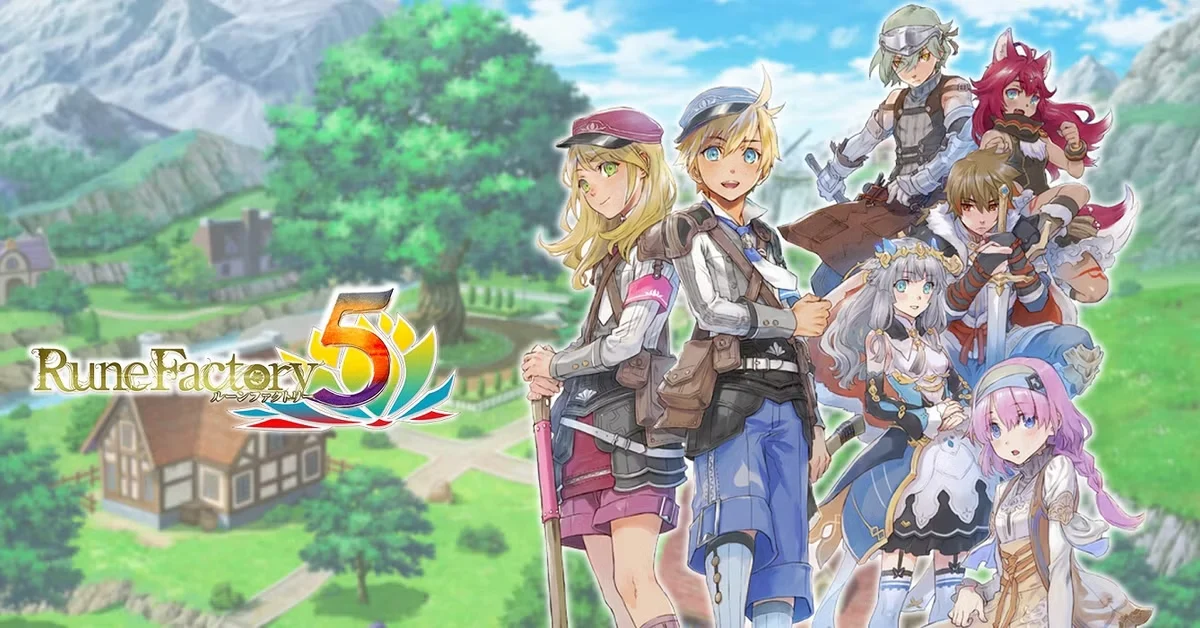
Marvelous and XSEED Games faced a unique situation where the Western localization of ‘Rune Factory 5’ announced same-sex marriage as a feature, while the already-released Japanese version lacked it. Japanese fans expressed disappointment that the feature appeared exclusive to the international release. In response, Marvelous released Patch 1.1.0 in Japan, which back-ported the same-sex marriage system to the domestic version. This update allowed players in all regions to marry any of the 12 bachelor or bachelorette candidates regardless of gender.
‘Crusader Kings III’ (2020)
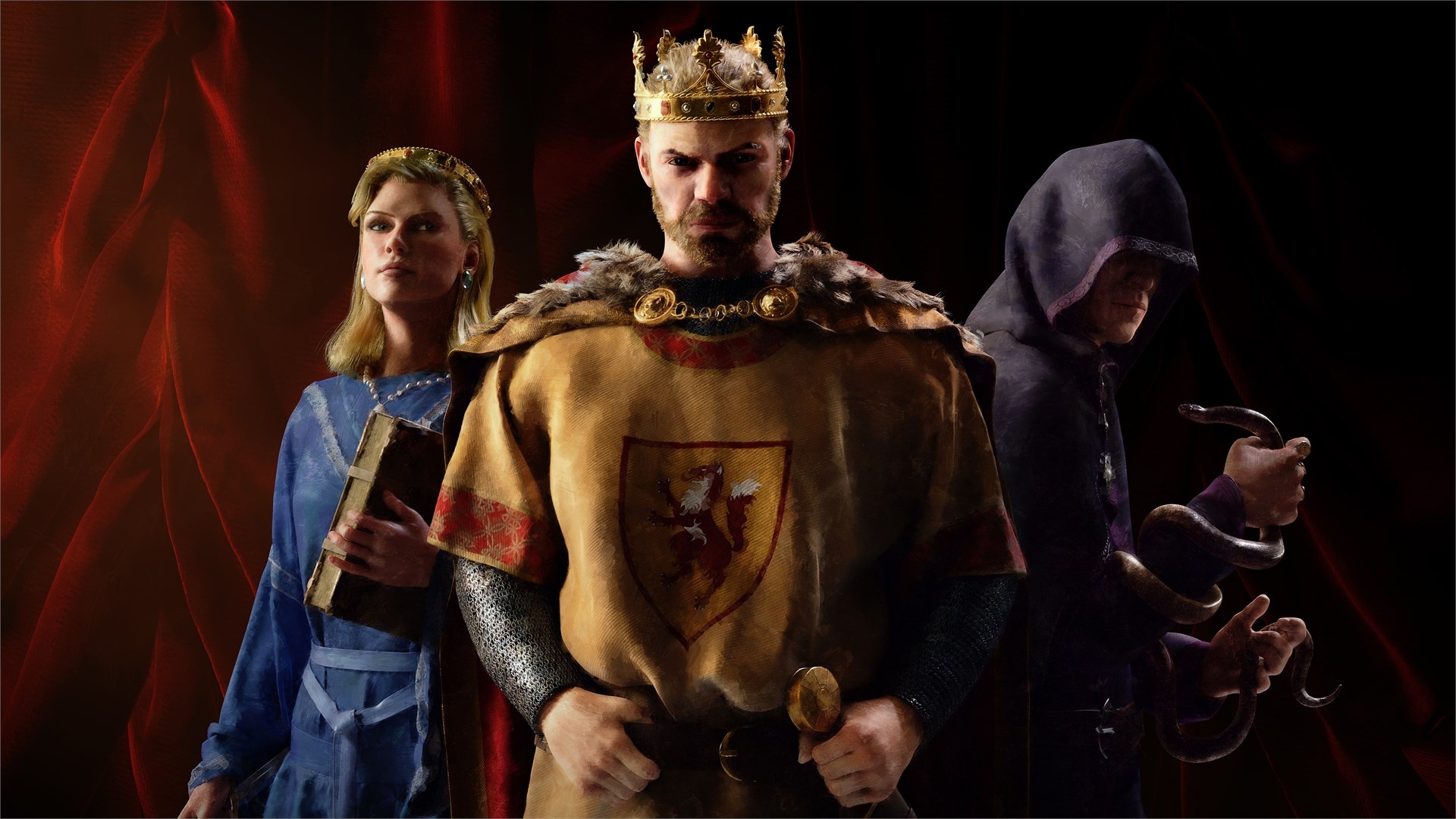
Paradox Interactive’s grand strategy game initially allowed same-sex relationships only through traits and events, but not formal marriage, which was hardcoded to be heterosexual. When a patch inadvertently broke mods that enabled same-sex marriage, the community voiced significant frustration. Paradox acknowledged the issue and released Patch 1.5, which officially added a Game Rule allowing players to legalize same-sex marriage in their campaigns. This update integrated the feature directly into the game’s systems, ensuring that AI and succession laws functioned correctly for these unions.
‘The Sims 4’ (2014)
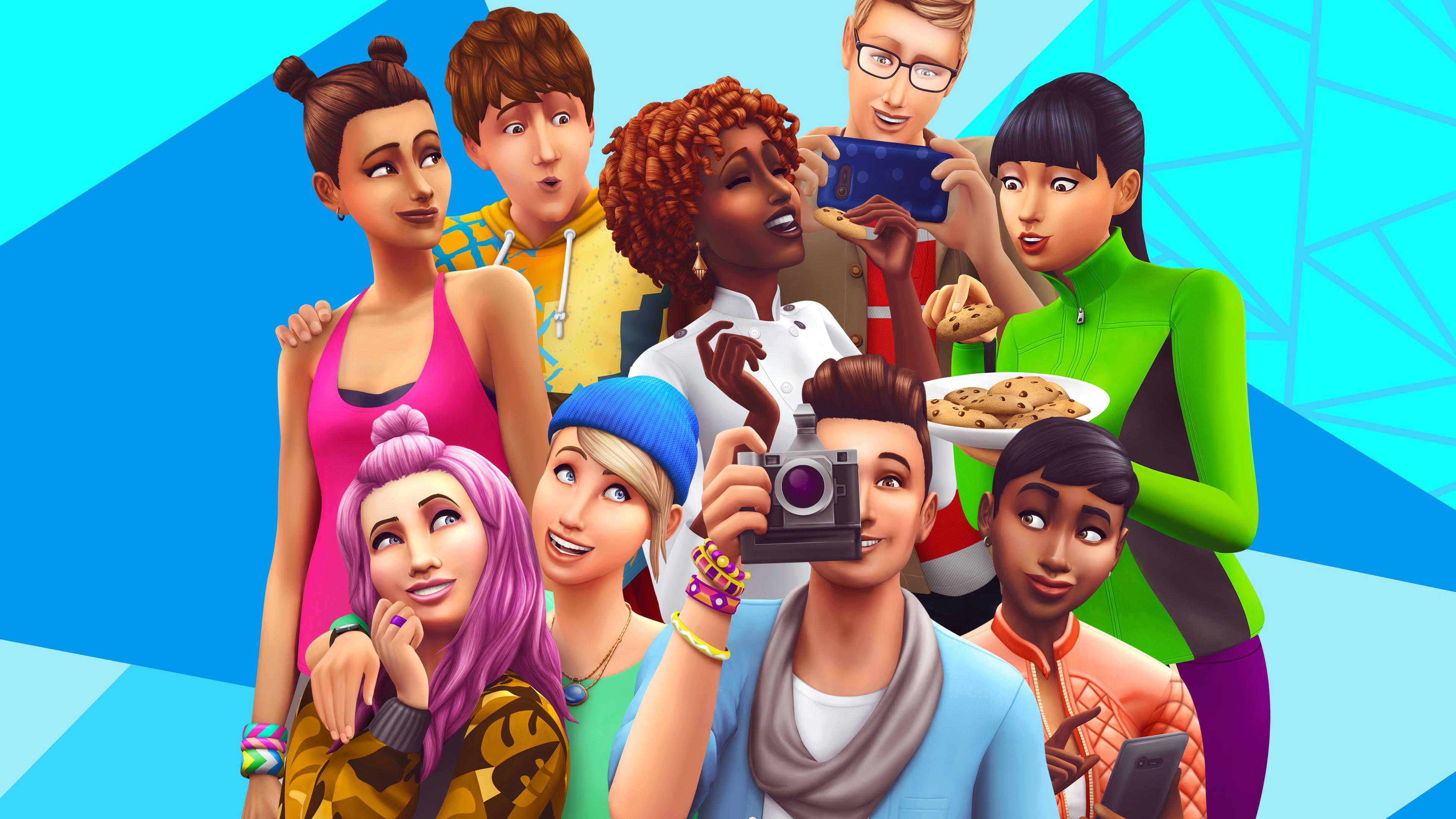
Although ‘The Sims 4’ always allowed for same-sex romance, the game mechanics treated every Sim as effectively bisexual by default, without a way to define specific sexual orientations. Maxis and Electronic Arts addressed this years later with the “Sexual Orientation” update, which was patched into the base game alongside the High School Years expansion. This feature allowed players to strictly define a Sim’s romantic and sexual interests, meaning gay Sims would now reject flirtations from the opposite gender. This patch added necessary depth and realism, responding to players who wanted their Sims’ identities to be respected by the game’s autonomy systems.
‘Fire Emblem: Three Houses’ (2019)
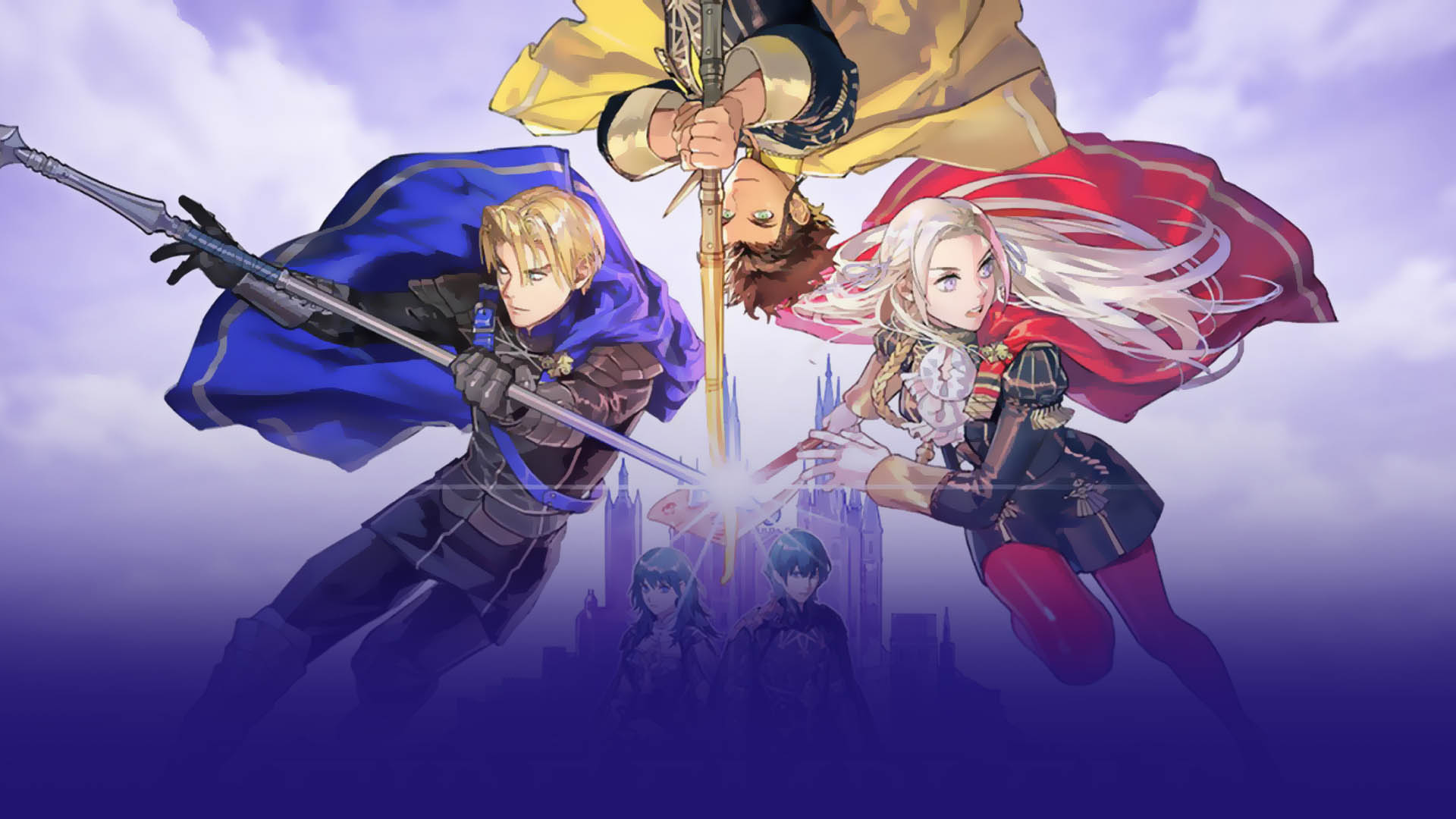
Intelligent Systems and Nintendo faced criticism at launch because the male protagonist, Byleth, had significantly fewer same-sex romance options compared to the female protagonist. Specifically, the male options were limited and some were platonic, whereas female Byleth had several romantic partners. In a post-launch update, the developers made the antagonist Jeritza a playable character and a romance option for male Byleth on the Crimson Flower route. This addition helped balance the romance options and provided a darker, more complex relationship dynamic that fans had requested.
‘Final Fantasy XIV’ (2013)
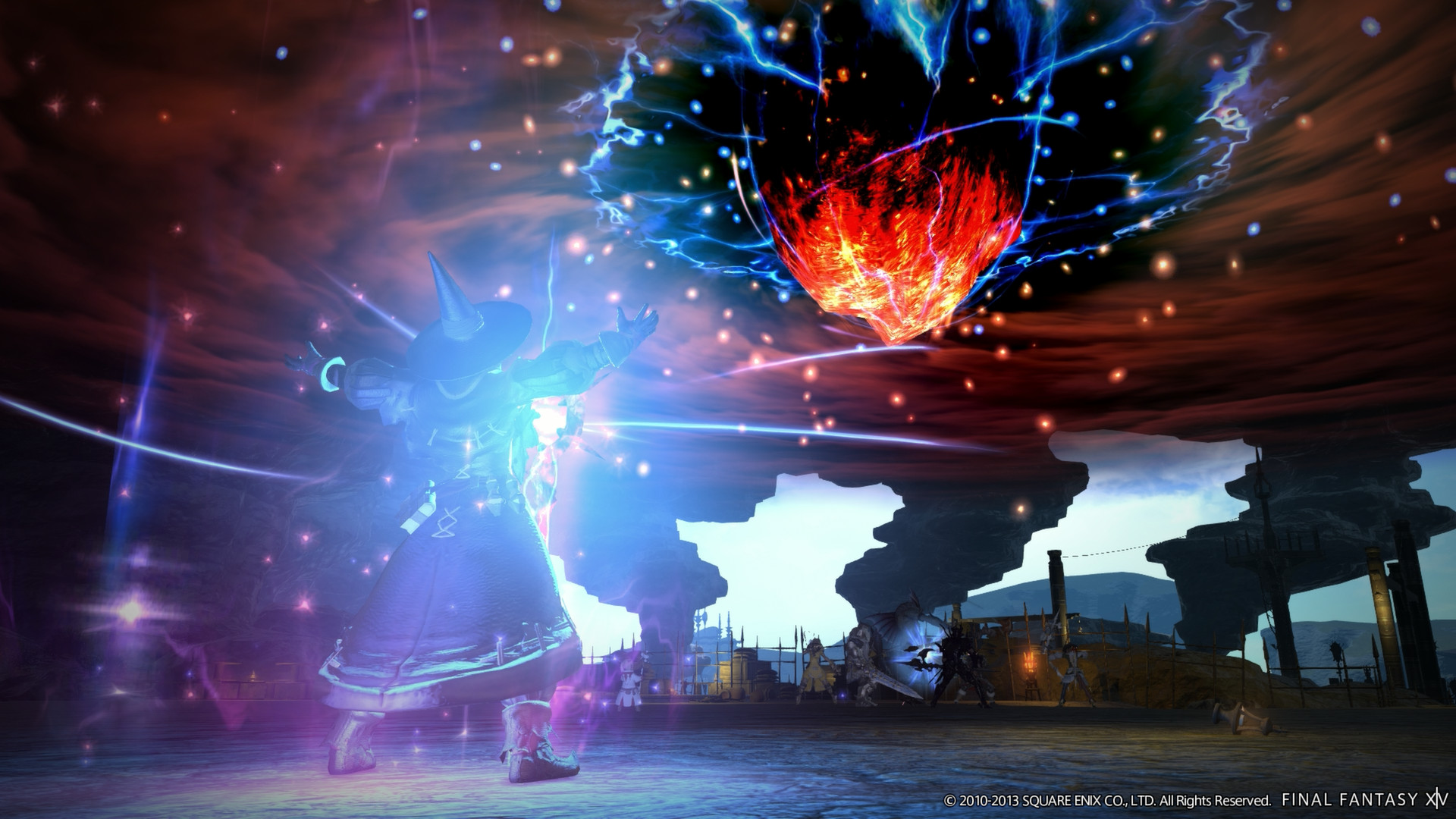
Square Enix initially hesitated to include same-sex marriage in their MMORPG, citing potential controversies in different regions. However, following the game’s relaunch as ‘A Realm Reborn’, the community vocally campaigned for equality within the game’s “Eternal Bonding” ceremony. Producer Naoki Yoshida and his team listened to the feedback and implemented the system in Patch 2.4, allowing any two players to marry regardless of their avatars’ genders. This decision was celebrated by the community and established the game as an inclusive space for LGBTQ+ players.
‘Star Wars: The Old Republic’ (2011)

BioWare launched this MMORPG without any same-sex romance options, a stark contrast to their previous single-player titles like ‘Dragon Quest’ and ‘Mass Effect’. After persistent campaigning from the fanbase, same-sex romance options were finally introduced in the ‘Rise of the Hutt Cartel’ expansion on the planet Makeb. While initially limited to specific new NPCs like Lord Cytharat and Lemda Avesta, subsequent expansions like ‘Shadow of Revan’ and ‘Knights of the Fallen Empire’ expanded these options to major companions. This evolution marked a significant shift in how the game handled player relationships.
‘Mass Effect: Andromeda’ (2017)
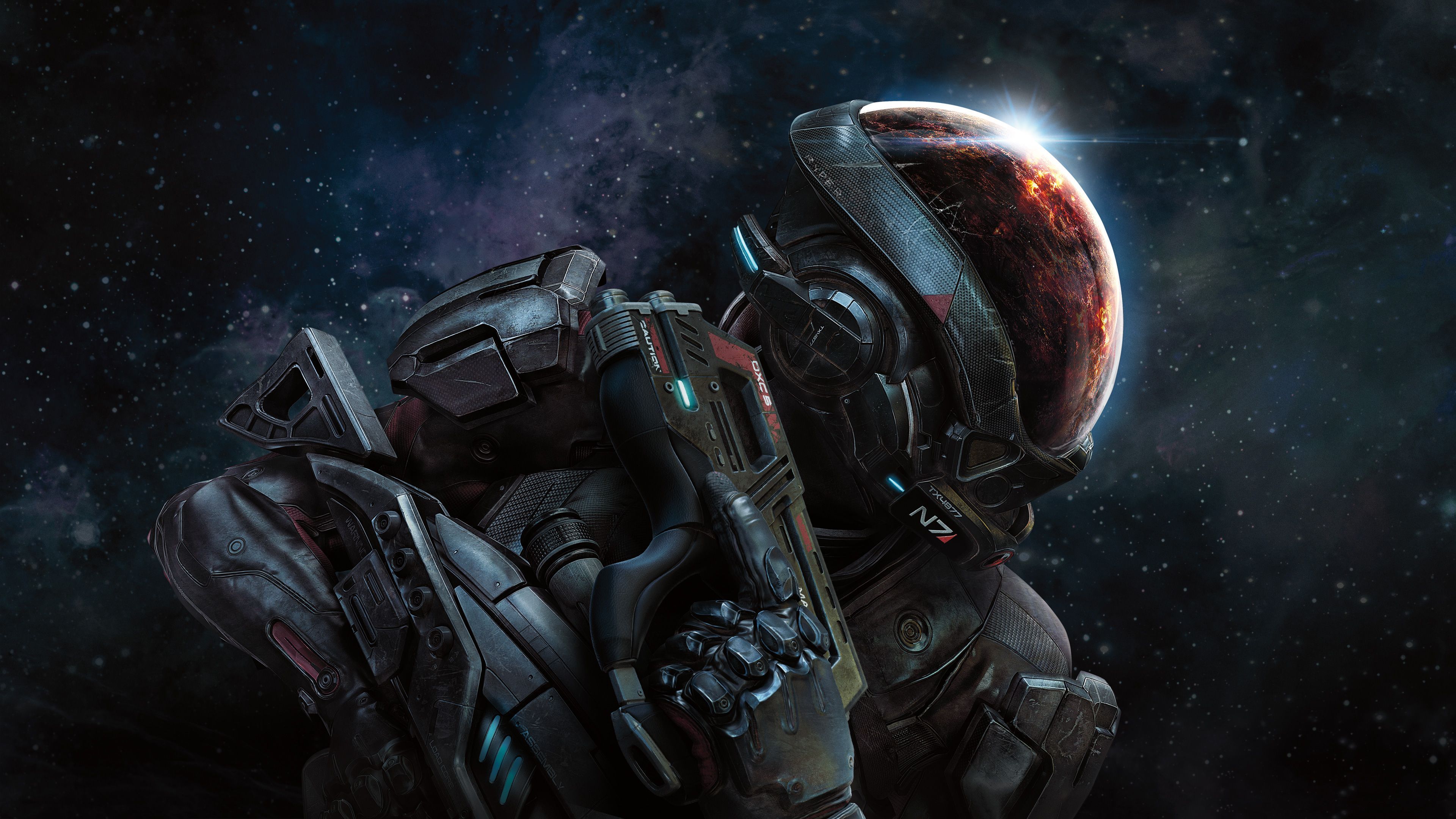
BioWare’s sci-fi RPG faced immediate backlash upon release when players discovered that the male protagonist, Scott Ryder, had very few gay romance options compared to his female counterpart. The alien squadmate Jaal was particularly contentious, as files suggested he was originally intended to be bisexual. Following the #MakeJaalBi campaign on social media, BioWare released Patch 1.08, which officially unlocked Jaal as a romance option for Scott Ryder. The patch included new dialogue and edited cutscenes to fully integrate the romance into the game.
‘Assassin’s Creed Odyssey’ (2018)
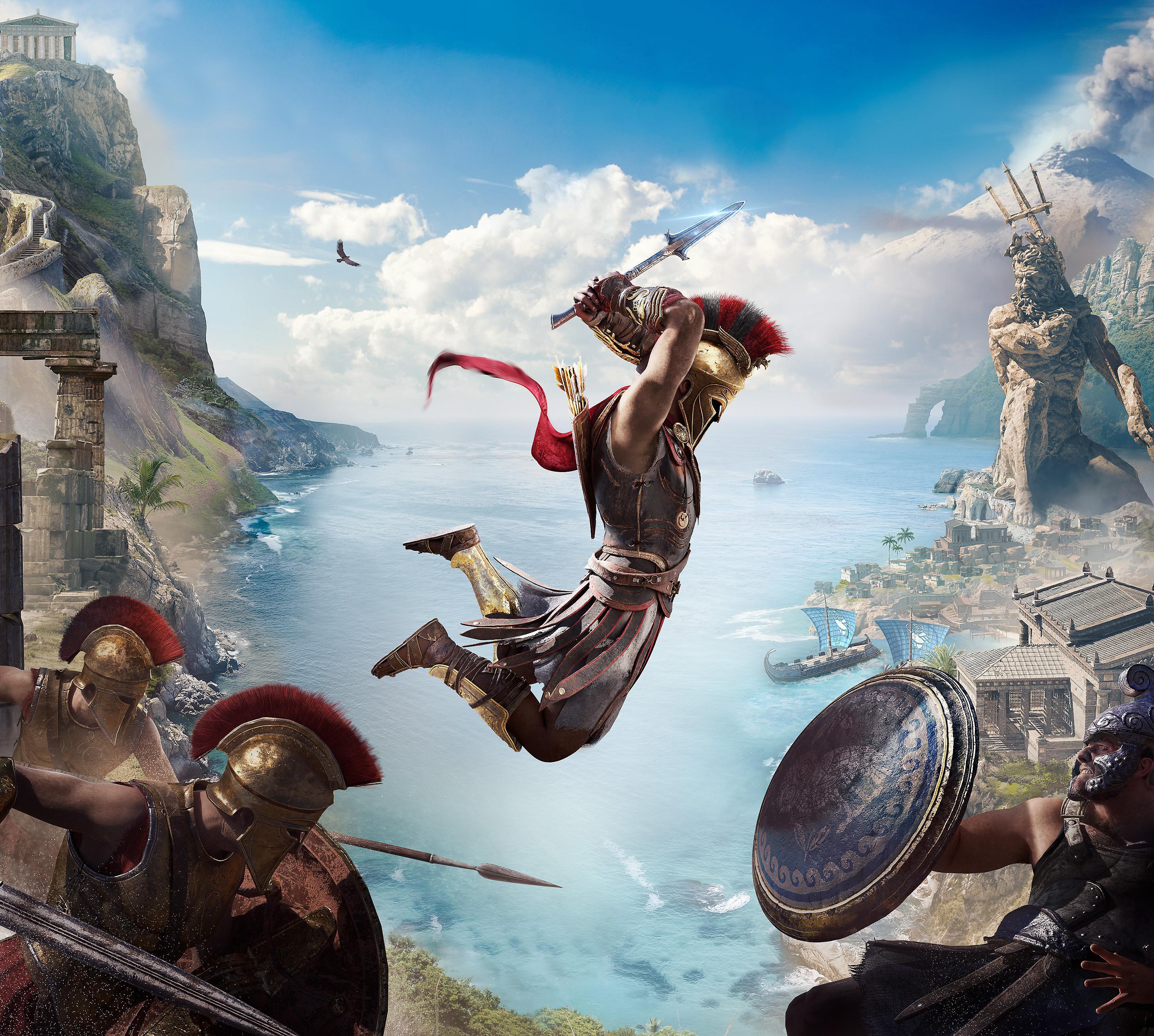
Ubisoft marketed ‘Assassin’s Creed Odyssey’ on the premise of player choice, allowing users to romance anyone regardless of gender. However, the ‘Shadow Heritage’ DLC forced the protagonist into a heterosexual relationship and parenthood to continue the bloodline, triggering massive outcry from players who felt their role-playing choices were violated. Ubisoft issued an apology and released Patch 1.1.4, which altered the DLC’s cutscenes and dialogue to frame the relationship as a practical, non-romantic arrangement if the player chose. The patch also renamed the controversial “Growing Up” achievement, acknowledging the validity of the players’ established character identities.
We’d love to hear which of these updates meant the most to you, so please share your thoughts in the comments.