

15 Magical Girl Series Where the Team Is 100% Queer

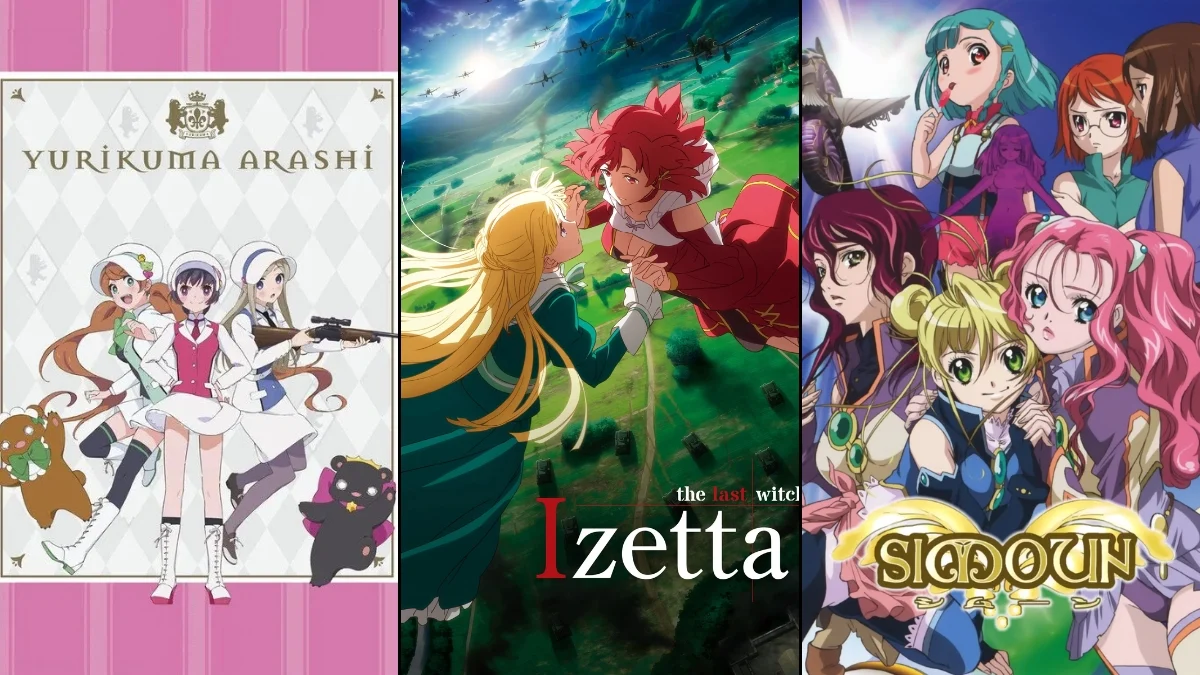


The magical girl genre has long provided a fertile ground for exploring intense relationships between women. Many series move beyond simple themes of friendship to feature teams where romantic bonds are the true source of power. These shows range from lighthearted comedies to intense dramas that use magic as a metaphor for desire and identity. The following collection highlights anime series where the connections between the protagonists are unmistakably queer.
‘Gushing over Magical Girls’ (2024)
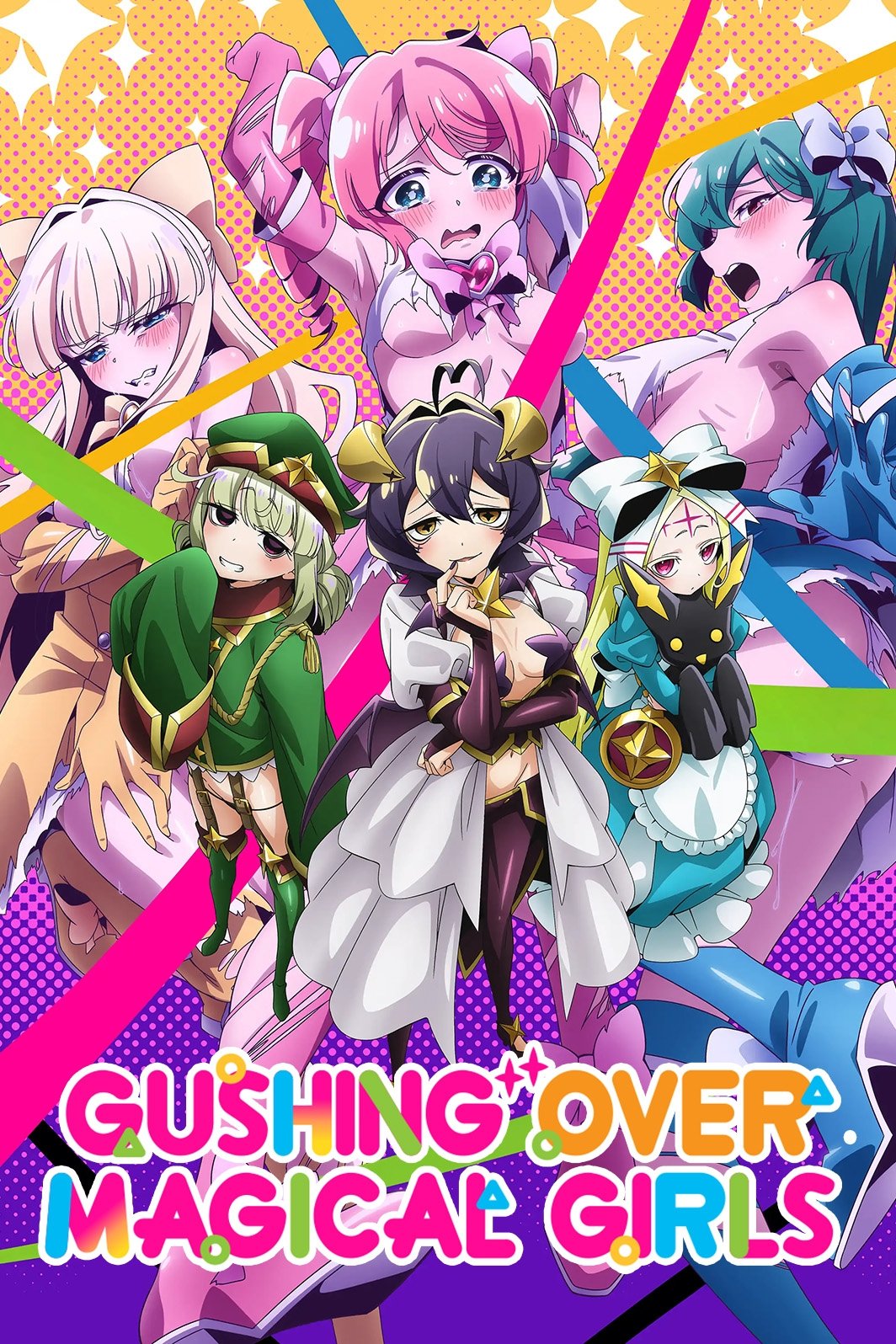
Utena Hiiragi admires magical girls but discovers she has the power to dominate them as a villainess. She engages in combat that is driven by her specific desires and obsessions with the heroines. The dynamic between the magical team and their antagonist blurs the lines of morality and attraction. This series uses the magical girl format to explore themes of kink and identity without restraint.
‘Revolutionary Girl Utena’ (1997)

Utena Tenjou decides to become a prince rather than a princess after a childhood encounter. She engages in sword duels to protect Anthy Himemiya from those who wish to possess the power of the Rose Bride. The series relies on surreal imagery to critique traditional gender roles and heteronormativity. The bond between Utena and Anthy serves as the revolutionary force that shatters their restrictive world.
‘Flip Flappers’ (2016)

Cocona and Papika form a partnership to explore the mysterious realm of Pure Illusion. They transform into magical warriors who must synchronize their feelings to survive dangerous abstract worlds. The narrative focuses entirely on their evolving relationship and the concept of finding a missing half. Their journey forces them to confront their fears and accept their love for one another.
‘The Magical Revolution of the Reincarnated Princess and the Genius Young Lady’ (2023)
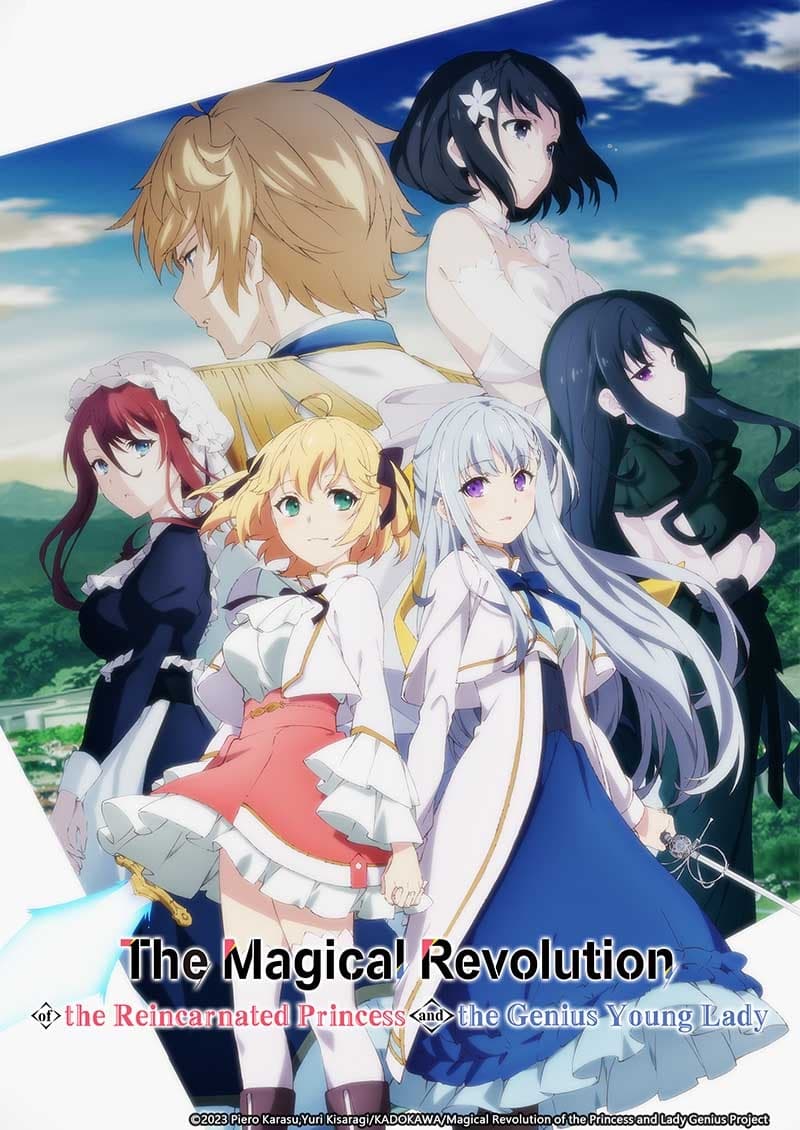
Princess Anisphia cannot use magic but invents scientific tools to fly and fight. She rescues the noblewoman Euphyllia after a public annulment and invites her to live in the royal palace. They work together to uncover a conspiracy while developing a deep emotional and romantic reliance on each other. Their partnership challenges the political and social structures of their kingdom.
‘The Demon Girl Next Door’ (2019–2022)
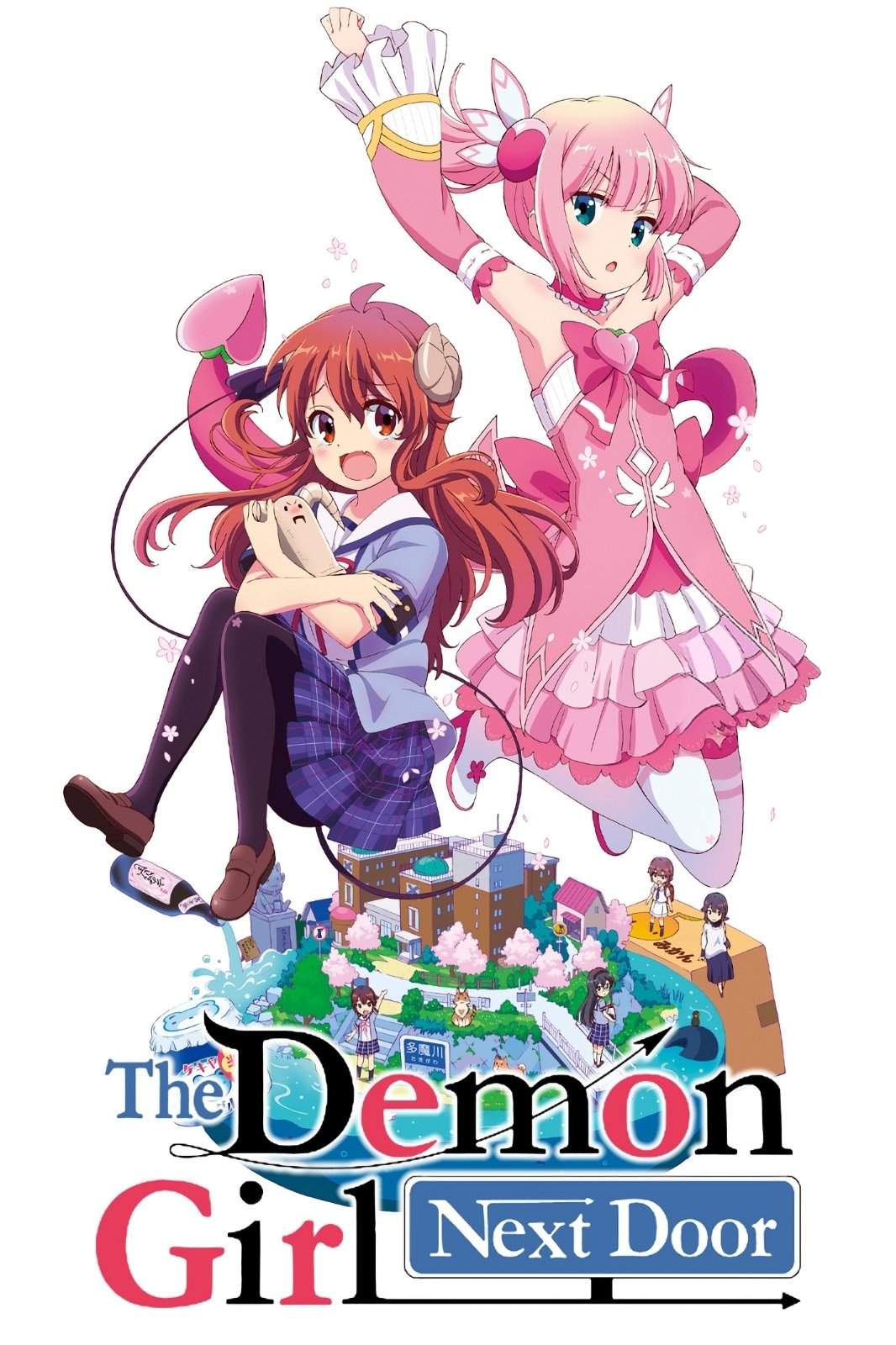
Yuko Yoshida awakens as a demon girl who is tasked with defeating the local magical girl. She instead forms a close friendship and eventual partnership with her supposed enemy Momo Chiyoda. Momo supports the physically weak demon with food and training while struggling with her own retirement from hero duties. The show frames their domestic intimacy as the true heart of the story.
‘Izetta: The Last Witch’ (2016)
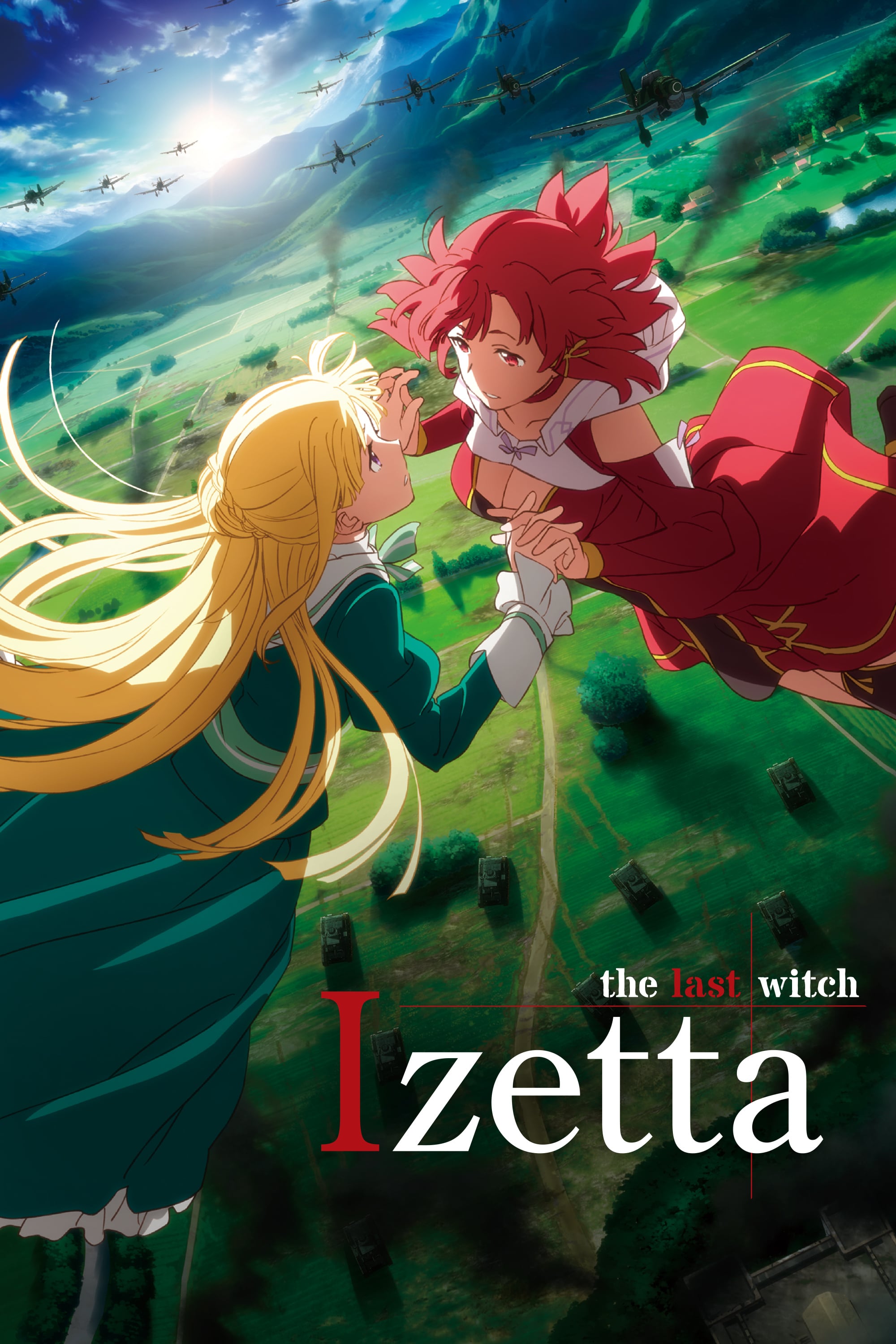
Izetta is the last surviving member of a clan of witches who possess immense power. She breaks her law of secrecy to protect Princess Finé and her small country from a military invasion. The witch acts as a living weapon solely out of devotion to the princess she loves. Their relationship anchors the political drama and serves as the primary motivation for every battle.
‘Simoun’ (2006)
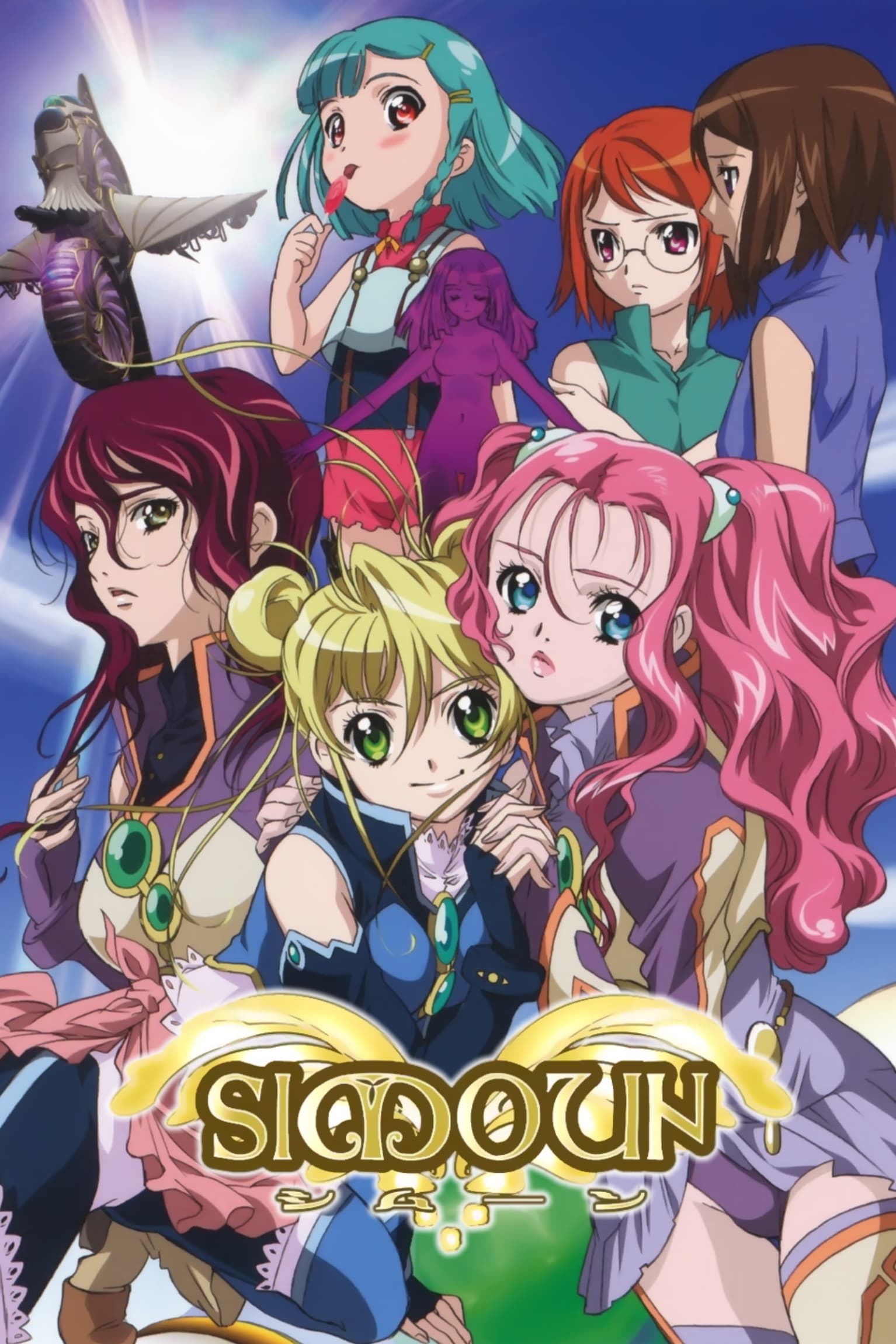
The inhabitants of the world are born female and choose their permanent gender at a sacred spring. Pairs of priestesses pilot ancient flying machines called Simoun by engaging in a ritual kiss. These pilots must navigate war and religious dogma while exploring their feelings for their partners. The premise inherently links magical ability with romantic intimacy between women.
‘Blue Reflection Ray’ (2021)

Hiori Hirahara obtains the power to protect the fragments of human emotion as a Reflector. She fights alongside Ruka Hanari to stop forces that seek to disconnect people from their feelings. The narrative emphasizes the resonance between their hearts as they face trauma and isolation. The strength of the team depends entirely on their ability to understand and love one another.
‘Assault Lily: Bouquet’ (2020)

Humanity faces destruction from mysterious creatures known as the Huge. Teenage girls called Lilies wield large weapons and form pacts to increase their combat efficiency. Riri Hitotsuyanagi enters the academy to find the girl who saved her and initiates a protective contract. The system formally pairs girls in intense relationships that often cross into romance.
‘Granbelm’ (2019)
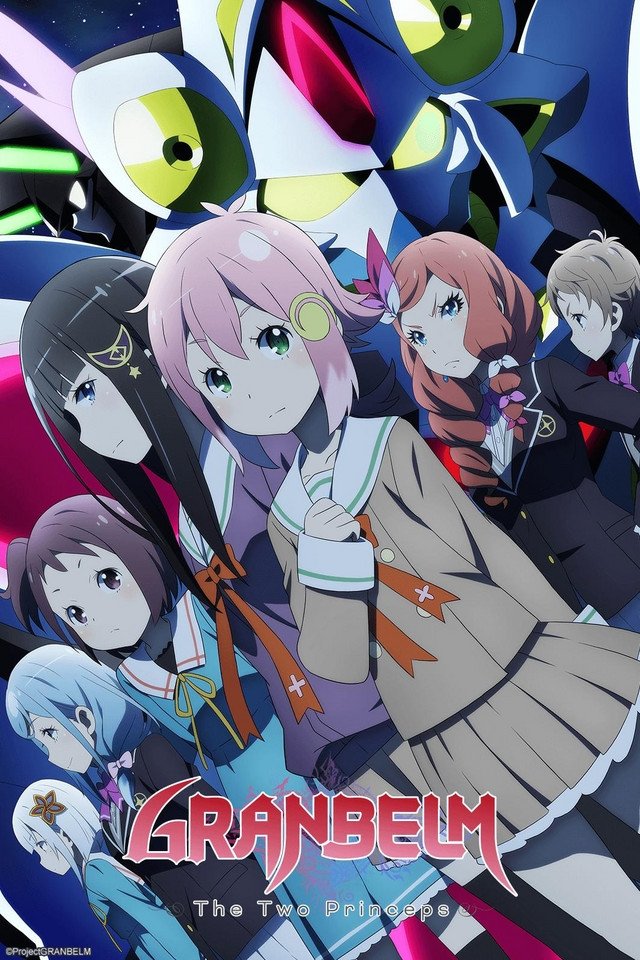
Mangetsu Kohinata stumbles into a battle royale where mages fight in giant magical robots. She allies with Shingetsu Ernesta Fukami to survive the ruthless competition for the title of Princeps. The story reveals the tragic nature of their existence and the depth of their connection. Their shared destiny ultimately reshapes the laws of magic in their world.
‘Destiny of the Shrine Maiden’ (2004)
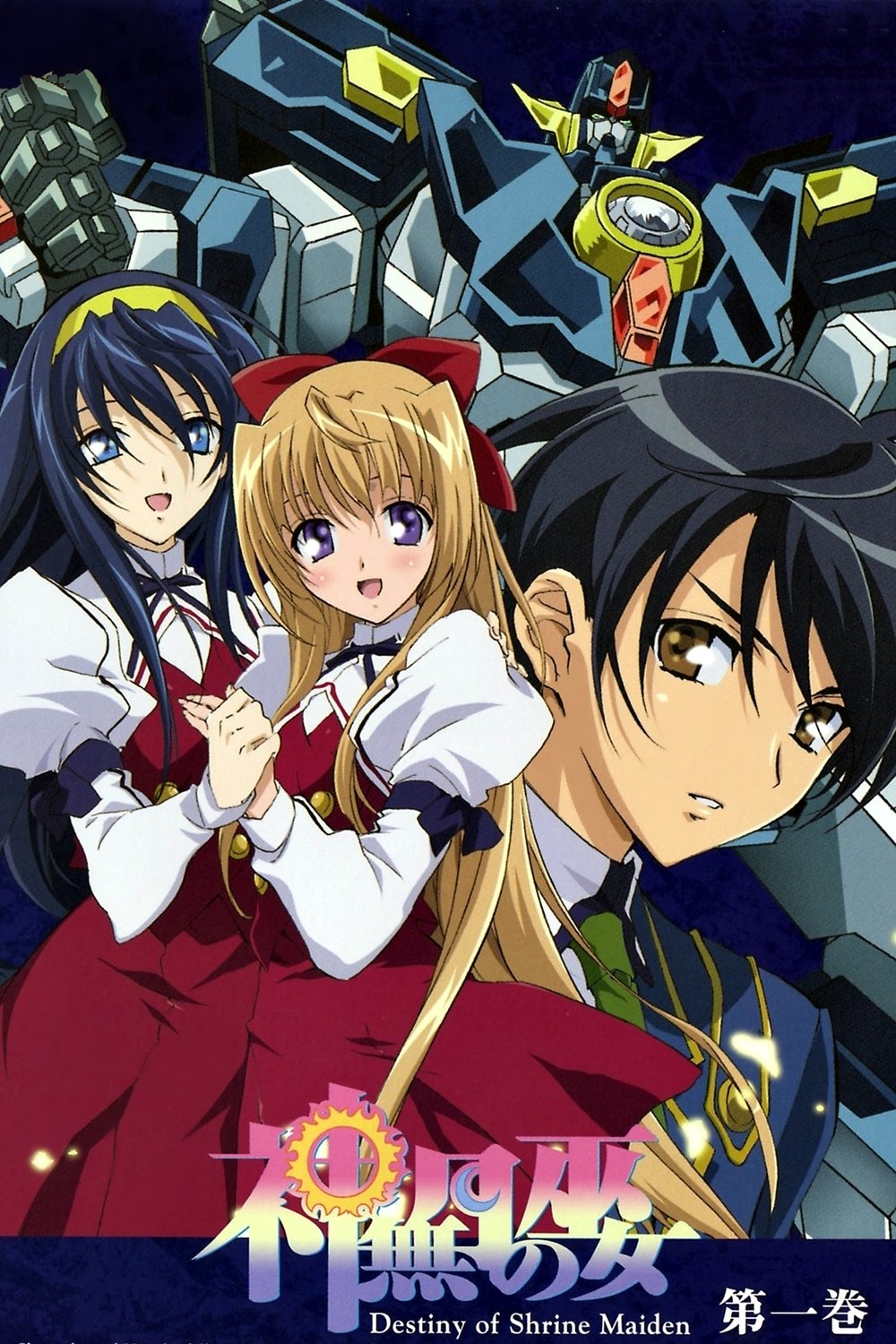
Himeko and Chikane are the reincarnations of the solar and lunar priestesses. They must awaken the Orochi mecha to save the world from ancient gods who wish to destroy it. Chikane harbors a secret love for Himeko that drives her to make desperate and violent sacrifices. The series is known for its dramatic and explicit portrayal of their tragic romance.
‘Yurikuma Arashi’ (2015)

Kureha Tsubaki hates bears but finds herself the target of two bears disguised as human classmates. The girls transform to pass the Wall of Severance and challenge the laws of the exclusion ceremony. The show functions as a dense allegory for lesbian sexuality and the pressure to conform to societal norms. Every character interaction is laden with symbolic and literal desire.
‘Superb Song of the Valkyries: Symphogear’ (2012–2019)
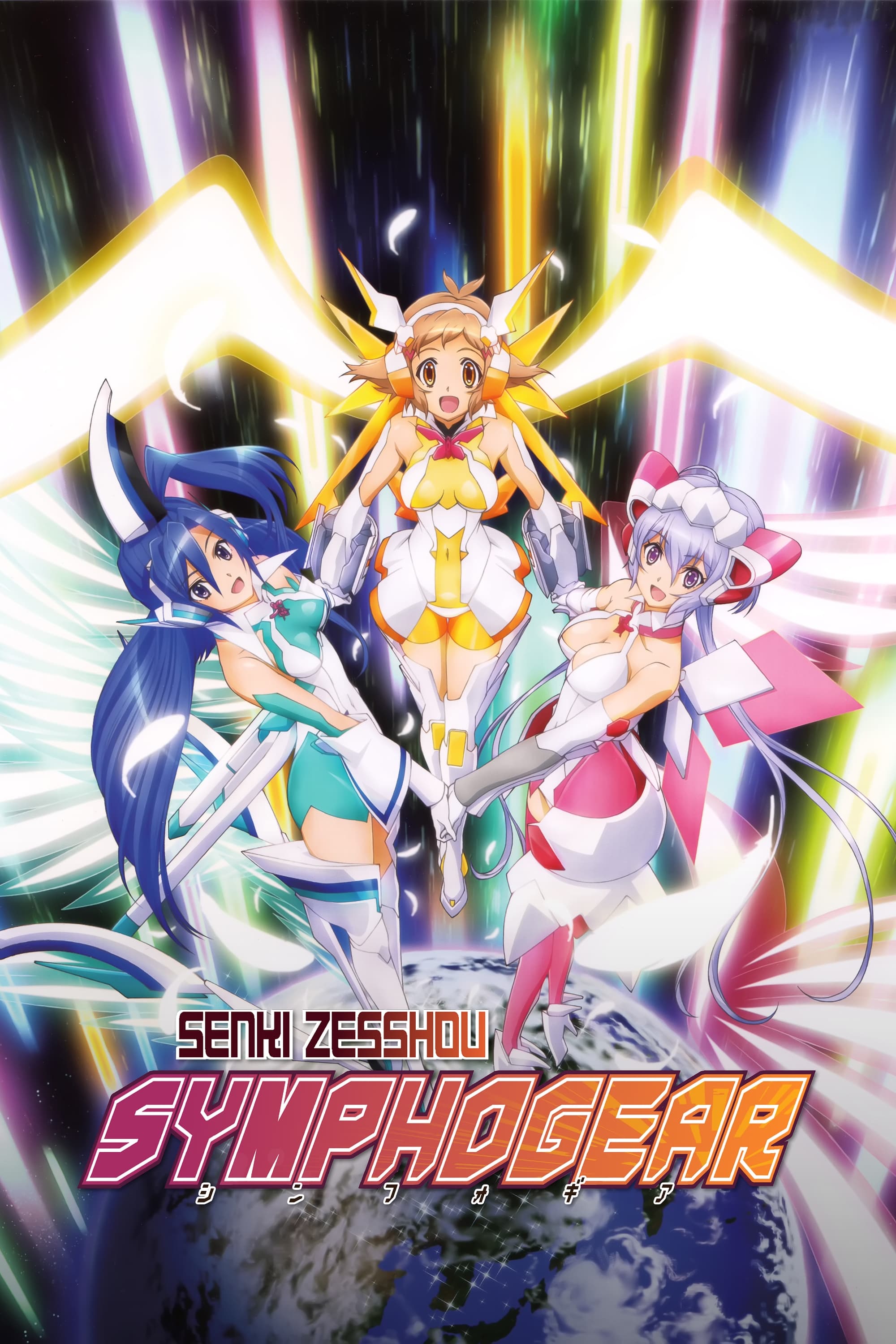
Hibiki Tachibana gains the power to fight aliens using ancient armor activated by singing. She fights alongside other wielders who all share deep emotional bonds with their specific partners. Her relationship with her best friend Miku provides the emotional stability she needs to save the world. The series frequently highlights the romantic devotion that empowers the entire team.
‘Magical Girl Lyrical Nanoha’ (2004)
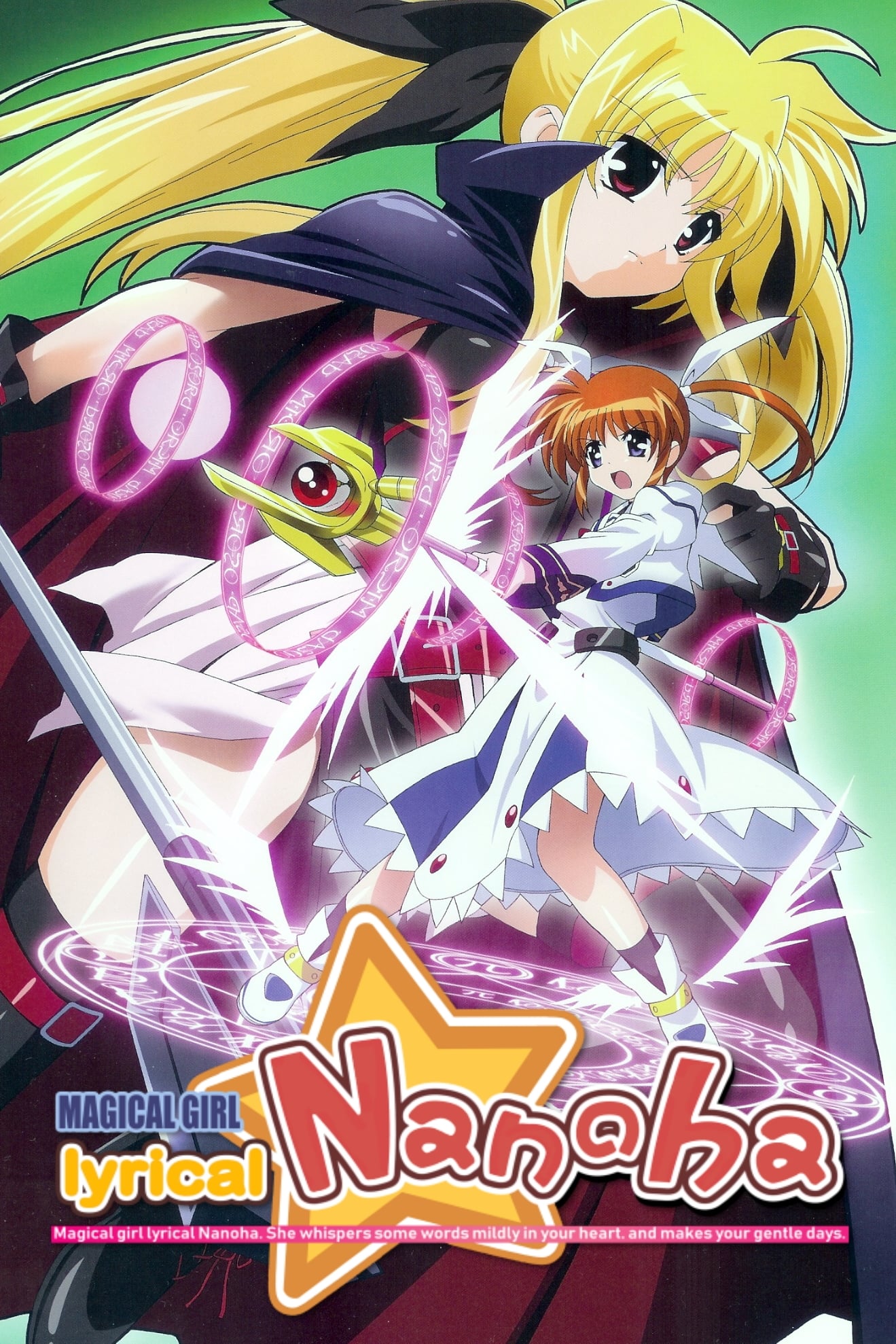
Nanoha Takamachi uses her magical abilities to reach out to a lonely girl named Fate Testarossa. Their initial conflict evolves into a partnership that spans multiple seasons and spinoffs. They eventually live together and raise an adopted daughter as a family unit. The franchise is a staple of the genre for establishing a canon relationship between its two leads.
‘Puella Magi Madoka Magica’ (2011)

Homura Akemi travels through time repeatedly to prevent Madoka Kaname from making a fatal contract. The story deconstructs the magical girl trope by highlighting the suffering and sacrifice involved. Homura proves she is willing to dismantle the universe itself to ensure Madoka finds happiness. Their relationship is the catalyst for the rewriting of the laws of nature.
Tell us which of these magical teams is your favorite in the comments.