


15 Most Credible Alien Abductions in the US

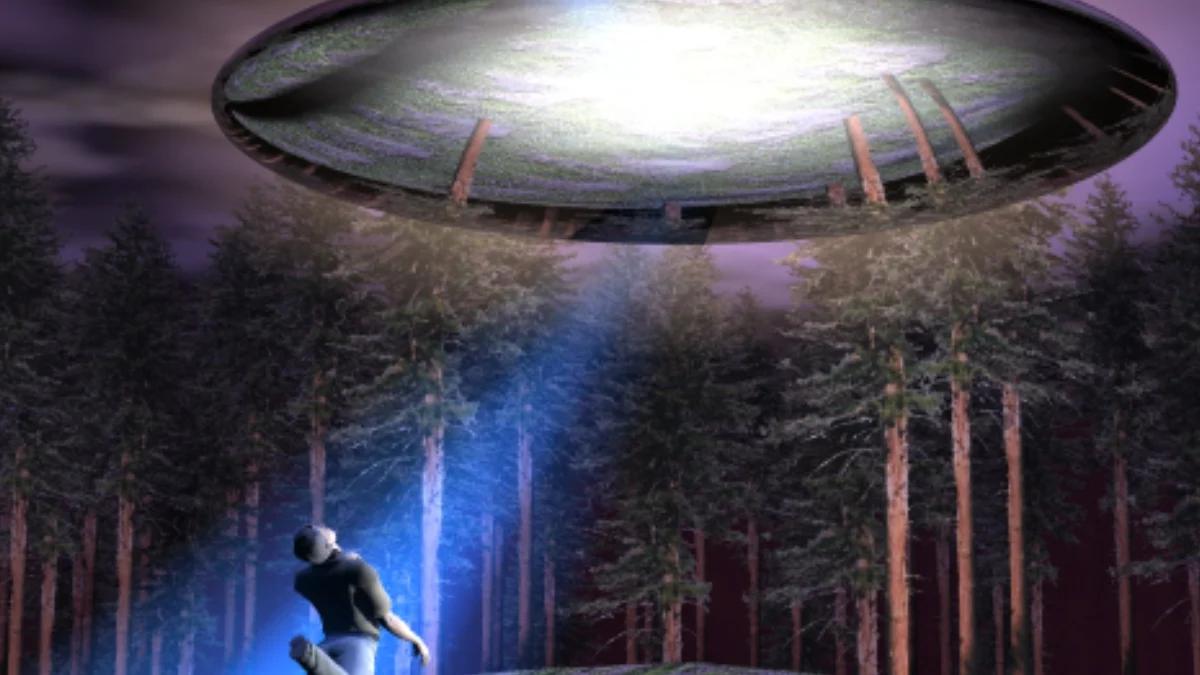


Stories of alleged alien abductions have surfaced across the United States for decades, often accompanied by police reports, medical examinations, and detailed witness statements that keep researchers engaged. The cases below highlight names, dates, places, and primary evidence typically cited by investigators—things like contemporaneous recordings, physical effects, or multiple witnesses. Whether you’re familiar with a few of these incidents or seeing them for the first time, you’ll find essential facts that explain why each one remains part of the conversation. Here’s a clear, case-by-case look at what was reported and documented.
Betty and Barney Hill (New Hampshire, 1961)
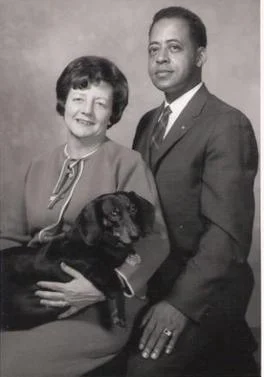
New Hampshire couple Betty and Barney Hill reported a close encounter on a rural highway, followed by “missing time” that prompted them to file a report with the Air Force’s Project Blue Book. Subsequent medical checks and hypnosis sessions produced detailed narratives describing examination-like procedures. Investigators noted physical anomalies on their car’s trunk and a ring of unexplained spots on Betty’s dress. Their case file includes police contact, contemporaneous notes, and official correspondence, which together established one of the earliest modern abduction templates.
Pascagoula Abduction: Charles Hickson and Calvin Parker (Mississippi, 1973)
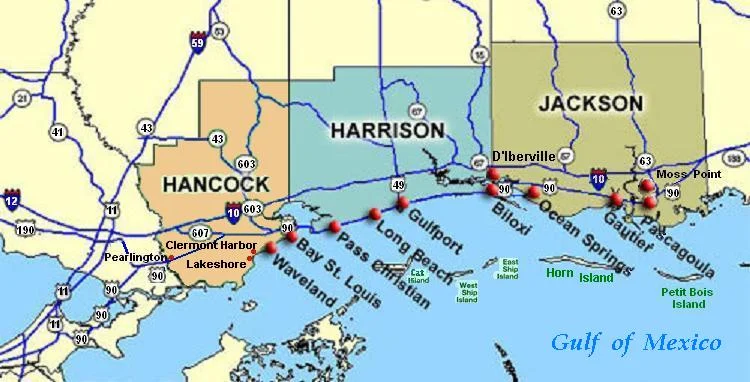
Shipyard workers Charles Hickson and Calvin Parker reported being taken aboard a craft while fishing on the Pascagoula River. At the police station, a hidden recorder captured the pair discussing the event when they believed they were alone, a detail often cited as evidence of genuine distress. Medical exams were conducted soon after, and both men provided consistent descriptions of robotic-like entities. Multiple area residents later reported seeing unusual lights that same evening, forming a broader time-and-place context.
Travis Walton (Arizona, 1975)
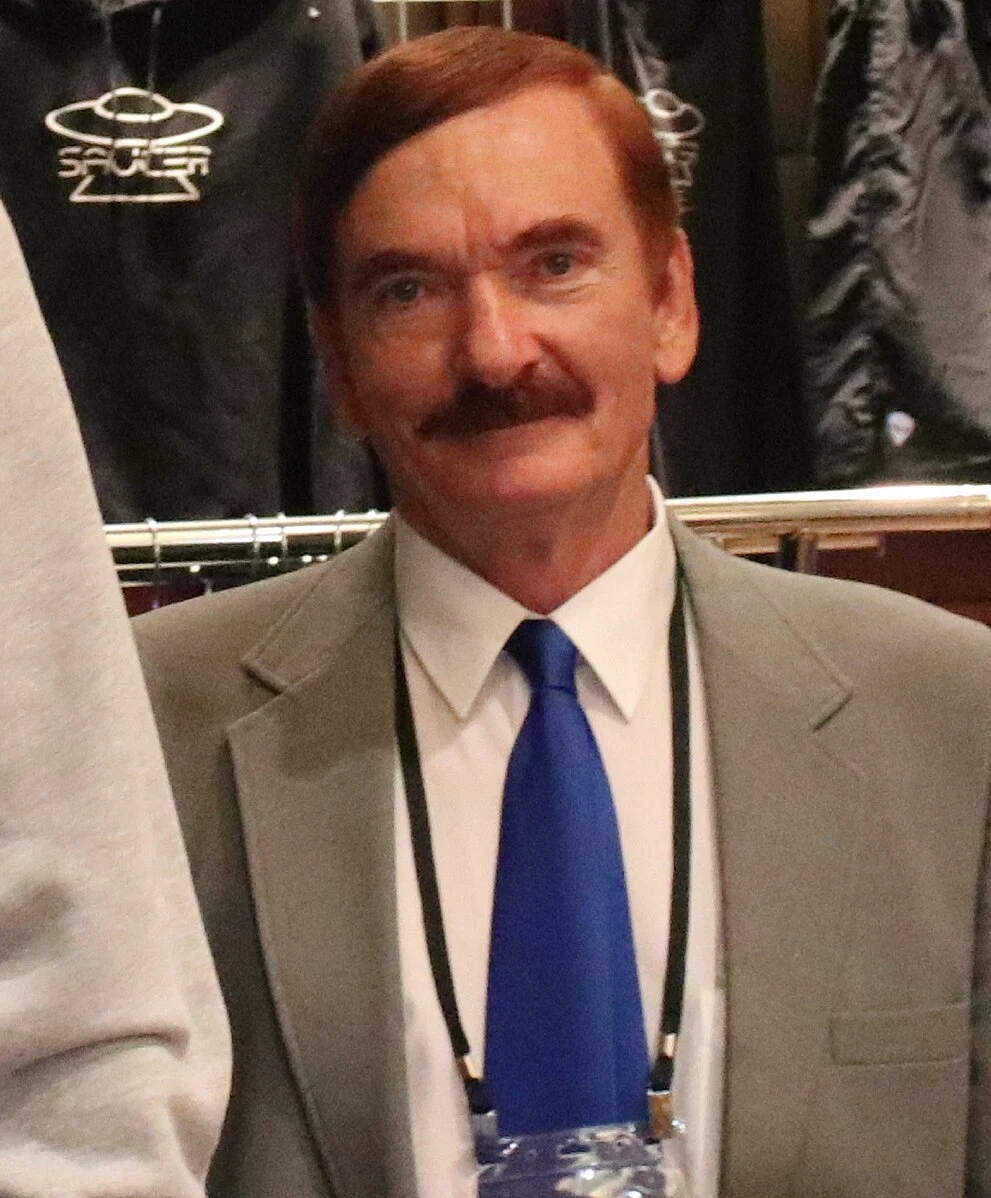
Logger Travis Walton disappeared for five days after his co-workers said a bright object hit him with a beam near Snowflake, Arizona. Law enforcement treated the incident as a missing-persons case, interviewing the entire logging crew under suspicion of foul play. The crew gave consistent accounts under scrutiny, and Walton later described examination procedures aboard a craft. Polygraph examinations and extensive media and legal documentation left a large paper trail that researchers continue to reference.
Allagash Wilderness Incident (Maine, 1976)
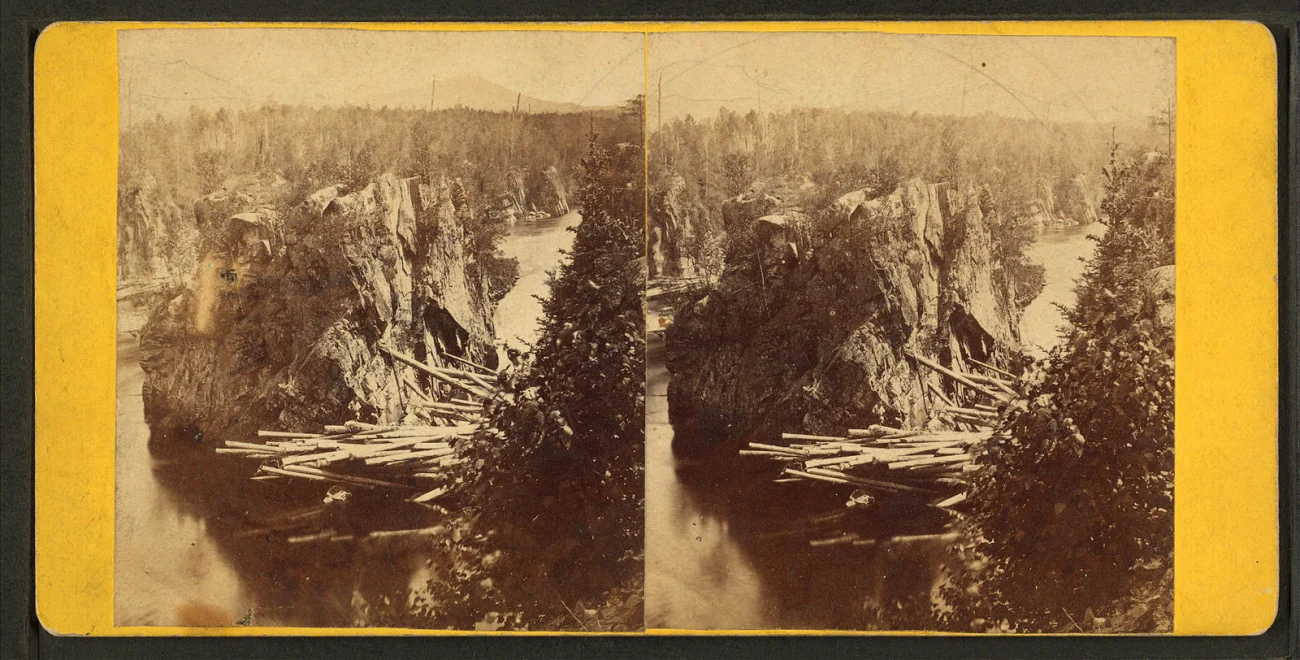
Four art students—Jim and Jack Weiner, Charlie Foltz, and Chuck Rak—reported a bright object over their canoe during a camping trip in northern Maine, followed by missing time. Later, independent hypnosis sessions produced overlapping details about being examined in a brightly lit environment. The group filed reports with investigators, providing sketches and timelines that aligned on key points. Their accounts tied the event to a known location and date in the Allagash Wilderness, allowing subsequent field checks.
Linda Cortile / Brooklyn Bridge Case (New York, 1989)
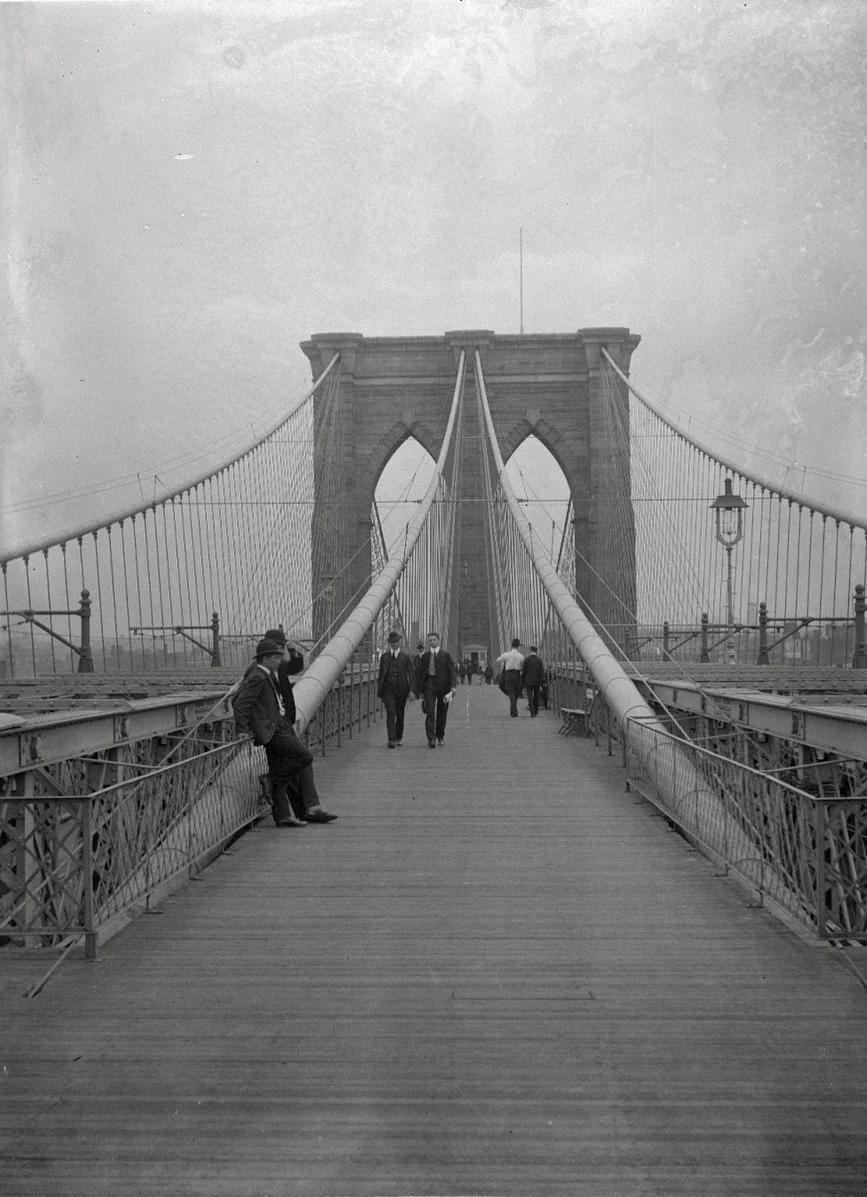
Manhattan resident Linda Napolitano (often called Linda Cortile) reported being levitated from her apartment into a craft, an event she said occurred near the Brooklyn Bridge. She and investigators later cited letters from two alleged security witnesses who described seeing a woman and a bright object near the East River. The case file includes detailed floor plans, sketches, and time-stamped correspondence gathered over several years. While official confirmation never materialized, the documentation record is unusually extensive for an urban setting.
The Andreasson Affair: Betty Andreasson (Massachusetts, 1967)
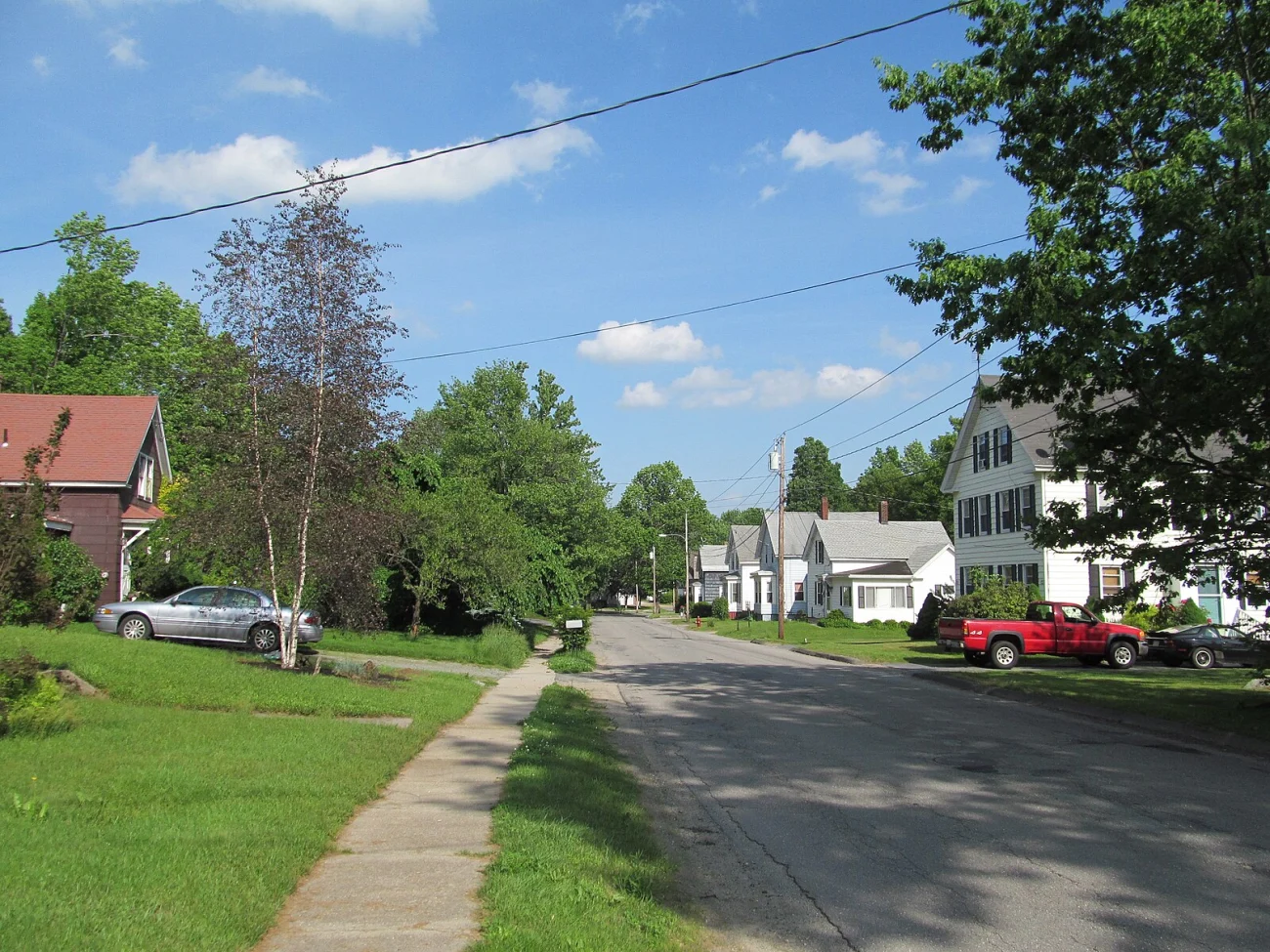
Betty Andreasson of South Ashburnham reported entities entering her home and taking her to a craft, an incident she discussed under hypnosis years later. Investigators collected diagrams of the home’s interior, timelines, and interviews with family members present during the initial disturbance. The file includes notations on unusual light phenomena and the reported suspension of time in the house. Case materials circulated widely among civilian UFO groups, enabling peer review of her account.
Stanford, Kentucky Abductions (Kentucky, 1976)

On a January night, Louise Smith, Mona Stafford, and Elaine Thomas reported a close approach by a disc-shaped object while driving from Lexington to Stanford. The women described physical effects including skin irritation and eye discomfort after the encounter, which were noted in medical visits. Local and state police received their reports, and investigators mapped the route using odometer readings and time checks. Independent witnesses along the corridor also reported unusual lights that evening, providing a regional backdrop.
Buff Ledge Camp Incident (Vermont, 1968)

Two teens working at a summer camp on Lake Champlain—often identified as Michael Lapp and Janet Cornell—reported a series of lights maneuvering over the water, followed by missing time. Their later recollections under hypnosis described being taken aboard a craft and undergoing examination. Investigators documented the camp’s layout, vantage points along the shore, and the timing relative to staff routines. The case has been cited for its fixed location, multi-stage sighting, and detailed sketches.
Debbie Jordan-Kauble / Copley Woods (Indiana, 1983)

Indianapolis resident Debbie Jordan-Kauble reported repeated encounters centered around the Copley Woods area, including an incident involving bright light entering her home. Physical traces reported included ground markings and bodily marks cataloged through photographs and medical notes. Interviews collected over time formed a chronology with dates, locations, and weather conditions. The case became a touchstone for investigators studying repeat-experiencer patterns supported by physical and photographic documentation.
Reed Family Encounters (Massachusetts, 1966–1969)
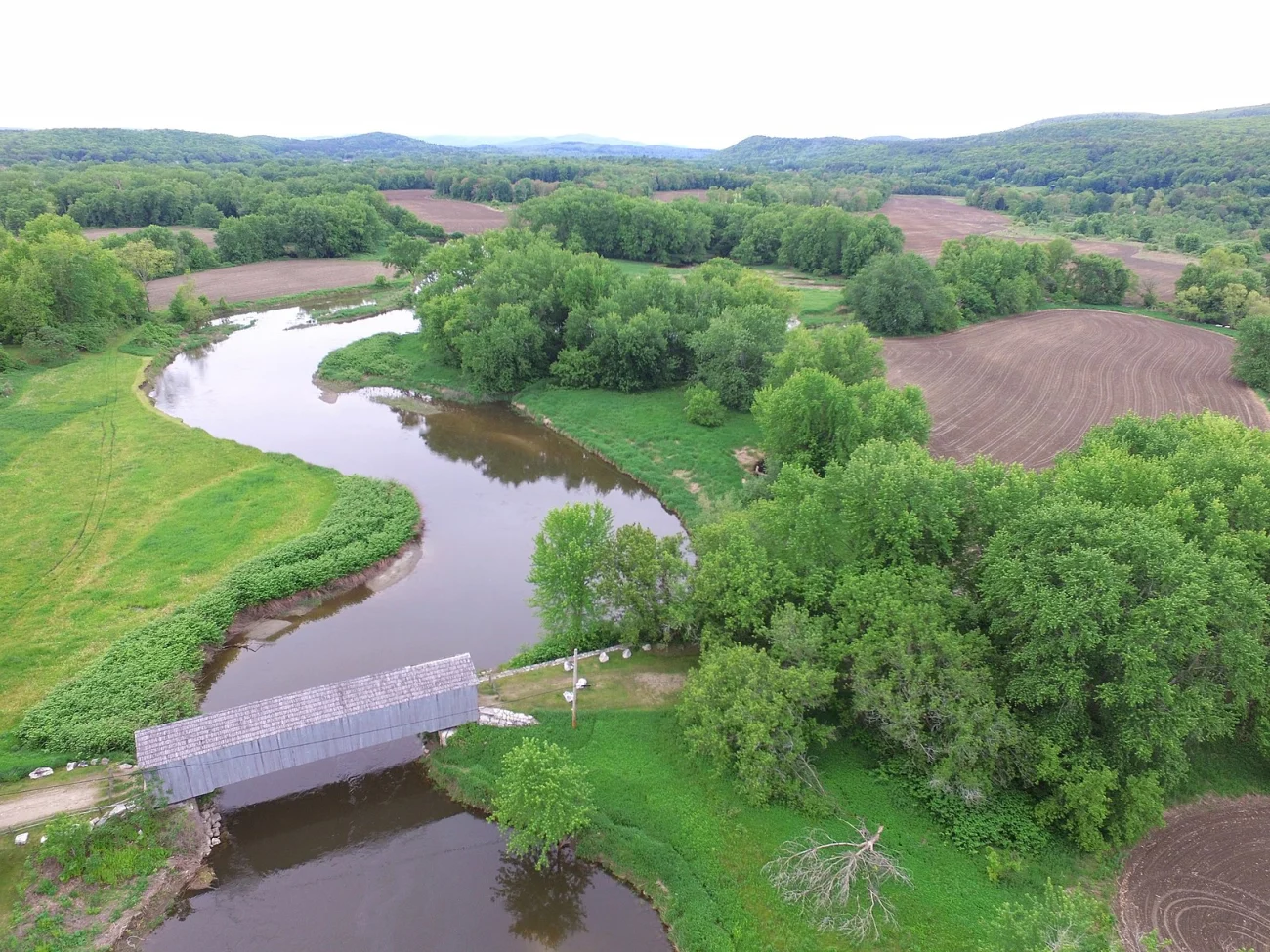
Members of the Reed family reported multiple incidents in and around Berkshire County, including missing-time episodes and transport to a craft-like environment. Local news archives and community statements created a public record linking their claims to specific roadways and landmarks. Years later, area officials issued a historical citation acknowledging the family’s account as a notable local incident, further anchoring it in civic records. Witness maps, interviews, and timelines allow researchers to reconstruct the reported routes and durations.
Herbert Schirmer (Nebraska, 1967)
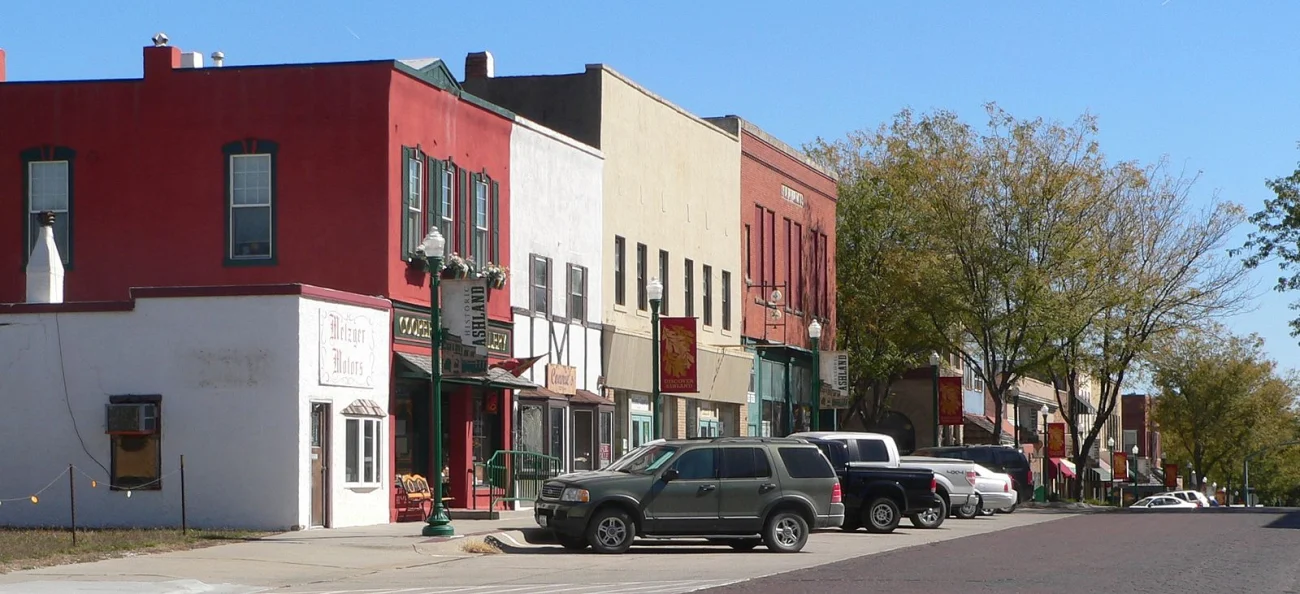
Police officer Herbert Schirmer in Ashland reported a metallic craft and experienced a 20-minute time gap during his overnight patrol. He filed an official incident report and later underwent evaluation by the University of Colorado’s Condon Committee, which documented his account and psychological testing. Schirmer produced sketches of the craft and insignia he said he saw. The case remains notable for its direct linkage to a law-enforcement report and academic inquiry records.
Carl Higdon (Wyoming, 1974)
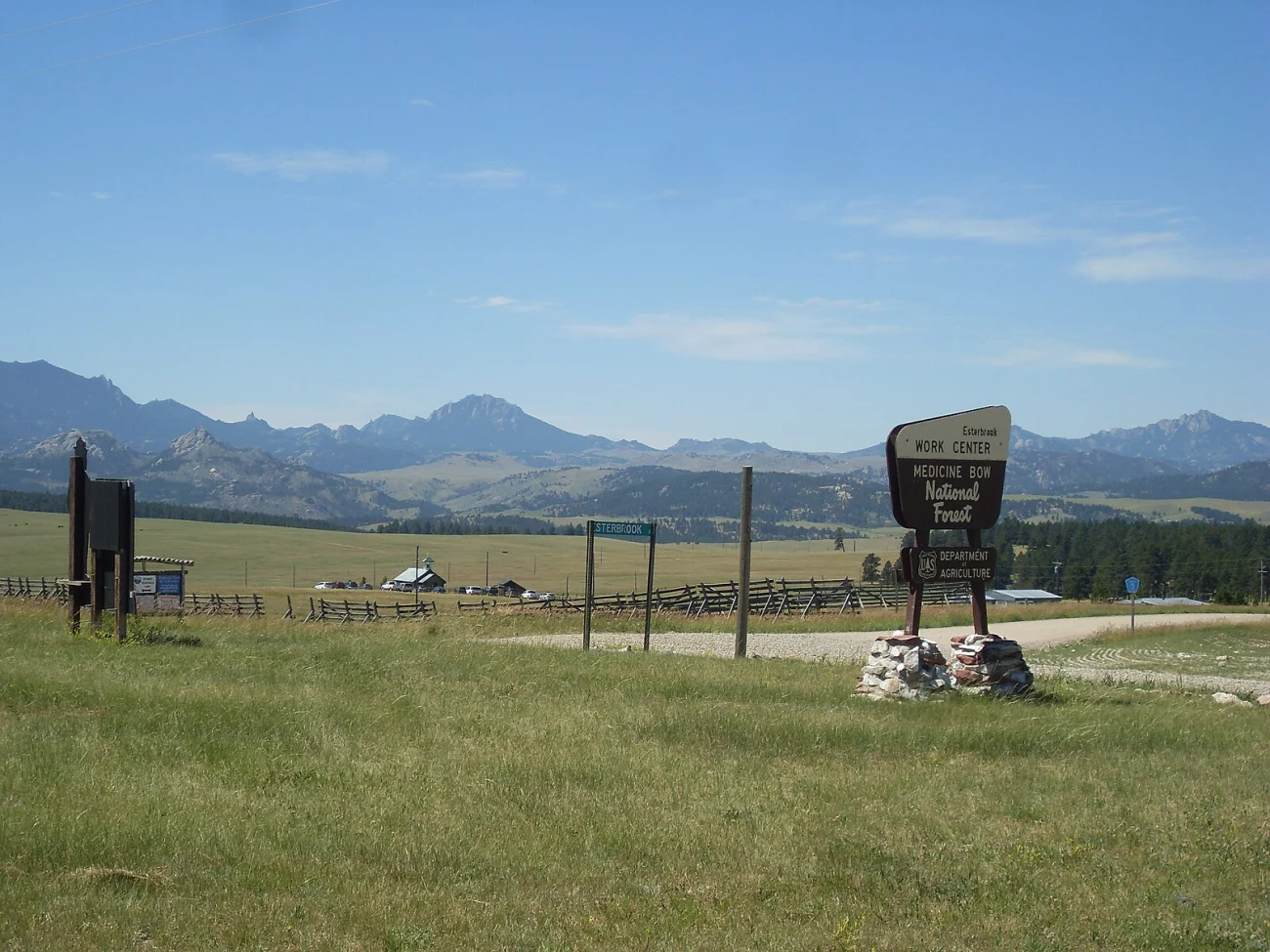
While elk hunting in the Medicine Bow National Forest, Carl Higdon reported an encounter that included impaired movement and transport to a craft. He described medical-like procedures and a return to the area under disoriented conditions. Investigators documented the hunting site, recovered items, and took statements about a bullet that allegedly behaved anomalously when fired. Medical examinations and work records were also collected to establish his condition before and after the event.
Charles L. Moody (New Mexico, 1975)
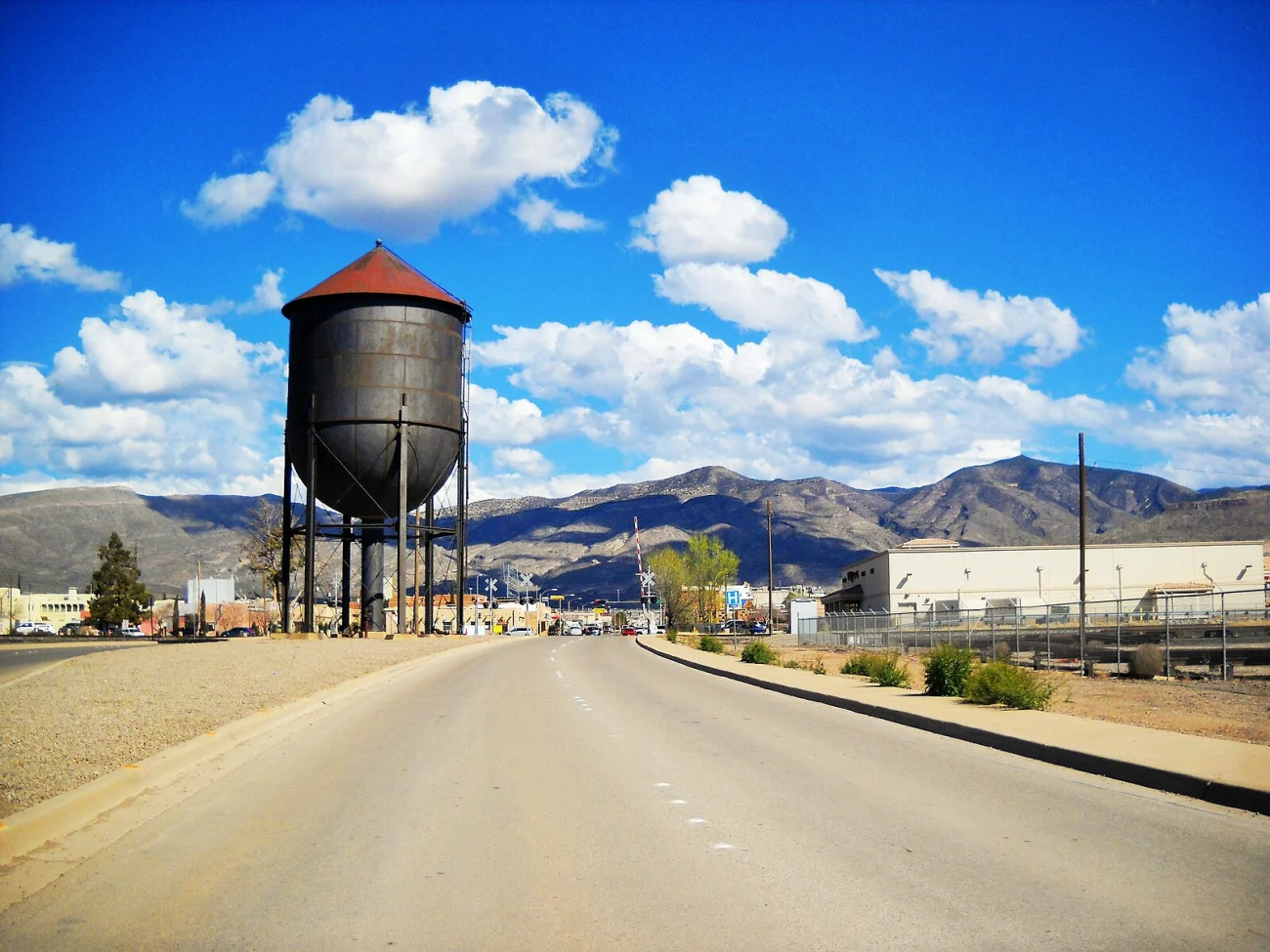
Air Force sergeant Charles L. Moody reported that a bright object approached his car near Alamogordo, after which he experienced paralysis and missing time. He later recounted being aboard a craft and undergoing an examination, details recorded through interviews and personal notes. Researchers compiled his medical complaints, including skin irritation and sleep disturbances, following the incident. The case timeline was cross-checked against his duty schedule and local astronomical data.
Jesse Long (Georgia, 1957 onward)
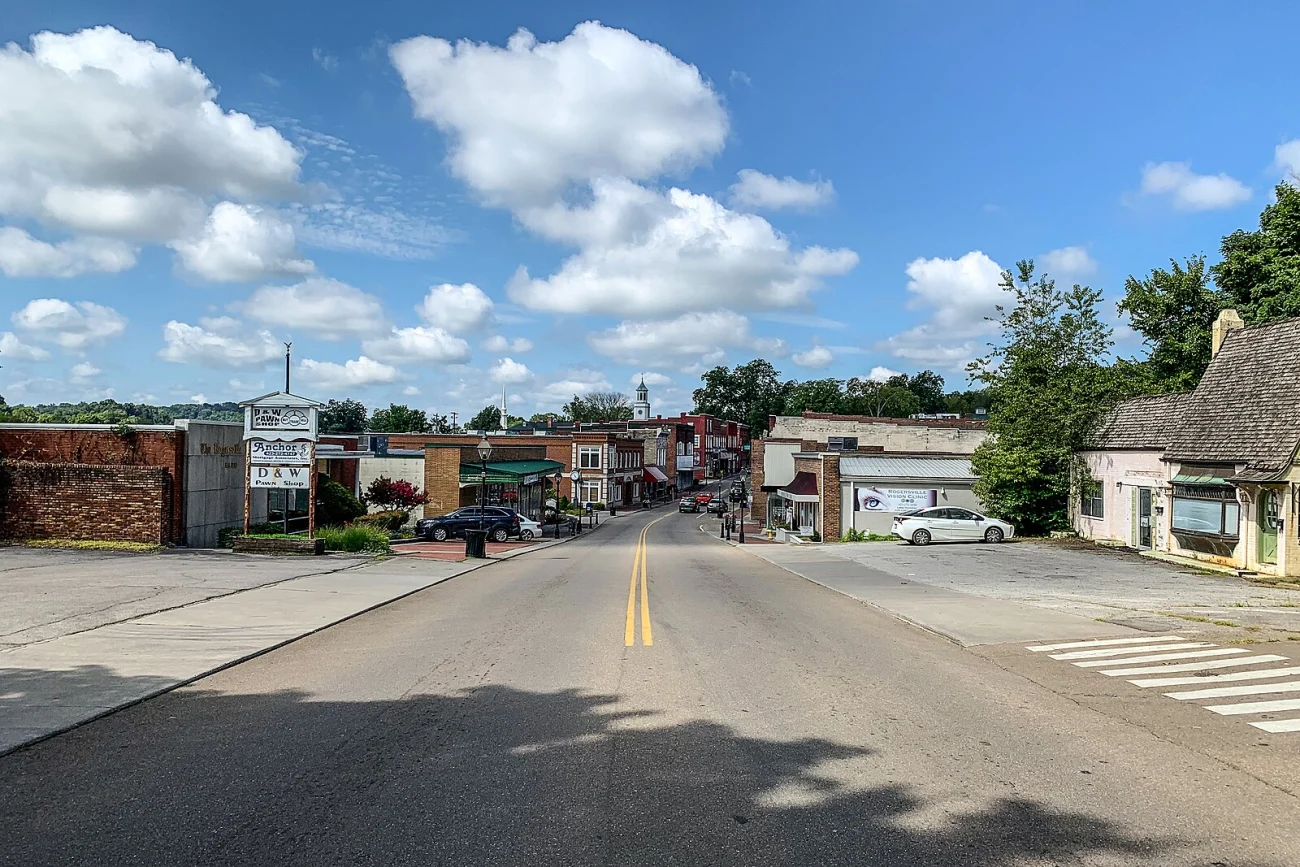
Georgia resident Jesse Long reported a childhood encounter followed by recurring abduction experiences across his life. He described marks and implants he said were linked to procedures performed during these episodes. Investigators collected X-rays, photographs, and medical notes to document alleged physical evidence. Long’s chronology spans multiple locations and decades, producing a large archive of interviews and supporting materials.
Whitley Strieber (New York, 1985)
Author Whitley Strieber reported a December nighttime intrusion at his rural New York cabin and subsequent episodes he associated with nonhuman entities. He underwent neurological and psychological evaluations, producing medical documentation cited in discussions of his case. Strieber kept detailed journals, floor plans of the cabin, and time logs of unusual events. His correspondence and public statements created a comprehensive record that researchers continue to examine.
Share which case you find the most compelling—and why—in the comments!