


15 Most Hated Anime Characters of All Time, Ranked

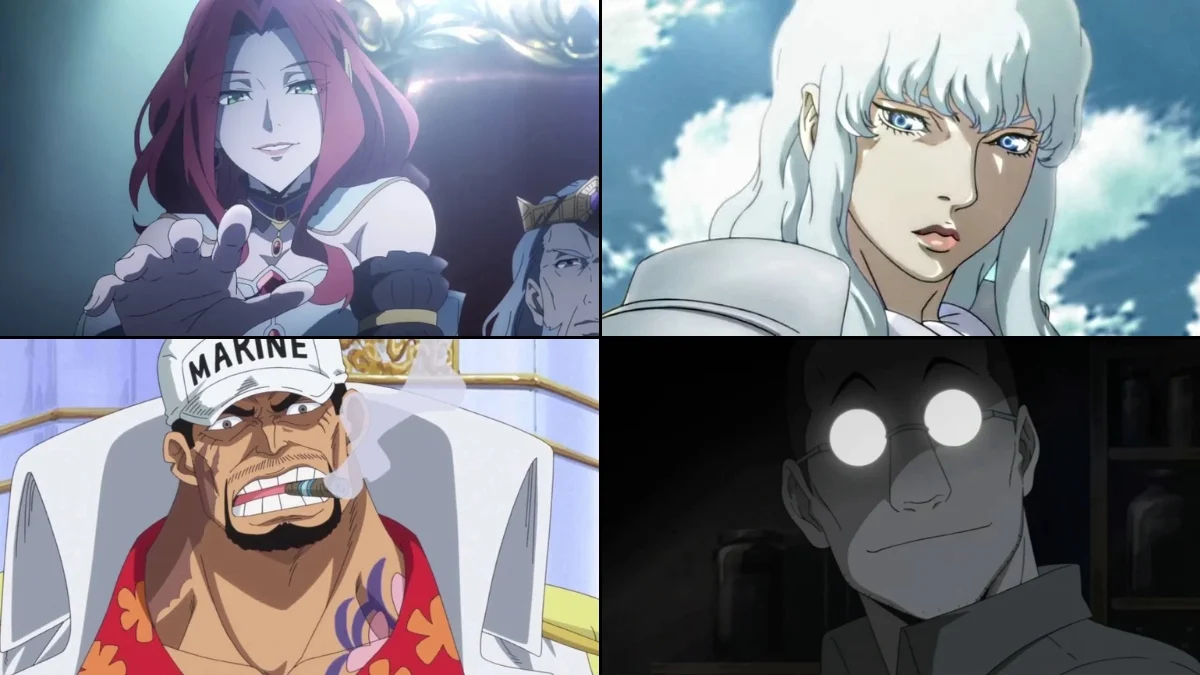


Every long–time anime fan can name at least a few characters who consistently spark outrage, debates, and heated comment threads across the internet. These figures are remembered not for heroism or charm, but for betrayals, cruelty, grating behavior, or story decisions that left viewers fuming. Some are central villains whose actions drive the plot, while others are supposed allies or comic-relief characters who instead became lightning rods for criticism. Looking at their roles, story impact, and fan reception over time helps explain why their names still come up whenever people talk about the most disliked faces in anime history.
Naraku
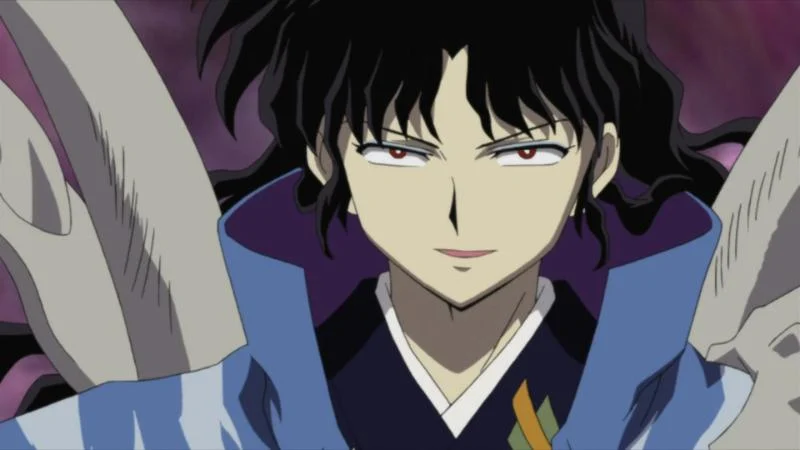
Naraku is the central antagonist of ‘Inuyasha’, created from the fusion of the bandit Onigumo and a horde of demons. His main role in the story is to manipulate events from the shadows, pitting characters like Inuyasha and Kikyo against each other and scattering the Shikon Jewel shards across the world. Naraku constantly changes his body, uses incarnations, and hides behind illusions, which makes him difficult for the protagonists to defeat and keeps the conflict going for a very long time. He is directly responsible for many tragedies in the series, including the curse on Miroku’s family and the suffering of Kohaku and Sango. Because of his long-term schemes and repeated escapes, he became one of the most enduring antagonists in classic shounen anime.
Envy
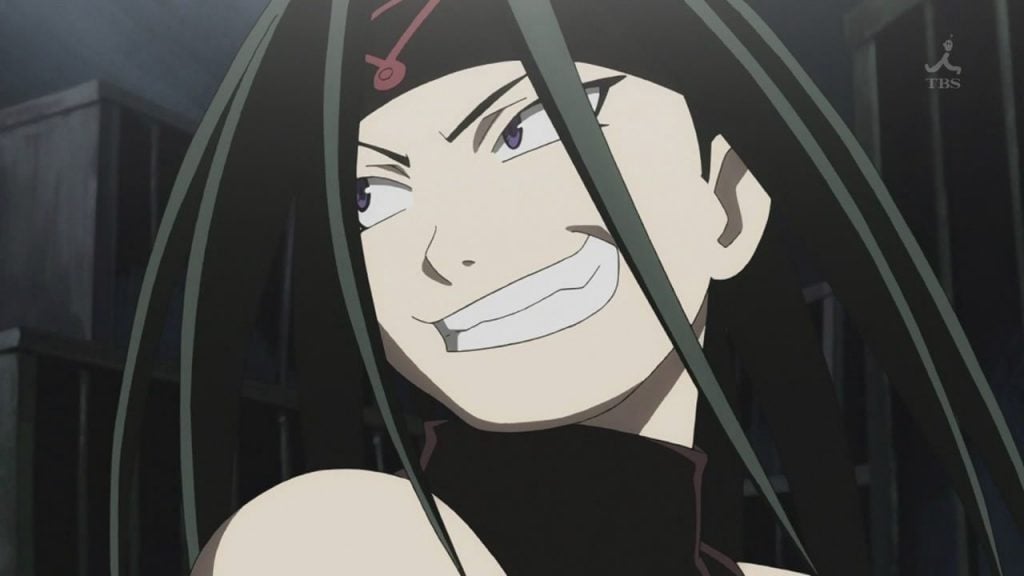
Envy is one of the Homunculi in ‘Fullmetal Alchemist’, serving as an agent of Father and embodying the sin of envy. This character is known for a shape-shifting ability that allows them to impersonate others and destabilize relationships between key figures like the Elric brothers, Mustang, and Hughes. Envy plays a direct role in several pivotal events, including instigating the Ishvalan conflict and causing personal tragedies that alter the course of the story. The character’s monstrous true form and eventual breakdown highlight themes of self-loathing and jealousy within the narrative. Envy’s actions and the revelations around their identity cement their place as one of the franchise’s most memorable villains.
Kyubey

Kyubey from ‘Puella Magi Madoka Magica’ is an alien being that contracts with young girls to turn them into magical girls in exchange for a wish. The character presents itself with a cute, harmless appearance, but its contracts conceal a system that leads inevitably to despair and transformation into witches. Kyubey’s perspective is rooted in cold logic and energy collection, which contrasts sharply with human emotional values and creates much of the series’ psychological tension. The character’s unemotional explanations about suffering and sacrifice reframe the magical girl genre in a darker, more philosophical direction. As a result, Kyubey is often discussed in analyses of how the show deconstructs traditional magical girl tropes.
Seryu Ubiquitous
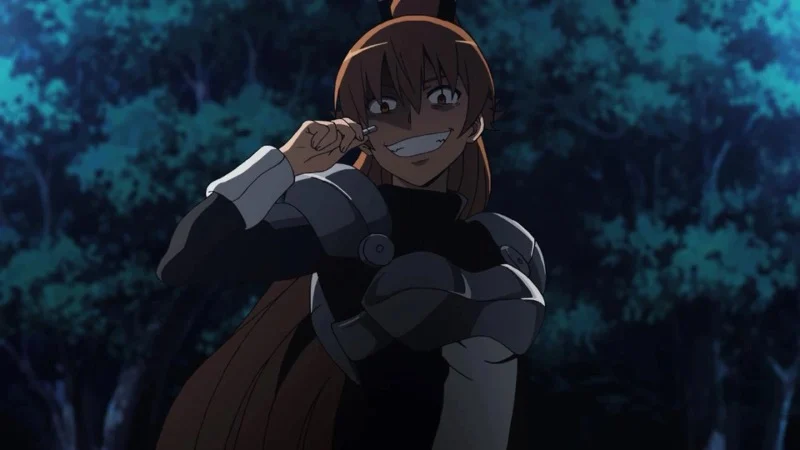
Seryu Ubiquitous is an Imperial soldier and member of the Jaegers in ‘Akame ga Kill!’, aligned with the corrupt Empire. She initially appears as an idealistic justice-obsessed girl, but her extreme black-and-white worldview leads her to commit torture and violence against those she deems evil. Seryu fights alongside her biomechanical Teigu partner, Koro, using a variety of hidden weapons and body modifications that make her a formidable opponent. Her encounters with Night Raid members are some of the series’ most graphic and emotionally charged battles. The character is frequently cited in discussions of how ‘Akame ga Kill!’ portrays warped concepts of justice and the impact of propaganda.
Sakura Haruno

Sakura Haruno is one of the original members of Team 7 in ‘Naruto’, alongside Naruto Uzumaki and Sasuke Uchiha. She begins the series with a focus on her crush on Sasuke and insecurity about her own strength, but later trains under Tsunade to become a powerful medical ninja. Sakura participates in major battles, including confrontations in the Fourth Great Ninja War, and contributes critical support with her healing techniques and physical strength. Despite this growth, her character arc and relationships are often debated within the fanbase and in critical reviews of the series’ writing. Her role in the story highlights long-running conversations about female character development in shounen anime.
Danzo Shimura

Danzo Shimura is a high-ranking leader in Konoha’s Root division in ‘Naruto Shippuden’, operating largely from the shadows. He is known for endorsing ruthless policies, including secret experiments, assassinations, and manipulation of other villages to protect Konoha’s interests. Danzo’s involvement in events like the Uchiha clan’s downfall and his use of stolen Sharingan eyes make him one of the series’ most morally controversial figures. He briefly serves as acting Hokage and attempts to consolidate power during the Five Kage Summit, showing how far he is willing to go to impose his vision of peace. His character is often referenced in discussions of political intrigue and moral ambiguity within the ‘Naruto’ world.
Gabi Braun
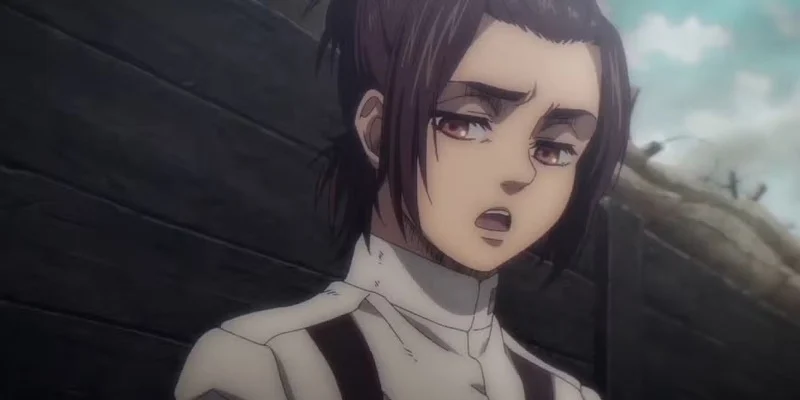
Gabi Braun is a Warrior candidate from Marley in ‘Attack on Titan’, introduced during the later arcs of the story. She is portrayed as a fiercely loyal soldier who has grown up under Marleyan propaganda, which shapes her view of Eldians on Paradis. Early in her appearance, Gabi participates in key combat missions and makes decisions that dramatically affect several long-standing characters. Her interactions with people on Paradis, including those she was taught to see as enemies, serve as a vehicle for the series’ exploration of cycles of hatred and prejudice. Because of her actions and the narrative shifts around her, Gabi became one of the most heavily discussed characters in the fandom during the anime’s later seasons.
Akainu (Sakazuki)

Akainu, whose real name is Sakazuki, is a Marine admiral and later Fleet Admiral in ‘One Piece’. He adheres to an extreme interpretation of “absolute justice,” which justifies harsh measures and collateral damage in the fight against pirates. Akainu plays a pivotal role in the Marineford arc, where his decisions and actions have permanent consequences for key characters and the broader balance of power. His rise to Fleet Admiral after a duel with Aokiji marks a significant shift in the Marines’ leadership style and policies. The character often appears in analyses of how ‘One Piece’ portrays authority, justice, and the costs of maintaining order.
Sugou Nobuyuki
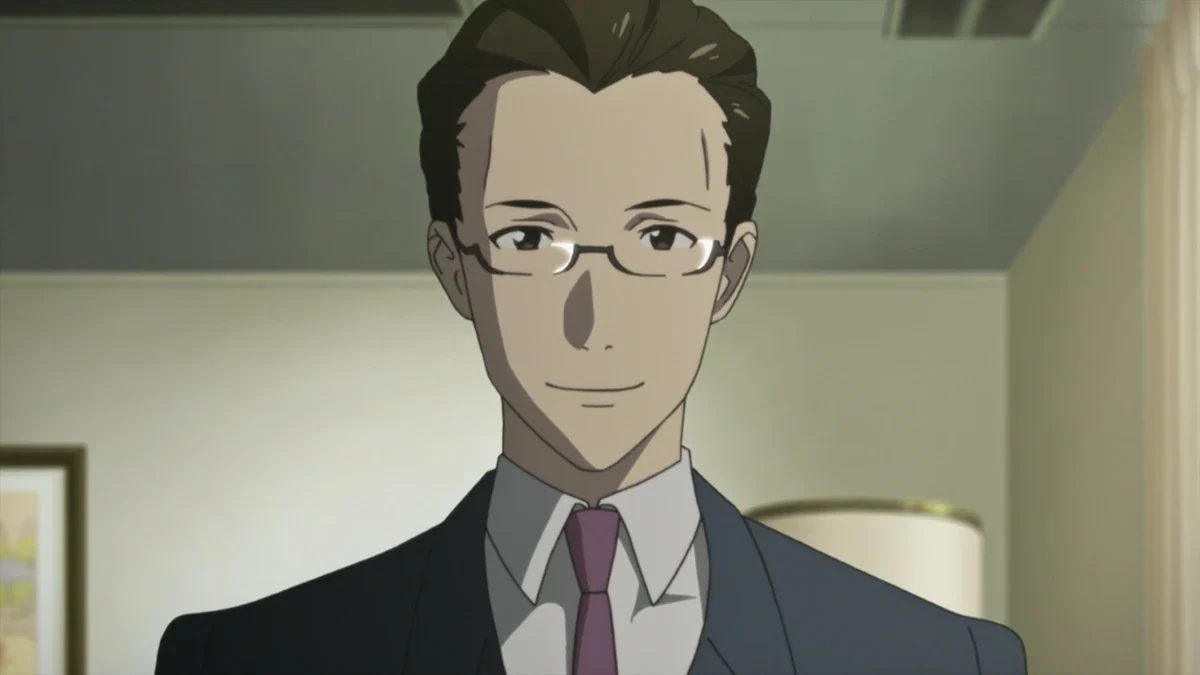
Sugou Nobuyuki is the main antagonist of the Fairy Dance arc in ‘Sword Art Online’, operating under the avatar name Oberon in ‘ALfheim Online’. In the real world, he is a researcher who gains control over the servers that once hosted the original death game, using them to run unethical experiments on human subjects trapped in the virtual world. Sugou’s actions include manipulating Asuna’s situation and interfering with Kirito’s attempts to rescue her, adding psychological and emotional stakes to the arc. His villainy extends beyond the game, as he seeks to profit from mind-control research and corporate power. The character is frequently mentioned when viewers discuss darker themes and controversial elements in ‘Sword Art Online’.
Minoru Mineta

Minoru Mineta is a student in Class 1-A of U.A. High School in ‘My Hero Academia’, aspiring to become a professional hero. His Quirk, Pop Off, allows him to remove sticky balls from his head and use them for offense, defense, and mobility in creative ways during training and battles. Despite his combat usefulness, much of his screen time involves comedic attempts to spy on or flirt with female characters, which has sparked ongoing debate among viewers. Mineta’s behavior is played for humor in many scenes, tying into long-standing anime tropes surrounding perverted or lecherous side characters. The character is often referenced in fan discussions about comic relief, boundaries, and changing audience expectations for humour in modern shounen series.
Griffith
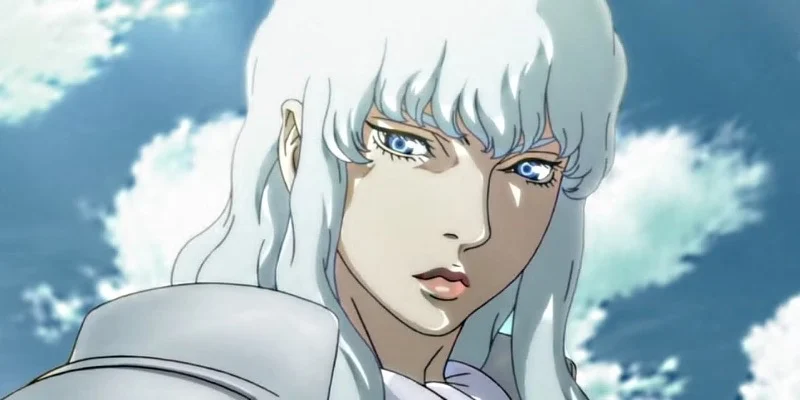
Griffith is the charismatic leader of the Band of the Hawk in ‘Berserk’, known for his strategic brilliance and ambition. Early in the story, he commands a mercenary group that rises through the ranks of Midland’s military, forming close bonds with Guts and other members. The turning point for his character comes after a series of catastrophic events that culminate in the Eclipse, a moment that reshapes the entire world of the series. Griffith’s transformation from admired commander to a figure with godlike power introduces themes of fate, sacrifice, and the cost of ambition. His actions during and after this transformation are central to the entire narrative and have made him one of the most talked-about antagonists in dark fantasy anime.
Makoto Itou
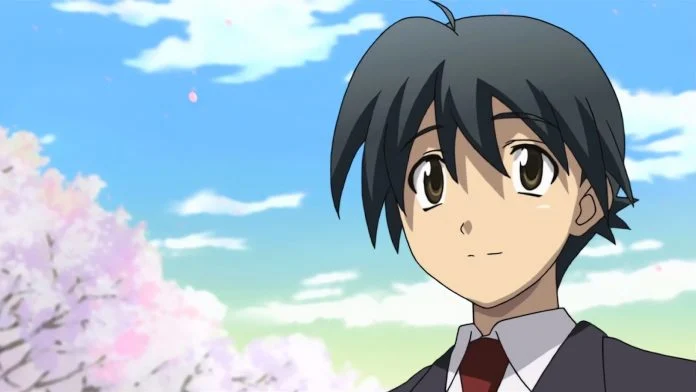
Makoto Itou is the protagonist of ‘School Days’, a romance anime that becomes infamous for its psychological and violent twists. The story follows his relationships with multiple girls, starting with his crush on Kotonoha and his involvement with Sekai. As the plot progresses, Makoto’s decisions and lack of responsibility create a chain of resentment, jealousy, and emotional instability among the characters. The escalation of misunderstandings and betrayals eventually leads to a shocking and graphic conclusion that redefined the show’s reputation. Because of this structure, Makoto is frequently used as an example in discussions of subversive romance narratives and the consequences of selfish behavior in storytelling.
Rachel
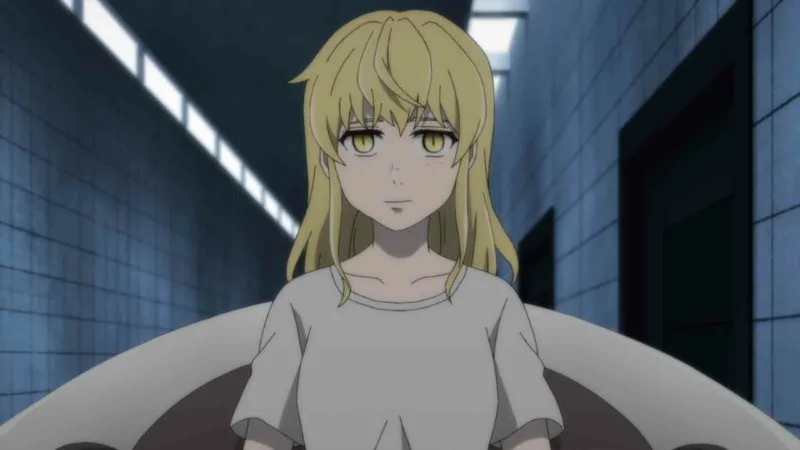
Rachel is a central figure in ‘Tower of God’, originally presented as Bam’s closest friend and the person he is determined to find inside the mysterious Tower. Her stated goal is to see the stars, which motivates her decision to enter the Tower before Bam. As the story unfolds, key revelations about Rachel’s actions and motivations drastically alter how other characters and readers interpret her earlier behavior. Several major plot twists hinge on her choices, which trigger both emotional and physical conflict throughout the narrative. Rachel’s role is often discussed in analyses of betrayal, unreliable perspectives, and the complexities of character motivation in ‘Tower of God’.
Shou Tucker
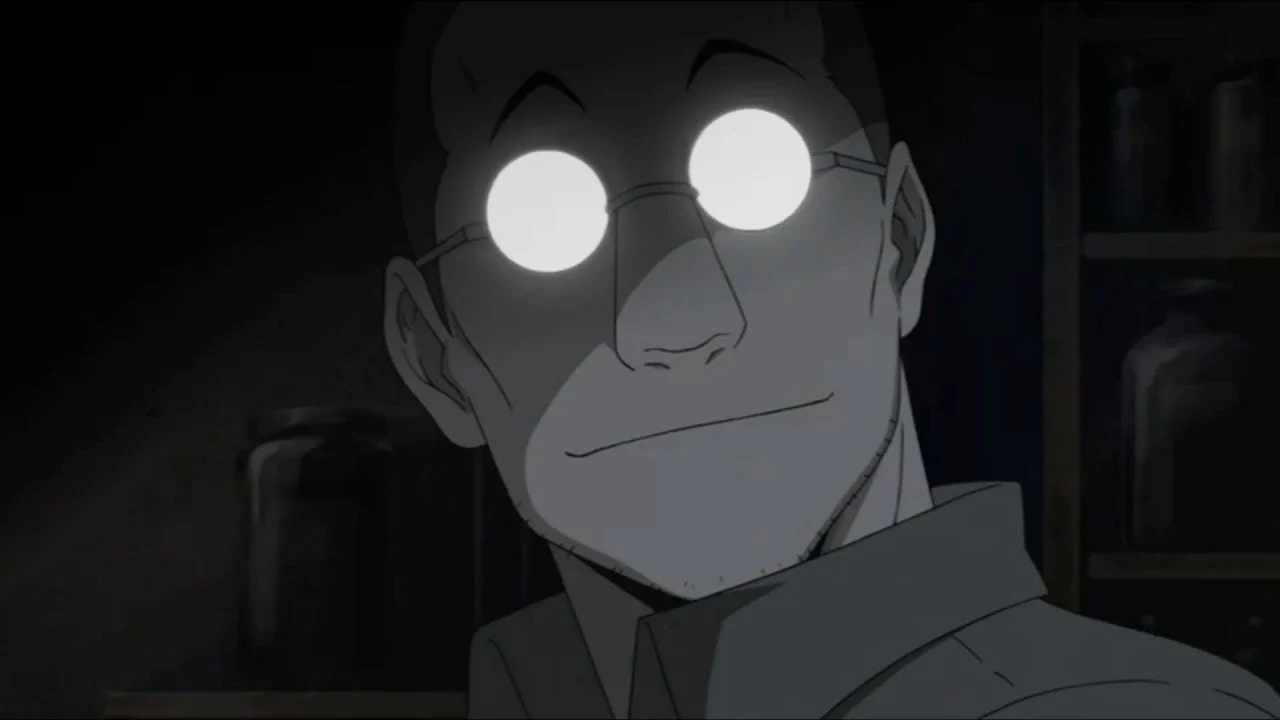
Shou Tucker is known in ‘Fullmetal Alchemist’ as the State Alchemist who specializes in chimeras, earning the title Sewing-Life Alchemist. He initially appears as a struggling researcher whose earlier success came from creating a talking chimera, a feat that allowed him to keep his State Alchemist certification. The story later reveals the horrifying methods behind his achievements, involving experiments on his own family to produce results. His actions have long-lasting emotional effects on the Elric brothers and serve as a major turning point in the series’ tone. Tucker is frequently mentioned in academic and fan discussions about ethics in science fiction, human experimentation, and the use of shock in storytelling.
Malty S Melromarc (Myne Sophia)
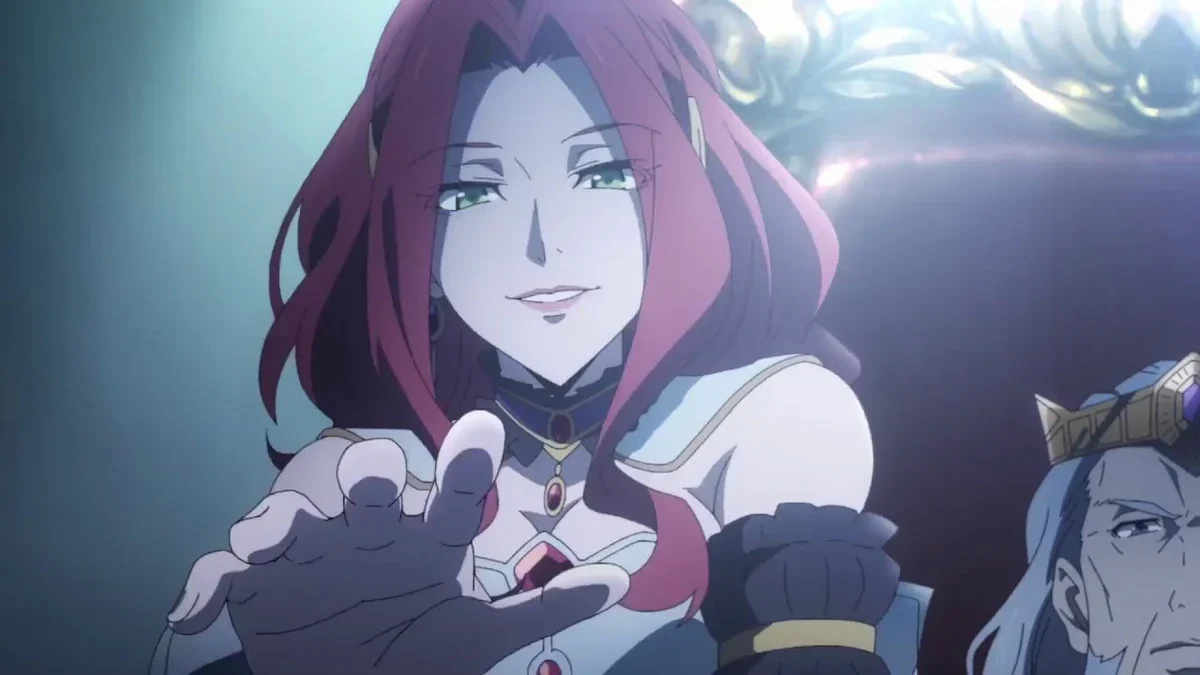
Malty S Melromarc, also known as Myne Sophia, is a key antagonist in ‘The Rising of the Shield Hero’. She is first introduced as a princess who befriends Naofumi Iwatani, only to later accuse him of serious crimes, which destroys his reputation and standing in the kingdom. Throughout the series, Malty consistently uses her royal status to manipulate public perception, influence other heroes, and obstruct Naofumi’s efforts. Her schemes contribute to the political instability of the realm and highlight systemic corruption in the ruling family. Because of her repeated deceptions and central role in Naofumi’s suffering, Malty is frequently cited in fan discussions about villainous characters and narrative injustice in isekai anime.
If you’ve watched any of these series, share which characters you think deserve a spot on this kind of list in the comments below.