


15 Most Powerful Celtic Gods, Ranked

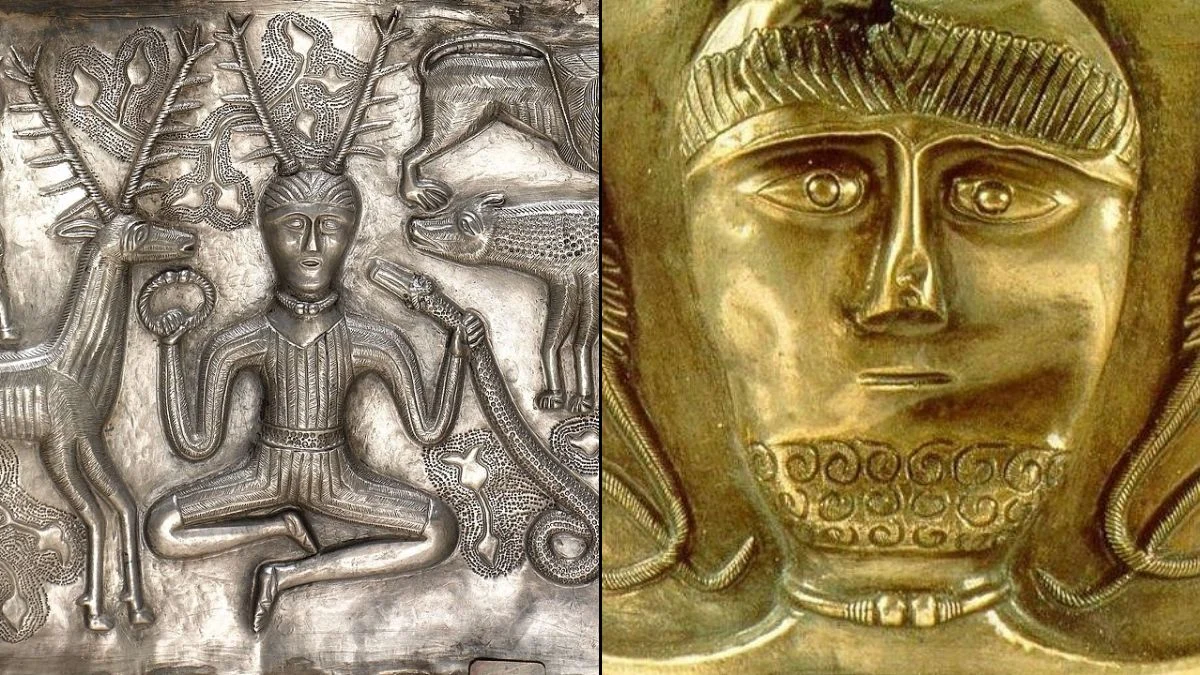


The Celtic pantheon stretches across centuries and regions, with deities tied to war, kingship, craft, poetry, and the natural world. Power often meant mastery over several domains, command of fate, or control of the elements. This countdown looks at figures whose myths show decisive victories, wide worship, or authority over life, death, and prosperity. From sea roads to storm clouds, these gods shaped how people understood their world.
15. Rhiannon
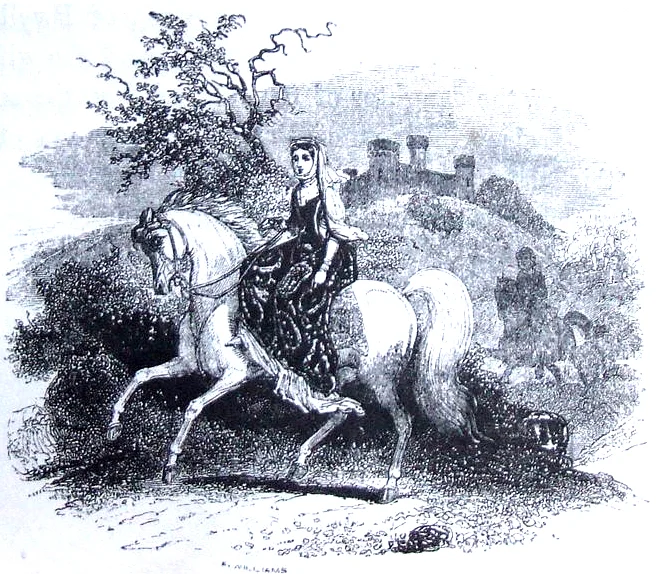
Rhiannon appears in the Mabinogion as a sovereign figure linked to horses and rightful rule. Her story includes a marriage to Pwyll, a test of endurance, and eventual restoration of honor. She is associated with the Otherworld and the swift movement of fate through her famed horse. Her presence marks the legitimacy of kings and the stability of the land.
14. Belenus
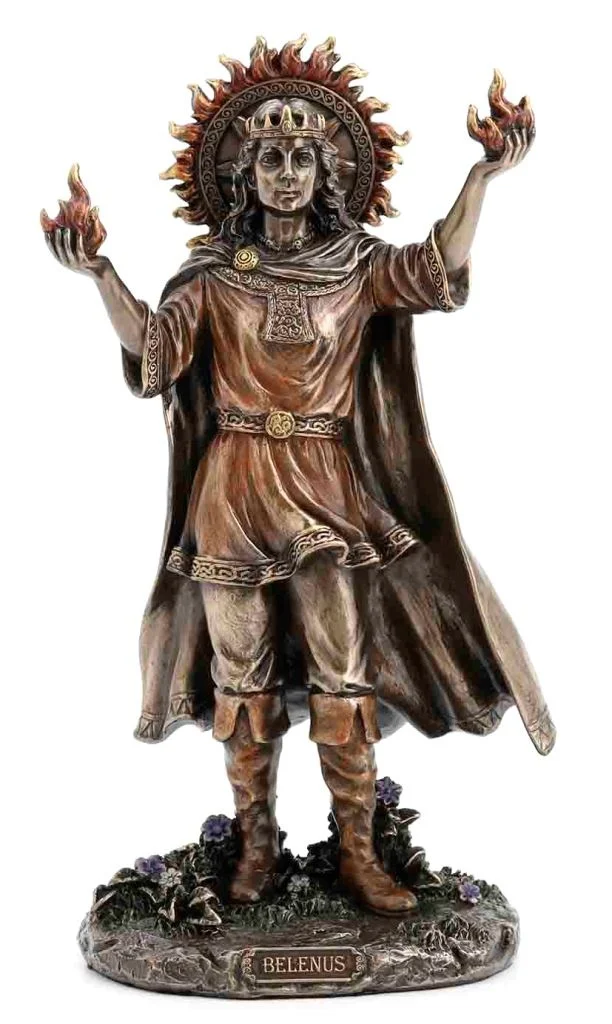
Belenus was widely venerated across Gaul and northern Italy, often tied to healing springs and protective light. Inscriptions connect him to civic life and public health, which points to a deity trusted in daily welfare. Festivals around the start of summer likely honored his purifying fire. His reach across regions shows a powerful guardian of renewal and vitality.
13. Epona
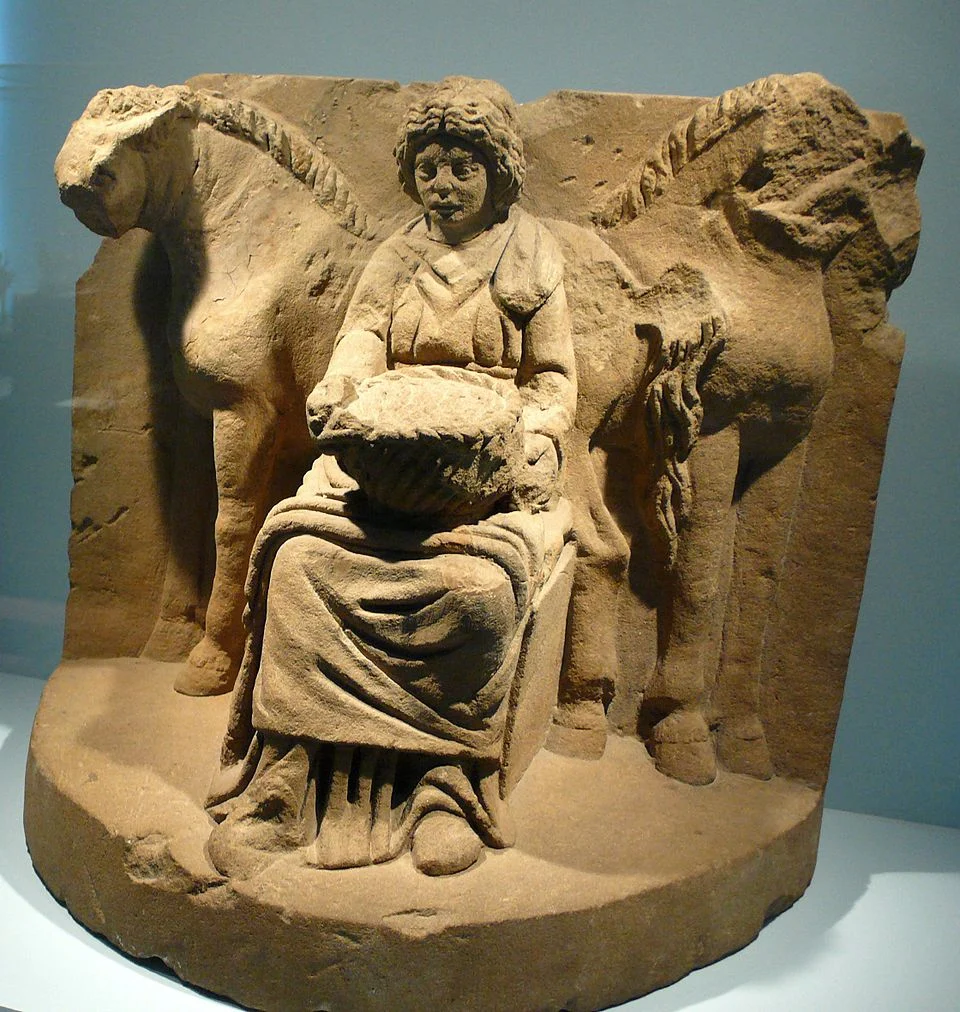
Epona was a pan Celtic horse goddess adopted by the Roman army, which spread her cult along frontiers and roads. She protects cavalry, travelers, and the prosperity that comes with safe transport. Altars and carvings show her feeding foals, a sign of abundance and care. Her close tie to mobility made her essential in a world built on trade and communication.
12. Arawn
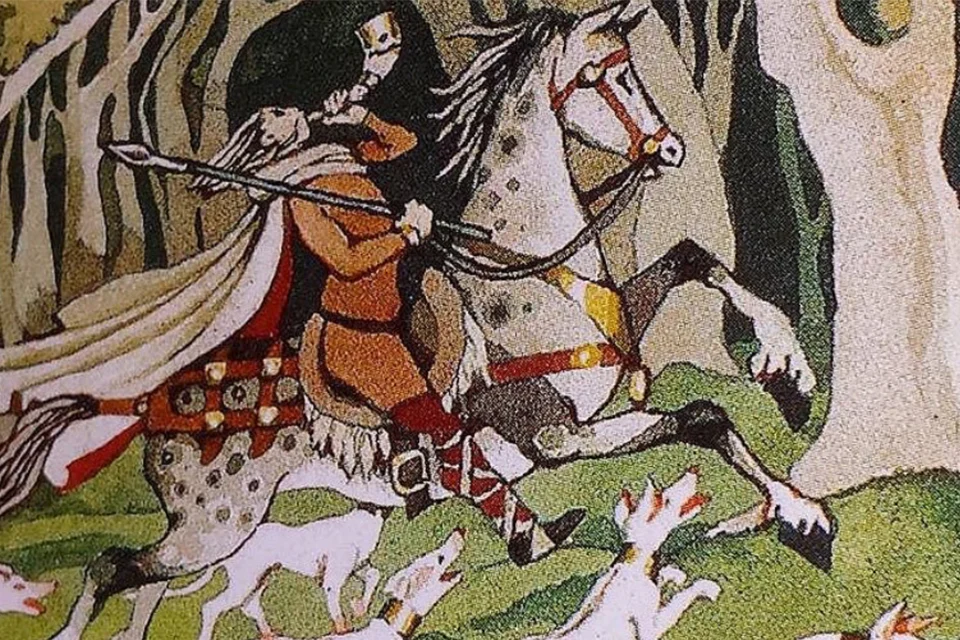
Arawn rules Annwn, the Welsh Otherworld, and oversees a realm of bounty and hidden tests. His exchange with Pwyll establishes strict codes of honor and control over supernatural hunts. The hounds of Annwn signal his authority over the boundary between life and death. As a king of an unseen land, he commands respect from mortals and spirits alike.
11. Arianrhod
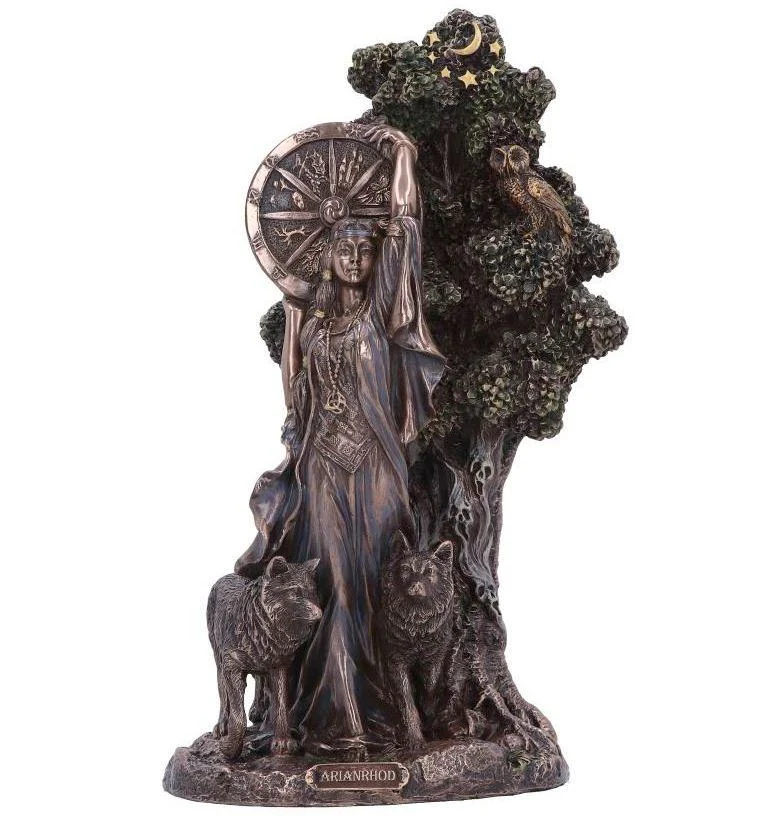
Arianrhod governs lineage, fate, and the mysteries of the starry sky. Her fortress of Caer Arianrhod evokes a celestial circle, linking her to cycles and destiny. The trials surrounding the birth and naming of Lleu show her power over social status and identity. She embodies the authority to grant or withhold essential rights within the mythic order.
10. Taranis
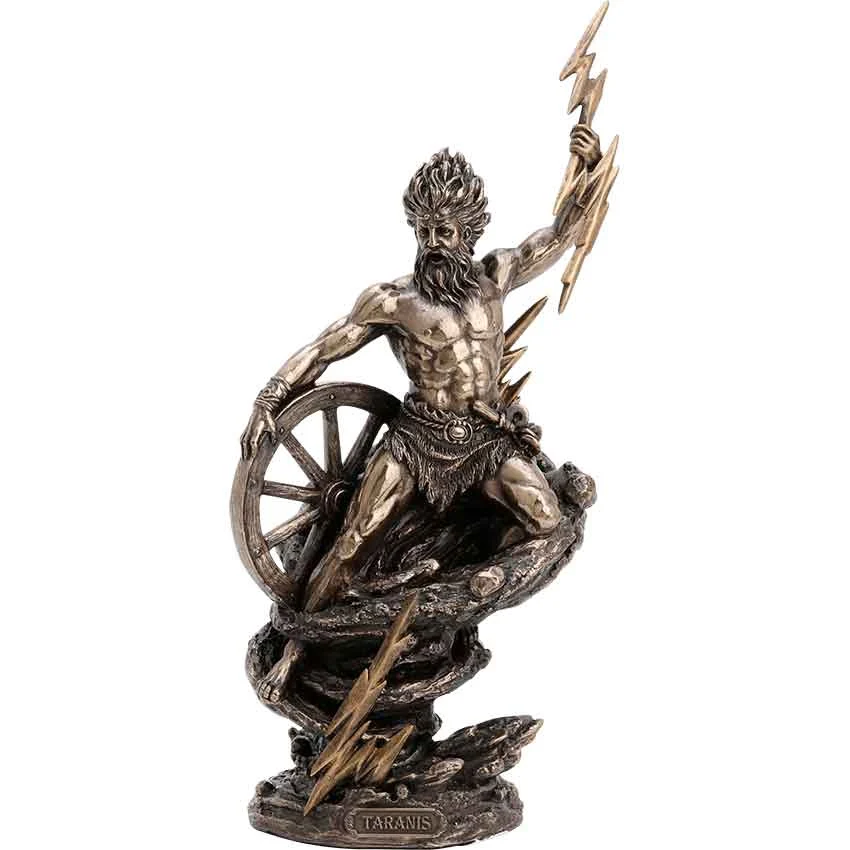
Taranis is a thunder god recognized by the wheel and the storm, with inscriptions across Gaul and Britain. His emblematic wheel likely signifies the rolling power of the sky and the turning of seasons. Offerings and iconography point to a deity who commands lightning and weather. Control of storms meant control of harvests, travel, and the safety of settlements.
9. Ogma
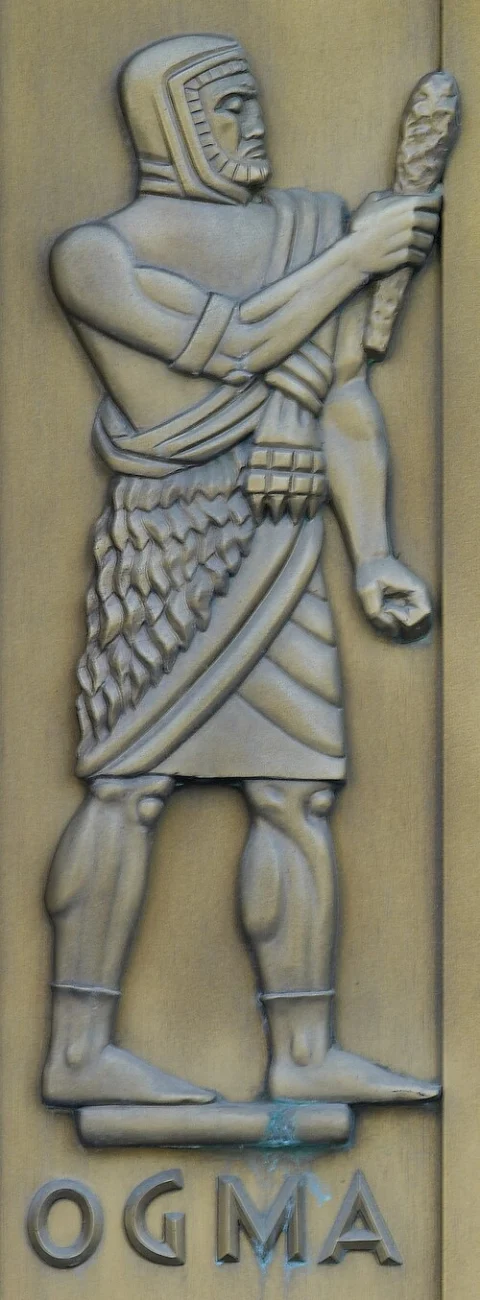
Ogma is famed as a champion and the reputed originator of Ogham script, connecting strength to knowledge. He stands with the Tuatha Dé Danann as a warrior whose words bind as tightly as chains. His role in eloquence and learning made him vital in law and tradition. Power through speech and memory reinforced the structures that held society together.
8. Nuada
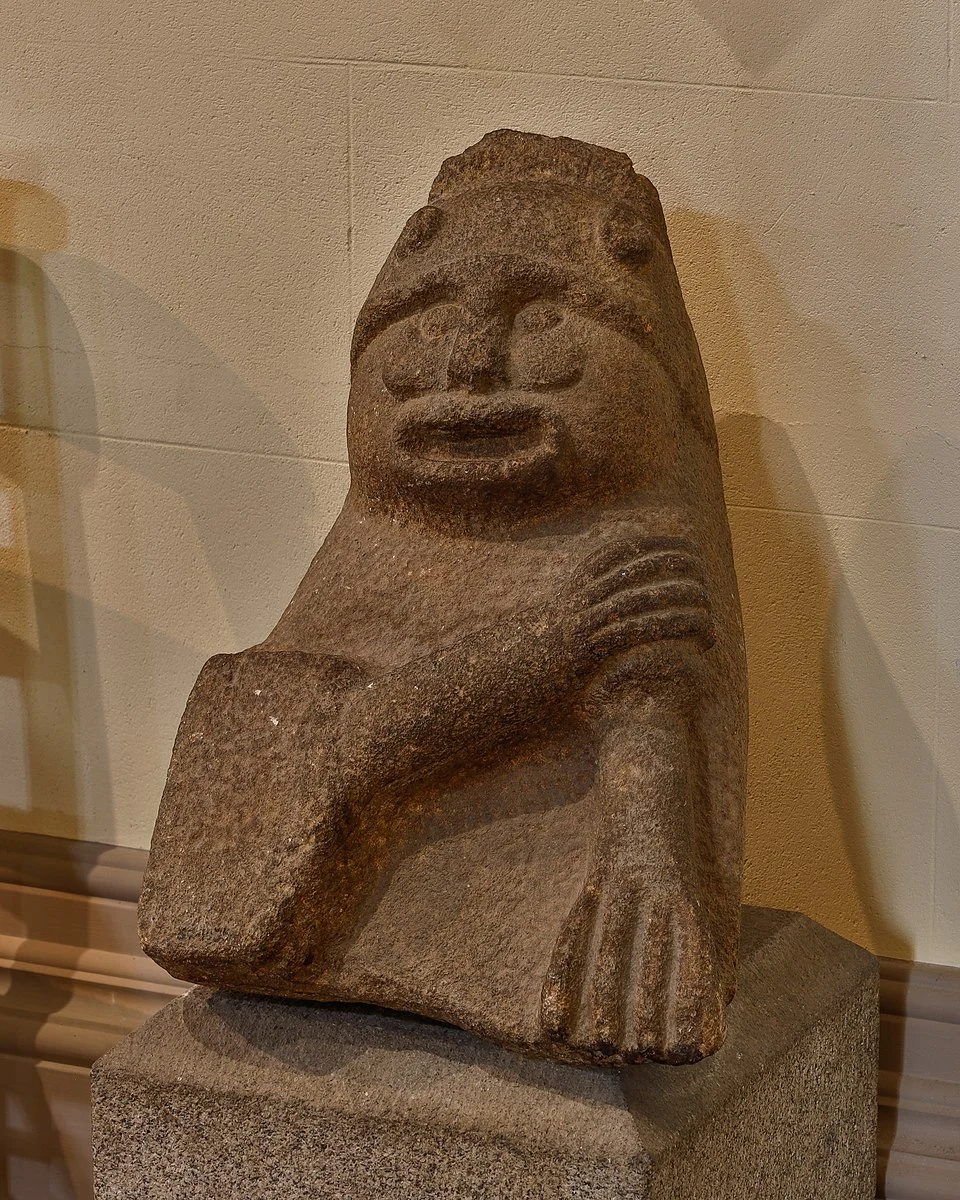
Nuada is a king of the Tuatha Dé Danann whose silver hand restored his right to rule. He carries a sword listed among the four treasures, said to guarantee victory once drawn. Stories place him at the heart of battles for sovereignty in Ireland. Through resilience and regal duty, he embodies the durability of lawful kingship.
7. Cernunnos
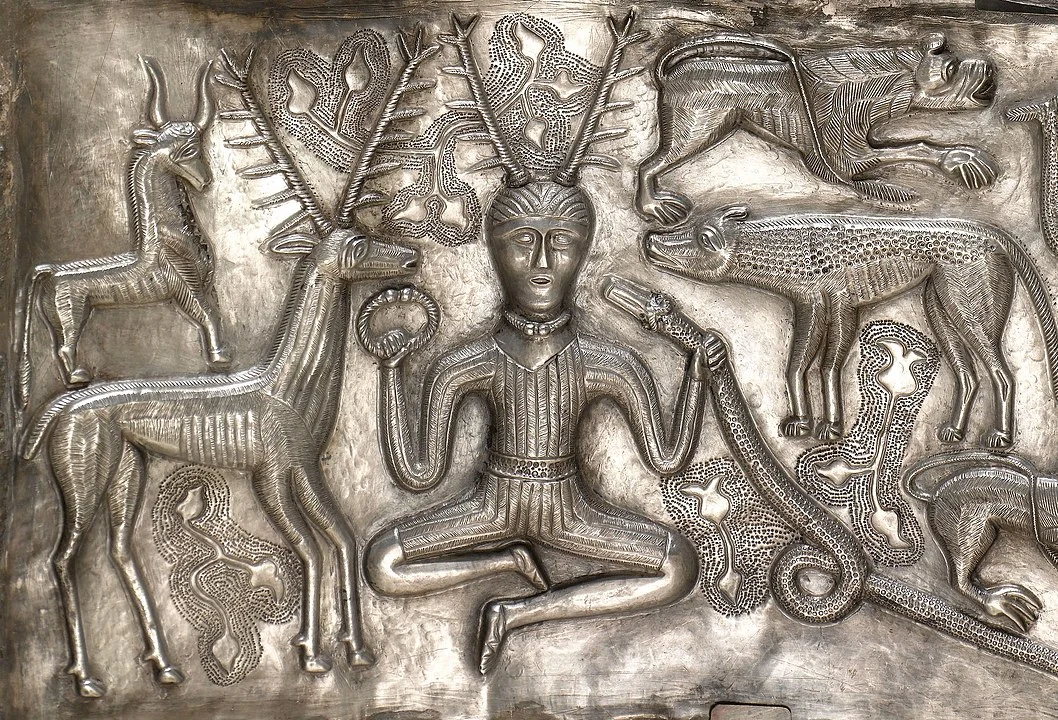
Cernunnos appears on monuments like the Gundestrup cauldron, seated between wild creatures and wealth symbols. He mediates between nature, animals, and human prosperity, often shown with torcs and a cornucopia. This imagery signals control over abundance and the balance of living things. As a liminal figure, he anchors the flow of resources from the wild to the community.
6. Manannán mac Lir
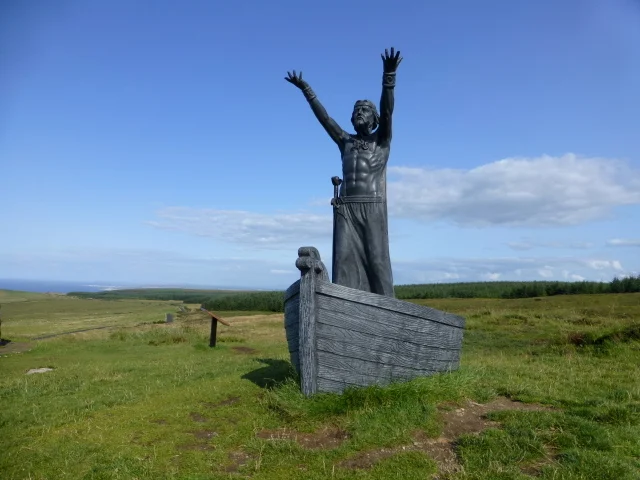
Manannán mac Lir rules the sea roads and guides travelers between worlds with mist and illusion. His cloak and shapeshifting powers protect allies and conceal islands from foes. He provides magical items and safe passage, which made him vital for coastal peoples. Mastery over tides and horizons placed him at the crossroads of commerce and myth.
5. Brigid
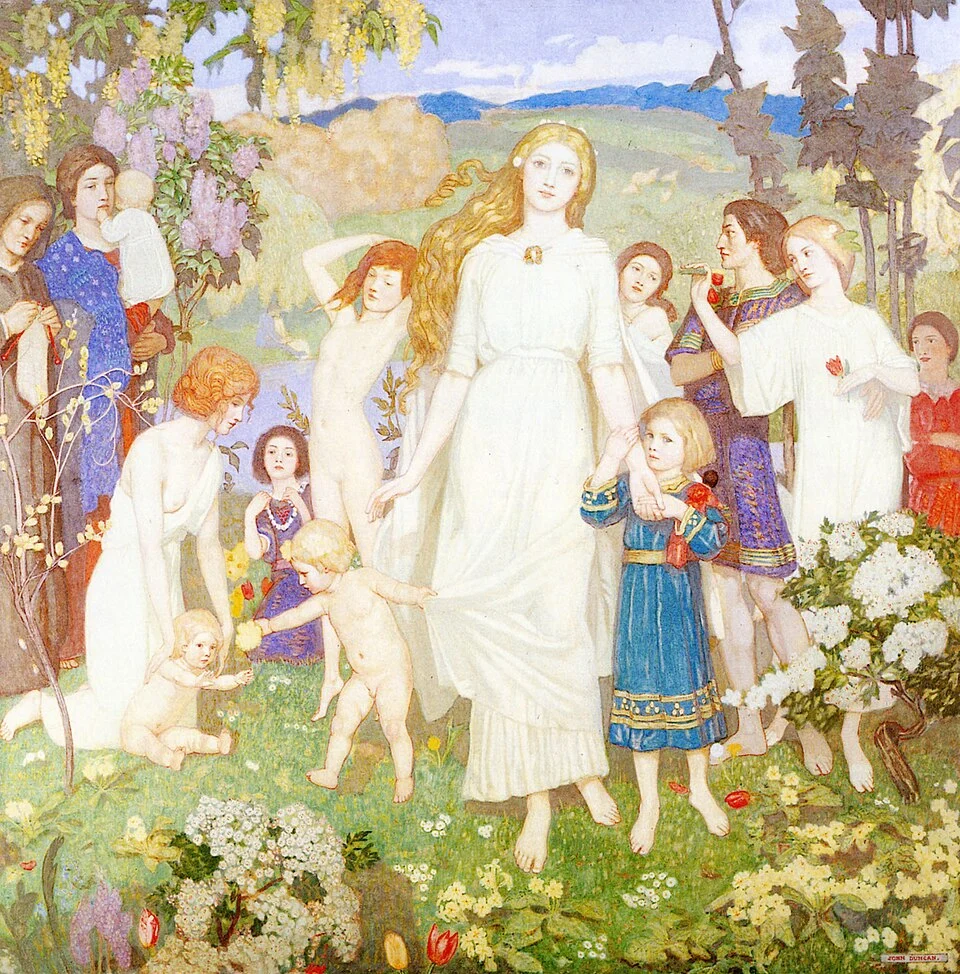
Brigid presides over poetry, healing, and smithcraft, joining inspiration with practical skill. Her sacred wells and perpetual fires show a continuous source of health and creativity. She bridges elite artistry and everyday survival through metalwork and medicine. Communities looked to her for growth in fields, workshops, and households.
4. Danu
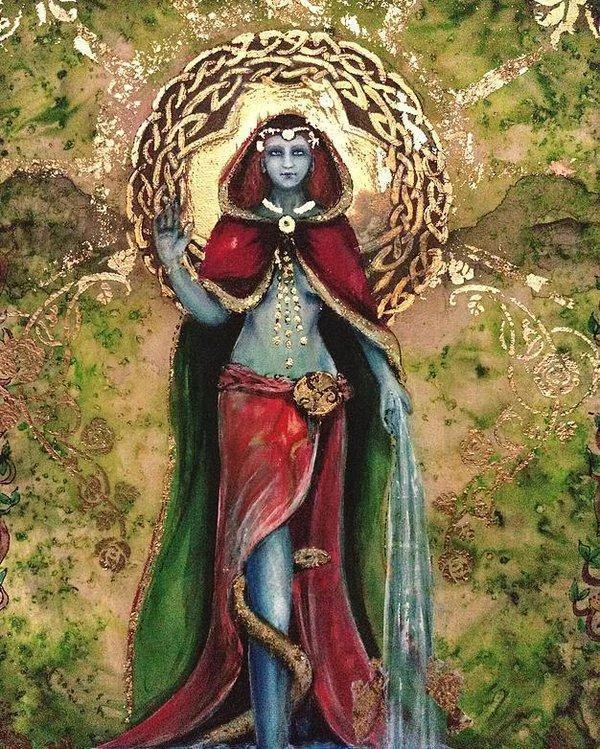
Danu lends her name to the Tuatha Dé Danann, marking her as an ancestral source of divine identity. She represents fertility, rivers, and the flow that nourishes lands and lineages. Her role as progenitor places her behind the authority of many Irish gods. Through origin and nurture, she empowers the people who carry her name.
3. The Morrígan
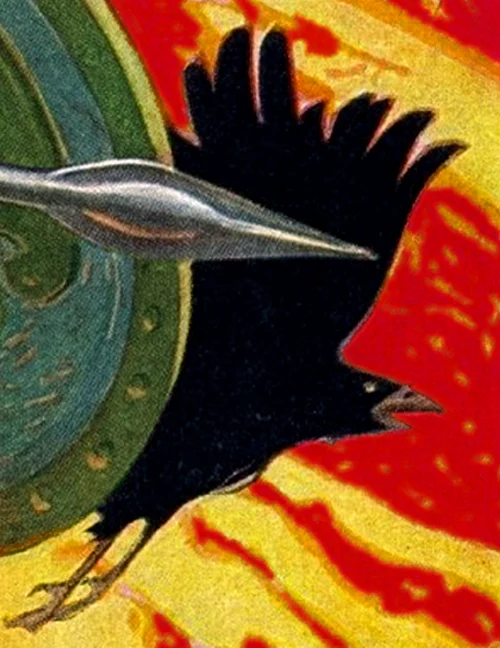
The Morrígan governs battle, sovereignty, and the shape of victory through prophecy and strategy. She influences outcomes by foretelling doom, inspiring courage, or sowing fear. Her appearances as crow or woman link the battlefield to the fate of kings. Control over morale and destiny made her decisive in the rise and fall of powers.
2. Lugh
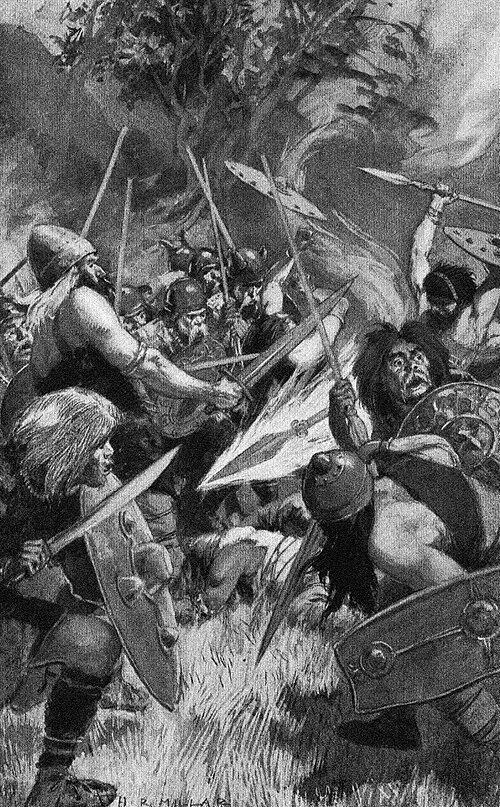
Lugh is a many skilled champion whose talents span craft, war, and leadership. He wins entry to Tara by offering every art, then leads the Tuatha Dé Danann to triumph at Mag Tuired. His spear and command of tactics show complete readiness in conflict. Festivals in his honor mark the start of harvest, tying his success to the prosperity of the land.
1. The Dagda
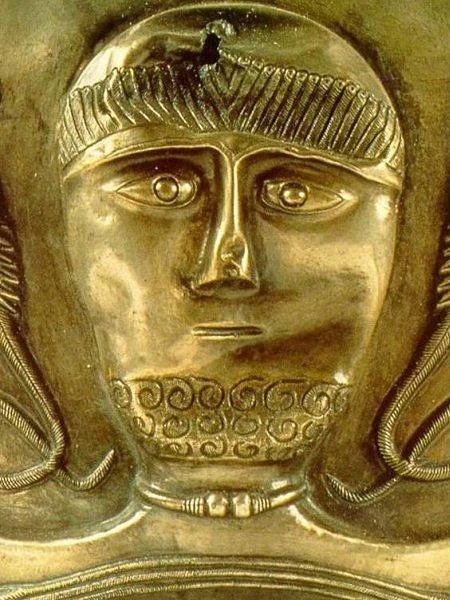
The Dagda stands as a father figure of the Tuatha Dé Danann, ruling plenty, protection, and order. His cauldron never runs empty, ensuring food and welfare for his people. With his great club he can take life or restore it, which places birth and death within his reach. As keeper of abundance, oaths, and cosmic balance, he anchors the strength of the entire pantheon.
Share which gods you would move up or down in the list in the comments.