

15 Most Powerful Weapons in Games

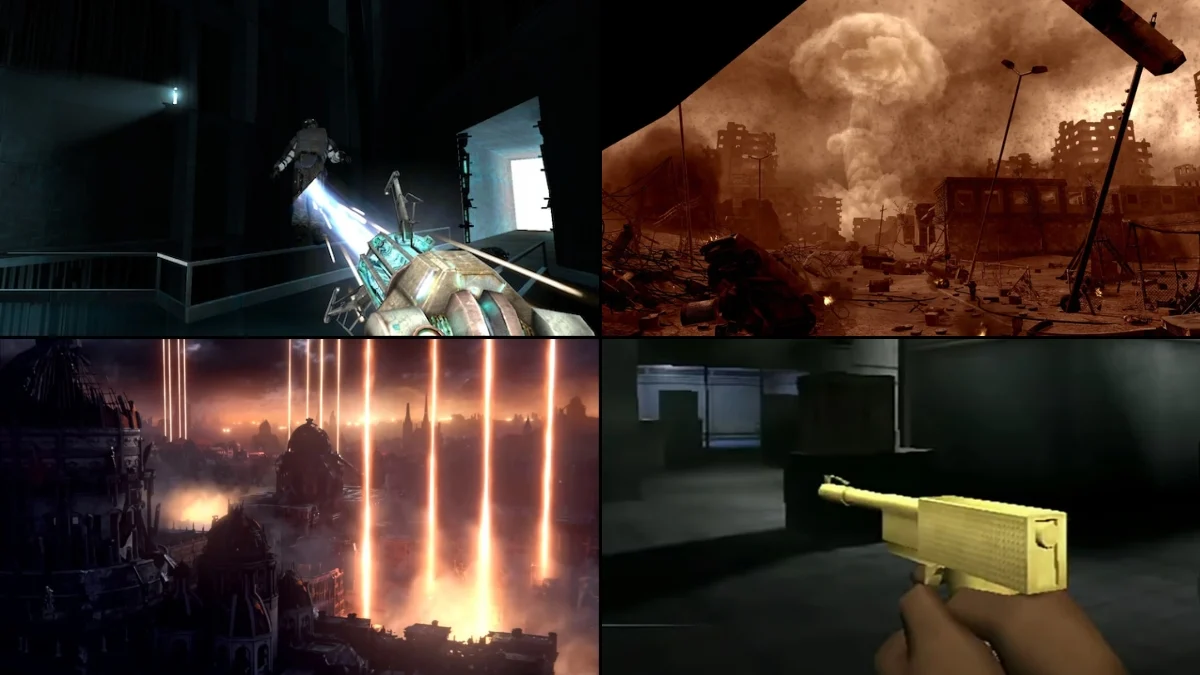


Some video game weapons do more than tip a fight—they redefine it. The picks below focus on in-game effects you can verify: damage numbers, unique mechanics, match-ending triggers, and “superweapon” rules that set these arms apart across shooters, action-adventures, fighters, and strategy titles. Wherever possible, you’ll see concrete stats and official or community-maintained documentation to back them up.
To keep this useful, each entry explains how the weapon actually behaves in play and why it’s considered exceptionally potent within its own game’s ruleset. This isn’t about vibes—it’s about mechanics you can look up, reproduce, and dominate with.
BFG 9000 (‘Doom’ series)
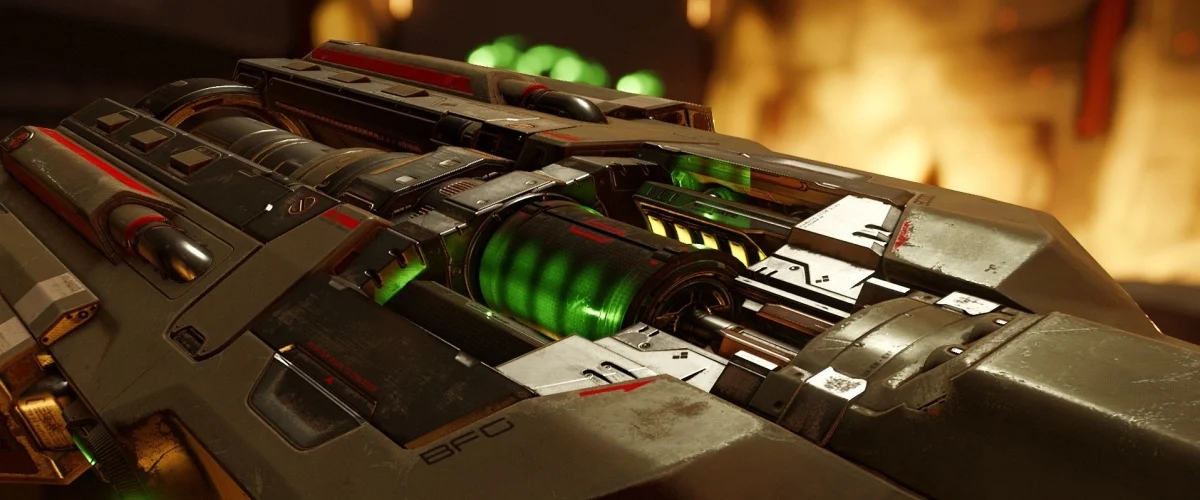
The BFG’s signature green projectile doesn’t just hit once; in classic ‘Doom’ it spawns 40 invisible “tracers” that fan out and apply additional damage, which is why one shot can clear entire rooms when enemies are within the splash and tracer cone. DoomWiki documents the BFG’s damage model down to the randomized tracer math, while ZDoom’s reference notes the 40-tracer behavior and 40-cell ammo cost per trigger pull.
Modern entries keep the super-weapon identity: in ‘Doom’ (2016) a direct BFG hit deals 6,000 damage—enough to instantly delete non-boss demons—while ‘Doom Eternal’ gives the user a brief damage-resistance buff after firing in Battlemode, preserving its “panic button” role.
Fat Man (‘Fallout’ series)
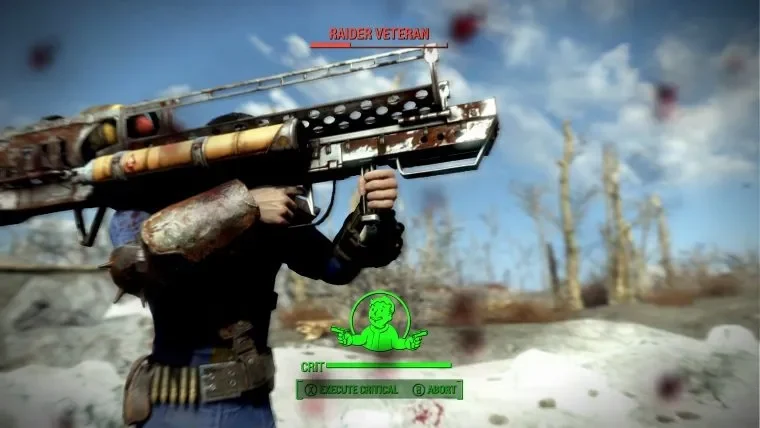
The Fat Man is a shoulder-fired launcher that lobs mini nukes on a ballistic arc; its range and trajectory require angling the shot, and with the MIRV upgrade it splits into multiple warheads that trade range for devastating area coverage. The official Fallout Wiki and the Fallout 4 FextraLife page lay out these behaviors, while Fallout Wiki’s overview confirms appearances across ‘Fallout 3,’ ‘New Vegas,’ ‘4,’ and ‘76.’
‘New Vegas’ even surfaces damage figures: the base projectile and explosion combine for colossal per-shot output, and the weapon’s DPS figures only climb with Demolition Expert and other perks—useful for understanding why it trivializes clustered targets despite its weight and reload pace.
Redeemer (‘Unreal Tournament’)
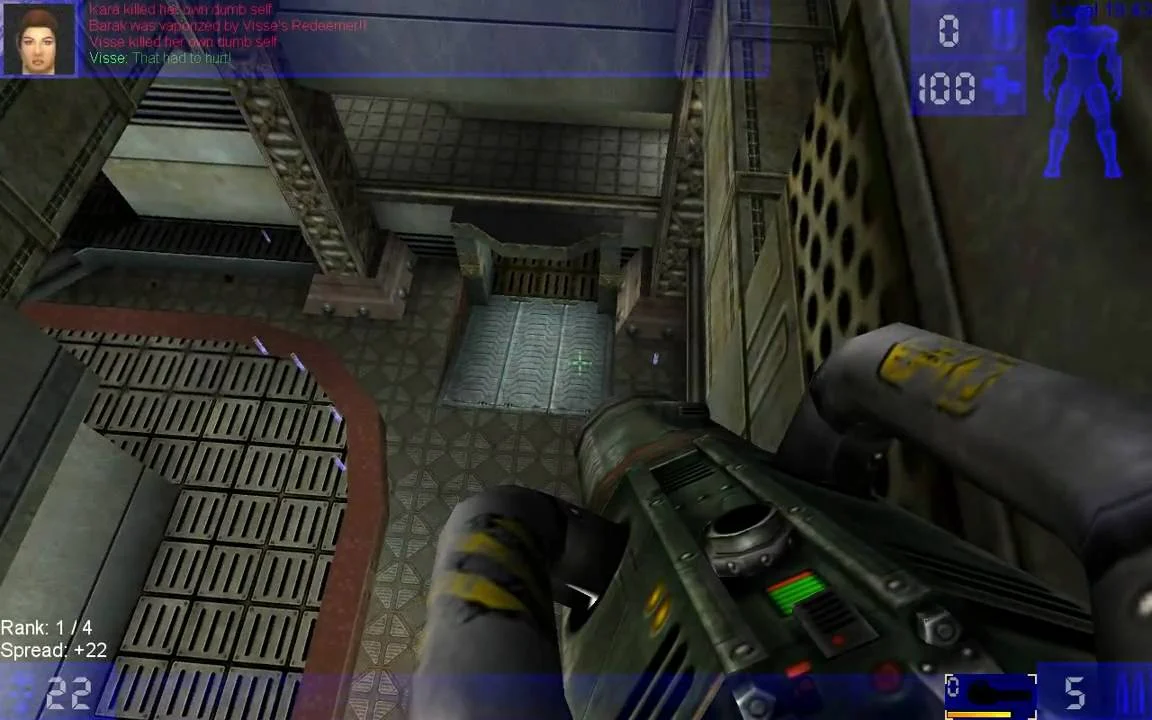
Unreal’s Redeemer is a portable thermonuclear warhead launcher—literally a handheld nuke—with two firing modes: a straight, slow super-rocket or a remote-guided camera view to steer the missile. Documentation across Unreal Wiki, StrategyWiki, and the Liandri/Unreal Archive all describe its single-shot payload and enormous blast radius that obliterates anything caught inside.
Because the guided mode leaves users vulnerable while piloting, maps often hide Redeemers in hard-to-reach locations to balance their game-ending potential; official weapon writeups from ‘UT2003’ spell out its “most powerful weapon” status and practical cautions like staying outside your own blast.
Hammer of Dawn (‘Gears of War’)
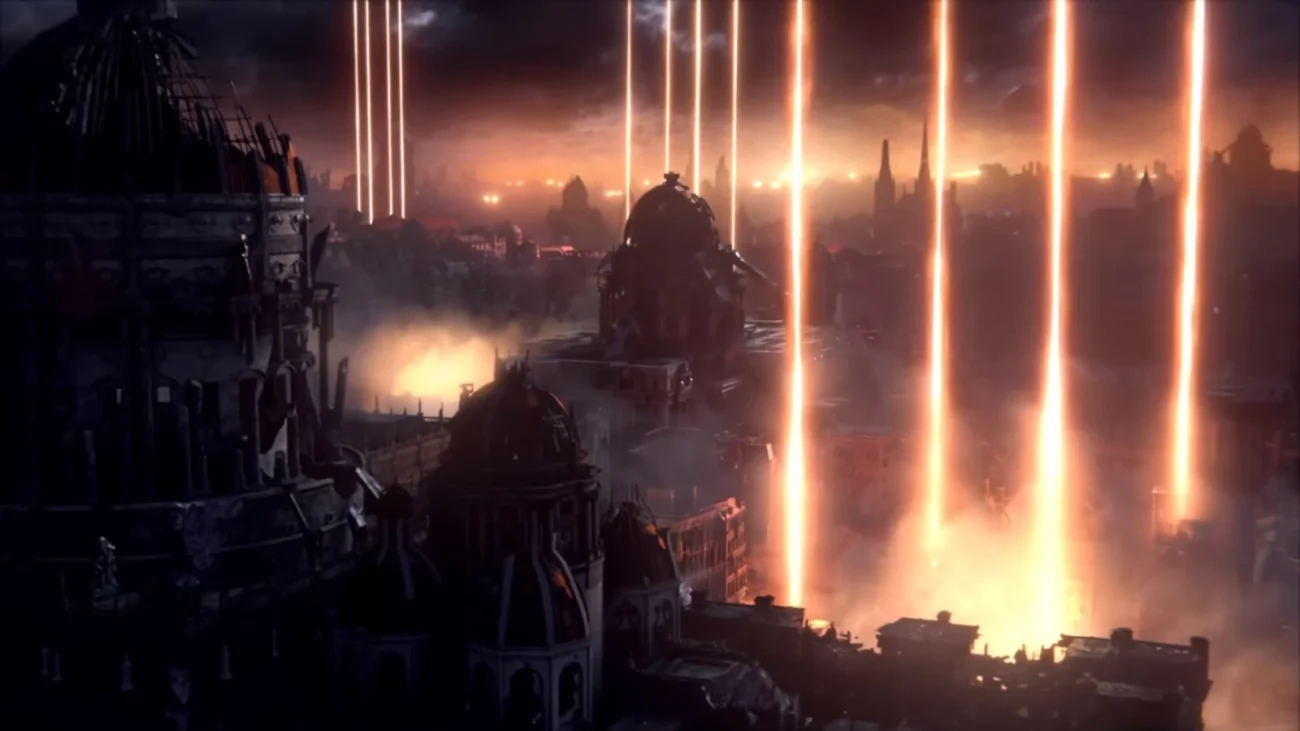
The Hammer of Dawn is an orbital, satellite-linked energy weapon keyed to a handheld targeter. Series materials explain its imulsion-energized beam and development history, and early tests documented in-universe show even low-yield beams leveling a mock town—context for why the game treats it as a boss-killer and set-piece tool.
Reference entries and overviews describe it as a “particle/laser” orbital strike that rapidly destroys large enemies and structures, with usage limited by satellite availability or environmental conditions, which is why campaigns gate it to specific encounters.
Tactical Nuke (‘Call of Duty: Modern Warfare 2’)
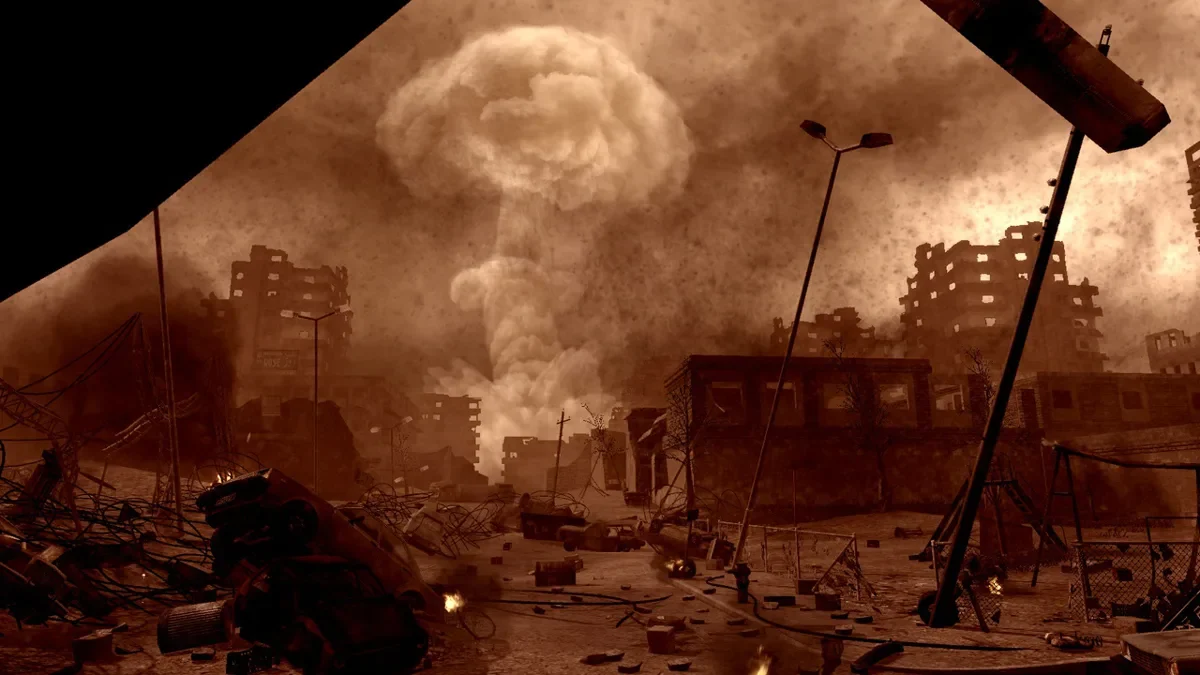
In ‘Modern Warfare 2’ multiplayer, earning the Tactical Nuke ends the match in the caller’s favor, overriding the score once it detonates. Guides and documentation specify that when triggered, the nuke kills all players and concludes the game with a victory screen for the user’s team.
Other CoD modes have experimented with similar mechanics—like the removed “Global Thermonuclear War”—but the core idea remains the same: if you meet the streak requirement and call it in before the timer runs out, the match ends on your terms.
Super Gravity Gun (‘Half-Life 2’)
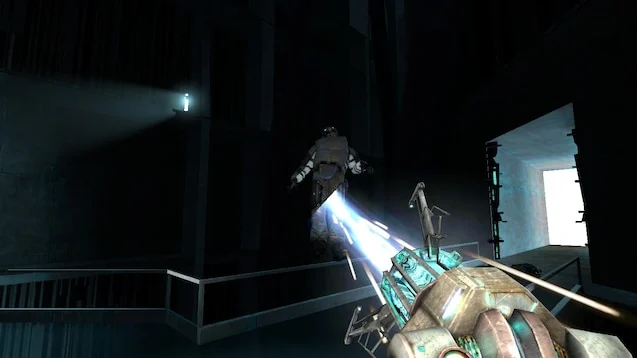
Inside the Citadel, the Confiscation Field “supercharges” Gordon Freeman’s Zero-Point Energy Field Manipulator rather than destroying it. In this state it gains the ability to pick up and fire living enemies as if they were props, instantly killing Overwatch soldiers and chaining lethal arcs when their charged bodies collide with others. The Half-Life Wiki details the transformation and the one-shot, organic-matter interactions.
Valve’s developer docs and related pages confirm the existence of the “Dark Energy” (supercharged) parameters and the mapping entity that performs the upgrade, explaining why the weapon temporarily exceeds its normal punt/grab limits in the Citadel and ‘Episode One.’
Golden Gun (‘GoldenEye 007’)
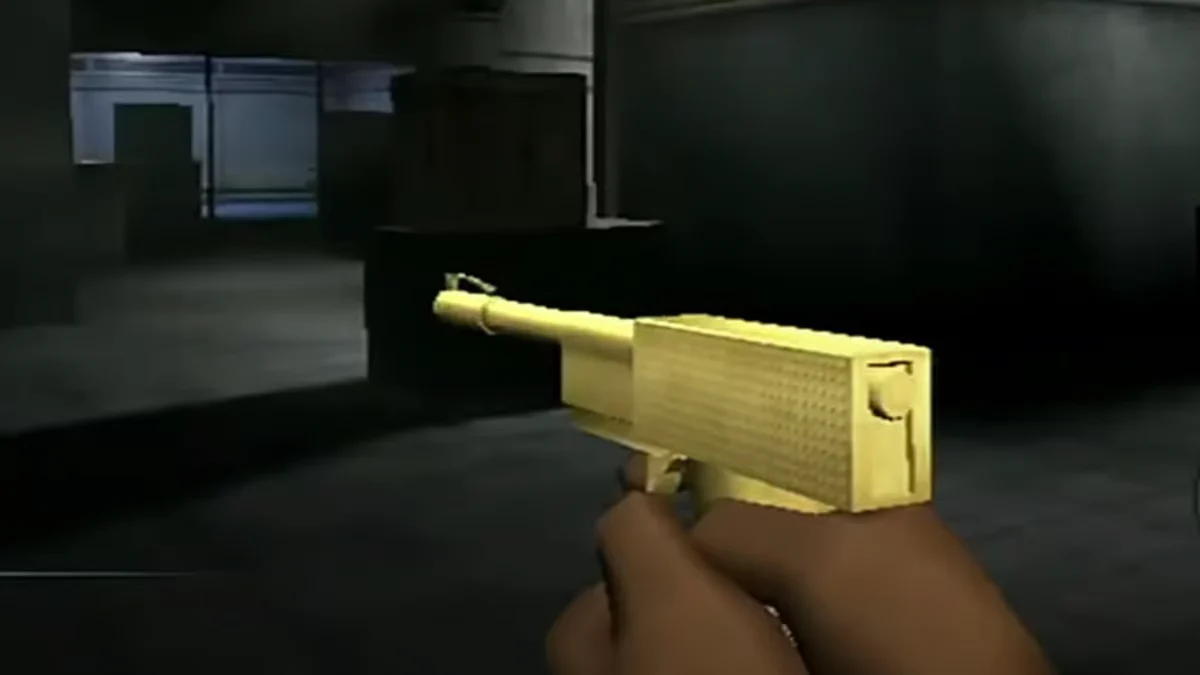
In ‘GoldenEye 007’ on Nintendo 64, the Golden Gun’s defining property is simple: one shot kills any target, balanced by its single-round capacity and mandatory reload after every trigger pull. The GoldenEye Wiki and StrategyWiki weapon charts note the instant-kill behavior and related “Gold PP7” variant, which keeps the OHKO perk but with a magazine.
Multiplayer scenarios like “The Man With the Golden Gun” place a single Golden Gun at a fixed map location, forcing teams to fight over possession because control of the weapon reliably converts into round wins. Contemporary summaries of the mode describe its one-shot lethality and how the holder becomes the focal point of the match.
Railgun (‘Quake III Arena’)
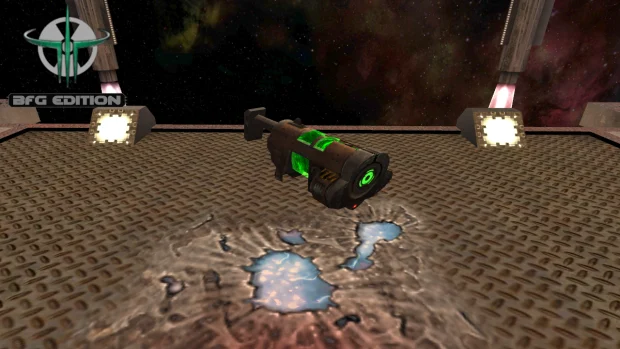
Quake III’s Railgun is a pinpoint, hitscan sniper that deals 100 damage per shot at infinite range, with a slow refire. That single number matters because it lets you instantly eliminate unarmored opponents at full health; weapon tables and Railgun pages document the 100-damage value and the weapon’s role as the long-range finisher.
Because it’s perfectly accurate and leaves a visible trail, the Railgun shapes map control and positioning—players contest angles and items with the knowledge that an exposed peek can end a fight in one trigger pull. Official and community pages emphasize this role and list its ammo type (slugs), fire rate, and range behavior.
Gjallarhorn (‘Destiny’)
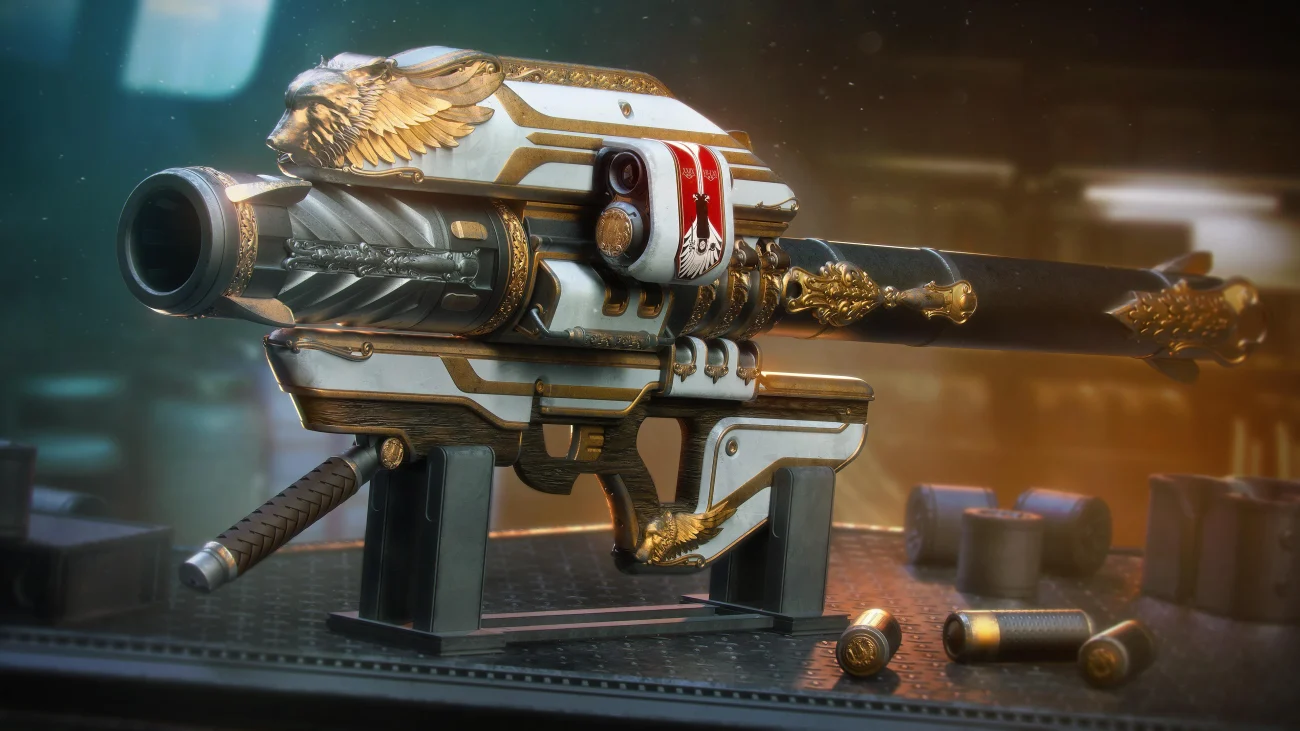
Gjallarhorn is an Exotic rocket launcher whose signature “Wolfpack Rounds” cause its rockets to split into tracking cluster missiles on detonation; in ‘Destiny 2,’ its “Pack Hunter” trait also grants Wolfpack Rounds to nearby allies’ non-Exotic rockets. Destiny encyclopedias and guides outline these perks and their teamwide effect on DPS.
Its reputation stems from how those tracking submunitions magnify damage on large targets and punish misses less than typical rockets. Community and press coverage around its ‘Destiny 2’ return reiterate its unique ally-buffing trait and explain why one Gjallarhorn in a fireteam meaningfully boosts everyone’s launcher output.
Spiny Shell (“Blue Shell,” ‘Mario Kart’ series)
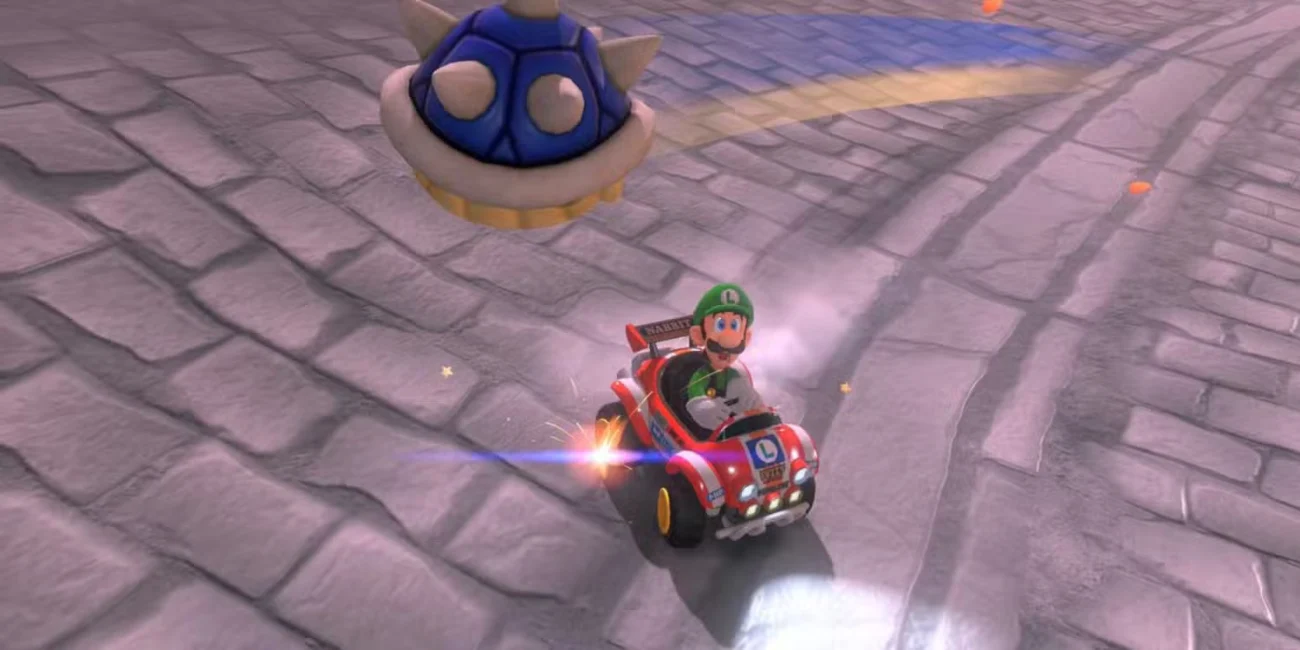
The Spiny Shell locks onto the racer in first place and, in most entries, detonates on impact to hit the leader and anyone nearby. Mario Kart references describe its homing behavior and series-wide role as a rubber-banding equalizer since its introduction in ‘Mario Kart 64.’
Game-specific pages note edge-case rules (e.g., in ‘Mario Kart DS’ team races it can target a leading teammate, while ‘Mario Kart Wii’ prioritizes the furthest-ahead opponent), but across titles its practical power remains: it reliably removes the leader’s momentum and can swing finishes.
RYNO (Rip Ya A New One, ‘Ratchet & Clank’ series)
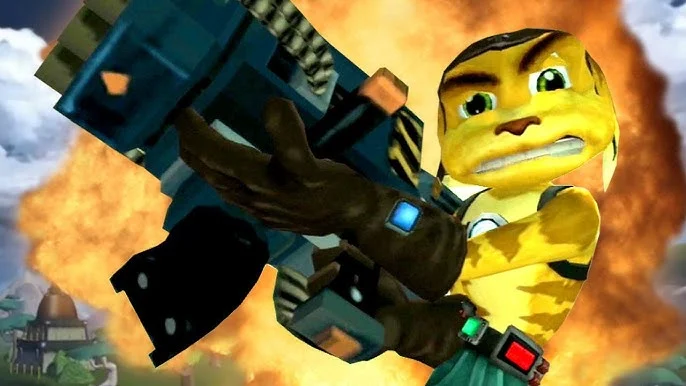
The RYNO line is Insomniac’s top-tier missile launcher family, typically firing volleys of lock-on rockets that delete groups and bosses. Series repositories catalog the RYNO variants and their appearances across entries, with the original described as launching up to seven homing missiles per shot.
Later RYNOs preserve the identity—expensive, rare super-weapons that target multiple enemies simultaneously—cementing their endgame dominance regardless of the specific game’s upgrade tree or ammo economy. Series overviews and weapon pages consistently label the RYNO as the franchise’s most powerful firearm.
Nuclear Weapons (‘Civilization’ series)
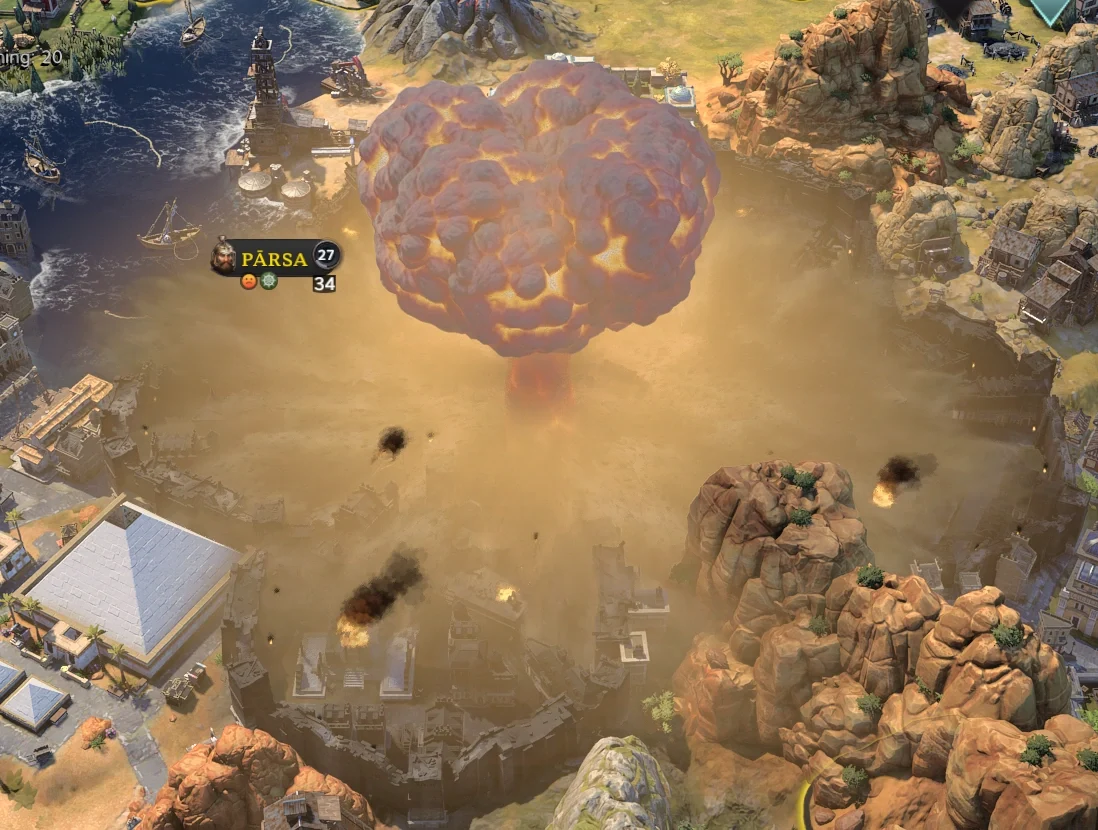
In ‘Civilization’ games, nuclear weapons apply map-scale effects: destroying units and improvements, crippling cities, and leaving irradiated fallout that persists and spreads. Wikis for recent entries detail tile destruction, area-of-effect radii, and the longer-term contamination that follows a detonation.
Across versions, these mechanics translate to strategic leverage beyond a single battle—nukes aren’t just damage numbers; they can permanently degrade territory and population, forcing opponents to divert production and research into cleanup and countermeasures.
Ion Cannon (‘Command & Conquer’)
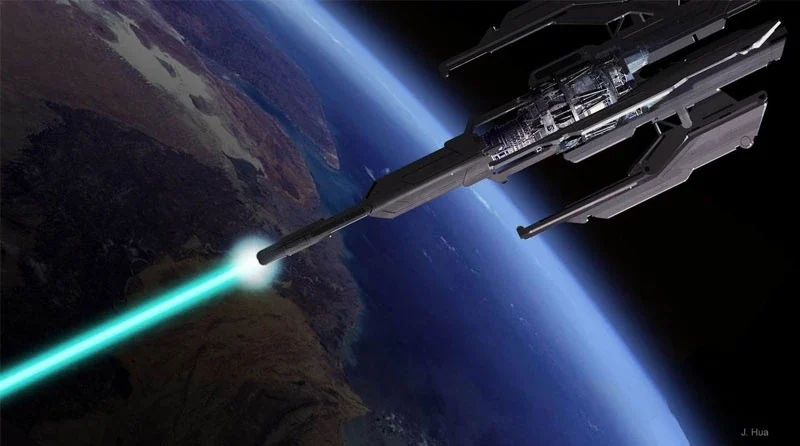
GDI’s Ion Cannon is a superweapon you fire anywhere on the map once charged, with documentation noting that only the sturdiest structures can survive a direct hit at or near full health. Strategy guides also show campaign missions where building the communications center unlocks the strike, underscoring its pivotal, objective-swinging utility.
Across C&C timelines, the Ion Cannon remains a late-game power that bypasses fog of war for decisive single-point devastation, with some sources noting its superiority to Nod’s nuclear options in certain eras.
Home-Run Bat (‘Super Smash Bros.’)
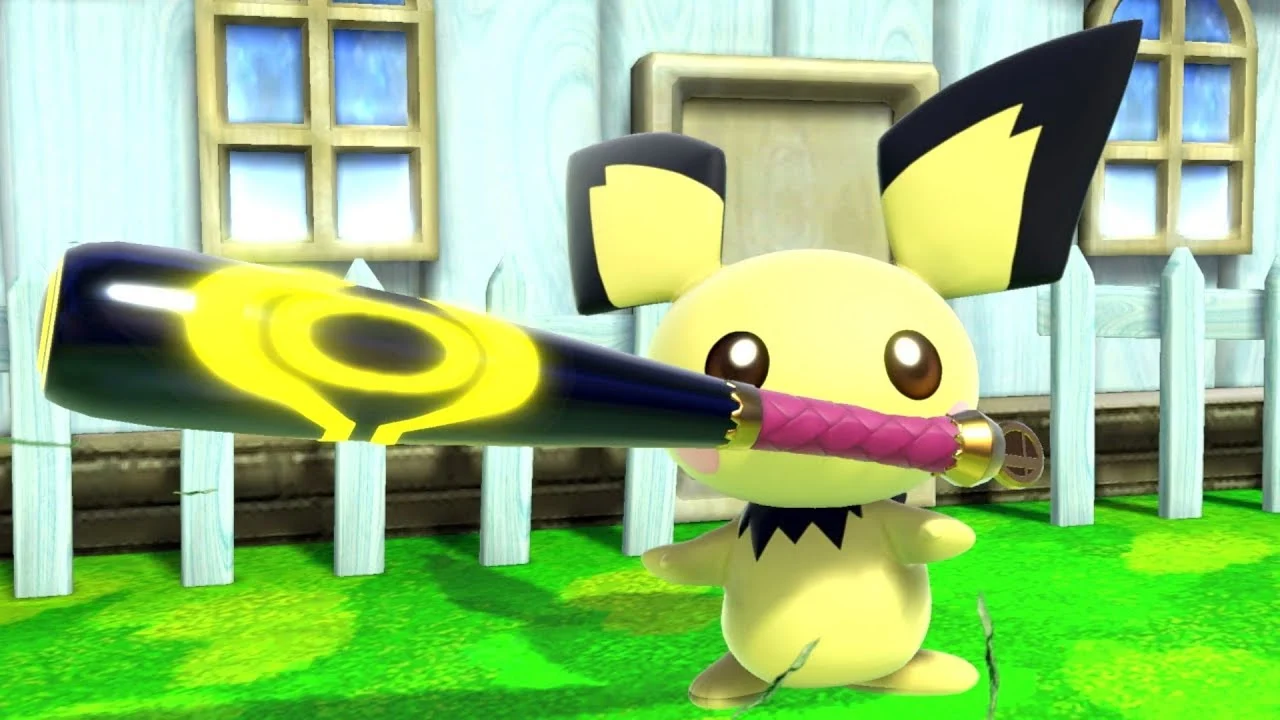
The Home-Run Bat alters a fighter’s forward-smash into a unique, long-startup swing that produces enough damage and knockback to KO at 0% if it connects. SmashWiki’s item pages explain its OHKO potential and how its special smash replaces the normal chargeable version.
Because it’s a battering item with limited reach and a tell, the bat’s power hinges on spacing and timing—but as a rules object, its one-hit KO property is explicit across the series, which is why it’s a perennial highlight in item-on play and Home-Run Contest modes.
Master Sword (‘The Legend of Zelda’ series)

Beyond lore, the Master Sword has concrete mechanical perks in many entries: at full health Link can fire ranged sword beams, and in ‘Breath of the Wild’/‘Tears of the Kingdom’ contexts it gains power near “malice” and can project beams with certain armor effects active. Zelda encyclopedias document the sword-beam behavior and the conditions that extend or always-enable it.
Series pages also record baseline upgrades (e.g., higher base damage than early swords in classic titles) and utility interactions like breaking specific objects, which collectively explain why the Master Sword functions as more than a melee blade—it’s a scalable, situationally enhanced weapon in the ruleset.
Share the weapons you think we missed—and why they belong—in the comments!