15 Most Powerful Weapons in TV Shows



From space operas to gritty post-apocalyptic dramas and beloved anime, television is packed with iconic armaments that reshape battles, bend the rules of physics, or steamroll entire plotlines. Some are elegant tools of disciplined warriors, others are terrifying artifacts that change the course of worlds, and a few are “everyday” objects that became unforgettable because of how characters used them.
Below is a carefully sourced tour of TV’s mightiest implements—how they work in-universe, who wields them, and where they show up on-screen. Each entry focuses on verifiable details from official databases, studio sites, and well-established reference guides so you can trace the lore back to its origins.
Lightsaber
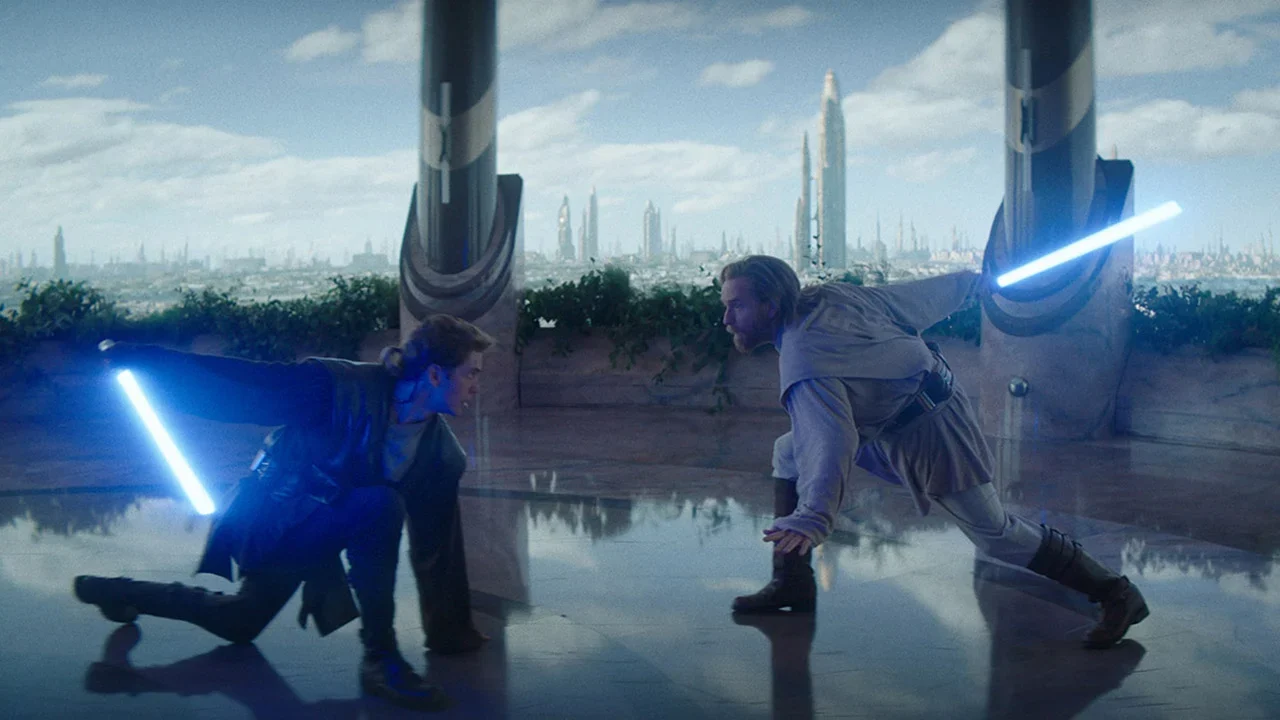
In ‘Star Wars’ TV series like ‘The Clone Wars’, ‘Rebels’, ‘The Mandalorian’, and ‘Ahsoka’, the lightsaber is a plasma blade powered by kyber crystals attuned to the Force; Jedi and Sith construct them as personal weapons, with crystal color tied to user or tradition. The official Databank notes the role of kyber and the saber’s prominence among Jedi, while acknowledging Sith variants and rare colorations.
Across ‘Star Wars’ television, lightsabers appear in training, ritual, and combat, from Padawan gatherings to duels that decide galactic leadership. The franchise’s own primers outline parts, construction rites, and the cultural significance of the weapon across eras and shows.
Darksaber
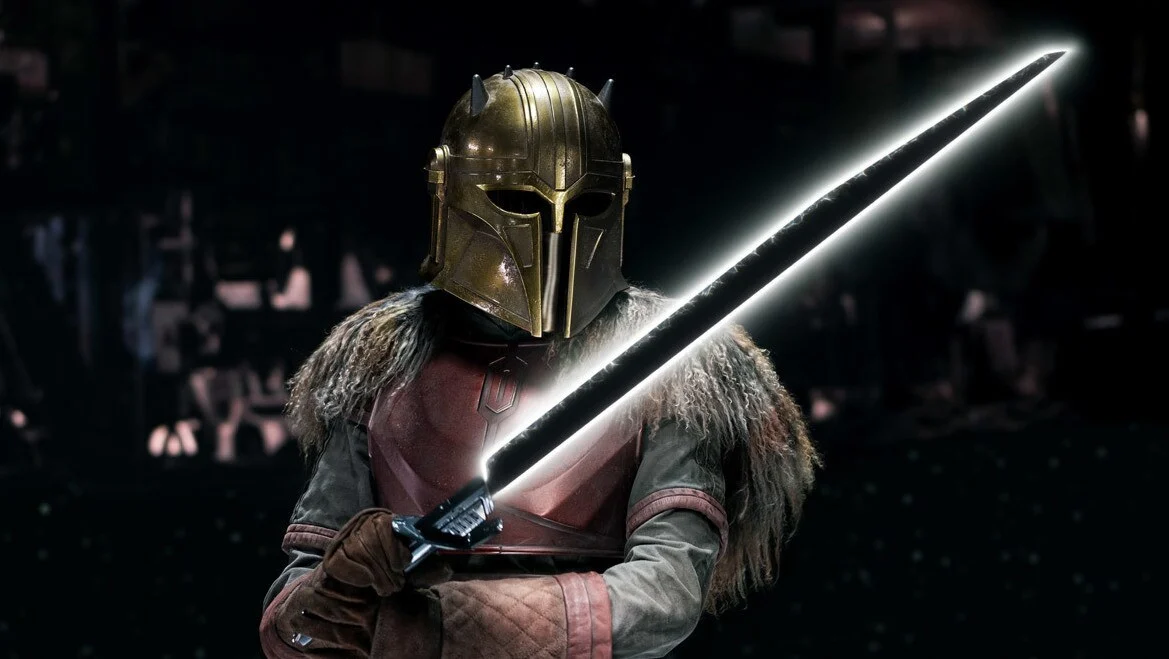
The Darksaber is an ancient, black-bladed lightsaber that functions as a symbol of authority among Mandalorians and features prominently in ‘The Clone Wars’, ‘Rebels’, ‘The Mandalorian’, and ‘The Book of Boba Fett’. The official Databank identifies it as a unique weapon once wielded by a Mandalorian Jedi and later used to claim leadership.
Key Mandalorian figures—most notably Bo-Katan Kryze—have held the Darksaber during pivotal conflicts depicted across multiple series, with the Databank documenting its transfer and political weight within Mandalorian culture.
Phaser

In ‘Star Trek’ television, phasers are Starfleet’s standard directed-energy weapons, capable of settings from stun to full disintegration, with variants ranging from sidearms to starship-mounted banks. Memory Alpha’s technical overview describes phasers as nadion-particle weapons and catalogs their many configurations across series.
Episodes throughout ‘The Original Series’, ‘The Next Generation’, ‘Deep Space Nine’, ‘Voyager’, ‘Enterprise’, and ‘Discovery’ depict specialized phaser applications—from modulating pulses to large phaser cannons—used against threats like the Borg and in ship-to-ship combat.
Bat’leth
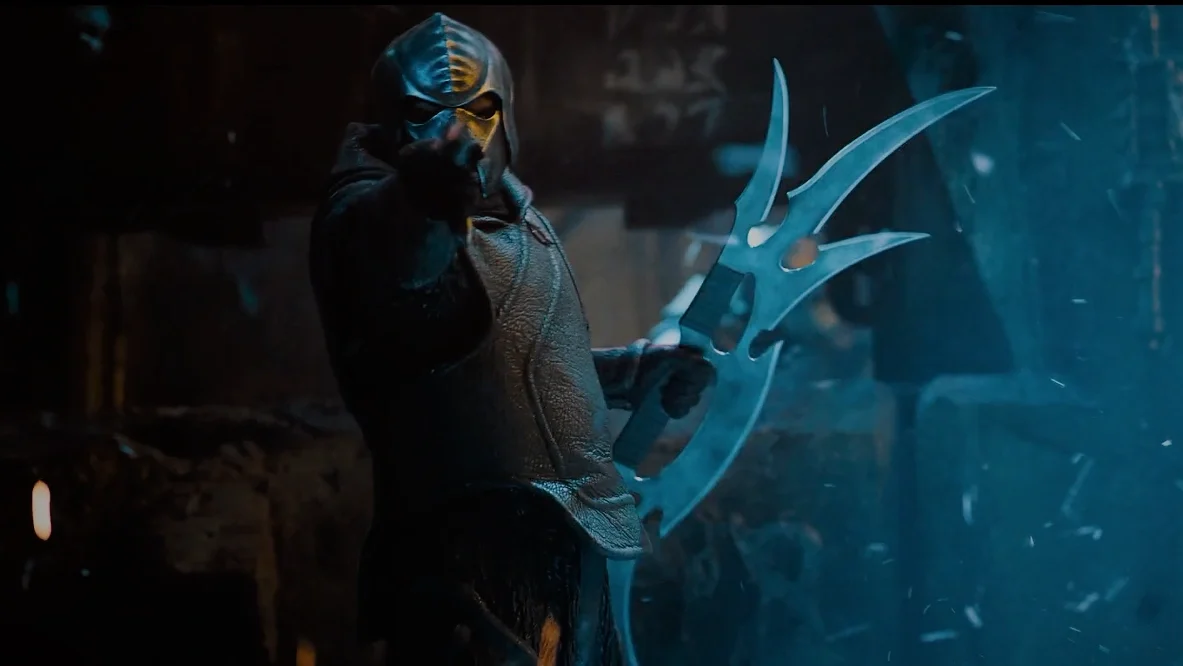
The Klingon bat’leth is a traditional two-handed blade seen across ‘Star Trek’ series and rooted in Klingon martial culture; it’s associated with legends of Kahless and ceremonial honors. Memory Alpha details its design, history, and prominence alongside related blades like the mek’leth.
The bat’leth features in numerous televised duels and rites—from ‘TNG’ through ‘DS9’ and beyond—symbolizing warrior status and heritage; its mythic origin in the “Sword of Kahless” is also documented in franchise references.
Sonic Screwdriver
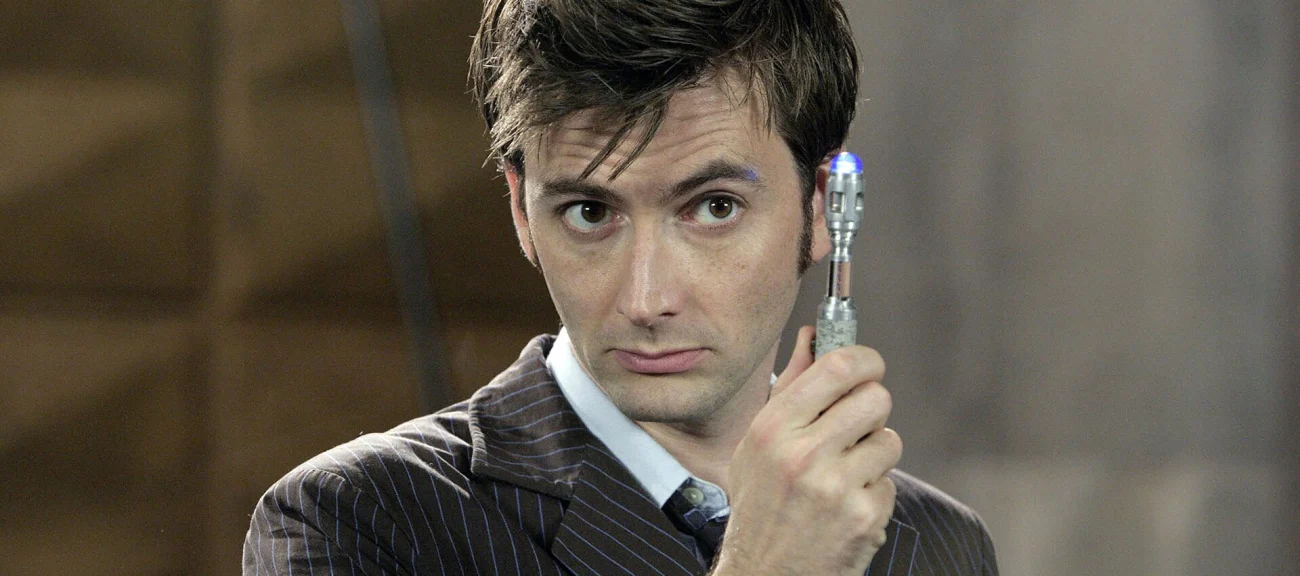
Across modern and classic ‘Doctor Who’, the sonic screwdriver is presented as Gallifreyan tech that emits ultrasonic waves to interact with environments—scanning, unlocking, repairing, and interfacing with devices. The official ‘Doctor Who’ site explains its sound-based operation and flexible, tool-like purpose.
The property’s own features regularly highlight new sonic iterations and on-screen introductions, reflecting how the device evolves with each Doctor while remaining a series mainstay.
Valyrian Steel

In ‘Game of Thrones’ and ‘House of the Dragon’, Valyrian steel is a rare, magically significant metal famed for exceptional sharpness and lightness; its forging secrets were lost with Old Valyria. Reporting and production features detail how the shows realized blades like Blackfyre, Dark Sister, and the catspaw dagger—connecting the fictional alloy to real-world Damascus inspirations.
Within the shows, Valyrian steel blades are prized heirlooms that influence dynastic politics and pivotal confrontations, with fan and reference compendia summarizing traits such as edge retention and scarcity.
Dragonfire
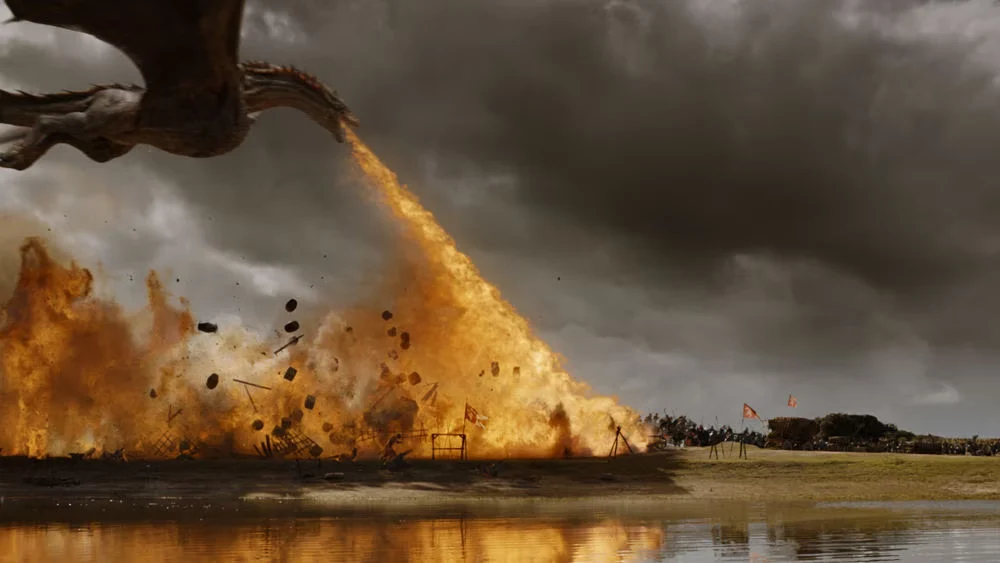
Dragons in ‘Game of Thrones’ and ‘House of the Dragon’ are depicted as fire-breathing, city-leveling forces; reference guides and episode documentation chronicle their use of flame in key sequences and the High Valyrian command “dracarys.”
Franchise wikis and episode summaries further describe dragonfire’s battlefield impact—from escapes and executions to large-scale devastation—underscoring why it’s treated as a strategic weapon throughout the Targaryen saga.
‘Lucille’

‘Lucille’ is the barbed-wire-wrapped baseball bat wielded by Negan in ‘The Walking Dead’ TV universe, first appearing late in the original series and reappearing—modified—in ‘Dead City’. Official and trade coverage identify it as a signature implement tied closely to Negan’s identity and to notable on-screen events.
Licensed replicas and studio merchandise cement ‘Lucille’ as a formally recognized prop across AMC’s brand ecosystem, reflecting its continued presence in marketing and spin-off storytelling.
Death Note

In ‘Death Note’ (the 2006 TV anime), the Death Note is a supernatural notebook: write a person’s name while thinking of their face, and they die; Nippon TV’s program page summarizes the premise and stakes of the series.
The rule-set—expanded over episodes—covers default causes of death, identification requirements, and edge-case constraints, all compiled in franchise references that track how the notebook operates within the narrative.
Zanpakutō
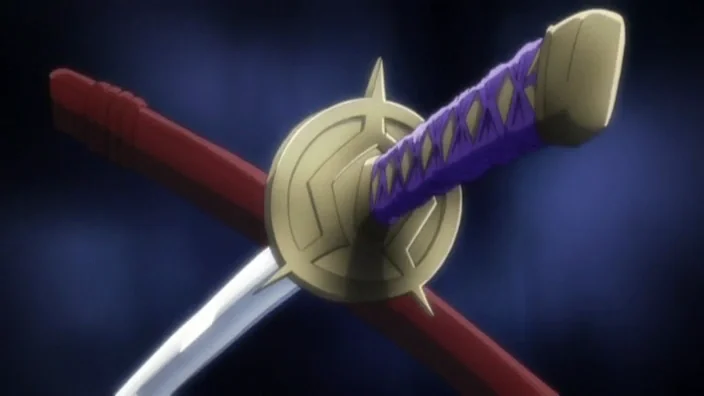
In ‘Bleach’, a Zanpakutō is a Shinigami’s personalized soul-cutting sword with named releases and evolving forms; canon references detail its role in purifying Hollows and guiding souls.
The series depicts distinct abilities tied to individual blades and transformations (Shikai, Bankai), shaping combat across major arcs and setting the framework for how spiritual power is channeled in battles on TV.
Protomolecule

‘The Expanse’ centers on the discovery and weaponization risks of the protomolecule—an alien, self-directed technology whose effects drive conflicts across multiple seasons. Official platform summaries and reputable explainers outline its extrasolar origin and system-wide consequences.
Season descriptions and X-Ray/bonus materials on Prime Video place the protomolecule at the heart of storylines involving ruins, “ring” phenomena, and transformative hazards, underscoring its status as the show’s most dangerous “weapon.”
Zat’nik’tel
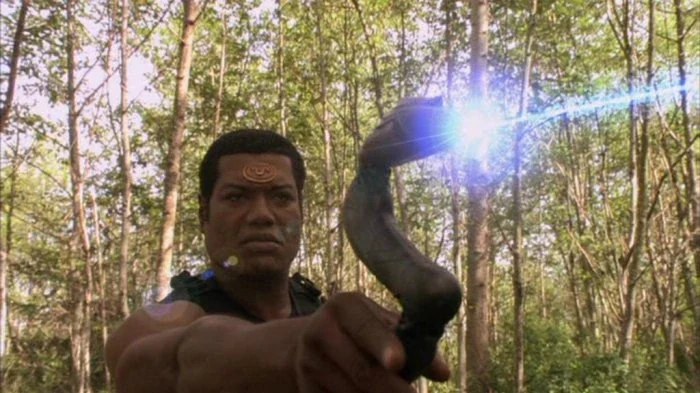
In ‘Stargate SG-1’, the Goa’uld Zat’nik’tel—often shortened to “Zat”—is a compact energy sidearm widely used by Jaffa and Tok’ra. Franchise wikis catalog its settings and long history in the galaxy, noting its concealability and lethality.
Episode guides show routine field use by SG teams and antagonists alike, with documentation of engagements where Zat fire incapacitates or kills depending on shot count and context.
Power Sword
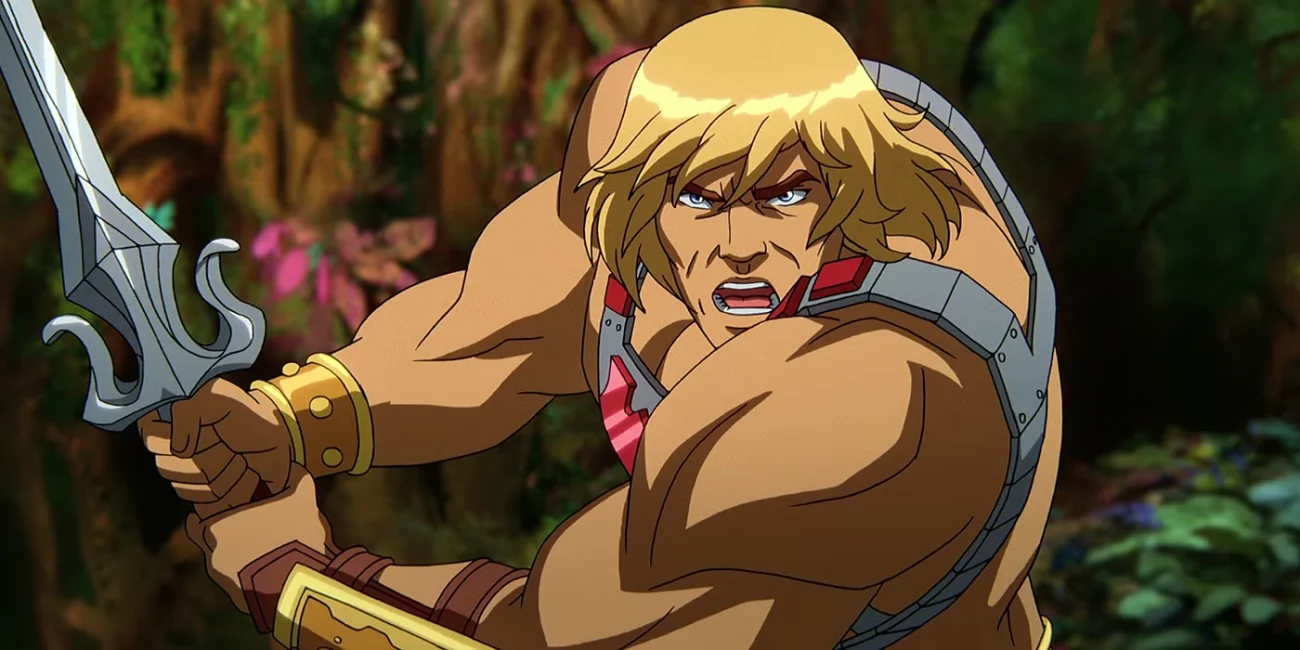
In ‘He-Man and the Masters of the Universe’ TV iterations, the Power Sword serves as the conduit by which Prince Adam transforms into He-Man, anchoring the show’s transformation sequence and heroic identity. Franchise references track this role across animated series.
Production and merchandise notes for recent series (‘Revelation’ and beyond) describe canonical variations and backstory expansions tied to the sword’s history and bearers.
Sword of Omens
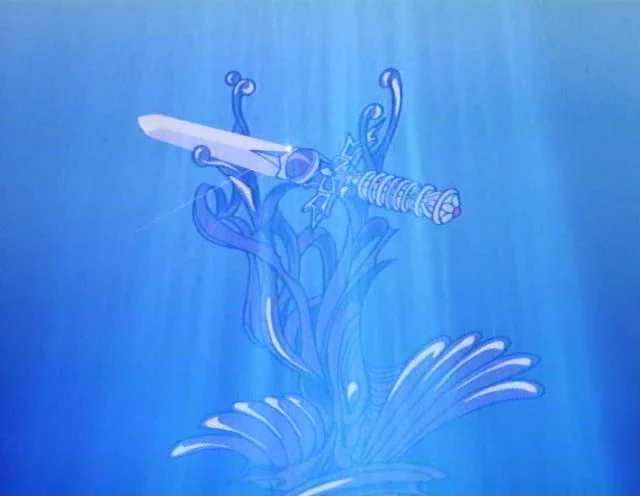
‘ThunderCats’ centers the Sword of Omens as Lion-O’s legendary blade, housing the Eye of Thundera and extending from dagger length to a longsword; it grants “Sight Beyond Sight” and other abilities documented in franchise encyclopedias.
Officially licensed replicas and product materials confirm hallmark features like the illuminated “eye,” reflecting how the weapon’s properties are consistently represented across the brand’s TV incarnations and tie-ins.
Proton Pack
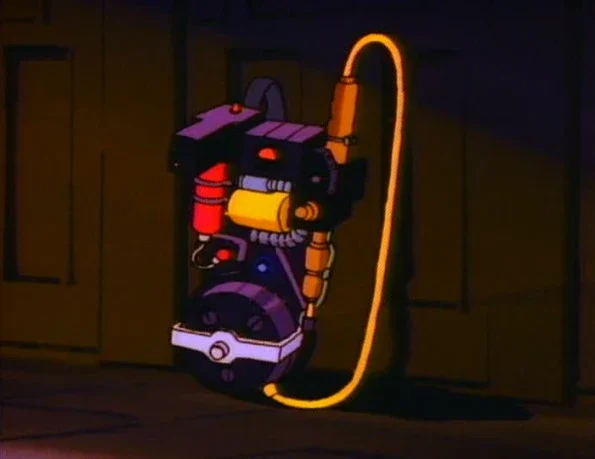
‘The Real Ghostbusters’ brought the film-origin proton pack into TV, depicting a backpack cyclotron and “neutrona wand” that projects a charged particle stream to lasso and position ghosts for trapping. Overviews describe its operation as an energy-based capture system.
Across TV portrayals and licensed materials, the pack’s destructive side effects and variations (wand/thrower terminology, pack upgrades) are consistently noted, reinforcing its status as the franchise’s primary field gear.
Enjoyed the tour? Drop your picks for TV’s most powerful weapons in the comments—what did we miss?