


15 Most Terrifying Sea Monsters from Global Legends

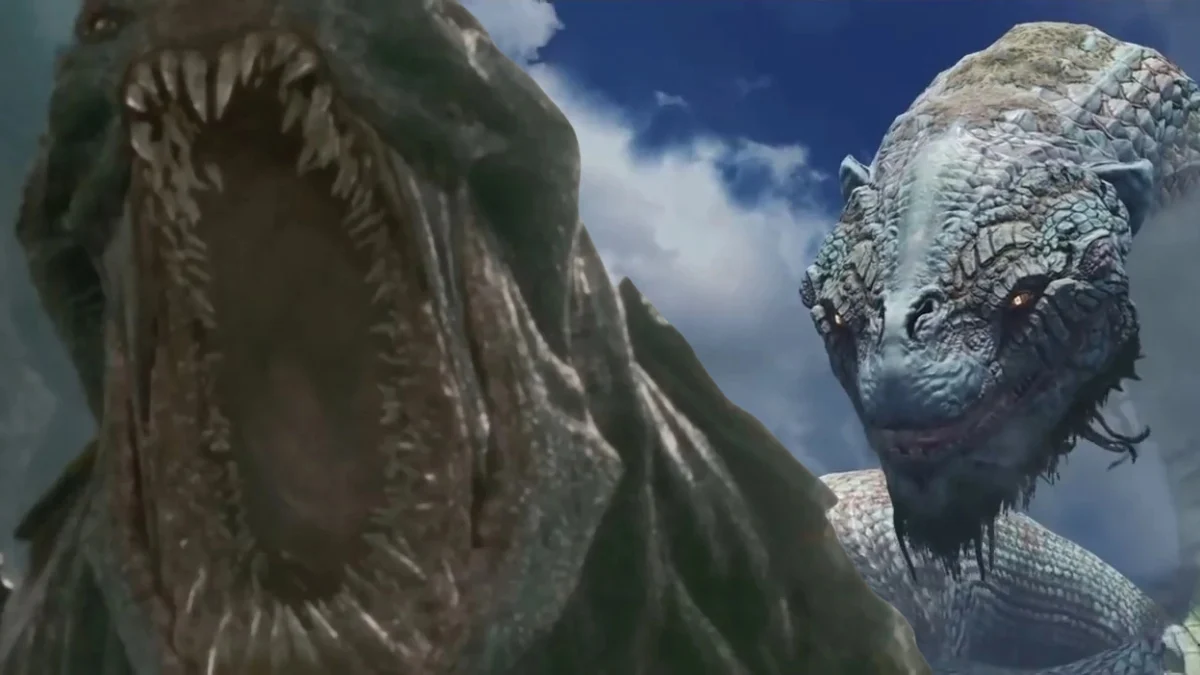


From ancient epics to sailors’ logbooks, cultures around the world have filled the open ocean with colossal serpents, whirlpool-makers, and shape-shifting guardians. These legends explain natural dangers, warn travelers, and celebrate the sea’s power with creatures that drag ships under, swallow the sun, or guard sacred waters. Here are fifteen famous sea monsters from global lore, along with where they come from and what they were said to do.
Kraken
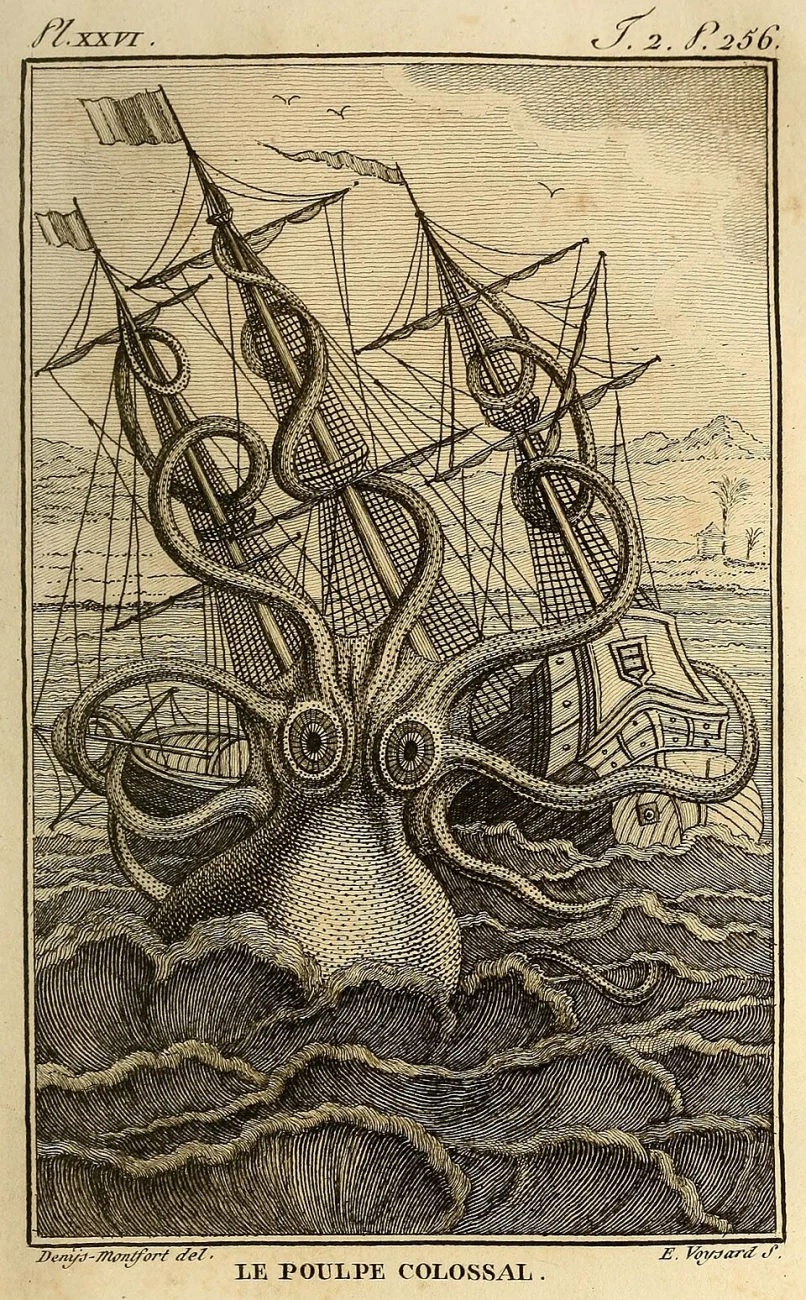
Originating in Scandinavian folklore, the Kraken is described as a colossal cephalopod lurking off Norway and Iceland. Early accounts in the 18th and 19th centuries portray it as large enough to be mistaken for an island, with tentacles capable of pulling down ships. Naturalists like Erik Pontoppidan recorded tales of fishermen using floating debris from its feeding frenzies to boost their catch. Modern retellings often link the myth to giant squid sightings that inspired exaggerated reports.
Leviathan
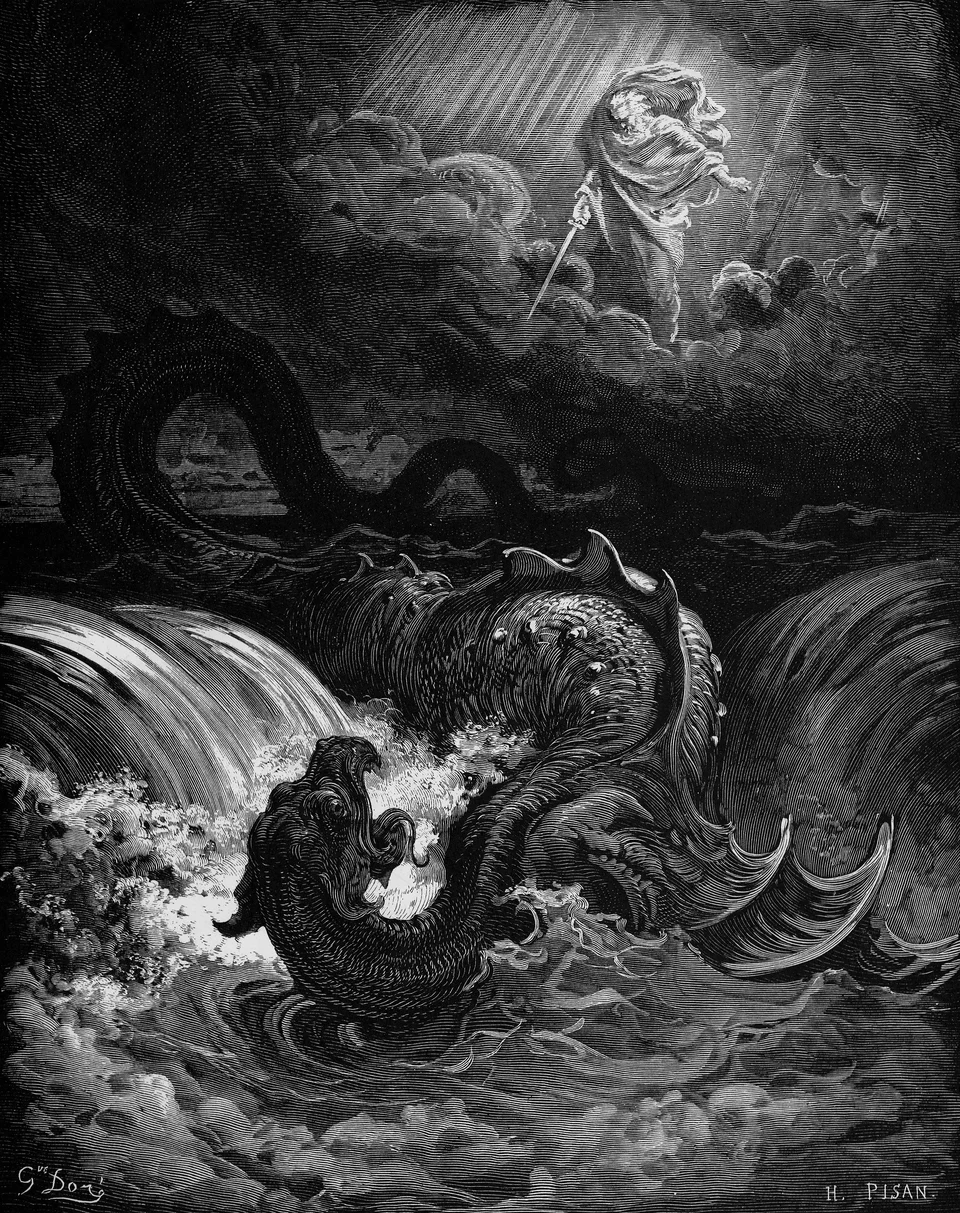
Leviathan appears in Hebrew scriptures and later Jewish traditions as a primordial sea serpent of immense strength. Biblical passages depict it as a chaos creature tamed or defeated by the divine, symbolizing mastery over the seas. Medieval commentators expanded the legend, describing impenetrable scales and fiery breath. Over time, Leviathan became a general term in Western literature for any vast, ungovernable sea power.
Jörmungandr (Midgard Serpent)
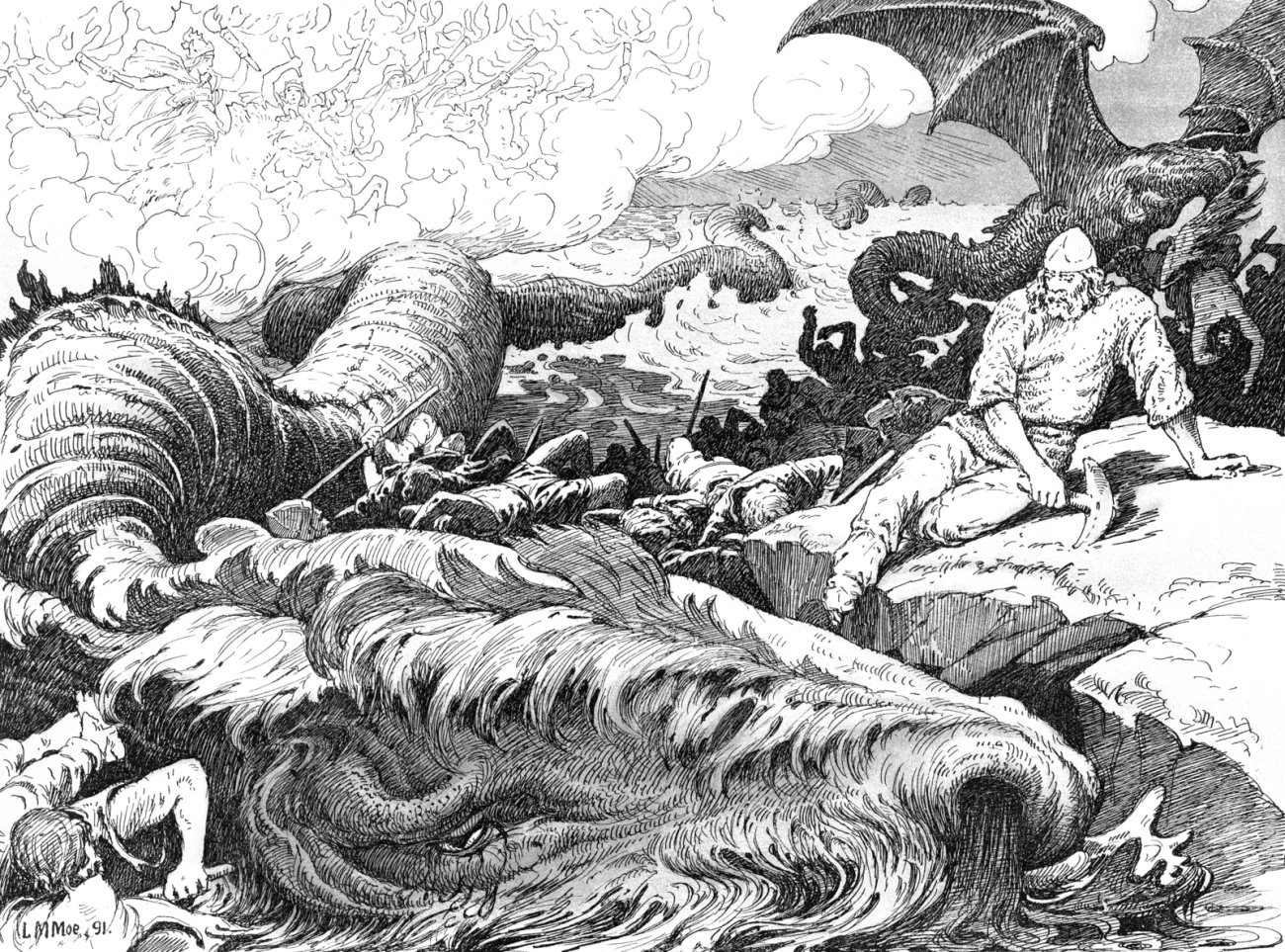
In Norse mythology, Jörmungandr is the world-encircling serpent, offspring of Loki and the giantess Angrboða. Cast into the ocean, it grows so large that it bites its own tail and surrounds Midgard, the realm of humans. Prophecies say it will release its tail during Ragnarök, poisoning the sky and battling Thor. The serpent’s tides and storms were used to explain violent sea changes along the North Atlantic.
Scylla

Scylla is a many-headed sea monster from Greek myth who dwells opposite the whirlpool Charybdis in the Strait of Messina. Ancient sources describe her as having canine heads and serpentine features that snatch sailors from passing ships. In Homer’s “Odyssey,” Odysseus must choose between losing men to Scylla or risking total destruction by Charybdis. The legend likely reflects the hazardous currents and rock formations of that strait.
Charybdis

Charybdis is portrayed as a monstrous whirlpool that thrice daily swallows and spews out seawater. Placed near Scylla in the “Odyssey,” it forces mariners into perilous navigation choices in the Strait of Messina. Some classical geographers linked the myth to real tidal phenomena and eddies in narrow channels. The phrase “between Scylla and Charybdis” entered language to describe choosing between two dangers.
Cetus
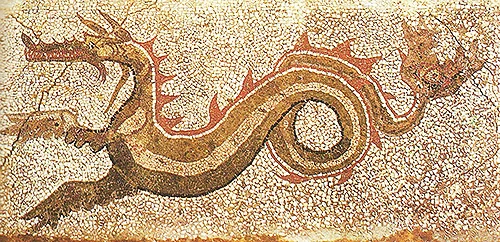
Cetus is a generic term the Greeks used for sea monsters, but it also names the creature sent to devour Andromeda. In the Perseus myth, the hero slays the beast to save the princess, a story depicted on ancient vases and mosaics. The word carried into Latin and later languages as “cetus” and “cetacean,” showing how myth influenced scientific naming. Astronomers preserved the tale in the constellation Cetus, visible in the autumn sky.
Umibōzu
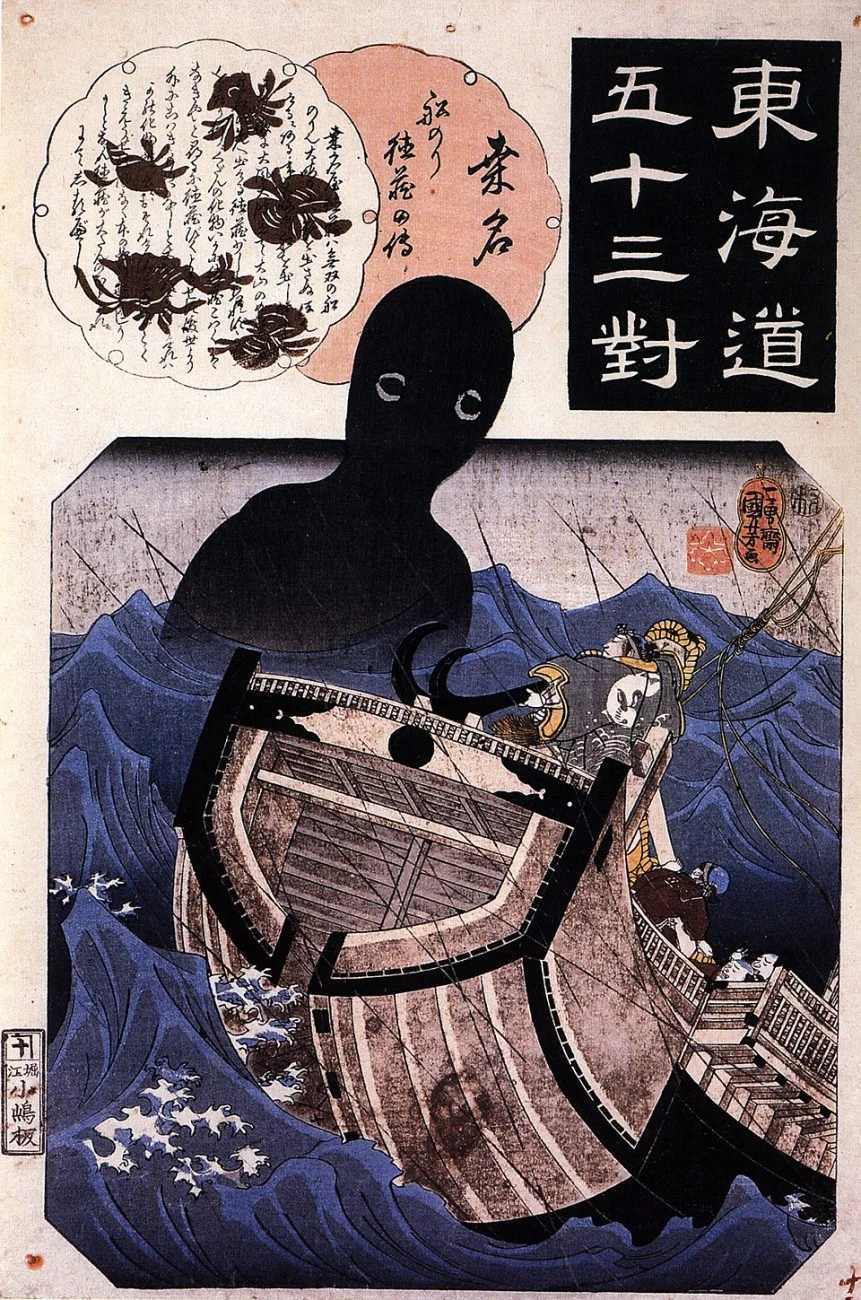
A figure from Japanese folklore, Umibōzu appears on calm nights as a towering, shadowy monk-shaped entity that rises from the sea. Sailors said it could capsize boats unless given a bottomless barrel—a trick request, since such a barrel cannot exist. Edo-period yōkai compilations and woodblock prints spread the image across coastal regions. Explanations often tie the legend to sudden squalls and rogue waves encountered by small craft.
Isonade
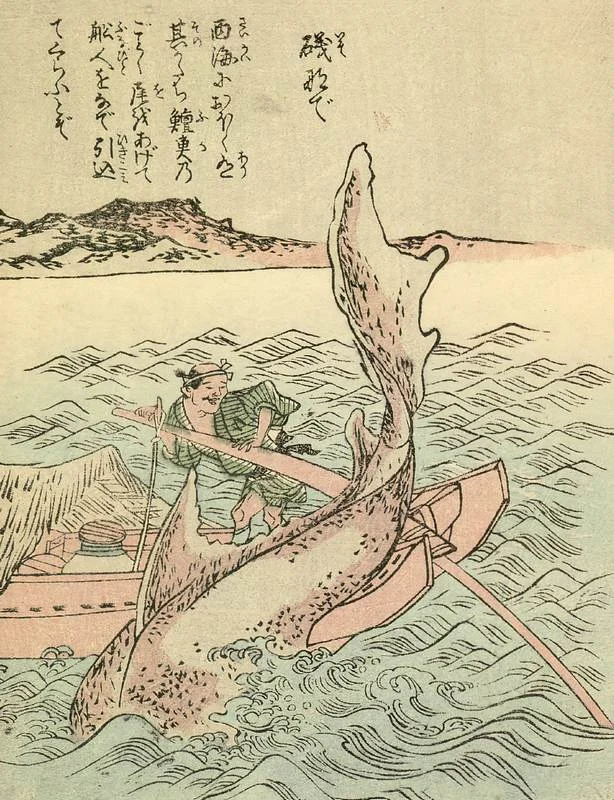
Also from Japanese lore, Isonade is a shark-like yōkai with barbed tail fins that rake sailors from decks. It is said to travel in storms, announcing itself with a chilling wind before striking from beneath the surface. Descriptions emphasize its invisibility until the final moment, heightening maritime caution. Folklorists have compared Isonade tales to reported encounters with large sharks and oarfish.
Lusca
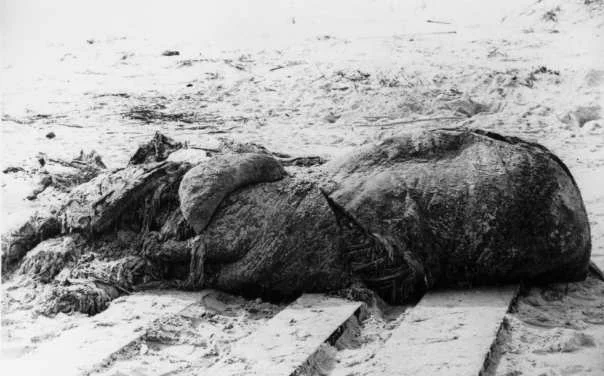
The Lusca is a Caribbean legend centered on the Bahamas’ blue holes, described as a half-octopus, half-shark creature. Divers and fishermen associate it with powerful downdrafts and unpredictable currents in underwater caverns. Stories claim it attacks boats near cave entrances and drags victims into submerged tunnels. The myth likely emerged to explain disappearances and the hazards of tidal flows in the region’s sinkholes.
Bakunawa
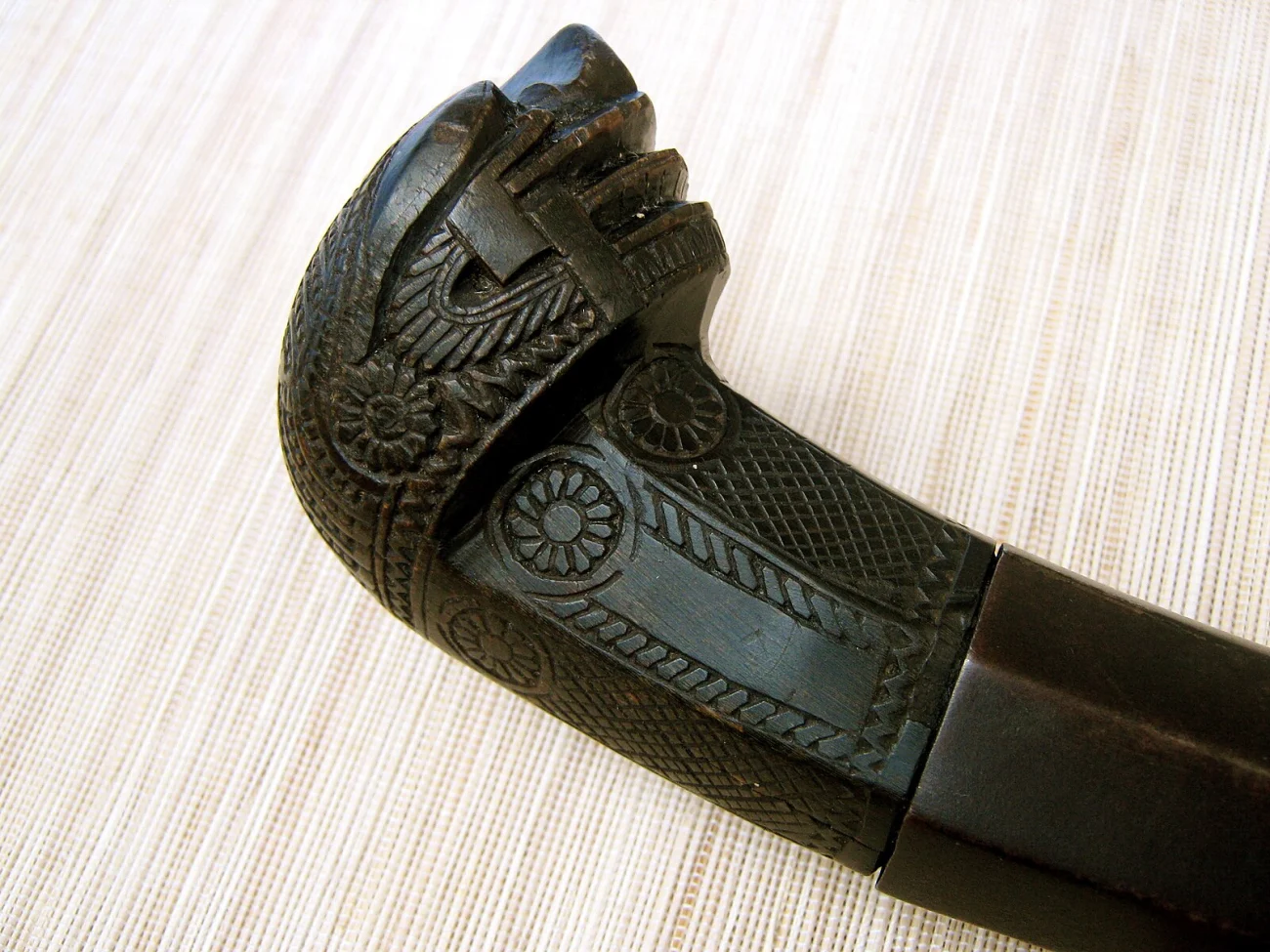
In Philippine mythology, the Bakunawa is a sea serpent blamed for eclipses, said to rise from the ocean to swallow the moon. Visayan and Bicolano traditions describe villages making loud noises—beating drums and pots—to force it to spit the moon back out. Some versions tie the creature to undersea realms and lost islands. The myth serves as a cosmological explanation linking the sea’s depths to celestial events.
Abaia
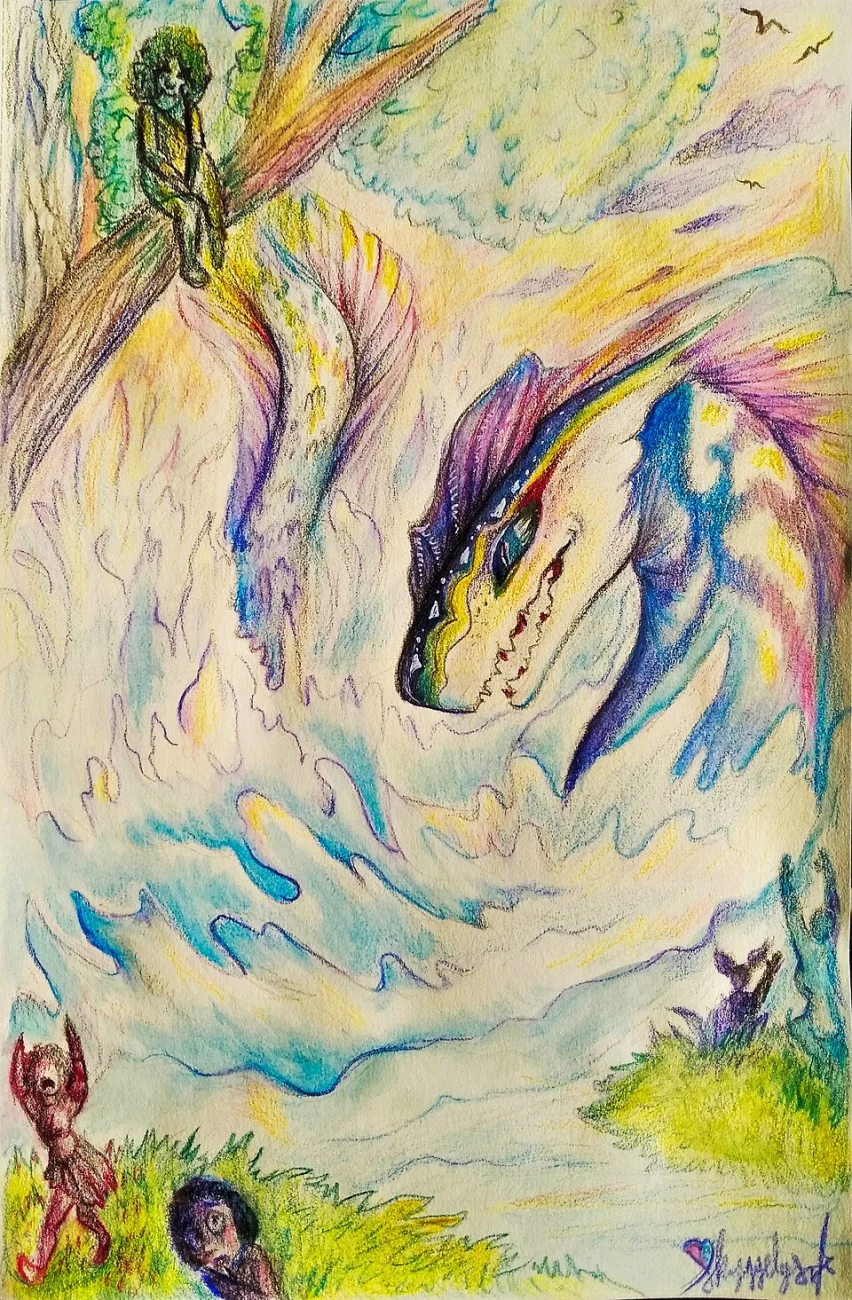
Abaia is a giant, benevolent eel spirit from Melanesian lore, especially in Fiji and nearby islands. It dwells in deep lake or lagoon waters and fiercely protects fish and aquatic life from human exploitation. Tales warn that harming its domain invites catastrophic floods or drowning as retribution. The legend functions as a cultural rule for sustainable fishing and respect for sacred waters.
Te Wheke-a-Muturangi
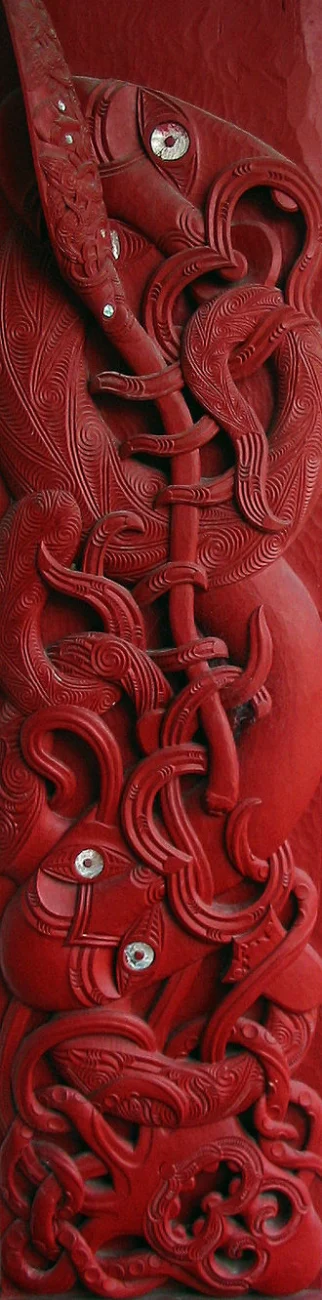
Polynesian traditions, especially among Māori, tell of Te Wheke-a-Muturangi, a giant octopus associated with the navigator Kupe. The creature is pursued across the Pacific, with landmarks in Aotearoa New Zealand linked to the chase. The story records early ocean voyaging knowledge through memorable narrative. It also encodes navigation routes and coastal hazards into mythic geography.
Taniwha
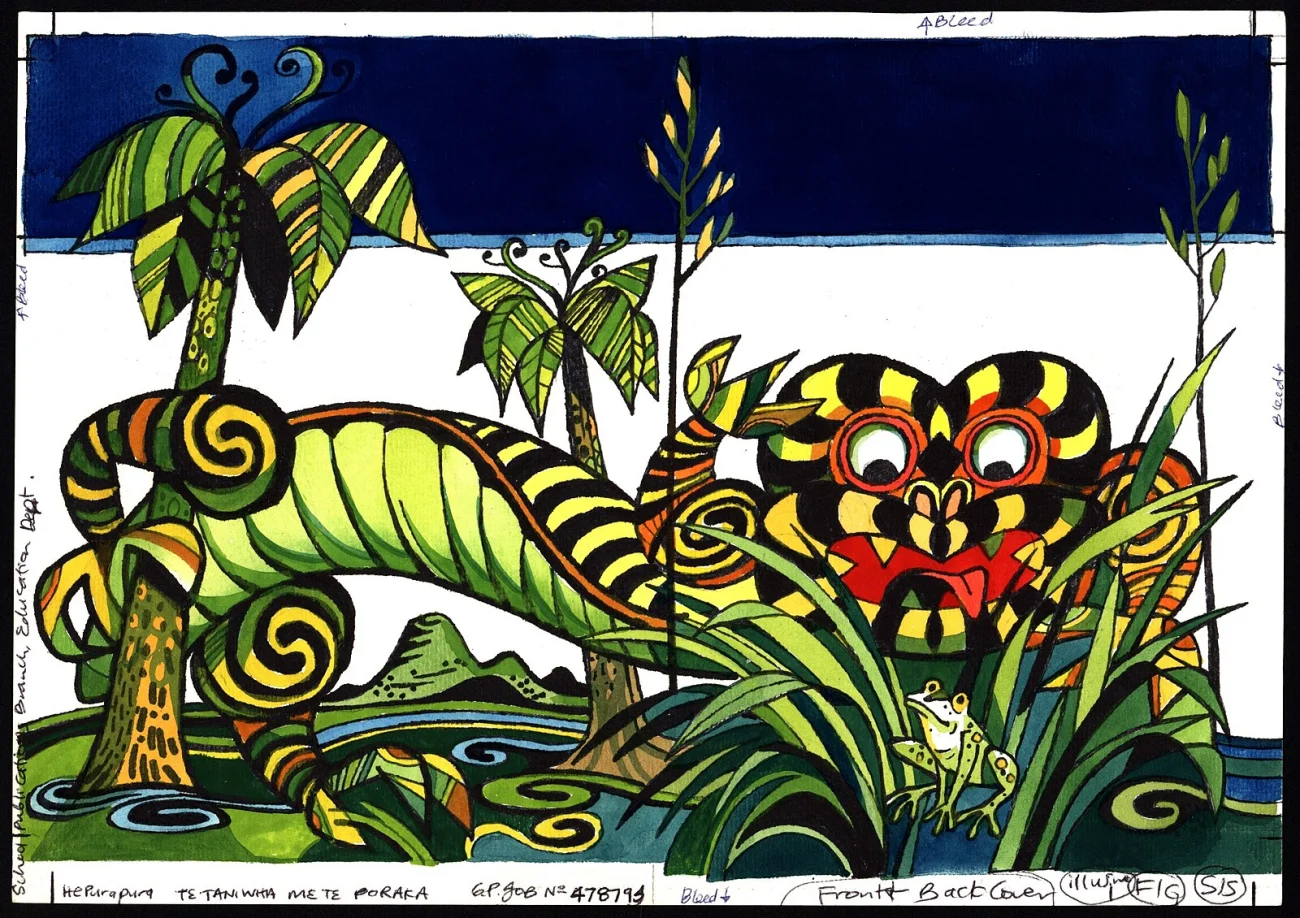
In Māori culture, taniwha are powerful beings that inhabit rivers, lakes, and coastal waters, sometimes guarding passages and sometimes punishing trespass. Communities historically offered respect and followed protocols when traveling through taniwha territories. Specific taniwha are tied to tribal histories and particular bends, reefs, or channels. The lore provides social rules for safe navigation and acknowledges dangerous stretches of water.
Aspidochelone
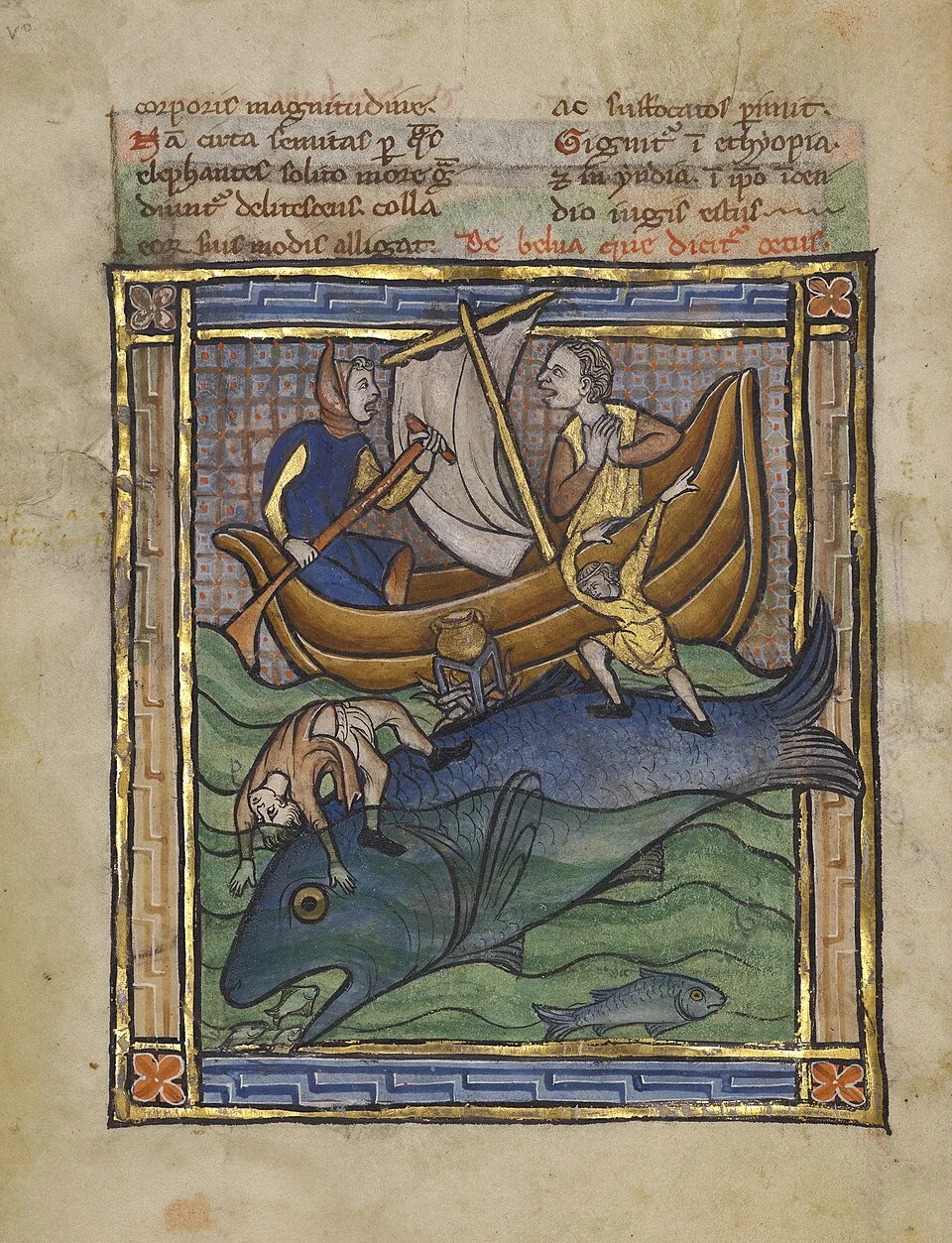
Medieval bestiaries describe the Aspidochelone as an immense sea creature—often turtle- or whale-like—whose shell resembles an inviting island. Mariners would anchor, light fires, and then be dragged down when the “island” submerged. The tale appears in texts like the “Physiologus,” used to teach moral lessons about deception. It likely preserved warnings about false landfalls, floating pumice rafts, or surfacing whales.
Morgawr
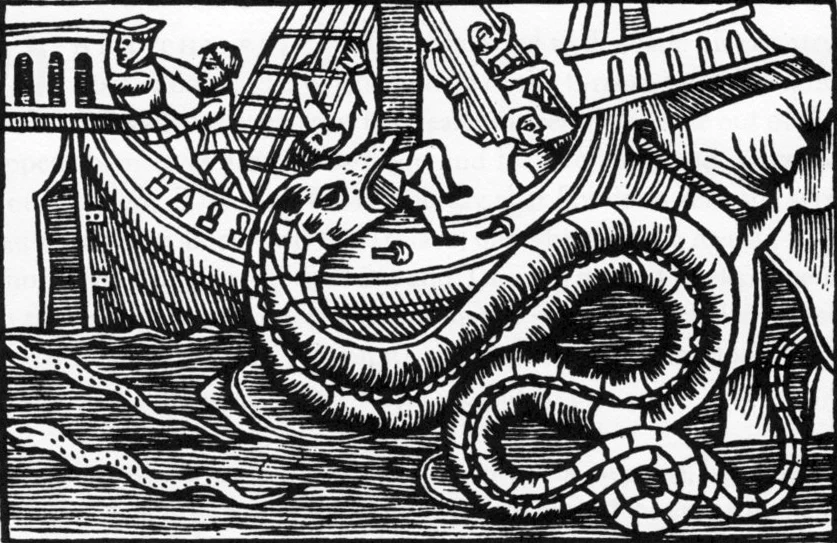
Morgawr is a modern Cornish sea-serpent legend reported along the coast near Falmouth and the Helford River. Sightings surged in the 1970s, describing a long-necked creature with humps surfacing in rough seas. The name means “sea giant” in Cornish, anchoring it in regional identity. Local lore blends eyewitness accounts with older Celtic sea-beast traditions to sustain the story.
Share your favorite sea-monster legend—or one we missed—in the comments!