


15 Superheroes Who Are Openly Gay

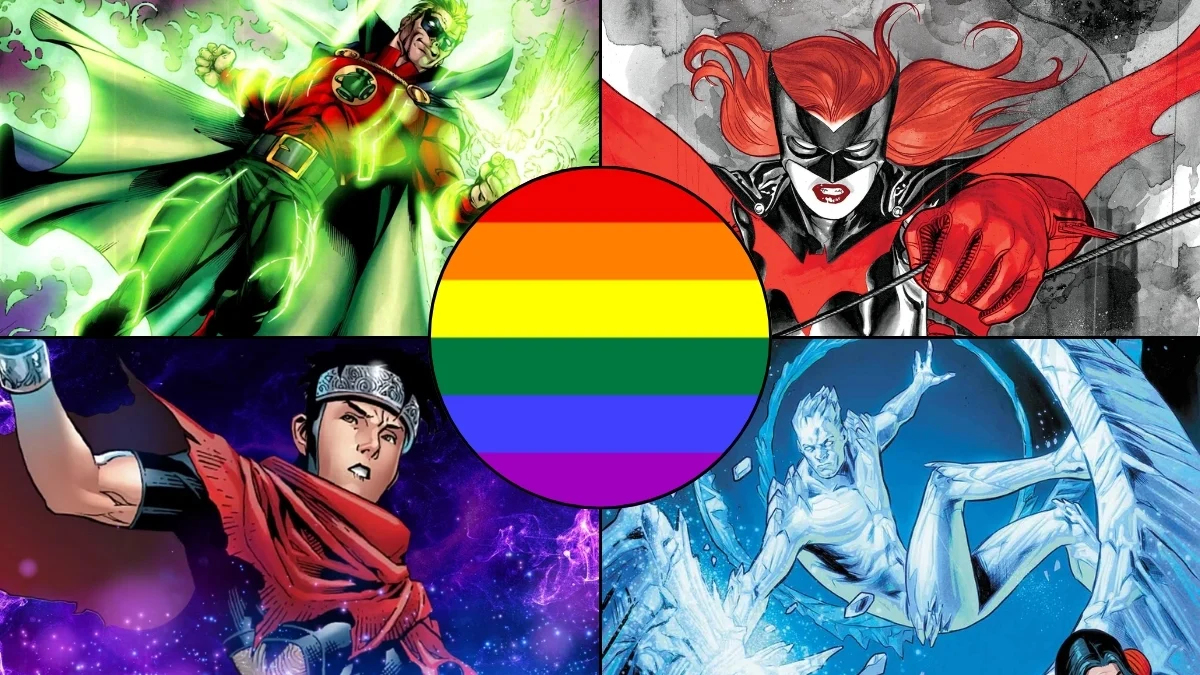


Superheroes have reflected real life more and more over the years, and that includes characters who are openly gay. From team leaders to cosmic powerhouses, these heroes have had meaningful arcs, relationships, and milestones on the page, helping readers see themselves in the stories they love.
This list brings together fifteen superheroes who are canonically and openly gay in mainstream comics. Each entry highlights key publishing facts, major appearances, powers, and the moments when these characters’ sexual orientation was made explicit in-story.
Northstar (Jean-Paul Beaubier)
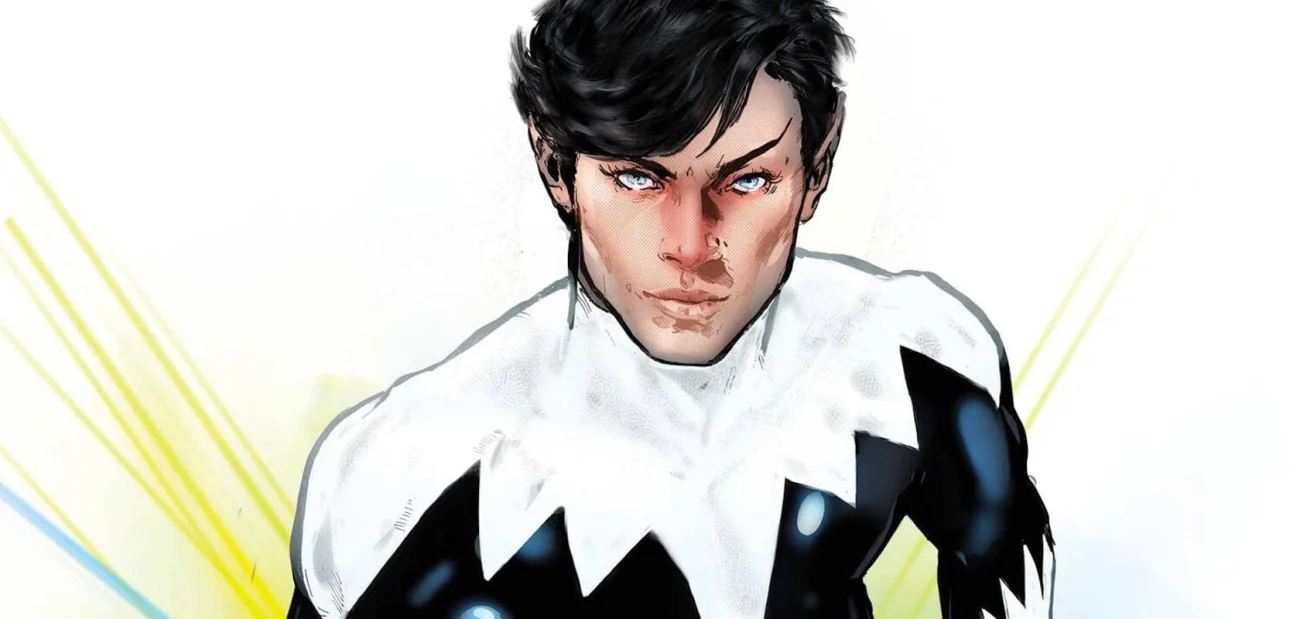
A longtime member of Alpha Flight and later the X-Men, Northstar first appeared alongside Canada’s super-team in 1979 and received his own spotlight with the launch of ‘Alpha Flight’ in 1983. He is a world-class speedster and skilled aerialist whose powers include super-speed and light generation when working in tandem with his twin sister, Aurora.
Northstar publicly came out in ‘Alpha Flight’ #106 (1992), one of the earliest instances of a mainstream superhero doing so in a major publisher’s title. He later married Kyle Jinadu in ‘Astonishing X-Men’ #51 (2012), and his X-Men tenure has included roles as a team instructor, field leader, and diplomat during Krakoan-era storylines.
Iceman (Bobby Drake)

One of the original five X-Men, Iceman debuted in ‘The X-Men’ #1 (1963) and can generate, shape, and manipulate ice, often shifting into an organic-ice form that grants enhanced durability. Over decades of publication, he has served on the X-Men, X-Factor, and multiple strike teams.
Iceman’s sexuality was addressed in ‘All-New X-Men’ #40 (2015) and affirmed for his adult counterpart in ‘Uncanny X-Men’ #600, leading to solo series that explored his dating life, family dynamics, and confidence as an Omega-level mutant. Subsequent arcs have shown him balancing high-stakes missions with mentoring younger mutants.
Wiccan (Billy Kaplan)
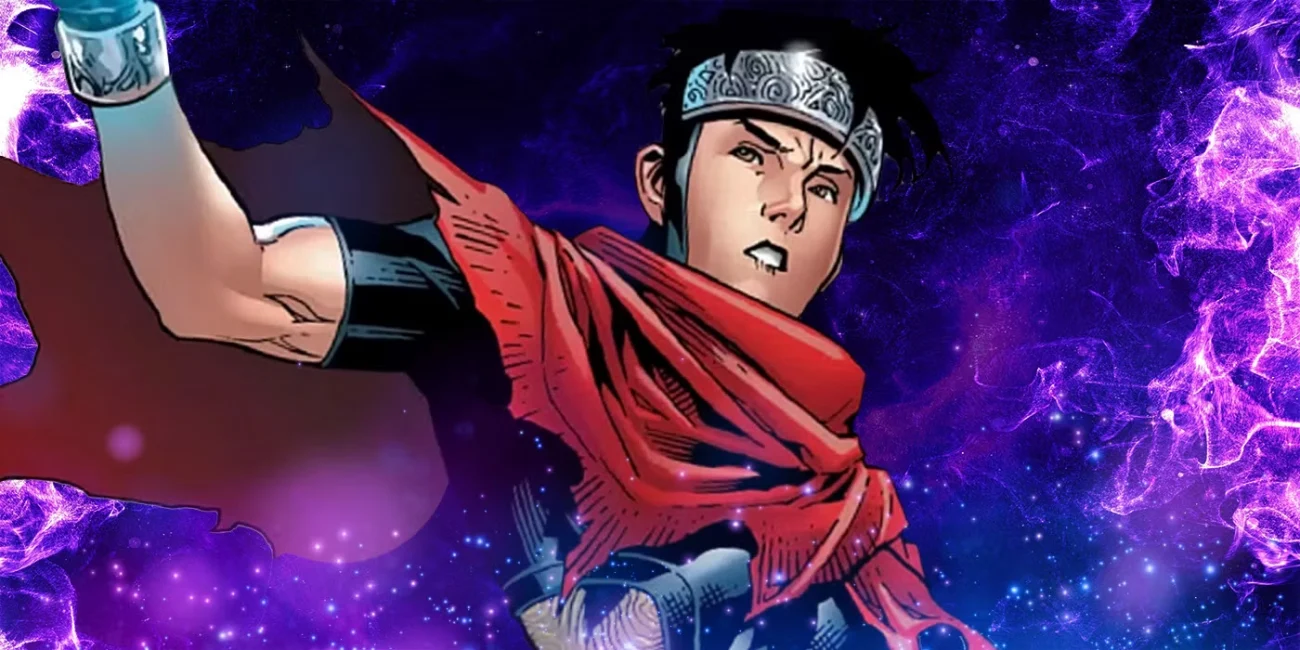
Wiccan first appeared in ‘Young Avengers’ #1 (2005). A powerful spellcaster tied to chaos magic and the “Demiurge” concept, he channels magic through spoken intentions and has served on the Young Avengers, the New Avengers, and cosmic strike teams.
His relationship with Hulkling developed across ‘Young Avengers’ and culminated in their marriage during the ‘Empyre’ era. Wiccan’s stories have tracked his growth from teen hero to seasoned mage, including formal roles as court sorcerer to the united Kree–Skrull leadership and as a key player in reality-threatening conflicts.
Hulkling (Teddy Altman)
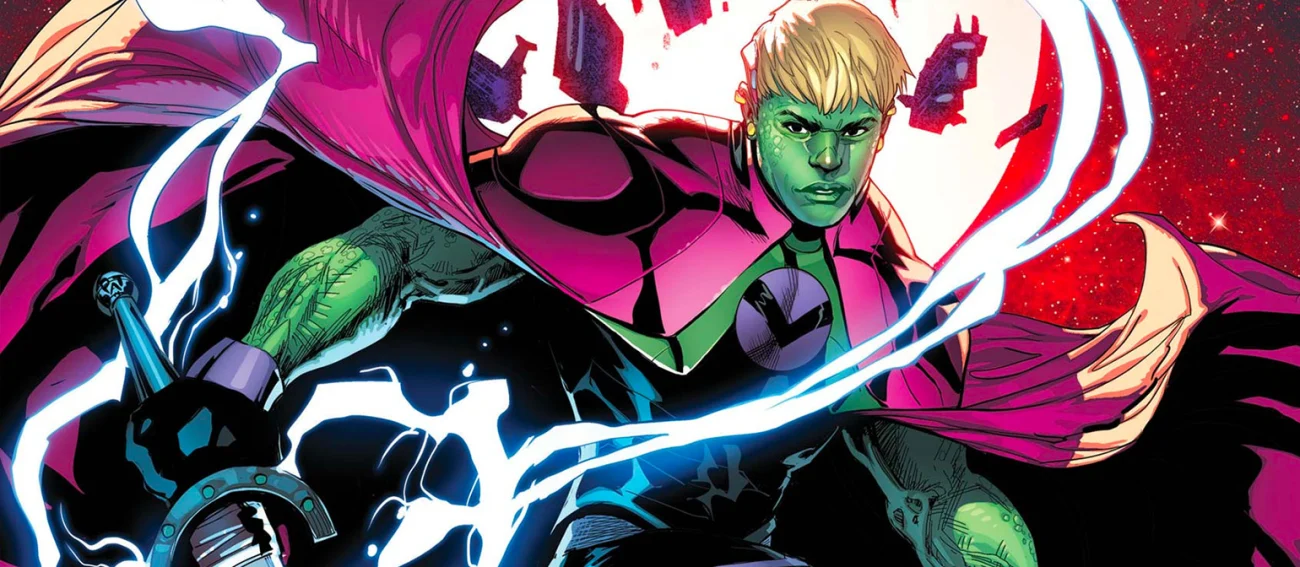
Hulkling debuted in ‘Young Avengers’ #1 (2005) and is the Kree–Skrull hybrid son of Mar-Vell and Princess Anelle. He possesses shapeshifting, super-strength, and enhanced durability, and he often uses his polymorphic abilities tactically in battle.
He married Wiccan during the events surrounding the ‘Empyre’ storyline and took on the mantle of ruler of the Kree–Skrull Alliance. Recent comics have depicted him balancing diplomatic duties with frontline heroics, supported by royal guard units and alliances with Earth-based teams.
Batwoman (Kate Kane)
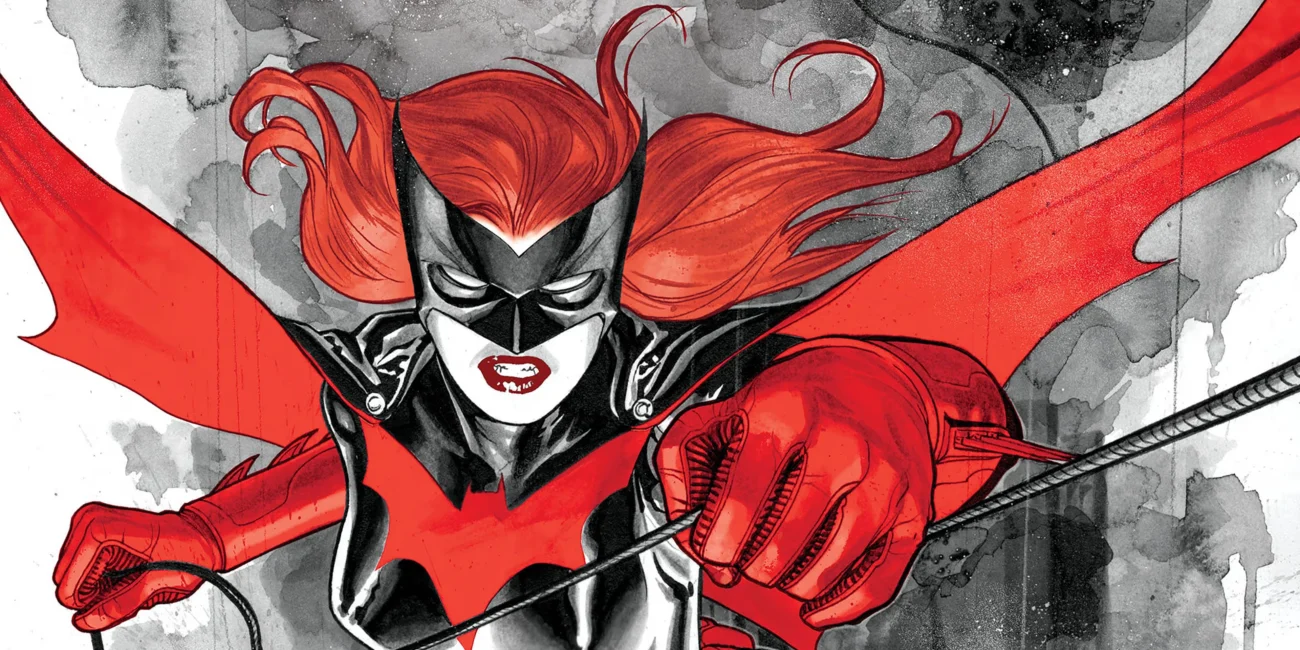
Reintroduced to continuity in ‘52’ #7 (2006), Kate Kane operates as Batwoman, a Gotham-based vigilante who uses detective work, military training, and advanced gear rather than superpowers. Her background includes expulsion from a U.S. military academy under “Don’t Ask, Don’t Tell,” a detail that has shaped her drive and independence.
Batwoman’s stories have followed her leadership within Gotham’s vigilantism, complicated family ties to the Kanes, and relationships with Maggie Sawyer and other allies. Her solo series have emphasized international missions, urban-terror threats, and the tactical side of the Bat-family.
Midnighter
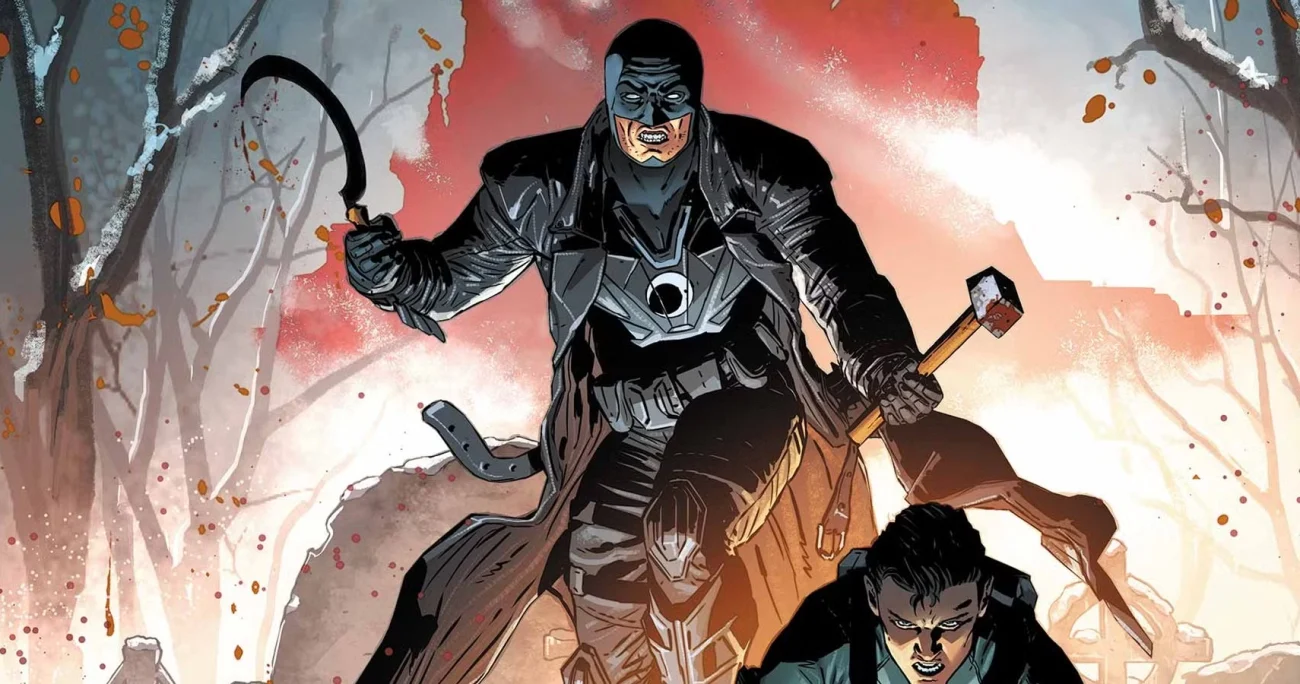
Created in the late 1990s for the WildStorm imprint, Midnighter is a close-quarters combat specialist with a combat-precognition “battle computer” that lets him model and counter opponents’ moves. He served on Stormwatch and then The Authority, where black-ops missions and metahuman threats were routine.
Midnighter is openly gay and has been consistently depicted that way across imprints and reboots. He married Apollo, starred in multiple solo runs that explored both his lethal methods and his life off-mission, and has worked alongside major DC heroes after WildStorm’s integration into the main line.
Apollo
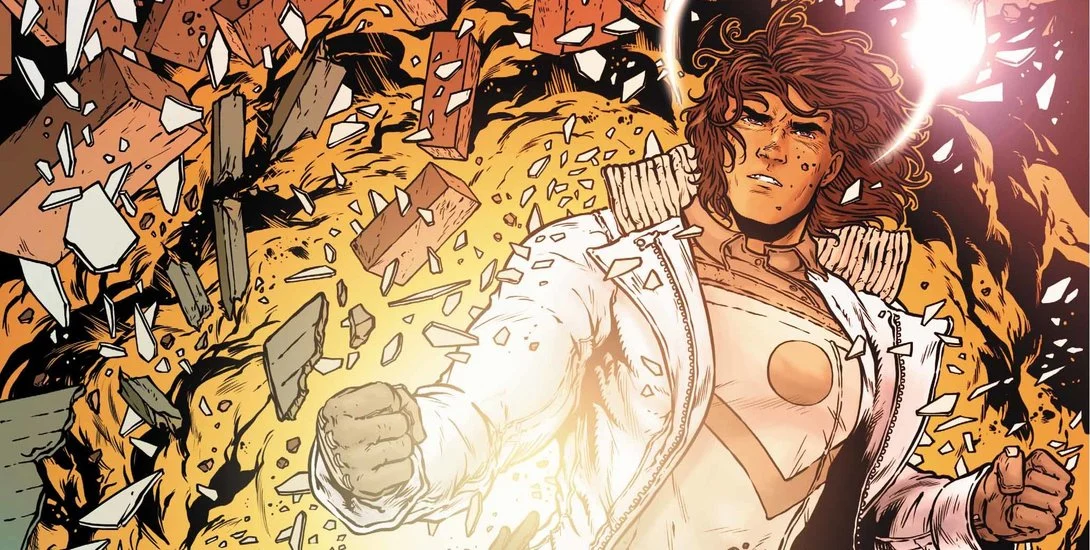
Apollo, another WildStorm import to DC, draws power from solar energy, granting flight, energy projection, and superhuman resilience. He and Midnighter often function as a duo, combining ranged energy output with hand-to-hand expertise to handle large-scale threats.
Apollo has been openly gay since early stories and is Midnighter’s husband; their relationship has been a through-line from The Authority to DC Universe appearances. Later arcs have put Apollo in leadership roles on missions, shown him operating as a symbol of hope within teams, and explored the limits of his solar-charged abilities.
America Chavez
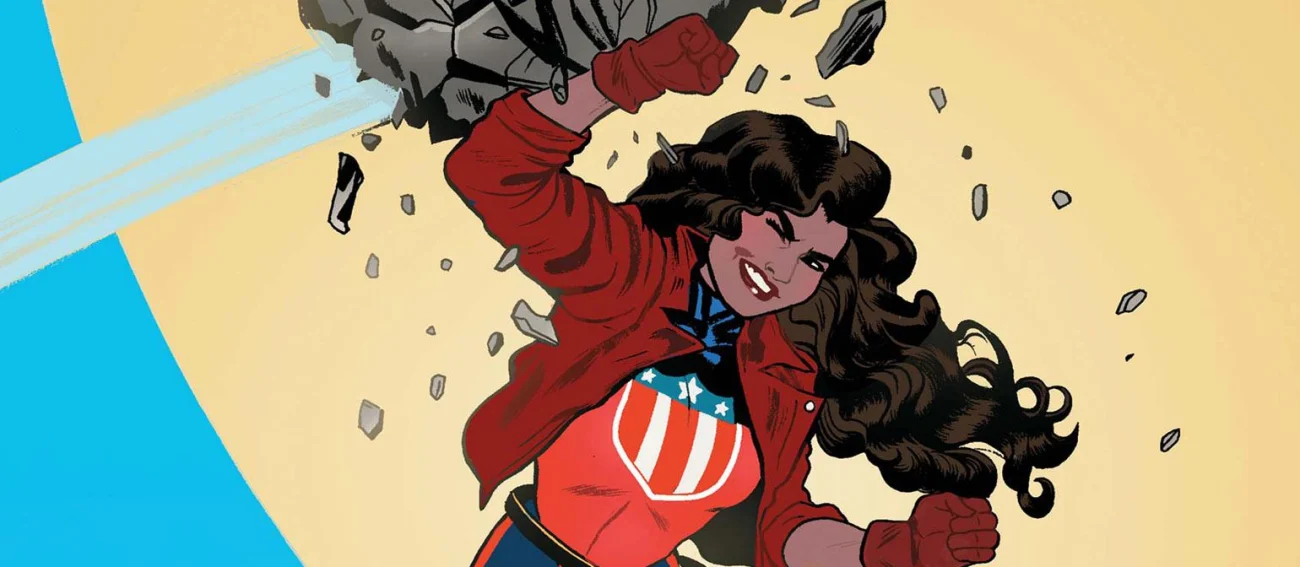
America Chavez arrived in ‘Vengeance’ #1 (2011) and is a super-strong, near-invulnerable hero who can open star-shaped portals for interdimensional travel. She has served with the Young Avengers, the Ultimates, and the West Coast Avengers.
She is an openly lesbian Latina hero whose stories also explore her origin in the Utopian Parallel and her connection to two mothers from that reality. Solo and team books have detailed her leadership style, community ties, and the cultural impact of her multiversal abilities.
Karolina Dean
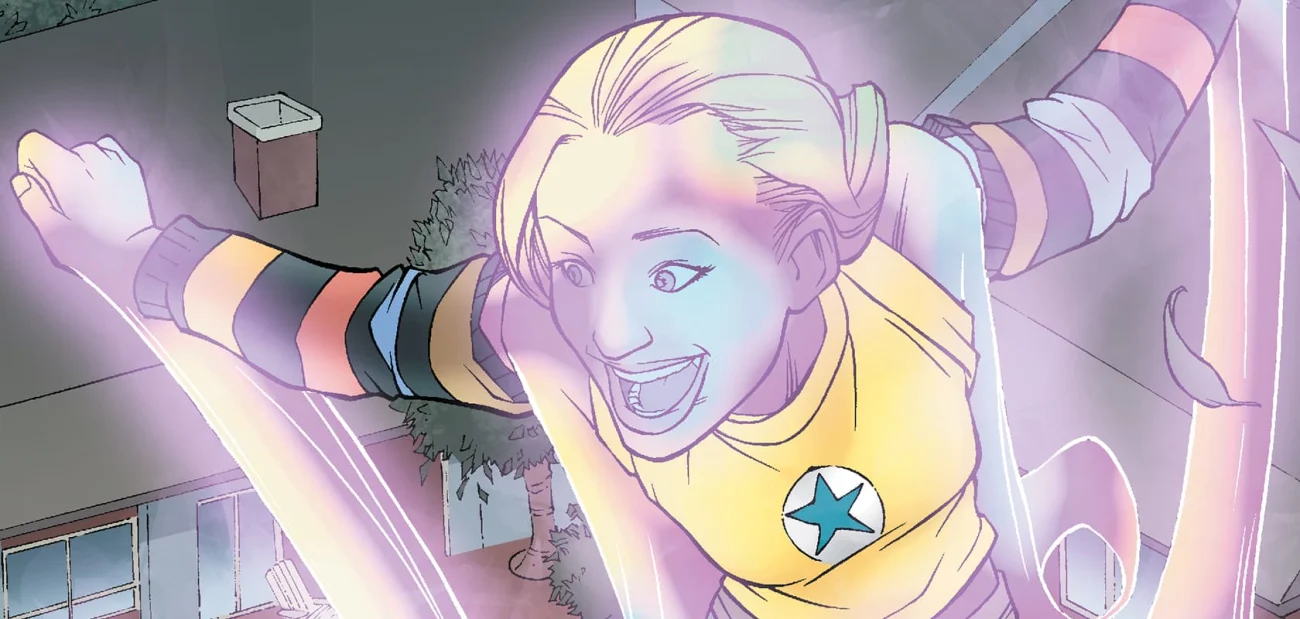
A founding member of the Runaways, Karolina Dean debuted in ‘Runaways’ #1 (2003). She is a Majesdanian alien who can absorb and emit solar energy, often appearing as a radiant, prismatic figure when powered.
Karolina is openly lesbian, and her relationships have been a consistent part of her narrative, including long-running arcs with Nico Minoru. Storylines have covered her struggles with her alien heritage, public identity, and responsibility to friends when the team confronts threats tied to their parents’ legacy.
Alan Scott (Green Lantern)
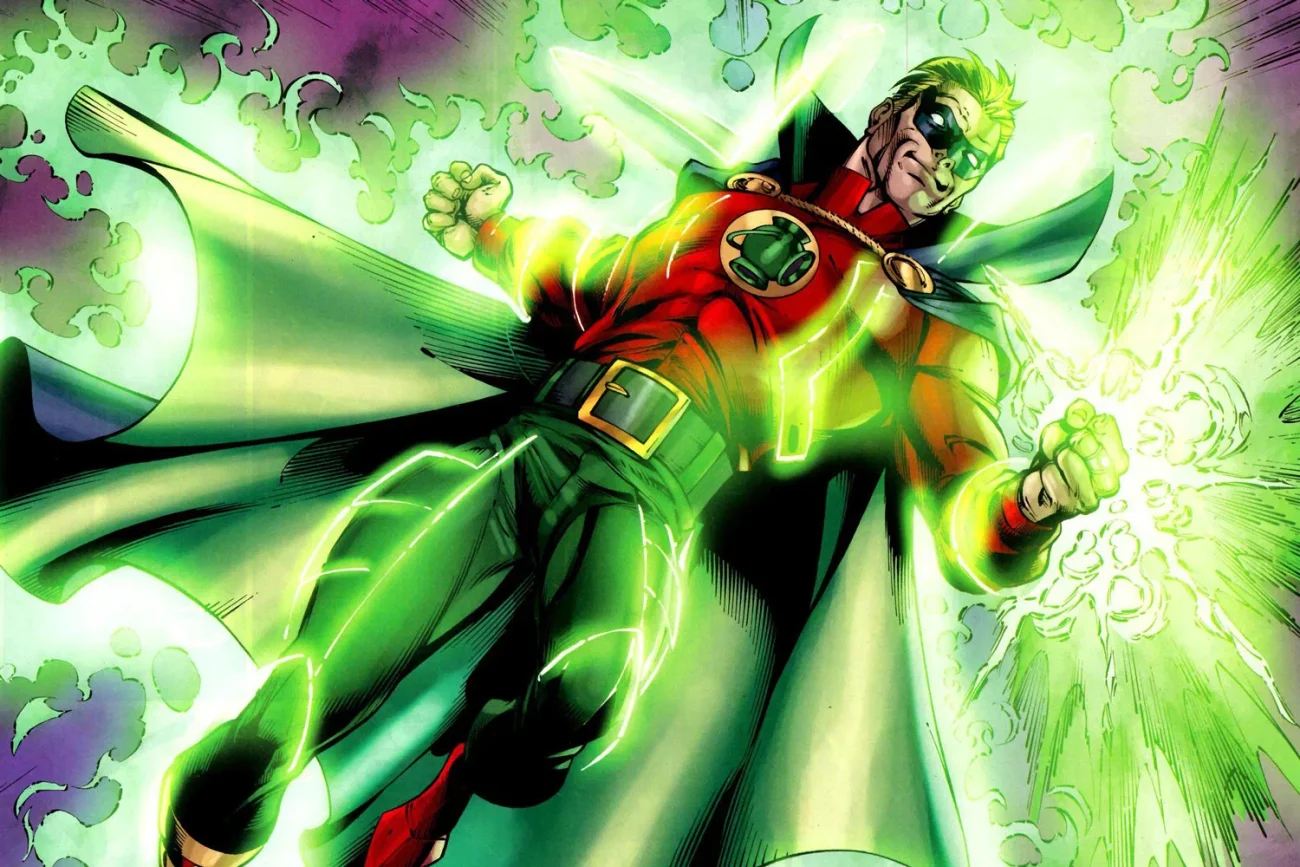
Alan Scott first appeared in ‘All-American Comics’ #16 (1940) as the original Green Lantern, wielding a magic-based power ring distinct from the later space-police concept. He co-founded the Justice Society of America and has been a fixture of DC’s Golden Age legacy.
Modern continuity established Alan Scott as gay, beginning with an Earth-2 reimagining and continuing into the primary timeline through later stories and specials. Recent tales revisit his early life, relationships, and the ways secrecy shaped his decades-long heroic career while reaffirming his role as a mentor within the JSA.
The Ray (Ray Terrill)
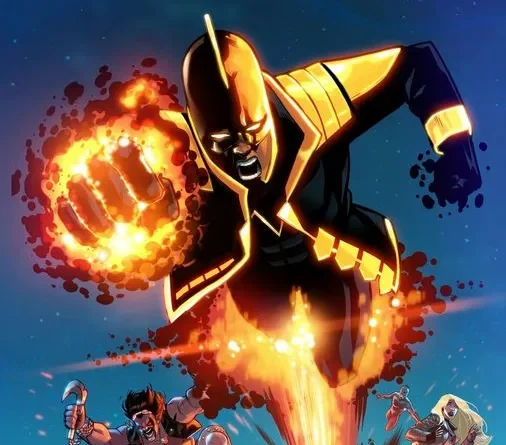
Ray Terrill took the mantle in ‘The Ray’ #1 (1992). He can convert his body into light, granting flight, intangibility, energy projection, and constructs derived from hard-light manipulation, which he uses in solo operations and with the Freedom Fighters.
The character was explicitly depicted as gay in modern continuity, notably in ‘The Ray: Rebirth’, and later joined a Justice League lineup that leveraged his powers for global response. Stories have addressed his public profile, media work, and the science of photonic transformation alongside his personal relationships.
Bunker (Miguel Barragan)
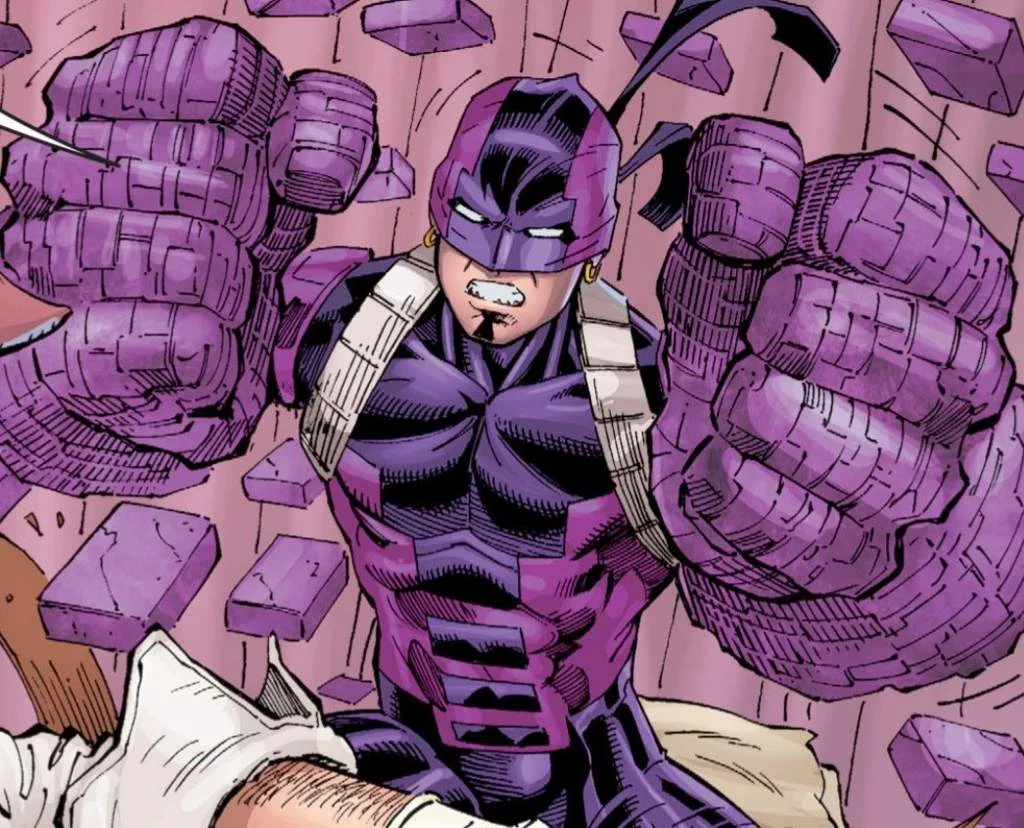
Introduced in ‘Teen Titans’ #1 (2011), Bunker is a Mexican teen hero who creates telekinetic “brick” constructs for offense, defense, and mobility. His visual signature is purple-hued psionic architecture, which can be shaped for shields, platforms, and restraints.
Bunker has been openly gay since his debut, with narratives that foreground his family ties, community engagement, and positive relationship history. As a Titan, he has participated in major crossover missions while also serving as a steady presence for newer recruits.
Anole (Victor Borkowski)
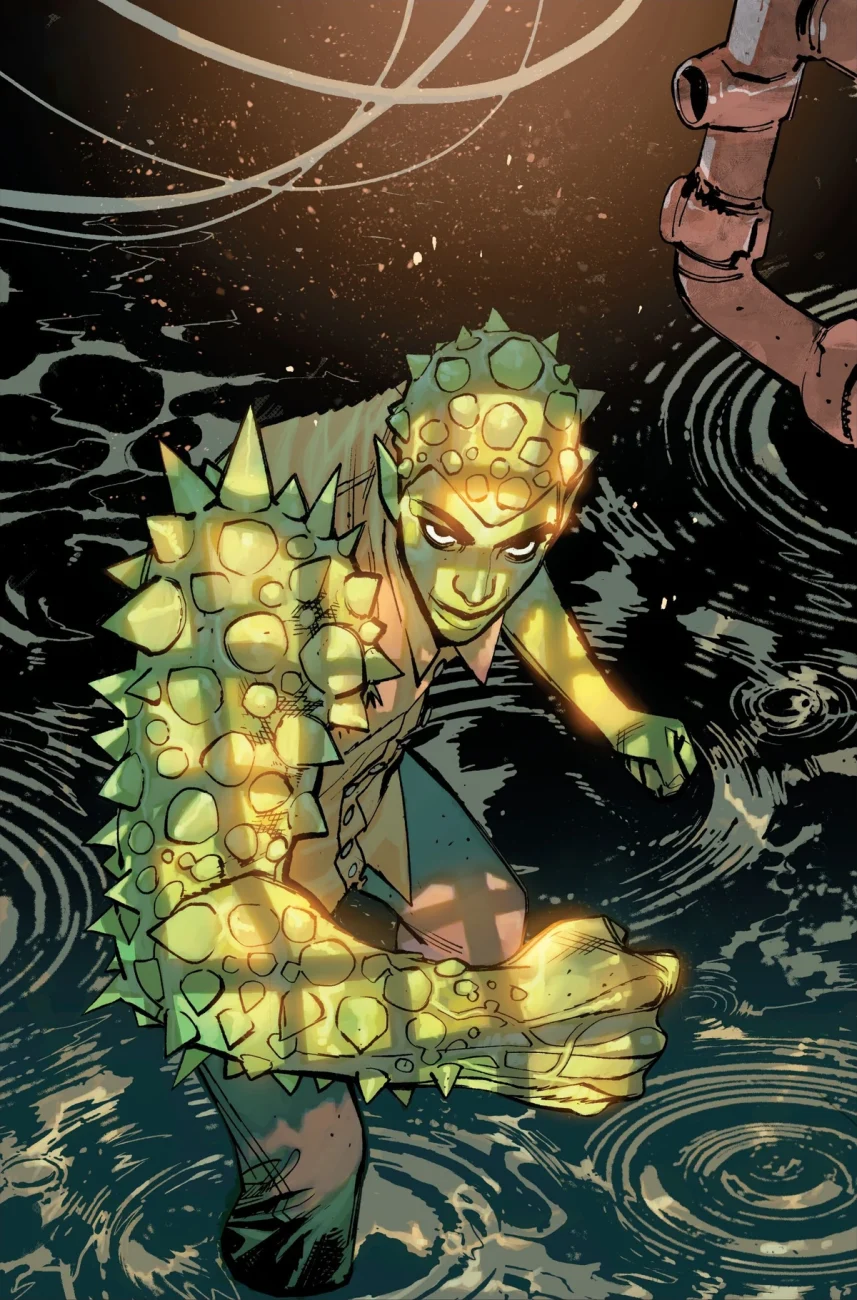
Anole first appeared in ‘New Mutants’ (vol. 2) #2 (2003) and is a mutant with reptilian physiology, wall-crawling, camouflage, and limb regeneration that results in stronger regrowth. He is frequently positioned as a squad leader among student teams at the Xavier Institute.
He is openly gay, and his stories have engaged with mentorship, peer dynamics, and mental health after traumatic events. Writers have used Anole to depict everyday campus life between missions as well as tactical fieldwork during X-Men crises.
Rictor (Julio Richter)
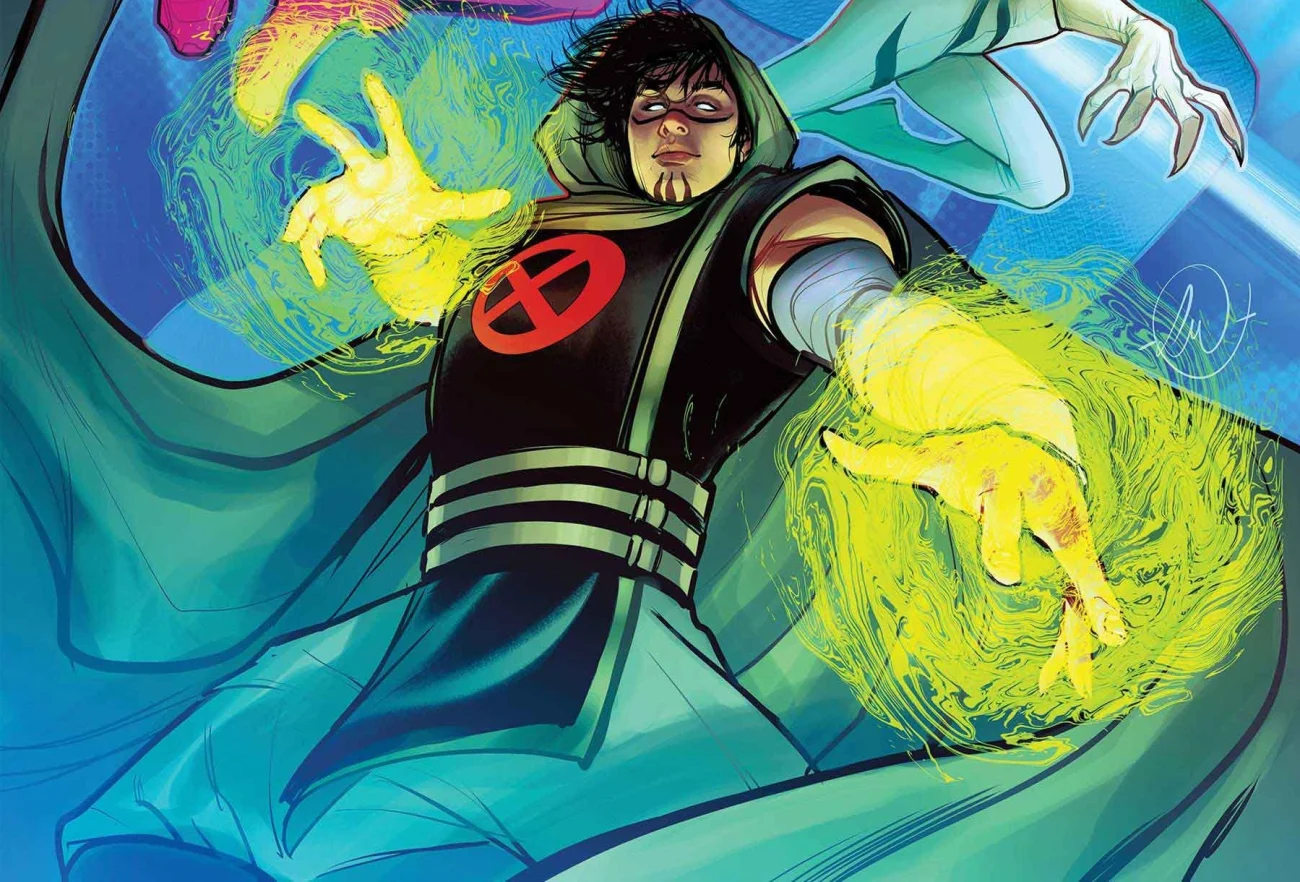
Rictor debuted in ‘X-Factor’ #17 (1987) and controls seismic vibrations, enabling shockwaves, tremors, and tectonic manipulation. He has been a member of X-Factor, X-Force, and Krakoan-era magical cadres due to his later training in druidic practices.
Rictor came out as gay in ‘X-Factor’ (vol. 3) #45 (2009), and subsequent arcs have followed his long-term relationship with Shatterstar and his evolution from street-level operative to specialist. His powers have intersected with nation-building plots, disaster response, and the ethics of mutant sovereignty.
Phyla-Vell
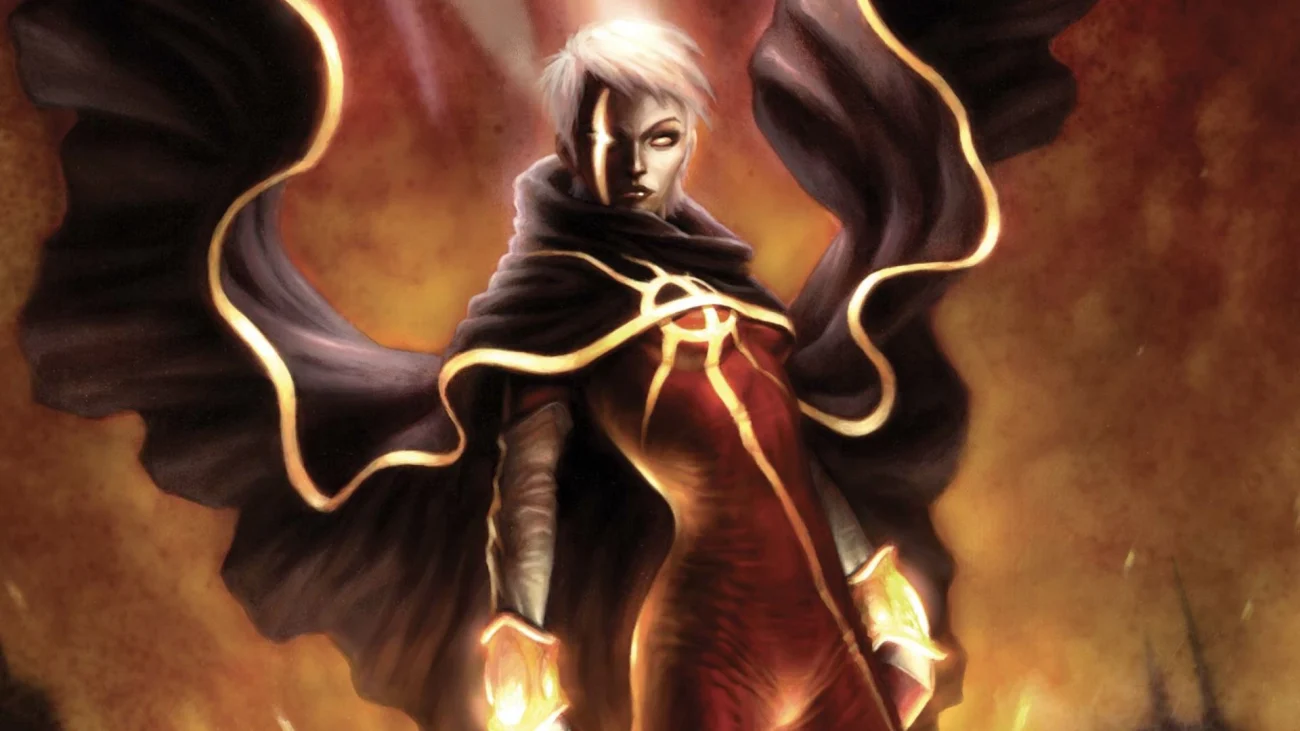
Phyla-Vell entered Marvel stories in the early 2000s as a Kree hero connected to the Captain Marvel legacy and has held the Quasar mantle as well as the codename Martyr. She wields the Quantum Bands for energy constructs, flight, and cosmic awareness.
She is openly lesbian and has been in a longstanding relationship with Moondragon, a partnership that has anchored her appearances across cosmic events and Guardians-adjacent lineups. Major storylines have followed her battles against Annihilus’s forces, leadership decisions in spacefaring teams, and her role in preserving Kree heritage.
Share your favorite picks and any heroes we should spotlight next in the comments!