


15 Supernatural Entities You Don’t Want to Encounter

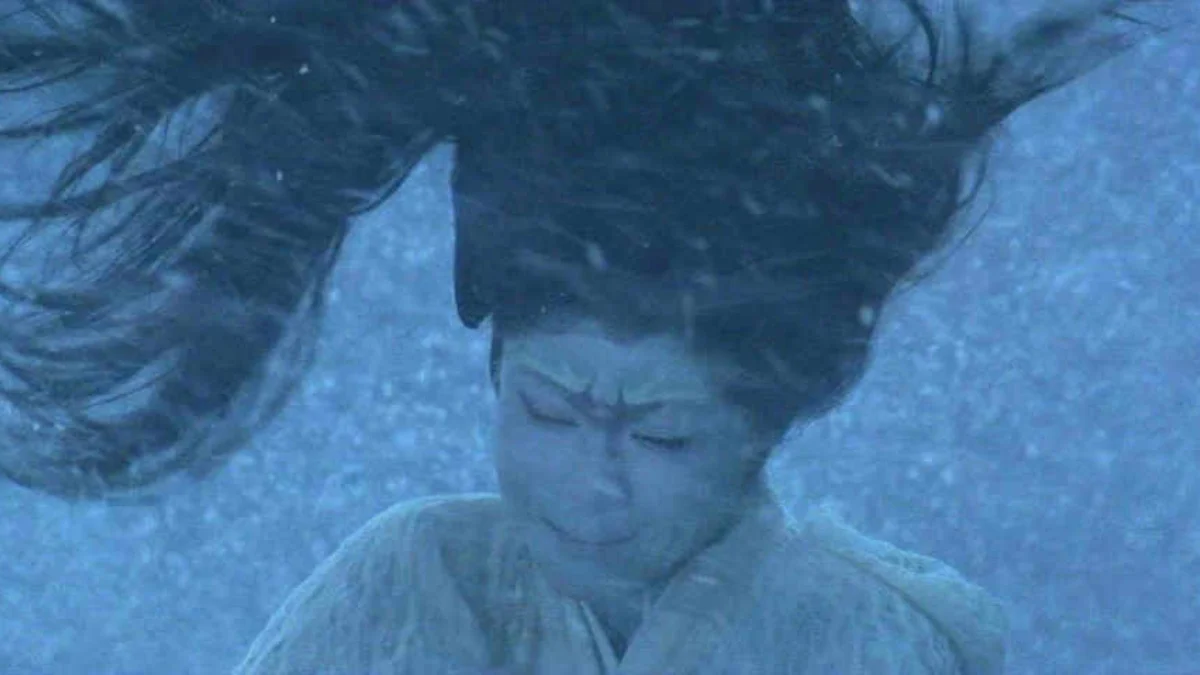


From frigid northern forests to humid tropical villages, stories about beings that blur the line between the living and the dead show up in nearly every culture on Earth. The figures below come from folklore, mythology, and traditional belief systems, and they’re known for specific traits—habitats, behaviors, and telltale signs—that have helped people identify, avoid, or appease them for generations. Think of this as a field guide to what the stories say these entities do, where they’re said to appear, and what customs people have used to keep a cautious distance.
Wendigo

Rooted in Algonquian traditions around the Great Lakes and Canadian forests, the Wendigo is associated with winter, famine, and insatiable hunger. It’s described as a malevolent spirit that can possess humans, driving them to cannibalism and isolation. Many accounts emphasize its emaciated appearance, icy breath, and a heart of ice, symbolizing hunger that can’t be satisfied. Traditional warnings link the Wendigo to breaking taboos during scarcity and use communal vigilance as a safeguard.
Skinwalker

In Diné (Navajo) belief, a skinwalker—yee naaldlooshii—is a harmful practitioner said to use ritual transgressions to gain the ability to transform into animals. Stories describe the use of pelts, nocturnal movement, and deceptive mimicry to mislead travelers. Identifying marks in folklore include uncanny speed, strange tracks, and a persistent chemical or metallic odor. Community protections focus on ceremonial countermeasures and strict respect for cultural boundaries.
Nuckelavee
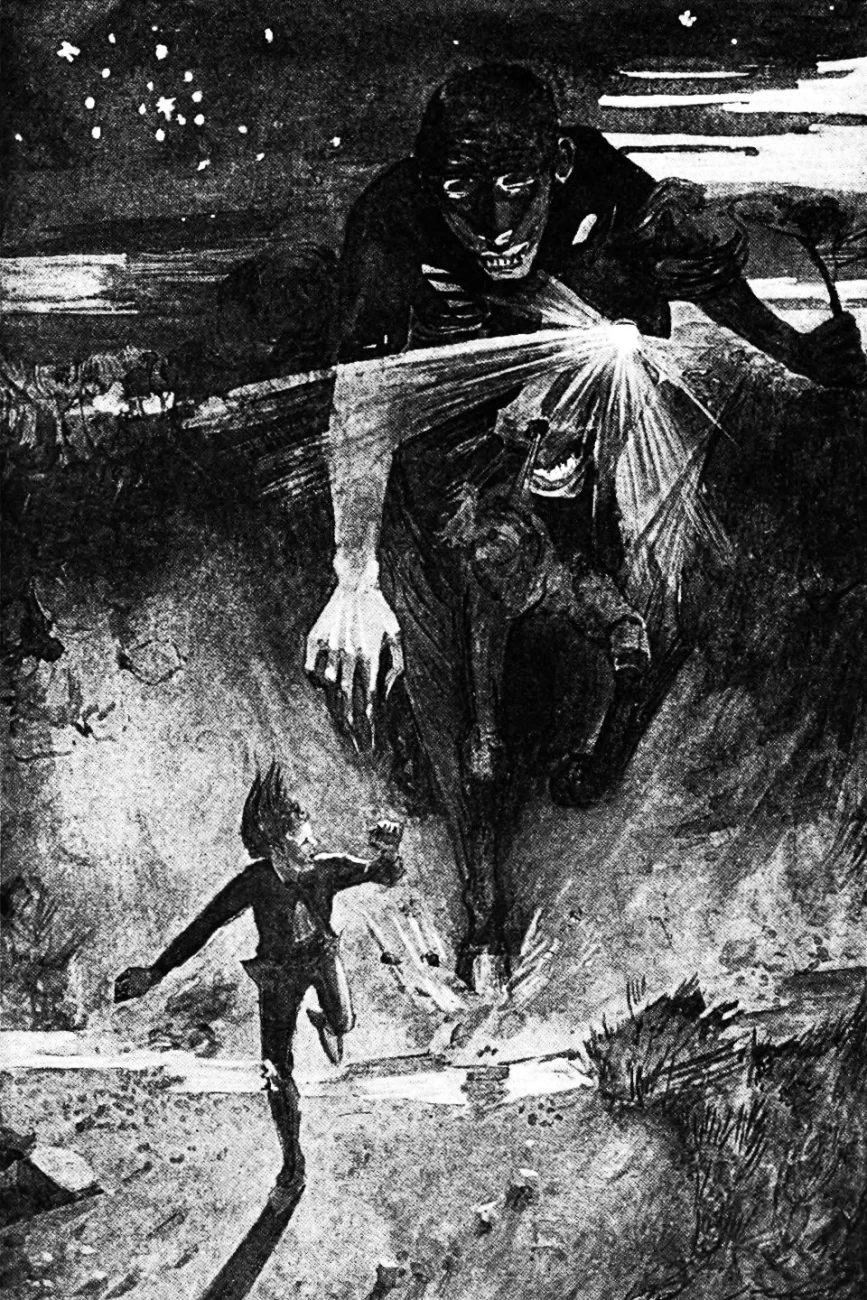
This Orcadian sea-spirit from the Northern Isles of Scotland is depicted as a skinless, horse-like being fused with a rider, reeking of brine and decay. It’s linked to disease, crop failure, and storms coming off the sea. Folklore says it cannot stand fresh water, and crossing a stream can break pursuit. Calm weather and seasonal shifts were traditionally seen as the best times to avoid its roaming.
Manananggal
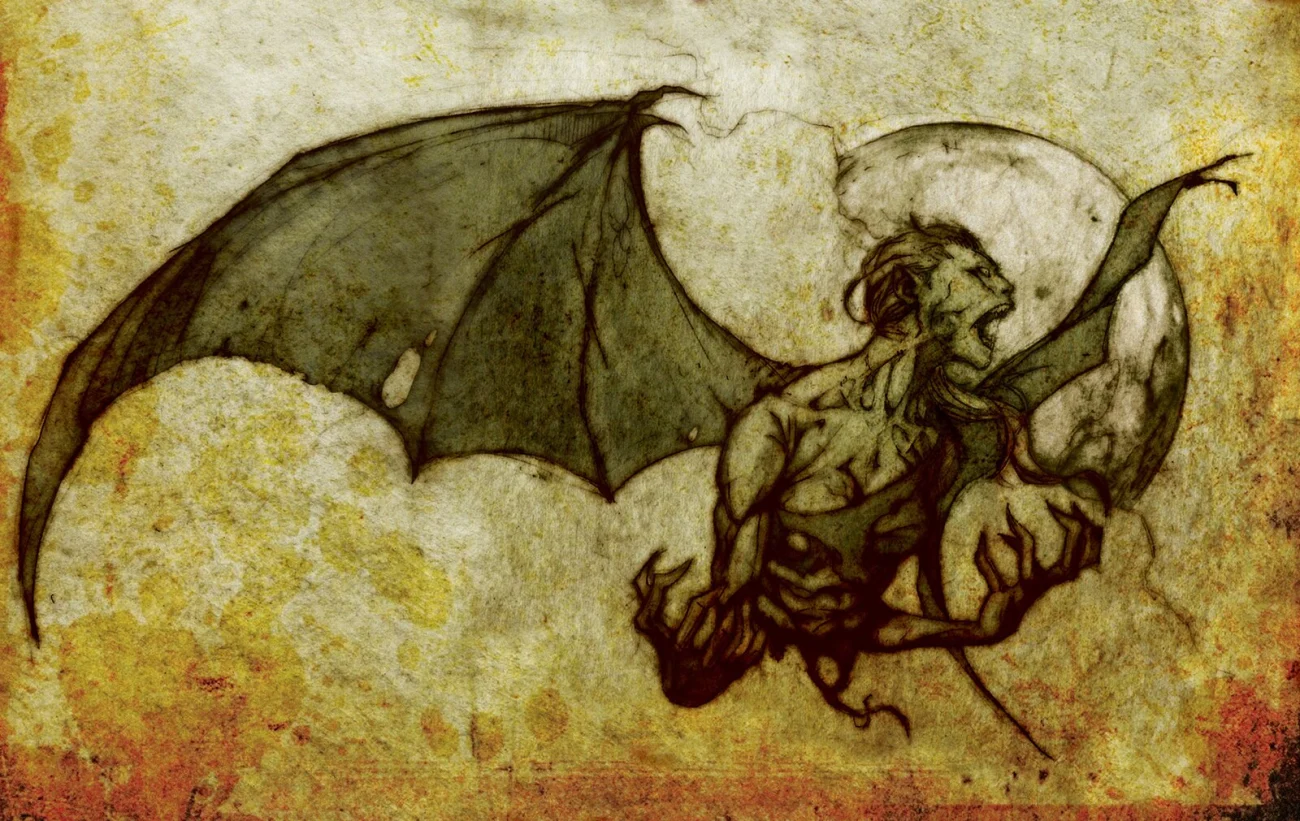
In Philippine folklore, the manananggal is a nocturnal, viscera-sucking being that detaches its upper torso and sprouts wings to hunt. It’s said to target pregnant women and sleepers, using a proboscis-like tongue to feed. One distinctive detail is the vulnerability of its separated lower half, which can be neutralized with salt, ash, garlic, or crushed herbs. Reports often place it near rural areas where nipa huts and dense foliage provide cover.
Pontianak

Common in Indonesian and Malaysian lore, the pontianak (also called kuntilanak) is the restless spirit of a woman who died in childbirth. It’s associated with frangipani scents, sudden cold winds, and a high-pitched laugh that shifts in volume to confuse distance perception. Claw marks, puncture wounds, and sightings near banana trees feature in many accounts. Protective measures include nails or needles placed at thresholds and specific prayers recited at night.
Aswang
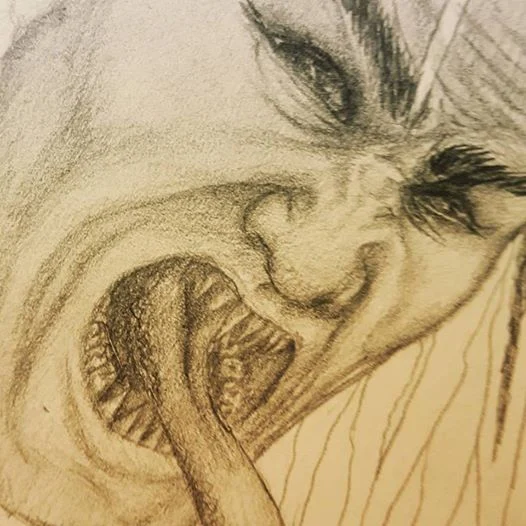
The aswang is an umbrella term in the Philippines covering shapeshifting predators that can appear human by day and transform at night. Variants include corpse-thieves, viscera-suckers, and dog- or pig-like forms that move with reversed footprints. Communities watch for signs like a knocking sound that grows softer as the creature approaches and the unusual behavior of dogs. Countermeasures include sharp objects, stingray tails, and strong-smelling herbs hung at windows.
La Llorona

Known throughout Mexico and the broader Americas, La Llorona is the weeping woman whose wails are said to presage danger near waterways. Legends describe her searching riverbanks and canals for lost children, drawing in late-night travelers. Key motifs include white garments, drifting mists, and sudden temperature drops. Parents traditionally use her story as a caution to keep children away from flood-prone areas after dark.
Jinn
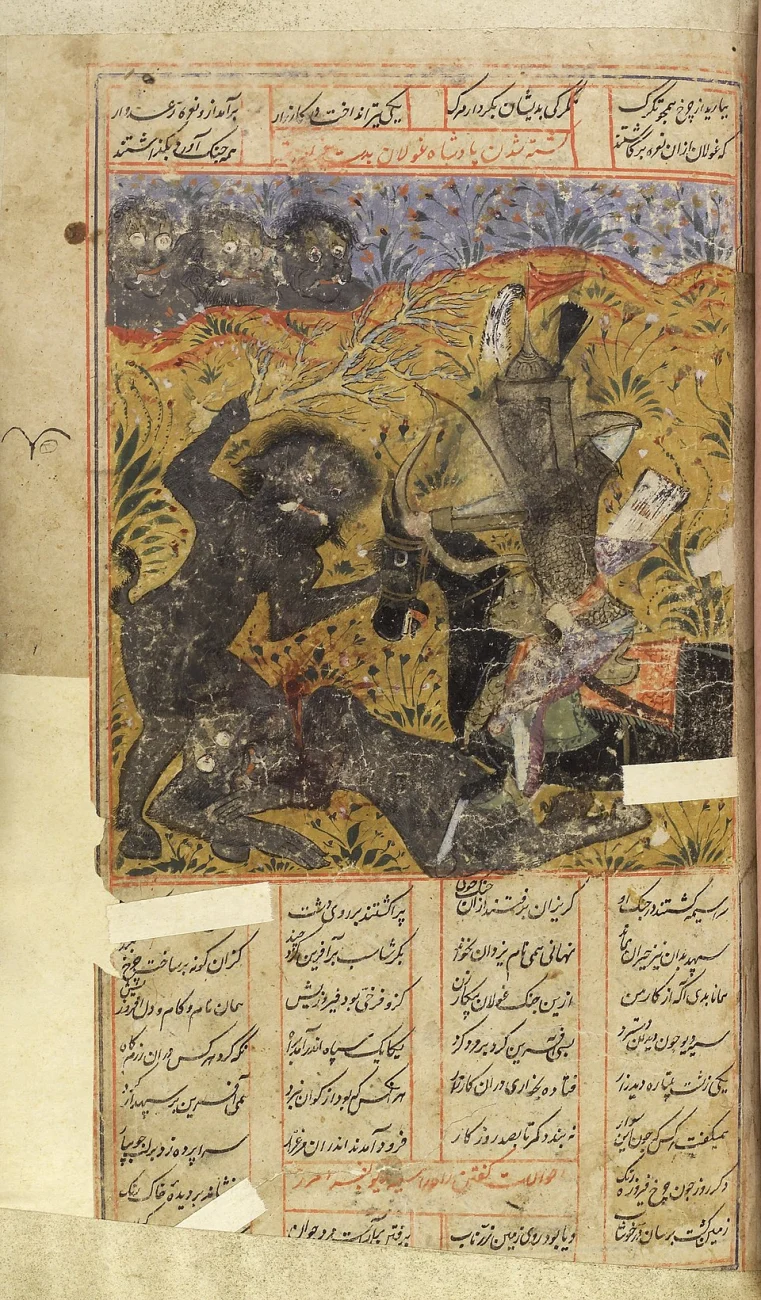
In Islamic tradition, jinn are sentient beings made of smokeless fire who live in a parallel world and possess free will. They can interact with humans, sometimes causing misfortune or illness, but also forming contracts or offering knowledge. Accounts note their preference for desolate places, ruins, deserts, and crossroads, and stress ritual etiquette—like reciting specific phrases—before entering certain spaces. Protective practices include cleanliness, respectful speech, and Qur’anic recitations.
Dybbuk

A dybbuk, in Jewish folklore, is a dislocated human spirit believed to cling to a living host to resolve unfinished business. Symptoms in stories include sudden voice changes, knowledge the person could not have, and behavioral shifts. Traditional responses involve a formal exorcism led by religious authorities, calling the spirit to account and directing it to depart. Objects from the deceased, unresolved vows, and unmarked graves often figure into the narrative.
Strigoi
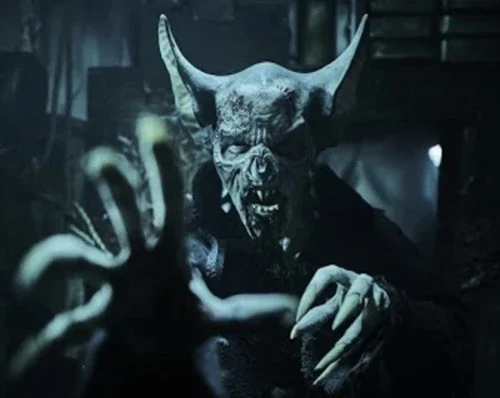
Romanian lore describes strigoi as revenants—restless dead—who rise to drain vitality from the living. Signs include livestock wasting, persistent nightmares, and unexplained illness in a household. Folk practices to prevent or stop strigoi activity range from staking and reburial to placing coins or poppy seeds in coffins. Threshold protections such as garlic and blessed objects are also commonly mentioned.
Draugr

In Old Norse sources, a draugr is an undead guardian of burial mounds, retaining physical strength and a jealous hold over grave goods. They’re described as swollen, corpse-colored, and heavy, with the ability to shape-shift and pass through stone. Encounters often involve nightmares, livestock harassment, and protective dreams sent to warn kin. Preventive measures include proper burial rites and sealing tombs to deter rising.
Banshee
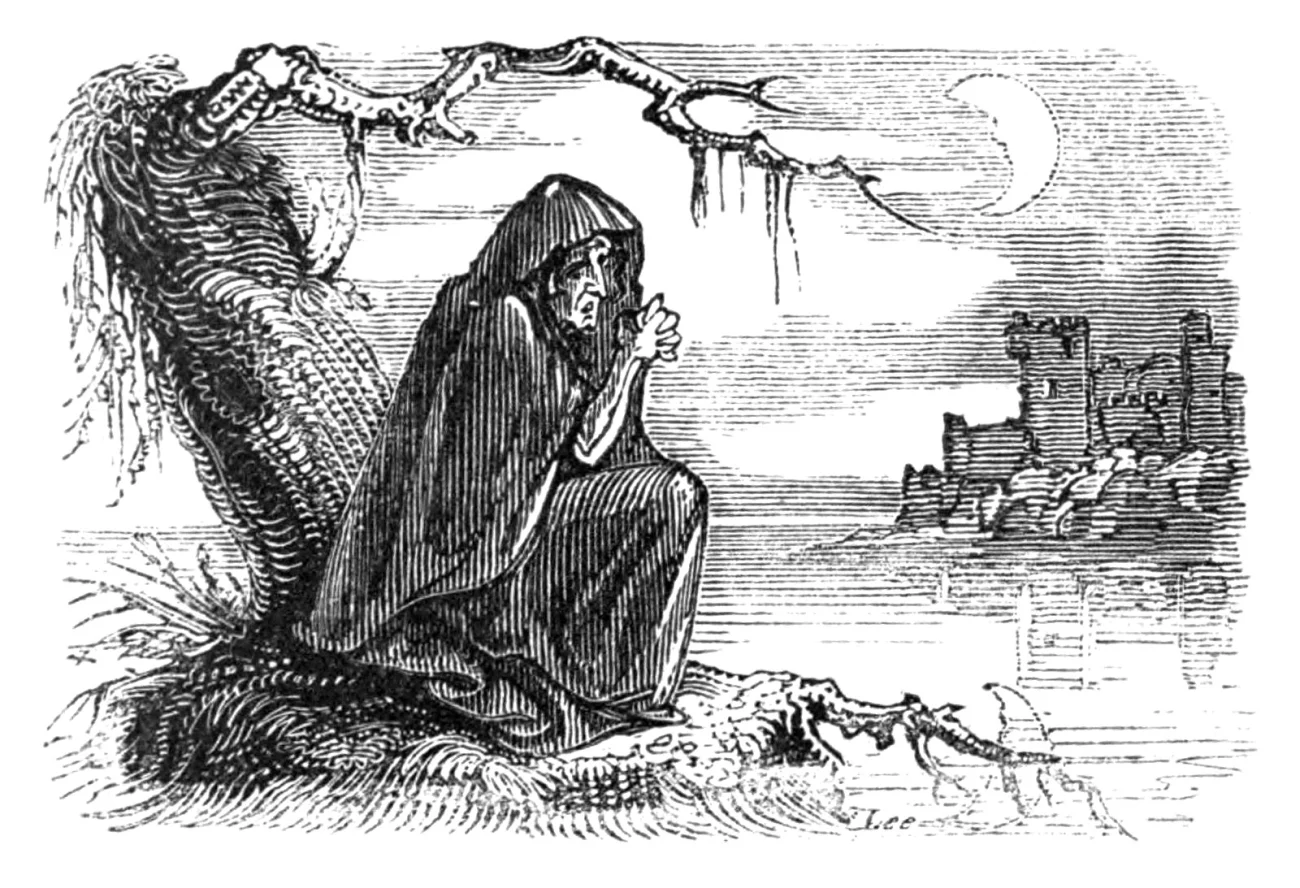
Irish tradition portrays the banshee (bean sí) as a female wailer whose keening heralds a death in specific families. She appears in various forms—young, middle-aged, or crone—and is associated with combs, river crossings, and twilight hours. Accounts emphasize her role as a messenger rather than a direct agent of harm. Families historically noted patterns of keening corresponding to lineage and surnames.
Yuki-onna
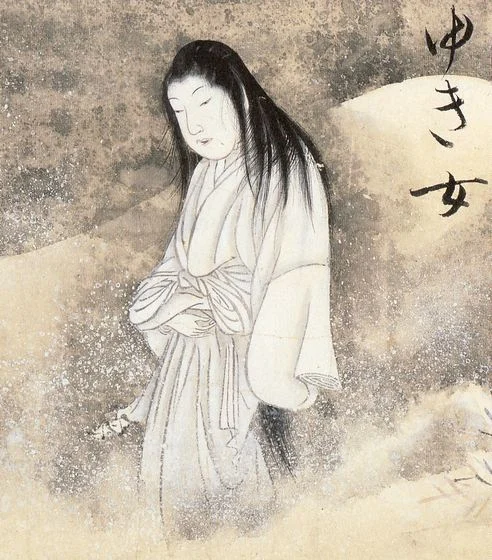
Japanese folklore describes the yuki-onna as a pale, snow-borne spirit encountered during blizzards and mountain storms. She leaves no footprints, glides over drifts, and is linked with breath-stealing cold. Travelers report disorientation, sudden fatigue, and encounters near remote huts or forest paths. Traditional advice stresses sheltering early in storms and traveling in groups during heavy snowfall.
Black Shuck
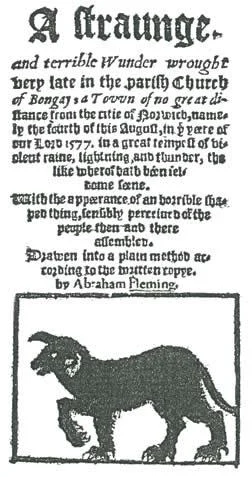
In East Anglian legend, Black Shuck is a large, spectral black dog with glowing eyes seen along coastal lanes, churchyards, and heathland. Sightings often coincide with storms, bells, or funerary processions. Some stories link claw marks on church doors to its passage, treating them as warnings. People traditionally avoided certain night paths and crossroads where the hound was said to patrol.
Pishacha

Hindu and Buddhist traditions reference pishachas as flesh-eating, night-dwelling spirits inhabiting cremation grounds and desolate places. Lore associates them with possession, delirium, and distorted speech. Protective recitations, ritual purity, and avoidance of tabooed places at night are emphasized as safeguards. Specific amulets and offerings are also recorded in regional practices to deter their attention.
Share your favorite lore or local legends about these entities in the comments and tell us which other figures we should cover next.