


15 TV Shows That Let Black Characters Be Atheists Without Punishment

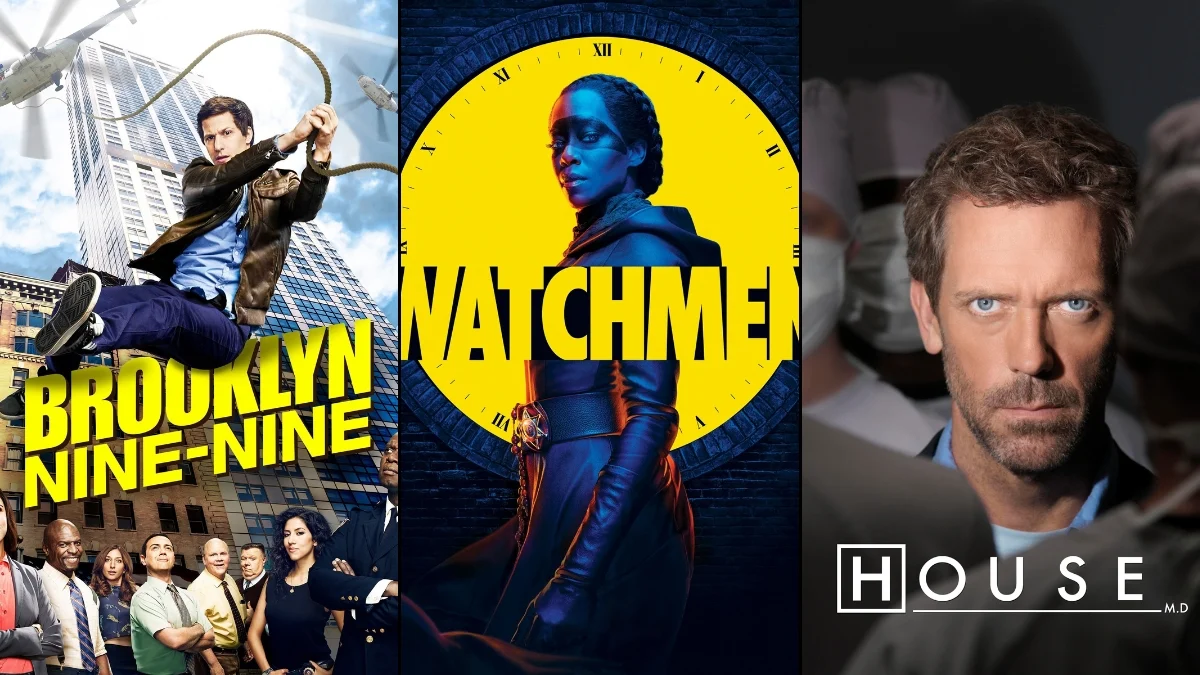


Black characters in television have historically been tied to the church or deep spirituality as a central personality trait. However, modern storytelling increasingly allows these characters to embrace atheism, agnosticism, or secular humanism without negative narrative repercussions. These shows present Black intellectuals, scientists, and leaders who rely on logic and reason rather than faith. The following series feature Black characters whose lack of belief is treated with respect and complexity.
‘House’ (2004–2012)
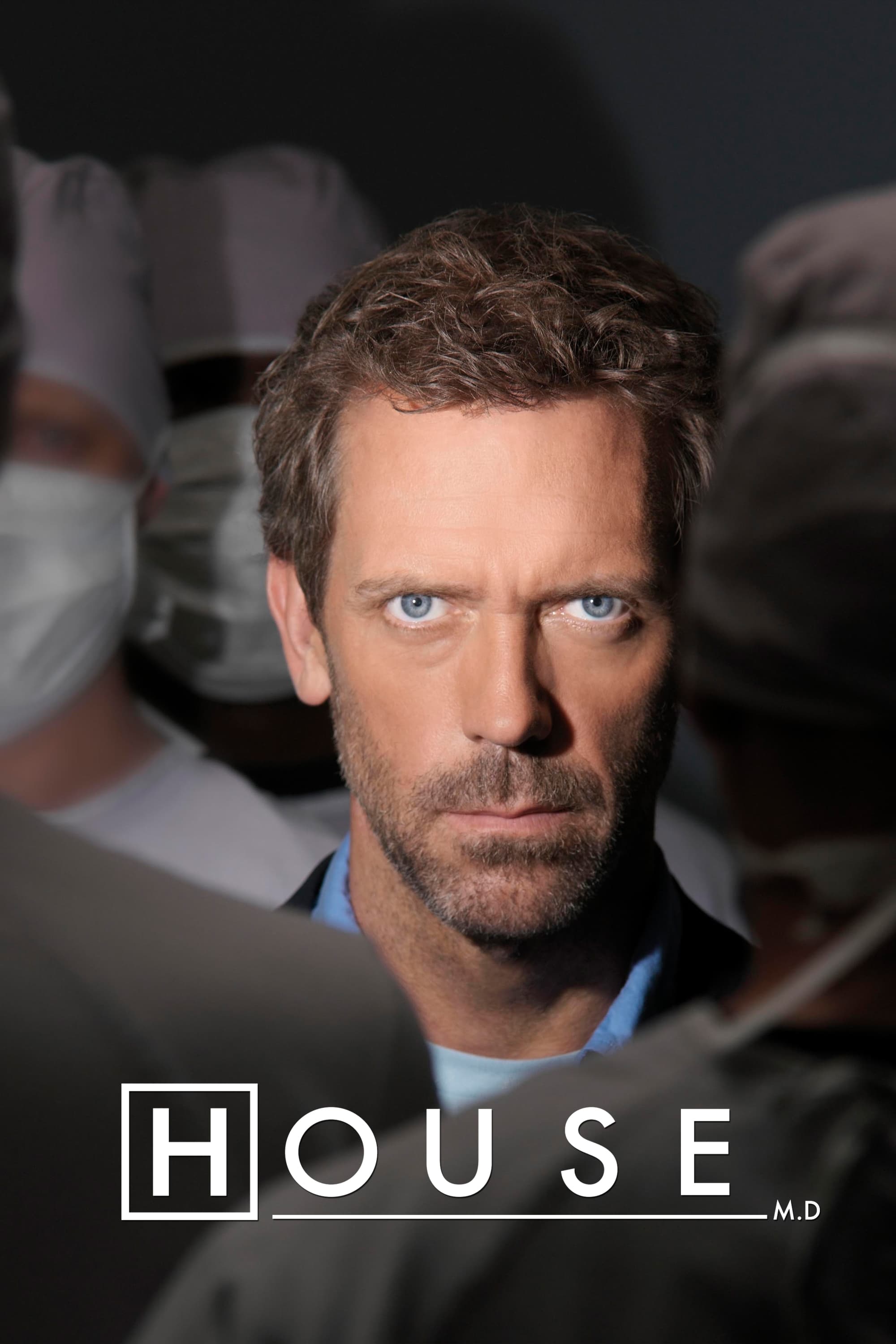
Dr Eric Foreman often serves as a mirror to Gregory House regarding medical skepticism and scientific reliance. While he sometimes challenges House on ethics he rarely appeals to religion for moral authority. Foreman consistently prioritizes medical evidence and procedure over faith or superstition throughout the series. The show portrays his pragmatic worldview as a sign of his competence and intelligence rather than a character flaw.
‘Brooklyn Nine-Nine’ (2013–2021)

Captain Raymond Holt defines himself through logic and an adherence to rules. He displays a stoic personality that leaves little room for public displays of spirituality or religious observance. Holt finds meaning in the betterment of his precinct and the mentorship of his detectives. His secular nature is never mocked or treated as a void that needs to be filled by belief.
‘Stargate SG-1’ (1997–2007)
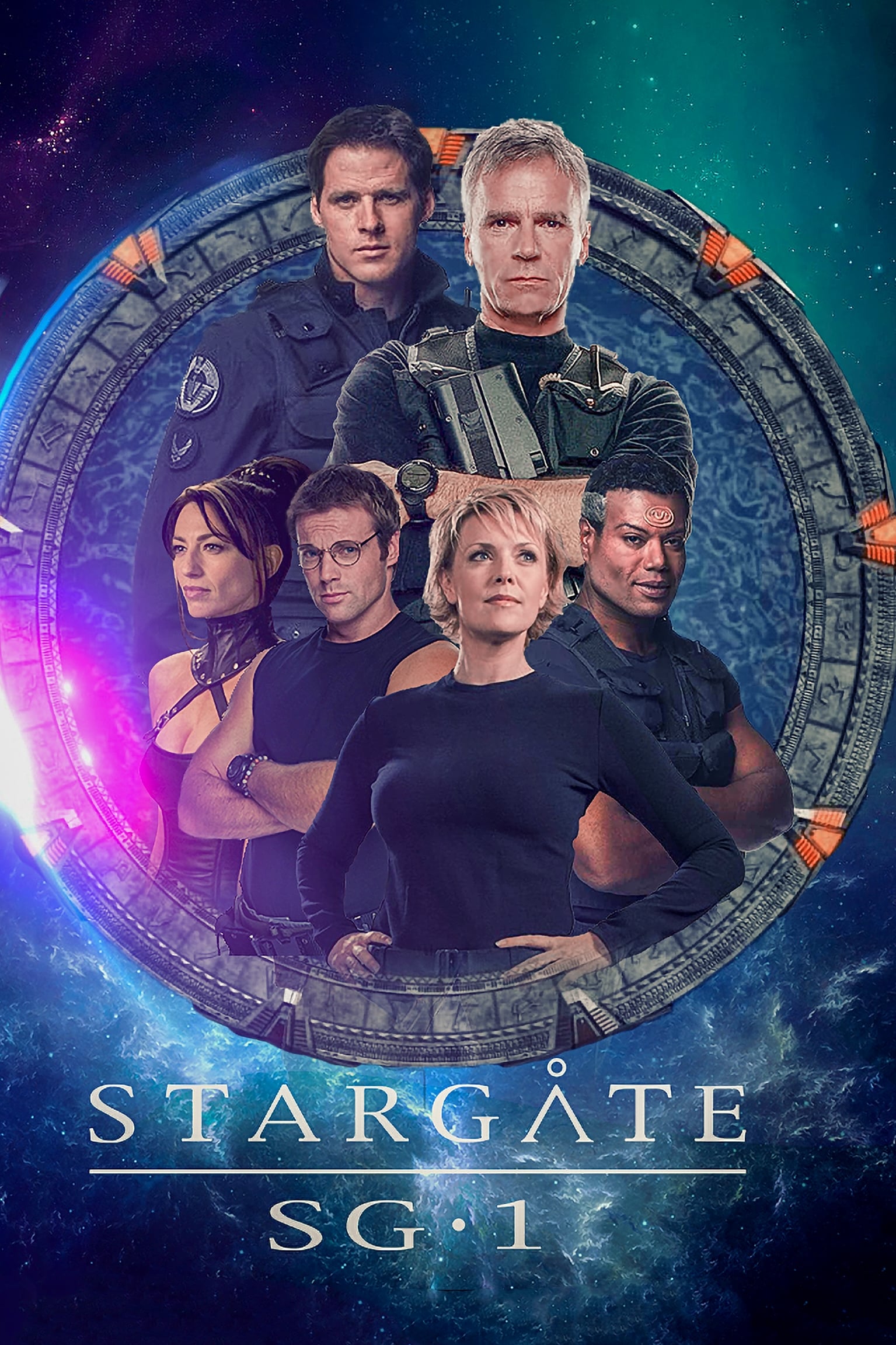
Teal’c begins his journey by rejecting the divinity of the Goa’uld false gods he once served. His character arc revolves around the liberation of his people through physical strength and tactical strategy. He replaces blind faith with a belief in freedom and the tangible actions of the SG-1 team. The series validates his skepticism as he actively dismantles theocratic empires across the galaxy.
‘The Good Place’ (2016–2020)

Chidi Anagonye spends his existence searching for moral truth through philosophy rather than theology. He analyzes the afterlife through the lens of Kant and other secular thinkers even while surrounded by supernatural entities. The show respects his dedication to ethical rigor without forcing him to convert to a specific religious doctrine. Chidi demonstrates that the pursuit of being a good person is valid without divine command.
‘Star Trek: Voyager’ (1995–2001)
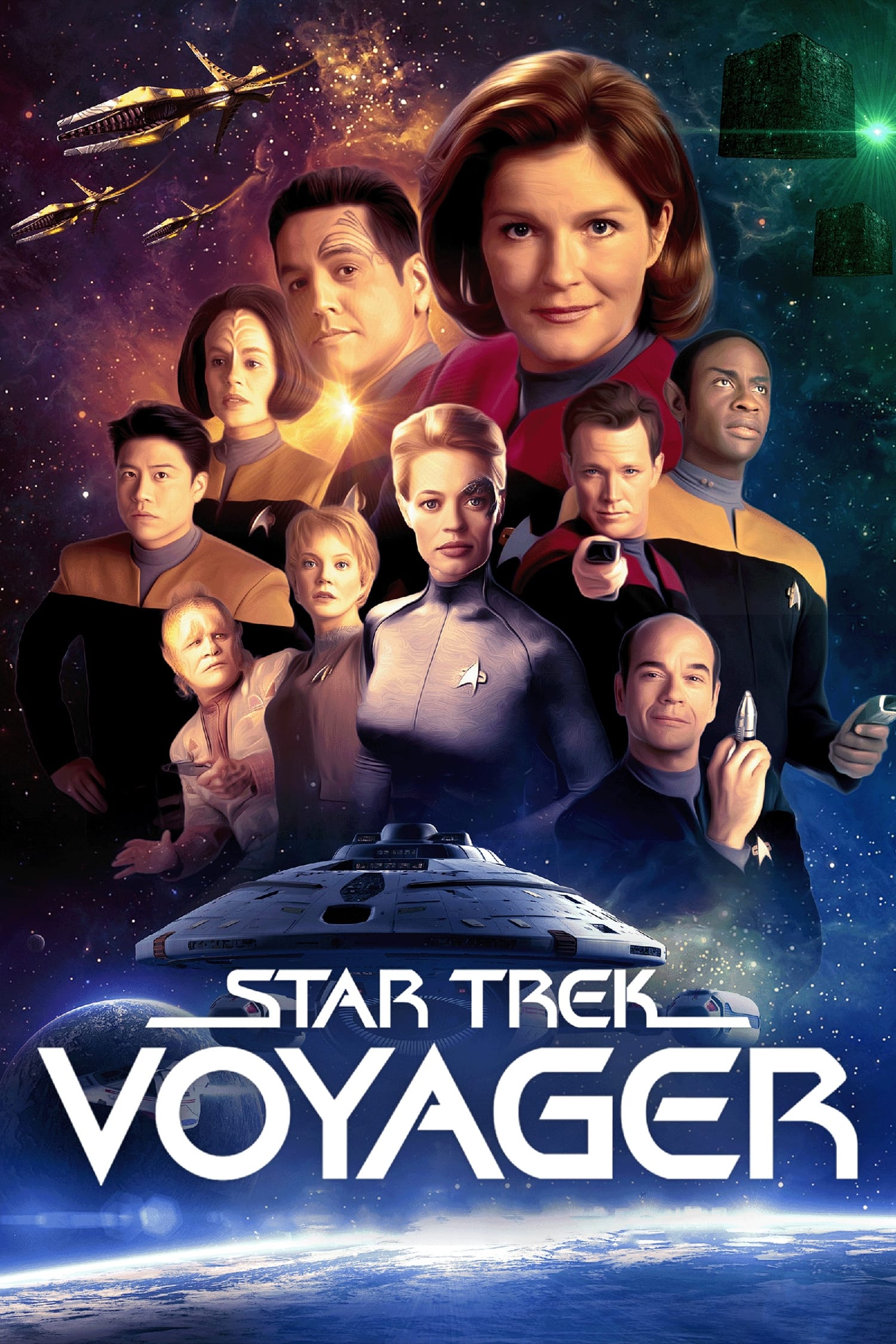
Tuvok relies strictly on Vulcan logic to navigate the challenges of the Delta Quadrant. He suppresses emotion and rejects intuition in favor of demonstrable facts and calculated probabilities. His lack of faith is not a deficit but a cultural strength that allows him to function as a reliable tactical officer. The series frames his logical detachment as an essential asset to the survival of the crew.
‘Star Trek: The Next Generation’ (1987–1994)
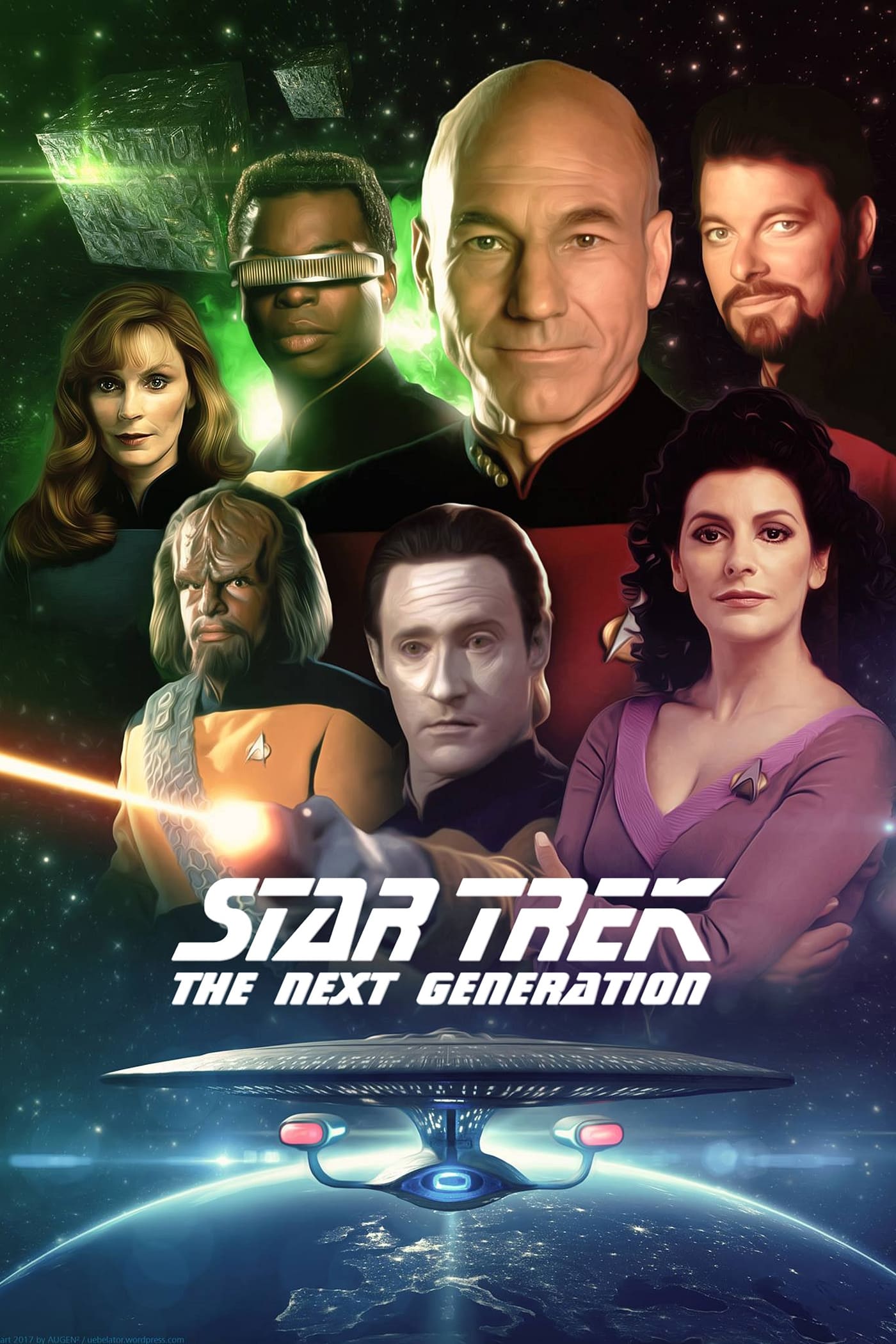
Geordi La Forge represents the secular humanism envisioned by the creator of the franchise. He approaches every engineering problem with the scientific method and trusts in technology to solve crises. The show presents his worldview as an enlightened state where humanity has outgrown the need for superstition. Geordi finds wonder in the mechanics of the universe rather than supernatural explanations.
‘Westworld’ (2016–2022)
Bernard Lowe grapples with the nature of his own consciousness and the definition of humanity. He navigates a world of artificial intelligence where creators are flawed humans rather than divine beings. His journey involves questioning his reality through introspection and memory rather than prayer. The narrative validates his existential search for autonomy in a godless environment.
‘The Wire’ (2002–2008)
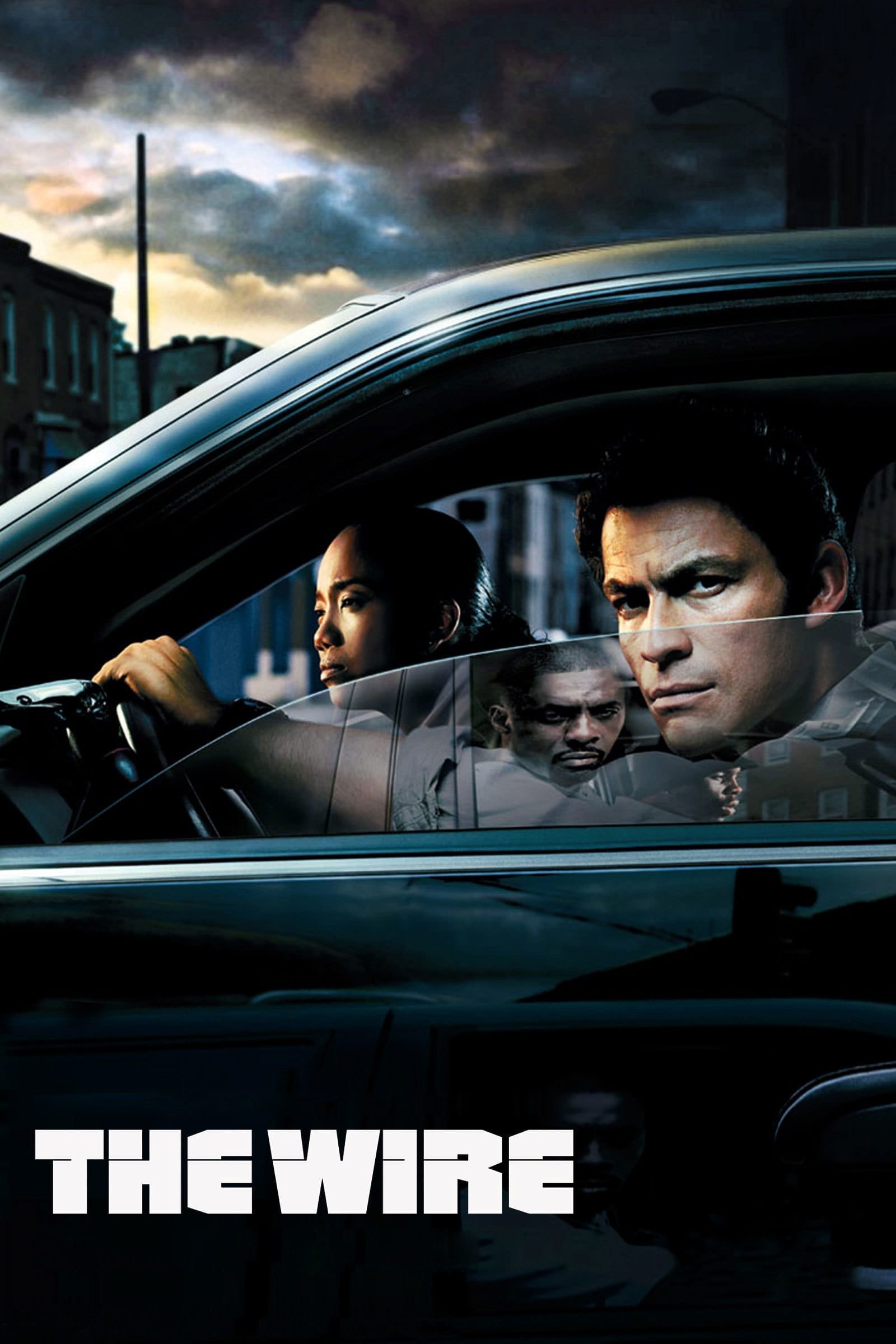
Lester Freamon finds his truth in the details of wiretaps and the patience of investigation. He operates with a quiet moral code that focuses on dismantling corruption through evidence. The show depicts him as a craftsman who believes in the work itself rather than higher powers. Freamon stands out as a character who finds purpose in tangible results and intellectual pursuit.
‘Luther’ (2010–2019)
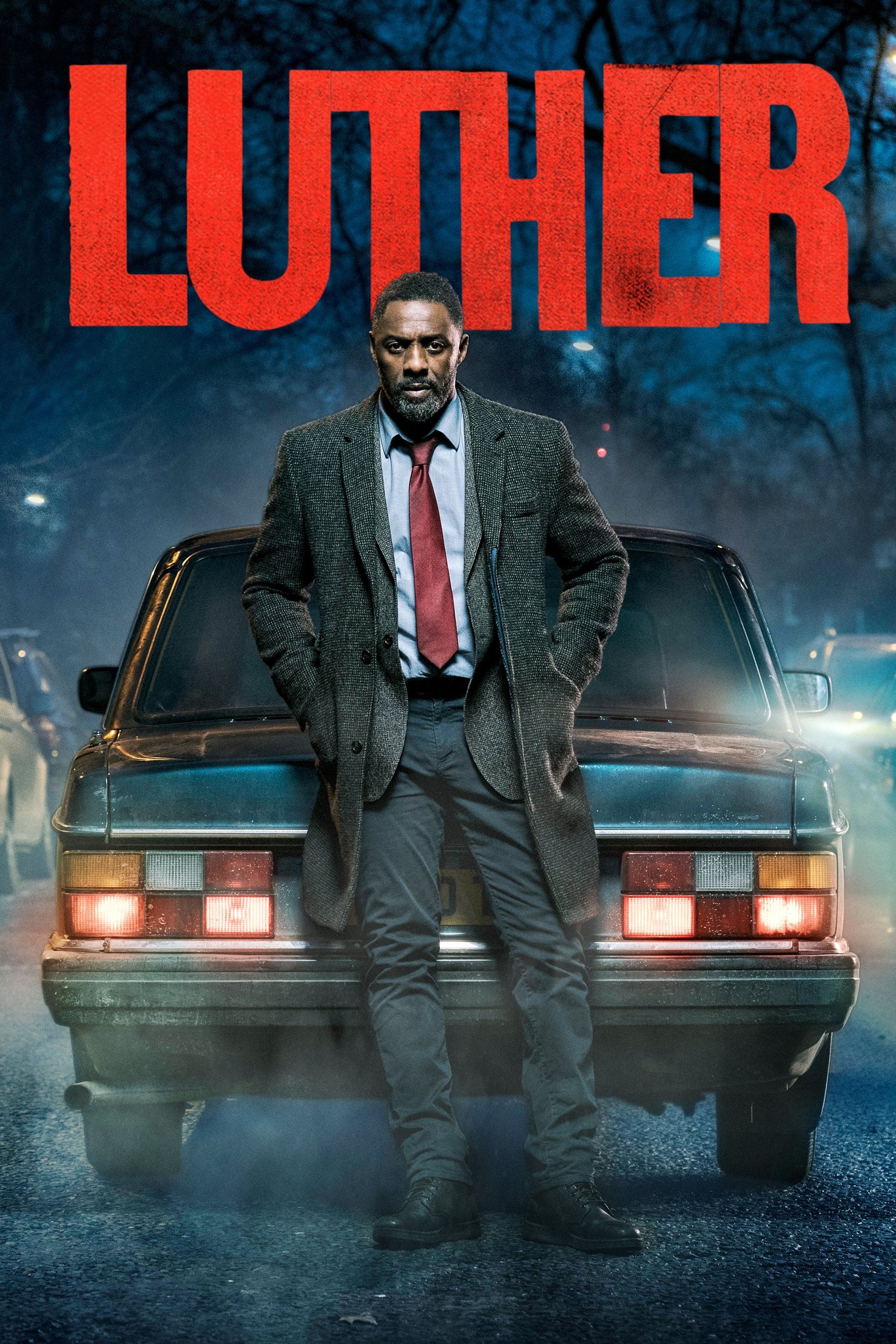
John Luther operates in a grim reality where he confronts the darkest aspects of human nature daily. He relies on his instincts and intellect to solve crimes without looking to the heavens for assistance. The series portrays his isolation and psychological burden without suggesting religion as a cure. Luther faces his demons with a raw and secular determination to restore order.
‘Firefly’ (2002)
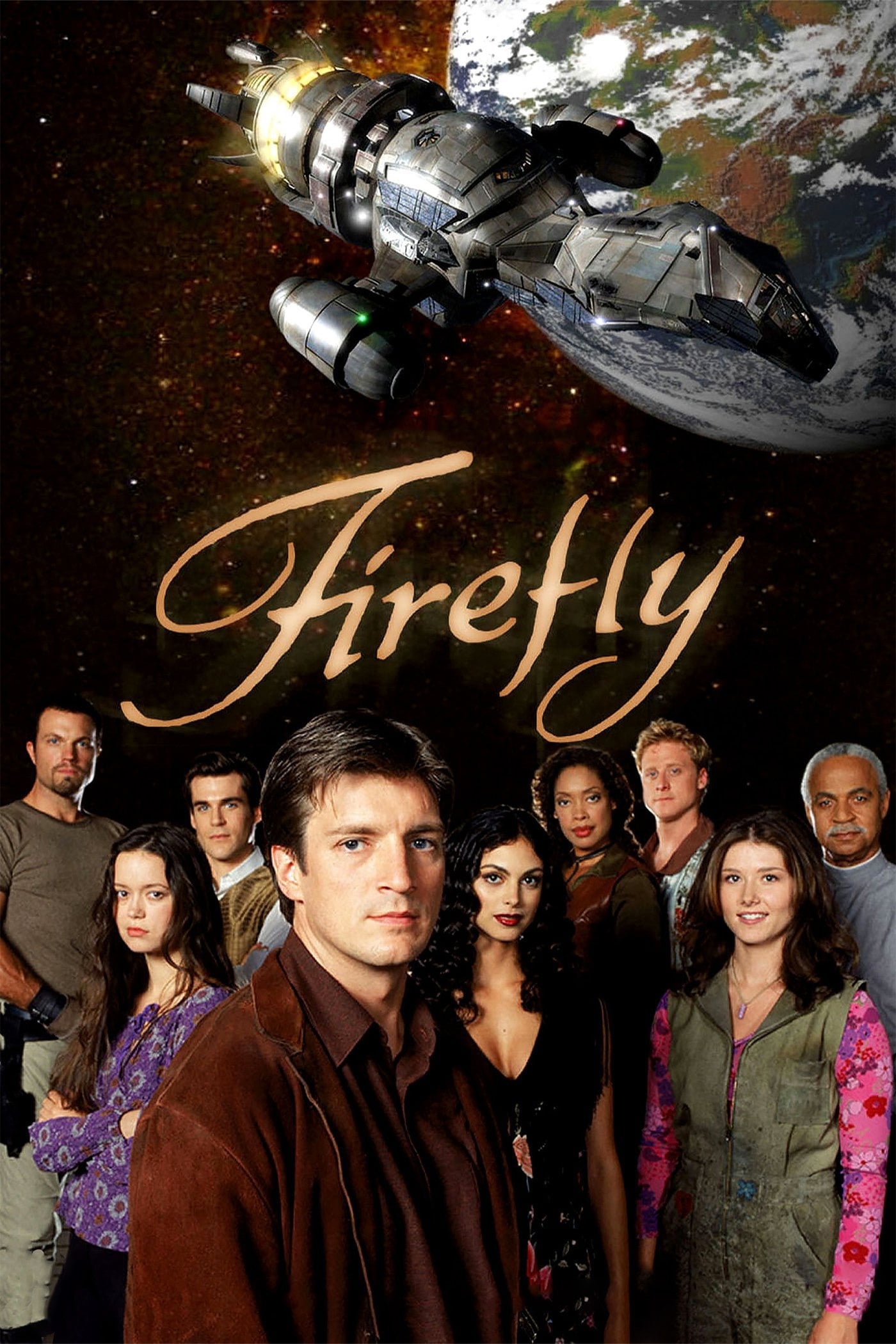
Zoe Washburne is a soldier who places her faith in her captain and her husband. She respects the religious beliefs of others on the crew but maintains a pragmatic distance herself. Her character is defined by loyalty and combat proficiency rather than spiritual devotion. The show presents her secular stoicism as the grounding force for the more eccentric members of the ship.
‘Doctor Who’ (2005–Present)
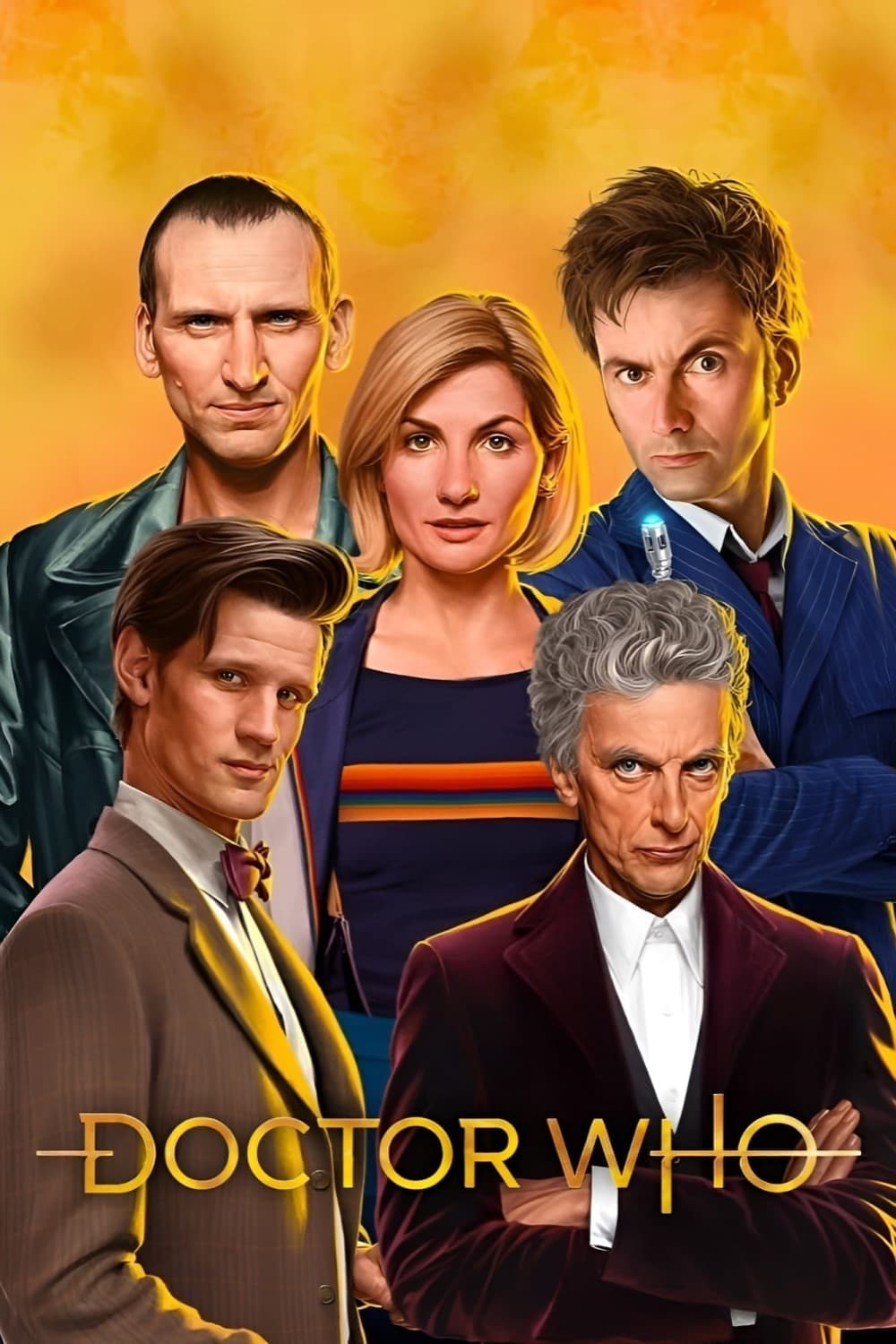
Martha Jones travels through time and space as a doctor who relies on medical science. She encounters aliens that inspired human myths but treats them as biological entities to be understood. Her journey with the Doctor reinforces a worldview based on exploration and knowledge. Martha proves that human capability and intelligence are sufficient to save the world.
‘Better Off Ted’ (2009–2010)
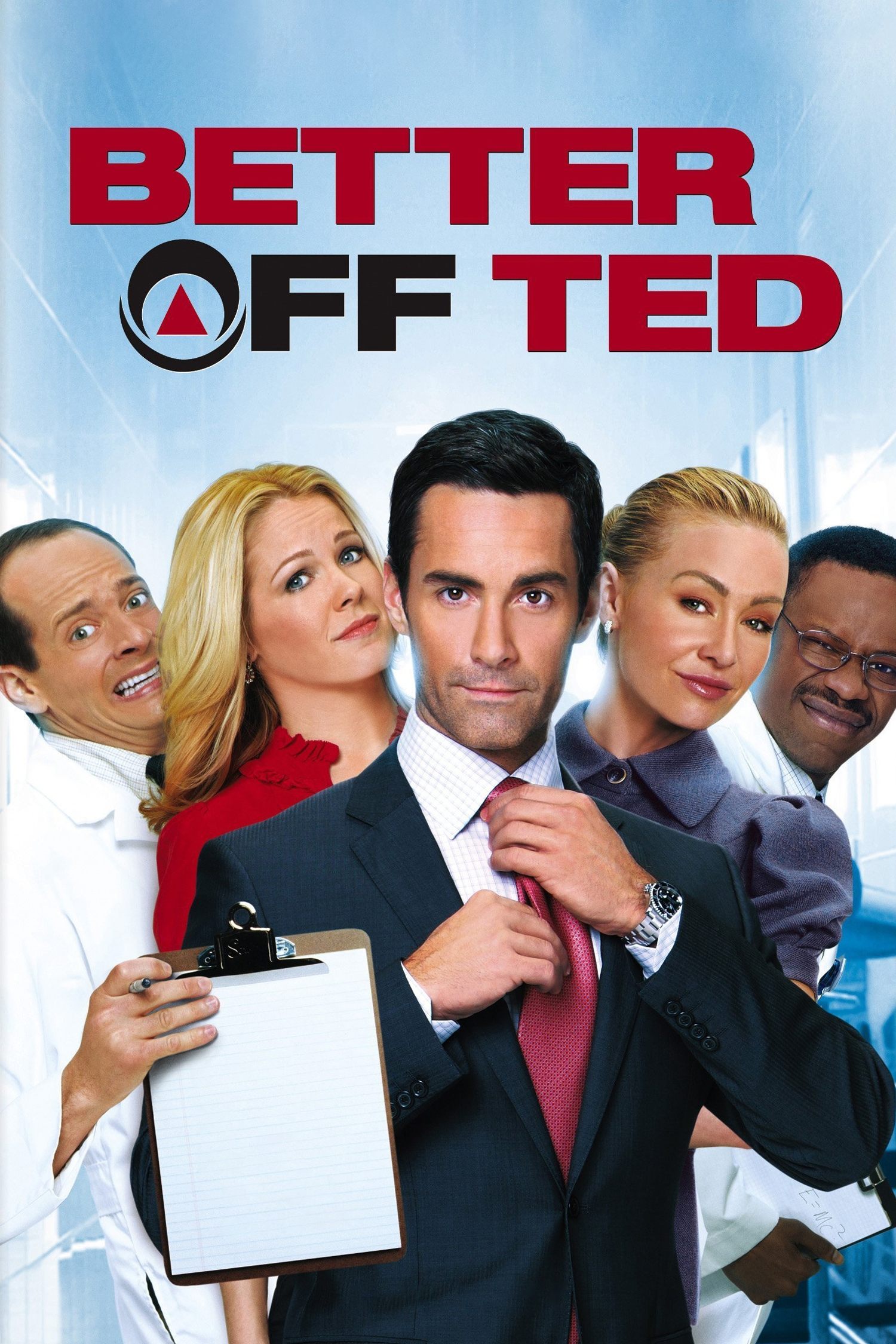
Lem Hewitt is a scientist who devotes his life to research and development. He approaches the absurd ethical dilemmas of his corporation with anxiety and logic. The show uses his character to satire corporate culture while keeping his motivations purely secular. Lem relies on his friendship with Phil and his scientific expertise to survive his chaotic workplace.
‘ER’ (1994–2009)
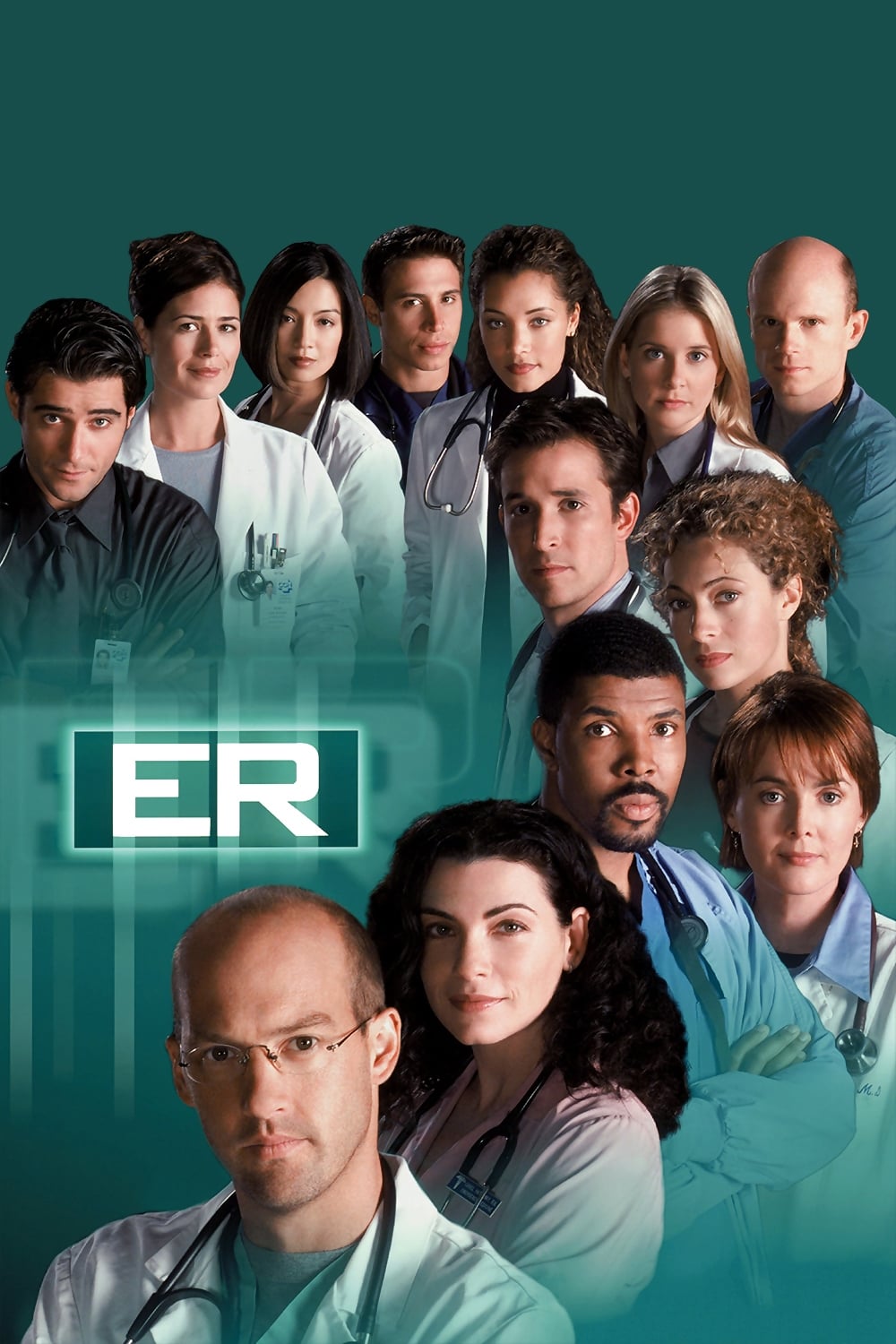
Dr Peter Benton is a surgeon who demands excellence and precision in the operating room. He frequently clashes with colleagues who allow emotion or faith to influence their medical judgment. The series highlights his dedication to surgery as his primary guiding principle. Benton succeeds by trusting in his skills and the biological realities of medicine.
‘Watchmen’ (2019)
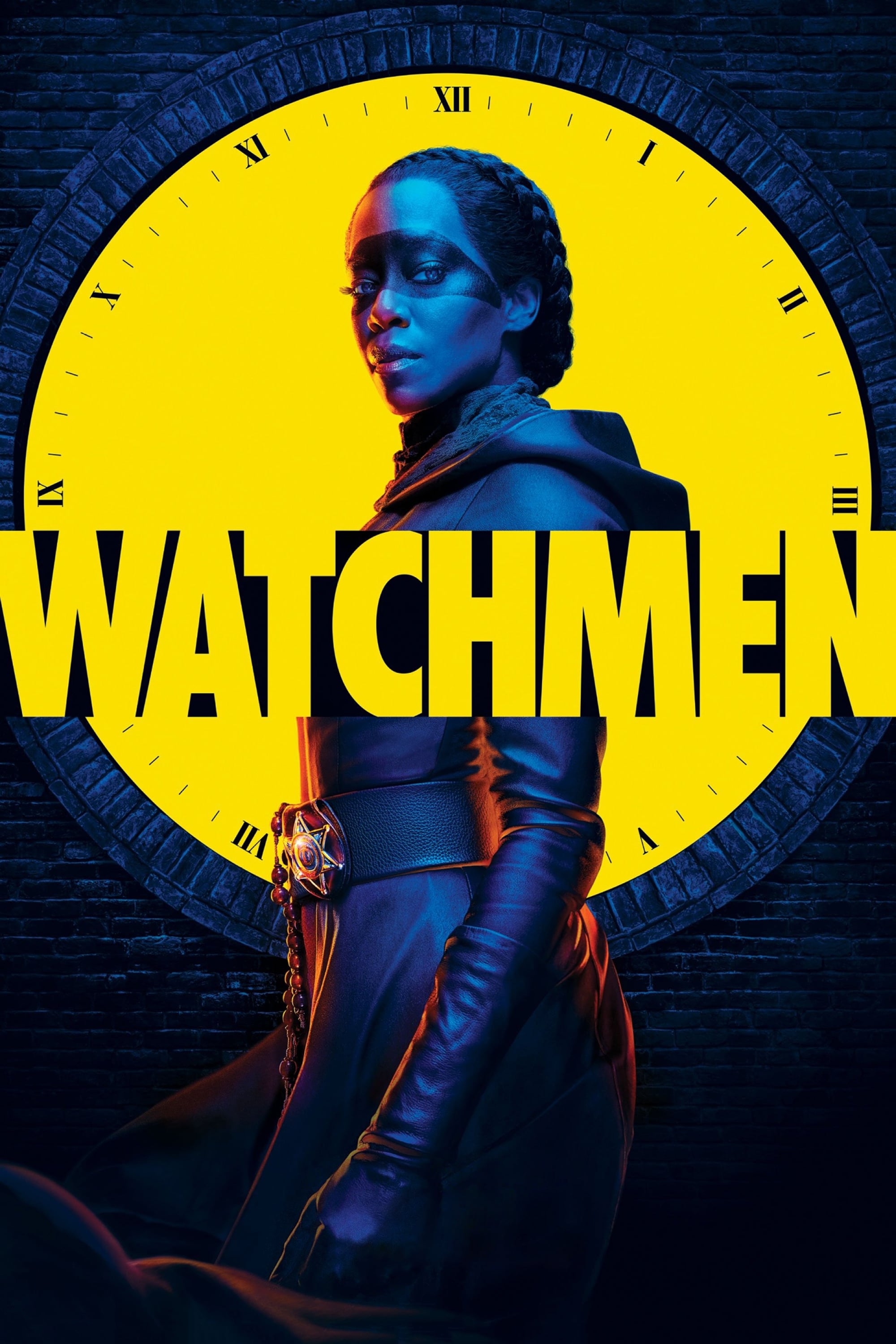
Angela Abar navigates a world of masked vigilantes and racial trauma with a focus on justice. She uncovers conspiracies through detective work and physical action rather than spiritual reliance. Her character arc deals with the tangible legacy of history and genetic trauma. The show frames her resilience as a product of her own agency and determination.
‘True Detective’ (2014–Present)
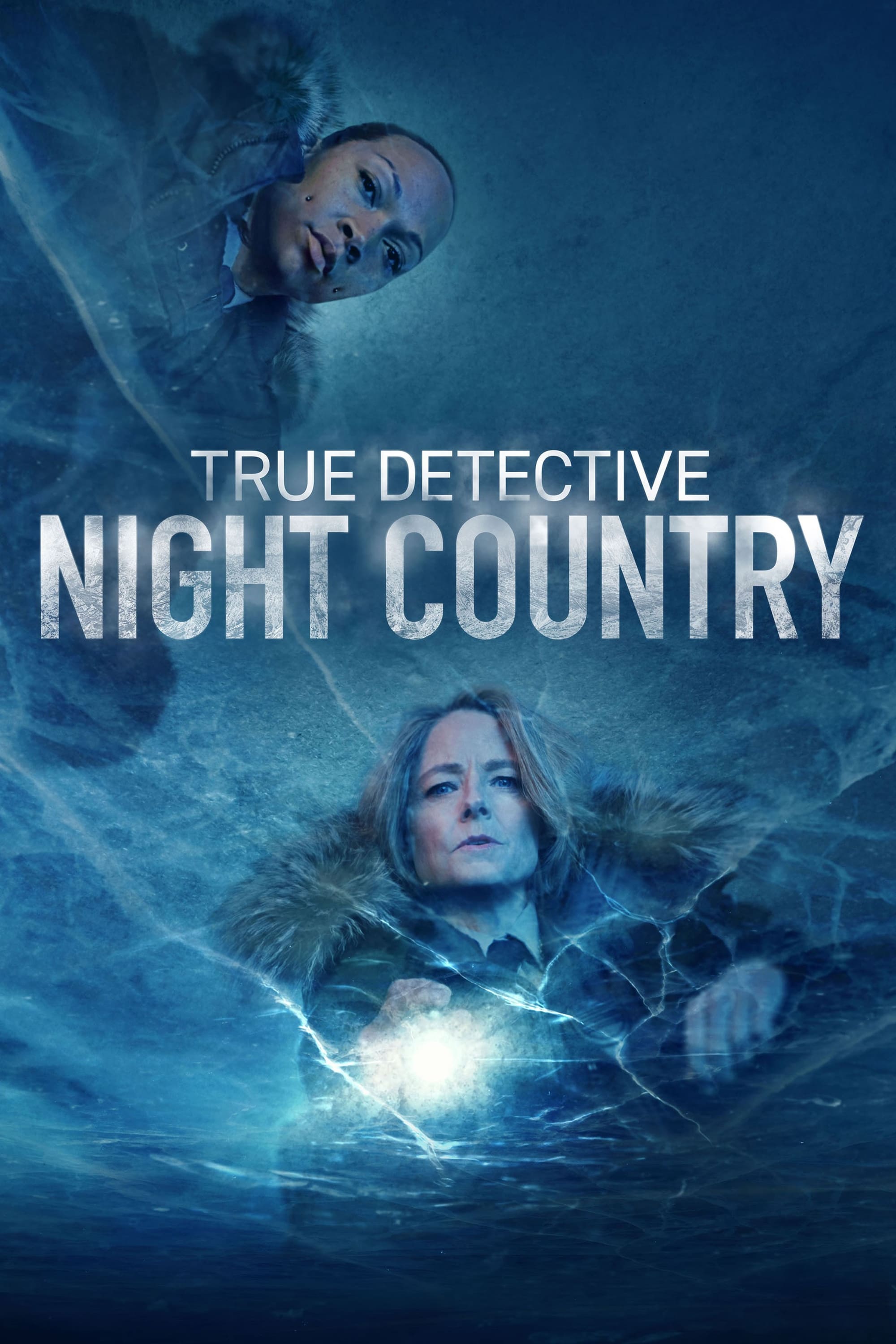
Wayne Hays is a detective obsessed with solving a case that spans decades of his life. He trusts in the collection of evidence and the reliability of his memory until it begins to fade. The narrative focuses on his psychological struggle and the harsh realities of the crime. Hays seeks closure through truth and investigation without turning to religion for comfort.
Let us know in the comments which other secular characters you think deserve a spot on this list.