


15 Underrated Films by John Hurt You Cannot Skip

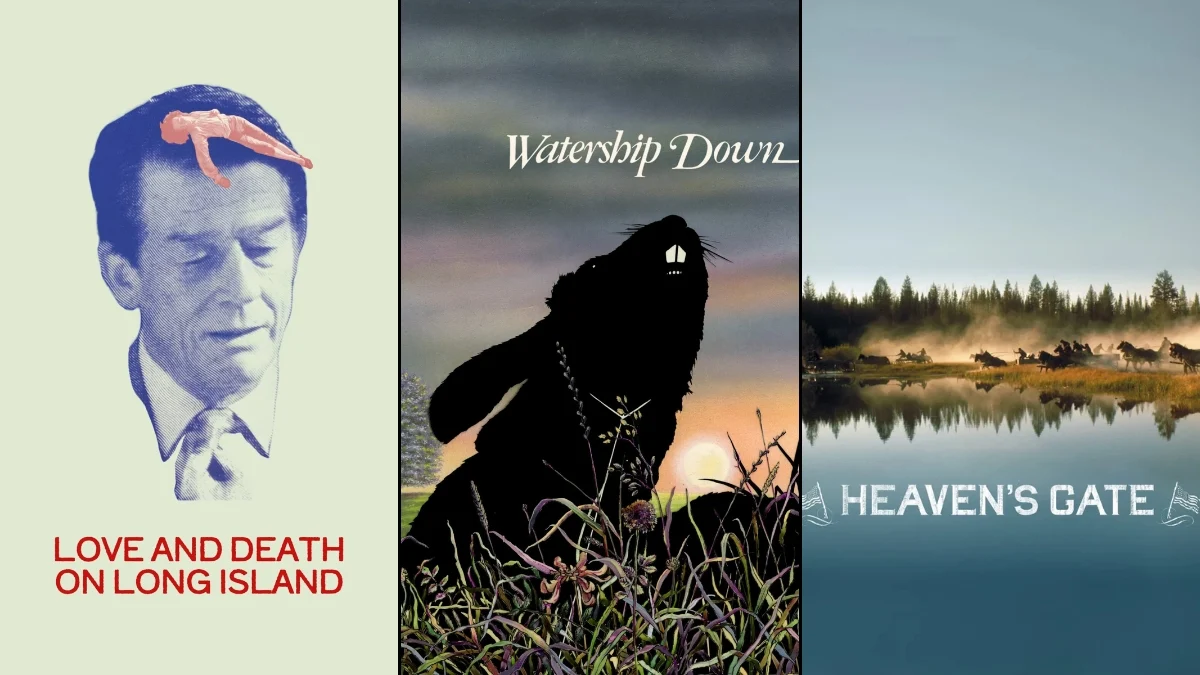


John Hurt’s screen legacy spans the seismic and the subtle, but it’s the quiet corners of his career that often reveal the most. Away from the iconic chestburster and the mournful black-and-white visage of ‘The Elephant Man’, Hurt returned again and again to oddballs, outsiders, and men harboring inconvenient truths—characters that let his tremulous voice and flinty gaze do miraculous work.
This list spotlights fifteen films where Hurt’s presence deepens the drama, sharpens the satire, or brings unexpected tenderness to the margins. None of these are obscure for obscurity’s sake; they’re the kind of movies you finish and think, “Why don’t more people talk about that… and about Hurt in it?”
15. ‘The Skeleton Key’ (2005)
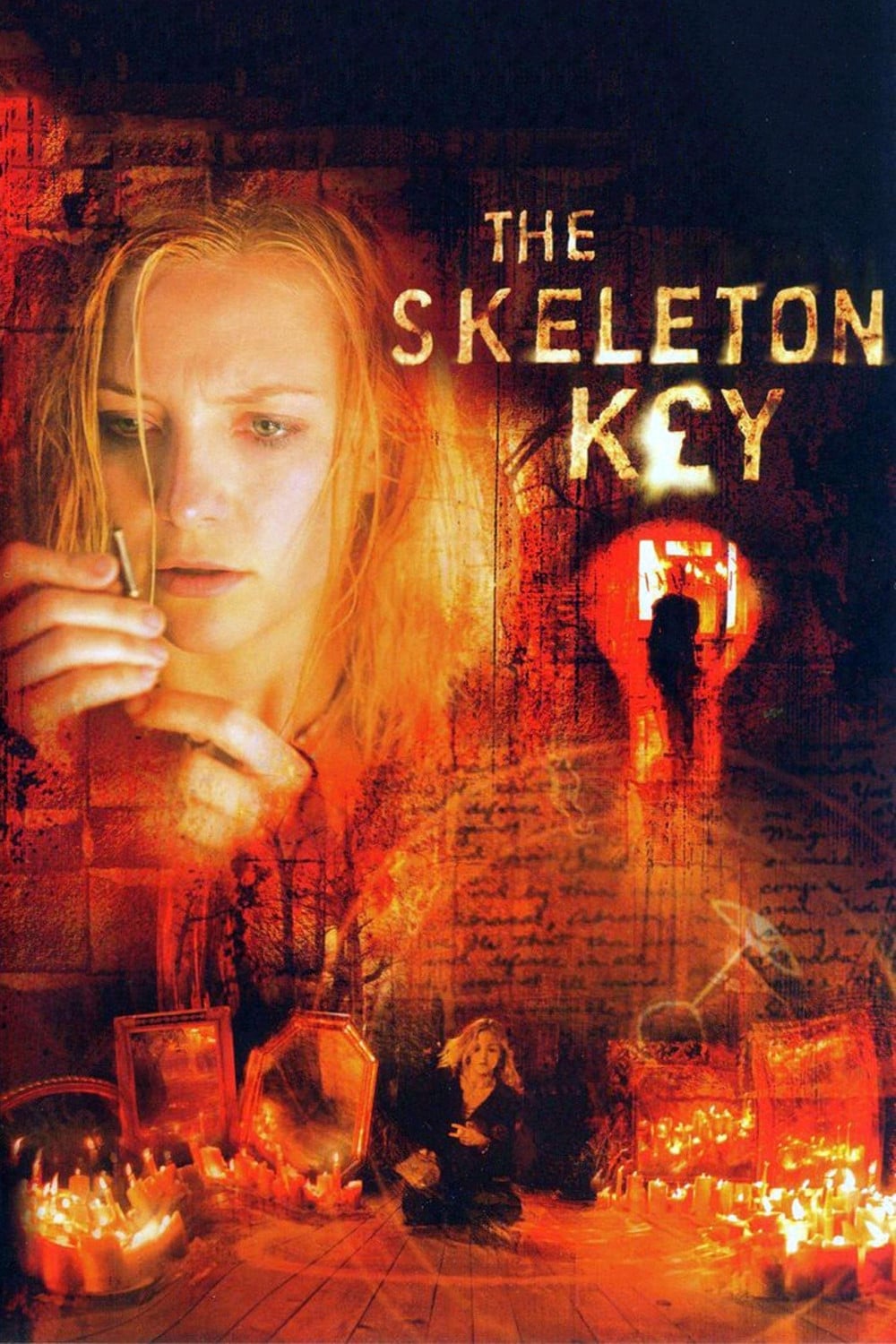
Often remembered for its Bayou chills and twisty finale, ‘The Skeleton Key’ also hides one of Hurt’s most haunting turns. Playing a man locked inside himself, he conveys volumes with the slightest shift of breath and eye, a performance that turns silence into a scream.
Hurt’s restrained physicality gives the film a sorrowful heartbeat. While the plot crackles with folk-magic menace, it’s his fragile, embodied terror that lingers, re-centering the story on human vulnerability rather than mere genre mechanics.
14. ‘Night Crossing’ (1982)
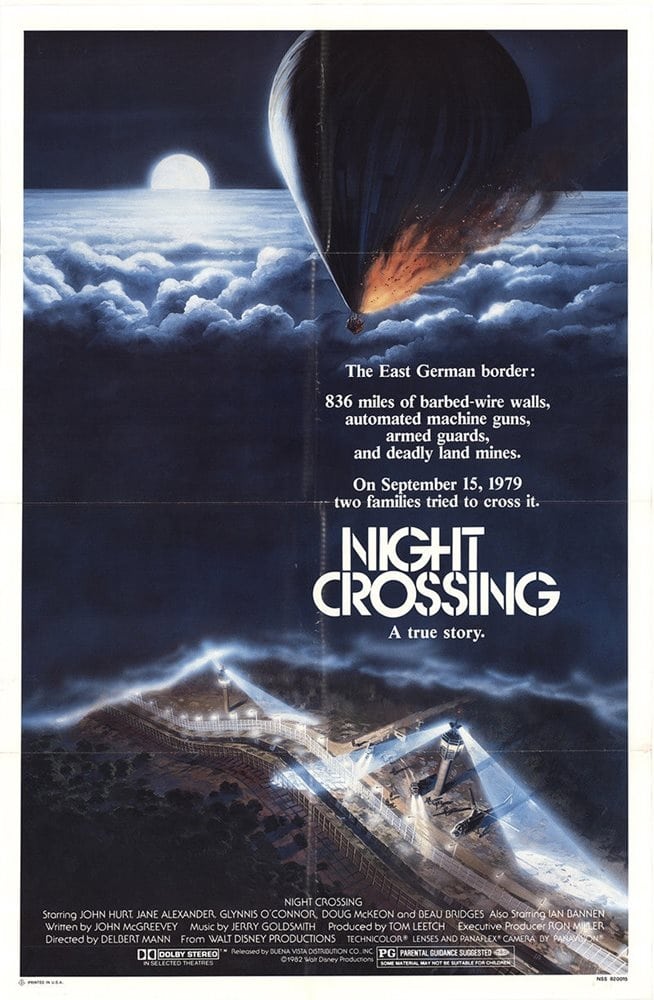
A family adventure about defying a divided world might sound straightforward, but Hurt complicates it with a performance steeped in fear, ingenuity, and grief. He plays a father whose determination is constantly at war with dread, making the stakes feel painfully real.
What could have been a simple escape yarn becomes a study in quiet courage. Hurt takes the movie’s big-setpiece premise and keeps pulling it back to the intimate: a husband, a father, a man measuring every risk against the cost of failure.
13. ‘White Mischief’ (1987)
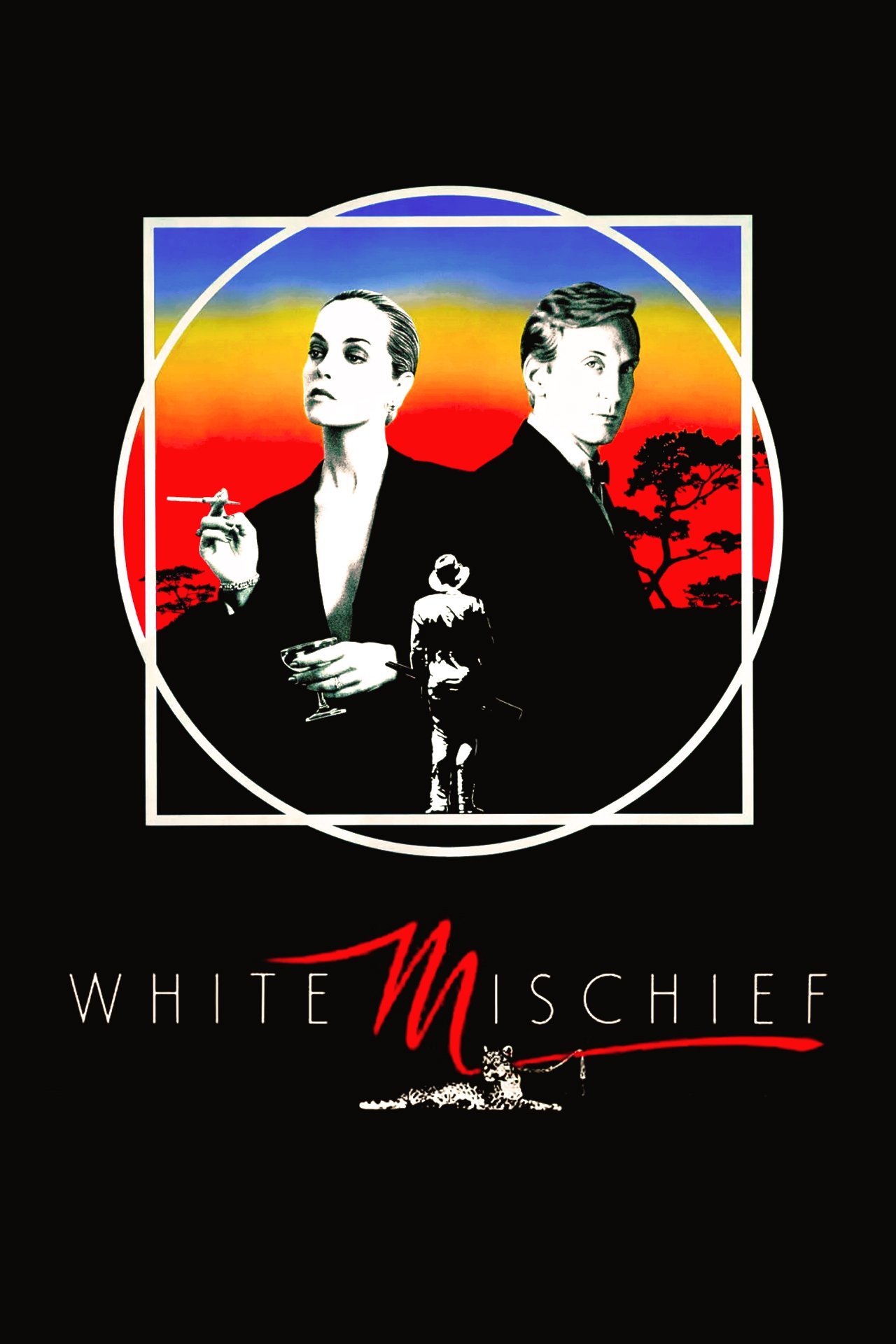
In this decadent colonial murder mystery, Hurt threads a needle between gossip and lament. He’s the cool observer who knows everyone’s secrets but also senses the rot beneath the glamour.
His voice—wry, singed with irony—turns narration into indictment. By the time the masks slip, Hurt’s melancholy omniscience has prepared us for the moral hangover, making the film’s elegance feel like a trap that finally snaps shut.
12. ‘The Osterman Weekend’ (1983)
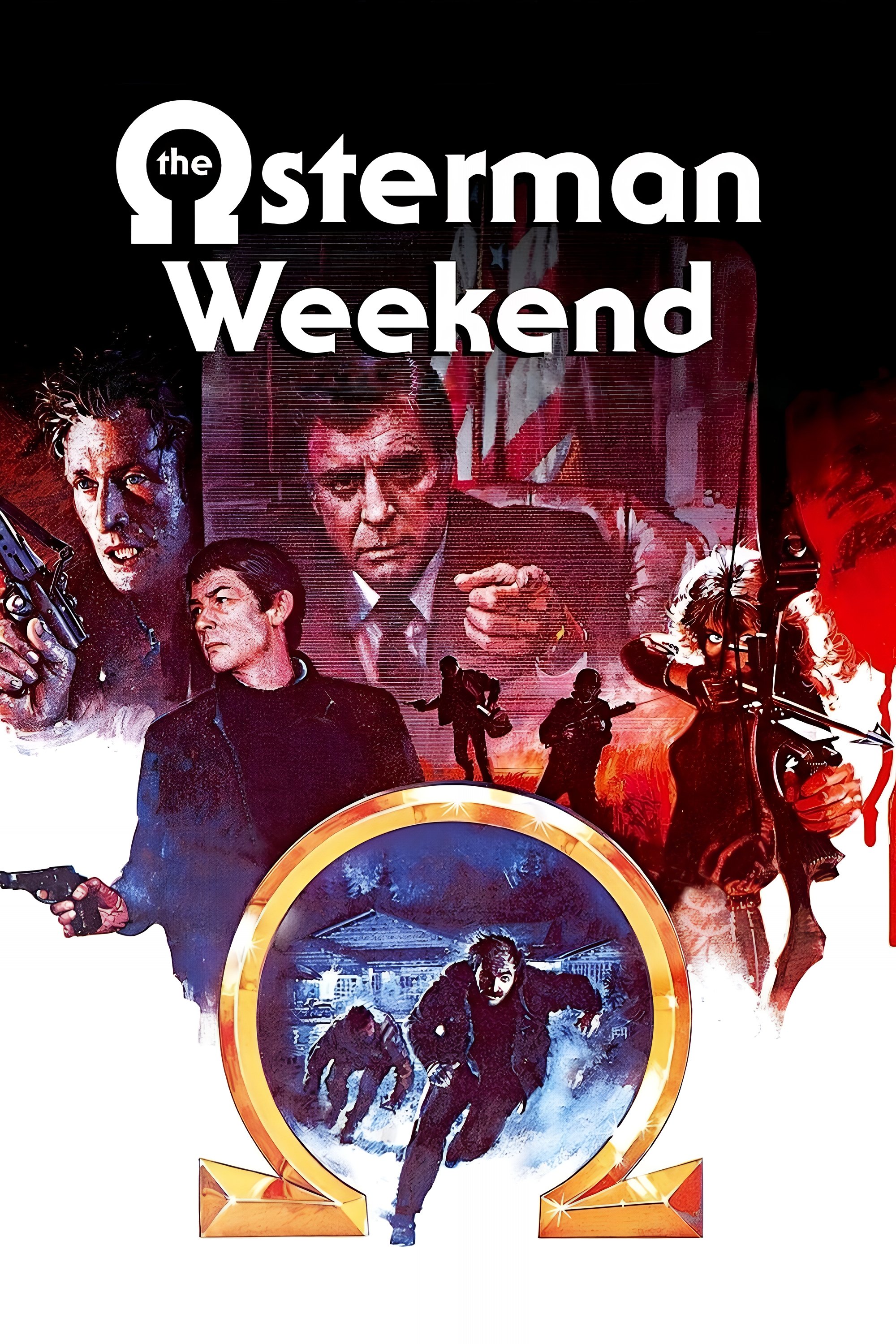
Sam Peckinpah’s late-career paranoia thriller is jagged and uneven, and that’s exactly where Hurt thrives. As a manipulator who might be telling the truth, he cloaks menace in civility, twisting every conversation into a chess move.
Hurt’s calm—never quite reassuring—keeps you leaning forward. His white-collar spymaster underscores the film’s thesis that performance is power, and few actors weaponize a measured pause like he does.
11. ‘Dead Man’ (1995)
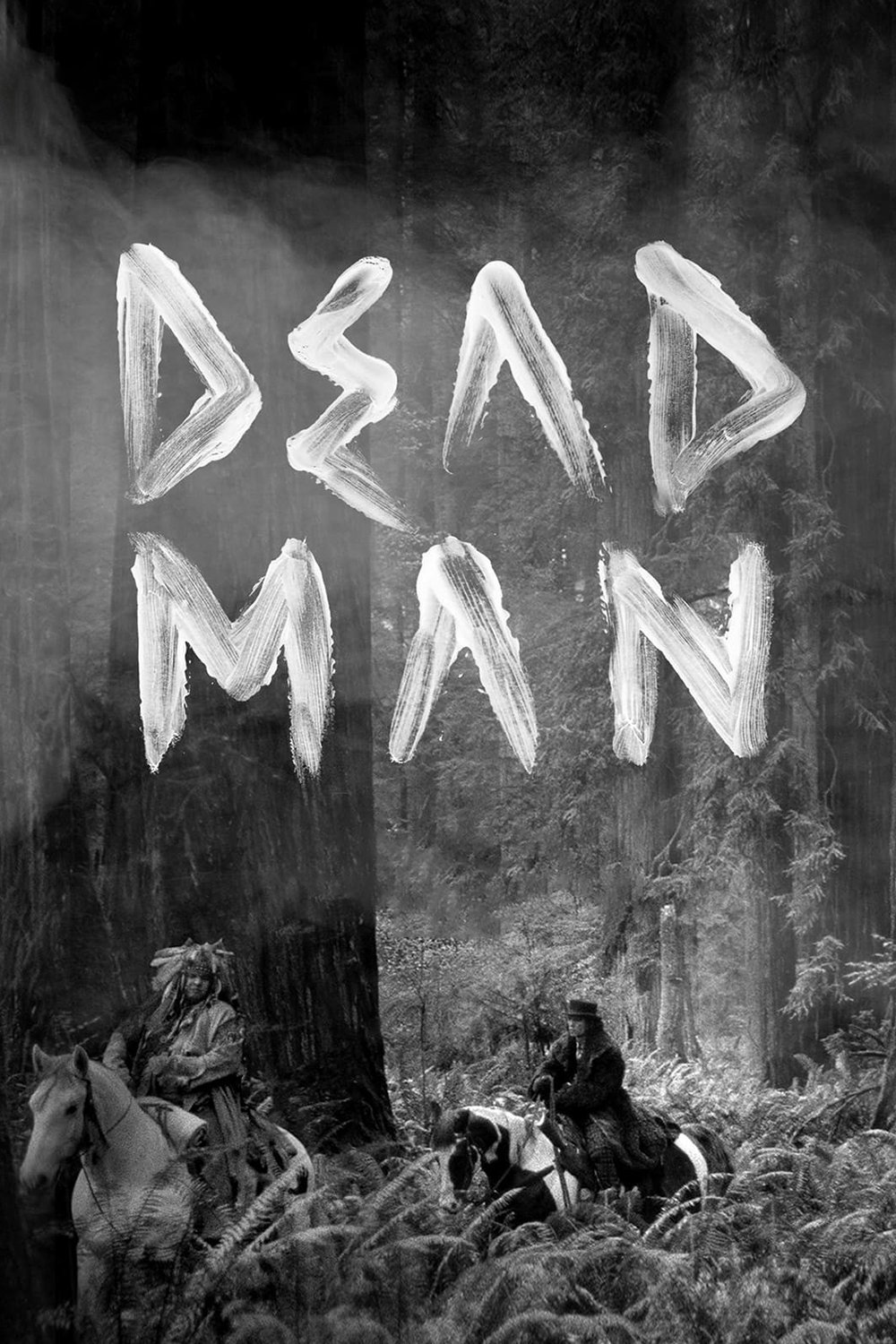
Jim Jarmusch’s dreamlike western drifts through faces like spirits; Hurt’s brief appearance lands with the thud of lived-in history. He sketches an entire life in a handful of lines, a man whose politeness is just a sheath.
The beauty of it is how unforced he is. In a movie about death’s slow embrace, Hurt contributes a ghost of a character you could follow for an entire film—proof that his cameos often feel like cutaways to untold epics.
10. ‘Heaven’s Gate’ (1980)
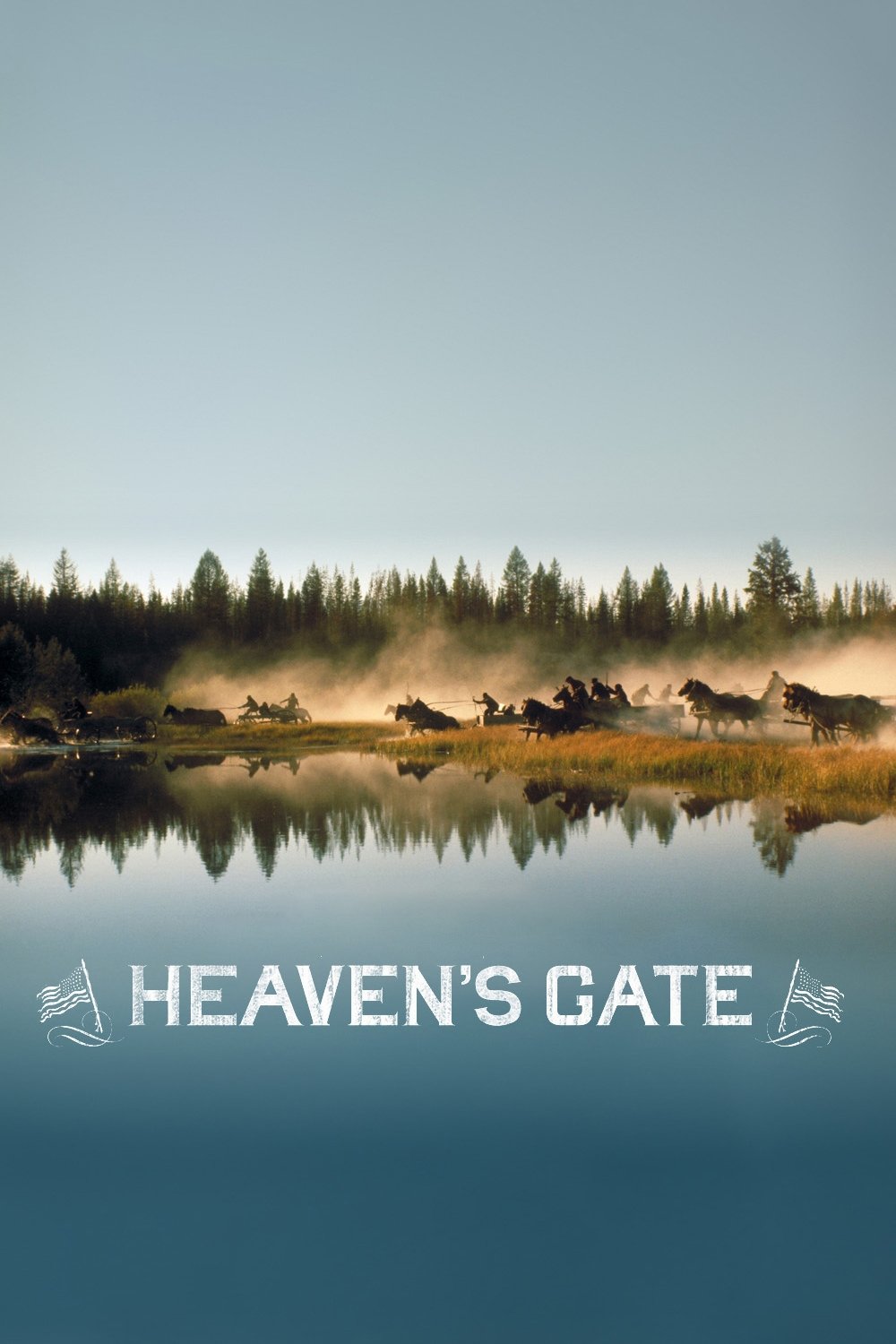
Reappraised over time, this grand American elegy is powered by contradictions—opulence and brutality, hope and foreclosure. Hurt steals scenes as a privileged soul rotting from ennui, his wit eroding into alcoholic drift.
He’s the movie’s conscience and its warning, laughing at the party as the house burns down. That glint of self-knowledge—pity mixed with contempt—turns a supporting role into a tragic mirror for the whole saga.
9. ‘Watership Down’ (1978)
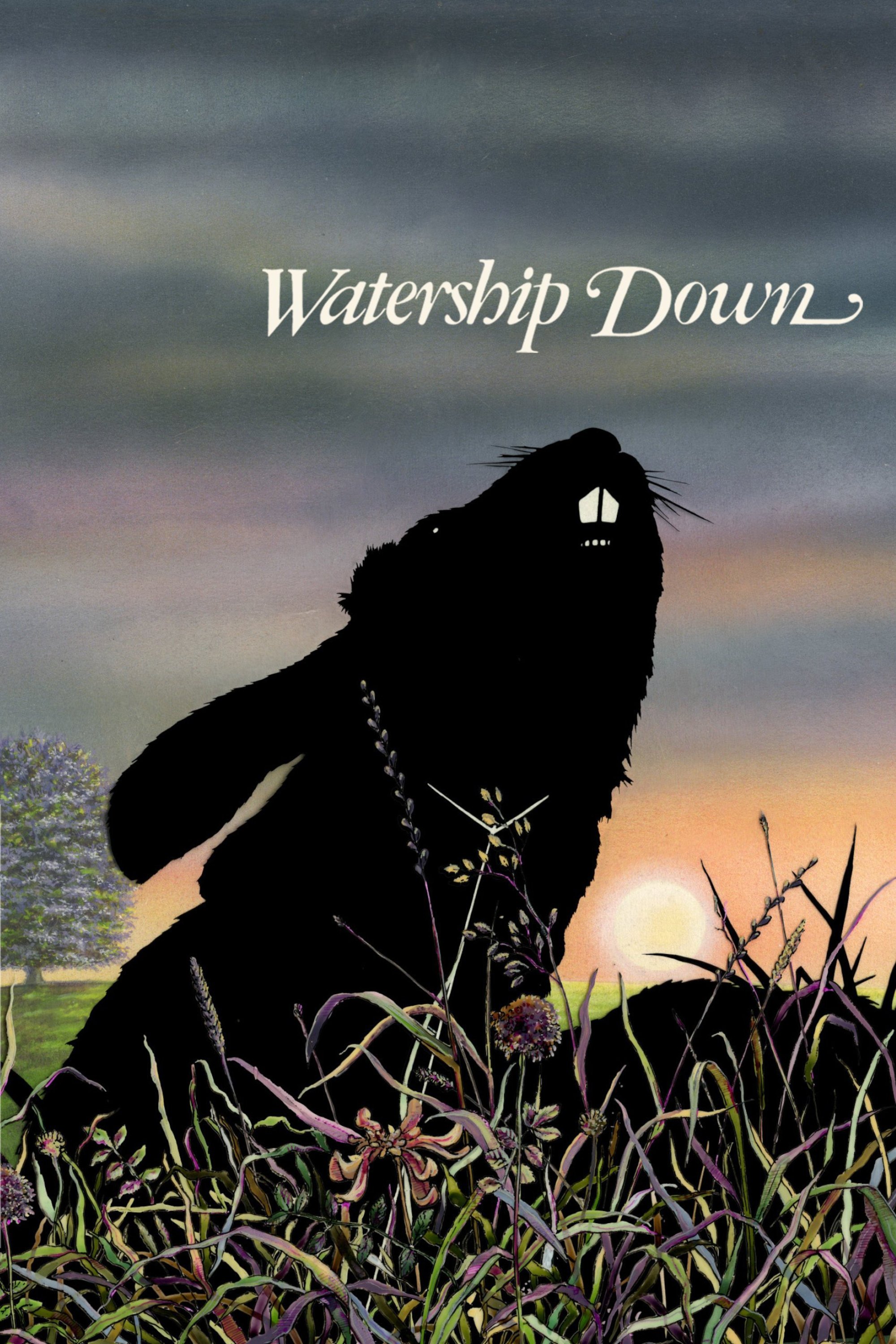
As the voice of Hazel, Hurt gives a leader’s courage the sound of empathy. He never pushes for grandeur; he invites trust, making bravery feel communal rather than heroic.
Animation magnifies vocal nuance, and Hurt understands that. Every soft command, every tremor of doubt, becomes a moral compass, guiding the film away from fable toward something tender and earned.
8. ‘The Field’ (1990)
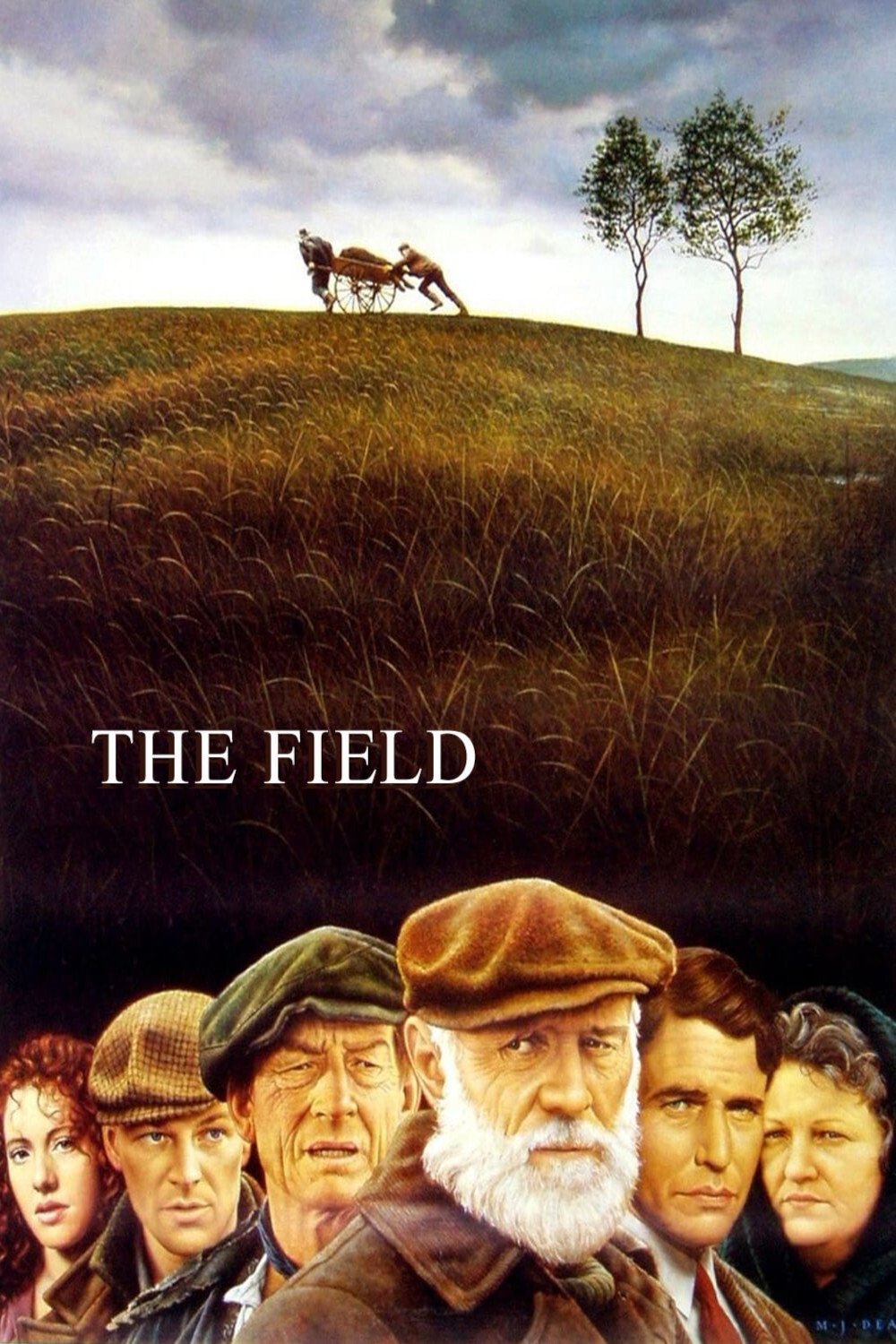
In this rural tragedy, Hurt plays the local chronicler, watchful and complicit. He’s the character who sees how pride calcifies into catastrophe, yet he’s too entangled to stop the slide.
Hurt’s rueful intelligence curdles into helplessness, and that helplessness is devastating. Through him, the film’s landscape becomes an emotional map—every boundary line a wound, every silence a verdict.
7. ‘Champions’ (1984)
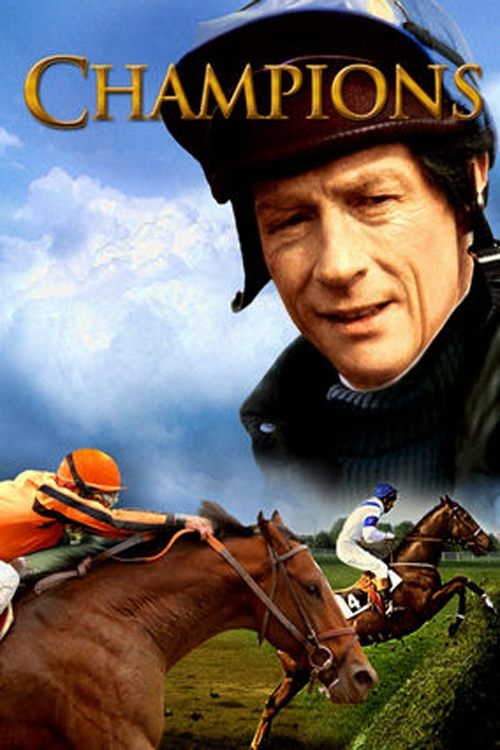
As jockey Bob Champion, Hurt gives the sports biopic something rare: a body that remembers pain. He charts recovery not as montage but as metabolism—a mind negotiating with muscle, a spirit arguing with fear.
The film’s uplift works because Hurt resists simple uplift. He lets exhaustion sit on the frame, so that resilience lands as revelation rather than cliché.
6. ‘The Shout’ (1978)
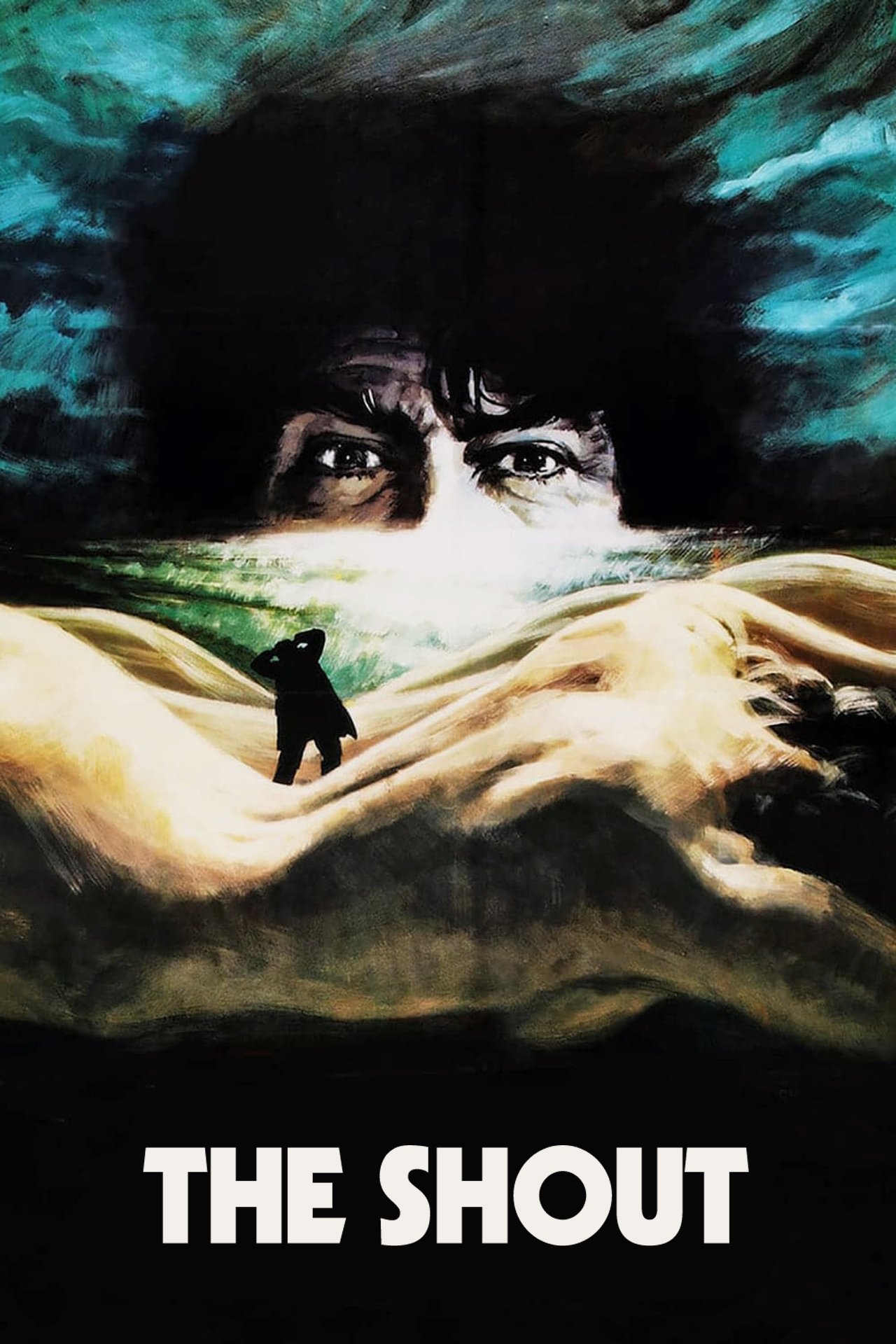
A surreal tale of possession and power, ‘The Shout’ plays like a folk horror parable scratched onto vinyl. Hurt’s musician is a rational man undone by irrational dread, and he calibrates that slide with unnerving precision.
It’s a clinic in psychological escalation. The more the world goes uncanny, the more Hurt pares down, making the final, shattering moments feel chillingly plausible.
5. ‘Shooting Dogs’ (2005)
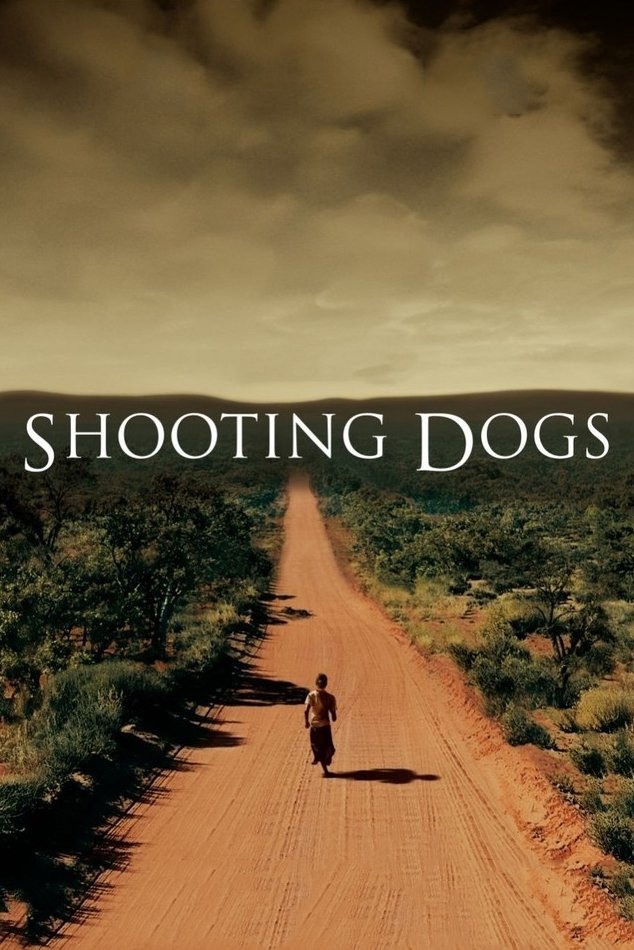
Set during the Rwandan genocide, this drama refuses easy comfort. Hurt’s priest is a study in battered faith—compassionate, fallible, and finally, heartbreakingly steadfast.
He refuses saintliness, and that’s the point. By embodying doubt without surrendering to it, Hurt anchors the film in moral complexity, honoring real suffering rather than smoothing it over.
4. ‘The Proposition’ (2005)
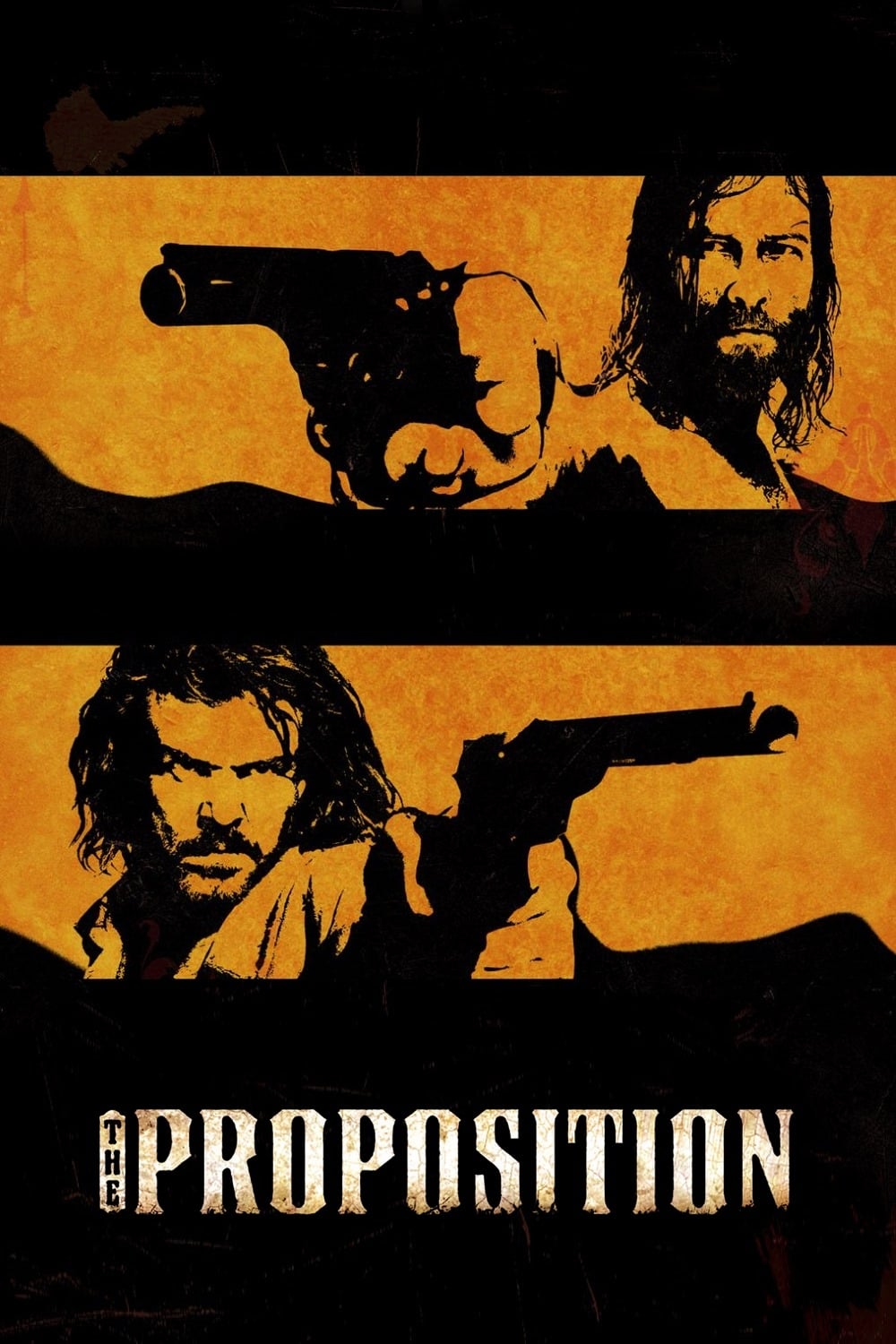
This outlaw western cuts like barbed wire, and Hurt’s bounty hunter is one of its sharpest edges. He plays the role with clerical stillness, like a man delivering grim sacraments rather than bullets.
It’s a small part that feels immense because Hurt suggests a theology of violence in every gesture. In a film obsessed with the cost of order, he’s the ledger, coolly balancing sins.
3. ‘All the Little Animals’ (1998)
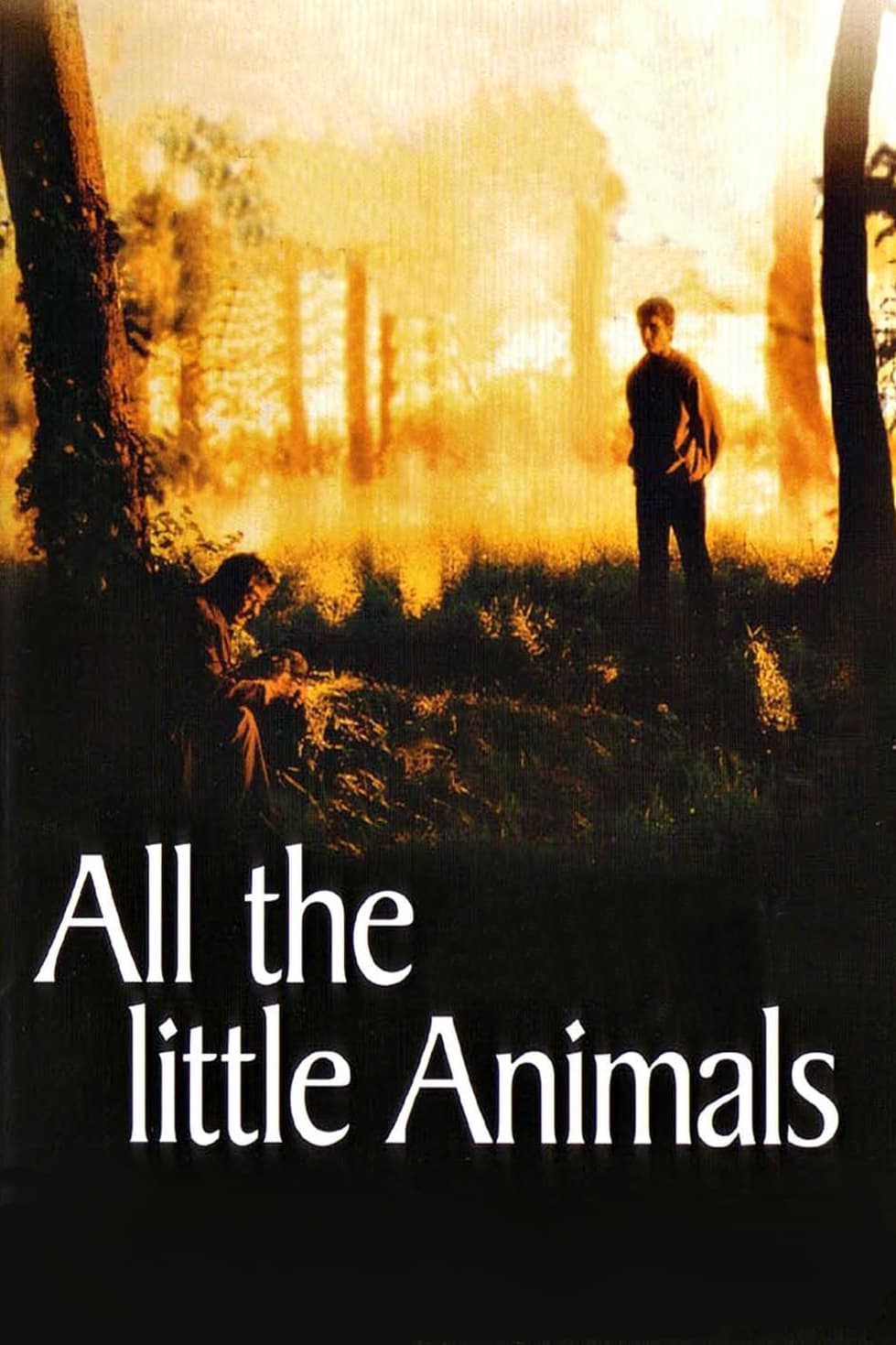
A strange and gentle road movie, this gem pairs Hurt’s reclusive wanderer with a wounded young man. Hurt makes kindness look radical—an ethic chosen anew with each act, not a personality trait.
He’s spiky, funny, and quietly fierce. By the end, his compassion feels like rebellion, the film’s softness hard-won and, therefore, indelible.
2. ‘Love and Death on Long Island’ (1997)
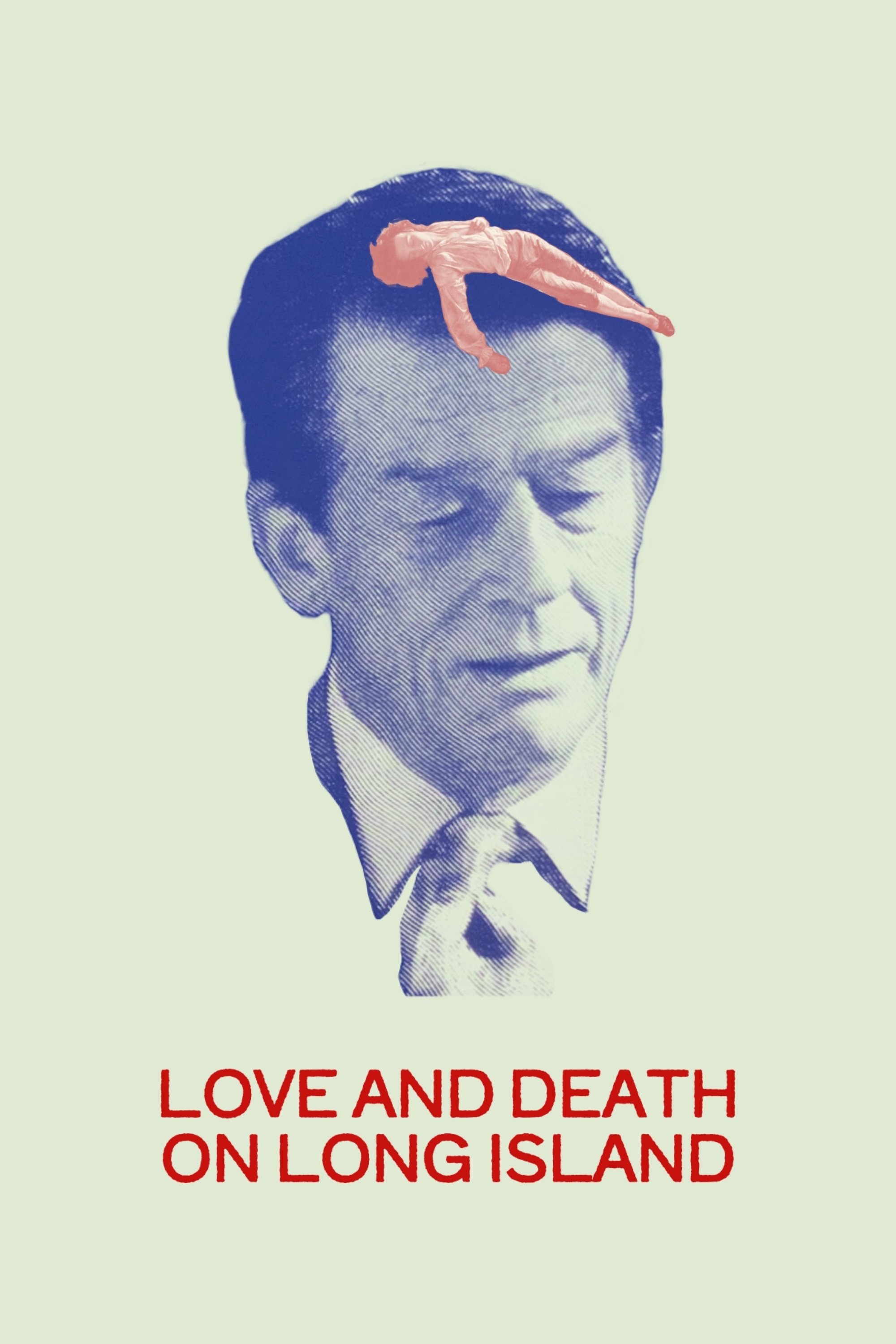
As an erudite author infatuated with a teen idol, Hurt threads danger and dignity with miraculous balance. He never asks for pity; he asks for attention to a human ache most would rather ignore.
The performance is a masterclass in modulation—wry humor shading into delusion, then into a bruised kind of grace. It’s tender, unsettling, and impossible to shake.
1. ‘The Hit’ (1984)
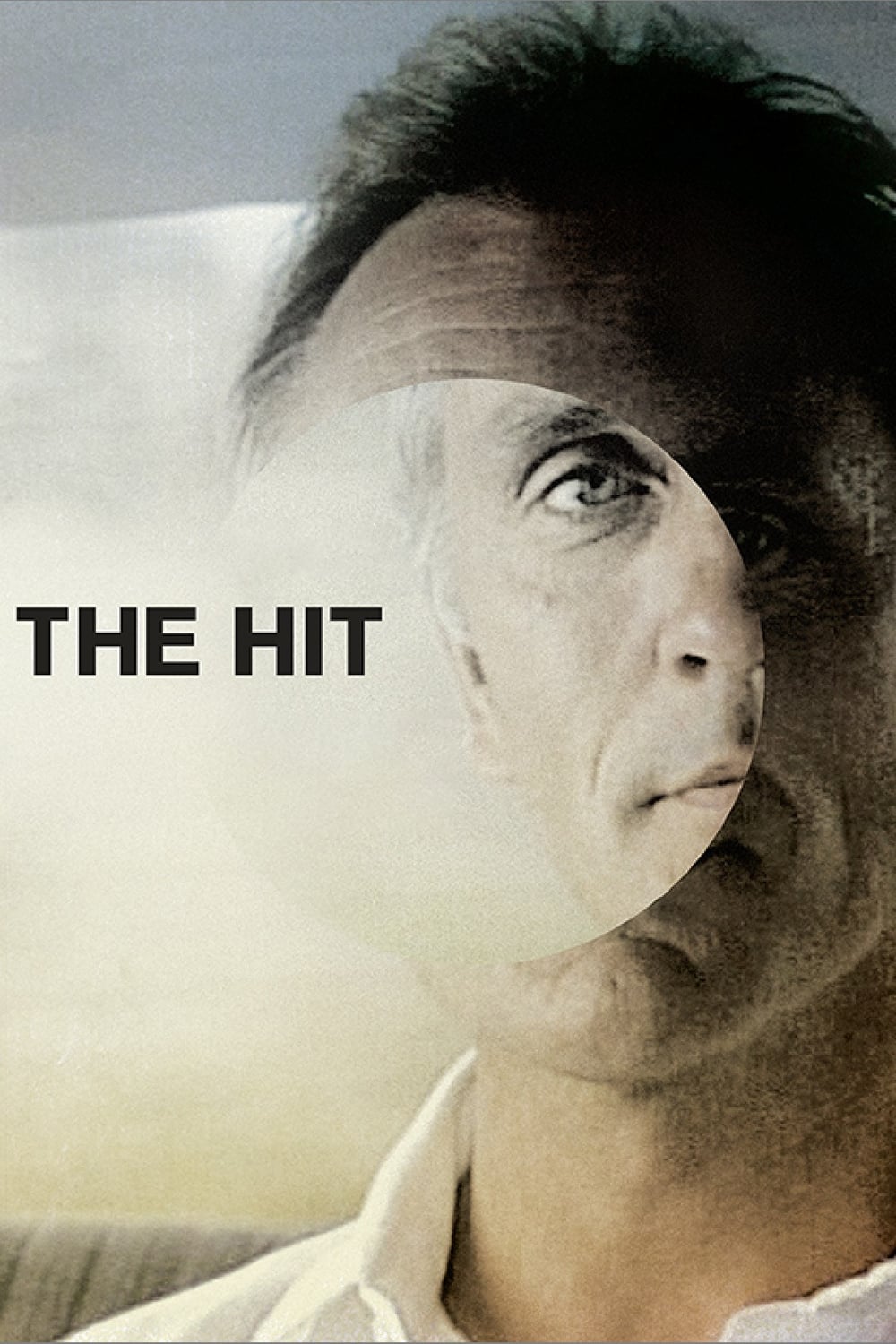
Hurt’s assassin is meticulous, philosophical, even courteous—a professional whose cool begins to crack. He doesn’t play menace; he plays control, which is scarier, and far more revealing.
What makes it special is the way he listens. Every glance at a partner, every recalculation of a plan, turns a crime story into a portrait of a man discovering he still has a soul to lose.
Share your favorite overlooked John Hurt performances—and the films you think deserve more love—in the comments.