


15 US States with the Highest Alien Encounter Reports

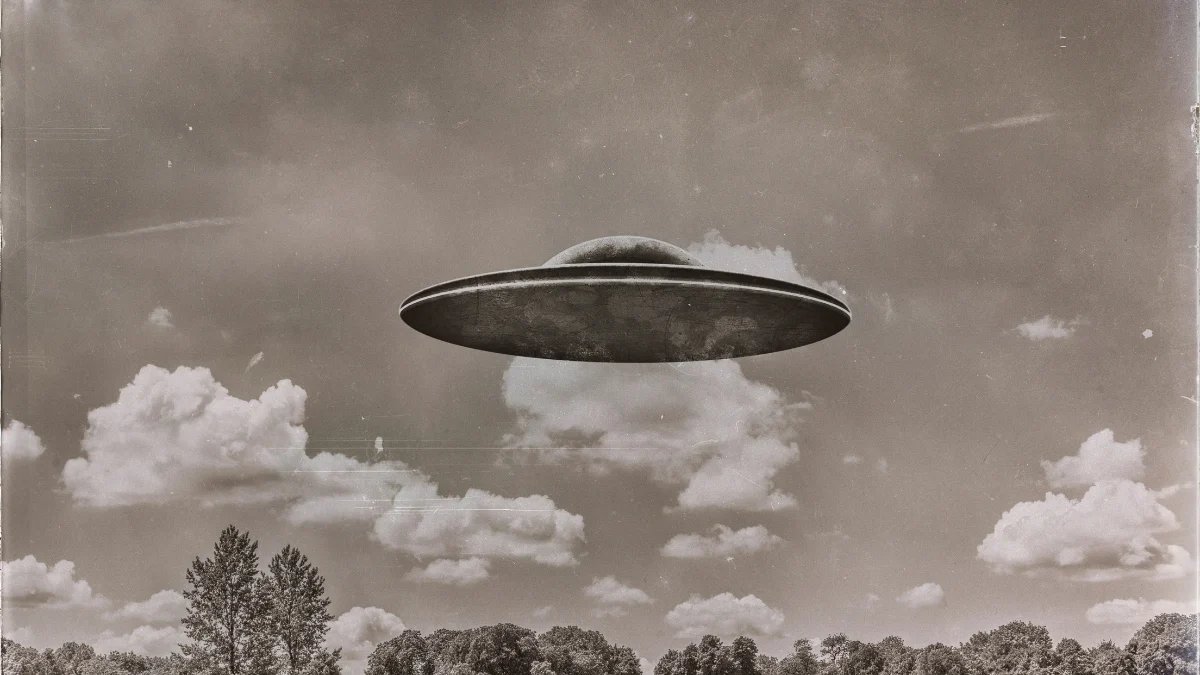


Curious where people report the most unexplained lights, objects, and close calls in the sky? Using public tallies from the National UFO Reporting Center (NUFORC), certain states consistently show the largest volumes of encounter reports, reflecting decades of submissions from residents, travelers, and occasionally pilots or law-enforcement personnel. Totals are raw counts, not adjusted for population, so a few big states dominate—while per-capita leaders can look very different. Below are the 15 U.S. states with the highest number of alien encounter (UFO/UAP) reports, along with quick context drawn from NUFORC’s state-level database and complementary analyses.
California
California has the highest number of reports in the country, with 16,969 submissions logged by NUFORC. The database aggregates incidents statewide across coastal cities, inland valleys, and desert corridors, reflecting California’s size and heavy air-traffic lanes. Large metropolitan areas contribute substantially simply due to population and skywatching opportunities. These figures are totals across decades of public reporting.
Florida
Florida’s tally stands at 8,754 reports, placing it among the nation’s largest totals. Sightings span the Gulf Coast, the Atlantic corridor, and central Florida, a region with frequent launches and aviation activity. The volume reflects both resident and visitor submissions in a tourism-heavy state. These counts come from NUFORC’s state roll-up.
Washington
Washington records 7,539 reports in NUFORC’s database. Submissions arrive from Puget Sound communities, the I-5 corridor, and eastern Washington’s darker skies. Separate per-capita analyses frequently place Washington among the top states once population is considered. The raw total here reflects NUFORC’s statewide count.
Texas

Texas shows 6,591 reports across its vast geography. Entries come from major metros and rural regions alike, including areas with busy military and commercial airspace. As with other large states, overall population helps drive the total number of submissions. NUFORC’s dataset aggregates these reports over many years.
New York

New York has 6,258 reports in the NUFORC database. Incidents are logged from New York City boroughs to upstate communities along major waterways and lake regions. Public interest spikes around highly visible aerial events tend to coincide with rises in reports. The overall figure reflects long-running, statewide submissions to NUFORC.
Pennsylvania
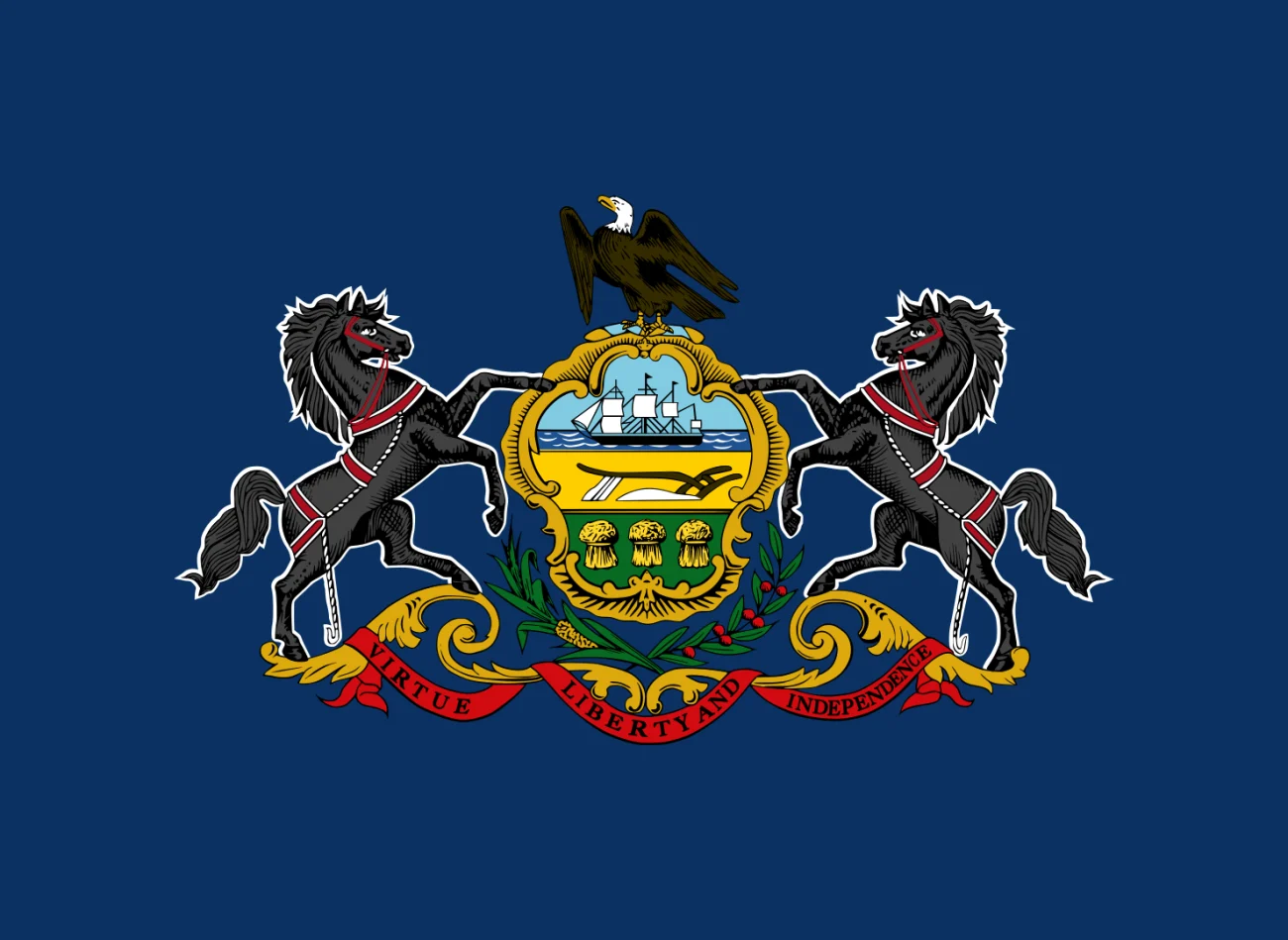
Pennsylvania totals 5,314 reports. Sightings are reported across the Alleghenies, Susquehanna valley towns, and the Philadelphia–Pittsburgh axis. The state’s mix of rural dark-sky areas and dense metros produces steady reporting over time. Counts cited here come directly from NUFORC’s state list.
Arizona
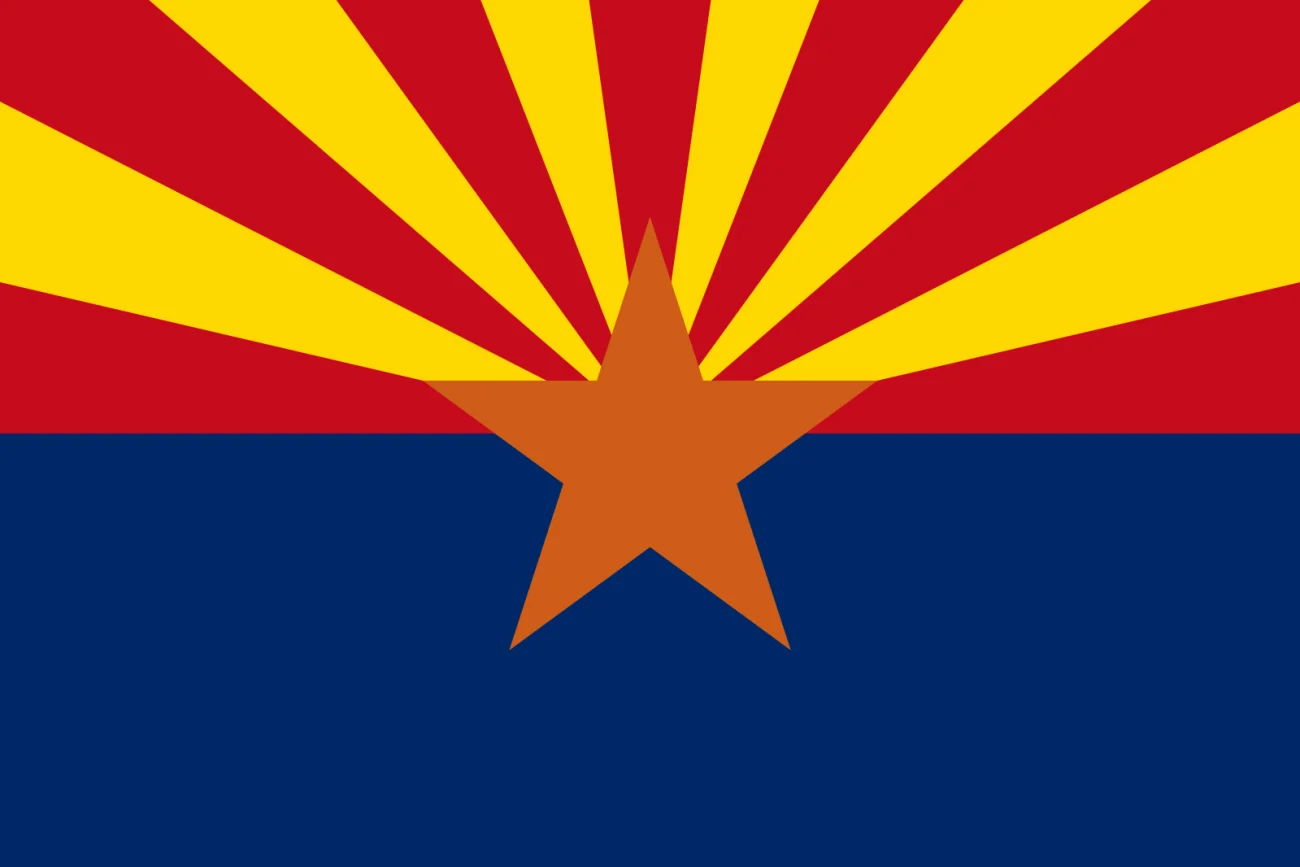
Arizona has 5,285 reports, supported by frequent submissions from desert and high-country locales. County-level looks show elevated rates in several areas, aligning with the state’s dark-sky conditions. The total shown here is the raw statewide count in NUFORC. Per-capita maps often highlight multiple Arizona counties as above the U.S. average.
Ohio

Ohio’s NUFORC total is 4,679 reports. Reports are distributed from the Lake Erie shoreline to central and southern counties along major interstates. The long observational record captures patterns during periodic surges in public interest. Figures here are consolidated from NUFORC’s state index.
Illinois
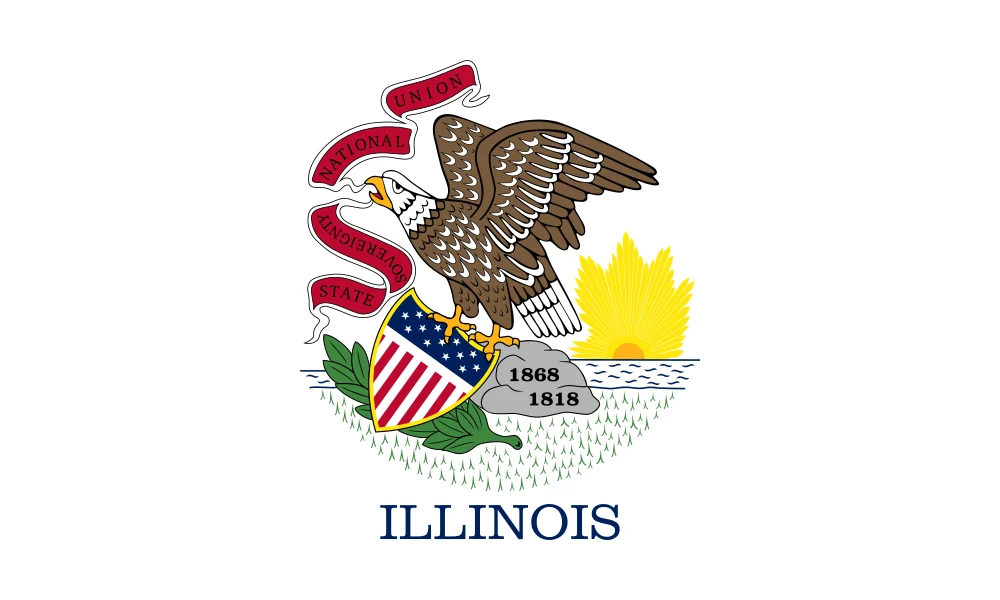
Illinois has logged 4,458 reports with NUFORC. Submissions cover Chicago-area suburbs, downstate communities, and river corridors. The statewide number reflects many decades of public entries rather than a short-term spike. NUFORC’s state page provides the roll-up used here.
North Carolina
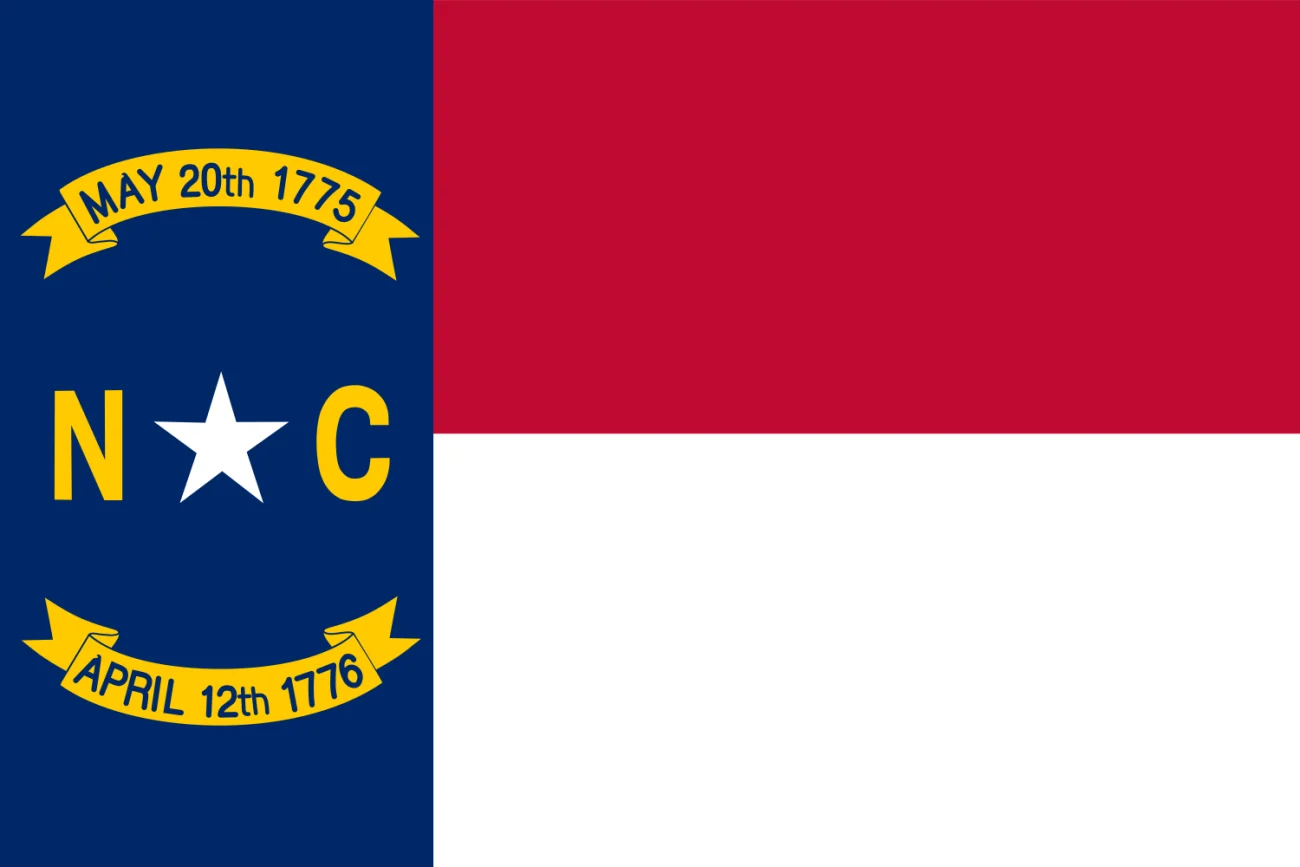
North Carolina’s cumulative total stands at 3,862 reports. Sightings range from coastal plains to the Blue Ridge Mountains, with entries arriving year-round. The combination of rural dark skies and fast-growing metros yields steady reporting. Count totals are from NUFORC’s statewide breakdown.
Michigan
Michigan records 3,854 reports in NUFORC’s files. Many submissions come from lake-adjacent communities and interior towns with ample horizon views. Seasonal outdoor activity appears to track with reporting volume in northern regions. The number cited is the raw statewide total in NUFORC.
Oregon
Oregon shows 3,748 reports. Incidents are entered from the Willamette Valley, coastal towns, and high-desert locales east of the Cascades. Like other western states, darker skies away from cities are frequently associated with higher per-capita rates in outside analyses. The total here is NUFORC’s long-running statewide count.
Colorado
Colorado has 3,502 reports in NUFORC’s database. Sightings are reported along the Front Range and in mountain communities with expansive sky views. Outdoor recreation seasons often coincide with higher observational opportunities. The figure provided is the compiled statewide total from NUFORC.
New Jersey
New Jersey’s cumulative total is 3,046 reports. Entries span the state’s coastal corridor, suburban belts, and interior townships. The number reflects sustained reporting rather than isolated events. NUFORC’s state list is the source for this total.
Missouri
Missouri rounds out this group with 2,920 reports. Submissions originate across the Ozarks, Mississippi and Missouri river corridors, and the state’s major metro areas. The historical record shows persistent reporting across years, not just during national news cycles. NUFORC’s statewide index provides the cumulative figure.
Share where you’re reading from and whether you’ve ever seen something odd in the sky—drop your thoughts in the comments!