


15 War Movies That Focus on Medics and Chaplains

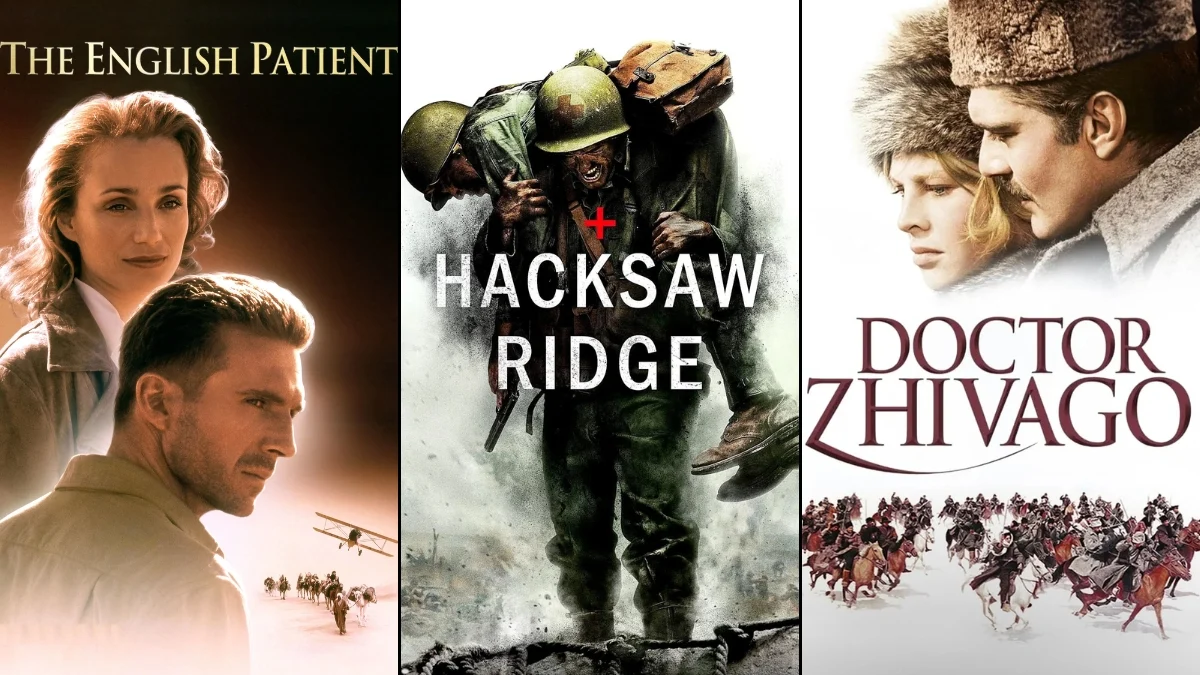


War films often highlight the soldiers pulling the triggers but a unique subgenre focuses on the men and women dedicated to saving lives rather than taking them. These movies explore the harrowing experiences of combat medics, nurses, doctors, and chaplains who operate in the midst of chaos. The protagonists in these stories face the dual burden of witnessing gruesome injuries and providing spiritual or medical aid under fire. This list compiles fifteen notable films that shine a spotlight on the healers and spiritual leaders of wartime history.
‘Hacksaw Ridge’ (2016)

Desmond Doss refuses to carry a weapon due to his religious beliefs while serving during World War II. He faces persecution from his fellow soldiers who mistake his pacifism for cowardice. The combat medic proves his bravery by saving 75 wounded men during the Battle of Okinawa without firing a single shot. This biographical film highlights the unique struggle of a conscientious objector amidst the brutality of war.
‘MASH’ (1970)
Surgeons at a Mobile Army Surgical Hospital use humor and pranks to cope with the horrors of the Korean War. Hawkeye Pierce and Trapper John McIntyre clash with authority figures while trying to save wounded soldiers. The film depicts the chaotic reality of operating theaters located just miles from the front lines. It focuses on the psychological toll that constant exposure to death takes on the medical staff.
‘The Fighting 69th’ (1940)
Father Francis Duffy serves as the brave military chaplain for the 69th Infantry Regiment during World War I. He provides spiritual counsel and comfort to soldiers facing death in the trenches of France. The priest specifically tries to help a soldier named Jerry Plunkett find his courage after showing cowardice in battle. This drama illustrates the vital role chaplains play in maintaining morale and faith in combat zones.
‘Testament of Youth’ (2014)
Vera Brittain abandons her studies at Oxford to serve as a Voluntary Aid Detachment nurse during World War I. She witnesses the physical devastation of the war firsthand while treating wounded soldiers in London and France. The narrative follows her personal losses as her fiancé and brother are sent to the front lines. It provides a poignant look at the conflict through the eyes of a woman dedicated to healing.
‘The English Patient’ (1996)
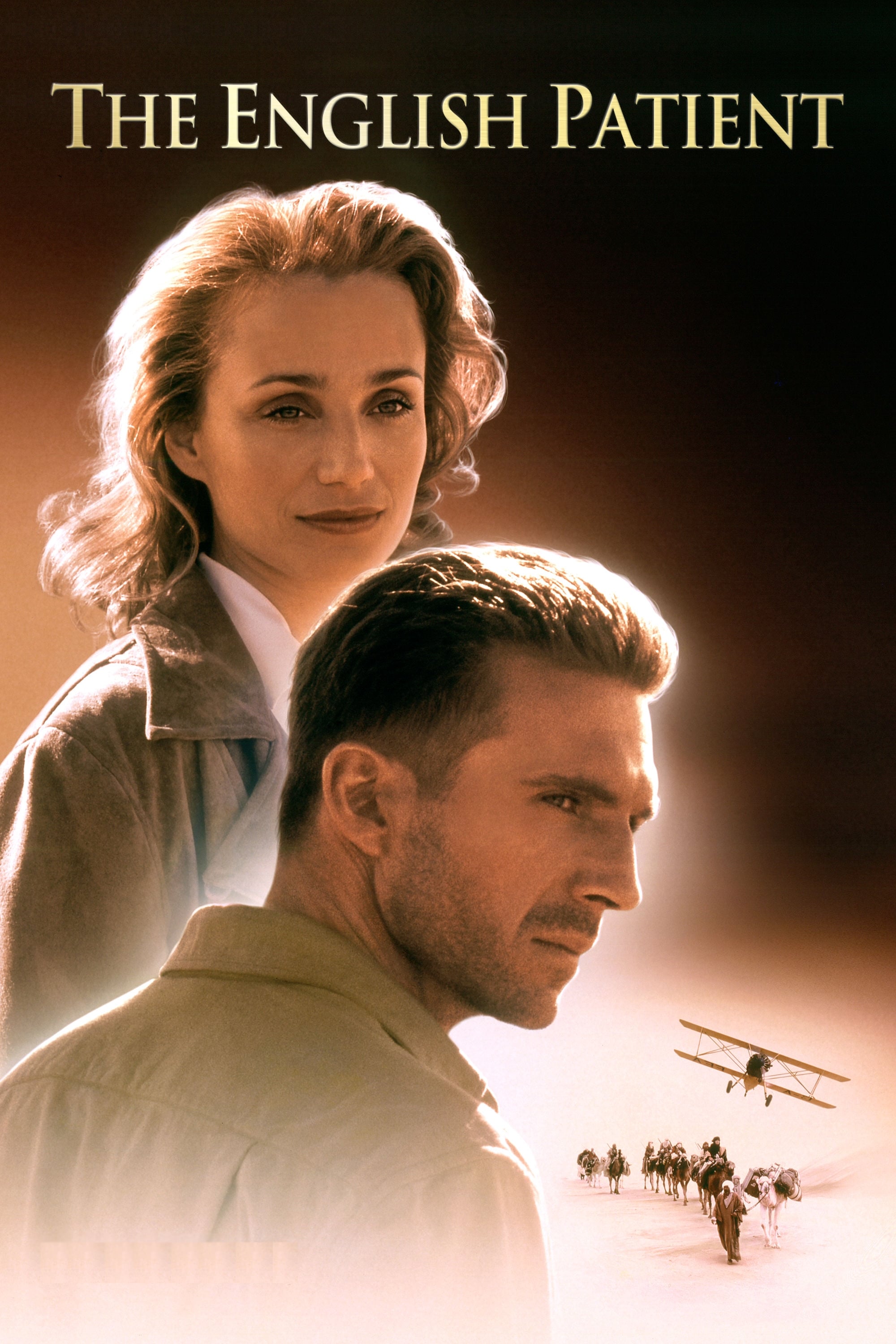
A French-Canadian combat nurse named Hana cares for a critically burned man in an abandoned Italian monastery near the end of World War II. She devotes herself to easing his suffering while he recounts his tragic past through flashbacks. The film explores the deep emotional bonds that form between patient and caregiver in the aftermath of violence. Hana uses her role as a nurse to process her own grief and find a way to move forward.
‘The Innocents’ (2016)

A young French Red Cross doctor treats survivors in Poland shortly after the end of World War II. She discovers a convent where several nuns are pregnant following assaults by Soviet soldiers. The doctor must balance her medical duties with the strict religious vows of the sisters to provide secret care. The narrative explores the collision of faith and science within a traumatized community.
‘Captain Newman, M.D.’ (1963)
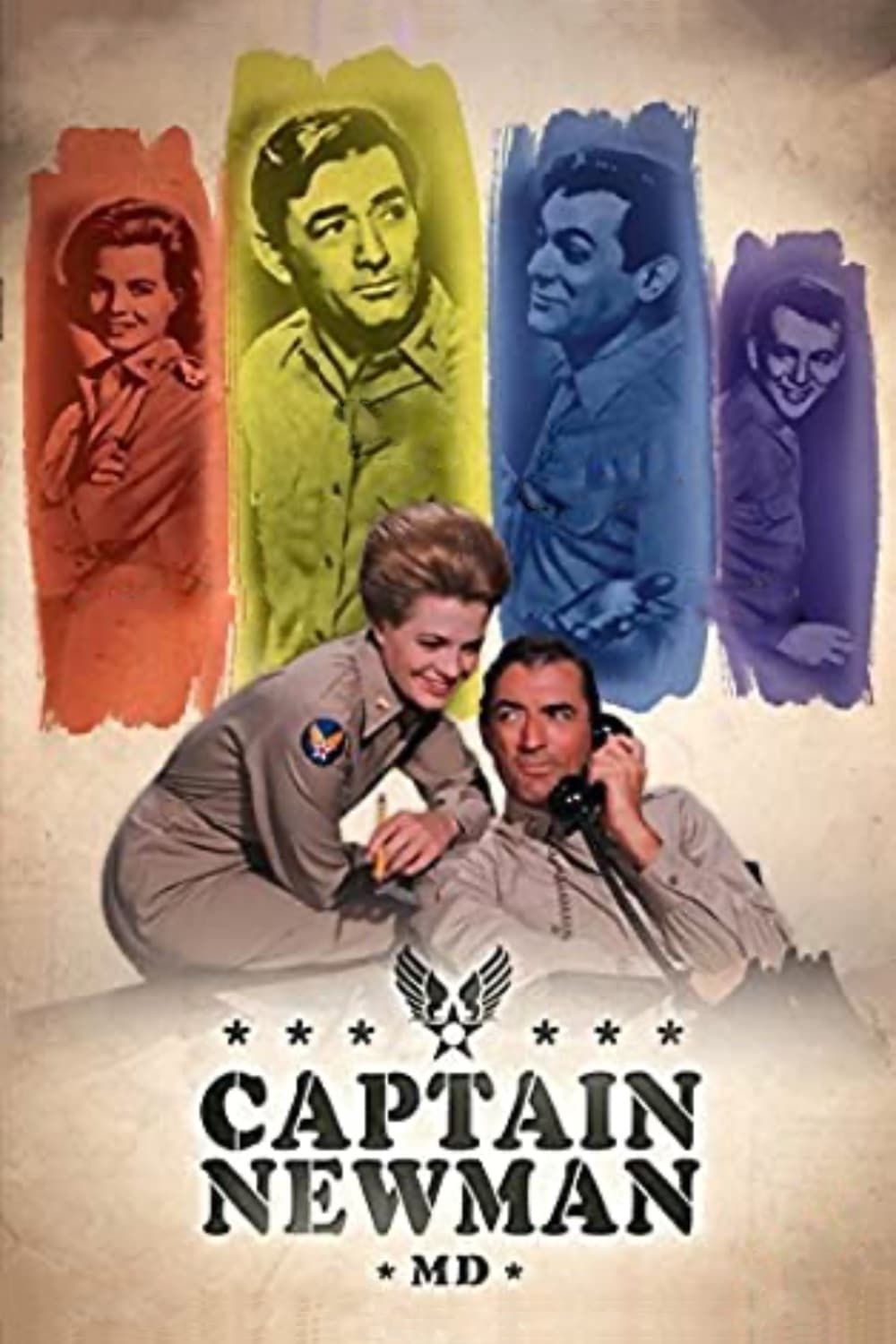
Captain Josiah Newman runs a neuropsychiatric ward at an Army Air Corps hospital during World War II. He battles military bureaucracy while trying to treat aviators suffering from what was then called battle fatigue. The doctor uses unconventional methods to help his patients recover their sanity before they return to combat. This film was one of the first to seriously address the topic of post-traumatic stress disorder in cinema.
‘Regeneration’ (1997)
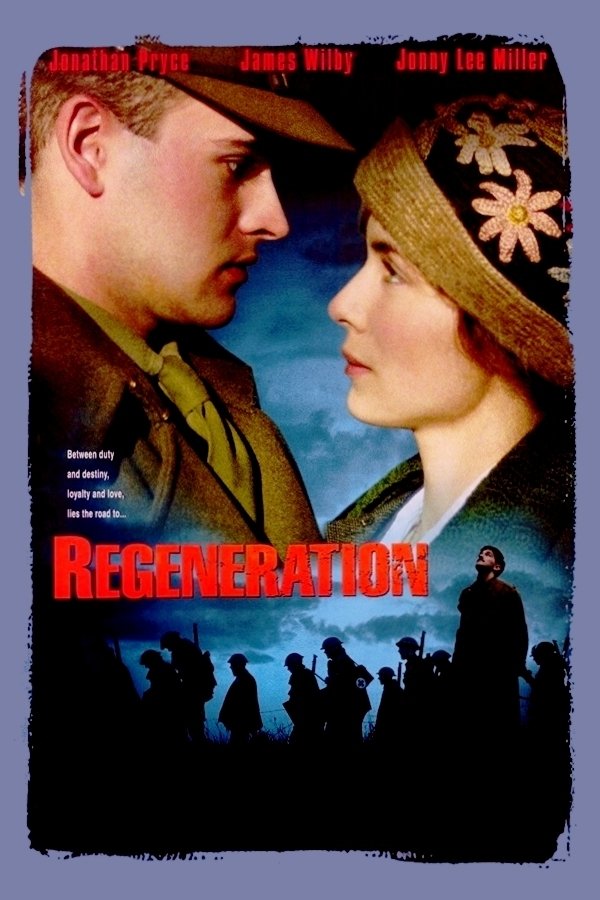
Army psychiatrist William Rivers treats shell-shocked officers at Craiglockhart War Hospital during World War I. He works with famous poets Siegfried Sassoon and Wilfred Owen as they struggle with their mental health. Rivers faces the moral dilemma of curing his patients only to send them back to the slaughter of the trenches. The story examines the early psychiatric methods used to treat the invisible wounds of war.
‘Battle Circus’ (1953)
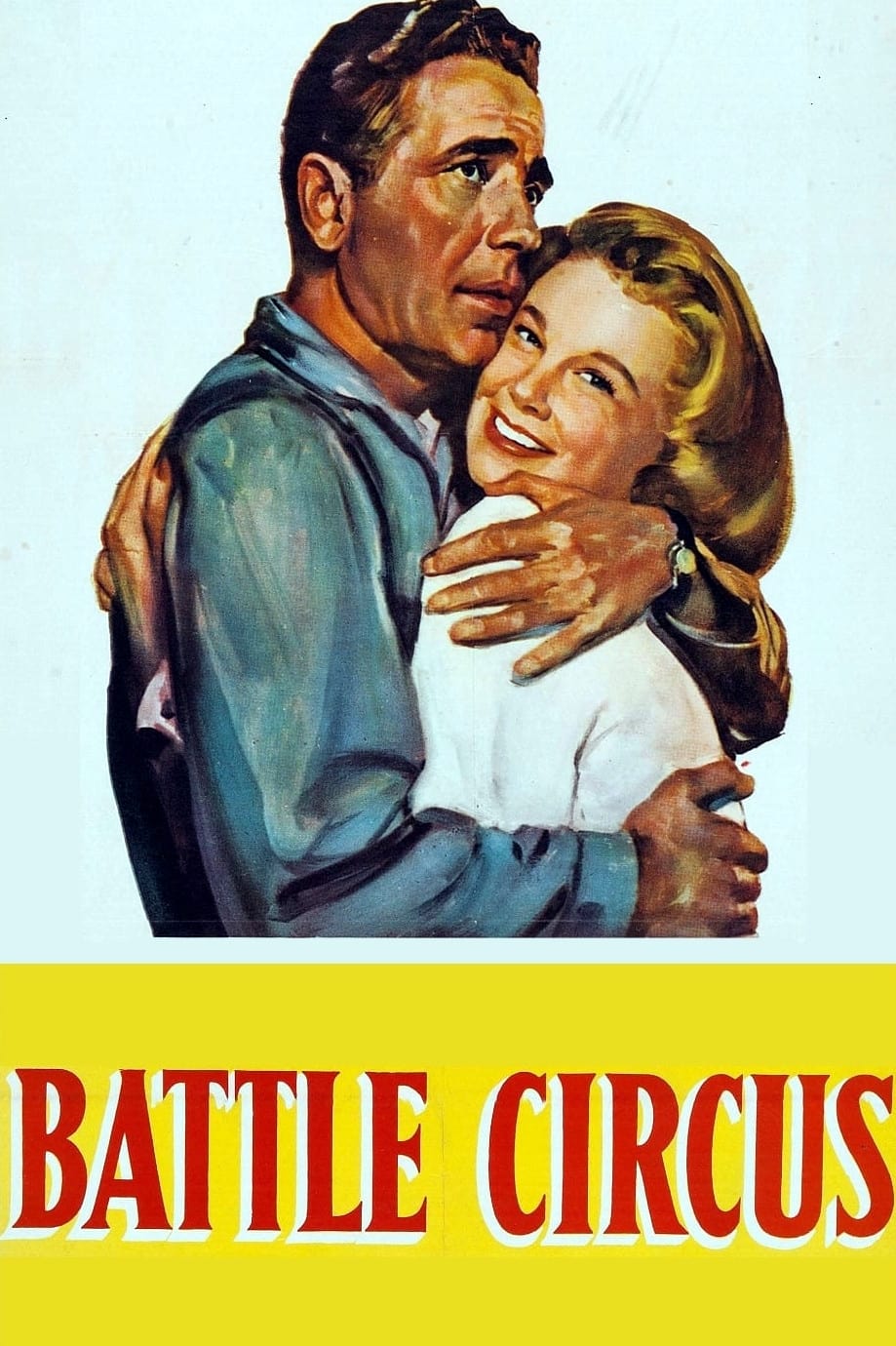
A hard-drinking army surgeon leads a Mobile Army Surgical Hospital unit during the Korean War. He falls in love with a newly arrived nurse while they deal with the constant influx of casualties. The film showcases the logistics of moving a medical unit under the threat of enemy attack. It highlights the professional dedication required to perform surgery in makeshift tents and dangerous conditions.
‘So Proudly We Hail’ (1943)
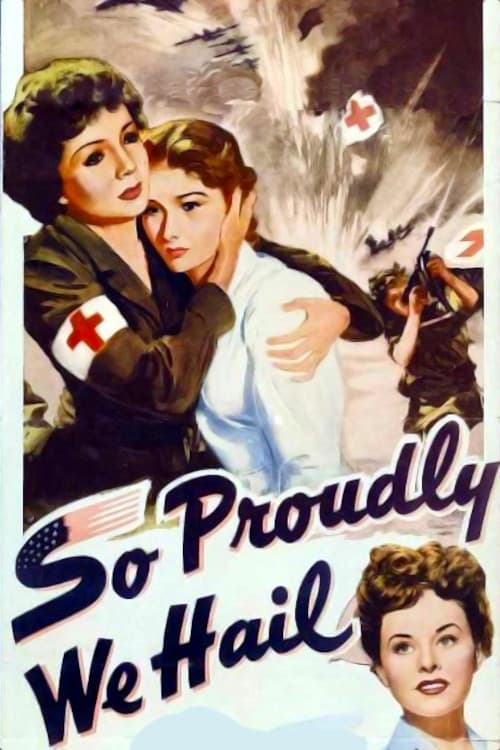
A group of military nurses travels to the Philippines just before the Japanese invasion during World War II. They endure bombing raids and malnutrition while caring for the wounded in the jungles of Bataan and Corregidor. The story honors the bravery of the women who refused to abandon their patients despite the hopeless military situation. It serves as a tribute to the real nurses who became prisoners of war.
‘Cry Havoc’ (1943)

Thirteen female volunteers from various backgrounds work as nurses in a field hospital on Bataan. They face constant Japanese bombardment and dwindling supplies while trying to comfort dying soldiers. The film focuses entirely on the female perspective of the siege and the camaraderie formed in the face of death. It depicts the grim reality of medical work when evacuation is no longer an option.
‘A Farewell to Arms’ (1932)
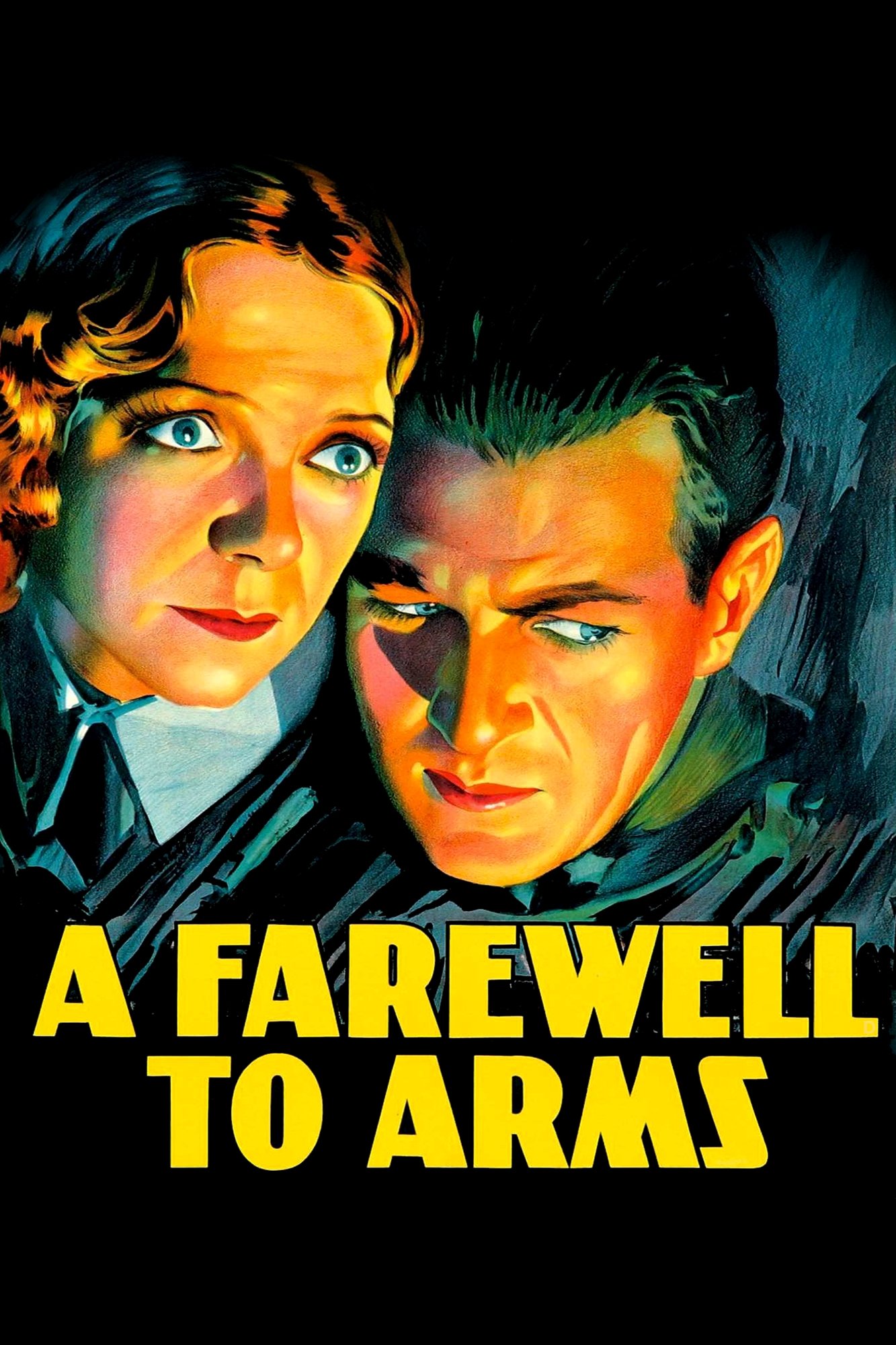
An American ambulance driver serving in the Italian army falls in love with a British Red Cross nurse during World War I. Their romance blossoms in a hospital where he recovers from leg wounds sustained at the front. The couple eventually tries to escape the war by fleeing to neutral Switzerland to start a new life. This adaptation of the Ernest Hemingway novel emphasizes the tragic intersection of love and military duty.
‘Joyeux Noel’ (2005)

An Anglican priest and a Catholic padre play significant roles during the unofficial Christmas truce of 1914. They lead a joint mass in no man’s land for Scottish, French, and German troops who momentarily lay down their arms. The chaplains prioritize their shared humanity and faith over the orders of their respective military commands. The film portrays the power of spiritual leadership to bridge the divide between enemies.
‘Doctor Zhivago’ (1965)
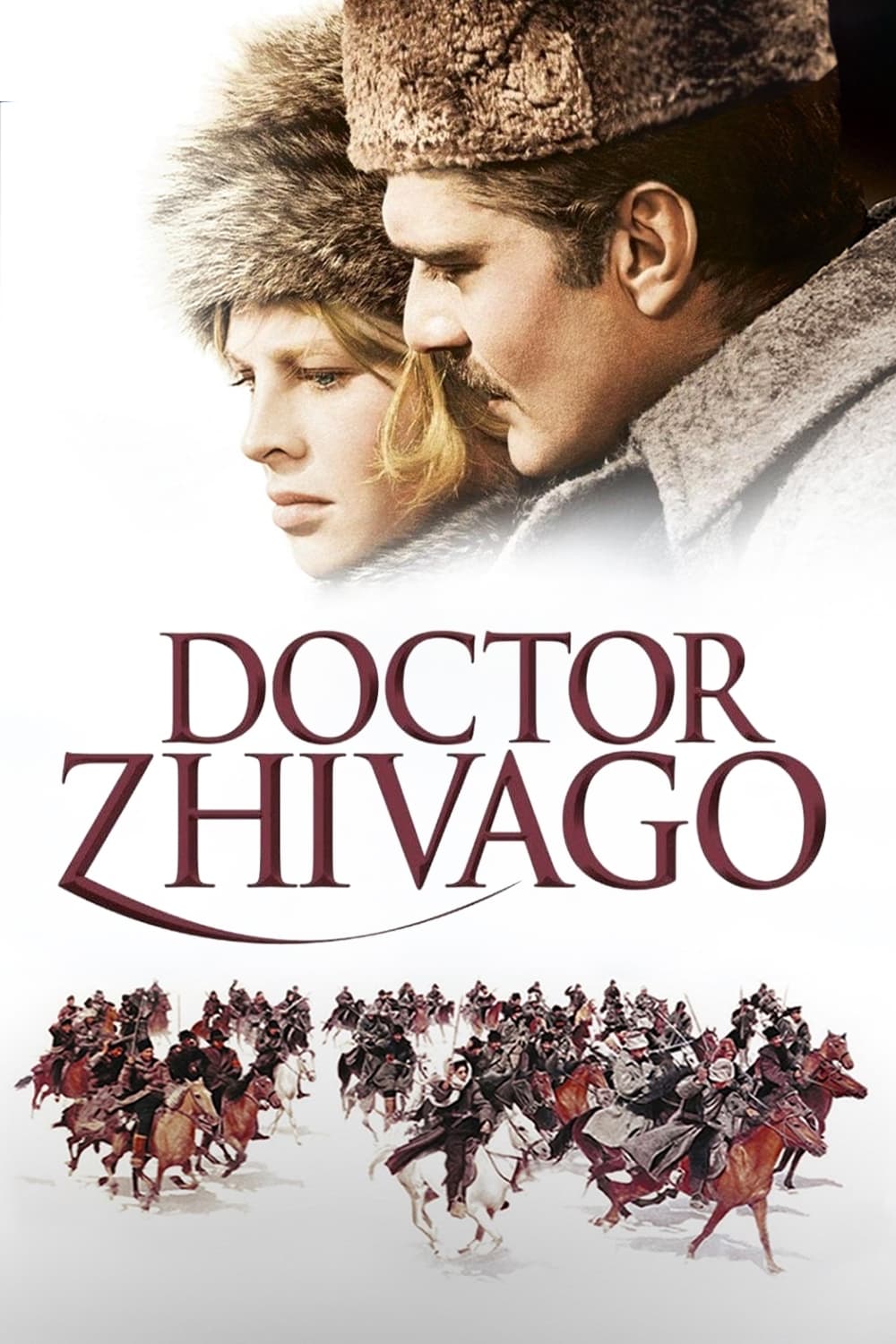
Yuri Zhivago serves as a battlefield doctor during World War I before getting swept up in the Russian Revolution. He treats the wounded in horrifying conditions while yearning for his artistic life and his true love. The epic narrative follows his struggle to remain a healer and a human being as society collapses around him. His medical profession forces him to witness the immense suffering caused by political upheaval.
‘In Love and War’ (1996)

A young Ernest Hemingway serves as a Red Cross ambulance driver in Italy during World War I before being wounded. He begins a passionate romance with Agnes von Kurowsky who is the nurse assigned to his care. The film details the hospital environment where nurses held absolute authority over the recovery of the soldiers. It depicts the real-life relationship that inspired Hemingway’s later literary works about the war.
Tell us which of these films gave you the best perspective on battlefield medicine in the comments.