

15 Yuri Series That Aired on Primetime TV in Japan



The landscape of Japanese television has long featured series that explore intense relationships between women, ranging from subtle romantic subtext to explicit courtships. While the majority of modern Yuri anime airs during late-night blocks tailored for dedicated enthusiasts, several iconic titles managed to secure prestigious primetime or early evening slots between 17:00 and 23:00. These series reached broad mainstream audiences and helped normalize the depiction of female intimacy in popular media. The following titles represent significant moments when girls’ love narratives appeared during major broadcast hours.
‘The Rose of Versailles’ (1979–1980)

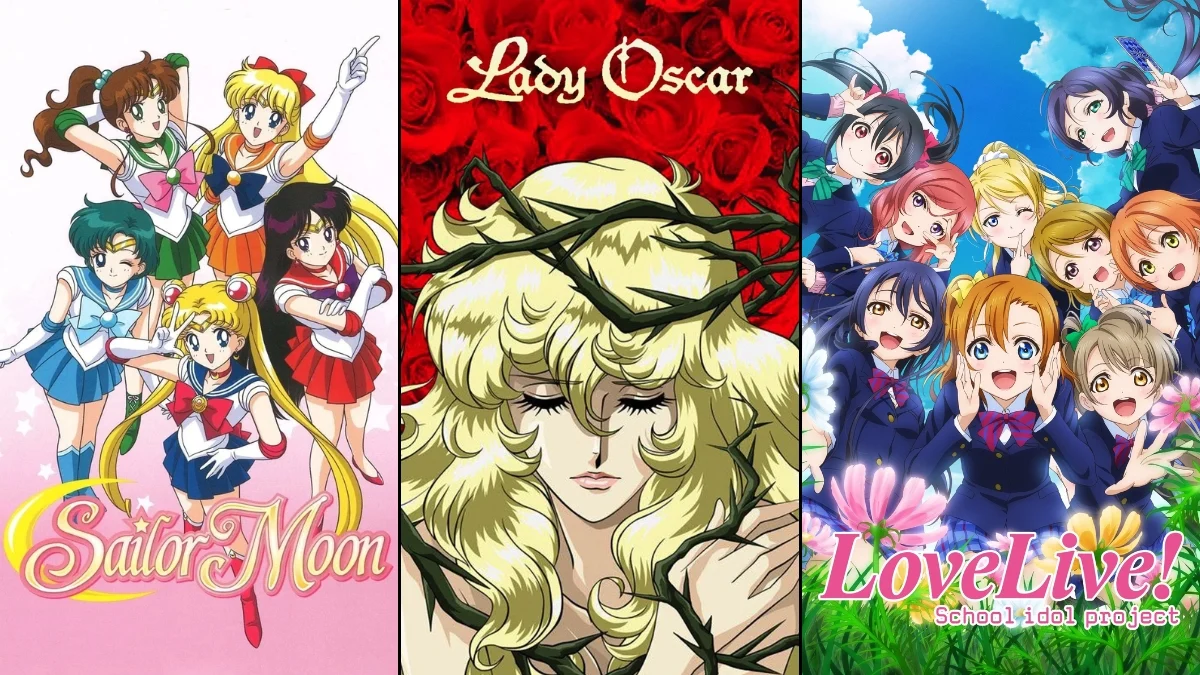
This landmark historical drama aired on Nippon TV at 19:00 and revolutionized the shoujo genre with its complex depiction of gender roles. The story follows Oscar François de Jarjayes who is raised as a man to command the Royal Guard at the Palace of Versailles. Oscar attracts the romantic admiration of women at court including Rosalie Lamorlière and creates a legacy of gender-bending protagonists in anime. The series navigates the political turmoil of the French Revolution while exploring the intense emotional bonds Oscar forms with the women around her. Its broadcast during a golden time slot cemented its status as a cultural phenomenon that influenced decades of future Yuri works.
‘Dirty Pair’ (1985)

Kei and Yuri are two trouble consultants for the World Welfare Works Association who often cause massive destruction while solving crimes. The series aired on Monday nights at 19:00 and focused heavily on the unbreakable partnership between the two female leads. While they frequently bicker and complain about their love lives with men, their reliance on each other serves as the emotional core of the show. Fans and critics alike credit this series for establishing the girls with guns archetype where the female bond is the primary relationship. The dynamic between the Lovely Angels set a standard for female duos in action anime.
‘Dear Brother’ (1991–1992)
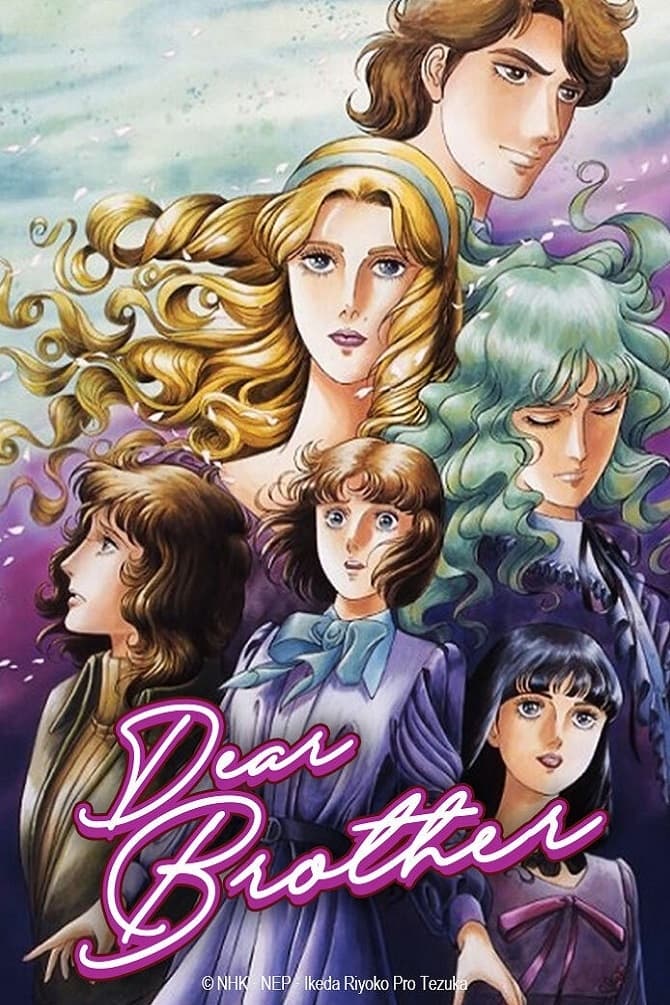
Broadcast on NHK during the Sunday 18:00 slot, this series brought the dramatic intensity of ‘The Rose of Versailles’ creator Riyoko Ikeda to a high school setting. The narrative centers on Nanako Misonoo as she enters the prestigious Seiran Academy and becomes entangled in the complex web of the Sorority. Nanako finds herself drawn to the enigmatic Saint-Just and creates a story filled with jealousy and obsession and tragedy. The show is notable for its serious and melodramatic treatment of lesbian themes and drug use and suicide during an early evening timeslot. It remains a seminal work for its gothic atmosphere and unapologetic exploration of female desire.
‘Sailor Moon S’ (1994–1995)
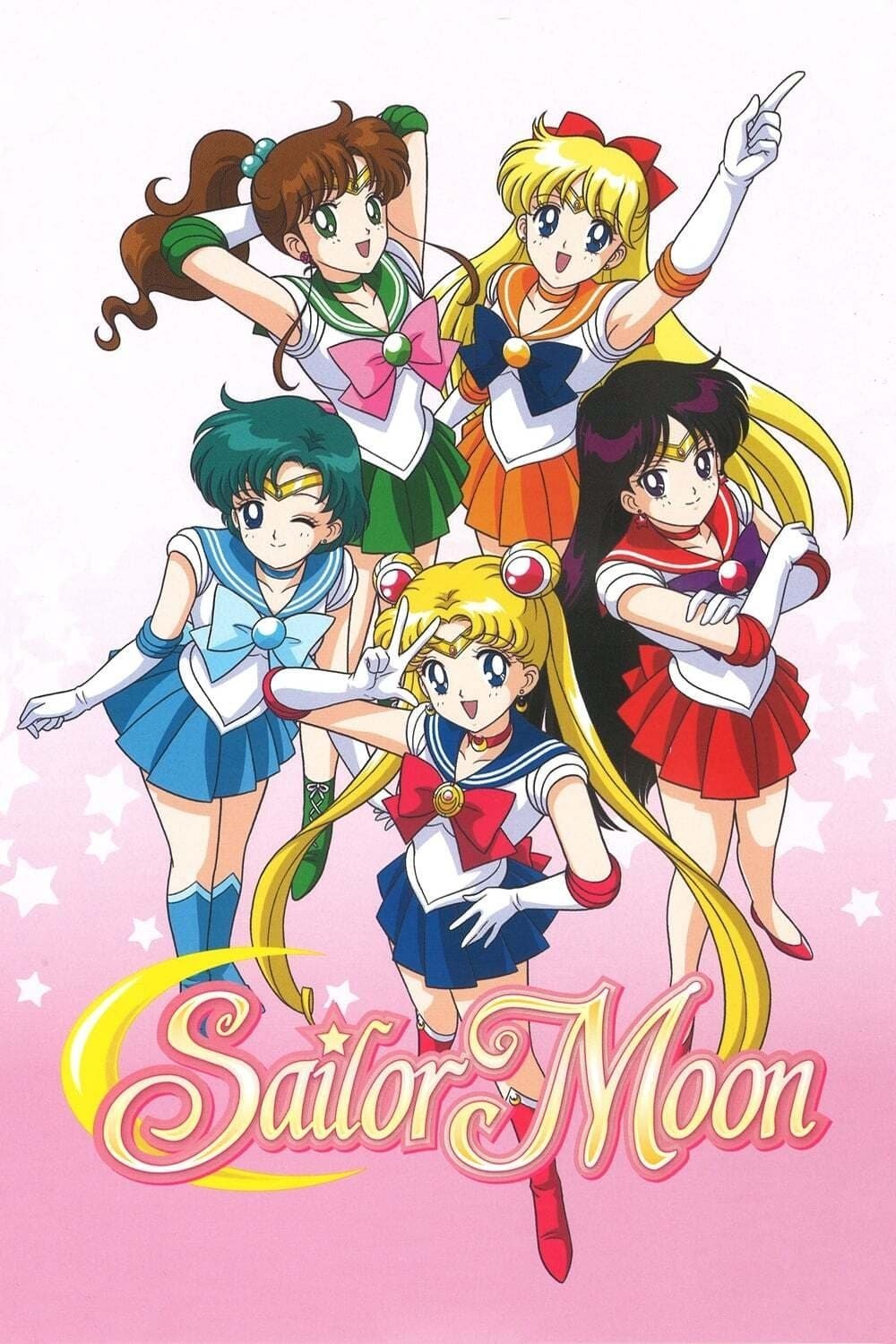
The third season of this massive franchise aired Saturdays at 19:00 and introduced the Outer Guardians to a national audience. Sailor Uranus and Sailor Neptune appeared as a sophisticated and powerful duo who were clearly in a romantic relationship. Their bond was depicted with a level of intimacy and devotion that surpassed the subtext usually found in children’s television. Haruka and Michiru became icons for the Yuri genre because their relationship was presented as equal and mature. This specific season brought queer representation to households across Japan during one of the most competitive television blocks.
‘Magic Knight Rayearth’ (1994–1995)
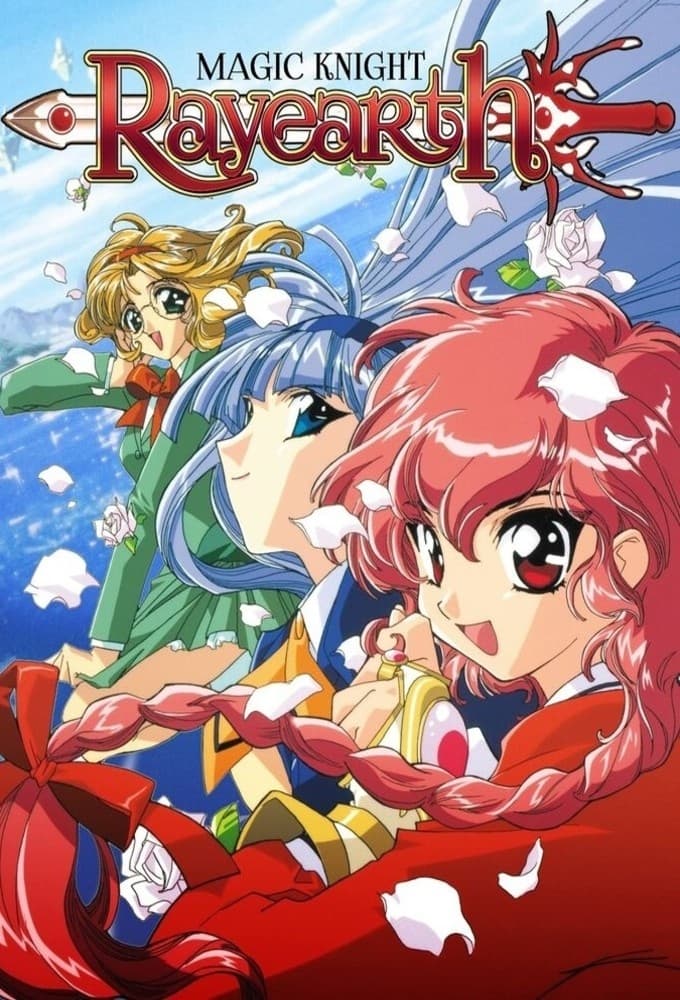
Three junior high school girls are transported to the magical world of Cephiro where they must become Magic Knights to save the realm. The series aired on Monday nights at 19:30 and focused on the strong emotional connection formed between Hikaru and Umi and Fuu. While the series contains heterosexual romances, the anime adaptation heavily emphasized the devotion the girls had for one another as their primary source of strength. The character design and narrative structure reinforced themes of female empowerment and solidarity. It stands as a prime example of the magical girl genre prioritizing female friendship and love in a primetime slot.
‘Revolutionary Girl Utena’ (1997)
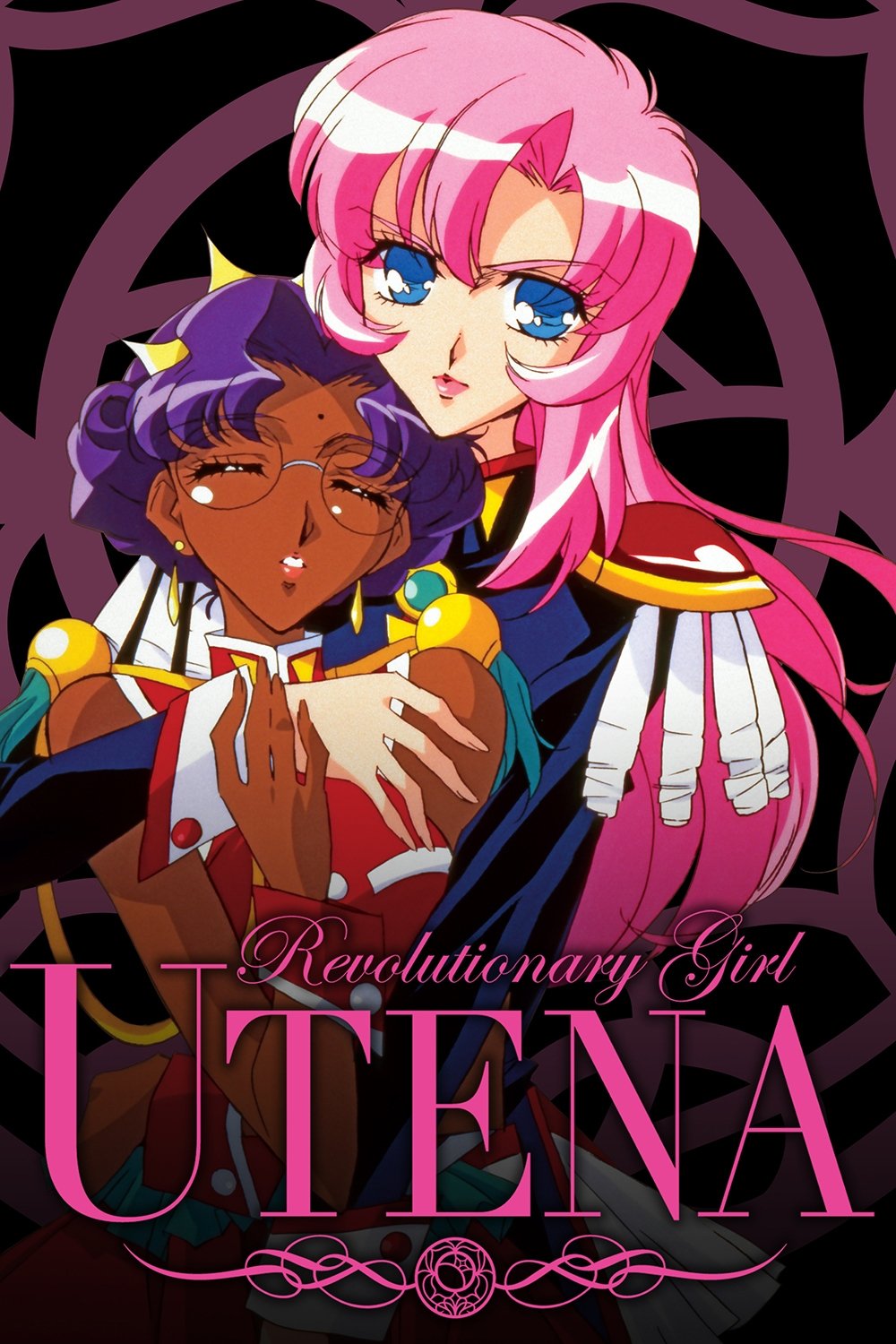
Utena Tenjou vows to become a prince after a childhood encounter and finds herself at Ohtori Academy where she duels for the hand of the Rose Bride. This surreal series aired Wednesdays at 18:00 and deconstructed fairy tale tropes through the relationship between Utena and Anthy Himemiya. The narrative delves into themes of gender identity and sexuality and revolution as the two girls forge a bond that defies the control of the school system. Director Kunihiko Ikuhara used the access primetime slot to present a highly symbolic story that is widely read as a queer allegory. The show remains one of the most critically acclaimed Yuri works of all time.
‘Battle Athletes Victory’ (1997–1998)

This sci-fi sports drama aired on TV Tokyo at 18:00 and followed Akari Kanzaki as she trained to become the Cosmic Beauty. The series is remembered for the tender relationship between Akari and her teammate Kris Christopher. Kris openly expresses her love for Akari and envisions a future where they live together on the moon after their athletic careers. The show balanced competitive sports action with emotional slice-of-life moments that highlighted the romance between the two leads. It provided a softer and more domestic take on Yuri themes within a mainstream shonen-adjacent timeslot.
‘Cardcaptor Sakura’ (1998–2000)
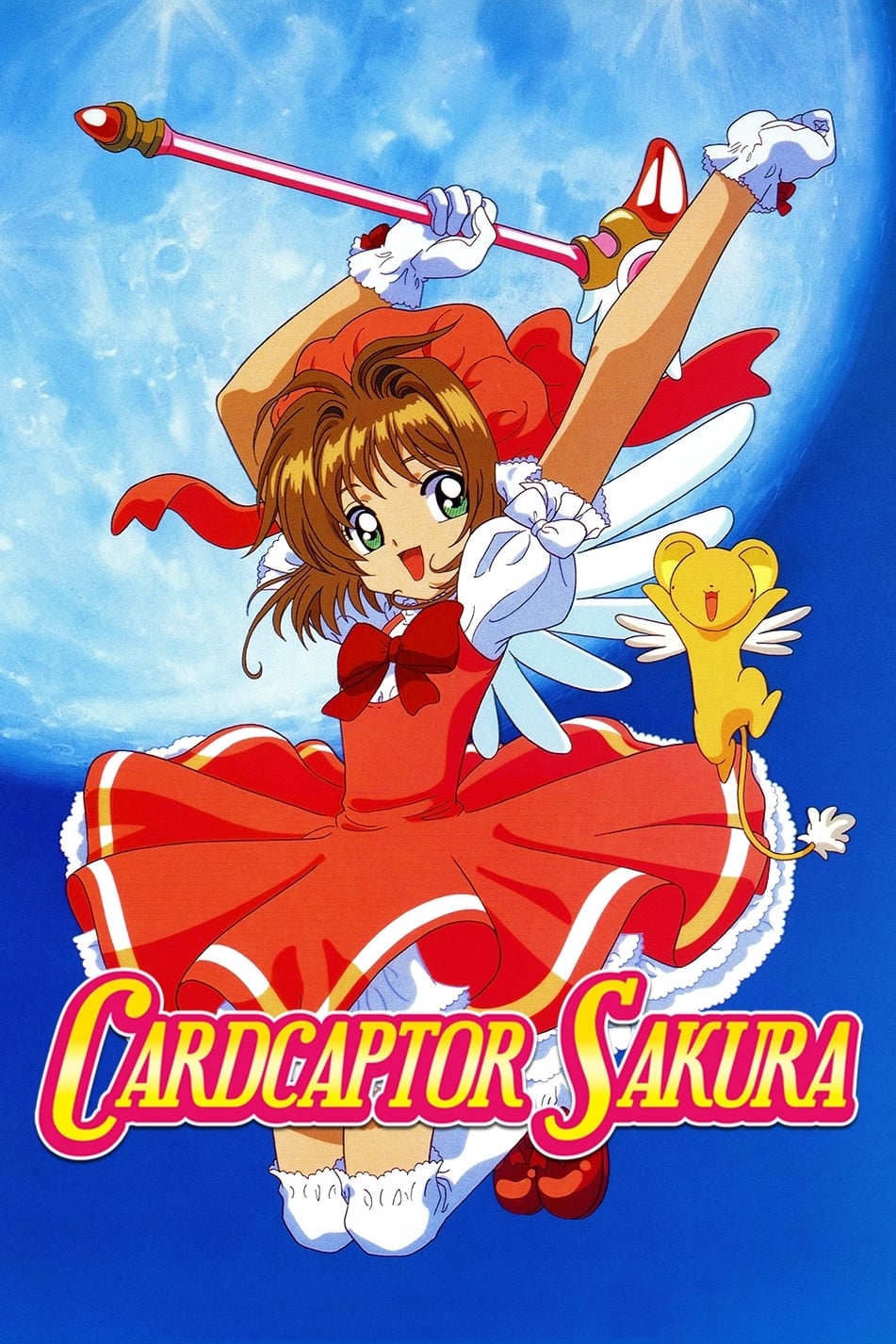
Sakura Kinomoto inadvertently releases a set of magical cards and must retrieve them while navigating elementary school life. Broadcast on NHK during the 18:00 Tuesday slot, the series is famous for its inclusive approach to love in various forms. Sakura’s best friend Tomoyo Daidouji harbors deep romantic feelings for Sakura and documents her every move with loving devotion. The show presents Tomoyo’s feelings as pure and valid without treating them as a problem to be solved. This gentle acceptance of same-sex crushes made it a comforting and influential series for young viewers.
‘Princess Tutu’ (2002–2003)
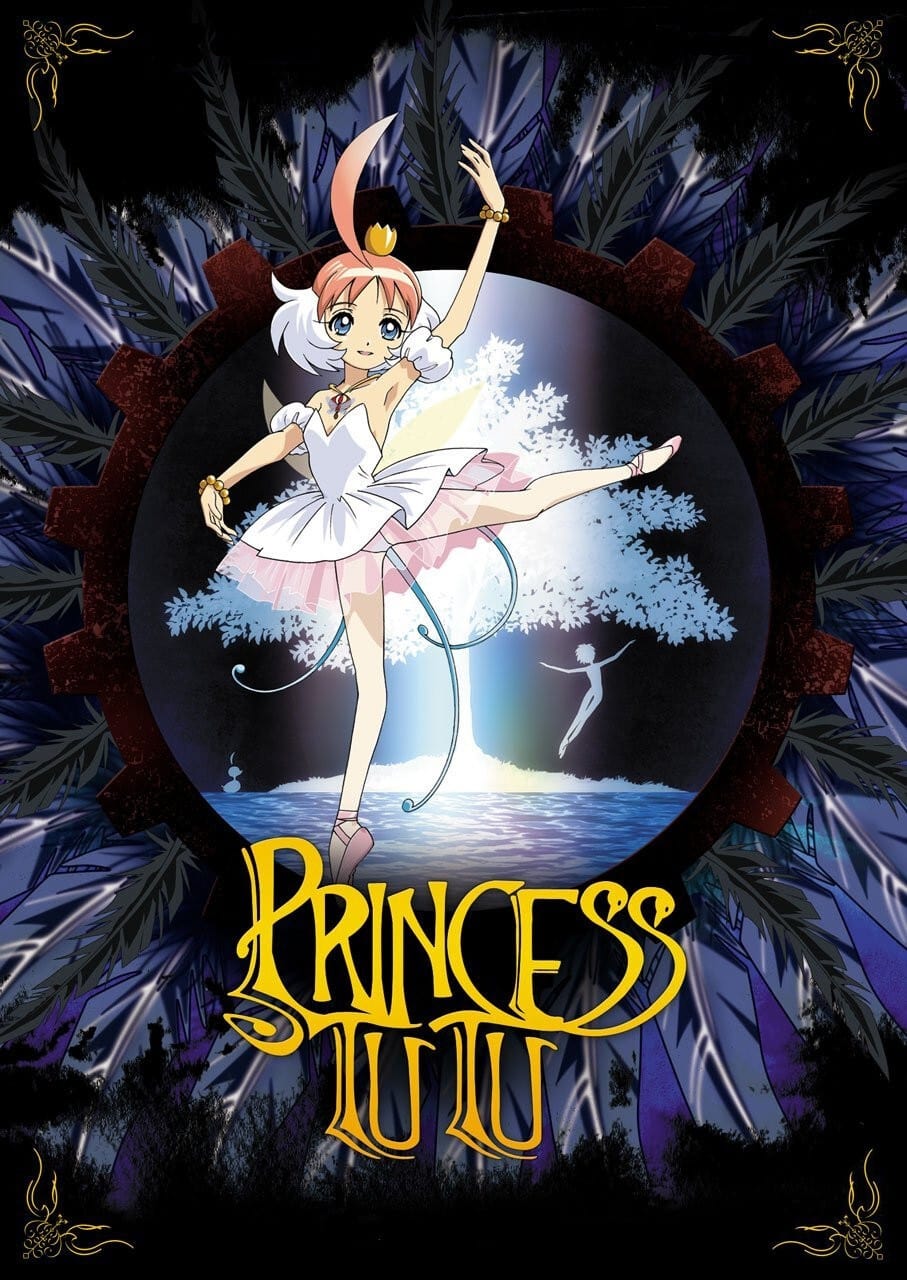
A duck is transformed into a girl to gather the shards of a prince’s shattered heart in this ballet-inspired fairy tale. The series aired Fridays at 18:00 and featured a complex emotional interplay between the protagonist Ahiru and the antagonist Rue. Their relationship evolves from rivalry to a deep connection that ultimately saves them both from their tragic narrative roles. The story uses dance and music to express emotions that words cannot convey and allows for intense subtextual romance. It is celebrated for its dark storytelling and the profound bond between its female leads.
‘Love Live! School Idol Project’ (2013)
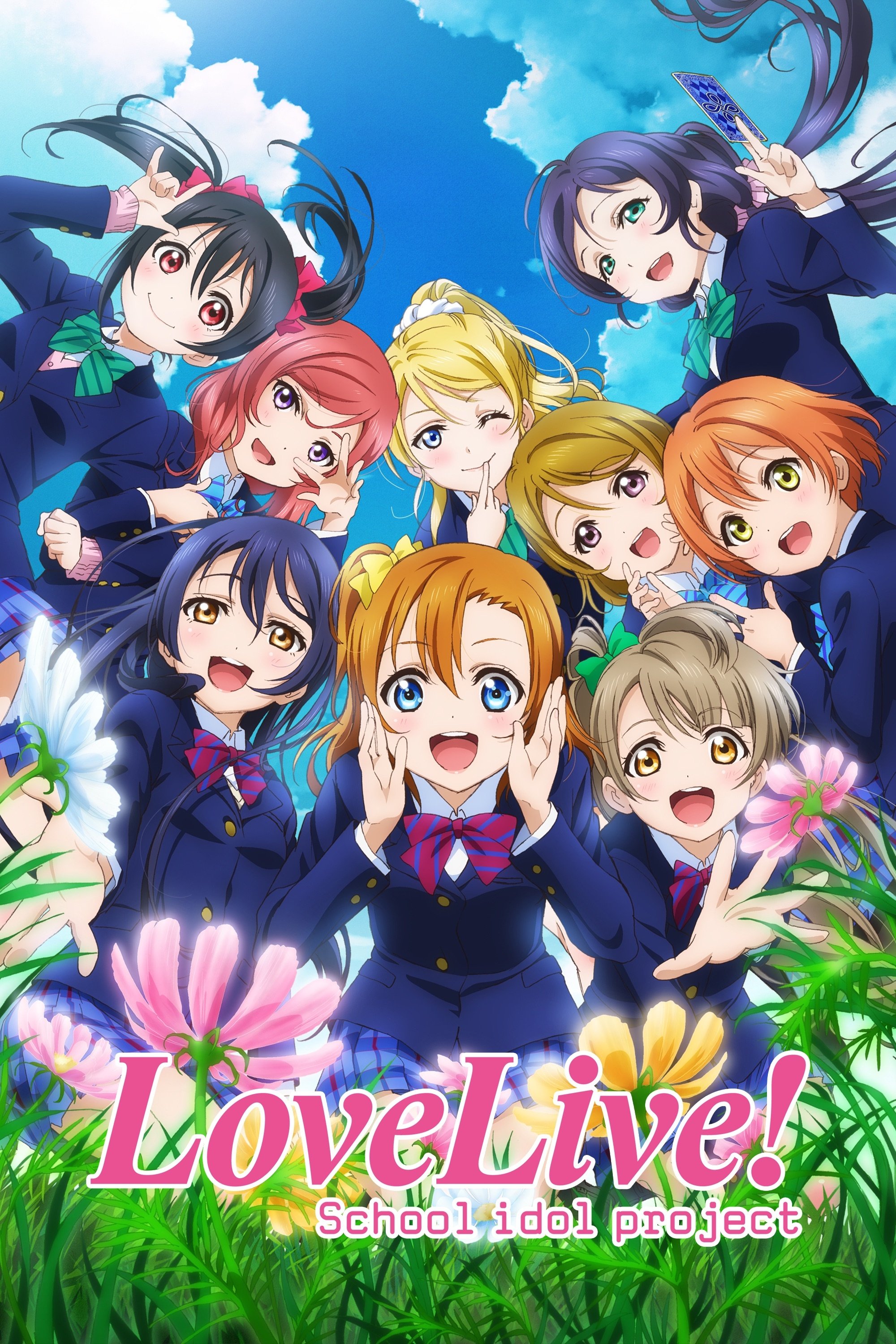
Honoka Kosaka forms a school idol group to prevent her high school from closing due to low enrollment. The first season aired on Tokyo MX at 22:00 and launched a massive multimedia franchise centered on large casts of female characters. Fans quickly latched onto the strong chemistry between various members of the group, particularly the bond between Nozomi Tojo and Eli Ayase. The show focuses entirely on the girls’ relationships with one another as they work toward a common goal. Its broadcast in a late primetime slot helped bridge the gap between niche otaku content and mainstream commercial success.
‘Transit Girls’ (2015)
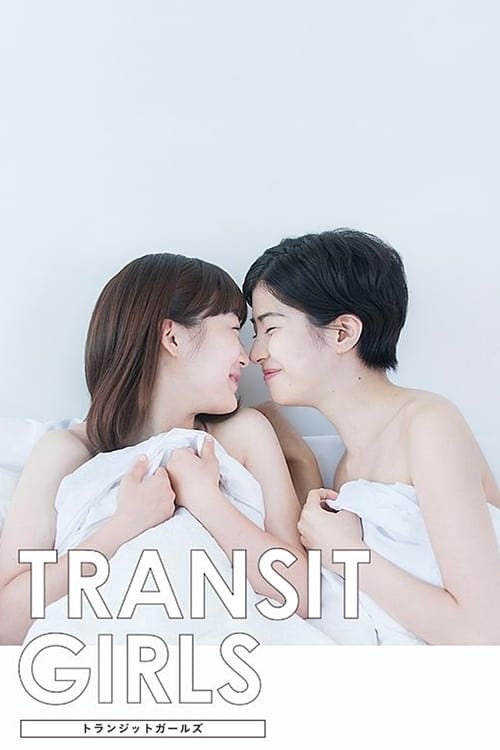
This live-action drama series holds the distinction of being the first in its genre produced for broadcast TV by Fuji Television. It aired at 23:40 and told the story of two stepsisters who fall in love after their parents remarry. The narrative navigates the taboo nature of their relationship alongside the awkwardness of becoming a family. Filmed with a distinct visual style and featuring a contemporary soundtrack, it aimed to treat the subject matter with a level of realism and artistic flair. The series marked a significant step forward for live-action lesbian representation on Japanese television.
‘Aikatsu Friends!’ (2018–2019)
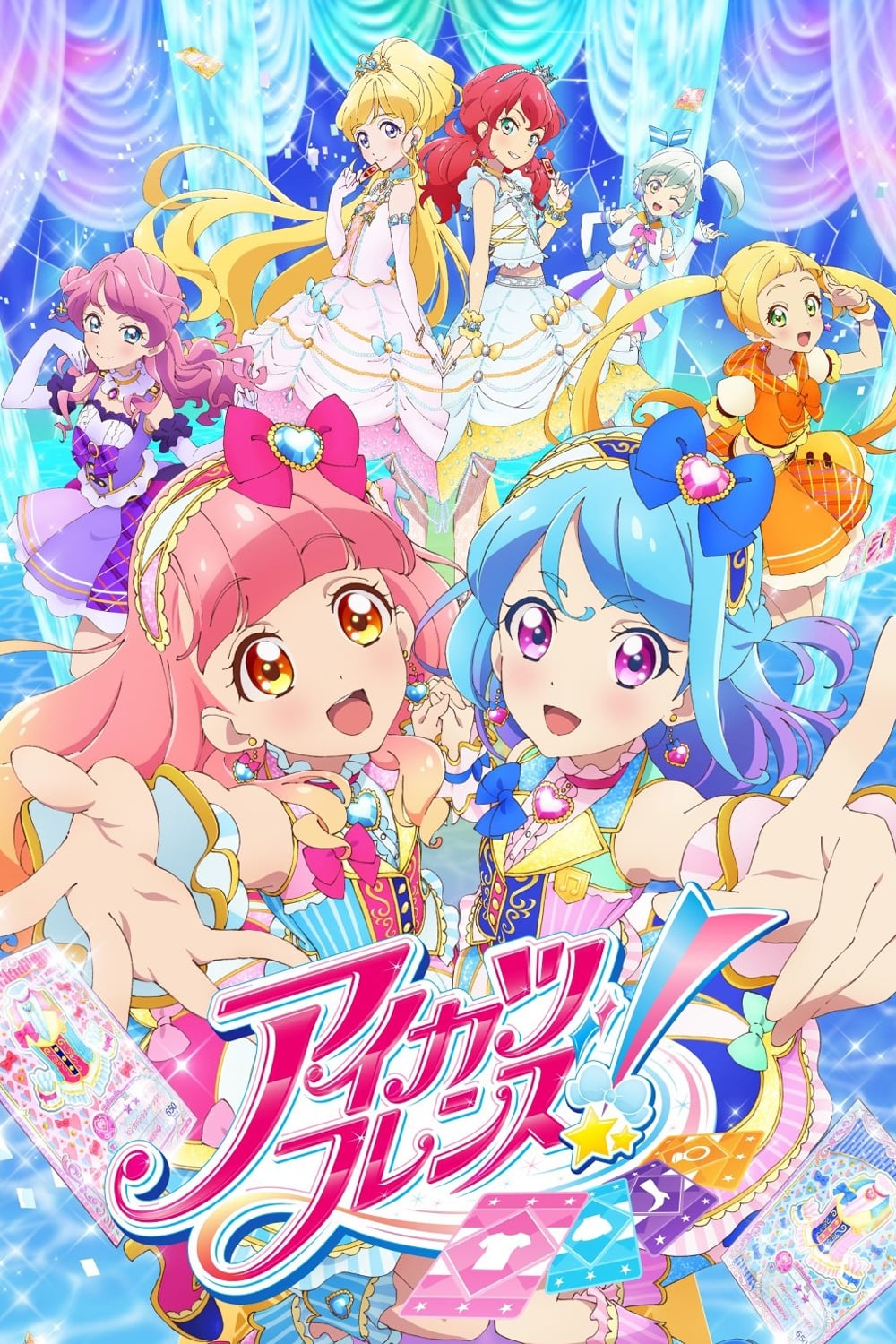
As part of the long-running idol franchise for children, this series aired Thursdays at 18:25 and focused on the concept of Friends units. The main duo Aine and Mio form a partnership called Pure Palette and their relationship is depicted with romantic coding that surprised many viewers. Another top unit called Love Me Tear is shown to have an even deeper bond that mirrors a committed marriage. The series emphasizes that the power of their love allows them to perform better on stage. It brought explicitly romantic themes between girls back to a kids’ evening timeslot.
‘Bloom Into You’ (2018)
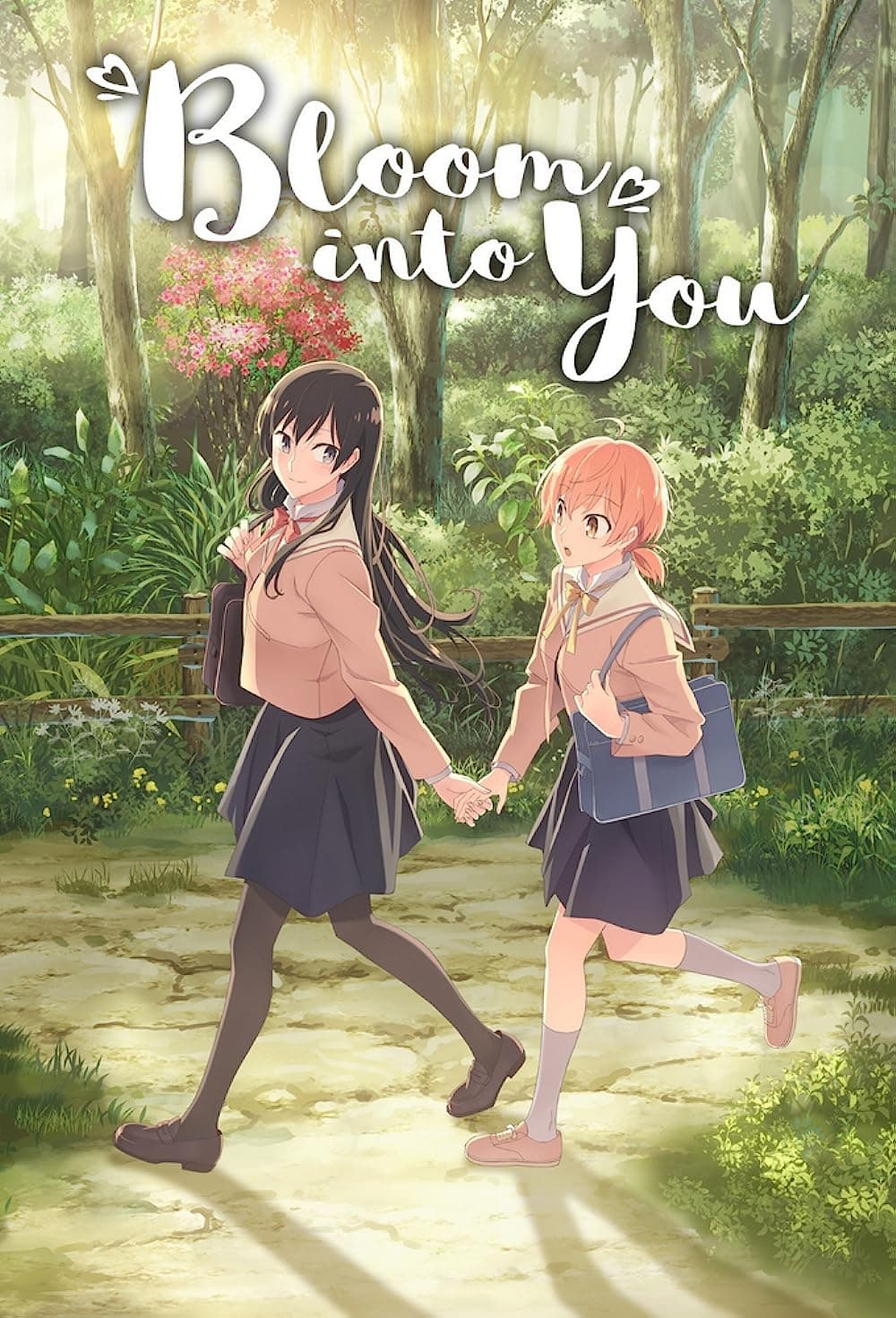
Yuu Koito struggles to understand the concept of love until she meets Touko Nanami who confesses her feelings to Yuu. The anime aired on Tokyo MX at 22:30 and is widely regarded as a modern masterpiece of the genre for its realistic psychological approach. Unlike many shows that rely on subtext, the series addresses the physical and emotional complexities of a lesbian relationship directly. The characters navigate consent and identity and the fear of vulnerability in a grounded high school setting. Its placement in the 22:00 hour allowed it to reach an audience looking for a serious romance drama.
‘Mobile Suit Gundam: The Witch from Mercury’ (2022–2023)
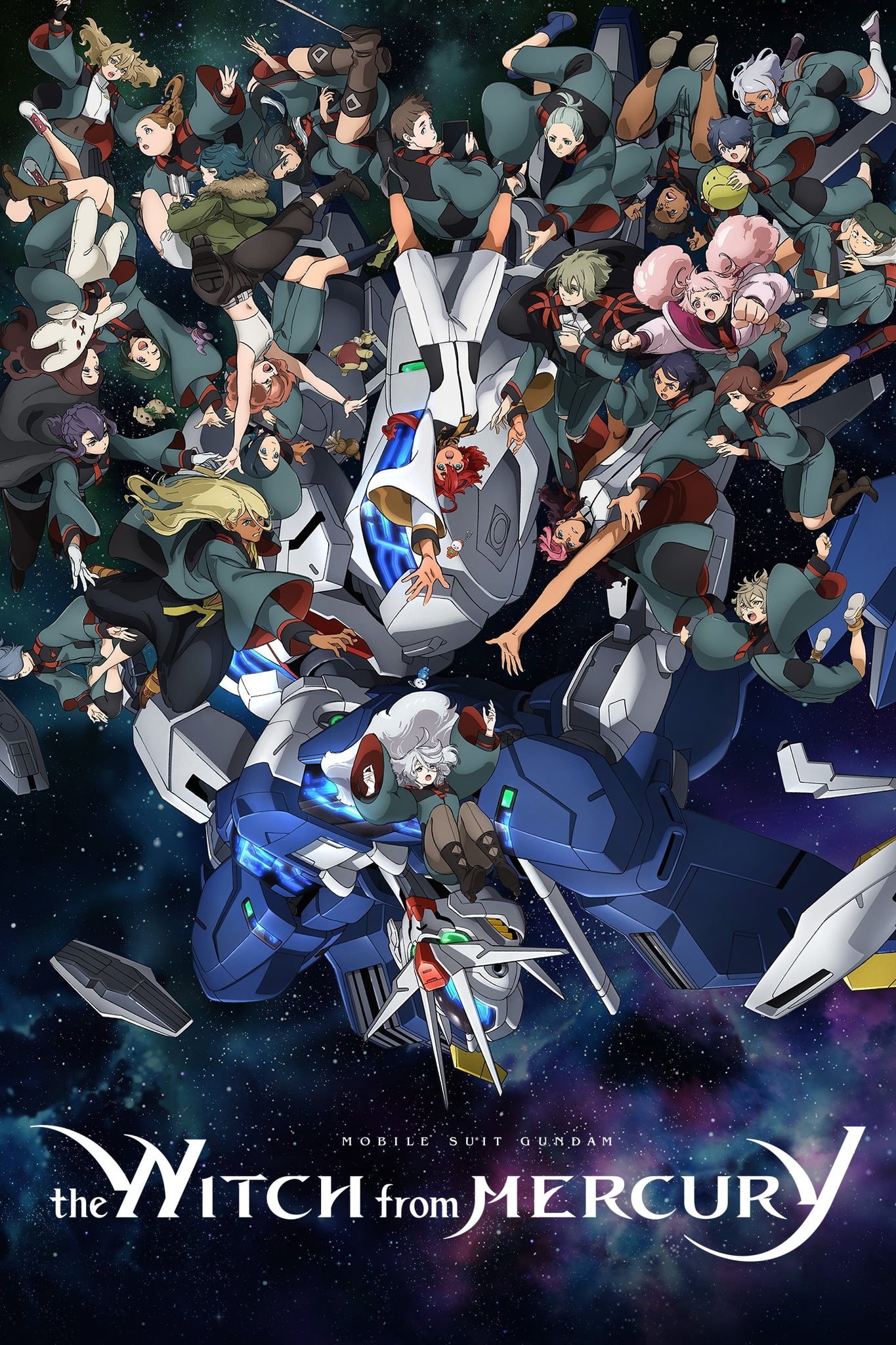
Suletta Mercury transfers to the Asticassia School of Technology and immediately becomes the Holder by winning a duel. This victory results in her engagement to Miorine Rembran and makes her the first female protagonist in a mainline Gundam TV series. The show aired Sundays at 17:00 on MBS/TBS which is one of the most watched timeslots in Japan. The narrative places the developing relationship and marriage between Suletta and Miorine at the center of a story about corporate warfare and political corruption. It was a massive commercial success that brought Yuri themes to the forefront of the mecha genre.
‘She Loves to Cook, and She Loves to Eat’ (2022)
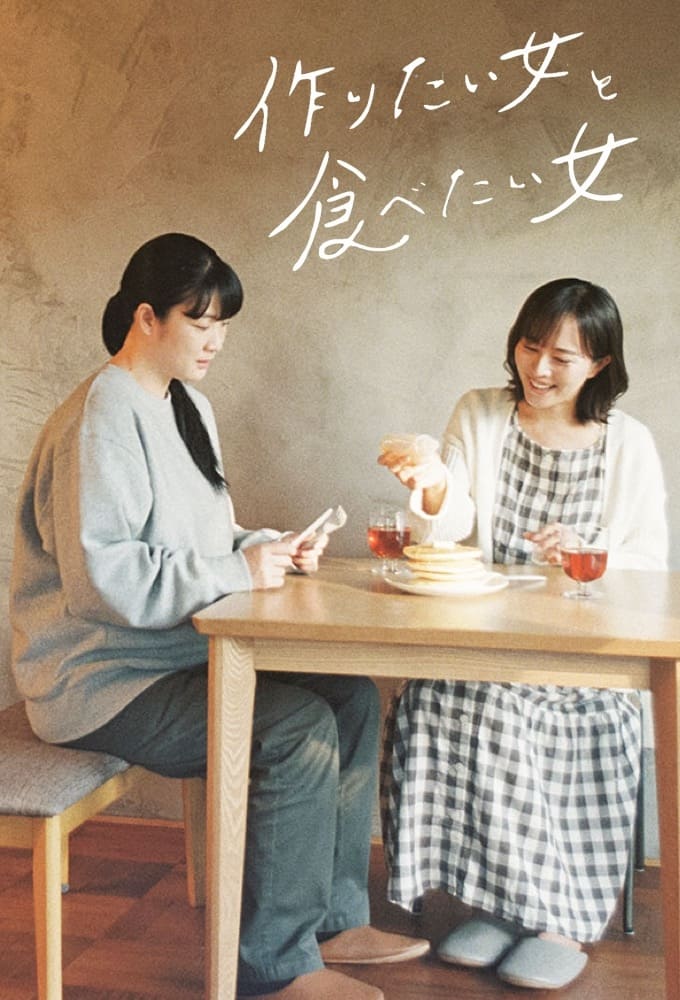
This NHK live-action drama aired Monday through Thursday at 22:45 and adapts a popular manga about two women living in the same apartment complex. Nomoto loves cooking large portions but cannot eat them all, while her neighbor Kasuga has a massive appetite. Their relationship begins with shared meals and slowly blossoms into a heartwarming romance that addresses issues like gender roles and compulsory heterosexuality. The show was praised for its cozy atmosphere and respectful representation of LGBTQ+ topics. Its scheduling in a standard evening drama slot signaled a growing acceptance of GL stories in mainstream Japanese media.
Please share your favorite moments from these series or other recommendations in the comments.