


16 Films Where Colorism Is the Actual Villain

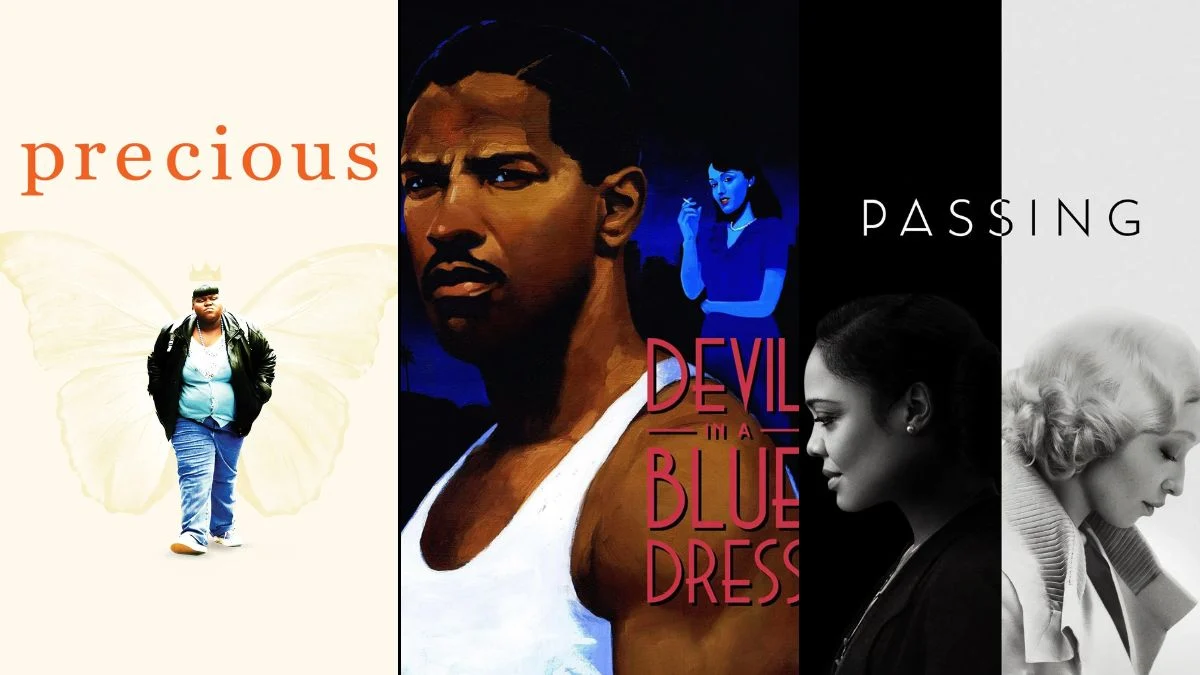


Cinema often mirrors the complexities of societal prejudices and few topics are as pervasive yet sensitive as colorism. This distinct form of discrimination privileges lighter skin tones while marginalizing darker ones within the same ethnic group. Filmmakers use these narratives to expose the internal fractures caused by Eurocentric beauty standards and systemic bias. The following films illustrate how skin tone prejudice functions as a central antagonist that drives conflict and shapes character arcs.
‘School Daze’ (1988)

Spike Lee presents a satirical look at social stratification within a historically Black college during homecoming weekend. The student body splits into factions known as the Wannabes and the Jigaboos based on hair texture and skin lightness. Tensions boil over in a musical number where the women trade insults regarding their physical features. The film explicitly critiques how internalized racism creates unnecessary division among the students.
‘Imitation of Life’ (1959)
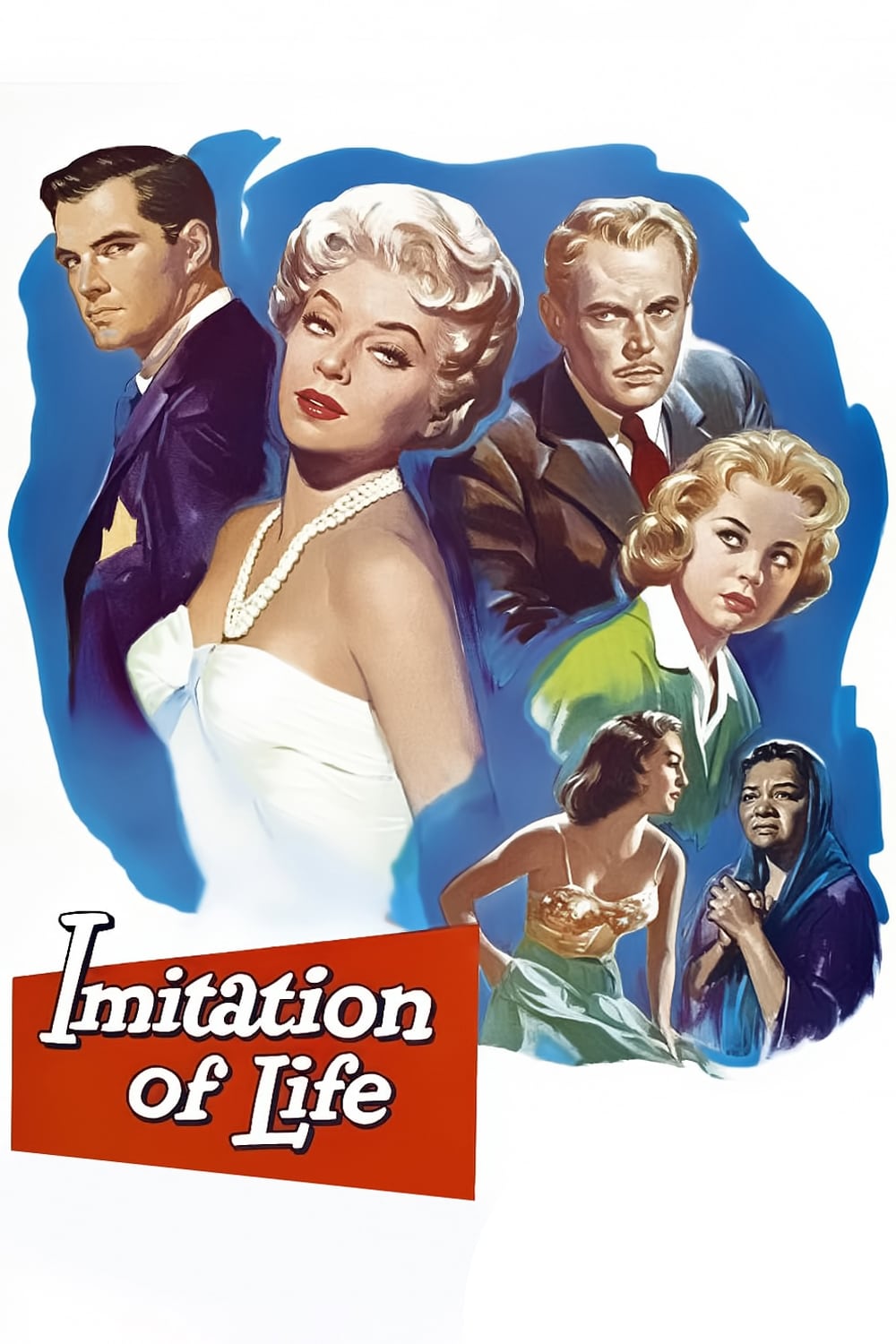
Sarah Jane is a young woman who rejects her Black heritage to pass as white in this emotional melodrama. She treats her dark-skinned mother with cruelty and disdain in her desperate quest for societal acceptance. The narrative demonstrates how the pressure to assimilate into whiteness destroys familial bonds. Her internal and external battle against her own identity serves as the primary source of tragedy.
‘The Color Purple’ (1985)
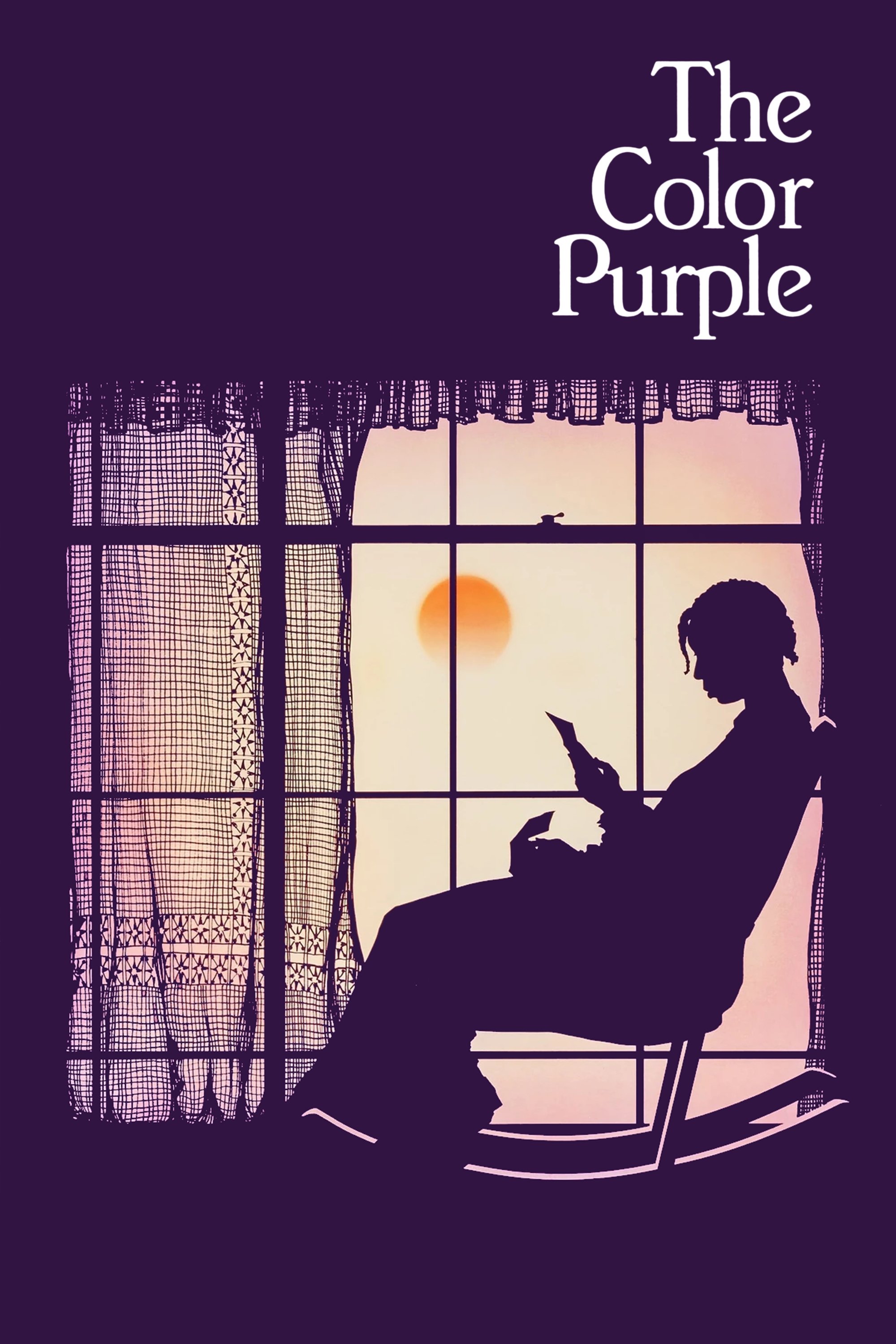
Celie faces abuse from almost everyone in her life including her husband Mister. He specifically attacks her appearance by calling her ugly because of her dark skin tone. This verbal abuse reinforces her low self-esteem and feelings of worthlessness throughout the story. The film highlights how colorism is used as a tool of patriarchal control to silence marginalized women.
‘A Soldier’s Story’ (1984)
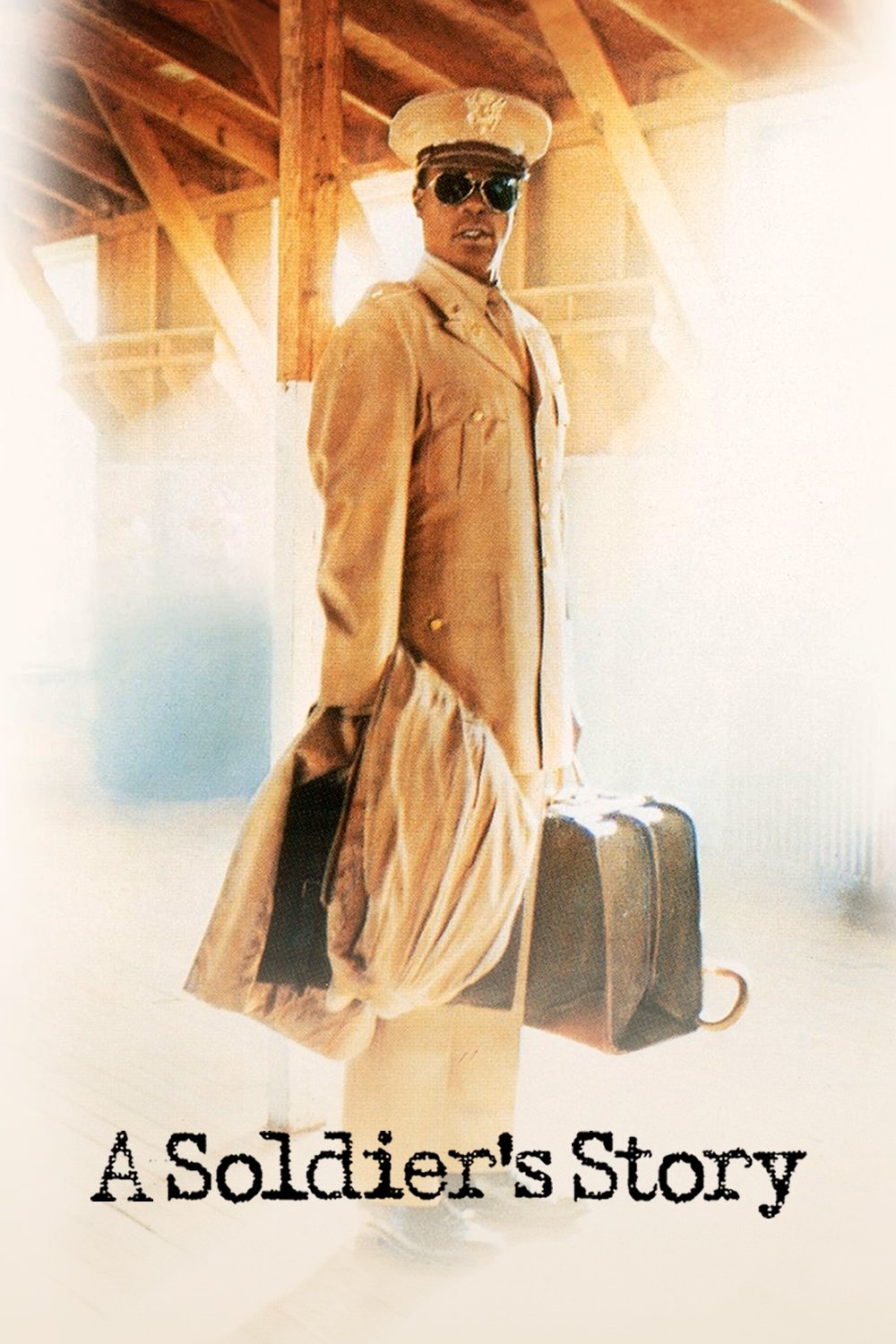
A Black military officer investigates the murder of a sergeant outside a Louisiana army base near the end of World War II. The investigation reveals that Sergeant Waters harbored a deep hatred for Southern Black men who acted according to racial stereotypes. Waters specifically targeted a dark-skinned soldier named C.J. Memphis due to his own internalized prejudice. The true villainy in the film stems from the sergeant’s desire to erase distinct Black cultural traits.
‘Passing’ (2021)
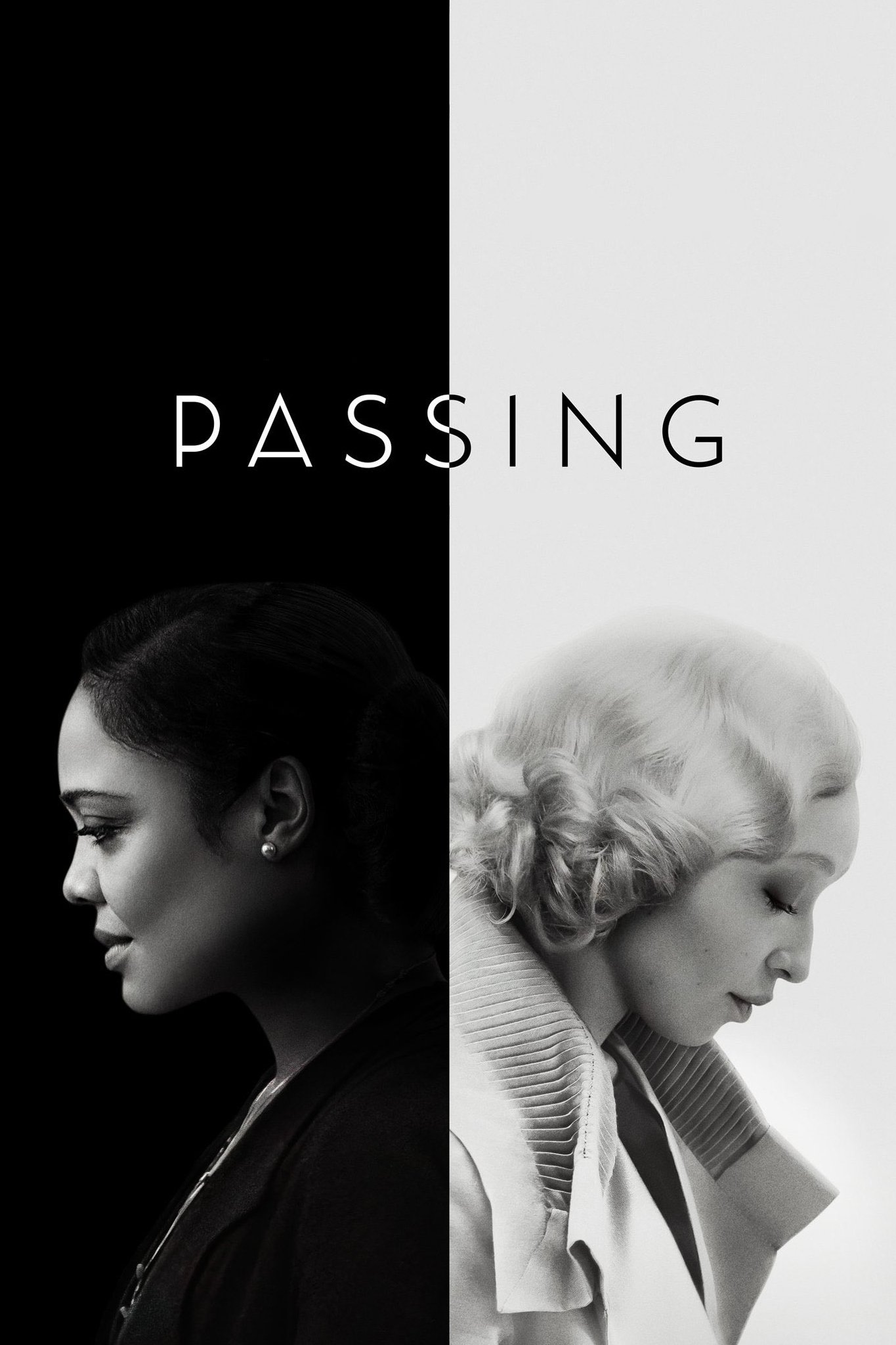
Two childhood friends reunite in 1920s New York City with vastly different approaches to their racial identities. Clare Kendry chooses to live her life passing as a white woman while hiding her background from her racist husband. Irene Redfield remains within the Black community but finds herself fascinated and repulsed by Clare’s dangerous deception. The psychological toll of maintaining this facade becomes the central conflict that leads to a devastating conclusion.
‘Pinky’ (1949)
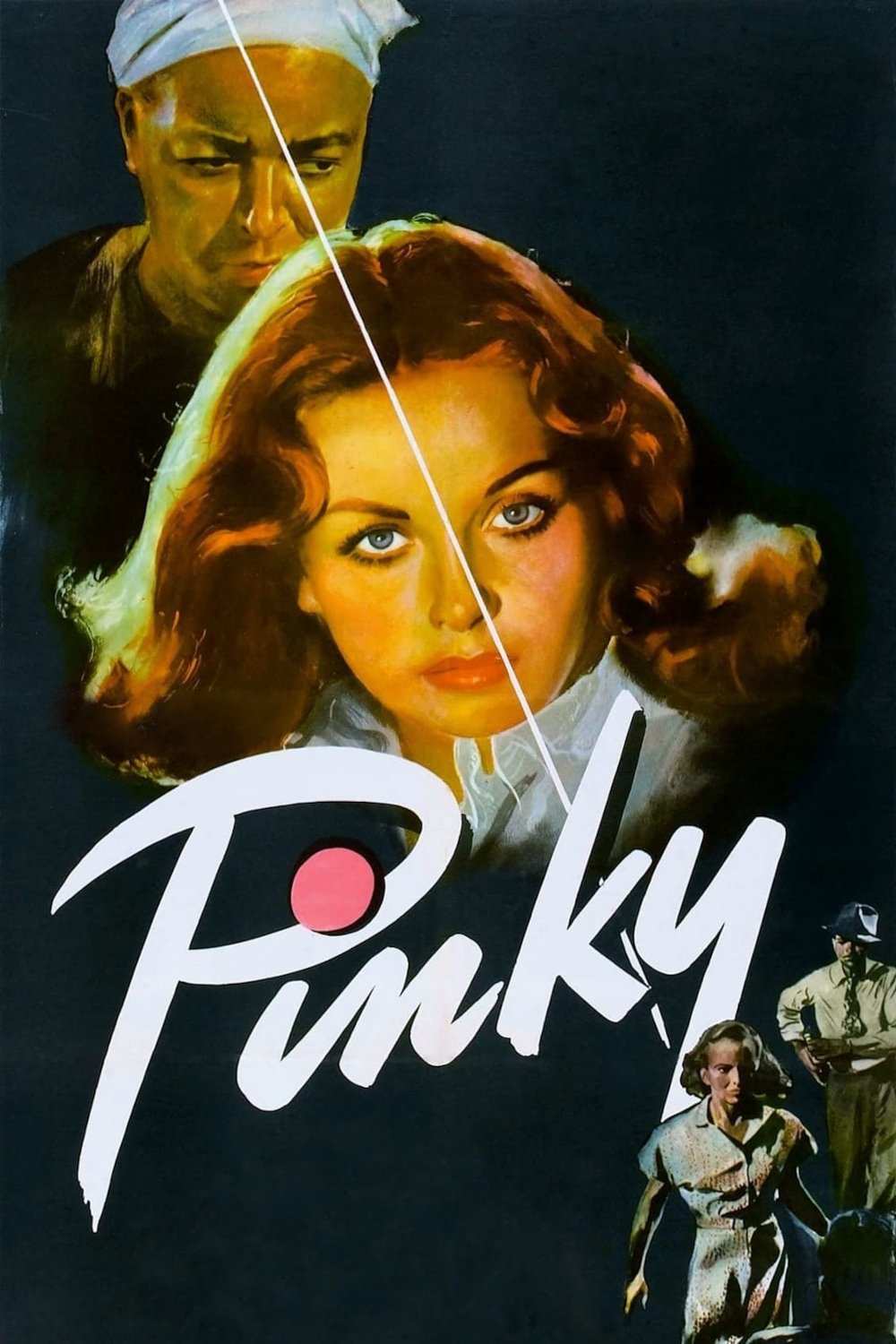
A light-skinned Black nurse returns to her grandmother’s shack in the South after passing as white in the North. She faces an identity crisis as she navigates the severe judicial and social racism of her hometown. The court battle over an inheritance specifically attacks her character based on her racial deception. The film explores the legal and social ramifications of traversing the color line in the segregated South.
‘Skin’ (2008)
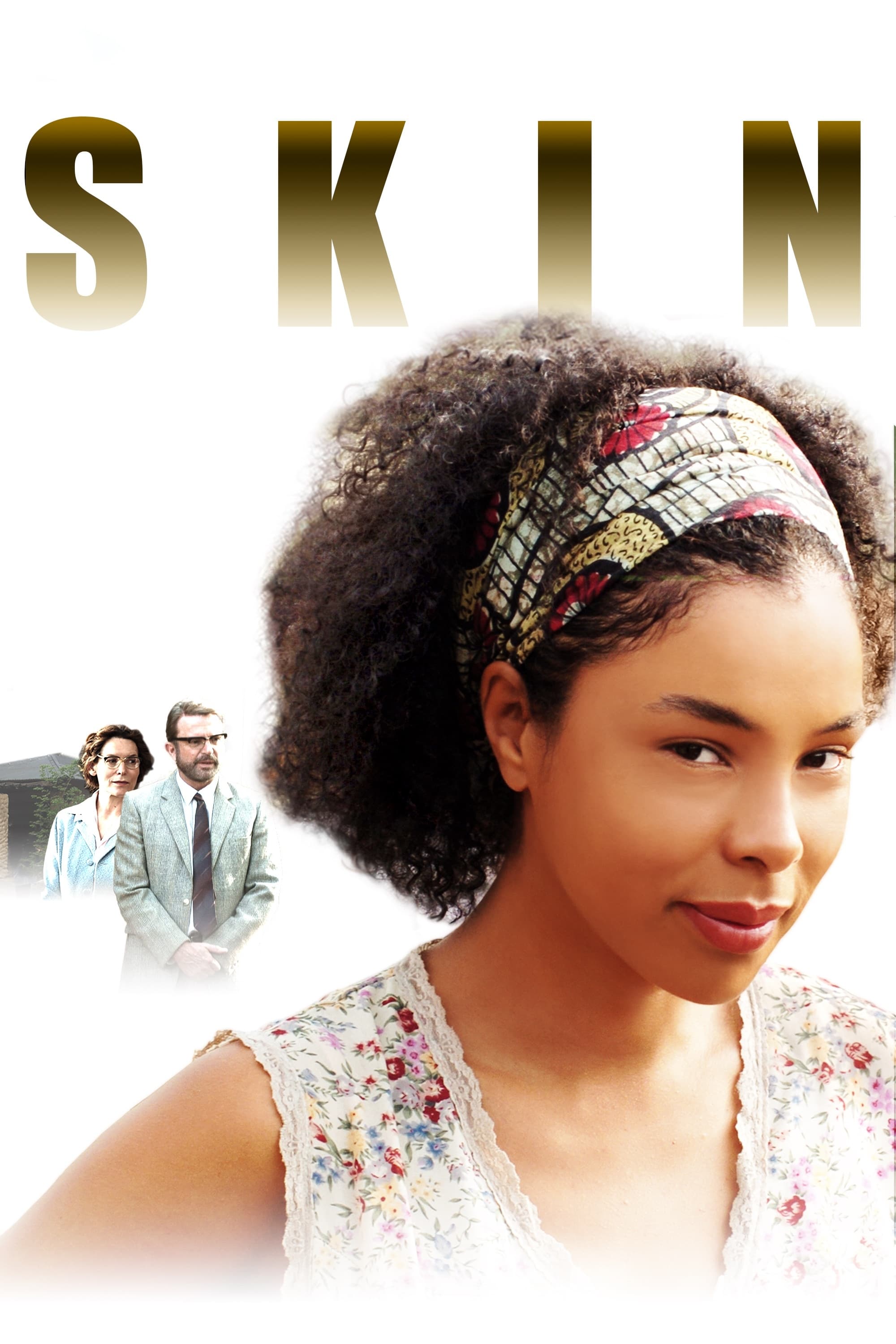
This biographical drama tells the story of Sandra Laing who was born to white parents in Apartheid-era South Africa. Sandra appears to be Black due to genetic throwbacks and the state reclassifies her race based solely on her appearance. Her parents fight a losing battle against a government determined to destroy their family unit. The rigid racial classification system serves as the antagonist that ruins her childhood and estranges her from her father.
‘The Human Stain’ (2003)
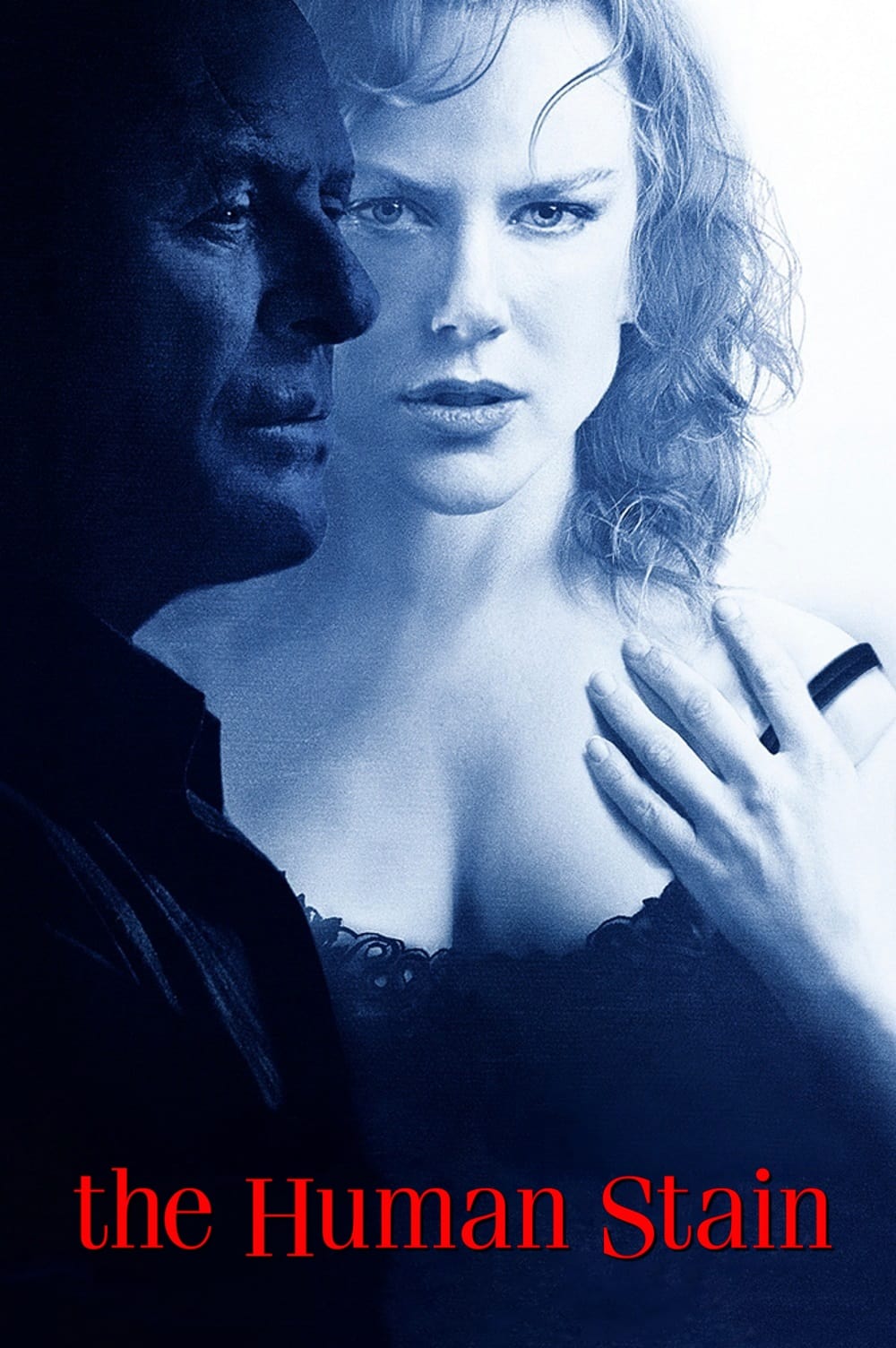
A distinguished college professor is forced to resign after making a comment that is misinterpreted as racist. The irony lies in the fact that the professor is actually a light-skinned African American man passing as Jewish. He spent his entire adult life hiding his true ancestry to avoid the limitations placed on Black men. His fear of exposure and the lies he constructed ultimately dismantle his life.
‘Devil in a Blue Dress’ (1995)
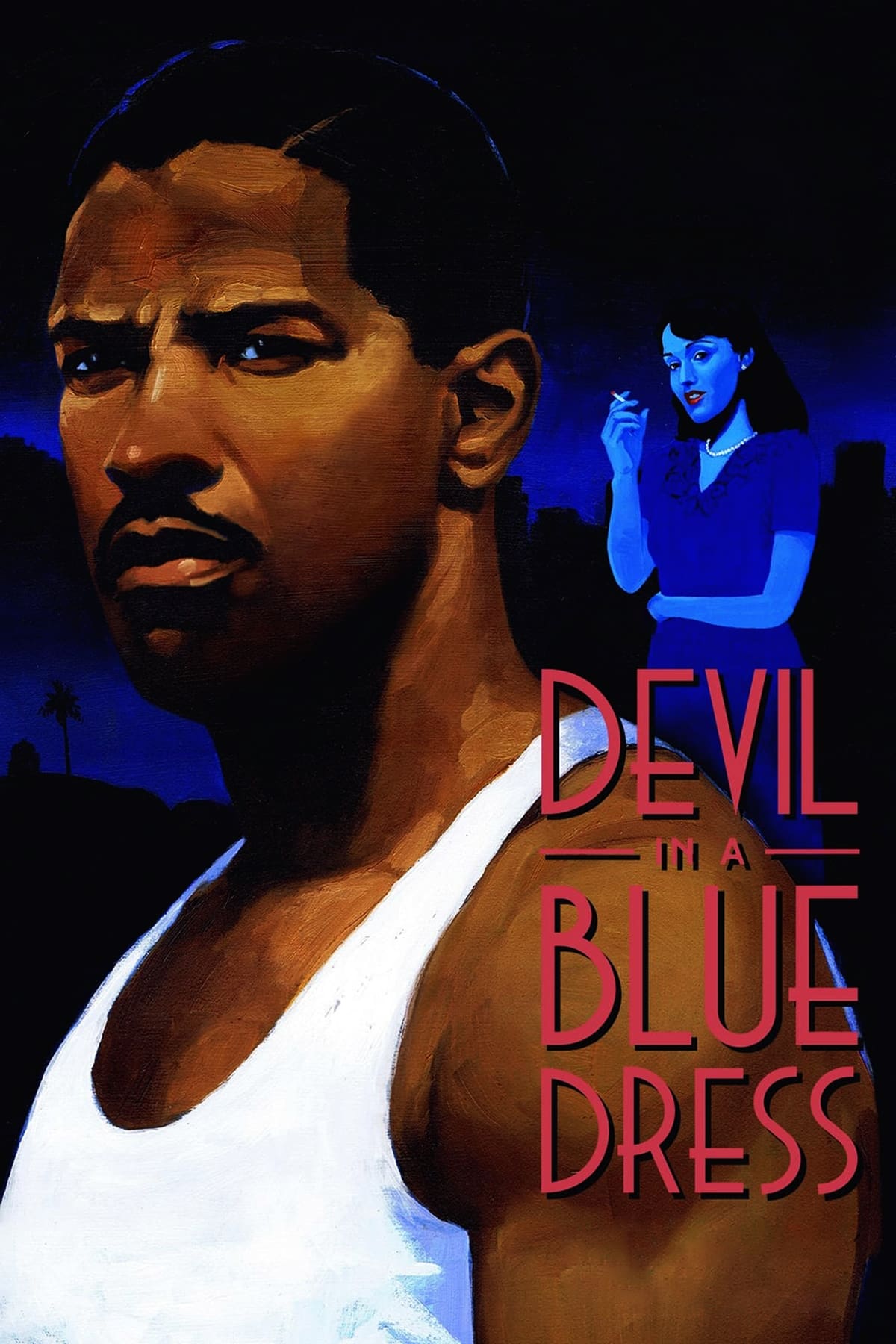
Easy Rawlins accepts a job to find a missing woman named Daphne Monet who is known to frequent Black jazz clubs. The mystery unravels to reveal that Daphne is a mixed-race woman passing as white to be with a wealthy politician. Her secret heritage becomes the leverage point for blackmail and murder in 1940s Los Angeles. The danger she faces is entirely predicated on the societal rejection of her true racial identity.
‘Shadows’ (1959)
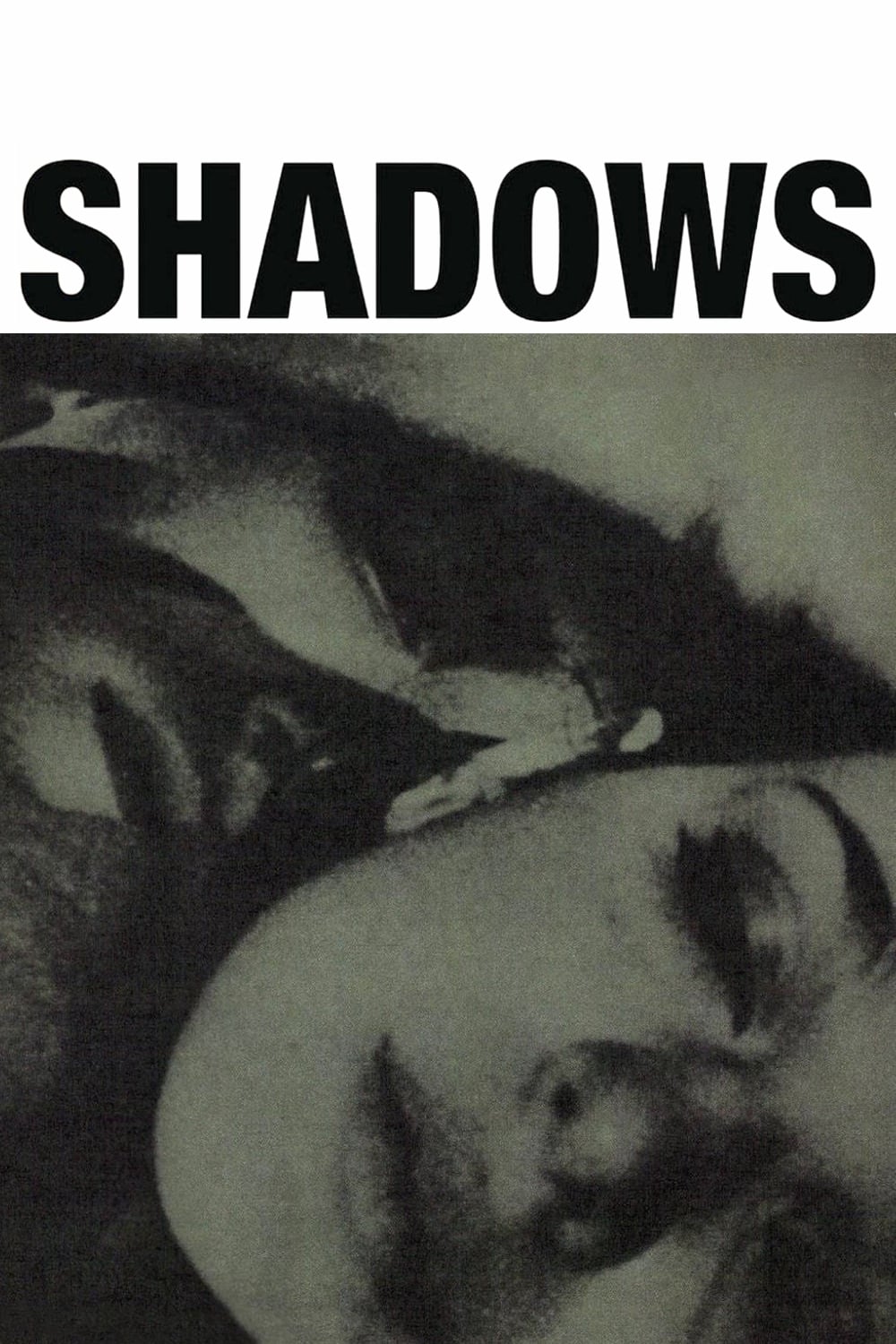
John Cassavetes directs this improvisation-heavy film about three African American siblings in Manhattan. The two brothers have darker skin while their sister Lelia looks white enough to pass. Lelia faces immediate rejection and humiliation when her white boyfriend discovers her brothers are Black. The film captures the raw and painful reality of how colorism dictates romantic and social prospects.
‘Show Boat’ (1951)
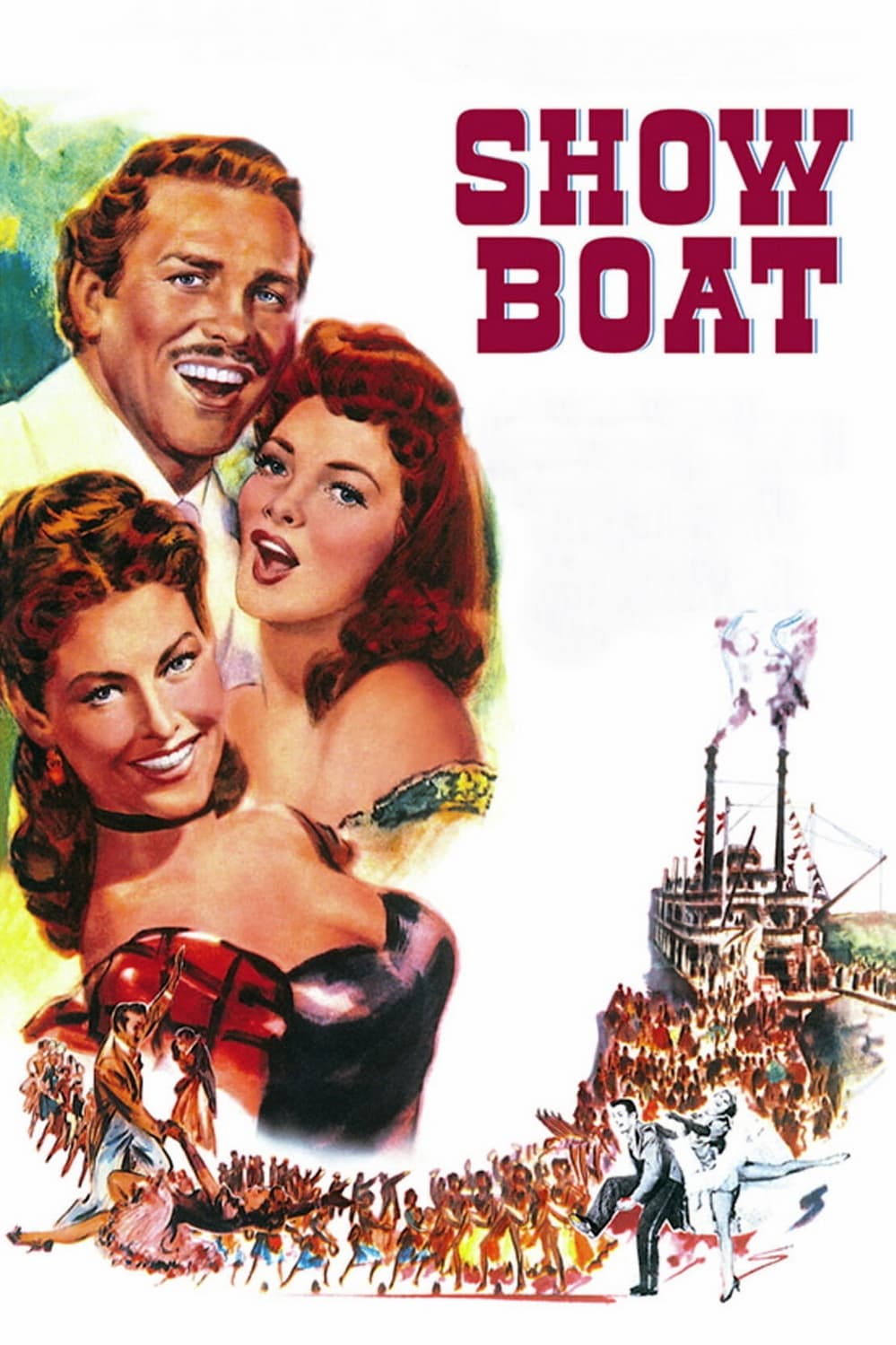
Julie LaVerne is the star performer on a riverboat until her mixed-race heritage is exposed. She and her white husband are forced to leave the show because of local laws against miscegenation. Her descent into poverty and alcoholism is a direct result of the legal enforcement of racial purity. The narrative underscores how the discovery of “black blood” was enough to destroy a successful career and life.
‘Precious’ (2009)
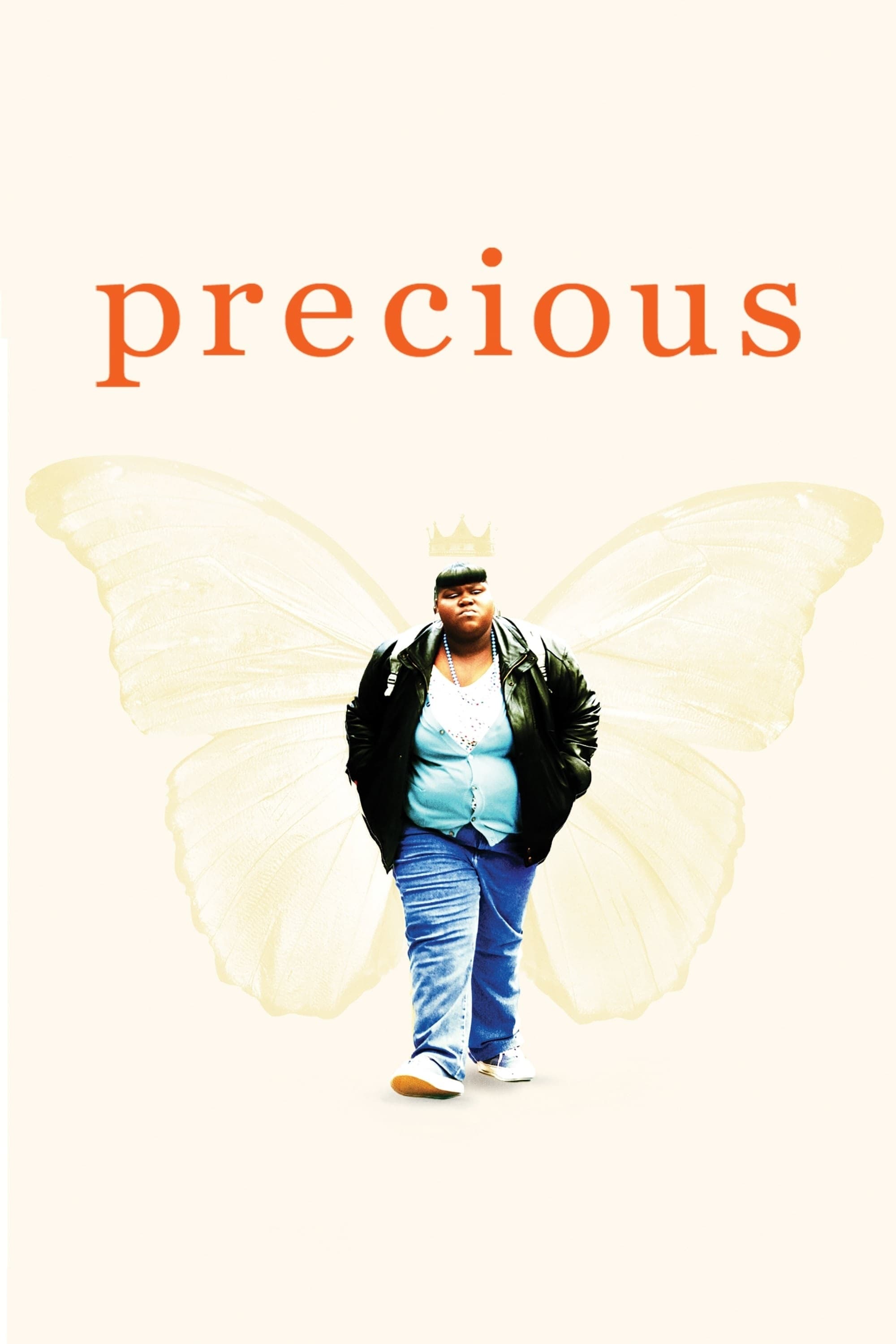
Claireece Precious Jones suffers unimaginable abuse at the hands of her mother Mary. Mary constantly berates her daughter’s appearance and reinforces the idea that she is worthless because she is dark and overweight. The film portrays how colorism functions within the cycle of domestic abuse to strip a victim of their humanity. Precious must overcome these ingrained voices of hatred to find her own independence.
‘Dear White People’ (2014)
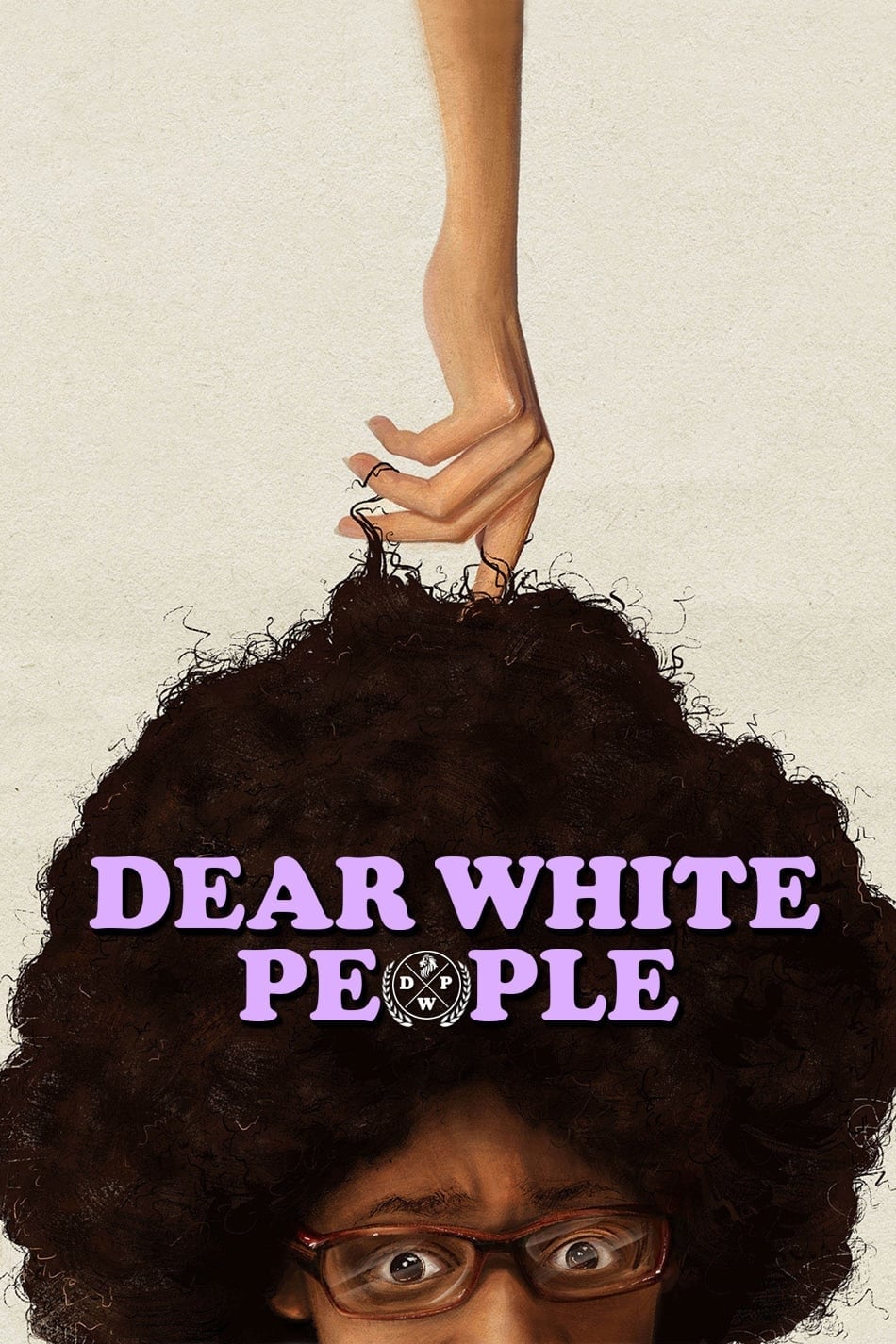
The character Coco Conners attempts to distance herself from Black stereotypes at a prestigious Ivy League university. She wears a long straight weave and alters her mannerisms to appeal to white standards of beauty and behavior. Her conflict with other Black students highlights the friction between assimilation and cultural pride. The film satirizes the lengths some will go to acquire the privilege associated with proximity to whiteness.
‘Belle’ (2013)

Dido Elizabeth Belle is the mixed-race daughter of a Royal Navy Admiral raised by her aristocratic great-uncle in 18th-century England. Her skin color prevents her from dining with her family during formal occasions despite her high social standing. She occupies a painful limbo where she is too highborn for the servants but too dark for the marriage market. The rigid social hierarchy serves as the primary obstacle to her happiness and autonomy.
‘Farming’ (2018)
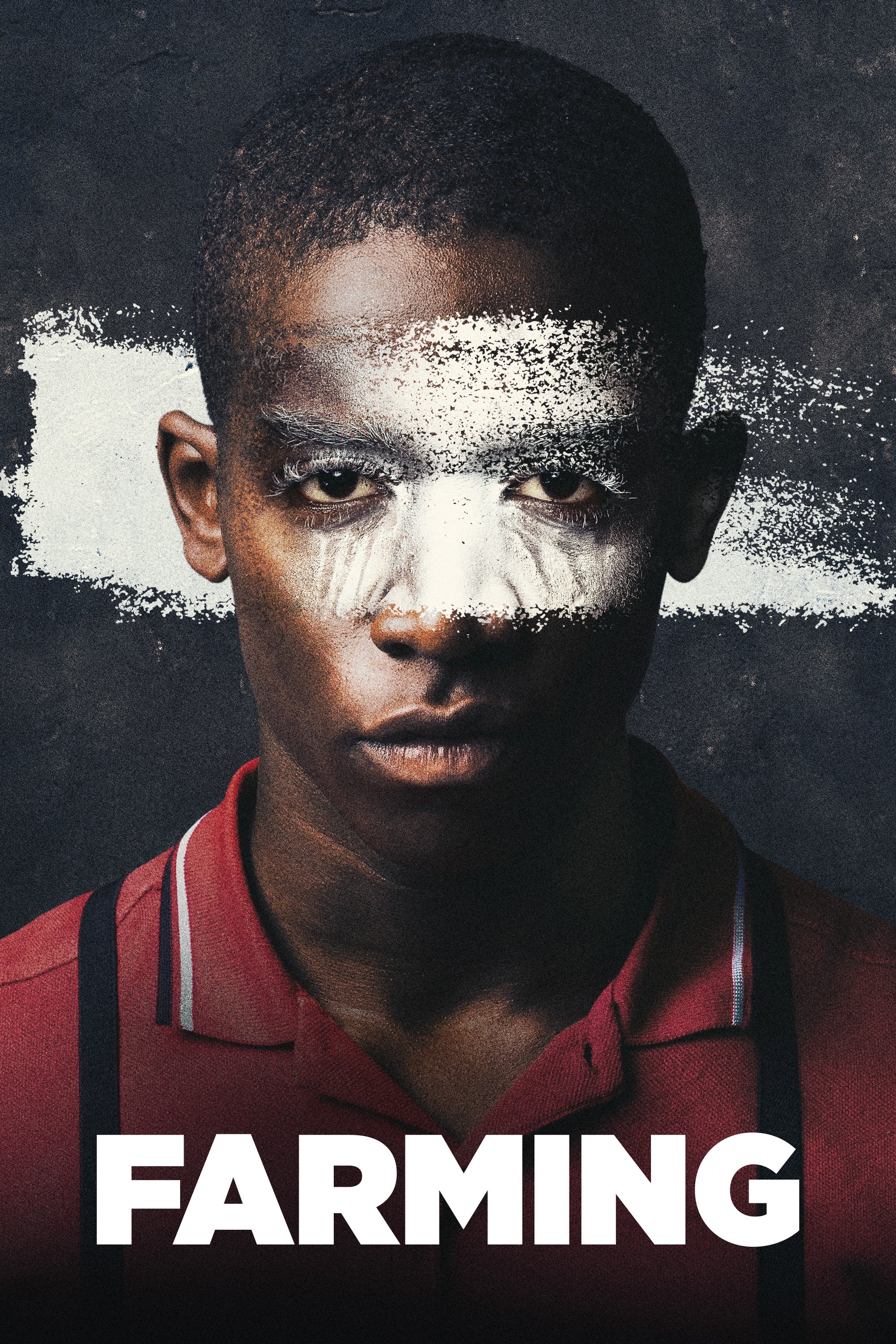
A young Nigerian boy is fostered by a white working-class family in Britain and grows up in a hostile environment. He joins a white skinhead gang and violently turns against his own people in a desperate bid for acceptance. The protagonist becomes the villain of his own story through severe internalized racism and self-hatred. It is a brutal examination of how a hostile environment can warp a person’s sense of identity.
‘For Colored Girls’ (2010)
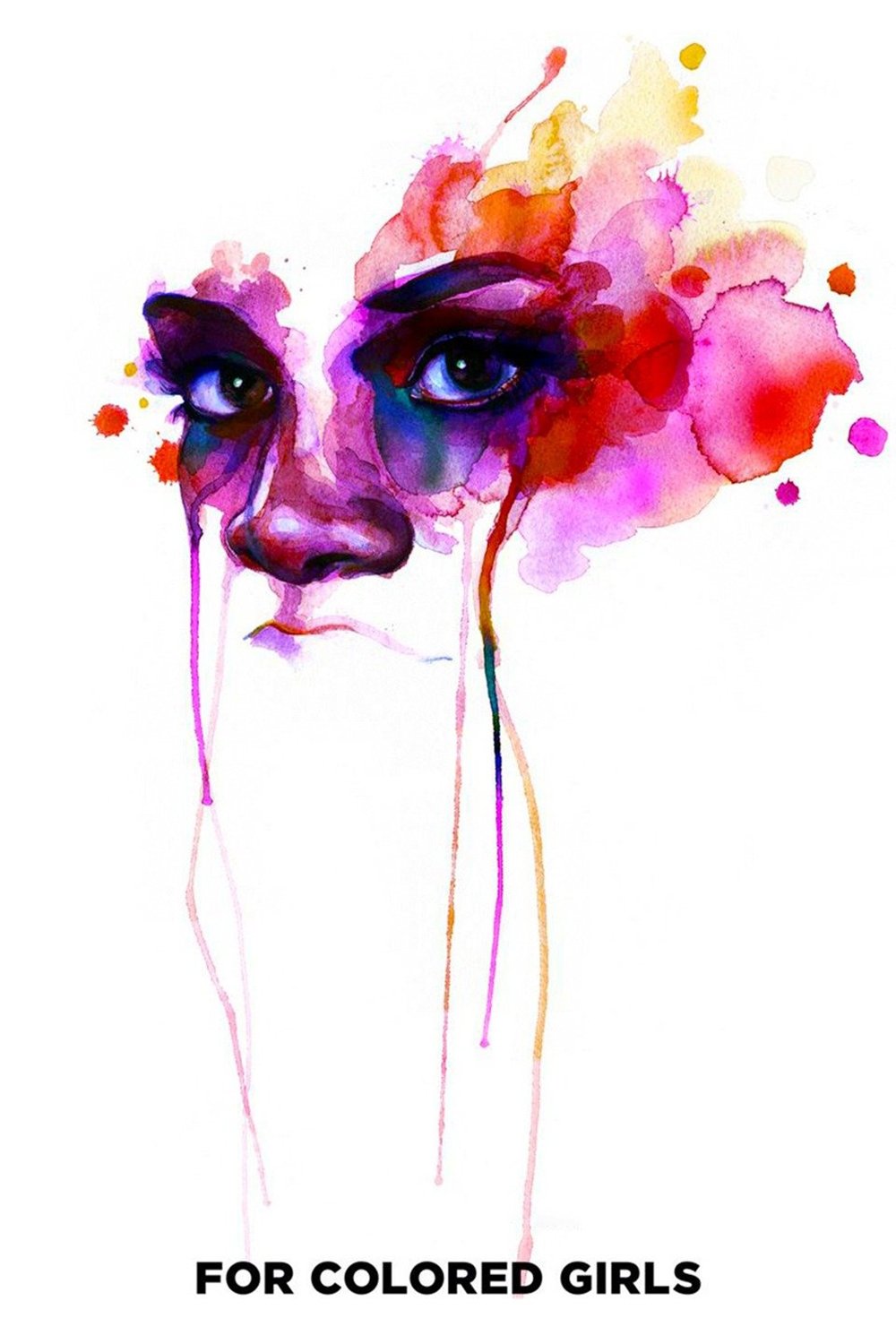
This adaptation of Ntozake Shange’s choreopoem weaves together the stories of several women dealing with personal traumas. One character named Yasmine faces specific devaluation and violence that connects to the broader systemic neglect of Black women. The film addresses the hierarchy of beauty and worth that leaves dark-skinned women vulnerable to abuse. It provides a poetic yet stark critique of how society fails to protect these women.
Share which of these films you think handled the subject most effectively in the comments.