


16 Films With Voiceovers Recorded in Echoing Caves

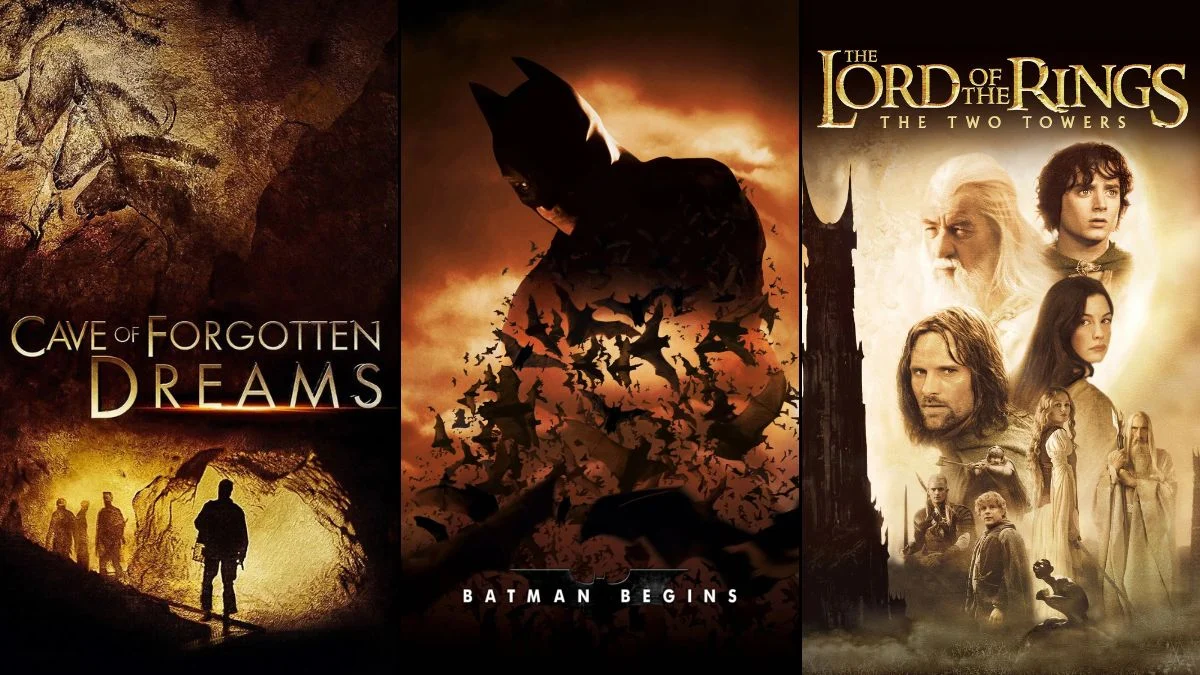


Sound design transforms the physical space of a film into a character that breathes and speaks alongside the actors. Caves provide a unique acoustic challenge where voices must battle against damp walls and suffocating darkness to reach the audience. Filmmakers use these echoing environments to amplify the isolation or terror of their protagonists through distinct audio engineering. The following films utilize the distinct auditory properties of caverns to create unforgettable cinematic moments.
‘Cave of Forgotten Dreams’ (2010)
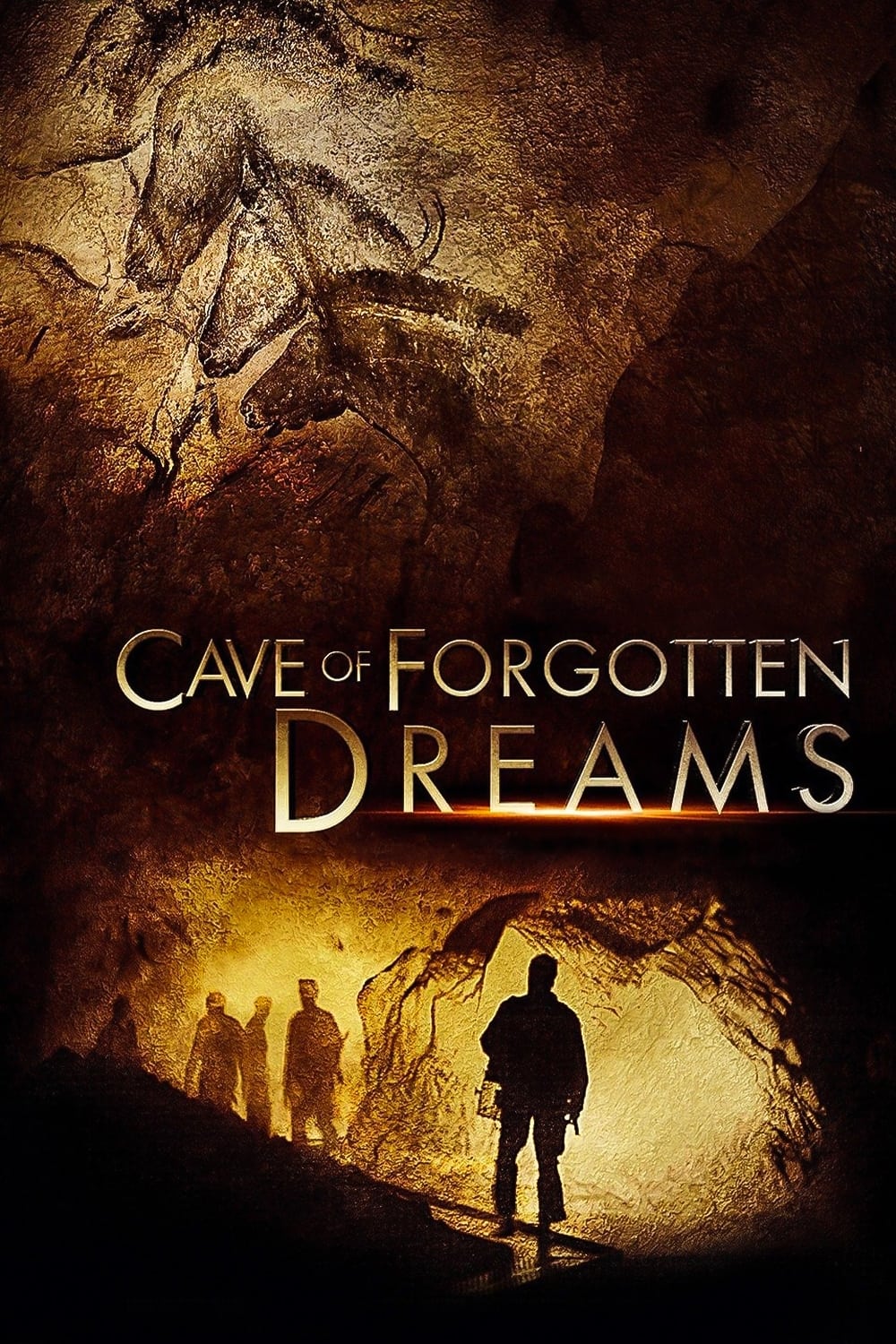
The documentary explores the Chauvet Cave in southern France to document the oldest known human-painted images. Narration and interviews were recorded within the cavern itself to capture the hushed and reverent acoustics of the sacred space. The natural reverberation of the limestone walls adds a haunting quality to the philosophical musings about the ancient artists. This film stands as a rare example of audio being captured primarily in such a fragile and protected environment.
‘A Passage to India’ (1984)
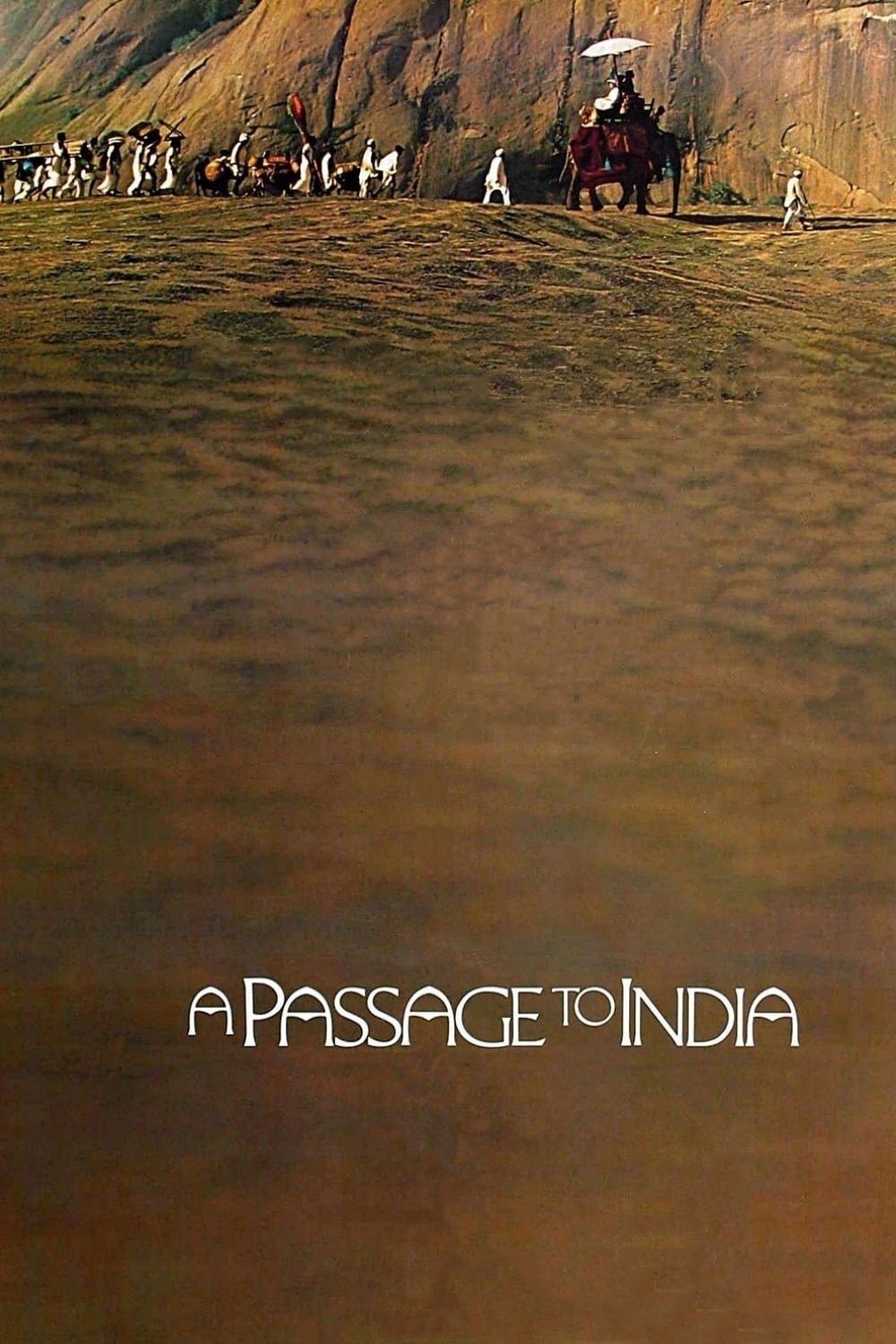
The plot centers on a trip to the Marabar Caves where a mysterious echo plagues the character of Adela Quested. The audio creates a booming and disorienting reverberation that represents the void and chaos of the universe. This auditory hallucination persists long after the characters leave the physical location and drives the psychological tension of the film. The specific sound of the echo becomes a central antagonist that dismantles the social order of the British Raj.
‘The Descent’ (2005)
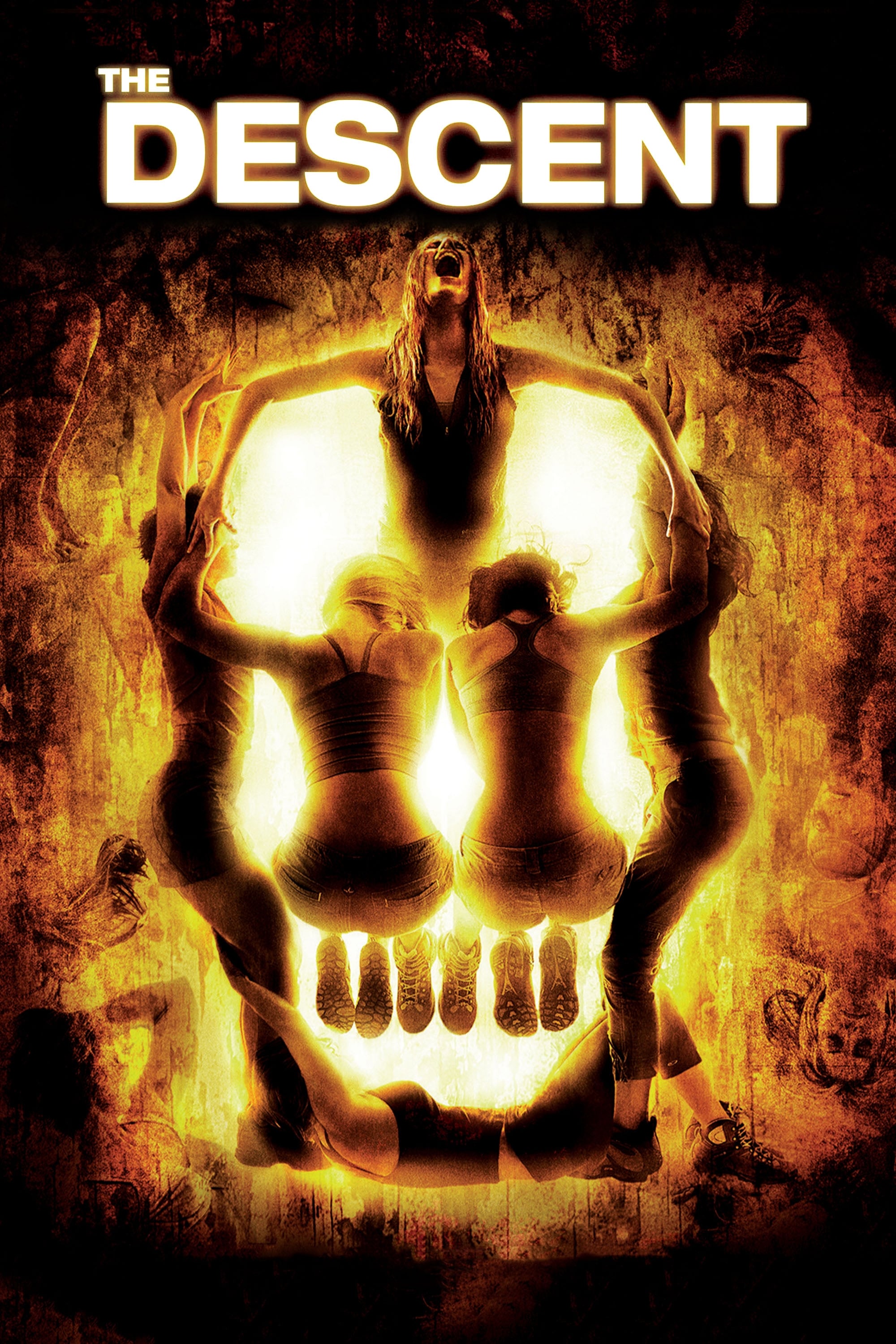
A group of women spelunking in the Appalachian Mountains encounters humanoid creatures adapted to the dark. The sound design utilizes the confined acoustics of the cave system to heighten the sense of claustrophobia and dread. Every breath and whisper echoes sharply against the rock walls to emphasize the silence of the underground world. The film relies heavily on these auditory cues to signal the approach of the predators before they are seen on screen.
‘As Above, So Below’ (2014)
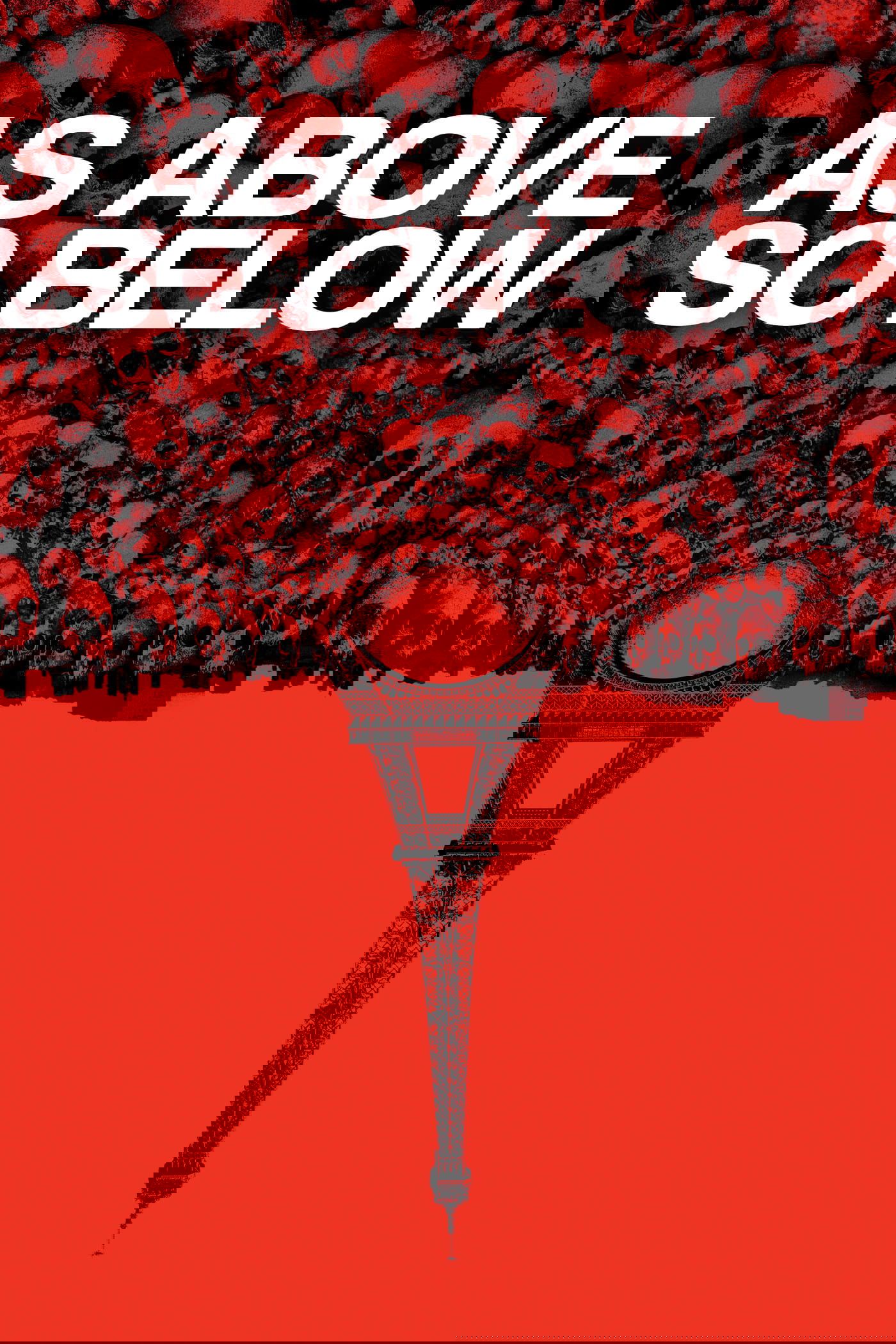
The production filmed in the real Catacombs of Paris for this found footage horror movie. The dialogue captures the genuine acoustic properties of the narrow tunnels and ossuaries without relying solely on post-production effects. The natural slapback delay of the voices adds a layer of gritty realism to the characters’ descent into madness. Recording on location presented unique challenges for the audio team due to the tight spaces and stone surfaces.
‘The Lord of the Rings: The Two Towers’ (2002)
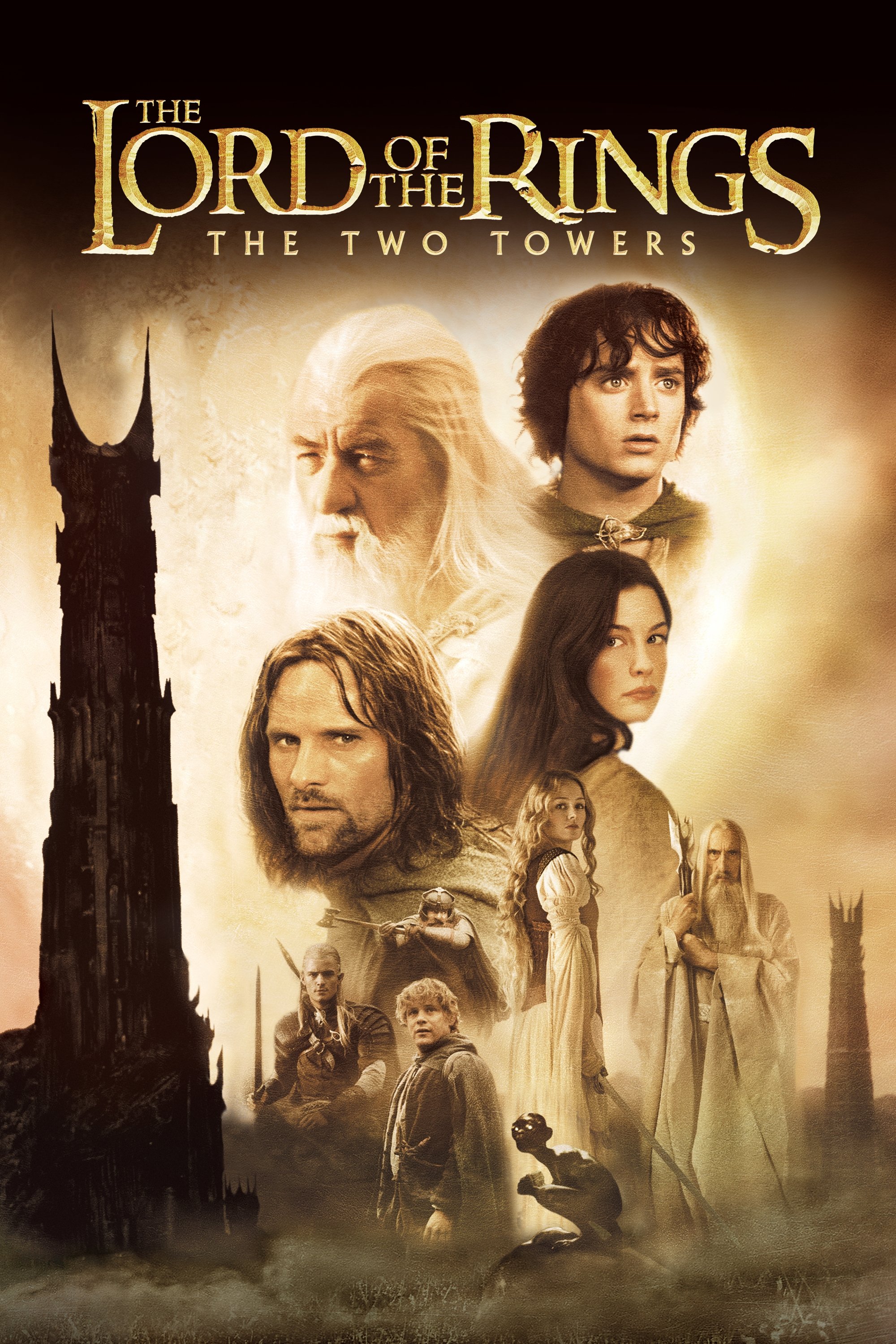
Gollum debates his moral dilemma while lurking in the caves leading to Mordor. The character utilizes a throat-shredding vocal technique that enhances the damp and enclosed setting. The acoustics shift between the two personalities to auditory manifest the fracture in his psyche. This scene remains one of the most acclaimed uses of character voice work within a cavernous context.
‘Batman Begins’ (2005)

Bruce Wayne discovers a massive sinkhole beneath Wayne Manor that becomes his base of operations. The audio creates a distinct sonic signature for the Batcave where water droplets and footsteps carry for long distances. The rough vigilante voice resonates menacingly within the stone chamber. The acoustics of the cave serve as a metaphor for the darkness that the protagonist embraces to fight crime.
‘Harry Potter and the Half-Blood Prince’ (2009)
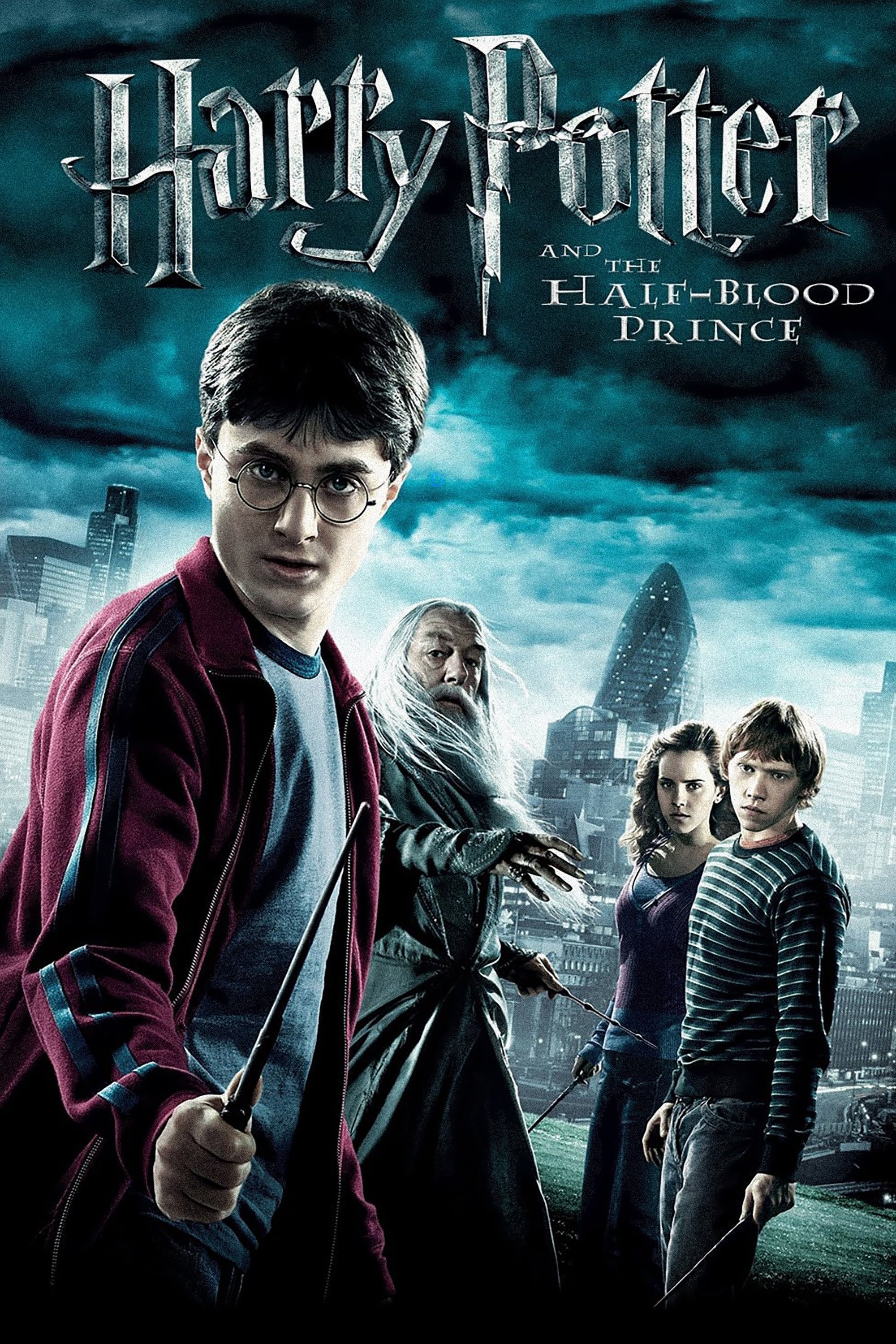
Dumbledore and Harry travel to a seaside cave to retrieve a Horcrux hidden in a crystal lake. The cavernous acoustics amplify the Headmaster’s weak whispers and the terrifying sounds of the Inferi emerging from the water. A cold and hollow atmosphere contrasts sharply with the warmth of Hogwarts. The echoing voice of Dumbledore provides a haunting backdrop to one of the darkest scenes in the franchise.
‘Sanctum’ (2011)
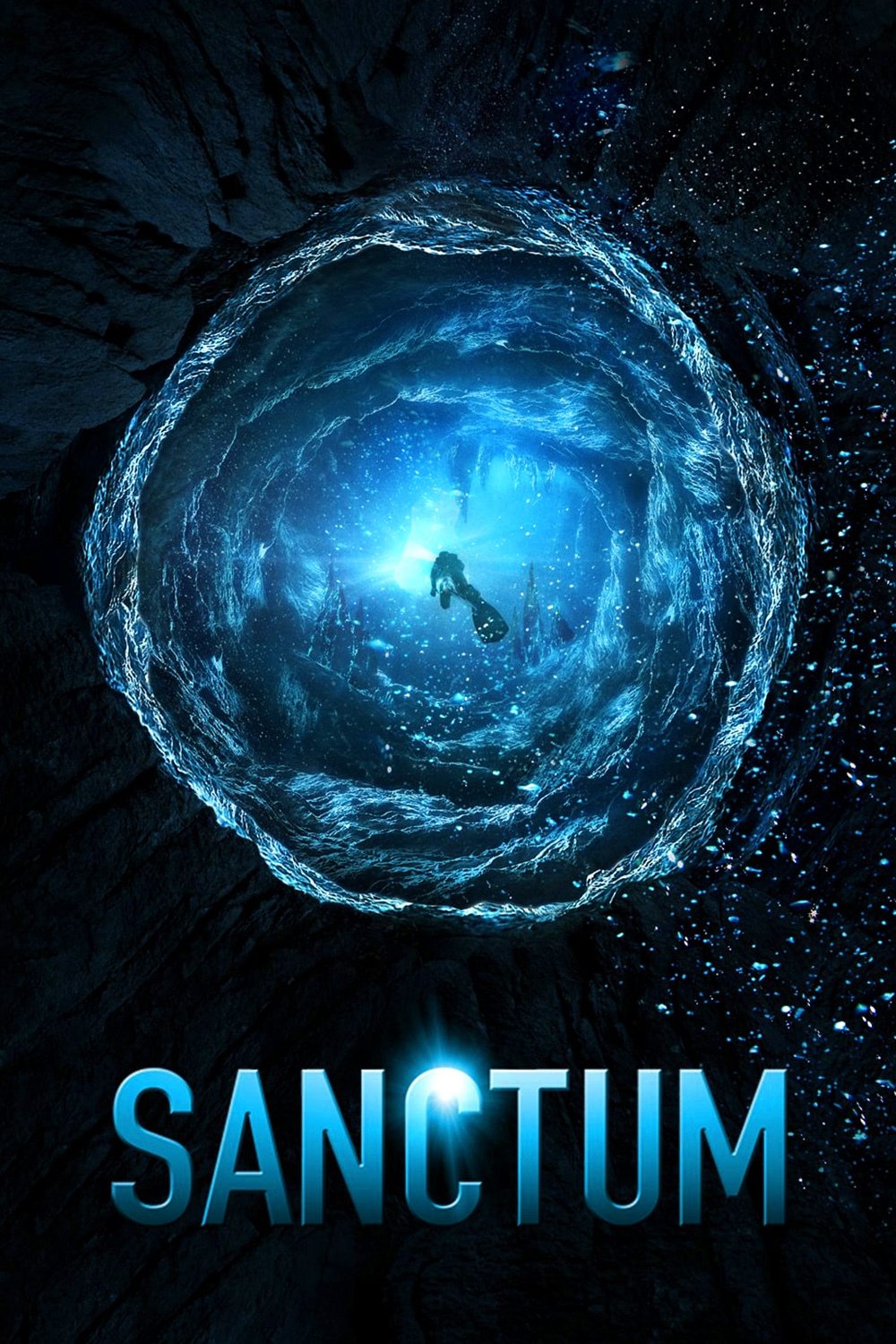
The film follows a cave diving expedition that turns into a fight for survival during a tropical storm. Actual underwater cave environments and large tanks were used to capture the visuals and sounds of the expedition. The breathing of the divers through their regulators creates a rhythmic and echoing soundscape that dominates the audio track. The realistic acoustic treatment emphasizes the suffocating nature of the deep and flooded passages.
‘Aladdin’ (1992)

The Cave of Wonders is a sentient location that speaks with a booming and resonant voice to intimidate potential intruders. A deep vocal performance was enhanced with heavy digital reverb to simulate the vastness of the magical interior. The echoing warning to touch nothing but the lamp sets the high stakes for the street rat protagonist. This character showcases how voice acting and audio effects combine to create a living environment.
‘The Goonies’ (1985)
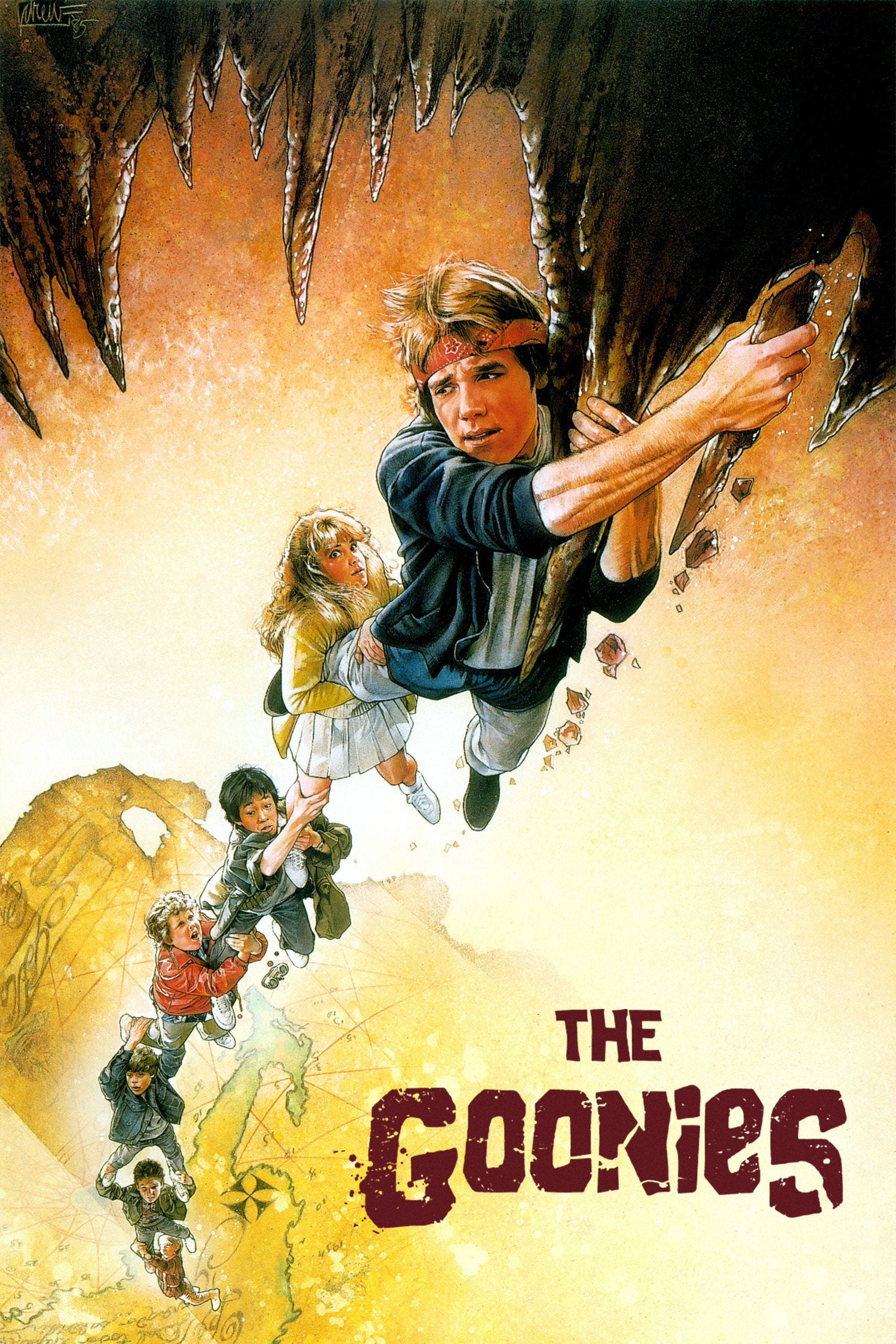
A band of friends discovers a pirate map that leads them into a treacherous underground cavern beneath a restaurant. The young characters spend much of the film shouting over rushing water and crumbling rocks. Overlapping dialogue was mixed to sound as though it was bouncing off wet cavern walls. The acoustics reinforce the scale of the pirate ship set and the danger of the subterranean adventure.
‘127 Hours’ (2010)
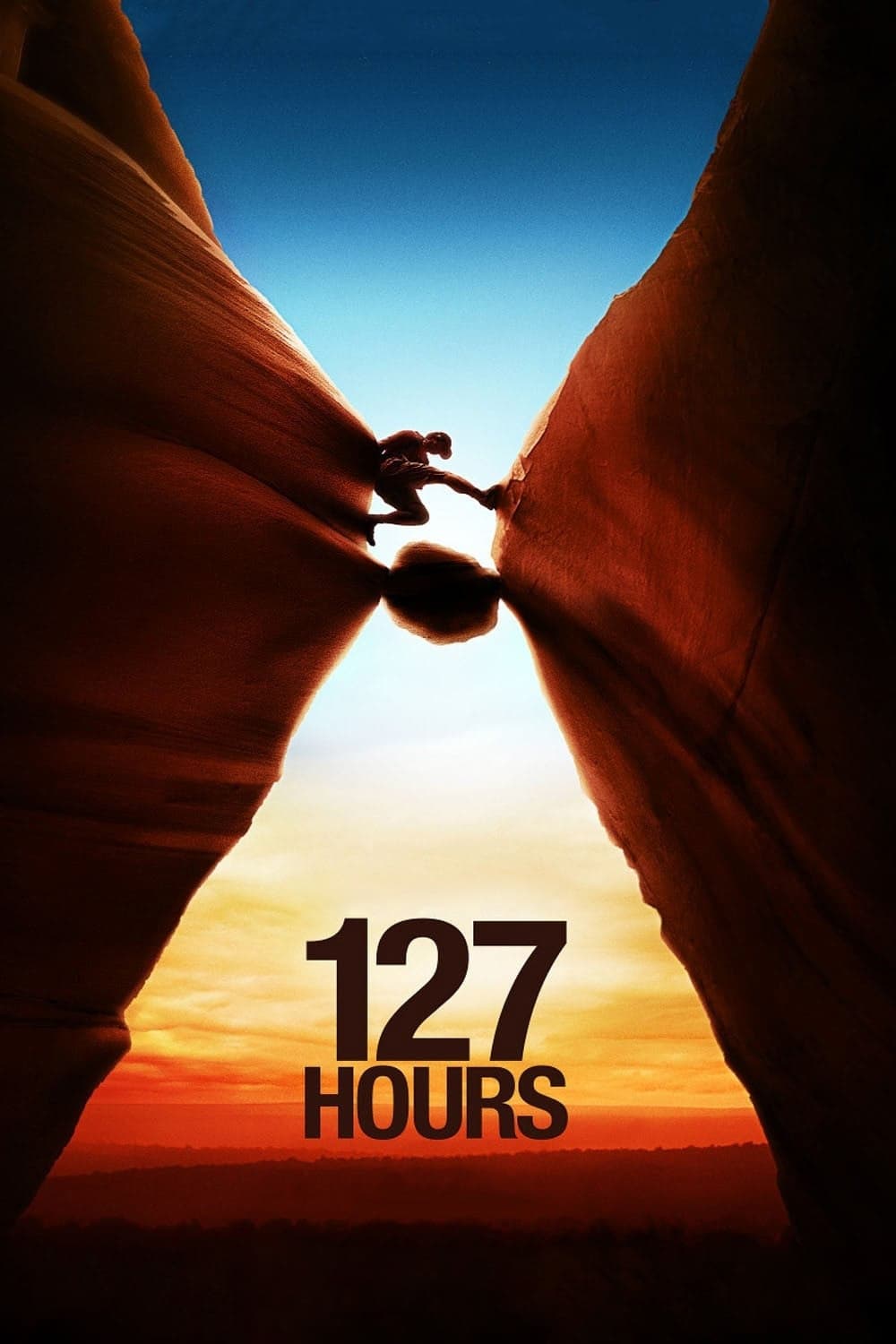
A mountaineer becomes trapped by a boulder in a narrow slot canyon in Utah. The isolation is emphasized by the way his shouts for help drift uselessly up the sandstone walls. The dry and distinct acoustics of the canyon reflect the protagonist’s increasing desperation and delirium. The lack of response from the outside world contrasts with the loud amplification of his own voice within the trap.
‘The Empire Strikes Back’ (1980)
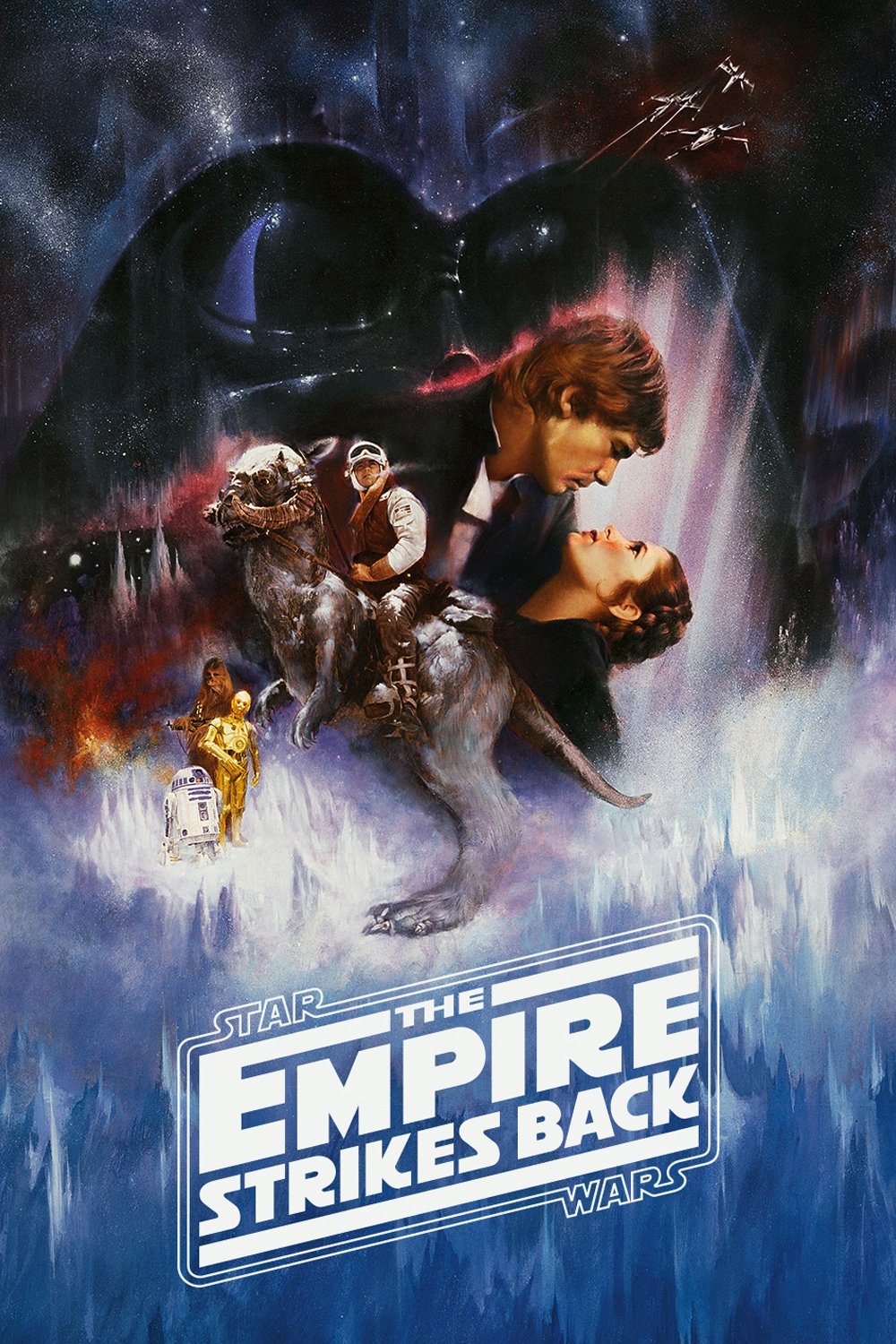
Luke Skywalker finds himself hanging upside down in the icy lair of a Wampa on the planet Hoth. The sound of the lightsaber igniting and the creature’s growls reverberate sharply off the frozen walls. Later in the film the characters unknowingly fly into the mouth of a space slug where the audio becomes damp and organic. These distinct acoustic environments help differentiate the various alien locations visited during the adventure.
‘Prometheus’ (2012)
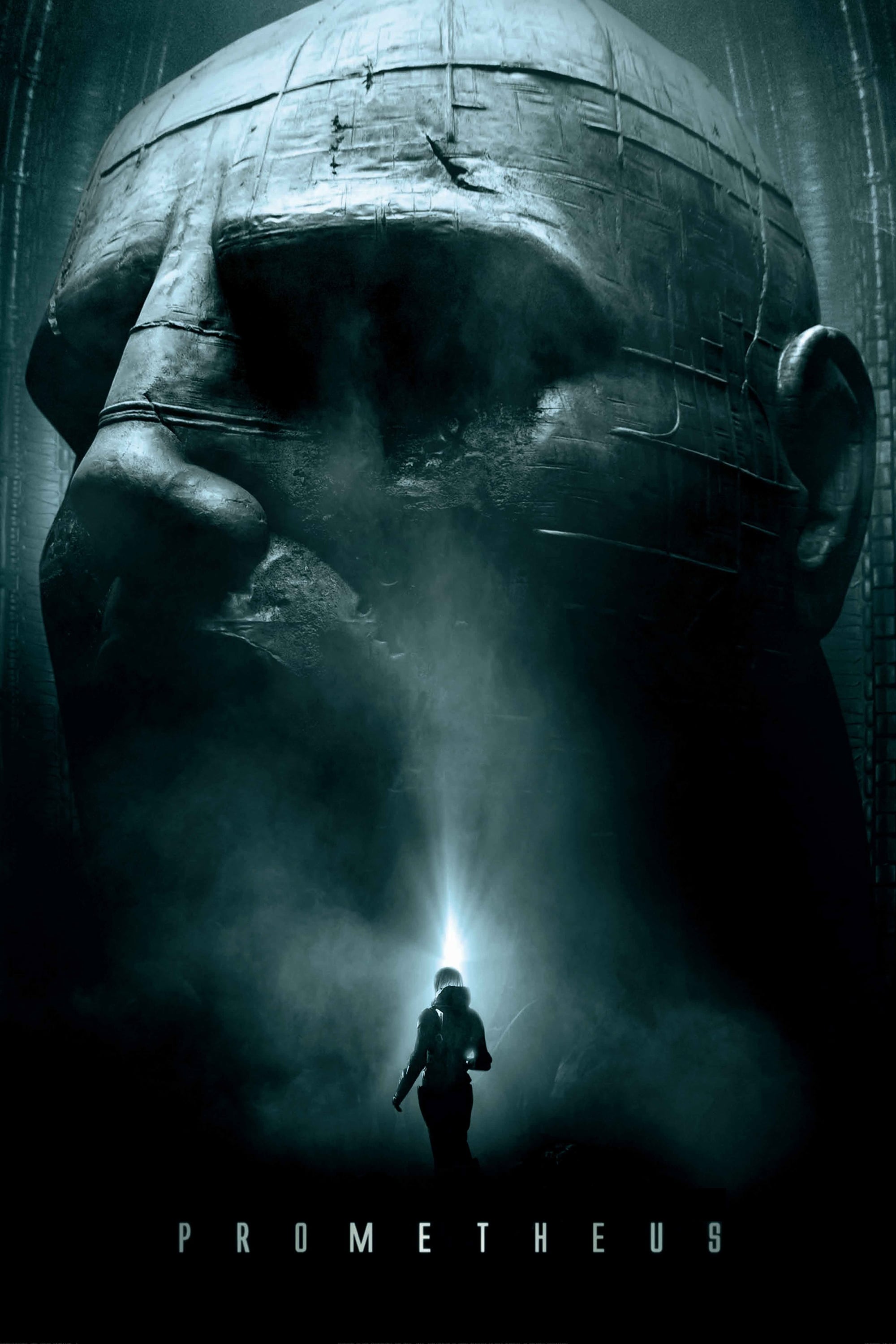
The crew explores an ancient alien structure that features massive ampule rooms and tunnels. The dialogue within the Engineer’s ship has a metallic and hollow echo that suggests a tomb-like emptiness. Specialized reverb effects matched the scale of the massive sets built for the production. The acoustics contribute to the sense of awe and dread as the scientists uncover the origins of humanity.
‘Spirited Away’ (2001)

Chihiro and her parents walk through a mysterious tunnel that leads them into the spirit world. The wind pulls them in while their voices echo with a supernatural quality that signals the transition between realities. The sound design shifts subtly from the realistic outdoors to the hollow resonance of the spirit realm entrance. This auditory threshold marks the beginning of the young protagonist’s journey.
‘The Cave’ (2005)
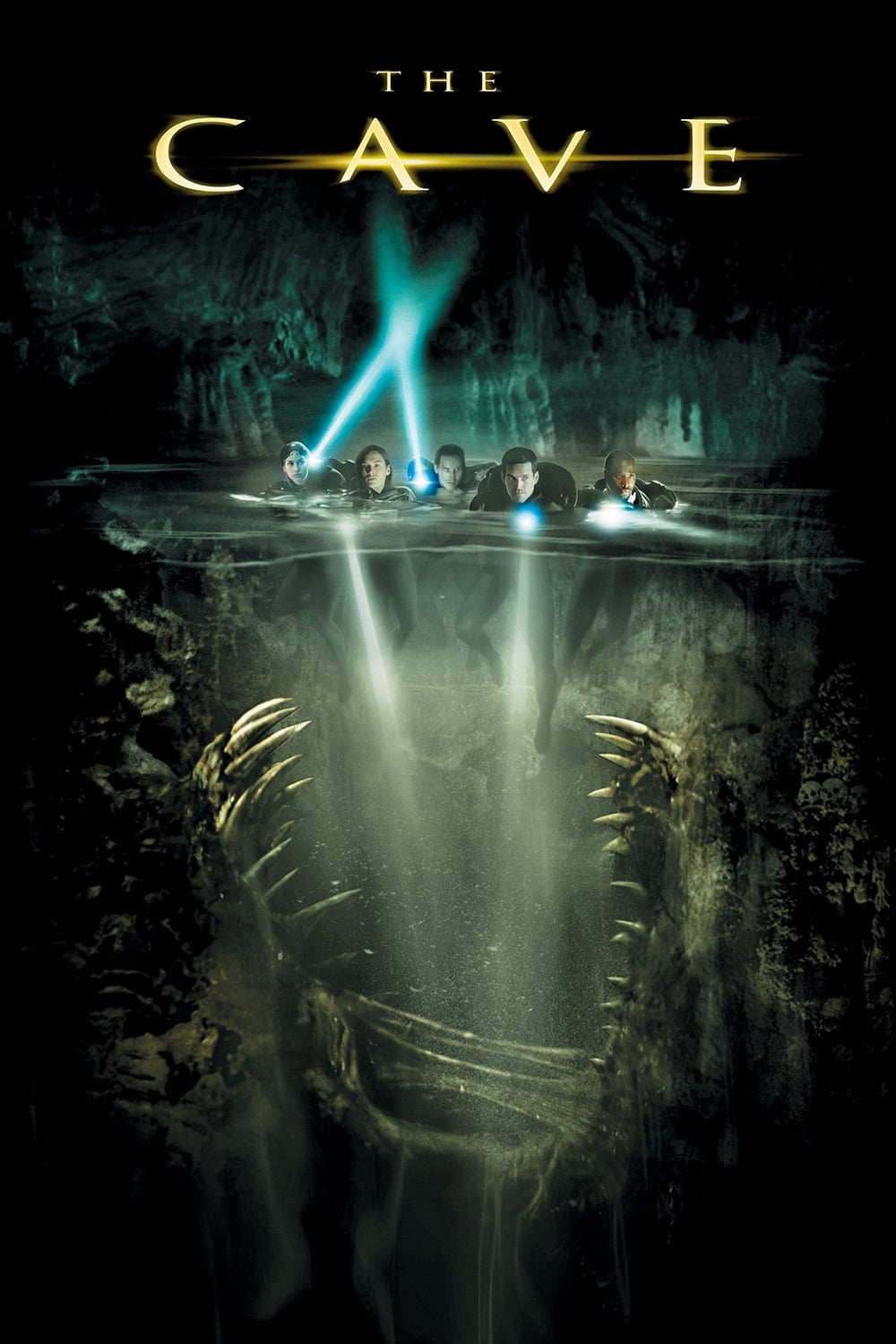
A team of scientists dives into an unexplored cave system in Romania to search for a lost expedition. The creature features and the panicked commands of the divers were mixed to reflect the jagged and uneven surfaces of the cavern. Sound effects for the echolocation of the monsters play a key role in the sonic landscape of the film. The echoing dialogue highlights the confusion and separation of the team members in the dark.
‘Thirteen Lives’ (2022)

This dramatization depicts the real-life rescue of the Thai soccer team trapped in the Tham Luang Nang Non cave. The sound team focused on the oppressive sounds of rushing water and the muffled speech of divers communicating through full face masks. The dialogue recording mimics the difficult acoustics of the submerged and narrow chambers. Authenticity in the audio presentation was prioritized to convey the extreme difficulty of the extraction mission.
Share your favorite movie moment involving caves or echoes in the comments.