


18 Movies Where the Editor’s Choices Created New Subplots

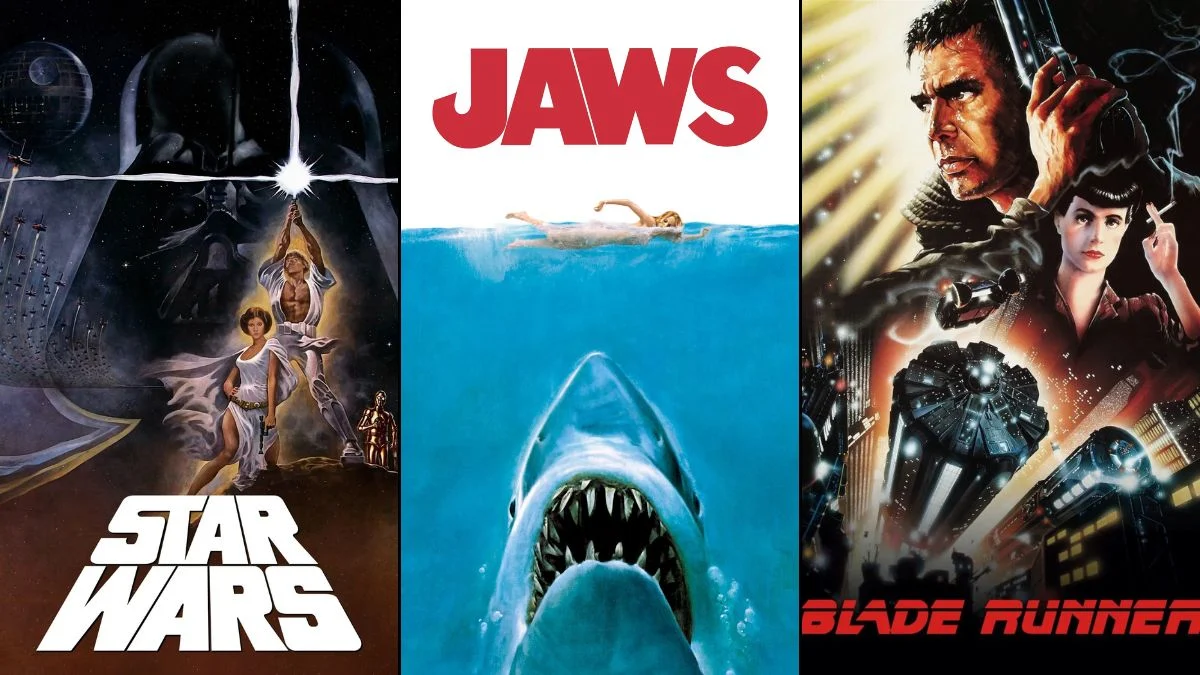


Film editing is often described as the final rewrite of the script where the story truly comes together. Editors shape narratives by rearranging scenes and manipulating time to create meaning that may not have existed in the original screenplay. A skilled editor can salvage a messy production or elevate a simple scene into a complex emotional arc. The following films demonstrate how the cutting room floor can give birth to entirely new subplots and defining cinematic moments.
‘Star Wars’ (1977)
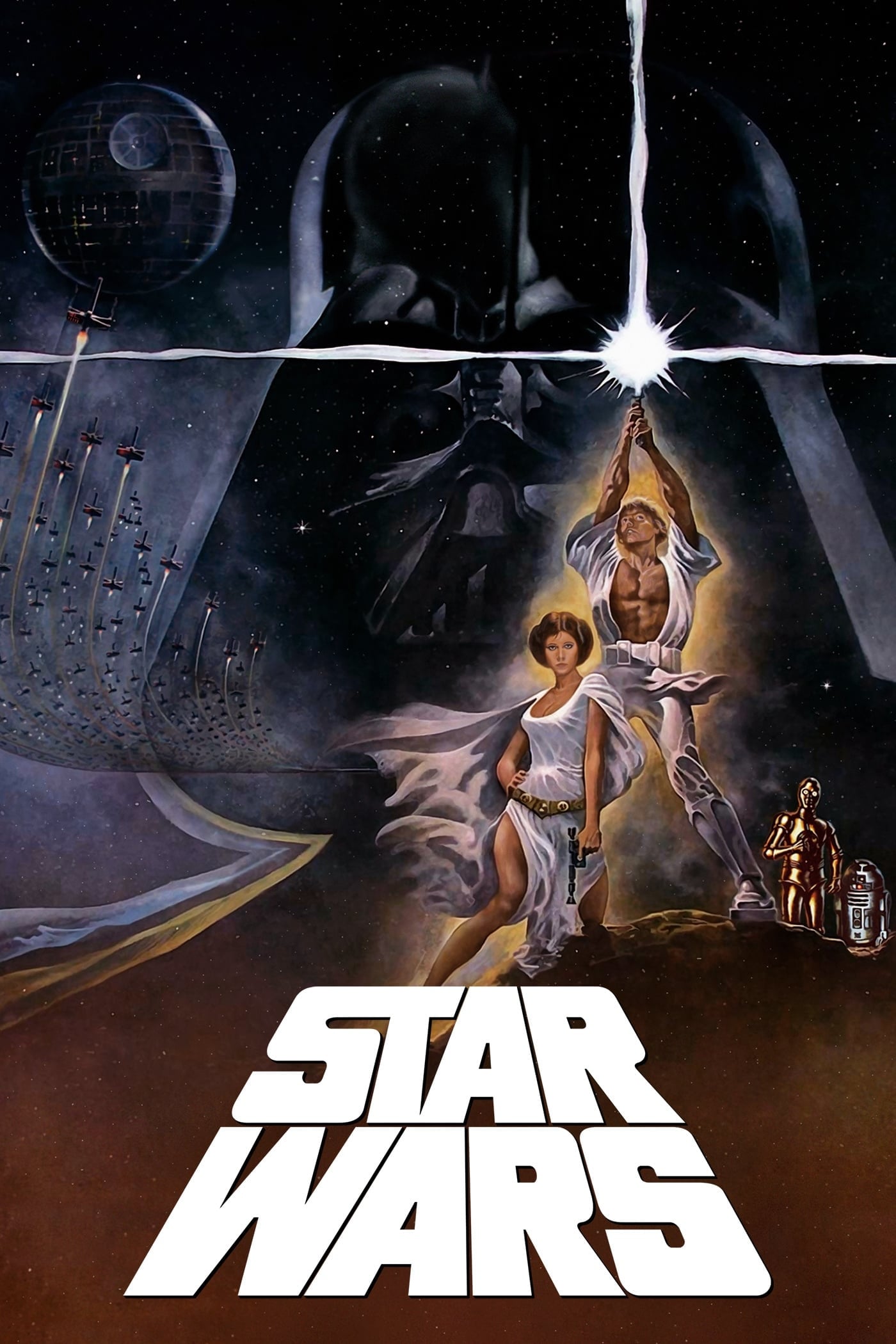
Marcia Lucas played a pivotal role in redefining the climax of this science fiction phenomenon. The original script and footage did not feature the Death Star moving into lethal range of the Rebel base. The editing team utilized graphics of a countdown and insert shots of concerned Rebel leaders to manufacture a ticking clock mechanism. This critical choice raised the stakes by introducing an imminent threat of destruction that was not previously present. The sequence transformed from a standard aerial dogfight into a desperate race against time.
‘Annie Hall’ (1977)
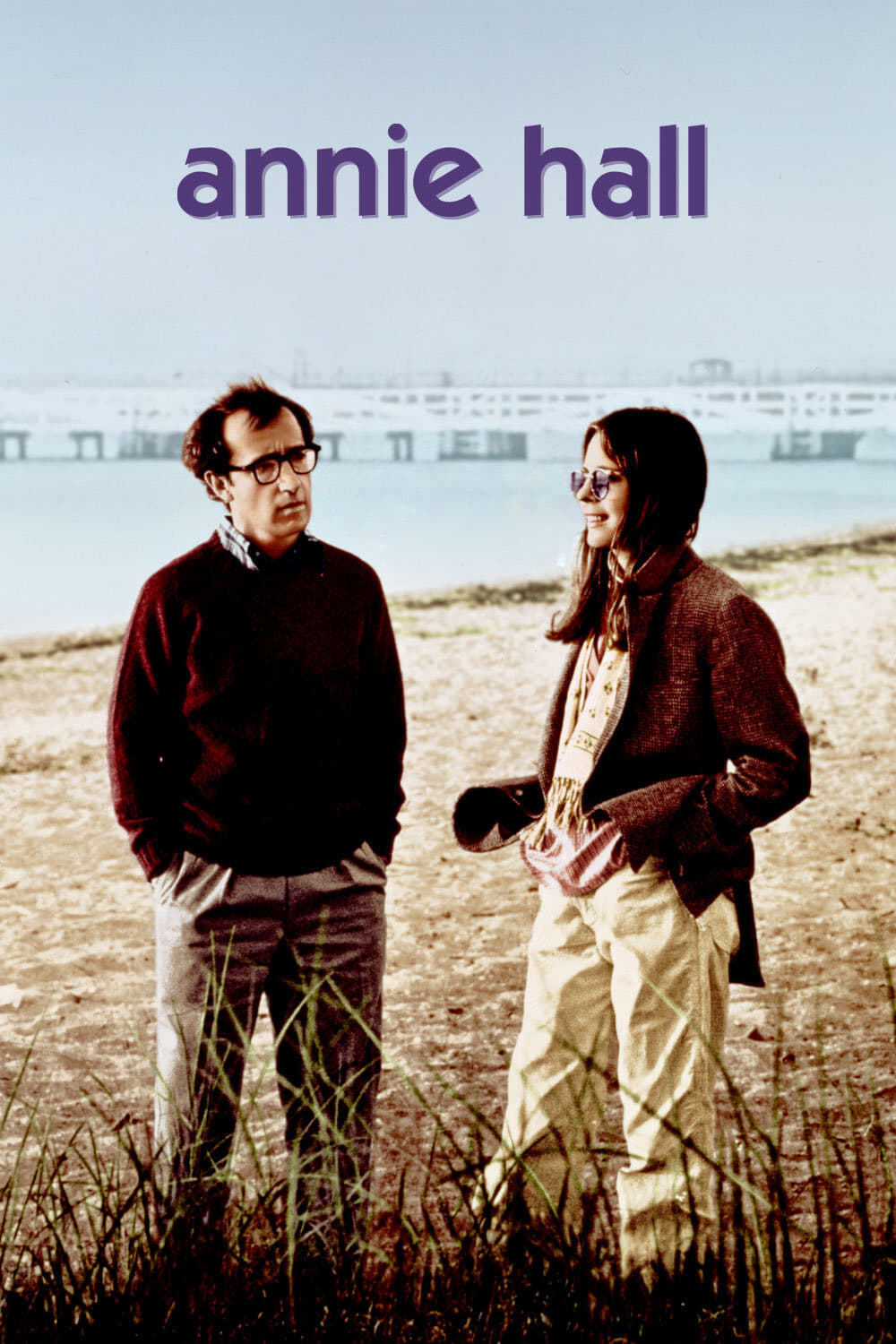
Woody Allen originally shot a much longer film focused on a murder mystery and various surreal tangents. The editor Ralph Rosenblum realized the strongest material revolved around the relationship between Alvy and Annie. They ruthlessly cut the extraneous subplots and reordered scenes to create a cohesive romantic arc. This restructuring turned a disjointed stream of consciousness into a definitive relationship drama. The final cut focuses almost exclusively on the distinct rise and fall of their love affair.
‘Blade Runner’ (1982)
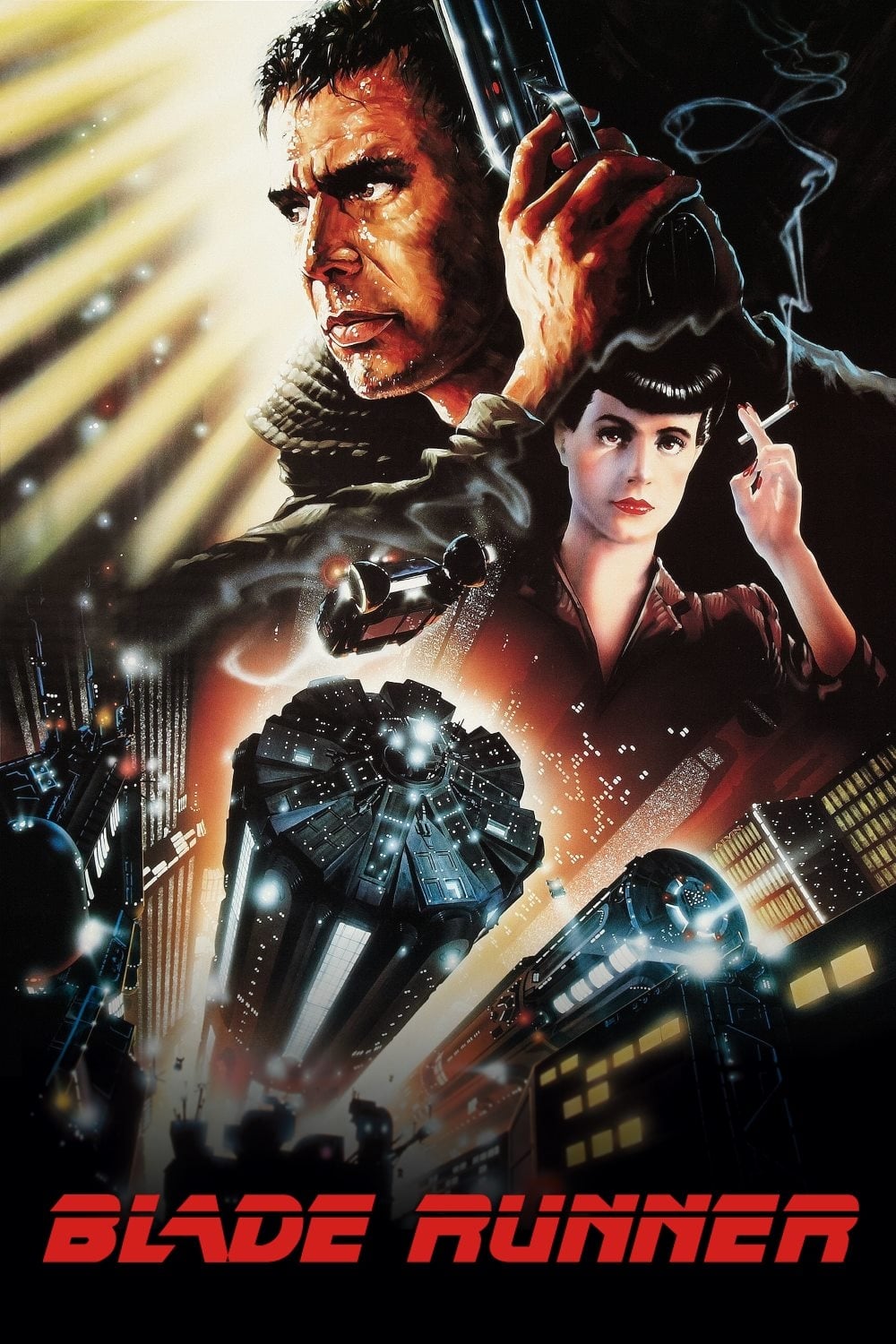
Ridley Scott inserted a scene of a unicorn dream sequence that fundamentally altered the identity of the protagonist. This visual addition implies that Deckard himself might be an android with implanted memories. The theatrical release originally omitted this nuance and included a voiceover that explained the plot too explicitly. Later versions removed the narration and restored the dream footage to encourage audience interpretation. This editing decision created a sophisticated subplot questioning the nature of humanity.
‘Easy Rider’ (1969)
The editor Donn Cambern utilized a distinctive flash-forward editing technique during scene transitions. This stylistic choice was initially a solution to handle damaged audio and visual discrepancies between scenes. These rapid glimpses of future moments created a subconscious sense of foreboding and destiny for the characters. The audience experiences a disjointed timeline that mirrors the psychedelic journey of the protagonists. This rhythmic editing style established a fatalistic subplot regarding their inevitable doom.
‘Jaws’ (1975)
Verna Fields earned an Academy Award for her work on this thriller by building tension around an unseen antagonist. The mechanical shark frequently malfunctioned during production which forced the team to shoot around the creature. Fields edited the film to suggest the presence of the shark through point-of-view shots and reaction concepts. This limitation birthed a psychological subplot where the fear of the unknown became more terrifying than the monster itself. The shark remains hidden for the majority of the runtime to maximize suspense.
‘Arrival’ (2016)
The editor Joe Walker constructed a narrative that relies entirely on the Kuleshov effect to mislead the audience regarding the timeline. Scenes involving the daughter of the protagonist appear to be flashbacks explaining her tragic backstory. The editing reveals in the final act that these moments are actually flash-forwards caused by the alien language. This structural manipulation creates a subplot about the perception of time and memory. The emotional weight of the film rests entirely on this precise editorial arrangement.
‘Mad Max: Fury Road’ (2015)
Margaret Sixel acted as the architect for this action film by sifting through hundreds of hours of stunt footage. She focused on eye-trace editing to ensure the audience could follow the chaotic action without confusion. The film contains very little dialogue so the editing itself creates the character arcs and relationship dynamics. Subtle glances and rapid cuts establish trust between Furiosa and Max without spoken exposition. This visual storytelling built a subplot of redemption that exists purely through action.
‘The Social Network’ (2010)
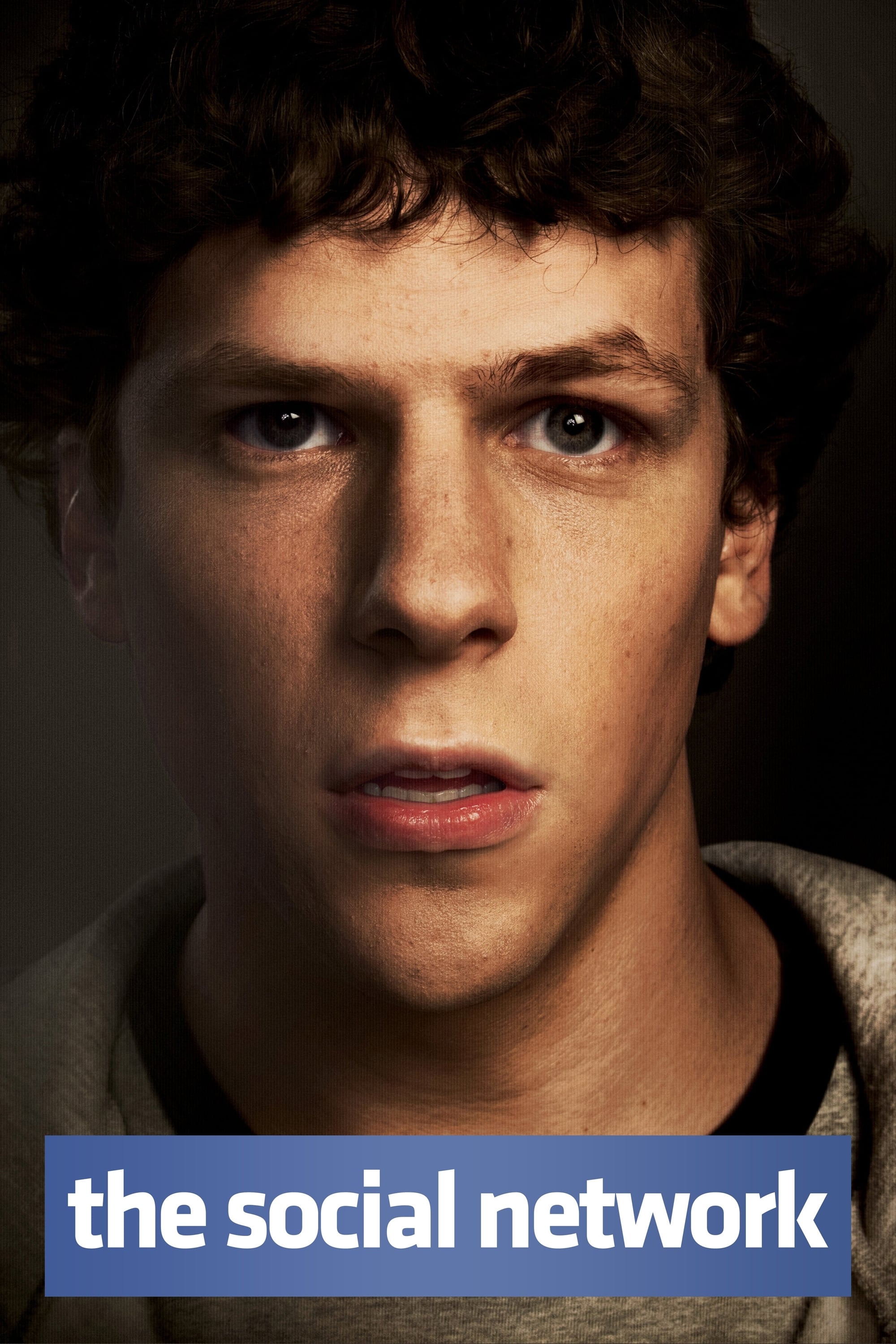
The film uses two separate legal depositions to frame the narrative of the founding of Facebook. Editors Kirk Baxter and Angus Wall intercut these future legal battles with the chronological story of the company’s creation. This structure creates a subplot of betrayal and consequence that runs parallel to the rise of the social media empire. The juxtaposition highlights the contrast between the initial friendship and the eventual litigation. The editing transforms a business biography into a tragedy of broken relationships.
‘Memento’ (2000)
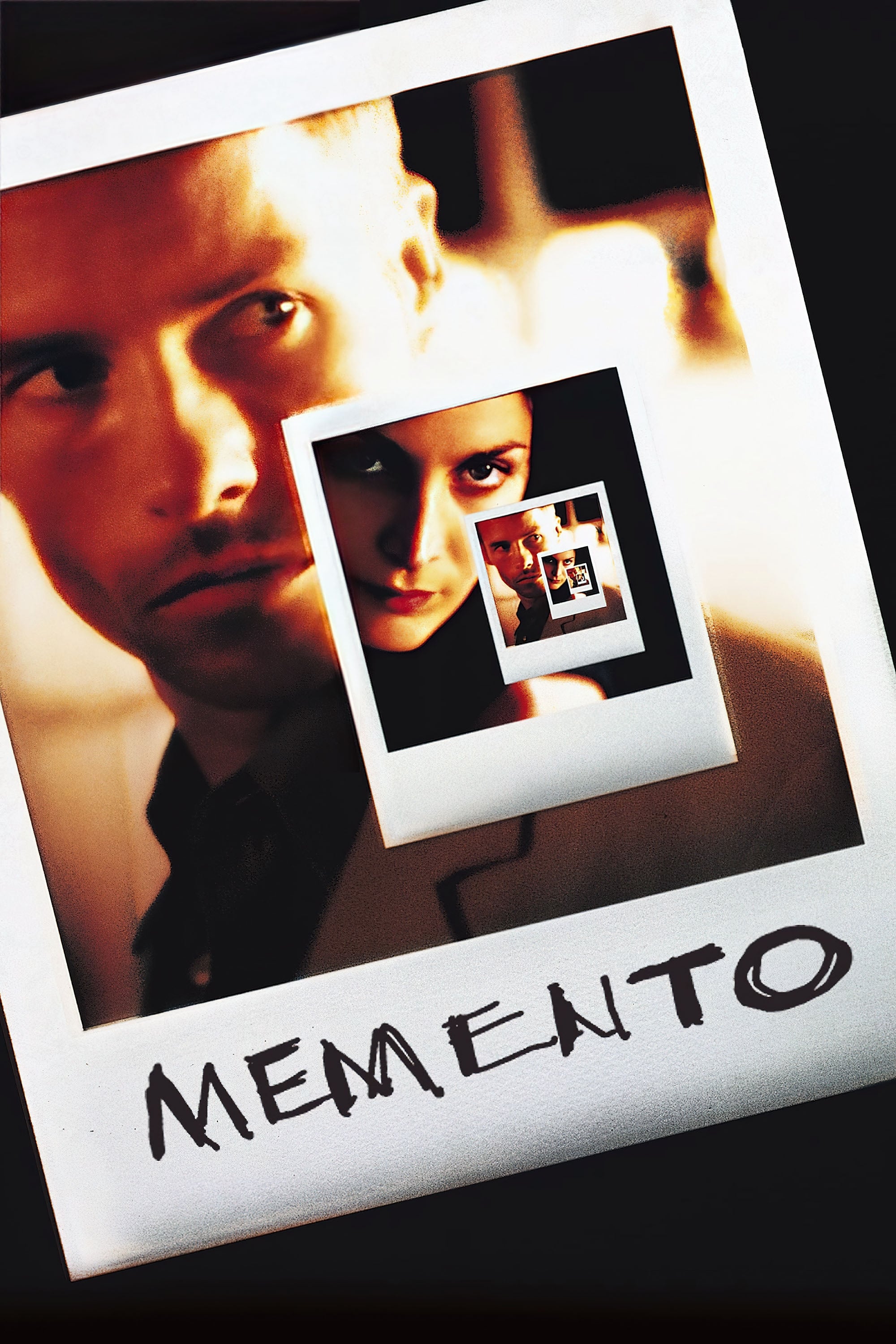
Dody Dorn edited the film to present the color sequences in reverse chronological order. This structure forces the viewer to share the short-term memory loss condition of the protagonist. The editing creates a mystery subplot where the context of every action is revealed only after the action takes place. A linear cut of the film would remove the confusion and tension that drives the narrative forward. The audience must piece together the truth alongside the character.
‘Apocalypse Now’ (1979)
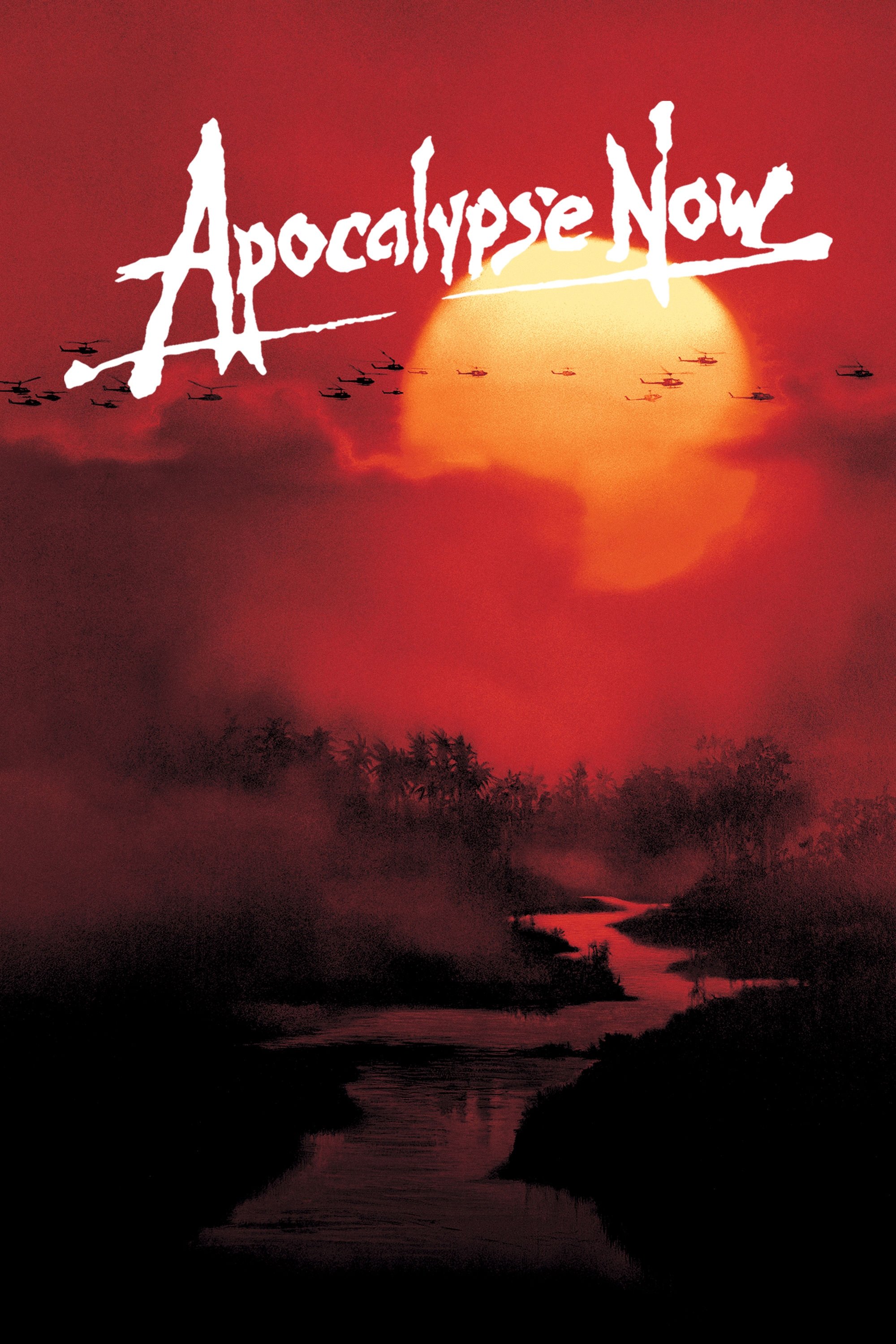
The production of this war epic was notoriously chaotic and resulted in over a million feet of film. Editor Walter Murch spent years shaping the footage and incorporating a voiceover narration to bind the episodic journey together. This narration created a psychological subplot exploring the deteriorating mental state of Captain Willard. The editing emphasizes the surreal nature of the war rather than adhering to a strict plot progression. The final product feels like a fever dream due to these post-production choices.
‘Mulholland Drive’ (2001)
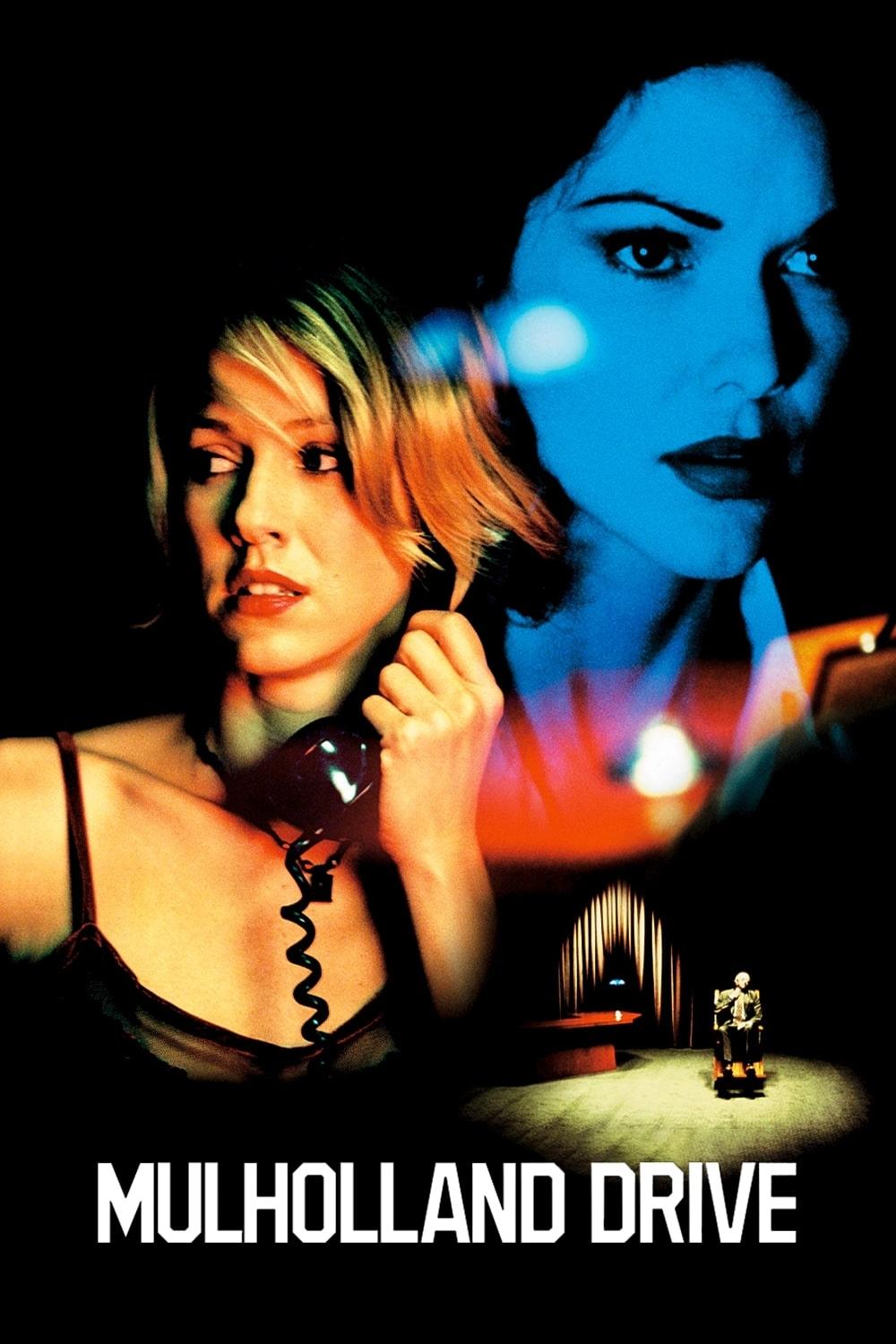
David Lynch originally filmed this project as a television pilot that was rejected by executives. He filmed a new ending and worked with editor Mary Sweeney to transform the disjointed episodes into a feature film. The editing blurs the lines between dreams and reality to create a nonlinear mystery. Characters switch identities and plot threads dissolve into surrealism without traditional resolution. The reconstruction birthed a subplot regarding the dark underbelly of Hollywood fantasies.
‘Traffic’ (2000)
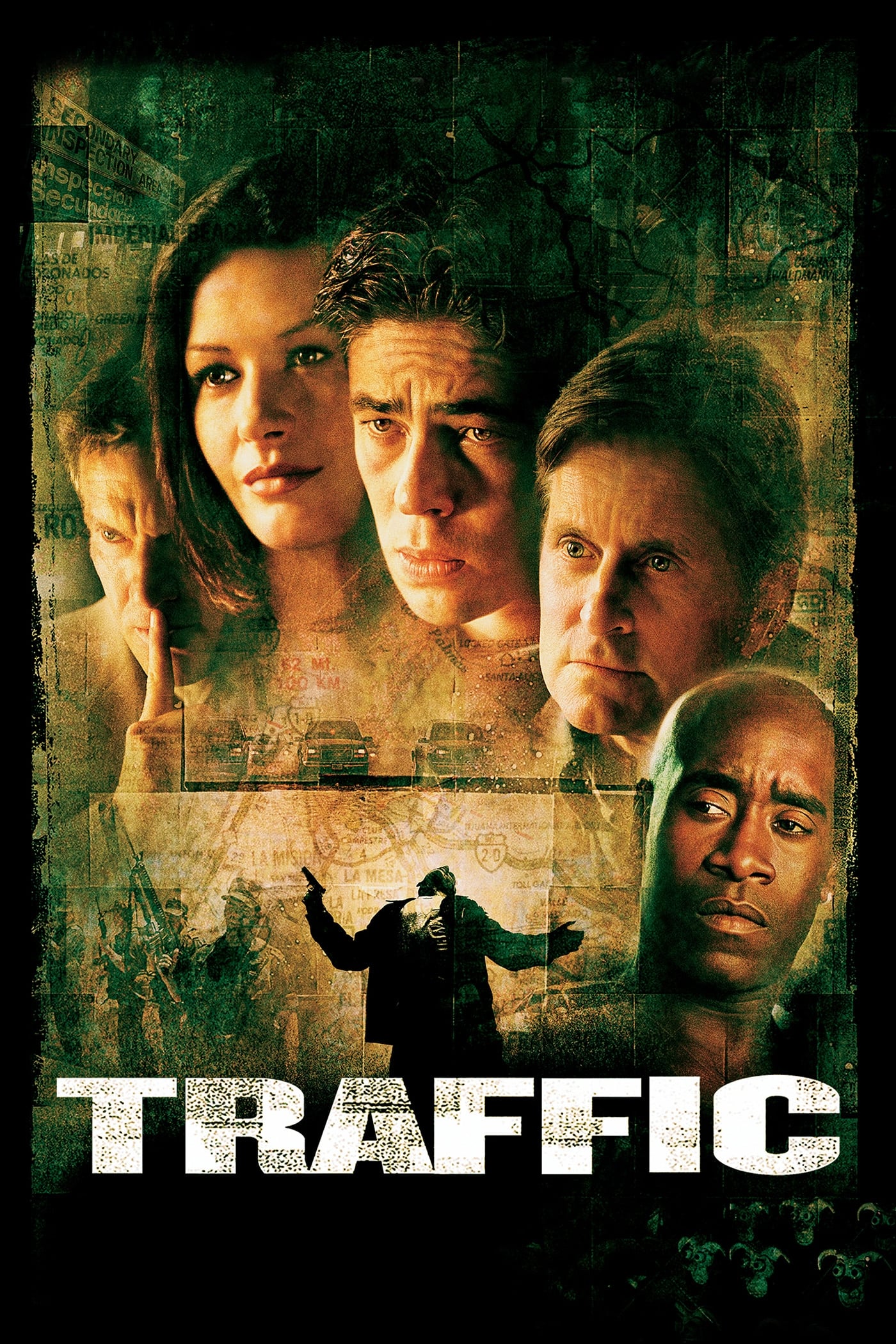
Stephen Mirrione used distinct color grades and editing styles to separate three intersecting storylines. The Mexico sequences feature a grainy and yellow aesthetic while the Ohio scenes appear cold and blue. This visual coding allows the audience to instantly recognize the location and subplot without expository dialogue. The editing weaves these disparate threads together to show the global impact of the drug trade. The technique creates a thematic subplot about the interconnected nature of addiction and policy.
‘City of God’ (2002)
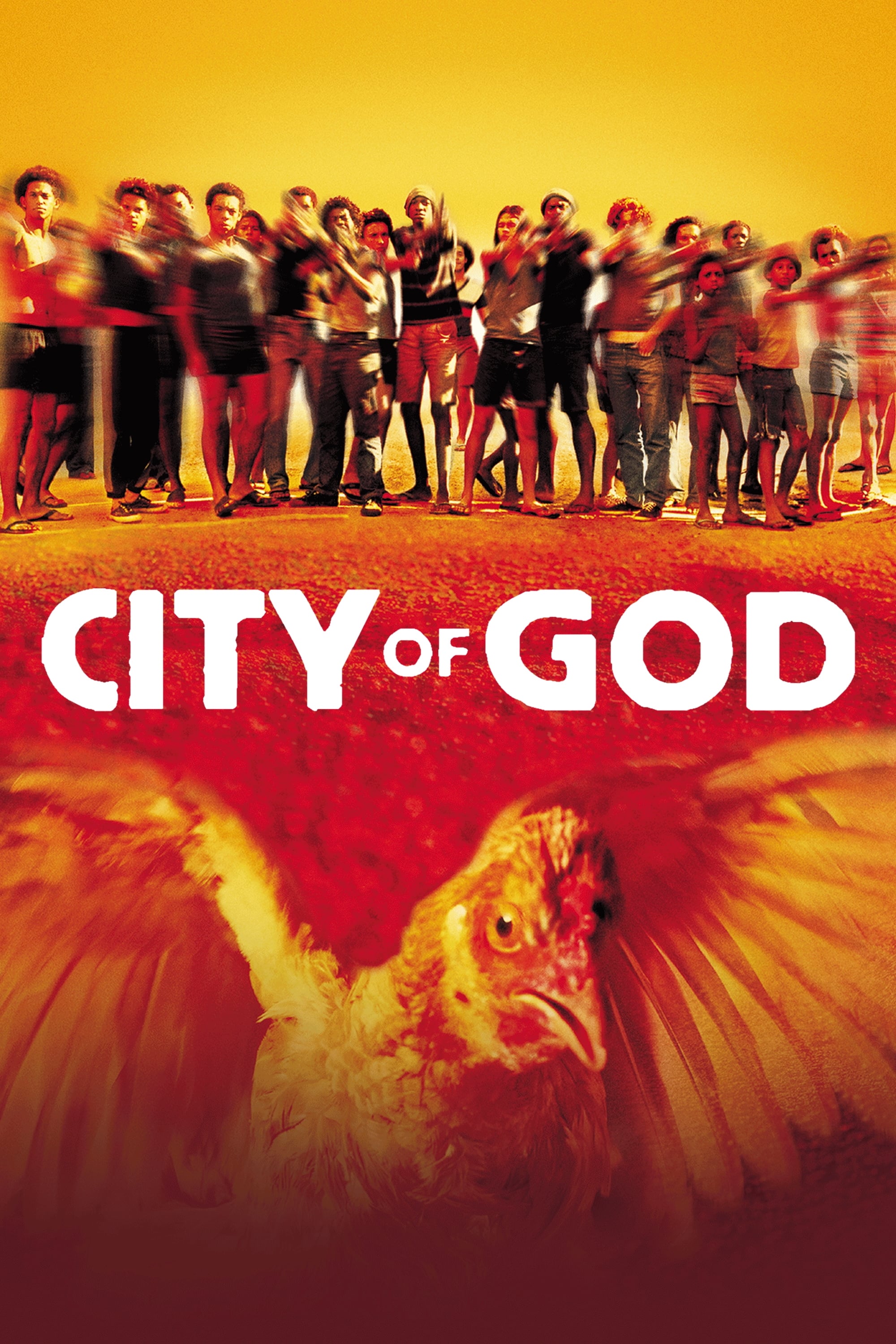
The editor Daniel Rezende used a frenetic editing style to mirror the chaotic energy of the favelas. The film employs rapid montages and freeze-frames to introduce characters and their criminal histories. This technique turns the setting itself into a living character with its own violent subplot. The pacing shifts intentionally to reflect the passage of time and the escalation of gang warfare. The editing creates a visual rhythm that mimics the heartbeat of the city.
‘Picnic at Hanging Rock’ (1975)

Director Peter Weir and his editor removed the final scenes that explained the disappearance of the schoolgirls. This decision transformed a procedural mystery into an ambiguous and haunting myth. The lack of resolution creates a thematic subplot about the unknowable power of nature. The audience is left with lingering questions rather than satisfying answers. The film relies on atmosphere and mood created through the edit rather than plot mechanics.
‘Walk the Line’ (2005)
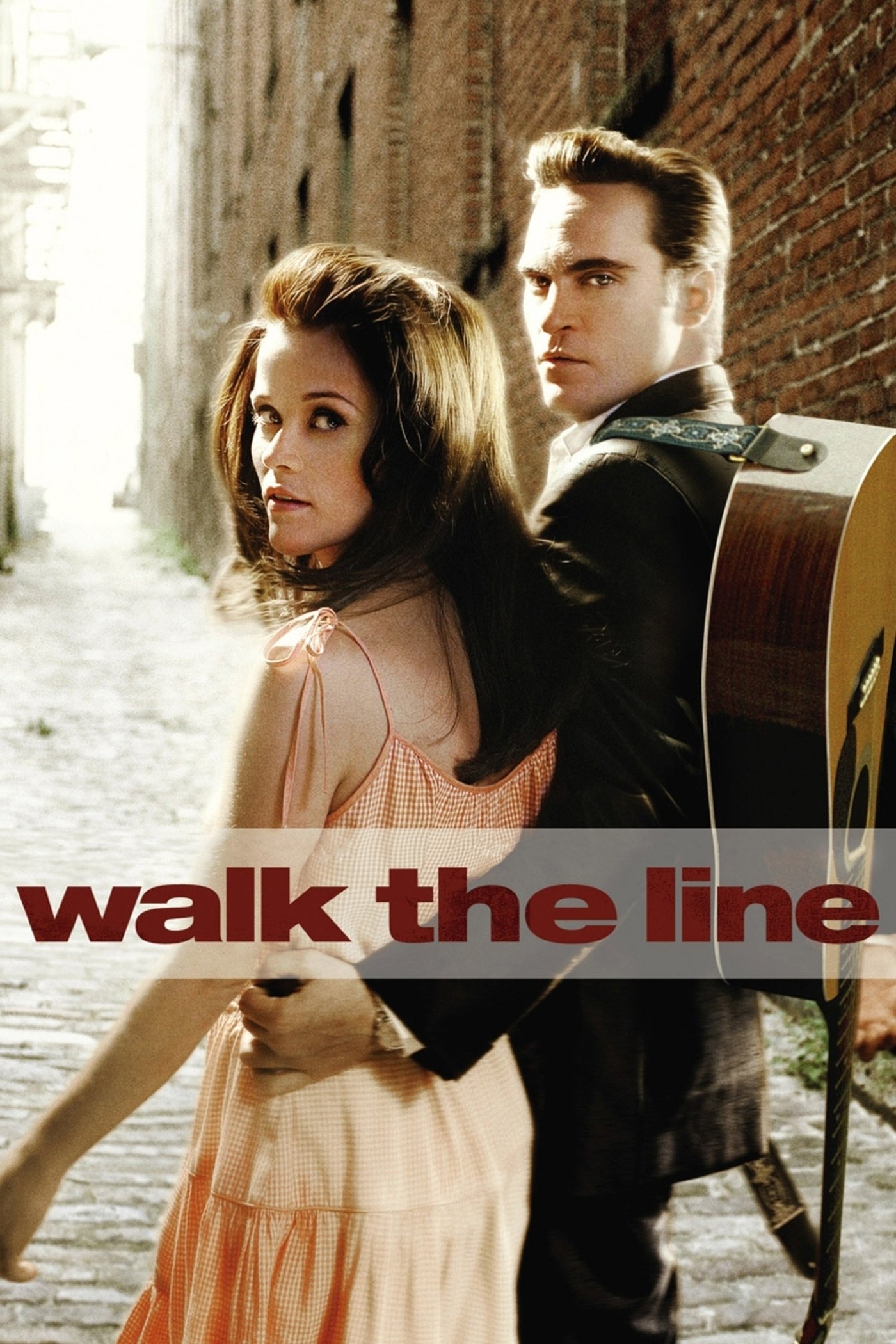
The editors utilized a framing device by moving the Folsom Prison performance to the opening of the film. This structural choice casts a shadow over the childhood and rise to fame of Johnny Cash. The audience watches his life story with the knowledge of his eventual redemption and cultural impact. This creates a subplot of anticipation leading up to that legendary concert. The reordering grounds the biopic in a specific moment of triumph.
‘The Limey’ (1999)
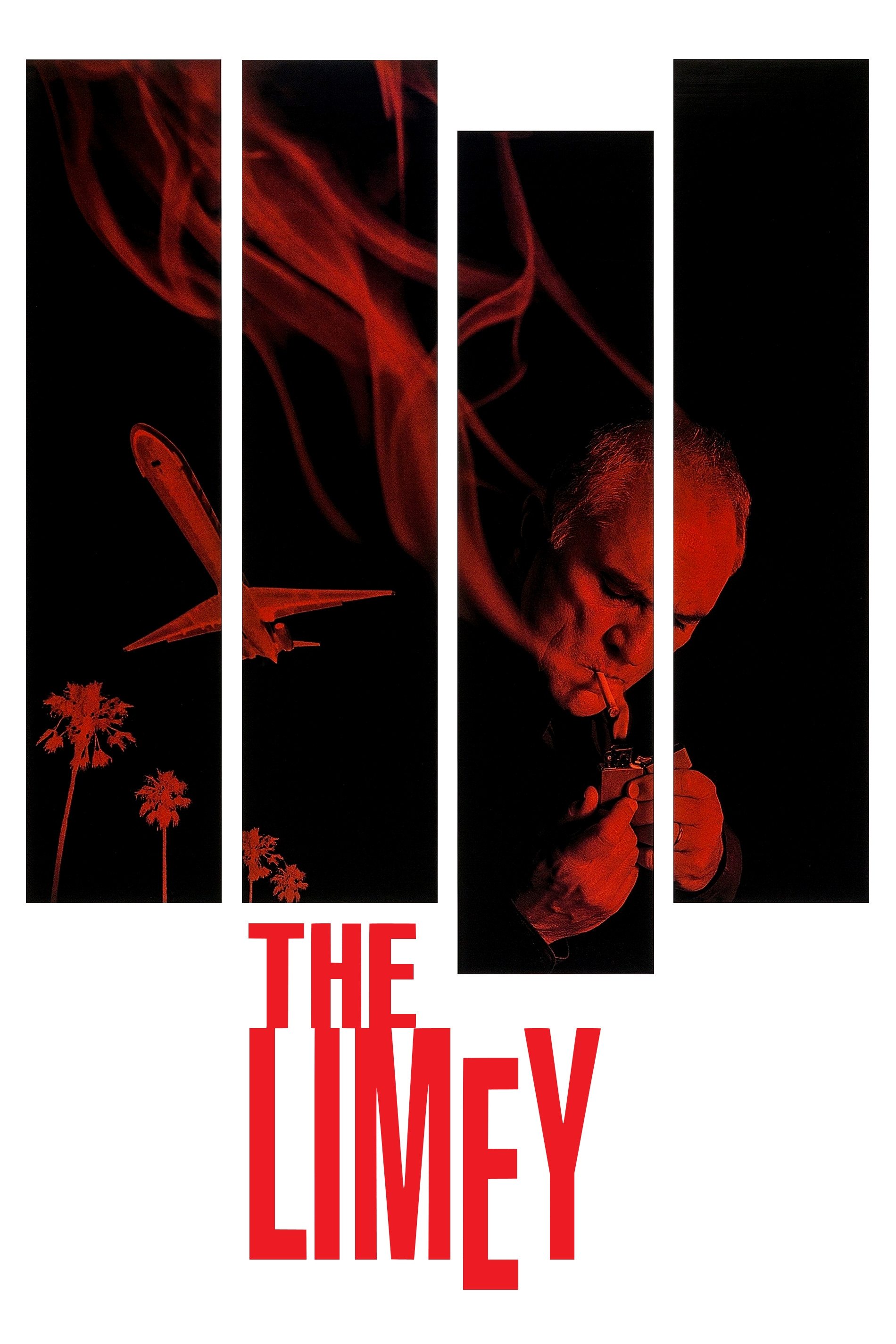
Editor Sarah Flack experimented with sound design and image placement to convey the protagonist’s memory. Dialogue from one scene frequently plays over images of a different time or location. This technique creates a subplot regarding the disjointed nature of memory and grief. The characters seem to have conversations across time rather than in a linear progression. The editing style turns a standard revenge thriller into a meditation on loss.
‘Highlander’ (1986)
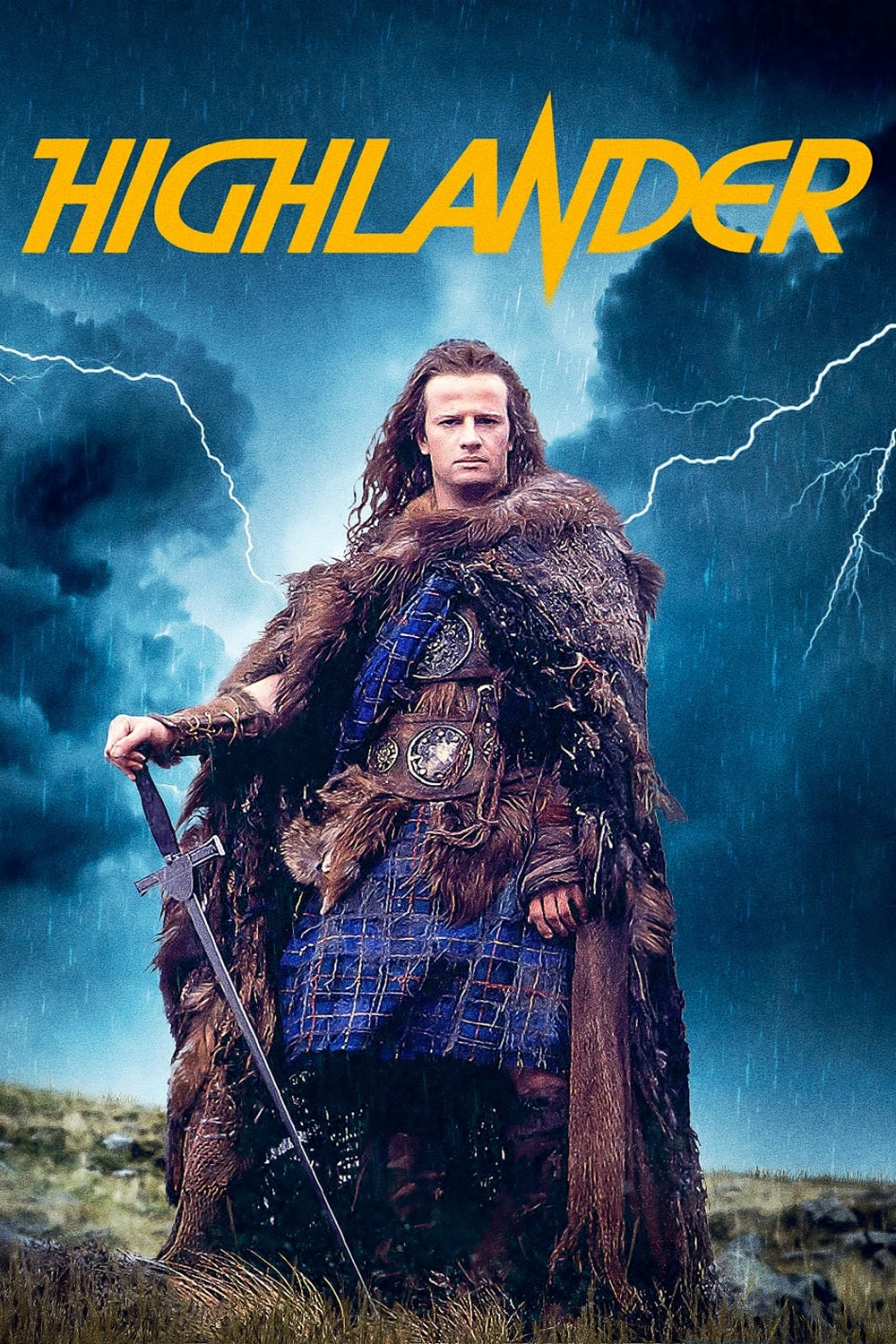
The original script for this fantasy film jumped between time periods in a confusing manner. The editors structured the flashbacks to occur when the protagonist encounters a trigger in the present day. This organization clarified the immortality subplot and the rules of the game for the audience. The transitions became a narrative device to contrast the past love with present loneliness. The film relies on these perfectly timed cuts to build emotional resonance.
‘Eternal Sunshine of the Spotless Mind’ (2004)
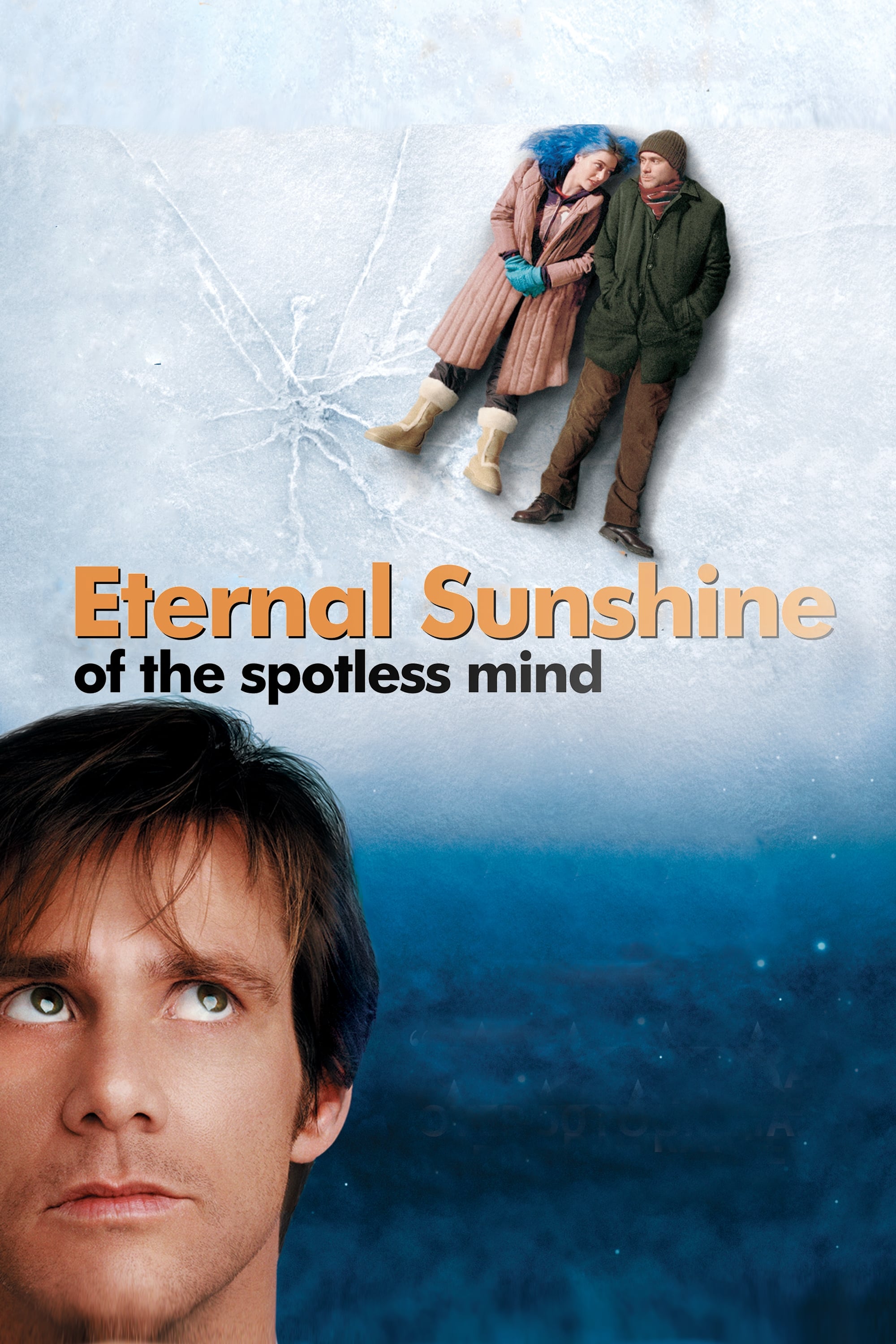
Valdís Óskarsdóttir edited the film to reflect the disintegration of the protagonist’s memories. The narrative moves backward through the relationship as the memories are erased one by one. This structure creates a subplot where the character fights to hide his lover in different parts of his mind. The editing logic becomes increasingly surreal as the procedure nears completion. The nonlinear presentation is essential to understanding the emotional core of the story.
Tell us which movie edit surprised you the most in the comments.