


18 Period Dramas Where the History Actually Matters to the Plot

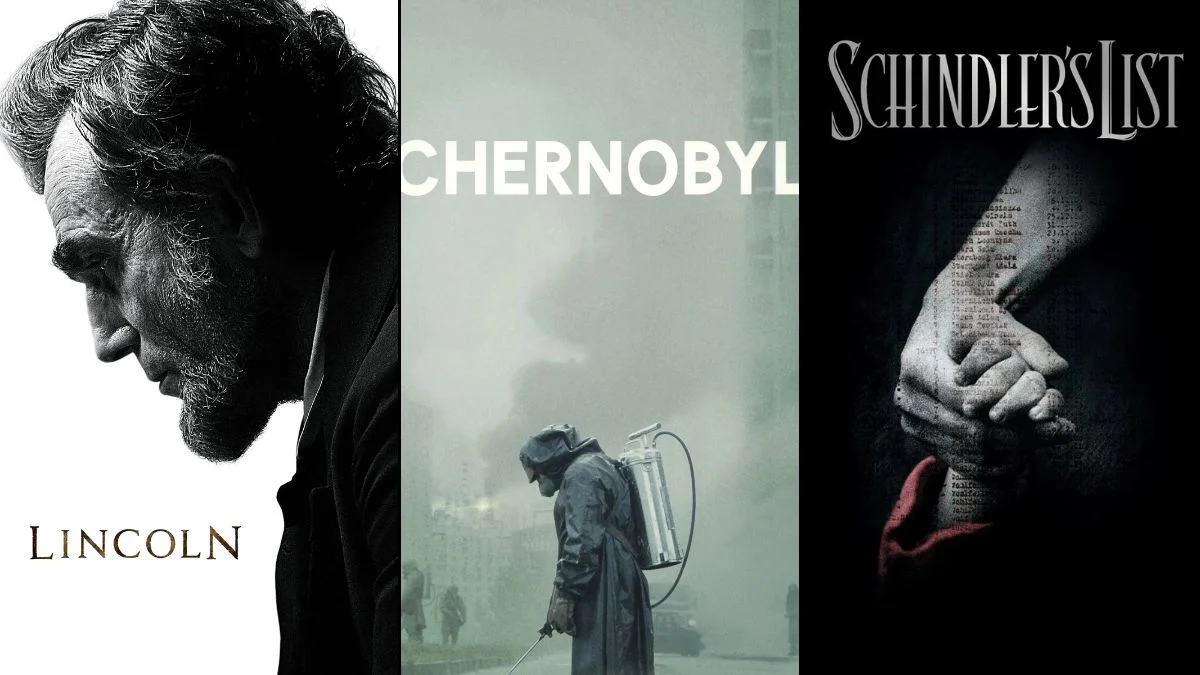


Many period pieces use the past merely as an aesthetic backdrop for generic romances or thrillers that could happen in any era. A truly great historical drama weaves actual events into the narrative fabric so tightly that the story could not exist without them. These productions require the audience to understand the political, social, and economic context of the time to fully appreciate the stakes. The characters in these films and series are not just living in history but are actively shaped by the specific forces of their time.
‘Wolf Hall’ (2015)
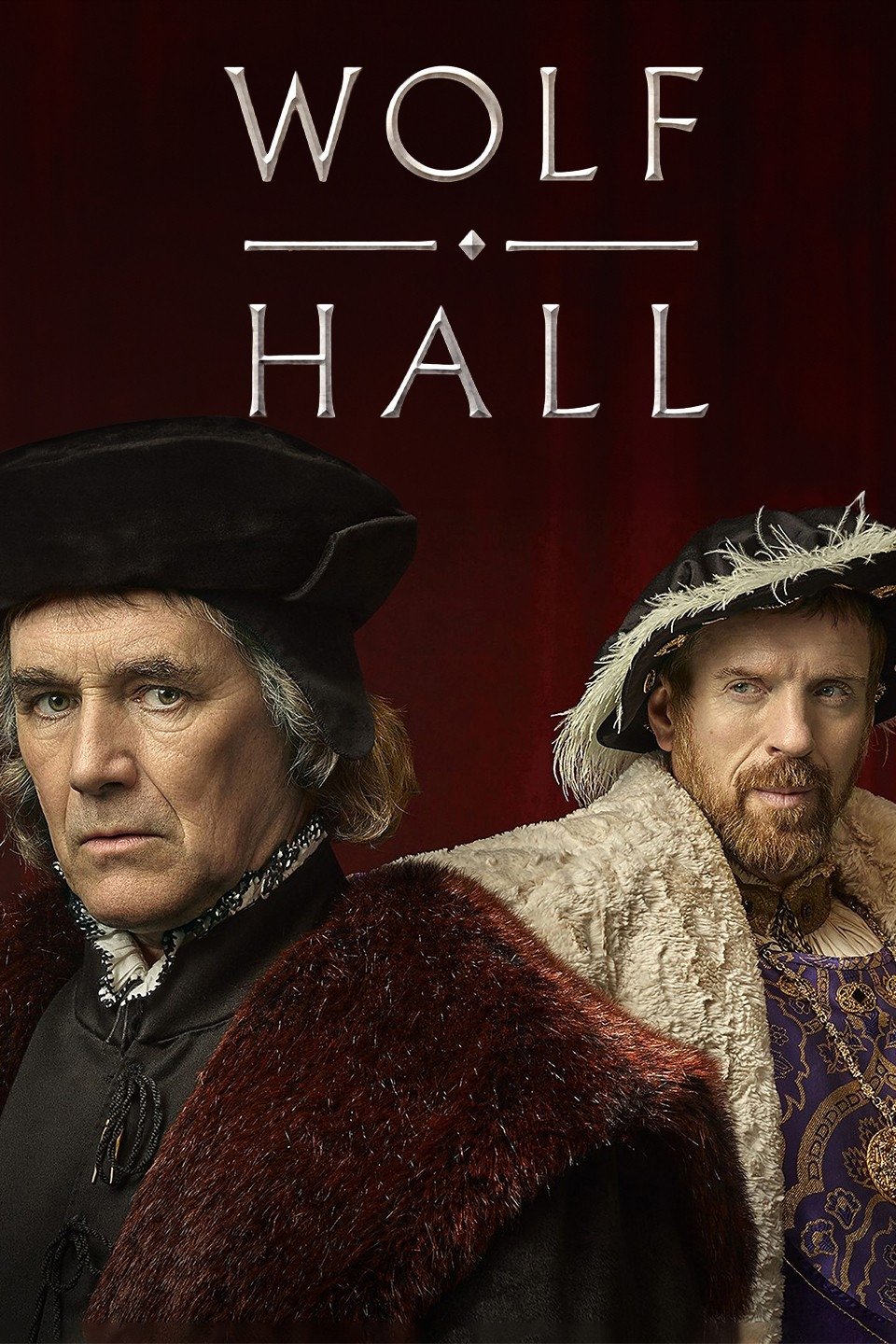
Thomas Cromwell navigates the treacherous political landscape of the Tudor court as he rises to power under King Henry VIII. The narrative focuses heavily on the religious reformation and the strategic annulment of the King’s marriage to Katherine of Aragon. Every conversation and maneuver is dictated by the historical necessity of securing a male heir for the throne. Viewers witness the complex legal and theological arguments that separated England from the Roman Catholic Church.
‘Lincoln’ (2012)
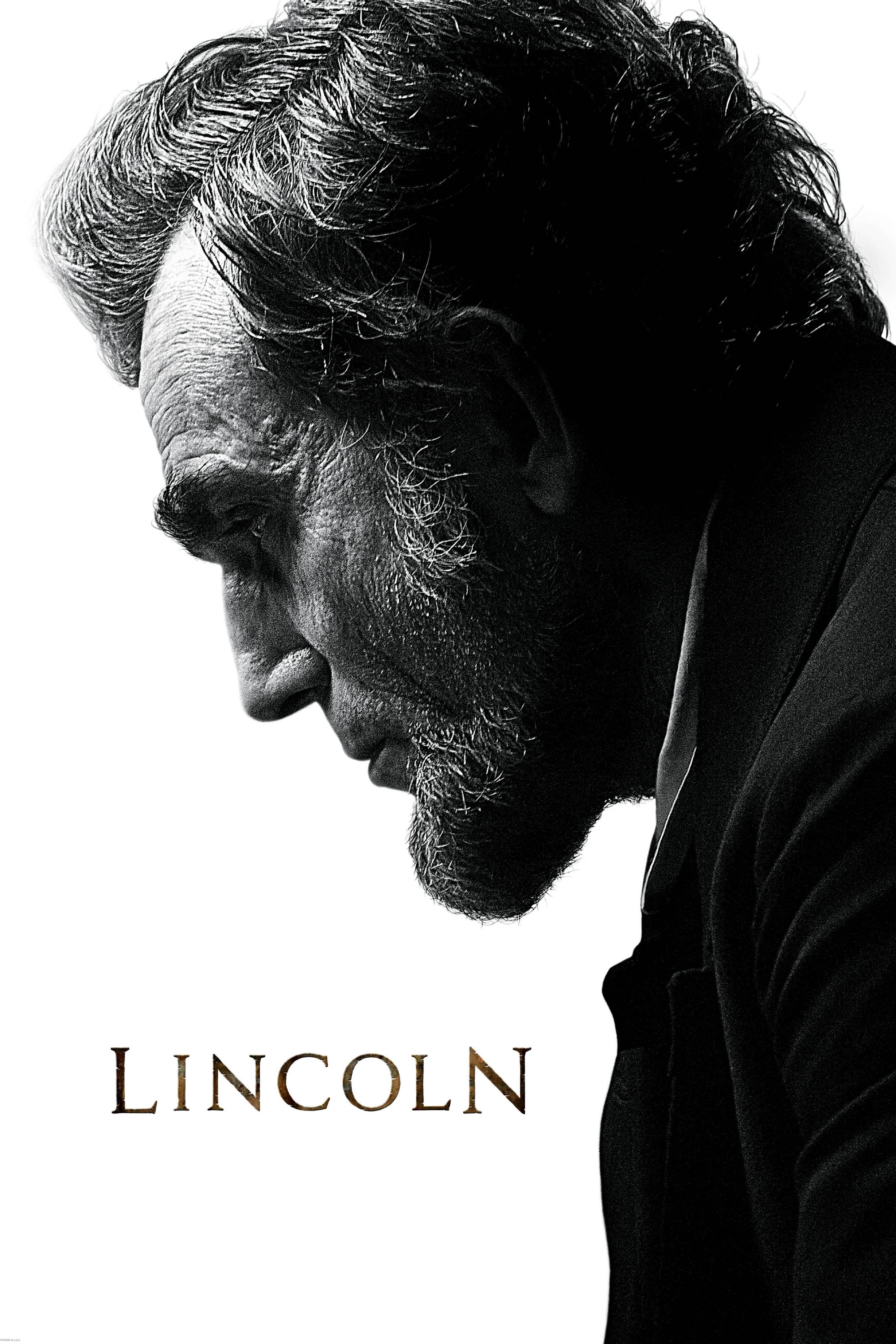
President Abraham Lincoln works feverishly to pass the Thirteenth Amendment to the United States Constitution before the end of the Civil War. The plot revolves entirely around the parliamentary procedures and backroom deals required to secure enough votes in the House of Representatives. Tension mounts as the war draws to a close and threatens to complicate the legislative emancipation of enslaved people. Historical accuracy regarding the political climate of 1865 drives the dramatic tension of the film.
‘Chernobyl’ (2019)
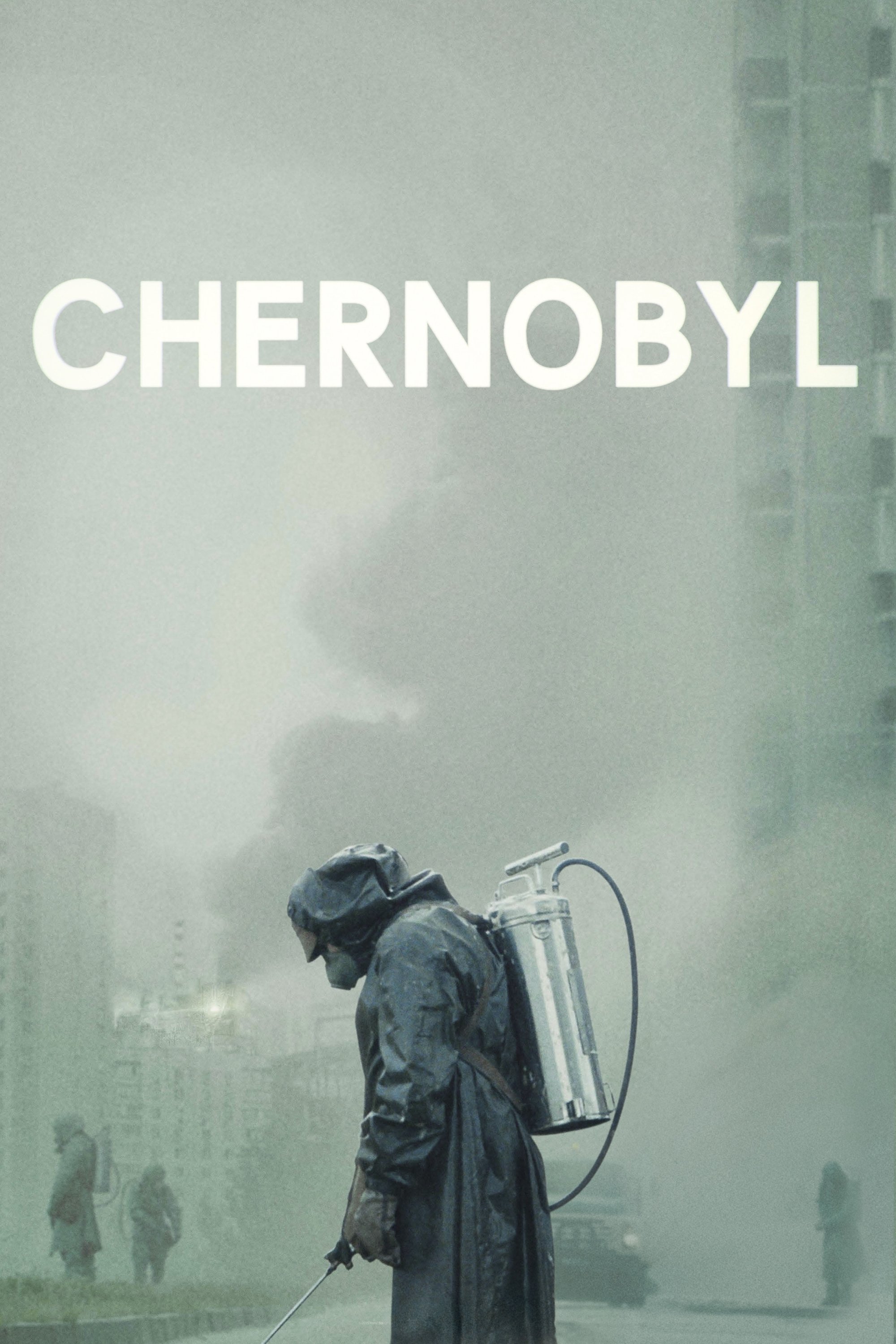
Soviet officials and scientists scramble to contain the catastrophic nuclear accident at the Chernobyl Nuclear Power plant in 1986. The miniseries details the specific failures of the RBMK reactor design and the subsequent government coverup that exacerbated the disaster. Valery Legasov leads the investigation while battling bureaucratic resistance and the ticking clock of radiation poisoning. The story relies on the technical and political realities of the Soviet Union to explain why the tragedy occurred.
‘John Adams’ (2008)
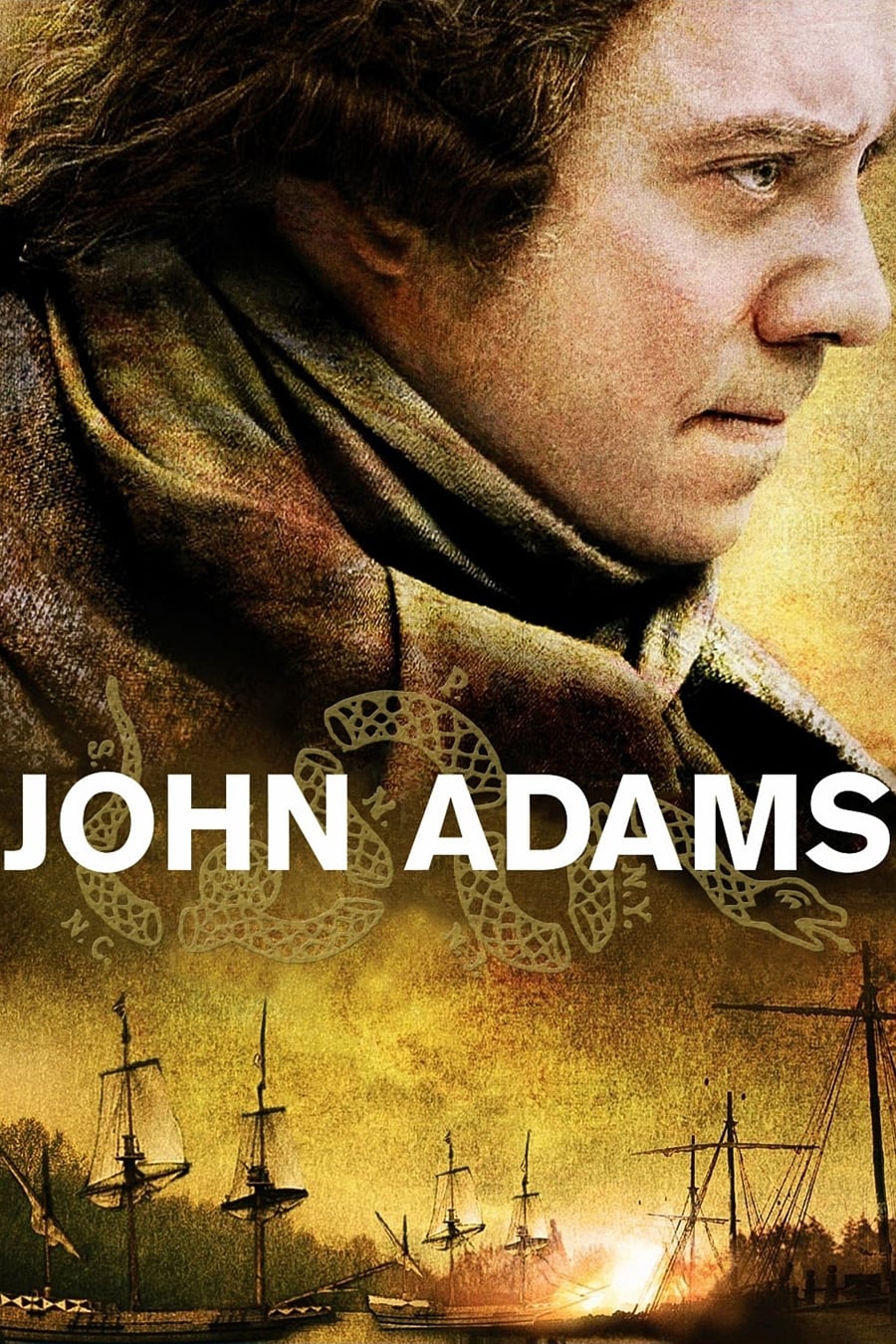
This miniseries chronicles the life of the second President of the United States and his role in the founding of the nation. The plot follows the Continental Congress as they debate independence from Great Britain and the drafting of the Declaration of Independence. Adams struggles to balance his diplomatic duties in Europe with his responsibilities at home during the formative years of the republic. The narrative is deeply rooted in the political philosophy and personal sacrifices required to build a new democracy.
‘Schindler’s List’ (1993)
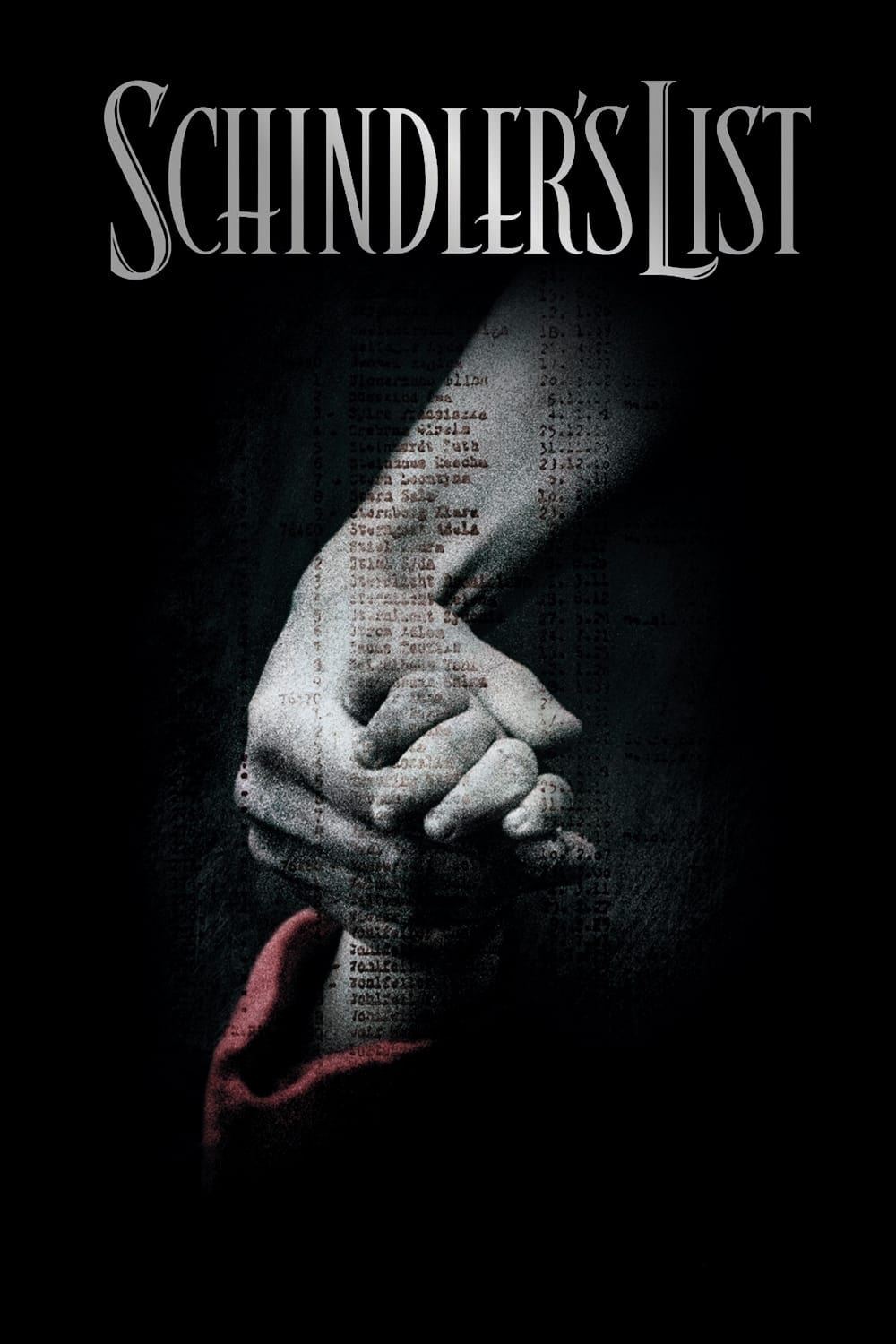
Oskar Schindler gradually transforms from a greedy businessman into a humanitarian amidst the horrors of the Holocaust in Poland. The film depicts the systematic liquidation of the Krakow ghetto and the forced labor camps operated by the Nazi regime. Historical events dictate the movement of the characters as the war front shifts and the Final Solution is implemented. The narrative serves as a harrowing document of survival grounded in the true story of the Schindlerjuden.
‘The Last Emperor’ (1987)
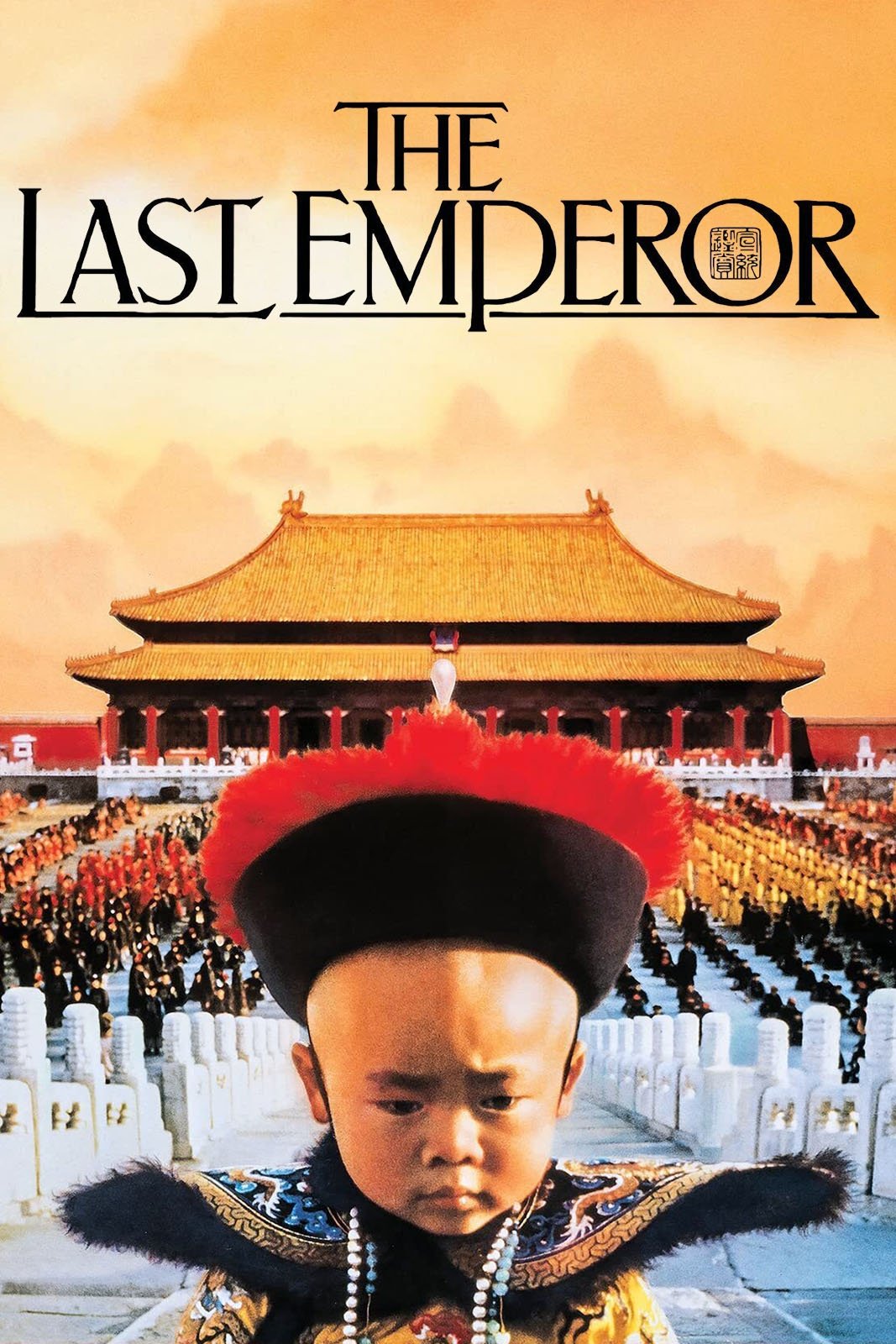
Pu Yi lives a life of immense luxury as the final monarch of the Qing Dynasty before facing the upheaval of the Chinese revolution. The film traces his journey from the Forbidden City to his time as a puppet ruler for the Japanese state of Manchukuo. Political changes in China force the protagonist to adapt to life as an ordinary citizen under Communist rule. The sweep of twentieth century Chinese history directly determines the fate of the protagonist at every stage of his life.
’12 Years a Slave’ (2013)
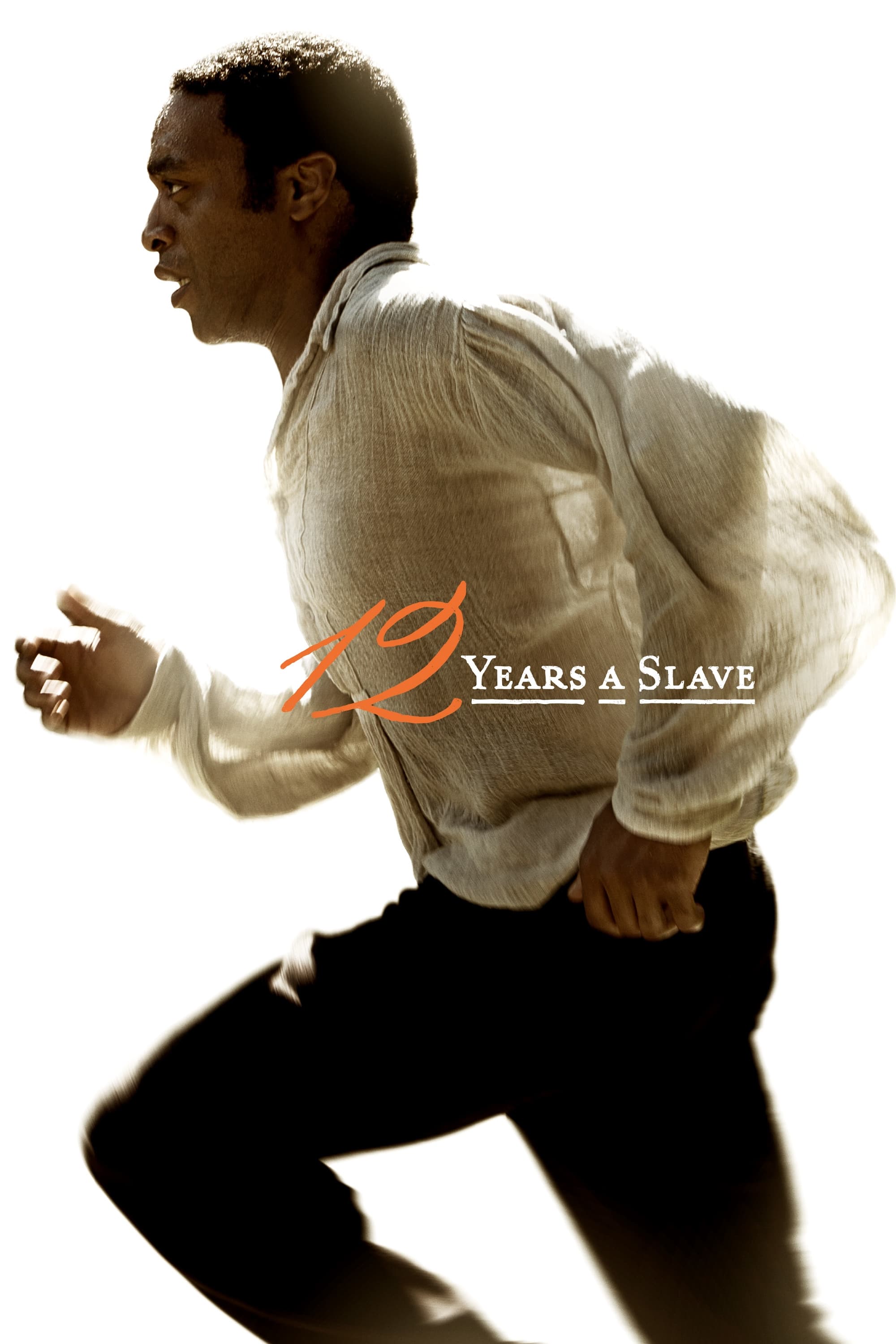
Solomon Northup faces the brutal reality of American chattel slavery after being kidnapped from the North and sold into bondage in the South. The film portrays the economic and legal systems that sustained slavery in Louisiana during the mid-nineteenth century. Northup navigates the dangers posed by various plantation owners while seeking a way to regain his freedom. The plot is strictly bound by the historical laws and social customs that stripped human beings of their rights.
‘Selma’ (2014)
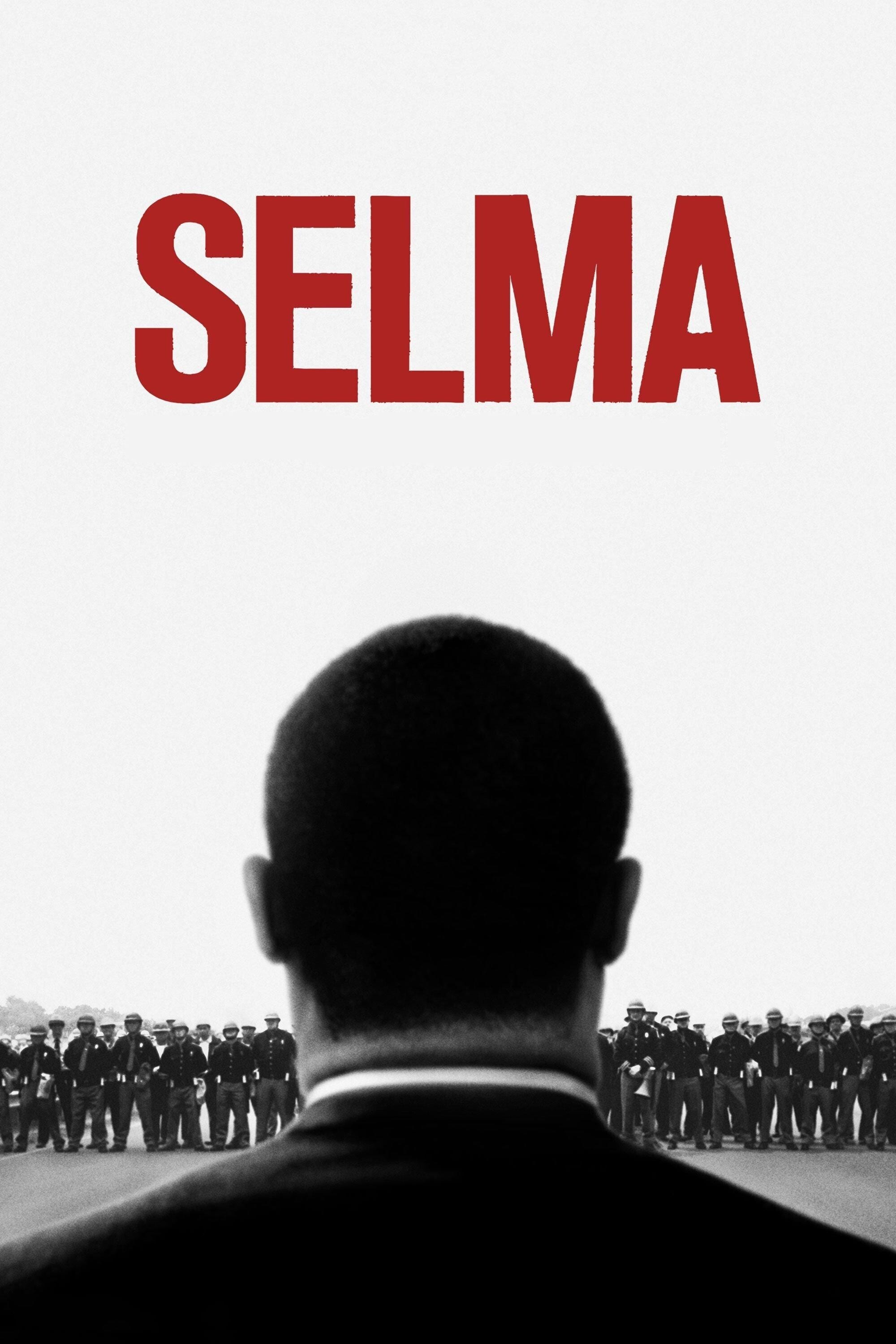
Dr. Martin Luther King Jr. organizes a campaign to secure equal voting rights for African Americans in Alabama during 1965. The narrative focuses on the strategic planning behind the protest marches from Selma to Montgomery and the violent opposition from local authorities. President Lyndon B. Johnson negotiates with King regarding the timing and political feasibility of the Voting Rights Act. Historical speeches and tactical decisions form the backbone of the screenplay.
‘All the President’s Men’ (1976)
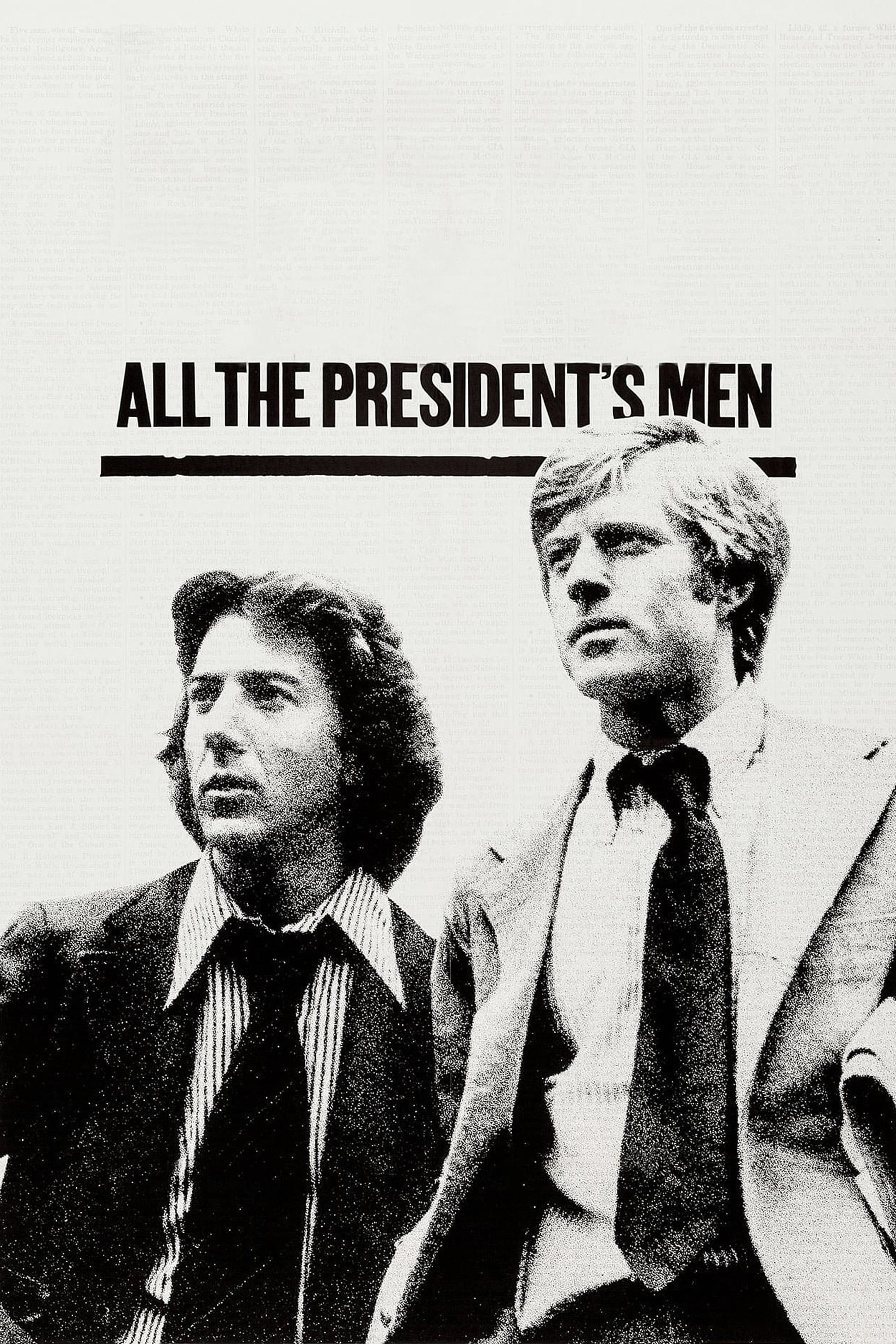
Journalists Bob Woodward and Carl Bernstein investigate the break-in at the Democratic National Committee headquarters at the Watergate complex. The plot follows their meticulous reporting as they uncover a conspiracy leading to the highest levels of the Nixon administration. Every discovery in the film corresponds to the real investigative process that exposed the scandal. The narrative relies on the actual timeline of events that eventually led to the resignation of a sitting president.
‘Band of Brothers’ (2001)
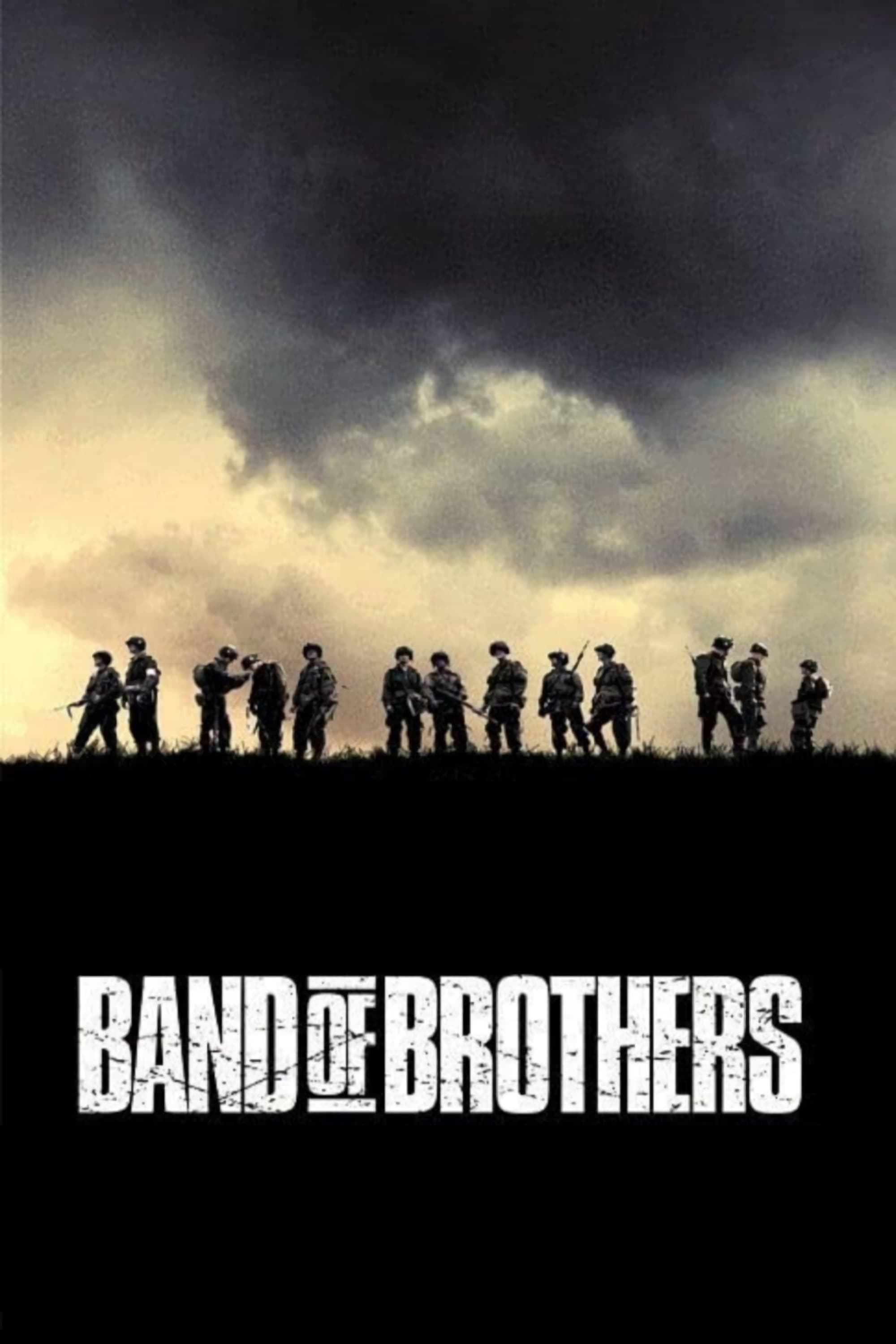
Easy Company of the 101st Airborne Division experiences the major European theater engagements of World War II from D-Day to the capture of the Eagle’s Nest. The series meticulously recreates the tactical movements and logistical challenges faced by the paratroopers. Soldiers deal with the harsh realities of combat and the psychological toll of warfare based on veteran accounts. The timeline follows the specific historical battles that led to the Allied victory in Europe.
‘Darkest Hour’ (2017)
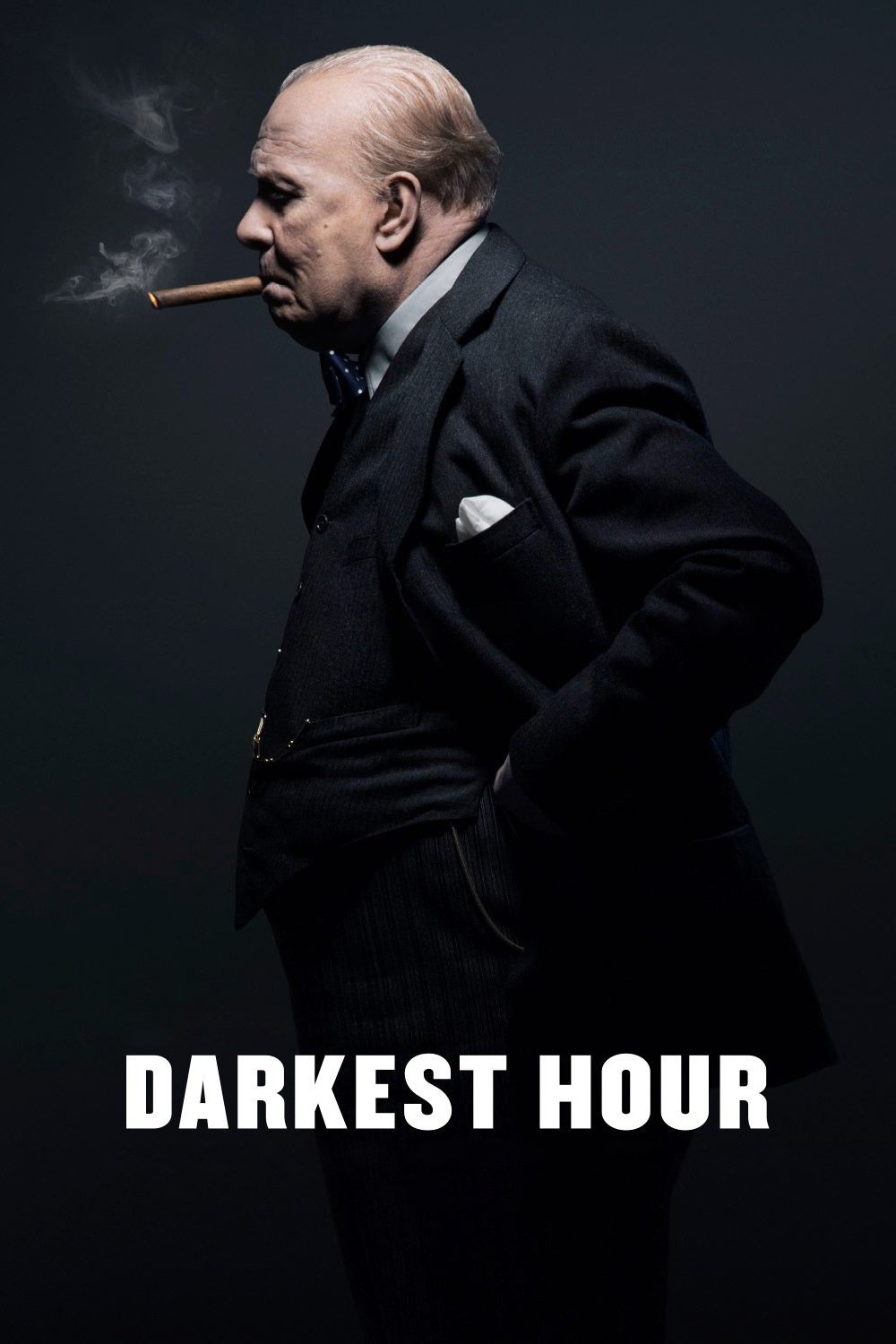
Winston Churchill faces a crucial decision on whether to negotiate a peace treaty with Nazi Germany or fight on against overwhelming odds. The film covers the intense period in 1940 when the British Army was trapped at Dunkirk and an invasion seemed imminent. Political rivals within the War Cabinet pressure the Prime Minister to capitulate to avoid total destruction. The plot hinges on the specific parliamentary debates and military situations that defined British resistance.
‘The Lion in Winter’ (1968)
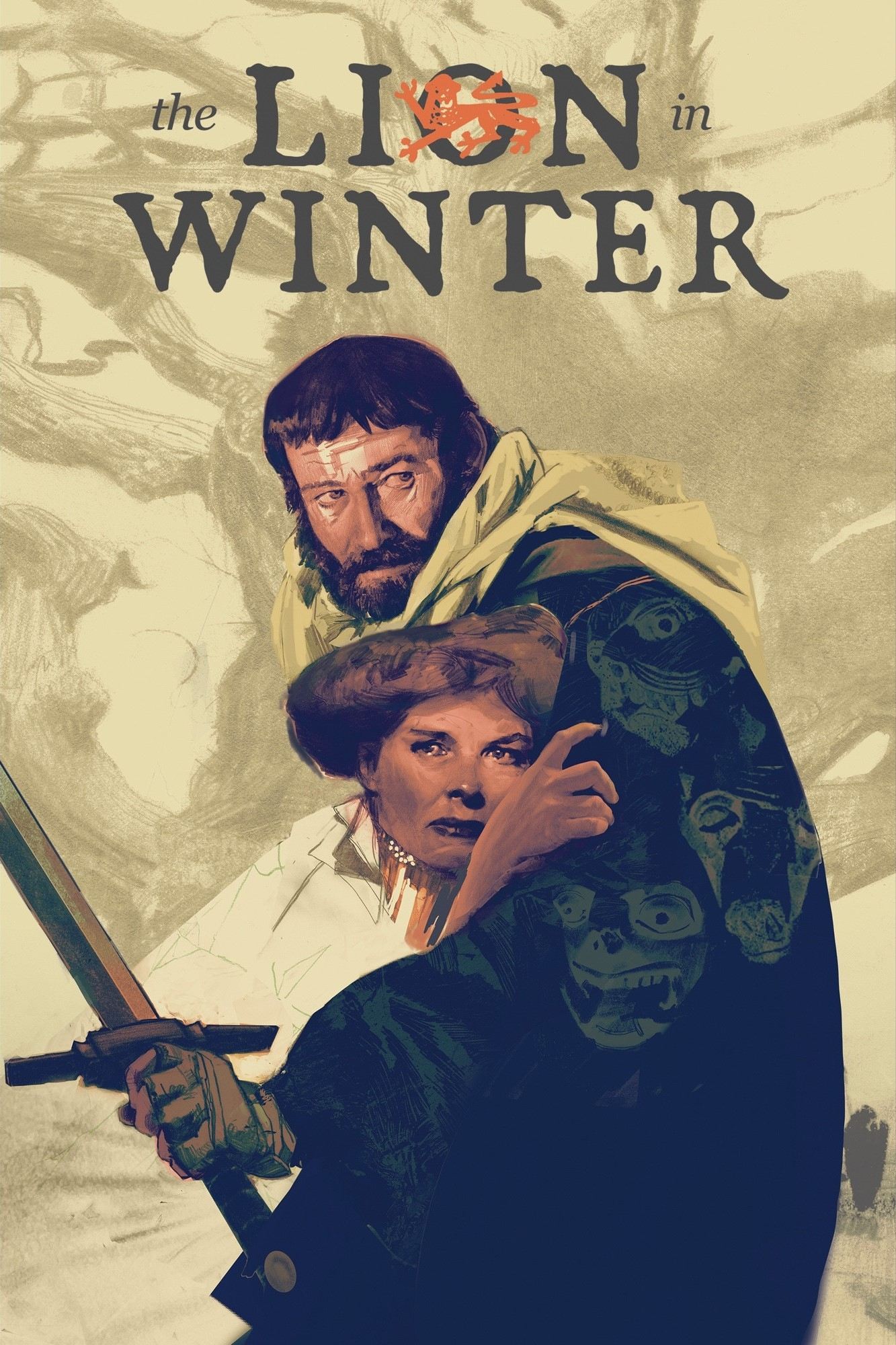
King Henry II and his estranged wife Eleanor of Aquitaine engage in a high stakes political chess match over the succession of the English throne during Christmas 1183. The drama unfolds through the complex alliances and betrayals between the monarch and his three ambitious sons. Historical territorial disputes between England and France complicate the family dynamics and inheritance laws. The dialogue reflects the intricate power structures of the medieval Angevin Empire.
‘A Man for All Seasons’ (1966)

Sir Thomas More refuses to sign a letter asking the Pope to annul the marriage of King Henry VIII to Catherine of Aragon. The film centers on the legal and moral battle between the King’s desire for an heir and More’s steadfast religious conscience. Political pressure mounts as the state apparatus turns against the Lord Chancellor for his silence. The climax rests on the specific treason laws and judicial proceedings of sixteenth century England.
‘Apollo 13’ (1995)
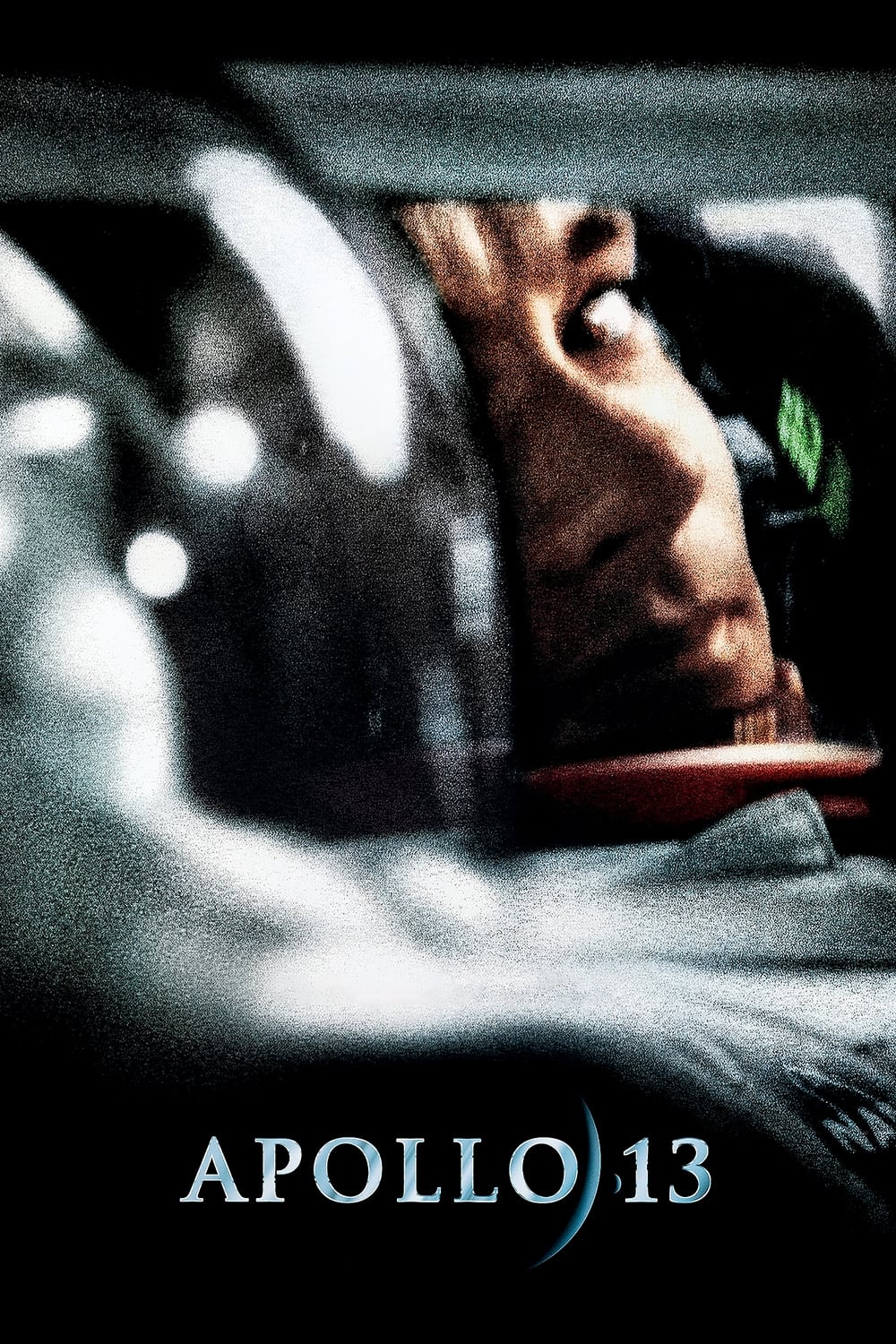
NASA astronauts and ground control personnel work together to bring a damaged spacecraft back to Earth after an oxygen tank explosion. The plot tracks the technical solutions engineered in real time to manage power levels and carbon dioxide filters. Historical accuracy regarding the flight trajectory and communication protocols creates the suspense. The narrative remains faithful to the actual events of the failed 1970 lunar landing mission.
‘Spotlight’ (2015)

The Boston Globe investigative team uncovers a massive pattern of child sex abuse coverups within the local Catholic Archdiocese. Reporters chase leads and navigate legal barriers to verify allegations that had been ignored for decades. The film details the journalistic process of corroborating sources and challenging powerful institutions. The release of the resulting story marks a significant moment in the history of institutional accountability.
‘Tora! Tora! Tora!’ (1970)
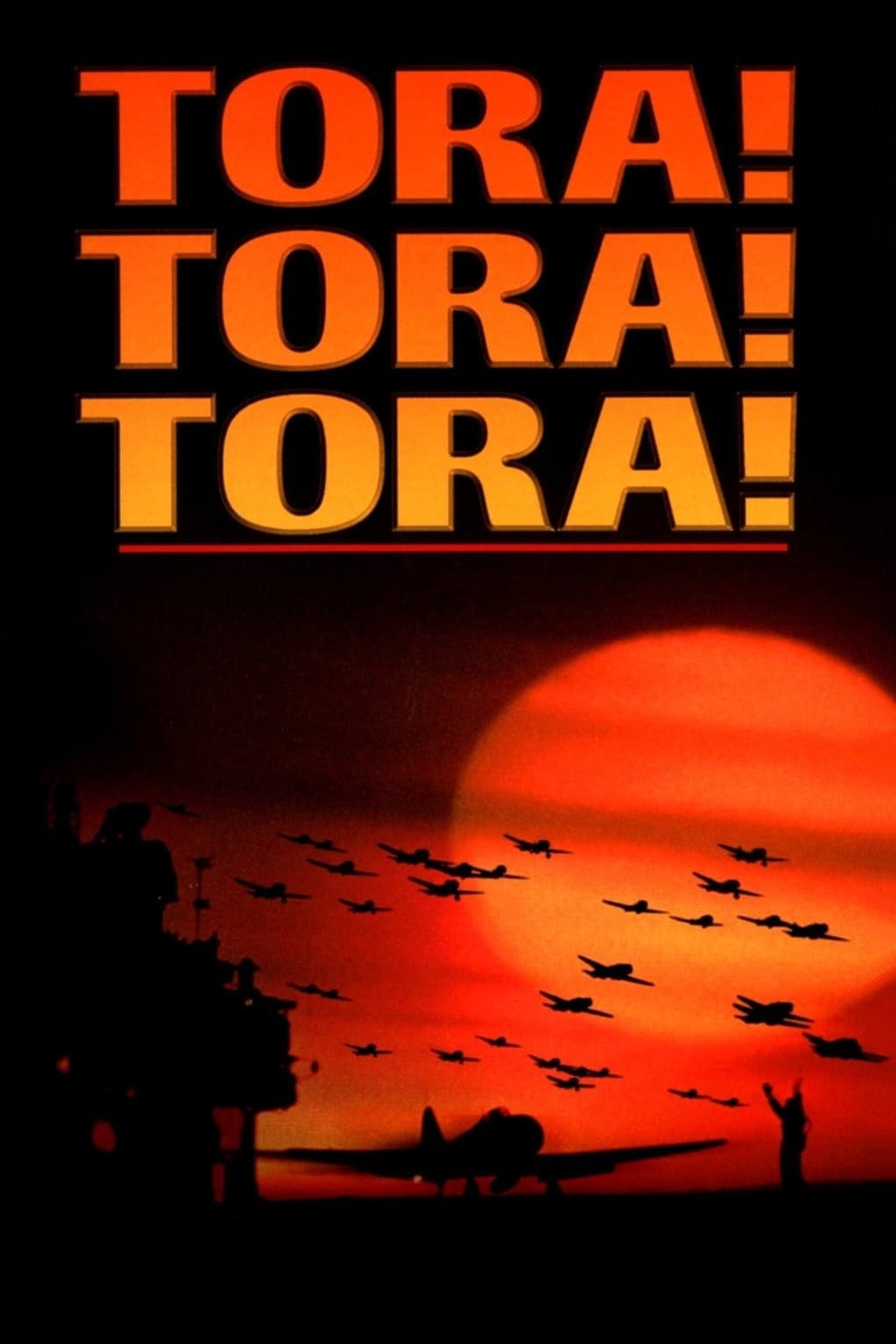
Japanese and American military officials make a series of decisions that lead to the attack on Pearl Harbor in 1941. The film presents a dual perspective on the diplomatic failures and intelligence errors that preceded the conflict. Viewers see the logistical planning of the Japanese Imperial Navy and the complacency of the American command. The sequence of events adheres strictly to the historical record of the days leading up to the infamy.
‘Downfall’ (2004)

Adolf Hitler and his inner circle confront the inevitable defeat of the Third Reich in a Berlin bunker during the final days of World War II. The film depicts the disintegration of command structures and the desperation of the Nazi leadership as the Red Army advances. Historical accounts from survivors inform the portrayal of the claustrophobic atmosphere and the final decisions of the dictator. The plot is a grim recreation of the end of the war in Europe.
‘Rome’ (2005–2007)
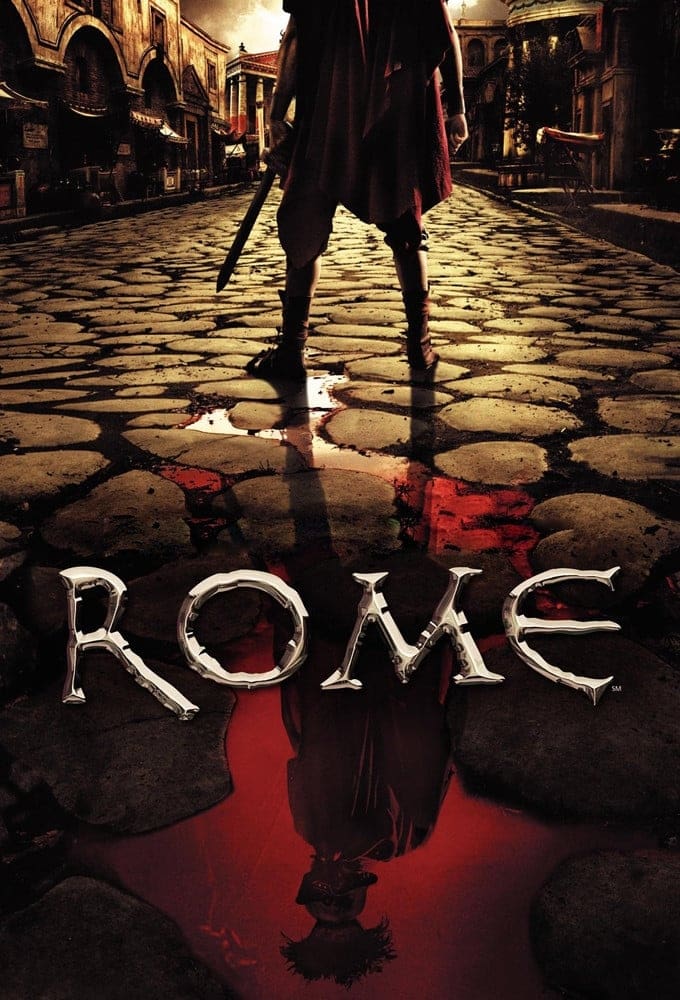
Two Roman soldiers witness the transformation of the Roman Republic into an Empire through their involvement in key historical events. The series intertwines the lives of ordinary citizens with the power struggles of Julius Caesar and Mark Antony. Political maneuvering in the Senate and military campaigns in Gaul drive the overarching narrative. The show illustrates how the shifting tides of history impact social structures and individual destinies.
Tell us which historical event you would like to see adapted into a historically accurate drama in the comments.