


18 Period Pieces That Sneak Modern Sensibilities In Cleverly

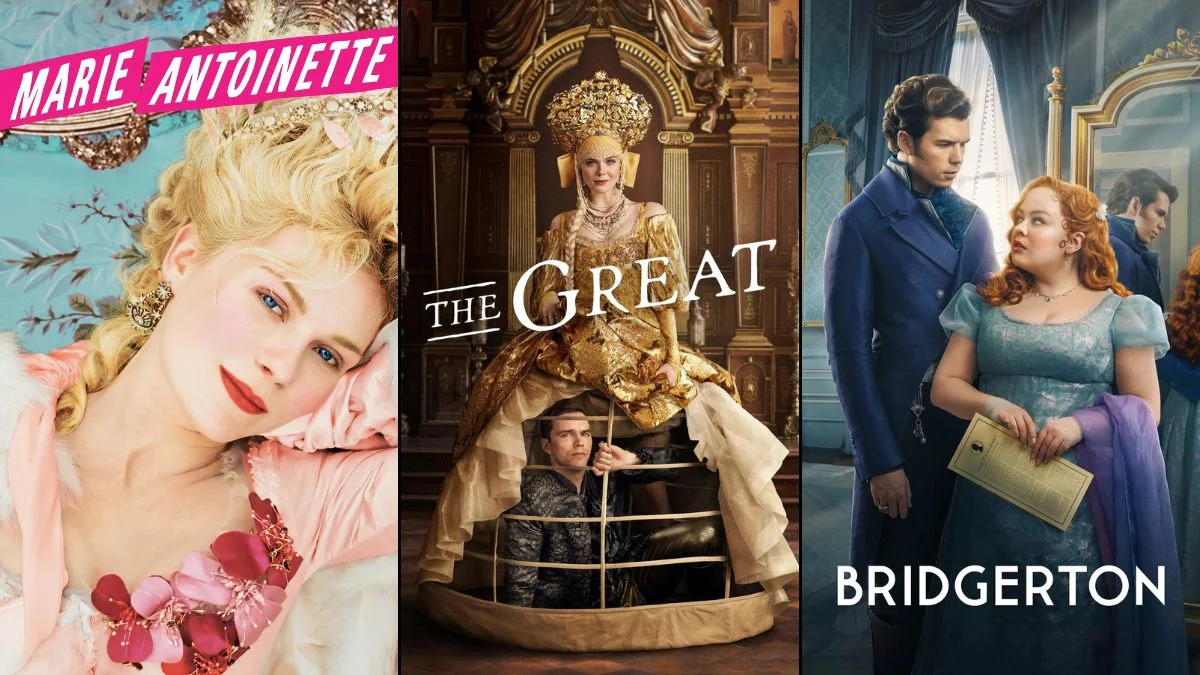


Period pieces traditionally strive for historical accuracy in every detail from costumes to dialect. A new wave of filmmakers challenges this notion by injecting contemporary music and dialogue into historical settings. These anachronistic elements serve to bridge the gap between the past and present audiences by highlighting universal themes. The following titles demonstrate how modern sensibilities can revitalize classic storytelling tropes without losing the essence of the era.
‘Bridgerton’ (2020–Present)
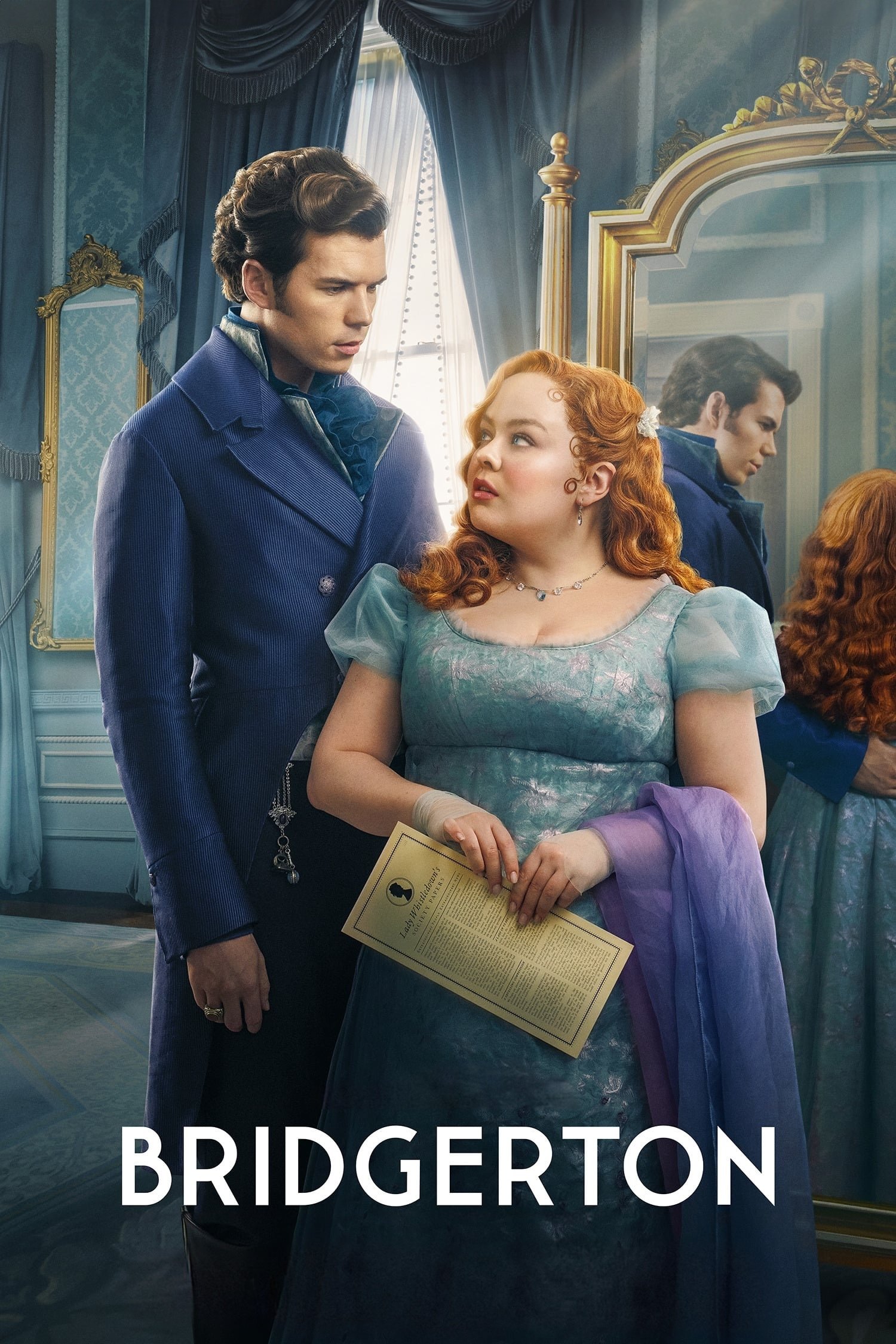
The Regency era gets a vibrant makeover in this hit series produced by Shonda Rhimes. String quartet arrangements of pop songs by artists like Ariana Grande set a distinctive auditory tone. The show utilizes a color-conscious casting approach that reimagines the racial dynamics of 19th-century London high society. Characters navigate the marriage market with a modern understanding of agency and romance. This blend of historical setting and contemporary aesthetics creates a uniquely accessible period drama.
‘Marie Antoinette’ (2006)
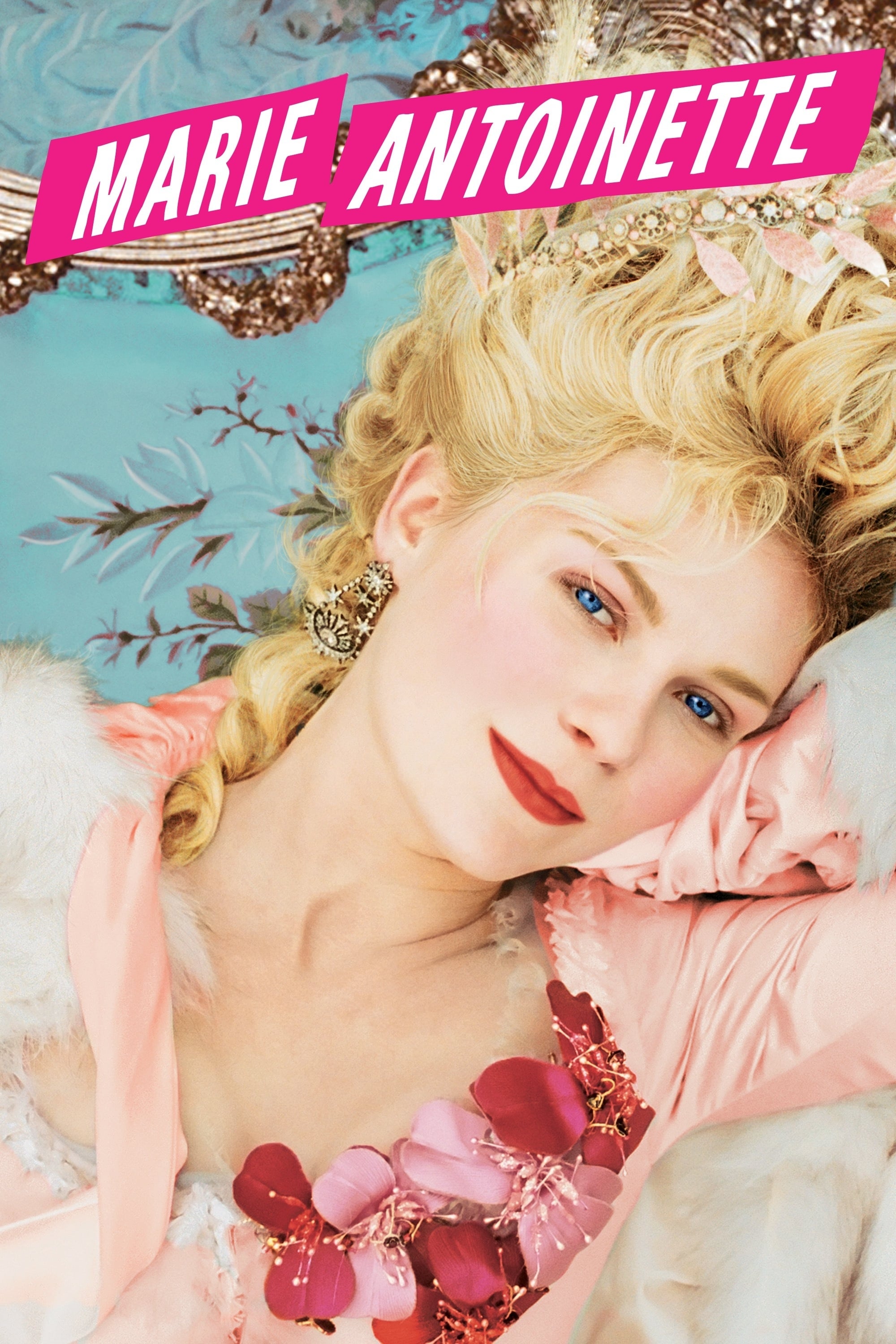
Sofia Coppola directs this stylized biography that prioritizes mood over strict historical adherence. The soundtrack features post-punk and new wave bands like The Cure and New Order to reflect the teenage angst of the young queen. A famous shot briefly displays a pair of lilac Converse sneakers among the 18th-century footwear to emphasize the youthful rebellion. The film focuses on the suffocating nature of celebrity and public scrutiny rather than political events. Critics initially divided over these choices have since recognized the film as a trendsetter for modern period pieces.
‘A Knight’s Tale’ (2001)
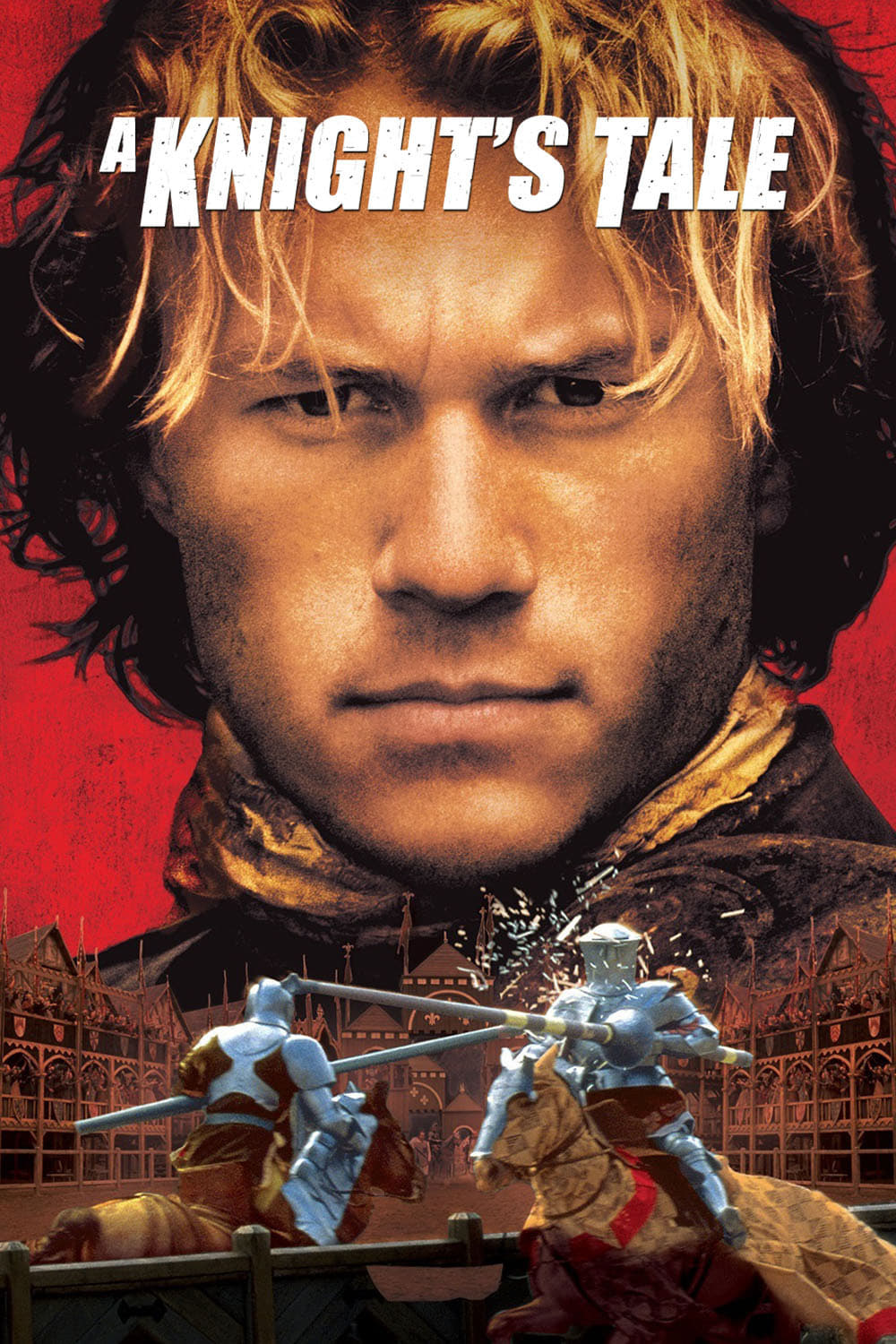
Heath Ledger stars as a peasant who reinvents himself as a noble knight to compete in jousting tournaments. The movie opens with a crowd of medieval peasants clapping and stomping to Queen’s anthem We Will Rock You. Characters utilize modern slang and sports metaphors that turn the jousting arena into a rock concert atmosphere. The armor designs incorporate logos reminiscent of modern athletic sponsorship branding. This deliberate clash of eras highlights the timeless nature of sports celebrity culture.
‘Dickinson’ (2019–2021)
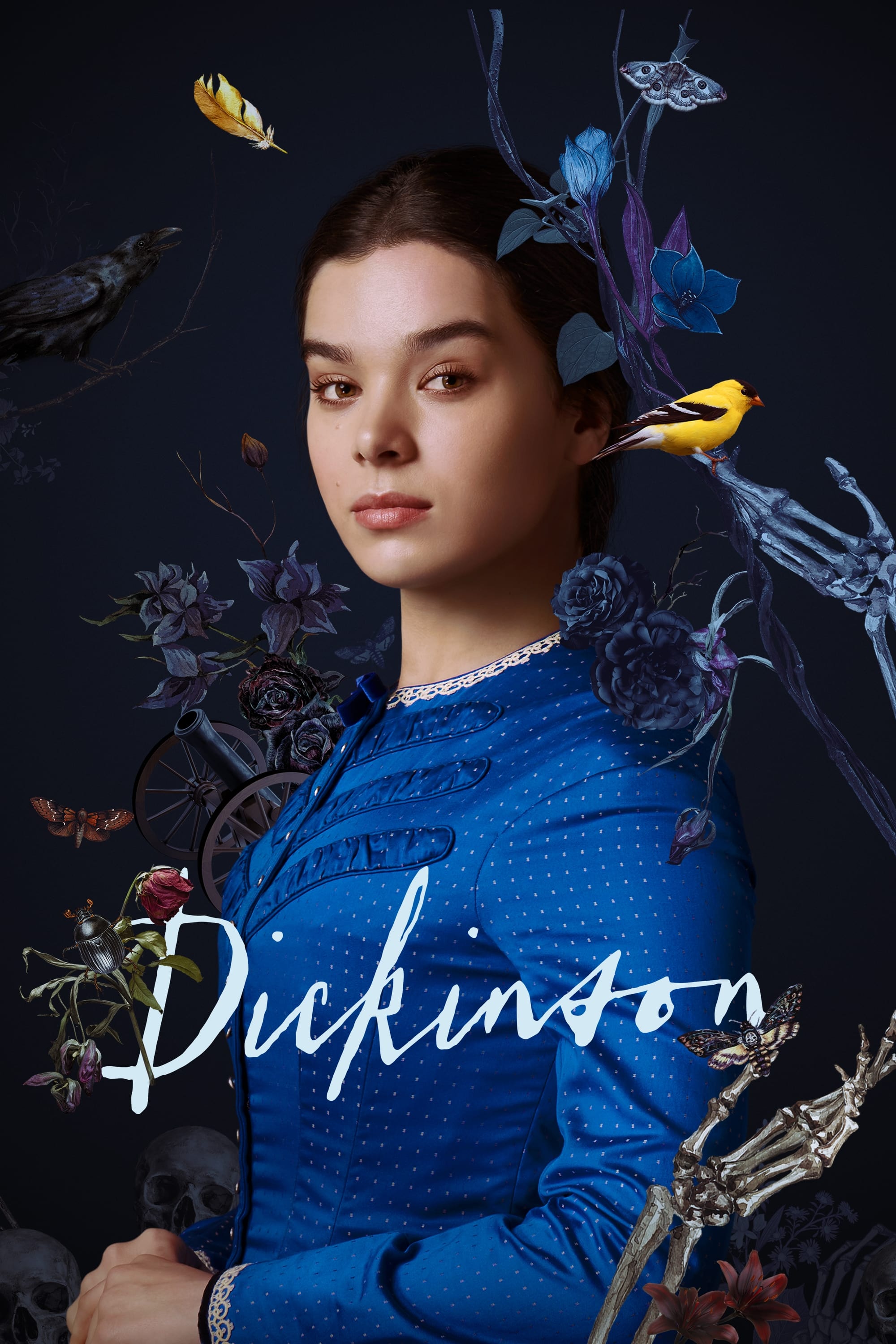
This series reimagines the youth of poet Emily Dickinson with a decidedly millennial energy. Hailee Steinfeld portrays the title character who speaks in modern vernacular while her parents use period-appropriate language. Contemporary trap and hip-hop music underscore the scenes of teenage rebellion and partying. The show explores concepts of fluid sexuality and gender roles through a lens that feels current rather than repressive. It successfully frames the famous recluse as a misunderstood genius ahead of her time.
‘The Great’ (2020–2023)
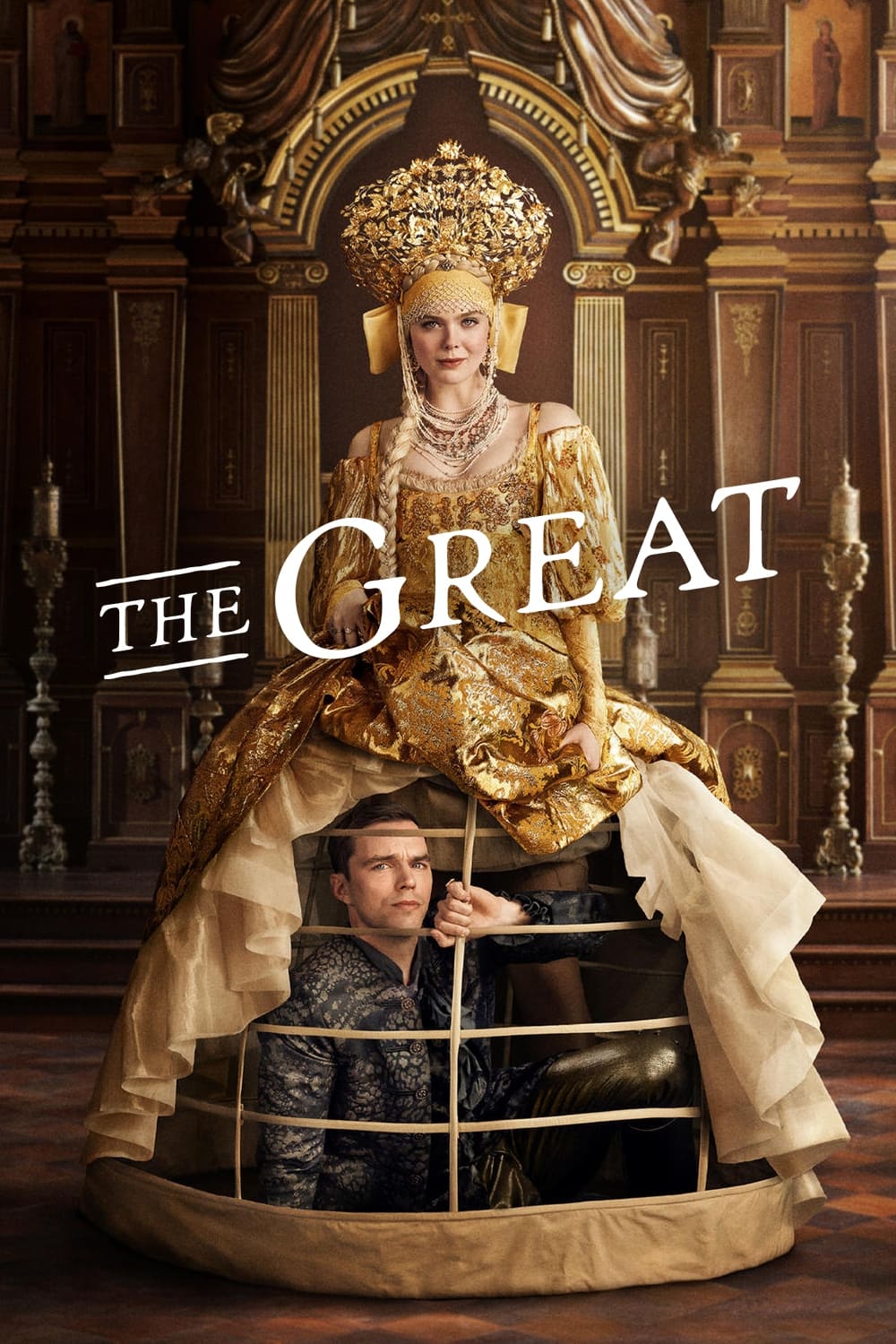
Elle Fanning and Nicholas Hoult lead this satirical comedy about the rise of Catherine the Great in Russia. The script intentionally disregards historical facts in favor of sharp and profane modern dialogue. Characters frequently engage in banter that mirrors modern workplace dynamics and political absurdity. The series uses its loose relationship with history to comment on gender power struggles and leadership incompetence. It establishes a tone that is intellectually playful rather than academically rigorous.
‘The Favourite’ (2018)
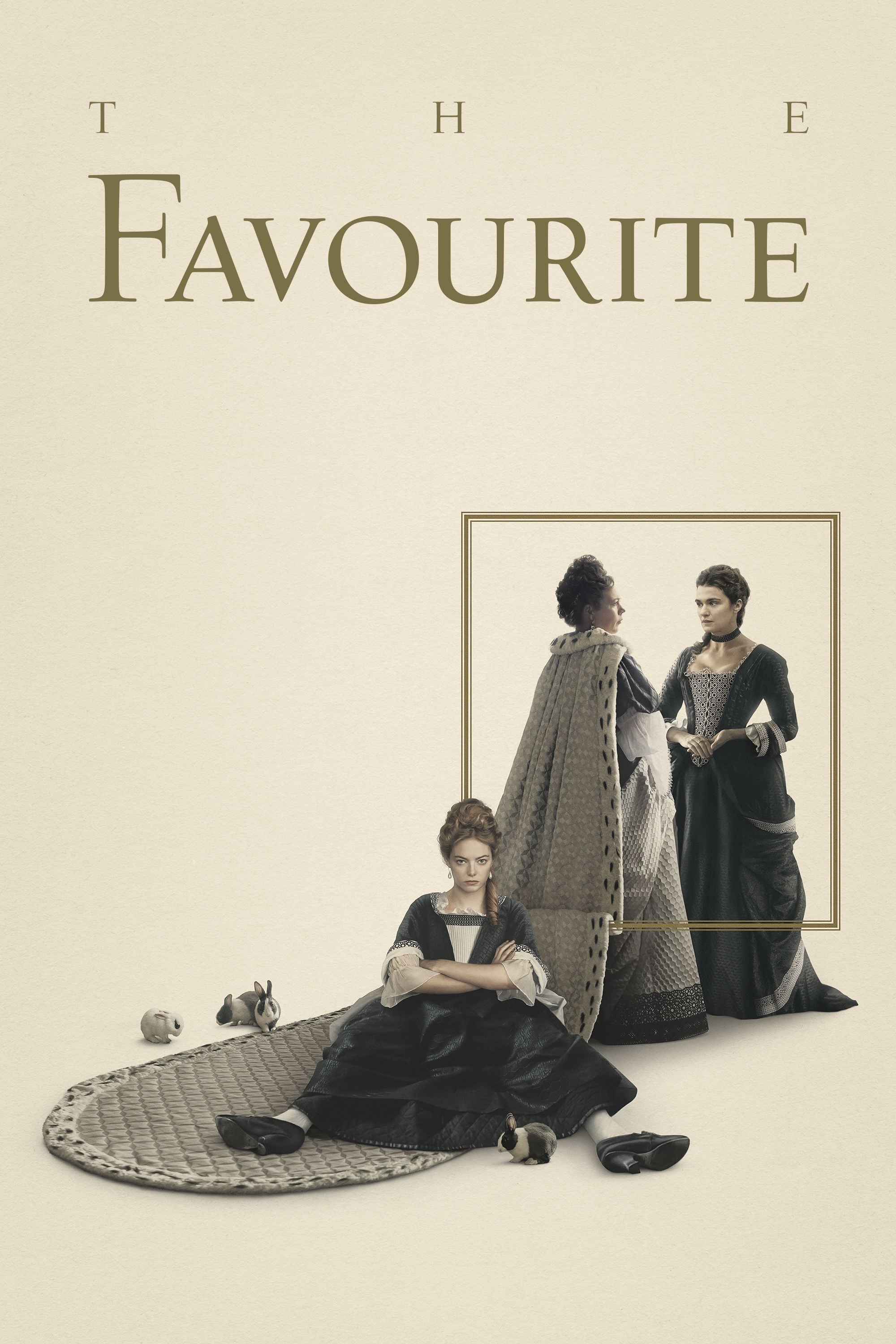
Yorgos Lanthimos directs this dark comedy set in the court of Queen Anne during the early 18th century. The characters engage in power plays using dialogue that feels sharp and immediate rather than archaic. A standout sequence features a court dance that evolves into bizarre contemporary movements including vogueing. The costumes blend period silhouettes with modern fabrics like denim and vinyl to create a stark visual language. These choices strip away the stiffness often associated with royal dramas.
‘Enola Holmes’ (2020)
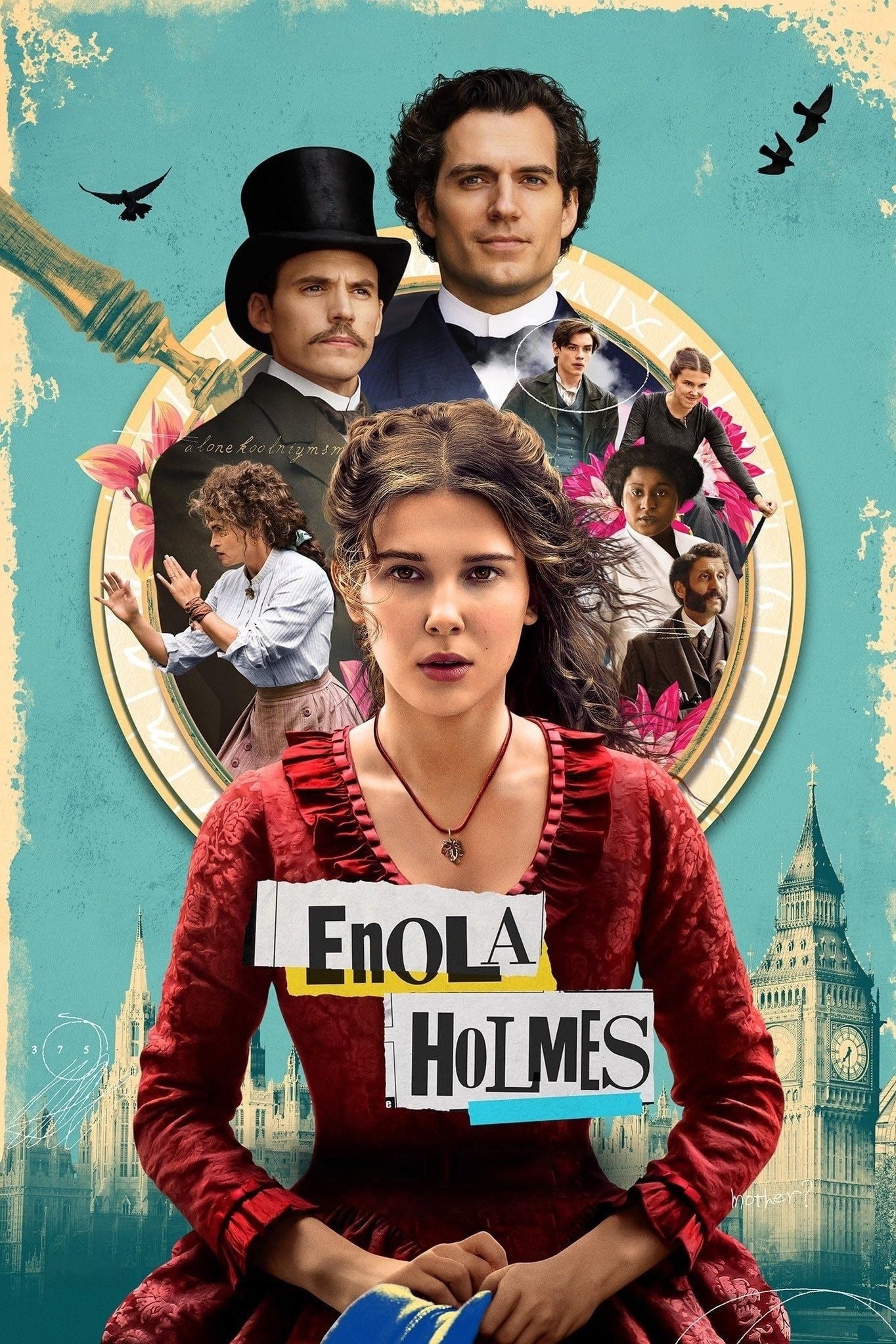
Millie Bobby Brown plays the younger sister of the famous detective Sherlock Holmes in this energetic mystery. The protagonist frequently breaks the fourth wall to address the audience directly about her struggles. She uses jujitsu moves and detective skills to challenge the patriarchal restrictions of the Victorian era. The film tackles themes of female independence and suffrage with a clarity designed for younger modern viewers. It transforms a classic setting into a playground for a thoroughly modern heroine.
‘Moulin Rouge!’ (2001)
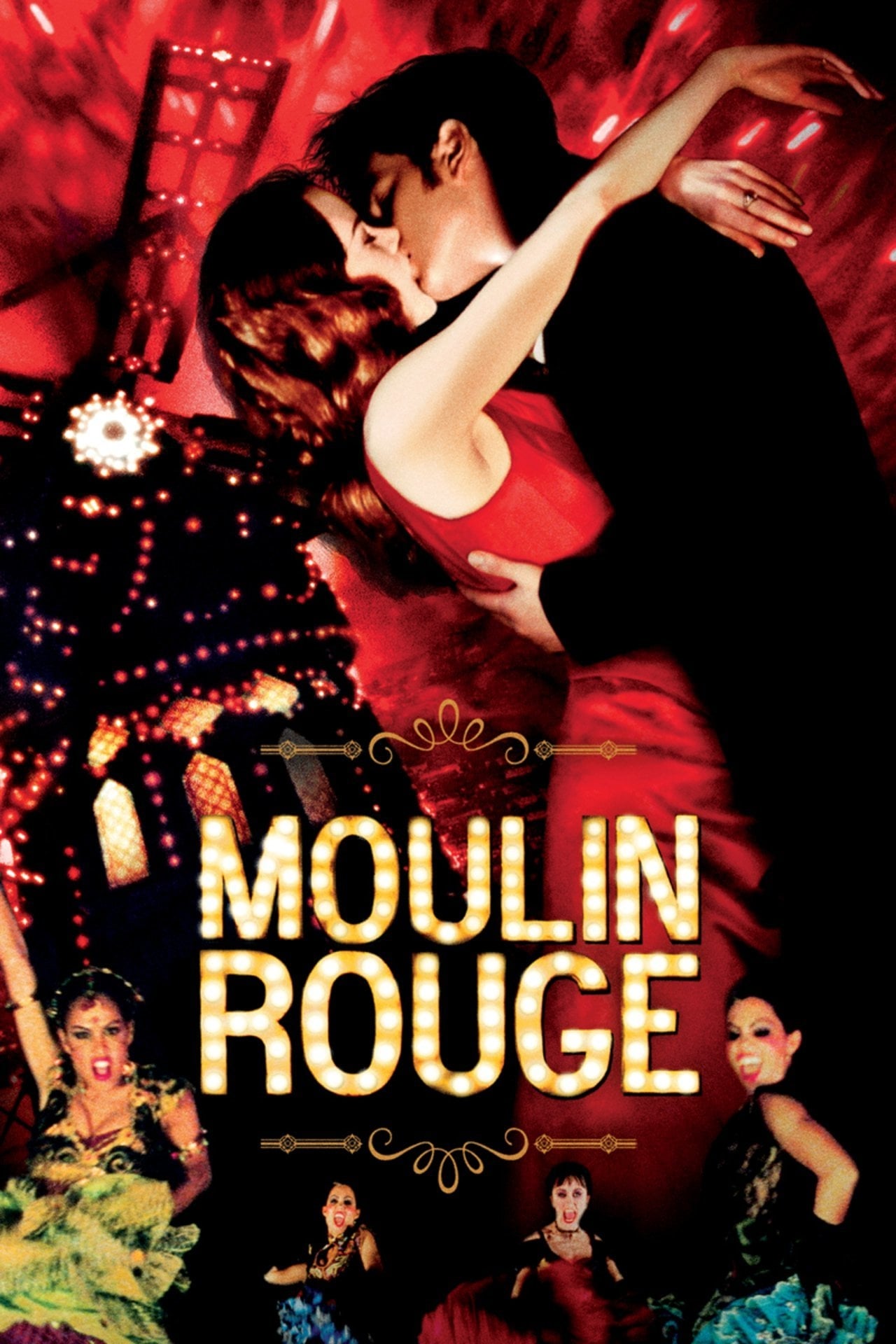
Baz Luhrmann revitalizes the movie musical by setting a tragic romance in a hyper-kinetic version of 1900 Paris. The characters express their feelings through medleys of 20th-century pop hits from artists like Madonna and Elton John. The editing style is rapid and frantic in a way that mimics the energy of a music video. This jukebox musical approach connects the bohemian revolution of the past with modern pop culture. The film prioritizes emotional truth and spectacle over realistic period depiction.
‘The Great Gatsby’ (2013)
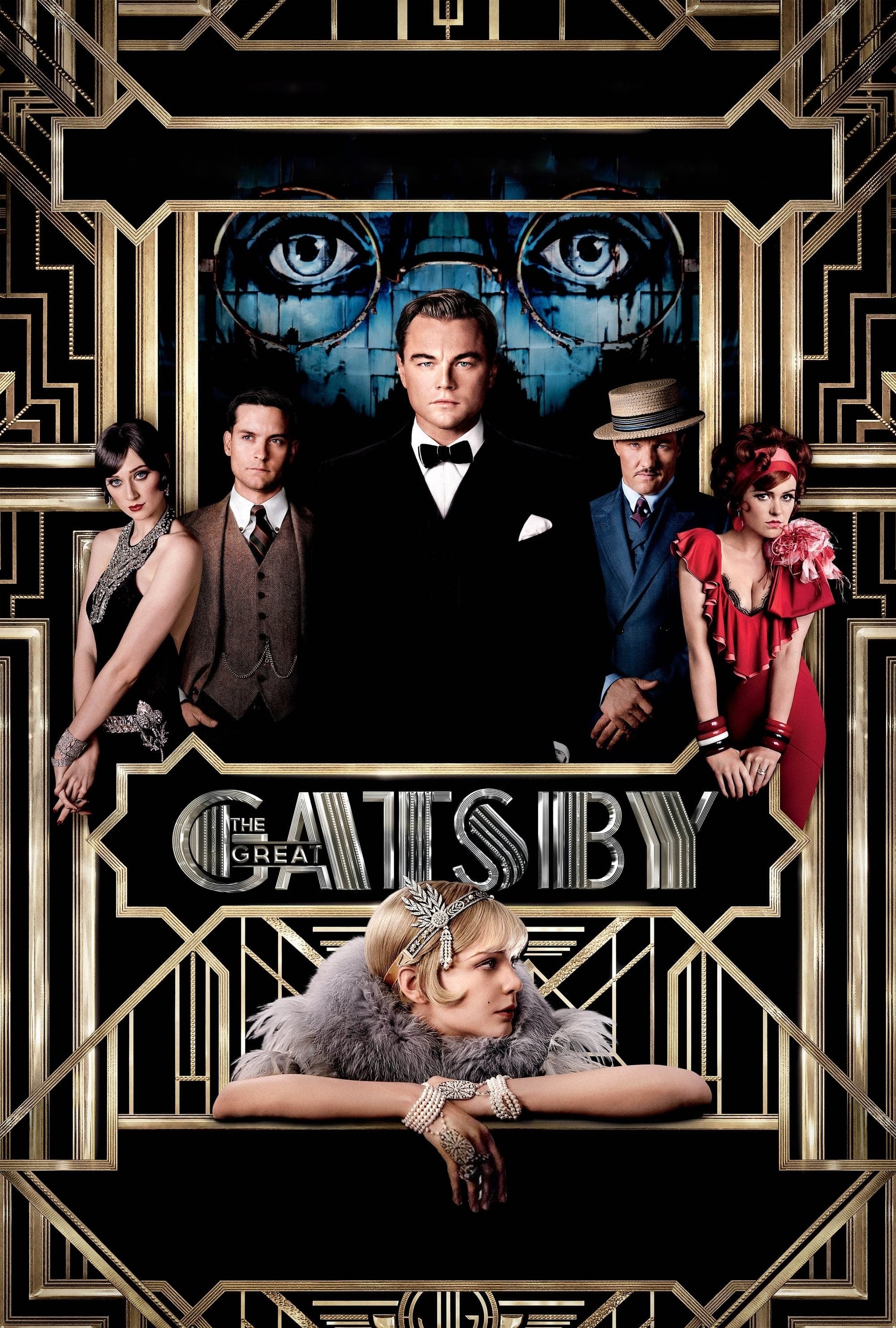
Director Baz Luhrmann returns to his anachronistic style to adapt the classic F. Scott Fitzgerald novel. The Jazz Age setting is soundtracked by hip-hop and electronic music produced by Jay-Z. Visual effects and 3D camera movements give the parties a sense of overwhelming modern excess. The film draws a direct line between the Roaring Twenties and contemporary celebrity culture. This stylistic choice emphasizes the dangerous allure of wealth that transcends specific decades.
‘Persuasion’ (2022)
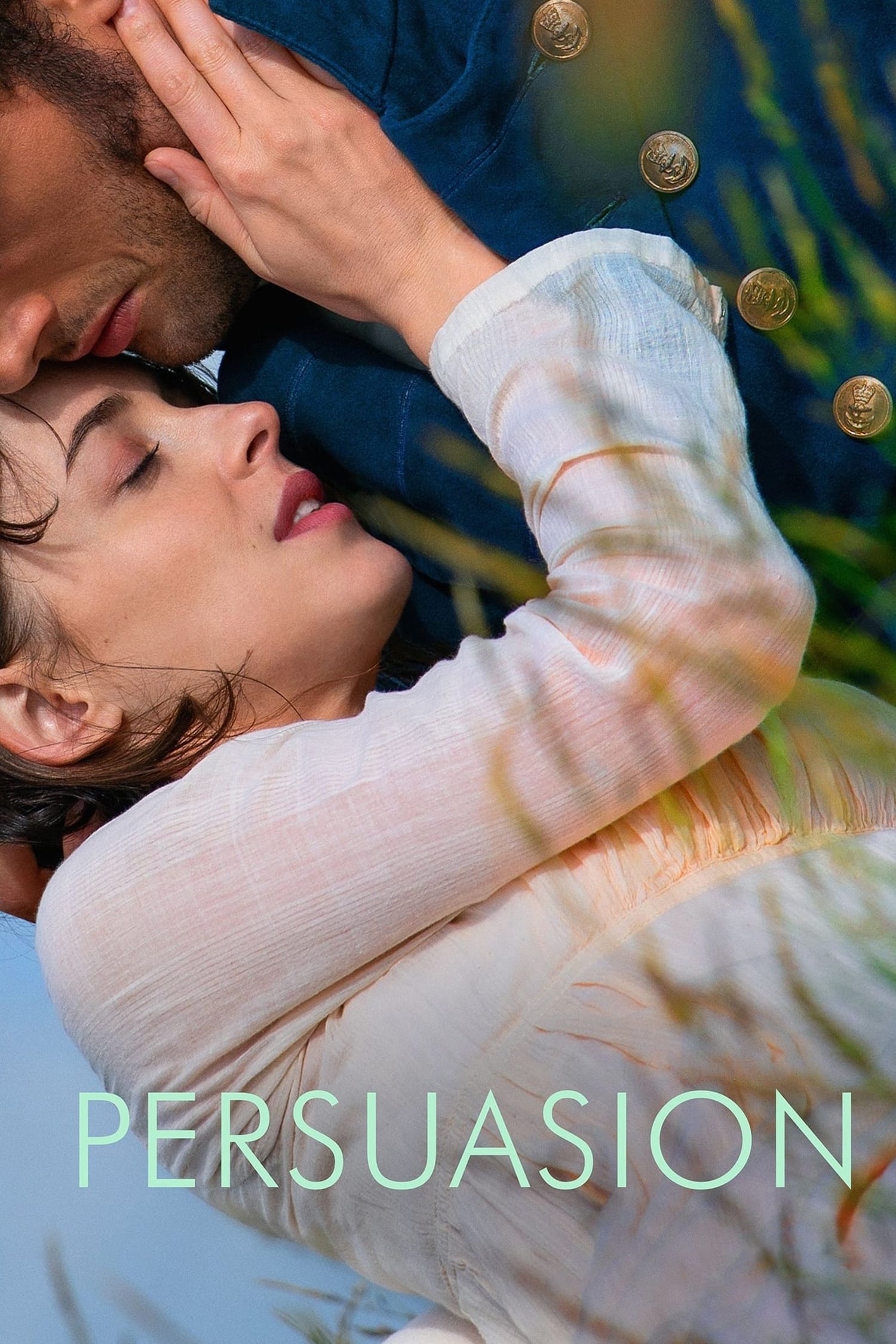
Dakota Johnson stars in this adaptation of the Jane Austen novel that takes significant creative liberties. The protagonist breaks the fourth wall with wry glances and comments similar to modern comedy series. Dialogue includes current buzzwords and phrases like referring to men as exes or discussing self-care. The film attempts to translate the internal longing of the book into an external and relatable romantic comedy format. This approach proved controversial but undeniably injected modern pacing into the story.
‘The Personal History of David Copperfield’ (2019)
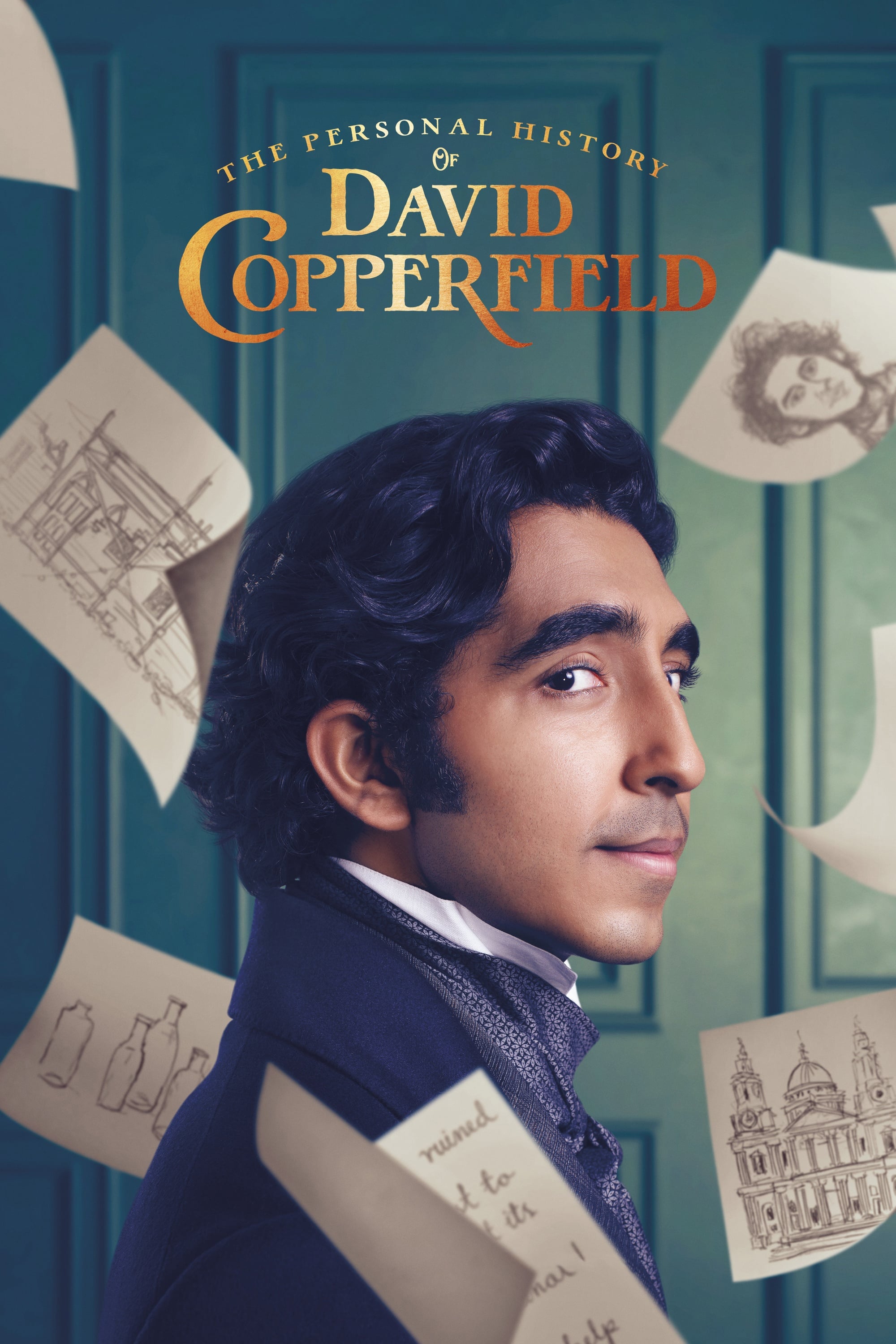
Armando Iannucci directs this adaptation of Charles Dickens with a frenetic and comedic energy. The production employs color-blind casting to reflect the diversity of modern Britain within a Victorian setting. Scene transitions often utilize meta-theatrical elements where sets collapse or change visible on screen. The screenplay condenses the massive novel into a fast-paced narrative that skips the usual melodramatic drag. It celebrates the chaotic optimism of the source material through a contemporary lens.
‘Rosaline’ (2022)
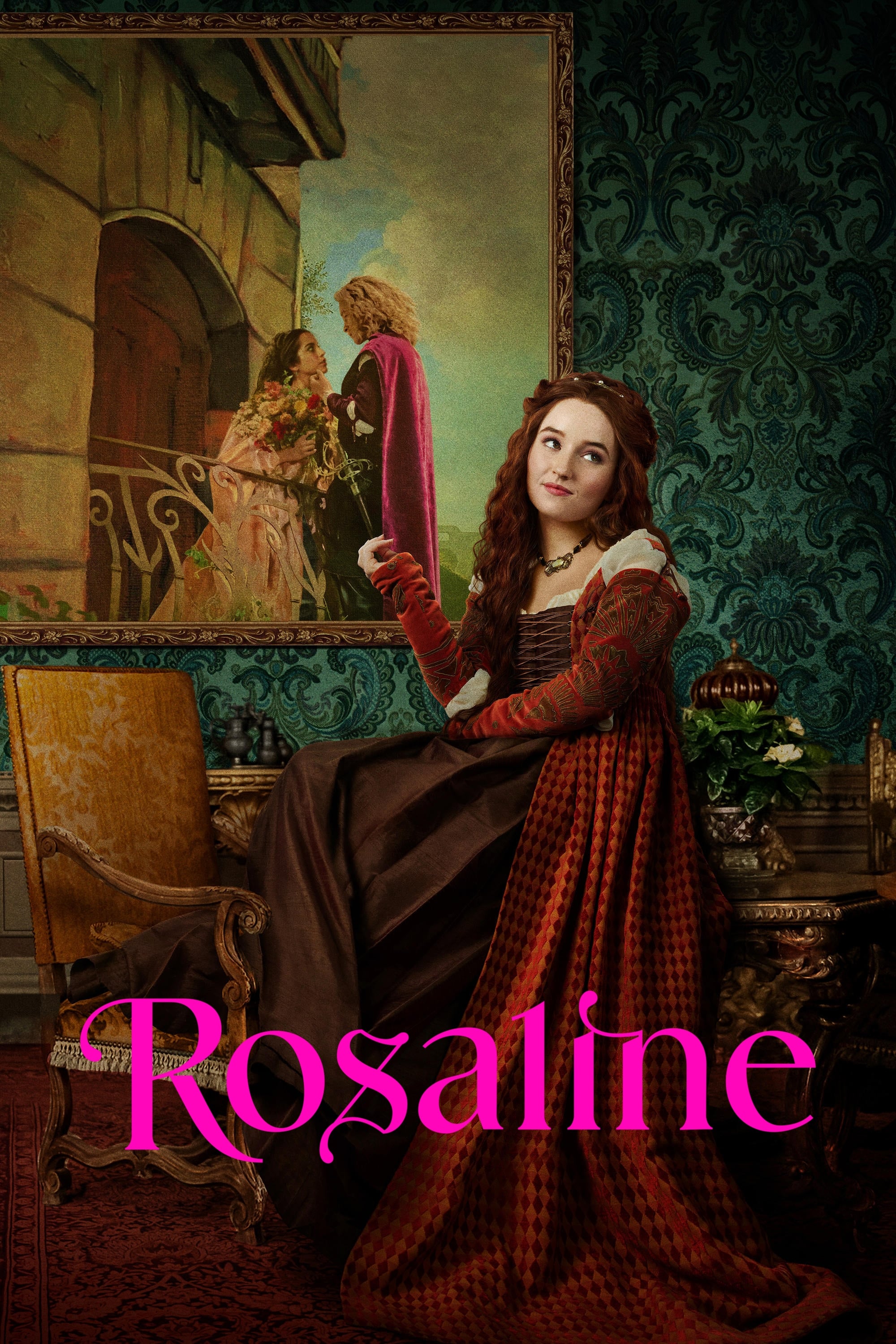
The story of Romeo and Juliet is retold from the perspective of Romeo’s forgotten ex-girlfriend. Kaitlyn Dever plays the title character with the cynicism and wit of a modern teenager trapped in a Renaissance tragedy. The dialogue deconstructs the flowery language of Shakespeare by pointing out its absurdity in real life. Scenes play out like a high school romantic comedy despite the period costumes and sets. It offers a fresh critique of the classic romance by centering the narrative on the girl left behind.
‘Catherine Called Birdy’ (2022)
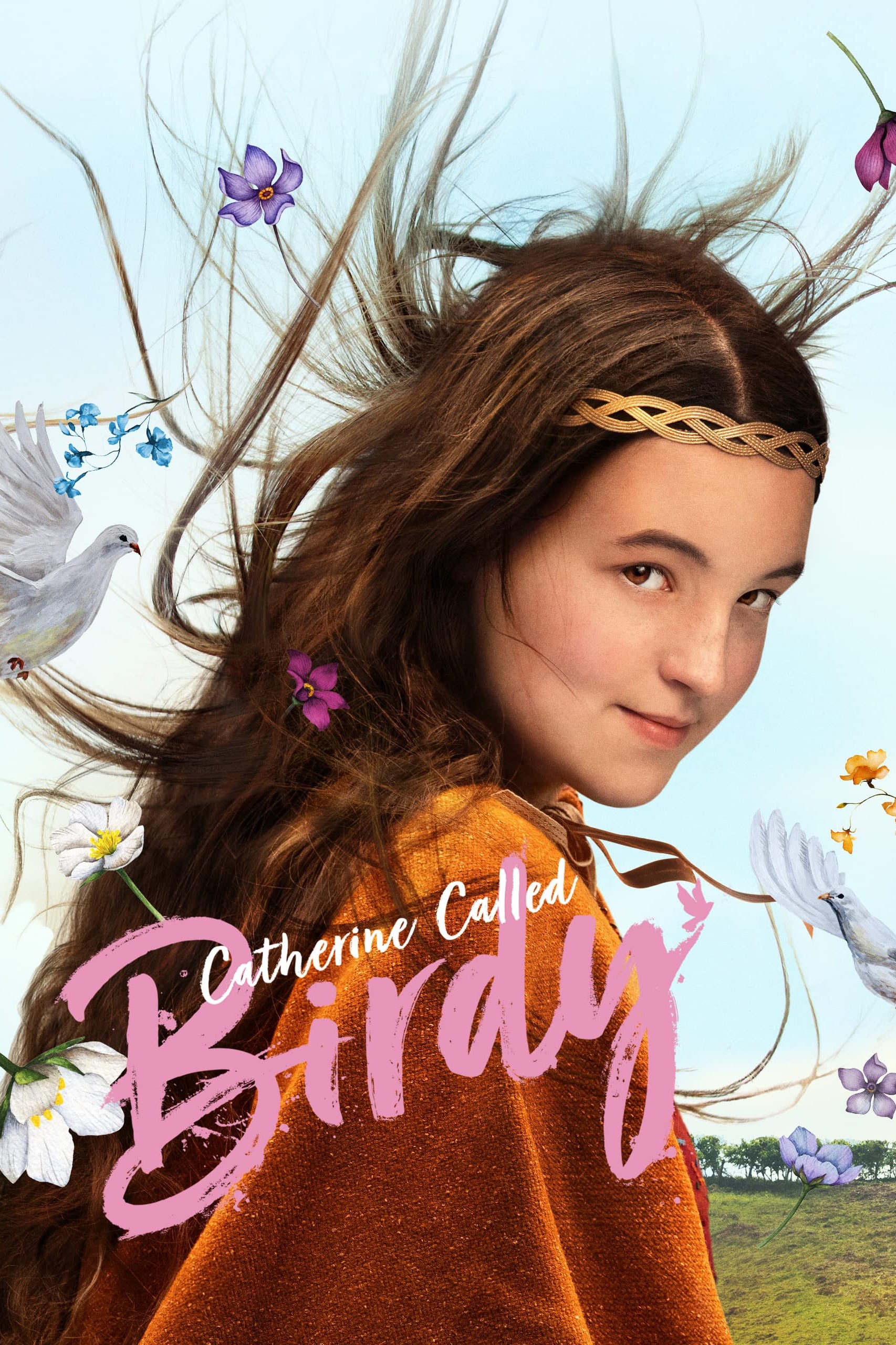
Lena Dunham directs this medieval coming-of-age story about a teen girl resisting arranged marriage. The soundtrack is packed with indie rock covers that match the rebellious spirit of the protagonist. Birdy narrates her life with a voice that feels authentically adolescent regardless of the century. The film portrays menstrual cramps and teenage crushes with a frankness rarely seen in medieval settings. It captures the universal experience of growing up and fighting for autonomy.
‘Gentleman Jack’ (2019–2022)
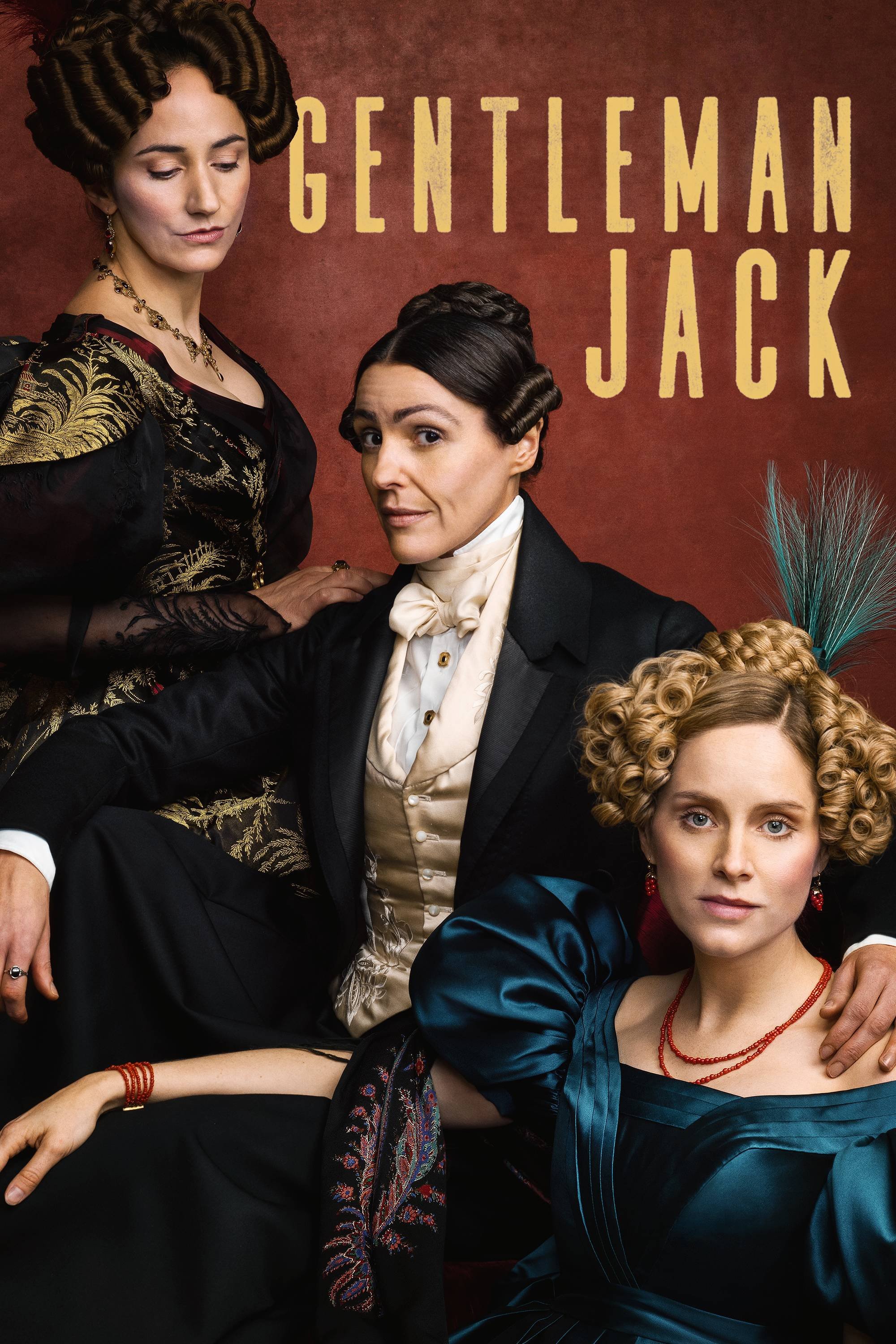
Suranne Jones portrays the real-life landowner and diarist Anne Lister in 1830s Yorkshire. The character walks with a swagger and speed that physically disrupts the slower pace of her environment. She frequently turns to the camera to share a knowing look or a quick thought with the viewer. The show utilizes an upbeat and rhythmic opening theme song that establishes a modern tempo. Anne Lister is presented as a woman who refuses to conform to the rigid gender expectations of her time.
‘The Buccaneers’ (2023–Present)
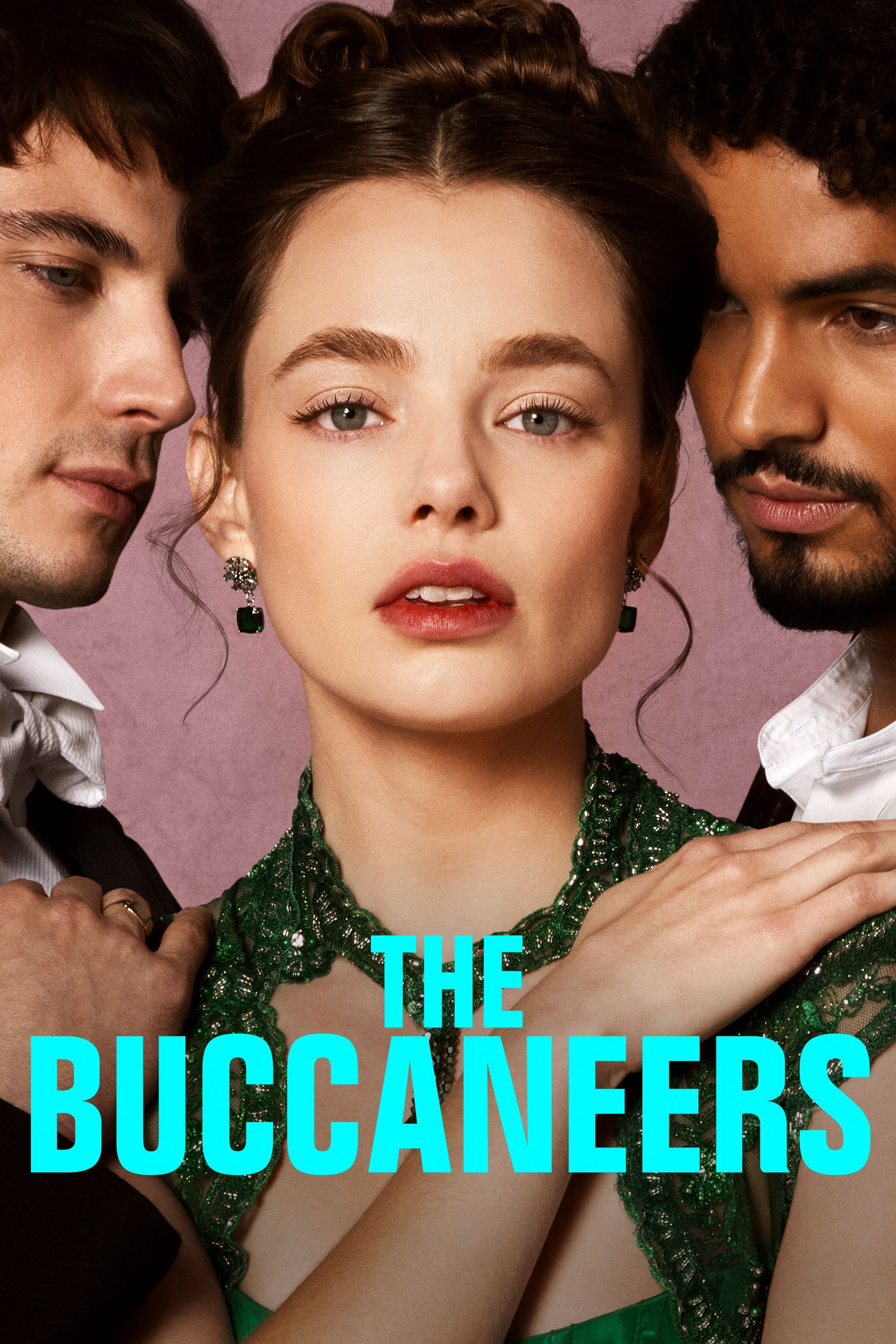
This adaptation of the Edith Wharton novel follows a group of fun-loving American girls invading London society. The soundtrack features songs from current female artists like Taylor Swift and Olivia Rodrigo to underscore the emotional beats. The dialogue and friendships among the girls reflect modern female bonding rather than stiff Victorian etiquette. Visuals are bright and saturated to match the optimism of the American characters. The series focuses heavily on the culture clash between new money and old traditions.
‘My Lady Jane’ (2024)
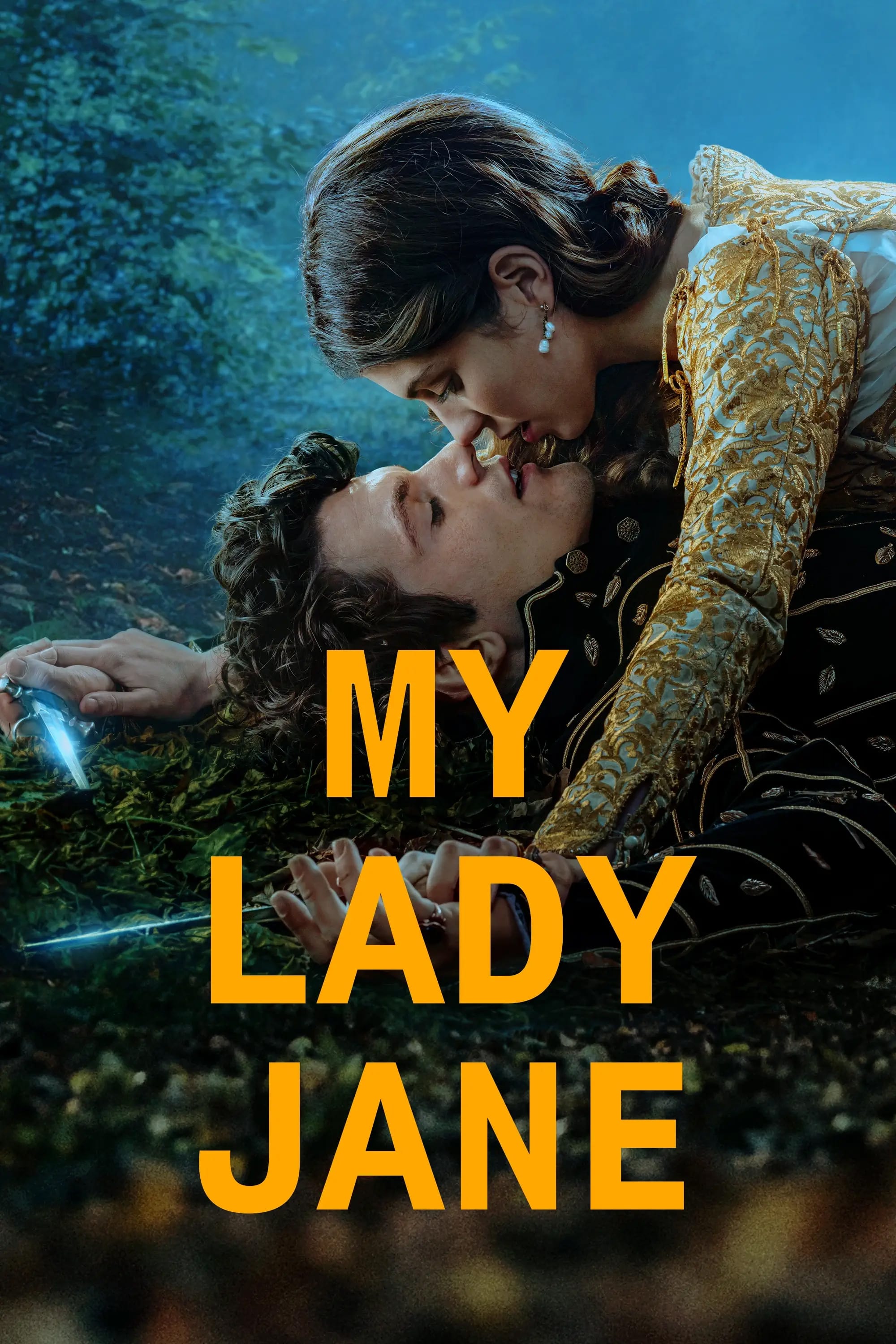
This series rewrites the tragic history of Lady Jane Grey by adding fantasy elements and a rock-and-roll attitude. A snarky narrator guides the audience through the plot while mocking the historical inaccuracies. The characters wear costumes that mix Tudor silhouettes with modern prints and textures. Action sequences are choreographed with a distinct cinematic flair that defies historical realism. The show proudly embraces its alternate history premise to deliver a fun and adventurous romp.
‘The Serpent Queen’ (2022–2024)
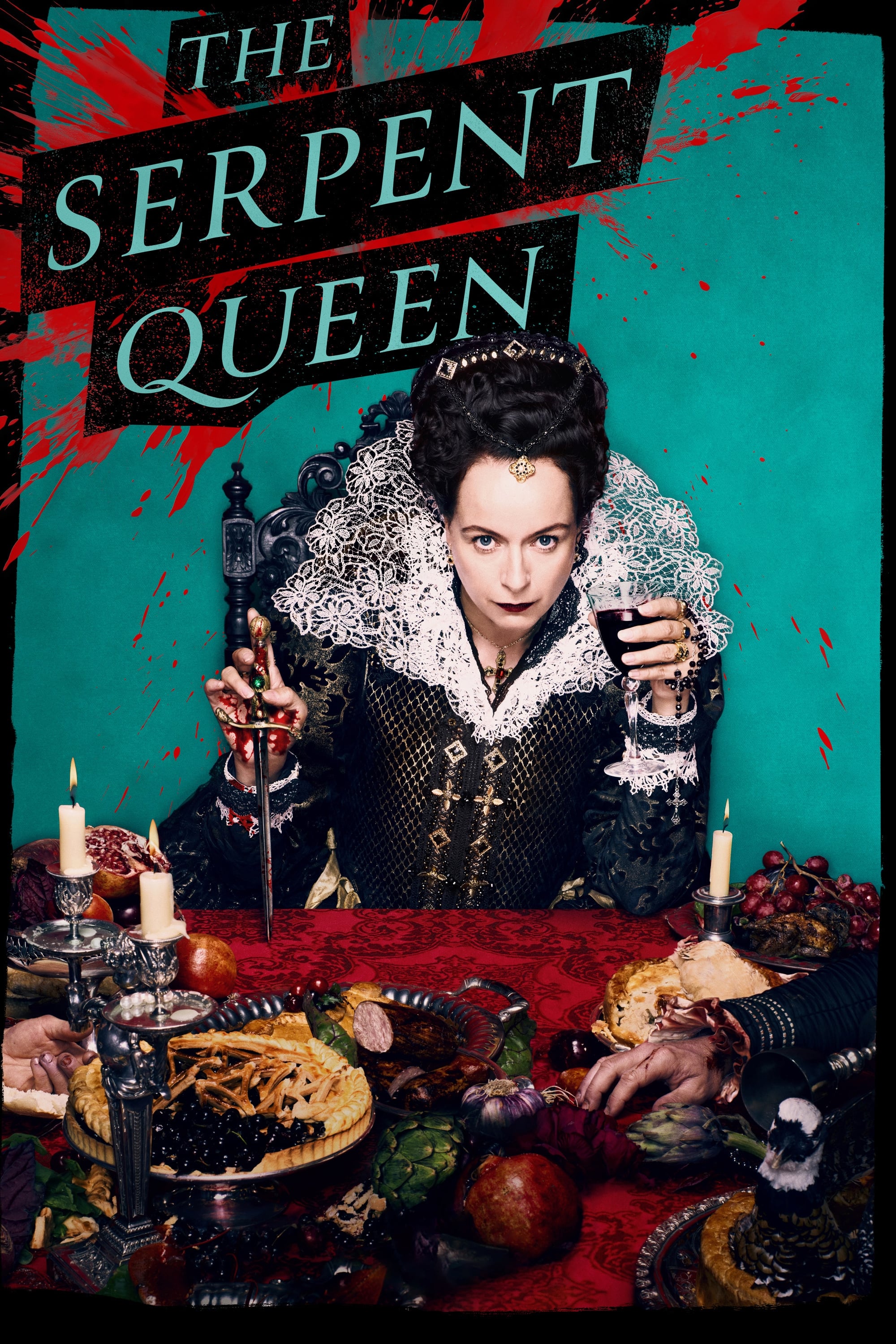
Samantha Morton stars as Catherine de’ Medici in a drama that frames her as a master survivor. The show opens with a punk rock credit sequence that immediately sets an aggressive tone. Catherine tells her own story to a servant and frequently breaks the fourth wall to justify her ruthless actions. The dialogue is sharp and devoid of the flowery speech usually found in 16th-century court dramas. It paints the queen as a modern anti-heroine navigating a brutal patriarchal system.
‘Anna Karenina’ (2012)
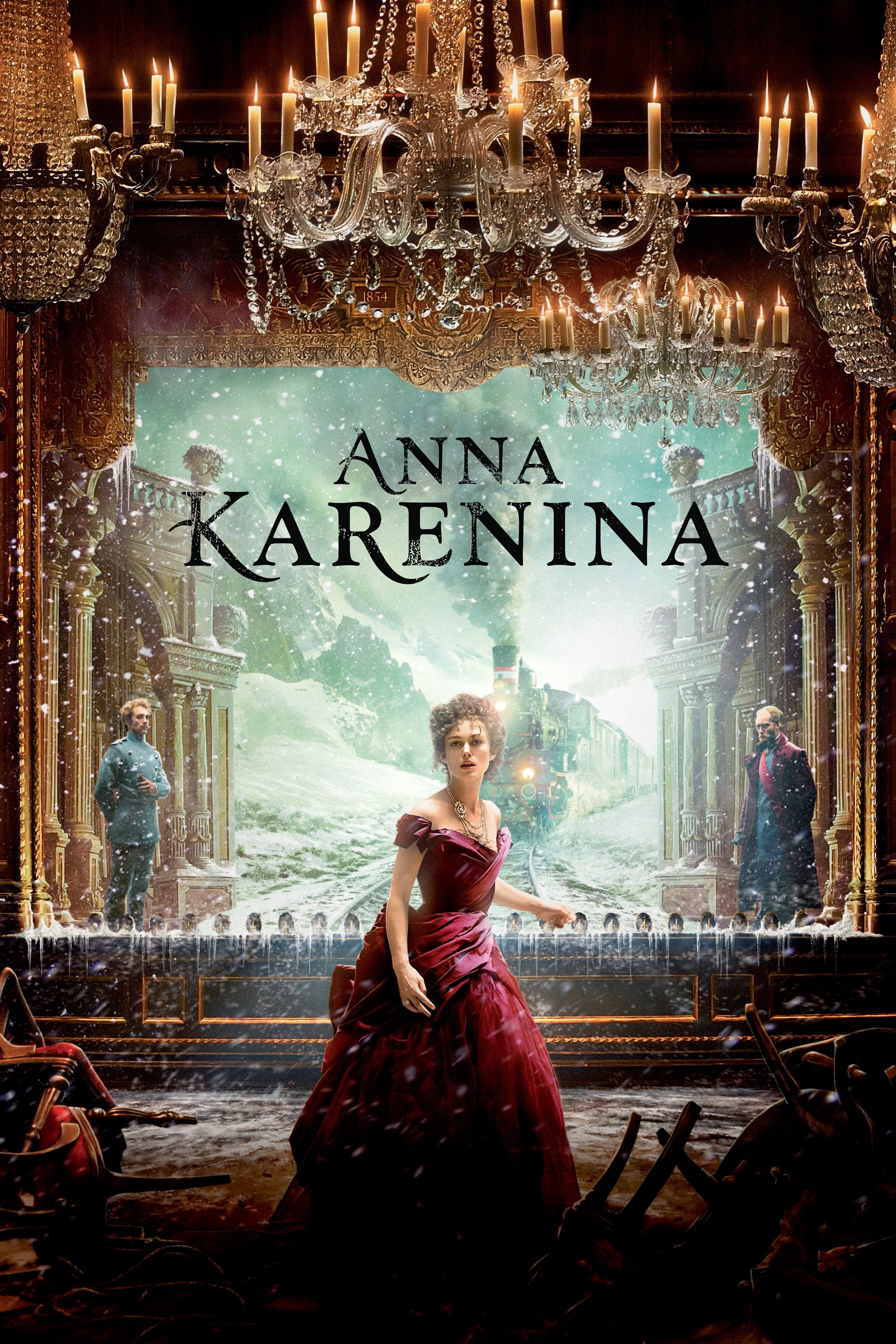
Joe Wright sets the majority of this Russian epic inside a decaying theatre to emphasize the artificiality of high society. Characters move between sets seamlessly as if they are actors on a stage performing for an audience. The choreography of the background actors is stylized and rhythmic rather than naturalistic. This meta-theatrical approach visualizes how the characters feel watched and judged by their peers. It turns the text into a visual spectacle that feels experimental and bold.
Please share your favorite anachronistic moment from a period piece in the comments.