

20 Anime Series with Hidden Timelines in Manga Panels

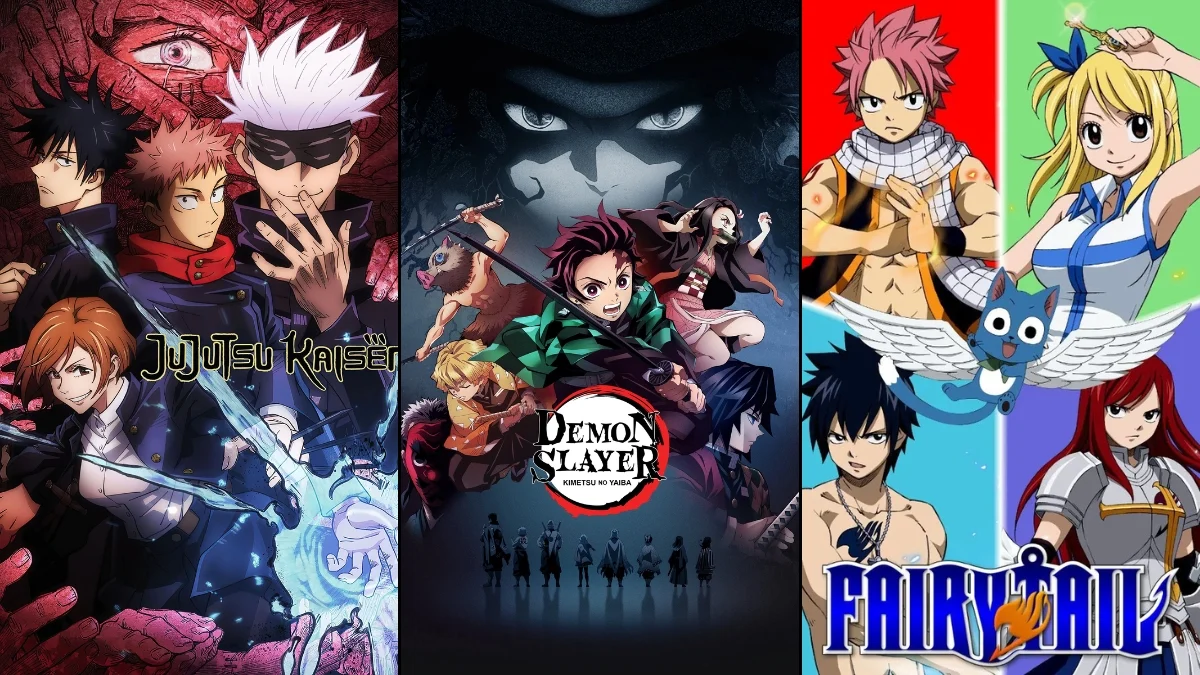


A lot of anime based on manga seem to move from arc to arc without ever stating exact dates, but the information is often sitting quietly in the panels. Background calendars, character ages, school terms, newspapers, gravestones, phone screens and even databooks let readers piece together when things happen. Fan-made chronologies and official wikis then turn those scattered hints into full story timelines. The series below all have anime adaptations, but it is their manga panels and related material that hide the real clocks and calendars driving the stories.
‘Attack on Titan’ (2013–2023)
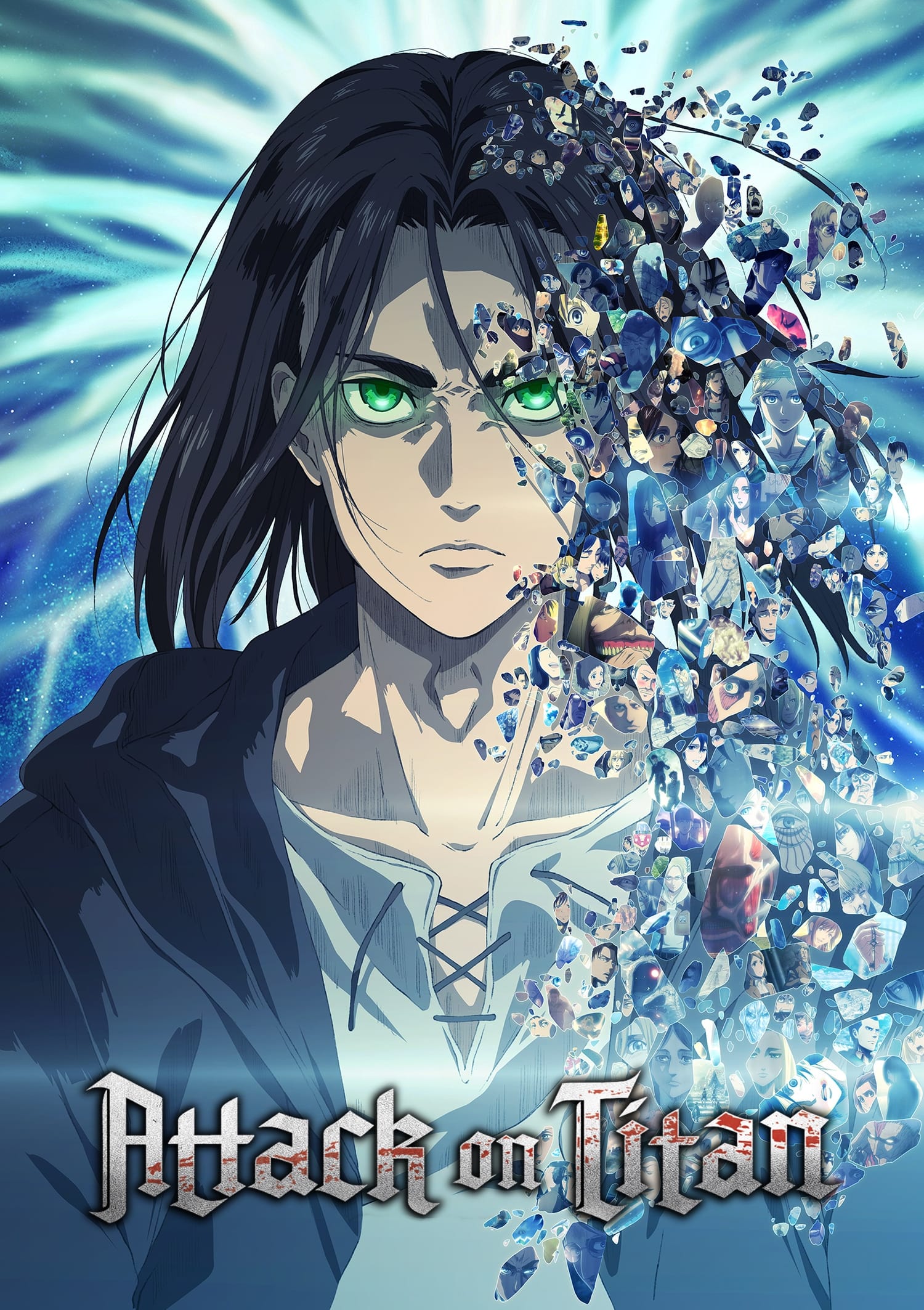
The manga for ‘Attack on Titan’ uses its own year-numbering system, with events labeled in relation to Year 1 of the in-universe calendar and older history marked with designations like “B1.” Official timelines collect these dates, along with flashback captions such as “x years earlier” and character age information, to order both past wars and present battles. Gravestones, military records and historical notes shown in panels further anchor key moments like the fall of specific walls and major expeditions. Together, these clues allow a detailed chronology that tracks the story from ancient conflicts up to the final confrontations.
‘My Hero Academia’ (2016– )
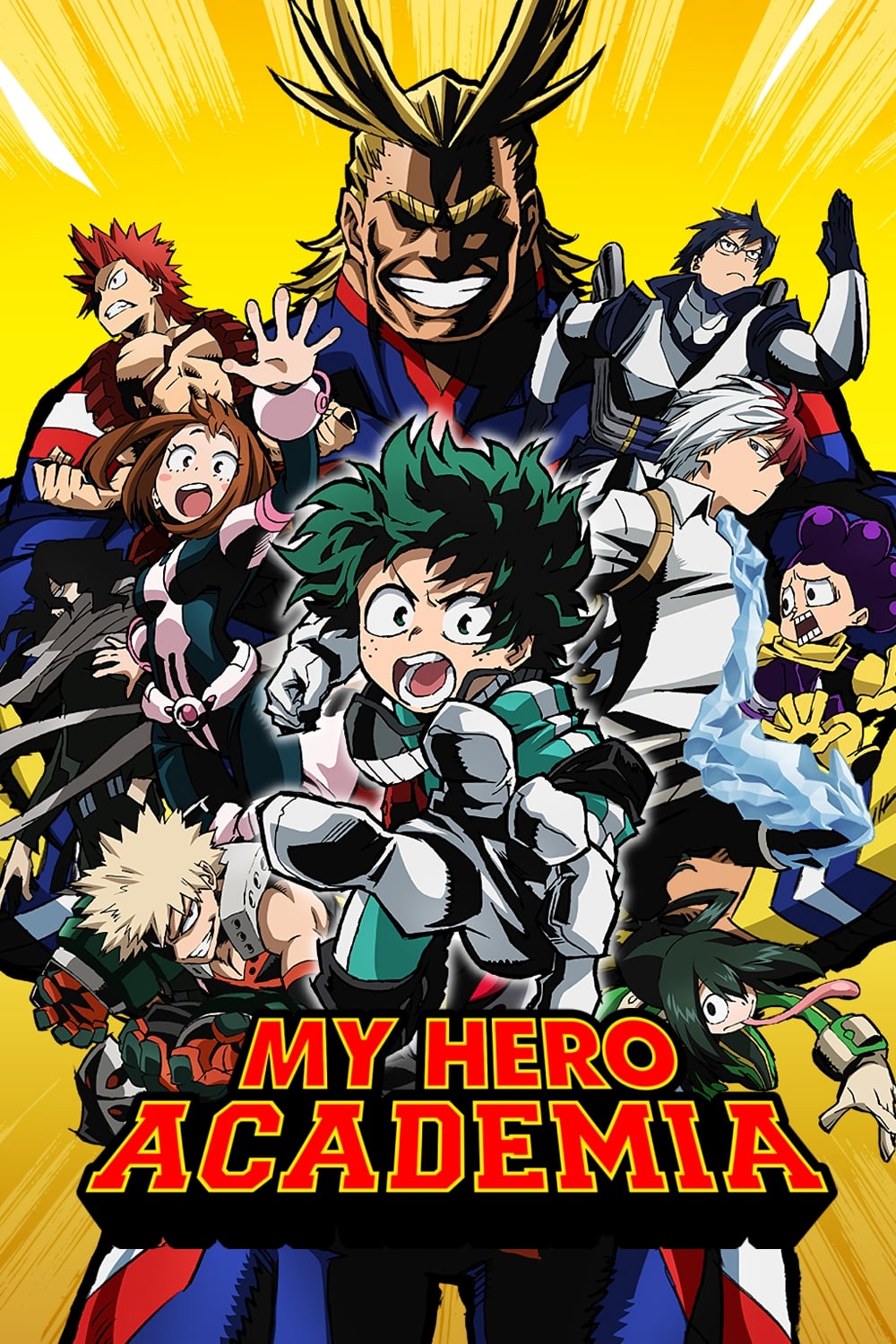
In the manga for ‘My Hero Academia’, the school year structure—entrance exam, sports festival, internships and licensing exams—creates a backbone for the timeline. Side material and guidebooks list characters’ birthdays and ages, which helps to lock those events to a specific sequence. Background televisions, news tickers and festival posters sometimes show dates, quietly confirming how quickly arcs follow one another. Fan and wiki “world timeline” pages combine those in-panel details with chapter numbers to map the story from early Quirk history through the series’ major wars.
‘One Piece’ (1999– )
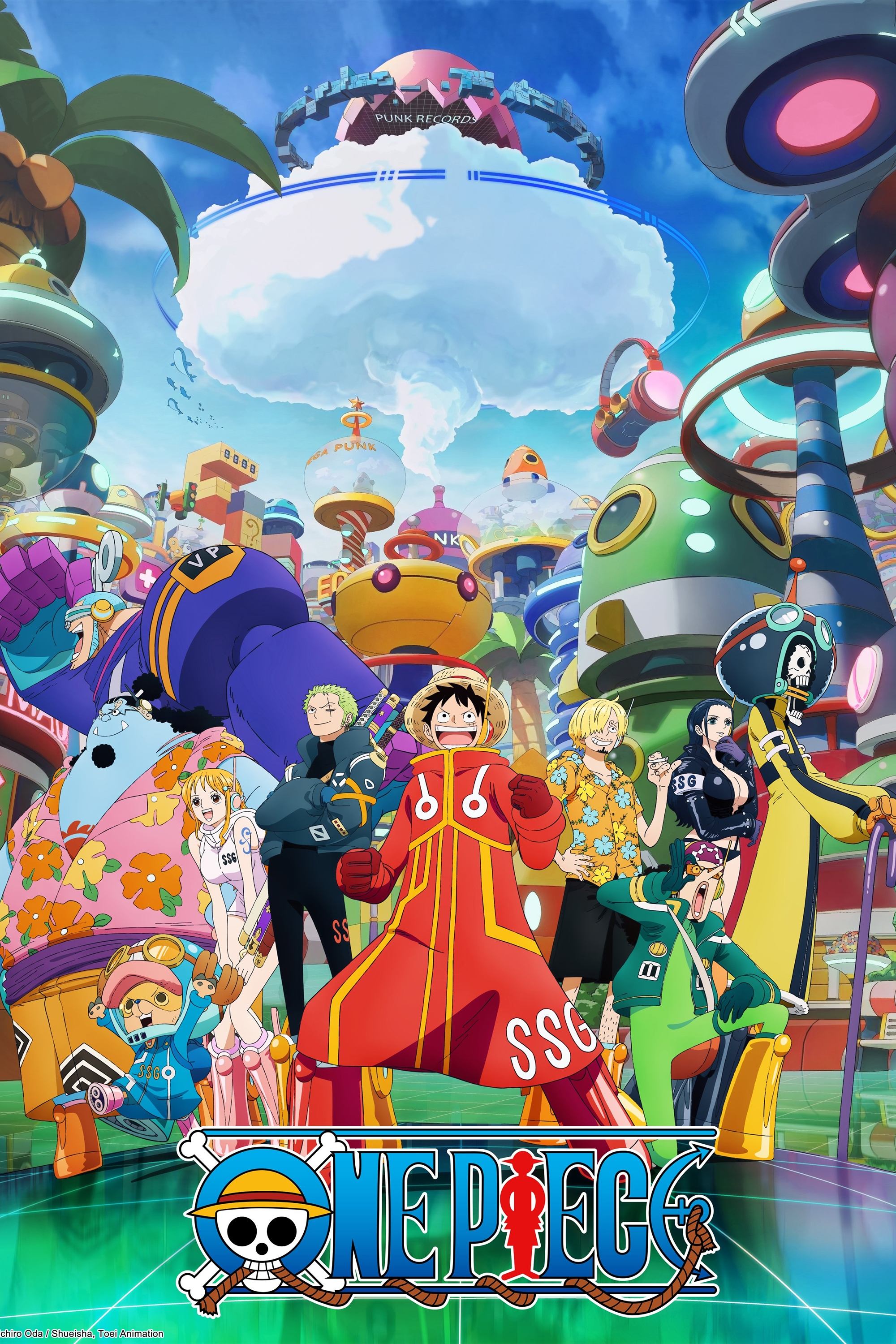
The ‘One Piece’ manga uses numerous “x years ago” flashbacks, character age charts and a named historical century to hide a dense chronology behind the adventure. Key panels place important incidents—such as coups, pirate executions and tragedies—at precise points before the current story, and databooks expand on that structure. The official “World Timeline” on the series wiki cites specific chapters and pages for these references, showing how often they come from background text or short narration boxes. That material lets readers place arcs, flashbacks and historical events on a single shared calendar.
‘Naruto’ (2002–2007)
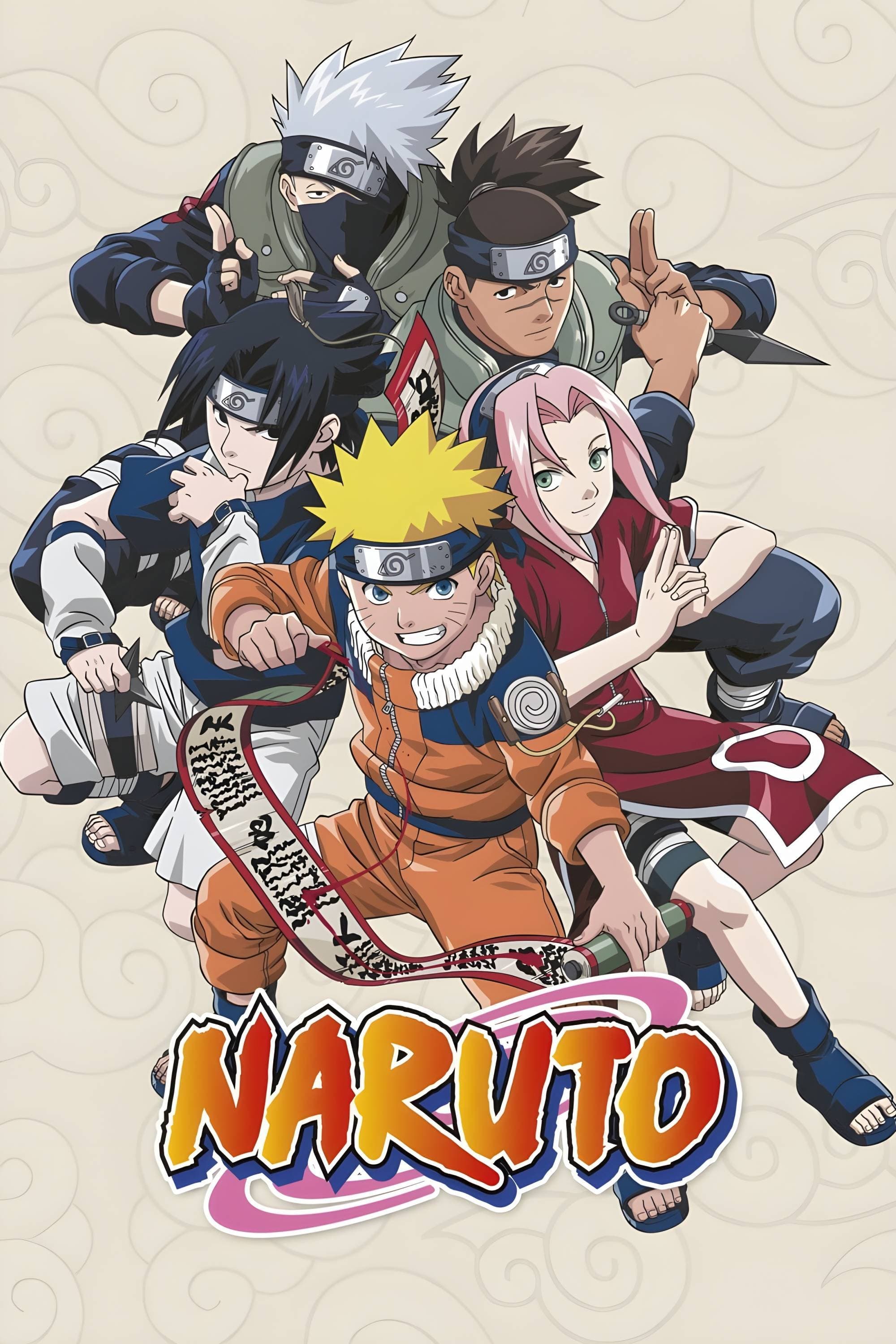
In the ‘Naruto’ manga, the ages of ninja at graduation, the length of training periods and the time between major wars provide the main timeline anchors. Databooks and author notes add birthdates and exact ages, so panels showing early academy scenes or flashbacks can be slotted into a chronology. Fan-created “ultimate timelines” cross-reference those notes with chapter events, using small in-panel captions like “several years ago” or “x months later” to refine the sequence. The result is a clear picture of when characters advance through the ranks and how long the gap is between the original series and its later-era stories.
‘Bleach’ (2004–2012)
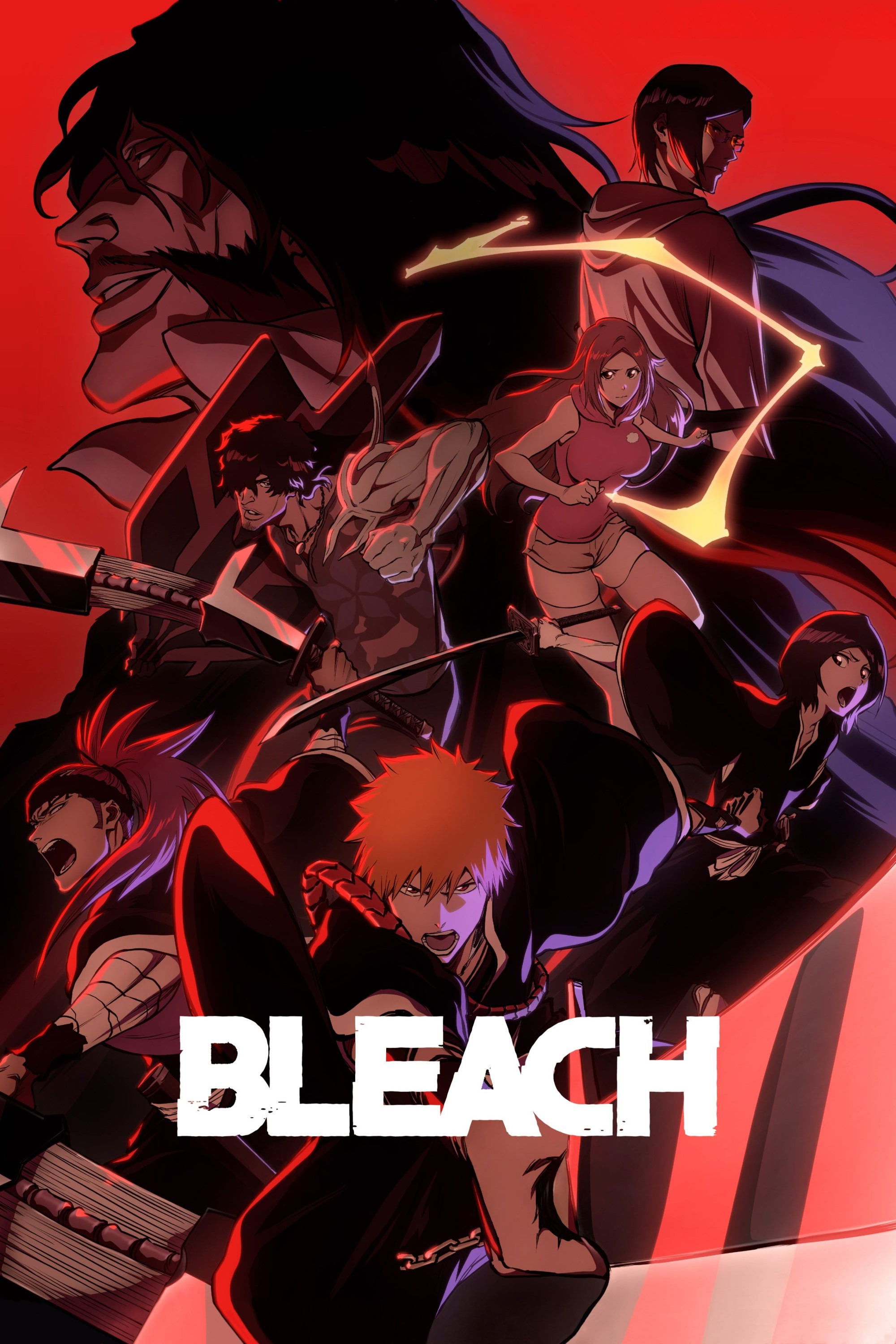
‘Bleach’ spreads its timeline across centuries of Soul Society history and a relatively brief period in the human world. Panels mentioning a character’s past rank, executions, invasions or exile often include time spans like “hundreds of years ago,” which become important reference points. A “Timeline of Events” on the series’ wiki compiles those scattered notes into a structured chronology, dividing the narrative into historical eras and numbered acts. School events in Karakura Town and seasonal festivals then pin down the more recent arcs to specific months within a small cluster of years.
‘Demon Slayer: Kimetsu no Yaiba’ (2019– )
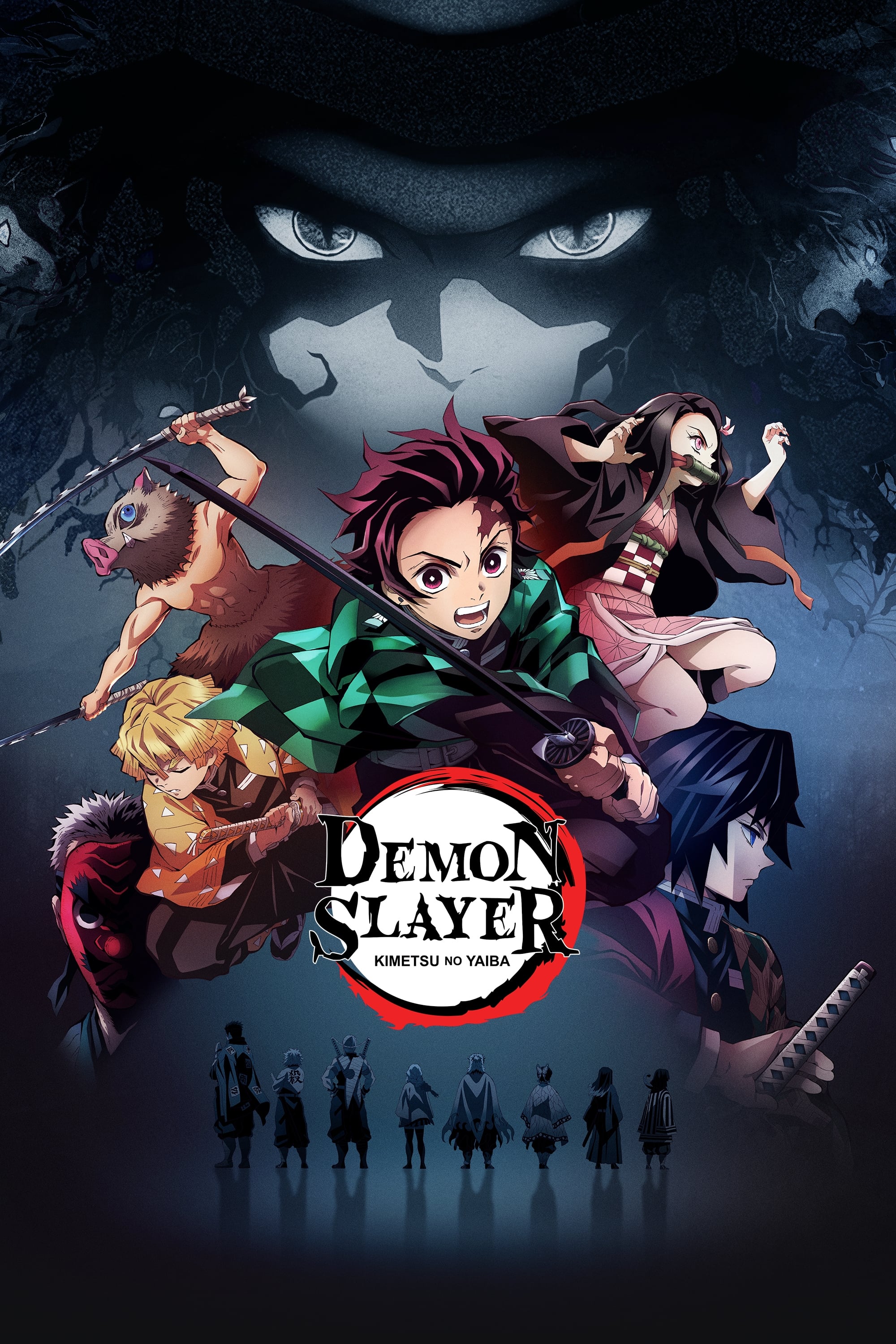
The ‘Demon Slayer: Kimetsu no Yaiba’ manga openly states that its main story takes place during the Taishō era, but the exact years are left for readers to deduce. Panels showing newspapers, clothing styles and historical references, plus notes about character ages at key events, let fans approximate specific dates. Timeline guides use these hints to place the family tragedy, demon slayer selection exam and later battles in a coherent order within that era. This makes it possible to track how many years the demon-slaying corps has been active and when long-lived characters first appeared.
‘Fullmetal Alchemist: Brotherhood’ (2009–2010)
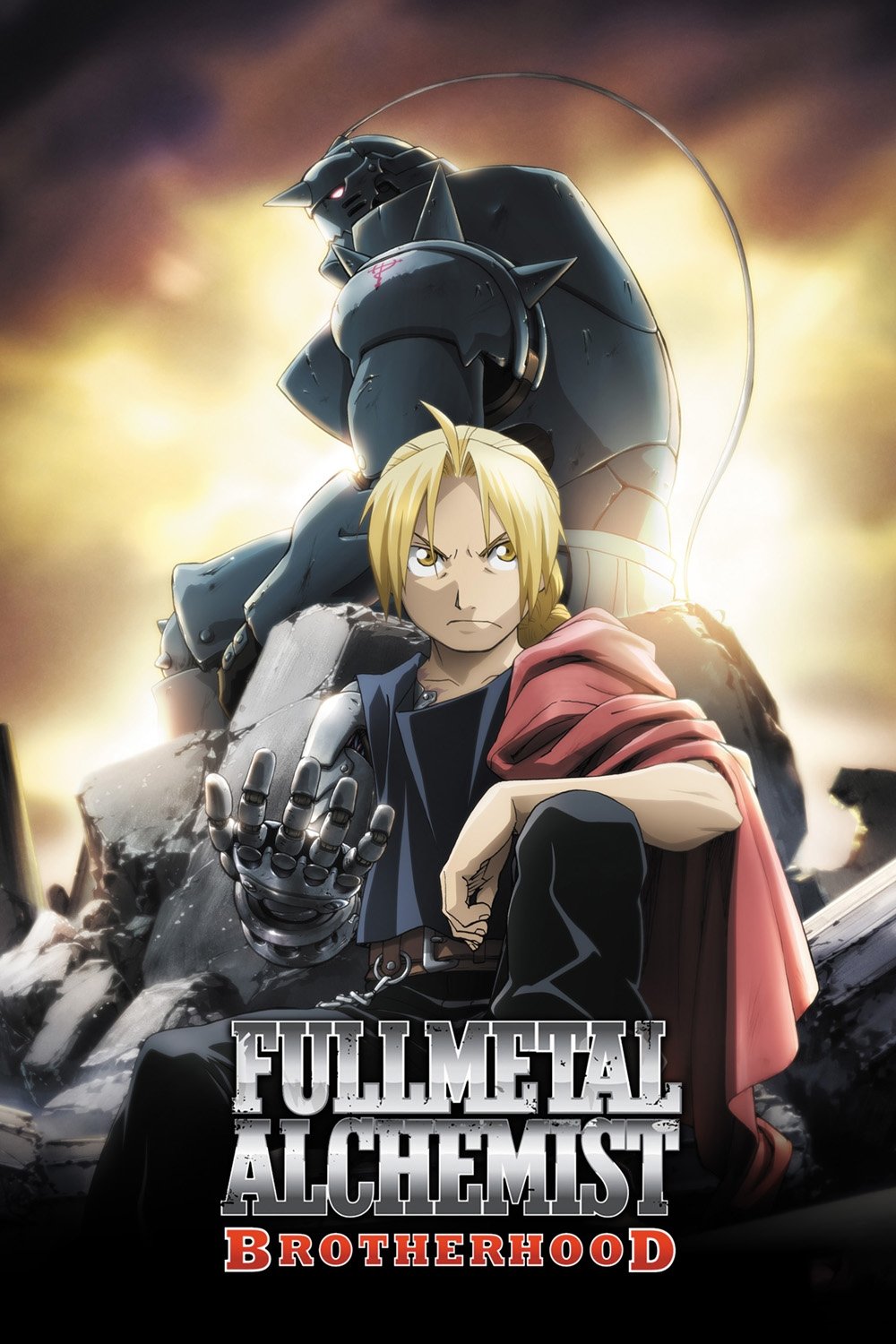
The manga behind ‘Fullmetal Alchemist: Brotherhood’ assigns explicit Western-style years to many major events, including wars, exams and key battles. A dedicated timeline page for the manga lists years like 1910 and 1913, citing where those dates appear in panels or bonus chapters. Character profiles provide ages and birthdays, so scenes such as the brothers’ childhood experiments can be placed precisely relative to the main journey. This hidden but consistent calendar allows readers to follow the political history of the country and the slow progress of the central conspiracy over more than a decade.
‘Tokyo Ghoul’ (2014–2018)
The ‘Tokyo Ghoul’ manga establishes a custom calendar system, and many panels quietly include exact dates on documents, phones and signs. The Tokyo Ghoul wiki hosts a “timeline guide” that pulls those explicit dates together and fills gaps with deductions based on chapter order and seasonal clues. Relationships, investigations and wars between organizations can then be followed day by day instead of just arc by arc. This structure carries over into ‘Tokyo Ghoul:re’, where time skips and case files still reference the same calendar to keep the story aligned.
‘Jujutsu Kaisen’ (2020– )
In the ‘Jujutsu Kaisen’ manga, character flashbacks and narration often specify how many years have passed since a training period, a mission or a key disaster. A fan-maintained timeline on the series wiki cites particular chapters and pages where those intervals are mentioned, then arranges them relative to the present-day school year. The prequel volume is also slotted into this structure using in-panel notes about when its incidents took place. As a result, readers can track when sorcerers met, when curses appeared and how far apart certain large-scale battles actually are.
‘Chainsaw Man’ (2022– )

The ‘Chainsaw Man’ manga anchors its story to a specific late–20th-century window, stating in supplementary material that its events take place over only a few years. The series’ official wiki indicates that the main plot unfolds between 1997 and 1999, tying that conclusion to in-panel historical references and real-world events that are said never to have occurred. Character school years, holidays and short time skips between arcs further tighten the range. This combination of explicit years and subtle background details lets fans build a concise but detailed timeline for both the public-safety saga and the later academy-focused stories.
‘Dr. Stone’ (2019–2023)
‘Dr. Stone’ hides its timeline in numbers rather than conventional dates, with the protagonist repeatedly counting the exact seconds since global petrification. Panels show those counts, and guide material converts them into years to establish when characters awaken and how long they spend building new technology. The series’ timeline page documents which chapters and encyclopedia entries support each calculation, including specific second counts and flashback markers. Because of this, readers can follow the story from prehistoric times, through the modern catastrophe, and into the scientific rebuilding era with precise elapsed intervals.
‘Hunter x Hunter’ (2011–2014)
The ‘Hunter x Hunter’ manga does not rely on explicit calendar dates, but it carefully tracks days and weeks during exams, trips and major operations. Story arcs like the Hunter Exam and Chimera Ant incidents include frequent references to the number of days remaining, which allows readers to reconstruct the exact length of each phase. Databooks and character profiles include ages and birthdays, anchoring early childhood flashbacks and later reunions to a consistent relative timeline. Combined with travel durations and countdowns shown in panels, this makes the series’ otherwise loose chronology quantifiable.
‘JoJo’s Bizarre Adventure’ (2012– )
Each part of the ‘JoJo’s Bizarre Adventure’ manga is tied to a specific decade, and many panels refer directly to historical events, fashions and technology from those years. Author notes and official materials name the exact starting years for most parts, while chapter art often includes calendars or news headlines that confirm the setting. Fan timelines use these clues to align the multi-generational saga, from earlier European conflicts to modern-day battles. This approach lets readers understand how much time passes between parts and how family relationships span across more than a century of story.
‘Fruits Basket’ (2019–2021)
The ‘Fruits Basket’ manga situates its story within a modern Japanese school calendar, with multiple arcs labeled around exams, summer vacation and New Year celebrations. Character profiles list precise birthdays and ages, so panels that show holiday events or term changes can be tied to particular points in high school. Timelines compiled by fans rely heavily on these small details, noting when each zodiac member meets the protagonist and when curse-related revelations occur. The rebuilt ending and side stories also reference future ages and life events, extending the chronology beyond the main school years.
‘Blue Exorcist’ (2011–2024)
In ‘Blue Exorcist’, the manga uses the school year at True Cross Academy as a framework for its timeline, while flashbacks to earlier exorcist missions add longer historical depth. The series’ chronology is supported by side material that explains when specific exorcist orders were founded and when major incidents occurred. Anime and manga story arcs are organized according to those events, and later seasons adapt arcs that explicitly reference earlier battles by name and approximate date. Together, the in-panel references and guide information make it possible to track both character growth and institutional history over many years.
‘Black Clover’ (2017–2021)

The ‘Black Clover’ manga tracks its events through the sequence of missions, tournaments and large-scale wars the magic knights face, with narration often noting how long it has been since a prior conflict. Character ages, promotions and rank changes provide additional markers that anchor flashbacks and future arcs. A complete timeline compiled by reference sites uses these clues to arrange the story from the protagonists’ childhood in the church through the later continental conflicts. This hidden structure keeps the rapid escalation of threats internally consistent despite the lack of real-world dates.
‘Haikyu!!’ (2014–2020)

The ‘Haikyu!!’ manga is one of the clearest examples of a sports series with a hidden but very tight timeline. Official timelines and magazine inserts show that most of the main high school story takes place over roughly one year, specifying months for tournaments and training camps. Panels mention dates for matches, birthdays and national tournament rounds, and lists of matches on the series wiki confirm which opponents appear when. Readers can use this information to follow the exact progression of Karasuno’s season and see how little time there is between key games.
‘Mob Psycho 100’ (2016–2022)
In the ‘Mob Psycho 100’ manga, the main timeline is tied to the protagonist’s progression through middle school grades and the changing membership of clubs and organizations around him. School event banners, seasonal backgrounds and small time skips marked in narration clarify how many months pass between arcs. Guide material and interviews fix the series within a modern timeframe without pinning it to strict calendar years. Combined with recurring annual events, this allows readers to reconstruct the order of psychic battles and personal milestones from the start of school to graduation.
‘Spy x Family’ (2022– )
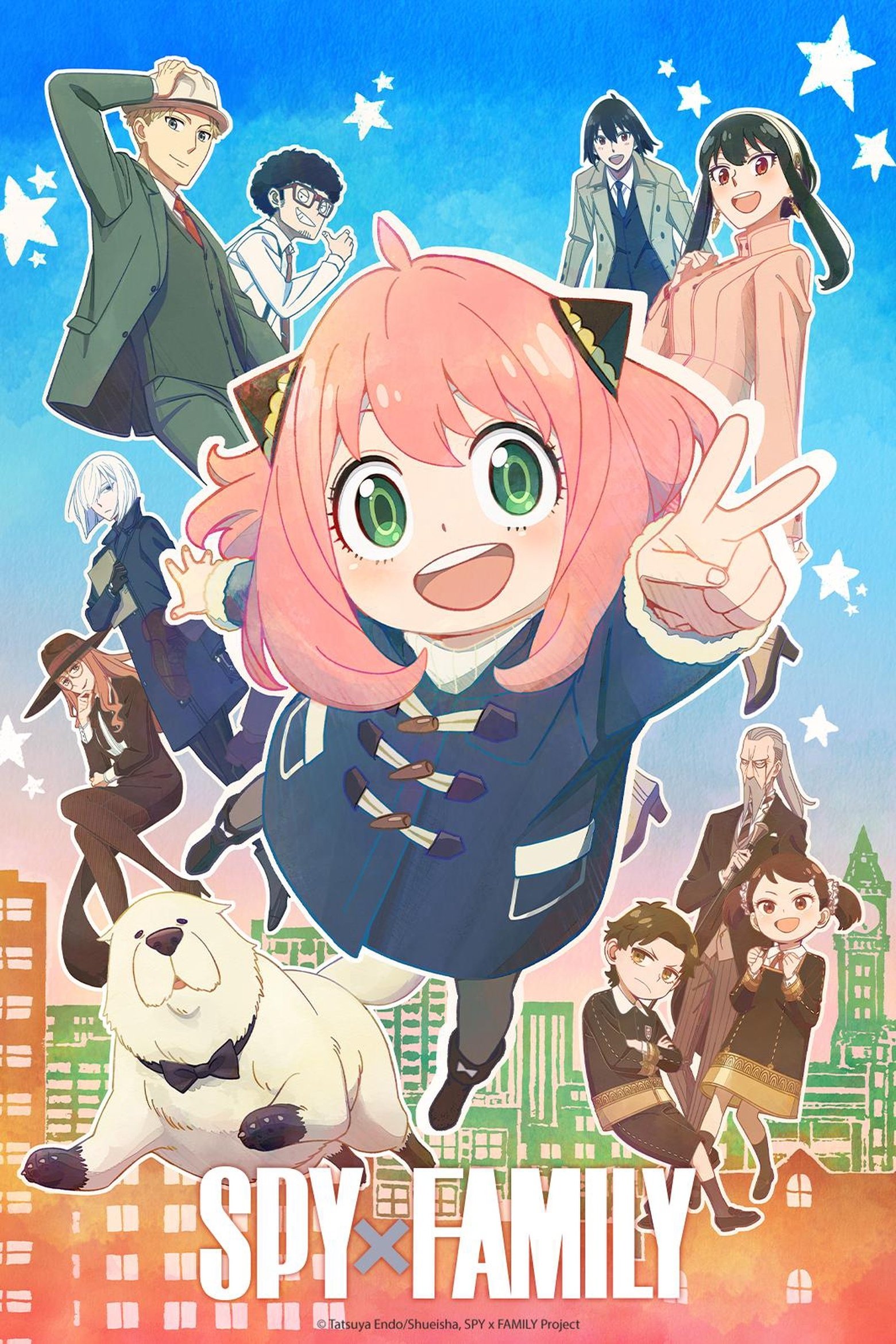
The ‘Spy x Family’ manga deliberately keeps its setting’s exact year ambiguous, blending Cold War–style imagery with more modern elements. Panels include hints such as references to a wall coming down a decade earlier and flashbacks to wartime childhood scenes, which fans use to estimate the era. A user-compiled timeline on the series wiki collects dates explicitly printed in the manga and arranges missions, school terms and political events accordingly. This hidden structure lets the story maintain a flexible pseudo-historical backdrop while still supporting a coherent internal chronology.
‘Fairy Tail’ (2009–2019)
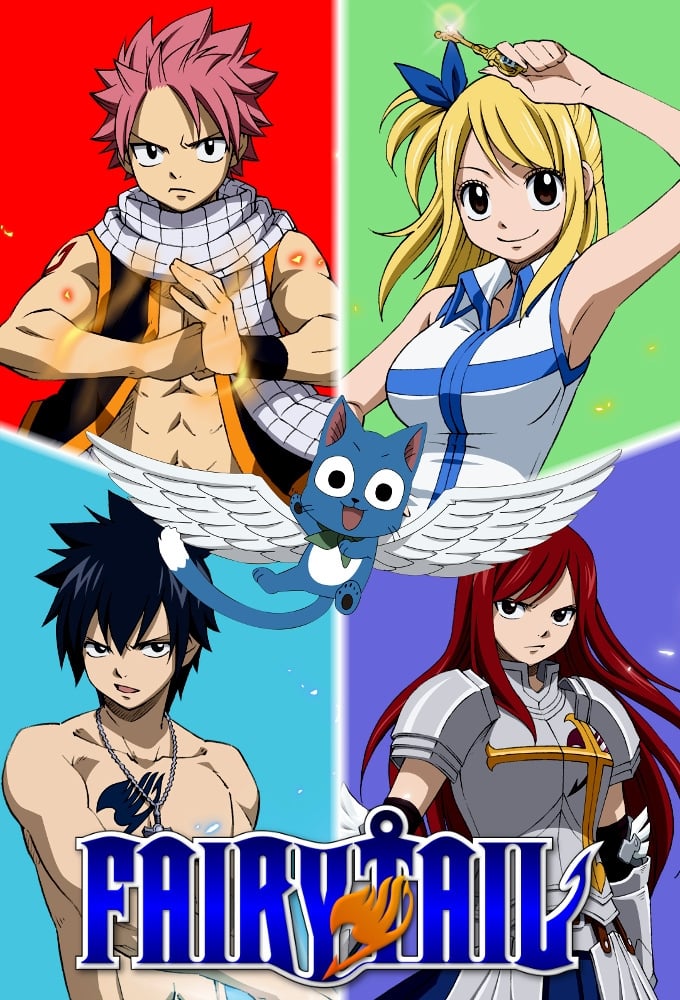
The ‘Fairy Tail’ manga uses its own “X” year system, with many arcs tagged by specific years such as X784, creating a straightforward but initially hidden calendar. Panels showing mission notices, festival announcements and trial posters often carry those year labels, which become critical once time skips and long flashbacks enter the story. An official-style timeline on the series wiki lists dated events like promotions, wars and guild trials, tying them to the in-panel references. This lets readers track how long the core guild has been active and how major battles are spaced out across the series’ history.
If you have a favorite series where you’ve spotted sneaky calendar pages or timestamps in the manga, share your finds and theories in the comments.