

20 Anime Series with Subtle Lesbian Subtext That Fans Still Debate




Anime has a long history of featuring relationships between female characters that blur the lines between close friendship and romance. These series often rely on emotional intimacy and heavy coding rather than explicit declarations of love. Fans frequently analyze scenes and dialogue to determine the true nature of these connections. The following titles contain some of the most discussed ambiguous relationships in the medium.
‘Sound! Euphonium’ (2015–2016)

The relationship between Kumiko Oumae and Reina Kousaka serves as a central emotional pillar of the series. They share intimate moments that include a breathtaking hike up Mount Daikichiyama where they pledge to be special together. Kyoto Animation animated their interactions with a level of care and physical closeness that suggests romantic tension. Viewers continue to discuss whether their bond was intended to be platonic or if studio mandates prevented a full romance.
‘Puella Magi Madoka Magica’ (2011)
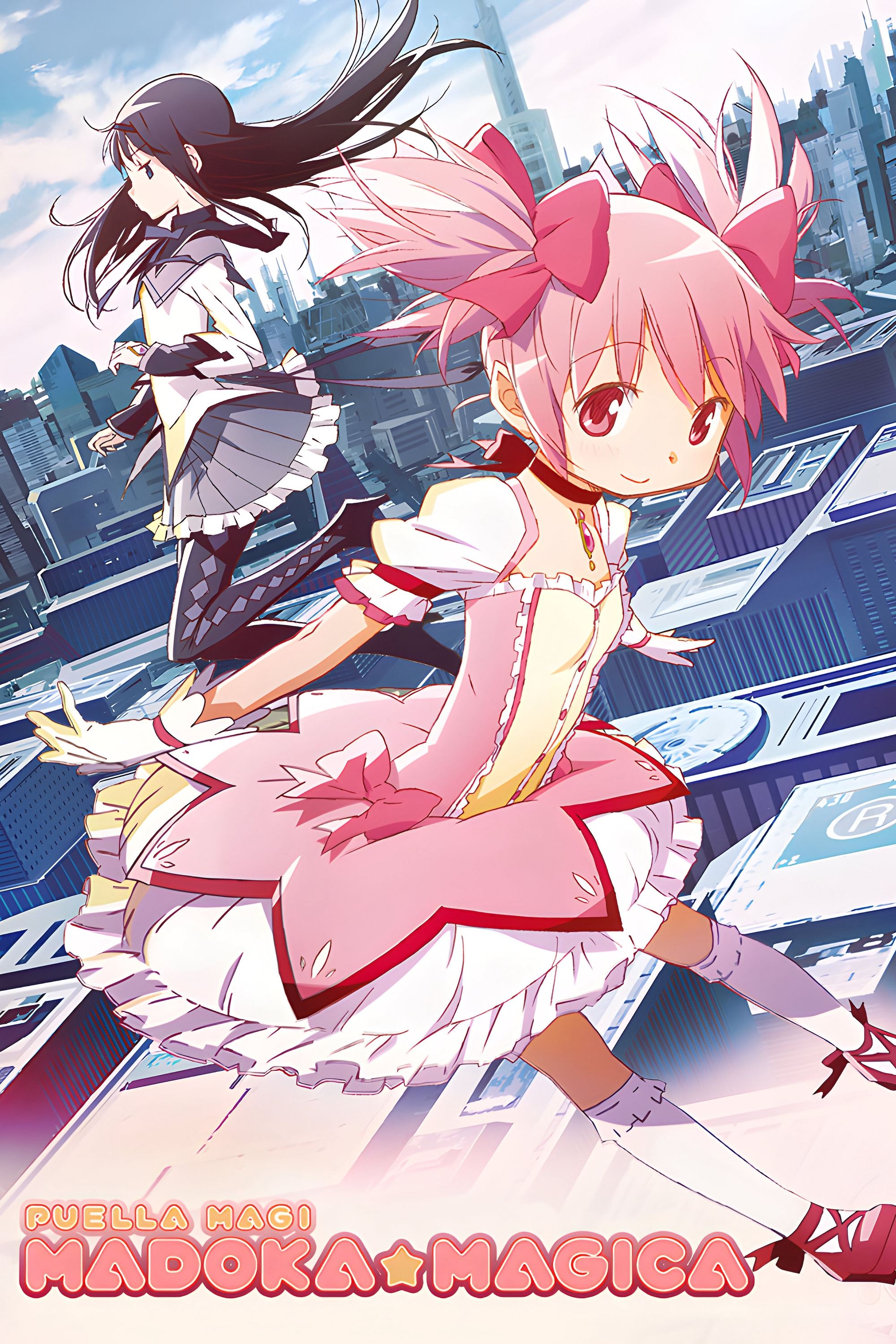
Homura Akemi traverses countless timelines and endures immense suffering solely to save Madoka Kaname. Her devotion goes far beyond the typical bounds of friendship as she centers her entire existence around Madoka’s safety. The narrative frames Homura’s motivation as a form of love that is deep and all-consuming. Critics and audiences alike interpret her sacrifices as the ultimate expression of romantic longing.
‘Lycoris Recoil’ (2022)
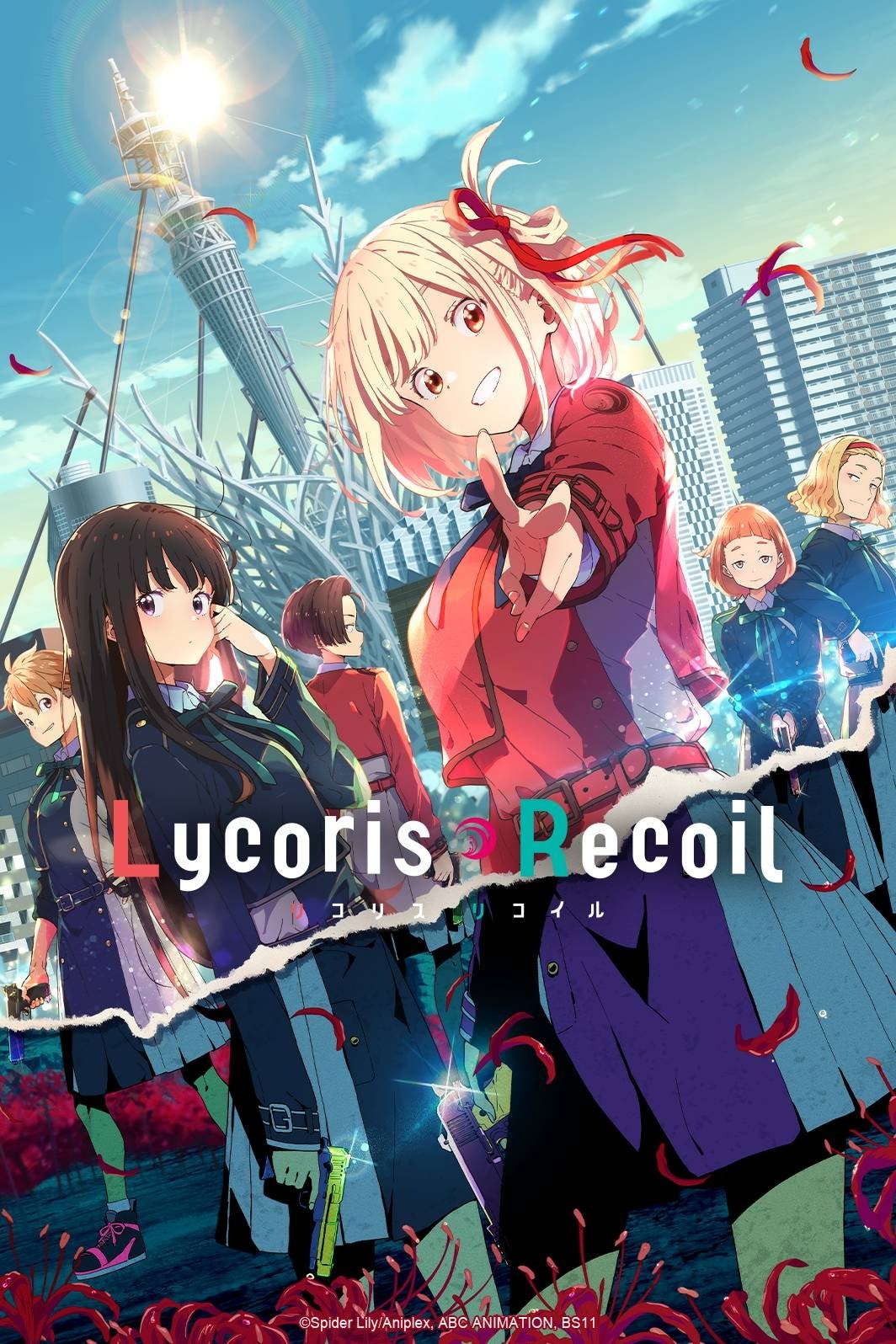
Chisato and Takina develop a partnership that evolves rapidly from professional tolerance to deep emotional reliance. The series features scenes that mirror classic romantic tropes including a distinct aquarium date and matching keychains. They constantly choose each other over organizational duty or safety. While the show never explicitly labels them a couple the subtext remains strong enough to fuel ongoing fan speculation.
‘Little Witch Academia’ (2017)
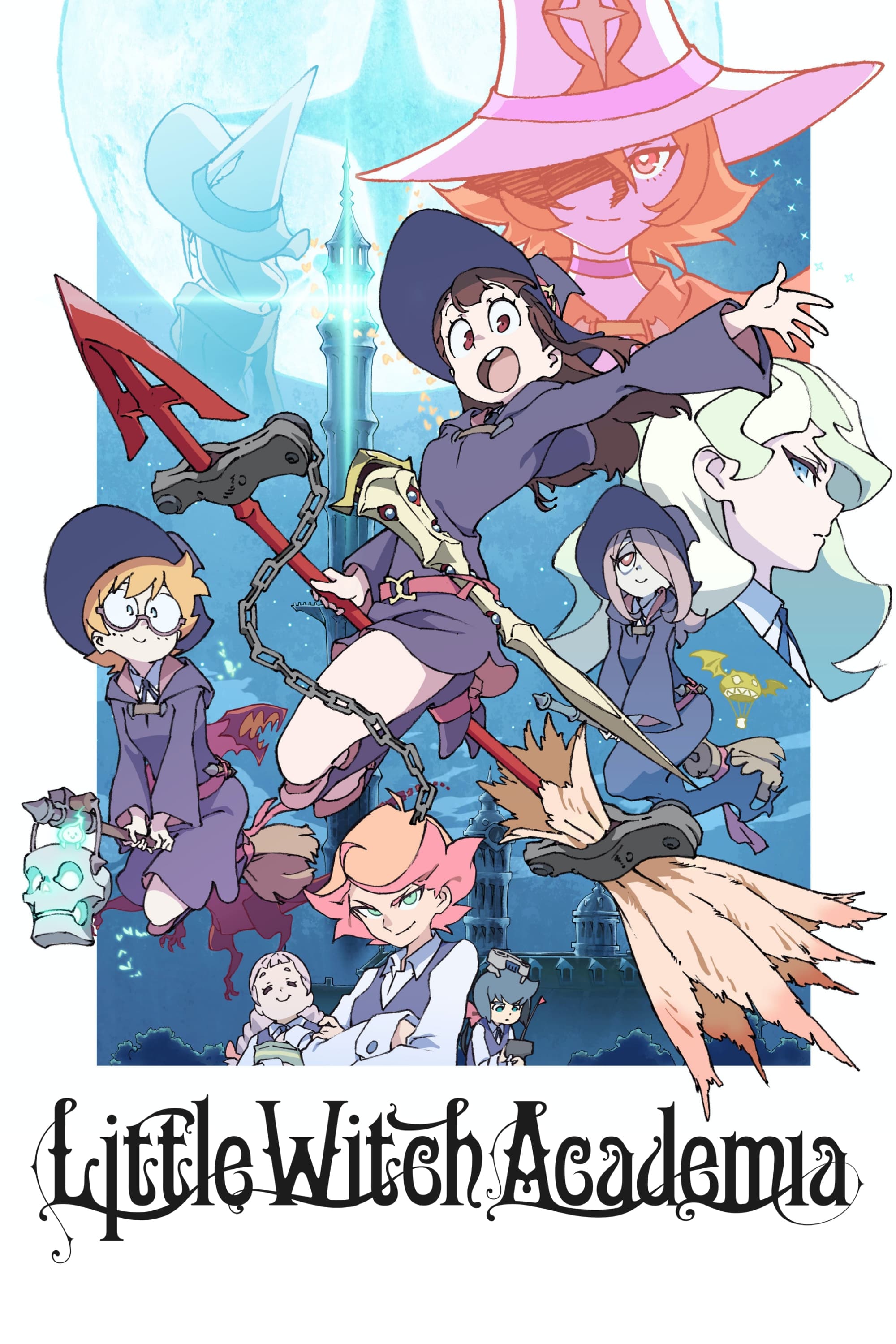
Akko and Diana start as rivals with opposing views on magic but slowly grow to understand and respect one another. Their relationship follows a classic enemies-to-lovers trajectory found in many romance narratives. The climax of the series relies heavily on their combined power and mutual trust. Fans often point to the visual framing of their reconciliation as evidence of a deeper romantic connection.
‘Nana’ (2006–2007)
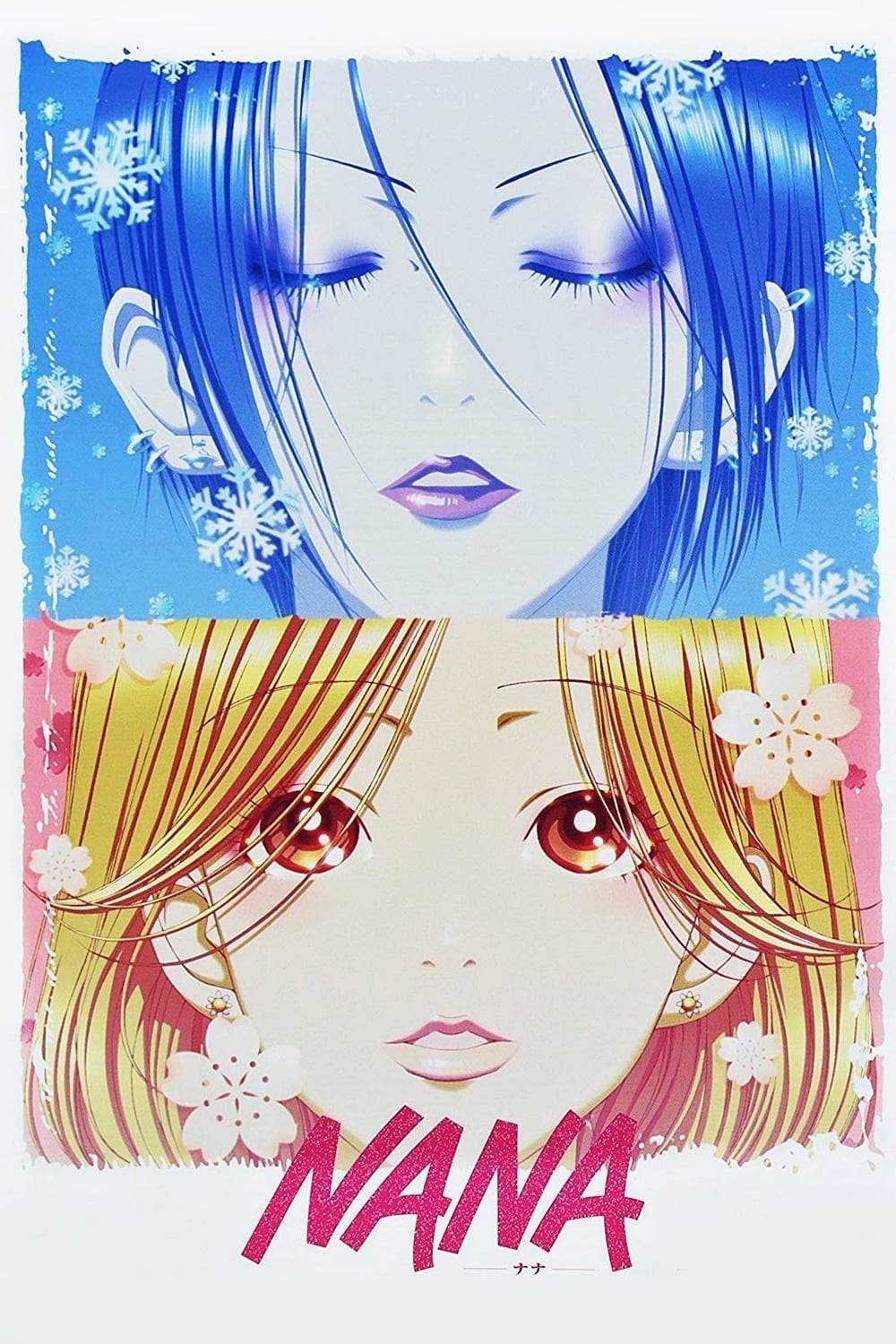
Nana Komatsu and Nana Osaki share a codependent bond that often overshadows their relationships with men. They live together and rely on each other for emotional stability in the chaotic music world of Tokyo. The narrative explores themes of jealousy and possessiveness that blur the line between best friends and soulmates. Many viewers view their connection as the true romance of the series despite the heterosexual plots.
‘Princess Principal’ (2017)

Ange and Princess Charlotte share a history that binds them together across enemy lines in a steampunk London. Ange dedicates her life to protecting Charlotte and often promises to run away with her to a quiet life. Their interactions are laden with secrets and a level of devotion that surpasses their spy mission requirements. The show utilizes the spy genre to create a barrier that keeps their relationship in a state of perpetual longing.
‘Kill la Kill’ (2013–2014)

Ryuko Matoi and Mako Mankanshoku possess a bond that grounds the frantic action of the series. Mako is the only person capable of calming Ryuko down when she loses control of her anger. The series finale features a request for a date that implies their relationship will evolve after the battles end. This specific scene convinces many fans that their connection is romantic rather than just supportive.
‘Noir’ (2001)
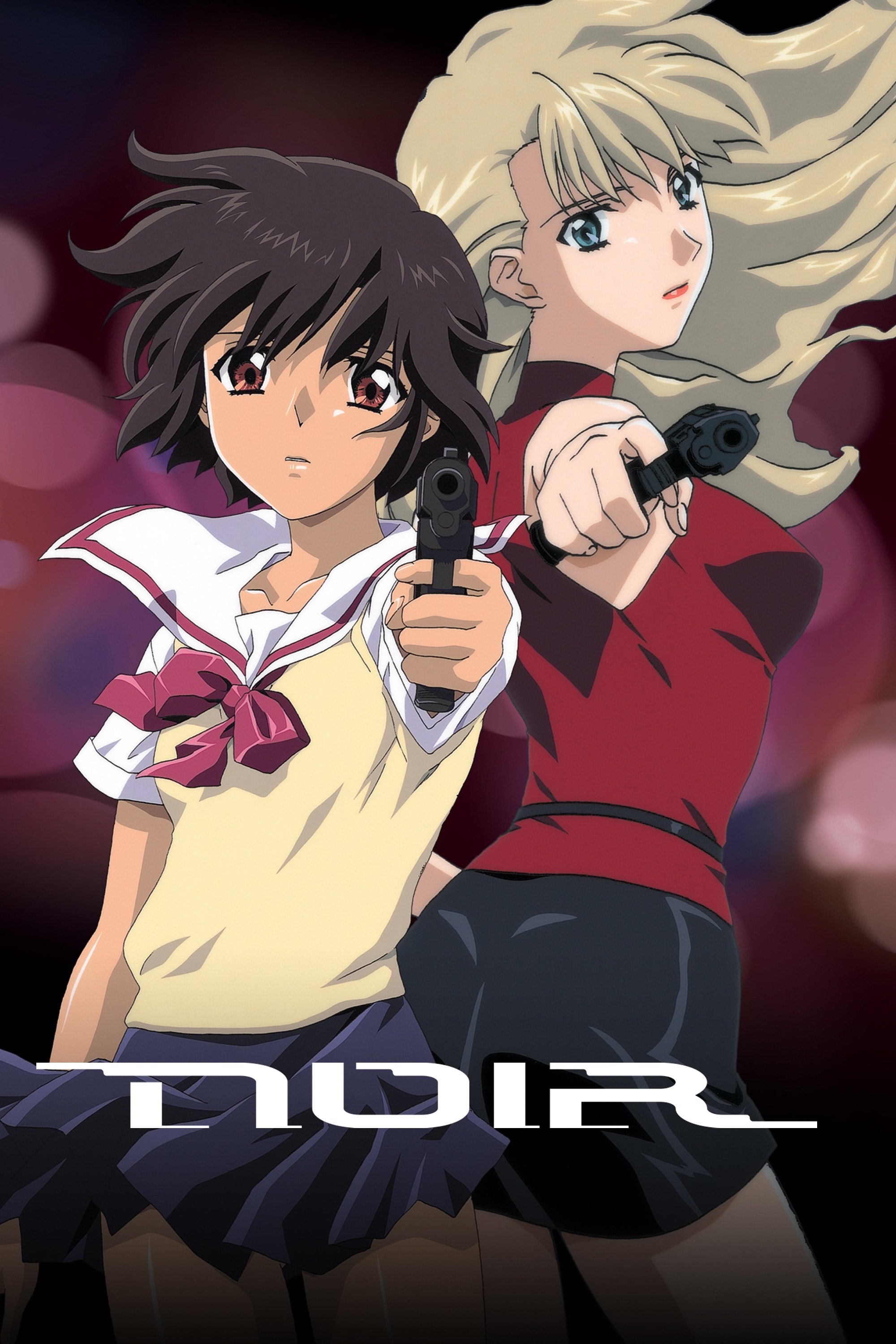
Mireille Bouquet and Kirika Yuumura are assassins who form an uneasy alliance that transforms into a deep partnership. They travel the world together while uncovering the mysteries of their pasts and facing deadly enemies. The show focuses heavily on their silent understanding and the way they protect one another. It is considered a classic example of the girls-with-guns genre that utilizes intimacy without confirming a relationship.
‘Cardcaptor Sakura’ (1998–2000)
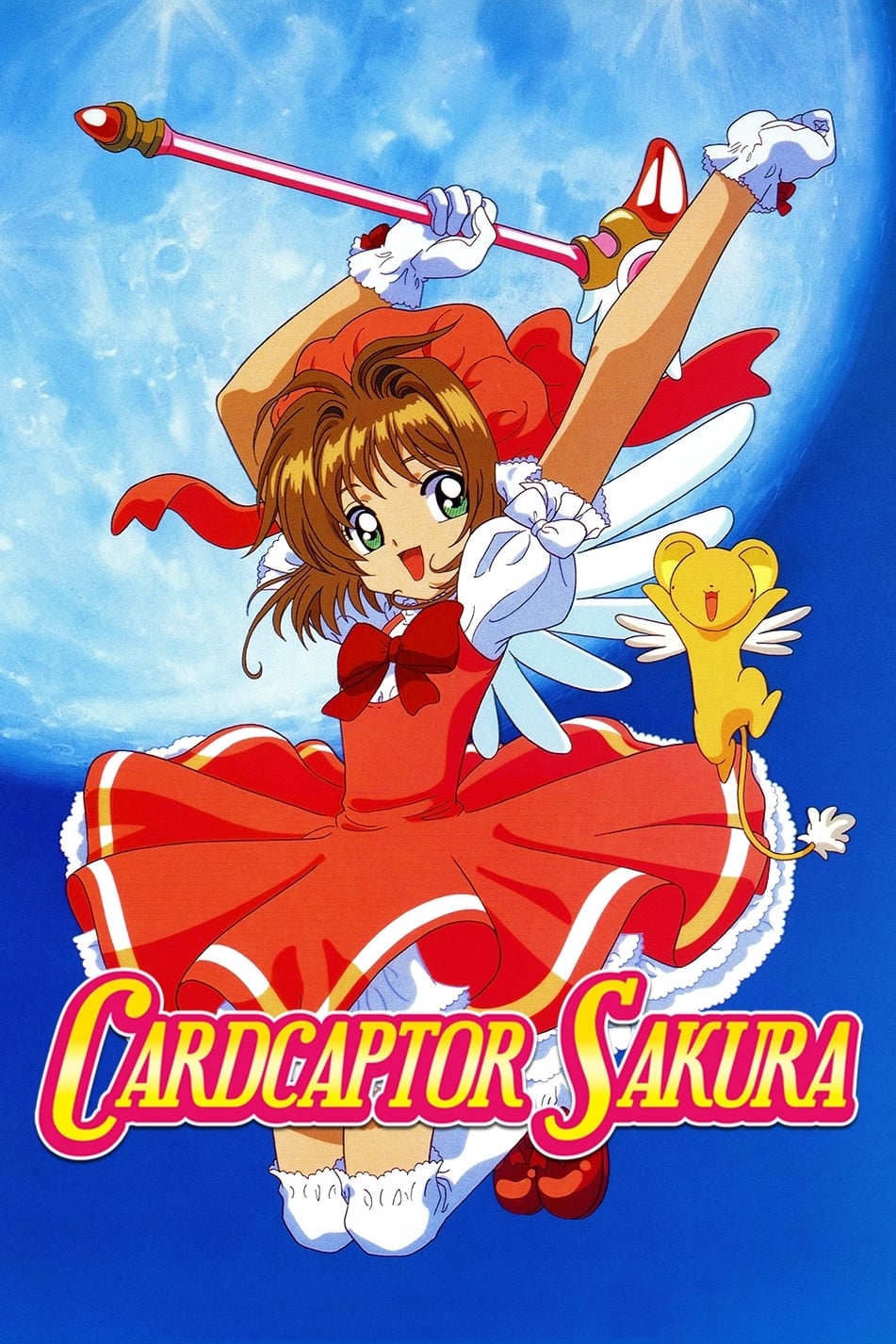
Tomoyo Daidouji expresses a level of devotion to Sakura Kinomoto that is portrayed as absolute and unconditional. She finds joy simply in documenting Sakura’s achievements and creating costumes for her. While Sakura remains oblivious to the depth of these feelings the narrative treats Tomoyo’s affection with great seriousness. This dynamic creates a layer of unrequited love that remains a topic of discussion decades later.
‘A Certain Scientific Railgun’ (2009–2020)
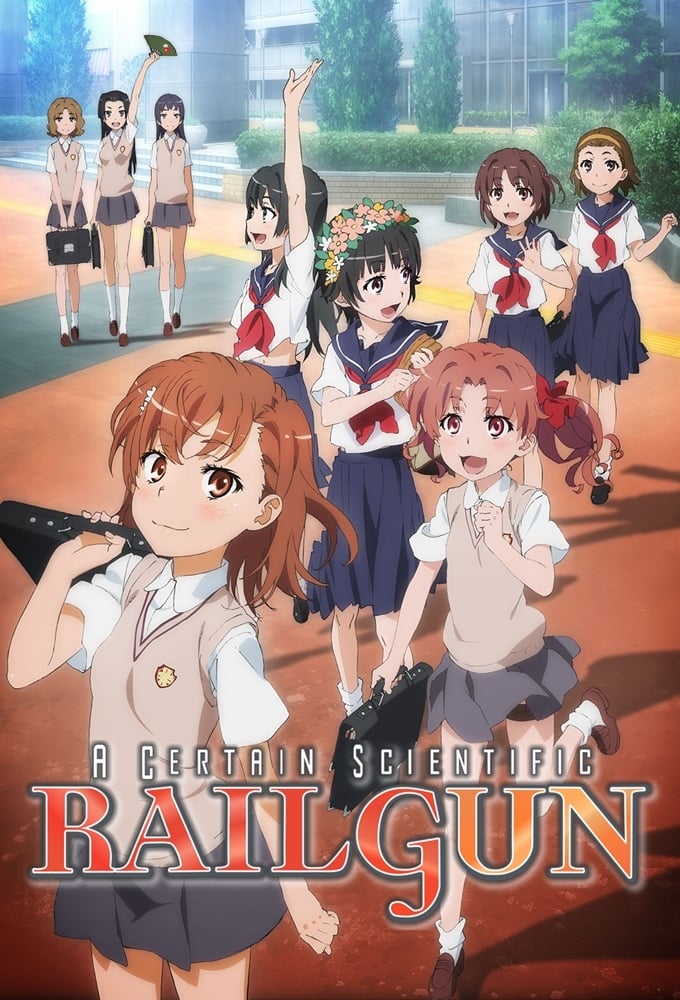
Kuroko Shirai is vocal and aggressive about her romantic interest in her roommate Mikoto Misaka. The series often plays these advances for comedy but also shows moments of genuine care and partnership. Mikoto generally brushes off the advances yet trusts Kuroko with her life during dangerous missions. The ambiguity lies in whether Kuroko’s feelings are purely a gag or if there is genuine reciprocity deep down.
‘Maria Watches Over Us’ (2004)
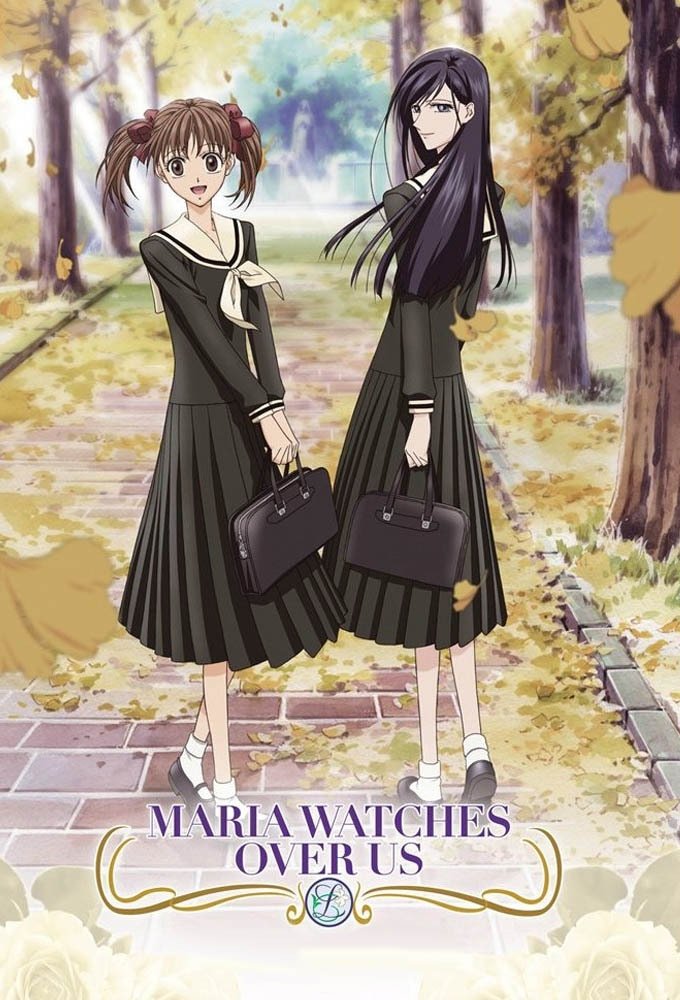
The entire setting of the Lillian Girls’ Academy is built around a system where older students adopt younger ones as pseudo-sisters. Yumi and Sachiko navigate a relationship filled with jealousy and heavy emotional weight. The series defines the class S genre where relationships mimic romance but are officially categorized as sisterly bonds. This structural ambiguity invites viewers to read between the lines of every interaction.
‘New Game!’ (2016–2017)
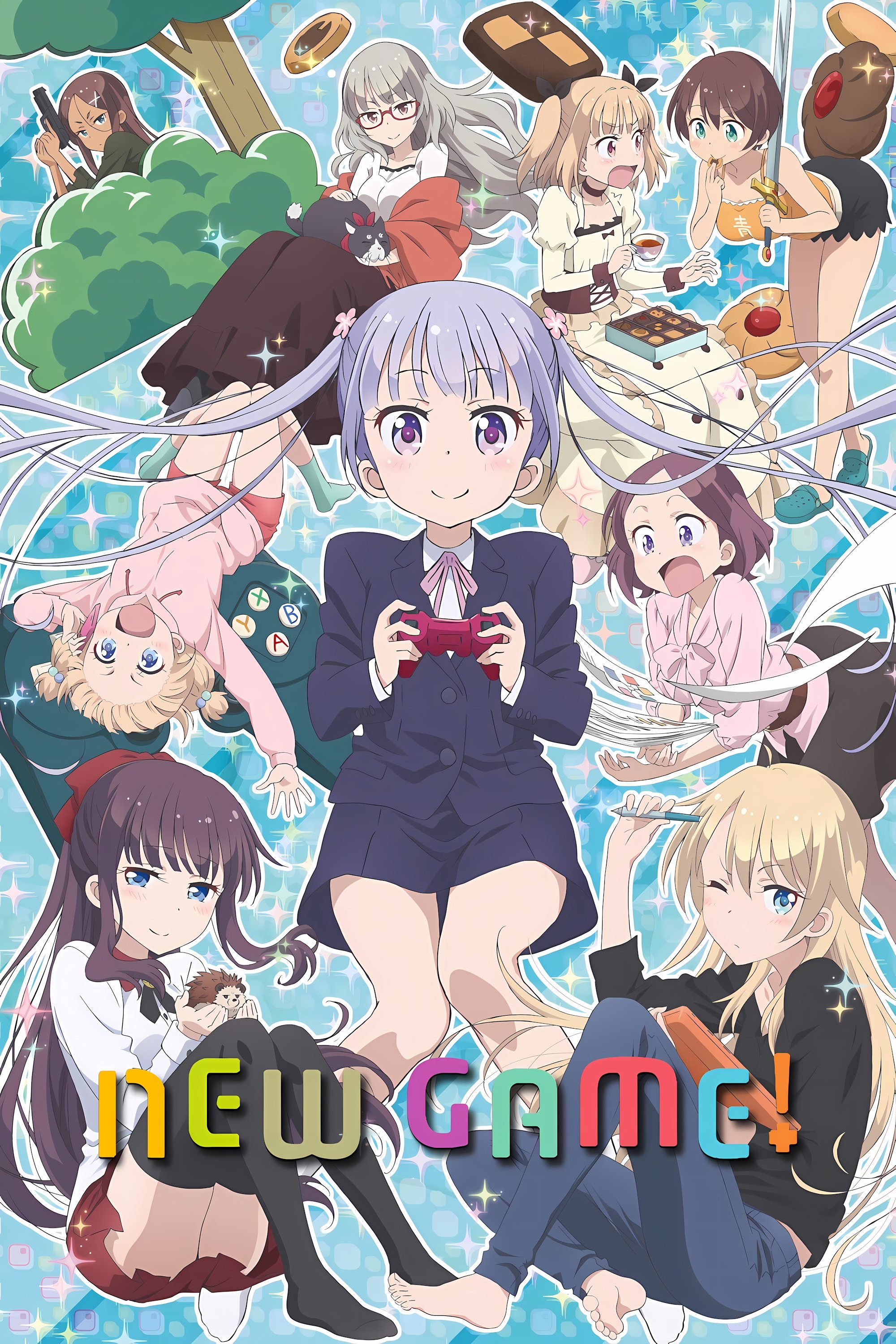
Kou Yagami and Rin Toyama share a history that spans their entire professional careers in game development. Rin acts as the domestic stabilizer for the workaholic Kou and manages her basic needs. Their colleagues frequently comment on their closeness and the atmosphere of a married couple that surrounds them. The show teases their relationship constantly without ever having them cross the threshold into confirmed dating.
‘Izetta: The Last Witch’ (2016)
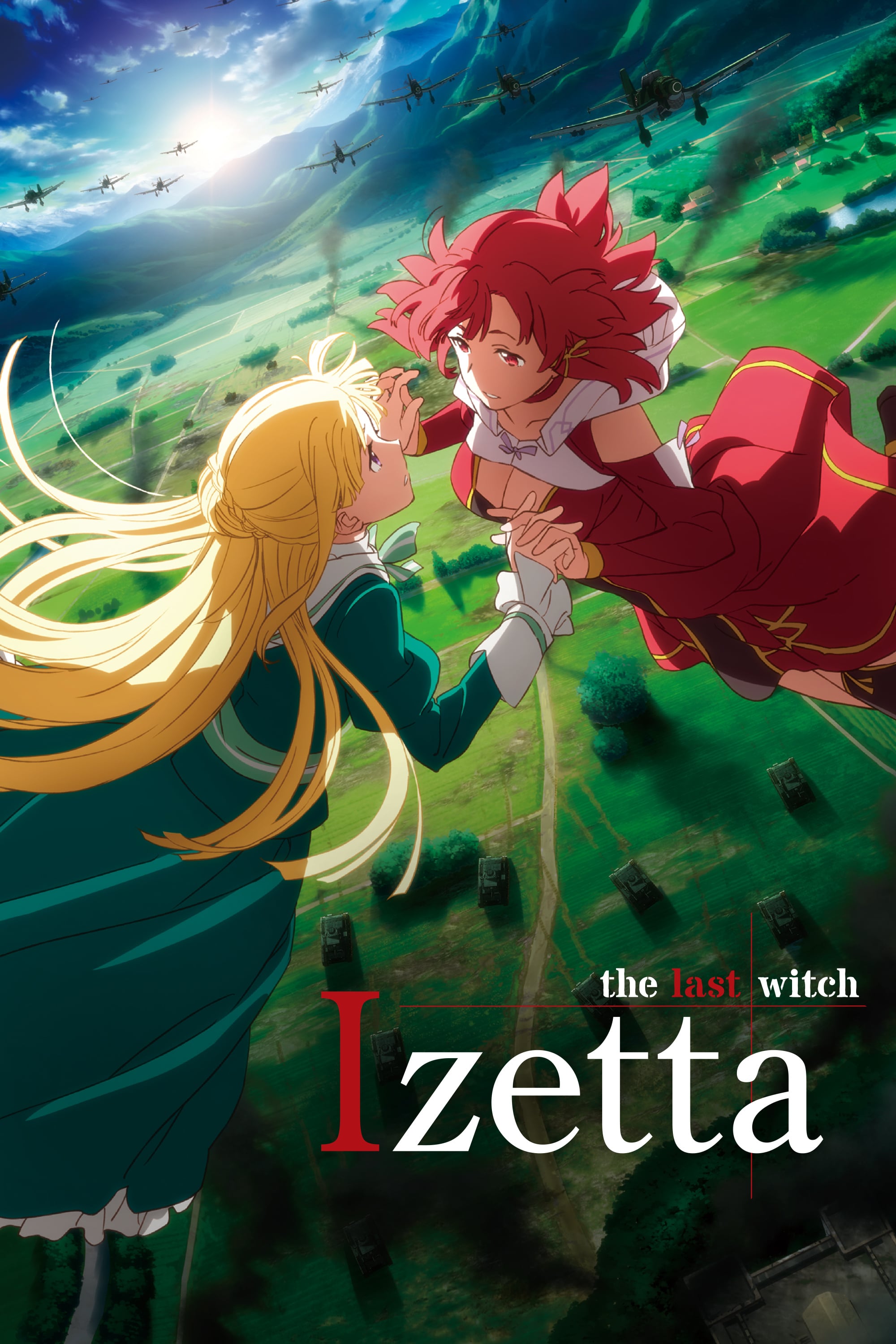
Izetta pledges her magical powers and her life to the protection of Archduchess Finé. The witch treats the princess as her sole reason for fighting in a brutal alternative World War II setting. Scenes between them involve physical closeness and intense emotional declarations of loyalty. The narrative parallels their bond with legendary romances where a knight serves a lady.
‘Superb Song of the Valkyries: Symphogear’ (2012–2019)

Hibiki Tachibana and Miku Kohinata share a bed and live together throughout the series. Their relationship is the emotional core that allows Hibiki to save the world repeatedly. Characters within the show often refer to them as a set or imply they are life partners. The series pushes the boundary of subtext by resolving their conflicts with songs about holding hands and future promises.
‘Revue Starlight’ (2018)
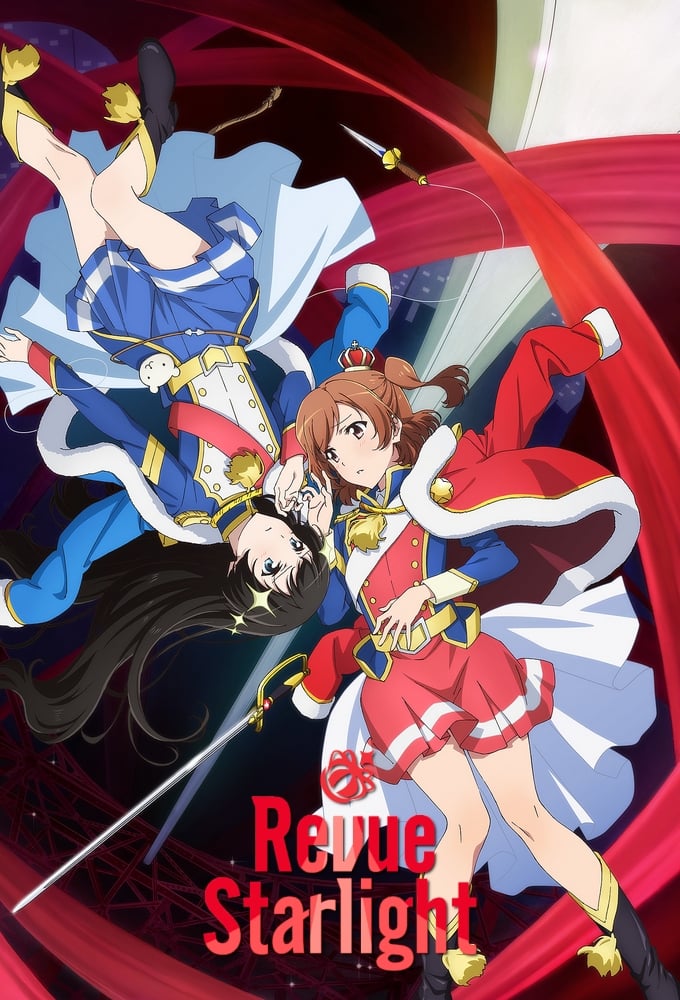
Karen Aijo and Hikari Kagura are bound by a childhood promise to stand on the stage together. Their relationship drives the central conflict as they fight through surreal theatrical battles. The visual language of the show uses metaphors of stars and destiny to frame their connection. Fans interpret their reunion and subsequent struggles as a metaphor for a turbulent romantic relationship.
‘Fate/kaleid liner Prisma Illya’ (2013–2016)

Illyasviel and Miyu develop a bond that becomes the primary motivation for the narrative arcs. The series explains their physical intimacy as a necessity for magic transfer but frames it with romantic tropes. Miyu views Illya as her savior and the most important person in her world. The show balances between magical girl action and scenes that heavily imply romantic attraction.
‘Saki’ (2009)
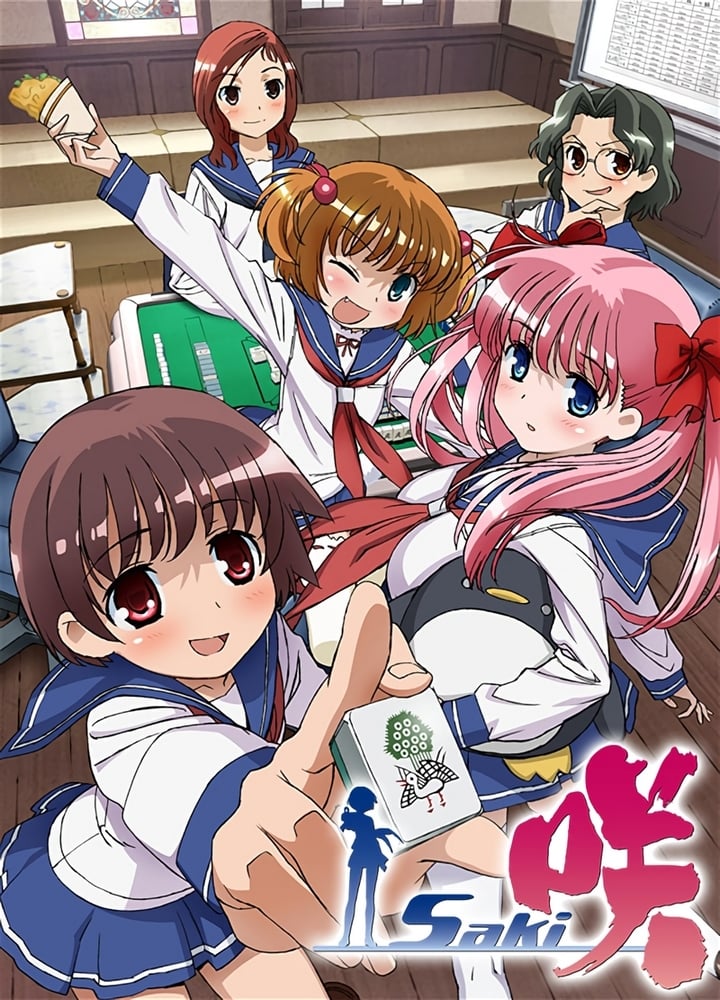
Nodoka Haramura and Saki Miyanaga form a battery in the competitive world of high school mahjong. Saki claims she plays the game specifically so she can continue to be with Nodoka. Their interactions include blushing exchanges and promises to reach the nationals together. The intense focus on their emotional connection suggests more than just team camaraderie.
‘Love Live! School Idol Project’ (2013–2014)

Nozomi Tojo and Eli Ayase share a backstory where Nozomi helps Eli break down her emotional walls. They act as the parents of the idol group and are rarely seen apart from one another. The franchise frequently pairs them together in official art and side materials that lean into romantic coding. Fans argue their relationship is the most stable and mature bond in the series.
‘K-On!’ (2009–2010)

Mio Akiyama and Ritsu Tainaka are childhood friends who know every detail about one another. Ritsu often teases Mio to get a reaction while Mio looks out for Ritsu’s well-being. Their dynamic balances the group energy and provides moments of quiet understanding. Viewers often interpret their long history and reliance on each other as the foundation of a romantic partnership.
‘Canaan’ (2009)

Maria Osawa is a photographer who becomes the emotional anchor for the mercenary Canaan. Canaan views Maria as the only light in her dark world of violence and synesthesia. The narrative contrasts their worlds while showing how desperate Canaan is to protect Maria. The intensity of Canaan’s fixation leads many to view her feelings as romantic love.
Share your theories on which of these anime couples are actually canon in the comments.