

20 Anime That Dropped a Surprise Non-Binary God in the Final Arc

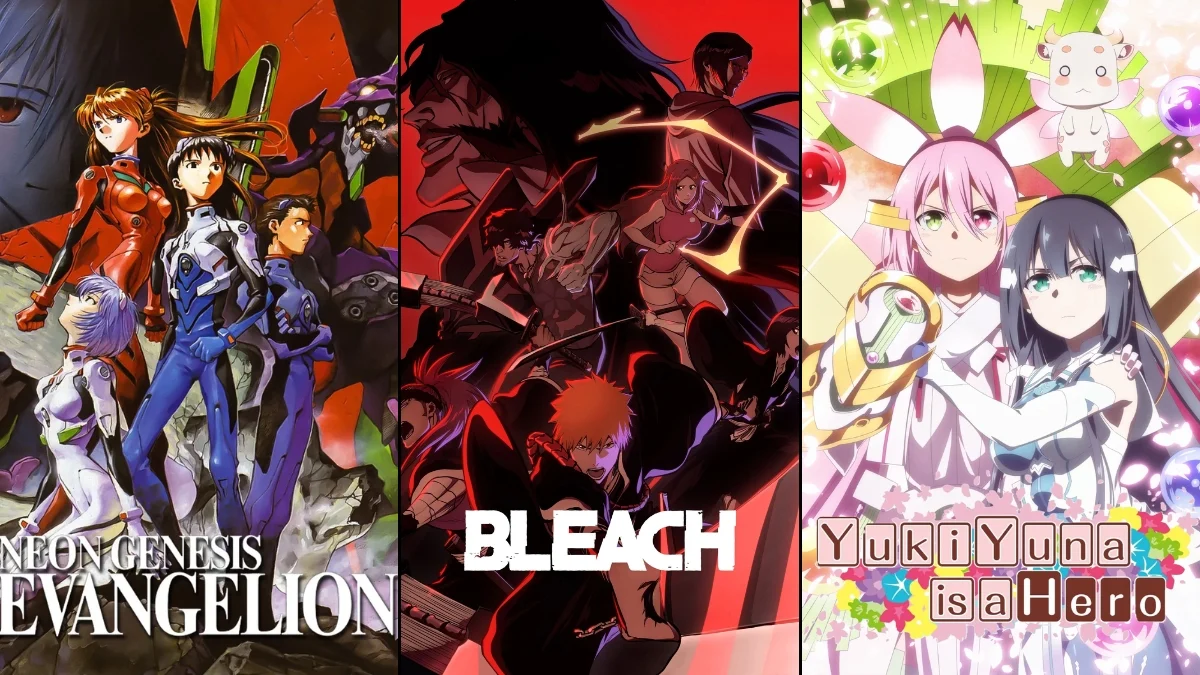


Anime fans are used to escalation but sometimes a series decides to completely shatter the ceiling in its final moments by introducing a deity that defies human categorization. These divine entities often transcend gender while existing as collective consciousnesses or ancient programs and eldritch forces of nature that reset the stakes entirely. Whether they appear as a sudden twist villain or a misunderstood force of the universe these beings force the protagonists to confront the very nature of existence. Here are 20 anime that revealed a non-binary or gender-ambiguous god-like entity in their final arc.
‘Neon Genesis Evangelion’ (1995–1996)
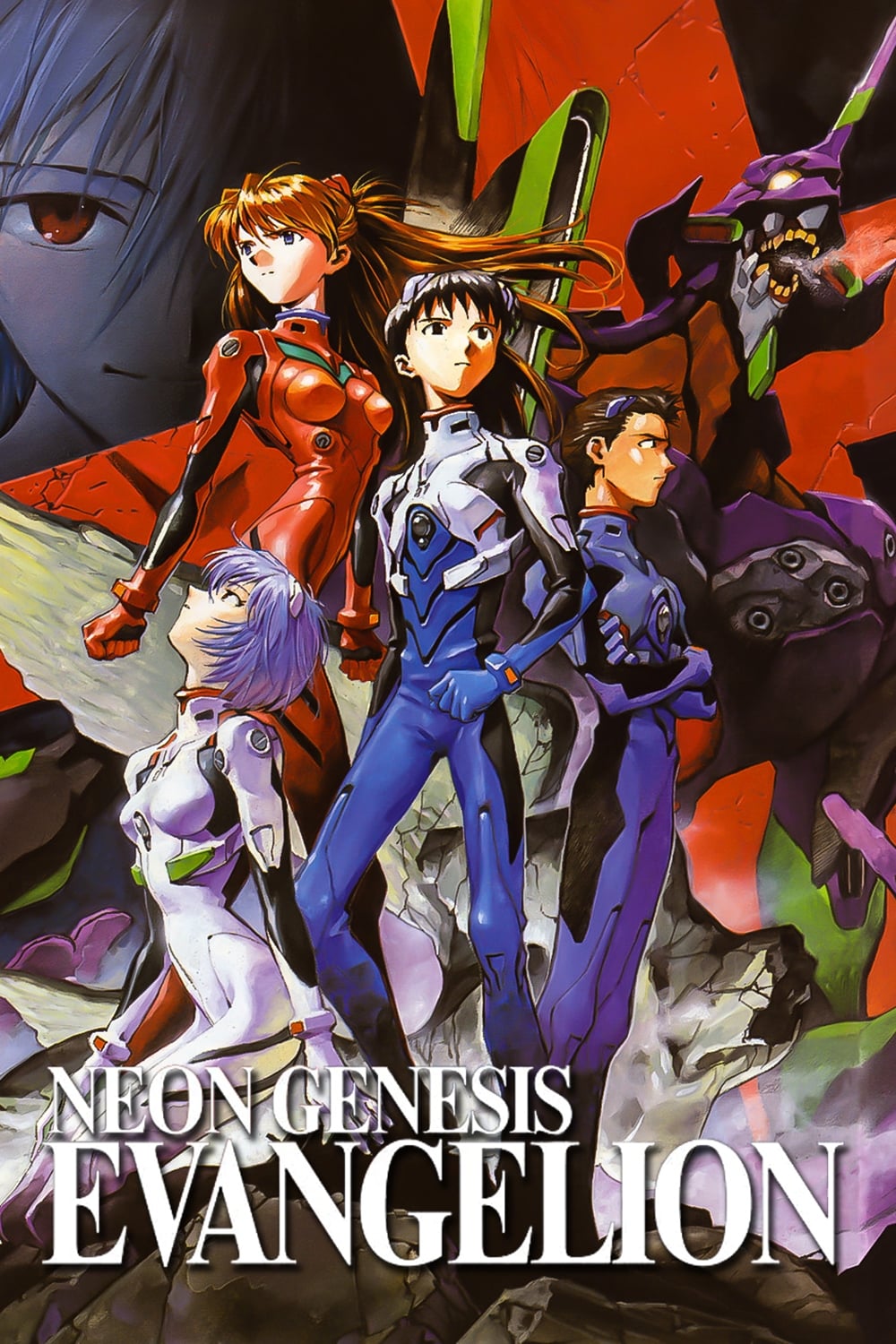
In the apocalyptic conclusion of this mecha classic the boundaries between humanity and divinity dissolve completely. The final act introduces a colossal glowing entity formed from the fusion of major characters and cosmic progenitors creating a being that is both everyone and no one. This entity initiates a global event that merges all human souls into a single collective soup effectively becoming a god of unity and destruction. It presents itself in a shifting androgynous form that transcends biological gender representing the ultimate convergence of life.
‘Attack on Titan’ (2013–2023)
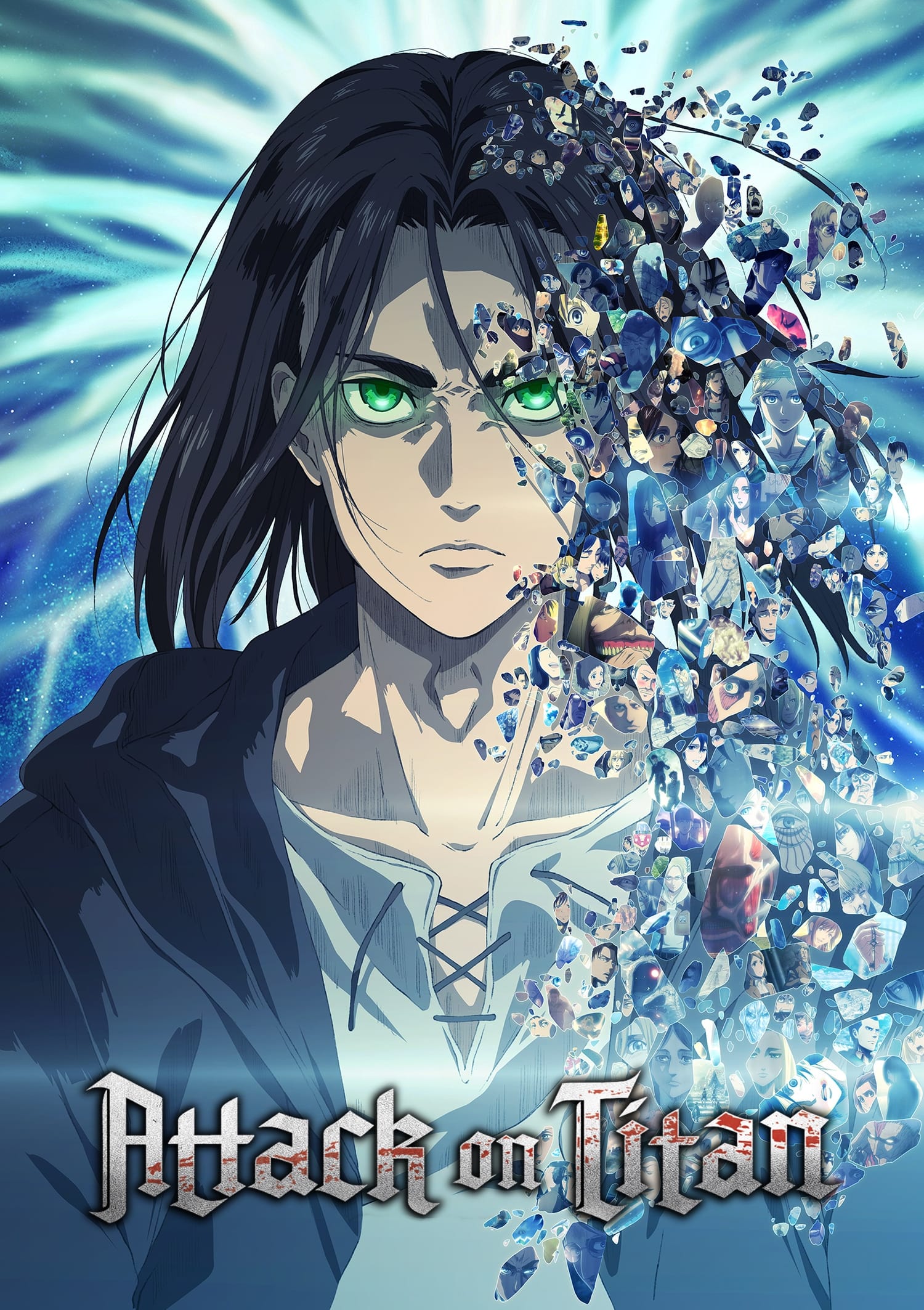
While the series is grounded in gritty warfare and politics the final stretch reveals the true origin of the Titans’ power to be a primordial genderless anomaly. Often resembling a glowing spinal creature this entity is the source of all organic matter and exists purely to survive and multiply. It possesses no human consciousness or gender functioning as a parasitic god that connects all Eldians through invisible paths. Its emergence shifts the conflict from a human war to a battle against a relentless ancient instinct.
‘Gurren Lagann’ (2007)
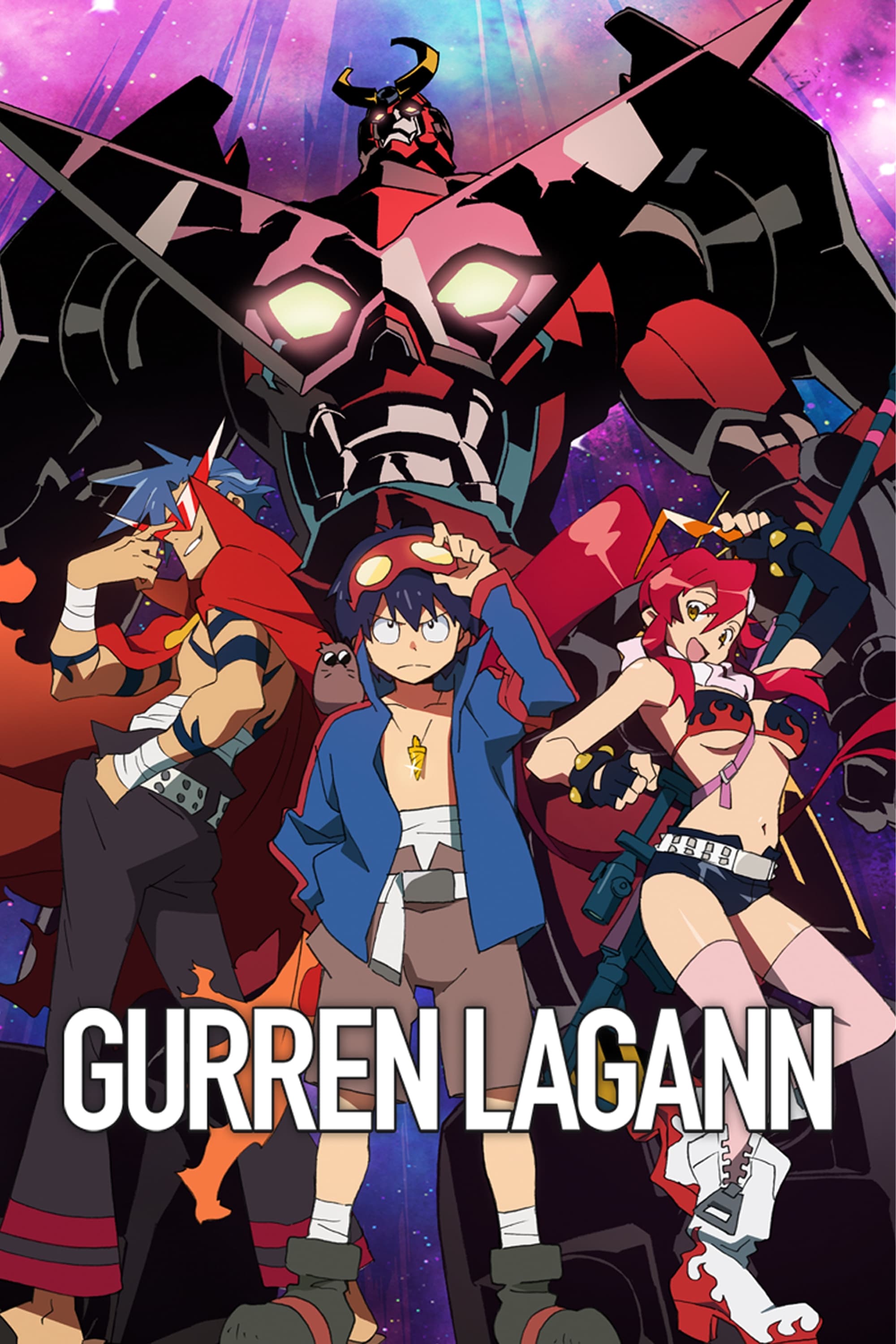
The final antagonist of this high-octane series is not a single person but a collective consciousness representing an entire race determined to halt evolution. While it often manifests as a masculine silhouette to communicate the entity itself is a genderless hive mind comprising countless beings merged into one static will. It wields god-like power over probability and space throwing galaxies like throwing stars to maintain absolute stagnation in the universe. The heroes must fight this abstract concept of despair with their own infinite willpower.
‘Code Geass: Lelouch of the Rebellion’ (2006–2008)
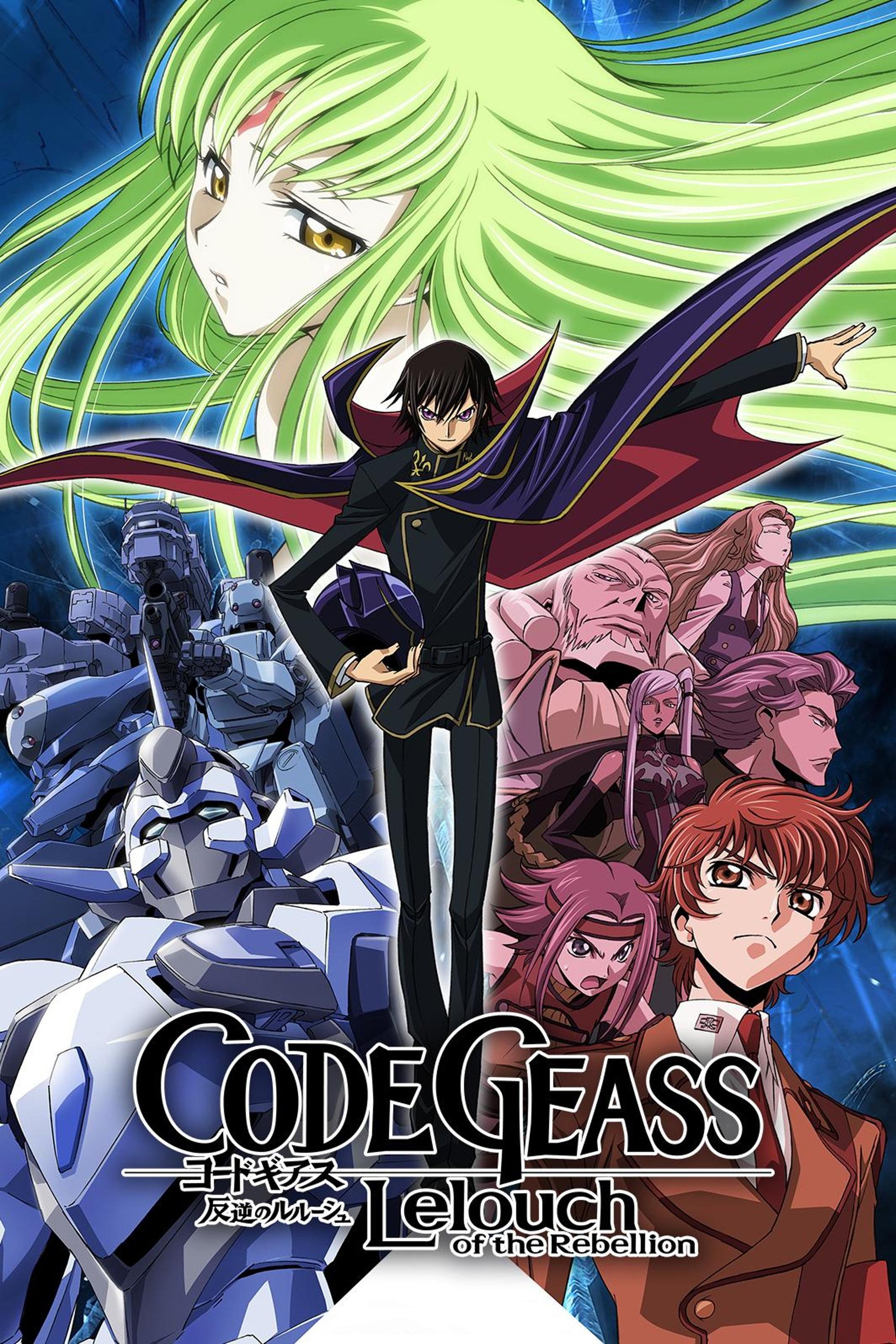
Throughout the political maneuvering and mech battles the series hints at a supernatural power but the true nature of God is revealed only near the end. This entity is the Collective Unconscious of humanity and serves as a genderless metaphysical force residing in a separate dimension. It acts not as a ruler in the traditional sense but as the aggregate of all human minds and desires. The protagonist eventually confronts this force directly demanding that it allow time to move forward rather than keeping humanity trapped in a stagnant past.
‘Darling in the FranXX’ (2018)
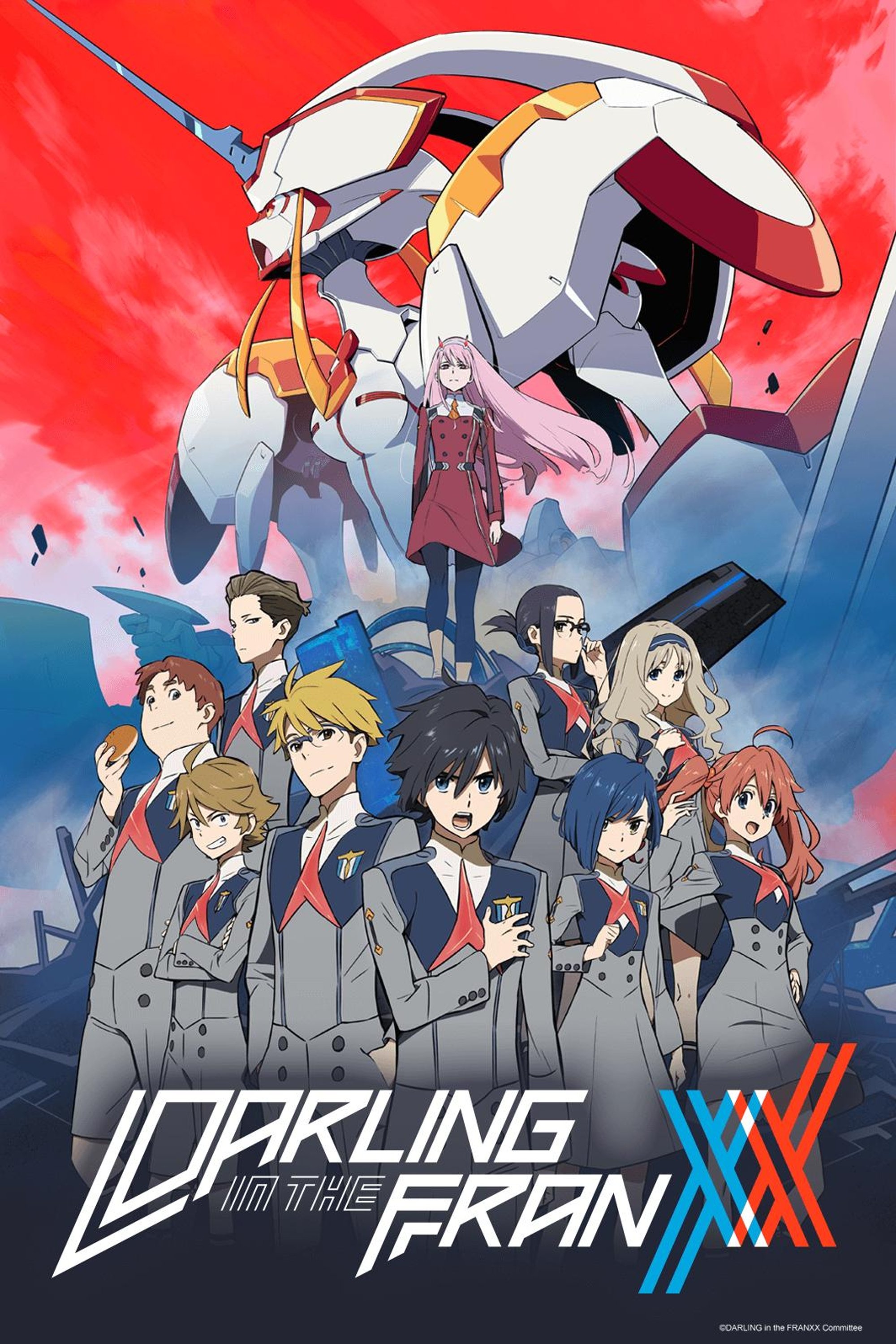
The story takes a sharp turn in its final episodes with the arrival of a hostile alien consciousness. This entity is a galactic hive mind that has discarded physical bodies and gender to exist as pure spiritual energy. It invites other civilizations to join its assimilated existence destroying those who refuse to surrender their individuality. The sudden shift from a terrestrial war to a battle against this interstellar genderless deity remains one of the most discussed twists in modern mecha anime.
‘Digimon Tamers’ (2001–2002)
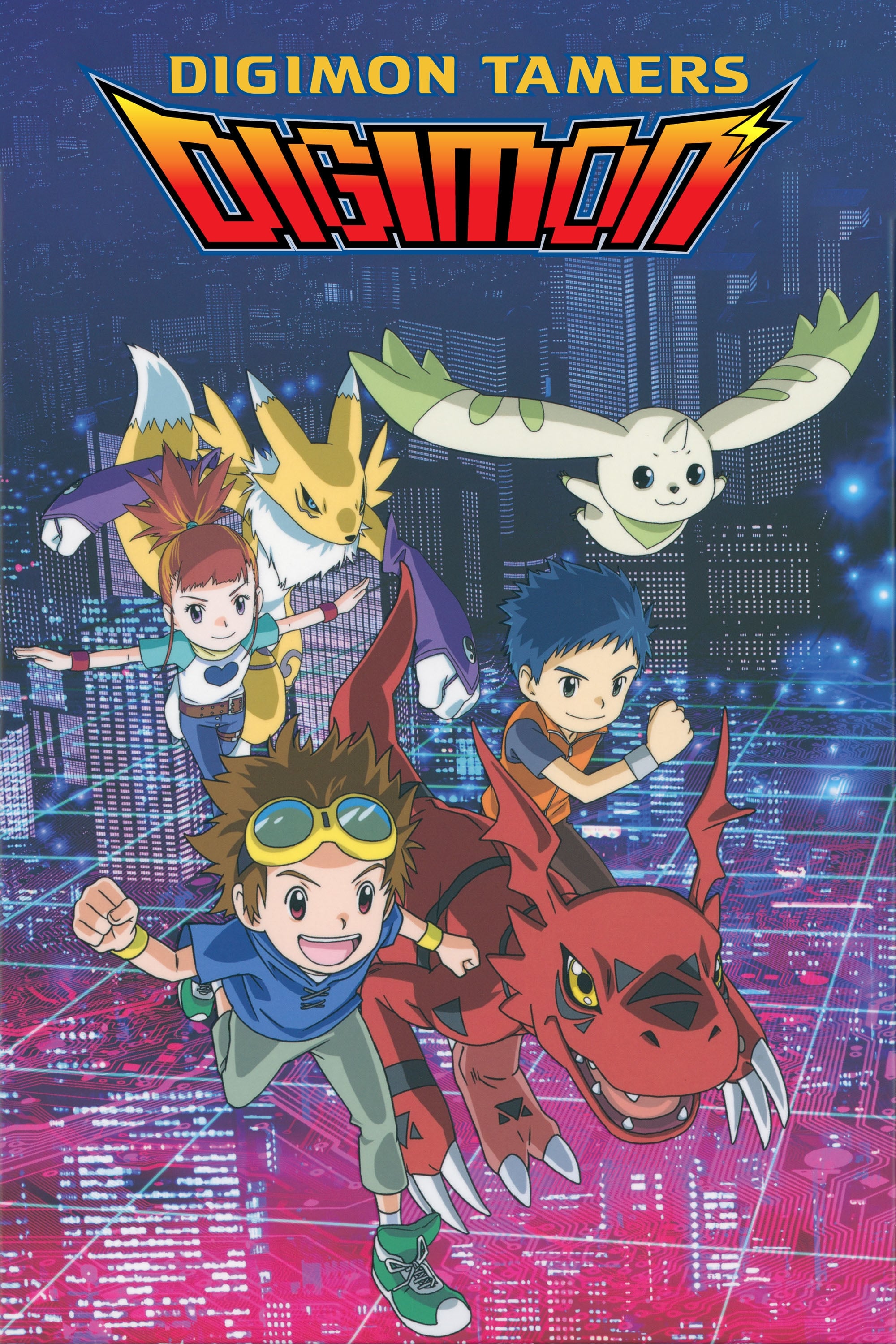
Unlike the digital monsters that inhabit the world the final threat is a primitive cleaning program that evolves into a terrifying force of erasure. It has no personality or gender simply following its original code to delete data that exceeds certain limits. As it manifests in the real world it creates various agents to defend itself but the core entity remains a cold unthinking void. It represents a digital god of death that cannot be reasoned with only deleted or degraded.
‘The Seven Deadly Sins’ (2014–2021)
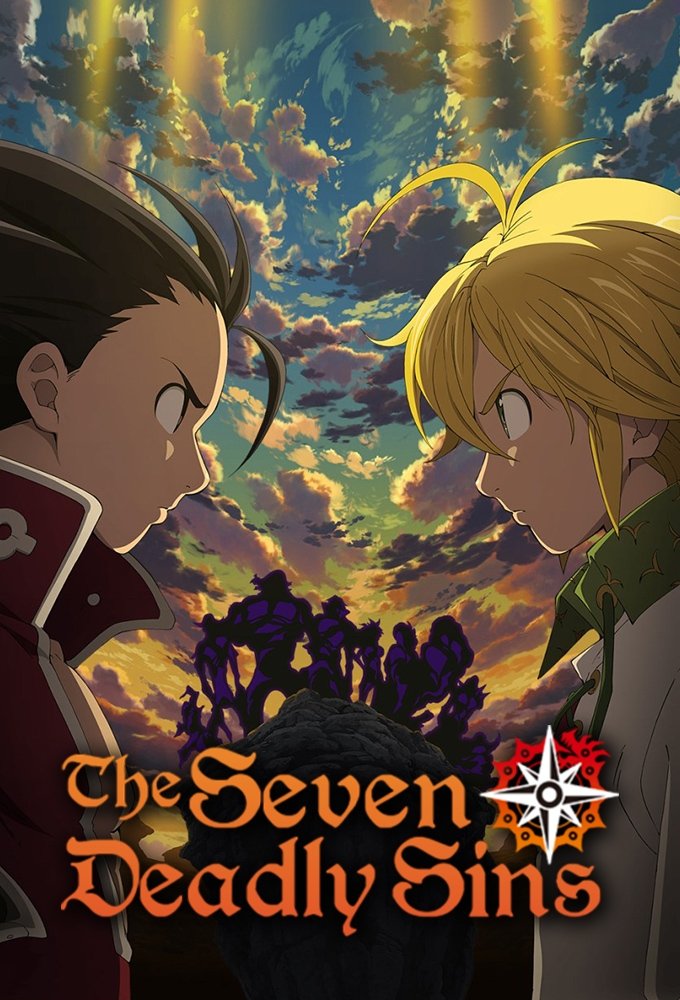
The overarching lore of the series eventually unveils a primordial entity responsible for creating the world and the other divine races. This being is a chaotic force of nature that lacks a defined gender embodying both light and darkness simultaneously. It was sealed away by its own creations out of fear only to be released in the final arc to disrupt the balance of power. Its return marks a shift from fighting demon lords to dealing with the raw unpredictable essence of creation itself.
‘Kill la Kill’ (2013–2014)

The ultimate villain is revealed to be a parasitic alien race of sentient fibers that has manipulated humanity’s evolution to feed on them. The original entity is a massive genderless core of thread that seeks to envelop the entire planet in a clothing of death. While it uses a human host to speak the entity itself is simply a cosmic weaver indifferent to human concepts of gender or morality. It views all life merely as raw material for its reproduction and expansion.
‘Devilman Crybaby’ (2018)
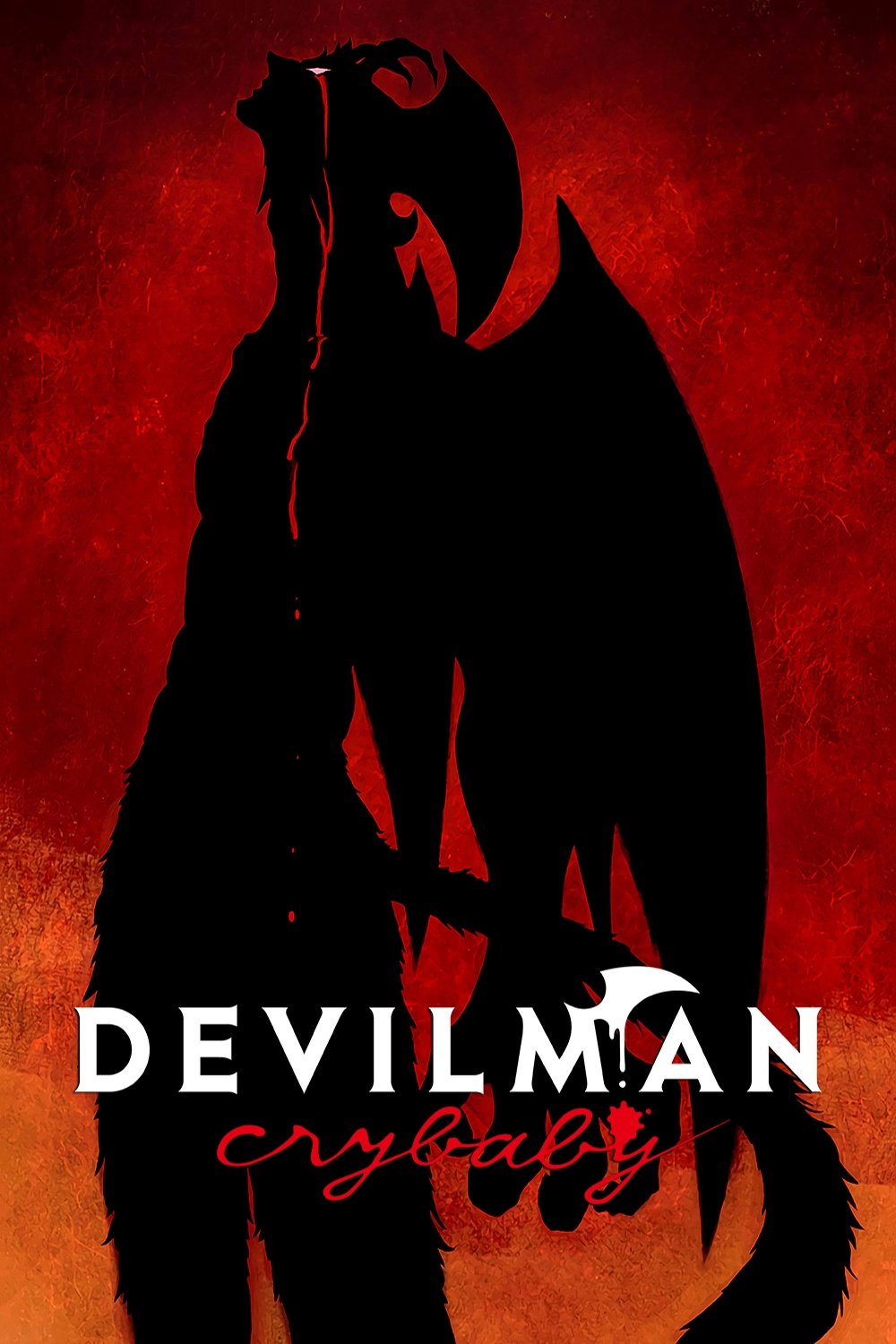
The tragic finale peels back the layers of the protagonist’s best friend to reveal a fallen angel of biblical proportions. While this character presents as male throughout the series their true awakened form is depicted as an androgynous intersex being with both male and female traits. This visual representation underscores their nature as a divine entity that predates and transcends humanity. The revelation recontextualizes the entire story turning a tale of demons into a cosmic tragedy about love and loss on a god-like scale.
‘Sailor Moon Sailor Stars’ (1996–1997)
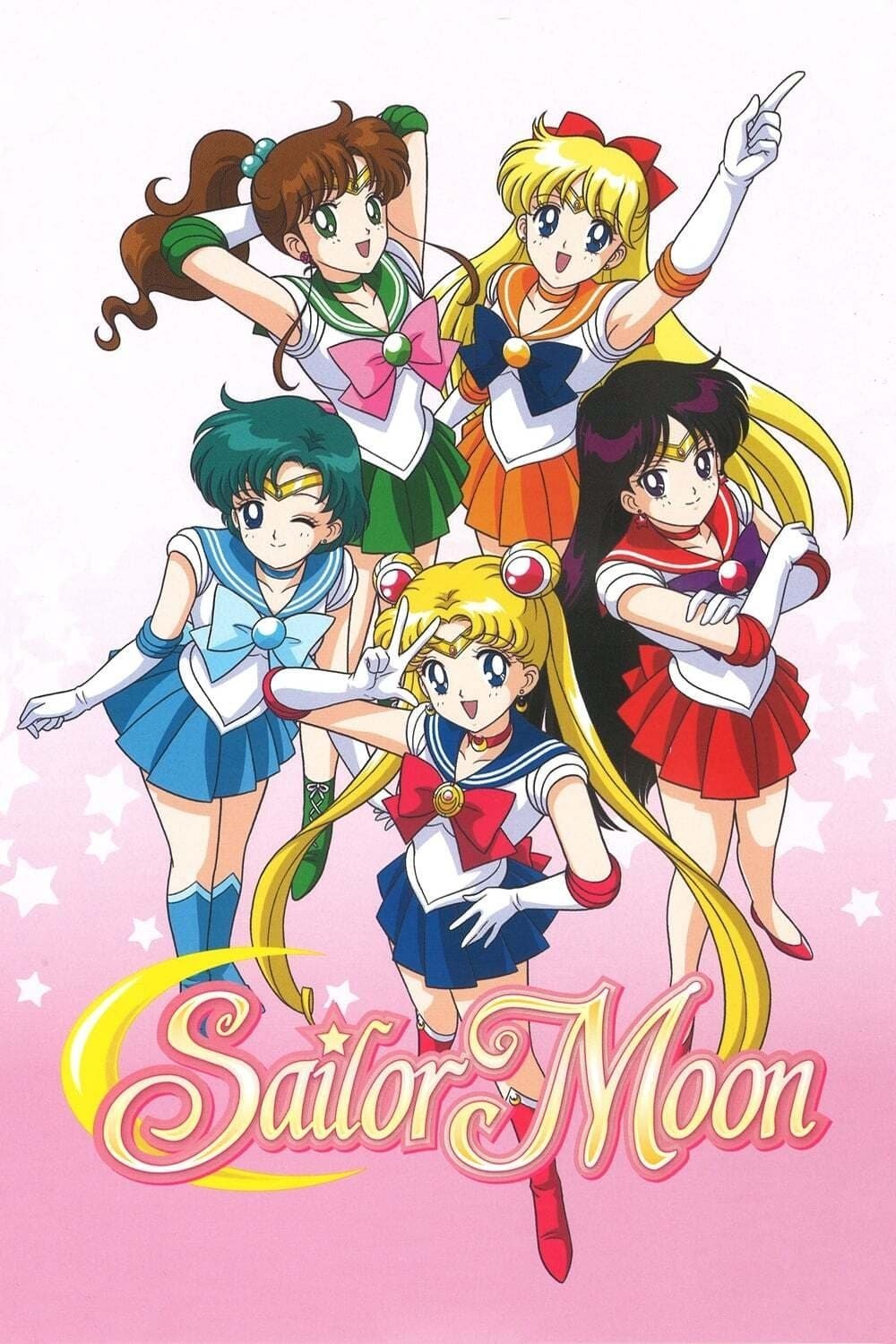
In the final arc of this magical girl saga the heroine faces the source of all evil in the galaxy. This ultimate antagonist is a genderless primordial force of formless chaos that has birthed all the major villains of the past. It seeks to merge all stars and souls into its singular existence erasing individuality forever. The battle becomes a philosophical struggle between the light of hope and the all-consuming void of this ancient deity.
‘Mobile Suit Gundam 00’ (2007–2009)
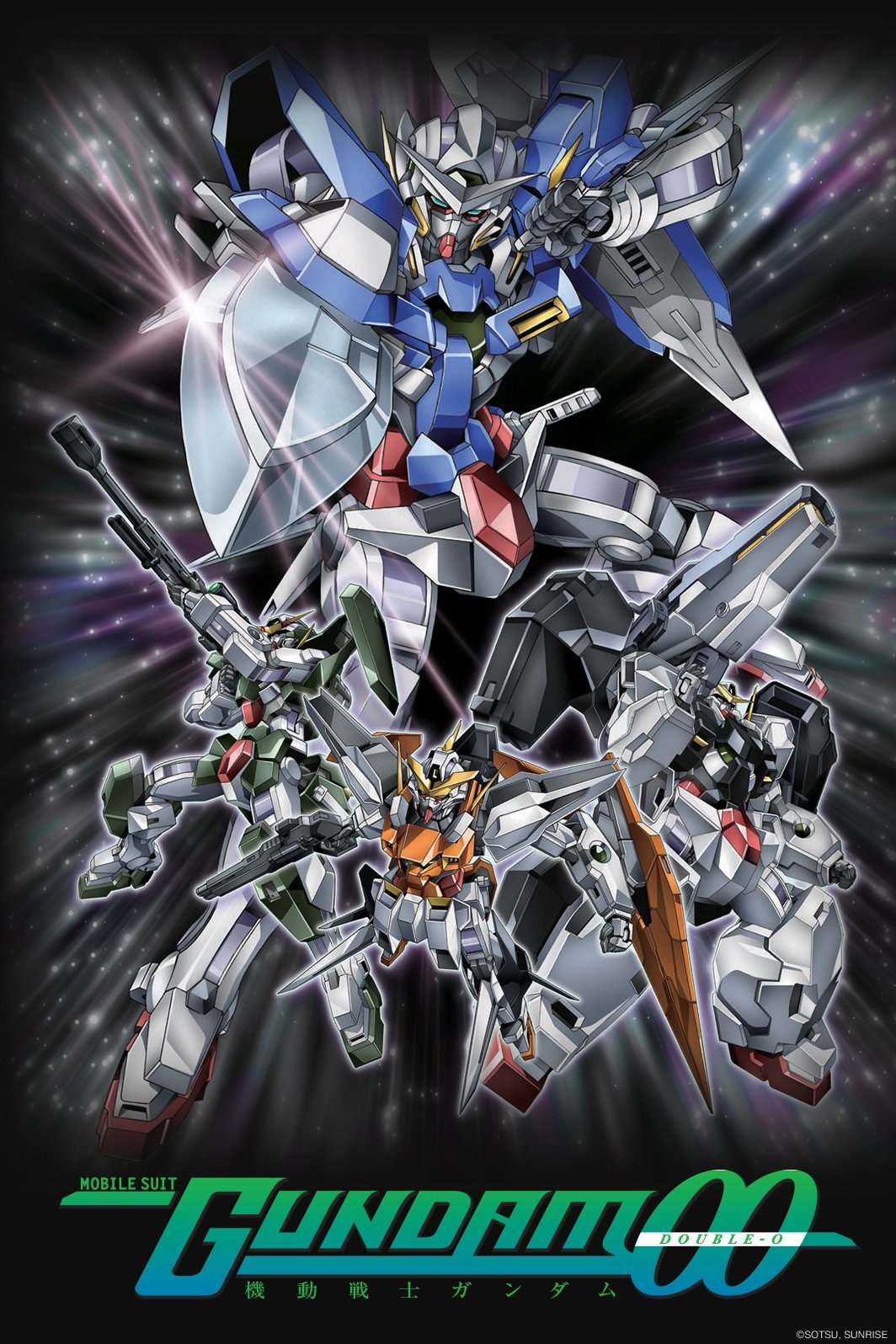
The movie conclusion to this series introduces a threat unlike any political faction in the form of a race of sentient shapeshifting metal aliens. These extraterrestrials are a hive mind with no concept of individuality or gender communicating through quantum brainwaves. They attempt to fuse with humanity and their machines simply trying to understand the new life forms they have encountered. The conflict is resolved not by destroying this metal god-swarm but by establishing a dialogue with it.
‘Serial Experiments Lain’ (1998)

By the end of this cyberpunk psychological trip the titular character ascends to a plane of existence that blurs the line between human and software. She becomes an omnipresent deity of the digital network capable of rewriting memories and reality at will. In this state she transcends her physical body and gender existing as a concept of connection itself. Her final decision involves erasing herself from the memories of everyone she knew to become a silent watchful god.
‘Platinum End’ (2021–2022)
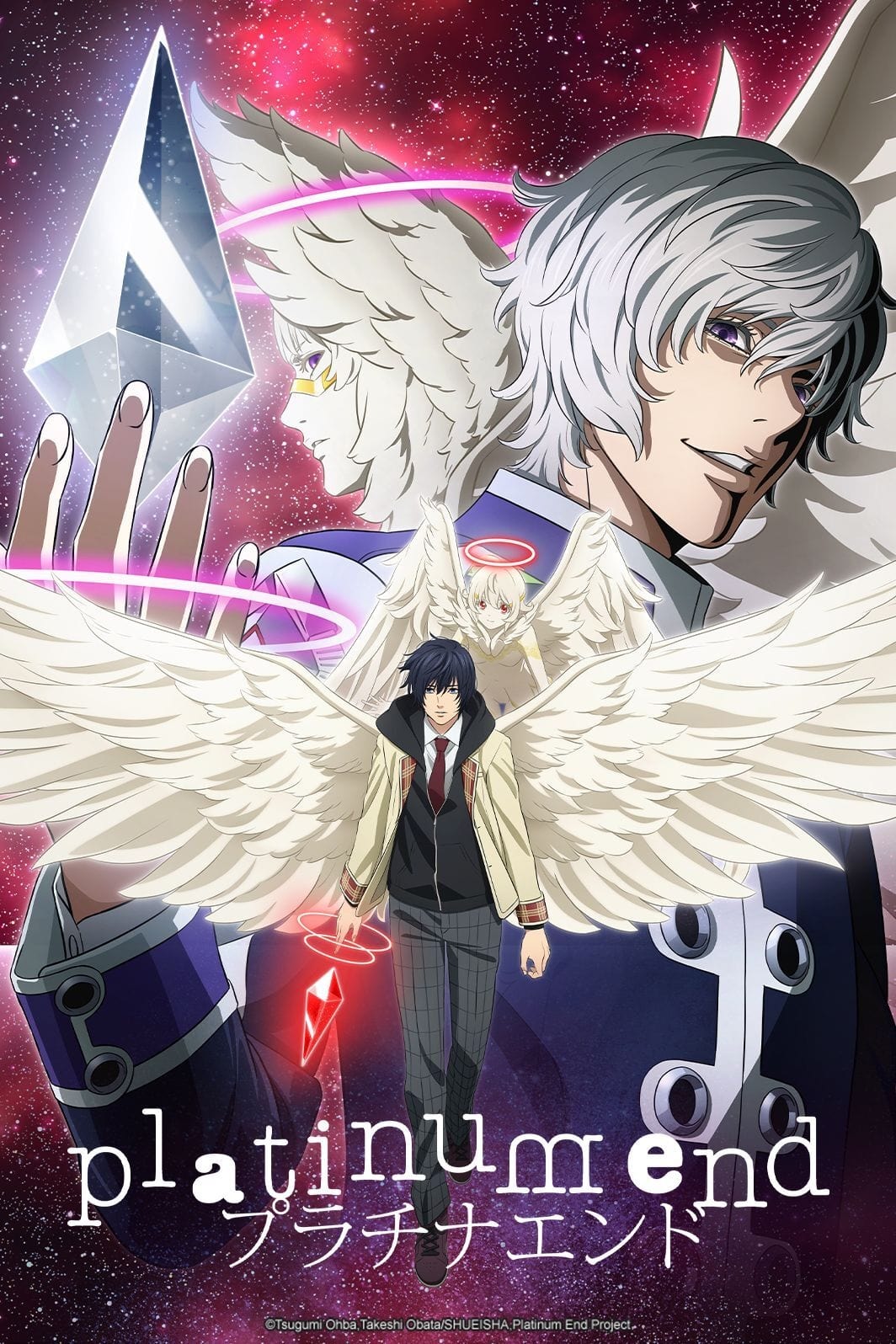
The entire premise revolves around a battle royale to choose the next God but the winner discovers that the position is far more abstract than expected. The final deity is revealed to be a creature born from the collective desire of humanity to have something to believe in. It is a formless genderless entity that eventually merges with the winner leading to a conclusion that questions the necessity of a god at all. The true nature of this being brings the series to a nihilistic and shocking close.
‘Kado: The Right Answer’ (2017)

A giant geometric structure appears in Japan bringing with it an anisotropic being from a higher dimension. This entity presents itself in a male form to communicate but is fundamentally a genderless outsider to our reality possessing technology that looks like magic. It views humanity with a curious but detached perspective offering advancements that threaten to disrupt human society. The conflict arises from the realization that this god does not understand the value of human limitations or individuality.
‘Wonder Egg Priority’ (2021)
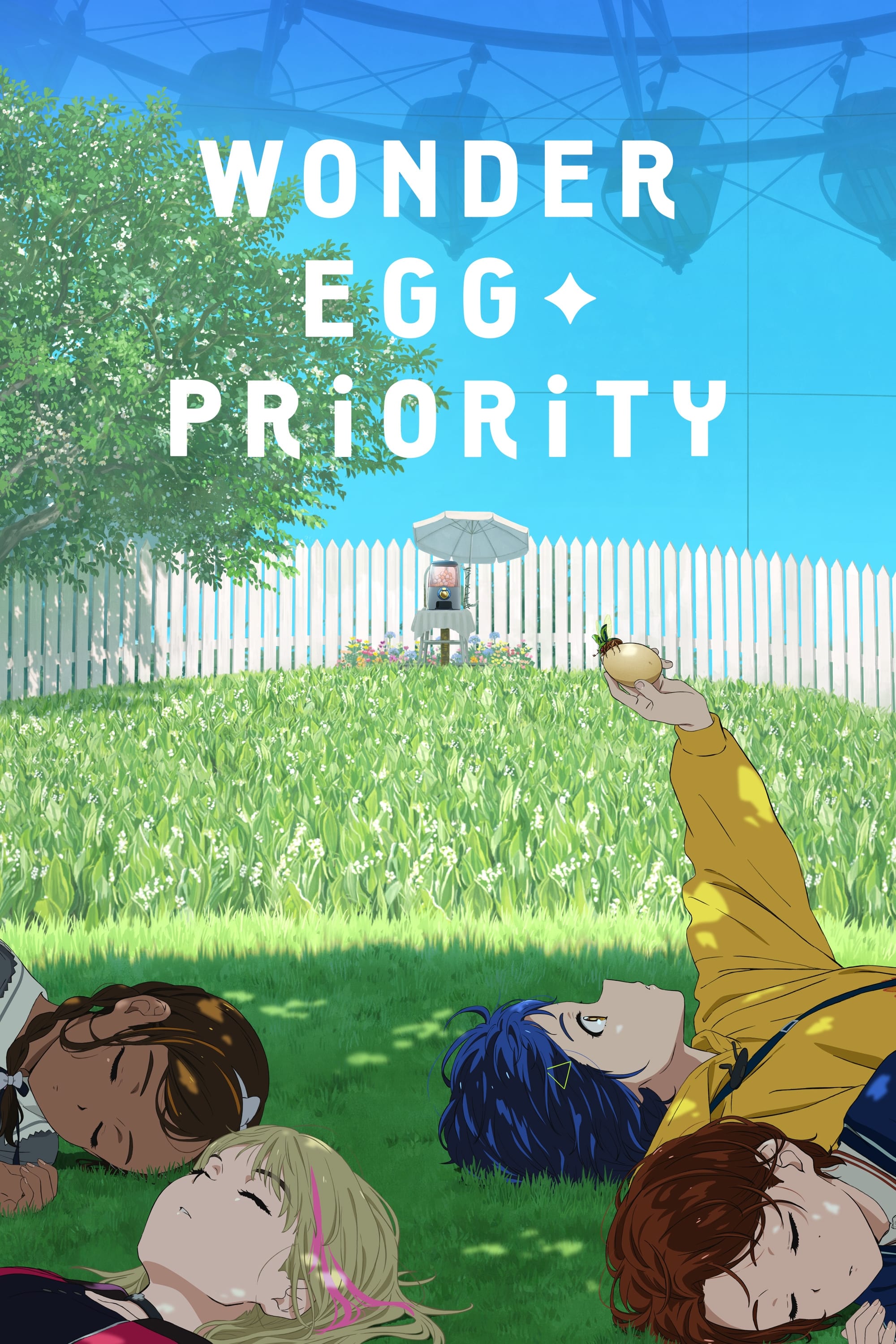
The final episodes introduce a hidden mastermind appearing as an artificial intelligence created by scientists to simulate human behavior. This entity presents in a feminine doll-like guise but is actually a genderless construct driven by cold logic and jealousy. It acts as a god of death for the traumatized teenagers in the series manipulating the supernatural battles from the shadows. Its reveal shifts the story from a psychological drama to a confrontation with a manufactured deity of despair.
‘Yuuki Yuuna is a Hero’ (2014)
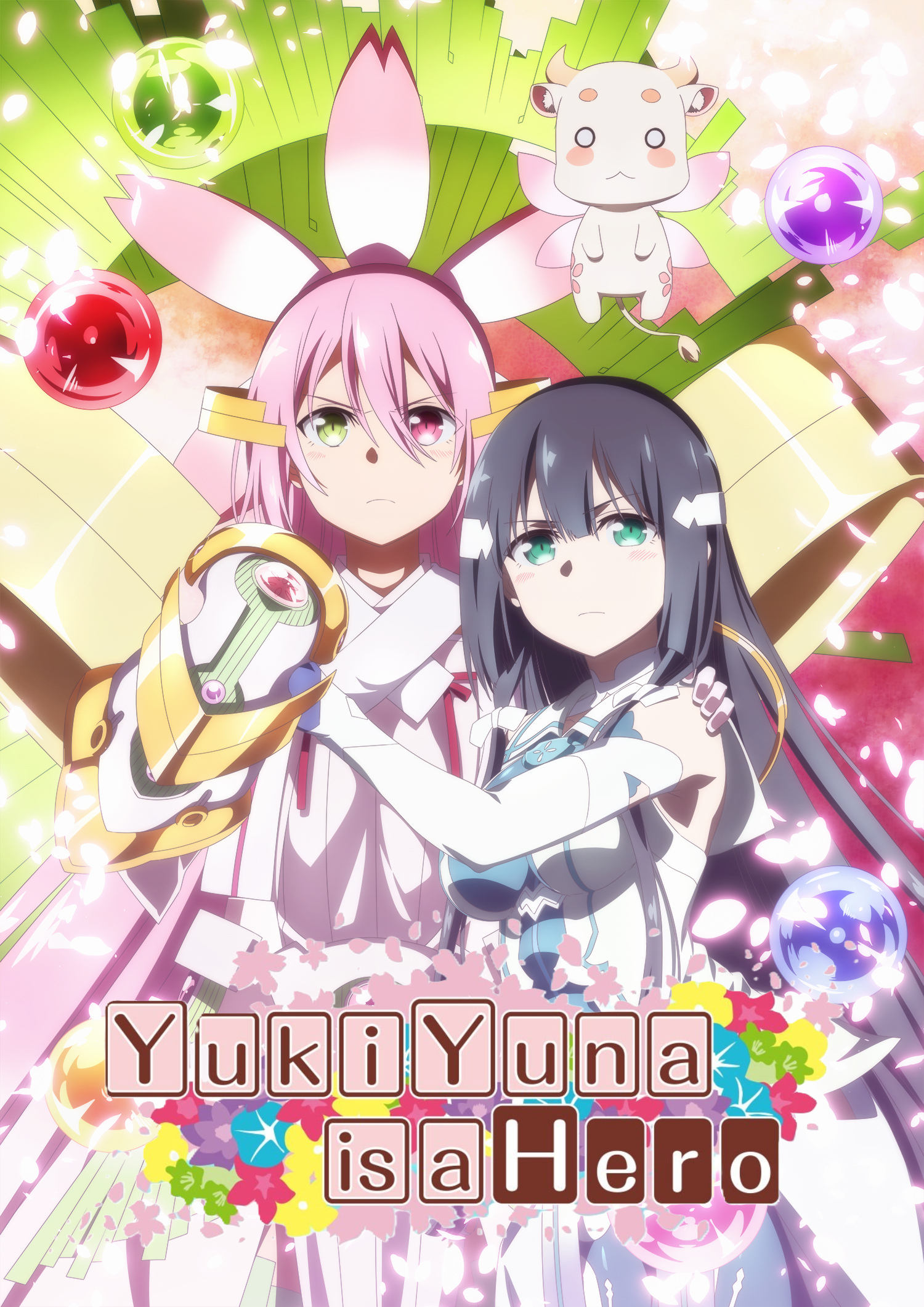
The magical girls in this series derive their power from a massive divine tree that serves as the local deity protecting humanity. This entity is a genderless amalgamation of land gods that demands physical sacrifices in exchange for its protection. It does not speak or act with human emotion functioning more like a biological system than a benevolent ruler. The heroes are forced to grapple with the cruel reality of serving a silent god that views them as batteries.
‘Promare’ (2019)
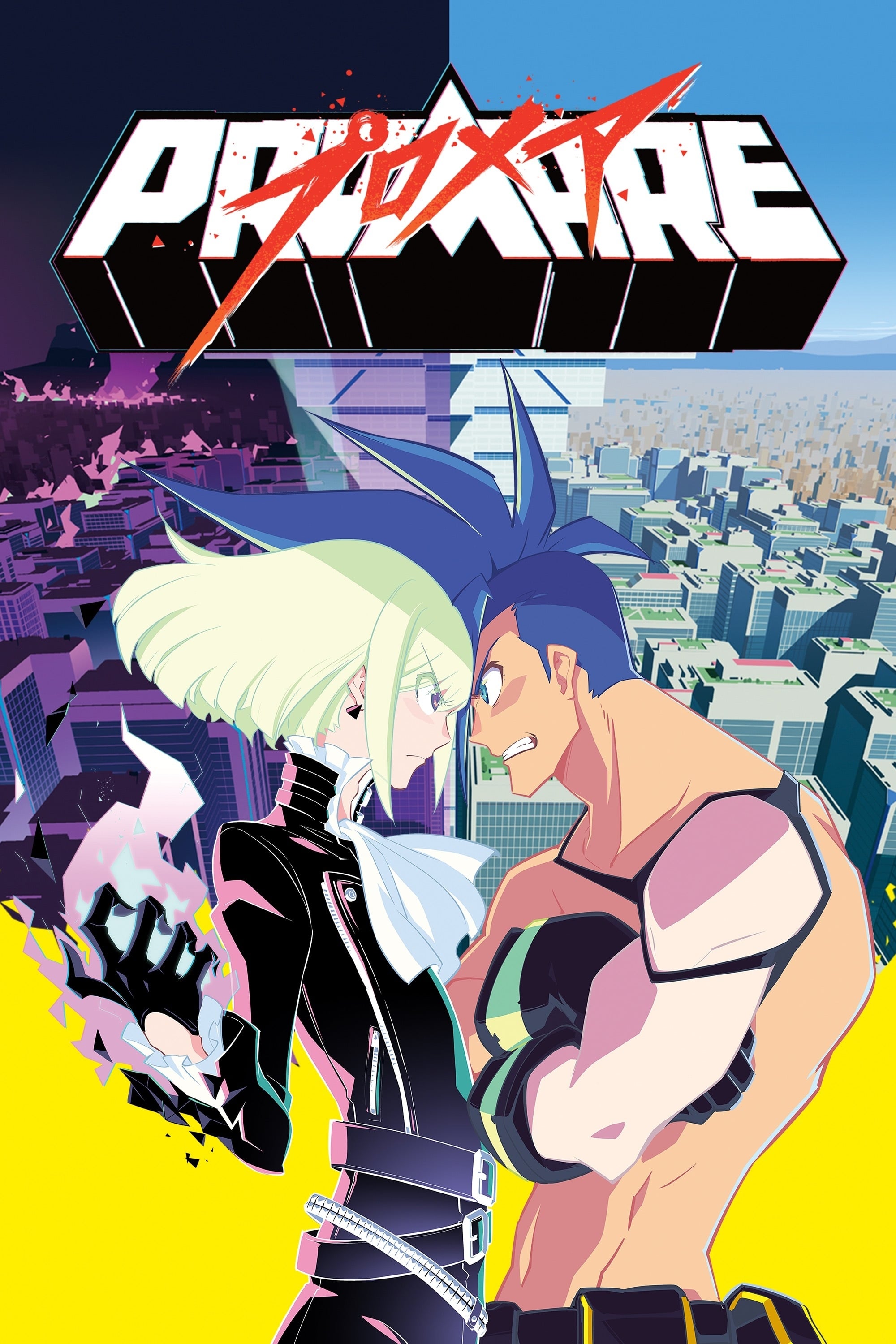
The driving force behind the conflict is revealed to be a parallel dimension of sentient flame energy. The core of this energy is a conscious entity that desires to burn the entire universe to satisfy its hunger. It has no physical body or gender manifesting only through the mutants it empowers and the fires it creates. The climax involves quieting this raging elemental god to save the planet from incineration.
‘Samurai Flamenco’ (2013–2014)
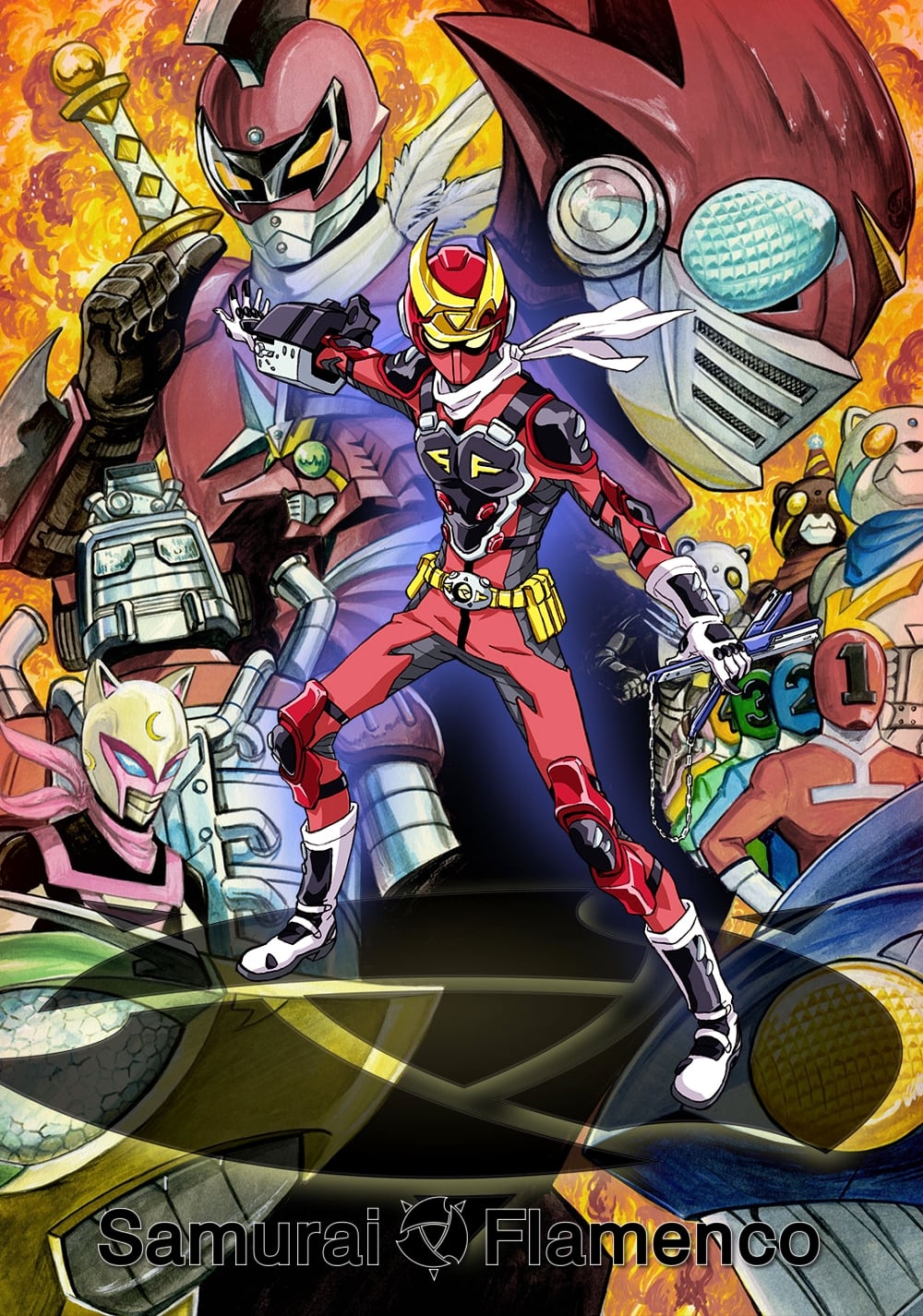
This show starts as a grounded take on superheroes but escalates wildly until the protagonist meets the literal Will of the Universe in the final arc. This entity appears as a Doppelgänger of the hero but claims to be the scriptwriter of reality itself. It is a genderless meta-fictional god that orchestrates events simply for entertainment and balance. The hero must argue for his own free will against this cosmic director who treats the universe like a TV show.
‘Bleach’ (2004–2012 / 2022–)
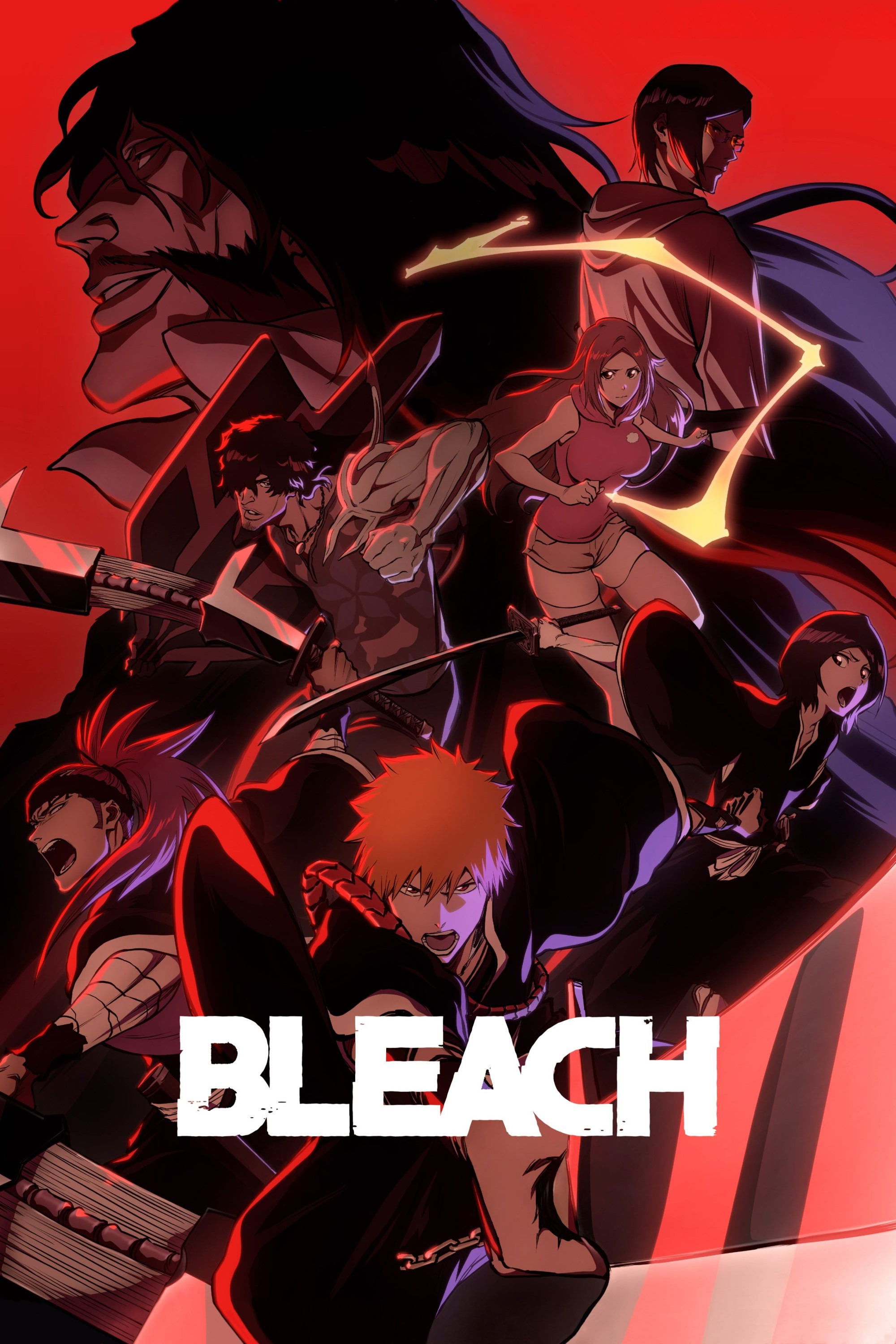
The final saga peels back the curtain on the lynchpin of the spiritual worlds known as the Soul King. While referred to with male pronouns by some the entity is revealed to be a mutilated sealed object that transcends ordinary gender and agency. It is a silent stasis-locked god whose existence holds the realms together serving more as a living battery than a ruler. The horror lies in the revelation that the god of this universe is a prisoner without a will of its own.
‘Eureka Seven’ (2005–2006)
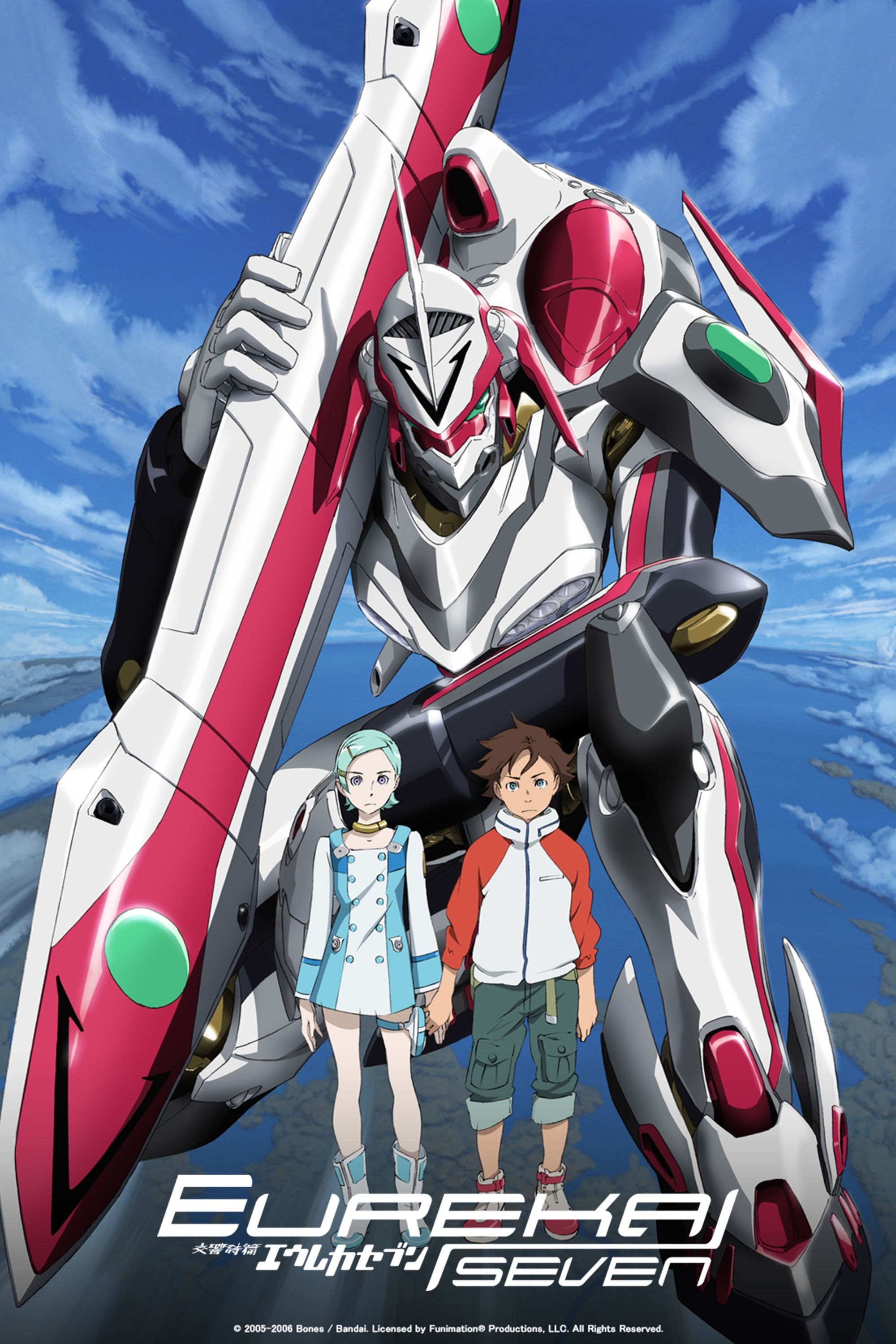
The planet itself is revealed to be covered by a sentient coral-like lifeform called the Scub Coral. This hive mind is the true dominant species of the world and possesses a consciousness that transcends human understanding of gender or self. In the final arc it awakens fully attempting to communicate and coexist with humanity to prevent a universe-destroying catastrophe. The characters must bridge the gap between human individuality and this massive collective terrestrial god.
Which of these divine reveals shocked you the most? Let us know your thoughts in the comments!