

20 Anime That Made the Straight Guy Realize He’s the Third Wheel

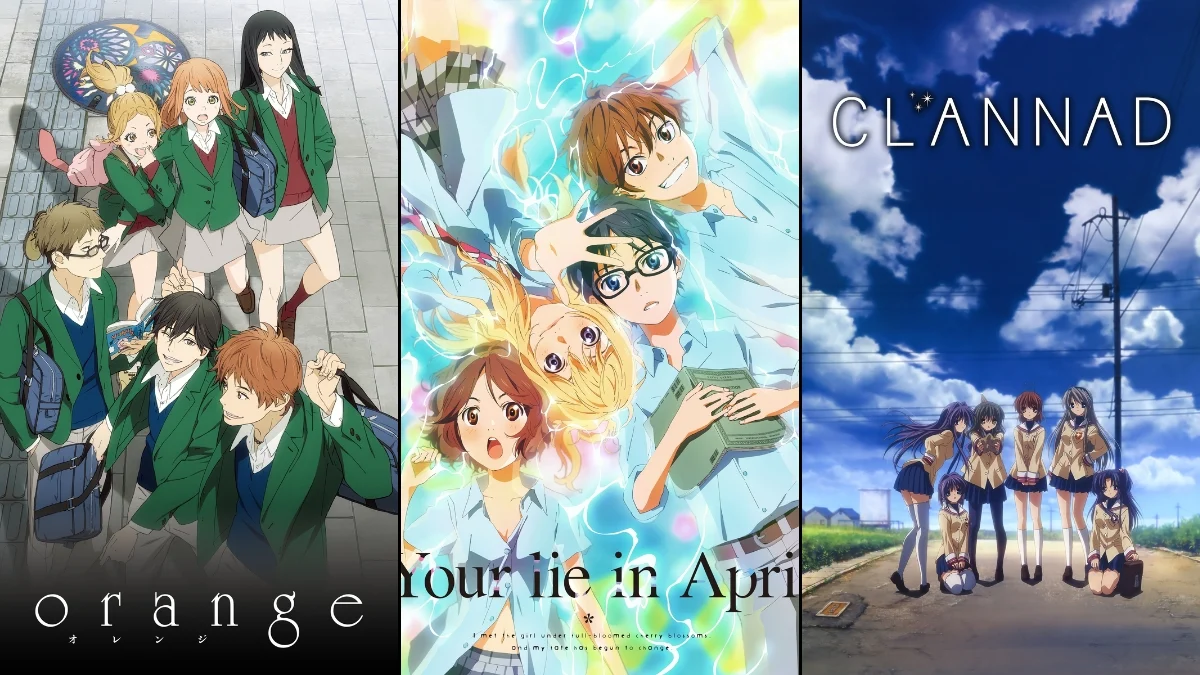


Sometimes anime romance lines up so clearly that a straight guy in the mix sees the writing on the wall—usually when two other characters’ bond leaves him orbiting their gravity. The shows below feature concrete story beats where a male character recognizes a stronger connection between others and adjusts, backs off, or supports from the sidelines. You’ll find explicit moments—confessions, choices, and relationship milestones—where that realization lands. Each entry notes the key characters involved and the circumstances that push the third-wheel dynamic into focus.
‘Your Lie in April’ (2014–2015)
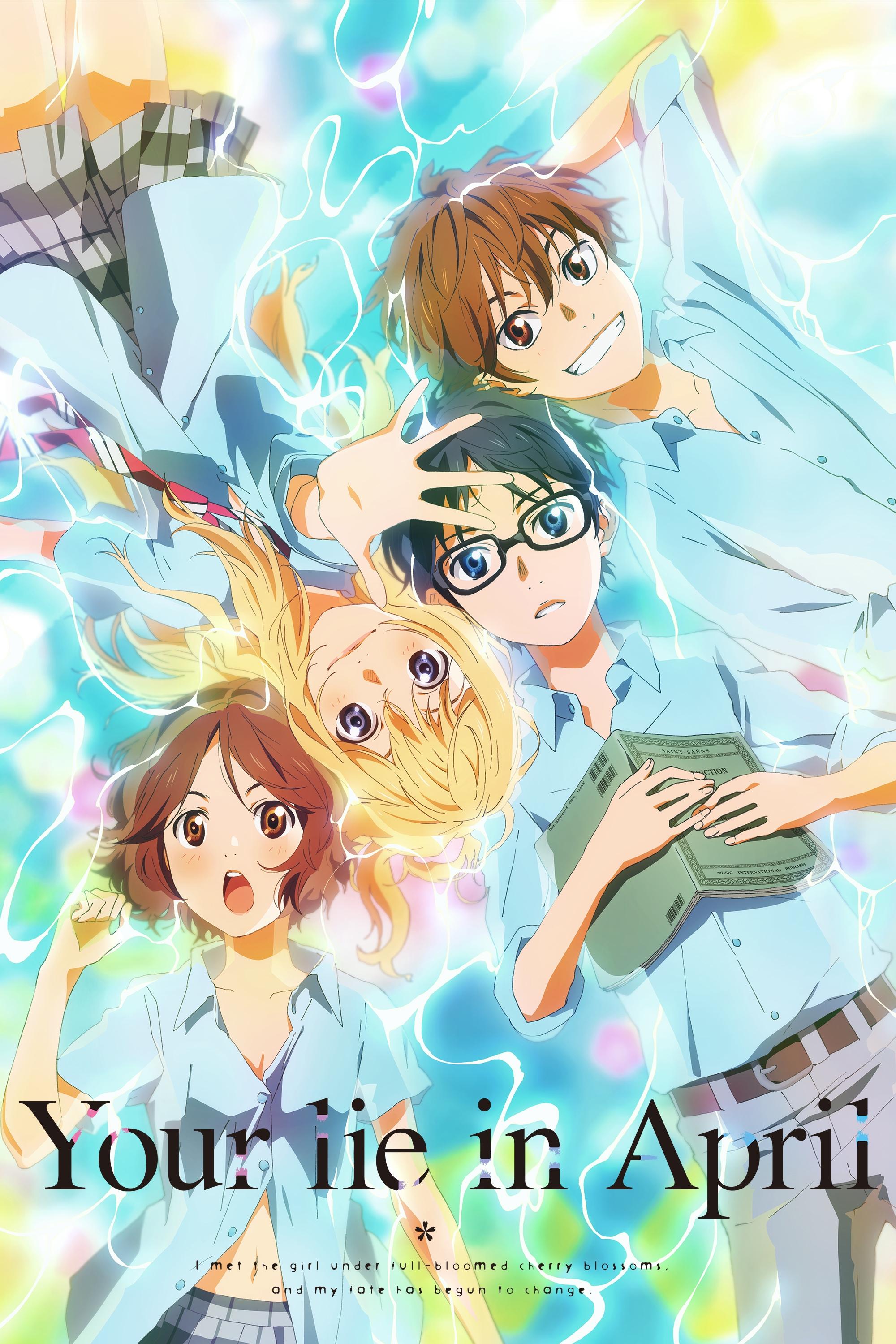
Kaori publicly frames her “date” arrangement with Watari while consistently investing her time in Kousei’s music, making the core attachment evident. Watari acknowledges the situation and steps aside as Kousei and Kaori’s shared performances and hospital visits deepen their bond. Concert arcs center on Kousei processing Kaori’s influence, leaving Watari outside the emotional axis. The Valentine’s and recital sequences further confirm where Kaori’s feelings actually point.
‘Horimiya’ (2021–2023)
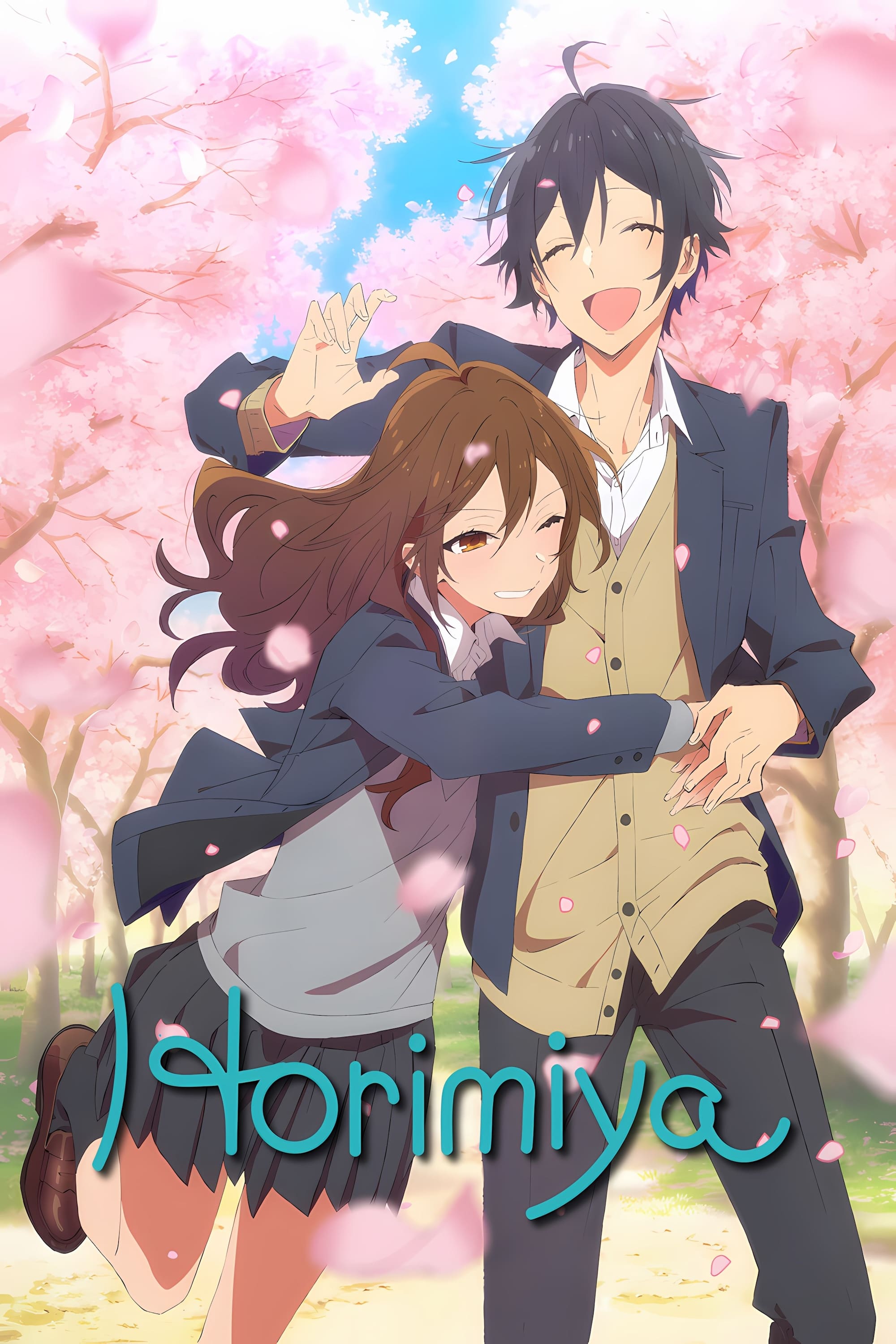
Toru initially pursues Hori, but Miyamura’s growing closeness with her becomes visible through after-school visits and family introductions. Toru explicitly recognizes Hori and Miyamura’s mutual feelings after their early-courting episodes and shifts into a supportive friend role. Class events, group outings, and photo sessions reinforce the established couple dynamic. Toru’s later relationships develop independently once he understands the pairing is settled.
‘From Me to You: Kimi ni Todoke’ (2009–2011)

Kento Miura’s arrival complicates class dynamics, but Sawako and Kazehaya’s connection consolidates through their school festival work and direct conversations. Miura observes Sawako’s reactions and Kazehaya’s protective stance, especially around misunderstood rumors. Confession scenes make the couple’s trajectory explicit, leaving Miura outside the main line. Subsequent class activities keep Miura friendly but peripheral to the romance.
‘Orange’ (2016)
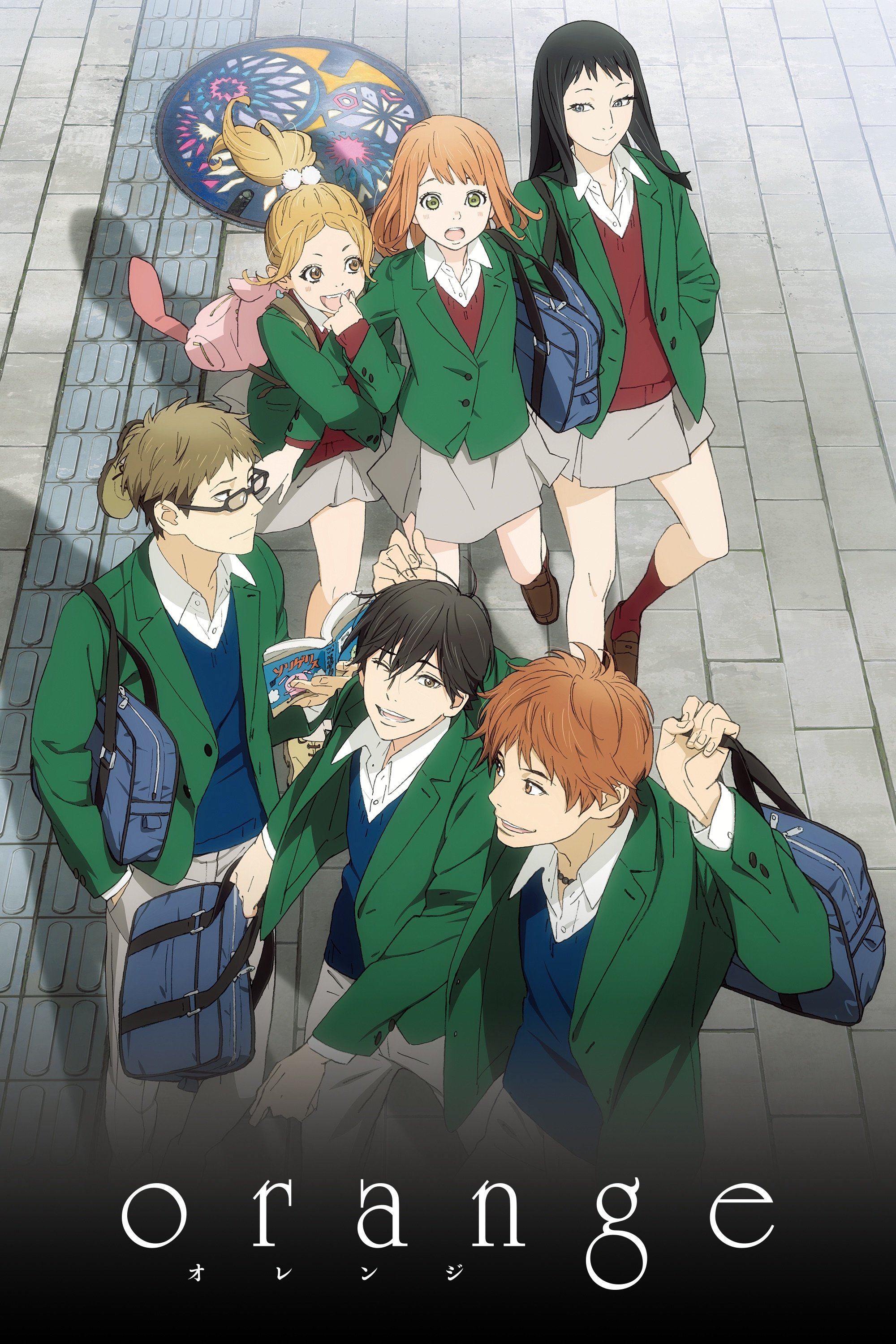
In the alternate timeline framework, Suwa reads the letters and understands Naho’s unresolved feelings for Kakeru. He consciously supports situations—like group outings and sports-day moments—that bring Naho and Kakeru closer. The time-capsule and New Year sequences clarify Kakeru’s needs, prompting Suwa to prioritize his friend’s well-being. Suwa’s later reflections confirm his acceptance of the third-wheel position across timelines.
‘Snow White with the Red Hair’ (2015–2016)
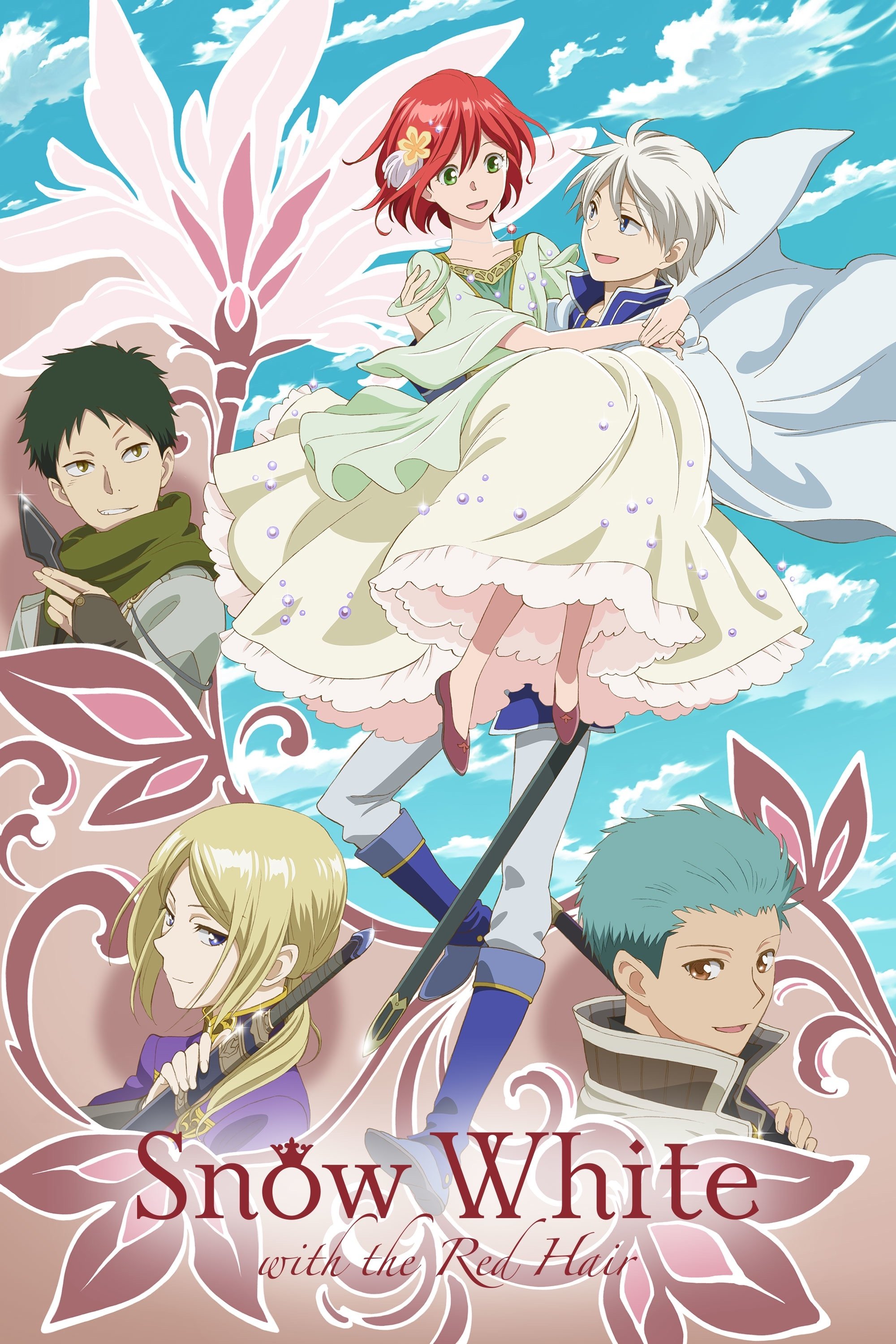
Obi’s day-to-day proximity to Shirayuki highlights her mutual devotion with Zen through missions, castle routines, and formal audiences. Zen and Shirayuki’s titles and obligations frequently bring them together in exclusive settings, signaling an emerging official partnership. Obi recognizes this, stepping in as bodyguard and facilitator rather than a rival. Clarifying conversations cement his understanding of their relationship boundaries.
‘Blue Spring Ride’ (2014)
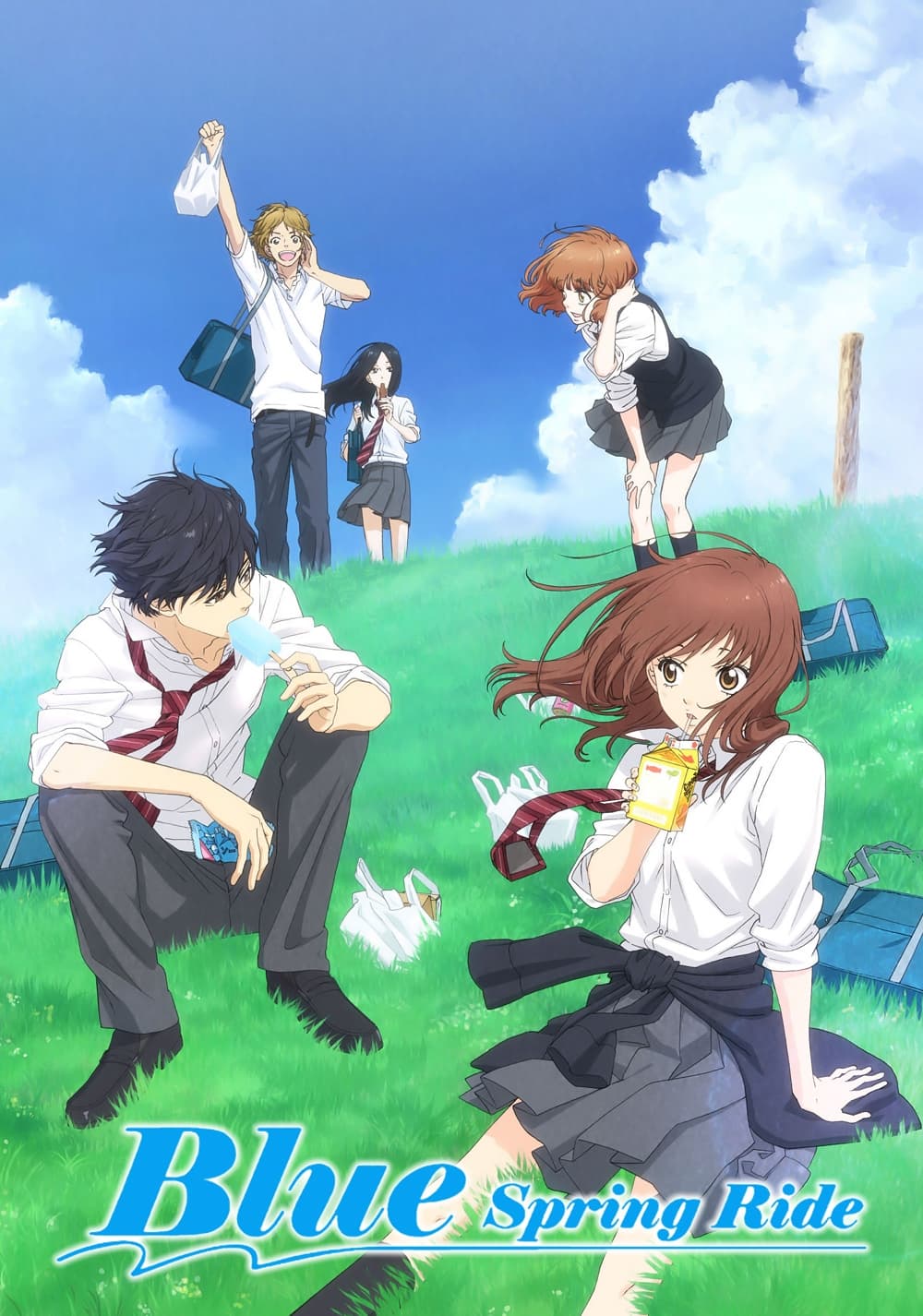
Touma Kikuchi’s straightforward interest in Futaba runs parallel to Kou’s unresolved history with her. Group study sessions, festival commitments, and hallway confrontations display Futaba’s attention returning to Kou. Touma witnesses the contrast in Futaba’s reactions, especially during key confessional beats. He eventually concedes that Kou occupies the central space in her heart.
‘A Lull in the Sea’ (2013–2014)
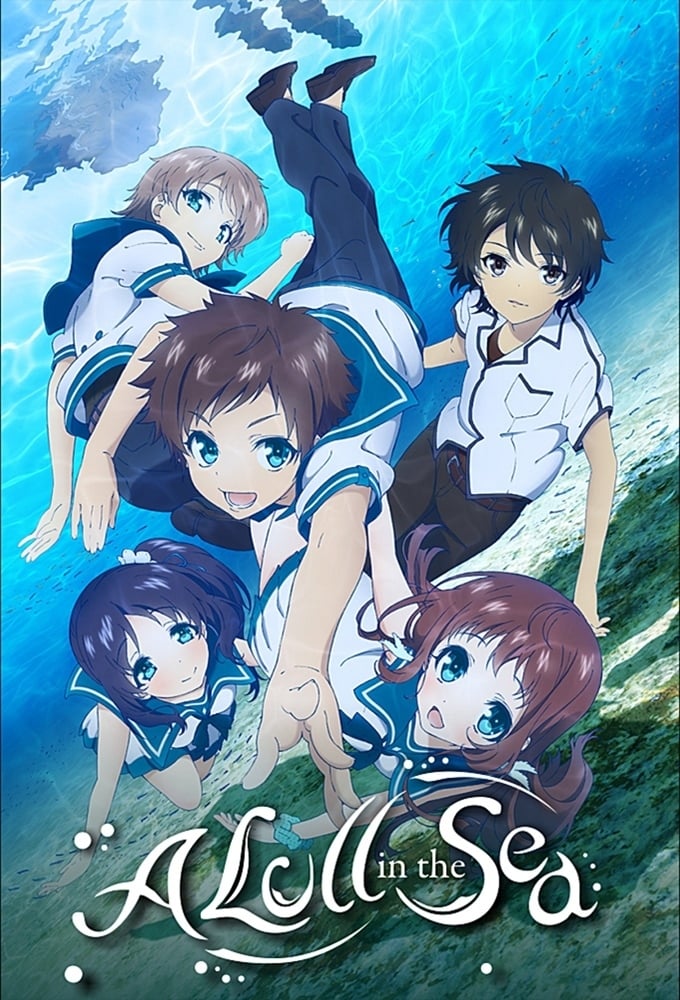
Kaname’s feelings for Chisaki collide with the time-skip and her growing bond with Tsumugu. Household arrangements, medical-care episodes, and coastal repairs put Chisaki and Tsumugu in repeated, practical closeness. Kaname observes their quiet compatibility and recalibrates his expectations. Later narrative turns underscore Kaname’s acceptance of the situation as the community stabilizes.
‘Waiting in the Summer’ (2012)
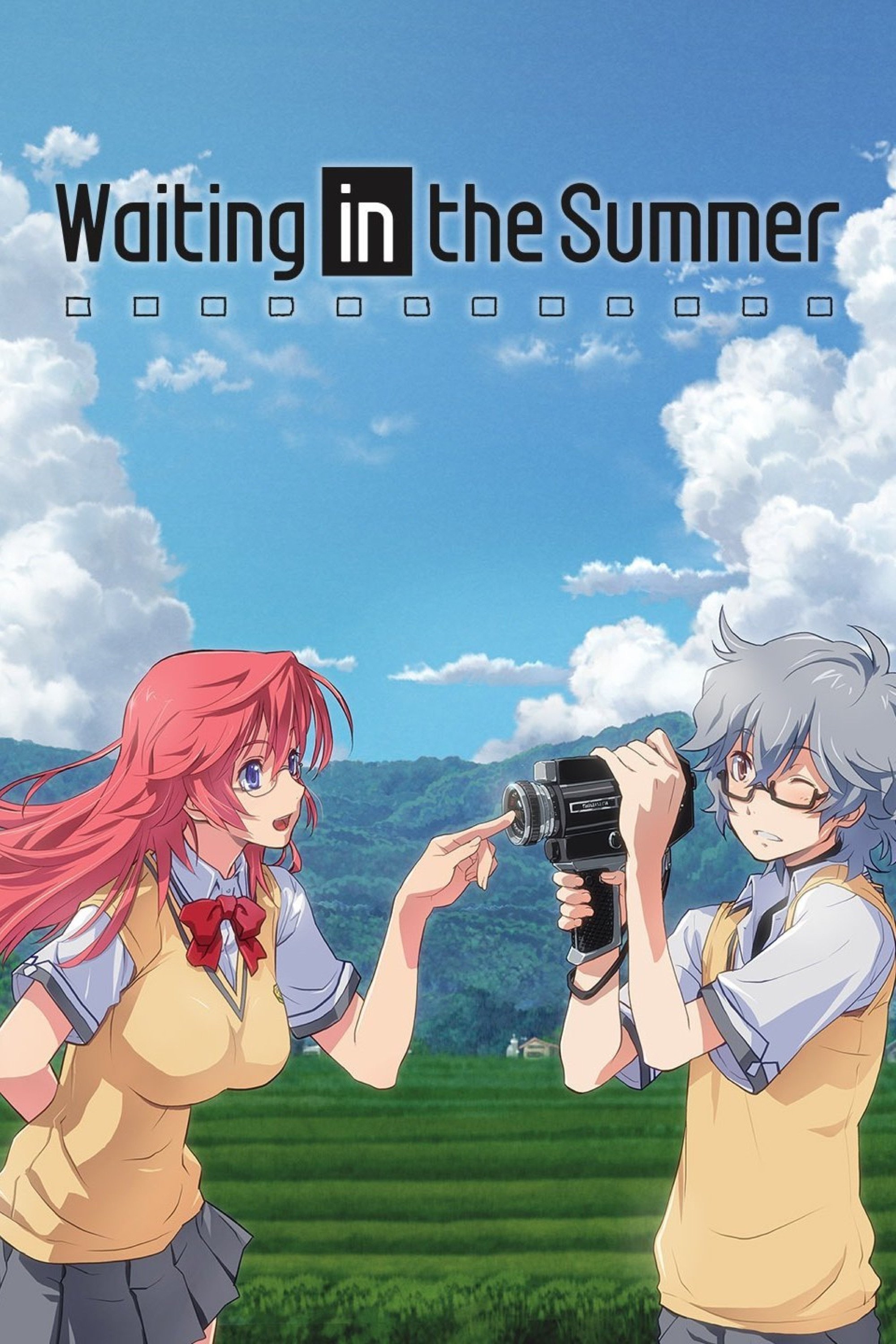
Tetsurou’s crush on Kanna contrasts with the primary thread between Ichika and Kaito. Filmmaking projects, location scouting, and summer trip sequences highlight how Ichika and Kaito gravitate toward each other. Tetsurou recognizes the direction of everyone’s feelings as confessions surface during night-time talks. He offers support rather than competing where the main couple has already formed.
‘School Rumble’ (2004–2006)
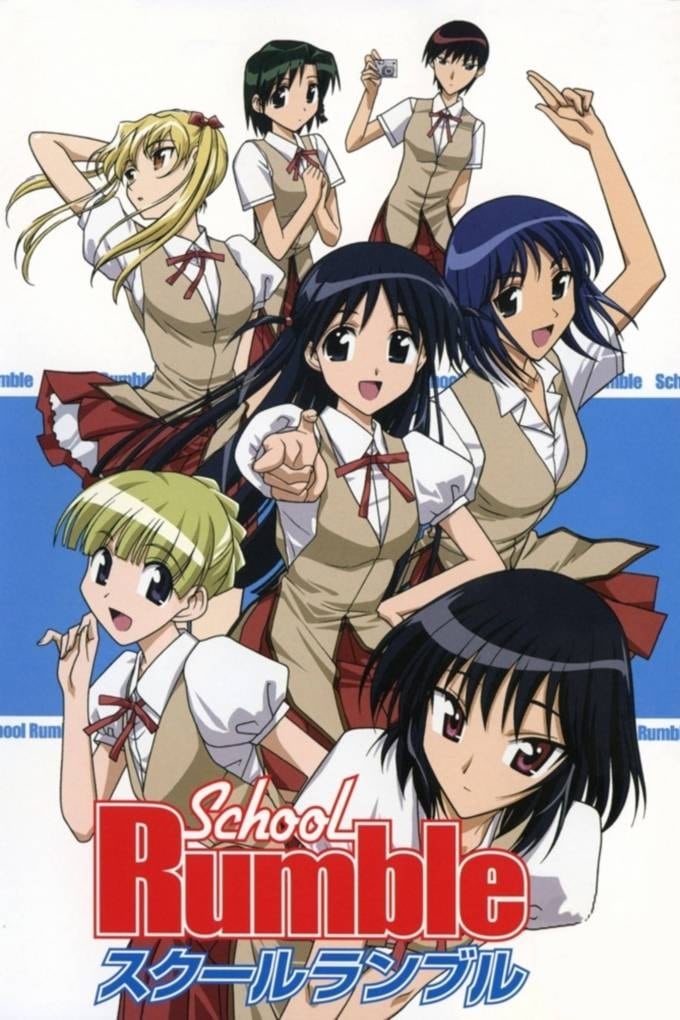
Harima’s infatuation with Tenma never overrides Tenma’s unwavering focus on Karasuma. Class antics, comic misunderstandings, and school events consistently place Tenma by Karasuma’s side. Harima witnesses repeated confirmations of Tenma’s single-minded crush, regardless of his efforts. As the semesters roll, the Karasuma–Tenma axis remains intact, leaving Harima as the outsider to that pairing.
‘Kaguya-sama: Love Is War’ (2019–2022)

Ishigami’s club presence puts him near multiple budding romances, most notably the Shirogane–Kaguya stalemate that edges toward open acknowledgment. School festivals, committee work, and public performances repeatedly create couple-coded moments for the president and vice president. Ishigami reads the room, recognizing their escalating signals while navigating his own subplot. The culture festival arc provides unmistakable confirmation that leaves bystanders out of contention.
‘Hyouka’ (2012)
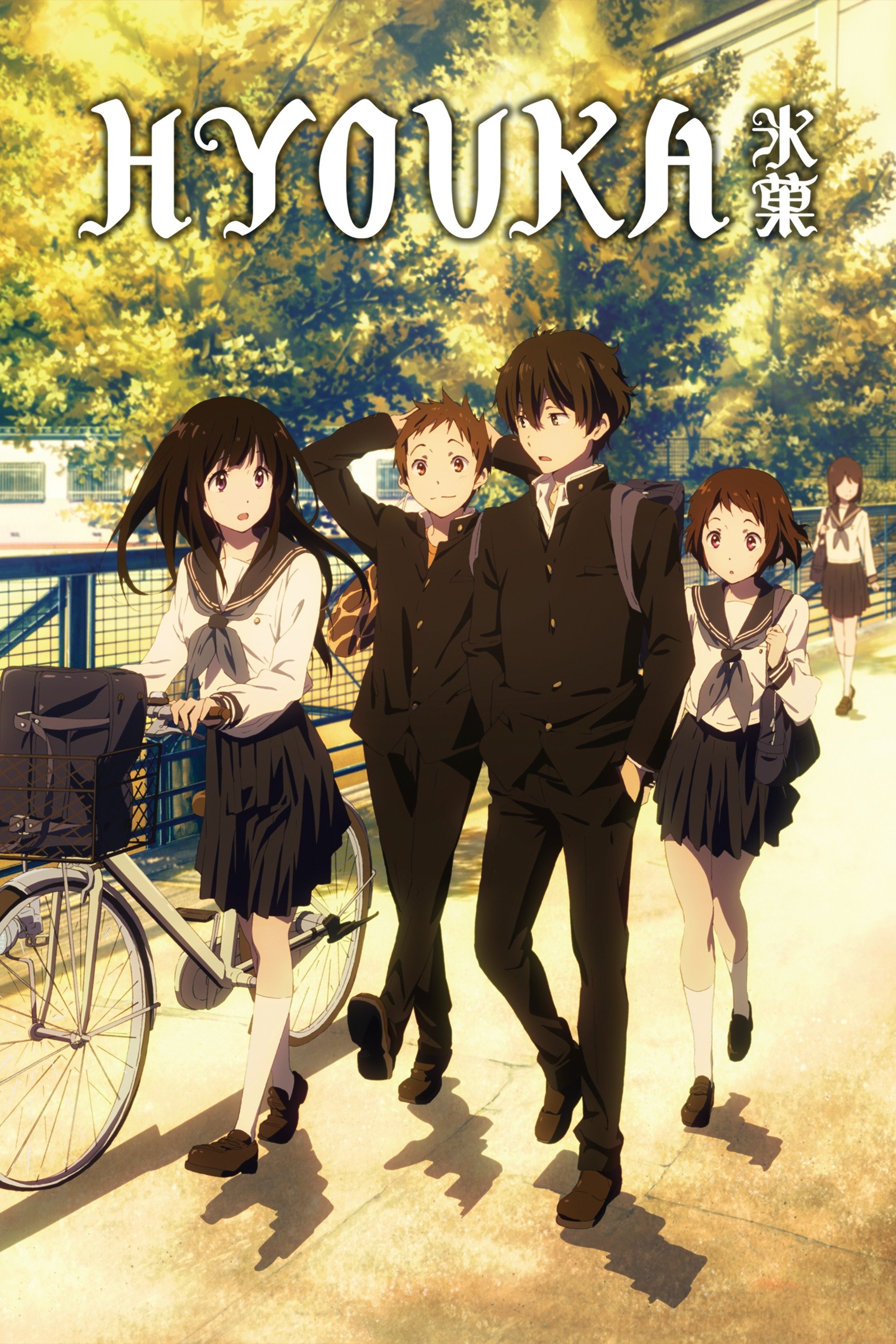
Satoshi’s awareness of the subtle bond forming between Oreki and Chitanda develops during club mysteries and school festival logistics. Chitanda’s focused reliance on Oreki when tackling inquiries, coupled with shared private scenes, sets them apart. Satoshi interprets these patterns accurately in reflective conversations. He supports the Classics Club dynamics without inserting himself into the pairing.
‘Clannad’ (2007–2008)
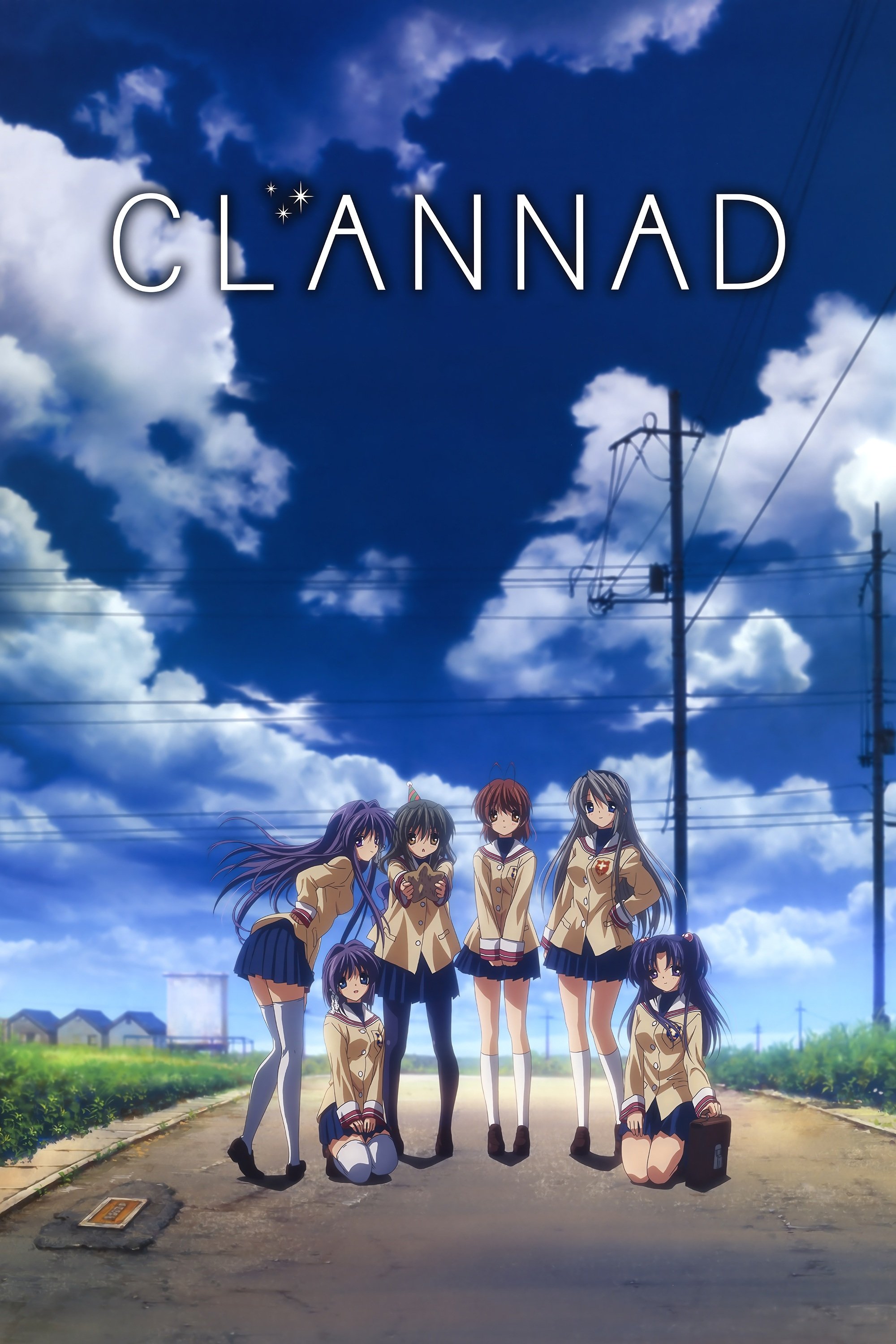
Sunohara tags along with Tomoya and Nagisa through club revivals, family meetings, and hospital visits. The recurring domestic and parental plot points center Tomoya with Nagisa in a way Sunohara can’t match. Festival arcs and graduation-adjacent episodes re-emphasize the couple’s priority. Sunohara’s comedic detours keep him present but firmly outside their relationship trajectory.
‘Golden Time’ (2013–2014)
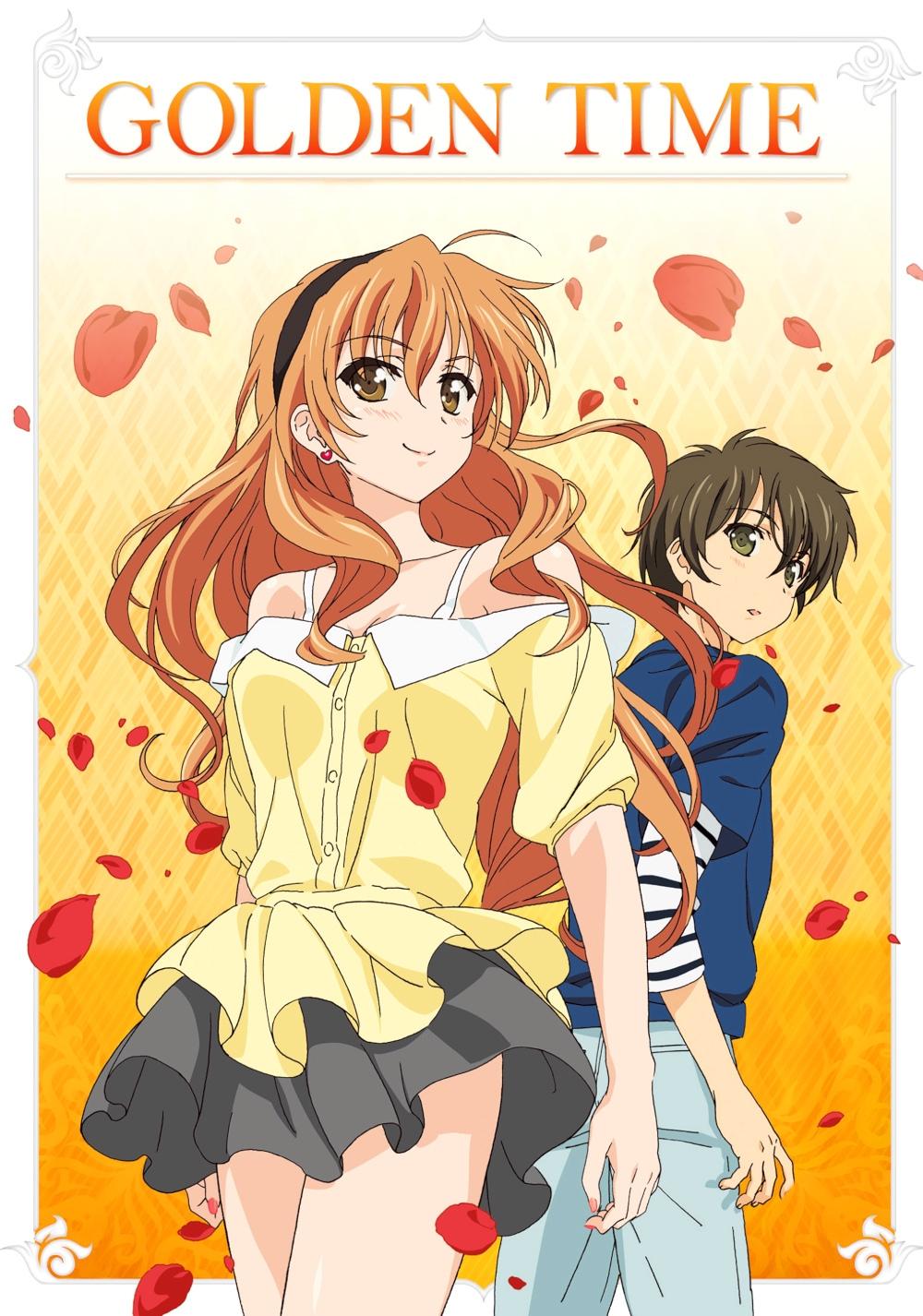
Mitsuo’s early involvement with Koko dissolves as Banri and Koko establish deeper ties through shared history reveals and memory-related crises. Class registrations, club events, and city dates make Banri–Koko the established couple. Mitsuo observes Koko’s decisive choice and redirects his focus. Later episodes reinforce that the triangle has effectively closed.
‘My Love Story!!’ (2015)
Suna’s closeness to Takeo positions him near the center of the new relationship with Yamato. Study sessions, café stops, and holiday plans show Suna facilitating their time together. He recognizes their mutual devotion immediately and organizes logistics that help them thrive. The series keeps Suna supportive while clearly outside the couple’s bond.
‘Tsukigakirei (2017)
Hira’s interest in Akane surfaces during track activities and class transitions, but Akane’s connection with Kotaro deepens through messaging and secret meetups. Festival scenes, parent interactions, and publishing setbacks bind the main couple. Hira reads Akane’s priorities from her responses and availability. He steps back once the relationship becomes public and structured.
‘Kamisama Kiss’ (2012–2016)
Kurama’s flirtations with Nanami never overcome the shrine-centered intimacy she shares with Tomoe. Exorcisms, yokai disputes, and palace visits repeatedly isolate Nanami and Tomoe for pivotal growth. Kurama witnesses confessional turns and protective displays that clarify their bond. He maintains a friendly, performative presence while excluding himself from the core romance.
‘Nisekoi’ (2014–2015)
Shu Maiko tracks the forced-pair premise while noticing Raku and Chitoge’s chemistry consolidating through key-lock investigations and holiday events. Shu observes how rival candidates lose ground as shared history and family confrontations push Raku and Chitoge together. He comments on patterns that the class also notices during cultural festival duties. By late arcs, Shu treats their trajectory as a given rather than a contest.
‘Nana’ (2006–2007)
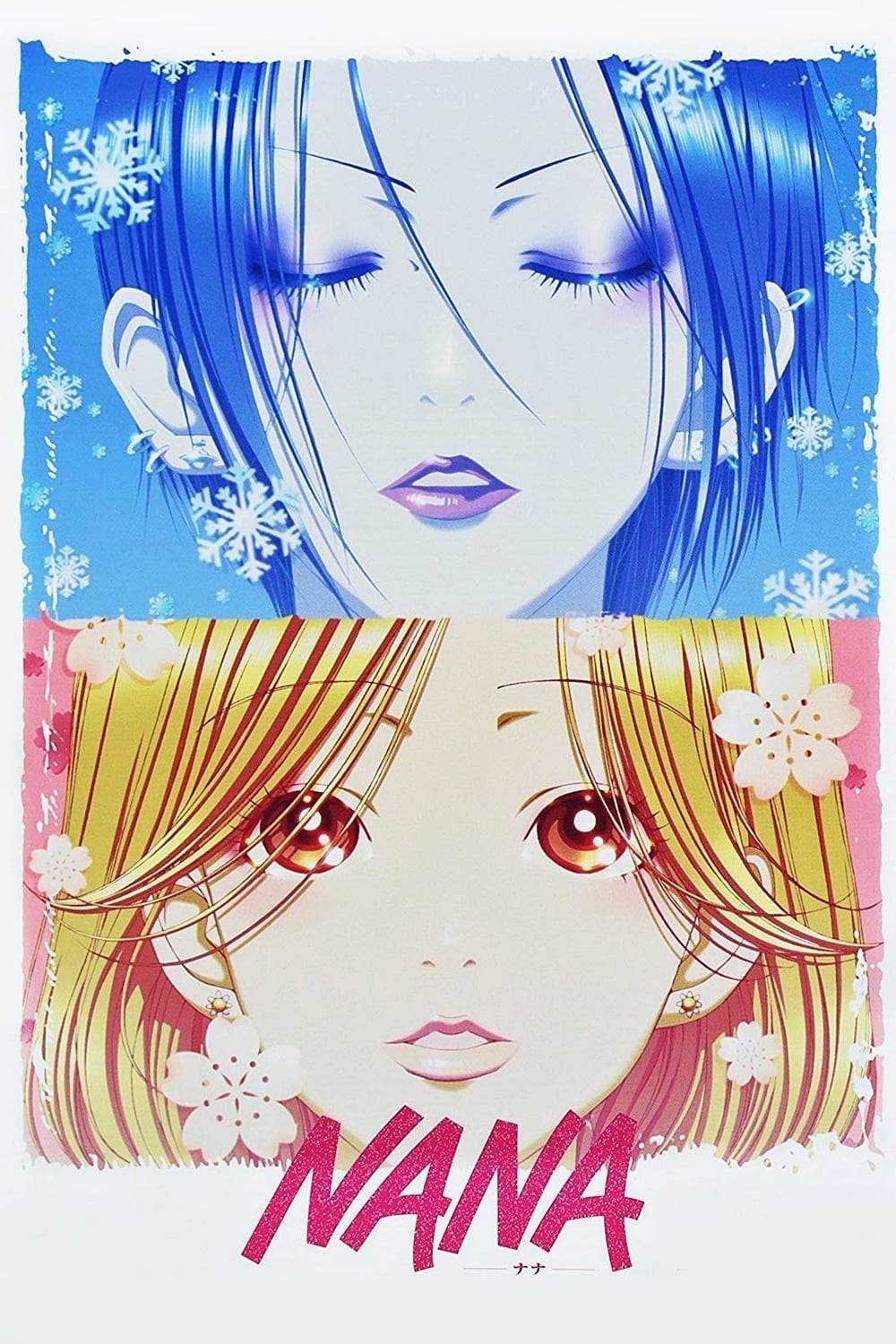
Nobu’s relationship with Hachi collides with the career and contractual gravity surrounding Takumi. Recording schedules, press obligations, and apartment negotiations funnel Hachi toward Takumi’s sphere. Nobu experiences the shift through group discussions and direct decisions made by Hachi. Subsequent episodes frame Nobu as emotionally adjacent while the chosen partnership proceeds.
‘Skip Beat!’ (2008–2009)
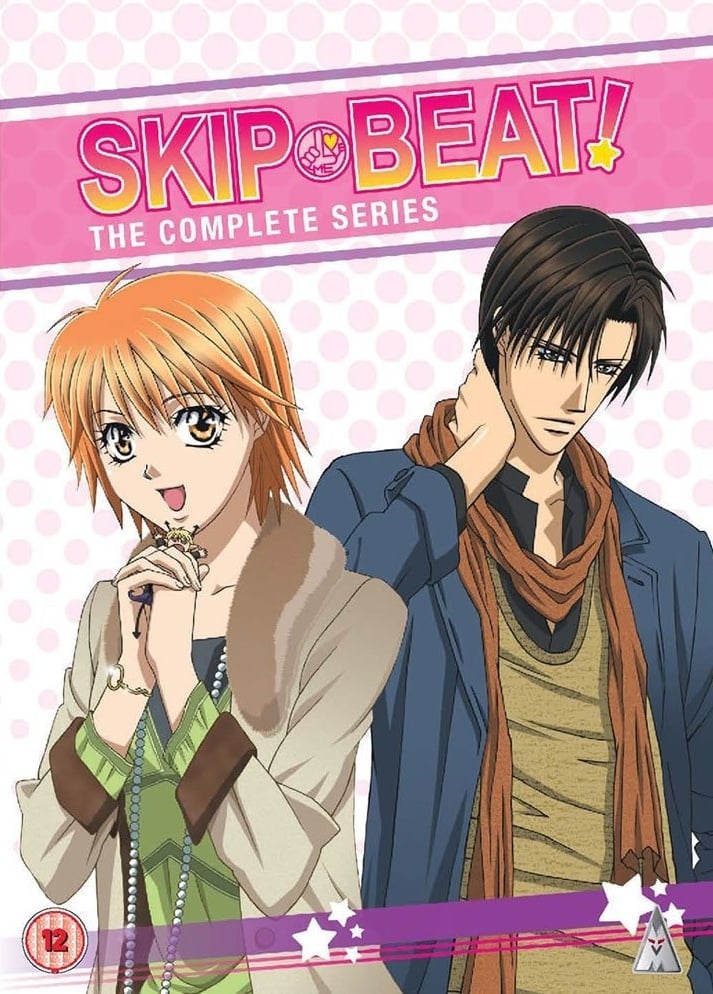
Sho Fuwa’s past with Kyoko can’t override the steady rapport she builds with Ren across acting gigs and industry coaching. Auditions, drama shoots, and mentorship scenes concentrate on Kyoko–Ren development. Sho repeatedly encounters on-set confirmations that his influence is waning. Public appearances and agency briefings underline where Kyoko’s professional and personal focus lands.
‘The Vision of Escaflowne’ (1996)
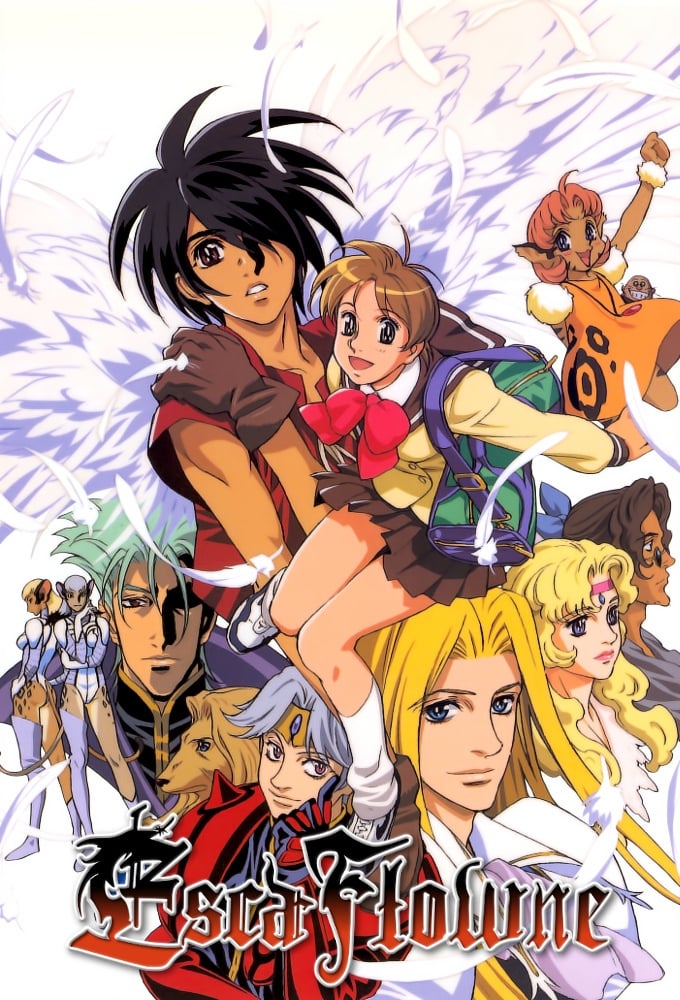
Amano’s early connection with Hitomi dissolves as her experiences with Van reshape her attachments through battles, divination, and inter-world travel. Shared peril, cockpit scenes, and royal audiences reinforce Hitomi–Van’s growing reliance. Amano recognizes the emotional reorientation during returns to Earth-related talk and farewell moments. Strategic decisions around Fanelia and Zaibach keep him outside the central pair’s arc.
Share the ones you’d add to this list in the comments—who else had to accept being the third wheel?