

20 Anime Where the Straight Couple Is Clearly the Beard

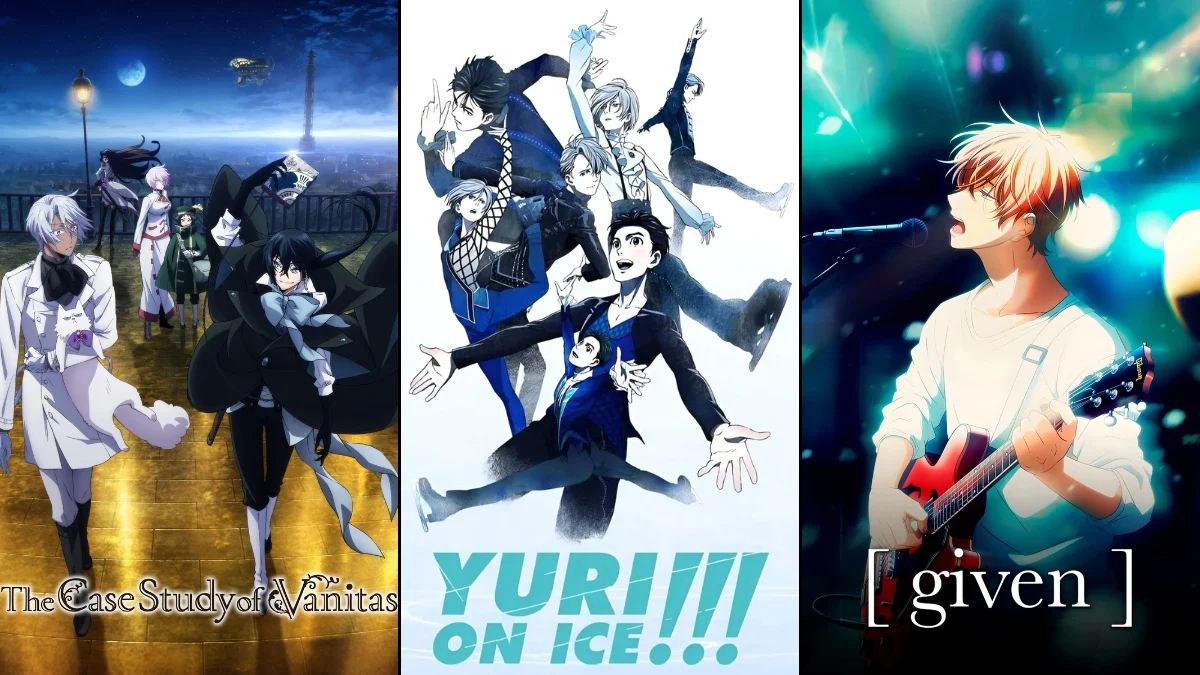


Anime frequently explores complex relationships where societal expectations or narrative misdirection create heterosexual pairings that mask deeper connections. These storylines often feature a male or female character in a straight relationship that serves to hide their true orientation or prioritizes a same-sex bond that drives the emotional core of the series. The dynamic creates tension as the audience recognizes the superficial nature of the straight coupling compared to the intensity of the alternative. This list highlights series where the heterosexual romance acts as a narrative beard for the characters involved.
‘Netsuzou Trap -NTR-‘ (2017)
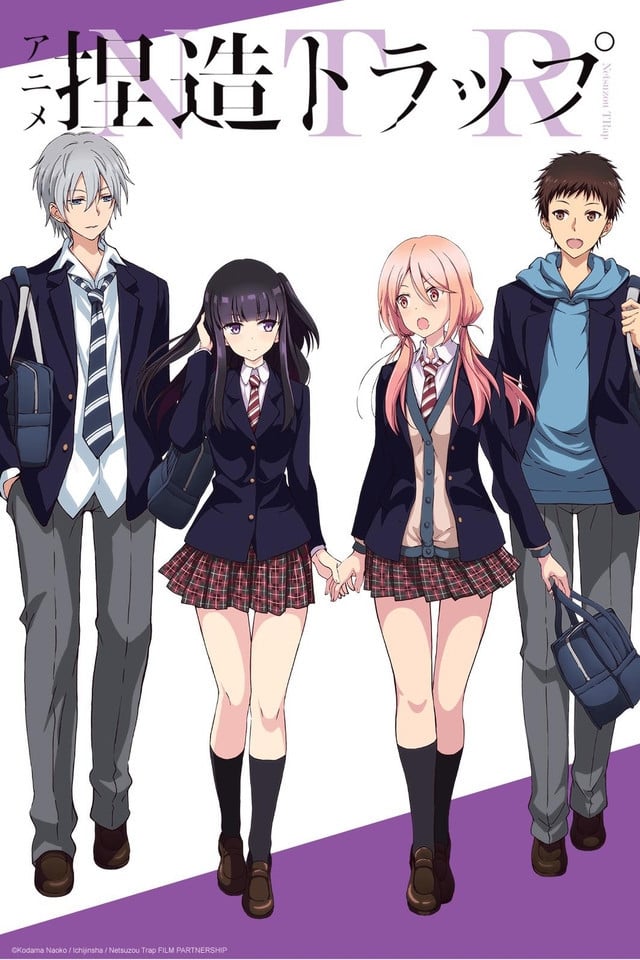
Yuma and Hotaru are childhood friends who both have boyfriends but secretly engage in a physical relationship with each other. The boyfriends serve as a social cover that allows the girls to explore their feelings without facing immediate scrutiny. The series focuses heavily on the contrast between the hollow interactions with the male partners and the intense passion between the two girls. Their relationships with men act as a shield to protect them from the complexities of their true desires.
‘Citrus’ (2018)
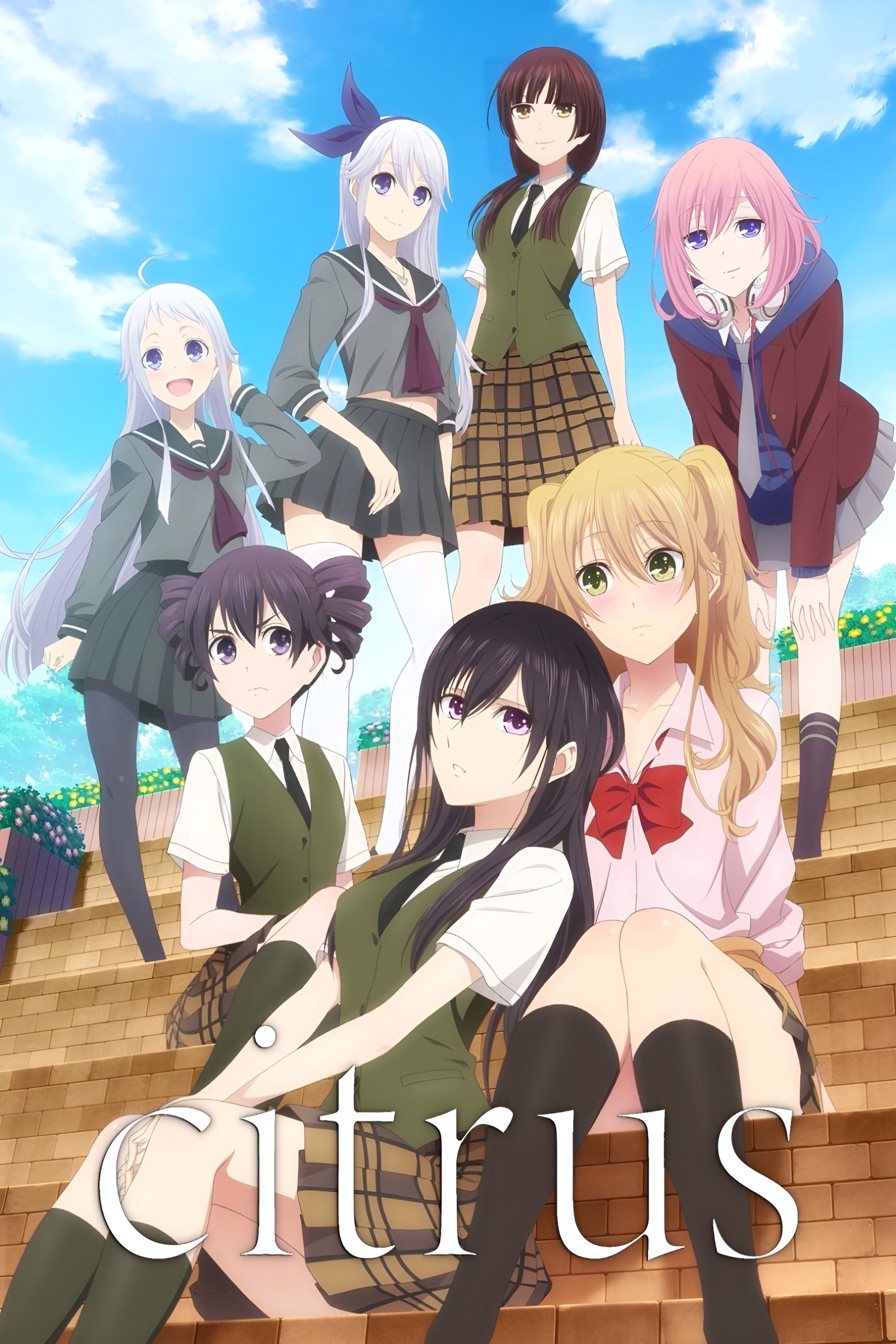
Yuzu Aihara discovers that her new step-sister Mei is actually the student council president who kissed her. Mei is engaged to a teacher as part of an arranged marriage strategy to secure the future of the family academy. This engagement stands as a significant obstacle and a beard relationship that Mei uses to repress her own emotions. Yuzu spends the series trying to break through Mei’s defenses to prove that their connection is worth fighting for over the arranged duty.
‘No. 6’ (2011)
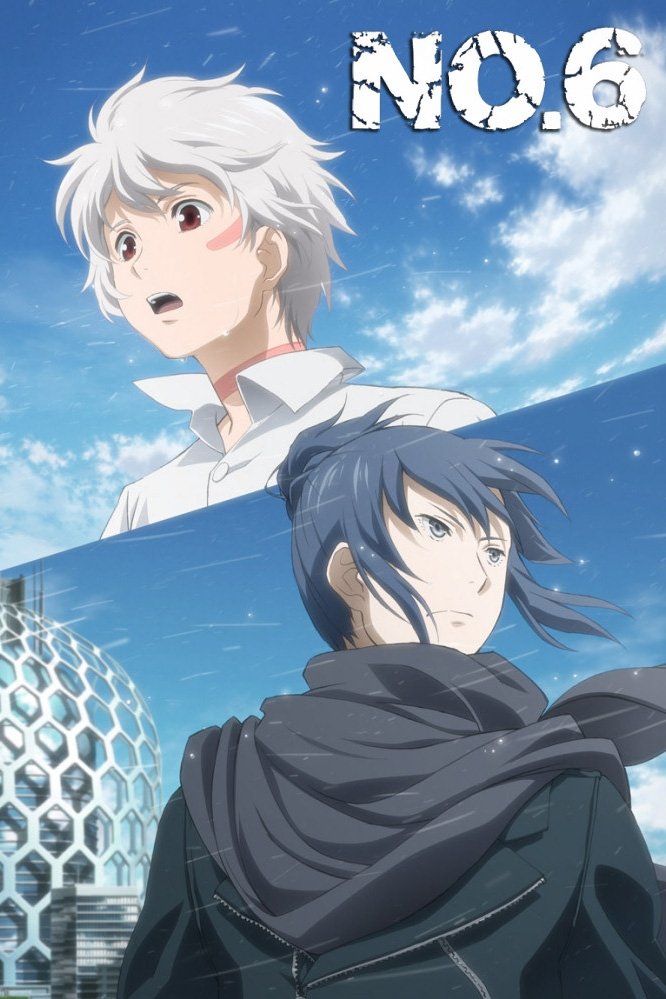
Shion lives a privileged life until he harbors a fugitive named Nezumi who changes his worldview forever. Safu is Shion’s childhood friend who holds romantic feelings for him and offers a stable and traditional future. The narrative treats Safu as a lingering attachment to Shion’s old life while his devotion shifts entirely toward Nezumi. Safu ultimately realizes that she cannot compete with the profound bond that links the two young men.
‘Cardcaptor Sakura’ (1998–2000)
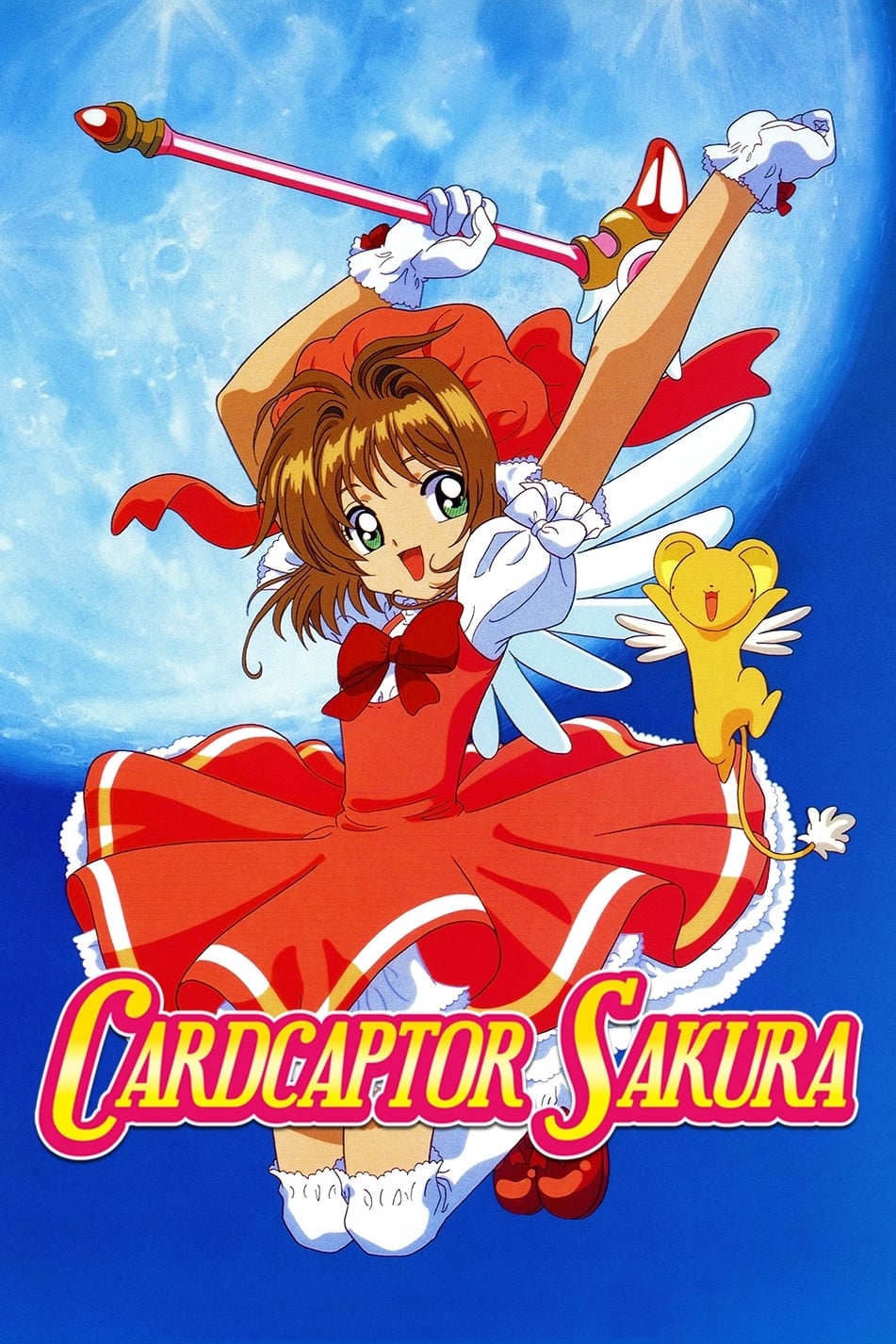
Touya Kinomoto briefly dates Kaho Mizuki during his middle school years before she leaves to study abroad. The series eventually reveals that Mizuki broke off the relationship because she knew Touya had not yet met the person he was truly destined to be with. That person turns out to be Yukito Tsukishiro and the show confirms their love in later arcs. Mizuki served as a temporary placeholder who understood her role in guiding Touya toward his actual soulmate.
‘Seraph of the End’ (2015)
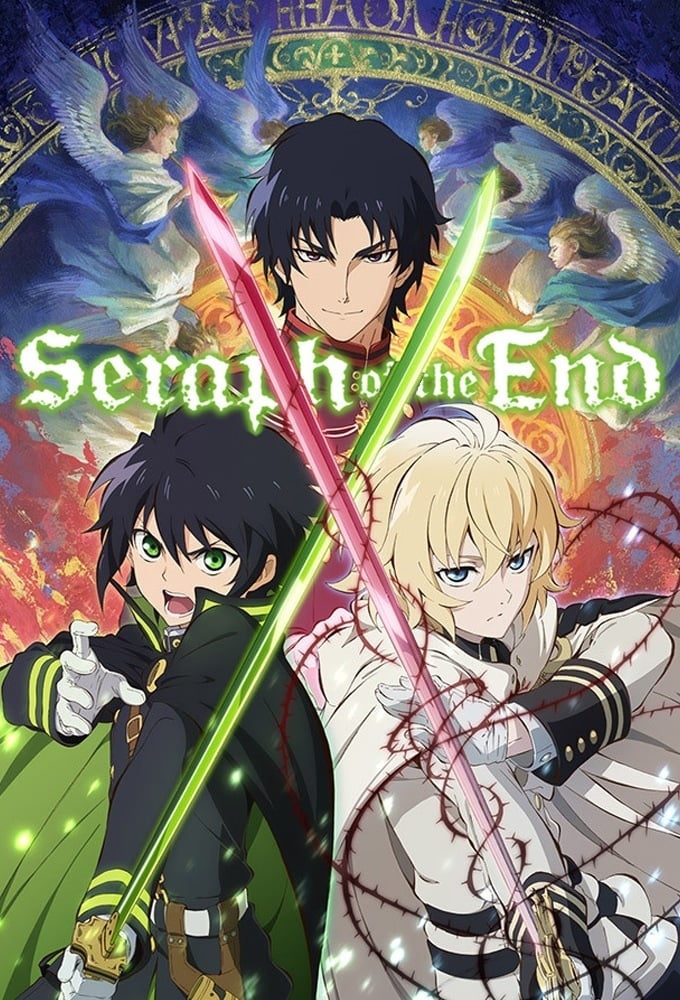
Shinoa Hiiragi develops obvious romantic feelings for the protagonist Yuuichiro Hyakuya throughout the series. Yuuichiro remains oblivious to her advances because his entire motivation revolves around saving his childhood friend Mikaela. The narrative frames the potential romance with Shinoa as a standard trope while the emotional weight rests solely on the tragic separation between Yuu and Mika. Fans often view the Shinoa dynamic as a distraction from the central devotion between the two male leads.
‘Mobile Suit Gundam: The Witch from Mercury’ (2022–2023)
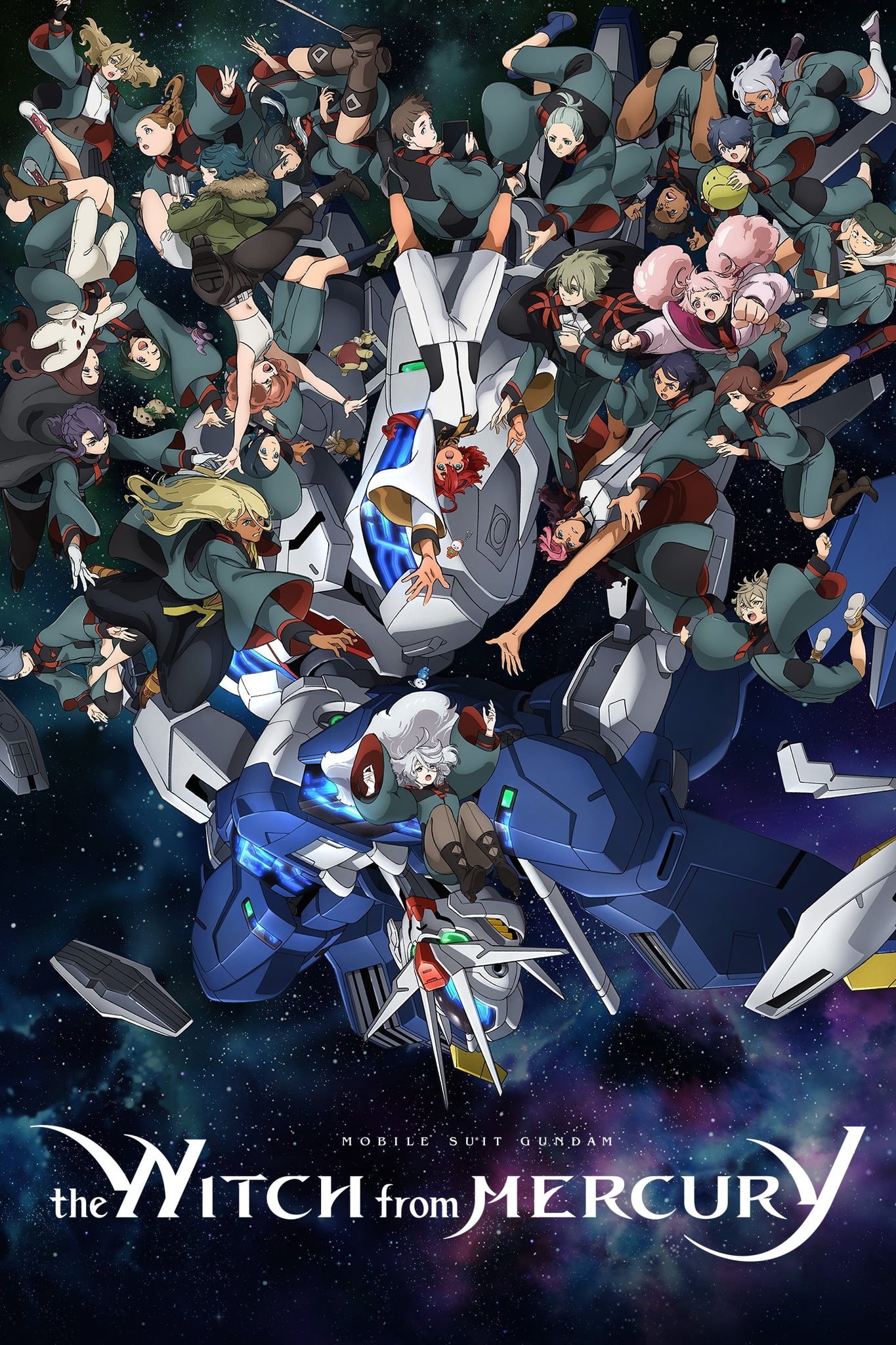
Suletta Mercury arrives at the Asticassia School of Technology and accidentally becomes the fiancé of Miorine Rembran. Various male characters attempt to duel Suletta to win Miorine’s hand and enforce a traditional heterosexual marriage. These men act as narrative obstacles that attempt to correct the deviation from societal norms. The story consistently reinforces that the bond between Suletta and Miorine is the only authentic relationship amidst the political maneuvering.
‘Revolutionary Girl Utena’ (1997)
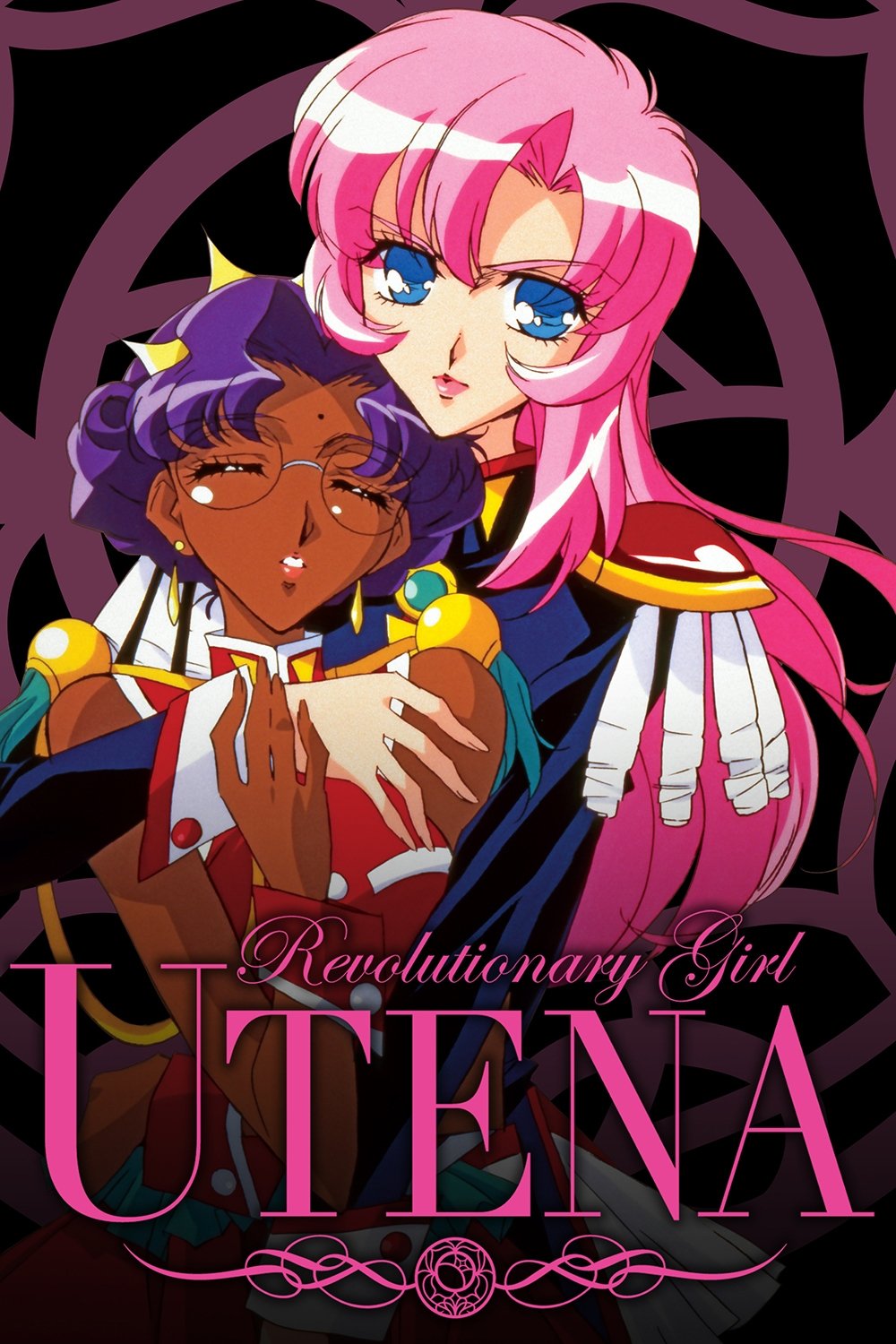
Anthy Himemiya is the Rose Bride who is engaged to whoever wins the duels at Ohtori Academy. She is frequently paired with male duelists and her brother Akio in relationships that are manipulative and performative. These compulsory heterosexual dynamics serve to hide the abusive reality of her situation and her potential liberation through Utena. The show deconstructs the idea of the prince and princess to reveal the artificiality of the roles forced upon them.
‘Black Butler’ (2008–2009)
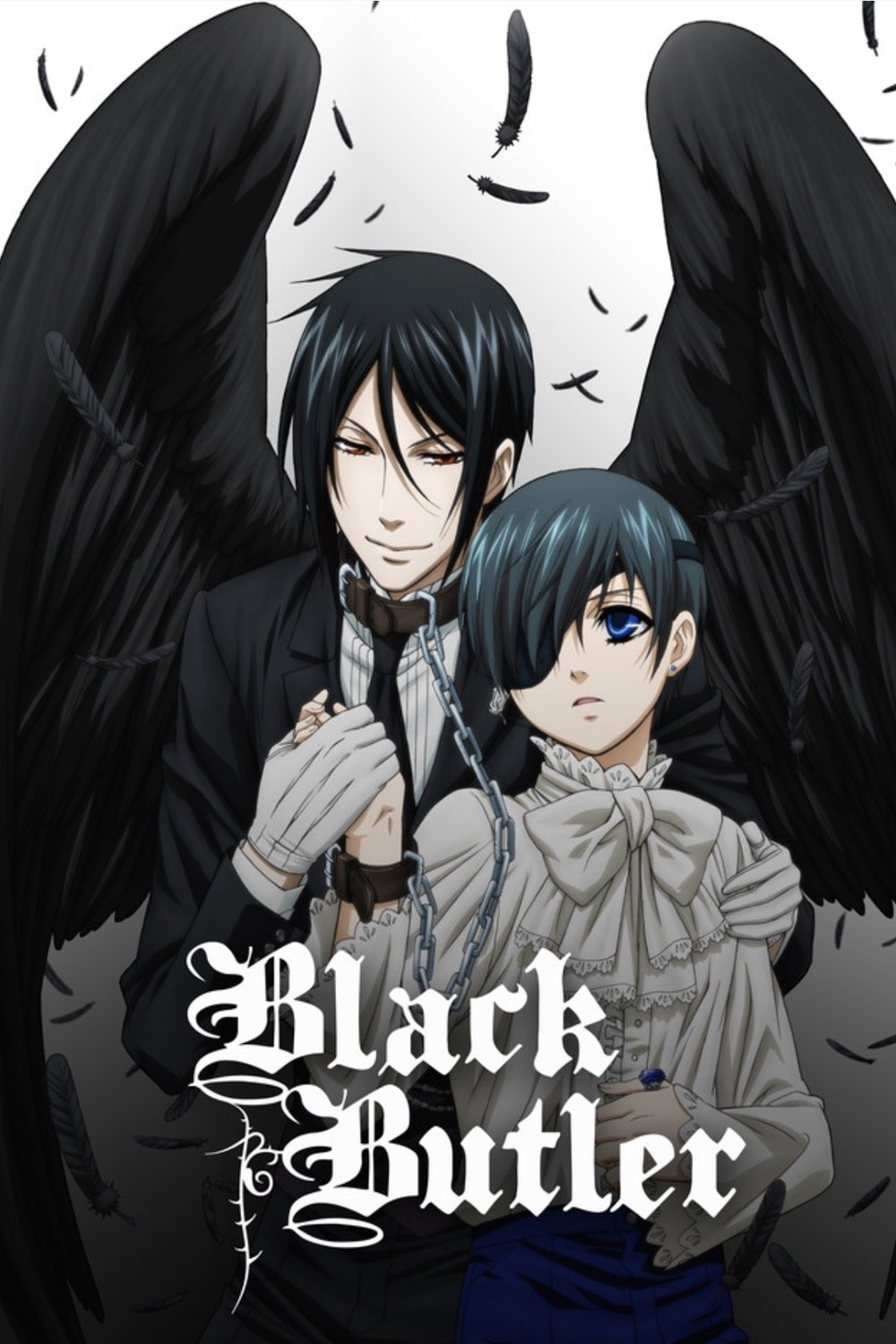
Ciel Phantomhive is betrothed to his cousin Elizabeth Midford who deeply desires a normal life with him. Ciel goes through the motions of the engagement to maintain his cover as an Earl while his soul belongs to his demon butler Sebastian. Elizabeth often acts as a beard for Ciel’s humanity by forcing him to participate in frivolous social events. The engagement anchors him to a society he has essentially rejected in favor of his dark contract.
‘Code Geass: Lelouch of the Rebellion’ (2006–2007)
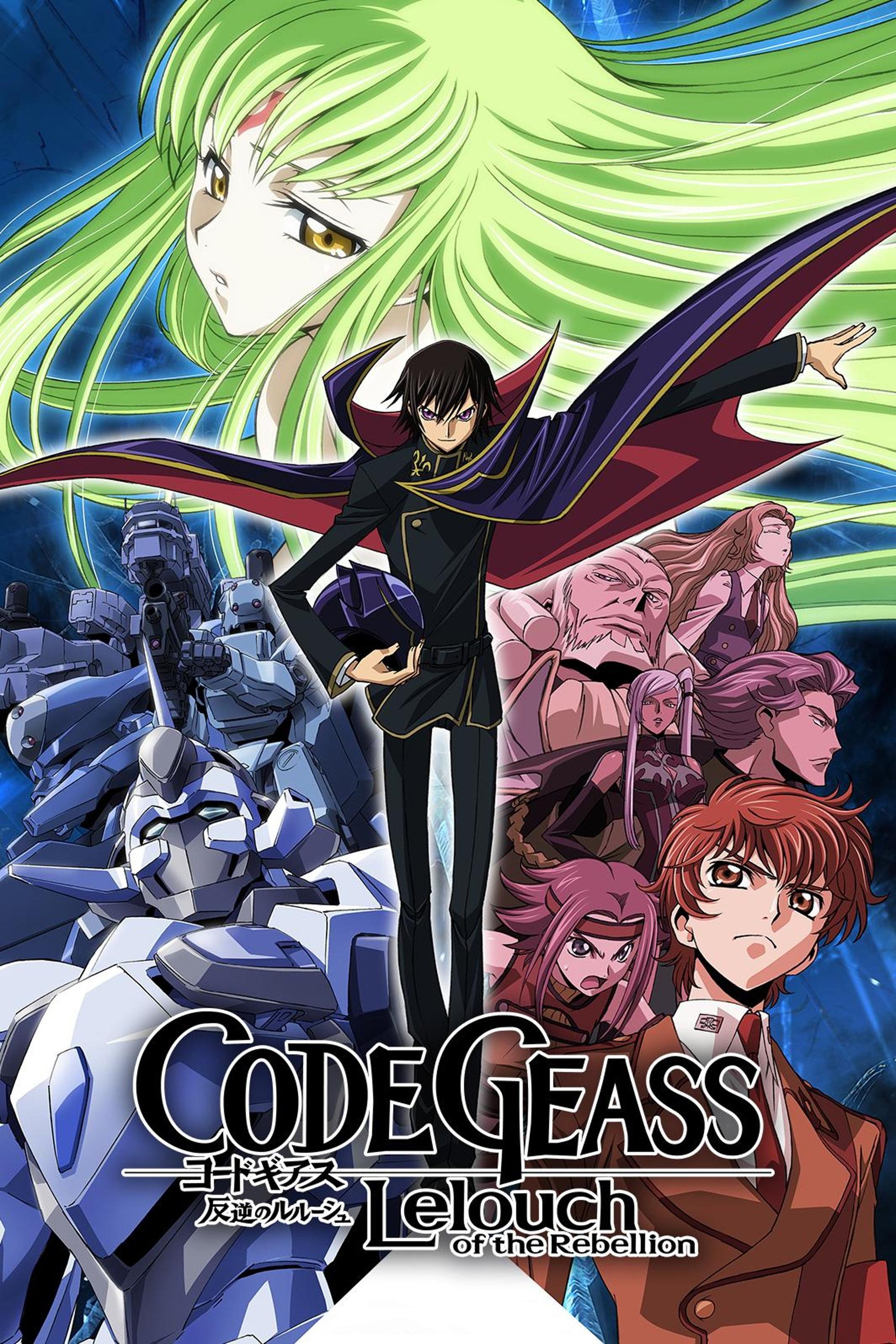
Shirley Fenette represents the normal high school life that Lelouch Lamperouge yearns for but cannot have. Her romantic interest in him offers a glimpse of a traditional future that contrasts with his intense rivalry and partnership with Suzaku Kururugi. The narrative uses Shirley to humanize Lelouch even though his life is consumed by his crusade and his complex connection with Suzaku. Her presence highlights the life Lelouch must sacrifice for his revolutionary goals.
‘Attack on Titan’ (2013–2023)
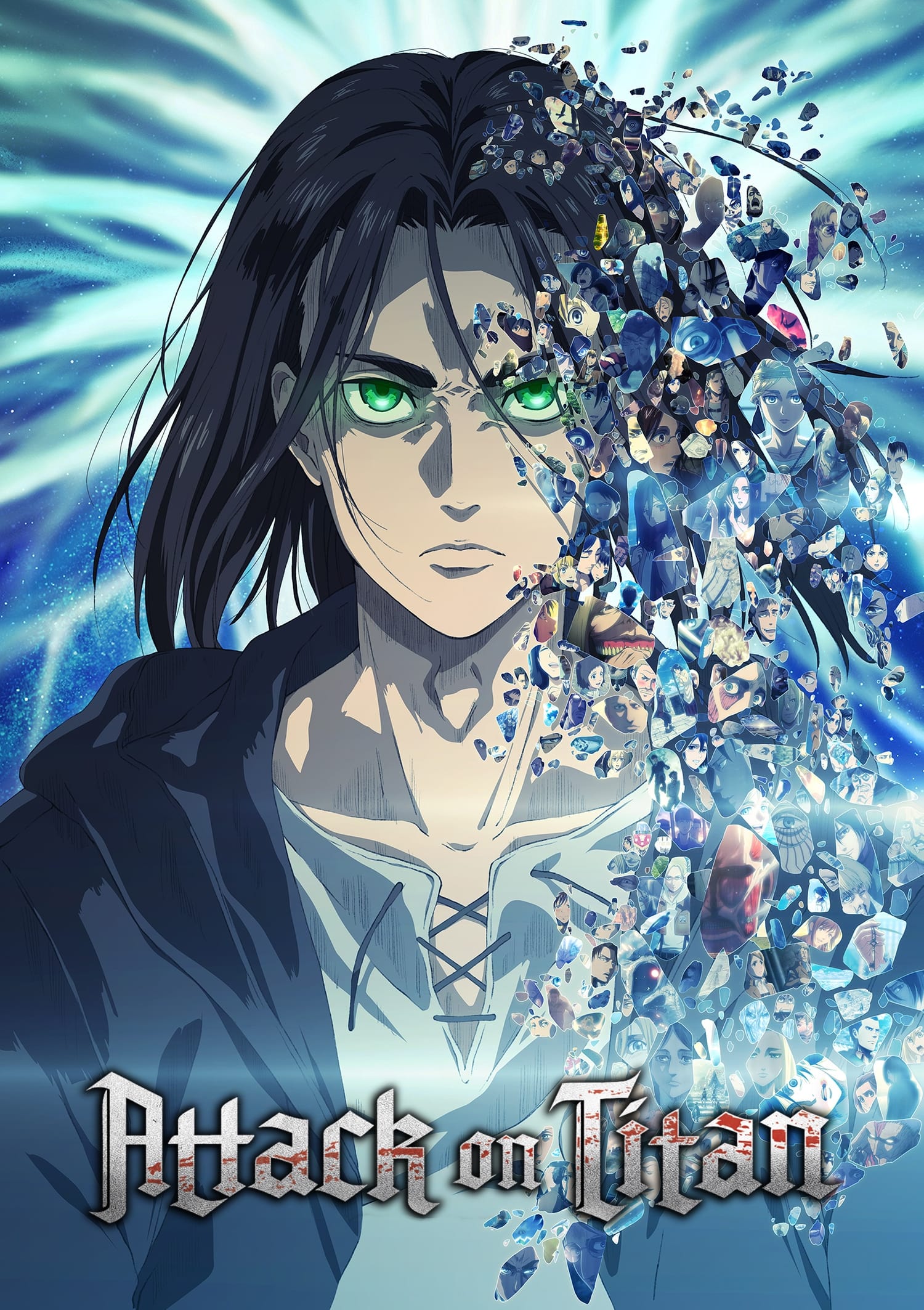
Historia Reiss eventually becomes pregnant and marries a local farmer who bullied her during childhood. This relationship feels purely functional and serves a political purpose to protect her from inheriting the Beast Titan immediately. The lack of romantic development with the farmer contrasts sharply with her profound and tragic relationship with Ymir. The marriage acts as a protective cover that ensures her survival rather than a fulfillment of romantic desire.
‘Samurai Flamenco’ (2013–2014)
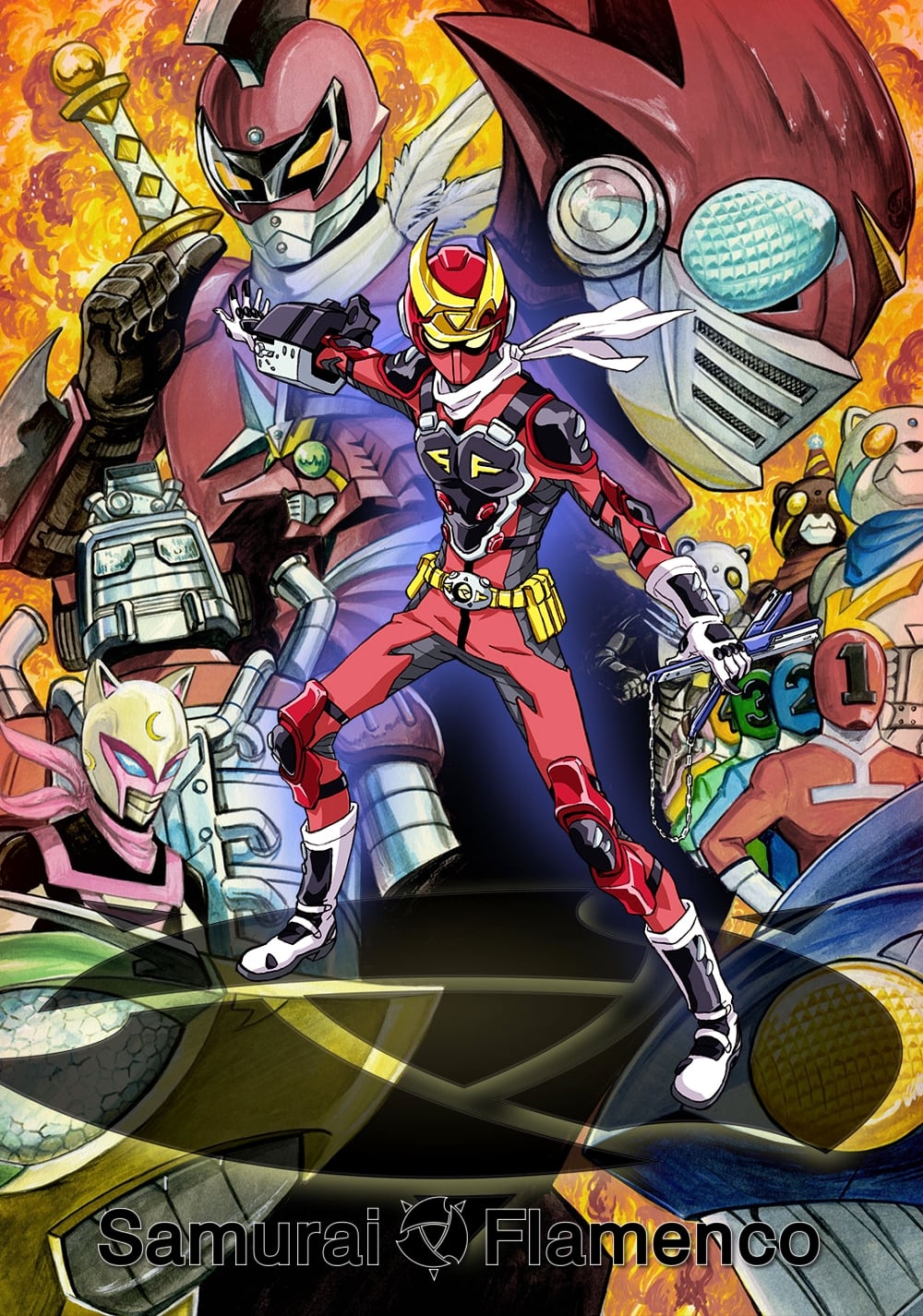
Mari Maya is a magical girl who aggressively pursues the protagonist Masayoshi Hazama. She proposes a relationship largely for the sake of publicity and maintaining her idol image. Masayoshi shows little interest in her as his emotional journey is tied to his police officer friend Goto. The proposed straight relationship is a superficial construct that parodies genre tropes while the male bond provides the emotional grounding.
‘Yuri!!! on Ice’ (2016)
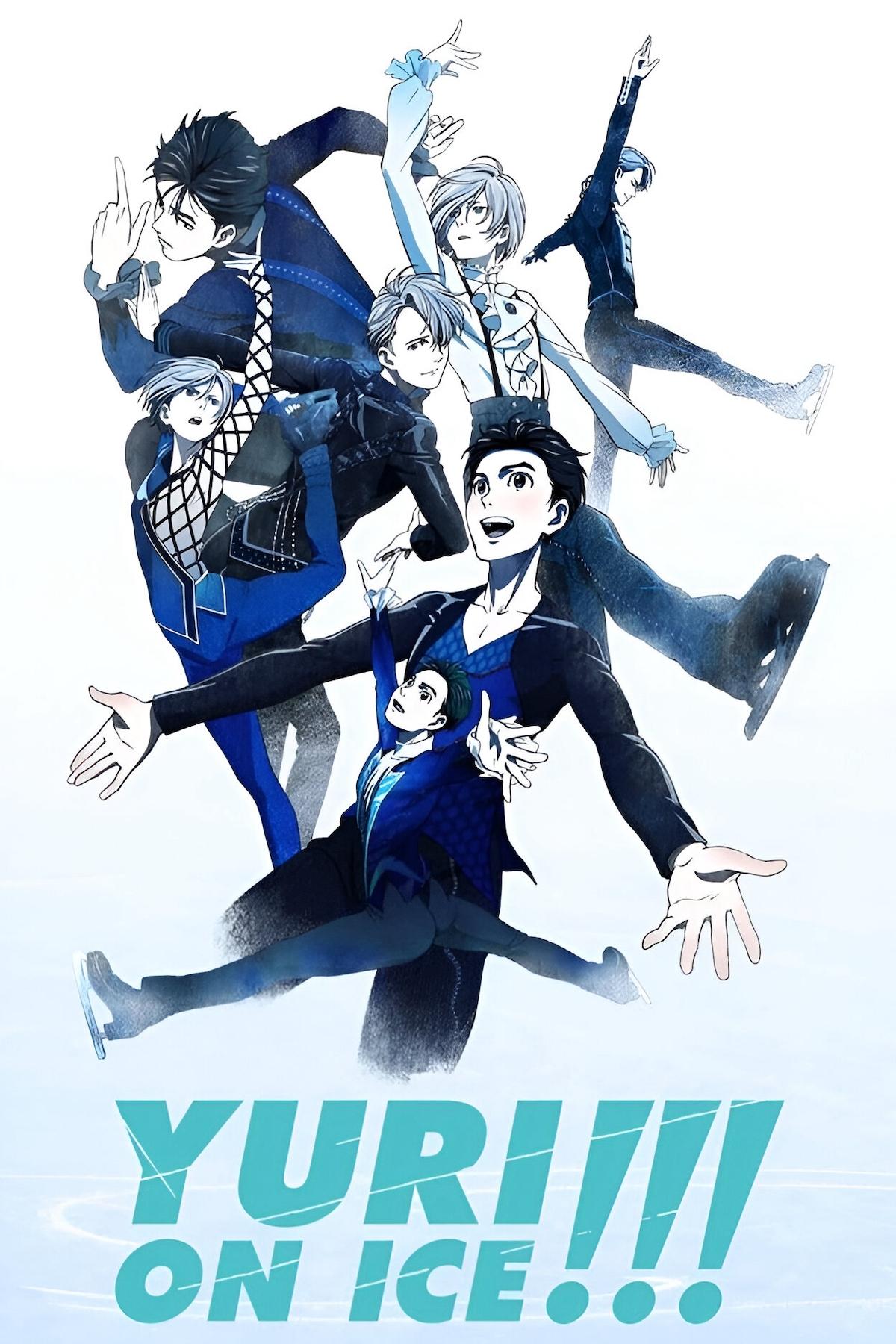
The figure skating world and media often speculate about Victor Nikiforov’s past relationships with women. These references serve to paint him as a playboy before he finds his true inspiration in Yuuri Katsuki. The show dismisses these past flings as lacking the artistic and emotional fulfillment he discovers with Yuuri. The implied heterosexual history acts as a setup to highlight how different and serious his commitment is to his new student.
‘Banana Fish’ (2018)
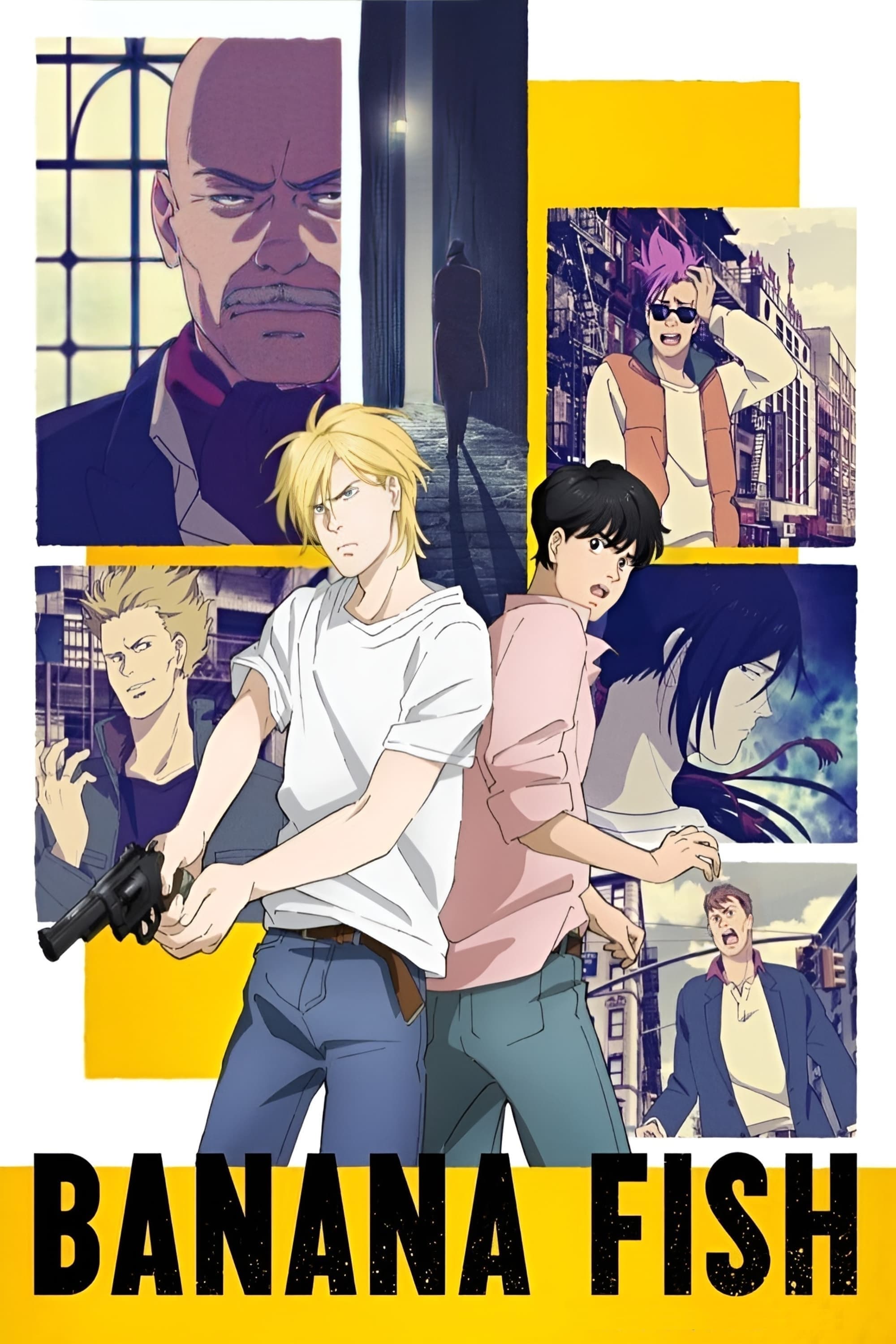
Ash Lynx is a charismatic gang leader who uses his charm to manipulate both men and women when necessary. Several female characters express interest in him but he keeps them at a distance or uses the interactions for tactical advantages. His vulnerability is reserved exclusively for Eiji Okumura who becomes his moral compass and only weakness. Any suggestion of a straight romance is quickly discarded by the narrative in favor of his desperate need for Eiji.
‘Love and Lies’ (2017)

The government assigns marriage partners to citizens when they turn sixteen to combat low birth rates. Yukari Nejima is assigned to Lilina Sanada but creates a complex web of secrets involving his crush Misaki and his best friend Yusuke Nisaka. Hints throughout the series suggest Nisaka holds feelings for Nejima and uses the government system to mask his pain. The mandated marriages act as a societal beard that complicates the true affections of everyone involved.
‘The Case Study of Vanitas’ (2021)

Vanitas frequently claims to be in love with Jeanne and aggressively pursues her in a way that feels performative. This exaggerated heterosexual courtship distracts from the intricate and blood-bound partnership he shares with Noé Archiviste. Jeanne herself is initially confused by his advances and the relationship serves to deflect from Vanitas’s traumatic past. The theatrical nature of his flirting suggests he uses it to keep others from understanding his true motivations.
‘Devilman Crybaby’ (2018)
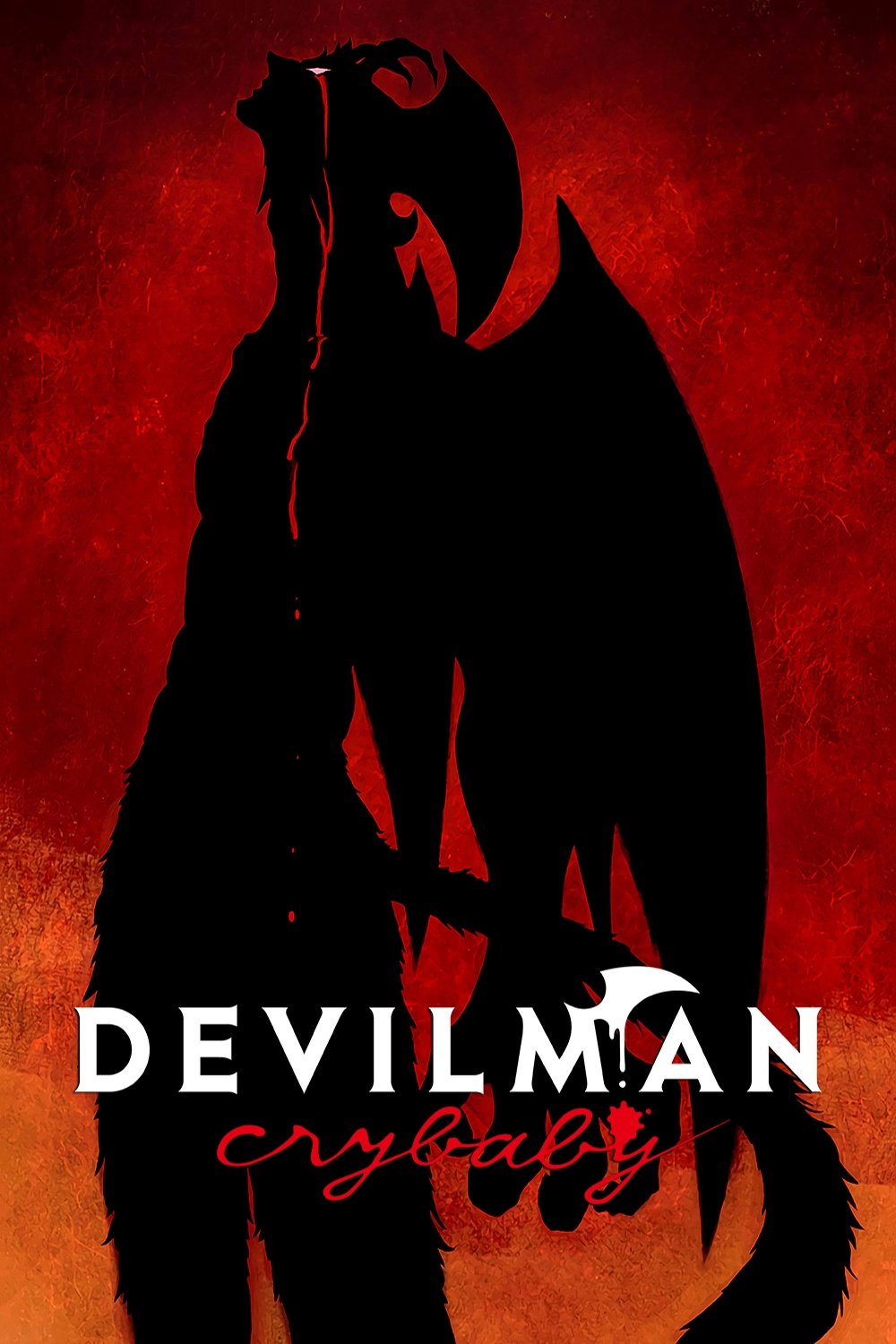
Miki Makimura is the childhood friend and love interest of Akira Fudo who represents the humanity he tries to protect. Ryo Asuka loves Akira and ultimately orchestrates the apocalypse out of jealousy and a twisted desire to be with him. Miki acts as the moral anchor for Akira but also as the primary obstacle to Ryo’s possessive goals. The tragedy unfolds because Ryo cannot accept the straight dynamic that separates him from Akira.
‘Sk8 the Infinity’ (2021)
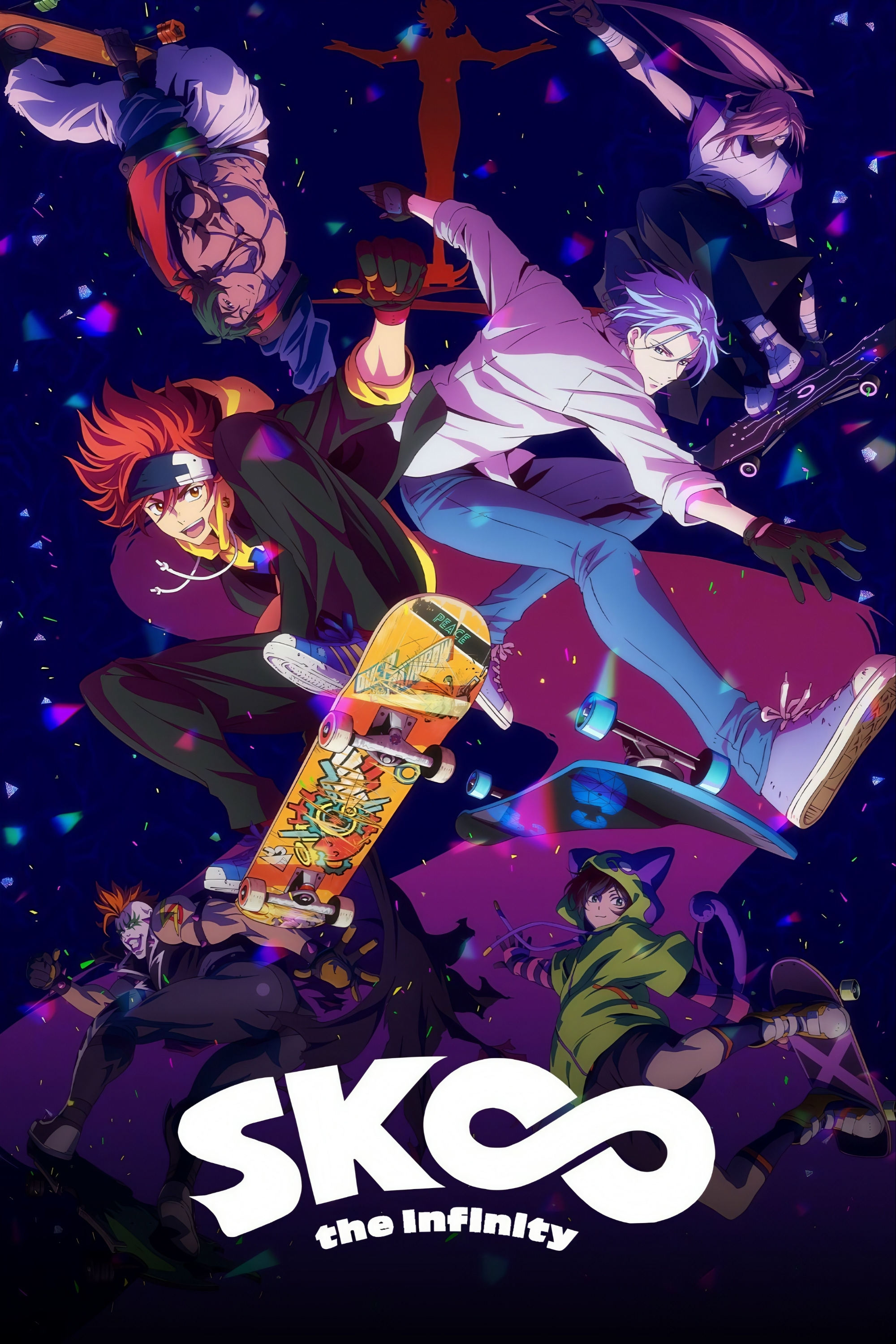
The anime focuses on the skateboarding rivalry and partnership between Langa and Reki. Female characters are relegated to background roles or supportive positions and never act as genuine romantic options. The villain Adam has a fiancé in the political world but he ignores her completely to obsess over Langa. This political engagement is a literal beard used to maintain his public image as a respectable politician.
‘Free!’ (2013)
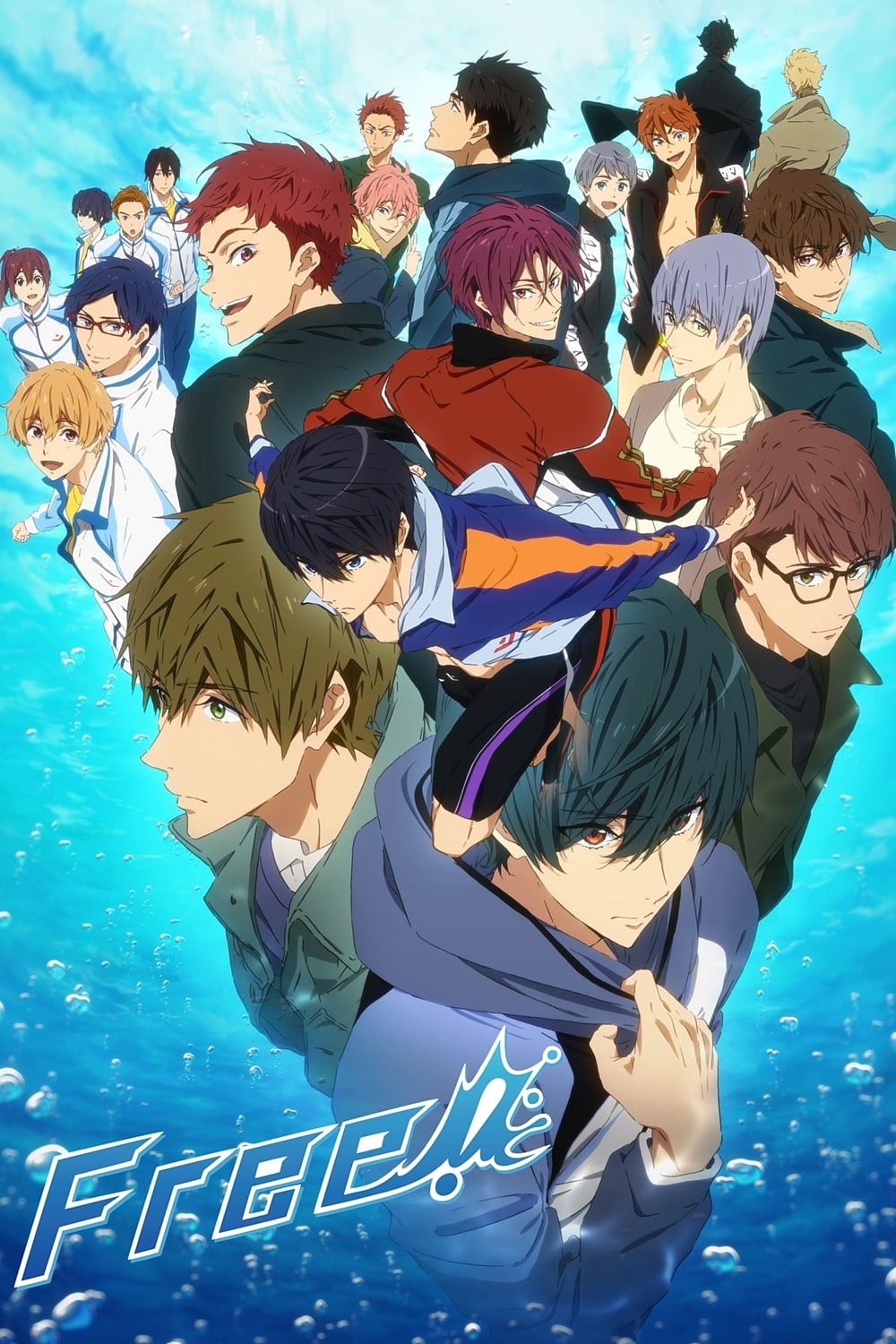
Gou Matsuoka serves as the team manager and frequently comments on the physical attractiveness of the male swimmers. Despite her presence as the primary female character she never enters a serious romance with any of the boys. The narrative centers entirely on the emotional and competitive tension between Haruka and his teammates. Gou acts as a proxy for the audience rather than a genuine love interest for the cast.
‘Sarazanmai’ (2019)
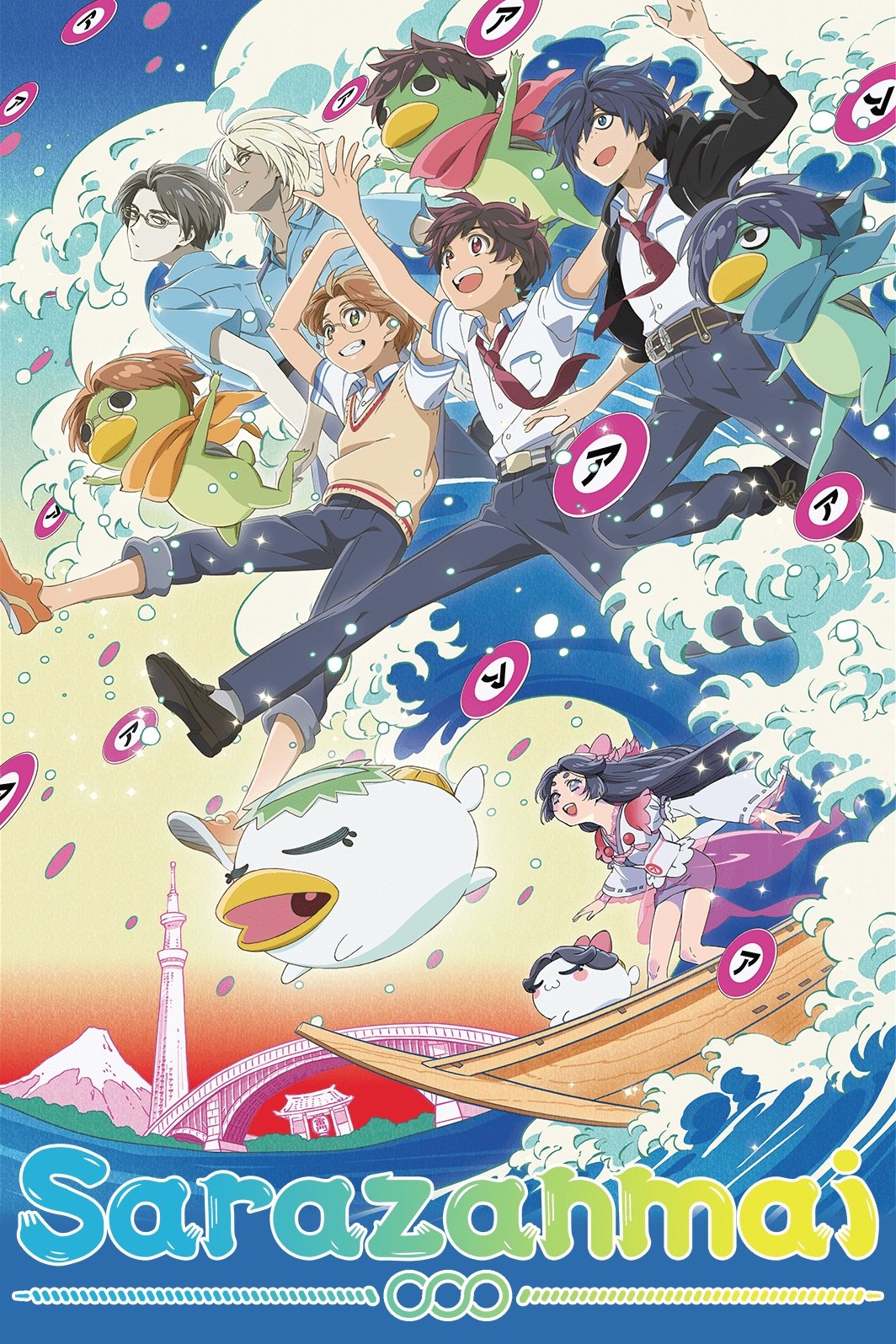
Enta Jinnai harbors a secret crush on his best friend Kazuki Yasaka and struggles with seeing Kazuki obsess over a female idol. Kazuki poses as his younger brother to exchange messages with the idol to make his brother happy. The layers of deception regarding gender and identity create a chaotic web where traditional romance is constantly subverted. The straight dynamics are largely performative or delusional compared to the grounded issues between the boys.
‘Given’ (2019)
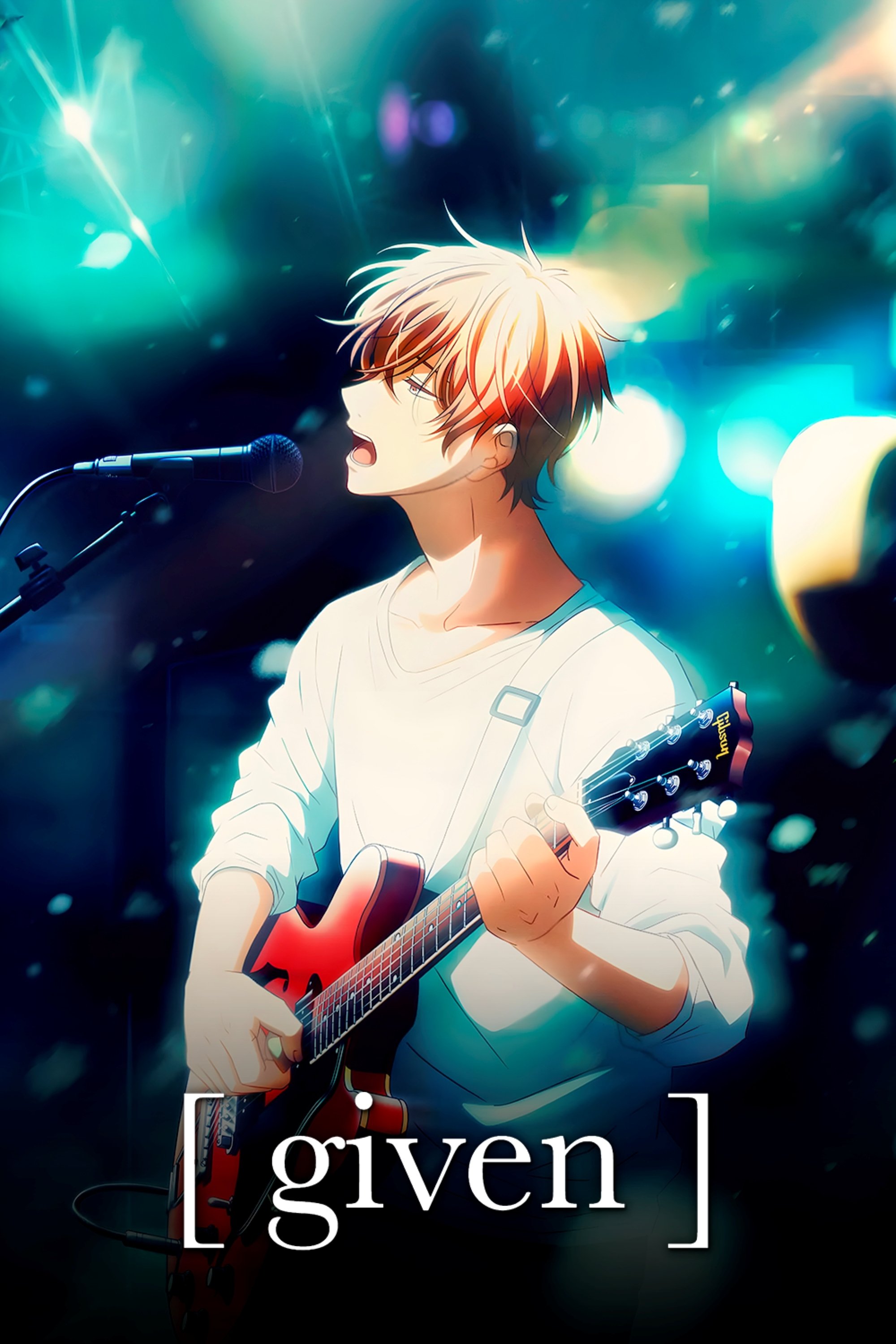
Ritsuka Uenoyama initially does not understand his feelings for Mafuyu Sato and views himself through a heteronormative lens. Flashbacks and context clues suggest the characters exist in a world where they assume straightness until proven otherwise. The absence of significant female romantic interests allows the focus to remain on the boys discovering their identities. Any assumption of a straight default acts as an internal beard that the characters must overcome to accept their love.
Tell us which anime couples you think were just for show in the comments.