20 Best Anime Beach/OP/ED Visual Motifs Explained

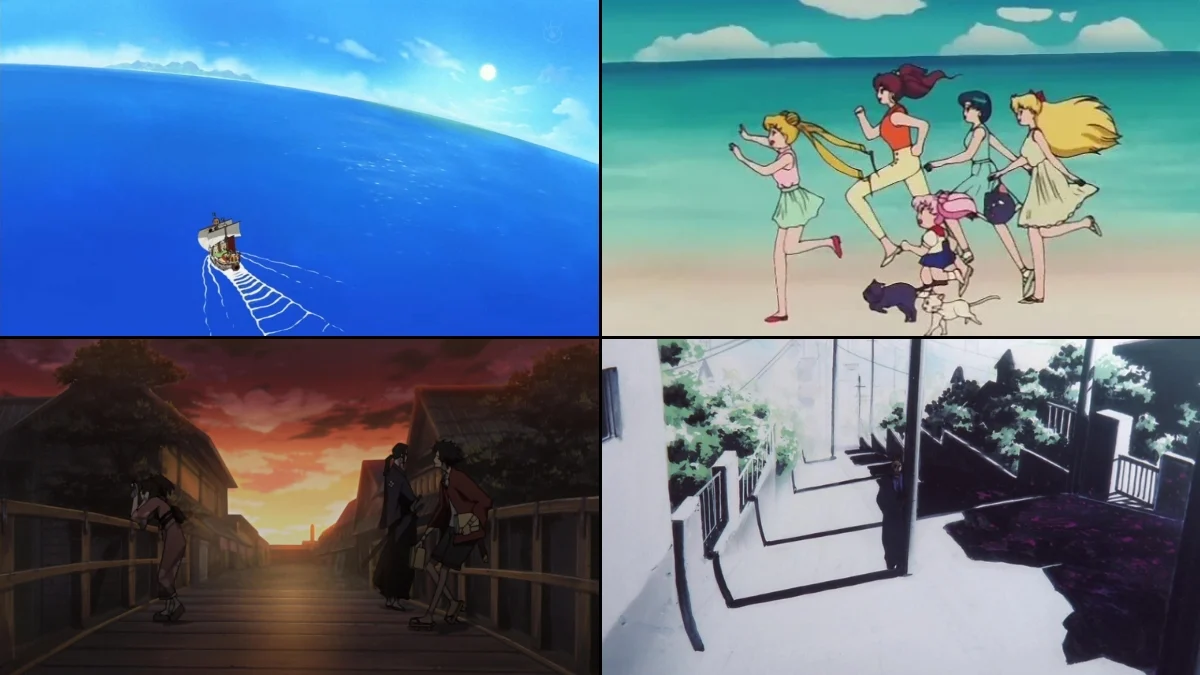

From sun-bleached shorelines to title-sequence iconography, anime often uses beaches, water, and stylized OP/ED visuals to signal theme, tone, and character arcs before a single line of dialogue is spoken. The entries below break down twenty standout motifs—some tied to seaside settings, others to instantly recognizable opening or ending sequences—explaining what’s on screen, when it appears, and how it frames the story or production around it.
‘One Piece’ (1999– ) – the endless ocean as a promise
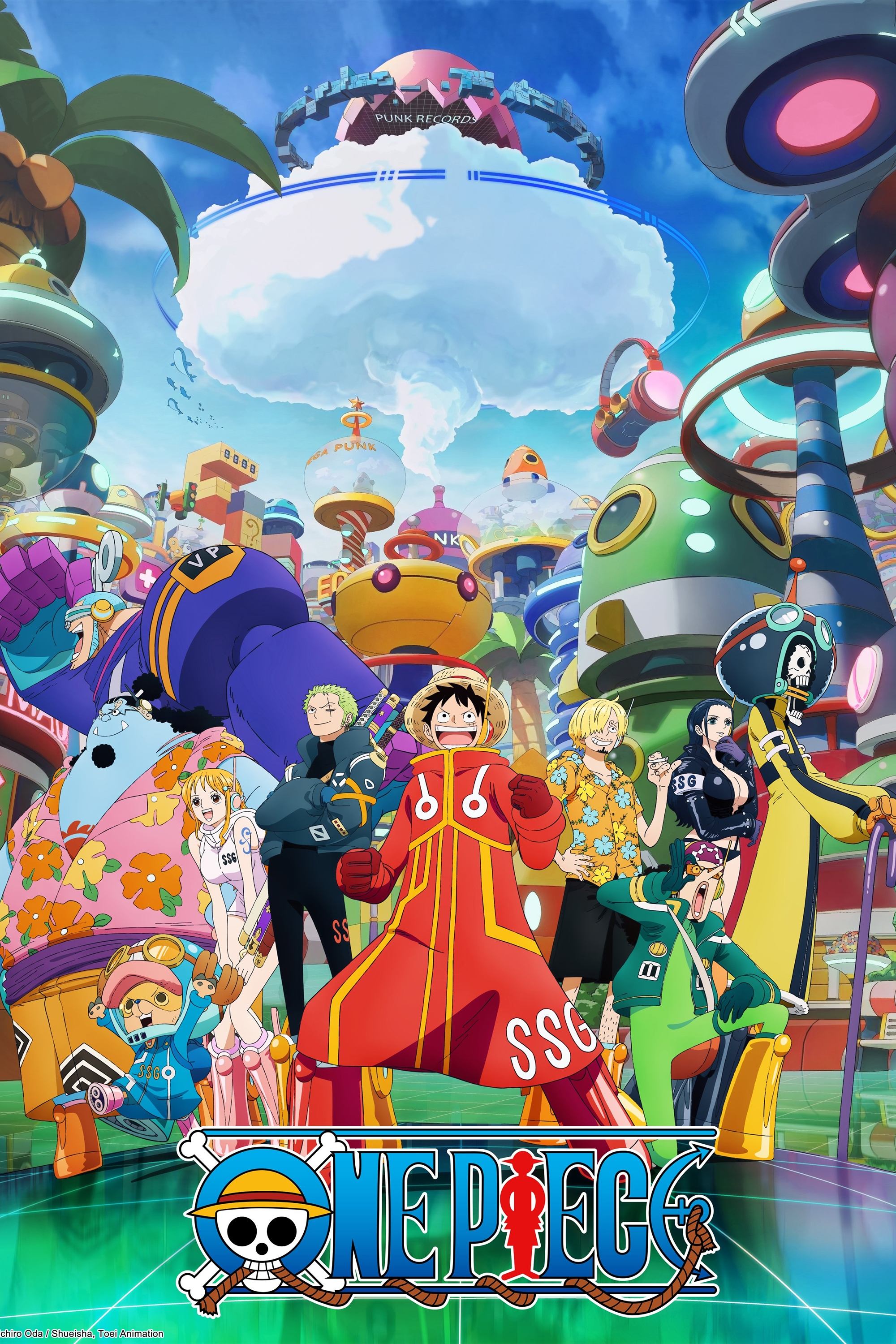
The franchise’s OPs repeatedly foreground the Straw Hat flag against rolling waves and horizon shots that emphasize journey and discovery. Early sequences cut from village docks to open water to establish the Grand Line as both setting and narrative engine. Ships like the Going Merry and the Thousand Sunny are showcased as character-like fixtures, anchoring arcs and crew identity. Visuals often punctuate new sagas by swapping in updated crews, costumes, and maps, using ocean panoramas to mark progression.
‘Neon Genesis Evangelion’ (1995–1996) – the red sea and apocalyptic shore
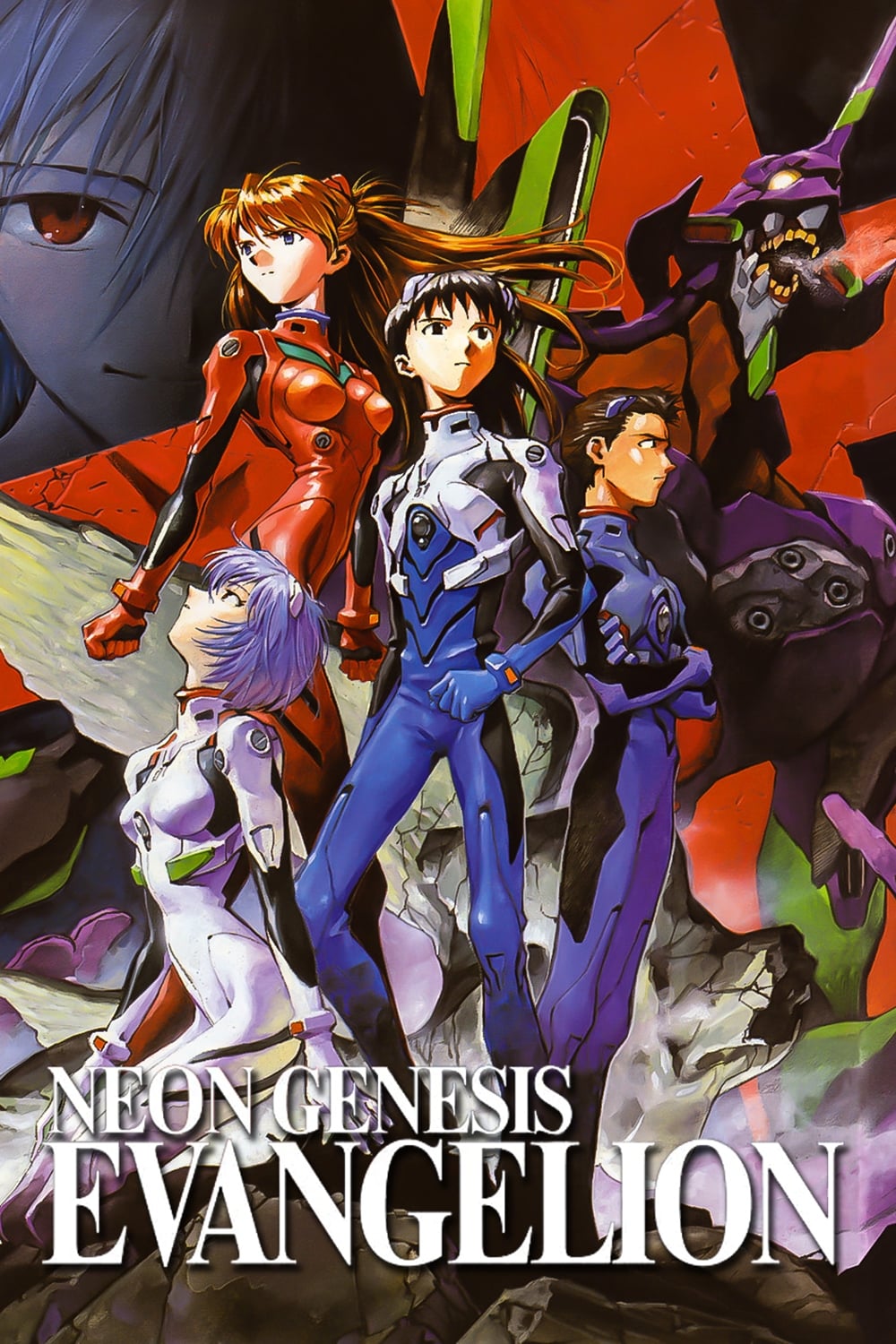
The series frames a world reshaped by Second Impact with oceans turned red, a palette that recurs in establishing shots and key stingers. The OP deploys rapid scientific schematics and religious iconography, but shoreline imagery in the show underscores post-cataclysm stillness. Beach scenes bracket pivotal confrontations and aftermaths, using the surf line as a visual pause between human drama and cosmic scale. The ED’s contrasting intimacy heightens that thematic divide between public catastrophe and private emotion.
‘Neon Genesis Evangelion: The End of Evangelion’ (1997) – beached giants and final shoreline

The film culminates in a quiet, desolate beach tableau that crystallizes instrumentality’s collapse into physical space. Sand, surf, and colossal detritus replace city skylines to signal a world emptied of crowds and noise. The composition lingers on the tide’s edge, using water movement as the only constant amid altered bodies and wreckage. This literal shoreline becomes a geographic marker for the narrative’s closing choice and aftermath.
‘Free!’ (2013–2018) – hydrodynamics and swimmer silhouettes
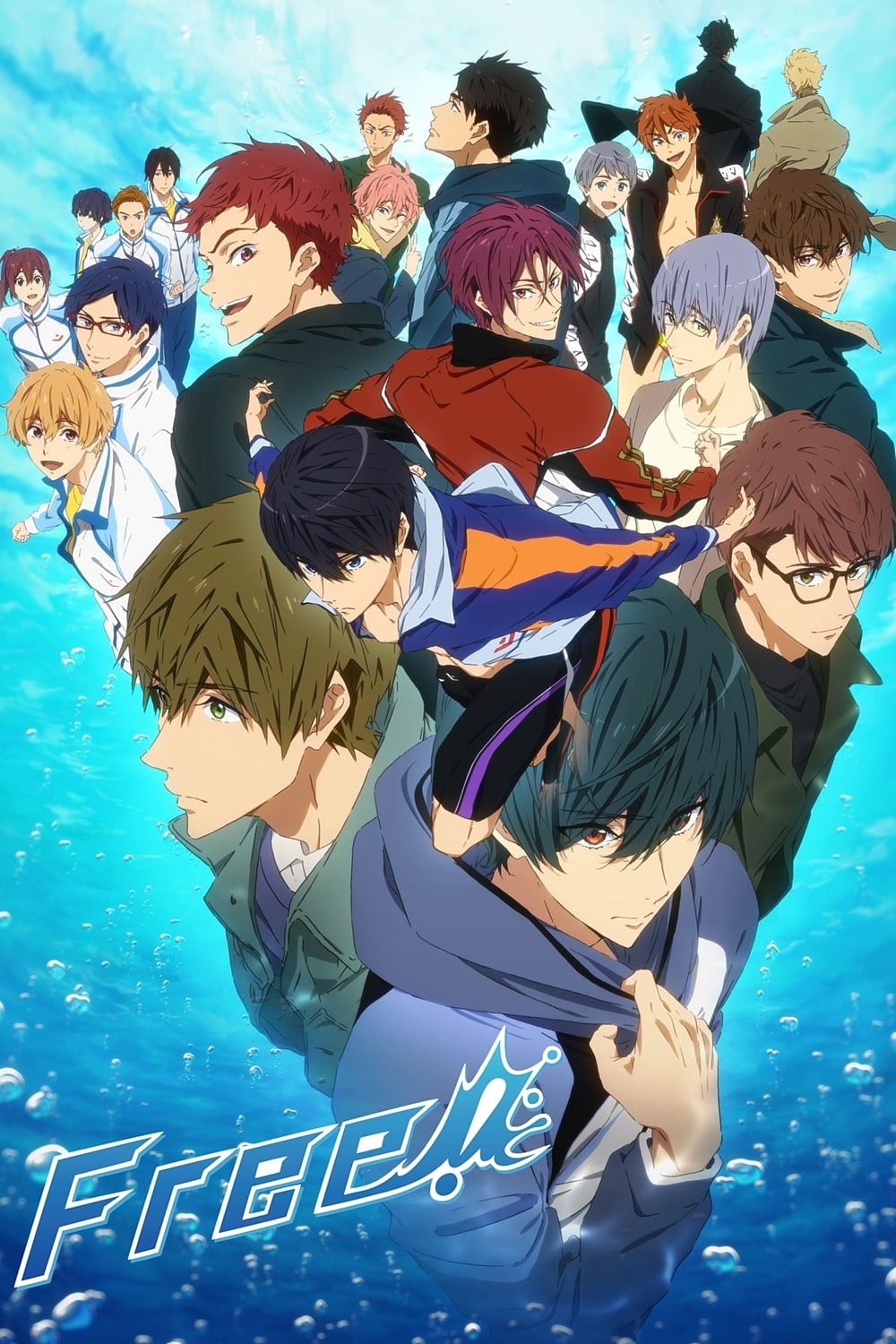
OP and ED sequences highlight lane lines, turn flags, and underwater shots that showcase stroke mechanics and body rotation. Refractions, bubbles, and surface ripples are animated with emphasis on fluid physics to mirror race pacing. Beach outings and seaside training montage visuals ground the cast’s hometown identity in coastal spaces. Character-specific imagery—like relay baton substitutions with kickboard hand-offs—ties personal arcs to aquatic routine.
‘Samurai Champloo’ (2004–2005) – sunset shore as journey coda
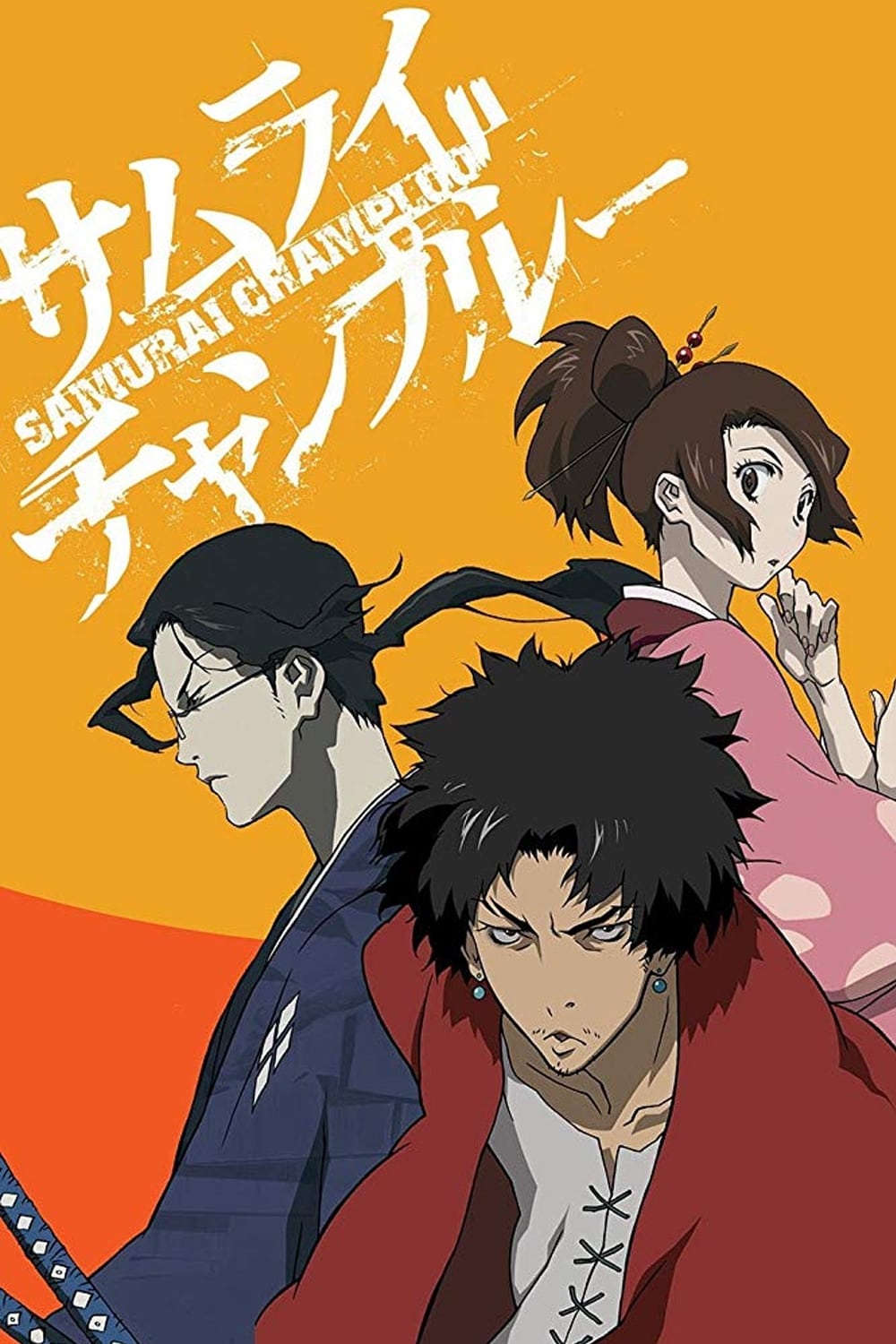
The ED ‘Shiki no Uta’ places the trio against seaside dusk backdrops, cutting between travel paraphernalia and shoreline silhouettes. Waves and retreating light mark episodic closure after kinetic, scratch-track action. The coastal color script leans on warm gradients and long shadows to underline a road-story structure. Title cards and graffiti-style overlays keep the hip-hop visual identity intact while the beach imagery signals pause and reflection.
‘Spirited Away’ (2001) – the sea-become-railway
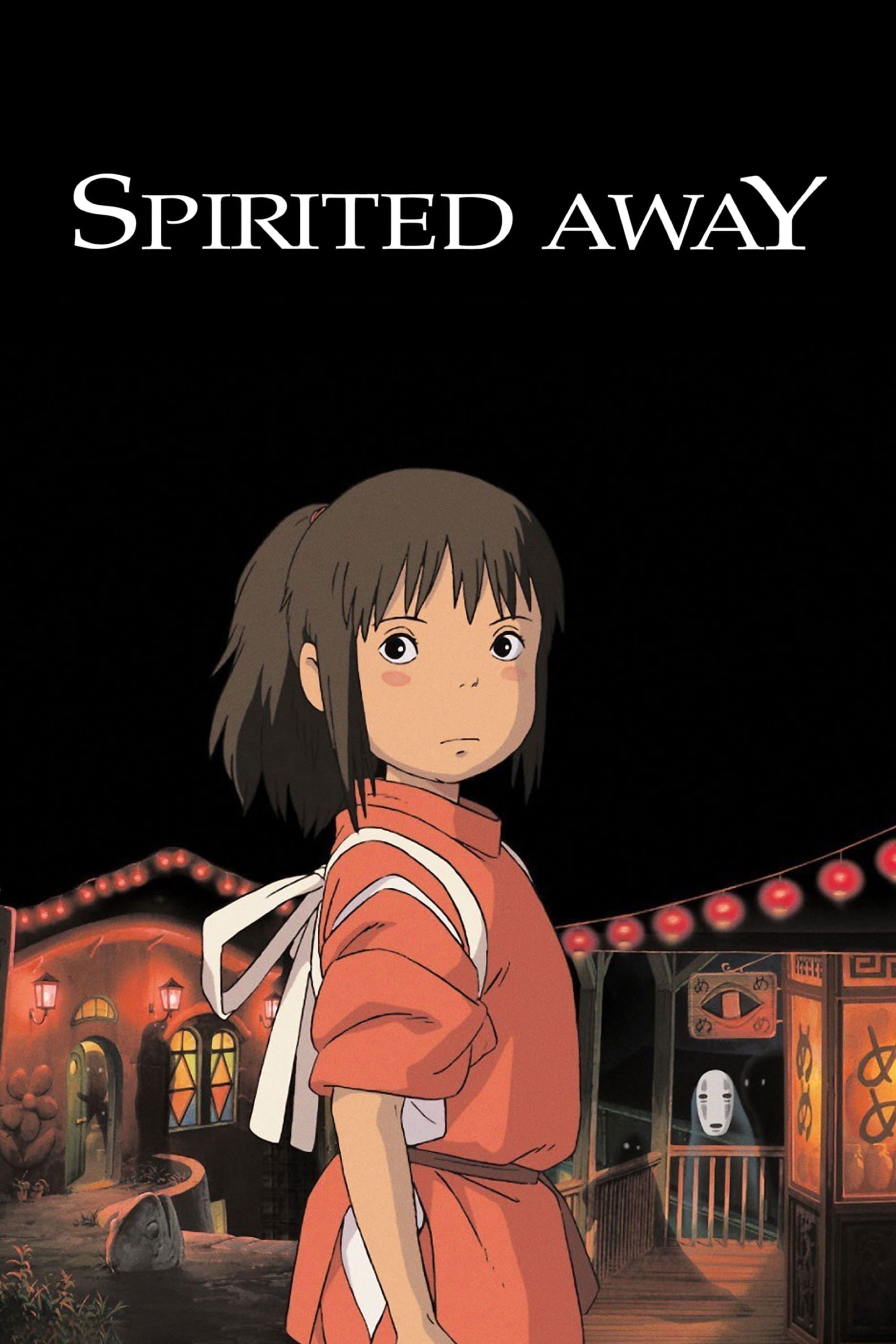
The mid-film train sequence rides a track across a flooded plain presented as a calm, ocean-like surface. Reflections of clouds and passing spirits turn water into a liminal stage between two realms of the plot. The scene’s long takes and horizon-level composition emphasize distance and the passage of time. End credits visuals echo the motif by returning to water surfaces that separate worlds.
‘Children of the Sea’ (2019) – cosmic ocean and cetacean choreography
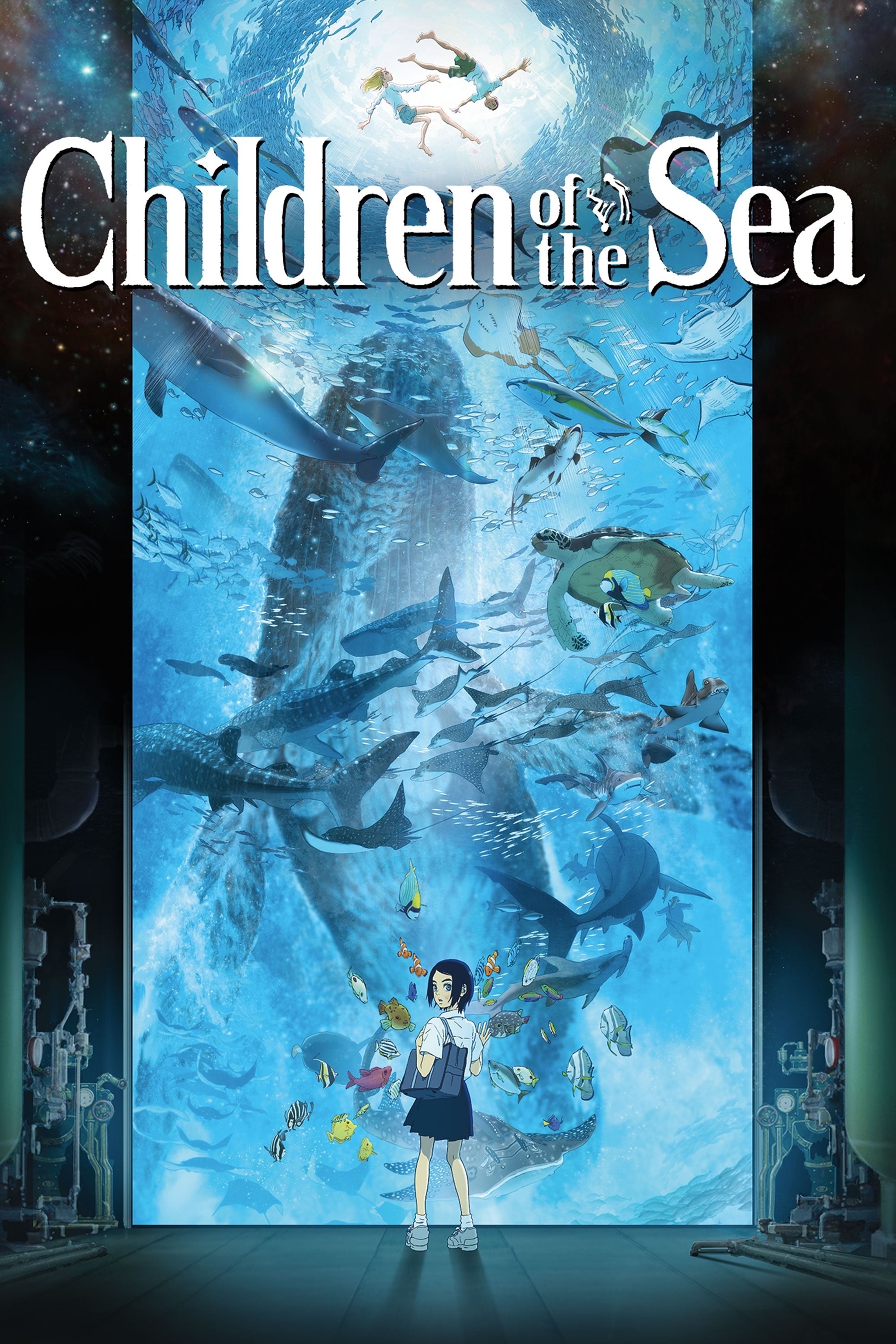
The film integrates astronomical imagery with marine biology, staging starfields as living schools and whales as compositional anchors. Its set pieces layer plankton blooms, jellyfish pulses, and whale breaches into synchronized visual “performances.” The ocean functions as both literal habitat and metaphoric cosmos, with recurring spiral currents and void-like depths. Title cards and interlude montages use chart annotations and specimen cross-sections to bridge science-museum aesthetics with fantasy.
‘Ride Your Wave’ (2019) – wave-borne memory and surf iconography
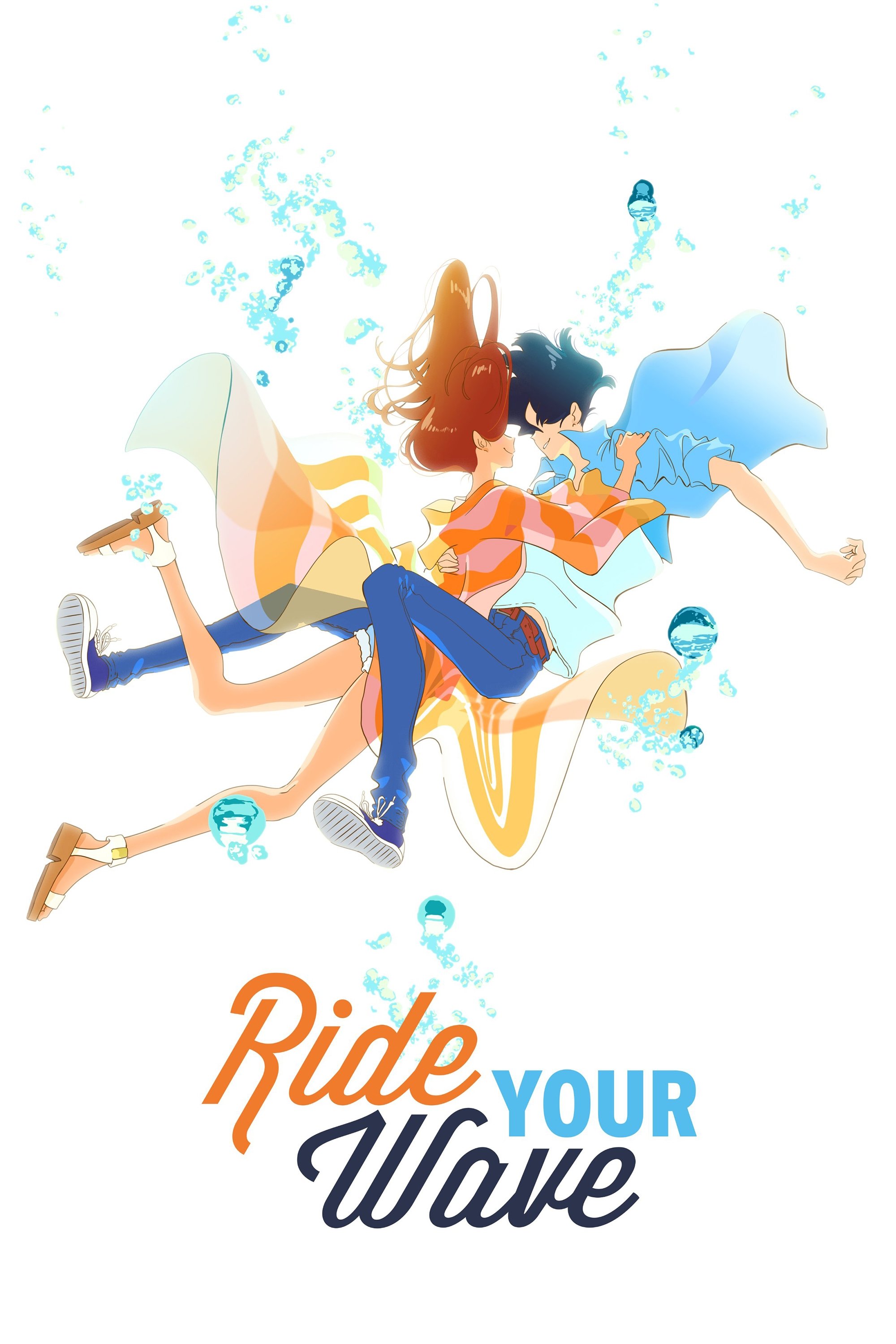
Boards, wetsuits, and beach rescue markers appear as narrative signposts throughout OP-style musical interludes. Water is animated as a carrier of presence, shaping character entrances through fountains, kitchen pots, and storm seas. Coastal landmarks—breakwaters, lighthouse beacons, and apartment balconies facing surf—fix the romance to a specific shoreline geography. The ED reprises these motifs with gentle swells and city-by-the-sea skylines to resolve themes of loss and return.
‘A Lull in the Sea’ (2013–2014) – underwater school life and tidal boundaries
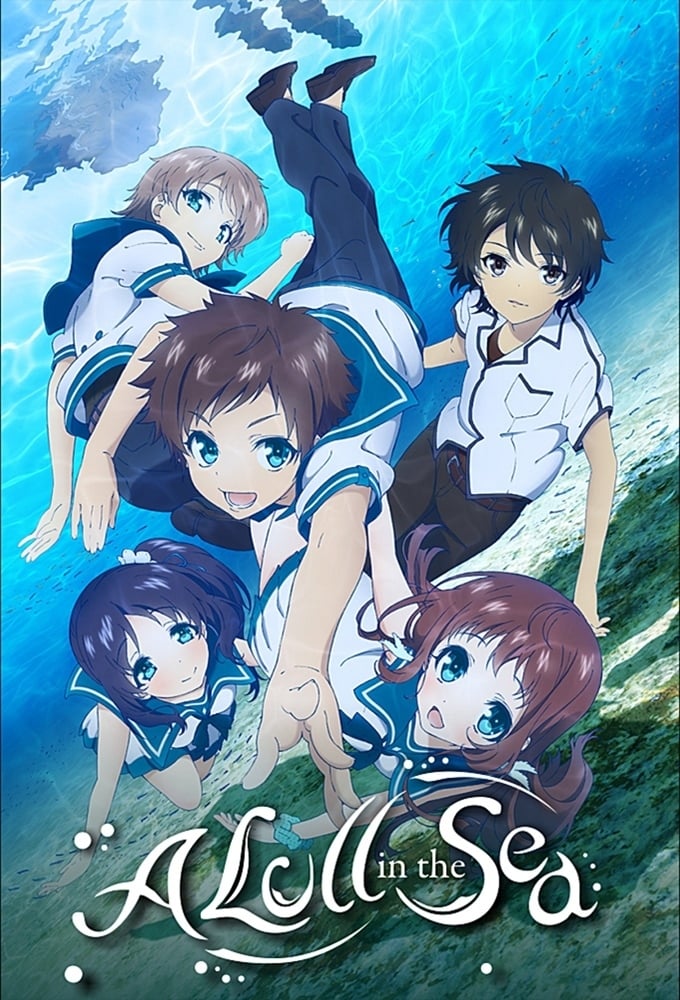
Recurring shots place classrooms, shrine routes, and family homes within submerged streets and coral-lined avenues. OPs visualize tidal currents as ribbons threading through character pairings, signaling seasonal shifts and social divides. Surface crossings—pier steps, harbor ladders, and boat wakes—become repeated cues for transitions between communities. ED imagery softens the palette, focusing on shells, scales, and refracted light to echo the story’s rites and folklore.
‘Eureka Seven’ (2005–2006) – surfboards and sky-wave mecha
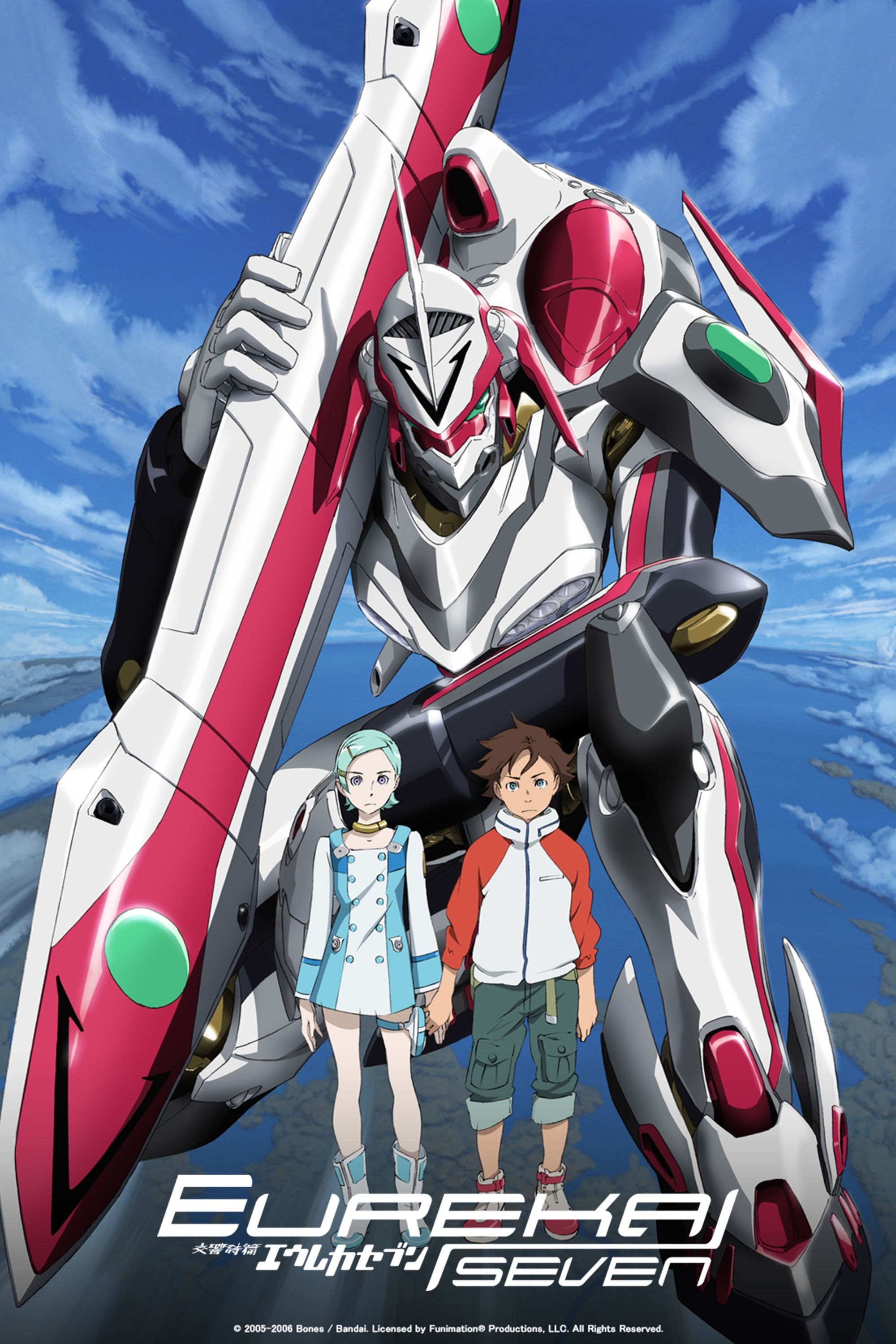
OPs fuse surf culture with aerial mecha, swapping ocean swells for trapar “waves” that boards and LFOs ride. Montage elements—waxed boards, fins, and stance shots—translate directly into robot footwork and banking animations. Coastal towns and cliffside runways visually bridge terrestrial surf scenes with airborne combat. ED sequences loop hand-drawn board sketches and gear close-ups to emphasize subculture authenticity within the sci-fi frame.
‘Paranoia Agent’ (2004) – tidal wave as societal pressure
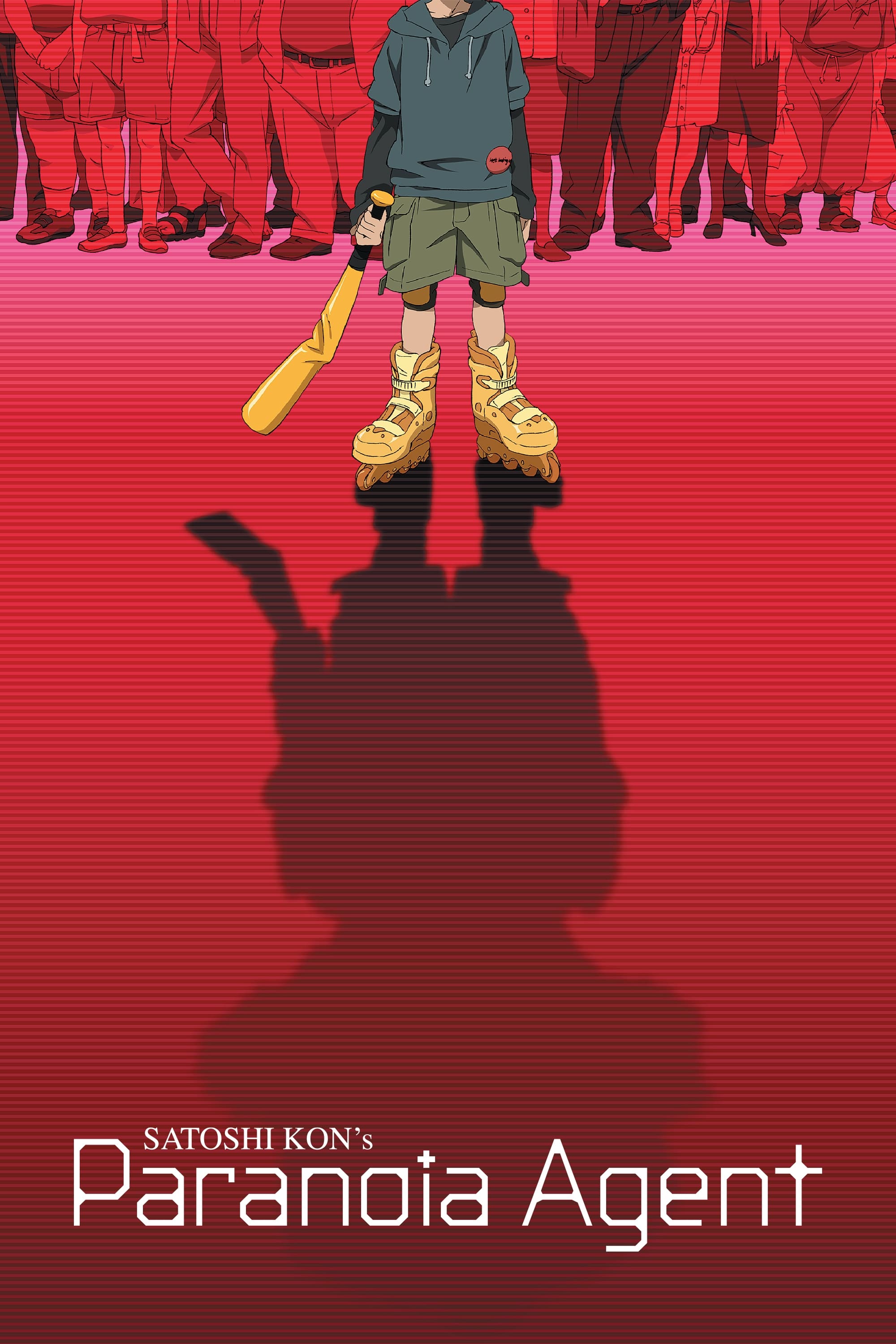
The OP shows characters laughing against backdrops of looming natural forces, including a massive wave cresting over the city. The image functions as a visual shorthand for collective anxiety and rumor-driven escalation. Repeated placements of the wave behind urban infrastructure situate the threat as ambient rather than episodic. The ED retreats to solitary, grounded imagery, contrasting the swell of public panic with individual stillness.
‘Cowboy Bebop’ (1998–1999) – silhouette jazz blueprinting
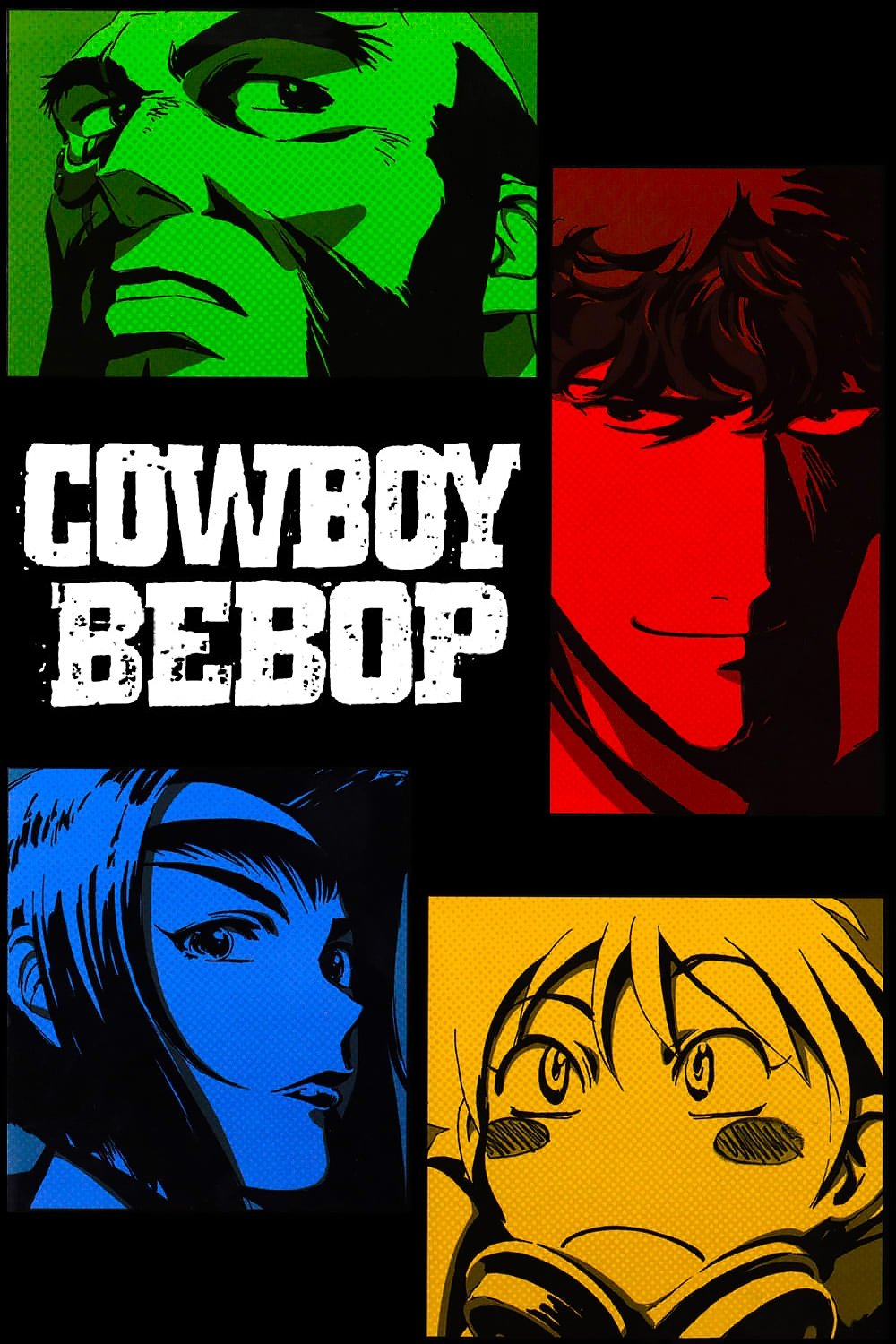
The OP ‘Tank!’ deploys split screens, halftone textures, and instrument callouts to map character roles like a heist board. Silhouetted runs and gun-pose freezes establish each lead’s rhythm before the plot begins. Typography and color blocks function as visual leitmotifs, reappearing in episode titles and previews. The ED’s film-grain cityscapes counterbalance the OP’s kinetic charts with slow, nocturnal drift.
‘Serial Experiments Lain’ (1998) – wireframe skies and urban ennui
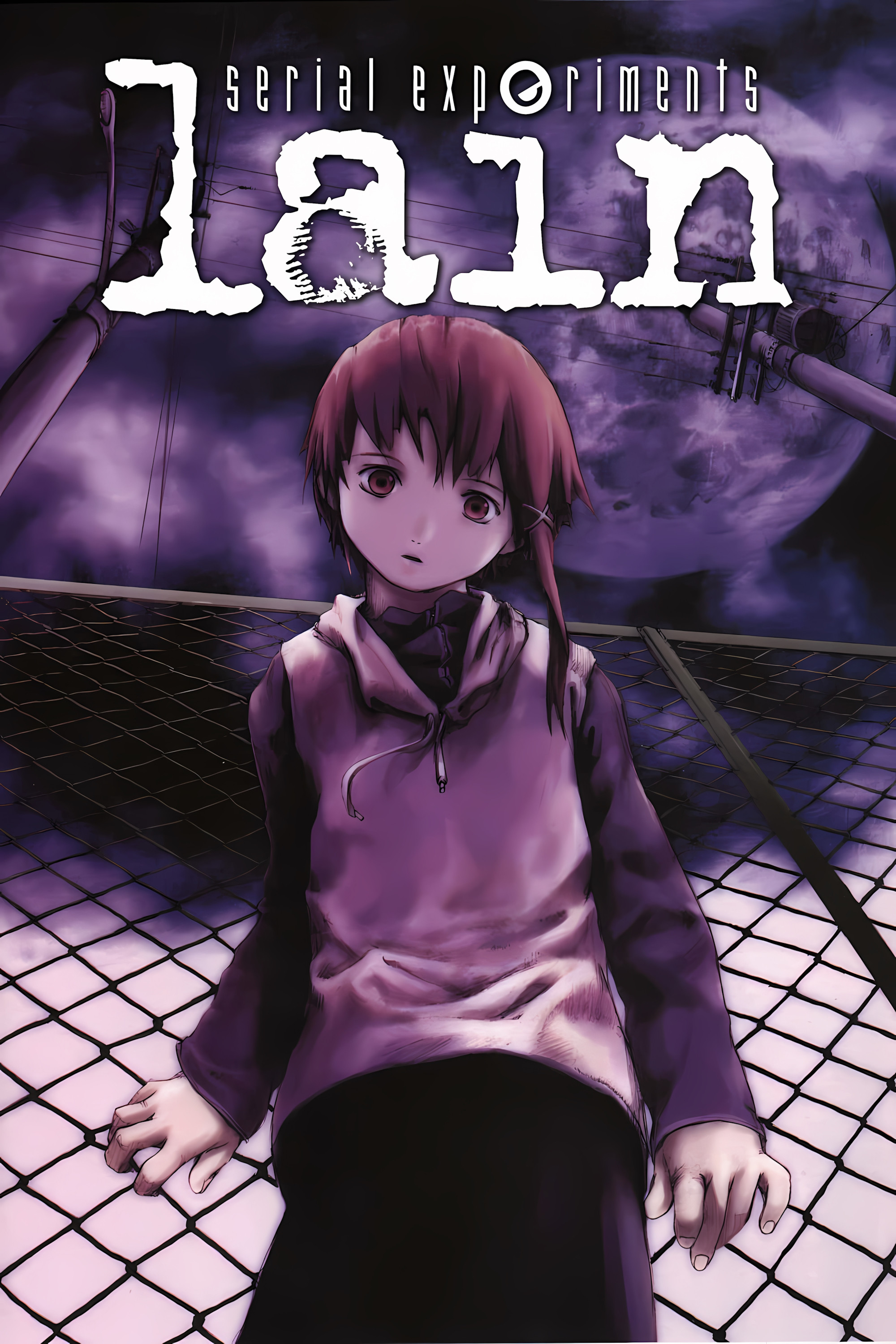
The OP ‘Duvet’ pairs a solitary figure with overcast skies, telephone lines, and empty streets to signal networked isolation. Repeated overhead cable grids double as both literal utilities and metaphors for the Wired. Slow pans and minimal cuts emphasize disconnection, anchoring the show’s tech-mystery tone. The ED narrows to dim interiors and static shots, reinforcing the motif of quiet, enclosed spaces.
‘Air’ (2005) – summer coast and distant horizon
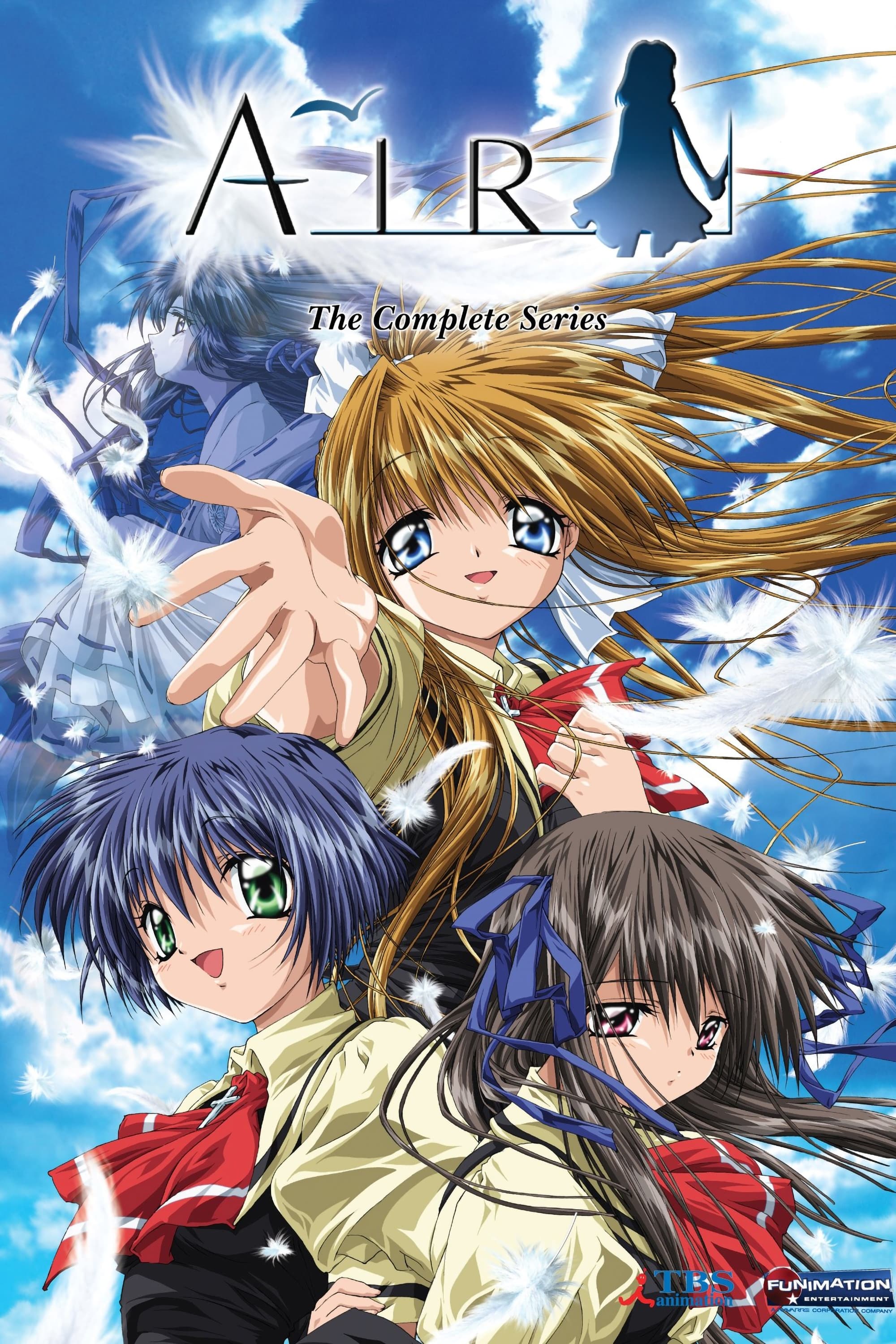
OP imagery blends seaside townscapes—piers, seawalls, cicada-rimmed trees—with high-altitude cloud pans. Wind-tossed ribbons and hand-held talismans recur as visual markers of memory and promise. Beach paths and shorebreaks serve as recurring route shots between episodes’ key meetings. The ED reprises sky-and-surf pairings to underline themes of travel, separation, and reunion.
‘From Up on Poppy Hill’ (2011) – signal flags over the harbor
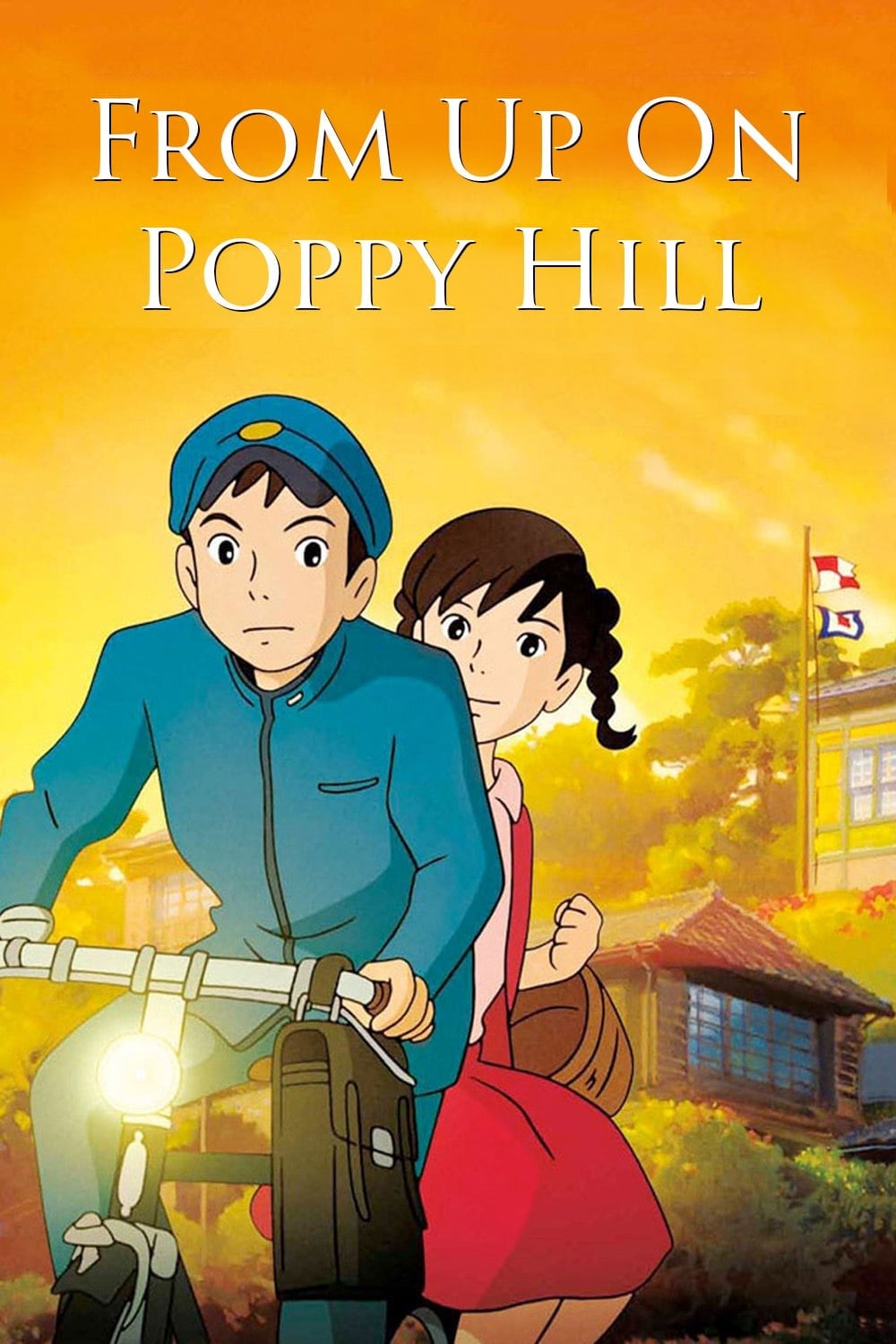
Opening visuals center on maritime semaphore flags hoisted from a hillside home, tied to a family’s daily routine. Harbor vistas, cargo ships, and morning ferries establish a working port as the story’s heartbeat. The flag-raising motif syncs with scene transitions, acting like a visual timekeeper. End credits revisit quay walls and mooring lines, framing the setting as a character in its own right.
‘Summer Wars’ (2009) – analog summer vs. digital sea
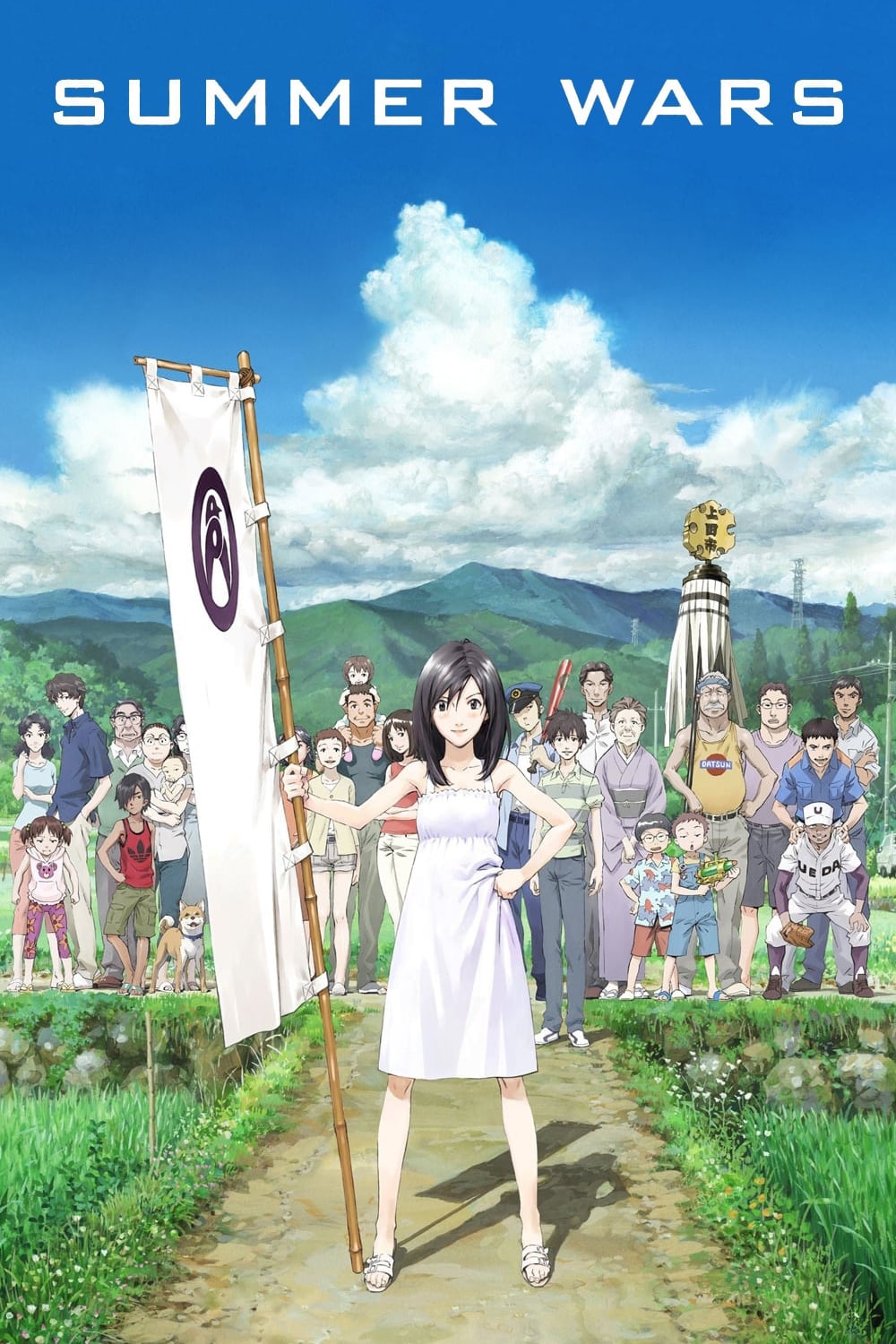
The OP-style prologue juxtaposes countryside family gatherings with the vast, white-void interface of the OZ network. Avatars drift through a grid that reads like an ocean of data, complete with currents and eddies of traffic. Visual cut-ins to math formulas and network nodes establish stakes before real-world crises crest. The ED restores pastoral imagery, re-anchoring the narrative after the digital flood recedes.
‘Mob Psycho 100’ (2016–2022) – counting swell and psychic burst
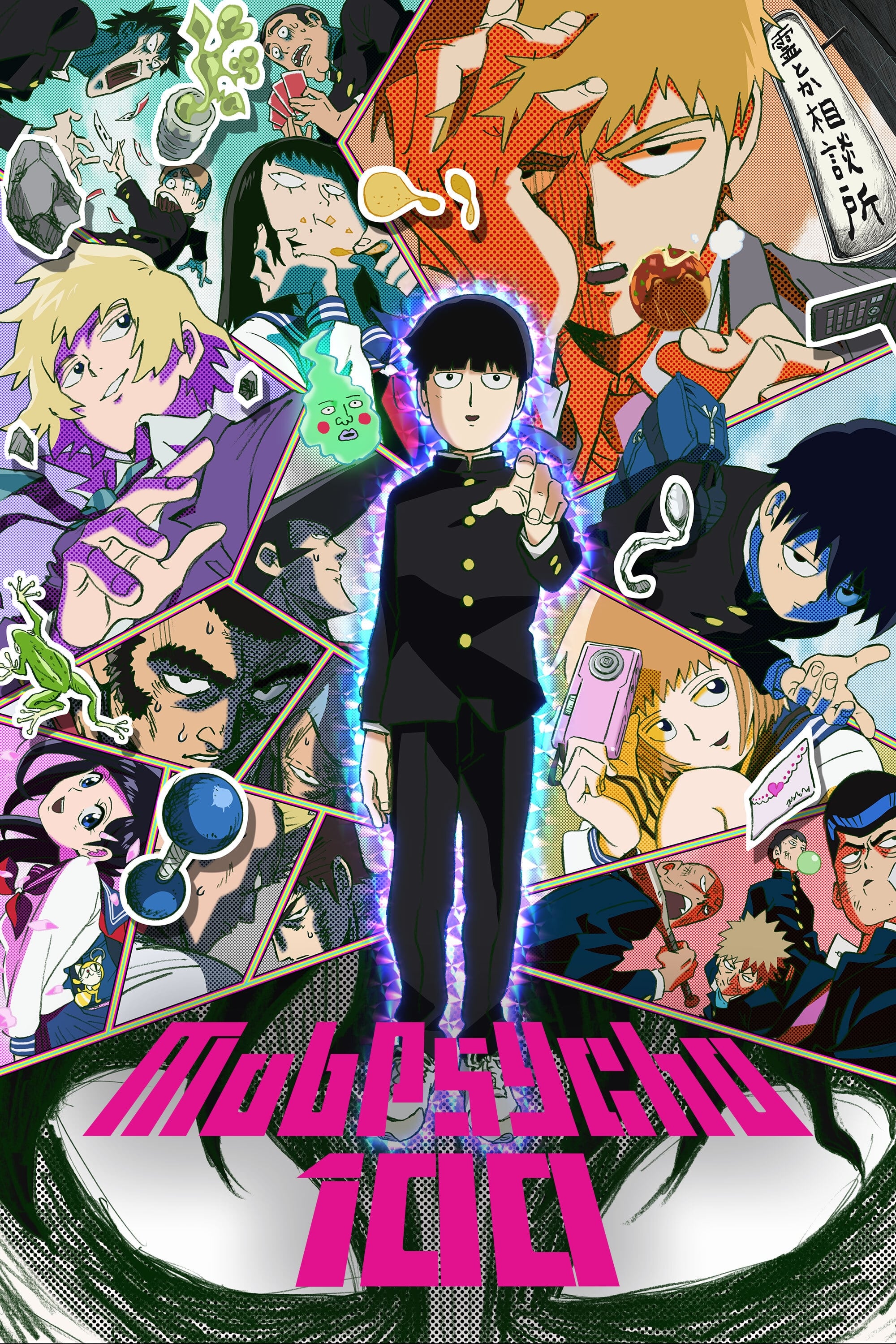
The OP counts upward through a rapid montage that layers crowd scenes, urban canyons, and wave-like motion fields. Rotating tunnels and expanding concentric forms act as visual equivalents of building power. Hand-painted textures and frame smears emphasize kinetic release at the count’s peak. ED sequences often collapse the chaos into sketchbooks and everyday objects, grounding the spectacle.
‘Jujutsu Kaisen’ (2020– ) – street-dance ED and urban afterglow
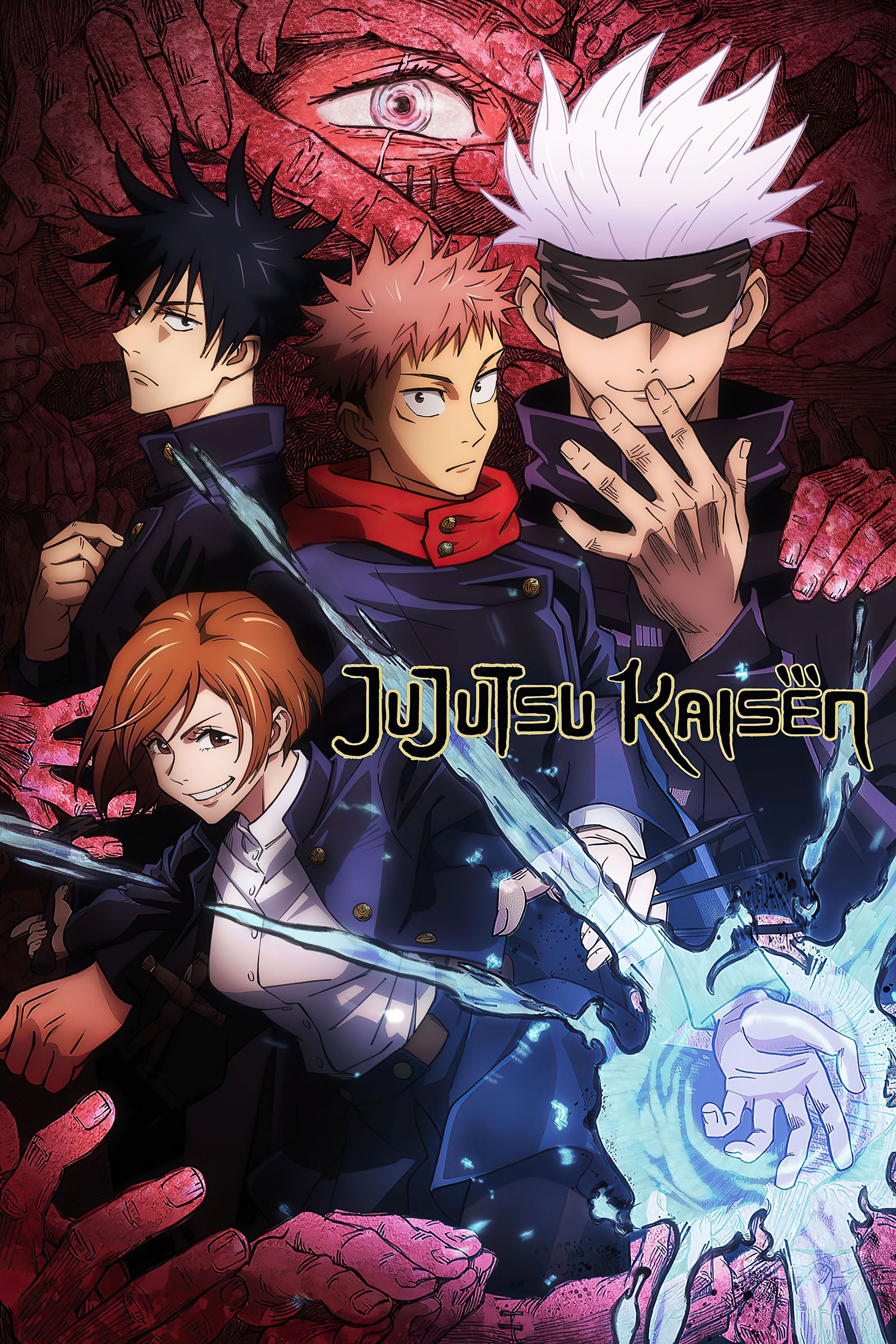
A signature ED places the cast in after-hours city spaces, stitched together with dance loops and neon signage. The relaxed choreography contrasts with the show’s exorcism set pieces, signaling downtime and camaraderie. Camera moves glide through arcades, rooftops, and storefronts, turning the city into a character. OPs counterbalance this with curse-world motifs—ink blots, talisman papers, and distorted architecture.
‘Attack on Titan’ (2013–2023) – ocean as frontier and OP heraldry
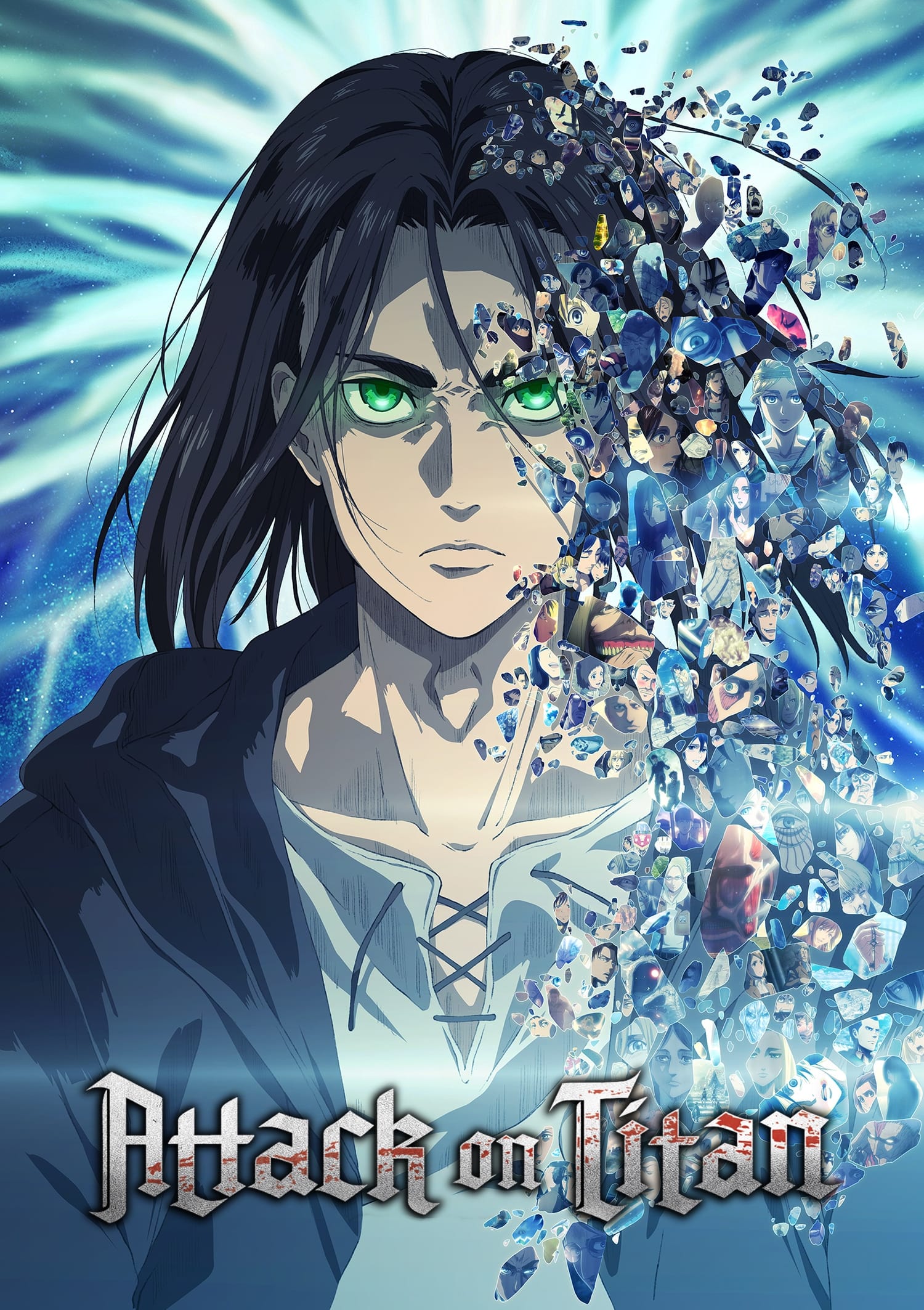
Across seasons, OPs use martial banners, wall schematics, and formation diagrams to map conflict and ideology. A pivotal shoreline reveal reframes the ocean as both dream and boundary, altering character objectives. Later title sequences weave cartographic textures and bestiary plates to historicize the struggle. ED imagery narrows to family mementos and field sketches, tying vast wars back to personal records.
‘Puella Magi Madoka Magica’ (2011) – collage witches and candy-colored misdirection
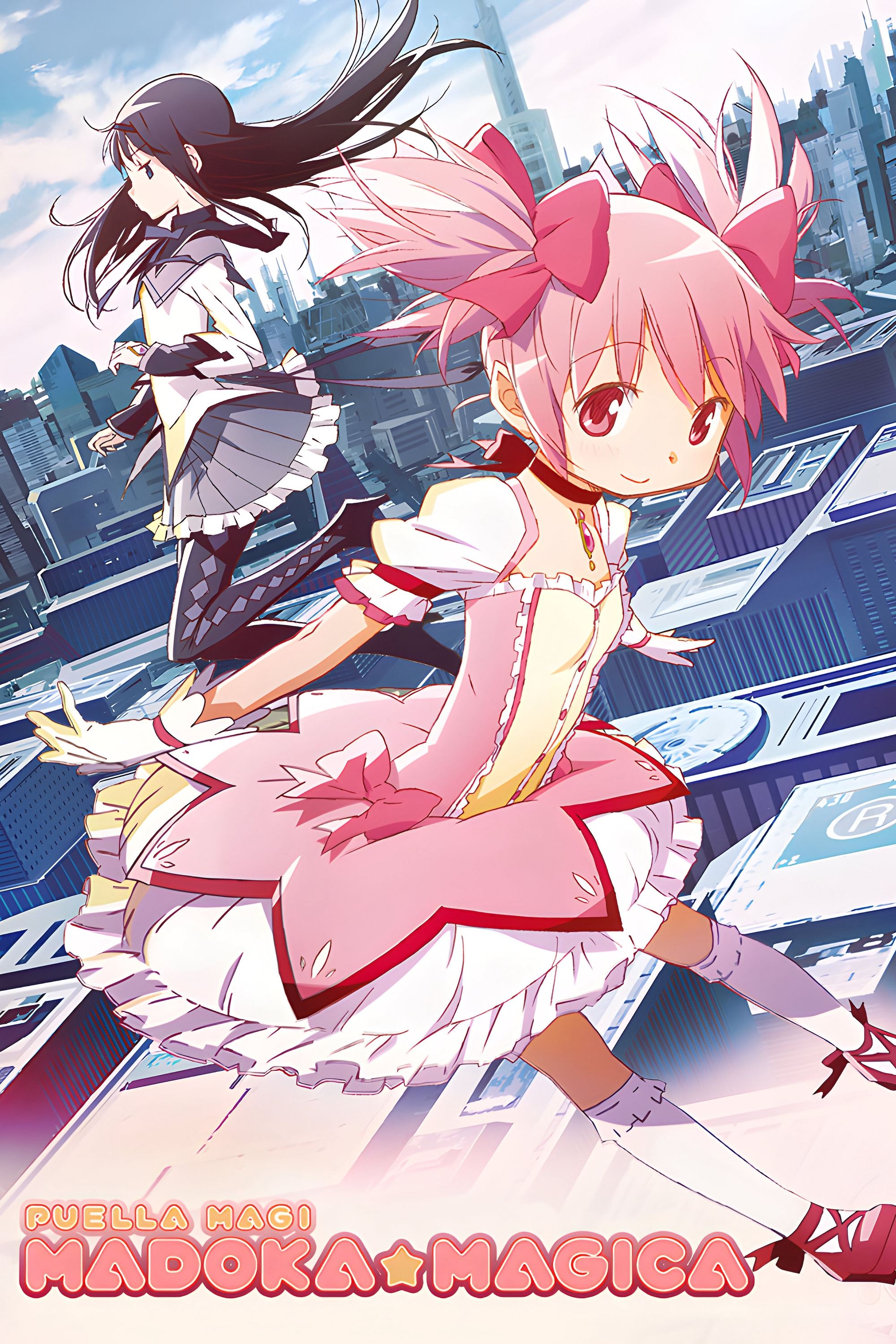
The OP presents soft palettes, school corridors, and friendly choreography that mask the series’ darker mechanics. Witch barriers introduce paper-cut collage, chalk marks, and textile patterns as recurring visual languages. These motifs return in transitions and fight layouts, signaling rule changes in the magical system. ED sequences strip back the brightness, centering silhouettes and night cityscapes to foreshadow irreversible turns.
Share your favorite beach shots or OP/ED moments in the comments—what motif stuck with you the most?