


20 Best Board Games of All Time, Ranked




Board games have a knack for turning any gathering into a memorable showdown or cooperative quest. From outsmarting rivals to working together against the odds, they spark laughter and strategy in equal measure.
I’ve rolled dice and flipped cards through countless game nights, discovering gems old and new. Here’s my ranking of the 20 best board games of all time, counting down from 20 to 1, each with a rich history and unique charm.
20. Connect Four (1974)
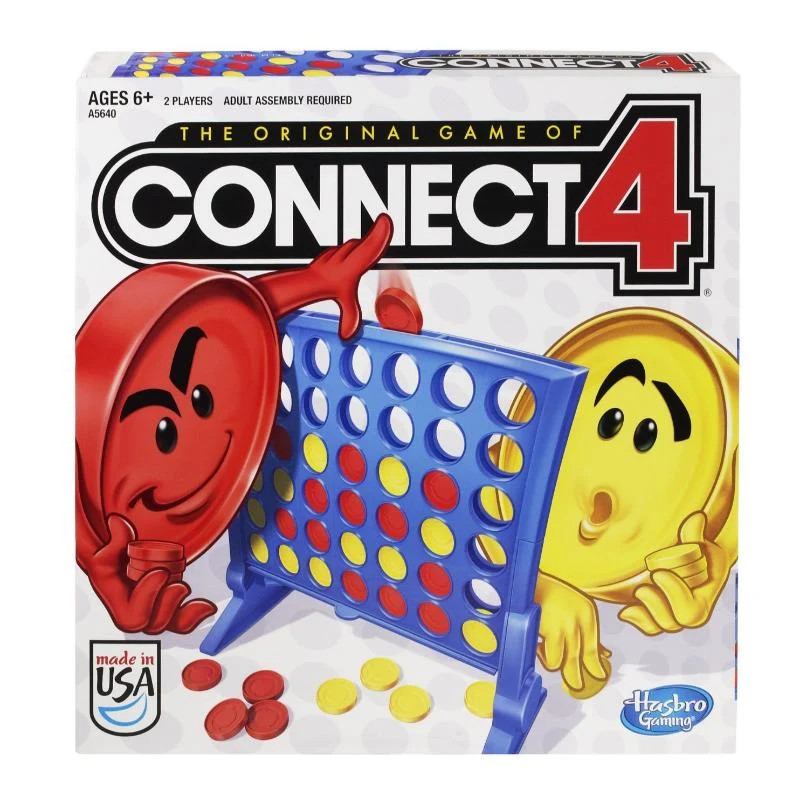
Connect Four challenges two players to align four discs in a row on a vertical grid. Invented by Ned Strongin and Howard Wexler, it was released by Milton Bradley and became a household name for its simple yet tactical gameplay. Its bright design and quick rounds have kept it a family favorite across generations.
I love the tense moments when a single drop can win or lose the game. The race to spot patterns while blocking your opponent makes every match a quick thrill.
19. Sorry! (1929)
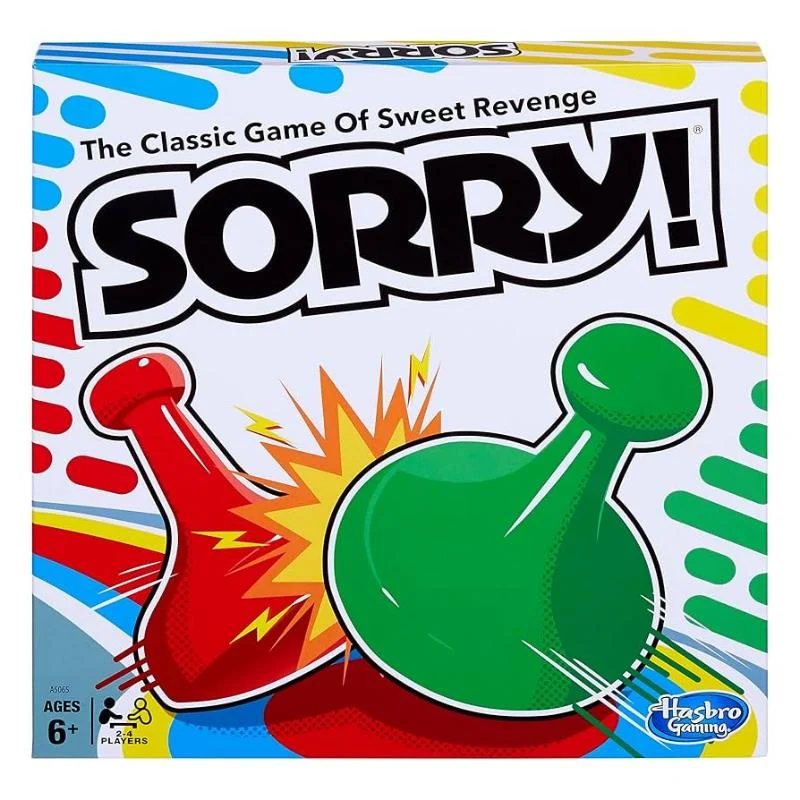
In Sorry, players race pawns around the board, using cards to advance or send opponents back to start. First published by Parker Brothers, it drew inspiration from older games like Pachisi, gaining popularity for its accessible mix of luck and strategy. Its colorful board and chaotic gameplay have made it a classic.
I enjoy the gleeful moment of bumping a rival’s pawn with a well-timed card. The unpredictable swings keep everyone engaged, from kids to grandparents.
18. Clue (1949)
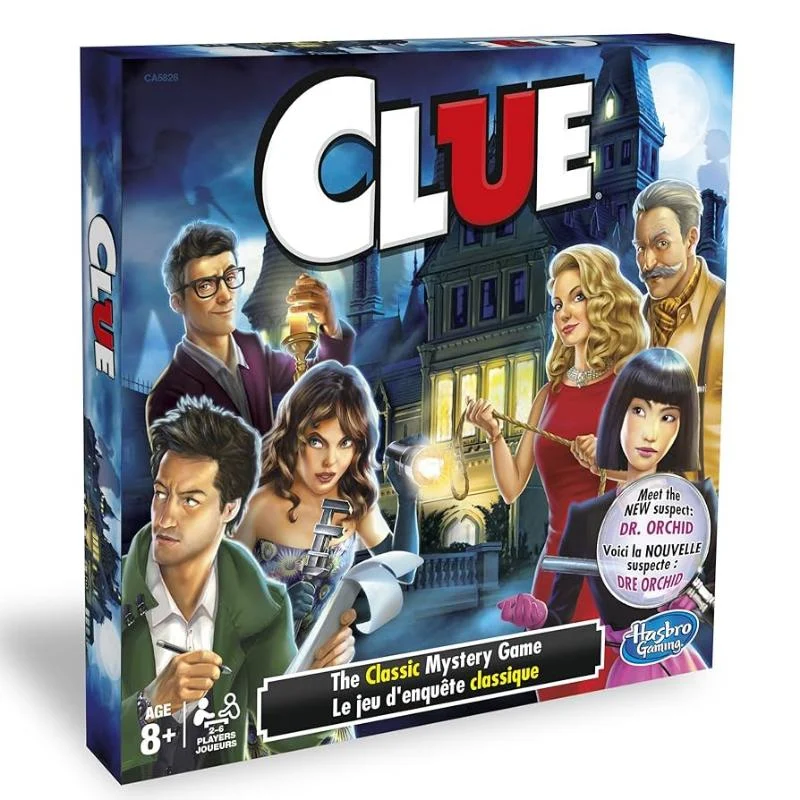
Clue tasks players with solving a murder mystery by deducing who, where, and how it happened. Created by Anthony E. Pratt in England as Cluedo, it was licensed to Parker Brothers and became a global hit. Its deduction-driven gameplay and iconic characters like Miss Scarlet have endured for decades.
I’m hooked on narrowing down suspects with each clue. The satisfaction of cracking the case before anyone else makes every game a detective’s delight.
17. Trivial Pursuit (1981)
Trivial Pursuit tests players’ knowledge across categories like history and entertainment to collect wedges. Invented by Canadians Chris Haney and Scott Abbott, it exploded in the 1980s, with themed editions keeping it fresh. Its trivia focus has made it a staple for quiz lovers.
I love the lively debates over obscure facts during game night. Each question feels like a chance to shine or learn something surprising.
16. King of Tokyo (2011)
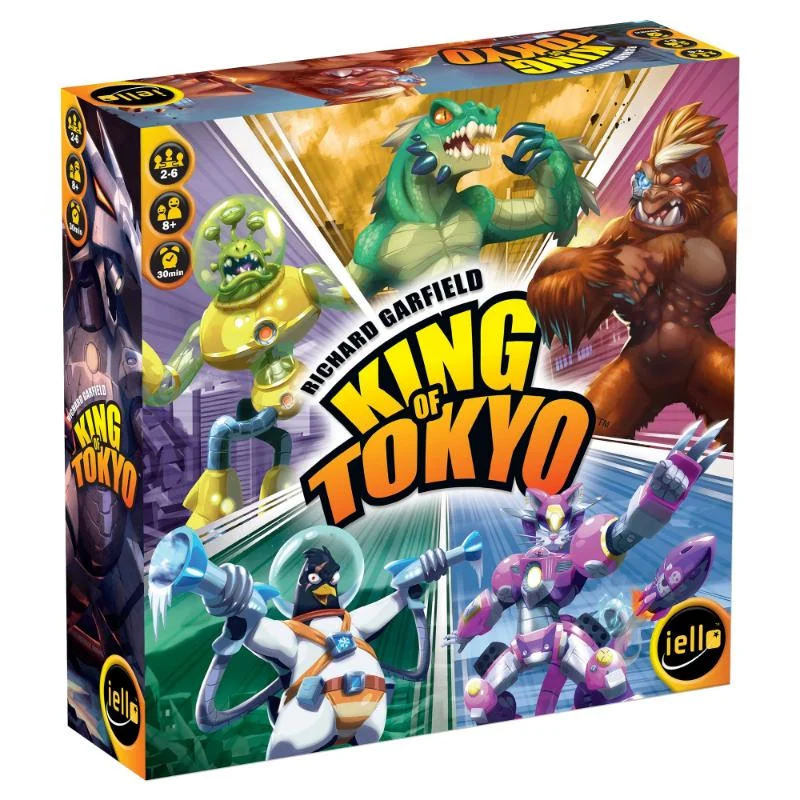
Players control giant monsters battling for control of Tokyo in this dice-driven game. Designed by Richard Garfield, creator of Magic: The Gathering, it was published by IELLO and became a hit for its fast-paced chaos. Its monster theme and vibrant art appeal to all ages.
I enjoy picking my creature and rolling for attacks or points. The quick rounds and playful vibe make it perfect for casual game nights.
15. Azul (2017)
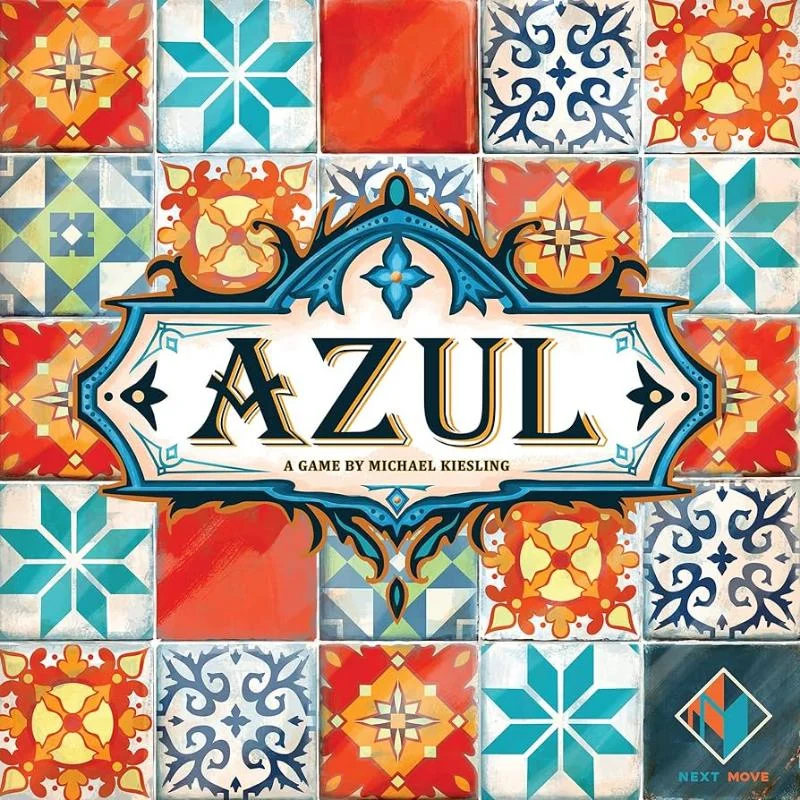
Azul has players drafting colorful tiles to build mosaics, scoring for patterns but losing points for waste. Created by Michael Kiesling and published by Plan B Games, it won the 2018 Spiel des Jahres for its elegant design. Its tactile tiles and accessible rules have drawn a wide audience.
I’m drawn to the puzzle of choosing the right tiles while thwarting rivals. The game’s balance of beauty and strategy keeps me coming back.
14. Carcassonne (2000)
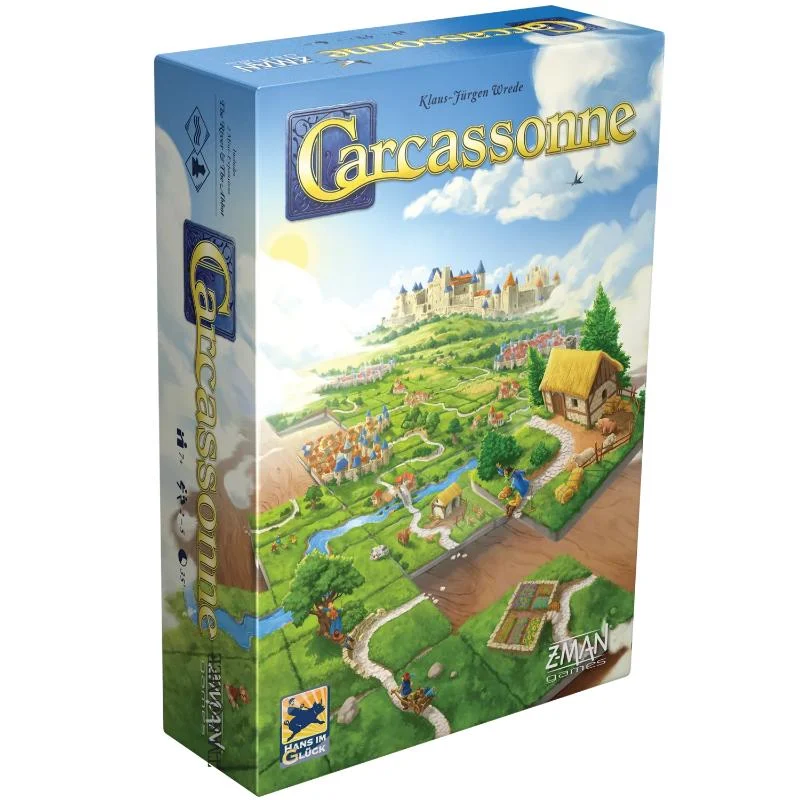
In Carcassonne, players place tiles to build a medieval landscape, claiming roads and cities for points. Designed by Klaus-Jürgen Wrede, it launched in Germany and won the Spiel des Jahres, sparking a wave of tile-laying games. Its expansions have kept it a modern classic.
I love watching the board grow with each clever tile placement. Stealing a rival’s city with a sneaky move is always a highlight.
13. The Crew: The Quest for Planet Nine (2019)
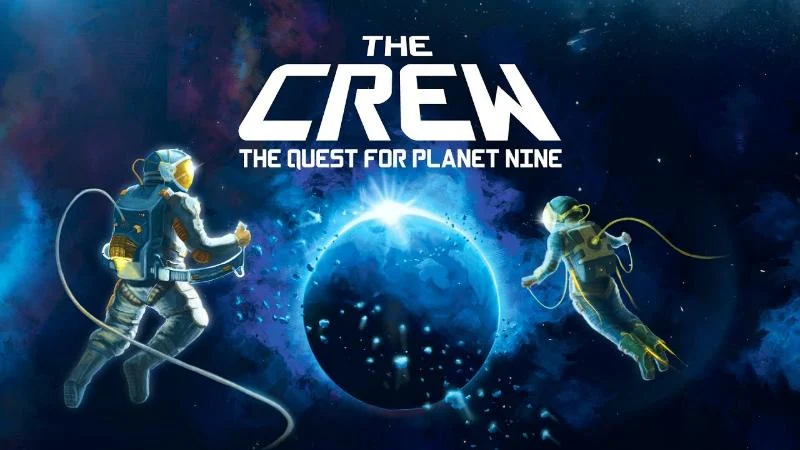
This cooperative card game casts players as astronauts completing missions without discussing their cards. Designed by Thomas Sing and published by Kosmos, it won the 2020 Kennerspiel des Jahres for its innovative teamwork. Its compact size belies its deep challenge.
I find the silent coordination thrilling, as every card play feels critical. Nailing a tough mission with my team is incredibly rewarding.
12. Dominion (2008)
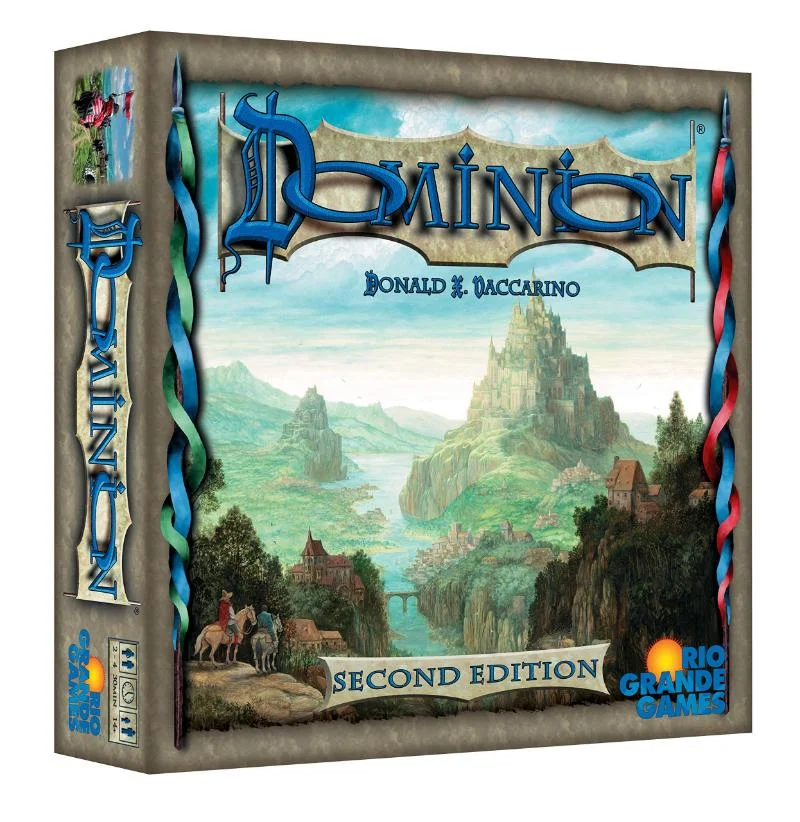
Dominion introduced deck-building, where players buy cards to improve their hands and score points. Created by Donald X. Vaccarino and published by Rio Grande Games, it won the Spiel des Jahres and inspired countless imitators. Its expandable card sets keep it fresh.
I enjoy crafting a deck that chains actions perfectly. The strategic depth and variety make every game a new challenge.
11. Agricola (2007)
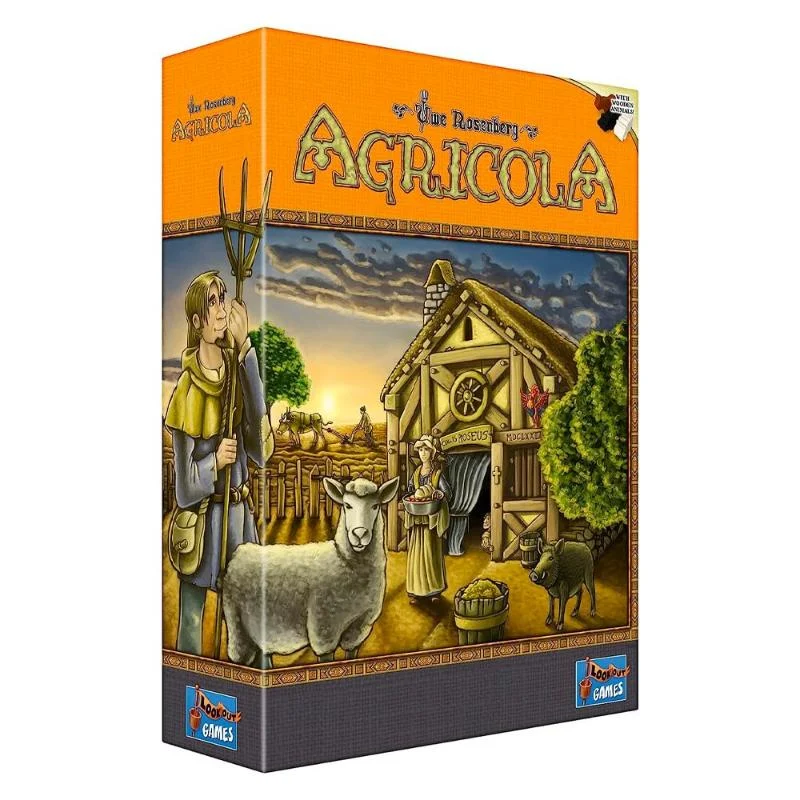
Players manage farms, growing crops and raising animals to score points. Uwe Rosenberg’s design, published by Lookout Games, became a hit for its worker-placement mechanics and deep strategy. Revised editions have kept it relevant for serious gamers.
I love balancing resources to build a thriving farm. The tough choices and tight economy make every decision feel weighty.
10. Twilight Struggle (2005)
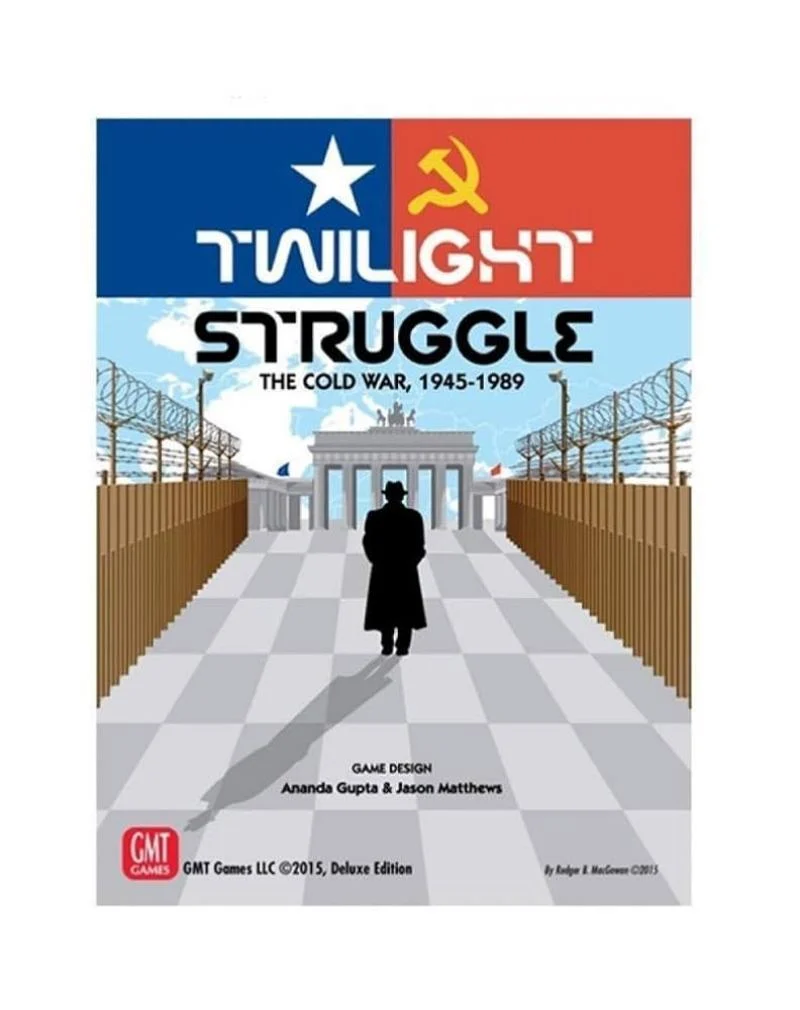
This two-player game simulates the Cold War, with players as the US or USSR vying for influence. Designed by Ananda Gupta and Jason Matthews, it topped board game rankings for years after its GMT Games release. Its historical depth has made it a favorite among strategy fans.
I’m gripped by the tense card plays that mimic real-world events. Every move feels like a high-stakes diplomatic chess match.
9. Terraforming Mars (2016)
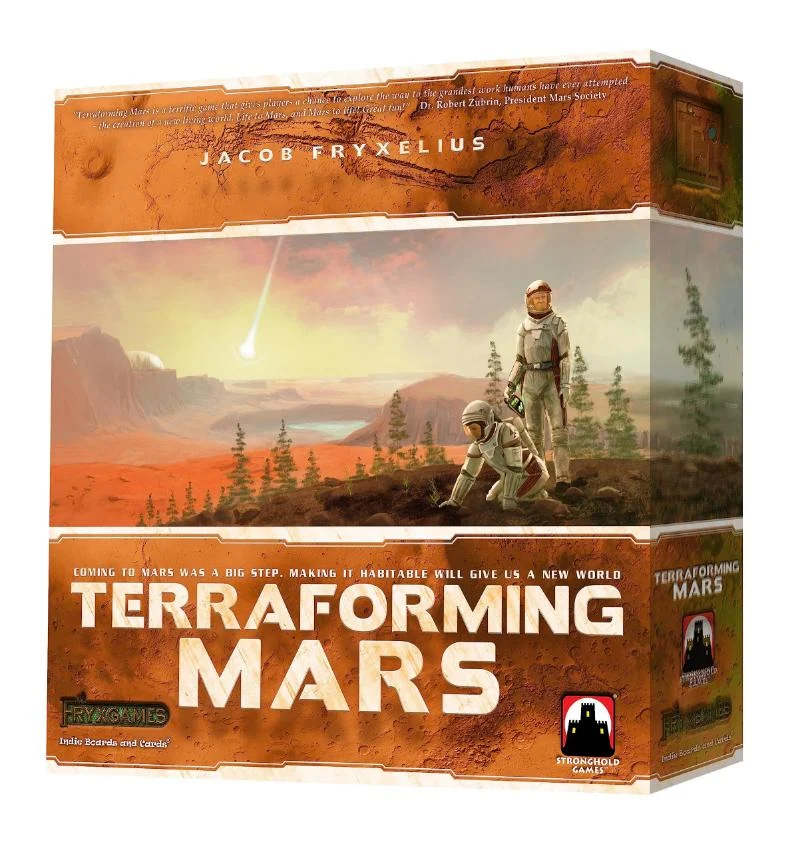
Players compete to make Mars habitable by raising oxygen and building colonies. Created by Jacob Fryxelius and published by FryxGames, it became a modern strategy hit, with expansions adding depth. Its science-driven theme appeals to players who love complex systems.
I enjoy juggling resources to transform the planet fastest. The game’s mix of competition and creativity keeps me hooked.
8. Puerto Rico (2002)
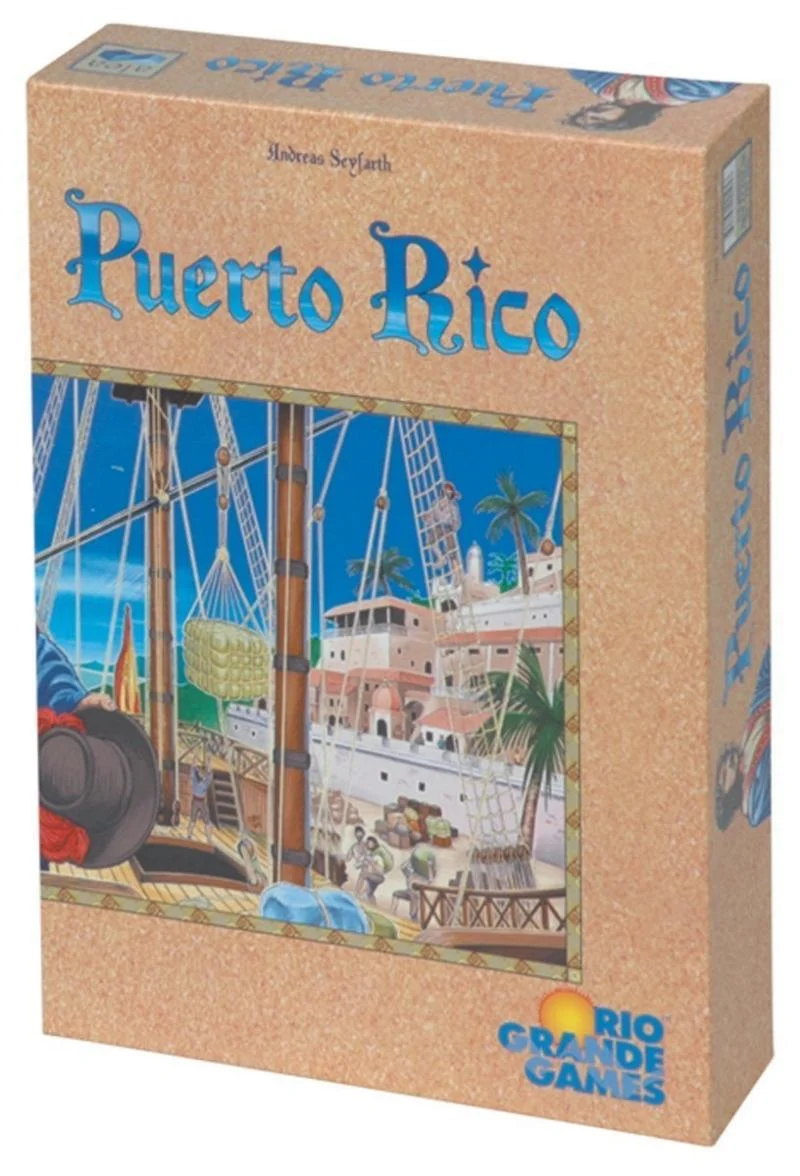
In Puerto Rico, players develop plantations and buildings to earn points in a colonial setting. Designed by Andreas Seyfarth and published by Alea, it was a groundbreaking strategy game that influenced modern board gaming. Its depth has kept it a favorite despite its age.
I love choosing roles that benefit me while limiting rivals. The game’s intricate economy makes every session a brain-burner.
7. Ticket to Ride (2004)
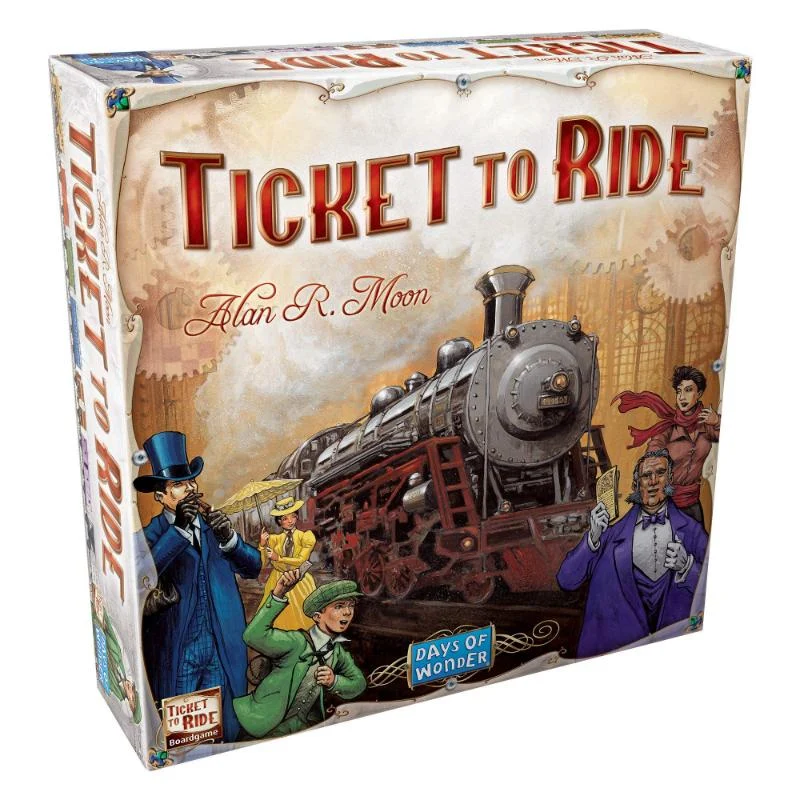
Players claim train routes across a map by collecting cards, aiming for long connections. Alan R. Moon’s design, published by Days of Wonder, won the Spiel des Jahres for its accessible yet strategic gameplay. Its many map expansions have broadened its appeal.
I enjoy plotting routes while sneaking in a block on my opponents. The balance of luck and planning makes it a crowd-pleaser.
6. Pandemic (2008)
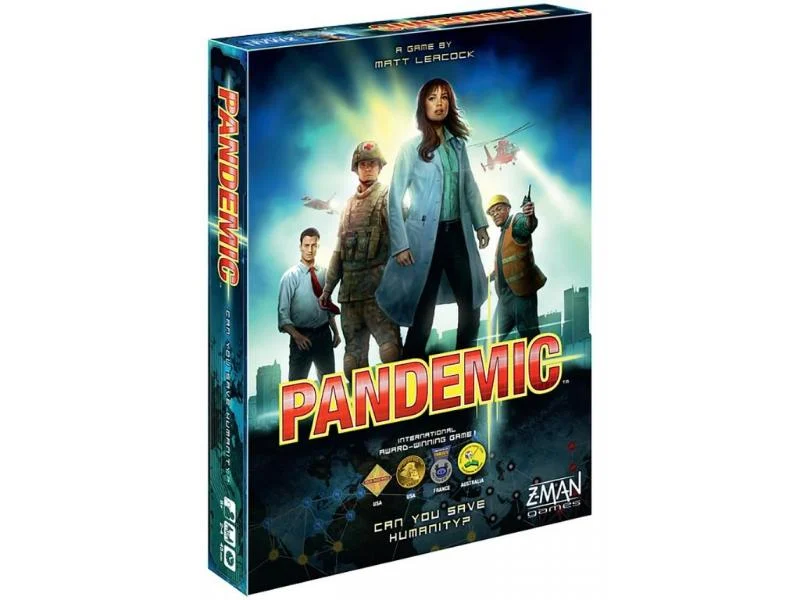
In this cooperative game, players stop global disease outbreaks as a team. Matt Leacock’s design, released by Z-Man Games, popularized cooperative gaming and inspired spin-offs like Pandemic Legacy. Its timely theme has resonated widely, especially in recent years.
I love the urgency of working together to save the world. Each role’s unique abilities keep every game dynamic and intense.
5. 7 Wonders (2010)
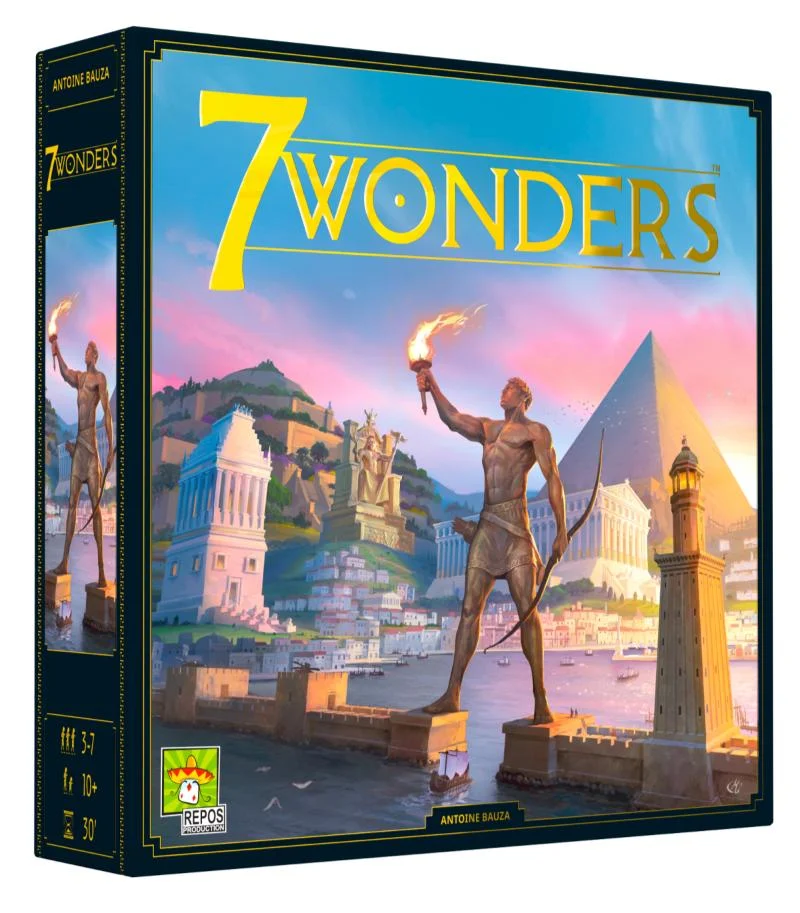
Players draft cards to build ancient civilizations, managing resources and strategies. Antoine Bauza’s creation, published by Repos Production, won the Kennerspiel des Jahres for its fast-paced depth. Its scalability for large groups has made it a modern staple.
I’m hooked on choosing cards that boost my civilization while denying rivals. The quick rounds and big decisions make it endlessly replayable.
4. Wingspan (2019)
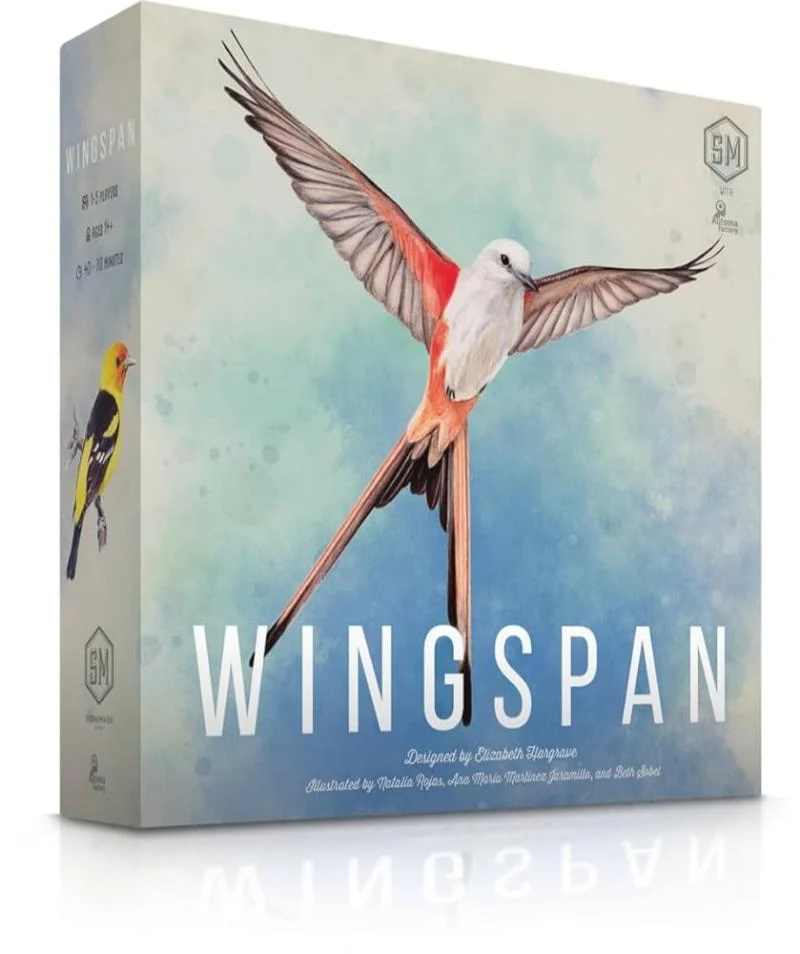
Wingspan has players collecting birds to build habitats and score through combos. Elizabeth Hargrave’s debut, published by Stonemaier Games, won the 2019 Kennerspiel des Jahres for its unique theme and art. It’s drawn both casual and hardcore gamers to its nature-inspired strategy.
I love creating chains of bird abilities that rack up points. The game’s calming vibe and clever mechanics make it a joy to play.
3. Settlers of Catan (1995)
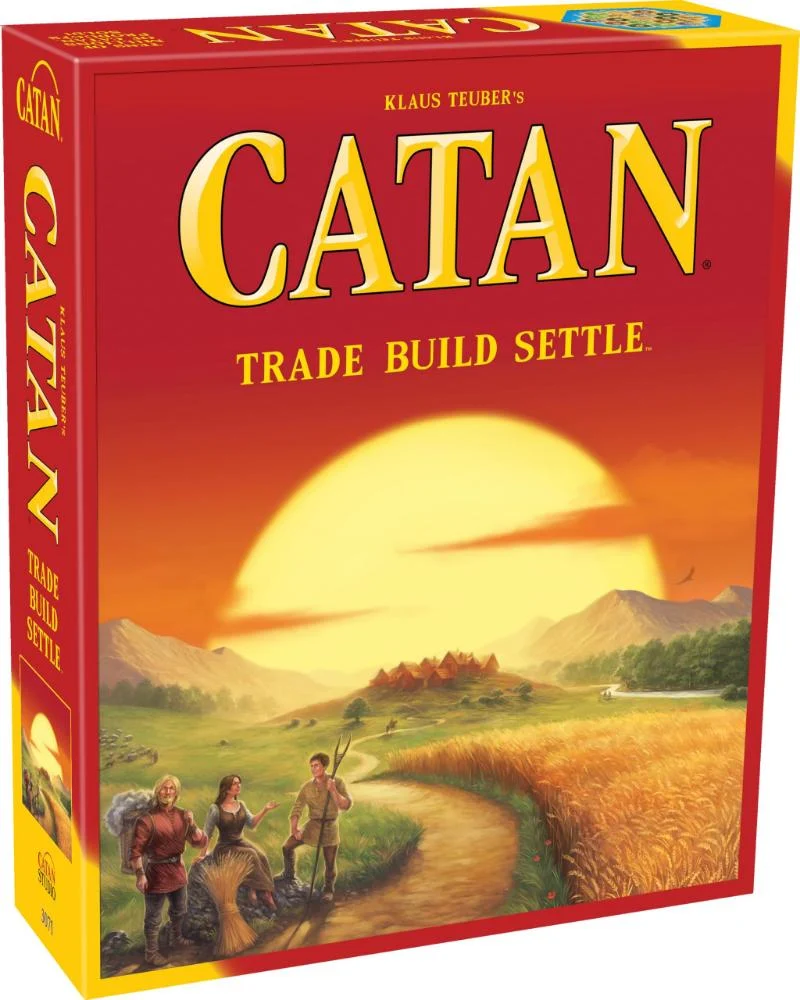
Players trade resources to build settlements on a dynamic island in this modern classic. Klaus Teuber’s design, first published in Germany, won the Spiel des Jahres and launched the board game renaissance. Its trading and variable board have inspired countless expansions.
I enjoy the lively bartering that shapes every game. The shifting landscape ensures no two sessions ever feel the same.
2. Chess (1475)
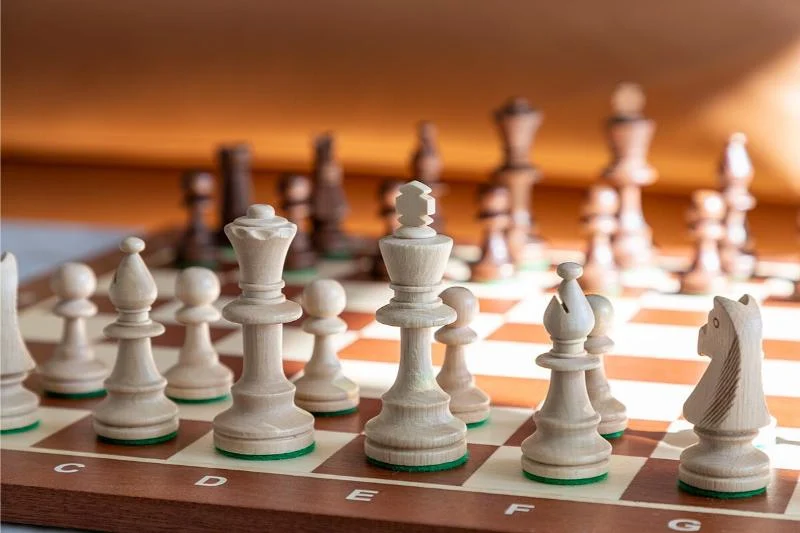
Chess pits two players in a battle to checkmate the opponent’s king using strategic moves. Evolving from India’s chaturanga in the 6th century, it took its modern form in Europe by the 15th century. Its global tournaments and timeless depth have made it a cultural icon.
I’m fascinated by the endless strategies, from bold openings to patient endgames. Chess’s challenge feels like a lifelong journey to master.
1. Monopoly (1935)
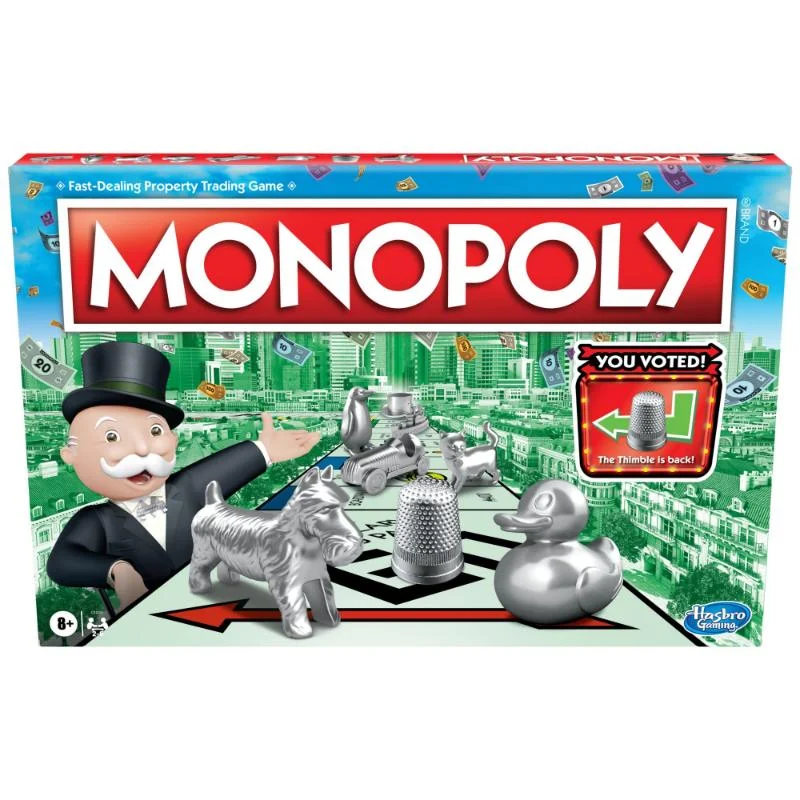
Monopoly has players buying properties and charging rent to bankrupt rivals. Inspired by Elizabeth Magie’s The Landlord’s Game, it was popularized by Charles Darrow and Parker Brothers during the Great Depression. Its iconic tokens and global reach make it a household name despite its divisive length.
I’ve spent countless nights laughing over trades and groaning at high rents. Monopoly’s mix of luck, deals, and chaos makes it my top pick for unforgettable fun.
Which board game is your all-time favorite, or did I miss a classic you love? Drop your picks in the comments!