

20 Best First Episodes In Anime History

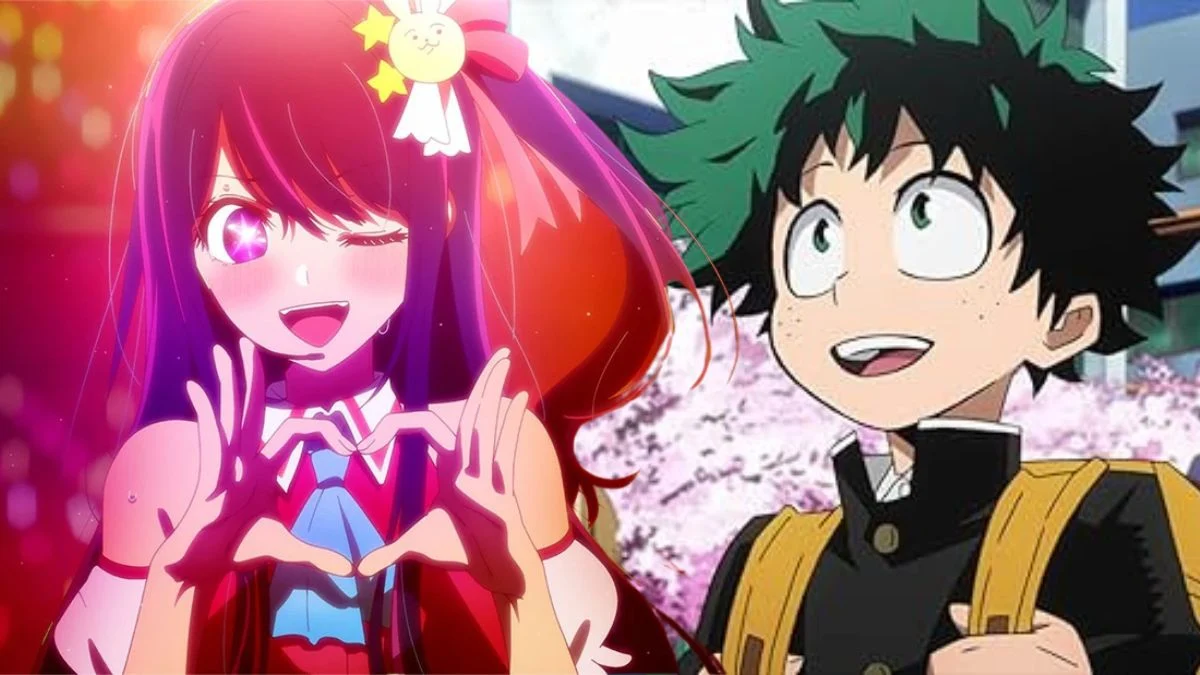


Great first episodes do a lot of heavy lifting by introducing the world, the rules, and the people you will follow, all while delivering a hook that makes you want the next chapter right away. The best ones lay out clear stakes, memorable character beats, and a visual or tonal signature you can recognize in seconds. Many also plant seeds for later twists that pay off much further down the line. Here are opening chapters that set the table with craft and confidence and make a strong case to keep watching.
‘Attack on Titan’ (2013)
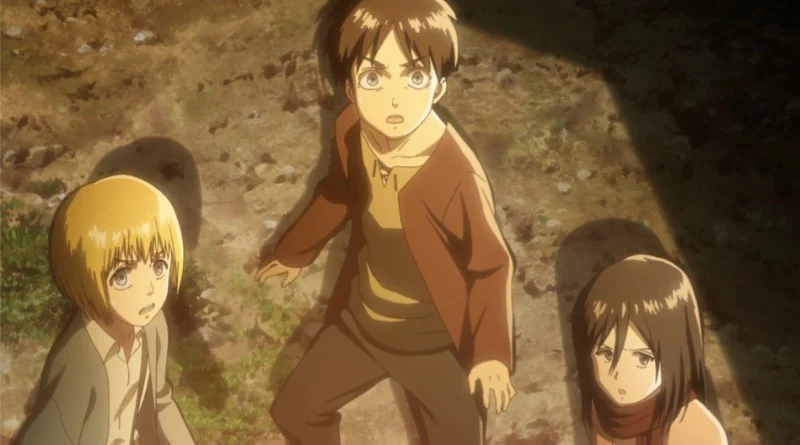
The premiere establishes the walled cities, the military structure, and the sudden breach that changes Eren and Mikasa’s lives. It sets clear stakes with the fall of Shiganshina and a focus on survival and mobilization. The episode defines how Titans behave and how humanity responds. Wit Studio delivers large scale action and distinct giant designs in the very first outing.
‘Fullmetal Alchemist: Brotherhood’ (2009–2010)
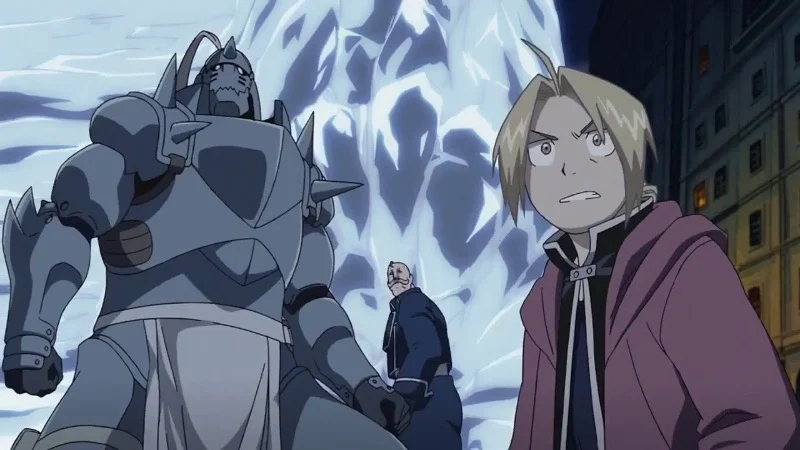
The opener quickly outlines alchemy’s rules and the cost that drives Edward and Alphonse. It mixes a contained mission in Central with flashbacks that explain their condition and goals. Key factions inside the military are introduced alongside the brothers’ dynamic. Bones frames the power system and movement of alchemy with clean layouts from the start.
‘Cowboy Bebop’ (1998–1999)
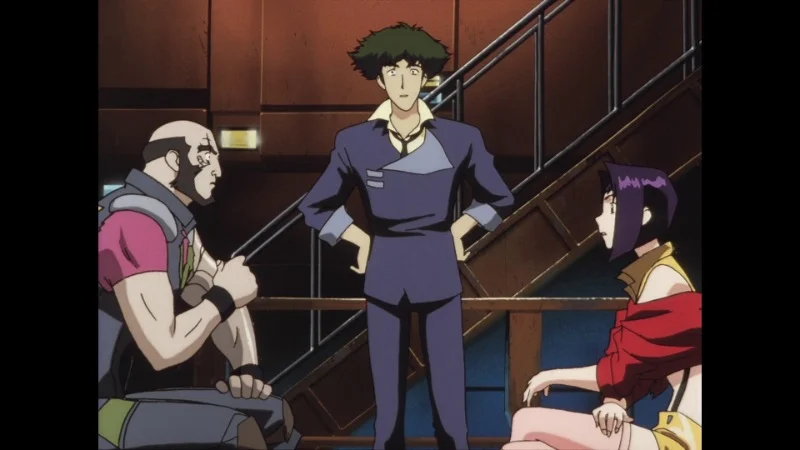
The first case shows how Spike and Jet work jobs and what a failed bounty looks like. It establishes the Bebop, the gate era, and the mix of crime and jazz tone that defines the series. The plot of a couple on the run sets the show’s rhythm of episodic stories with character undercurrents. Sunrise pairs fluid action with strong music cues that shape the atmosphere.
‘Death Note’ (2006–2007)
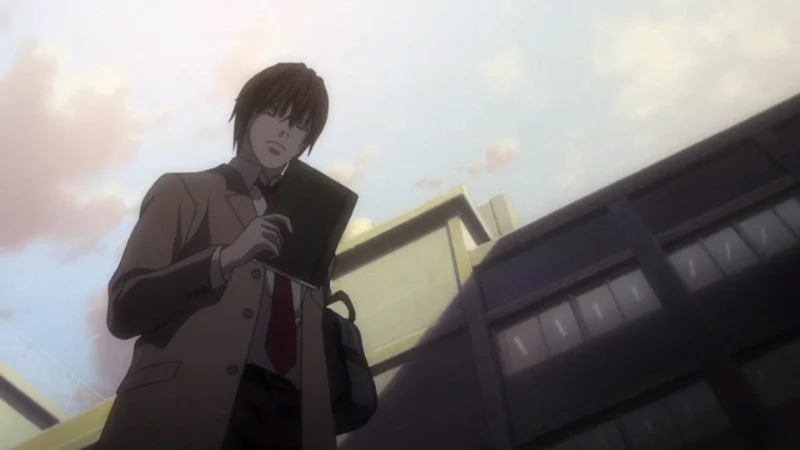
Light discovers the notebook, tests its rules, and meets Ryuk, which frames the cat and mouse structure. The premiere explains how names and faces interact with the book and how Light plans around those limits. It also shows the first consequences as law enforcement responds to sudden deaths. Madhouse builds tension through precise blocking and a sharp color palette.
‘Neon Genesis Evangelion’ (1995–1996)

Shinji arrives in Tokyo-3, learns about the Evangelions, and faces an Angel in a quick escalation. The episode sets the organization structure of NERV and the pilot system with its risks. It uses the city’s transformation and the launch sequence to define scale and procedure. Gainax anchors the spectacle with quiet moments that reveal character stress.
‘Demon Slayer: Kimetsu no Yaiba’ (2019)
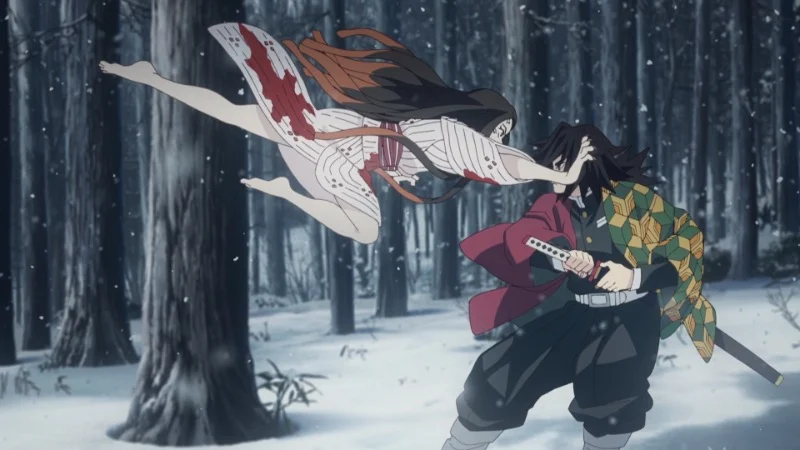
Tanjiro’s journey begins with a family tragedy and the discovery of Nezuko’s condition. The story lays out Demon Slayer Corps basics and the need for training and mentorship. It establishes swordsmanship, smell based tracking, and demon abilities as core tools. Ufotable presents cinematic movement and striking effects work in the opening chapter.
‘Jujutsu Kaisen’ (2020)

Yuji’s physical ability, the cursed object, and the school setting converge in one incident. The episode explains curses, talismans, and how vessels function within the system. It introduces Gojo and the idea of specialized sorcerer education in Tokyo. MAPPA balances creature design with quick choreography to set the show’s pace.
‘Chainsaw Man’ (2022)

Denji’s debts, Pochita’s bond, and the rules of devil contracts are established immediately. The first episode explains devil hunters as a formal structure and how hybrid forms work. It ends by setting up Denji’s new status and team placement. MAPPA uses grounded textures and detailed sound design to define the world’s tone.
‘Mob Psycho 100’ (2016)

Shigeo’s suppressed emotions, his link to psychic power, and Reigen’s business model are introduced. The episode outlines how spirits are exorcised and how Mob’s limit meter functions in story terms. School life and client jobs create a contrast that guides later arcs. Bones mixes comedic timing with clear power displays from the start.
‘One Punch Man’ (2015)
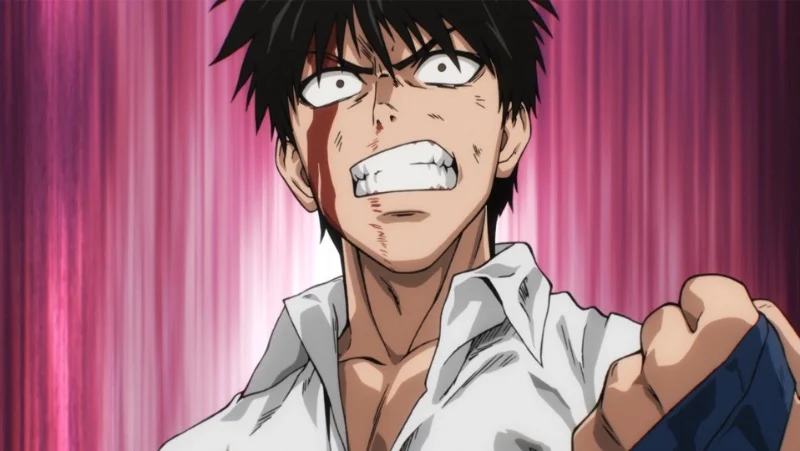
Saitama’s training story, the concept of overwhelming strength, and the monster of the week format all arrive in one go. The episode lays out city naming, frequent disasters, and the need for formal hero systems. It shows how collateral damage is treated and how citizens react. Madhouse stages large impact action alongside deadpan humor that sets a consistent rhythm.
‘My Hero Academia’ (2016)

The opener explains Quirks as a global norm and the path to hero licensing. Midoriya’s condition and his study of pro heroes establish method and aspiration. It frames rescue scenarios, villain responses, and public perception of hero work. Bones provides clear silhouettes and readable action that support the rules explained on screen.
‘Steins;Gate’ (2011)
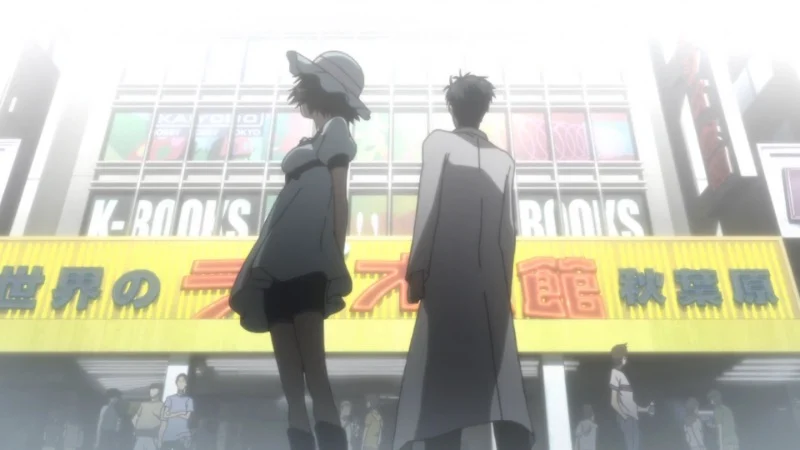
Time travel mechanics begin with small anomalies tied to messages and microwaves. The premiere sets the Akihabara setting, the Future Gadget Lab, and character roles in experimentation. It introduces observation limits and communication constraints that matter later. White Fox supports the puzzle tone with careful visual cues and restrained pacing.
‘Monster’ (2004–2005)
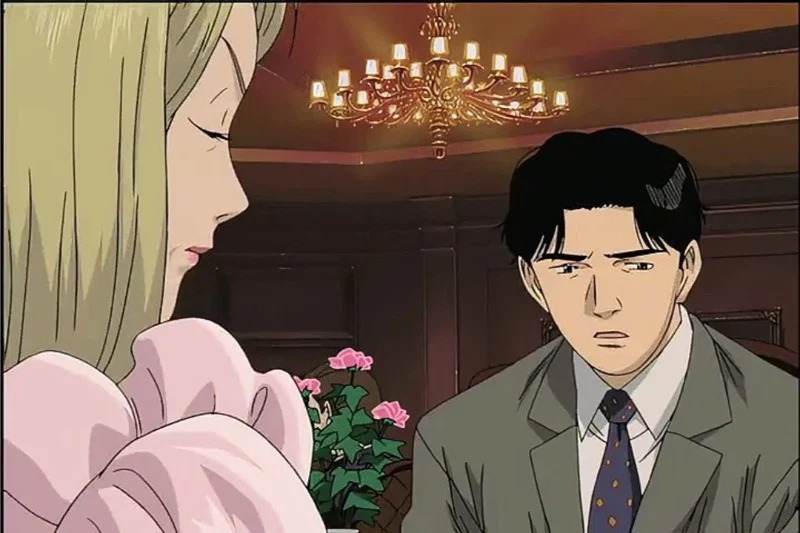
Dr. Tenma’s moral choice, the hospital hierarchy, and the aftermath that follows build the core conflict. The episode introduces police procedures, media pressure, and career incentives that complicate decisions. It sets up a long running investigation framework with cause and effect. Madhouse keeps the focus on grounded direction and deliberate edits.
‘Samurai Champloo’ (2004–2005)
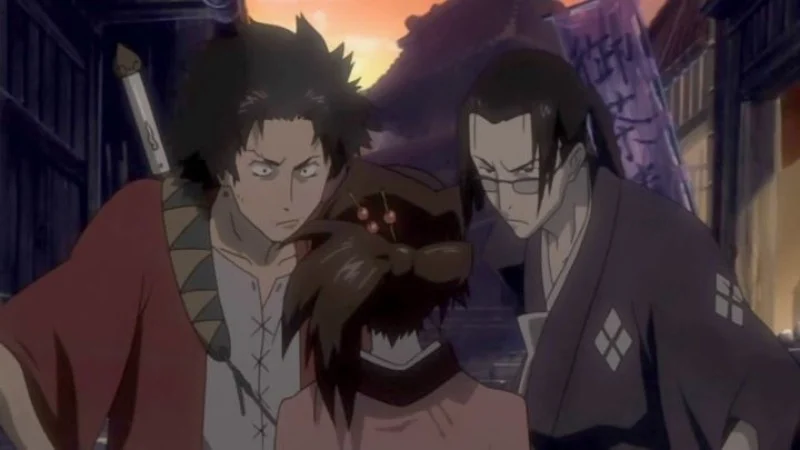
The first meeting of Mugen, Jin, and Fuu establishes the journey structure after a chaotic brawl. The episode blends feudal setting details with modern music and fight vocabulary. It shows how duels are staged and how collateral trouble spreads to authorities. Manglobe anchors the style with crisp choreography and rhythmic cuts.
‘Made in Abyss’ (2017)
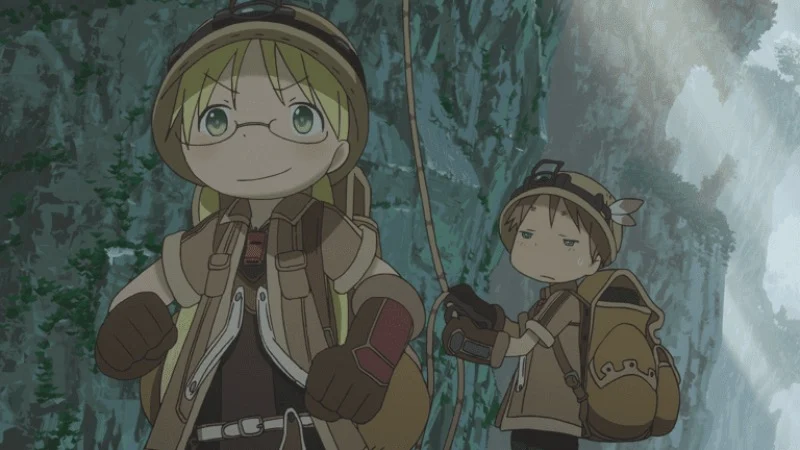
The rules of relic hunting, orphanage routines, and the first look at the Abyss layers appear right away. The episode explains whistle ranks, ascent penalties, and field procedures. It sets Riko’s motivation and the practical limitations of exploration. Kinema Citrus supports world building with careful environment design and lighting.
‘Paranoia Agent’ (2004)
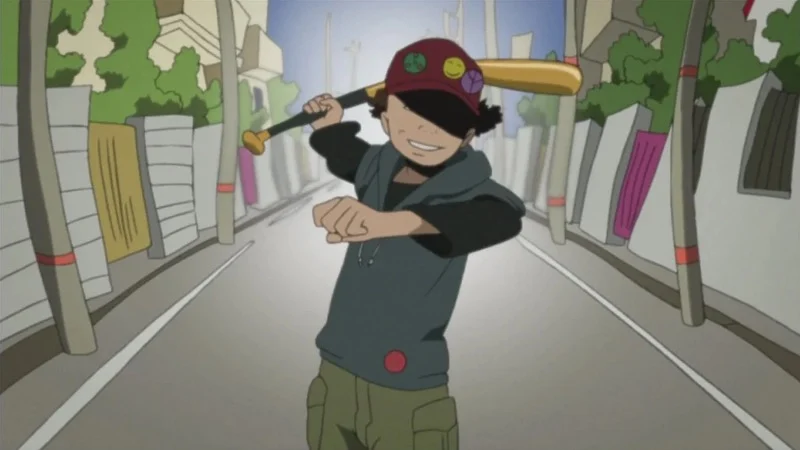
Reports of a street assailant connect disparate lives and start a pattern that police must decode. The opener introduces media dynamics, rumor spread, and stressors in the city. It shows how individual accounts shape an investigation’s scope. Madhouse blends unsettling imagery with procedural framing to set expectations.
‘The Promised Neverland’ (2019)

Daily tests, the orphanage rules, and tracking systems are laid out through routine. A discovery reframes the setting and clarifies surveillance methods and escape challenges. The episode identifies strengths in planning, teamwork, and information control. CloverWorks supports tension with clean layouts and careful blocking.
‘Violet Evergarden’ (2018)
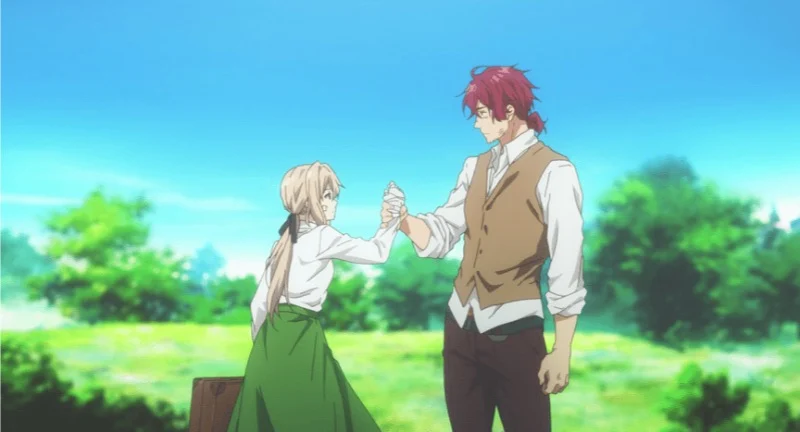
Violet’s transfer to a postal company introduces the Auto Memory Doll profession. The episode explains dictation services, client intake, and letter crafting as a trade. It sets a path for skill development tied to communication and empathy. Kyoto Animation defines the tone with polished staging and strong environmental detail.
‘Spy x Family’ (2022)
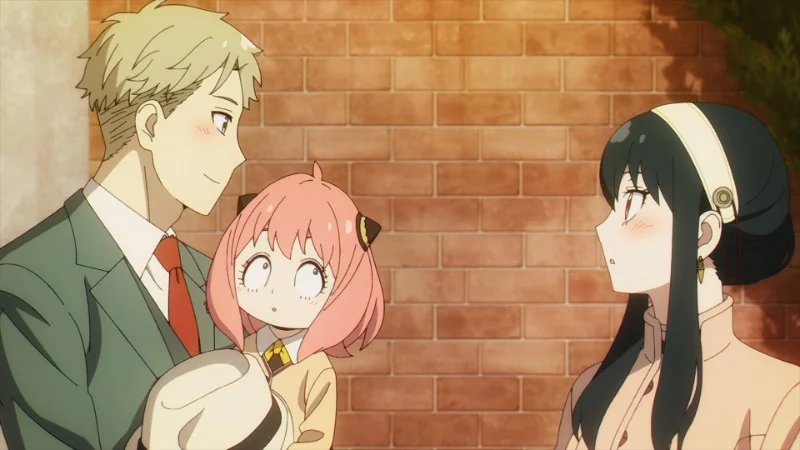
Twilight’s mission parameters require a family cover, which sets up adoption procedures and school entry rules. The episode introduces Anya’s ability and how it changes standard intelligence work. It also frames interview requirements and social expectations in the target school system. Wit Studio and CloverWorks coordinate character acting that makes the setup clear.
‘Oshi no Ko’ (2023)
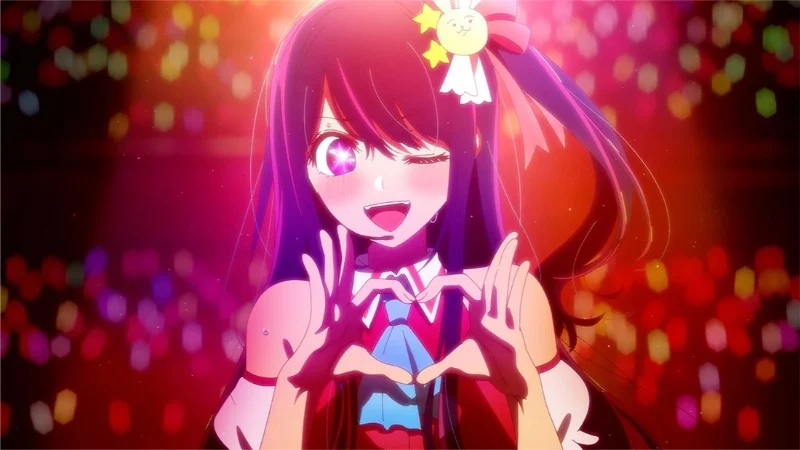
Entertainment industry structures appear through talent agencies, fan culture, and media production. The episode shows how image management, contracts, and project schedules affect performers. It uses a personal connection to explain stakes inside show business logistics. Doga Kobo supports the story with sharp compositing and focused performance beats.
Share your picks for great pilots we missed in the comments and tell us which first episodes hooked you right away.