

20 City Builders You Can Lose A Weekend To

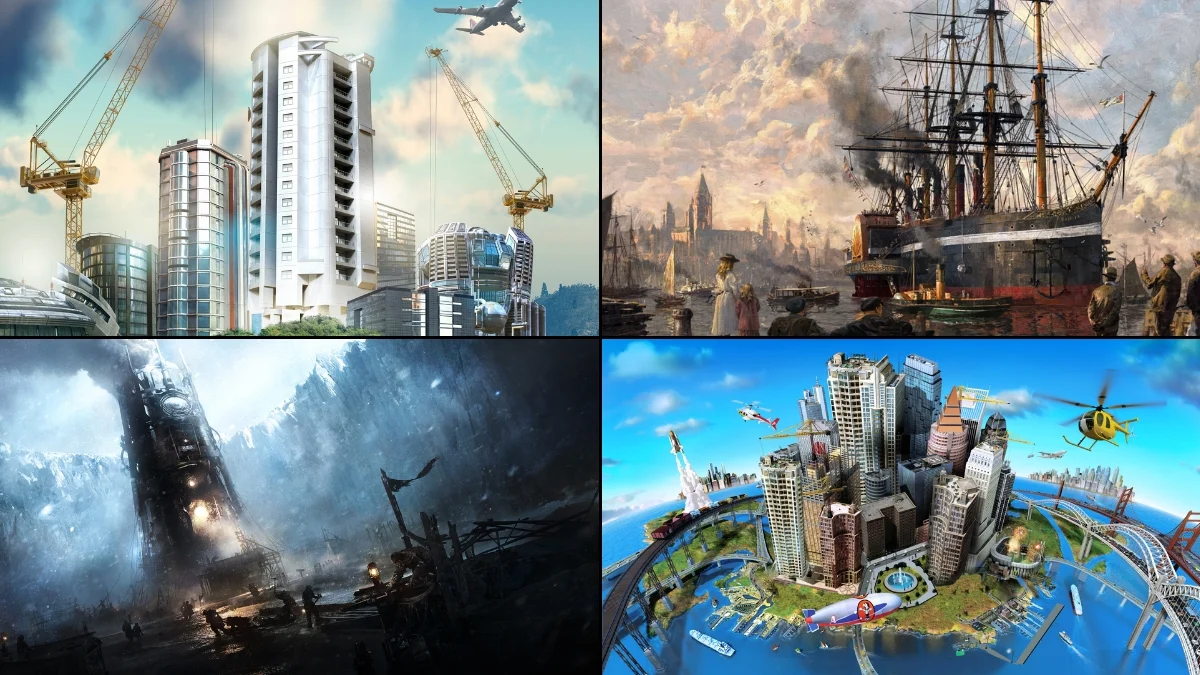


City builders are perfect for slipping into that “one more day” groove—balancing budgets, laying roads, and watching neighborhoods thrive until suddenly it’s Monday. Whether you want historical authenticity, survival stakes, serene puzzle-like planning, or sprawling industrial chains, there’s a builder here that will happily swallow your free time. Below are twenty standouts covering different eras, systems, and playstyles, each with a quick snapshot of what makes it tick and who built it.
‘Cities: Skylines II’ (2023)

Colossal Order and Paradox Interactive expand classic zoning with deeper simulation, more granular road tools, and city services that interlock across utilities, education, and healthcare. Systems like advanced traffic AI, cargo logistics, and signature buildings push you to design efficient districts rather than isolated fixes. Weather and seasons affect demand and infrastructure load, making capacity planning critical. Extensive map sizes and layered info views help you troubleshoot bottlenecks before they spiral.
‘Cities: Skylines’ (2015)

Developed by Colossal Order and published by Paradox Interactive, this modern staple delivers flexible zoning, robust public transit, and district policies that shape everything from taxation to policing. Steam Workshop mod support adds assets, tools, and complete overhauls, letting you tailor complexity to taste. Specialized industry and cargo routes reward smart land-use planning and traffic management. Clear heatmaps and data overlays make diagnosing problems approachable even in megacities.
‘Anno 1800’ (2019)
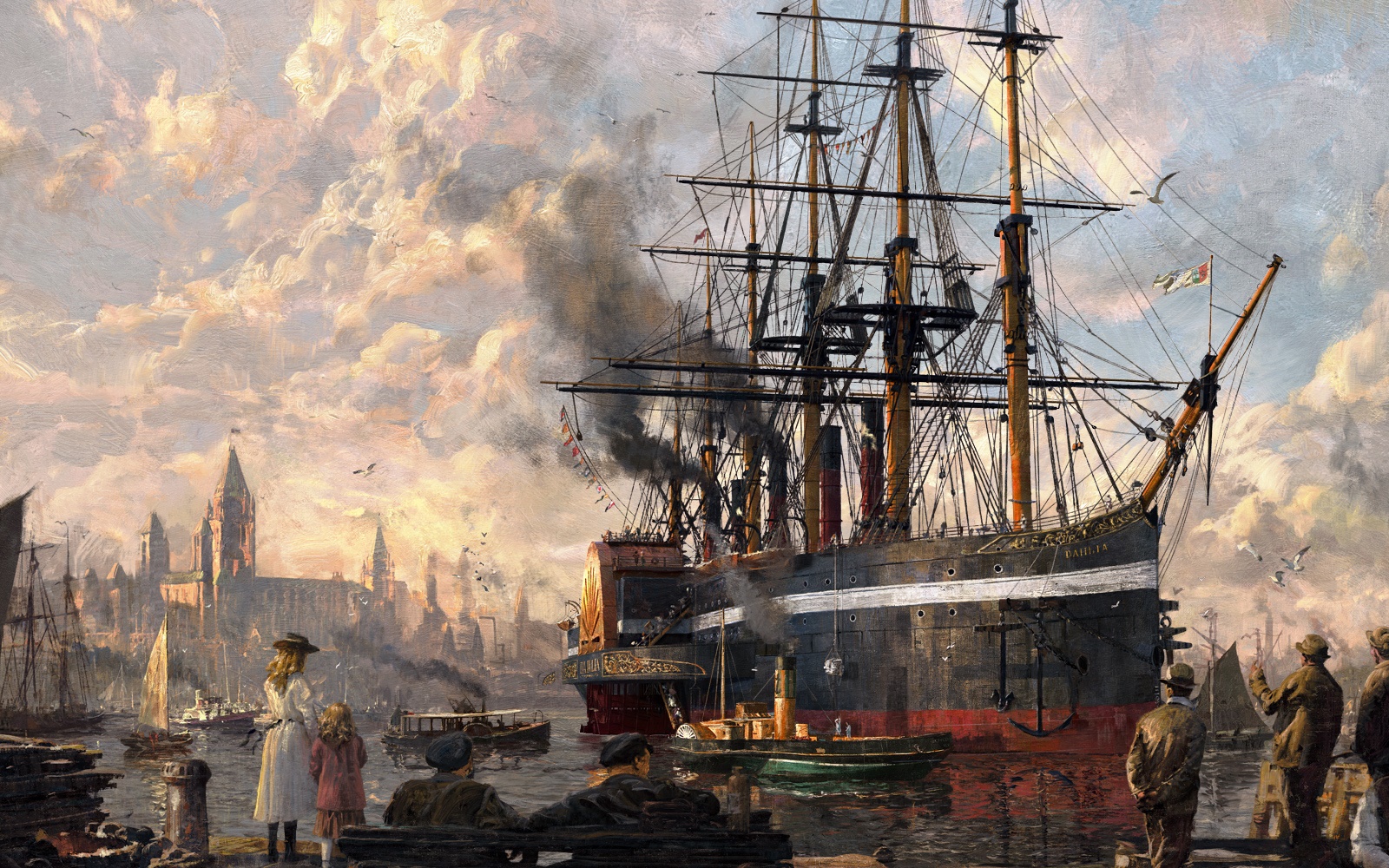
Ubisoft Mainz and Ubisoft anchor the series in the industrial age with multi-session Old World/New World production chains. Electricity, oil, and tractors supercharge late-game throughput, while tourism and city attractiveness encourage beautification alongside industry. Expeditions and island hopping create strategic pressure to secure resources and trade routes. Workforce tiers tie population needs directly to your factory footprint, forcing careful urban planning.
‘Anno 1404’ (2009)
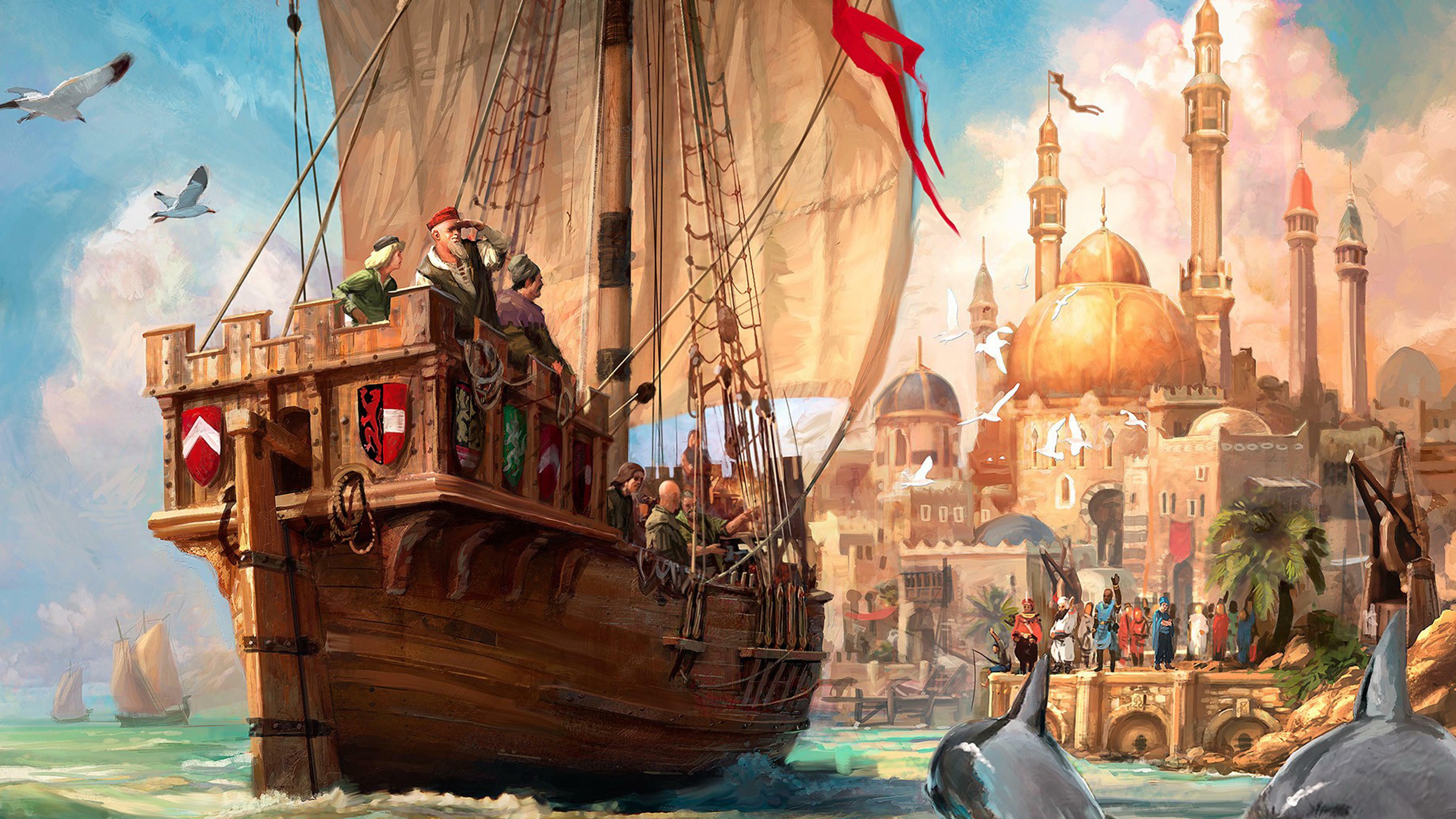
Related Designs/Blue Byte (published by Ubisoft) pairs Old World settlements with Oriental trading partners to unlock advanced goods. Complex chains—glass, spices, books—require balanced island specialization and convoy logistics. The ‘Venice’ expansion adds espionage, auctions, and city council manipulation for economic brinkmanship. Population classes progress with access to faith, culture, and luxury, making service placement as vital as trade.
‘SimCity 4’ (2003)
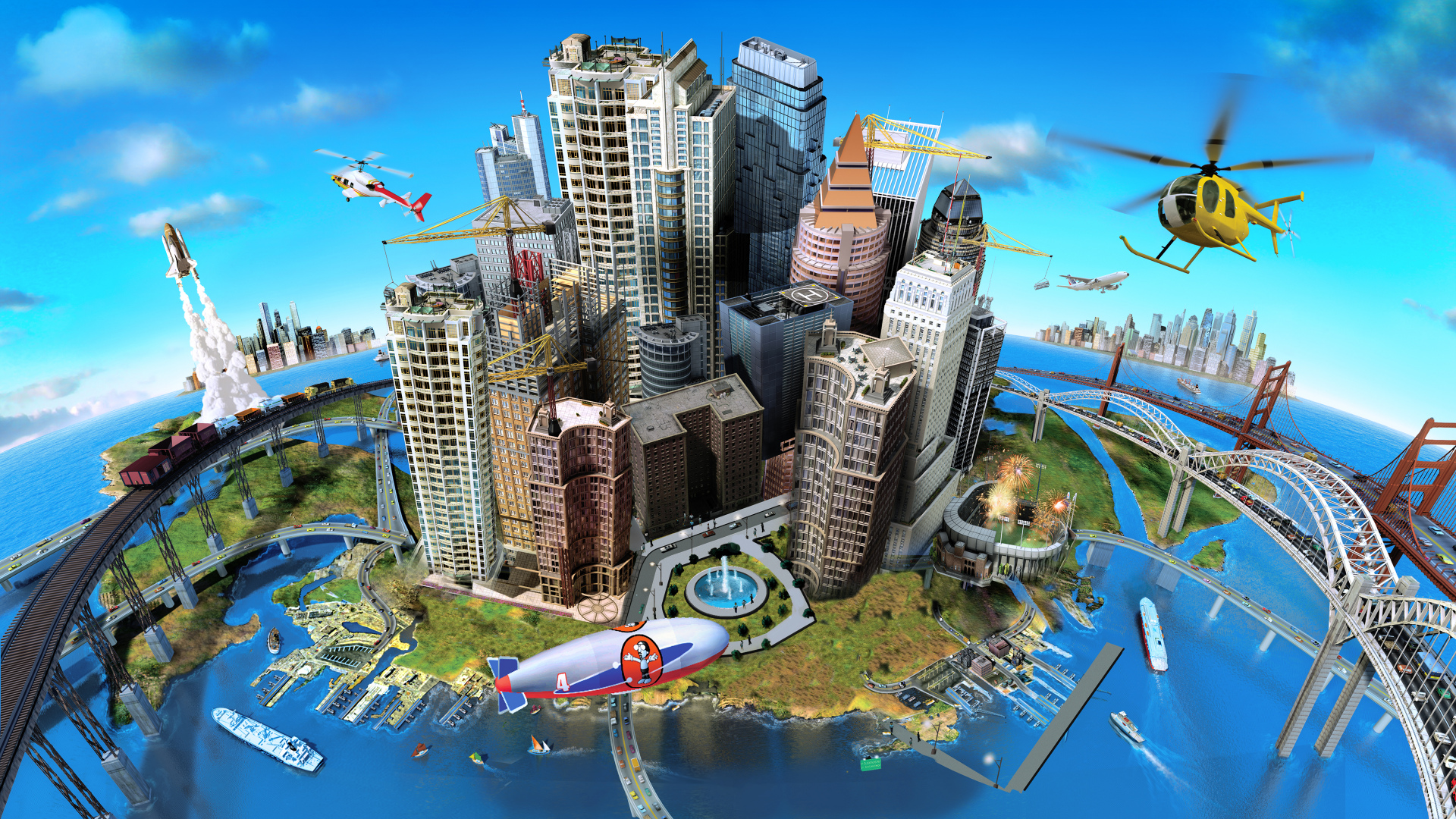
Maxis and Electronic Arts introduced region play, letting neighboring cities share commuters, power, and water. Terrain sculpting, custom lotting, and detailed traffic modeling reward iterative design. The ‘Rush Hour’ expansion adds U-Drive-It missions and improved transit options for precise congestion fixes. Zoning depth and advisor feedback keep your eye on budgets, desirability, and long-term land value.
‘SimCity 2000’ (1993)
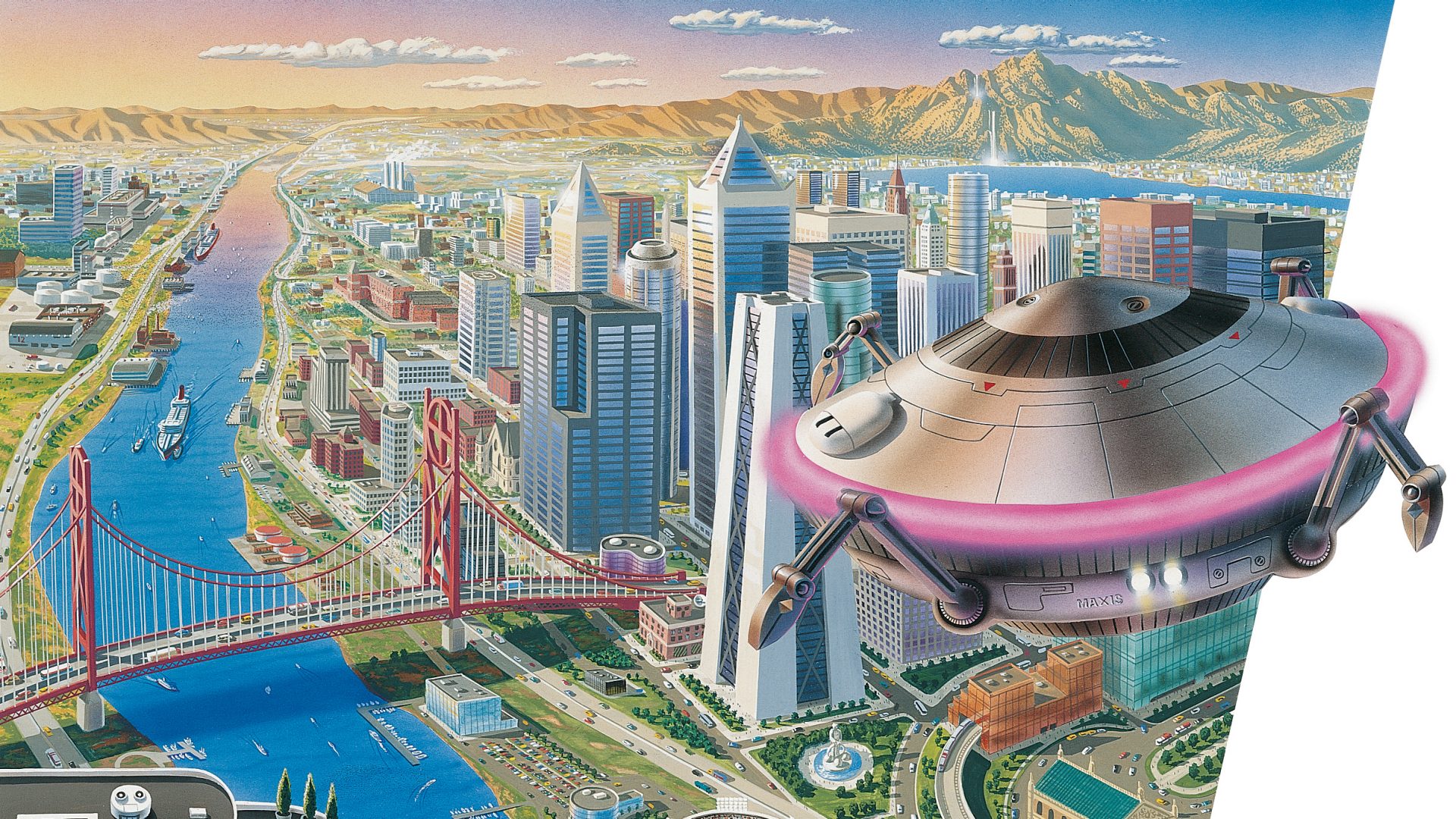
Built by Maxis and published by Electronic Arts, this genre classic established isometric cityscapes, underground utilities, and landmark arcologies. Managing power grids, water pipes, and terrain elevation teaches foundational builder logic. Disasters and ordinances nudge you toward redundancy in infrastructure planning. Its clean data windows make growth patterns and service coverage easy to parse.
‘Pharaoh’ (1999)
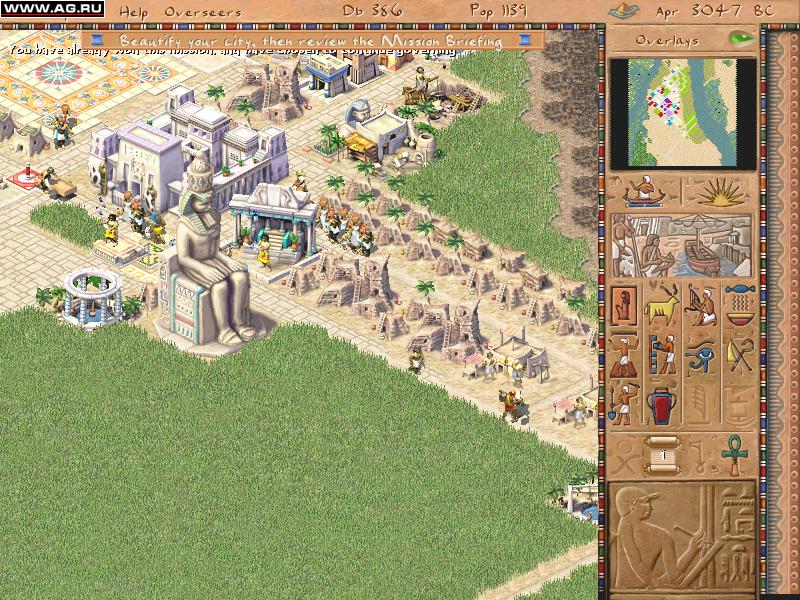
Impressions Games and Sierra place you along the Nile with agricultural cycles tied to annual floods. Monument construction—pyramids, mastabas, temples—demands huge supply chains and long-term labor planning. Gods, festivals, and prestige drive city mood and mission objectives. Trade routes, storage yards, and walker behavior turn block design into a satisfying logistical puzzle.
‘Caesar III’ (1998)
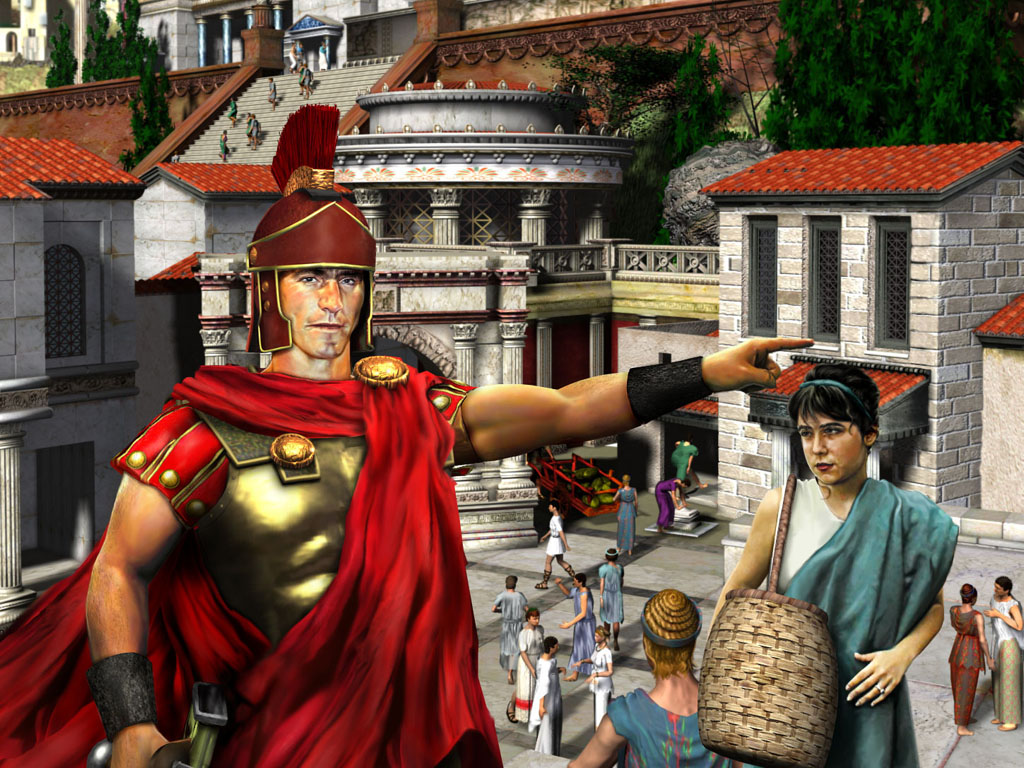
From Impressions Games and Sierra, this Roman builder layers desirability and service coverage onto tight block layouts. Food variety, entertainment, hygiene, and religion all gate housing evolution, pushing efficient road networks. Military invasions and city ratings keep you balancing culture with defense and prosperity goals. Export-driven economies fund large projects while warehouses and granaries set the tempo.
‘Zeus: Master of Olympus’ (2000)
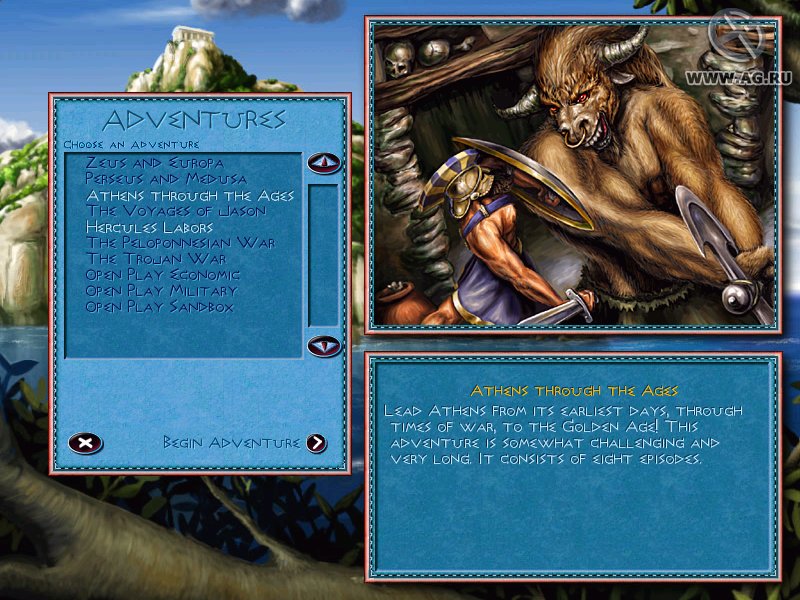
Impressions Games and Sierra shift to Greece, mixing myth with municipal planning. Heroes, monsters, and god requests intersect with bread-and-butter chains like fleece, wine, and sculpture. Colony cities and world map trade give campaigns strategic structure beyond a single map. Festival planning and cultural venues shape citizen satisfaction and housing upgrades.
‘Tropico 6’ (2019)
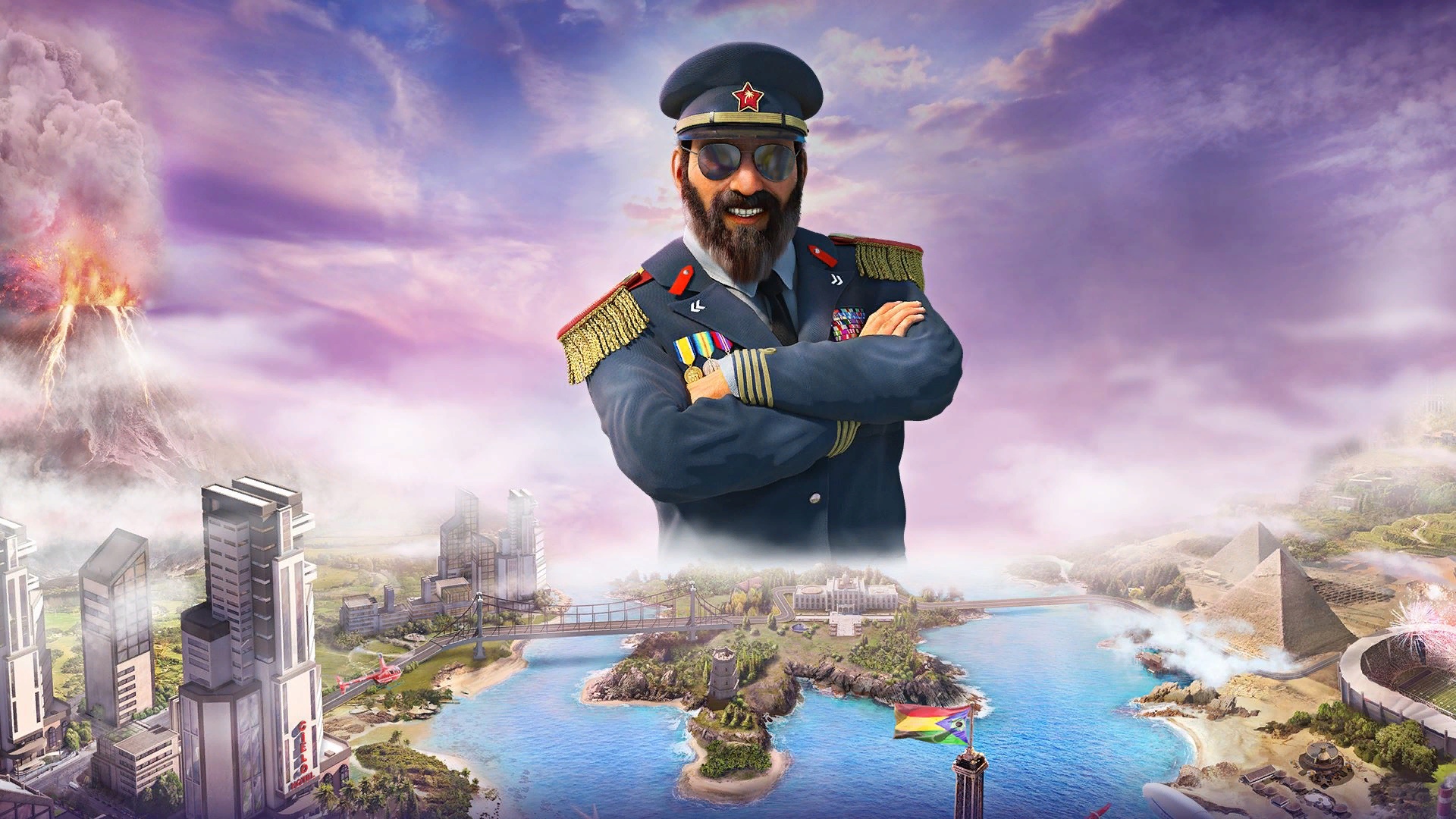
Limbic Entertainment and Kalypso Media take the series to archipelagos, letting you span multiple islands with bridges and trade routes. Era progression—from Colonial to Modern—unlocks institutions, vehicles, and edicts that reshape your economy. Raids and the pirate cove let you “acquire” world wonders to boost tourism and prestige. Elections and faction demands add a light political layer to city management.
‘Tropico 4’ (2011)
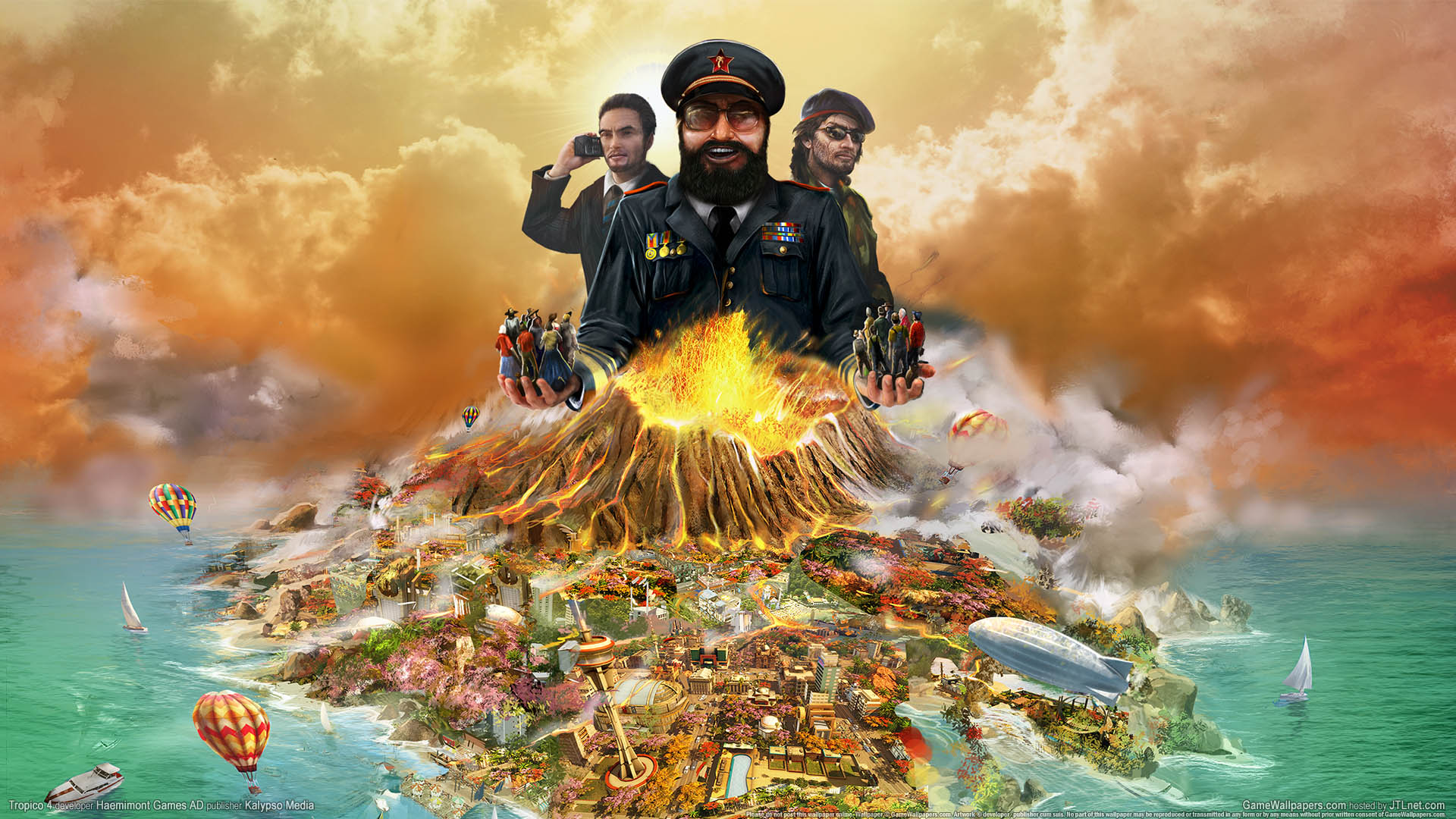
Haemimont Games and Kalypso Media deliver a focused, mission-driven builder with sharp edict and faction systems. Disasters and special objectives keep layouts evolving as industries diversify into tourism, mining, and manufacturing. ‘Modern Times’ introduces contemporary tech, new buildings, and timeline events that shake up priorities. Balancing liberty, jobs, and housing quality determines whether citizens stay loyal or spark unrest.
‘Banished’ (2014)
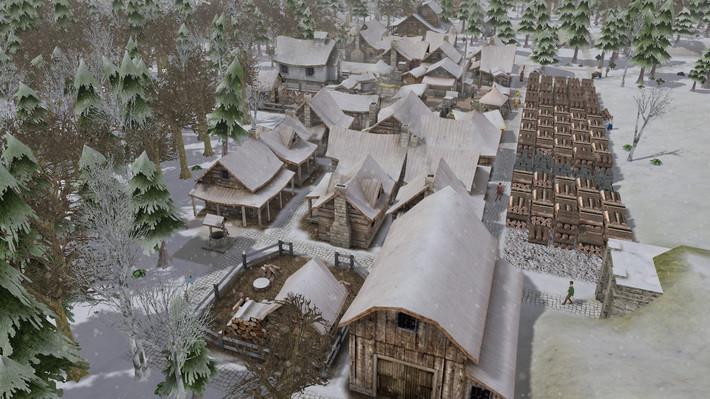
Created by Shining Rock Software, this minimalist survival builder tracks every citizen’s age, health, and education. Harsh winters, crop failures, and limited labor make early logistics and stockpiles life-or-death decisions. There’s no currency—trade posts and bartering move the economy—so storage and production buffers matter. Efficient market, barn, and home placement reduces walking time and stabilizes growth.
‘Frostpunk’ (2018)
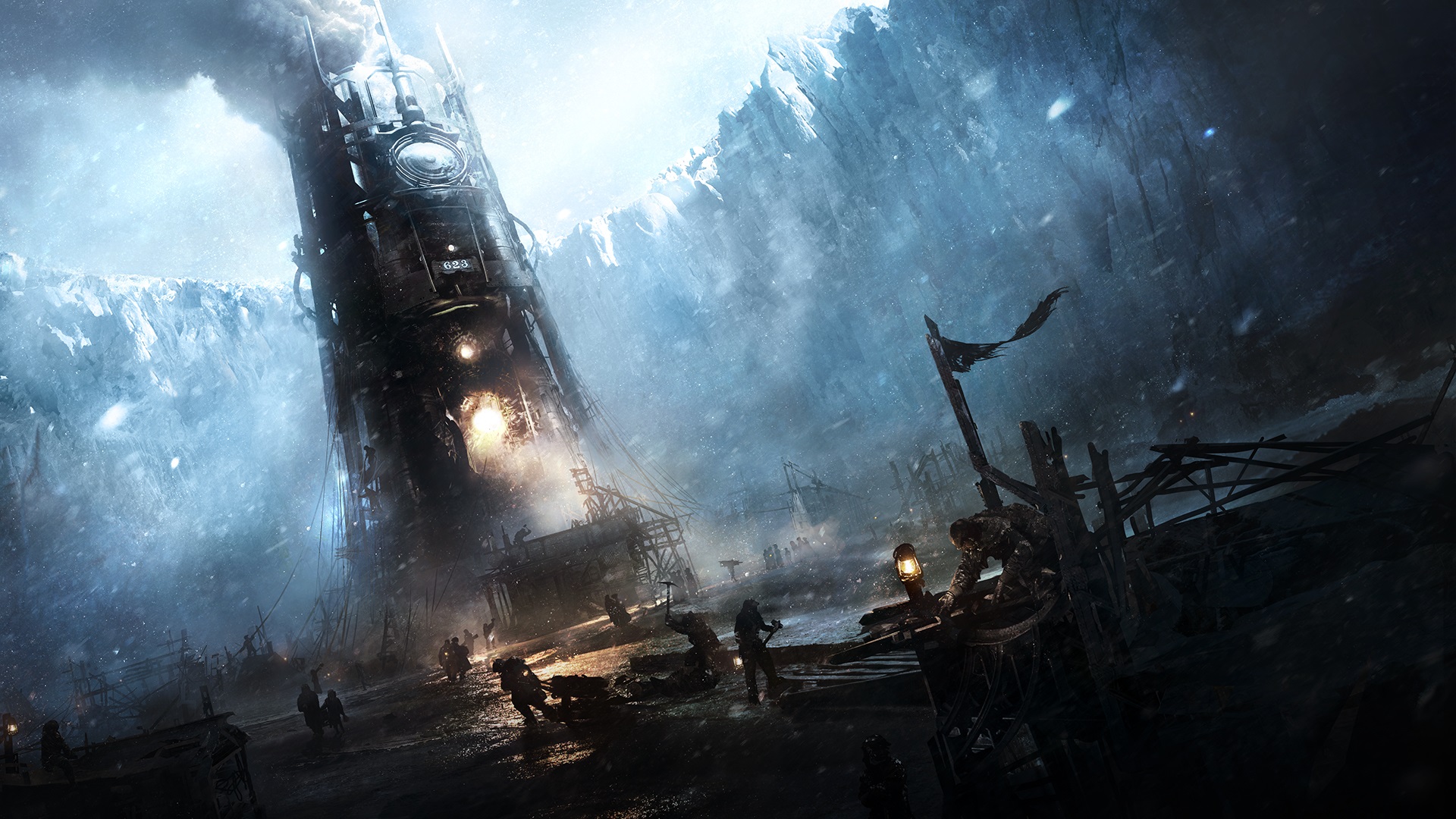
11 bit studios blends city planning with survival laws around a central generator in a frozen world. Heat zones, coal supply, and emergency measures govern whether your people endure blizzards. Hope and discontent systems respond to choices like child labor, extended shifts, and healthcare priorities. Scenarios and expeditions layer narrative stakes over tight resource math.
‘Surviving Mars’ (2018)
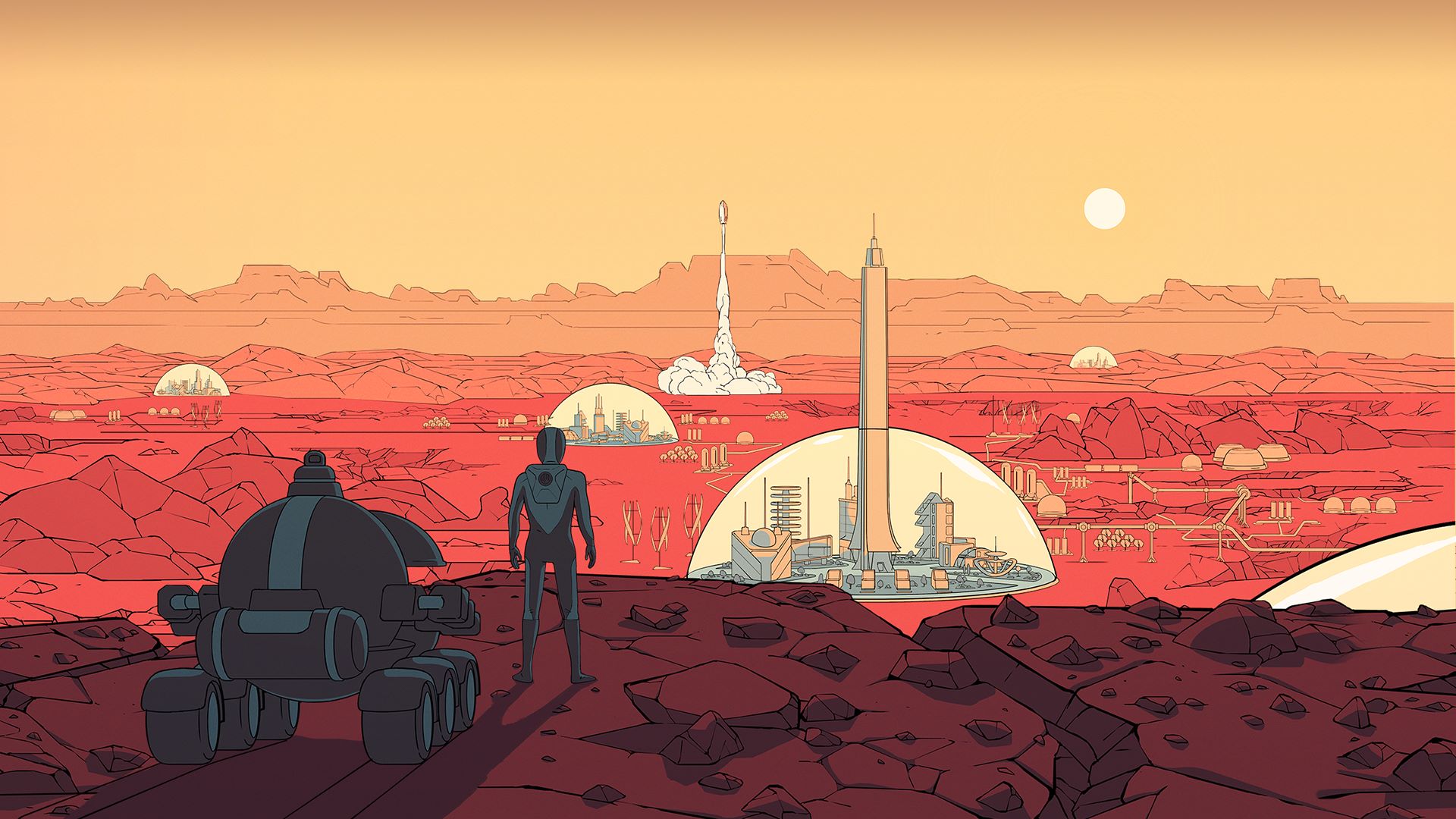
Haemimont Games and Paradox Interactive send you to the Red Planet with dome-based housing, life support, and specialized work slots. Sponsors and commanders customize difficulty and perks, from funding to tech pacing. “Mysteries” inject mid-game twists—anomalies, AI, or events—that change colony goals. Dust, maintenance, and power networks make redundancy a must in layout planning.
‘Timberborn’ (2021)
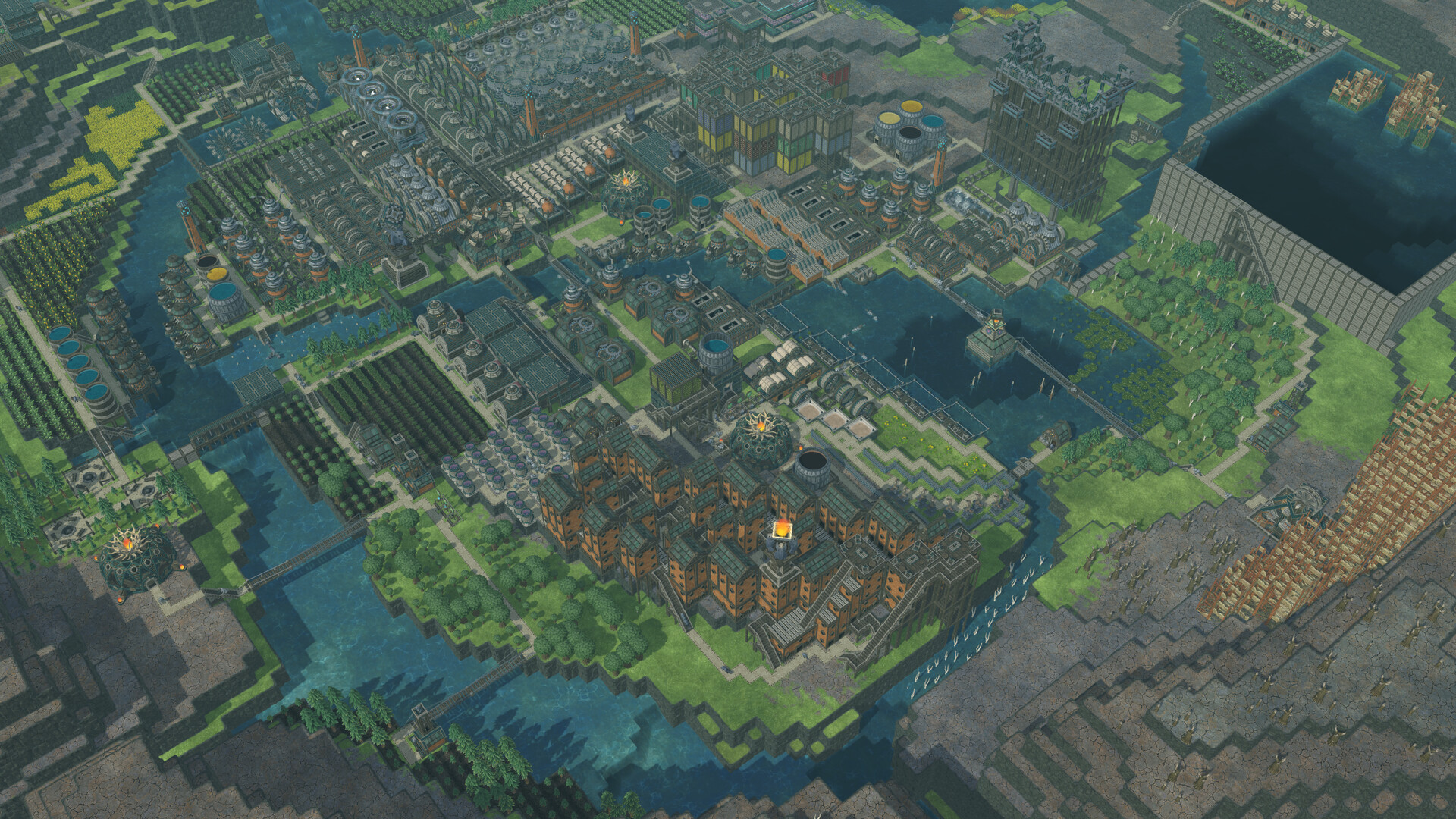
Mechanistry’s beaver-run builder revolves around drought cycles, water physics, and vertical construction. Two factions with distinct buildings push different approaches to power and farming. Dams, levees, and floodgates let you sculpt rivers to safeguard food and industry between dry spells. Districts and distribution routes make late-game logistics a layered challenge.
‘Against the Storm’ (2023)
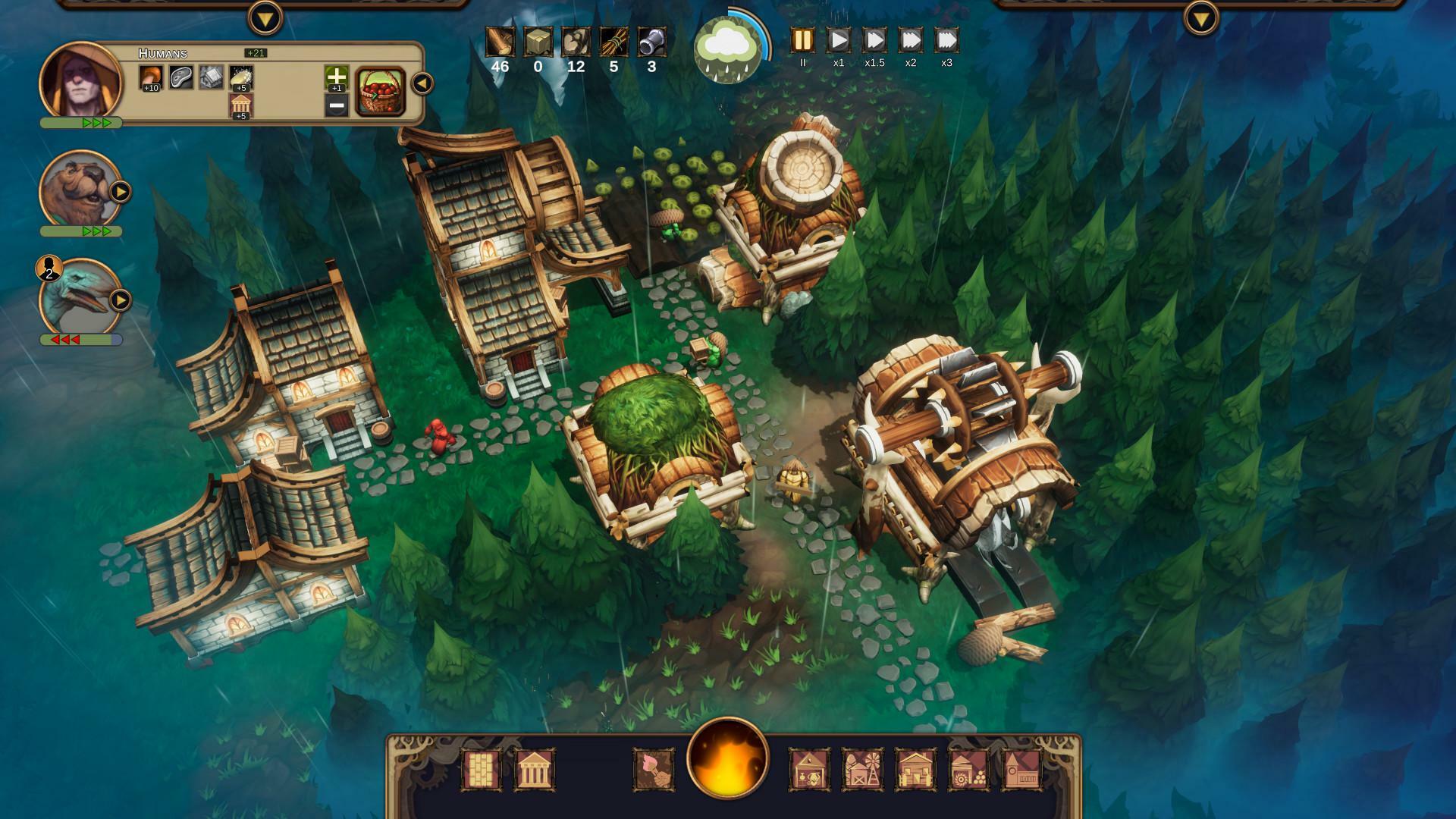
Eremite Games and Hooded Horse fuse city building with roguelite runs across a storm-ravaged world. Multiple species—humans, lizards, beavers, harpies, and more—have unique needs and production perks. Orders, cornerstones, and glade events create shifting priorities every settlement. Meta-progression at the Smoldering City unlocks buildings and bonuses that reshape future strategies.
‘Foundation’ (2019)
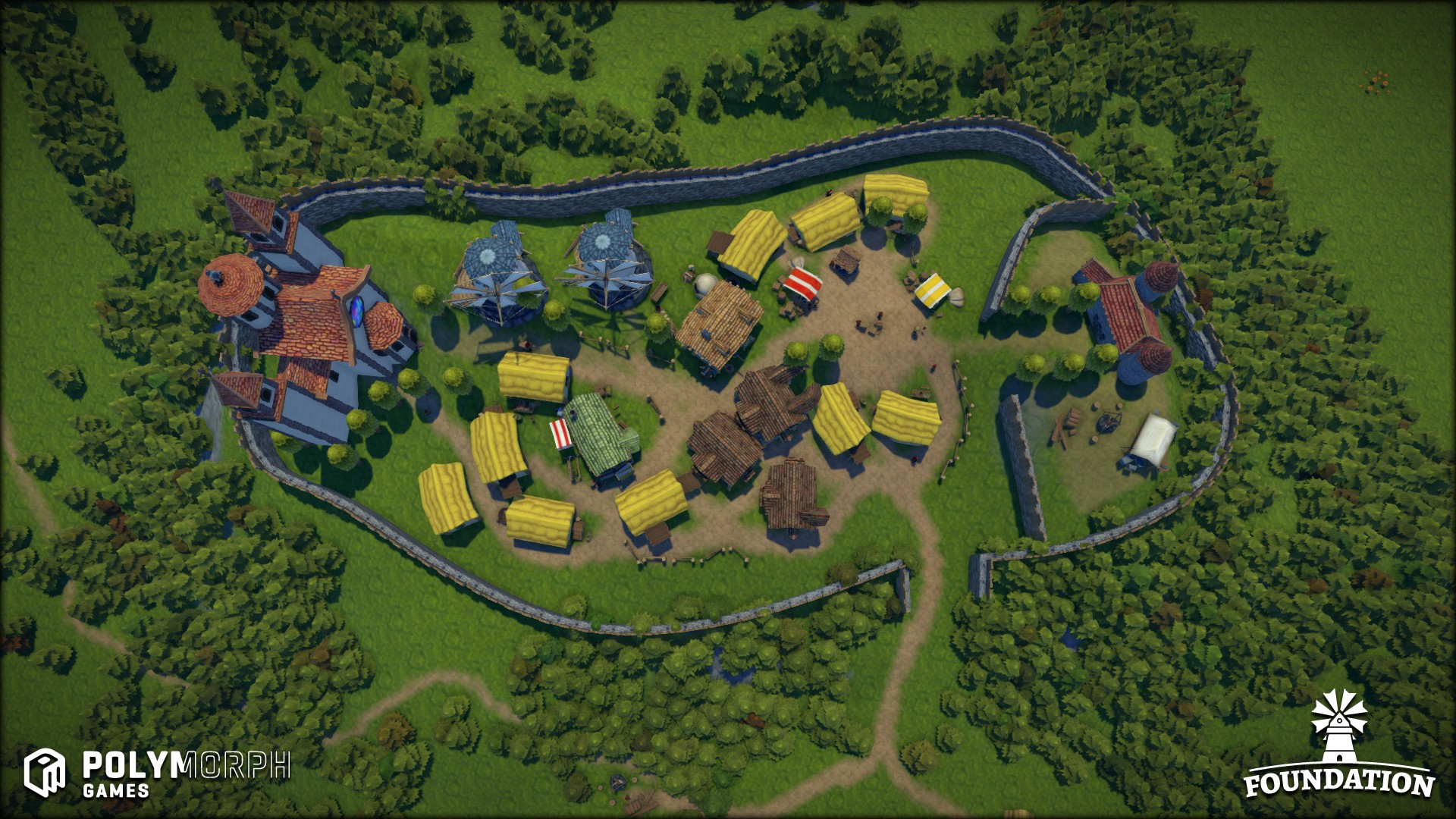
Polymorph Games and Polymorph’s publishing label deliver a gridless medieval builder focused on organic layouts. Villagers pick homes near workplaces, so job assignments and service placement shape neighborhoods naturally. Monuments are modular, letting you design custom churches, keeps, and bridges that function as real buildings. Trade routes, estates, and influence determine unlocks and economic direction.
‘Aven Colony’ (2017)

Mothership Entertainment and Team17 move the action to alien biomes with toxic spores, shard storms, and extreme seasons. Drones handle construction while you juggle oxygen, power grids, and food variety. Referendums and morale metrics decide whether colonists keep you in charge. Expedition centers and remote outposts extend resource reach and story events.
‘Kingdoms and Castles’ (2017)
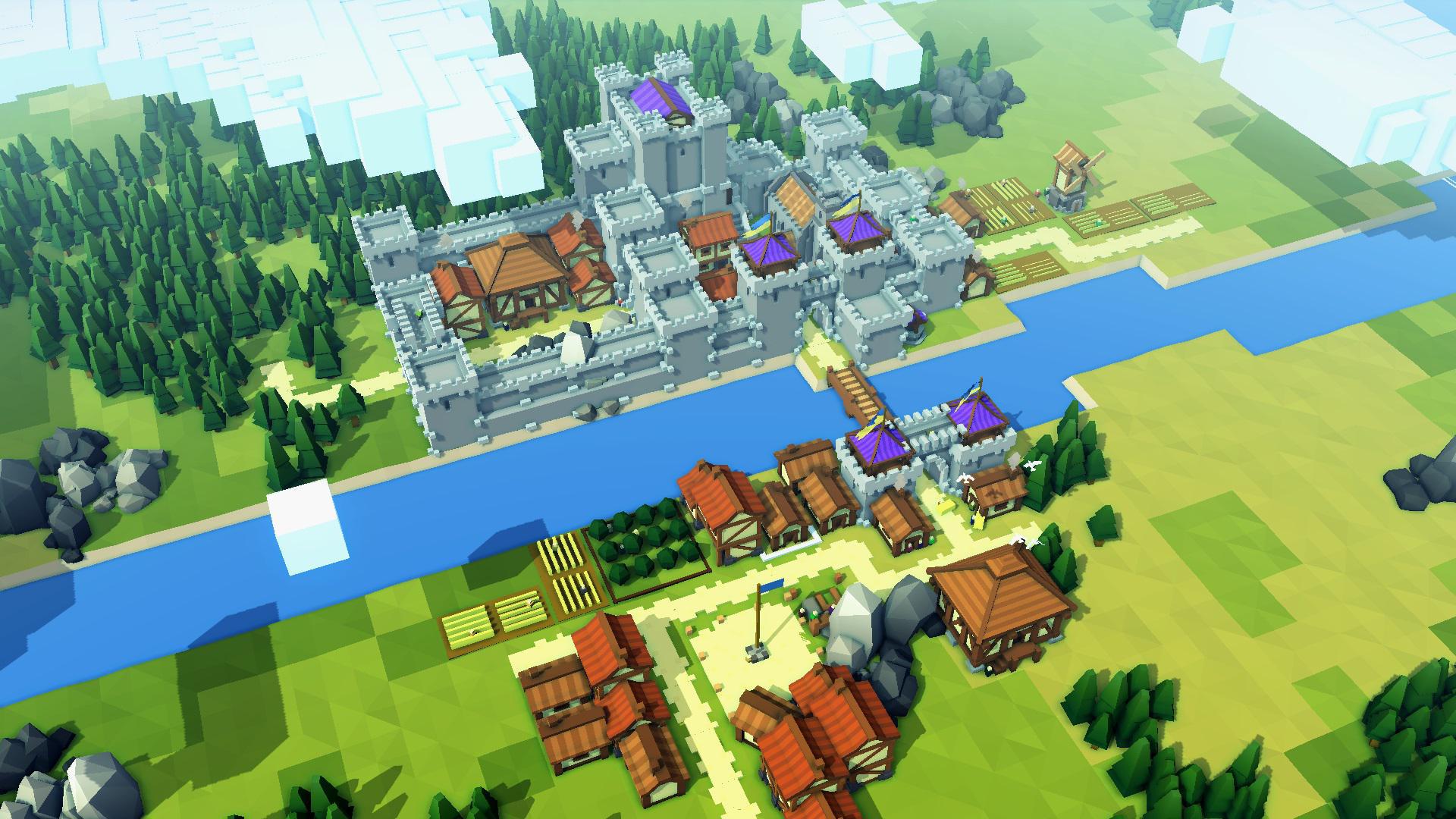
Lion Shield’s minimalist medieval builder ties peasant happiness to housing, food variety, and tax rates. Viking raids and dragon attacks stress-test walls, towers, and ballista placement. Road networks, granary access, and forester coverage make compact city blocks notably more efficient. Late-game stone and iron chains support ambitious fortifications and cathedral builds.
‘Planetbase’ (2015)
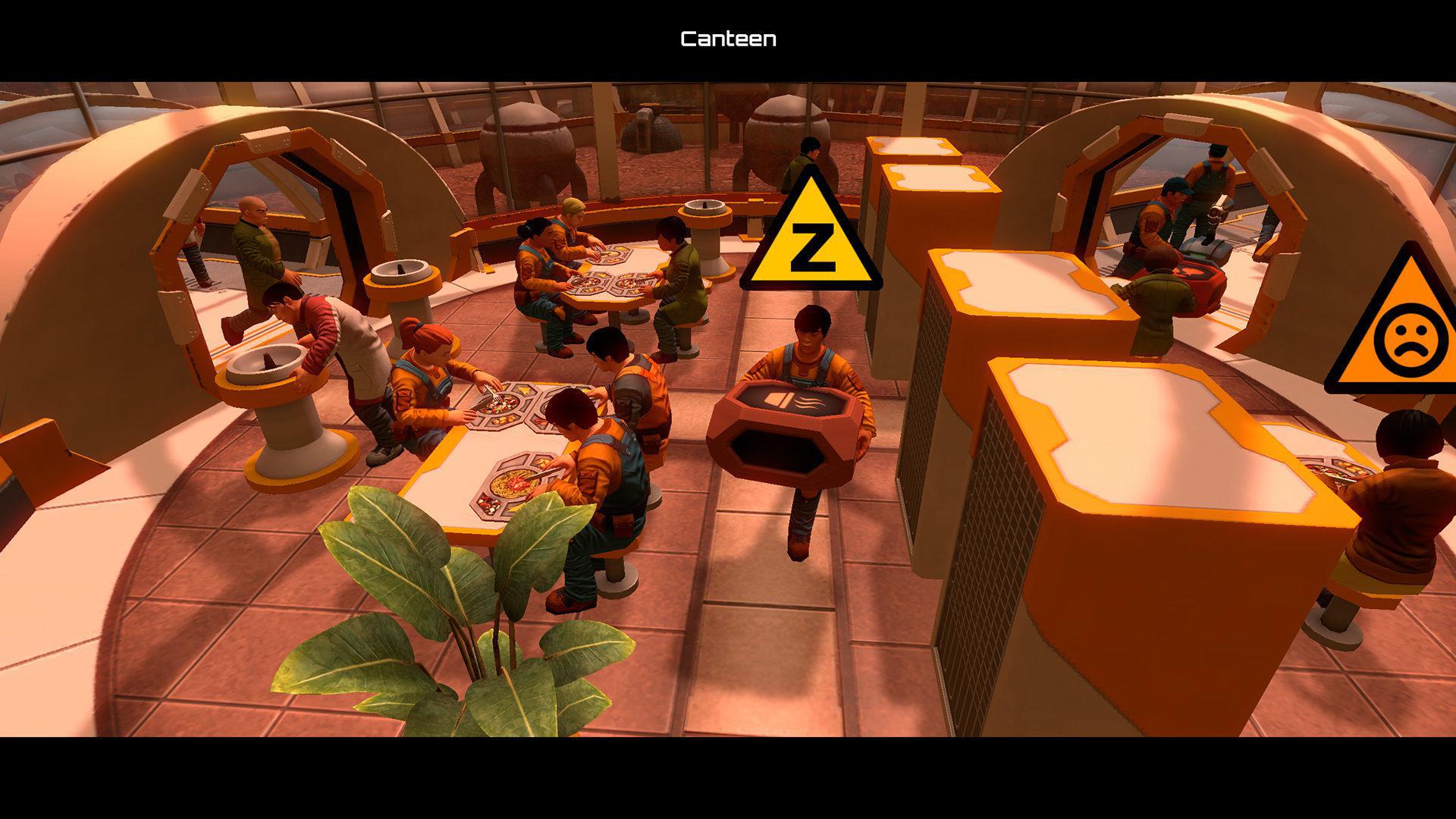
Developed and published by Madruga Works, this off-world builder emphasizes airtight logistics—air, water, power, and spare parts. Solar, wind, and batteries force careful base footprints to avoid nighttime blackouts. Specialized bots and factories automate production but require steady maintenance inputs. Sandstorms, meteors, and limited medical supplies keep expansion measured and deliberate.
Share your favorite week-eating city builder in the comments and tell us what hooked you hardest!